30 Simple Ways to Save Money at Home

I put my spare change in a small jar on the table and forgot about it for a month. When I opened it again, I had enough for a bag of rice and a bunch of herbs. That small win taught me that saving at home starts with little steps, not big plans.
Saving money at home does not mean going without the things you love. It means noticing the small leaks in your week and plugging them one by one. A little care here and a little care there can make your month feel much lighter.
Here are 30 simple ways to save money at home for every budget, and the first one takes less than five minutes.
I like to start with the easy wins first. When a win feels easy, I stick with it and I try the next one. Slow steps build a habit that lasts.
You do not need a big plan or a new skill to save at home. You just need a few clear habits and a little patience with yourself. Each idea in this list is simple enough to try today.
Some ideas will save you a few coins each week and some will save you time as well. Pick the ones that fit your home and your life. Leave the rest for later and come back when you feel ready.
I hope this list helps you feel calm about money at home. Small steps count, and every coin you keep is a coin you can use for something that matters to you. Let us start with the first easy win.
1. Use a Cash Envelope for Weekly Shopping
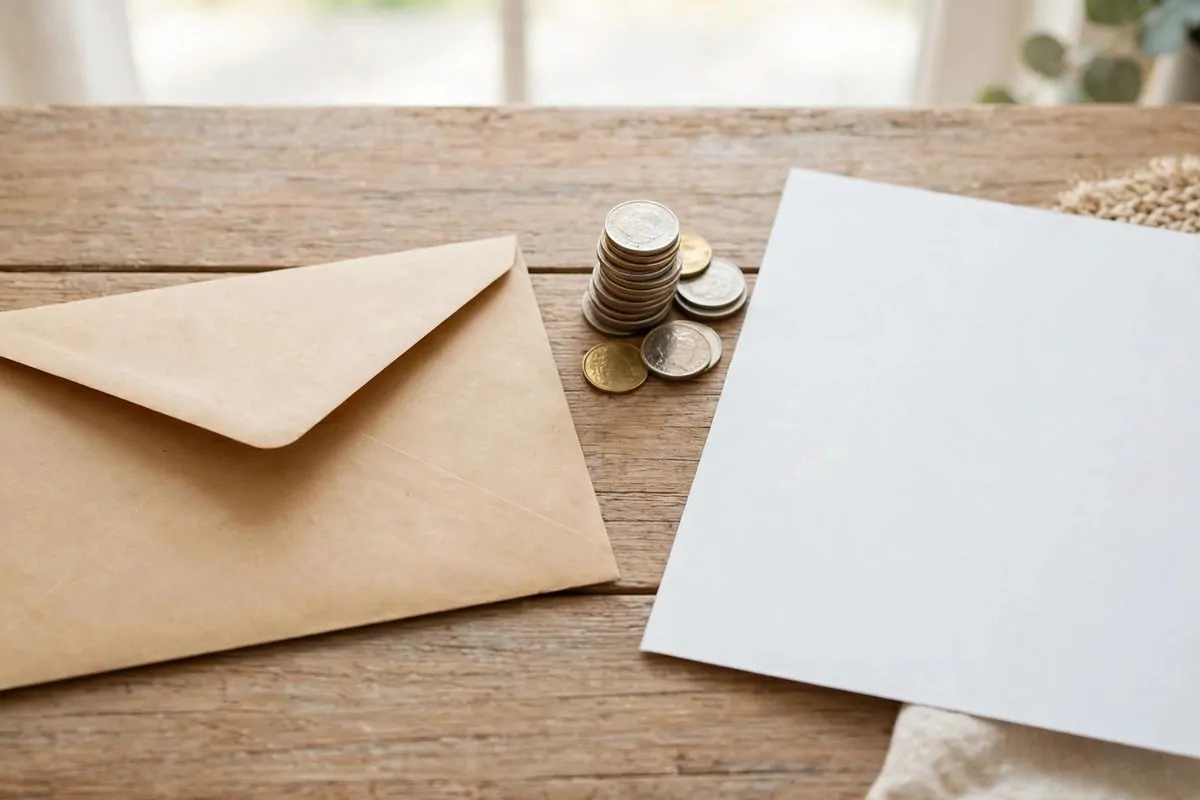
I take one envelope for my weekly shop and I put my cash for food in it before I leave home. When the cash in the envelope runs out, I stop and I wait until next week.
I look at my list first and I pick only the food we need for the week. I leave the extra snacks off the list when the week is tight. You can try this too and you will see how fast small buys add up.
The envelope keeps my plan clear and it keeps my shop calm.
- one envelope for food
- your list on paper
- cash for the week
I count the cash at home the night before and I fold the list into the envelope. In the morning I grab the envelope and I go straight to the shop.
If I see a treat I want, I ask myself if we need it this week. Most weeks the answer is no and I put it back on the shelf. That one pause saves more than I thought it would.
My small plain cash envelope for the weekly shop cost $2 to $4.
At the end of the week I look at what is left and I smile when a few coins stay in the envelope. I keep those coins for next week and I start fresh with a new plan.
You can start with one envelope and one week and see how it feels.
2. Keep a Coin Jar by the Front Door
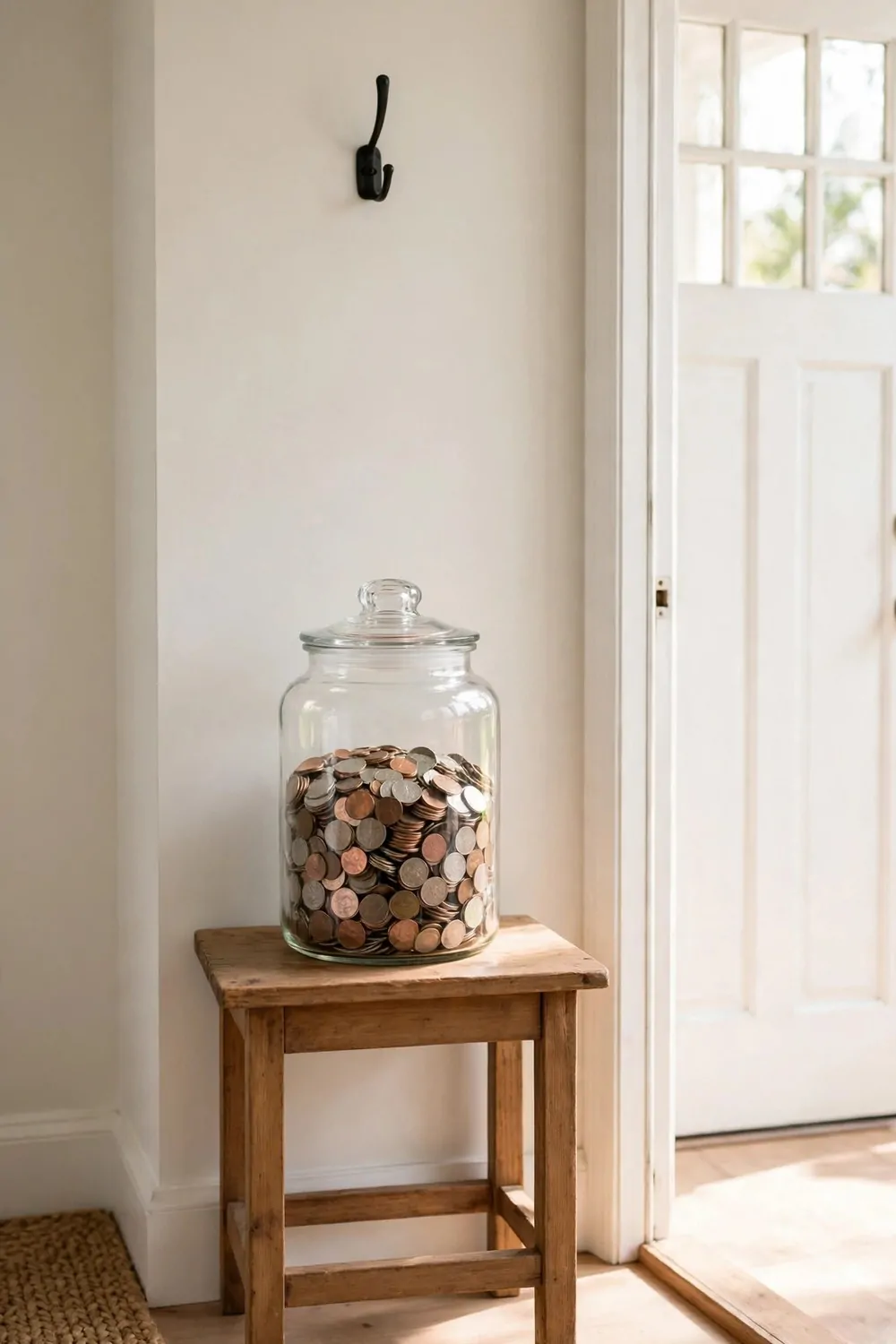
I keep a jar by the front door and I drop my loose coins in it each time I come home. The coins add up while I get on with my day. You do not need to think about it at all.
The jar turns small change into a quiet little saving habit.
I empty my pockets when I take off my shoes and the coins go straight in the jar. The habit feels easy because the jar sits right where I stop each day.
- a jar by the front door
- loose coins from your pockets
- a few seconds each day
I do not count the coins each day because that takes the fun out of it.
I shake the jar now and then to hear the coins and it makes me smile. When the jar feels full I take it to the kitchen table and I sort the coins into piles. I roll the coins in paper and I put the rolls in my purse for the next shop.
My small plain jar for loose coins cost $3 to $5.
The rest stays in the jar to start the next round. You can use any jar you already have at home and the habit still works. Start today and let your loose change do a little work for you.
I like to check the jar at the end of the month and I feel proud of the slow progress. A jar by the door is a small step that anyone can try.
3. Switch Off Lights in Empty Rooms

I switch off the light switch each time I leave a room and it soon feels like second nature.
I walk through the house in the evening and I check each room before bed. If the room is empty, the light goes off.
The hall light used to stay on all night and I never gave it a thought. Now I switch it off when I pass by and I save a little power each day. You can do the same with the kitchen light after dinner.
- a quick look in each room
- a flip of the light switch
- a calm dark house at night
I put a small note near the light switch to remind myself in the first week. The note helped until the habit stuck on its own. Now I reach for the light switch without even thinking about it.
A dark empty room costs less than a bright empty room.
My small plain light switch for the hall cost $1 to $3.
I ask myself each night if every light is off and I feel calm when the house is dark and quiet. The habit takes only a few seconds and it adds up over time.
Try it for one week and watch your bill with fresh eyes. You may be glad you made the change. A flipped switch is a small win that you can repeat every day.
4. Wash Clothes in Cold Water
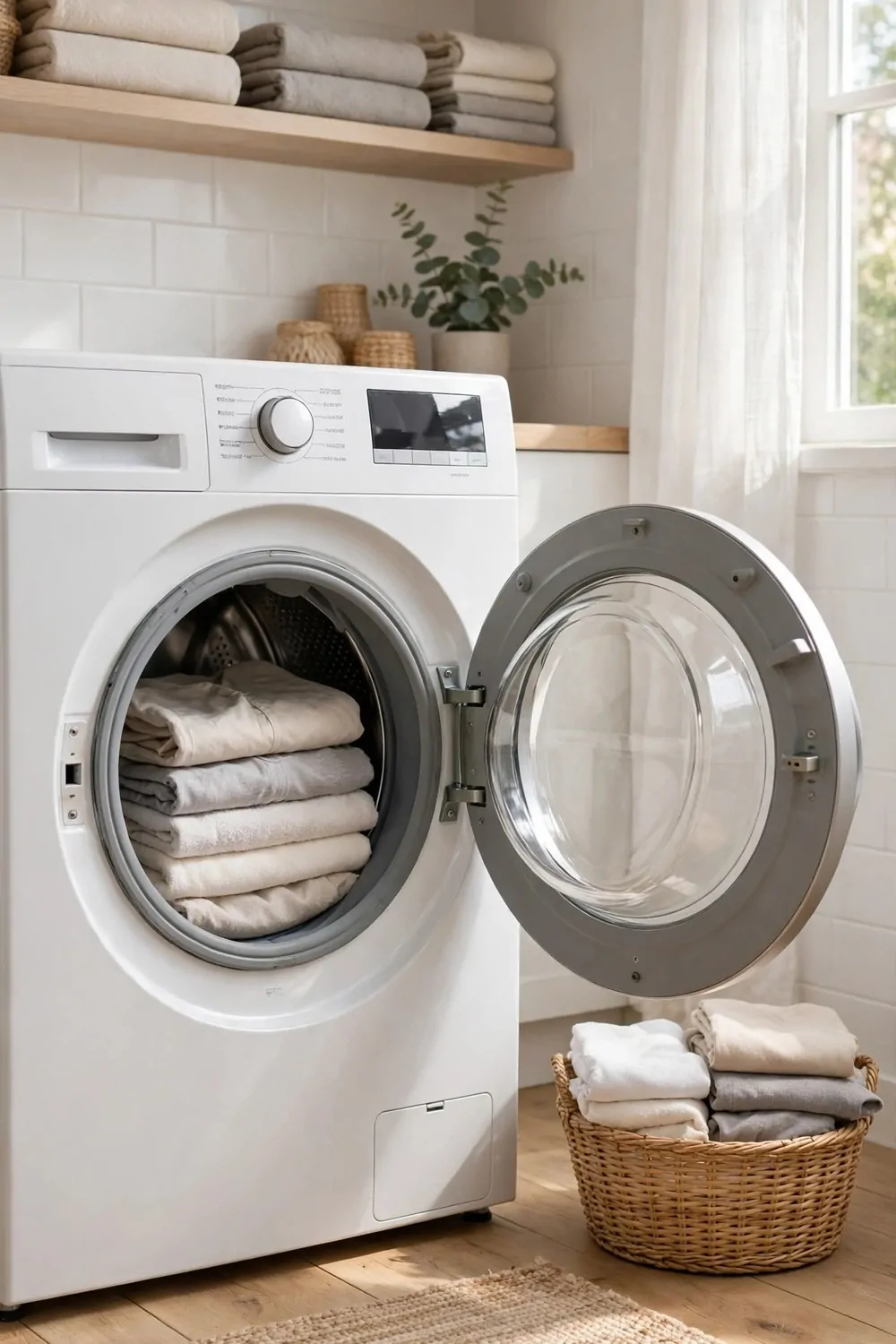
I wash my clothes in cold water in the washing machine and they come out clean and fresh. I was unsure at first, but the cold wash works well for most loads.
The washing machine does the hard work and the cold water does the rest.
I sort dark clothes from light clothes before I load the washing machine. I add my usual wash powder and I press the cold setting.
- the cold water setting
- your usual wash powder
- a full load of clothes
I used to think hot water was the only way to get clothes clean. My jumpers and shirts look just as good after a cold wash. You can try one cold wash this week and see for yourself.
I hang the clothes up straight after the wash and they dry with fewer creases. The cold wash is gentle and it helps my clothes last a bit longer.
My small plain bottle of wash powder for cold washes cost $2 to $5.
Cold water is a simple swap that costs you no extra effort at all.
I now use cold water for most washes and I only change the setting for very dirty work clothes. The habit feels normal now and I do not miss the hot wash. Give it a go and let your washing machine do its work in cold water.
5. Dry Clothes on a Line Instead of a Dryer
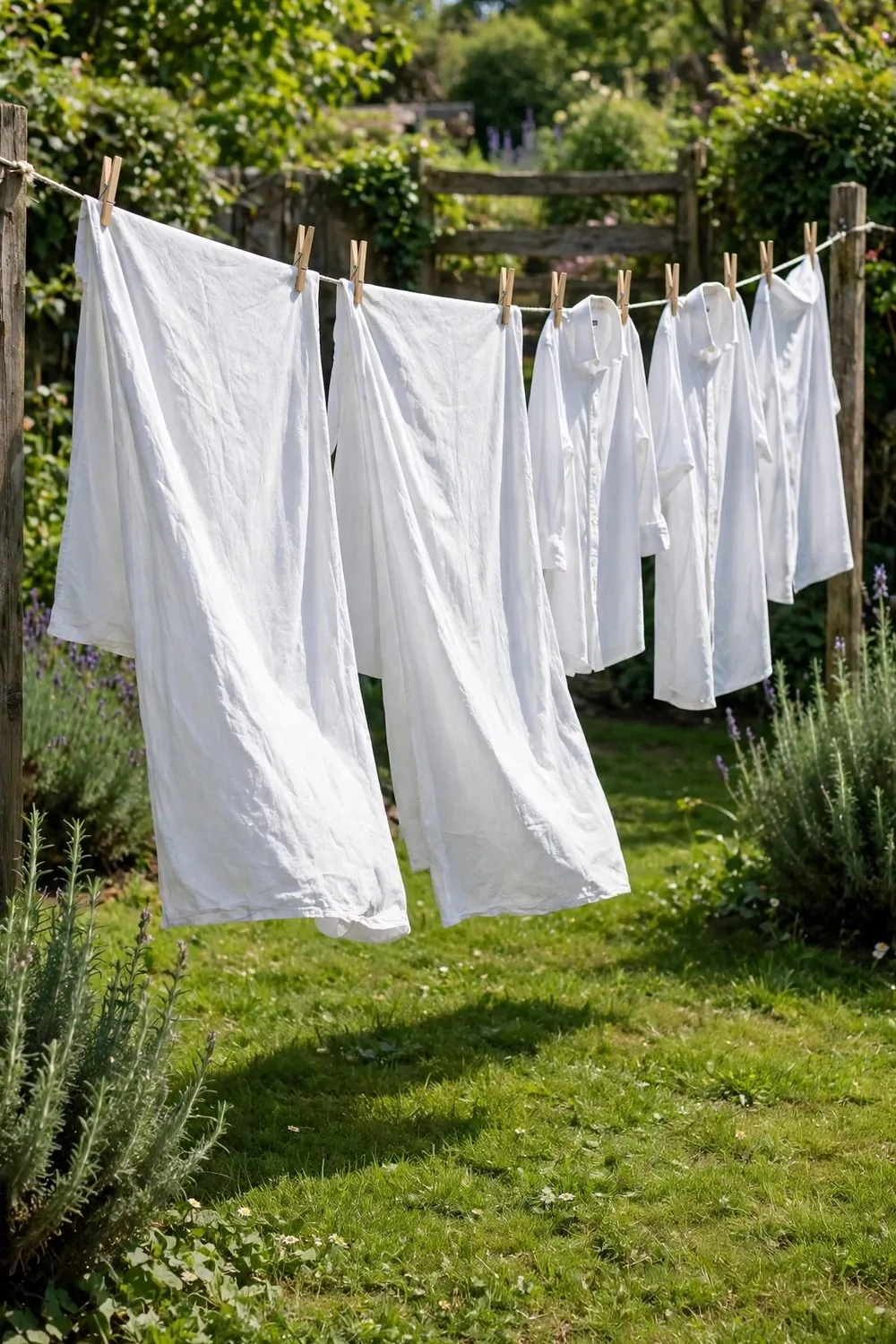
I hang my clothes on the washing line after each wash and the fresh air does the drying for me. The clothes smell clean and they feel soft in my hands. I love the quiet time it gives me in the garden.
I peg each item up with space around it so the air can move through. The clothes dry faster when the breeze can reach them.
The washing line costs nothing to run once it is up.
- a washing line in the garden
- pegs for each item
- fresh air and a light breeze
I bring the clothes in when they feel dry to the touch. I fold them straight away so they stay neat and smooth.
A washing line is one of the easiest swaps in this whole list.
My small plain pack of pegs for the washing line cost $1 to $3.
Rain can slow the drying down, so I check the sky before I hang the clothes out. If rain comes, I move the line load to a rack near a window. The clothes still dry, just a little more slowly.
Try the washing line this week and feel the difference for yourself.
6. Plan Meals from What You Already Have
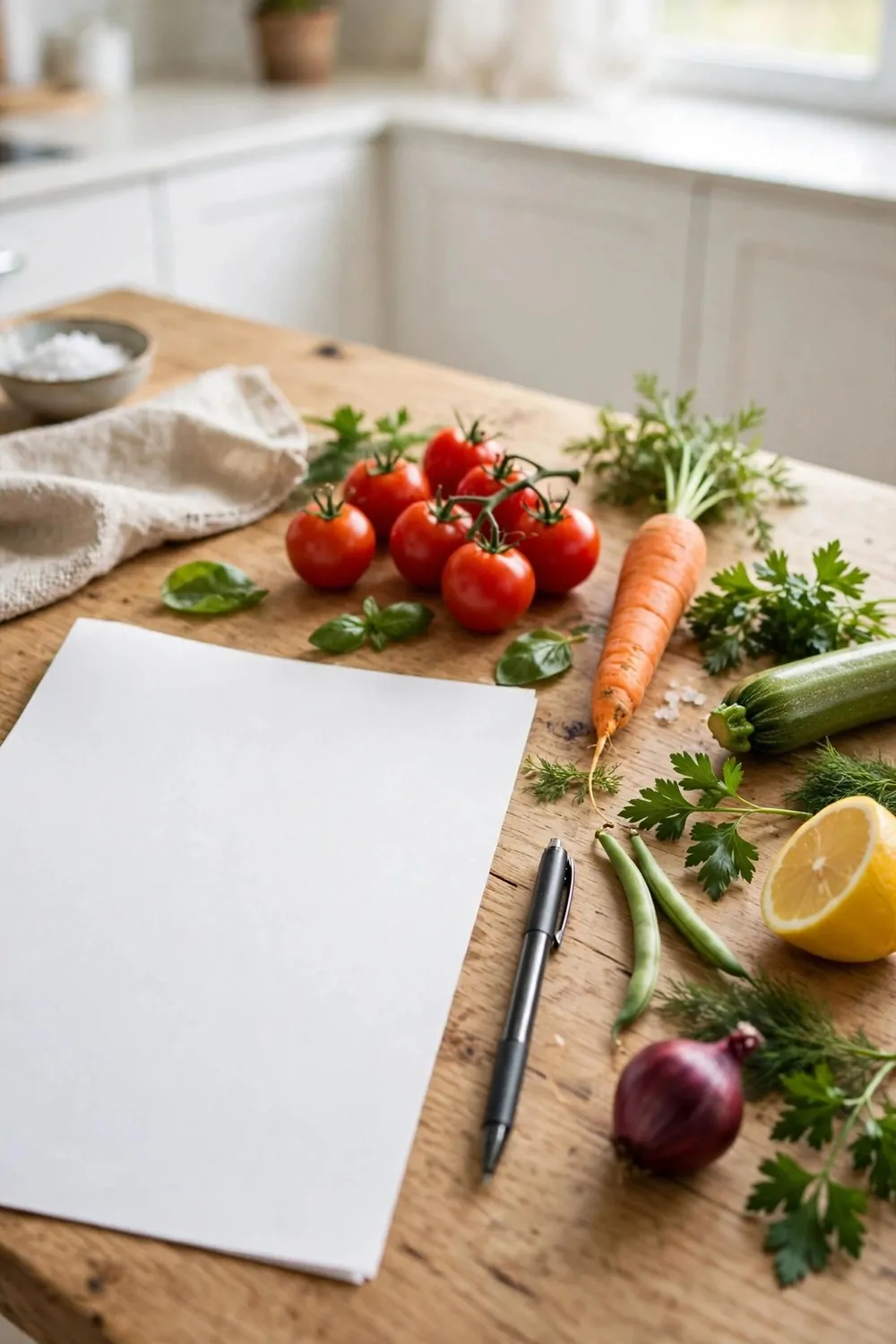
I open my cupboards first and I plan meals from what I already have at home.
I look at the rice, the beans and the tins on the shelf and I pick meals around them. I write the meals on my meal plan page for the week. The meal plan page stops me from buying food we do not need.
I check the fridge too and I use the food that will go off first. That one check cuts waste and it saves a trip to the shop.
- your cupboards and fridge
- a meal plan page
- a short list for the shop
A meal plan page turns a full cupboard into a clear plan for the week.
I plan dinners for the week and I leave a couple of nights open for leftovers. The open nights give me room to be flexible with what we have.
My small plain meal plan page for the kitchen cost $2 to $4.
I stick the meal plan page on the fridge so I can see it each morning. The plan keeps my week calm and my shop list short.
You can start with just a few meals and build from there. A short plan is still a plan and it still saves you money.
7. Grow Herbs on Your Window Sill
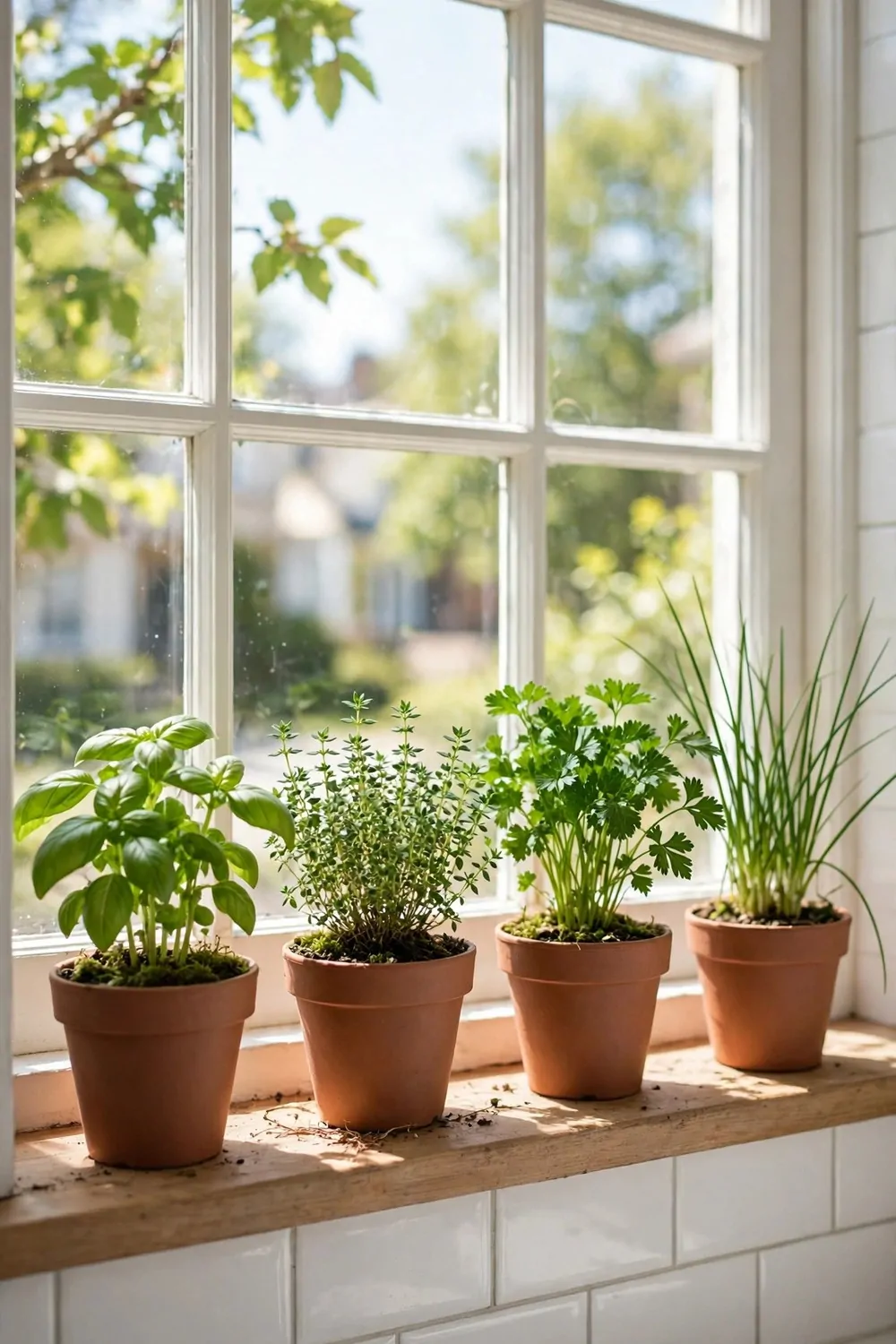
I grow herbs in pots on my window sill and I snip a few leaves when I cook. Fresh herbs make a plain meal taste bright and new.
I water the pots in the morning and I turn them now and then so each side gets the light. The pots sit where the sun comes in and the herbs grow well there.
I started with basil and mint because they are easy to grow and easy to use. I snip only what I need for one meal and the plant keeps growing. You can start with one pot and add more when you feel ready.
- pots for your herbs
- soil and a little water
- a bright spot on the window sill
The pots need only a little water and a little patience each day.
I use the herbs in soups, salads and rice dishes through the week. A pinch of fresh mint lifts a plain cup of tea. A few basil leaves make a simple pasta dish feel special.
My small plain pots for herbs on the window sill cost $3 to $6.
Fresh herbs from your own pots beat shop bought herbs for taste and for price.
I keep the pots near the window and I check the soil with my finger each day. If the soil feels dry, I give the pots a little water and I leave them be.
8. Make a Simple Cleaning Spray at Home
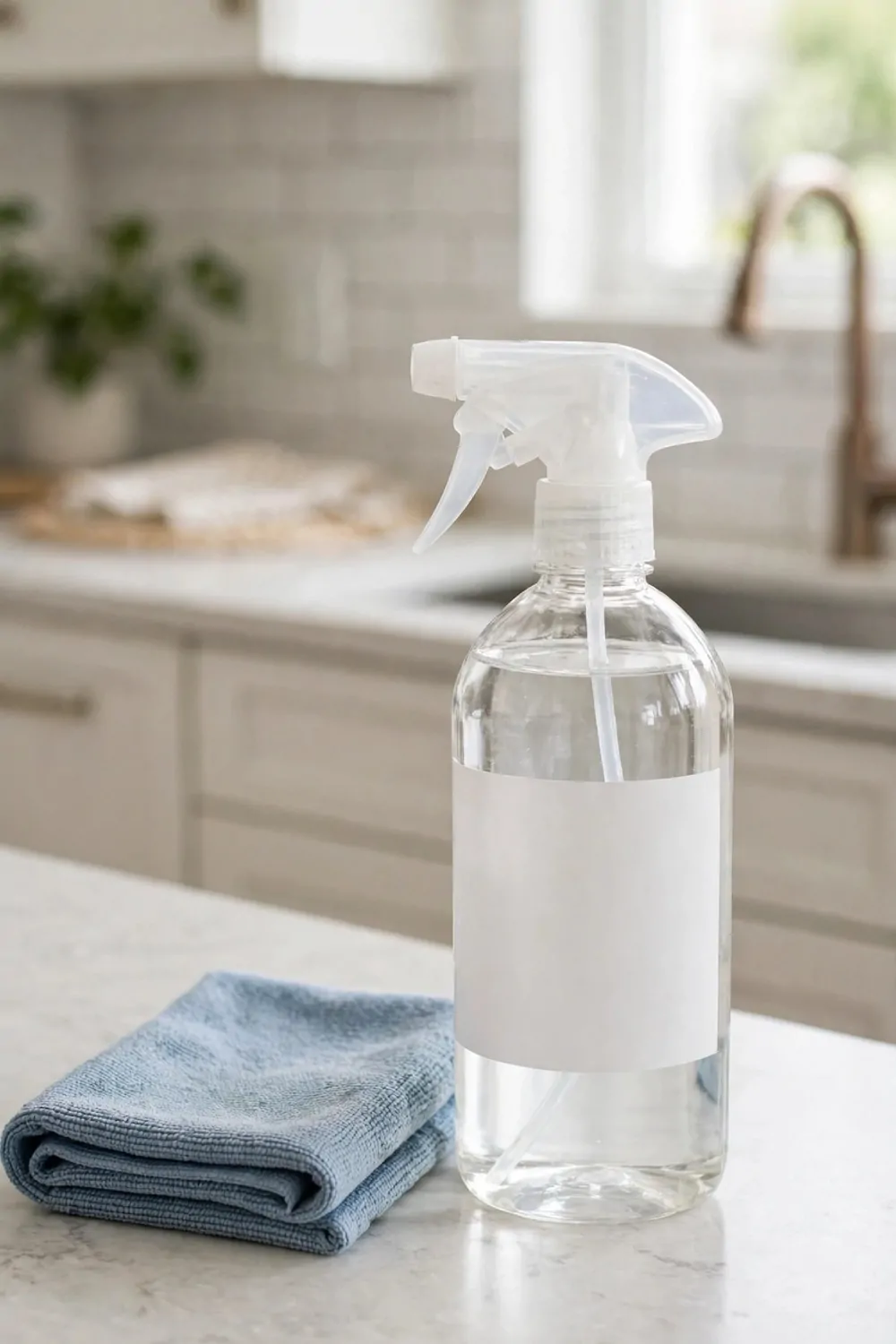
I make a simple cleaning spray at home with water and a splash of vinegar in a spray bottle. I shake the spray bottle well before I use it. The spray works well on counters and sinks.
I fill the spray bottle with water first and then I add the vinegar. I screw the top on tight and I give it a good shake. The mix is ready in less than a minute and it costs very little.
The spray bottle lives under my sink so I can grab it when I need it.
- a clean spray bottle
- water and a splash of vinegar
- a clean cloth for wiping
I spray the counter and I wipe it with a clean cloth. I leave the spray on tough spots for a short while before I wipe. The counter comes up clean and it smells fresh and light.
I keep one spray bottle for this mix so I always know what is in it. The one bottle keeps things clear and it stops any mix ups.
My small plain spray bottle for cleaning spray cost $1 to $3.
I use the spray on the sink, the taps and the table after meals. A quick spray and wipe keeps the kitchen tidy all week.
Try one bottle and see how far a simple mix can go.
9. Fix a Dripping Tap the Same Day
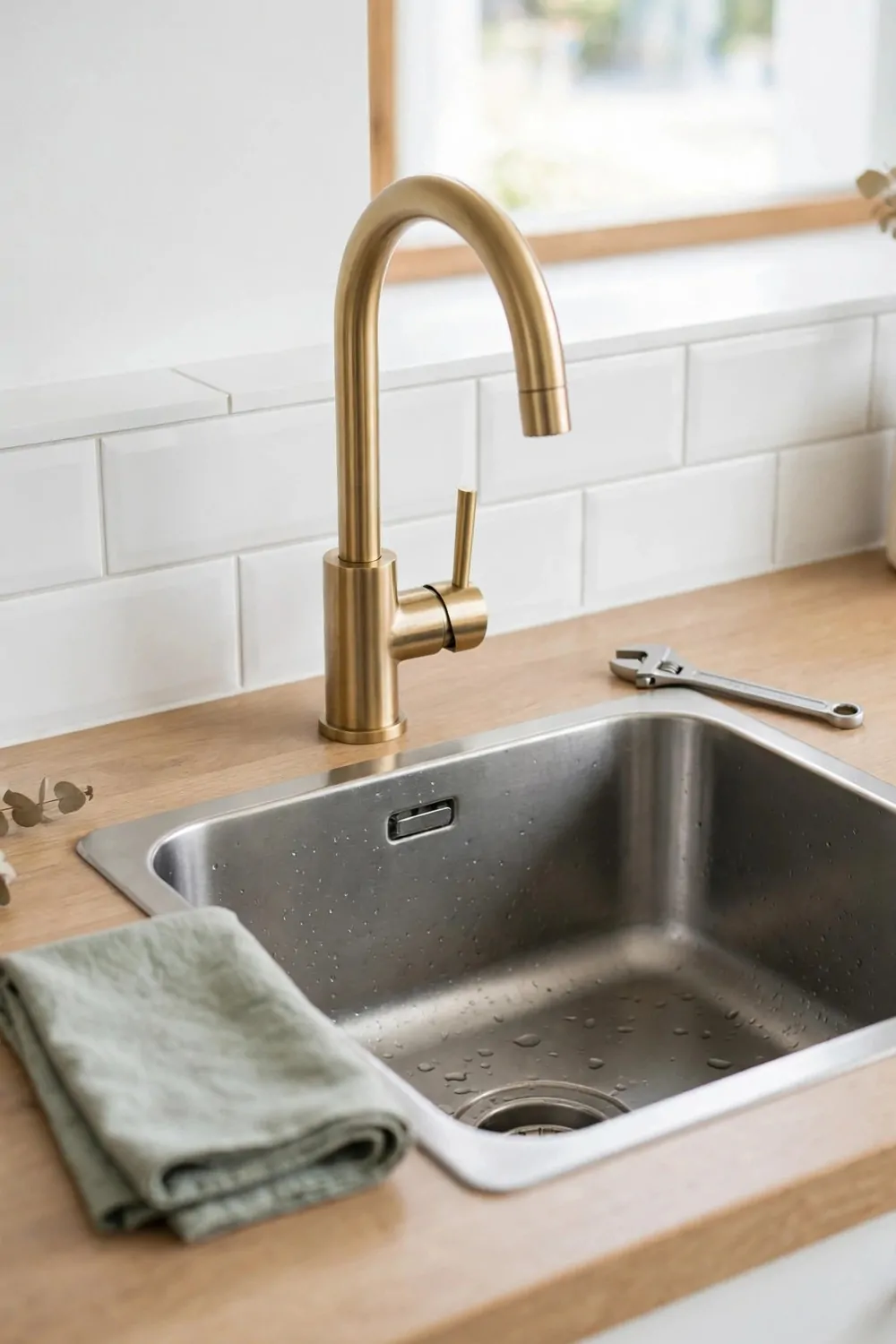
I fix a dripping tap the same day I hear it and I never let it wait.
A drip may look small, but it wastes water all day and all night.
I turn off the water first and I put a cloth under the tap. Then I pick up my wrench and I take a good look at the tap.
- a wrench for the tap
- a cloth under the tap
- a slow firm turn
I tighten the loose part with the wrench and I check if the drip has stopped. If the drip is still there, I try the part again with a slow, firm turn.
I learned this fix from a short guide and it took me less time than I thought. The wrench feels easy to hold and the job feels calm once you start. You do not need to rush and you do not need to force anything.
My small plain wrench for tap fixes cost $4 to $7.
I turn the water back on slowly and I watch the tap for a full minute. If the tap stays dry, I know the fix worked. I wipe the tap down and I put the wrench away in its place.
A tap fixed on the same day saves water and it saves worry too. You will feel proud when the drip stops and the sink stays quiet. Try it once and the next drip will feel much less scary.
10. Use Both Sides of Scrap Paper
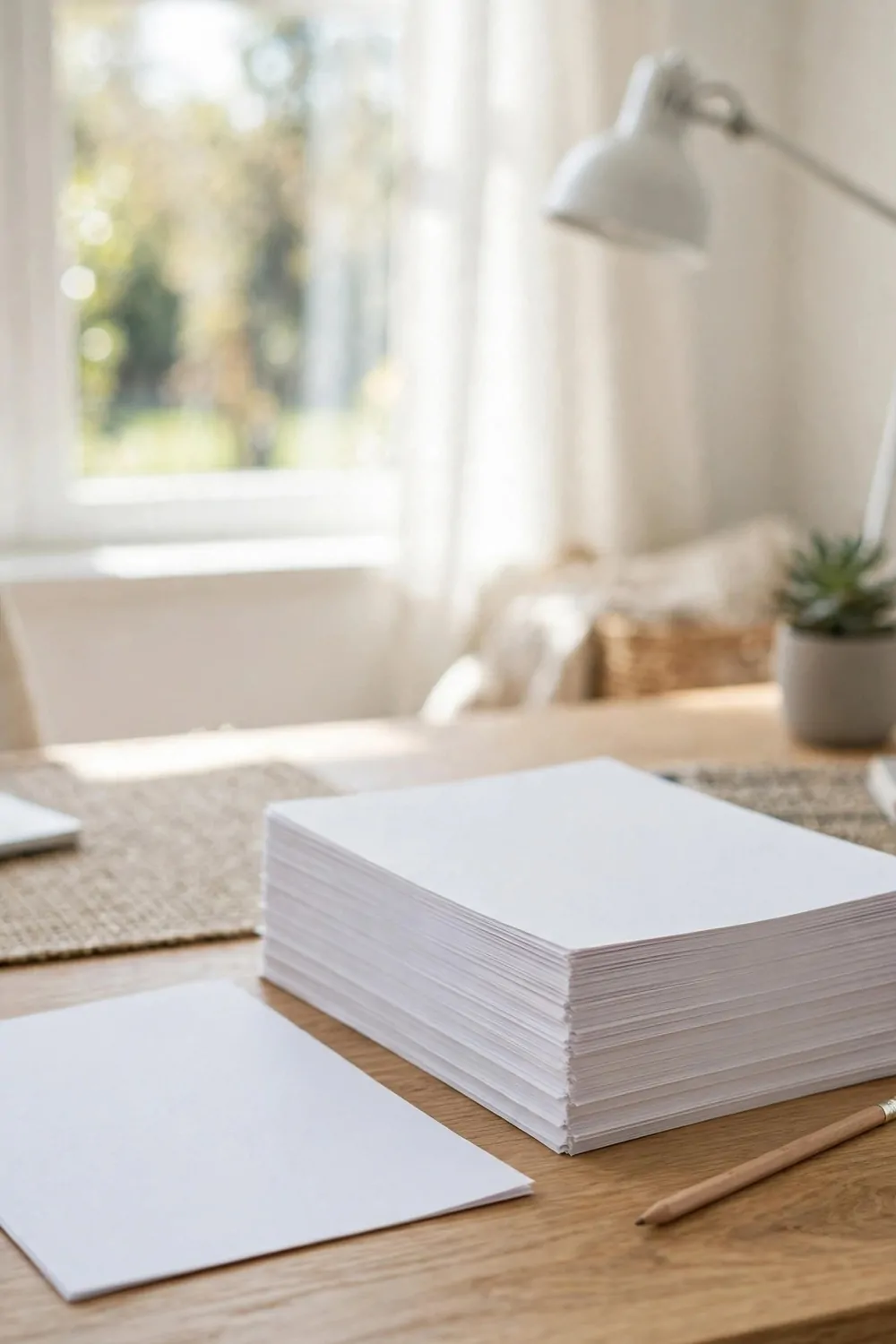
I use both sides of scrap paper before I throw any sheet away. The blank side is still good for lists, notes and quick sums.
I keep a tray for scrap paper near my desk and I drop used sheets in it. When I need to jot a note, I take a sheet from the tray first. The habit is simple and it cuts my paper use in half.
I write my shopping lists on the back of old letters and old printouts. The paper works just as well and it costs me nothing extra.
- a tray for scrap paper
- old letters and printouts
- lists on the blank side
Paper is one of the easiest things to save at home.
I fold scrap paper into small pads for quick notes around the house.
My small plain tray for scrap paper cost $2 to $4.
I use scrap paper for my lists, my plans and my little reminders. The front side has the old print and the back side is mine to use. You can do the same with any paper that still has a blank side.
Start with one sheet and flip it over before you reach for a fresh one. A small flip like that adds up over a whole year.
| Idea | Main change | Typical cost |
|---|---|---|
| Use a Cash Envelope for Weekly Shopping | use a cash envelope for the weekly shop | $2 to $4 |
| Keep a Coin Jar by the Front Door | keep a coin jar by the front door | $3 to $5 |
| Switch Off Lights in Empty Rooms | switch off lights in empty rooms | $1 to $3 |
| Wash Clothes in Cold Water | wash clothes in cold water | $2 to $5 |
| Dry Clothes on a Line Instead of a Dryer | dry clothes on a line instead of a dryer | $1 to $3 |
| Plan Meals from What You Already Have | plan meals from what you already have | $2 to $4 |
| Grow Herbs on Your Window Sill | grow herbs on your window sill | $3 to $6 |
| Make a Simple Cleaning Spray at Home | make a simple cleaning spray at home | $1 to $3 |
| Fix a Dripping Tap the Same Day | fix a dripping tap the same day | $4 to $7 |
| Use Both Sides of Scrap Paper | use both sides of scrap paper | $2 to $4 |
| Total | $21 to $44 |
11. Keep a List of Free Things to Do at Home
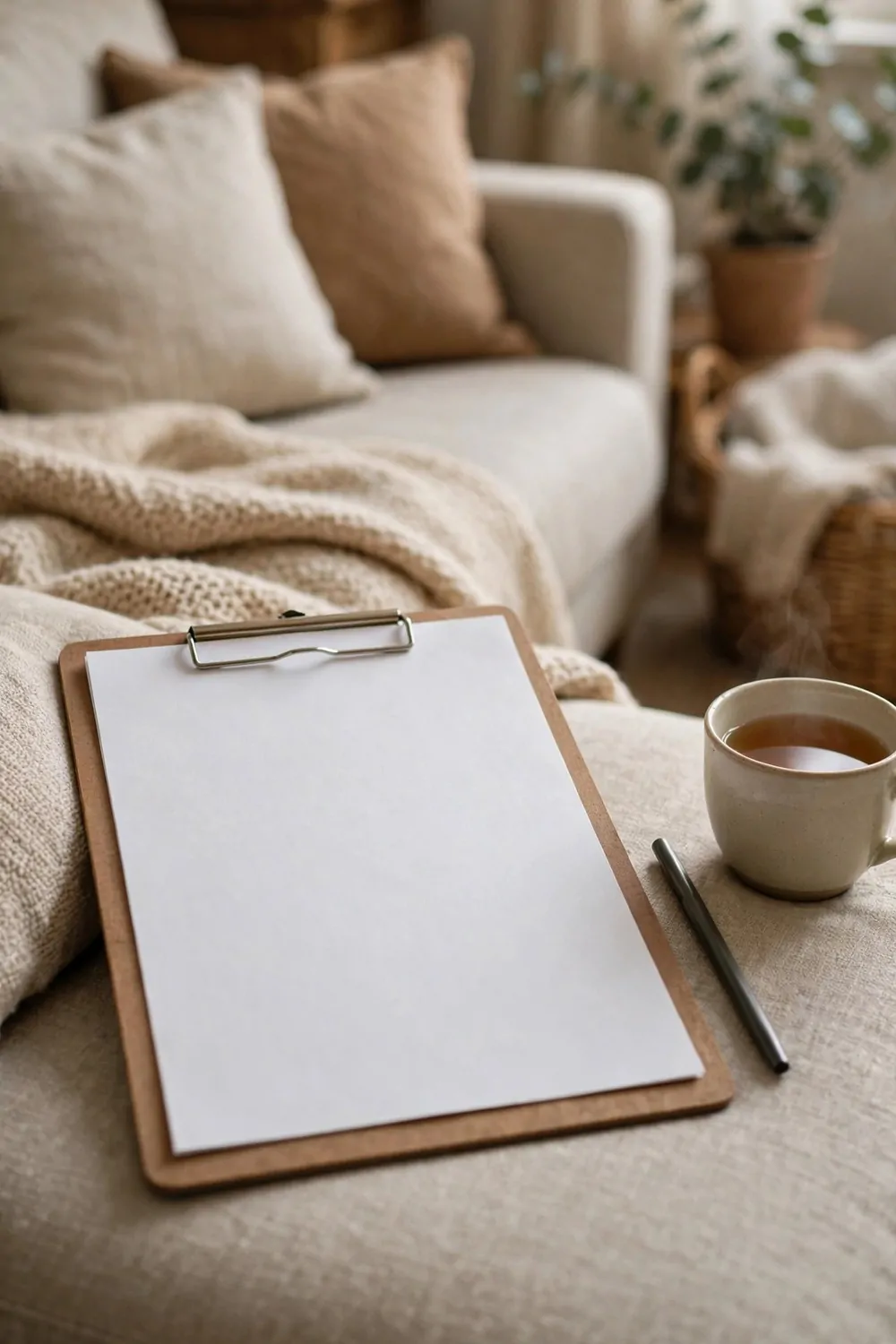
I keep a list page for free things I can do at home. I look at my list page when I feel bored and want to spend nothing.
My list page keeps my day full without a trip to the shops.
- I add a quiet read on my list page for a slow hour.
- I add a quick shelf tidy on my list page for a fresh room.
- I add a plain sketch on my list page for a calm evening.
I write new ideas on my list page as soon as I think of them. I cross off the ones I have tried and liked. I leave room at the end for one more idea when it comes to me.
You can start your own list page with a pen and a spare sheet. Put the ideas you like best at the top so you see them first.
A good list page makes a dull hour feel easy and light.
I check my list page each morning while I sip my tea. I pick one small thing and I do it before lunch. I feel glad when the day stays fun and costs nothing.
My small plain list page cost $2 to $4.
Try your own list page this week and see how it feels. You may find your best days need no extra spend at all.
12. Swap Books with a Neighbour
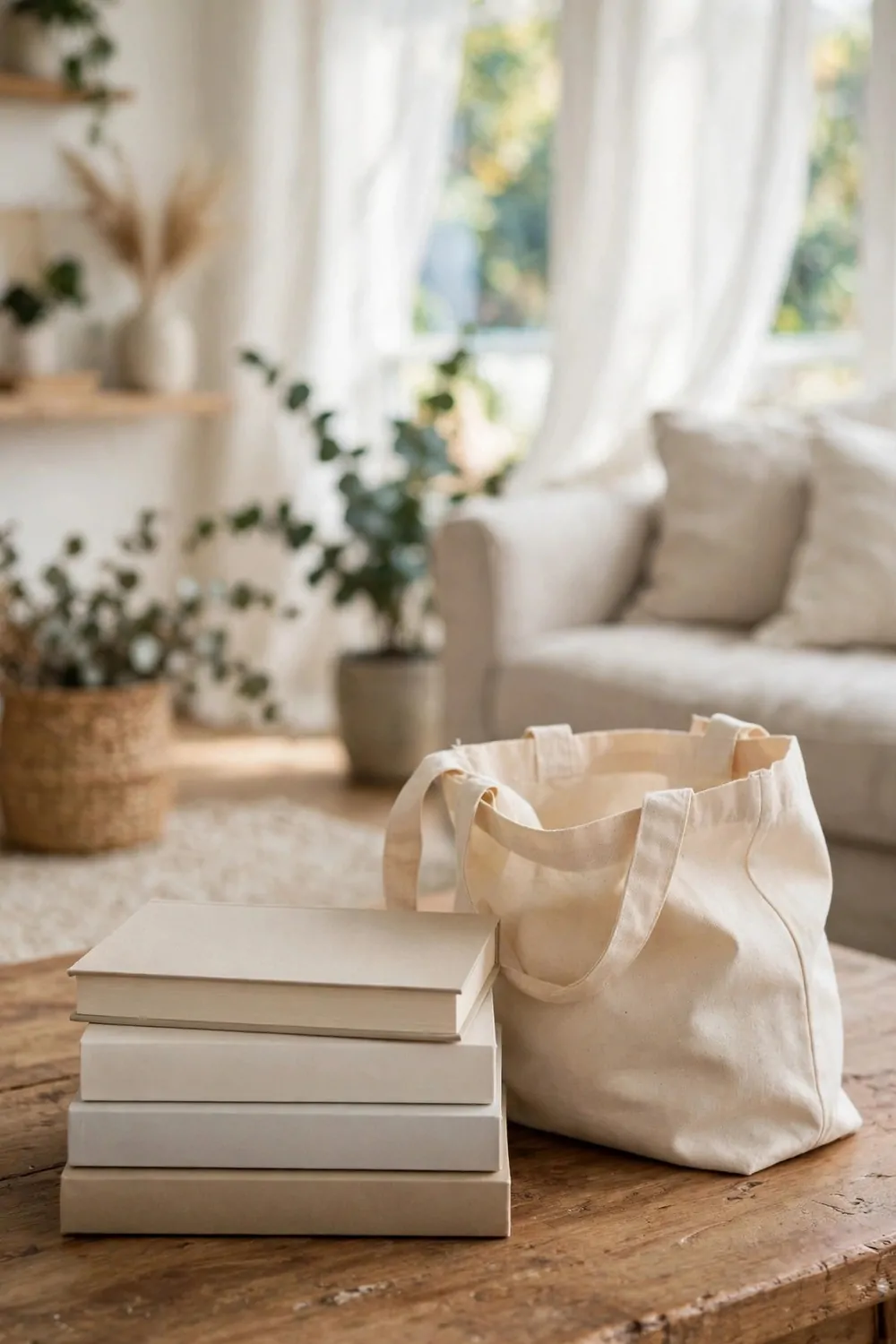
I swap books with my neighbour when I finish a good read. We trade a book for a book and both of us get a fresh story.
Swapping books costs nothing and keeps my shelf full of new tales.
I pick books I have read and loved and I pass them on. My neighbour picks books for me in the same kind way.
I write my name on a slip so the book finds its way back. I keep a note of which books are out with my neighbour. I ask for a book back with a kind word when I miss it.
A shared shelf of books feels warm and full of choice.
You can ask your neighbour if they want to swap a book this week. Start with a book you loved and see what comes back to you.
My small plain books cost $3 to $5.
I love the wait for a new book to arrive at my door. I read a few pages each night before bed. I pass the book on again when the last page is done.
Try a swap and you may find a new favourite tale. Your shelf stays fresh and your purse stays shut.
13. Save Rainwater for Your Plants
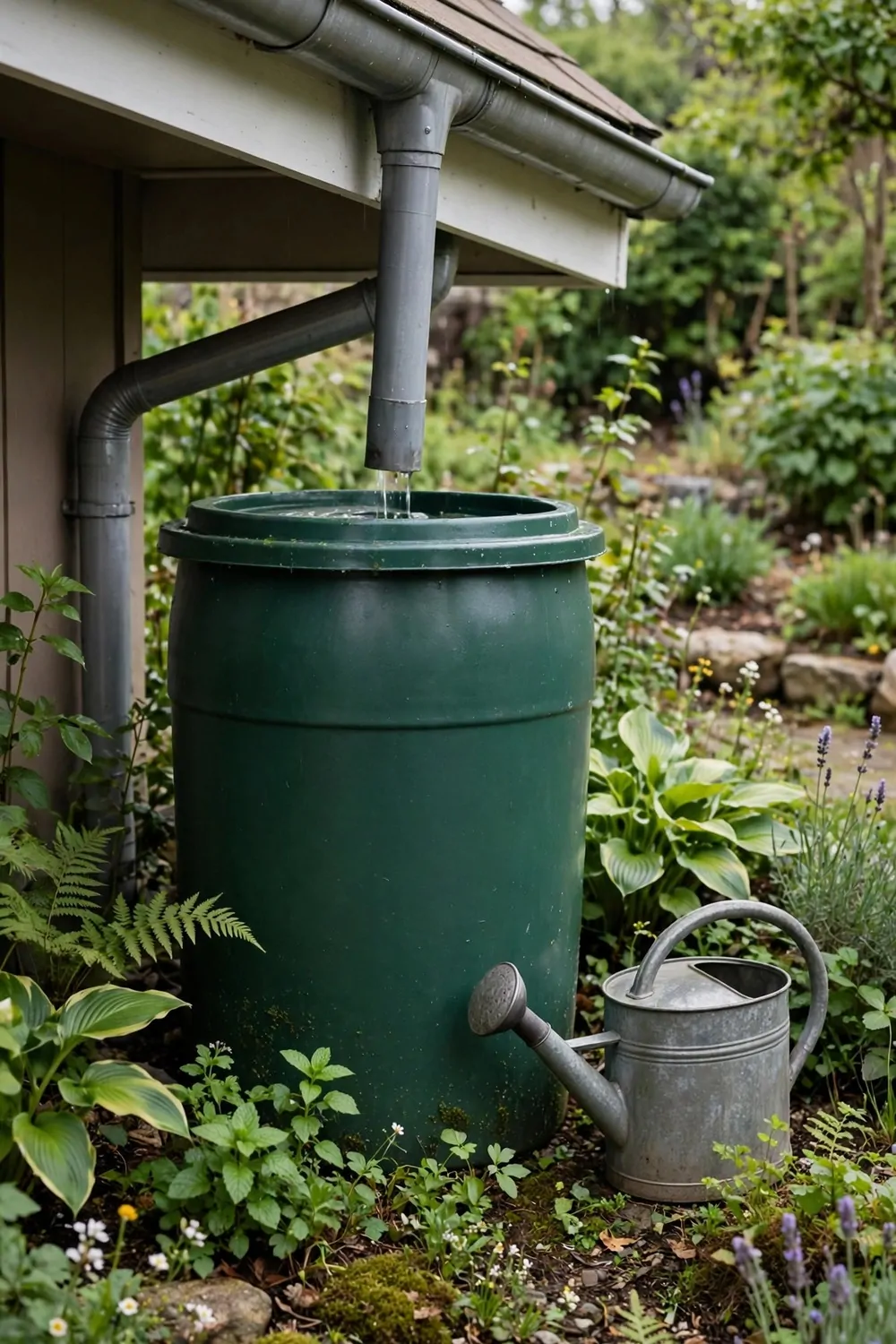
Rain falls free from the sky and I save it for my plants. I keep my rain barrel ready for a wet week. I use the saved water for my plants with care.
My plants drink rain water and grow strong and glad.
- I check my rain barrel after rain and take water out with a jug.
- I pour the water at the base of each plant in turn.
- I leave the rain barrel lid shut when no rain is due.
You can start with a rain barrel and a patch of plants you love. Rain water suits most plants and costs nothing from the tap.
Saving rain feels like a gift from a wet sky.
I water my plants in the cool of the morning. I give each plant a good drink and move on. I watch the leaves lift and I feel glad I saved the rain.
Try it for a week and see how much rain you can save. Your plants will thank you with fresh growth and new leaves.
My small plain rain barrel cost $4 to $7.
Rain is free and my plants love it best. Start saving it today and your tap can rest a little more.
14. Turn Down the Heat One Degree at Night
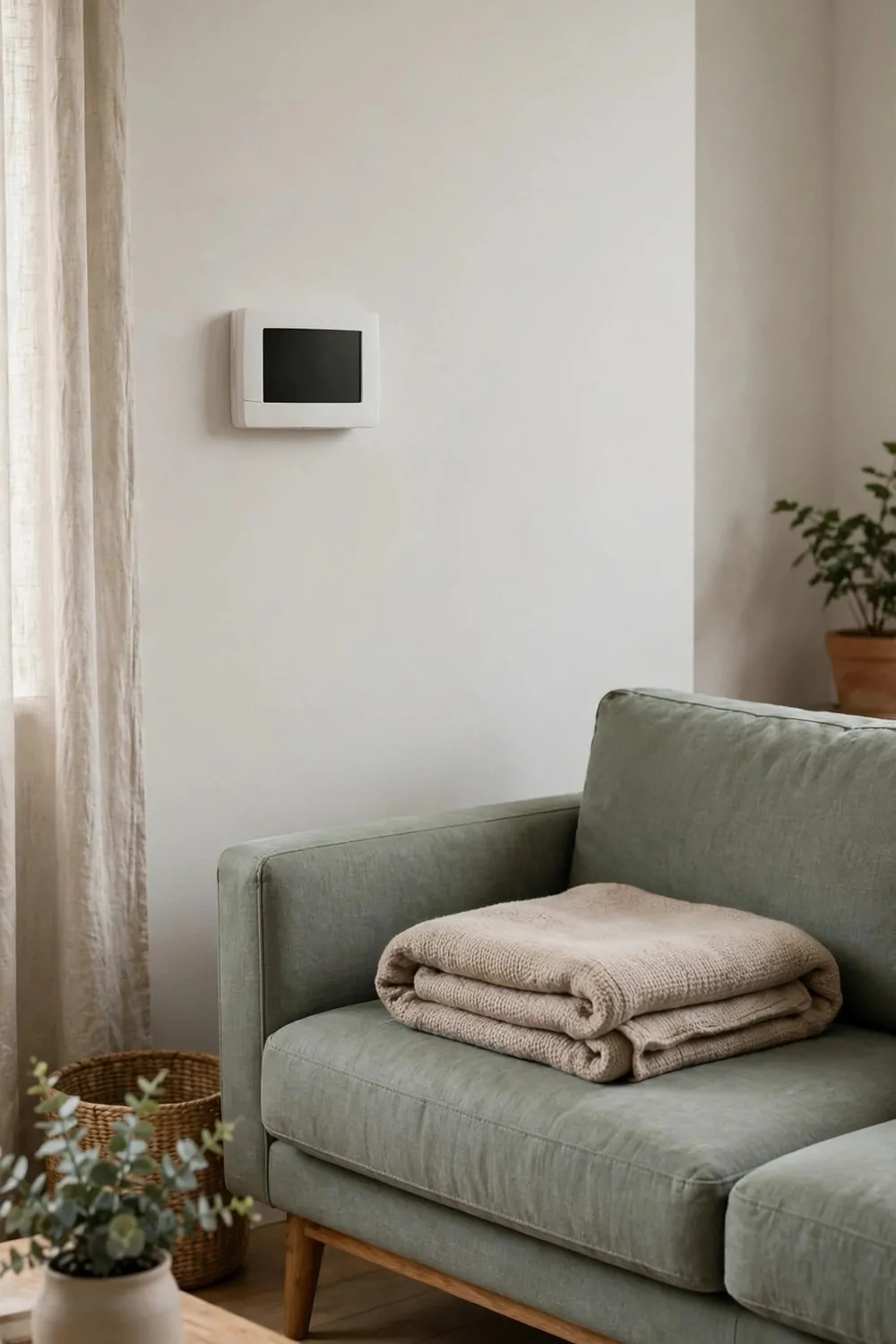
I turn my thermostat down one degree at night.
The house stays warm enough under a blanket. I sleep well and I wake up fresh in the morning.
I set my thermostat low before I go to bed. I pull the blanket up and I drift off with ease. I save a little heat each night without a chill.
One small change at night adds up through the cold months.
You can try it tonight and see how you feel by dawn. If you feel cold, turn the heat back up a touch and try again.
I keep a warm pair of socks by the bed for cold feet. I wear them when the night feels sharp. I stay snug till the sun comes up.
My thermostat does the work while I sleep sound and deep. I wake to a warm house and a smaller bill at the end of the month.
My small plain thermostat cost $5 to $8.
Try one degree down tonight and feel the change for yourself.
15. Cook a Big Pot and Freeze the Rest
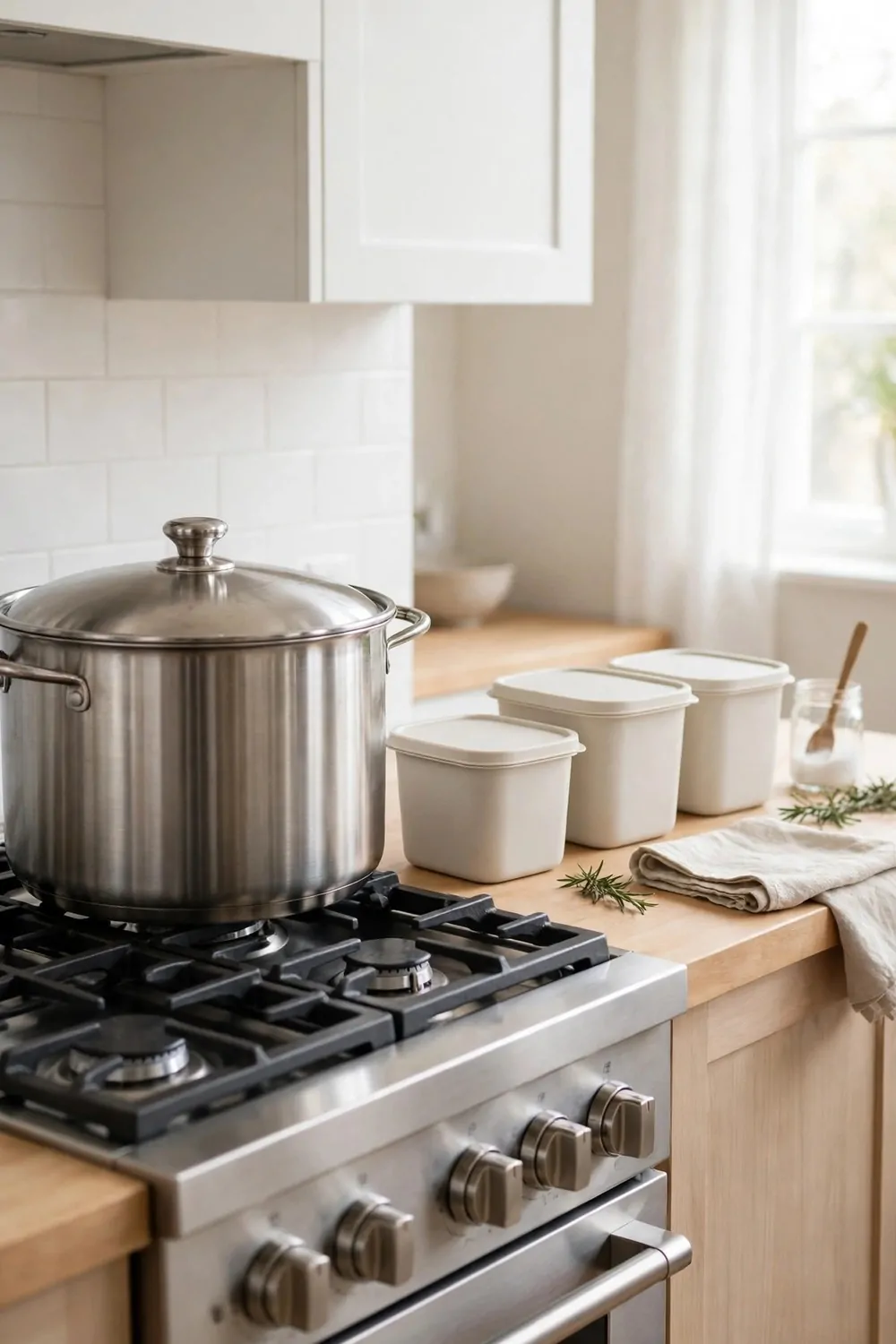
I cook in my pot on a quiet day and make food for days ahead.
I start with rice and beans and a few soft vegetables. I stir the pot slow and let the smells fill the kitchen. I taste a spoon and add a pinch of salt till it feels right.
- I cook rice in my pot for a plain base that keeps well.
- I cook beans in my pot for a soft meal that fills you up.
- I cook soup in my pot for a warm meal on a cold night.
When the food cools, I freeze it in tubs for the cold days. I mark each tub with the day I cooked it.
I pull a tub out the night before I need it. I warm it up and serve it with fresh bread. I feel glad that a busy night still has a home meal ready.
One pot of food can feed you well for many days.
You can try it with rice and beans this week. Cook once, freeze the rest, and eat well all week.
My small plain pot cost $4 to $6.
Cooking this way saves time and saves trips to the shops. I cook less often and I waste less food. My week feels calm when the meals are done ahead.
16. Use Leftovers for Lunch the Next Day
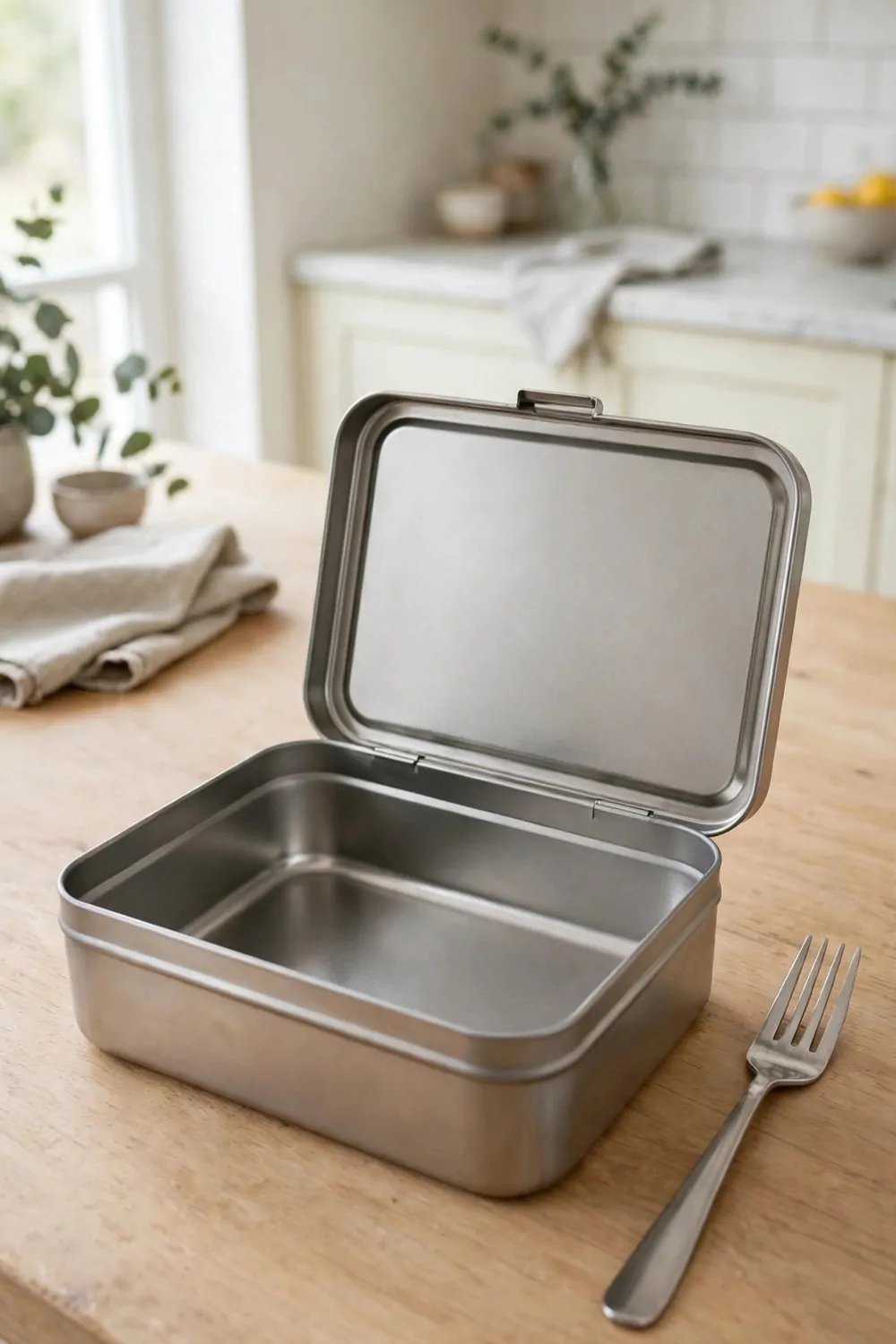
I pack last night’s food into my lunchbox for the next day. I add a piece of bread and a few slices of cucumber. I close the lid and set it ready for the morning.
Lunch from home tastes good and costs nothing extra.
I look at what is left from dinner and plan the next lunch. Rice and beans make a fine lunch with a little salad. Soup with bread makes a warm lunch on a cold day.
You can do the same with your own dinner leftovers. Pack them up at night so the morning stays easy.
A lunchbox from home beats a bought lunch each time.
I rinse my lunchbox when I get home and leave it to dry. I pack it fresh the next night after dinner. I wipe it clean so it is ready for the next round.
My lunchbox rides with me to work and back each day. It saves me a trip to the shops and a bought lunch too.
My small plain lunchbox cost $2 to $5.
Try it tomorrow with what you have left tonight. You may find lunch is the easiest meal to save on.
17. Mend a Small Hole Before It Grows
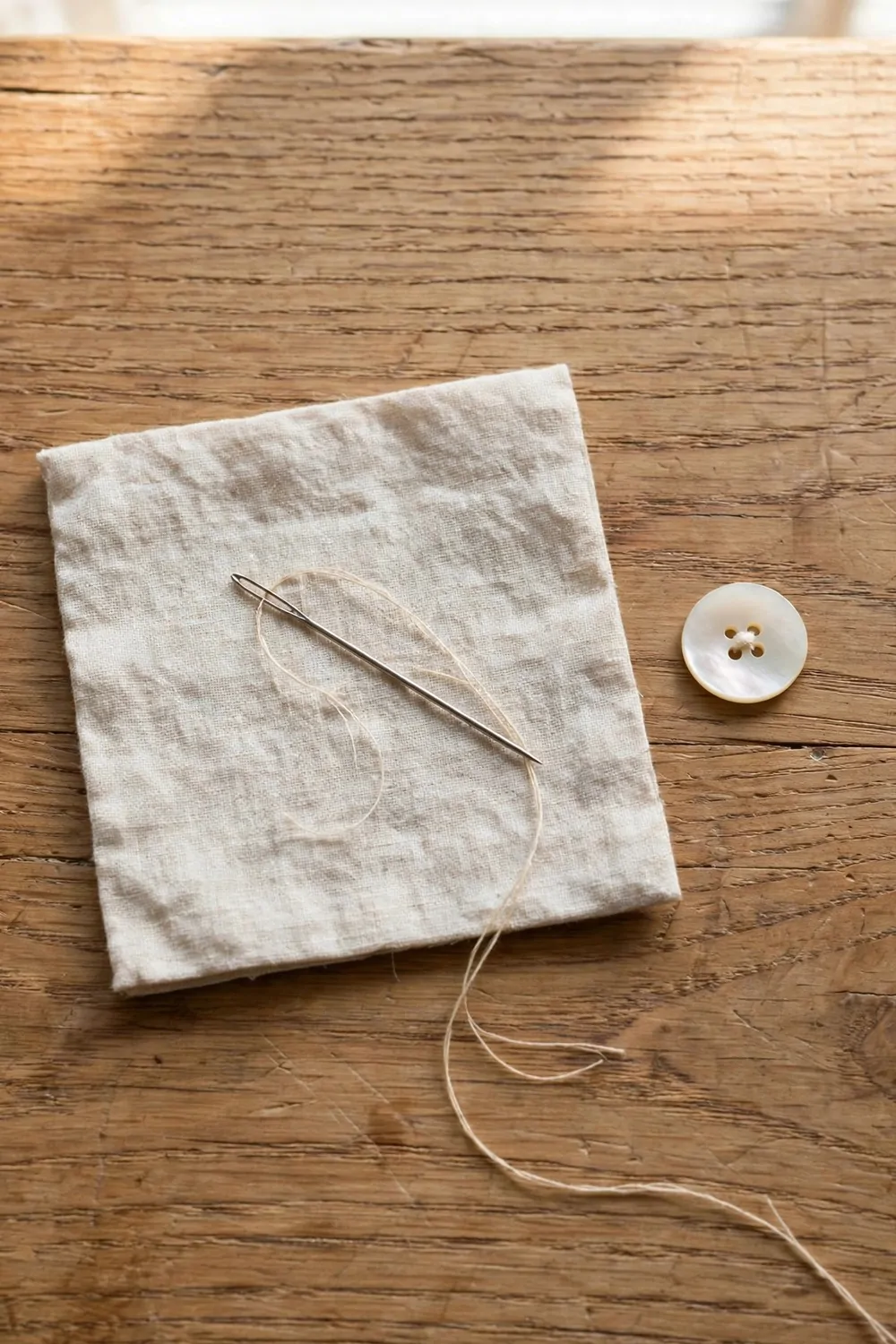
I mend a small hole in my shirt the day I spot it, and a needle and a bit of thread fix it in a few minutes.
I thread my needle and knot the end so it stays put. I push the needle through the cloth with small neat stitches. I tie it off and the hole is gone from sight.
- I mend a hole in a shirt with my needle on a quiet night.
- I mend a hole in a sock with my needle before it grows.
- I mend a loose hem with my needle and a bit of thread.
A quick mend keeps a good shirt in use for years.
You can learn the stitch in one short sitting. Start with a small tear and take it slow.
I keep my needle with my thread so I can find it fast. I check my clothes for holes when I fold them away. I mend them right away and feel glad I did.
My small plain needle cost $1 to $2.
Try a mend this week and see how easy it feels. Your clothes last longer and you buy less through the year.
A needle earns its keep in every home.
18. Share Tools with a Neighbour Instead of Buying
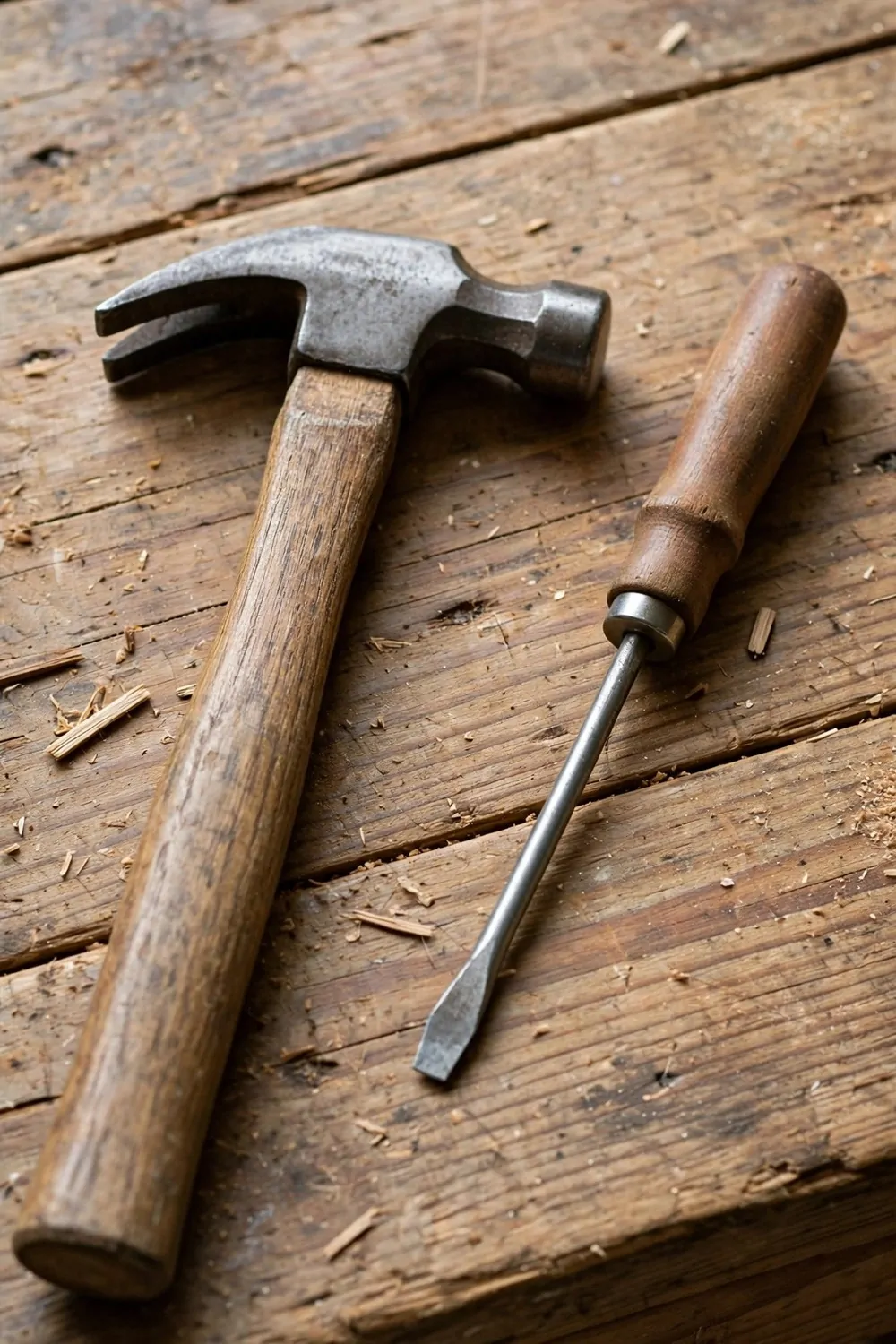
I share tools with my neighbour when a small fix comes up. We pass the tools back and forth and both of us skip a buy.
I ask to use the tools for a day and I bring them back clean. My neighbour does the same with my tools when a job needs them.
Sharing tools keeps good tools in use and out of the shops.
I jot down which tools are out with my neighbour. I write the day I took them so I recall the return. I thank my neighbour with a kind word when I hand them back.
You can ask your neighbour if they want to share tools too. Start with a small fix and see how it goes.
My small plain tools cost $3 to $6.
I love how a shared set of tools helps the whole street. One ask can fix a wobble that sat for weeks. We all save a little and the tools never rest long.
A shared tool is worth more than a tool that sits still.
Try a share this week and feel the ease of it. Your home stays fixed and your purse stays full.
19. Make Birthday Cards from Paper You Have
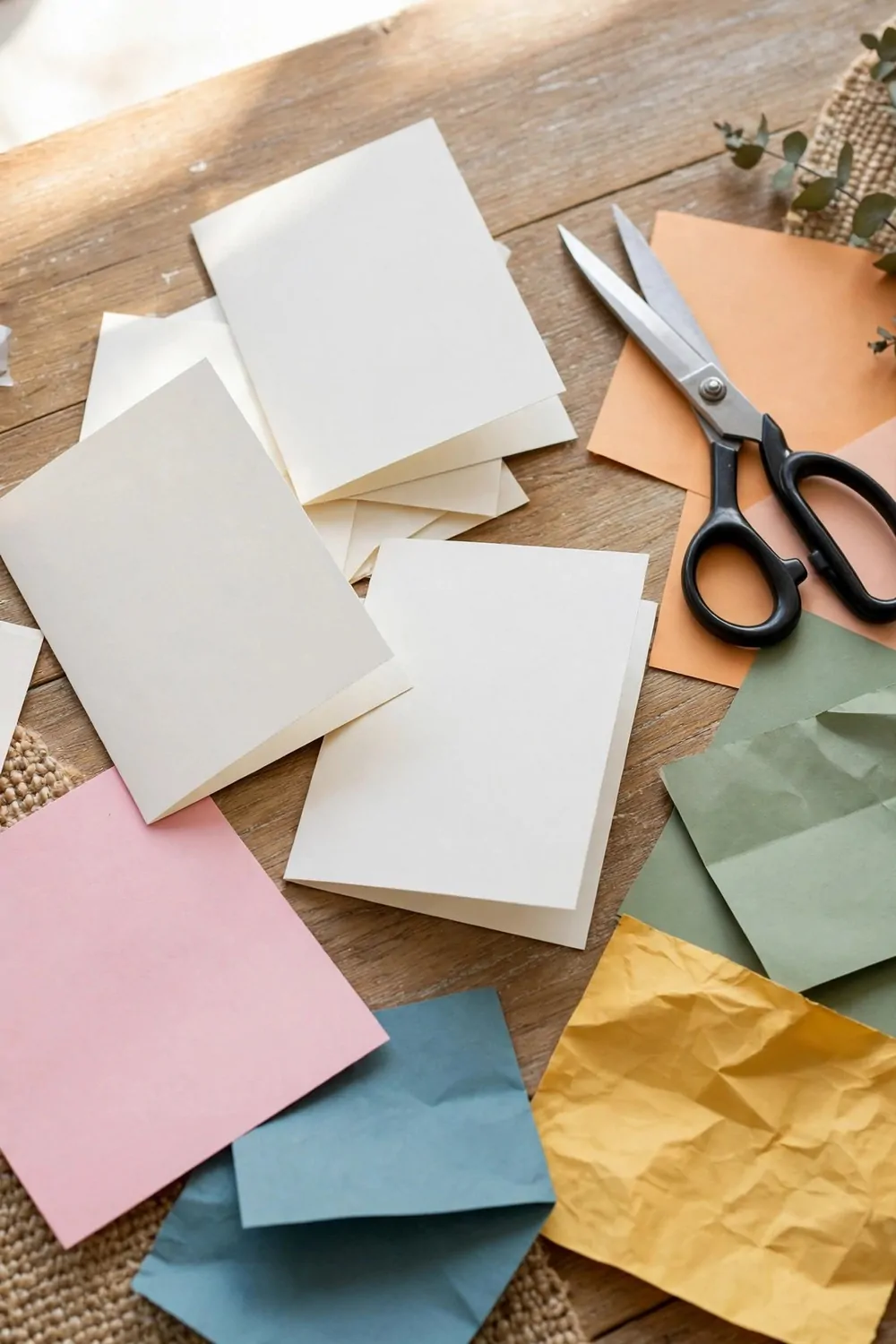
I make birthday cards from paper I have at home. I fold a sheet and draw a few plain lines for a sweet look. I write a warm note in my best hand and the card is done.
You can make cards for each birthday through the year. Paper you have is all you need to start.
- I make cards with a drawn flower for a spring birthday.
- I make cards with a drawn star for a glad day.
- I make cards with a drawn heart for a dear day.
A card made by you feels warm and true.
I keep my paper close by for card days. I cut a sheet for each card and fold it neat. I add a few words that fit the day.
My cards cost little and mean a lot. I love to see a card pinned up long after the day is done.
My small plain cards cost $1 to $3.
Try one card this week with paper from your shelf. Fold it, draw on it, and write a few kind lines. You will have a gift that feels true and warm.
A plain sheet can turn into a card worth keeping. Start with what you have and let the day do the rest.
20. Save the Coins from Your Coat Pockets Each Week
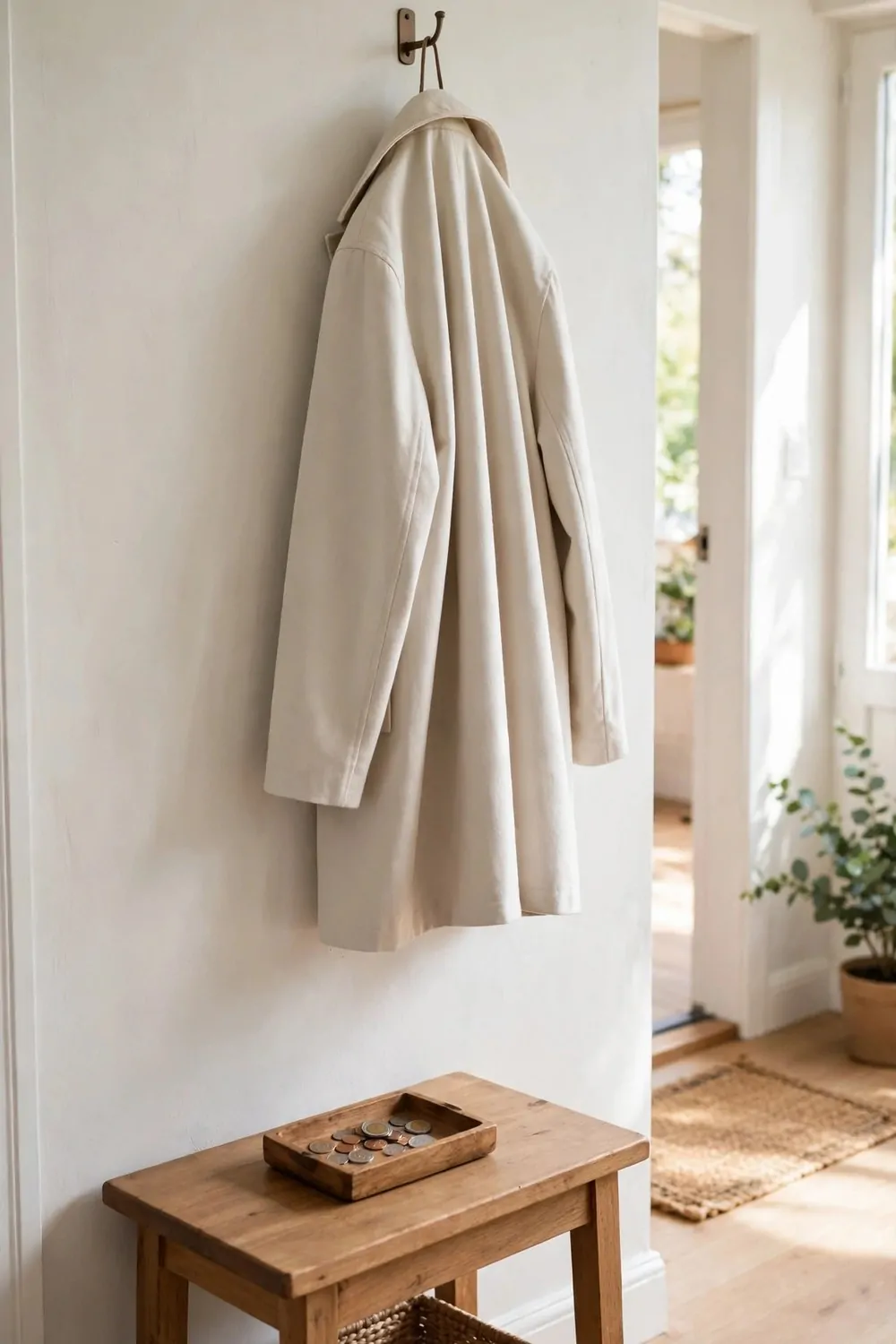
I save the coins from my coat pockets each week.
I check my coat pockets when I come in from the day. I tip the coins into my tray with a soft clink. I like the soft sound as the week goes on.
Coins add up fast when you save them each week.
You can try it with the coat you wear most. Check the pockets each night and tip the coins out.
I drop the coins in as soon as I find them. I feel glad each time I add to it. I leave the tray to do its quiet work through the week.
A tray of saved coins is a small win at the end of the week.
Try it for a month and see what you have saved. You may be glad you kept the habit up.
My small plain tray cost $2 to $3.
Coins hide in pockets and add up when you look for them. I check each coat at the end of the week. I tip the coins out and start fresh with a clear tray.
| Idea | Main change | Typical cost |
|---|---|---|
| Keep a List of Free Things to Do at Home | keep a list of free things to do at home | $2 to $4 |
| Swap Books with a Neighbour | swap books with a neighbour | $3 to $5 |
| Save Rainwater for Your Plants | save rainwater for your plants | $4 to $7 |
| Turn Down the Heat One Degree at Night | turn down the heat one degree at night | $5 to $8 |
| Cook a Big Pot and Freeze the Rest | cook a big pot and freeze the rest | $4 to $6 |
| Use Leftovers for Lunch the Next Day | use leftovers for lunch the next day | $2 to $5 |
| Mend a Small Hole Before It Grows | mend a small hole before it grows | $1 to $2 |
| Share Tools with a Neighbour Instead of Buying | share tools with a neighbour instead of buying | $3 to $6 |
| Make Birthday Cards from Paper You Have | make birthday cards from paper you have | $1 to $3 |
| Save the Coins from Your Coat Pockets Each Week | save the coins from your coat pockets each week | $2 to $3 |
| Total | $27 to $49 |
21. Plan a No Buy Weekend Each Month
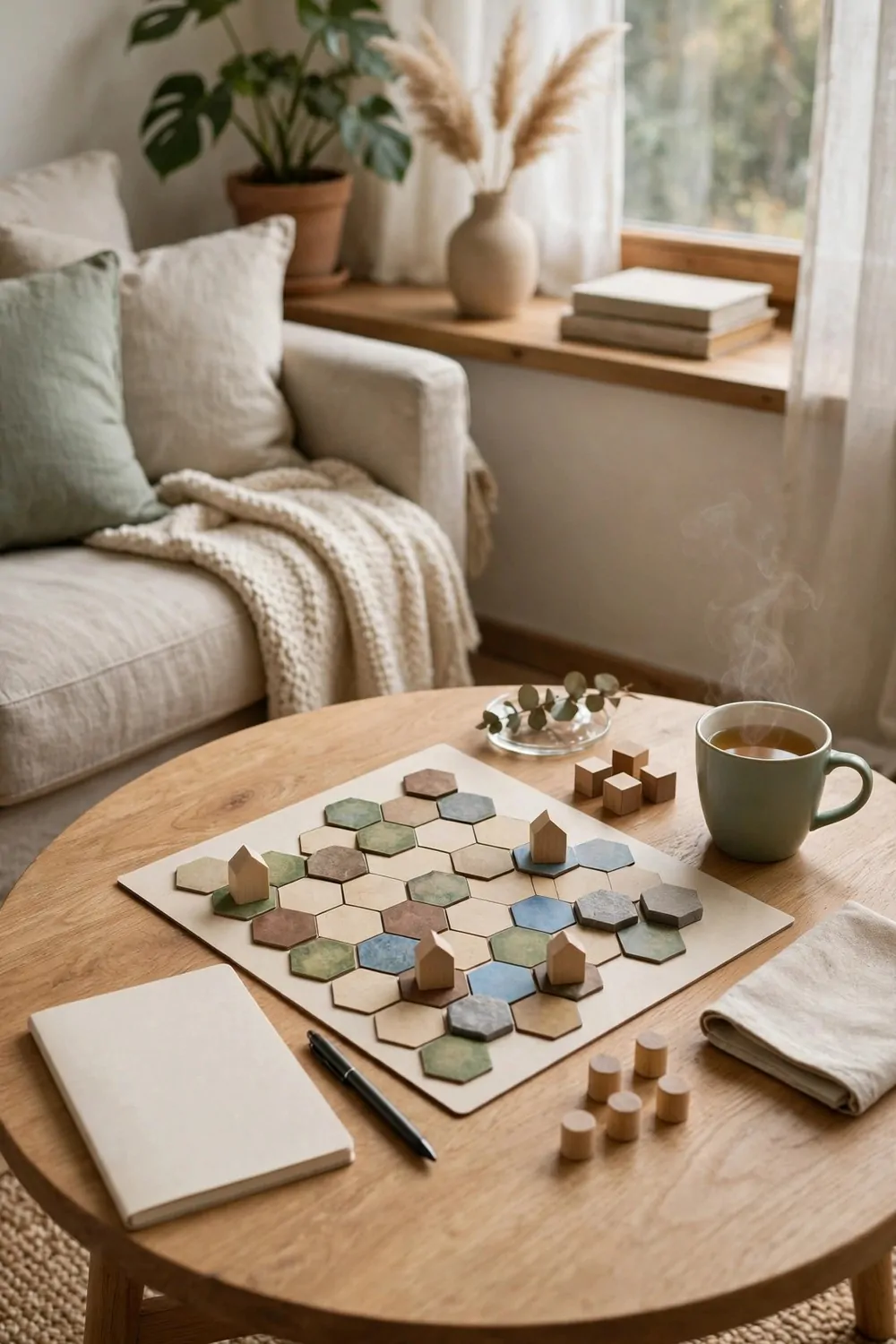
I pick one weekend each month to buy nothing new. I write the plan down the night before so I remember it well. I use what I already have at home and I enjoy a calm break from shops.
My notebook helps me plan the weekend with care.
I look through my cupboards first and I make a list of meals from food I already own. I also pick a free game to play and a book I have not finished yet.
I put my purse away for the weekend so I am not tempted to spend.
On Saturday I cook with food from my shelves and I try a new recipe with simple steps. I drink water and tea from my kitchen and I skip the shop trip that day. In the evening I read and rest and I feel proud of the money I kept.
On Sunday I tidy a drawer and I sort out things I no longer need. I put the things I keep back in place and I feel light and calm.
I write how much I saved in my notebook at the end of the weekend.
My notebook for my no buy weekends cost $2 to $4.
You can start with just a weekend and see how it feels for you. It is a soft way to learn that a fun weekend does not need new things.
22. Borrow Books from the Library Instead of Buying
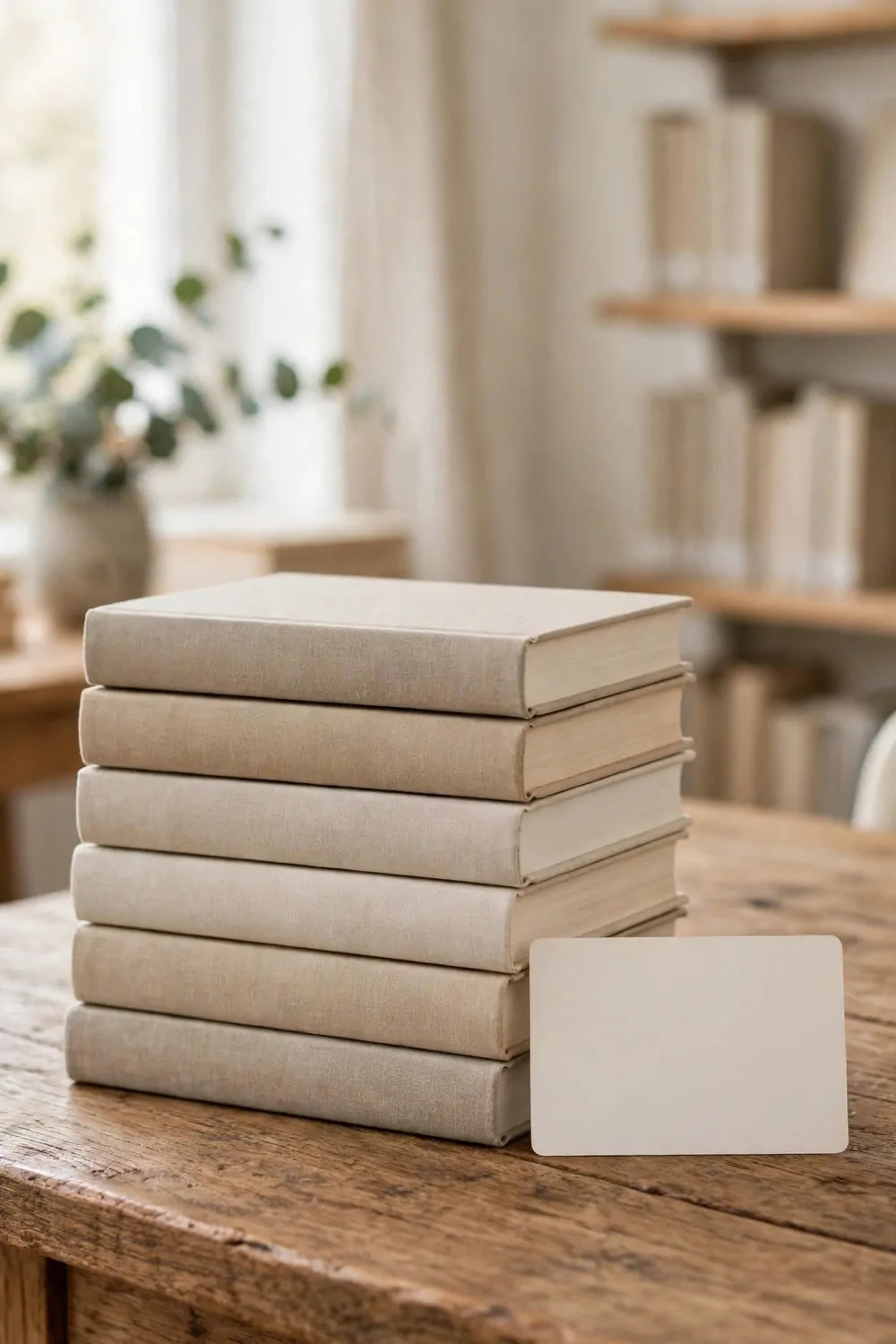
I borrow books from the library when I want a new story to read. It costs me nothing to take a book home and enjoy it for a few weeks.
My books from the library feel fresh and new to me each time.
I pick some books I love and I take them home in my book bag. I read a little each night before bed and I mark my place with a plain strip of paper. When I finish, I take the books back and I pick new ones to try.
I ask at the desk for help when I want a book on a new topic. I also join the library list so I know when a book I want is ready.
I keep my books safe and dry while I read them at home.
I read in the morning and again at night so the story stays fresh in my mind. I keep a short note about each book so I remember the best parts. I look back at my notes when I want a calm evening read.
I return my books on time so I can borrow more next week.
My book bag for library books cost $3 to $5.
You can try the library this week and see how much you enjoy it. It is a quiet way to read more and spend less at the same time. You may find your next good story there this week.
23. Make Soup from Leftover Vegetables
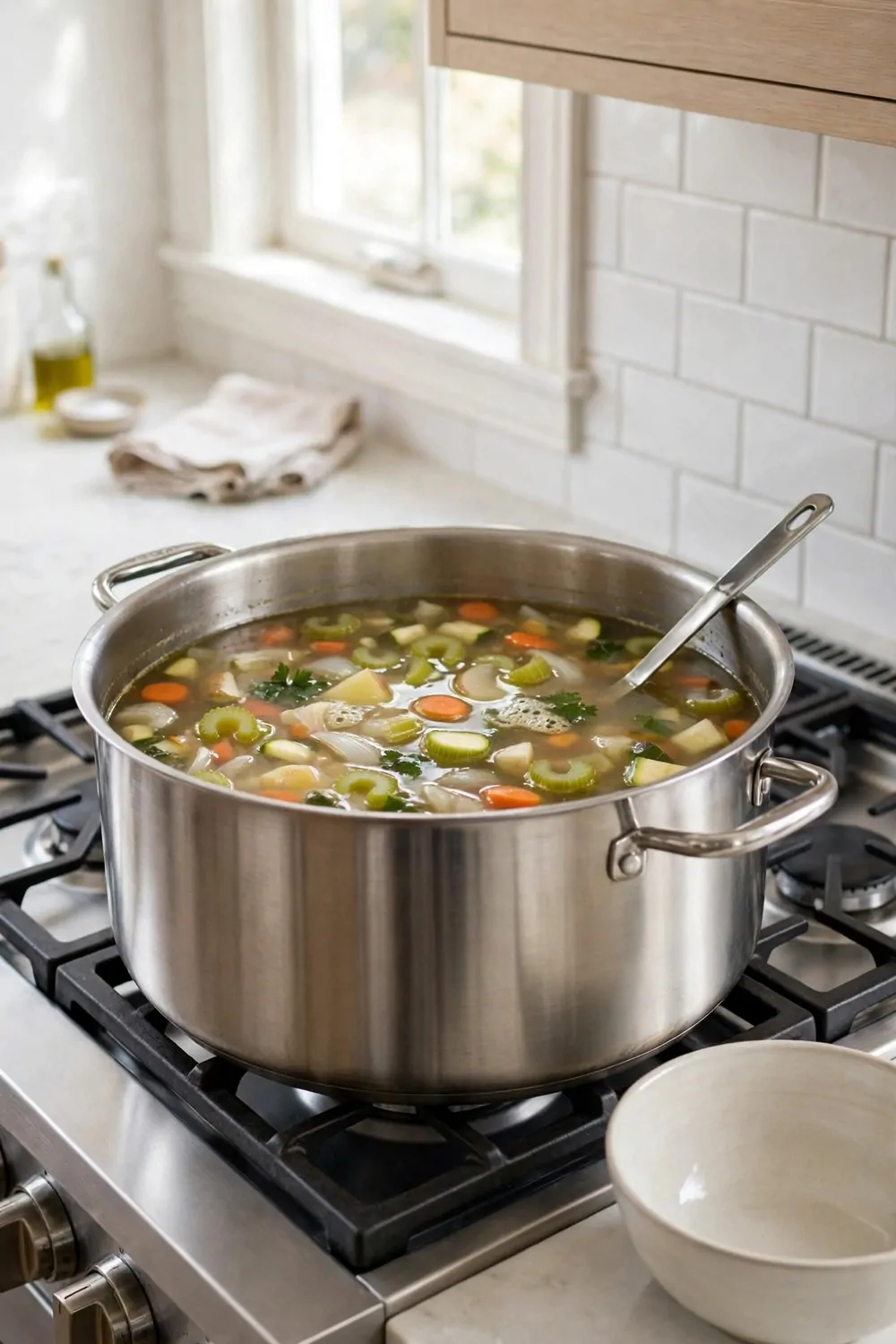
I turn leftover vegetables into a warm soup instead of throwing them away.
I wash the vegetables and I chop them with care before I start to cook. I put them in my pot with water and I let them cook on a low heat till they turn soft. I stir the soup now and then and I taste it to check the salt.
I add herbs I already have and I keep the taste simple and fresh. I serve the soup with bread from my pantry and I enjoy a warm lunch.
I let the soup cool a bit before I pour it into a jar for later. I write the date on a plain label so I know when I made it. I use the soup the next day for lunch and I feel glad I wasted nothing.
My pot makes soup night easy and calm for me.
You can use any vegetables you have left from the week. Just wash them well and cook them slow till they are soft and warm.
I keep the soup plain and I add a pinch of salt at the end. I taste it once more and I fix the taste if it needs more salt. I ladle the soup into bowls and I sit down to enjoy a quiet meal.
My pot for leftover soup cost $8 to $12.
Try it this week and turn your leftovers into a warm meal you love.
24. Keep Your Freezer Full to Save Power
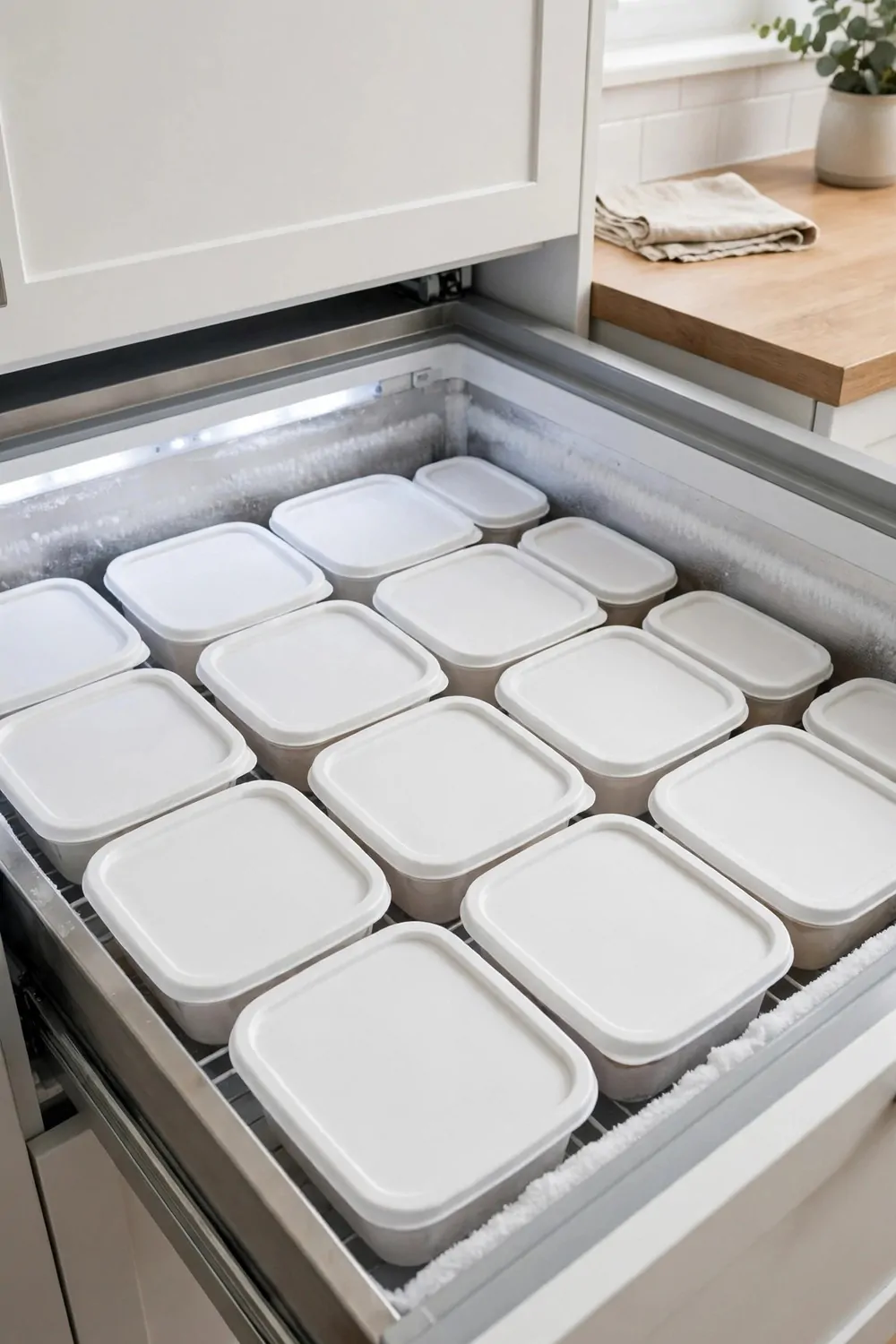
I keep my freezer full because a full freezer stays cold with less work. I fill gaps with bags of frozen vegetables and boxes of soup I made for later. I also freeze bread and fruit so I always have food ready for busy days.
I label each bag with the date so I know what to use first. I use the oldest food first and I keep the stock fresh and easy to find.
My freezer helps me waste less food and save more money each week.
I freeze leftovers in bags and I stack them so I can find them fast. I leave space at the top of each bag so the food has room as it freezes. I check my freezer once a week and I write down what I need to use next.
I plan meals from my freezer first before I go to the shop. It helps me buy less and it keeps my weekly shop simple.
I keep a list so I know what is inside without opening it too much.
You can start by freezing a meal you already cooked this week. It will wait for you on a busy night and save you a shop trip.
My freezer bags cost $2 to $4.
A full freezer is a quiet helper in my home. It keeps food safe and it keeps my money safe too. Try it this month and watch your food waste drop.
25. Use a Timer for Short Showers
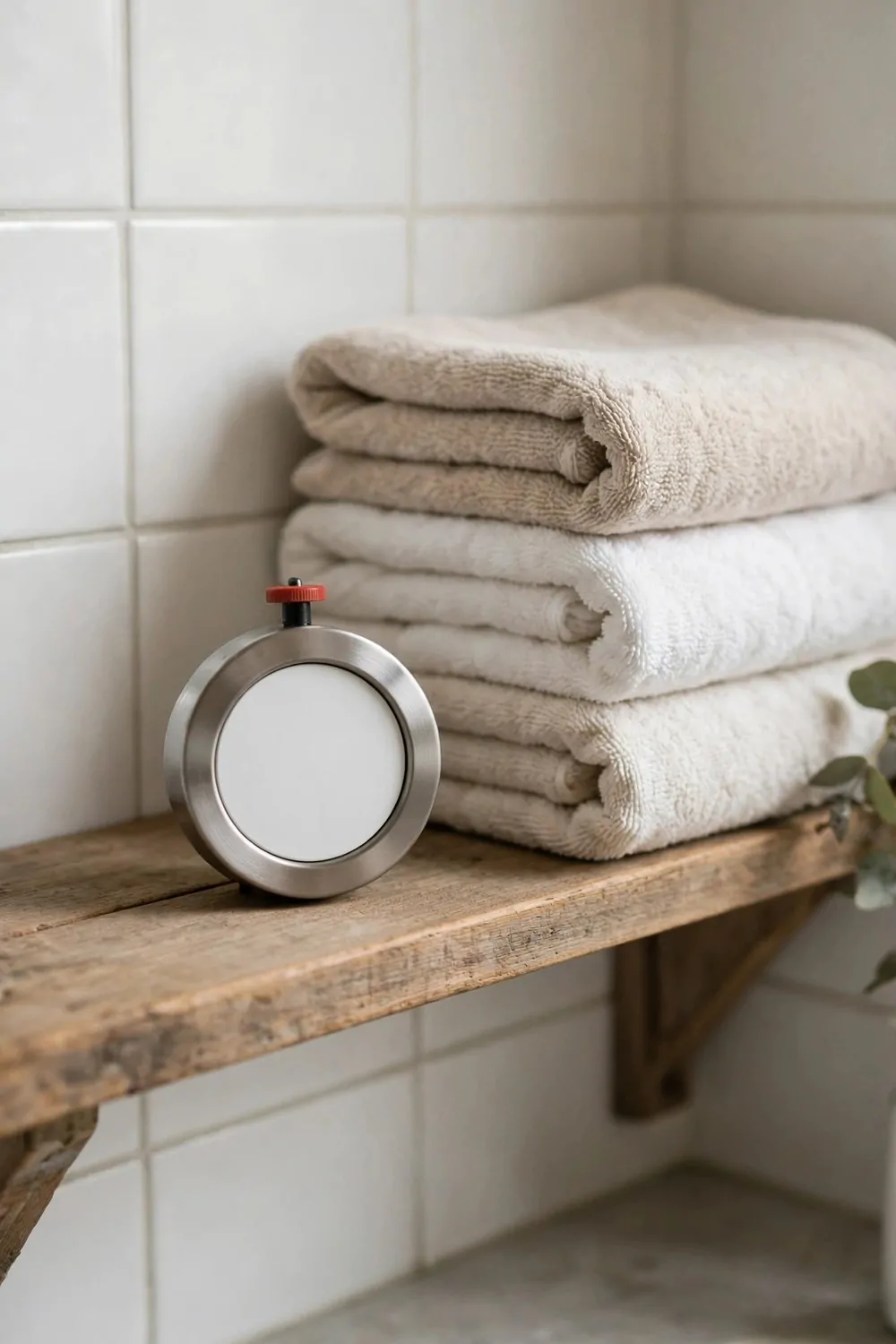
I use a timer in the shower to keep my showers short and sweet. It helps me save water and it helps me save money on my bills too.
I set the timer for a short time before I step in. I wash my hair first and then I wash the rest of me with care. When the timer rings, I rinse off and I step out with a smile.
My timer makes short showers easy to stick to each day.
I keep the timer where I can see it while I wash.
I wash fast in the shower now and I focus on getting clean. I feel fresh and I save water at the same time.
I make it a fun race with myself and I try to finish before the bell. I keep my soap and shampoo close by so I do not waste time. I dry off fast and I feel glad about the water I saved.
You can try a short shower tomorrow and see how it feels. It is a small change that adds up over the month.
My timer for short showers cost $3 to $5.
Set your timer tonight and enjoy a quick shower in the morning.
26. Buy in Bulk with a Friend and Split the Cost
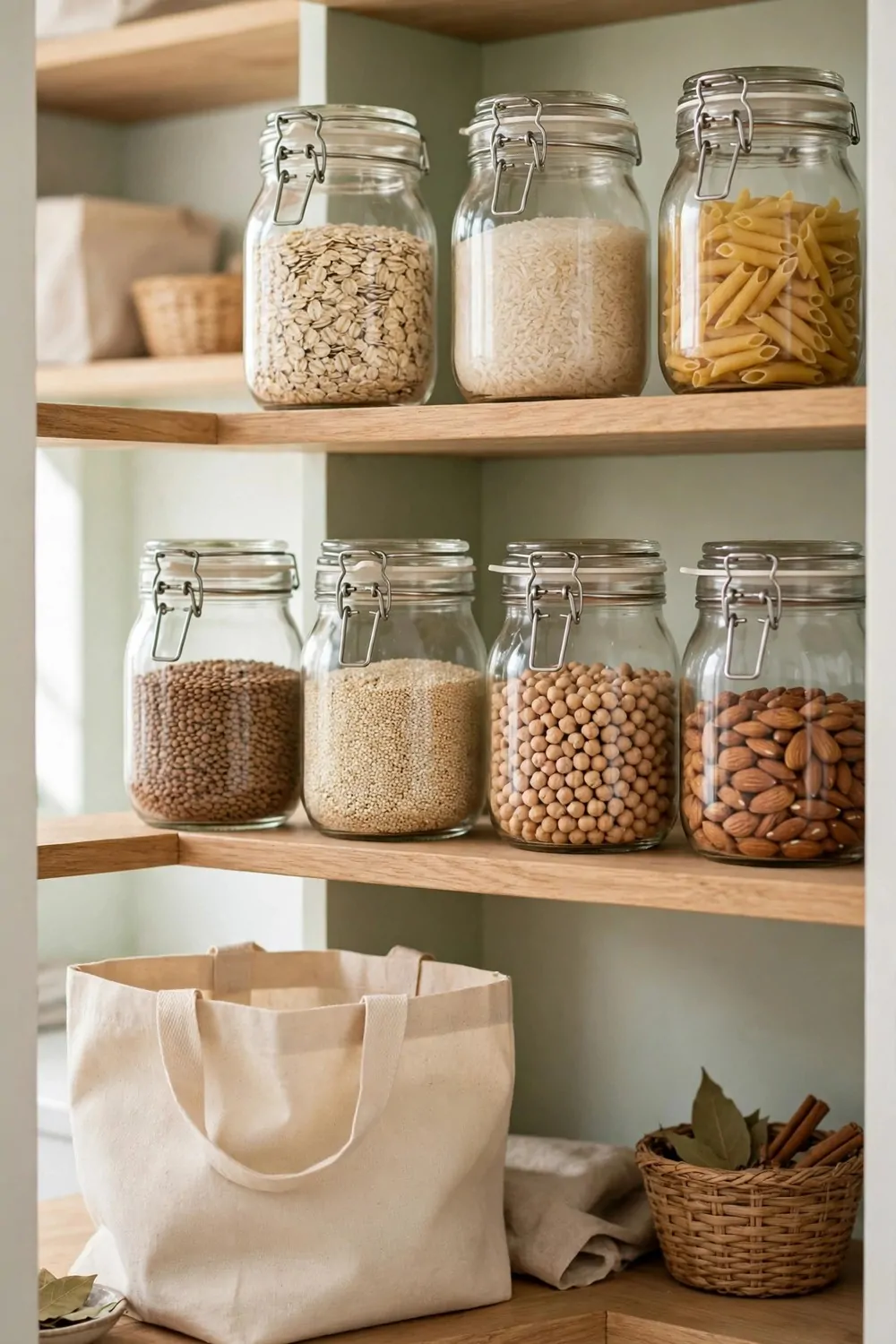
I buy rice and oats in bulk with a friend and we split the cost in half.
We pick foods we both use a lot, like rice, oats, and soap. We order a pack together and we share it out when it comes home.
I store my share in jars and I label each jar with the date. I keep the jars where they stay cool and dry so the food stays fresh. I use my share a little at a time and I am happy I paid less.
My jars keep my bulk food fresh and easy to reach.
We split the bill right away so no one owes the other for long. We write down what we paid so we both feel fair and clear. We plan our next bulk buy when our jars start to run low.
I check prices first so I know the bulk pack is a real deal.
You can ask a friend to try this with you next week. Start with a food you both use and see how much you save.
My jars for bulk food cost $4 to $6.
Bulk buying is a team win for my home and my wallet. It cuts my trips to the shop and it cuts my food bill too. Try it with a friend and enjoy the savings you share.
27. Keep a Price Book for Your Weekly Shop
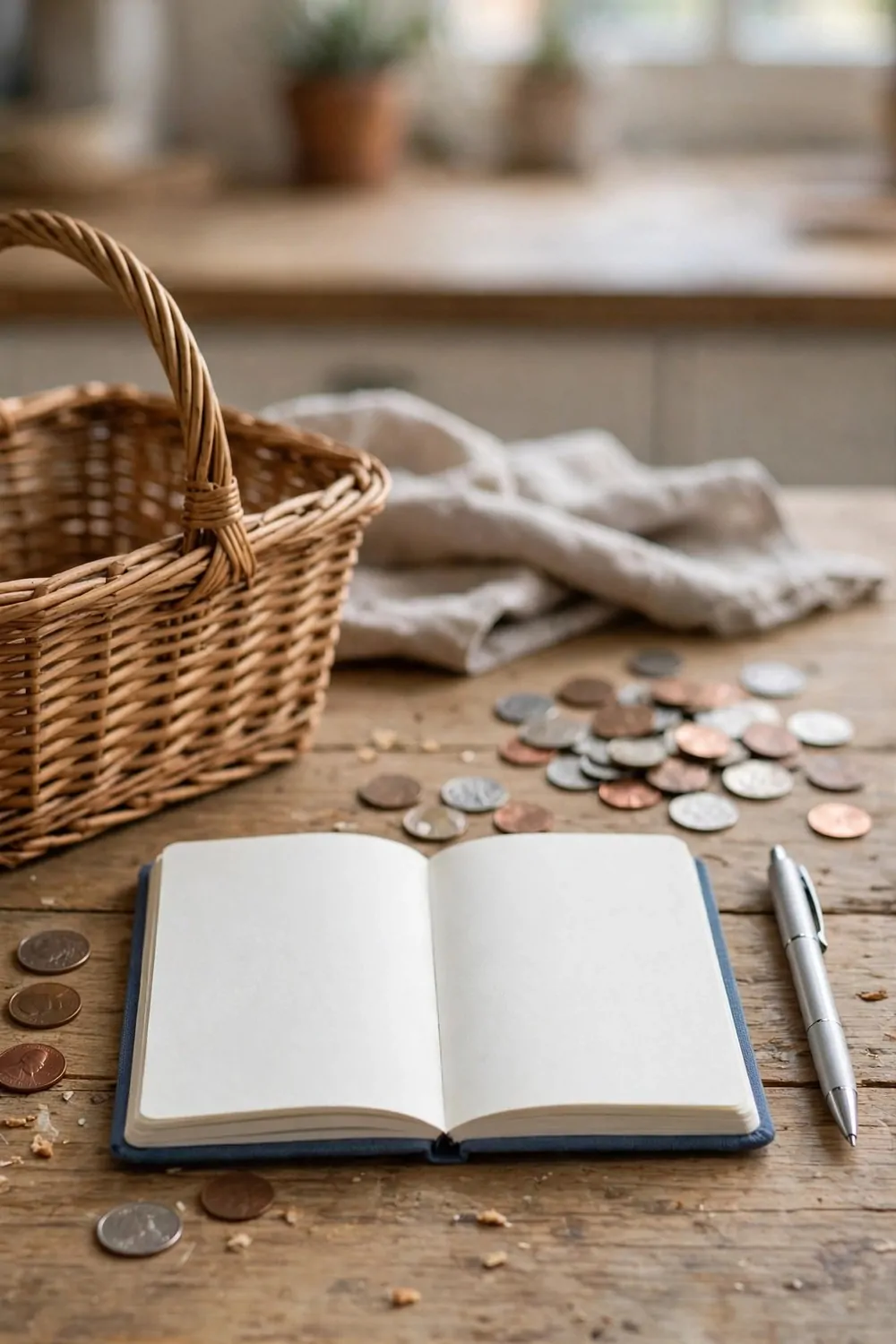
I keep a price book for my weekly shop so I know what food should cost. I write the price of milk, bread, and rice each time I go to the shop. I look back at my notes before I buy and I spot a good deal fast.
My price book helps me shop with calm and care.
I write the shop name and the date next to each price I note down.
I compare prices from shops near me when I have time to look around. I buy from the shop that asks less for the same food.
I update my price book each week after I come home from the shop. I cross out old prices and I write the new ones in clear ink. I keep the book near my shopping list so I can grab it when I plan meals.
Start your own price book with a few foods you buy a lot. Add more foods each week and watch your notes grow into a real guide.
I feel good when I spot a price rise before I pay too much.
My price book for my weekly shop cost $2 to $4.
Try a price book this week and shop with more calm. It is a plain way to keep more money in your purse.
28. Turn Old Jars into Storage for Small Things
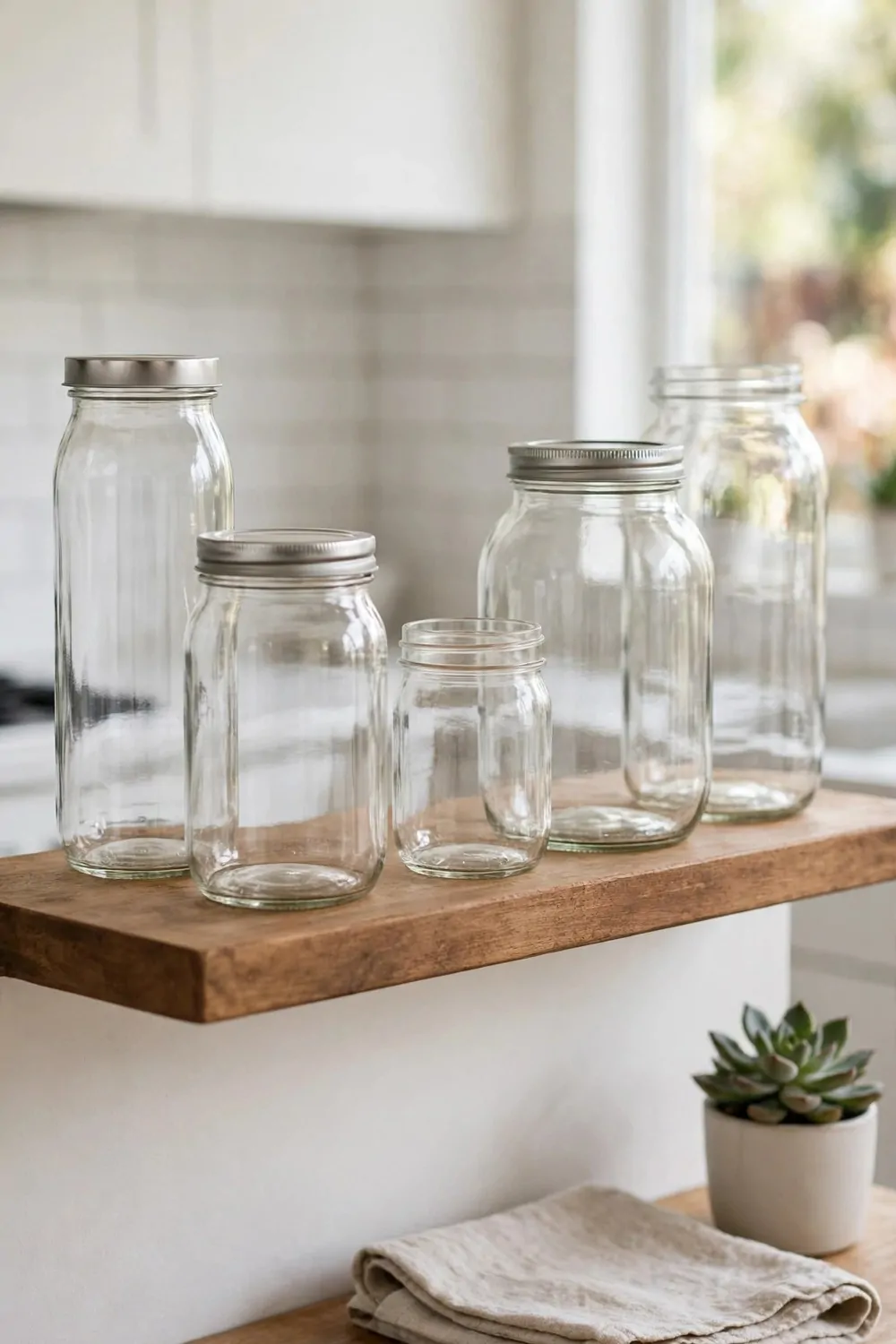
I turn old jars into storage for small things around my home. I wash each jar well and I let it dry before I use it for storage.
I use my jars to keep small things I reach for a lot.
I label each jar so I can find what I need in a flash.
I sort my things by type and I give each type its own jar. I keep the jars I use most where I can reach them with ease. I check my jars once a month and I clear out what I no longer need.
Start with jars you already have at home. Just wash them, dry them, and put them to work for you.
My jars save me money because I buy no new boxes for storage.
I use jars in more rooms of my home to keep things tidy. I like how a jar I already own can start a fresh job. It is good to reuse what I have and waste less each day.
My jars for small things cost $3 to $5.
Look in your cupboards for jars you can reuse this week. You will save money and your home will feel more tidy too.
29. Plan Your Shopping Trip Once a Week
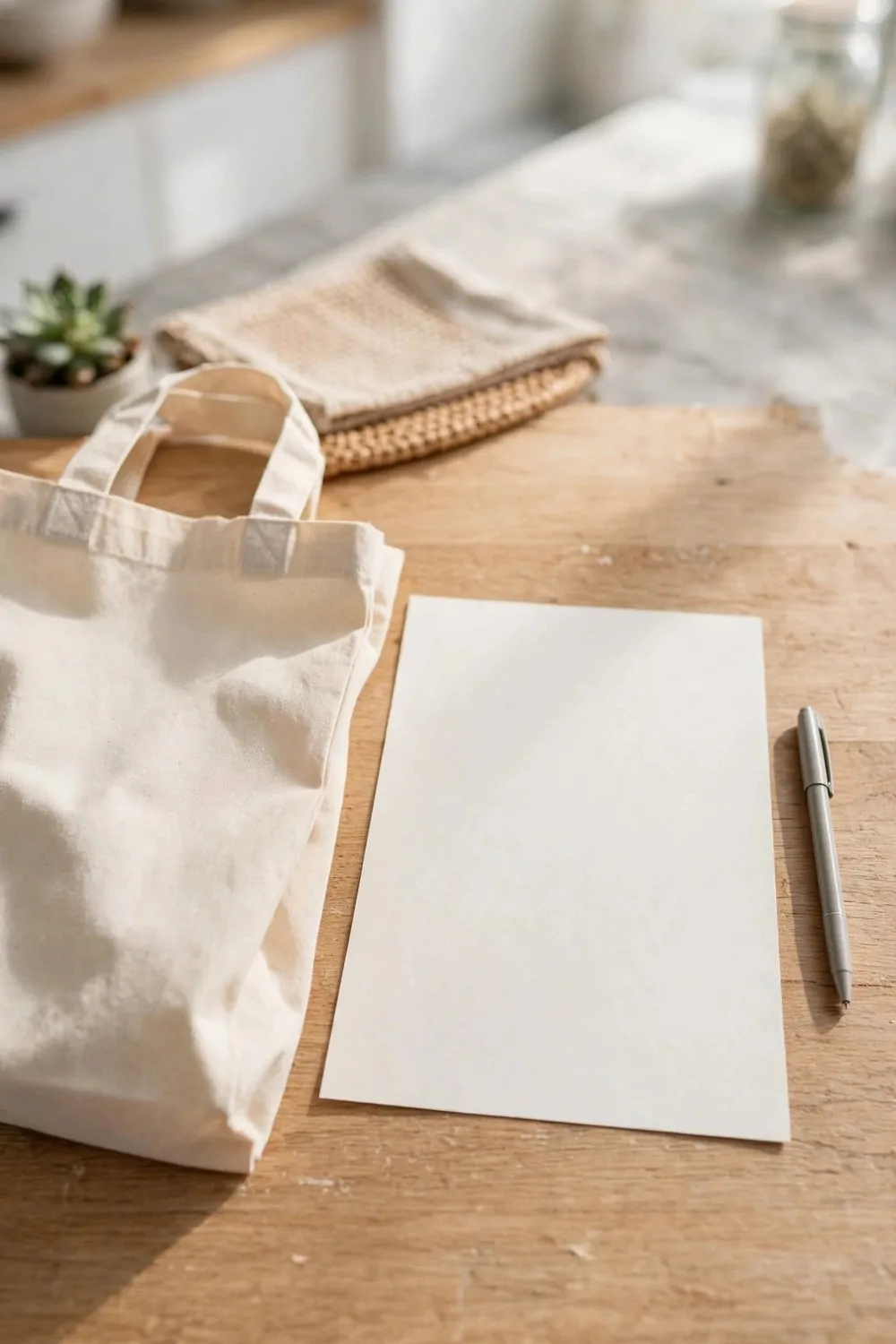
I plan my shopping trip once a week so I buy only what I need.
I look in my fridge and my pantry first and I write down what is low. I plan meals for the week from food I already have at home. I make a list and I stick to it when I walk round the shop.
I shop after a meal so I am not hungry when I pick food. I skip the extra aisles and I head straight for the foods on my list. I check my list twice before I pay so I miss nothing I need.
I buy fruit and vegetables that are in season because they cost less. I also buy a treat for the week so I still enjoy my food.
My shopping bag carries my weekly food home with ease.
You can pick a day each week for your shop and keep it the same. It will soon feel like a calm habit you look forward to.
I save time and money when I shop just once a week.
My shopping bag for my weekly trip cost $3 to $5.
Give a weekly trip a try this week and see how it feels. You will buy less extra food and you will waste less too. Your purse will thank you at the end of the month.
30. Keep All Your Saving Tools in One Small Box
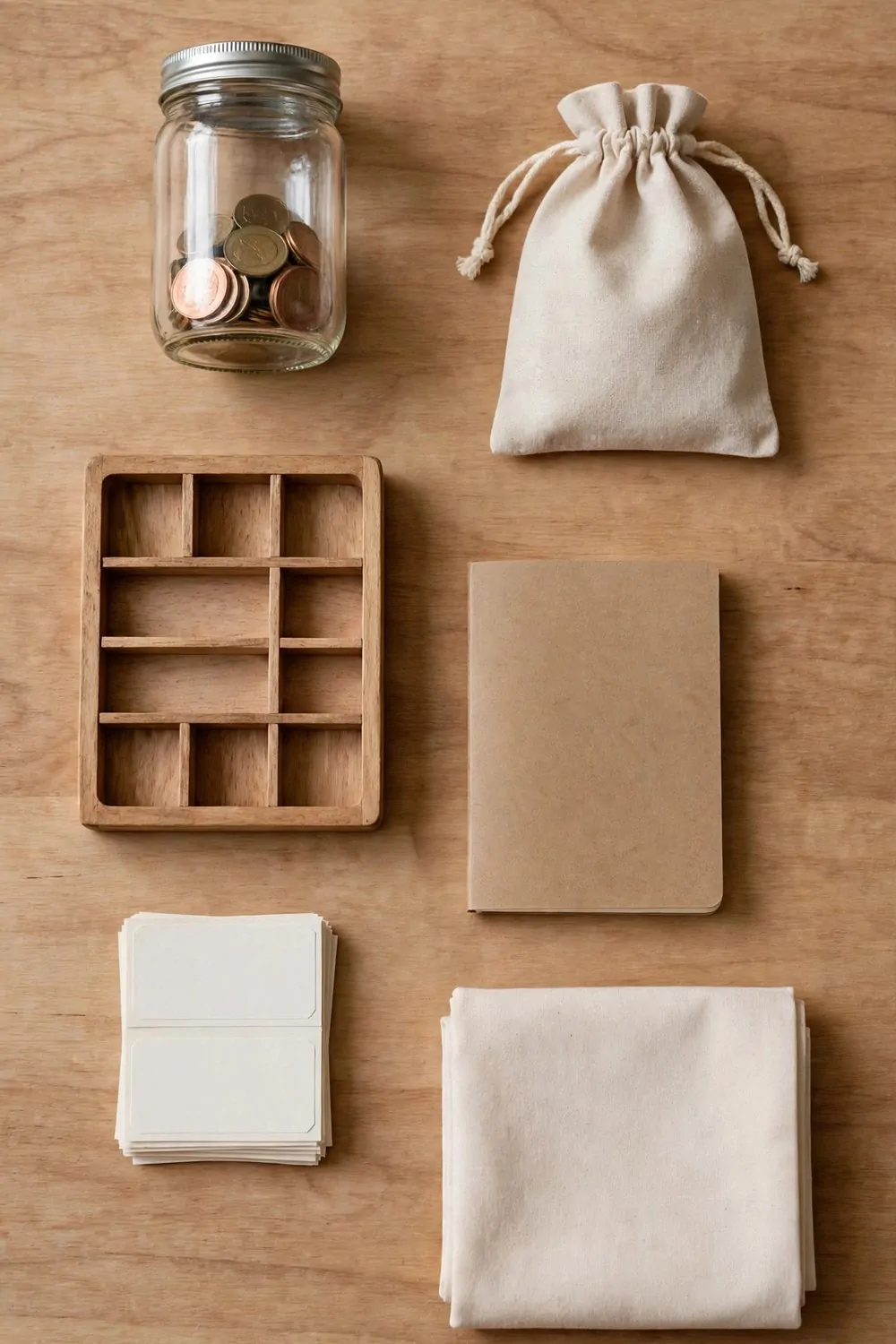
I keep all my saving tools in one small box so I can find them fast when I need them. I keep a plain glass saving jar with a metal lid in the box for spare coins I save each day.
I also keep a small plain cloth pouch for coins in the box for coins I find in my purse. I keep a plain wooden coin tray in the box too, and I sort my coins on it when I have time.
I keep a set of plain paper saving labels in the box and I mark each jar with a label so I know what I save for.
I keep a small plain spending log in the box and I write each spend in it on the same day. I look at my log each night and I see where my money went. I feel calm when my notes show me I spent less than I thought.
I keep a plain cotton shopping bag in the box and I take it with me for my weekly shop.
I use my glass saving jar for spare coins and I use my cloth pouch when I am out and about. I use my wooden coin tray to sort coins, my paper saving labels to mark each jar, my spending log to track each spend, and my cotton shopping bag for my weekly shop.
I keep my kit in one place so I never hunt for my saving tools. I check my kit each Sunday and I put back what I used during the week. It feels good to have all my tools ready when I want to save.
My plain glass saving jar with a metal lid cost $3 to $5, my small plain cloth pouch for coins cost $2 to $4, my plain wooden coin tray cost $3 to $5, my set of plain paper saving labels cost $2 to $3, my small plain spending log cost $2 to $4, and my plain cotton shopping bag cost $3 to $5. For a total of $15 to $26, my kit is ready.
Pick one simple way tonight, set your first coins aside tomorrow, and watch your savings grow a little at a time.
| Idea | Main change | Typical cost |
|---|---|---|
| Plan a No Buy Weekend Each Month | plan a weekend with no buying | $2 to $4 |
| Borrow Books from the Library Instead of Buying | borrow books from the library | $3 to $5 |
| Make Soup from Leftover Vegetables | make soup from leftover vegetables | $8 to $12 |
| Keep Your Freezer Full to Save Power | keep the freezer full | $2 to $4 |
| Use a Timer for Short Showers | use a timer for short showers | $3 to $5 |
| Buy in Bulk with a Friend and Split the Cost | buy in bulk and split the cost | $4 to $6 |
| Keep a Price Book for Your Weekly Shop | keep a price book for the weekly shop | $2 to $4 |
| Turn Old Jars into Storage for Small Things | turn old jars into storage | $3 to $5 |
| Plan Your Shopping Trip Once a Week | plan one shopping trip each week | $3 to $5 |
| Keep All Your Saving Tools in One Small Box | keep all your saving tools in one small box | $15 to $26 |
| Total | $45 to $76 |
| Idea | Main change | Typical cost |
|---|---|---|
| a plain glass saving jar with a metal lid | Keep spare coins in the glass saving jar | $3 to $5 |
| a small plain cloth pouch for coins | Carry small coins in the cloth pouch | $2 to $4 |
| a plain wooden coin tray | Sort coins on the wooden coin tray | $3 to $5 |
| a set of plain paper saving labels | Mark each saving jar with a paper label | $2 to $3 |
| a small plain spending log | Write each spend in the spending log | $2 to $4 |
| a plain cotton shopping bag | Carry the weekly shop in the cotton bag | $3 to $5 |
| Total | $15 to $26 |
Keep Reading
If you liked these ideas, you will love these posts too
Each post has more simple ideas you can try at home this weekend.