23 Medicine Cabinet Organization Ideas That Make Mornings Faster

Behind my clean bathroom mirror, there was a mess no one could see. From the front it looked neat and calm. But I knew what was hiding behind that door.
Every morning I opened the cabinet and the same jumble fell toward me. Bottles leaned on each other. Small tubes slid to the back. I could never find what I needed fast.
I would push things aside and dig with one hand. My toothbrush fell in the sink more than once. A bottle of pills rolled out and hit the floor.
It made my mornings slow and a bit stressful. I was already awake and in a rush. I did not need a hunt for my face cream too.
So I decided to fix it for good. I took everything out and started fresh. I wanted a cabinet that worked for me, not against me.
These ideas are simple and cheap. You do not need a big budget or new furniture. You just need a small plan and a few smart spots for your things.
In this guide I share 23 medicine cabinet organization ideas that make mornings faster. Try one or two first. Then add more as you go, and watch your mornings get easier.
1. Start with a Full Clear-Out
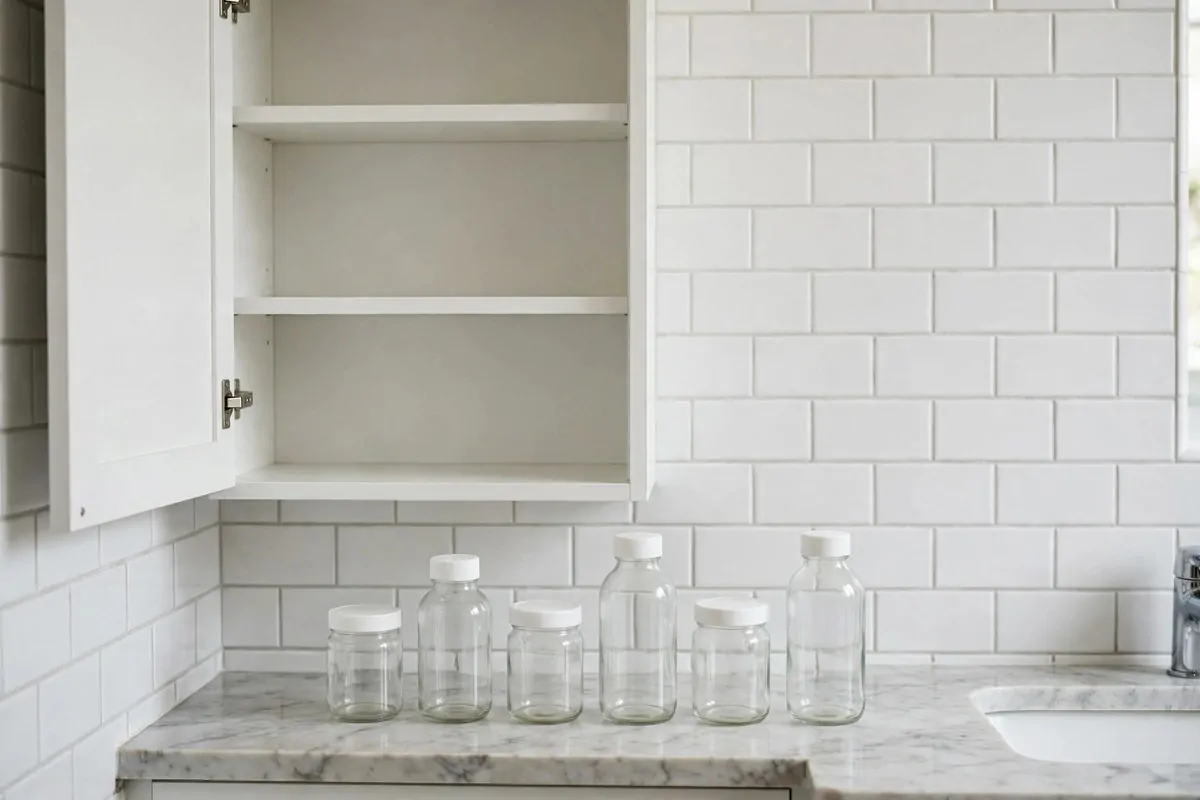
You cannot organize a mess you cannot see. Take every single thing out of your cabinet first. Put it all on a clean towel on the counter.
It looks worse before it looks better. That is normal. A full clear-out shows you what you really own.
Now sort the pile into small groups. Keep the things you use each day. Set aside the things you use once in a while.
Check the dates on your medicines and creams. If a date has passed, put that item in a bag to toss. Do not keep old stuff just in case.
Here is a simple way to sort it all fast.
- Daily items you reach for each morning and night.
- Weekly items you use a few times a week.
- Backups and extras you do not need right now.
- Old or empty items to throw away safely.
Wipe the shelves while they are empty. A quick wipe makes the whole cabinet feel new. I use a damp cloth and a drop of plain soap.
Let the shelves dry for a few minutes. Then you can put things back in a smart order. Clean shelves also help your bins sit flat.
Keep only what fits with room to spare. If the cabinet is packed tight, it will get messy again fast. A little empty space is your friend.
Take a photo of your empty cabinet. It helps you plan where each group will go. And it feels good to see the before and after.
2. A Small Turntable on the Bottom Shelf
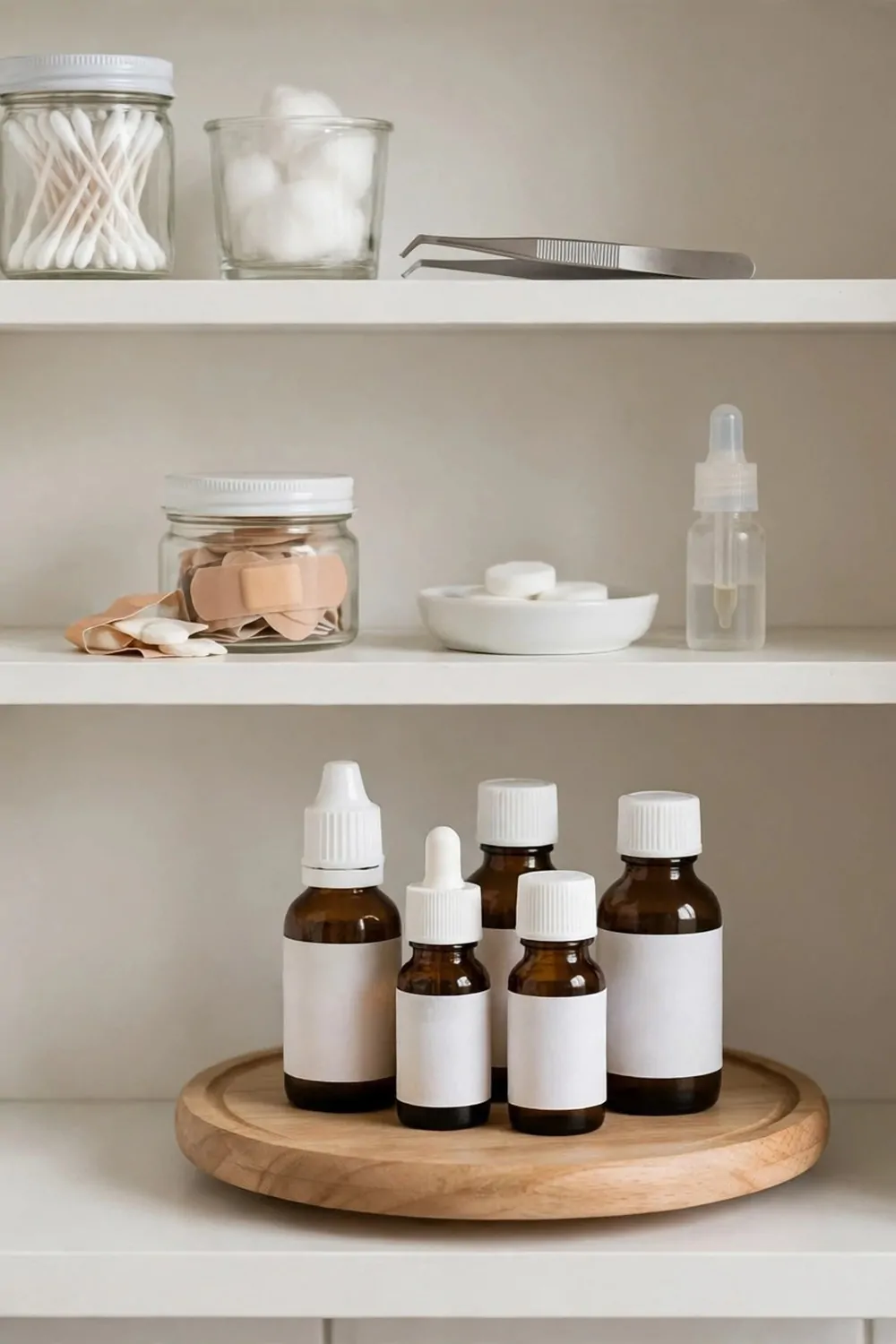
A small turntable changed my bottom shelf for good. It is a round tray that spins. You just turn it and the back items come to the front.
Before I had one, things hid in the dark back corner. I bought the same cream twice because I could not see the first one. That does not happen now.
Pick a turntable that fits your shelf with space to spin. Measure the shelf first. Leave a little gap on each side so it turns free.
Put your most used bottles on it. I keep my daily pills, my eye drops, and my lip balm there. One spin and I can grab what I need.
Keep tall bottles near the middle. Short ones can sit near the edge. That way nothing tips over when you spin it.
Do not pile the turntable too high. If it is too full, things fall off when you turn it. Keep it light and easy to spin.
Kids should not reach medicines, so keep this shelf up high if little hands are around. Put the turntable on a shelf they cannot reach. Safety comes first, always.
Clean the turntable once a week. Dust and small spills build up fast in a bathroom. A quick rinse keeps it smooth.
If you share the cabinet, give each person a small spot on the turntable. It stops the mix-ups. And mornings move a lot faster.
3. Clear Stackable Bins for Each Shelf
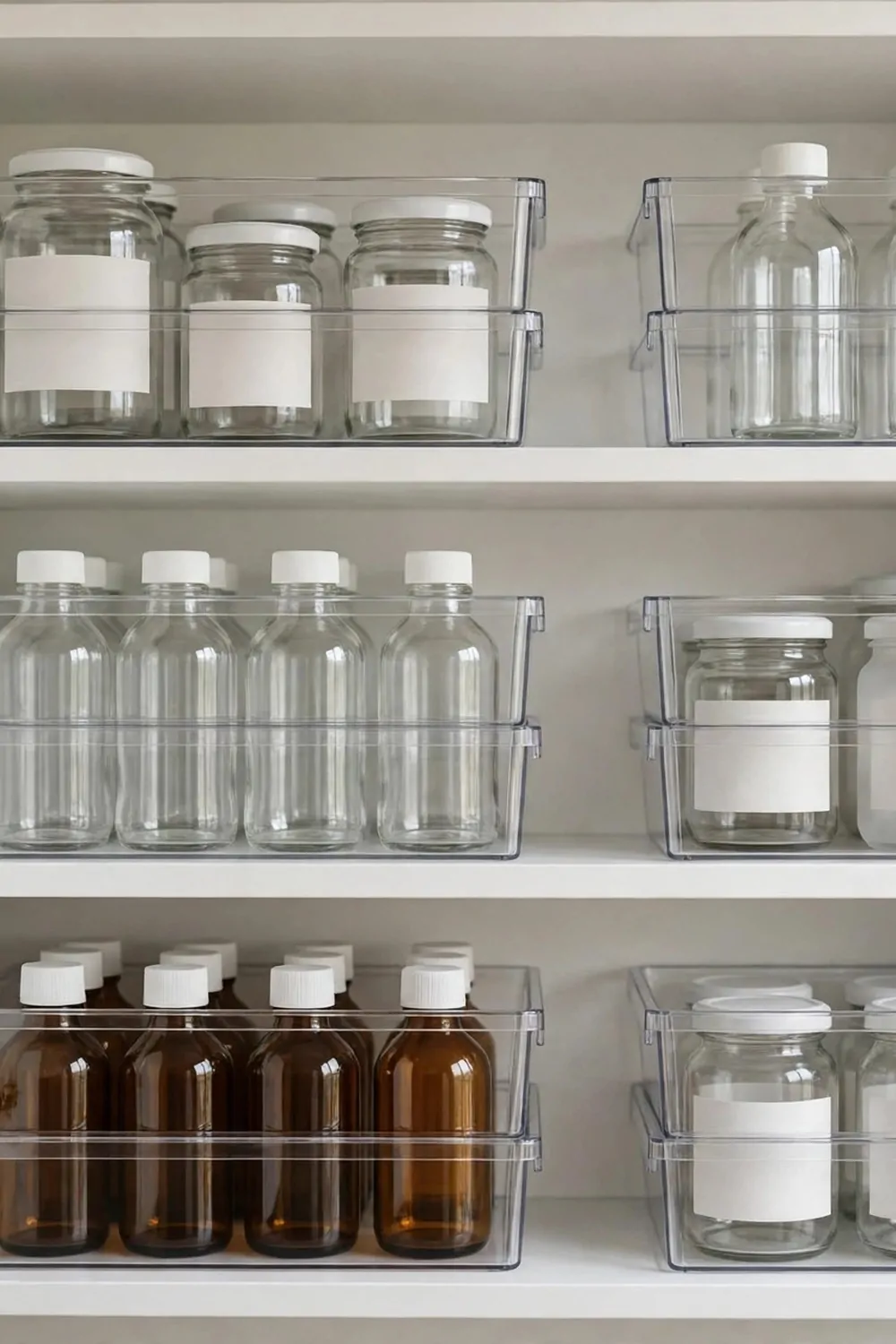
Clear bins are my favorite trick for this cabinet. You can see right through them. You never have to pull a bin out just to check what is inside.
Give each shelf its own bin or two. One bin can hold skin care. Another can hold hair bits. A third can hold first aid things.
Stackable bins save space when your shelves are tall. You can stack two short bins and still reach both. It uses the height you already have.
Pick bins with low sides for the front. Low sides let you grab things fast. Deep bins are better for tall bottles at the back.
Do not mix too many types in one bin. A bin with pills, creams, and cotton balls gets messy fast. One job per bin works best.
Leave a small gap between bins. Your fingers need room to lift a bin out. If bins touch the walls, they get stuck.
I like bins with small handles on the ends. They pull out like little drawers. It feels neat and it is easy for sleepy mornings.
Wash the bins when you do your clear-out. They catch drips from bottles. Clean bins keep your shelves clean too.
Start with two or three bins and add more later. You will learn what size you need once you use them. Simple is better than fancy here.
4. Tiny Blank Labels on Every Bin
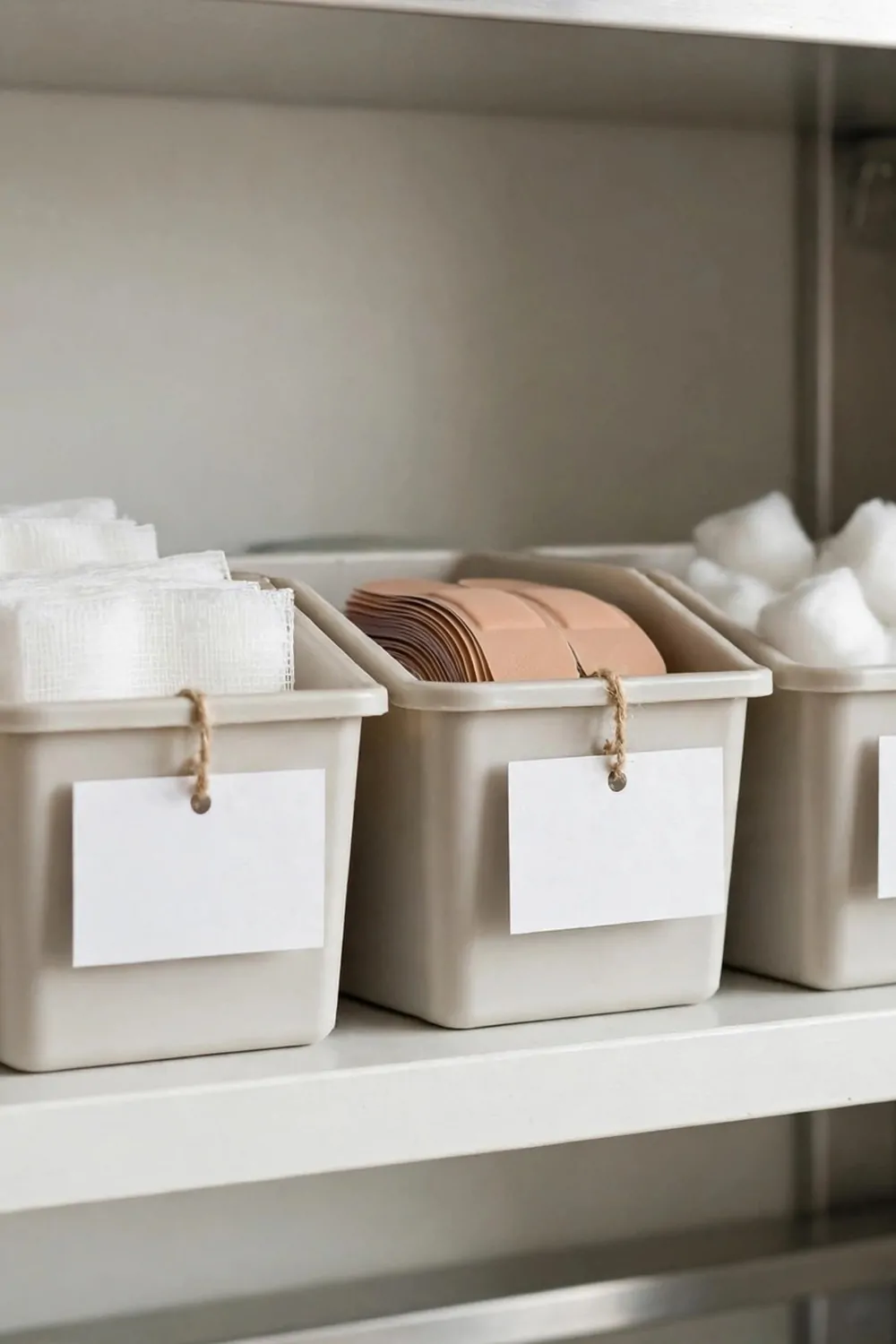
Labels sound small, but they make a big change. A tiny label tells you what lives in each bin. You stop guessing and you stop digging.
Use blank labels you can write on with a pen. I like short words like skin, hair, or first aid. Short words are easy to read fast.
Put the label on the front of the bin, low and clear. It should face you when you open the door. If you have to tilt your head, move it.
Here is a simple plan you can copy for your own bins.
| Bin | What goes inside |
|---|---|
| Morning skin | Face wash, day cream, and sunscreen |
| Night skin | Night cream, serum, and lip care |
| First aid | Bandages, cotton pads, and small ointment tubes |
| Hair bits | Hair ties, small clips, and a comb |
Write in big, clear letters. Tiny handwriting is hard to read in the morning. A thick pen works well on a blank label.
If you share the cabinet, add a name to the label too. It stops mix-ups between your things and someone else’s. Everyone knows what is theirs.
Change a label when the bin changes. Peel the old one off and write a new one. Labels should match what is really inside.
Keep a few blank labels in a drawer nearby. When you add a new bin, you can label it right away. It takes less than a minute.
Labels also help you put things back in the right spot. After you use a cream, the label shows you where it goes. That keeps the cabinet tidy day after day.
5. A Magnetic Strip Inside the Door
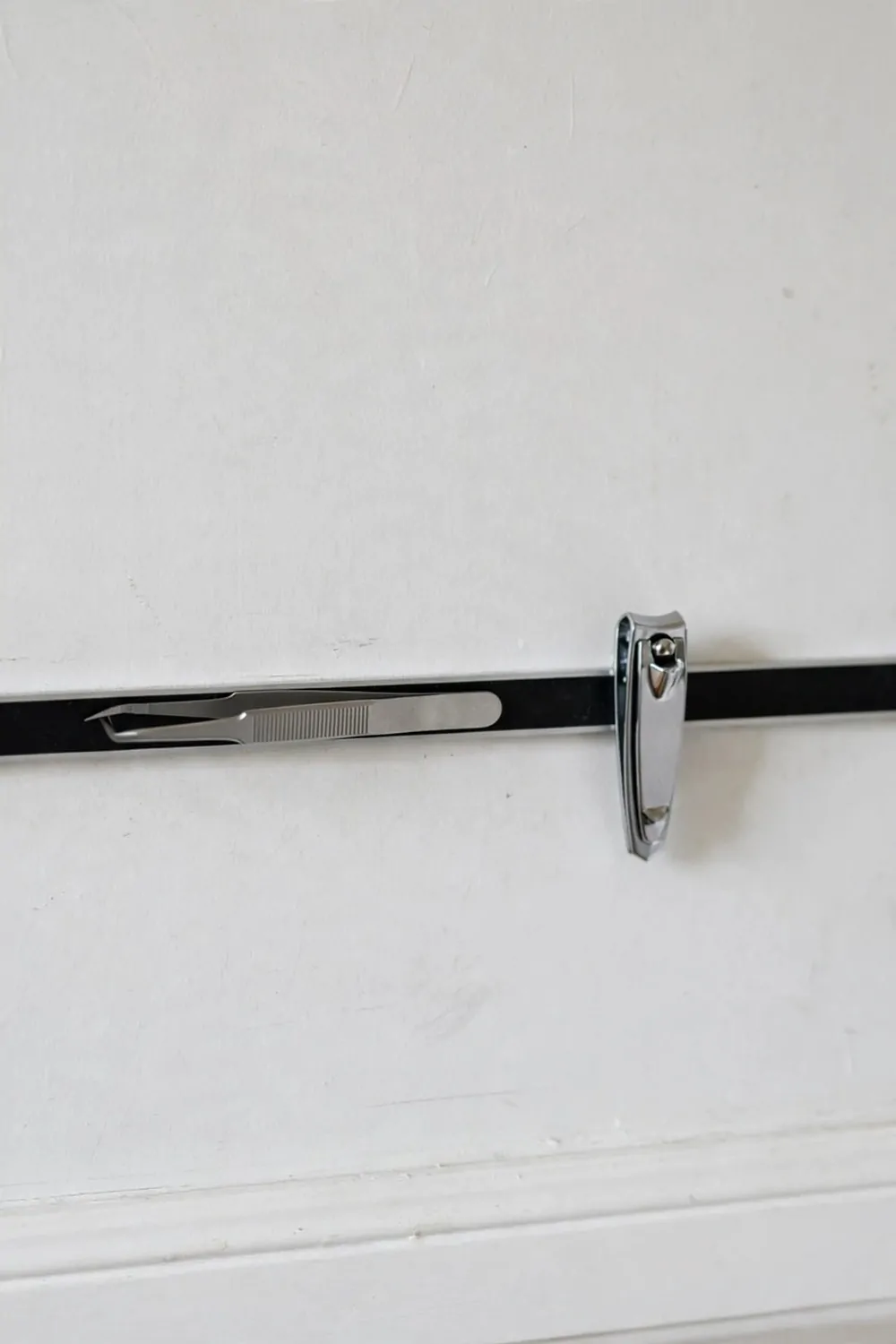
The inside of the door is free space most people forget. A magnetic strip turns it into a smart spot. Small metal things stick to it and stay put.
I stick my nail clippers and small tweezers there. They used to hide at the bottom of a bin. Now I can see them and grab them in one second.
Pick a strip made for cabinets. It should be strong but slim. Stick it low on the door so it does not hit the shelves when you close it.
Test the door before you press it on for good. Close the door slow and watch for bumps. If it rubs, move the strip down a bit.
Do not put heavy things on the strip. Light metal tools work best. A heavy item can slide off and fall in the sink.
Keep medicines off the strip. Pills and bottles do not belong there. The strip is for small tools only.
Clean the strip with a dry cloth now and then. Bathroom steam can leave a light film on it. A quick wipe keeps the grip strong.
If you have kids at home, keep sharp tools up high on the door. Put the strip where small hands cannot reach it. That keeps everyone safe.
This trick costs very little and saves a lot of time. One strip, a few tools, and your door does real work for you.
6. Small Hooks on the Cabinet Door
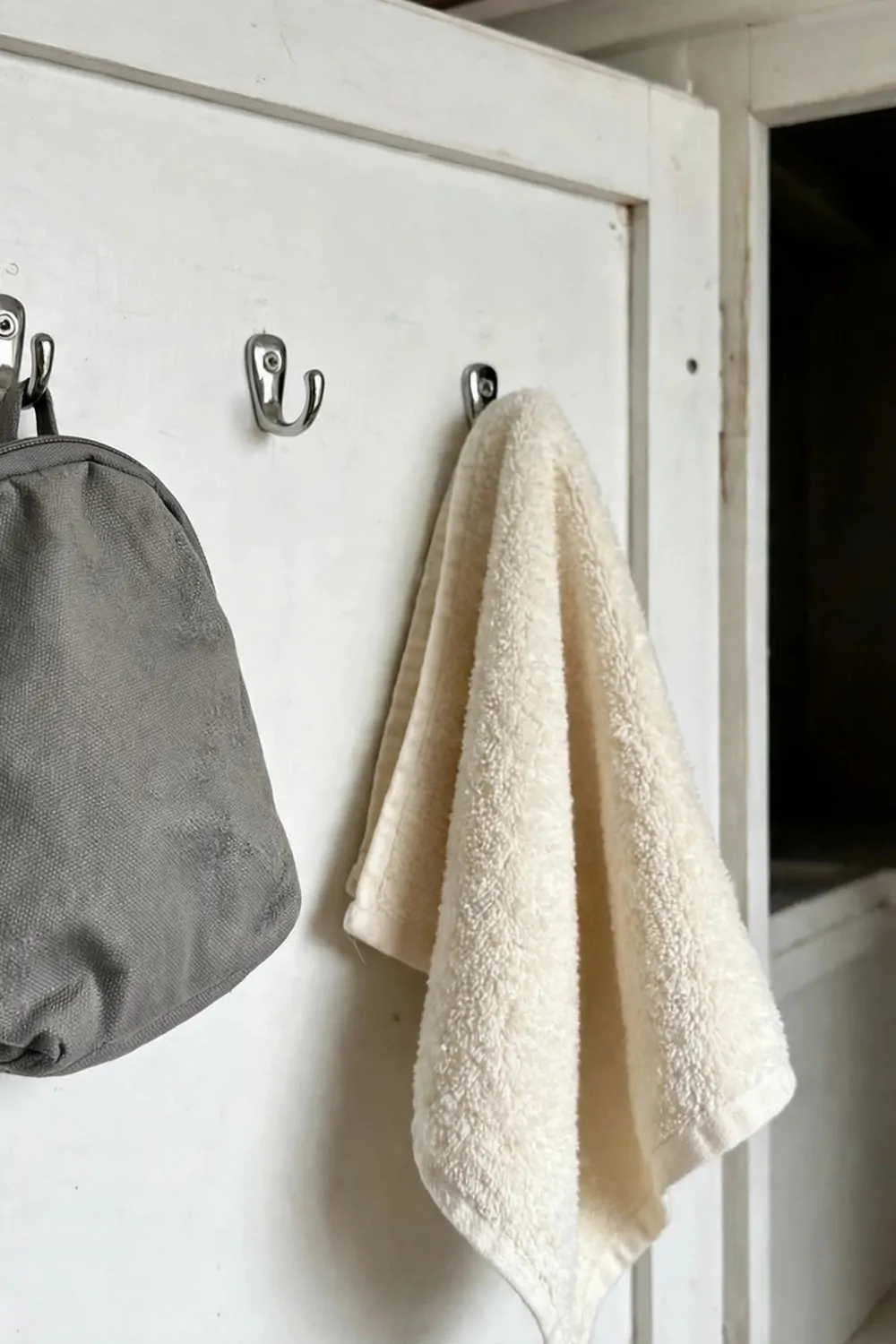
Small hooks are another way to use the door. They hold light things you grab a lot. I hang my small scissors and a tiny brush there.
Use hooks made for the inside of a cabinet door. They stick on with strong tape or tiny screws. Pick the kind that fits your door best.
Put the hooks near the top of the door. That keeps them away from the shelves. It also keeps them out of reach of little kids.
Hang only one thing on each hook. Two things on one hook tangle up fast. One hook, one item, easy to grab.
Do not hang anything heavy or wet on these hooks. A wet cloth will drip down the door. Heavy things can pull a hook off.
Check the hooks once a month. Bathroom steam can loosen the tape over time. Press them firm again if they feel loose.
I keep a hook for my hair ties too. A small ring of ties hangs neat and ready. I never have to dig in a bin for one now.
If the door feels crowded, take one hook off. The door should close smooth and flat. Crowded doors swing open and drop things.
Hooks are cheap and easy to move. Try one spot this week. If you do not like it, move it and try again.
7. A Shelf Riser for a Second Level
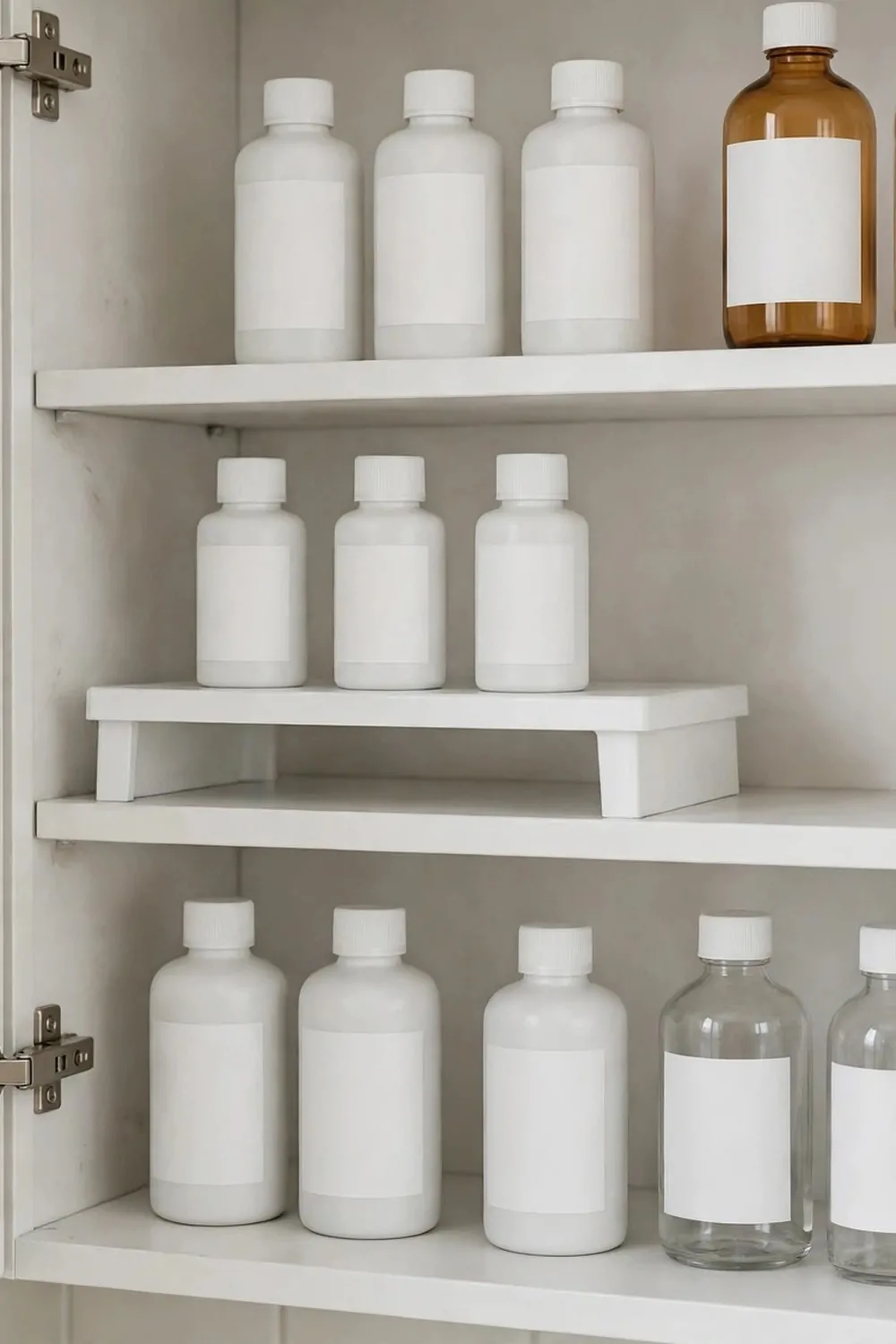
A shelf riser gives you a second level inside your cabinet. It is like a tiny table that sits on your shelf. You get more room without a new cabinet.
I use one on my middle shelf. Short jars sit on top of the riser. Tall bottles sit under it. Nothing hides behind anything now.
Pick a riser that fits your shelf width. Measure first, then buy. A riser that is too wide will not fit, and one too small wastes space.
Put the items you use less on the top level. Daily items stay on the bottom where your hand lands first. That order saves time.
Make sure the riser is steady before you load it. Push it gently from each side. If it wobbles, move it to a flat spot.
Do not stack heavy bottles on the top level. Light jars and small tubes are best up there. Heavy things belong low and safe.
Clean under the riser when you clean the shelf. Dust hides under it fast. Lift it out, wipe, and set it back.
If your cabinet is short, use a low riser only. A tall riser can block the shelf above it. You want room for your hand too.
One riser is often enough to start. Add a second one later if you need it. Small steps keep the cabinet calm, not crowded.
8. Daily Items at Eye Level
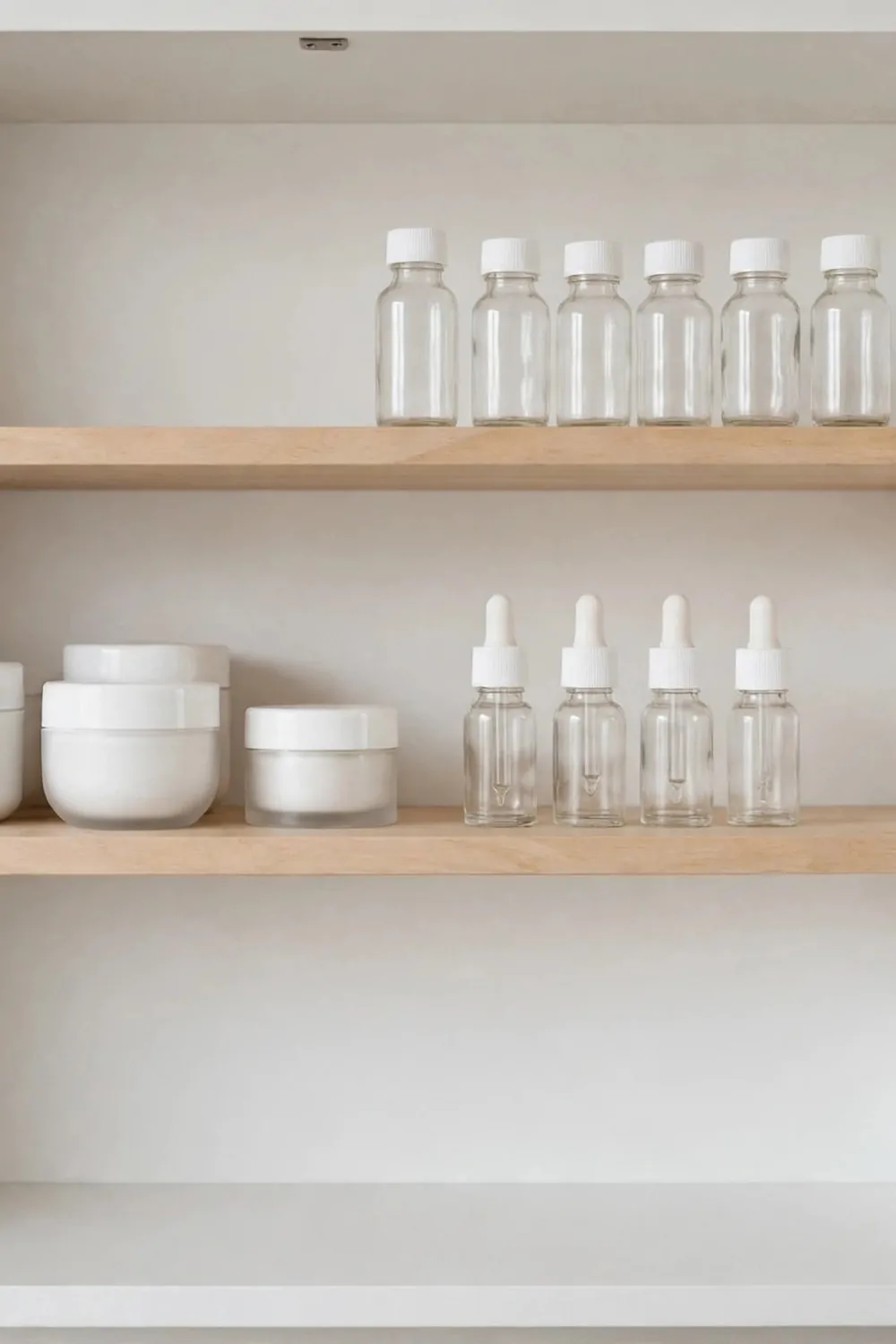
Your eye level shelf is the best spot in the whole cabinet. It is the first thing you see when you open the door. Put your daily items there.
I keep my toothbrush stuff, my face wash, and my day cream at eye level. I reach for them without thinking. My mornings feel smooth now.
Things you use once a week go on a lower or higher shelf. They are still close, but they do not block your daily items. That keeps the front clear.
Here is a simple shelf plan that works well for most people.
| Shelf | What lives there | Why it works |
|---|---|---|
| Top shelf | Backups and less used items | Out of the way but still easy to reach |
| Eye level shelf | Daily face wash, cream, and tooth care | Fast to grab with no search |
| Bottom shelf | First aid and weekly items | Easy to pull out when you need it |
Keep medicines up high if kids can reach the lower shelves. Safety comes before speed. A high shelf keeps little hands away from pills.
Stand in front of your cabinet and look straight ahead. That shelf is your eye level. Put your top three daily items right there.
Do not fill the eye level shelf edge to edge. Leave a gap at the front. Your hand needs space to grab a bottle without knocking the next one.
Move things around for a week and see what feels right. You might find your cream works better one shelf up. Small moves make a big change.
When your routine changes, change the shelf too. A new cream or a new habit means a new spot. Your cabinet should match your real mornings.
9. A Basket for Each Person
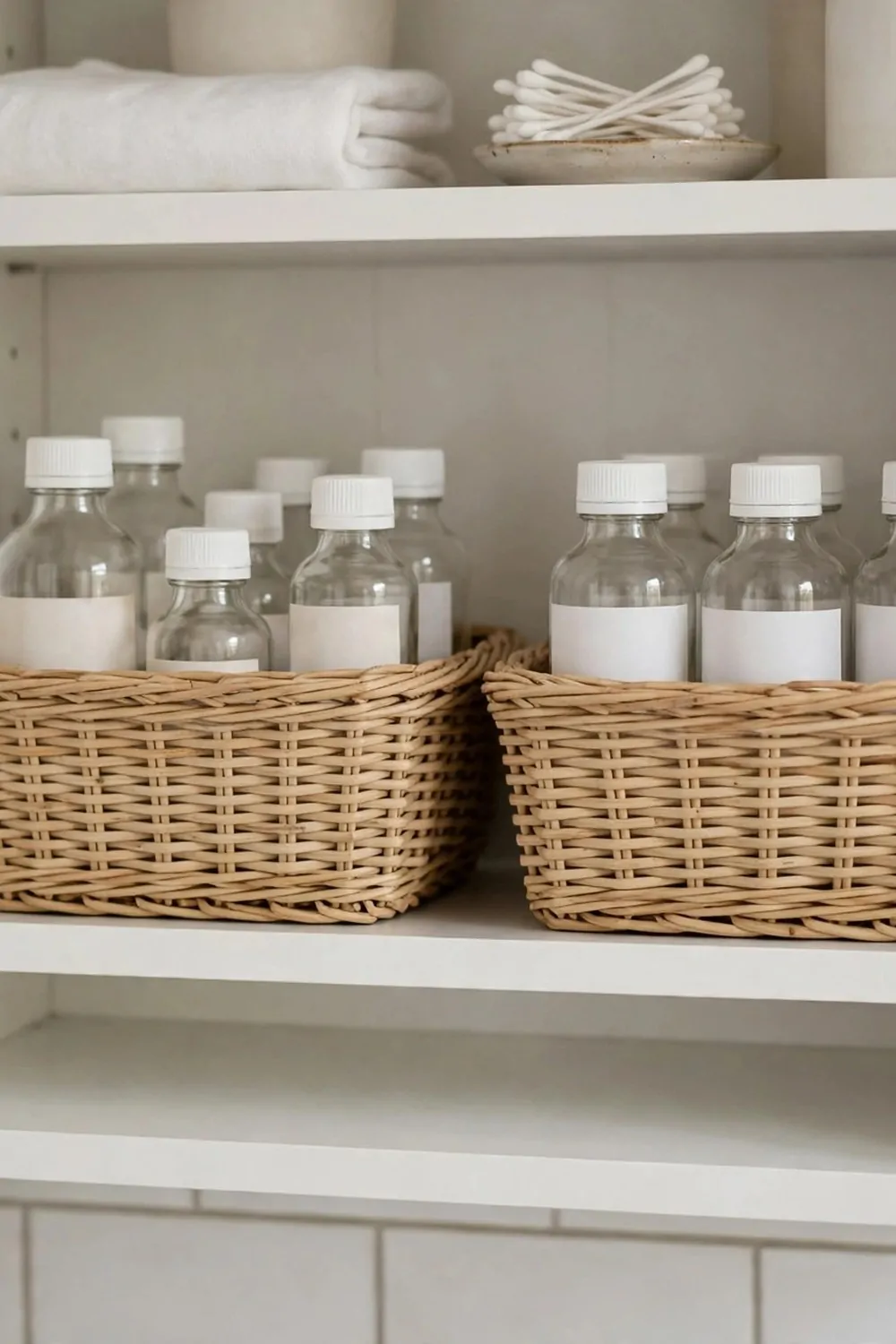
When more than one person shares a cabinet, it gets messy fast. A basket for each person fixes that. Each person gets one small basket and one spot.
Pick baskets in different colors or with a name tag. I use a blue basket for me and a green one for my husband. You can tell them apart at a glance.
Keep each basket small. A small basket forces you to keep only what you use. A big basket turns into a junk pile again.
Put the baskets side by side on one shelf. That way no one has to reach past someone else’s things. Mornings feel fair and calm.
Each person keeps their own daily items in their own basket. Tooth care, creams, and small tools stay together. No more mix-ups.
Kids need their own basket too, but keep medicines out of it. A kid basket can hold a hairbrush and toothpaste. Keep pills on a high shelf, away from kids.
Ask each person to tidy their own basket once a week. It takes two minutes. A quick tidy stops the mess from coming back.
If a basket gets too full, take something out. Move extras to a backup spot outside the cabinet. The basket should close the door with ease.
This idea works in a shared bathroom too. One basket each, one shelf each, and no one fights over space in the morning.
10. A Weekly Pill Organizer Up Front
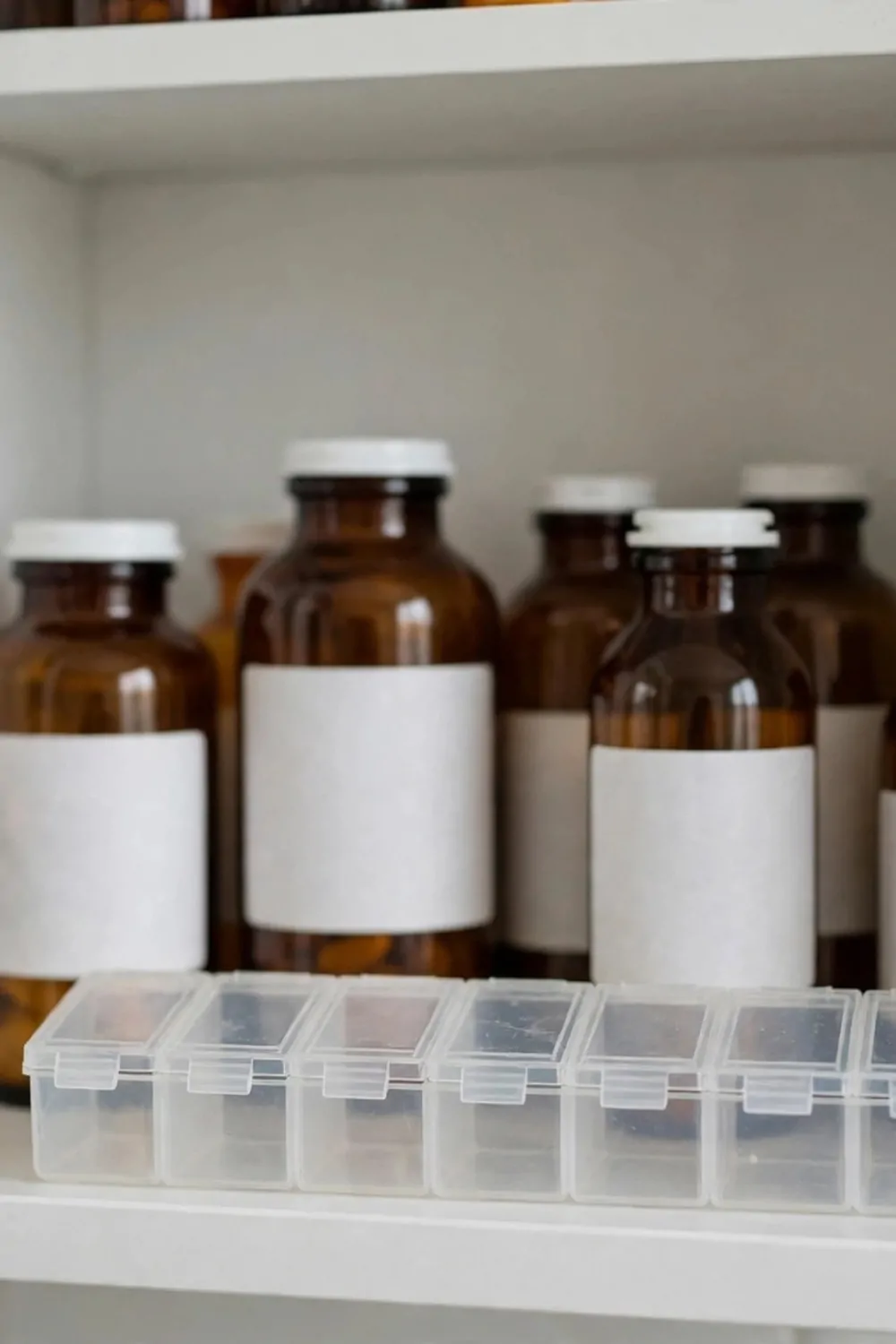
A weekly pill organizer keeps your pills in order by day. Each small box holds one day. You open the right day and you are done.
Put the organizer right up front where you can see it. If it hides at the back, you will forget it. Front and center works best.
Fill it once a week at the same time. I fill mine on Sunday night. It takes a few minutes and it sets up the whole week.
Keep the organizer on a high shelf if kids are in the house. Pills must stay far from little hands. Up high is the safe spot.
Check the dates on your pills when you fill the organizer. If a date has passed, do not use that pill. Ask your pharmacist what to do with old pills.
Keep the pill bottles behind the organizer, not in front of it. The organizer is what you grab each day. The bottles are just backup.
Use a small tray under the organizer if it slides around. A tray keeps it still on the shelf. It also catches any tiny spills.
Do not share pills with anyone else. Your pills are for you only. If someone else needs help, they should ask their own doctor or pharmacist.
This is not medical advice, just a tidy habit. A neat organizer helps you stay on track. And it makes your cabinet look calm too.
11. A Small Tray for Creams and Serums
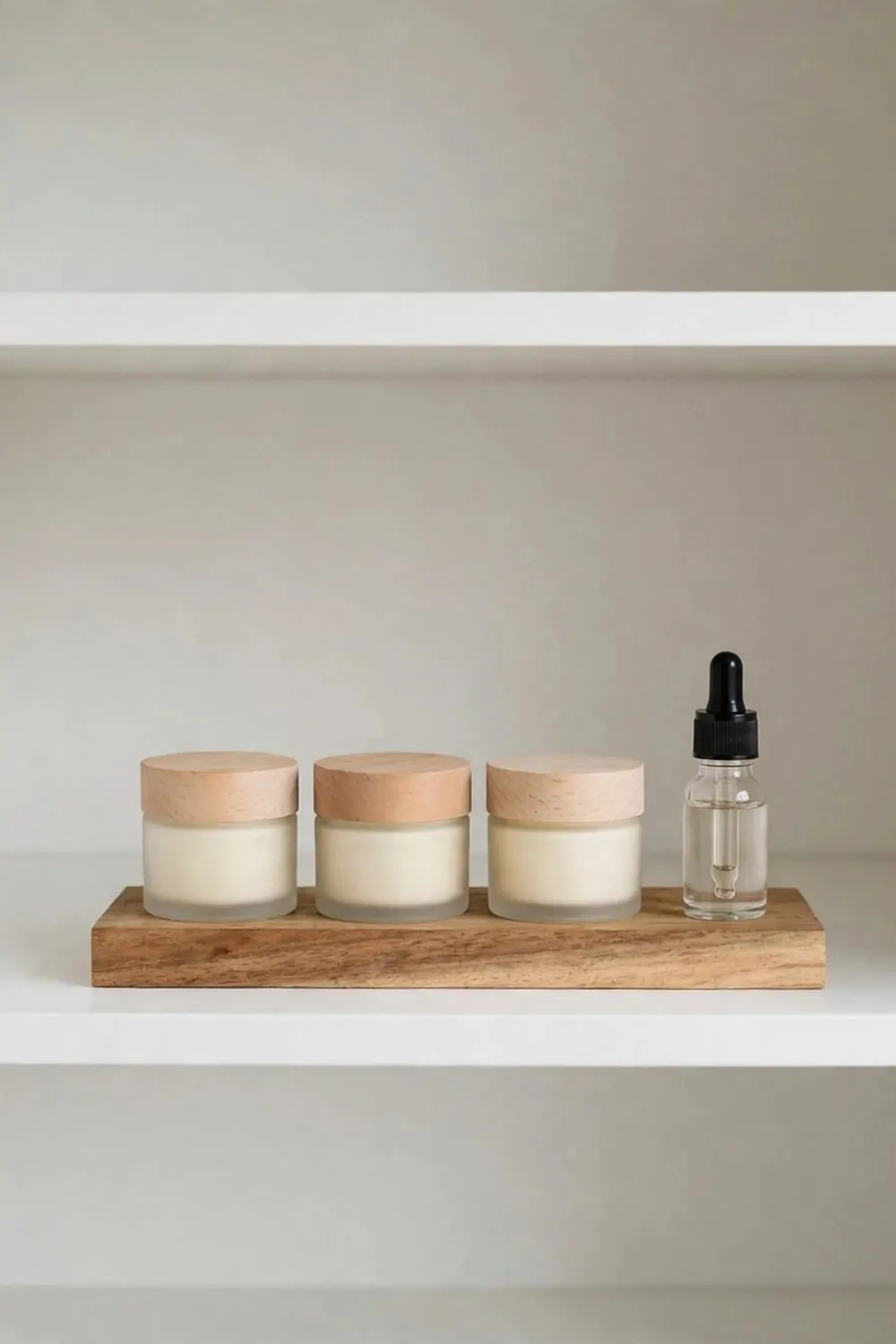
Creams and serums come in small tubes and jars. They slide around and fall over too easy. A small tray holds them all in one neat group.
Pick a tray with a low edge. Low edges let you see the tops and grab a jar fast. A deep tray hides the small jars at the back.
Put your morning creams on one side of the tray. Put your night creams on the other side. That split saves you from reading each label.
Keep the tray at eye level if you can. Your creams are daily items, so they earn a good spot. Eye level means no bending and no search.
Wipe the tray once a week. Creams drip a little around the cap. A quick wipe stops sticky rings on your shelf.
Do not keep too many creams on one tray. If the tray is packed, jars tip over when you pull one out. Five or six jars is plenty.
Move a cream off the tray when you stop using it. Old creams take up space for no reason. Check the date and toss what is past it.
A clear tray looks light and clean in a small cabinet. A white tray looks neat too. Pick what matches your bathroom best.
This tray trick works for serums and oils as well. Small bottles stand tall in a tray. They stay upright and easy to find.
12. A Door Pouch for Tiny Bits
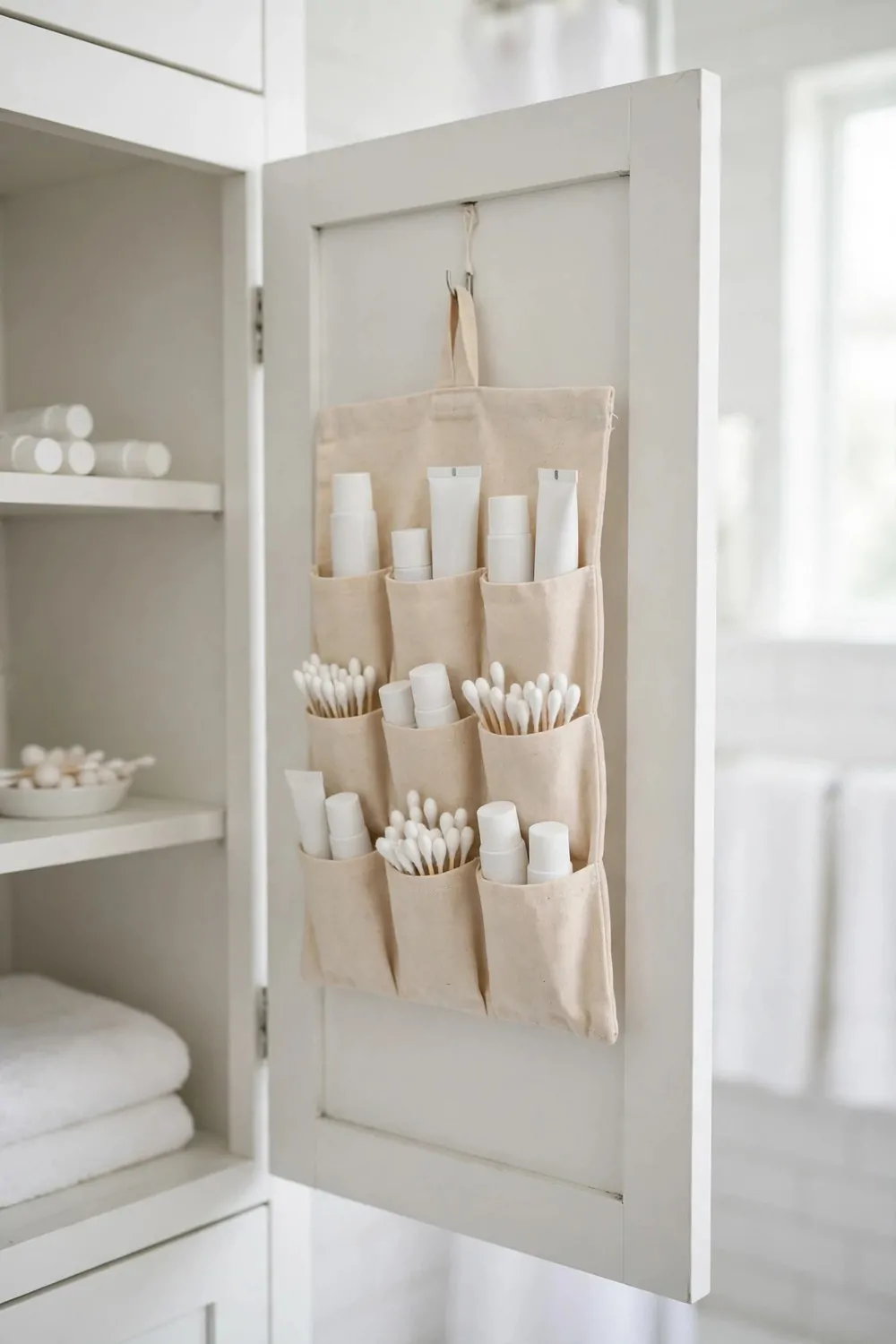
Tiny bits are the hardest things to store. Cotton pads, small clips, and bandages slip to the back. A door pouch gives them a home.
A door pouch is a small pocket that hangs inside the cabinet door. It has one or two clear pockets. You can see what is inside at a glance.
Hang it low on the door if you keep soft bits in it. Cotton pads and bandages are safe there. Keep sharp tools up high, away from kids.
Put one type of tiny bit in each pocket. One pocket for cotton pads. One pocket for bandages. Mixed pockets turn messy in a week.
Do not stuff the pockets too full. A full pocket bulges and stops the door from closing. Leave a little room at the top of each pocket.
Check the pouch when you do your weekly tidy. Pull out empty wrappers and old bits. A quick check keeps it useful.
A clear pouch works best for tiny bits. You see the stock without opening it. When you are low, you know to buy more.
If the pouch slides down, press the hooks firm again. Steam can loosen them over time. A firm press once a month keeps it in place.
This small pouch saves you from digging in bins for tiny things. One look at the door and you know where it is. Mornings get a little faster.
13. A Narrow Caddy for Tall Bottles
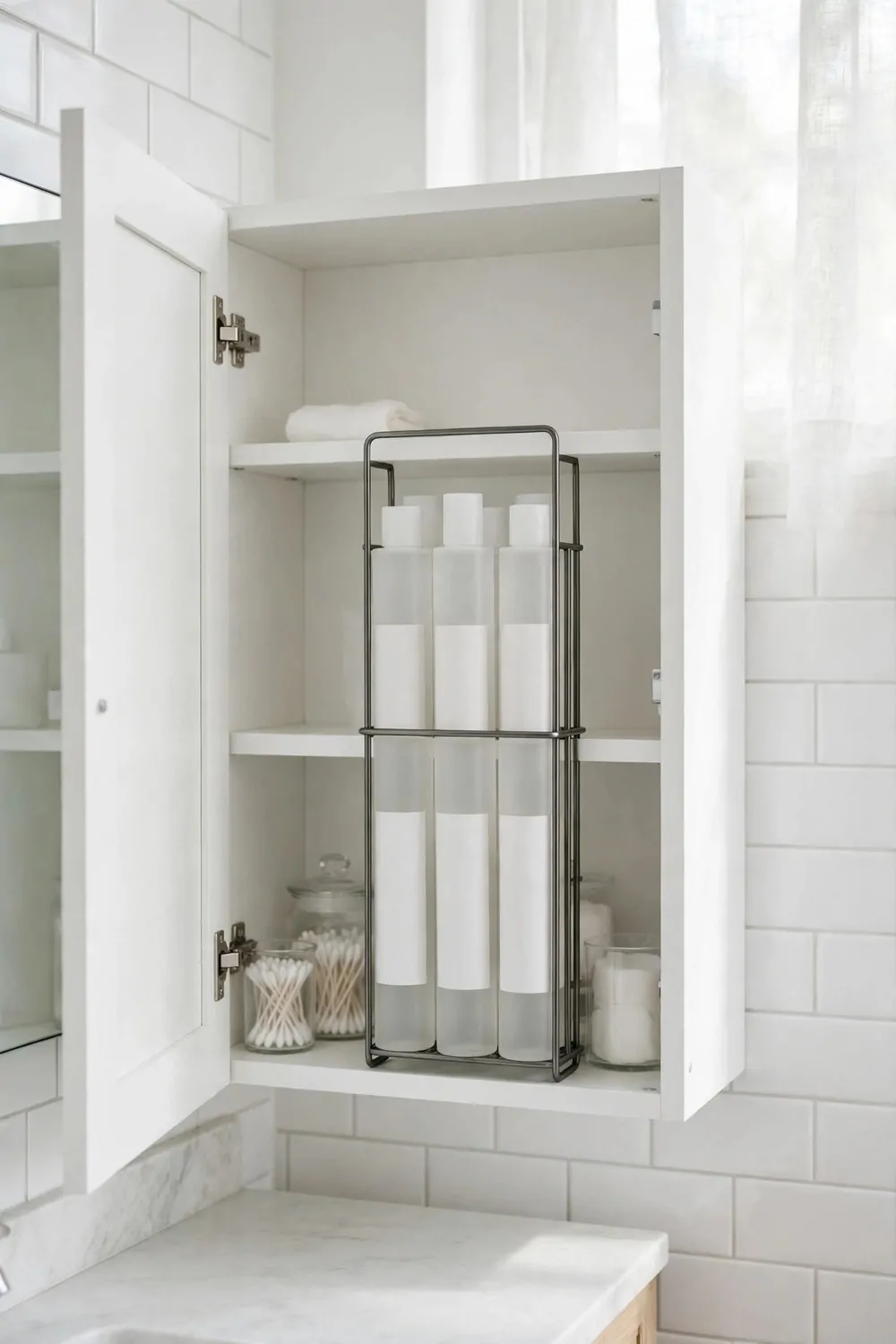
Tall bottles fall over all the time in my cabinet. I got tired of picking them up every morning.
A narrow caddy fixed that for me. It holds the tall bottles upright in one neat row, and nothing leans on anything else now.
I picked a slim one that fits my shelf with a bit of room to spare.
You can slide the whole caddy out like a little drawer, grab what you need, and slide it back in. It takes two seconds, and your morning feels calmer already.
I keep my tall bottles at the back of the caddy and the shorter ones at the front. That way I can see every label without moving things around.
Try not to pack it too full.
If the caddy wobbles when you pull it out, it is too heavy or too wide for the shelf. A smaller caddy works better than a big one that sticks.
I wipe mine down once a week with a damp cloth. Sticky rings from bottles build up fast if you leave them, and a quick wipe keeps it fresh.
This one small change made my whole cabinet look tidier. You will wonder why you did it sooner.
14. A Small Box for First Aid Bits
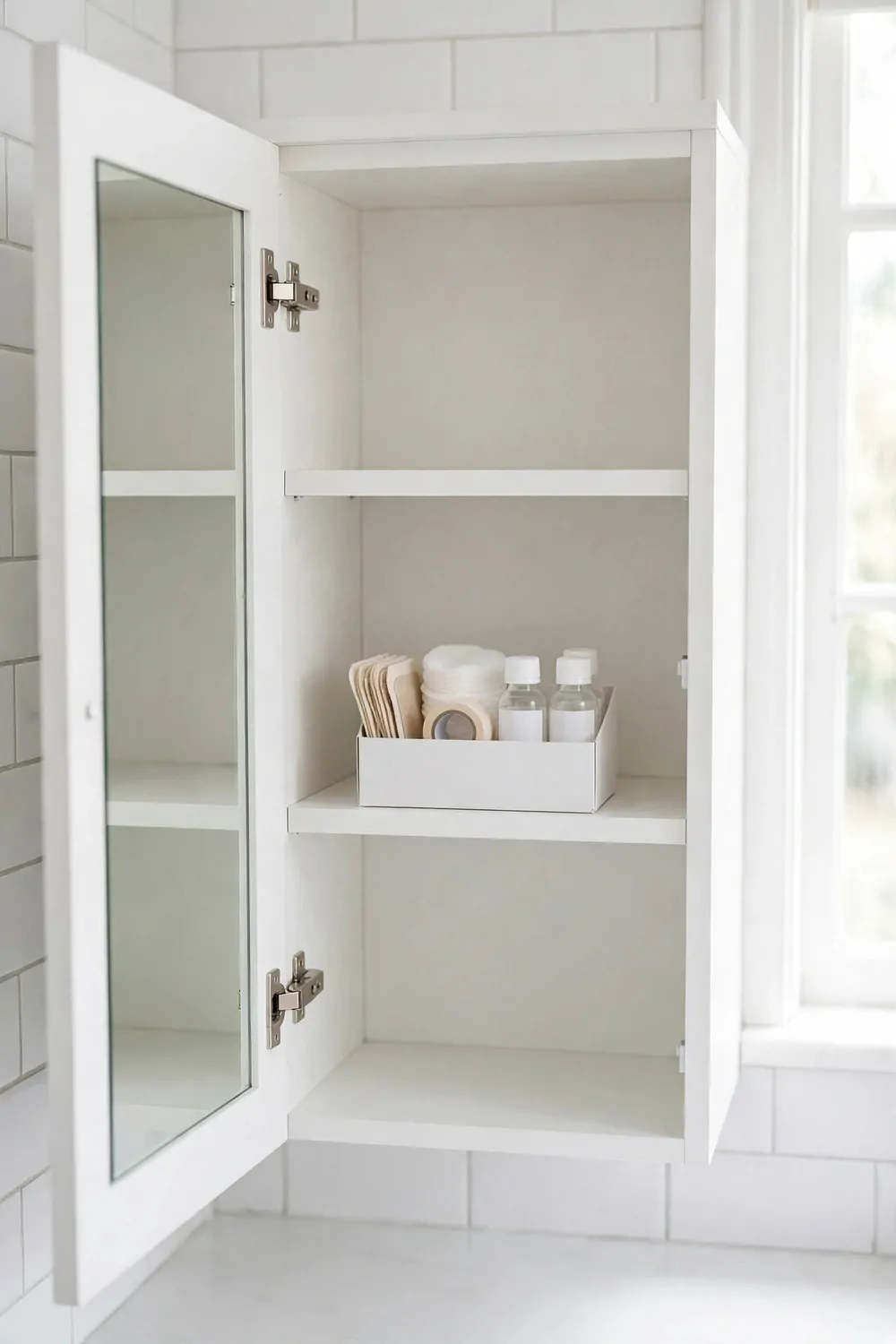
First aid bits end up everywhere if you let them. I used to find plasters in three different spots.
Now I keep them all in one small box with a lid. When someone needs a plaster, I know just where to look.
I picked a box that is easy to open with one hand. That matters when your other hand is holding a tissue or helping a child.
Here is what I keep inside mine:
- Plasters in two sizes
- A small roll of gauze and a bit of tape
- Tweezers for splinters
- Small scissors
- A few cotton pads
I check the box once a month to see what is running low. It is a small job, and it saves a rush later.
I keep the box closed when I am not using it. That keeps dust out and keeps little hands from peeking inside.
Keep the box on a shelf you can reach fast. You do not want to hunt for it when you need it in a hurry.
I put a little label on the front so anyone in the house can spot it. My kids know what it is for, and they know to ask me before they open it.
A small box sounds simple, and it is. That is why it works so well for me.
15. Keep Kids Medicines High and Safe
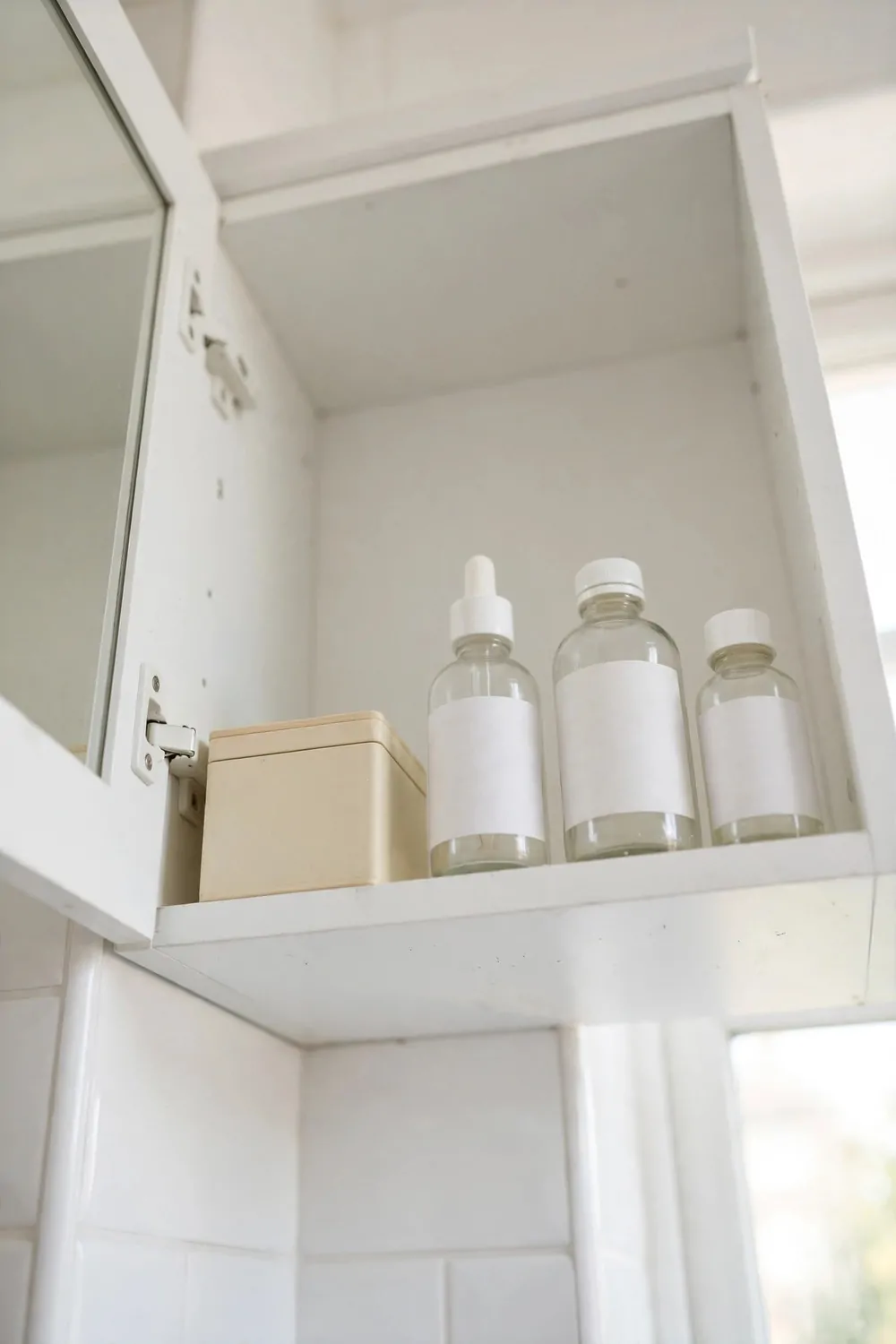
Kids are curious, and they can reach more than you think. I keep all kids medicines on the highest shelf in the cabinet.
It is the one rule I never break. Even if I am in a rush, the medicines go back up high when I am done.
I use a small basket up there so the bottles stay together. The basket has high sides, so nothing slides off the edge.
If your cabinet has a lock, use it. If it does not, a high shelf plus a closed door is still a big help.
Talk to your kids about it in simple words. I tell mine that medicines are only for grown ups to give, and they are not sweets.
Never leave a bottle on the counter while you do something else. I did that once, and I will not do it again.
Keep the caps on tight every single time. A loose cap is easy to miss when you are half asleep in the morning.
Ask another adult in the house to follow the same rule. It only works if everyone puts things back in the same safe spot.
This habit gives me peace of mind. You will feel better knowing those bottles are well out of little hands.
16. A Small Jar for Cotton Pads and Buds
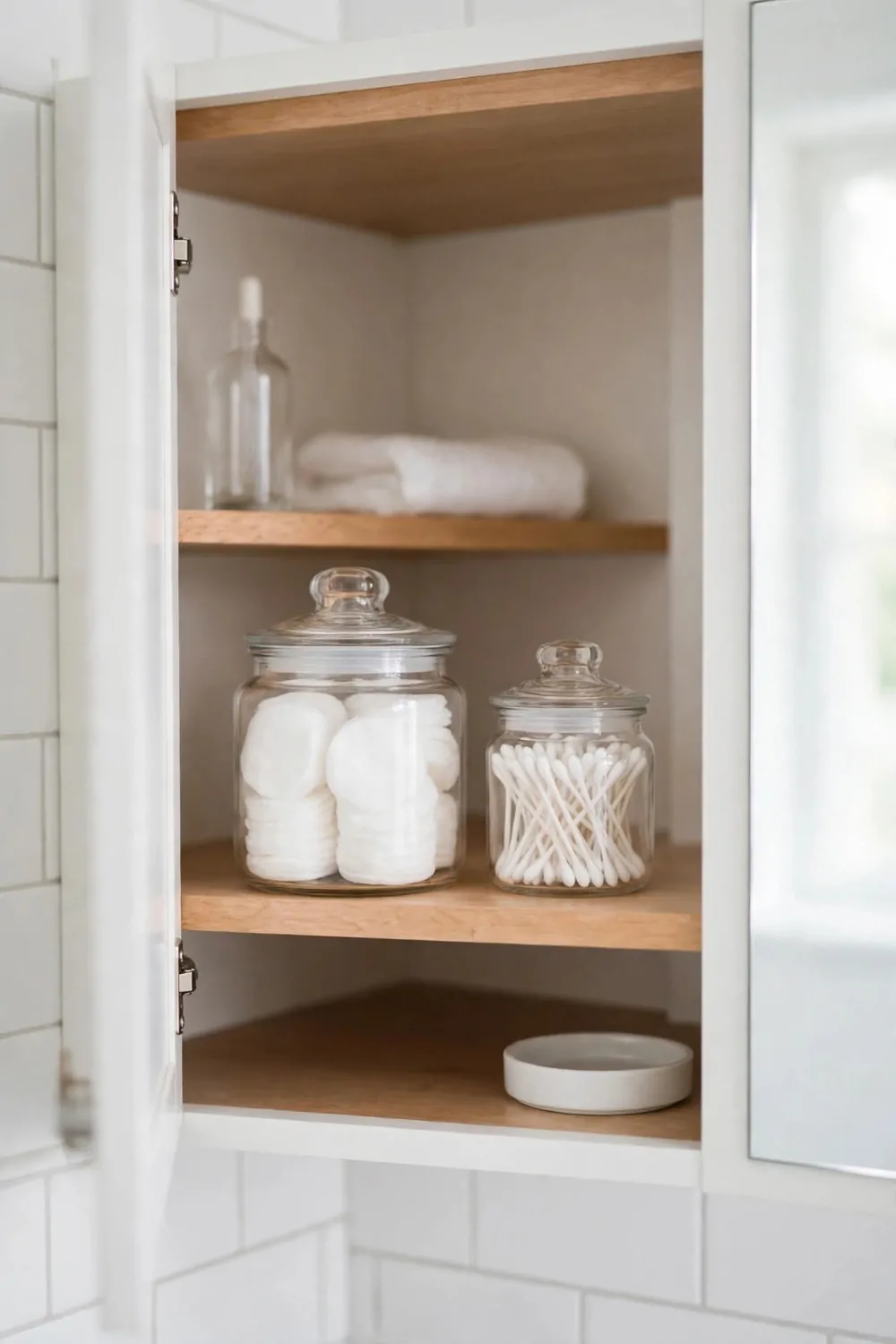
Cotton pads and buds get messy fast when they live in their bags. The bags tear, and bits spill all over the shelf.
A small clear jar changed that for me. I can see how many I have left at a glance.
I use one jar for pads and one for buds. Two small jars look neat side by side, and they take up very little room.
Pick a jar with a wide mouth so your hand fits in easy. A narrow jar looks pretty but it is a pain to use every day.
I keep the jars on the middle shelf where I can reach them without stretching. That is where I do my morning routine, so it just makes sense.
Refill them when they get low, not when they are empty. I top mine up on Sunday night, and I never run out mid week now.
You can use a jar you already have at home. Wash it well, dry it fully, and it is ready to go.
My jar has a lid that sits on top, not a screw top. I can grab a pad with one hand while I hold my mirror with the other.
It is a tiny change, but my shelf looks so much calmer now. Small jars really do make a big difference.
17. A Wipe-Clean Liner on Each Shelf
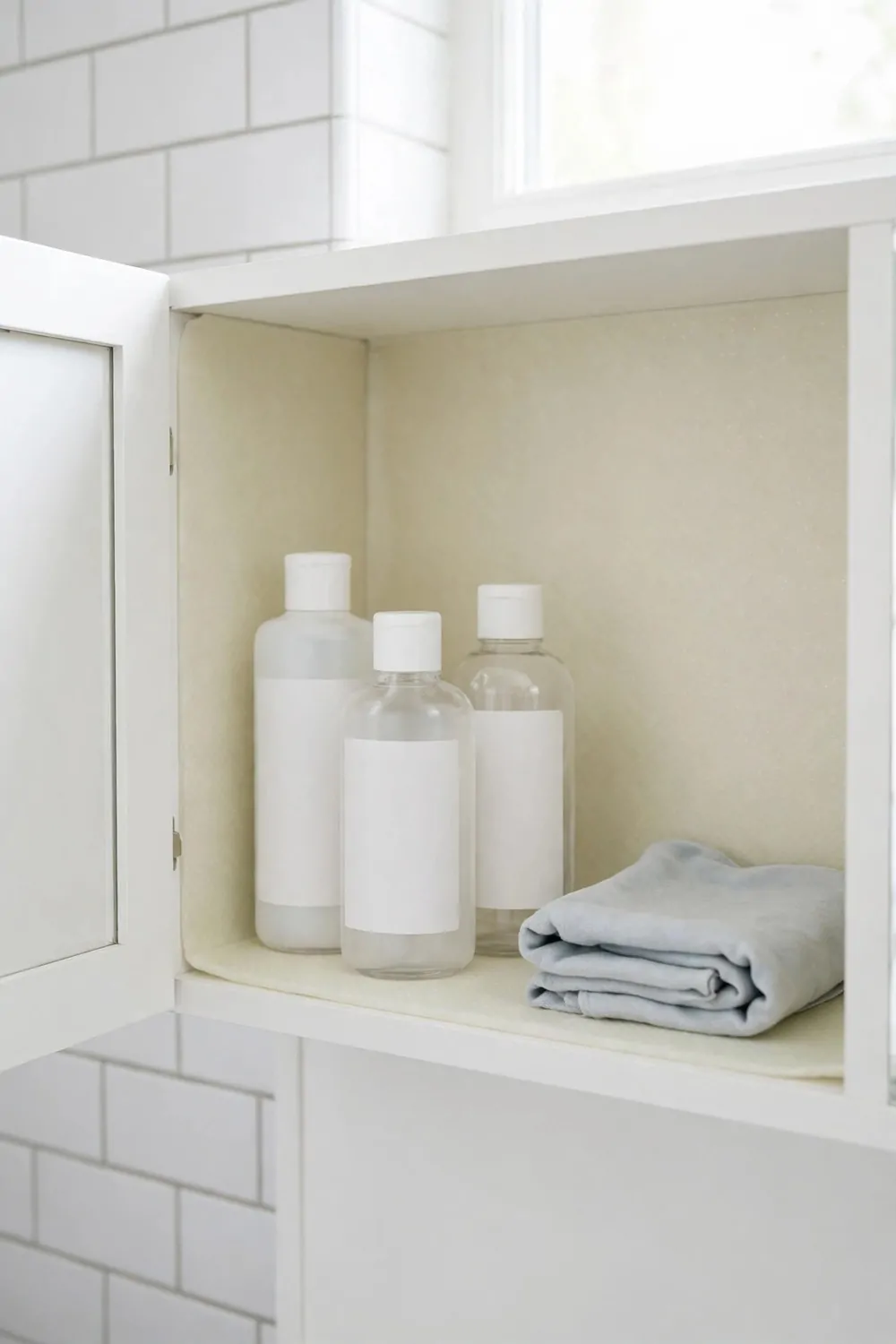
Shelves get sticky and dusty, and I never noticed how bad mine were till I took everything out. There were rings and marks everywhere.
A wipe-clean liner on each shelf fixed that problem for me. Spills sit on the liner, not on the shelf itself.
I cut mine to fit with normal scissors. Measure once, cut, and lay it flat, and you are done in a few minutes.
Pick a liner that is easy to wipe with a damp cloth. I like a plain one with no sticky back, so I can lift it out and wash it in the sink.
You can pull the liner out, give it a quick wipe, and put it back. The whole job takes less than a minute per shelf.
It also stops bottles from sliding around. My jars stay put now, even when I open and close the door fast.
I chose a light colour so I can see dust and drips right away. A dark liner hides the mess, and then you forget to clean it.
Replace the liner if it tears or starts to curl at the edges. A fresh liner costs very little, and it keeps the cabinet looking new.
This is one of those jobs you do once and enjoy for months. Your shelves will thank you for it.
18. A Monthly Expiry-Date Check
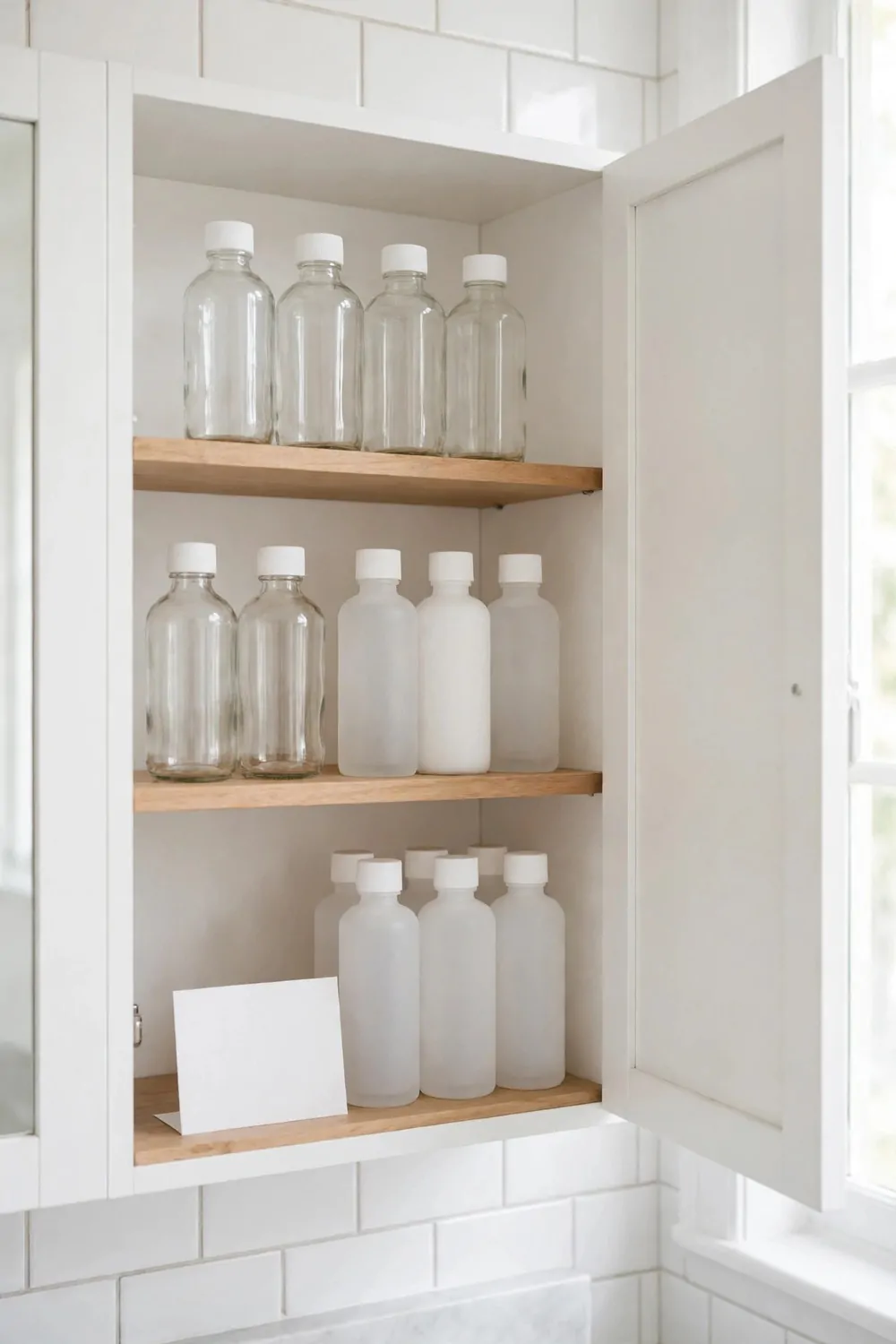
Out of date items hide at the back of the cabinet. I found two last month that I had totally forgot about.
Now I do a quick expiry-date check once a month. I pick the first day of the month so I never forget when it is due.
I take everything off one shelf at a time. I look at each date, and I put the good ones back in a neat row.
Anything past its date goes straight in a bag for safe disposal. I follow the label or my local guidance for how to get rid of it.
Put the items with the nearest date at the front. That way you use them first, and nothing gets old at the back again.
Here is how often I check each kind of item:
| Item | How often to check |
|---|---|
| Medicines | Every month |
| Creams and lotions | Every month |
| First aid bits | Every month |
| Sunscreen | Every month in summer |
Write the date you checked on a small sticky note inside the door. It helps you remember, and it feels good to tick it off.
I set a reminder on my phone for the first of next month. That way the check becomes a habit, not something I have to remember on my own.
This one habit keeps my cabinet safe and fresh. You will be glad you started it.
19. A Small Basket for Travel Minis
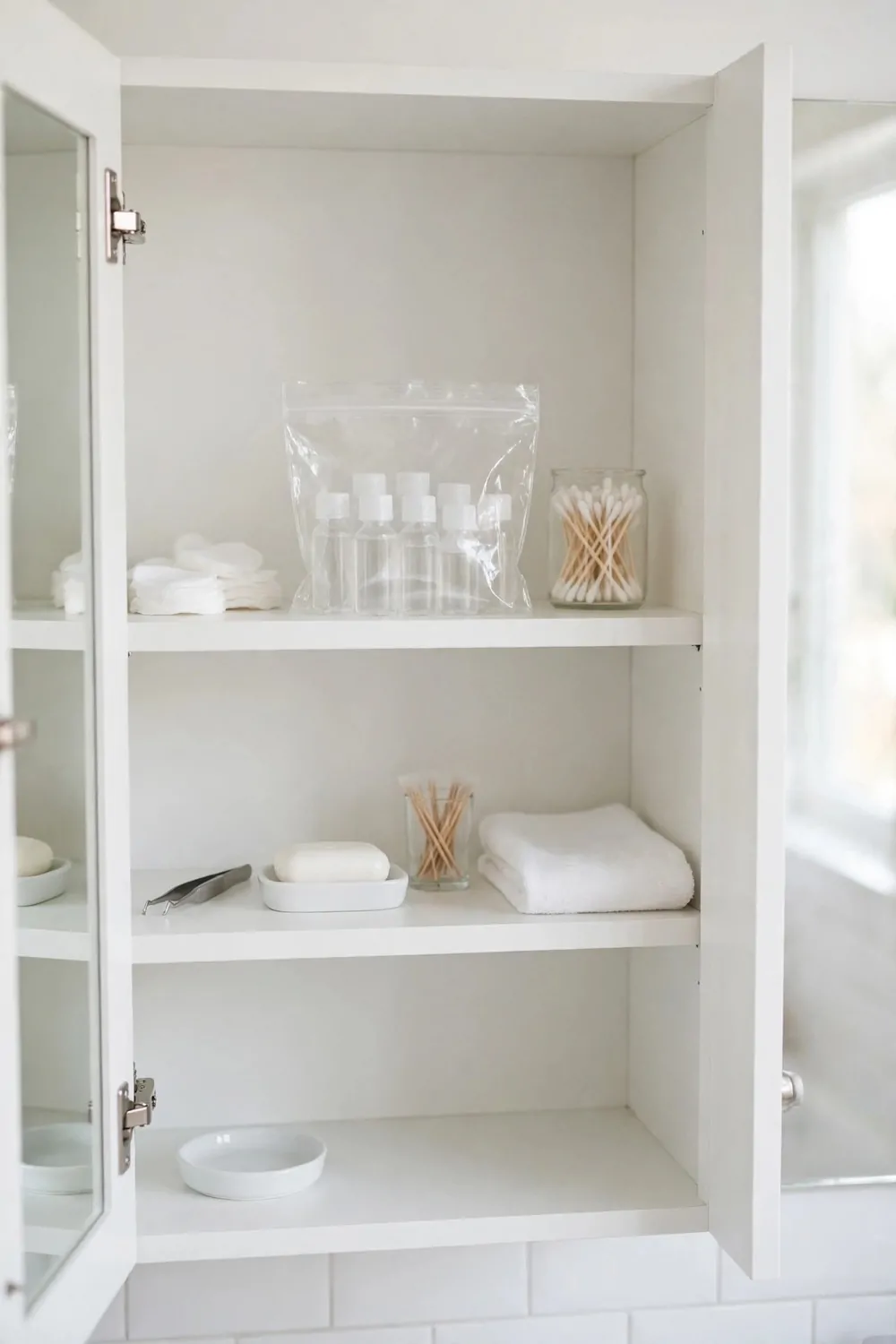
Travel minis take over the cabinet if you let them. I had little bottles mixed in with my daily stuff, and it drove me mad.
A small basket just for travel minis solved it for me. Everything for trips lives in one place now.
I keep small bottles, a tiny toothpaste, and a few cotton pads in mine. When a trip comes up, I just grab the basket.
After a trip, I put the basket back with whatever is left. Then I top it up before the next trip, so it is always ready.
Keep the basket on a lower shelf or near the front. You want to reach it fast when you are packing in a hurry.
I use a basket with handles so I can carry it to my suitcase in one go. It saves me three trips back and forth to the bathroom.
Check the minis now and then to see if any have leaked. A quick look before you pack saves a messy suitcase later.
You can use any small basket you have at home. It does not need to match anything else in the cabinet.
This little basket makes packing feel easy. You will love having it ready to go.
20. A Night Routine Shelf You Set Each Evening
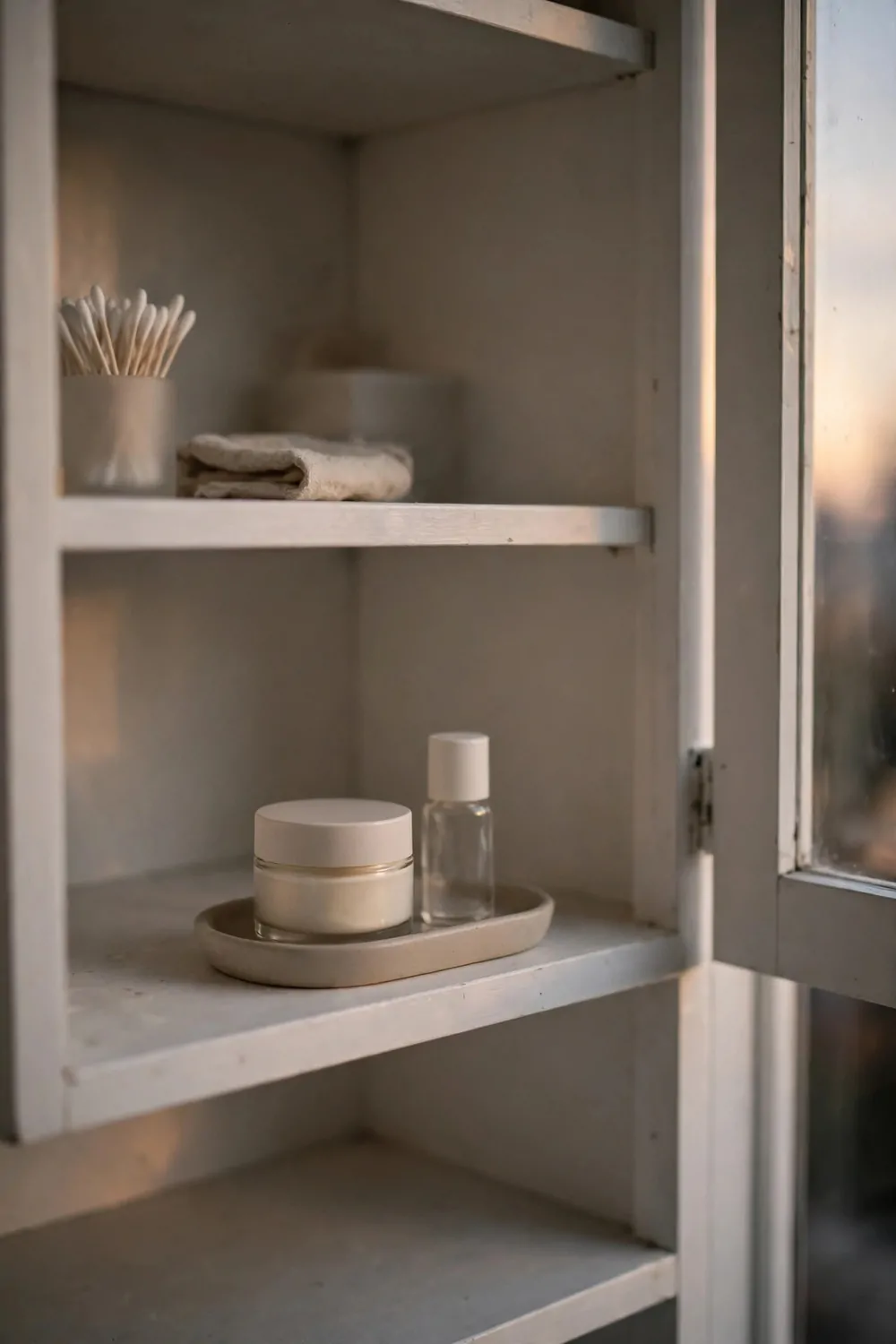
Mornings are rushed, but evenings are calmer. I set my night routine shelf each evening, and my mornings got so much easier.
I keep my night cream, lip balm, and a small brush on one shelf. Everything I need before bed is right there in a row.
Each evening I put the shelf in order for the next day too. I move my morning bits to the front so I can grab them half asleep.
It takes me about one minute. I do it while I brush my teeth, so it does not feel like an extra job at all.
I keep only the things I use every night on this shelf. The rest stays in other spots, so the shelf never gets crowded.
If I try a new product, it goes on this shelf for a week. That way I know if I like it before I give it a proper home.
My shelf has a small tray to keep things from sliding. The tray makes it look neat, and it is easy to lift out and wipe.
You can set your shelf at any time that suits you. I like evenings because the house is quiet and I can think straight.
Try it for one week and see how your mornings feel. I bet you will keep doing it.
21. A Spare Shelf for Refills and Backups
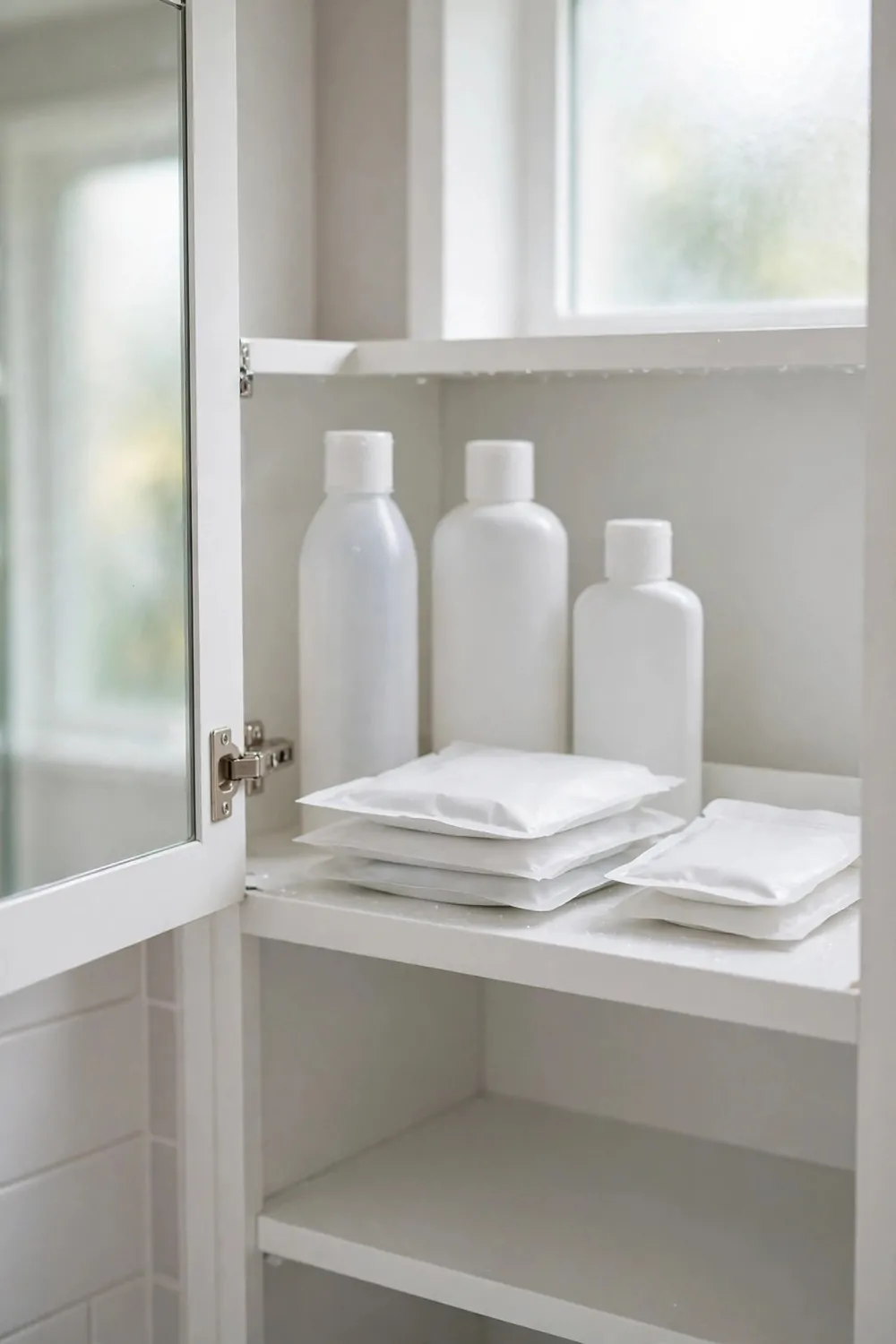
Running out of something in the middle of your routine is the worst. I used to run out of cotton pads at the worst times.
A spare shelf for refills and backups fixed that for me. I keep one spare of each daily item up there.
When the one I am using runs out, I grab the spare right away. Then I add a new spare to my shopping list that same day.
I keep the spare shelf at the top or the back, out of the way. My daily items stay at the front where I can reach them fast.
Label the shelf if you share the cabinet with family. That way nobody grabs a spare by mistake and leaves you with nothing.
Do not overfill the spare shelf. One spare of each thing is plenty, and too many spares just turn into clutter again.
I check my spares once a month when I do my expiry check. It is a good time to see what needs topping up.
This shelf also helps me shop smarter. I buy a spare only when the old spare moves down to daily use.
You will feel so calm knowing a backup is always there. No more mid routine surprises for me.
22. A Weekly Five-Minute Cabinet Tidy
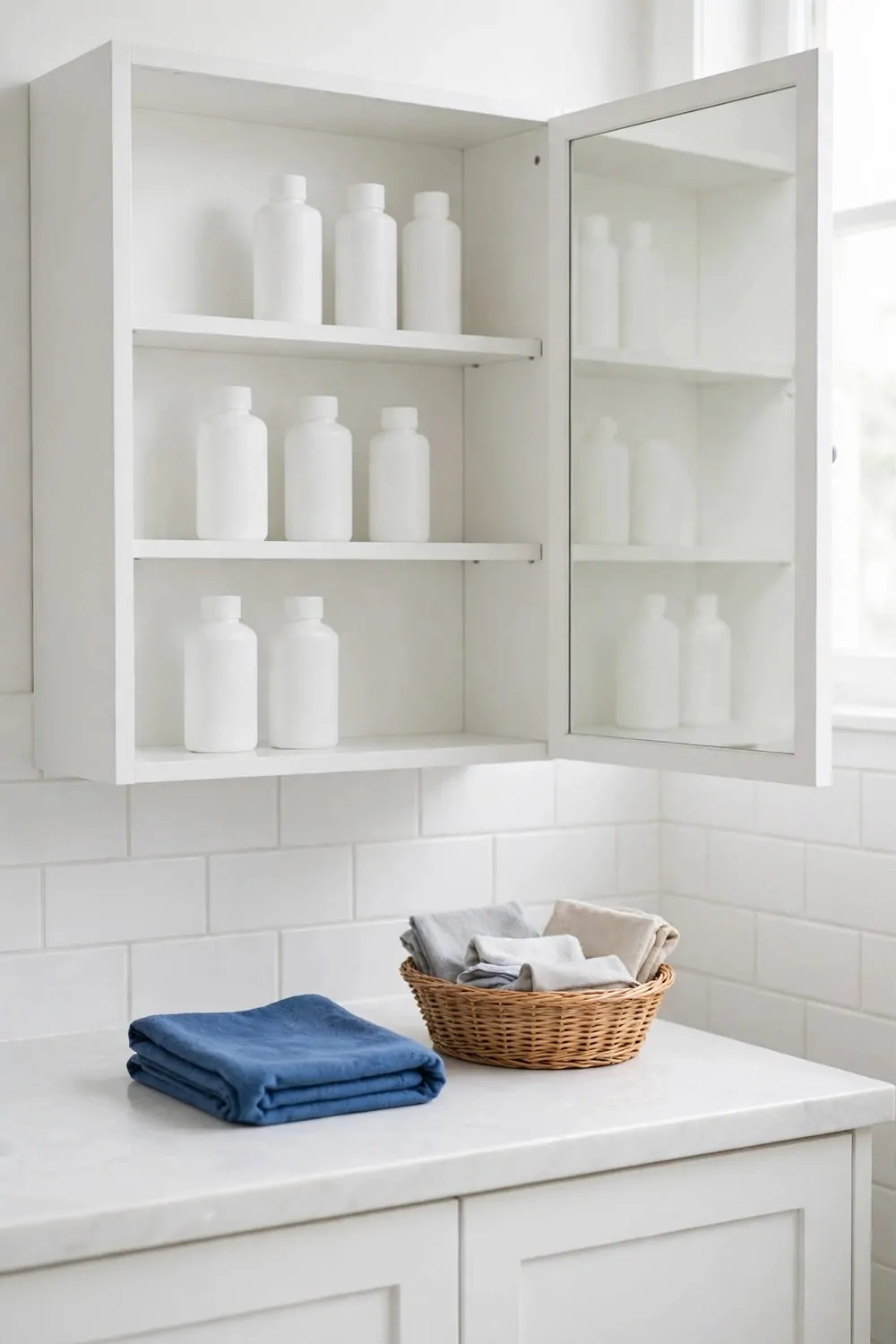
A cabinet gets messy a little bit each day. I used to leave it till it was a big job, and then I would put it off for weeks.
A weekly five-minute tidy changed that for me. I set a timer, and I stop when it rings, even if I want to keep going.
I do mine on Friday night before the weekend. Pick a day that works for you, and stick to it for a month.
Here is my simple routine:
| Step | What I do | Time |
|---|---|---|
| 1. Clear the front | Put stray items back in their spots | 1 minute |
| 2. Wipe one shelf | Quick wipe with a damp cloth | 1 minute |
| 3. Bin the empties | Toss out empty bottles and old bits | 1 minute |
| 4. Straighten the rows | Line bottles up with labels facing out | 2 minutes |
Five minutes sounds too short to help, but it really works. Small tidies stop the mess from building up.
I play a song while I tidy so it feels like fun, not a chore. By the time the song ends, the cabinet looks fresh again.
If you miss a week, do not worry about it. Just do the next tidy on time, and you are back on track.
Ask your family to put things back where they found them. One small habit from everyone keeps the tidy quick for you.
This tiny weekly habit is my favourite one in this whole list. Your cabinet will stay neat with almost no effort.
23. A Before-and-After Cabinet Check
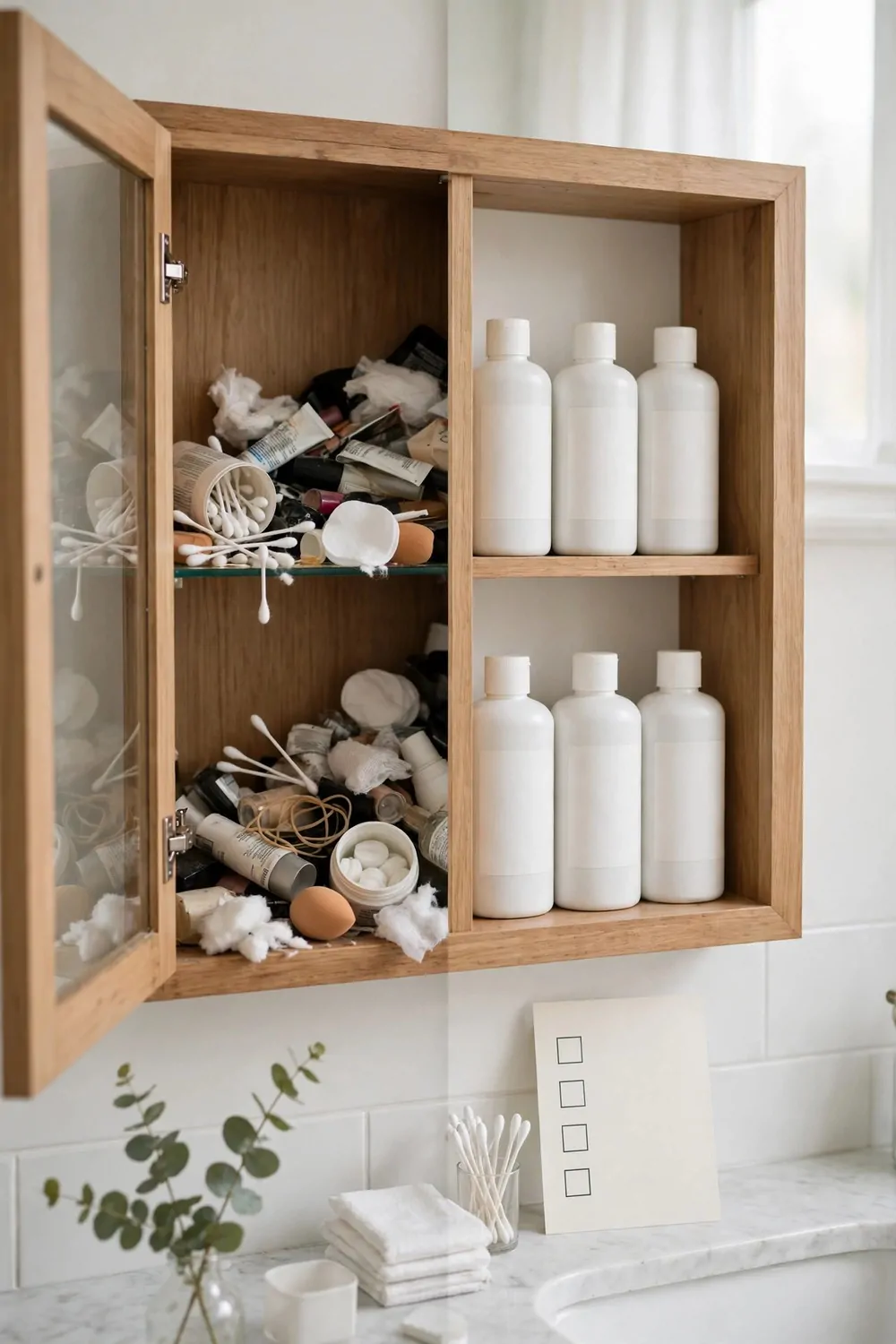
Take a photo of your cabinet before you start. I did this, and I am so glad I did.
When you are in the middle of tidying, it is hard to see how far you have come. A before photo shows you the real change.
Take the photo from the same spot each time, with the door wide open. Good light helps, so do it in the daytime if you can.
After you finish, take an after photo from that same spot. Put the two photos side by side and look at them together.
I was shocked by my own before photo. I had got so used to the mess that I did not see it anymore till I looked at the picture.
Keep the photos on your phone as a little reminder. On days when the cabinet slips again, they show you what it can look like.
You can also use the photos to spot what still needs work. I saw in mine that one shelf was still too full, so I moved a few things out.
Share the photos with a friend if you like. A bit of cheer from someone else makes the next tidy feel easier.
This check is a lovely way to finish your cabinet project. You did the work, and now you can see it clearly.
Keep Reading
- 27 Bathroom Vanity Organization Ideas That Make Mornings Easier
- 31 Shower Storage Ideas That Keep Everything Neat and Dry
- 22 Bathroom Towel Storage Ideas That Look Like a Hotel
- 28 Under-Sink Bathroom Storage Ideas That Hide the Mess
- 35 Bathroom Shelf Ideas That Add Storage Without a Remodel
- 21 Bathroom Mirror Ideas That Make Small Bathrooms Feel Bigger
Your medicine cabinet does not need to be perfect, it just needs to work for your mornings. Pick one idea from this list today, try it tonight, and enjoy a calmer start tomorrow.