44 Hidden Built-In Storage Ideas for Modern Homes

A friend came over last week, looked around my living room, and asked me where I keep everything. She meant it as a joke. My shelves were almost empty. No baskets on the floor. No piles on the table. She opened a cabinet door just to check, and behind it were the board games, the spare blankets, and the vacuum cleaner, all lined up like they had always lived there.
That is the whole trick with hidden built-in storage. It does not add more stuff to your rooms. It takes the stuff you already own and gives it a secret home inside the walls, under the seats, and behind flat doors that look like part of the room.
Modern homes look best when they look calm. Clean lines, clear counters, nothing shouting for attention. But real life is messy. Shoes pile up. Chargers breed on the counter. Board games need a home. Built-ins solve that fight because they hide the mess without adding a single bulky box to the room.
So here are 44 hidden built-in storage ideas for modern homes. Each one hides clutter and makes every room look calm and custom. Pick the ones that fit your home and start with the spot that bugs you most.
A Hallway Bench That Hides Shoes, Bags and Winter Gear
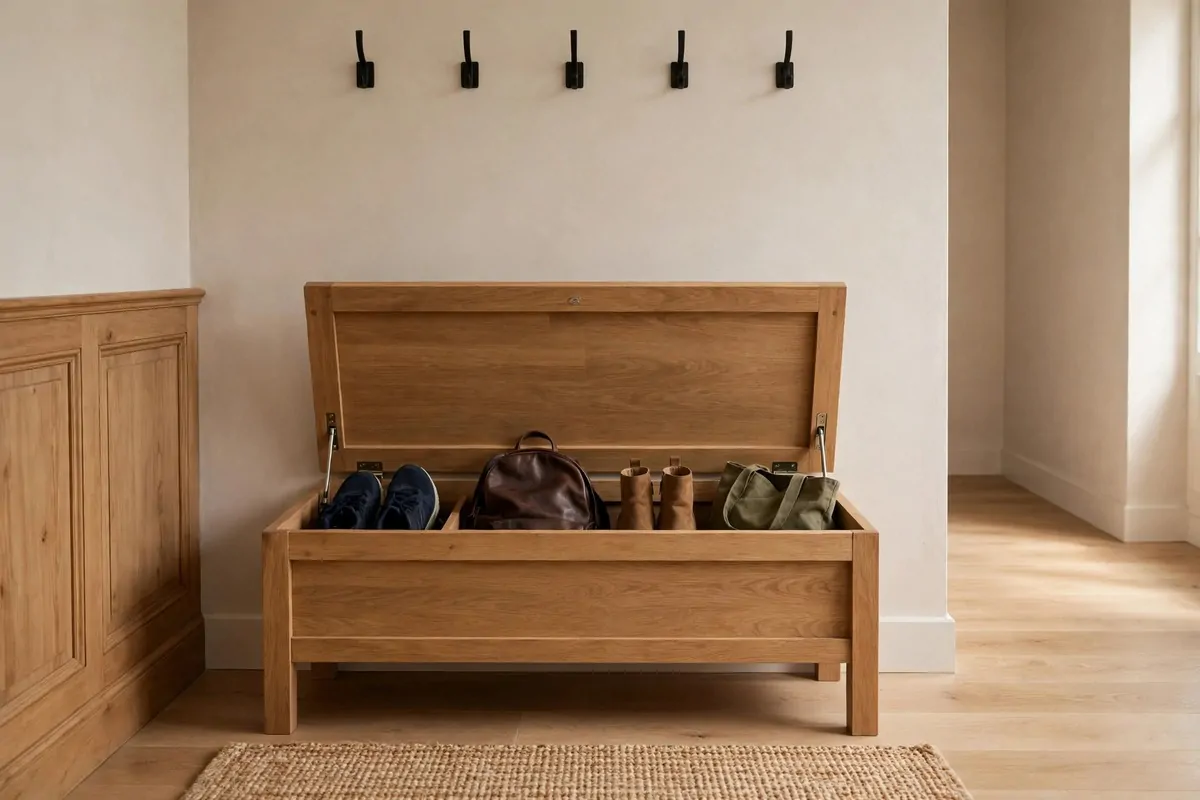
I love a hallway bench because it makes the front door feel calm the second you walk in.
You sit down, you take off your shoes, and you slide them under the seat instead of leaving them in a pile.
I put a bench by my door last year and it changed my mornings a lot.
The best ones have a lift up seat or deep drawers under it.
You can hide shoes, bags, hats, gloves and scarves in one spot and still have a clean floor.
I keep my kids shoes in one side and my own shoes in the other side so we never mix them up.
A small hook row above the bench helps too, but the bench does the heavy work.
You can add baskets inside if you want things to stay neat and easy to grab.
I like to wipe the bench top once a week because it gets dusty fast by the door.
Built-In Shelves Beside the Fireplace That Frame the Room
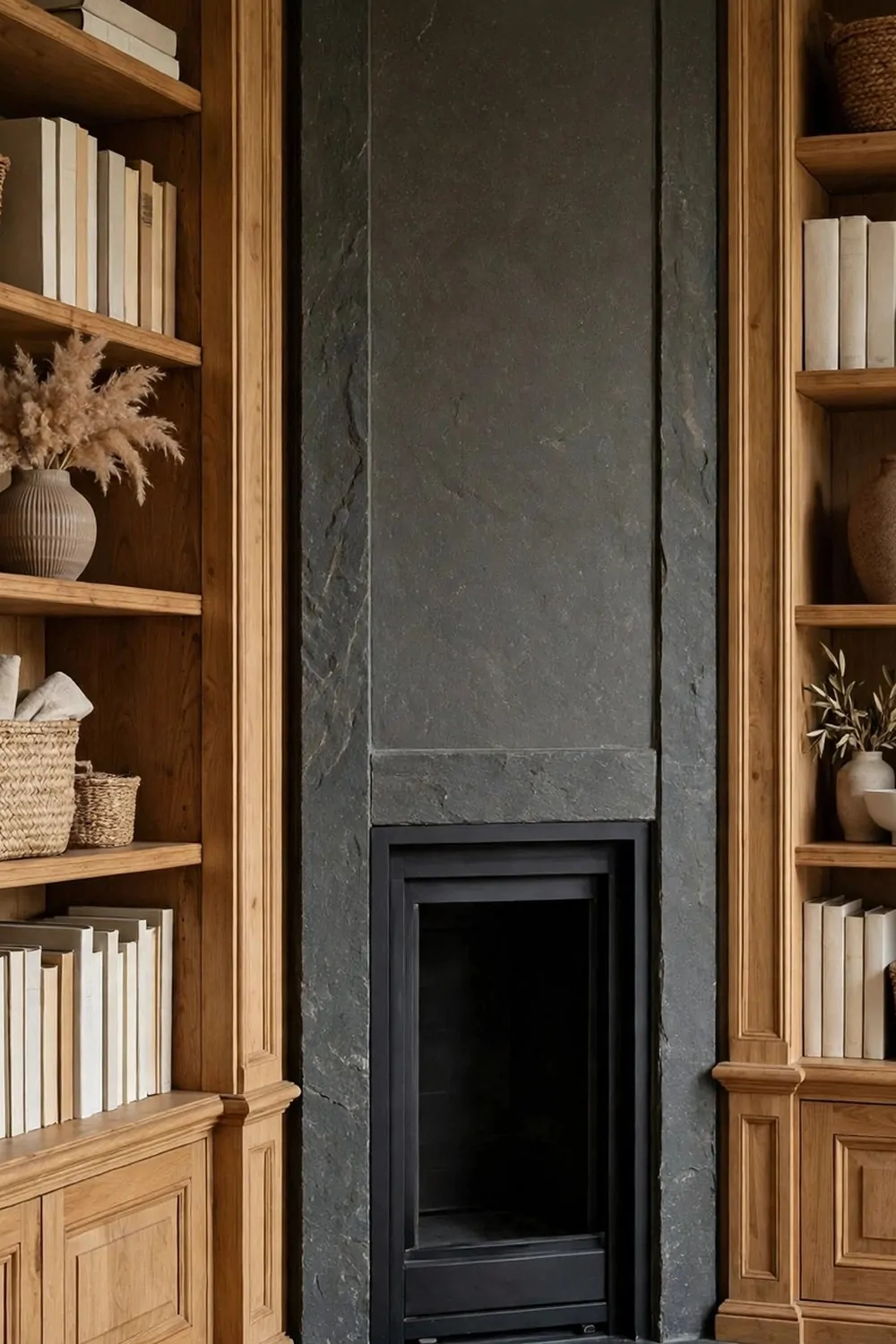
Built in shelves beside a fireplace make a room feel finished and warm.
I like how they frame the fire and give your eyes a place to rest.
You can put books, baskets and a few pretty things on them without making the room look full.
I keep the lower shelves for things we use a lot, like games and blankets.
The higher shelves are for things we just want to look at, like photos in frames and small plants.
You do not need to fill every inch or the shelves will look messy.
I leave a bit of empty space on each shelf so the room can breathe.
A mix of open shelves and a closed cupboard at the bottom works really well.
You can hide chargers, remotes and toys behind the cupboard doors and keep the open part tidy.
A Window Seat With Deep Storage Under the Cushion
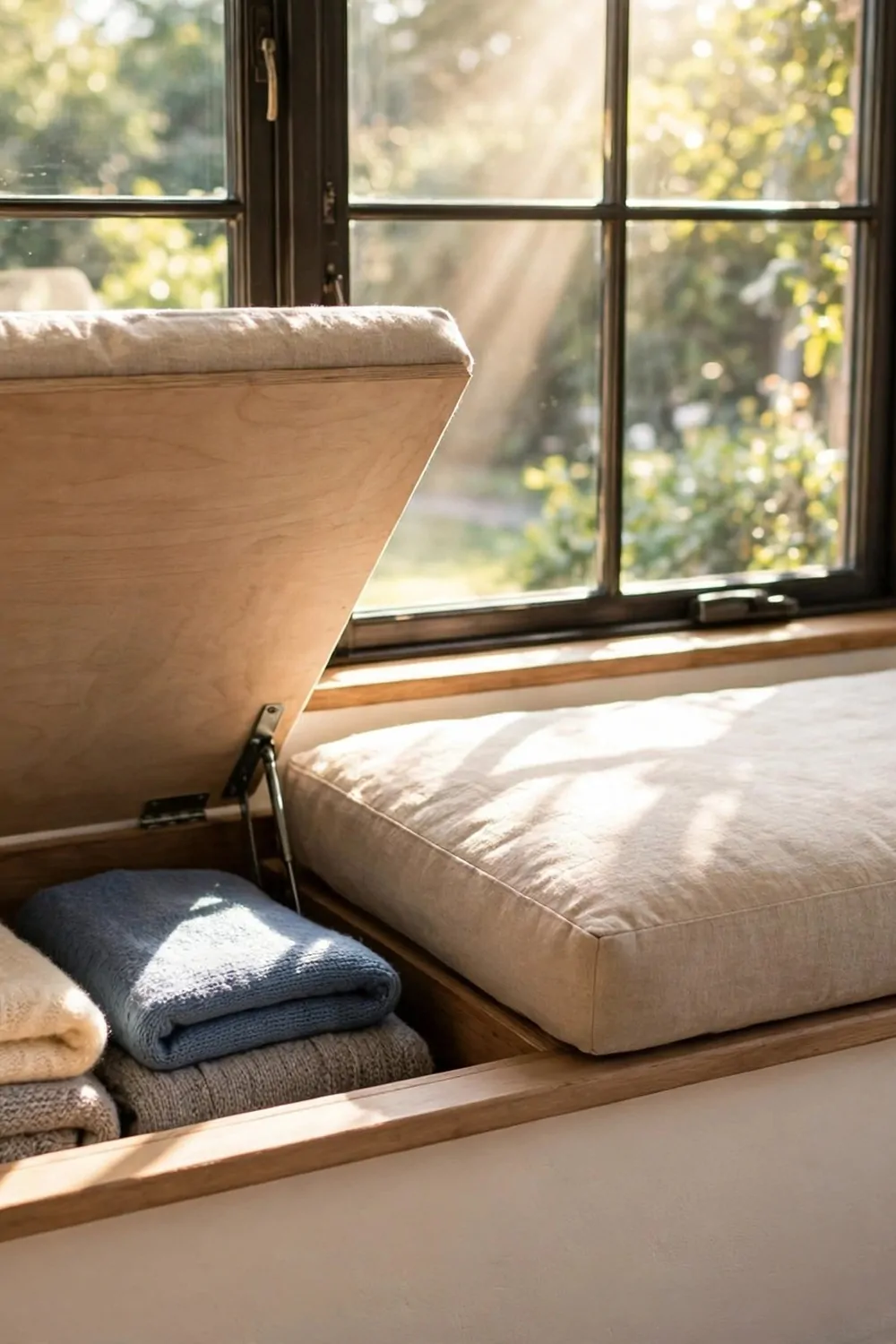
A window seat is my favourite cosy spot in a whole house.
You sit by the light, you read a book, and you feel calm right away.
I like that the seat can also hide a lot of stuff under it.
The cushion lifts up and there is a deep box below for blankets, toys or board games.
You can also use drawers under the seat if a lift up lid feels too heavy for you.
I keep extra cushions and winter throws in mine so they are close when it gets cold.
A window seat works in a bedroom, a living room or even a kitchen nook.
You just need a window with a wide sill and a bit of wall space below it.
I add a small pillow at each end so it feels soft and you want to sit there longer.
Kitchen Cabinets That Reach the Ceiling and Hide Everything
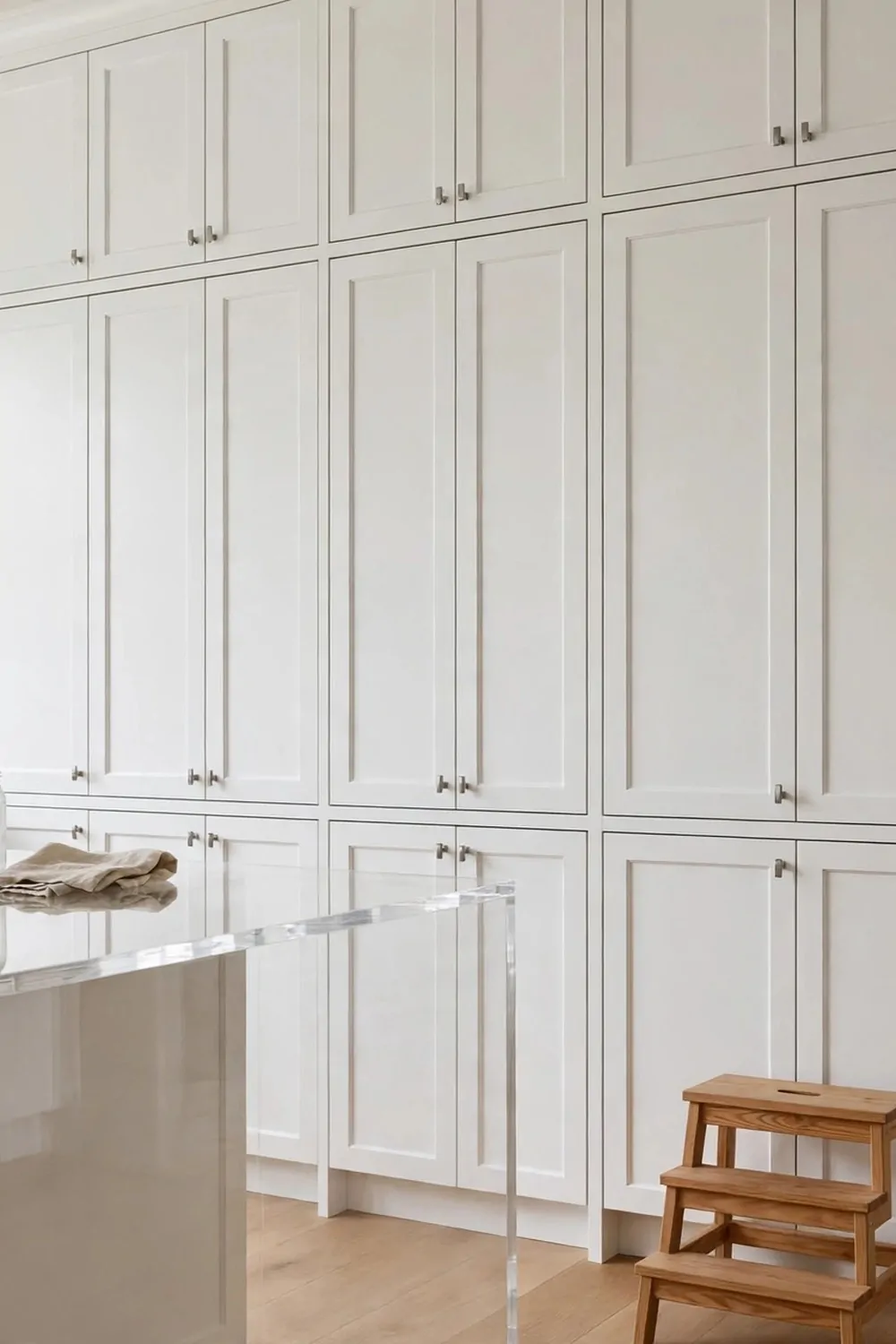
Kitchen cabinets that reach the ceiling give you so much more room to hide things.
I used to have a big gap on top of my cabinets and it just collected dust and old boxes.
Now everything has a place and my counters stay clear most days.
I put the things I use every day on the lower shelves where I can reach them fast.
The top shelves are for things I only use now and then, like big pots and party dishes.
You can use a small step stool to reach the top and it only takes a minute.
I like to group things together so I know where to look without thinking.
Baking stuff goes in one cabinet, and plates and bowls go in another one.
It sounds simple but it saves me time every single day when I cook.
| Room | Best built-in | What it hides | Cost level |
|---|---|---|---|
| Living room | Built-in shelves by the fireplace | Books, games and baskets | Medium |
| Kitchen | Cabinets to the ceiling | Pans, small machines and food | High |
| Bedroom | Wardrobe built into the wall | Clothes, shoes and bedding | High |
| Bathroom | Mirror cabinet and vanity drawers | Toiletries and towels | Low |
| Hallway | Bench with shoe storage | Shoes, bags and coats | Low |
A Toe-Kick Drawer Under the Kitchen Cabinets
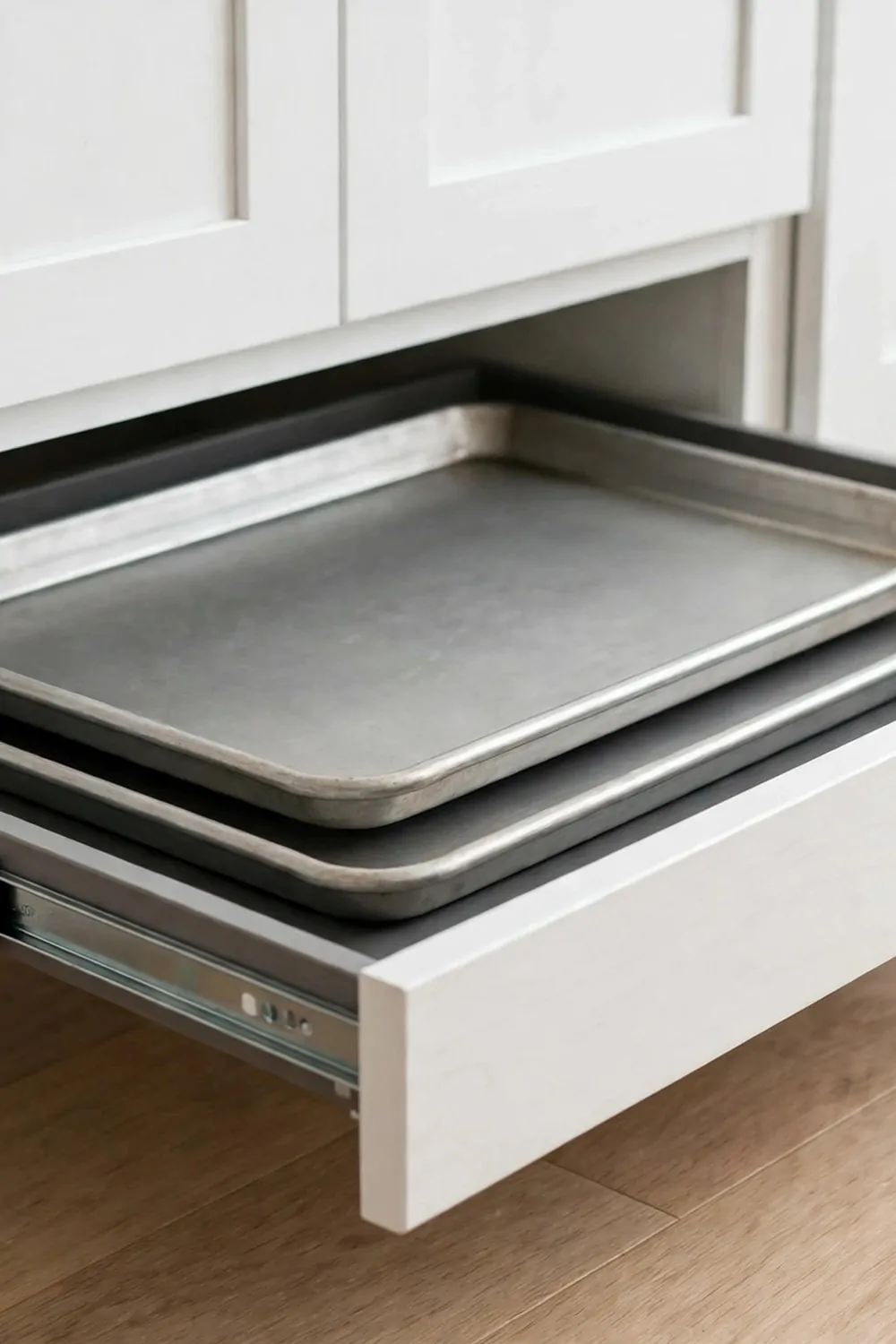
A toe-kick drawer is a tiny drawer hidden in the space under your kitchen cabinets.
I did not even know it was there in my friend’s kitchen until she showed me.
You push it with your toe and it slides out like magic.
It is perfect for flat things you never know where to put.
I keep baking trays, chopping boards and a spare tablecloth in mine.
You can also use it for pet bowls or cleaning cloths if you like.
The drawer is low and slim, so do not try to put tall bottles in it.
I like that it uses space that was just wasted before.
It is a small change but it makes the kitchen feel so much smarter.
A Hidden Pantry Behind a Flat Cabinet Door
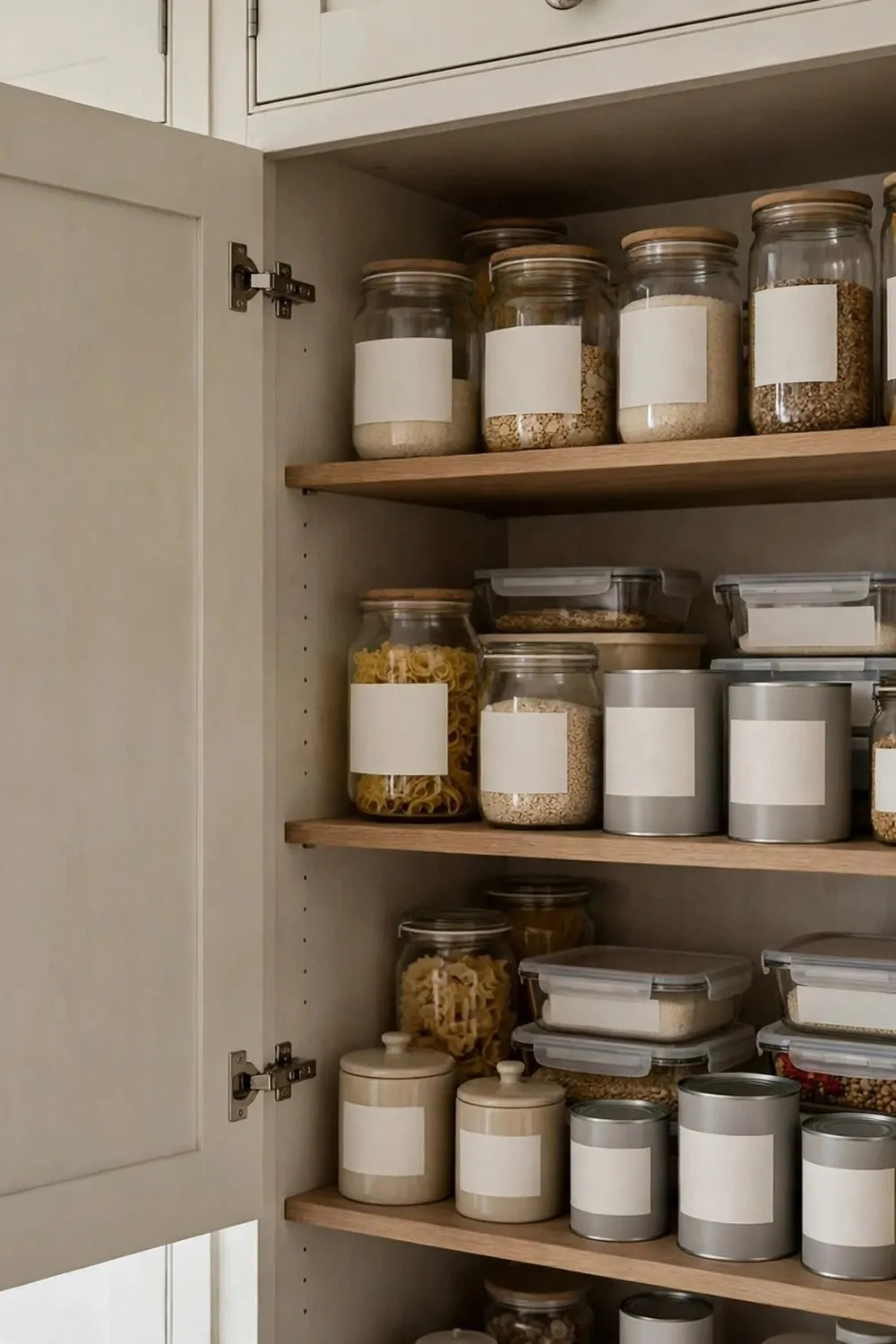
A hidden pantry looks like a plain cabinet door from the outside.
You open it and there is a whole food store behind it.
I love that trick because my kitchen looks calm and clean.
You can keep cans, jars, pasta, rice and snacks all in one tall space.
I put the things we use most at eye level so I can grab them fast.
Heavy bags go on the lower shelves where they are easy to lift.
You can add small racks on the inside of the door for spices and small jars.
I label my jars with simple words so my kids can find things too.
A hidden pantry saves me from digging through deep cabinets every day.
A Pull-Out Spice Rack That Fits in a Six-Inch Gap
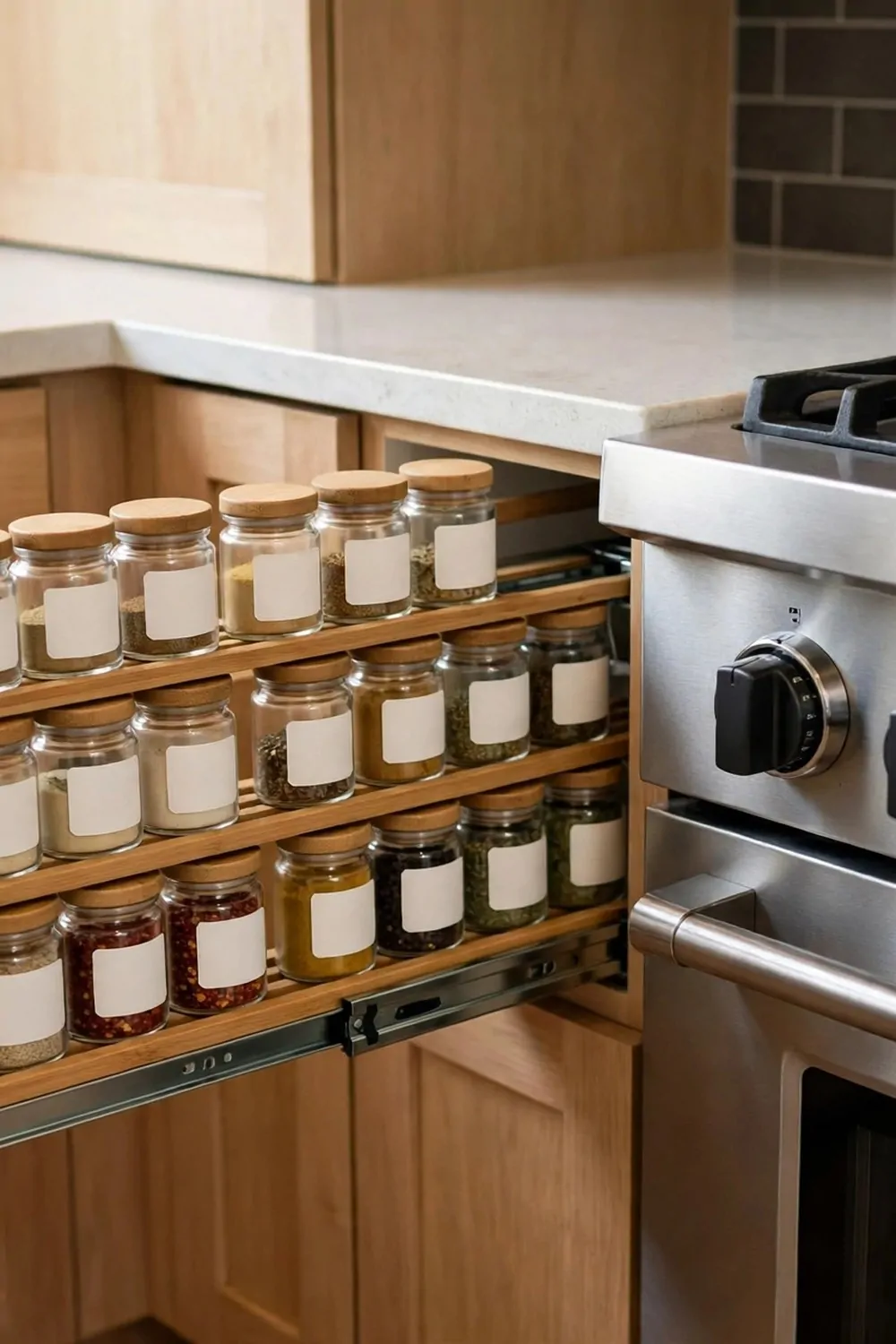
A pull-out spice rack fits in a tiny gap beside your stove or sink.
I had a six inch gap in my kitchen that I thought was useless.
Then I saw a slim rack that slides right into it and I was sold.
You pull it out and all your spices stand in neat rows.
I can see every jar at once and I do not have to move ten things to find one.
You can also use it for oils, sauces and small bottles if you cook a lot.
I keep my most used spices at the top so they are easy to reach.
The rack slides back in and the kitchen looks tidy again in one second.
It is one of the cheapest built in ideas and it helps me cook faster.
Built-In Drawers Inside the Kitchen Island
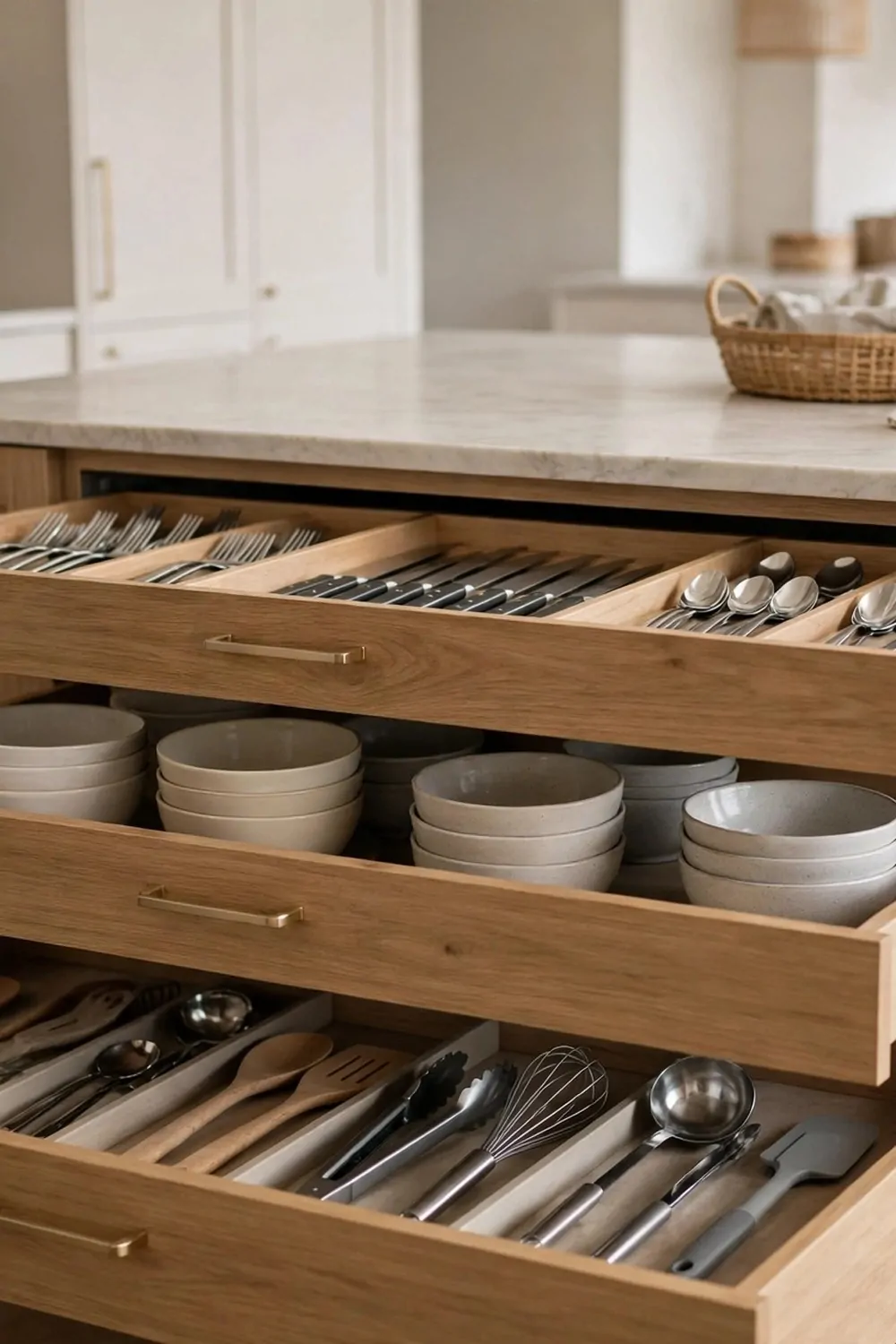
Built in drawers inside the kitchen island give you storage right where you work.
I use my island every day for cooking and for quick meals.
The drawers hold my cutlery, towels and mixing bowls close to my hands.
You do not have to walk across the kitchen to find what you need.
I put deep drawers on one side for pots and pans.
The shallow drawers on the other side are for spoons, knives and foil.
You can add dividers inside so small things do not slide around.
I like to keep one drawer just for kids plates and cups so they can help themselves.
An island with drawers makes a big kitchen feel easy and a small kitchen feel bigger.
A Breakfast Bar With Storage on the Back Side
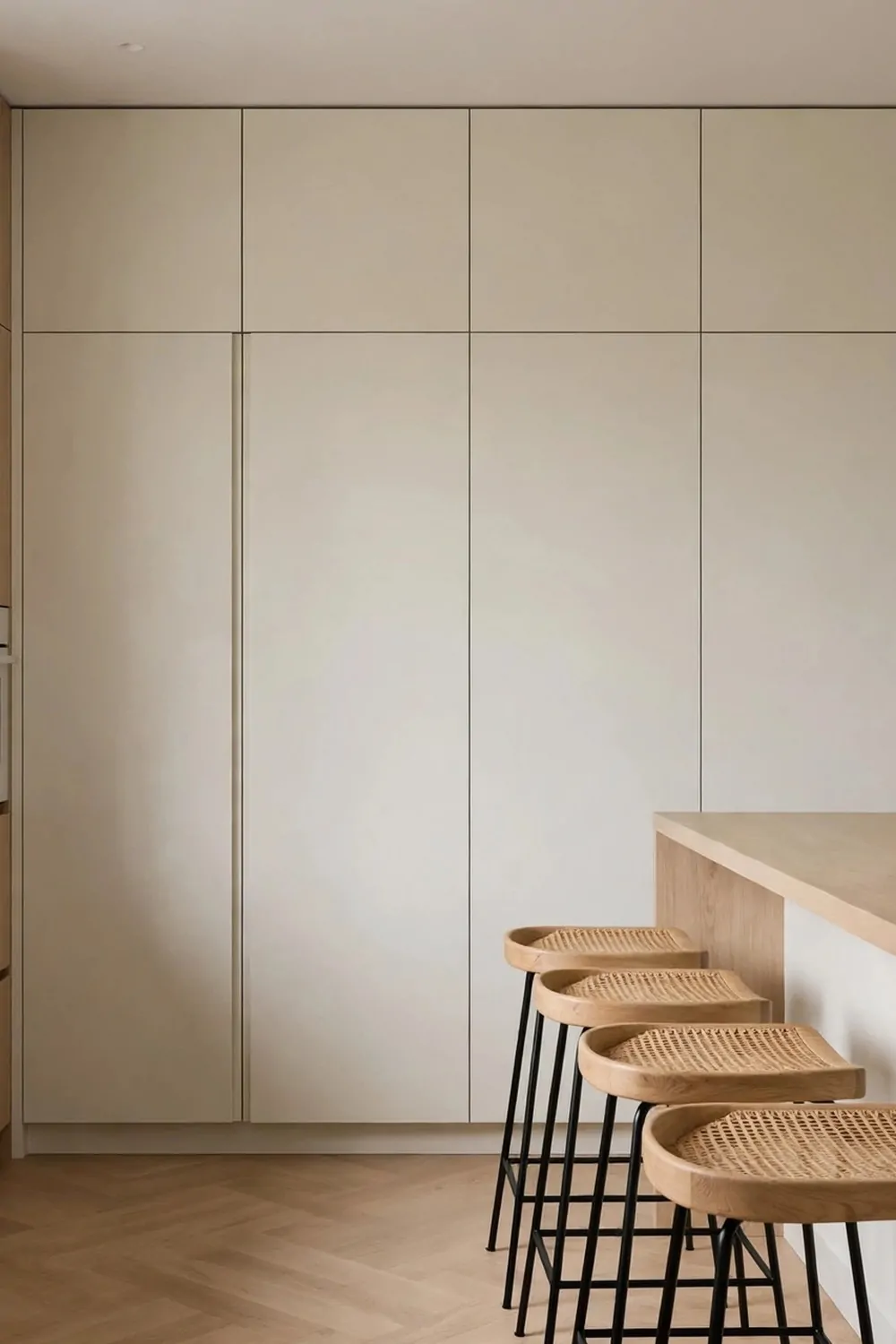
A breakfast bar is a great place to eat, but the back side can work hard too.
I added shelves and cupboards on the side you do not see when you sit down.
You can store placemats, napkins and extra dishes there.
I keep my cookbooks on the lower shelf so they are close but out of the way.
The bar top stays clear for breakfast, snacks and homework.
You can use baskets on the back side if you want a soft look.
I like that guests see a clean bar while all the clutter hides behind it.
It works best when the storage doors match the rest of the kitchen.
You get extra seats and extra storage from the same small bit of space.
A Bedroom Wardrobe Built Into the Wall
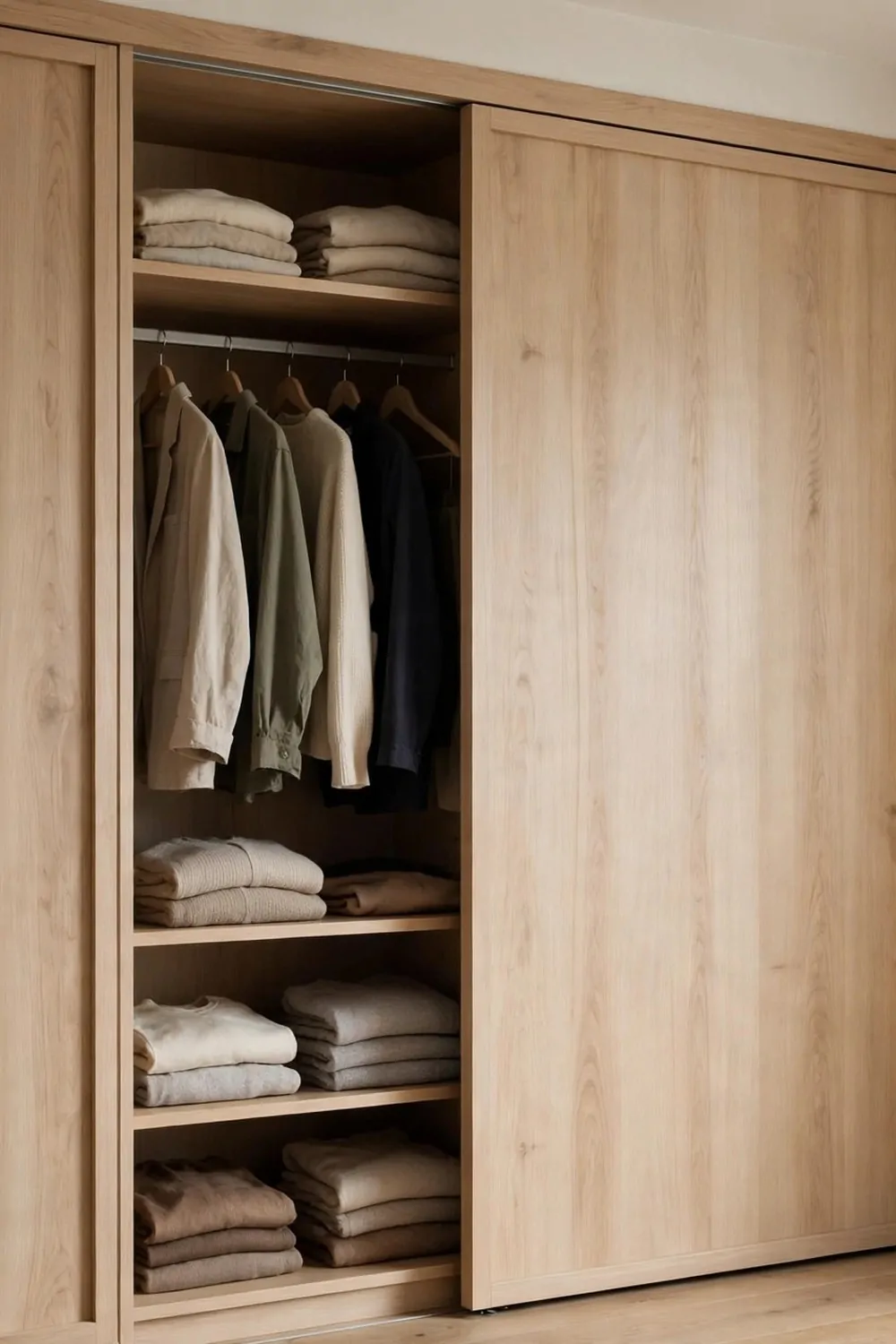
A wardrobe built into the wall makes a bedroom feel big and calm.
I love that it fits the wall just right with no gaps on the sides.
You can hang clothes, stack folded jumpers and hide shoes all in one place.
I put a rail up high for long dresses and coats.
A second rail lower down is for shirts and trousers I wear a lot.
You can add drawers inside for socks, scarves and small things.
I keep my bedding on the top shelf in a neat basket.
The doors can slide or open flat, so you can pick what suits your room.
It costs more than a plain wardrobe, but it saves floor space every day.
Drawers Hidden Under the Bed Frame
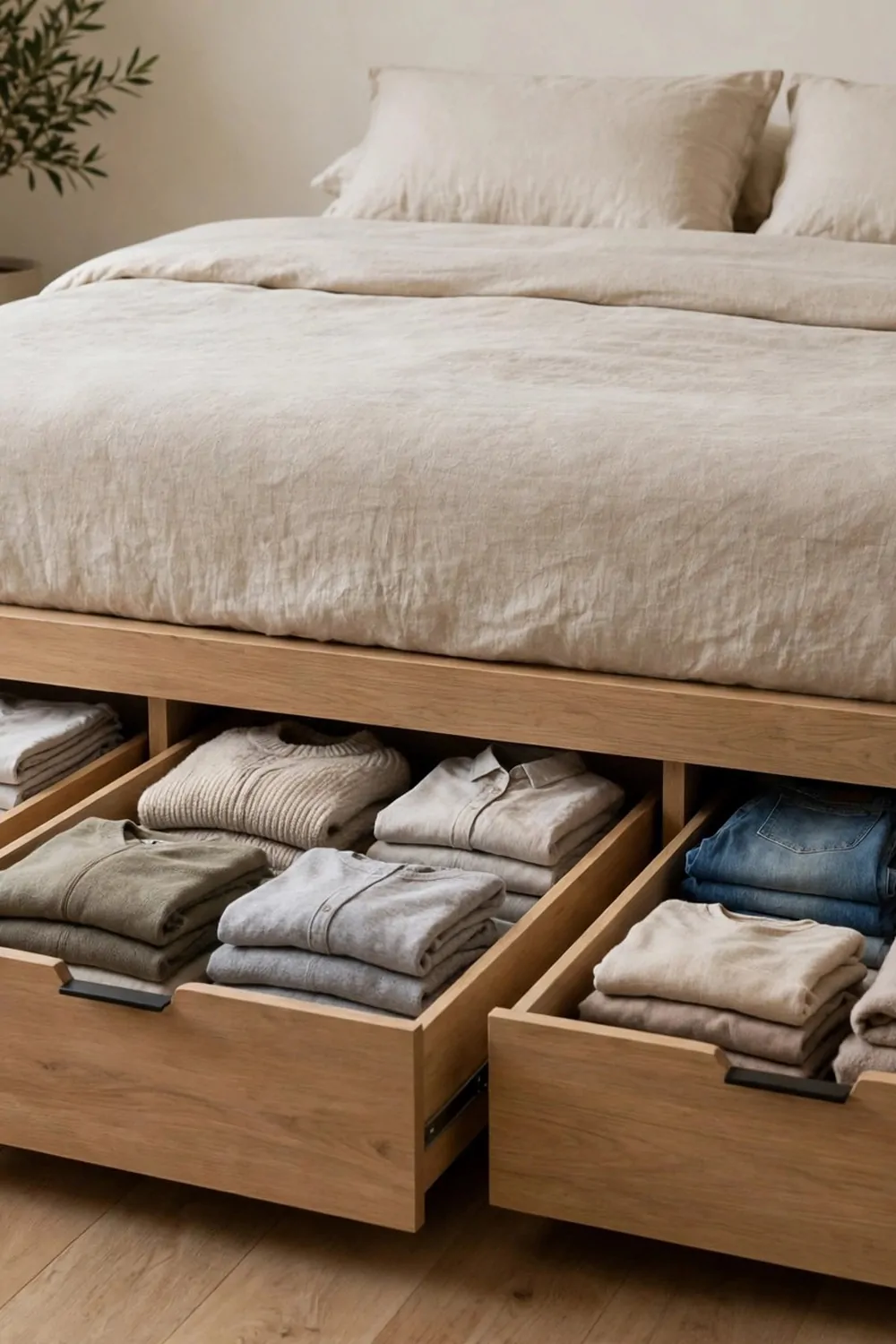
Drawers under the bed use space that most people just forget about.
I used to push boxes under my bed and they got dusty and lost.
Now I have real drawers that slide out smooth and clean.
You can keep spare bedding, winter clothes and books in them.
I put out of season clothes in the far drawer so they stay out of the way.
The near drawer holds things I use each week, like extra sheets and towels.
You should pick drawers with good wheels so they do not stick on the floor.
I wipe inside them once a month to keep them fresh.
It feels so good to lift the bed skirt and find neat drawers instead of a mess.
A Headboard With Shelves and Secret Compartments
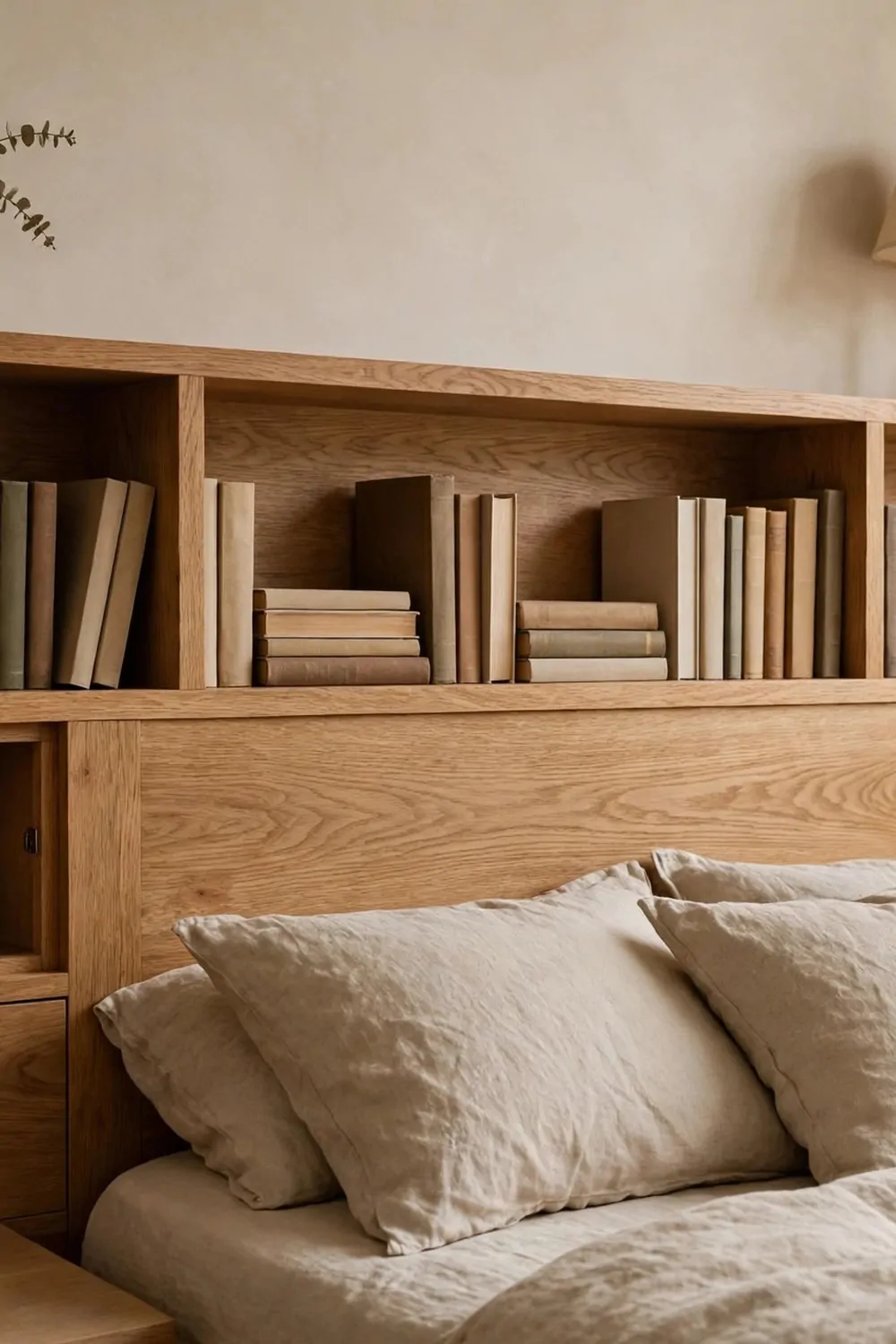
A headboard with shelves gives you a place for all the little things by your bed.
I keep my book, my phone and a glass of water right there.
You do not need a big nightstand when the headboard does the job.
Some headboards have a secret compartment behind a small panel.
I use mine for a notebook, a torch and a spare phone charger.
The shelves on top are great for a small lamp and a photo frame.
You should not pile too much on it or it will look messy when you wake up.
I keep just three or four things on show and hide the rest.
It makes my bedroom feel clever and cosy at the same time.
Nightstands Built Into the Wall Beside the Bed
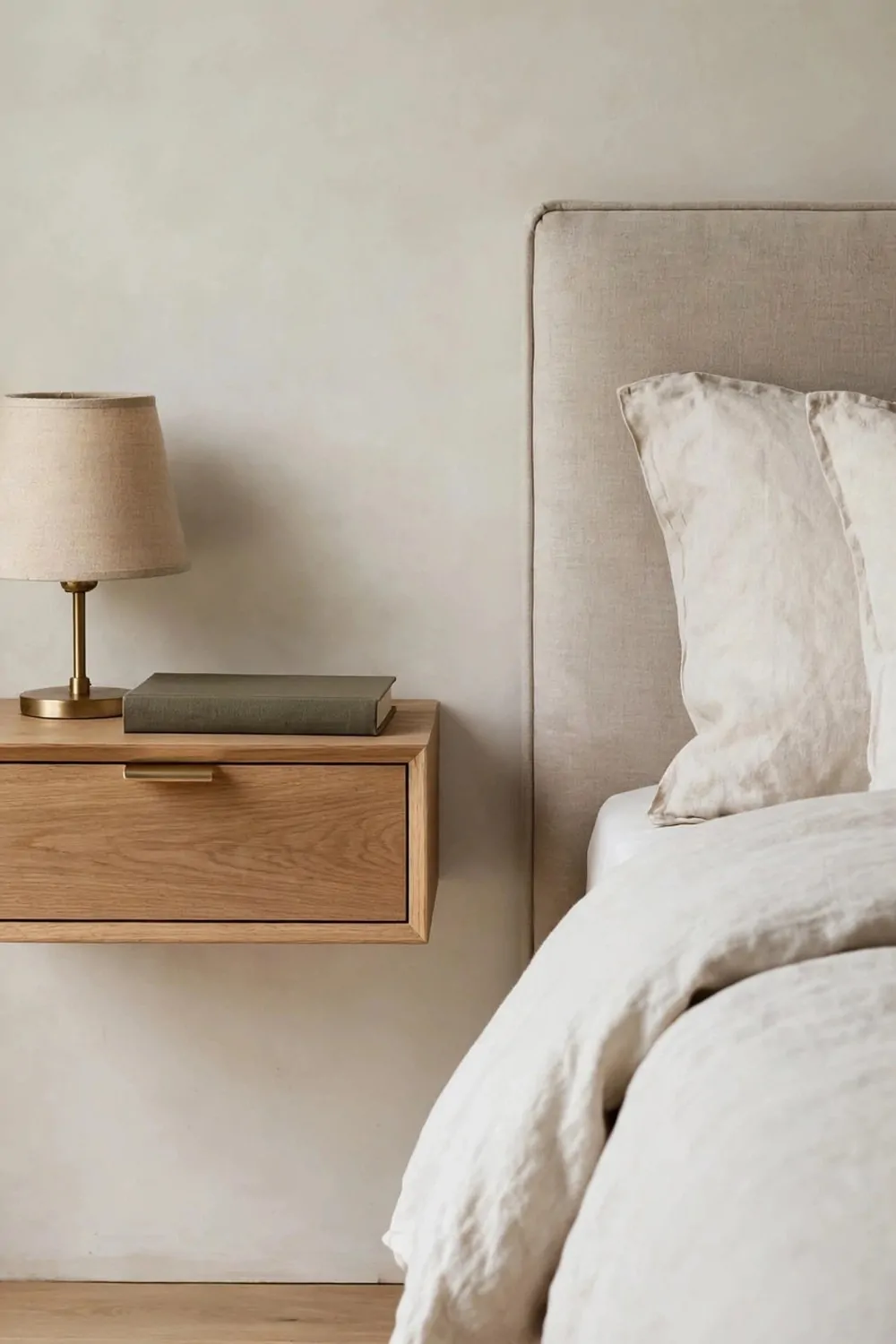
Nightstands built into the wall save floor space and look so neat.
I love that they float beside the bed and you can clean under them with ease.
You get a small drawer for your phone charger and your book.
The top is just big enough for a lamp and a glass of water.
I keep my hand cream and lip balm in the drawer so they are close at night.
You can add a little shelf below for a book you are reading right now.
It works well in small bedrooms where a big table would block the walkway.
I picked the same wood as my bed frame so it all looks like one set.
You wake up and everything you need is right there, no clutter on the floor.
A Dressing Table That Folds Away Into the Wall
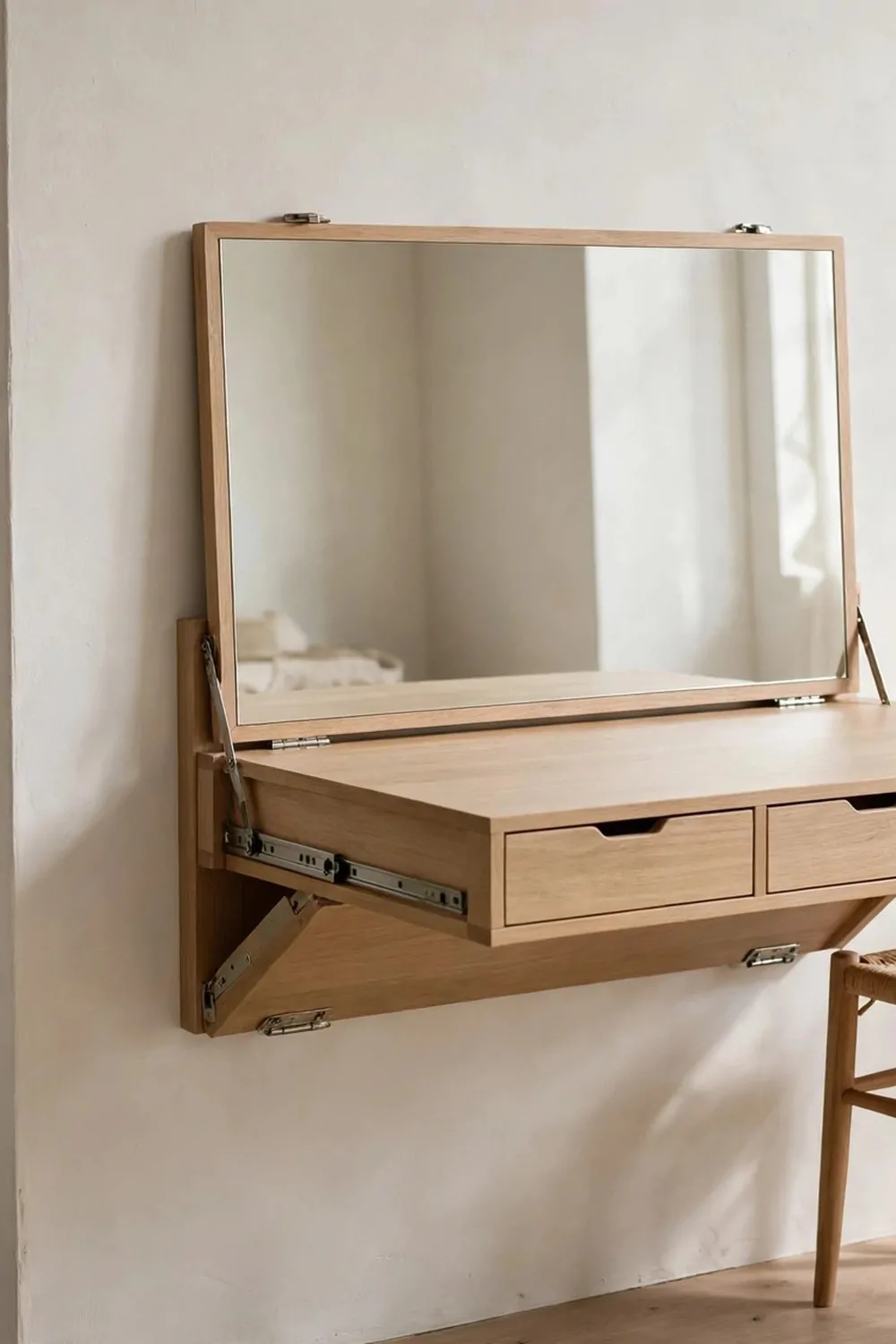
A dressing table that folds away into the wall is perfect for a small bedroom.
I open it in the morning to do my hair and put on my make up.
Then I fold it up and the room looks big and tidy again.
You can hide a mirror inside the lid so it pops up when you need it.
I keep my brushes, creams and hair ties in the small drawers inside.
The table is strong enough for a lamp and a few bottles while you use it.
You need a clear bit of wall and a chair that can tuck away too.
I use a small stool that slides under the bed when I am done.
It feels like a secret little corner that only comes out when I want it.
Bathroom Vanity Drawers That Use Every Inch
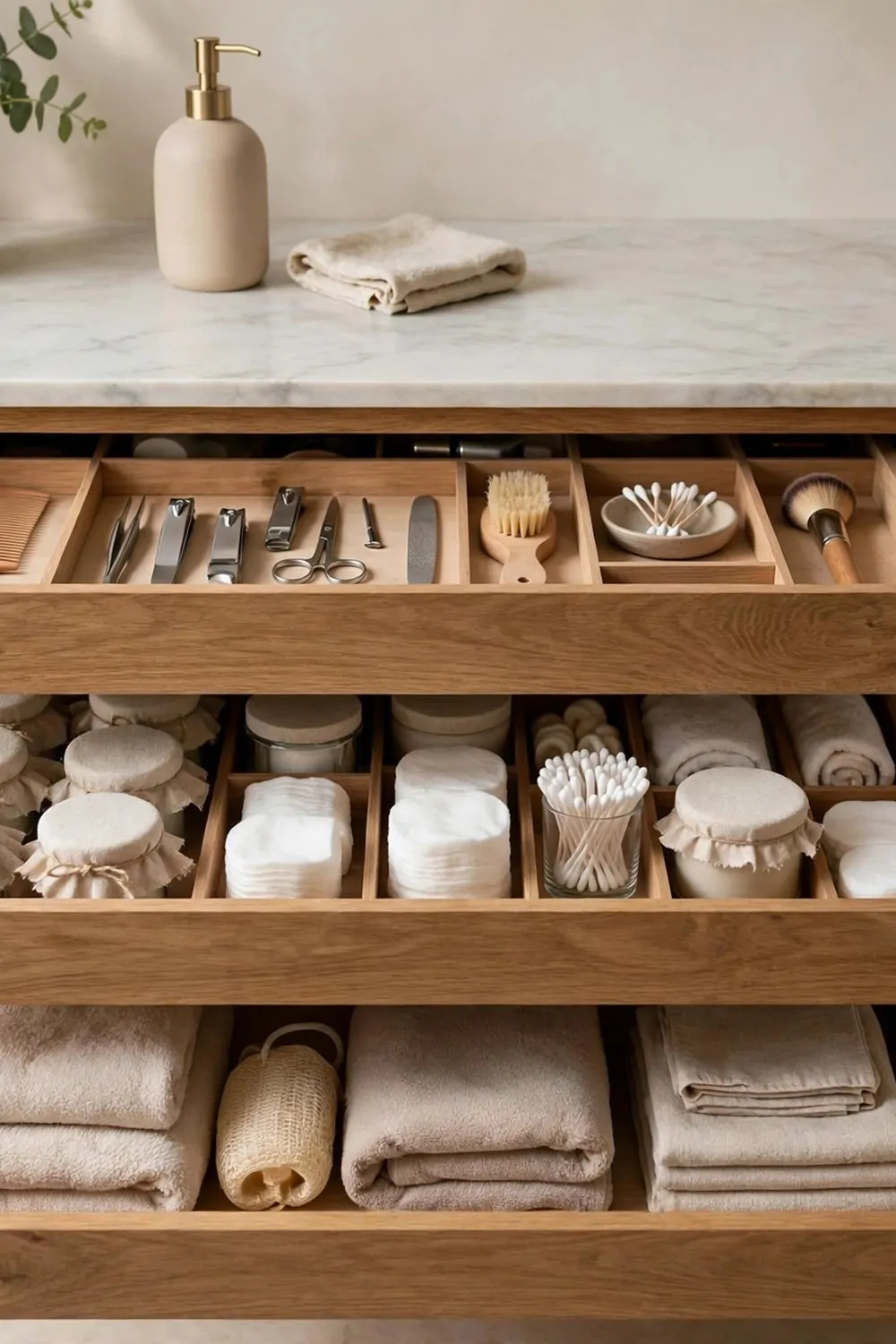
Bathroom vanity drawers can hold so much more than you think.
I used to lose things in the dark back of my old cupboard.
Now every drawer pulls out and I can see it all.
I keep toothbrushes, soap and skin care in the top drawer.
The deep drawer below holds towels, spare toilet rolls and cleaning sprays.
You can use small boxes inside to stop things from sliding around.
I put hair tools in one side and make up in the other side.
It helps me get ready faster in the morning because I am not searching.
A good vanity makes even a small bathroom feel organised and calm.
A Mirror Cabinet That Hides Toiletries and Medicine
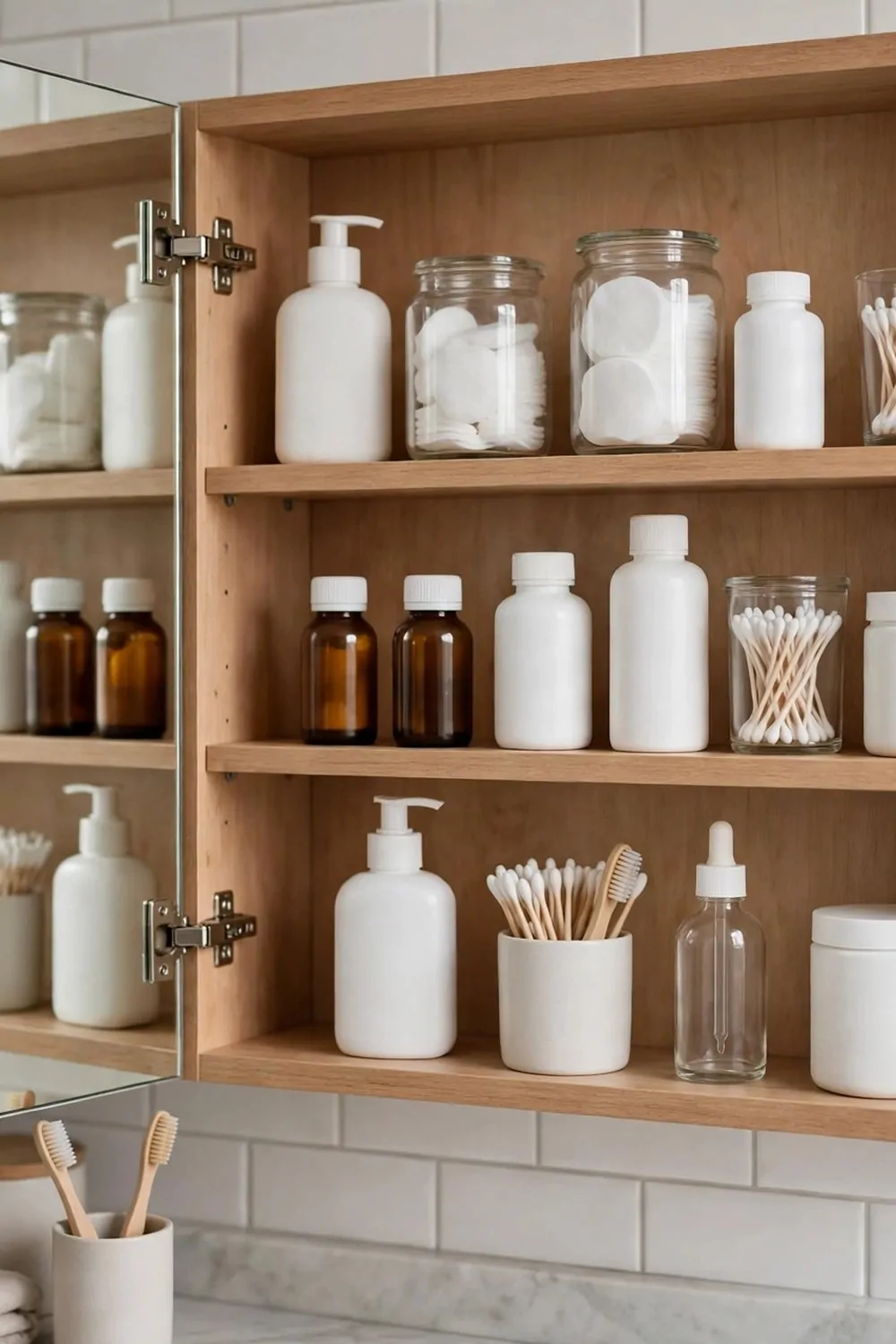
A mirror cabinet hides a lot behind a plain mirror.
I open it and there are shelves for all my daily things.
You can keep medicine up high where kids cannot reach it.
I put my toothbrush, face wash and creams on the middle shelf.
The bottom shelf is for things I use at night, like my night cream.
You still get a big mirror to use every morning.
I like that the counter stays clear because everything lives behind the glass.
You should check the depth before you buy one so tall bottles fit inside.
It is a simple fix that makes a bathroom look clean in seconds.
Built-In Shelves in the Shower Wall Niche
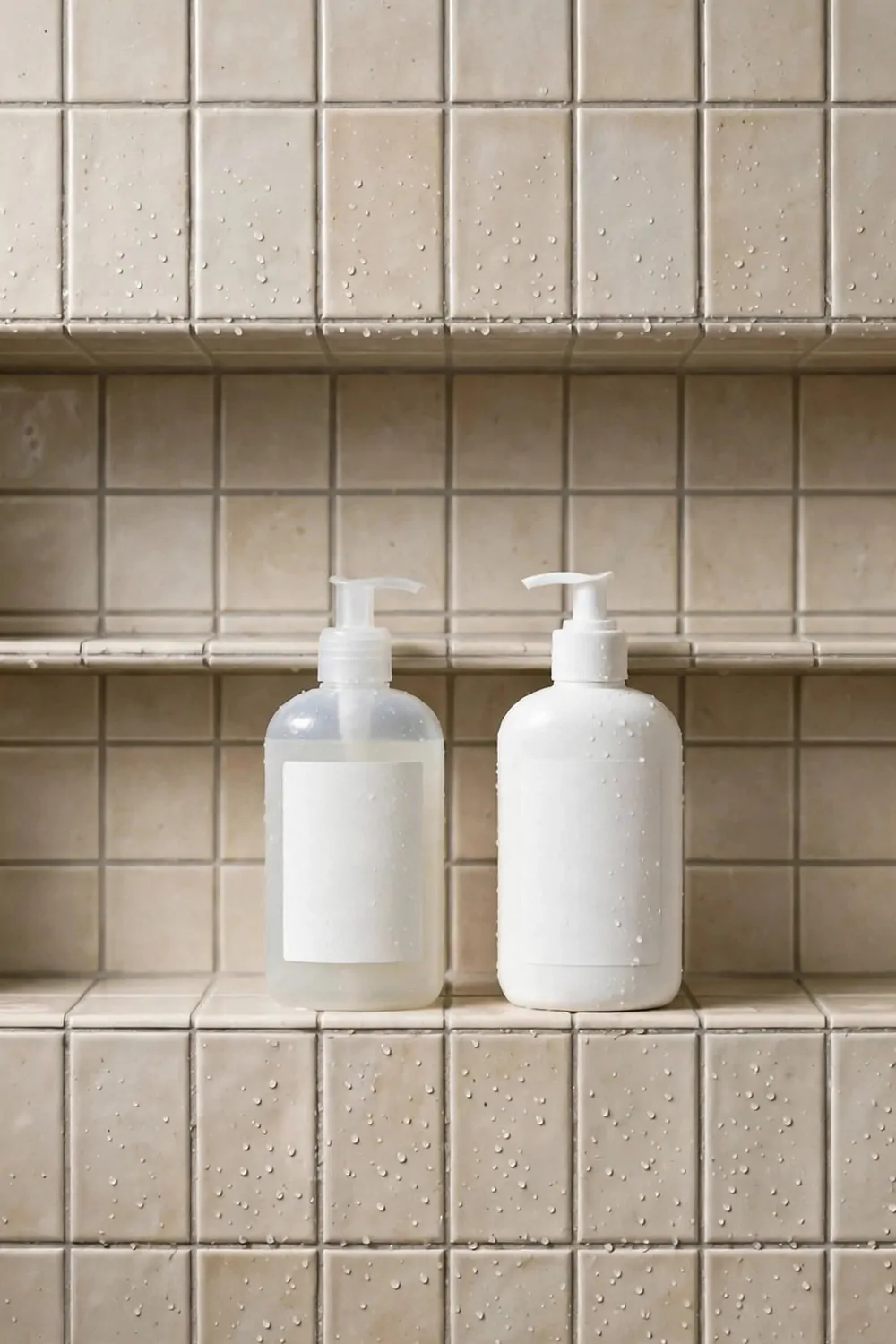
A shower niche is a small shelf built right into the shower wall.
I love it because shampoo bottles no longer fall over on the floor.
You can reach your soap and shampoo without stepping out of the water.
I keep just two or three bottles in mine so it stays tidy.
A second small niche lower down is great for kids or for shaving things.
You should pick tiles that are easy to wipe so the niche stays clean.
I rinse mine once a week and it takes less than a minute.
It looks smart and it stops clutter on the edge of the bath too.
A niche uses wall space that was empty before, so it costs you no floor space at all.
A Laundry Room With Cabinets Above the Machines
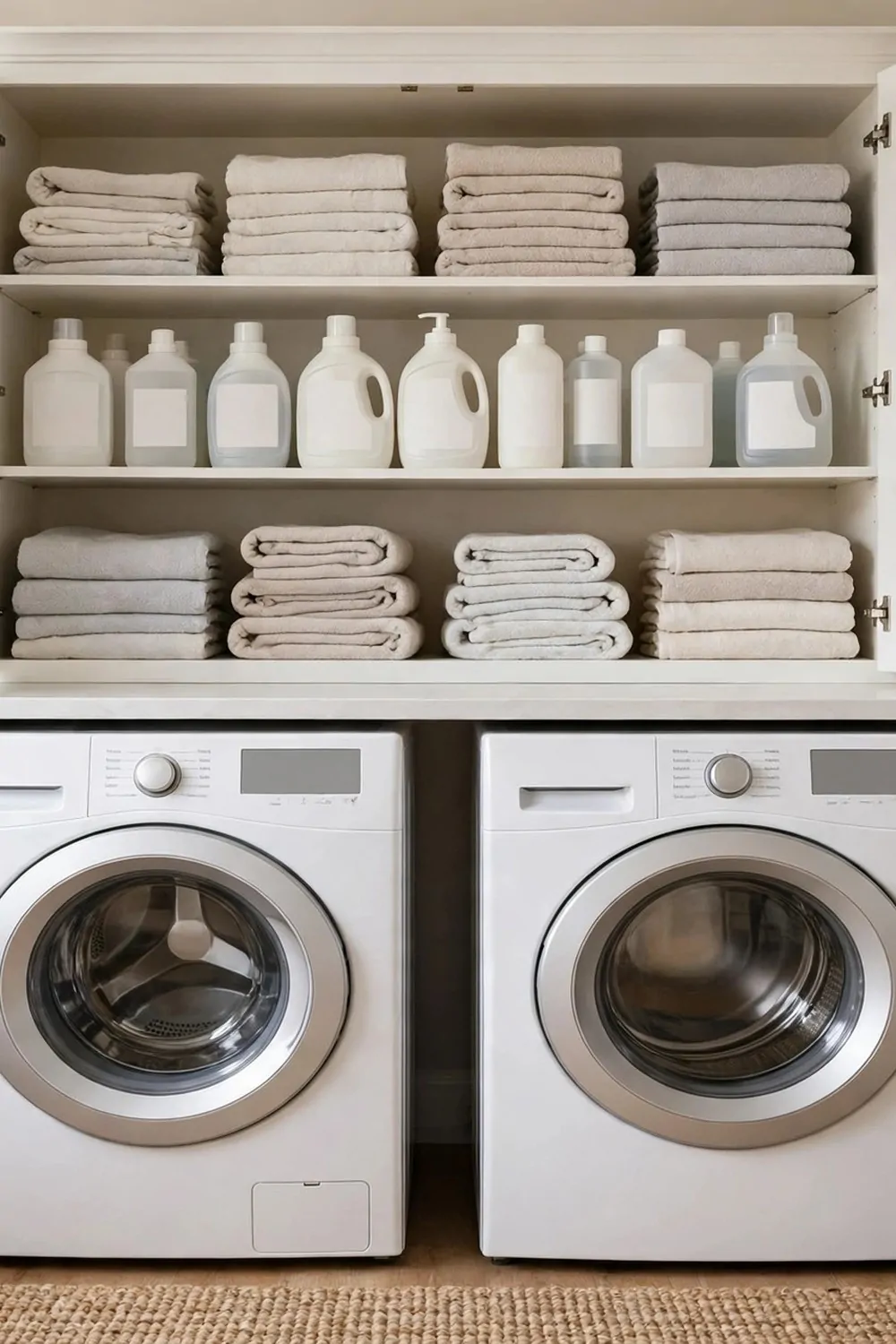
Cabinets above the washer and dryer keep the laundry room tidy.
I used to pile soap and softener on top of the machines and it looked messy.
Now everything has a cupboard and the tops stay clear.
I keep detergent, stain spray and cloths in the cabinet closest to the washer.
The higher shelf is for spare towels and cleaning supplies I use less.
You can add a rod under the cabinet to hang shirts that need to dry.
I like to sort clothes on the counter while the next load washes.
It makes laundry feel less like a chore and more like a quick job.
You just open the doors, grab what you need, and close them again.
A Folding Shelf That Pulls Out Over the Washer
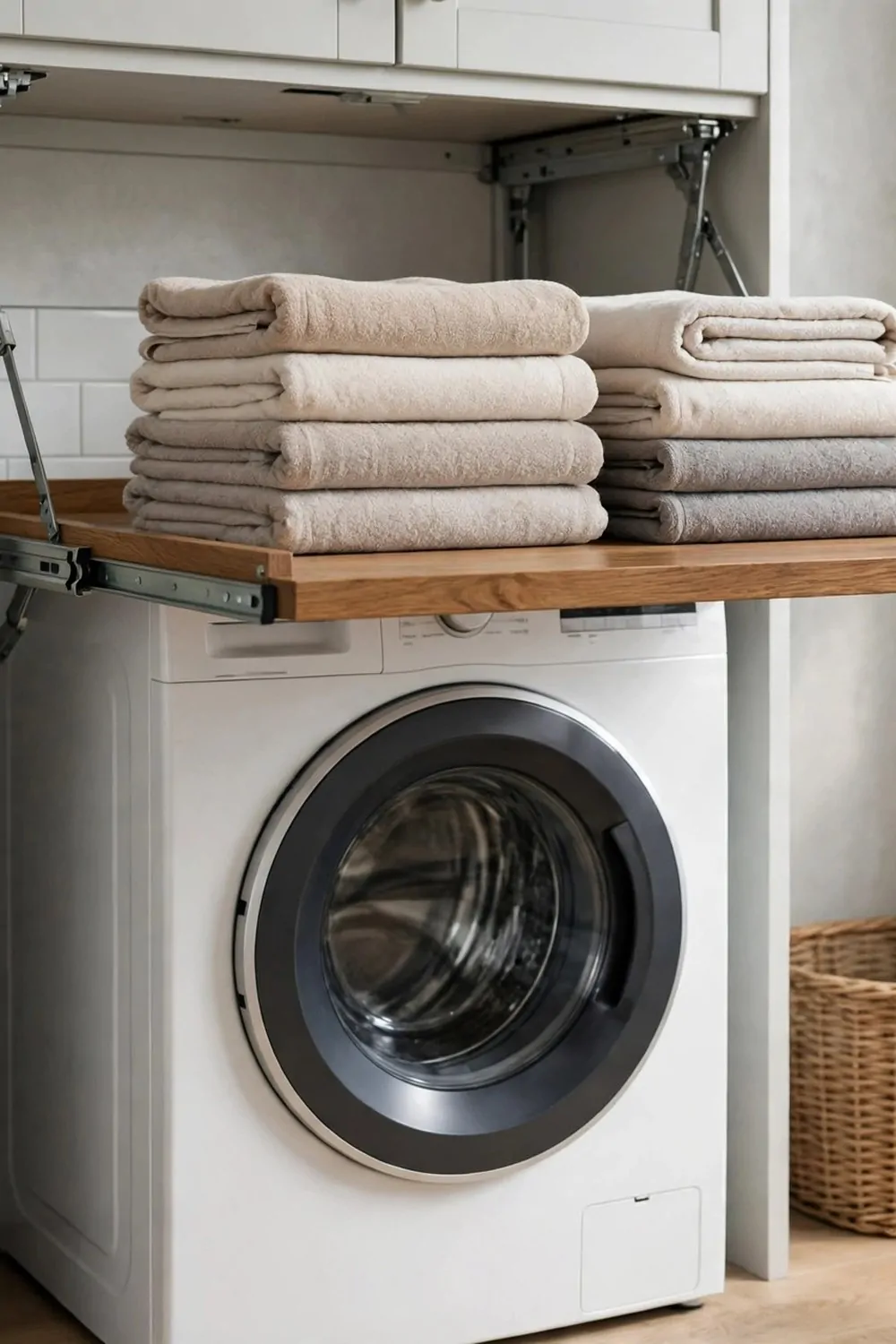
A pull out folding shelf over the washer is such a clever little helper.
I slide it out when I need to fold warm clothes straight from the dryer.
Then I push it back in and the room looks tidy again.
You do not need a big table taking up floor space all day.
I fold towels and t-shirts right there and stack them in a basket.
The shelf is strong and flat, so clothes do not slip off while I work.
You can also use it to sort socks and small items before you put them away.
I wipe it down after I use it so it stays clean for next time.
It turns a small laundry room into a real work space in one move.
A Mudroom Wall With Hooks, Cubbies and a Bench
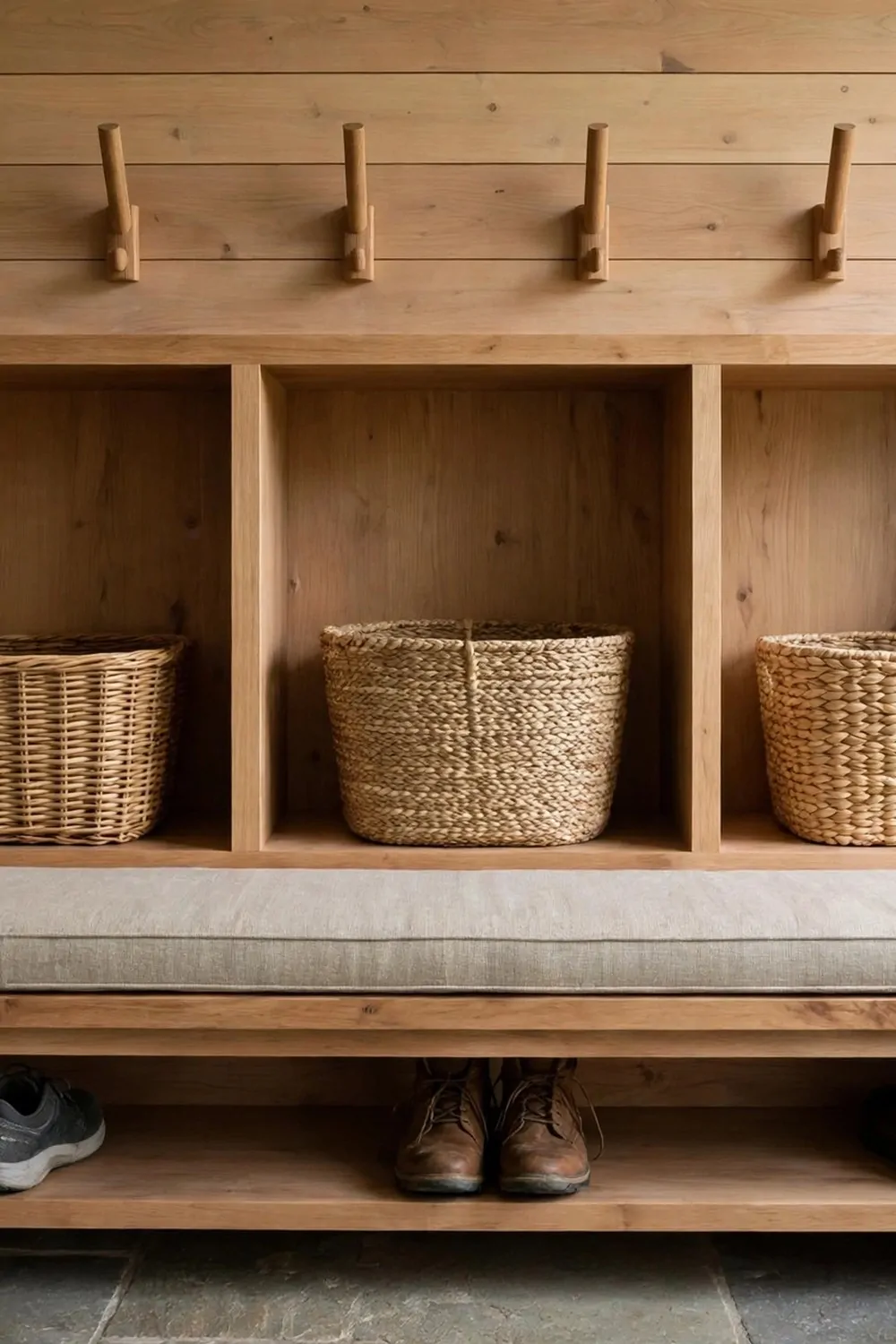
A mudroom wall with hooks, cubbies and a bench keeps the whole family organised.
I gave each person one hook and one cubby so we all know our own spot.
You hang your coat, you put your bag in the cubby, and you sit on the bench to take off shoes.
I keep school bags in the top cubbies and shoes on the bench below.
The hooks are strong enough for heavy winter coats and sports bags.
You can add a small shelf on top for hats, gloves and sun cream.
I label each cubby with a name so my kids can find their own things fast.
It stops coats ending up on chairs and bags ending up on the stairs.
A mudroom wall makes busy mornings feel a lot calmer for all of us.
Stair Drawers That Turn Each Step Into a Box
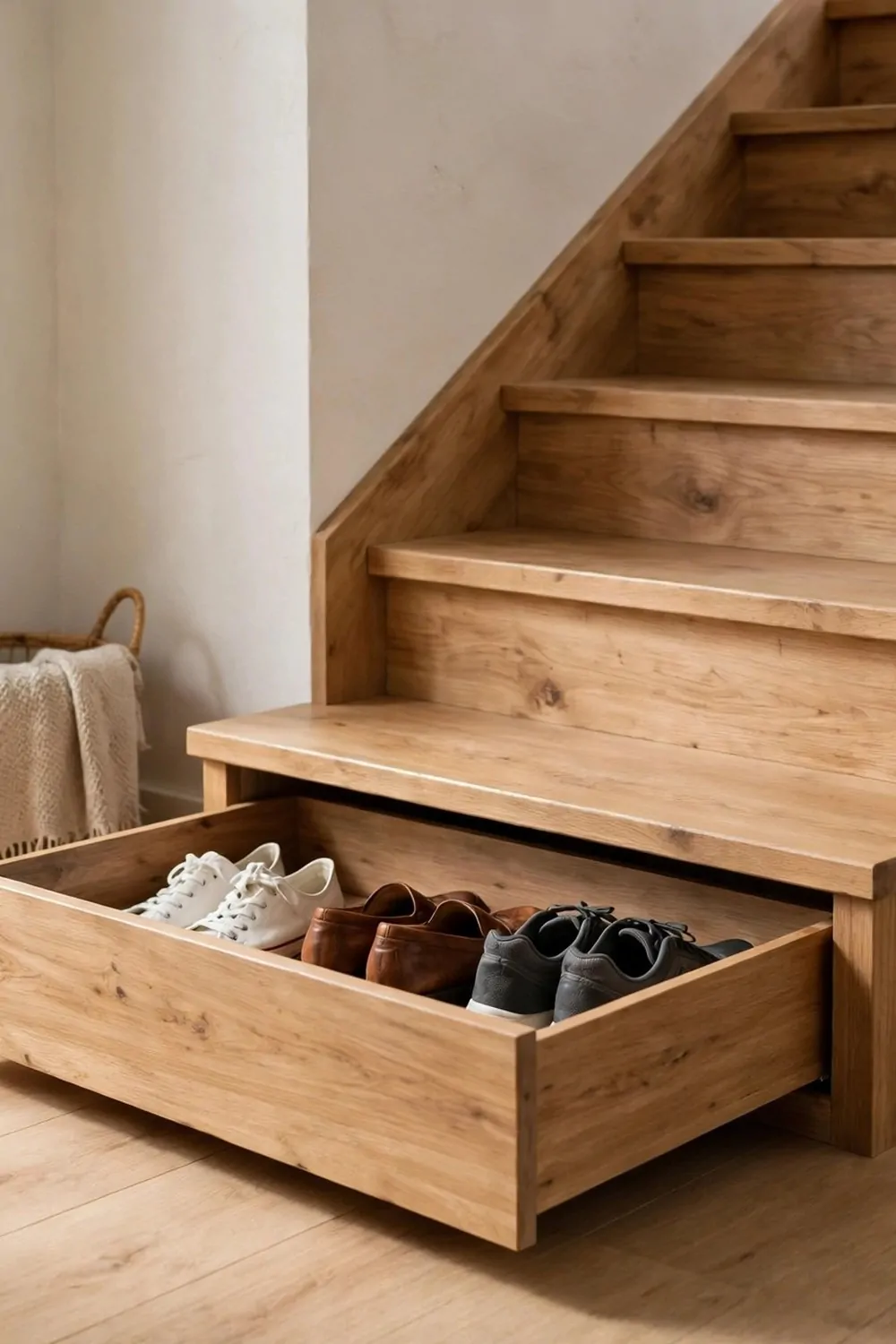
Stair drawers turn each step into a little storage box.
I was amazed the first time I saw one pull open.
You can keep shoes, toys, books and pet things inside each step.
I like the bottom steps for shoes because they are easy to reach.
The higher steps are good for things you use less, like board games.
You need strong hinges and a good lock so the drawers stay shut when you walk up.
I check mine once a month to make sure they close flat and safe.
It is best to plan this when you build the stairs, not after.
You get hidden storage without taking up any extra room in the house.
| Feature | Built-in storage | Freestanding furniture | Winner |
|---|---|---|---|
| Uses wall space | Yes, every inch | Only the floor | Built-in |
| Looks custom | Yes, made for the room | No, it can look boxy | Built-in |
| Moves with you | No, it stays | Yes, you can take it | Freestanding |
| Cost | Higher at first | Lower at first | Freestanding |
A Cupboard Under the Stairs for Coats and Vacuum
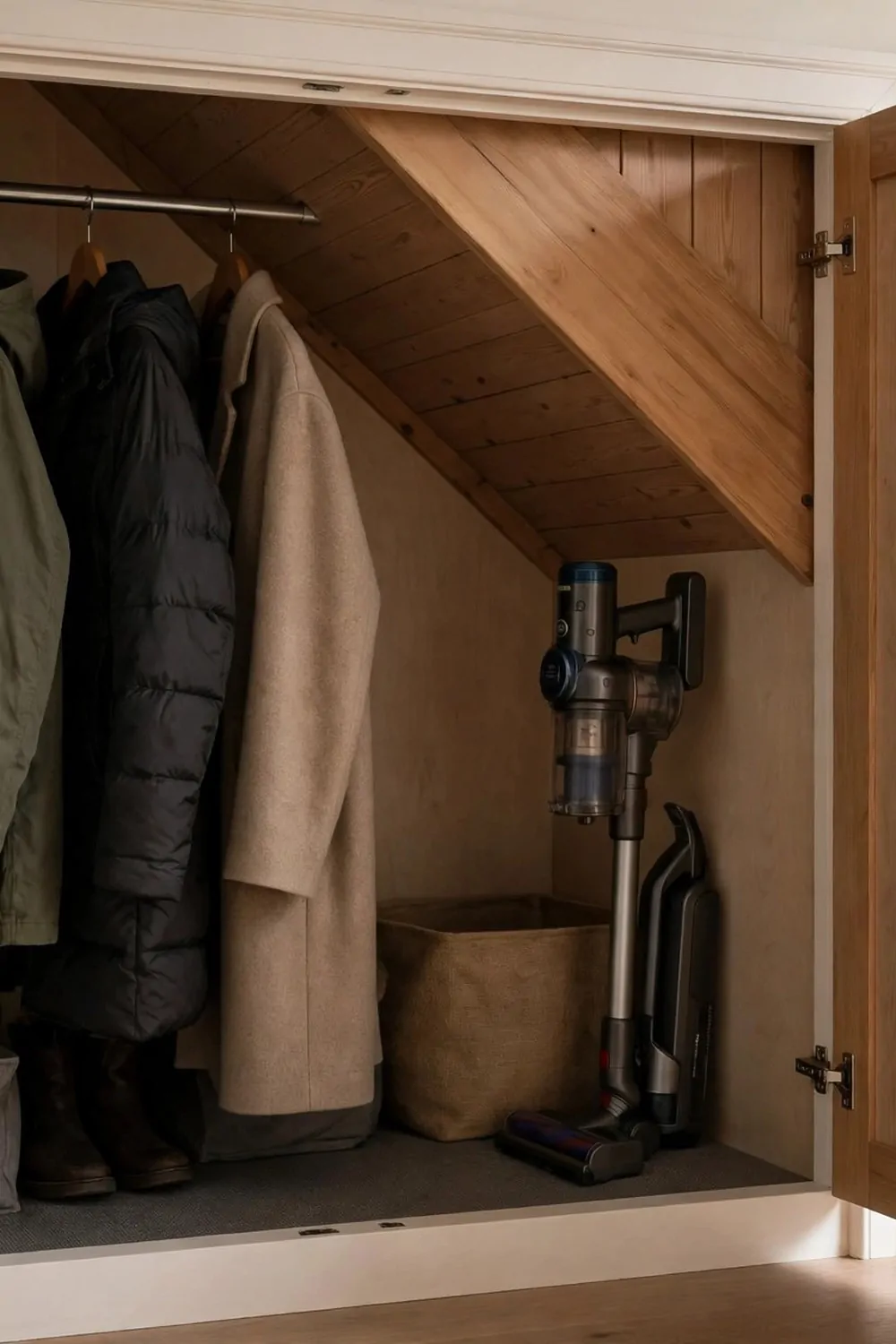
A cupboard under the stairs uses a space that is often just wasted.
I turned mine into a coat cupboard and it holds so much.
You can hang coats on a rail and put shoes in boxes below.
I keep my vacuum cleaner in the back corner where it fits just right.
There is also room for a mop, a broom and a dustpan on hooks.
You can add a light inside so you can see everything when you open the door.
I put a small shelf up high for hats, scarves and spare bags.
The door looks like part of the wall, so the hallway stays tidy.
It is one of the best hidden storage spots in a modern home.
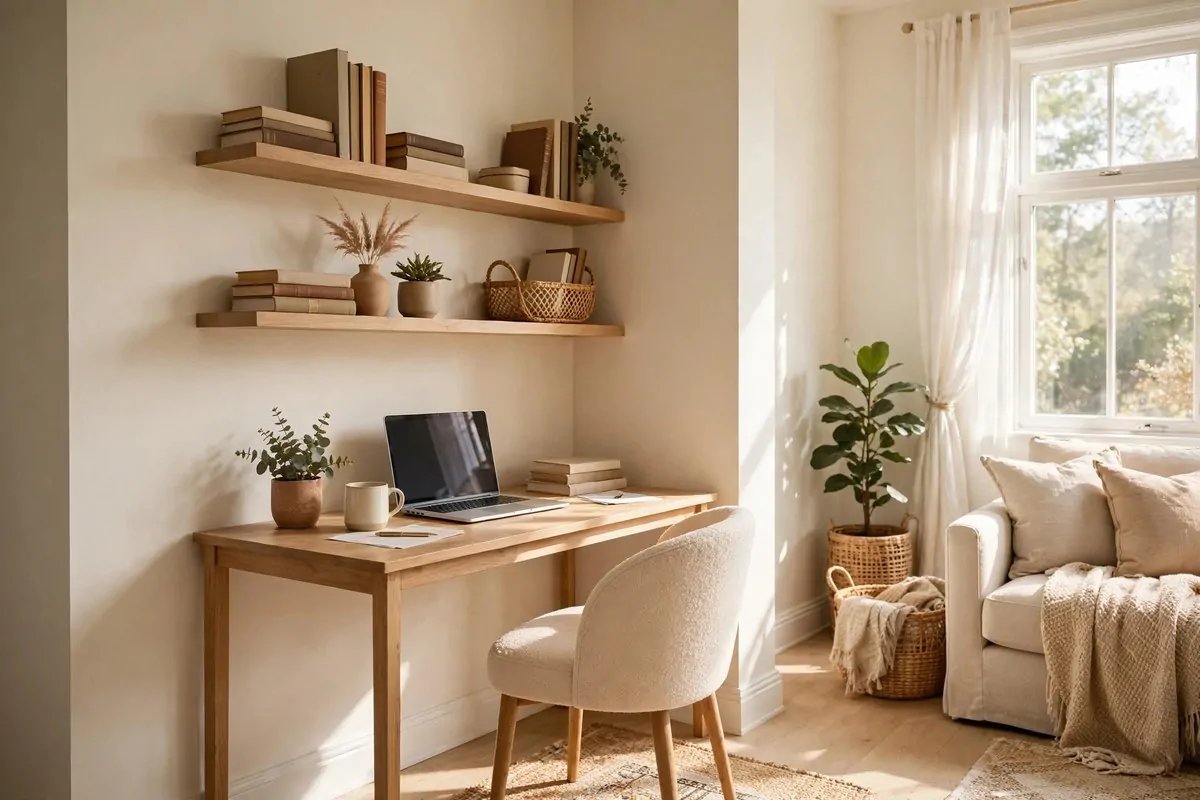
A Home Office Desk Built Into an Empty Alcove
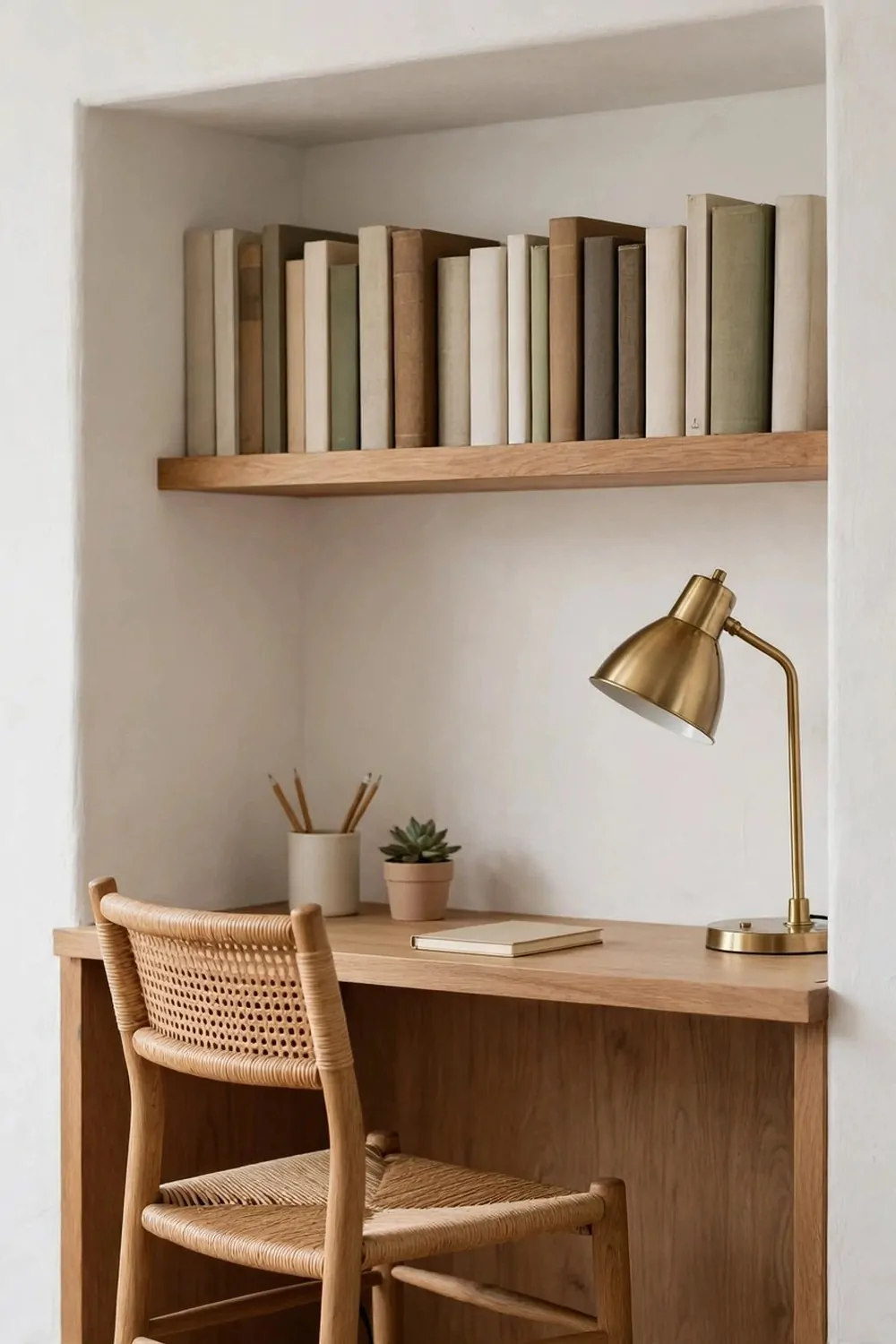
I love a desk that fits right into a small empty space in the wall.
An alcove is that little nook you walk past and never use. A desk built into it turns dead space into a real place to work. You do not need a whole spare room for this.
Measure the width first, then build the desk to fit it snug. A top that touches both sides looks neat and it will not wobble. I like a simple flat top with no legs in the way.
Add a small drawer under the top for pens and paper. You can keep your laptop charger in there too. It keeps the desk top clear for your work.
Put a shelf just above the desk for books and a small plant. It gives you storage without taking up desk space. Keep only the things you use each day up there.
Paint the desk the same color as the wall around it. It will look like it was always part of the house. A soft white or pale grey works well in most rooms.
Good light makes a big change here. A small lamp on the desk or a light fixed under the shelf helps your eyes. I work much better when the space feels bright.
Keep cables tidy with a small hole at the back of the desk. Your wires can drop down behind it and out of sight. No one wants to see a tangle of cords while they work.
A chair that slides right under the desk is best. It saves floor space when you are done for the day. You can close the space off and the room feels calm again.
Wall Shelves Above the Desk That Hide Office Clutter
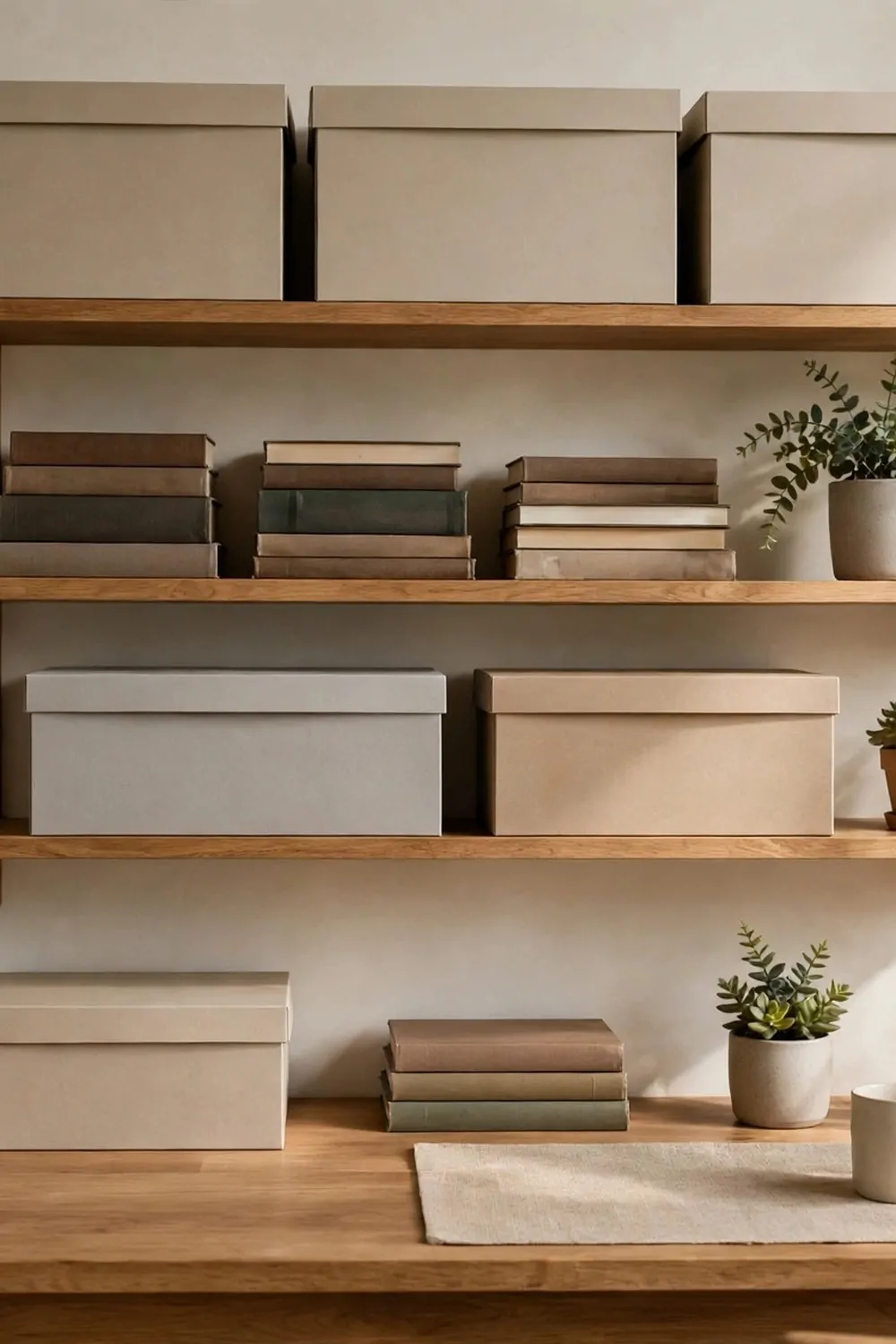
Shelves above a desk can hold a lot more than you think.
I use the top shelf for things I rarely need, like old files and spare paper. The lower shelf holds what I use each day. That way I am not reaching up all the time.
Closed boxes on the shelves hide the messy stuff. I like plain boxes in one color so the wall looks calm. You can label each box so you know what is inside.
Keep the shelf depth shallow so it does not feel heavy over your head. About the width of a book is enough for most office things. It also keeps the desk area feeling open.
A small rail under the shelf can hold hooks for keys or scissors. It is a tiny detail but I use it every day. Small tools stay close and easy to find.
Do not fill every inch of the shelf. Leave a little empty space between groups of things. It looks tidier and you can find things faster.
Mix closed storage with a few open spots. A small plant or a framed photo makes the wall feel warm. It stops the office corner from feeling cold and plain.
Dust the shelves once a week if you can. Open shelves show dust fast. A quick wipe keeps the whole desk area looking fresh.
If you share the desk, give each person one shelf or one box. It stops papers from getting mixed up. I find that one small rule saves a lot of arguments.
A Library Wall With Floor-to-Ceiling Built-In Shelves
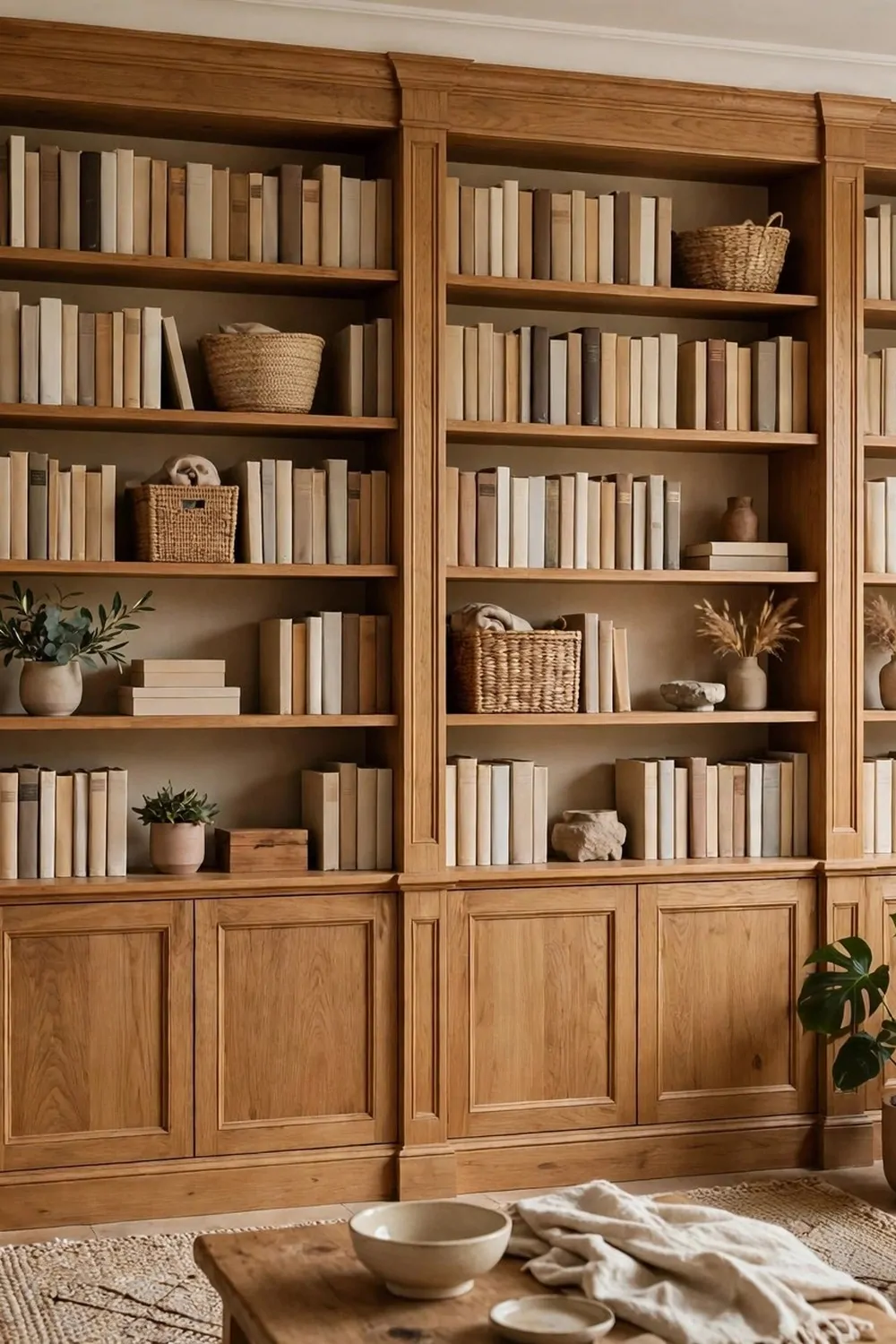
A full wall of shelves can change a whole room.
I love how books look when they fill a wall from floor to ceiling. It makes the room feel warm and lived in. You do not need a huge house to have a library wall.
Start with shelves that fit the wall exactly. A built in look comes from filling the gaps at the sides and the top. No dark gaps makes it look made for the room.
Put heavy books on the lower shelves. They are easy to reach and they keep the shelves steady. Lighter books and pretty objects can go higher up.
Leave some shelves for baskets or boxes. They hold games, cables, and other bits that do not look neat on open shelves. I use baskets that match the room color.
A small ladder or a sturdy step stool helps you reach the top shelves. Keep it close by so you actually use those high shelves. Books up high should not be forgotten books.
Sort your books in a way that makes sense to you. I sort mine by type, then by size. Some people sort by color and that looks lovely too.
Add a light at the top of the shelves if you can. It makes the books easy to see in the evening. A warm light feels cozy and soft.
Keep one shelf low and empty for kids books if you have kids. They can reach their own books and put them back. It teaches them to care for books early.
A Reading Nook With Storage Benches on Both Sides
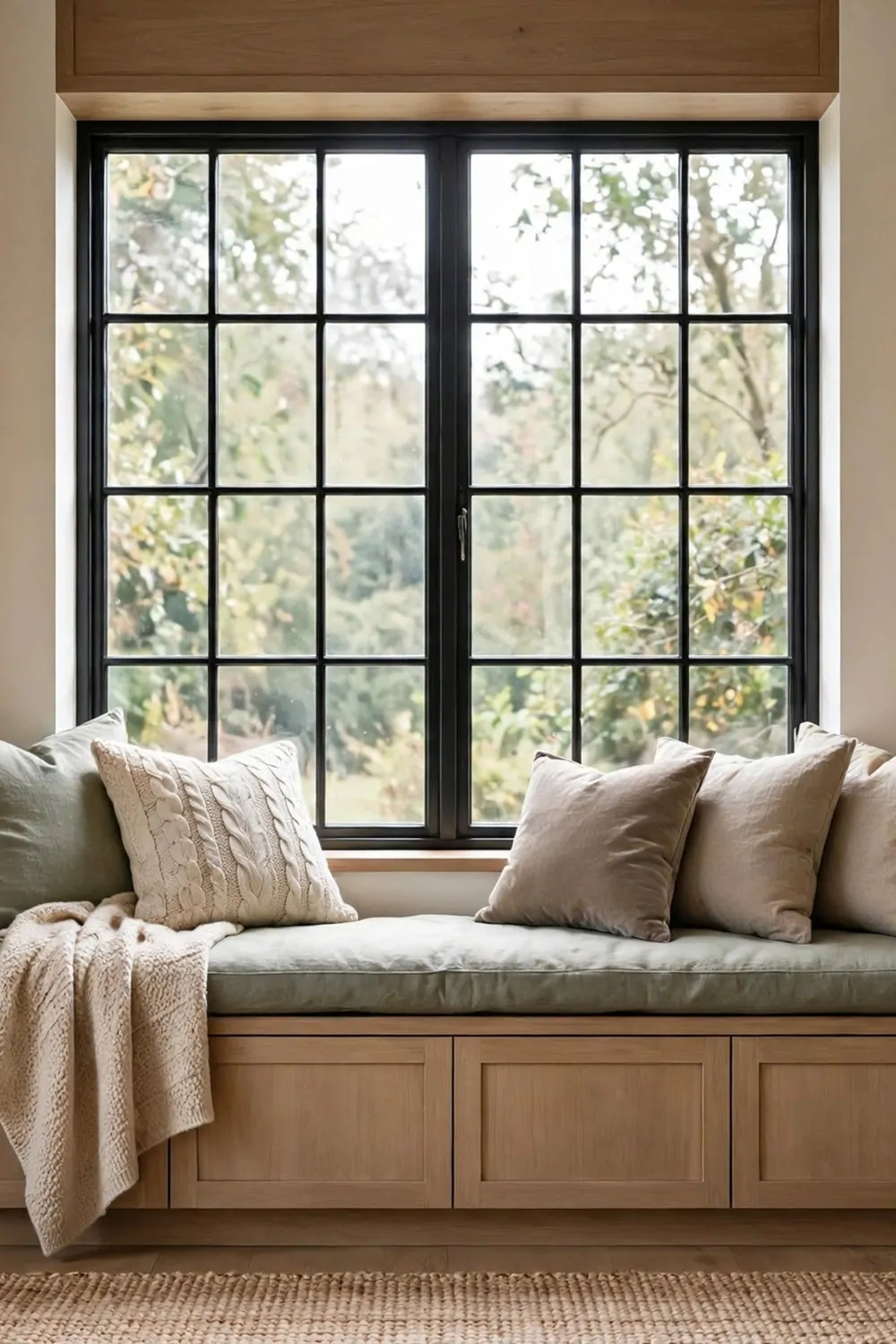
A reading nook is my favorite quiet spot in a home.
Two benches on each side of a window make a snug little corner. You can sit on one side and put your feet up on the other. It feels like a small room inside a room.
The benches are not just for sitting. Lift the lids and you find deep storage inside. I keep spare blankets, books, and board games in mine.
Add soft cushions on top of the benches. Thick cushions make the seat comfy for long reads. Pick a fabric you can wipe clean if you have kids or pets.
A small shelf above each bench holds a cup and a book. You do not need a side table in a small nook. The shelf keeps everything within reach.
Good light is key for reading. A window gives you day light, and a small wall light helps at night. I like a warm light that does not hurt my eyes.
Keep a basket in one bench just for current books. When you finish a book, swap it for a new one from the shelf. It keeps the nook tidy without much work.
Paint the benches the same color as the window frame. It makes the nook look like one built piece. White or soft wood tones work well here.
This nook works in a hallway, a bedroom, or a living room corner. Any spot with a window can become a reading place. You just need two benches and a bit of light.
Built-In Toy Storage That Keeps a Kids Room Tidy
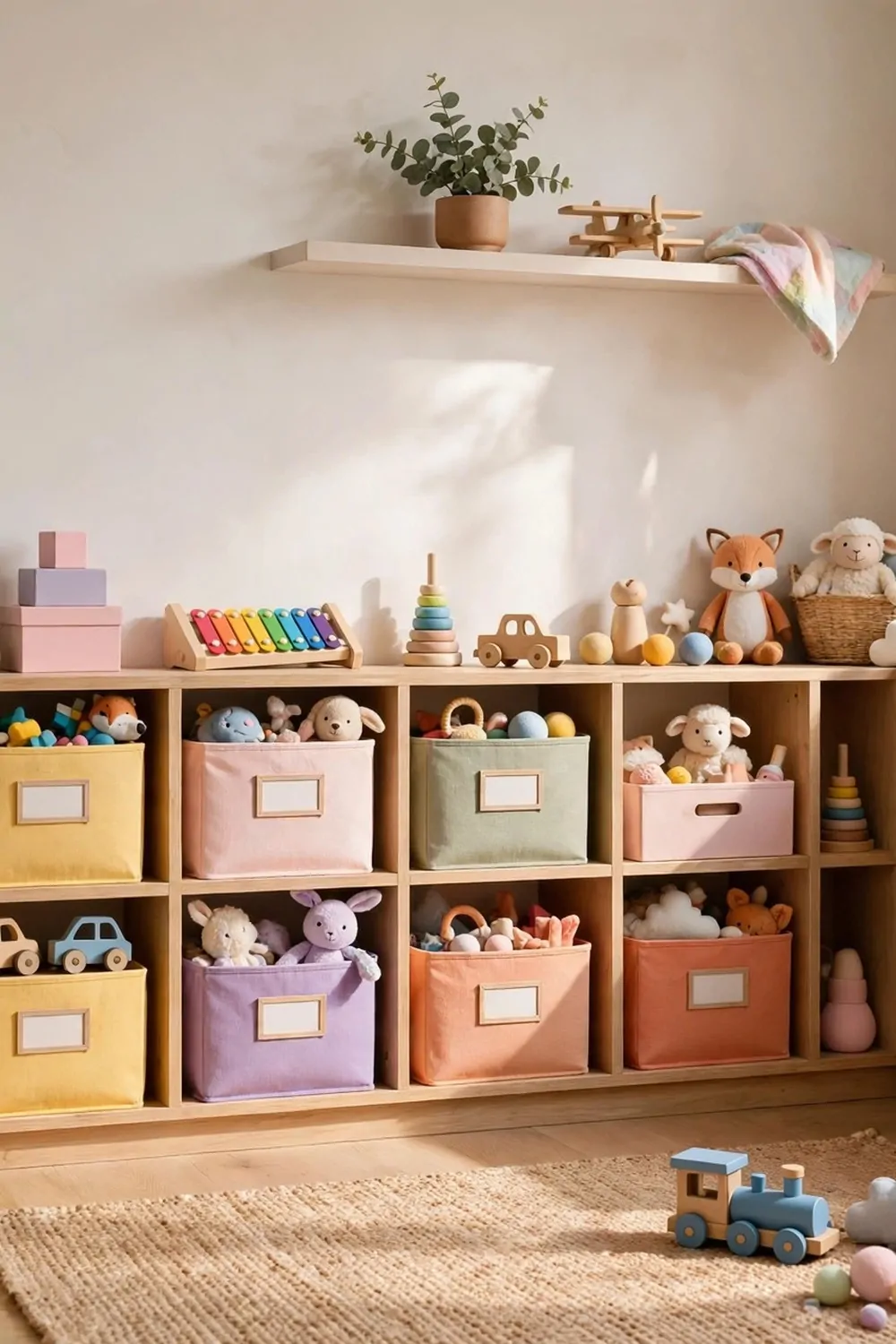
Toy storage works best when kids can use it on their own.
Low shelves and wide bins let little hands reach toys and put them back. If storage is too high, toys end up on the floor. Keep it low and simple.
I like bins in different colors for different toys. One bin for blocks, one for dolls, one for cars. Kids learn where each toy lives very fast.
Built in shelves that fit the wall leave no gaps behind them. Toys cannot fall down the back and get lost. It also stops the shelf from tipping over.
Add a few closed cupboards for toys with lots of small parts. Those are the toys that make the biggest mess. Close the door and the room looks calm again.
Label bins with pictures for young kids who cannot read yet. A simple drawing of a car or a block helps them a lot. They feel proud when they tidy up by themselves.
Keep only a few toys out at one time. Put the rest in the built in storage and swap them each week. Kids get excited about old toys again when they come back out.
A bench with storage under the seat is great for soft toys. Kids can sit and read there, then lift the lid to tidy up. It saves floor space too.
Clean up becomes a game when everything has a home. I ask my kids to race the clock to put toys away. Ten minutes is often enough to make the room look neat.
A Kids Desk With Drawers Built Into the Wall
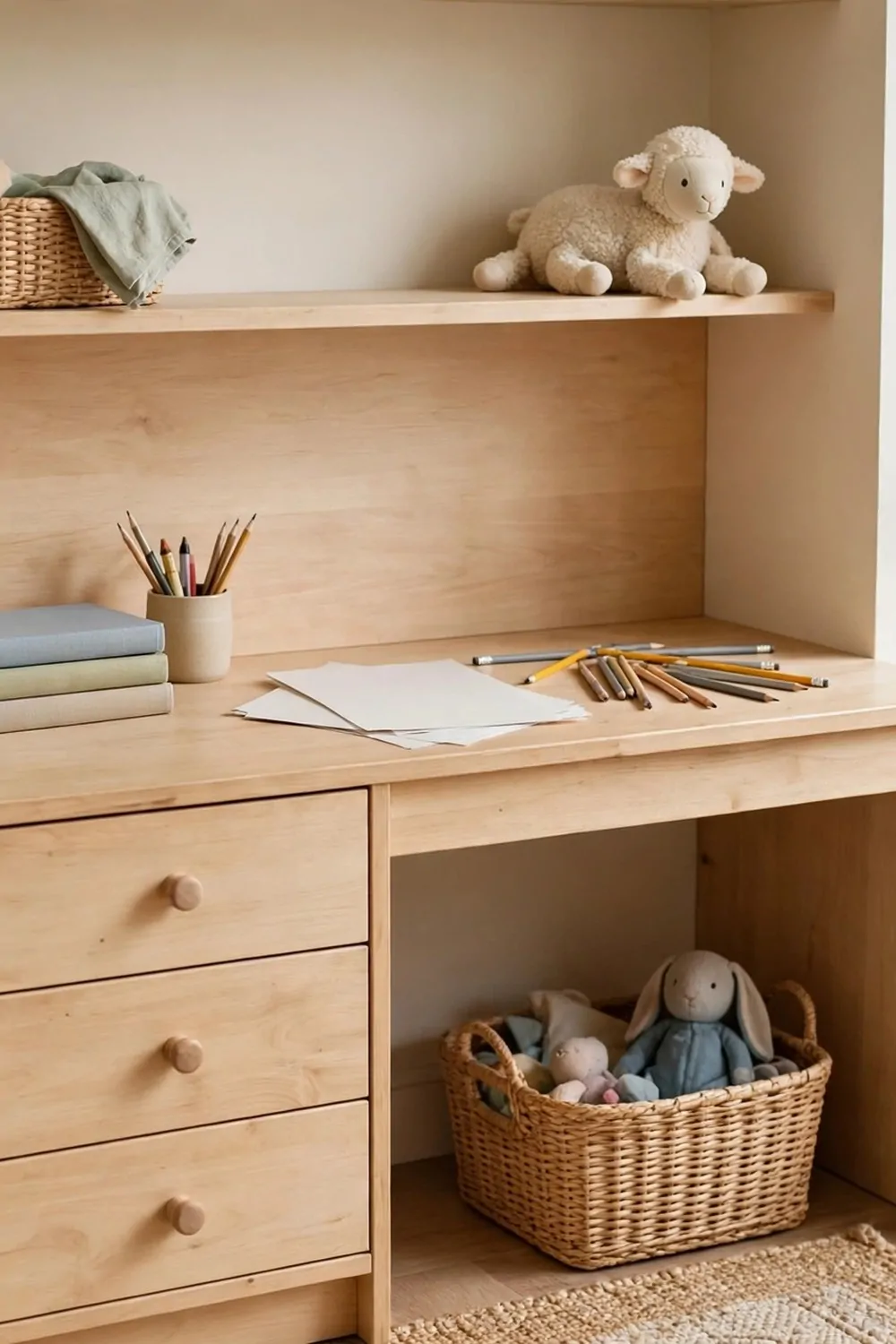
A wall desk gives a child a real place to draw and learn.
I like a desk that is built into the wall at the right height for the child. Their feet can touch the floor and their arms rest easy. It helps them sit well while they work.
Drawers under the desk hold pencils, paper, and coloring books. Each drawer can have one job. One for art stuff, one for school work, one for small toys.
A small shelf above the desk is handy for books they love. They can see the covers and pick one fast. Keep the shelf low enough for them to reach.
Use handles that are easy for small hands to pull. Big round knobs work well for kids. Avoid sharp corners on the desk and drawers.
Paint the desk in a soft color your child likes. It makes the desk feel like their own special spot. You can change the color later as they grow.
Keep the desk top mostly clear. A pencil pot and a lamp are enough. A clear desk helps a child focus on one thing at a time.
Add a pin board or a small board above the desk. Kids can pin up their drawings and school notes. It makes them proud to see their work on the wall.
When they outgrow the desk, you can raise the top or change the chair. A built in desk can grow with the child for many years. That is what makes it worth the work.
A Craft Cupboard That Closes and Hides the Mess
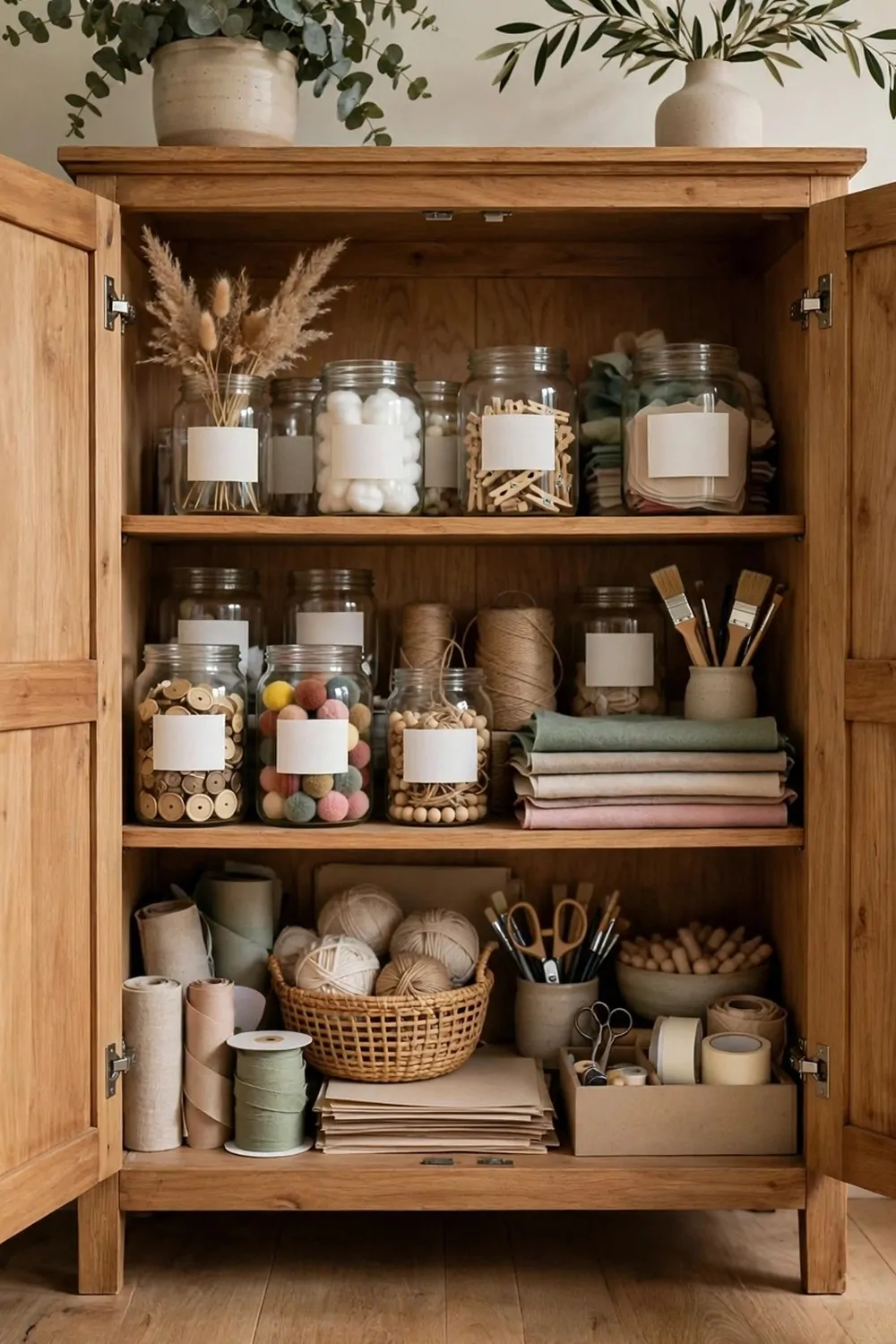
Craft time is fun, but the mess can take over a room fast.
A tall cupboard with doors that close solves that problem. You open it to craft, then close it and the mess is gone. The room looks neat in seconds.
Inside the cupboard, add lots of small shelves and jars. Paints, glue, paper, and beads each get a spot. Clear jars help you see what you have without opening everything.
A fold down table inside the cupboard is a clever trick. It gives you a work top when you need it. Fold it up when you are done and close the doors.
Hooks on the inside of the doors hold scissors and ribbons. They use space that is often wasted. I keep my most used tools right there.
Sort craft stuff by type and keep like with like. All the paper in one place, all the paint in another. You will waste less time looking for things.
Put messy stuff like glue and paint on the lower shelves. If they spill, it is easier to clean a low shelf. Keep clean paper and fabric up high.
Give kids their own low shelf in the cupboard if they craft too. They can reach their own supplies safely. It also teaches them to put things back.
Close the doors at the end of each craft day. Even if the inside is not perfect, the room feels calm. You can sort the inside properly another day.
A TV Wall With Hidden Cabinets on Both Sides
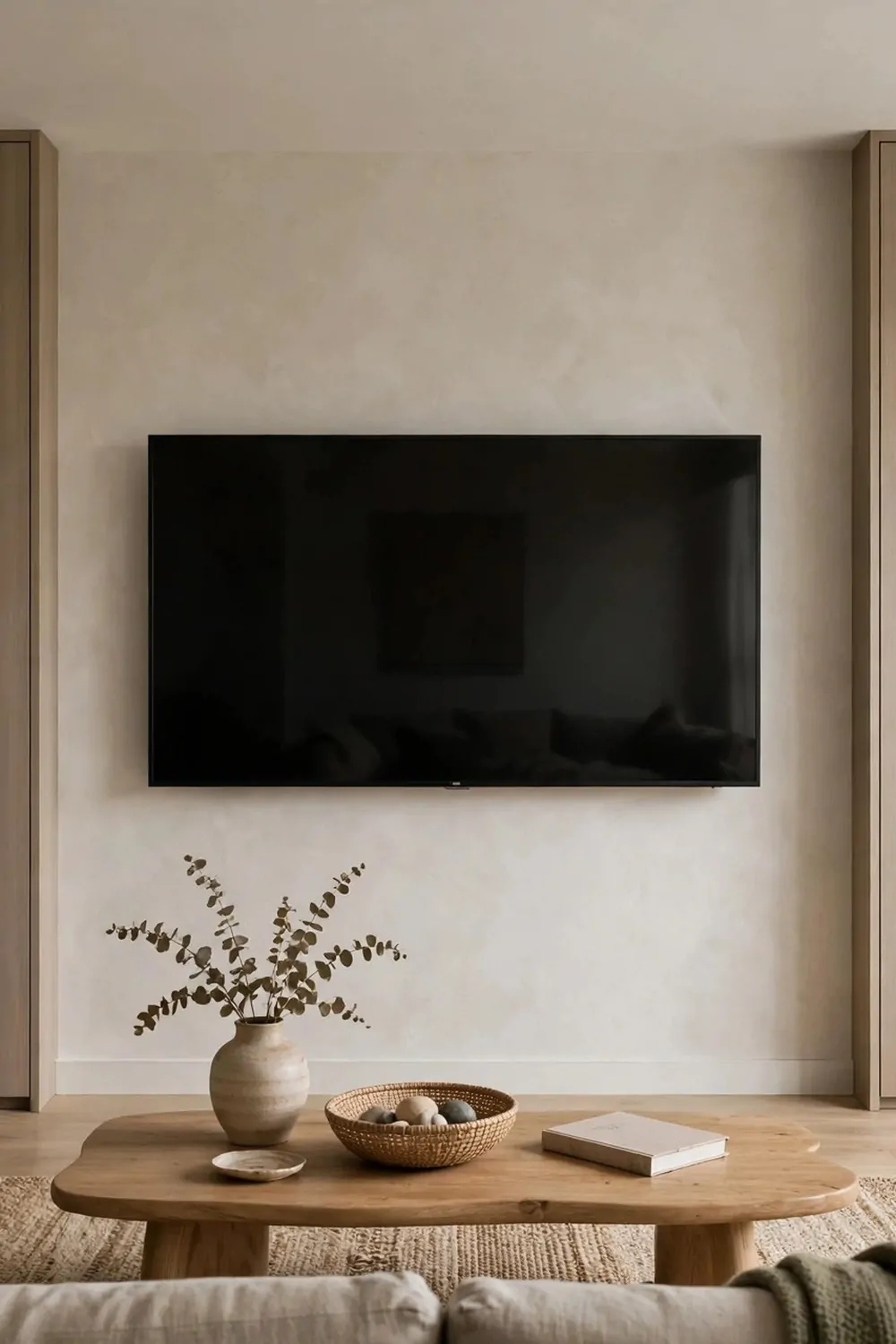
A TV wall looks best when the clutter around it is hidden.
Cabinets on both sides of the TV give you lots of storage. You can keep games, books, and cables inside them. The TV stays the star of the wall.
Build the cabinets the same depth as the TV if you can. That way nothing sticks out too far. The wall looks flat and neat from the side too.
Use doors with no handles for a clean look. Push to open doors work well here. Your hand just presses the door and it pops open.
Keep remotes and game controls in a drawer near the TV. A small tray inside the drawer stops them from sliding around. You will always know where they are.
Add a shelf inside each cabinet for DVDs or books. Adjust the shelf height to fit what you own. Tall books need more space than small games.
Paint the cabinets the same color as the wall. It makes the whole wall feel like one piece. Dark colors can make the TV blend in nicely.
Leave a small gap behind the TV for cables. The cables can run down inside the wall or behind a panel. No wires should show on the front of the wall.
Sit back and look at the wall from your sofa. If you see only the TV and neat doors, you got it right. A calm TV wall makes the whole room feel bigger.
A Media Console Built Into the Wall Under the TV
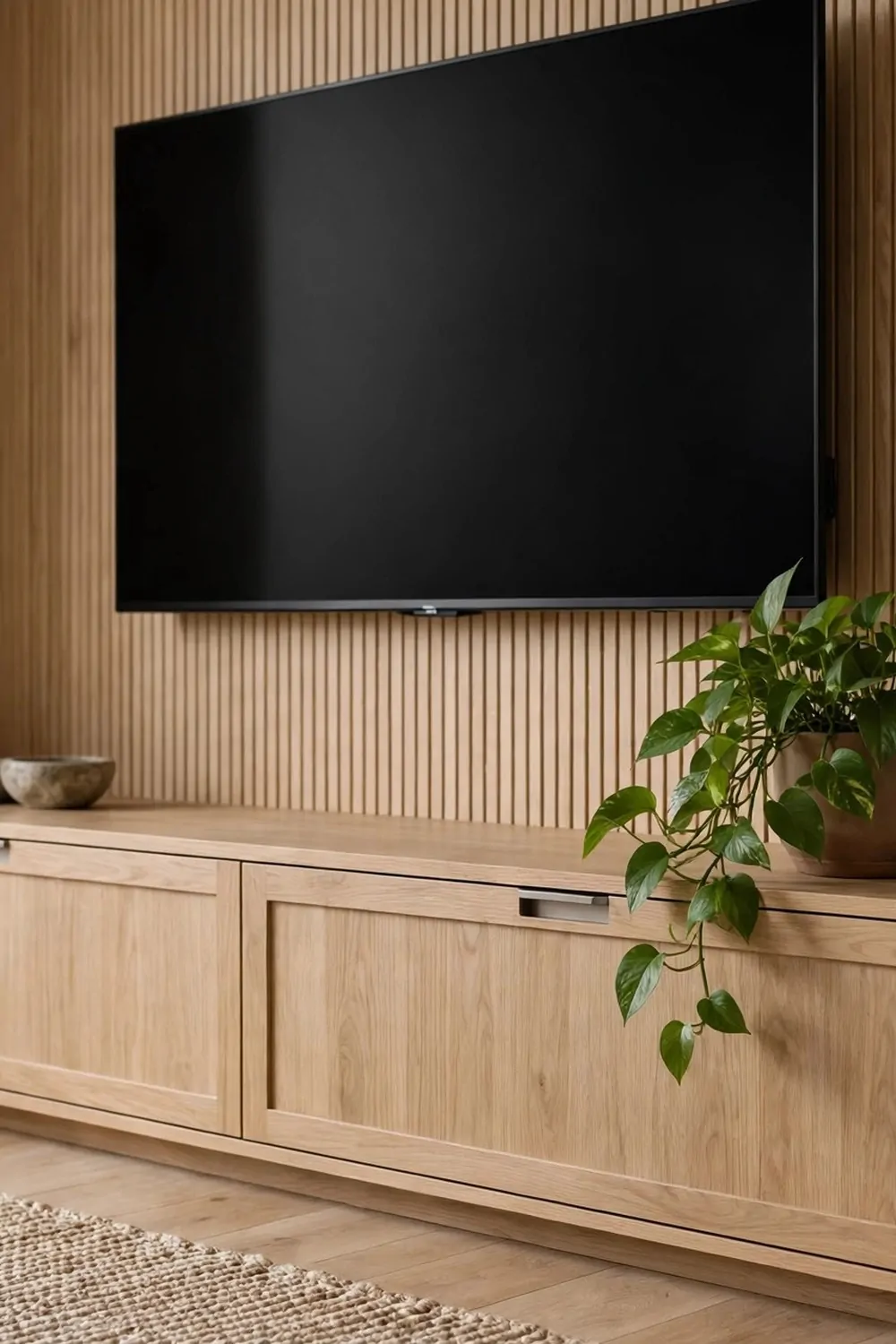
A low console under the TV keeps all your media gear in one place.
I like a console that is built into the wall so it does not stick out. It looks like part of the wall, not a piece of furniture pushed against it. The floor stays clear under it too.
Put your media box, game console, and router inside the console. Drill small holes at the back for cables. The front stays neat while the tech stays hidden.
Doors that close keep dust off your gear. Dust can make electronics run hot. A quick wipe of the doors is much easier than cleaning each box.
Leave a little space around each device inside. Air needs to move so things do not get too hot. Do not pack the console full to the top.
A drawer in the middle is perfect for remotes and chargers. I keep a small basket in mine for spare batteries. It is the drawer I open most in the living room.
Choose a console top that is easy to clean. A smooth wood or painted top wipes clean fast. You can put a small plant or a photo on top if you like.
Keep the console low and wide, not tall. A low console does not block your view of the TV. It also makes the wall feel wider and more open.
If you change your tech later, the console should still work. Adjustable shelves inside help a lot. You can move a shelf up or down in minutes.
Built-In Speakers and Cable Storage Behind a Panel
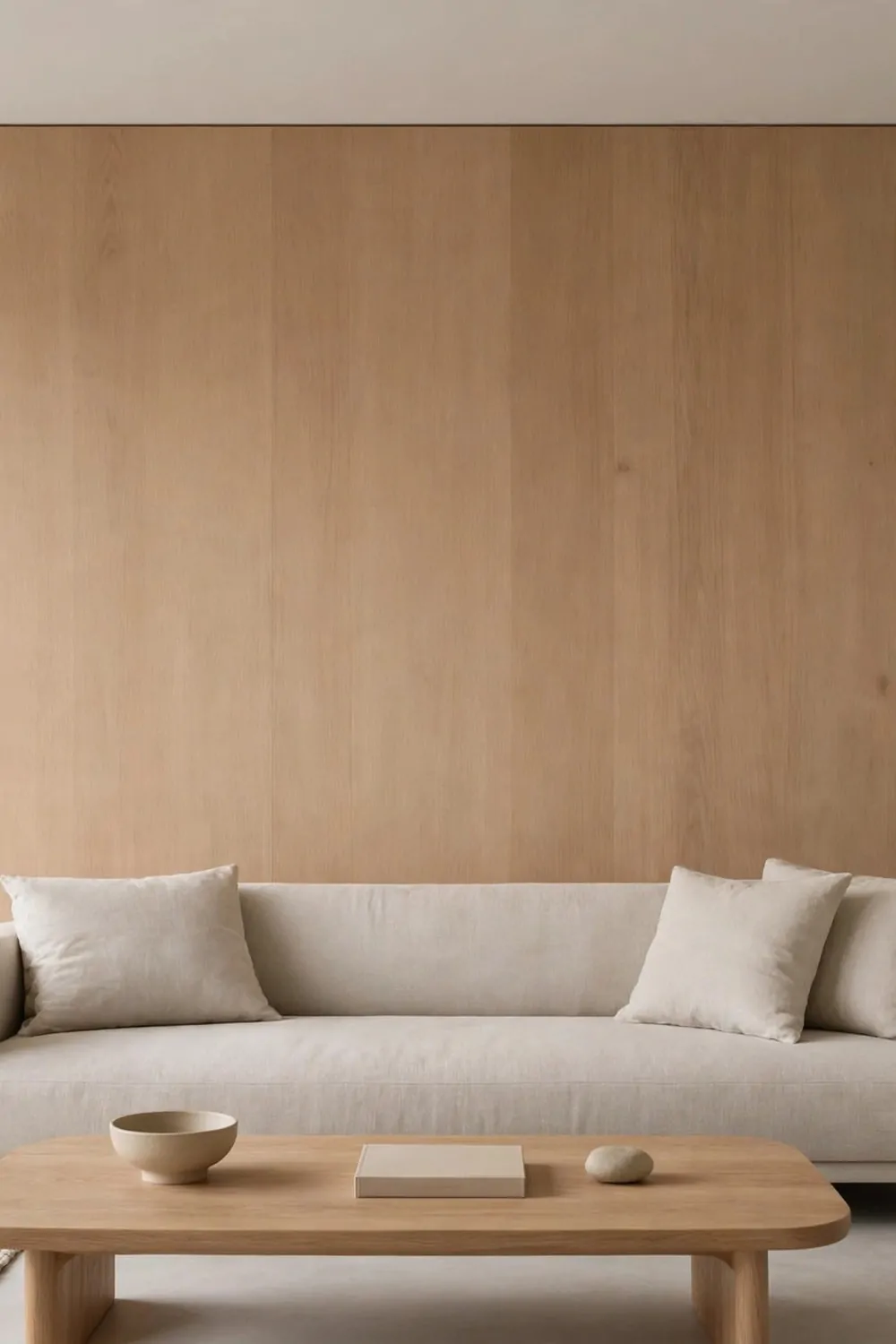
Speakers sound great, but they can make a room look messy.
A panel on the wall can hide speakers and cables behind it. The sound still comes through, but you do not see the gear. The wall looks smooth and calm.
Use a fabric panel or a panel with small holes for the speaker area. Sound needs to pass through easily. A solid wood panel would block the sound too much.
Keep cables in a channel behind the panel. They run straight down to the console or the power point. I label each cable so I know which one is which.
Put the router and other small boxes behind the panel too. They need air, so leave a small gap at the top and bottom. Air flow stops them from getting too hot.
A panel that lifts off or swings open is best. You will need to reach the cables sometimes. A fixed panel makes small fixes much harder.
Match the panel color to the wall color. It should blend in, not stand out. A plain panel is better than a fancy one here.
Test the sound before you fix the panel for good. Sit where you normally sit and listen. If the sound is dull, the panel material may be too thick.
Keep a small note inside the panel of what is behind it. Write down which cable goes where. Future you will be very glad you did.
A Dining Room Sideboard Built Into the Wall
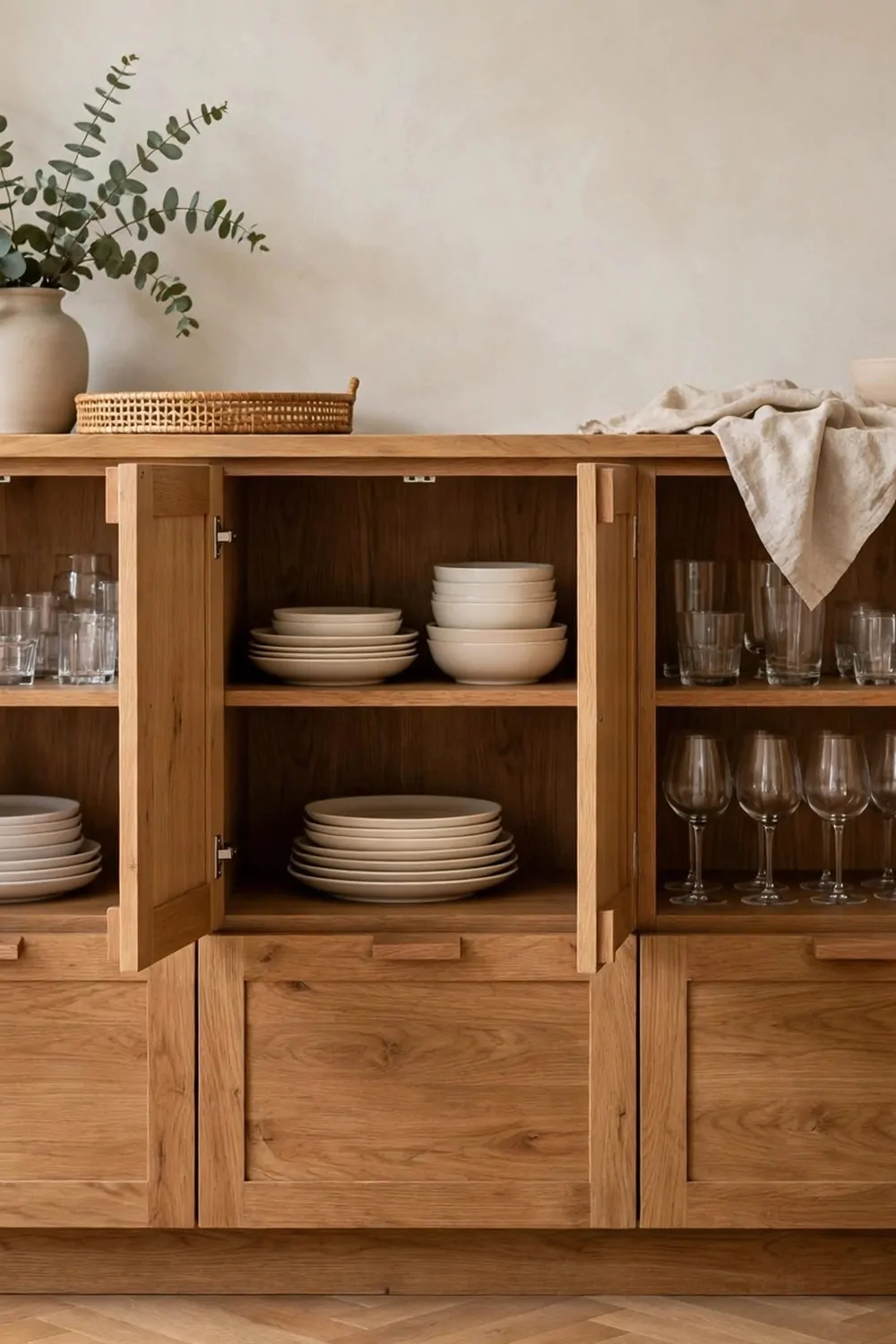
A dining room sideboard is a workhorse at meal times.
Built into the wall, it gives you storage without taking up floor space. You can walk past it easily, even when the table is full. It makes the room feel bigger.
Use the sideboard for plates, glasses, and table cloths. Keep the things you use most at the front. Special plates for guests can go at the back.
A drawer near the top is perfect for cutlery and napkins. I use small dividers inside the drawer. Forks, knives, and spoons each have their own spot.
The top of the sideboard is a handy serving spot. You can put dishes there before you serve them. It also holds a vase or candles when you are not eating.
Doors that close keep dust off your plates. Open shelves look nice, but plates get dusty fast. I prefer closed doors in a dining room.
Pick a finish that matches your dining table. If the table is wood, a wood sideboard looks warm and right. If the table is painted, match that paint color.
Add a small light above the sideboard if you can. It makes serving food in the evening much easier. A soft light also makes dinner feel special.
Keep a cloth in the sideboard for quick wipe downs. Spills happen at the table all the time. A quick wipe keeps the top looking new.
A Bar Cabinet Hidden Behind Flat Panel Doors
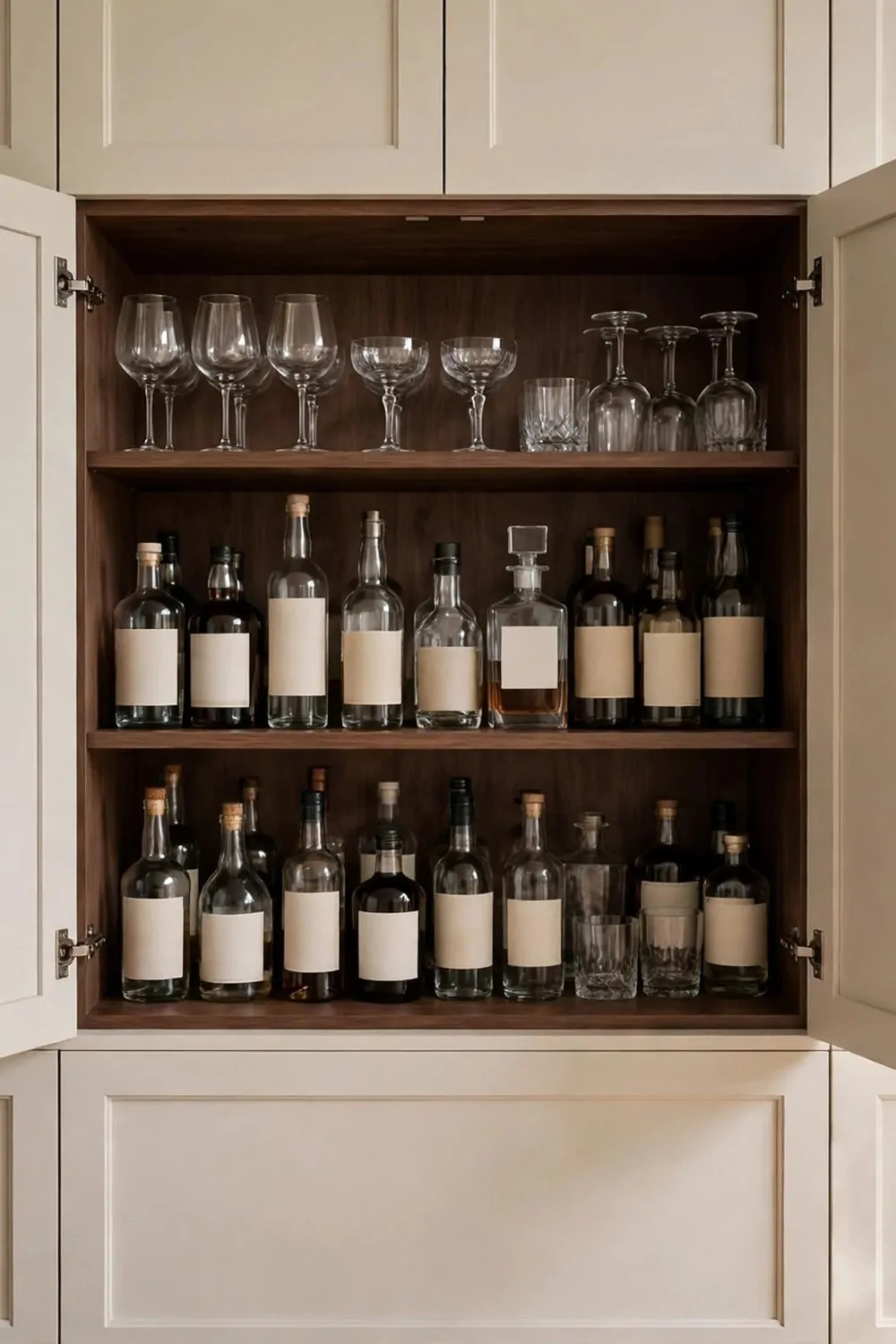
A bar cabinet can be a fun surprise in a living room or dining room.
Flat panel doors hide it completely when it is closed. No one would guess there is a bar behind the wall. Open the doors and it is ready for guests.
Inside, add shelves for glasses at the top. Glasses are light and easy to reach up high. Keep them upside down so dust does not settle inside them.
A small work top inside the cabinet gives you space to mix drinks. You need only a small flat area. It stops you from carrying glasses to the kitchen.
Use a tray to hold bottles in one place. A tray stops bottles from sliding when you open the door. I keep juice and tea bottles in mine for family nights.
Add a small light inside the cabinet. It makes it easy to find what you need in the evening. A soft light also makes the glasses look lovely.
Keep a few coasters and napkins in a small drawer. They are easy to forget until you need them. I keep mine right next to the glasses.
Lock the cabinet if you have small kids in the house. A simple lock on the door keeps bottles safe. It is a small step that gives you peace of mind.
Close the doors when guests leave. The room goes back to being calm and plain. A hidden bar is fun because it disappears when you do not need it.
A Garage Wall of Built-In Cabinets and Workbench Storage
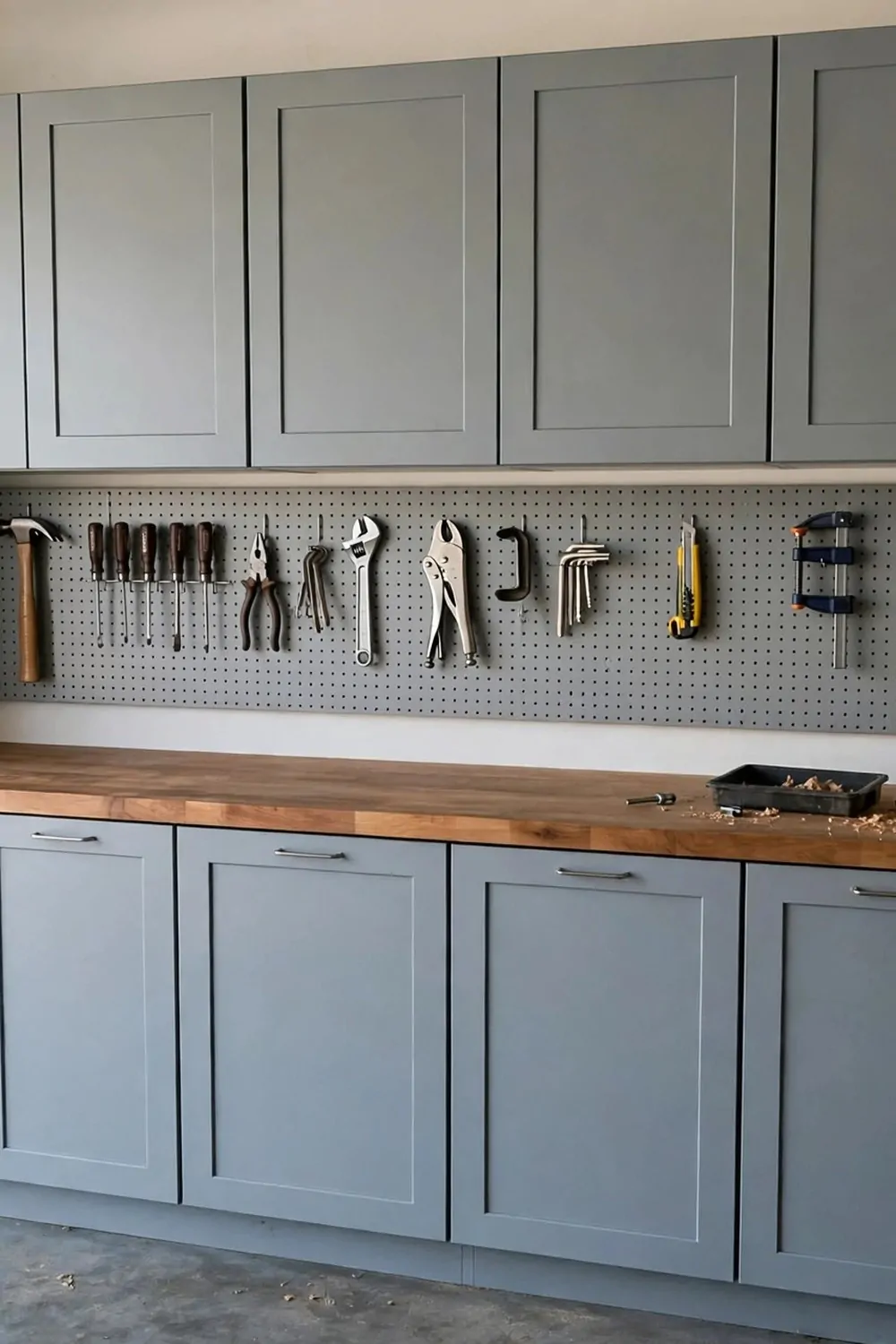
A garage can be a tidy work space, not just a place for boxes.
A full wall of built in cabinets gives every tool a home. You can find a hammer in seconds, not after ten minutes of looking. That saves time on every job.
Put the workbench in the middle of the wall. Cabinets above it hold small tools and paint. Cabinets below it hold big tools and boxes.
Use strong shelves for heavy things like paint cans. Weak shelves will bend over time. I check my shelves once a year and tighten the screws.
Drawers under the workbench are great for screws and nails. Small boxes inside the drawers keep sizes apart. Label each box so you grab the right size first time.
Hang tools on a board above the bench too. Hooks hold hammers, saws, and wrenches where you can see them. It is faster than opening a drawer each time.
Keep the floor clear in front of the bench. You need space to stand and work. Boxes on the floor make a garage feel small and unsafe.
Paint the cabinets a light color so the garage feels bright. A dark garage feels cold and hard to work in. White or pale grey paint reflects the light well.
Sweep the bench at the end of each job. Put each tool back in its spot before you leave. A tidy bench makes the next job start much faster.
| Material | Best for | Look | Care |
|---|---|---|---|
| Painted wood | Kitchens and bedrooms | Clean and bright | Wipe with a damp cloth |
| Natural oak | Living rooms and offices | Warm and calm | Oil once a year |
| Plywood with paint | Garage and basement | Tough and plain | Wipe and touch up paint |
| MDF with a smooth finish | Kids rooms and craft cupboards | Flat and neat | Keep dry and wipe clean |
| White laminate | Laundry rooms and mudrooms | Fresh and simple | Wipe with a damp cloth |
A Basement Storage Wall With Closed Cabinets
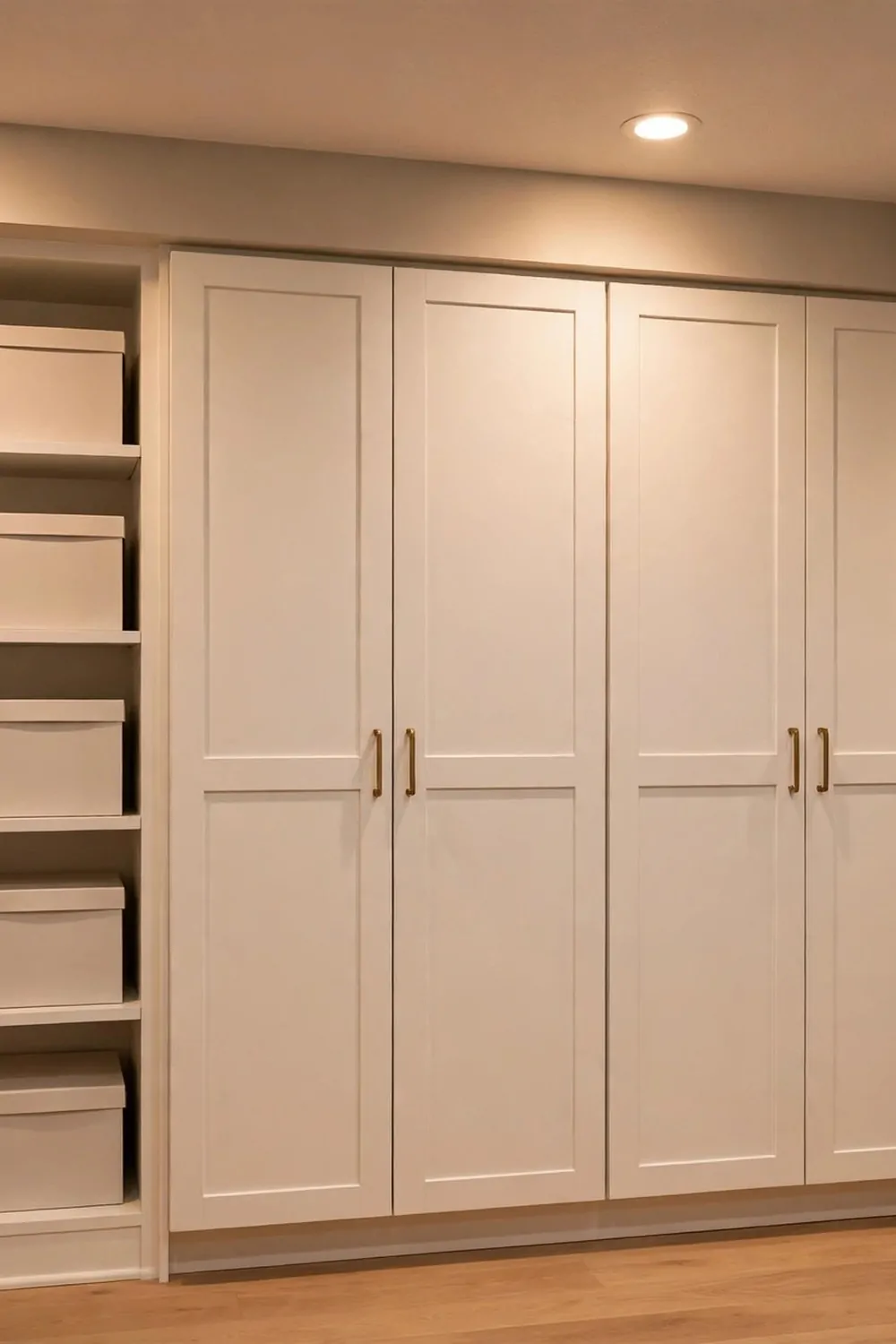
A basement can hold a lot, but it gets messy fast without a plan.
A wall of closed cabinets keeps boxes and spare stuff out of sight. You see neat doors, not piles of things. It makes the basement feel like part of the home.
Use tall cabinets for big items like spare bedding and winter clothes. Wide shelves inside hold large boxes easily. Keep heavy boxes low so they are safe to lift.
Label the front of each cabinet, or keep a list on the door. I write what is inside on a small card. It stops me from opening five doors to find one thing.
Keep the floor dry under the cabinets. Raise the cabinets a little off the floor if your basement ever gets damp. A small gap helps air move under them too.
Use plastic boxes inside the cabinets for things that hate damp. Clothes and paper stay safer in a closed box. I use clear boxes so I can see inside fast.
Leave one cabinet for things you use often, like tools and cleaning stuff. It should be easy to reach from the stairs. The rest can hold things you use once a year.
Check the basement cabinets twice a year. Throw out broken things and give away what you no longer need. Storage works best when it does not fill up with stuff you forgot.
A light above the cabinets helps a lot in a basement. Basements are often dark, and a bright light makes finding things easy. I use a simple ceiling light right in front of the wall.
Built-In Shelves in the Hallway for Books and Baskets
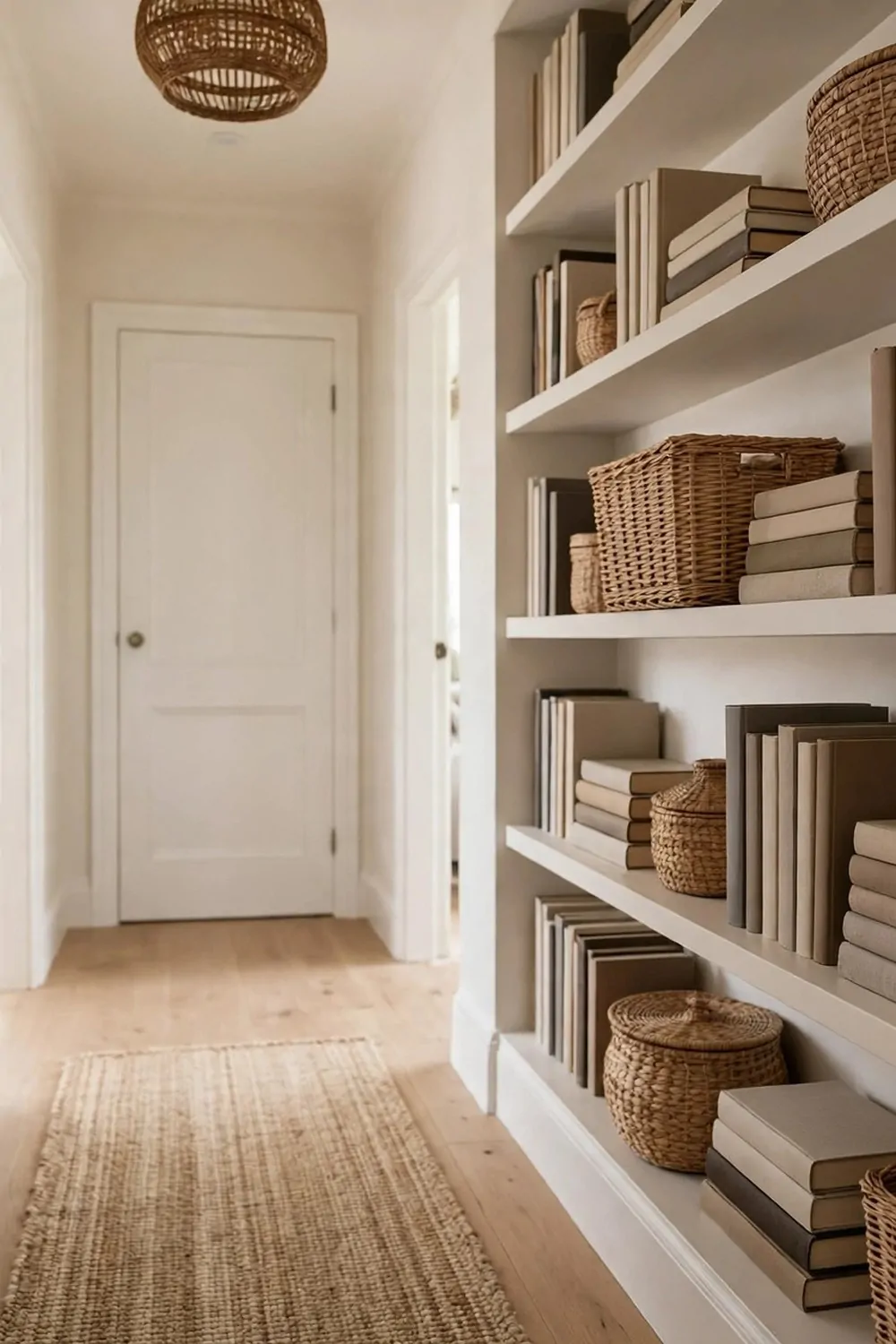
A hallway is often wasted space, but shelves can change that.
Built in shelves along a hallway wall hold books, baskets, and shoes. They use space that would otherwise be empty. The hallway still feels wide if the shelves are shallow.
Keep the shelves no deeper than a book. Deep shelves in a hallway make it hard to walk past. Shallow shelves look neat and stay out of the way.
Baskets on the lower shelves are perfect for shoes and scarves. Each person can have one basket. It stops shoes from piling up by the door.
Books on the higher shelves turn a plain hallway into a small library. I love walking past books every day. It makes the house feel warm and full.
Add a small light over the shelves if the hallway is dark. Hallways often have no windows. A soft light makes the books and baskets easy to see.
Keep the top shelf for things you rarely use. Spare bags and seasonal stuff can live up there. Use a step stool to reach them safely.
Paint the shelves the same color as the hallway walls. They will blend in and look built in. A white shelf in a white hallway almost disappears.
Tidy the hallway shelves once a month. Books creep in and baskets fill up fast. A quick sort keeps the hallway feeling calm and open.
A Linen Cupboard Built Into the Bathroom Wall
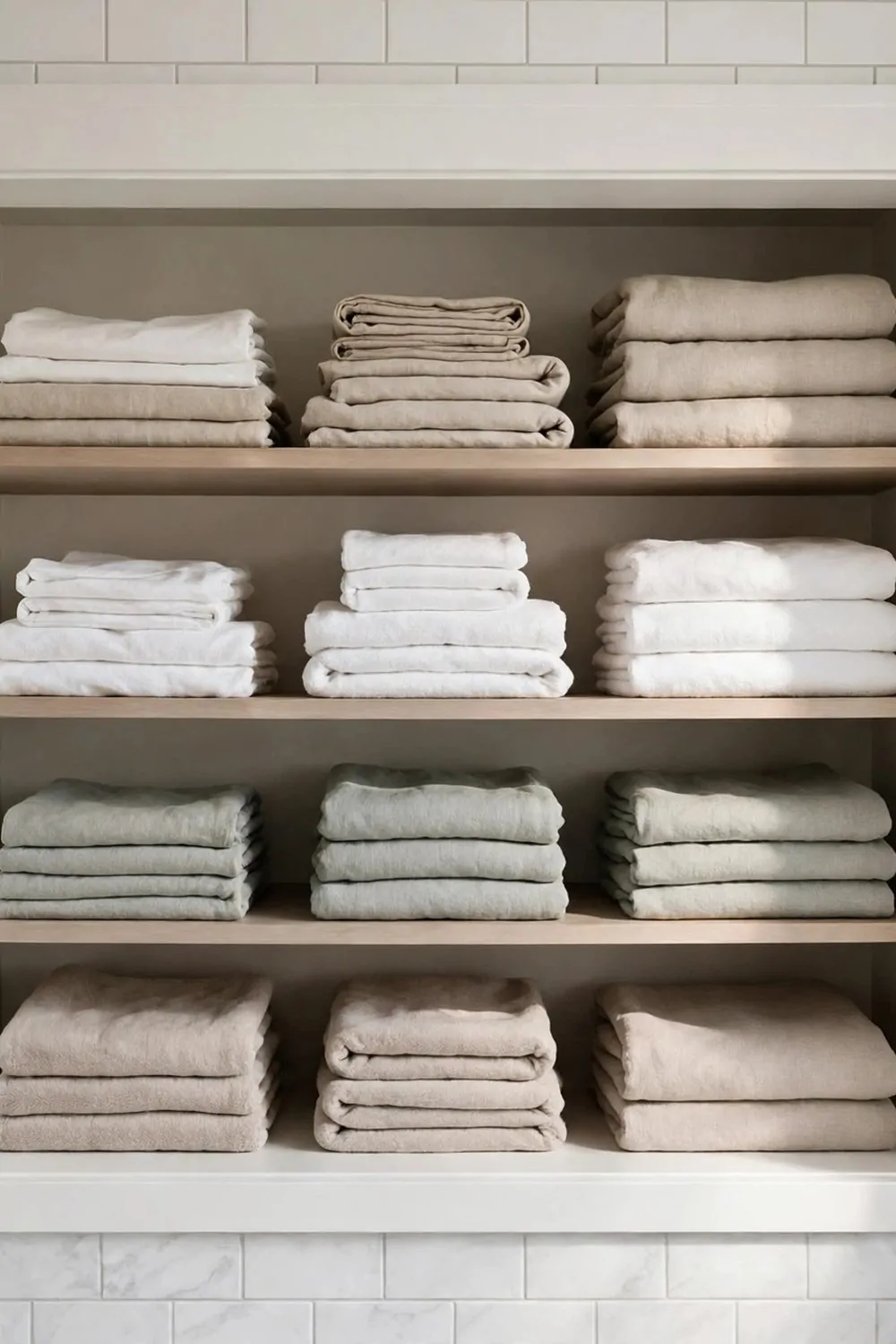
A linen cupboard in the bathroom saves you trips to another room.
Built into the wall, it holds towels, sheets, and spare toilet paper. Everything you need is right where you use it. No more wet feet walking to fetch a towel.
Keep towels on the middle shelves where they are easy to reach. Fold them the same way so they stack neatly. I roll small hand towels to save space.
Use the top shelf for spare sheets and blankets. They are light and you do not need them every day. A basket up there keeps them dust free.
The bottom shelf is good for cleaning sprays and spare soap. Keep them in a small tray so spills do not spread. I keep a cloth in there too for quick wipes.
Bathrooms get damp, so good air flow matters. Leave a small gap at the back of the shelves. A vent or a small fan helps keep towels dry and fresh.
Pick a door that closes tight to keep steam out. A plain flat door works well here. It also makes the bathroom look neat and calm.
Label shelves if more than one person uses the cupboard. One shelf for bath towels, one for hand towels. It stops clean towels from getting mixed with dirty ones.
Wash and fold towels before you put them away. A neat stack is easier to grab in a hurry. I fold mine straight from the dryer so they stay soft.
A Shoe Cabinet That Looks Like Wall Paneling
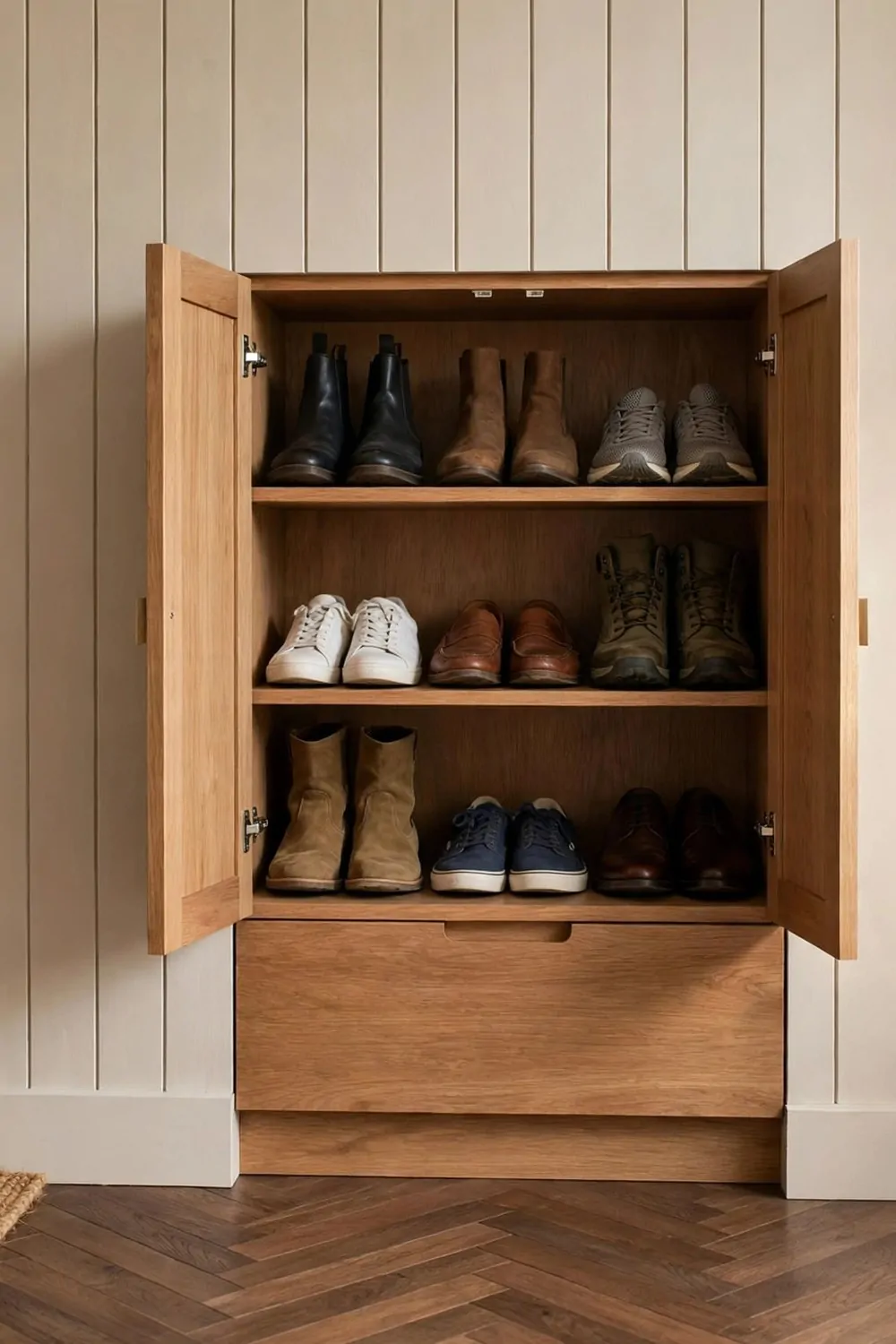
Shoes by the door can make a whole house look messy.
A shoe cabinet that looks like wall paneling hides them in plain sight. Guests see a neat wall, not a pile of shoes. It is one of my favorite tricks.
Use slim tilt out drawers inside the cabinet. Shoes sit at an angle and take up less depth. You can fit more pairs than you think in a slim cabinet.
Keep everyday shoes at the top for easy reach. Seasonal shoes can go lower down. I swap them when the weather changes.
Add a small shelf on top for keys and a bag. It is handy when you come home with full hands. A small tray keeps keys from sliding off.
Vent holes at the back or bottom help shoes dry. Shoes need air or they start to smell. I leave the cabinet door open for a bit after a rainy day.
Paint the cabinet the same as the wall panels around it. Match the lines and the trim so it blends in. The seams should be hard to spot.
Clean the inside once a month. Shake out dust and wipe the shelves. Clean shoes last longer and the cabinet stays fresh.
Teach everyone to put shoes away as soon as they come in. It takes ten seconds and it keeps the entry calm. A tidy entry makes coming home feel good.
A Pet Station Built Into a Kitchen Cabinet
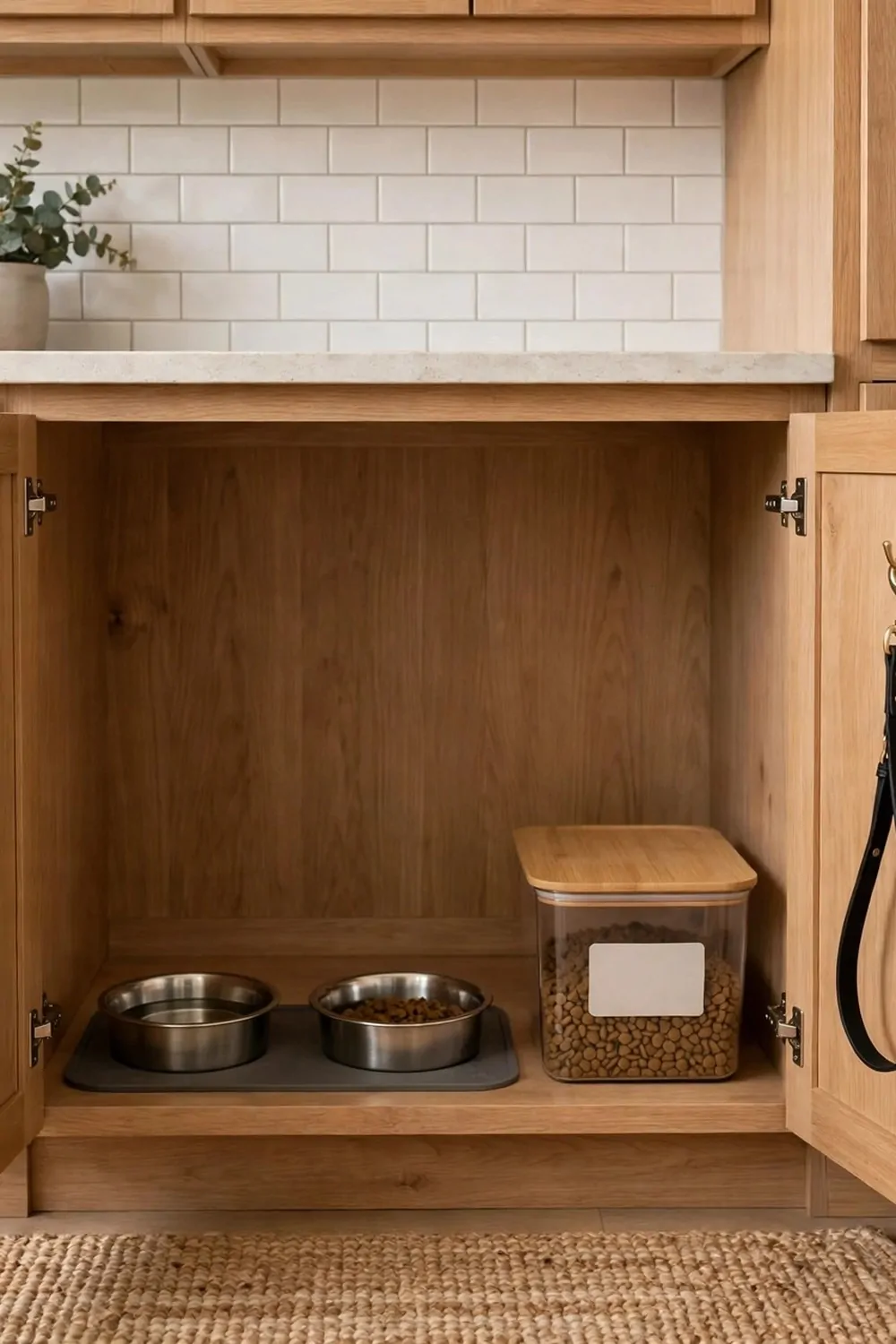
Pets need their own spot, and a kitchen cabinet can be perfect.
A low cabinet with a pull out drawer holds food bowls and pet food. You can slide it out at meal time and push it back after. The kitchen stays neat and the pet knows where to eat.
Keep food in a sealed bin inside the cabinet. It stays fresh and pests stay out. I use a bin with a tight lid and a scoop inside.
A hook on the door holds the lead and a towel. You can grab the lead fast for a walk. The towel is handy for muddy paws on rainy days.
Add a small shelf for treats and pet medicine. Keep medicine up high and out of reach of kids. I keep treats in a jar so my dog can hear the lid and comes running.
Put a mat under the bowls to catch spills. Water and food spill less with a mat. It also stops bowls from sliding across the floor.
Wash the bowls every day, just like your own dishes. Clean bowls keep pets healthy. I wash mine after the evening meal.
If you have a cat, a small cubby in the cabinet can be a cozy bed. A soft blanket inside makes it warm. Cats love a quiet hideaway near the family.
Close the cabinet when guests come over. The pet station disappears and the kitchen looks plain and tidy. Your pet still has its own special place.
A Charging Drawer That Hides Phones and Cables
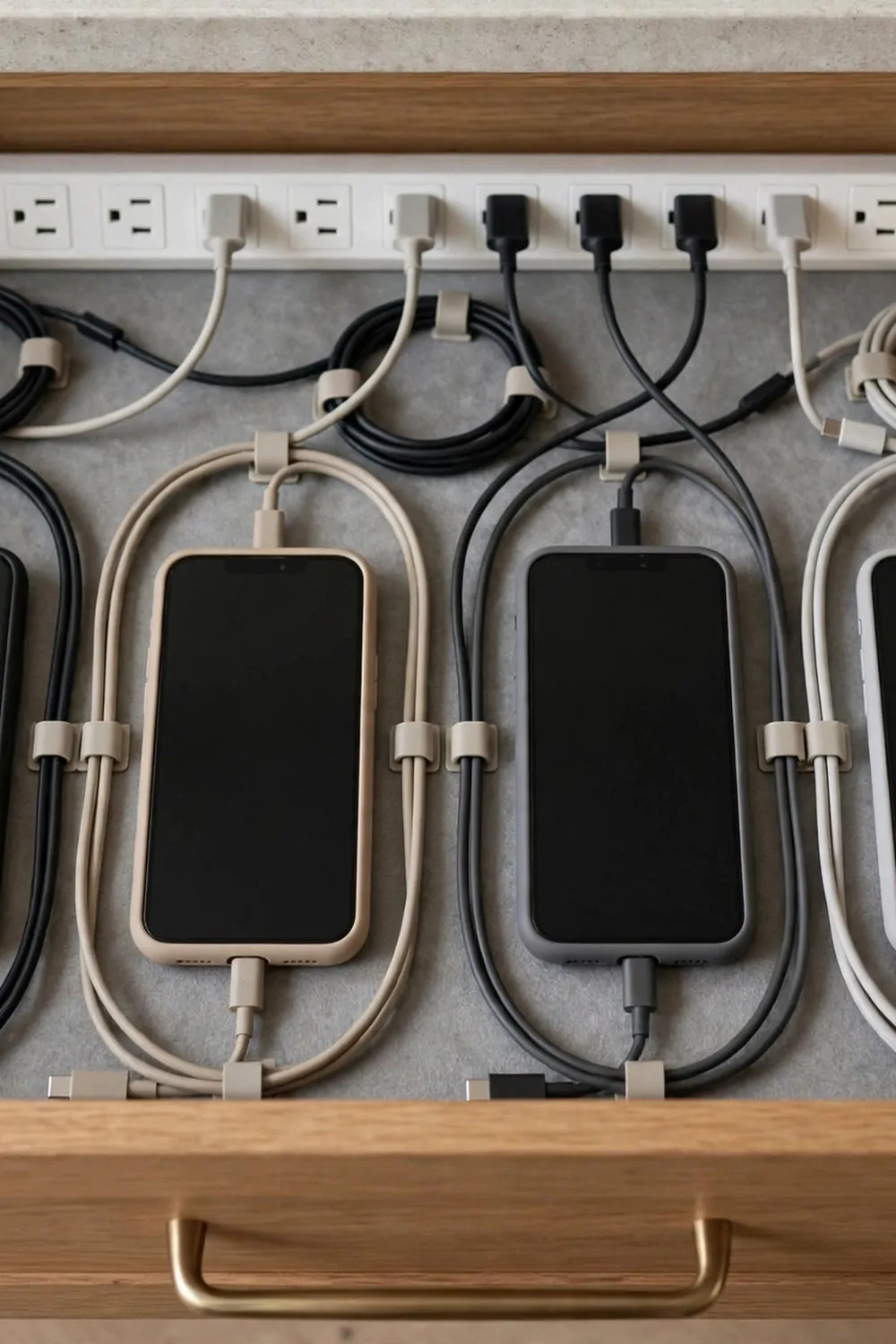
Charging cables on a counter make a kitchen look messy fast.
A charging drawer hides phones, tablets, and cables inside one drawer. You plug them in, close the drawer, and the counter stays clear. It is a small change with a big effect.
Put a power strip inside the back of the drawer. Each device gets its own plug. I use short cables so they do not tangle inside the drawer.
Add dividers to keep each phone in its own slot. A divider stops phones from sliding around when you open the drawer. It also helps kids know where to put their tablet.
Keep the drawer near where you sit or cook. A kitchen drawer or a hallway drawer works well. It should be easy to reach when you come home.
Use a drawer with a soft close so it does not slam. A loud slam can shake the plugs loose. Soft close drawers are kinder to cables too.
Charge devices overnight in the drawer if you like. Close the drawer and the lights from the screens stay hidden. I find I sleep better without glowing screens in the room.
Clean out the drawer once a month. Old cables and dead chargers pile up fast. Keep only the cables you use each week.
Tell the family that the drawer is the one charging spot. No more cables in every room. One spot means less clutter everywhere else.
A Drop Zone by the Front Door With Mail Slots
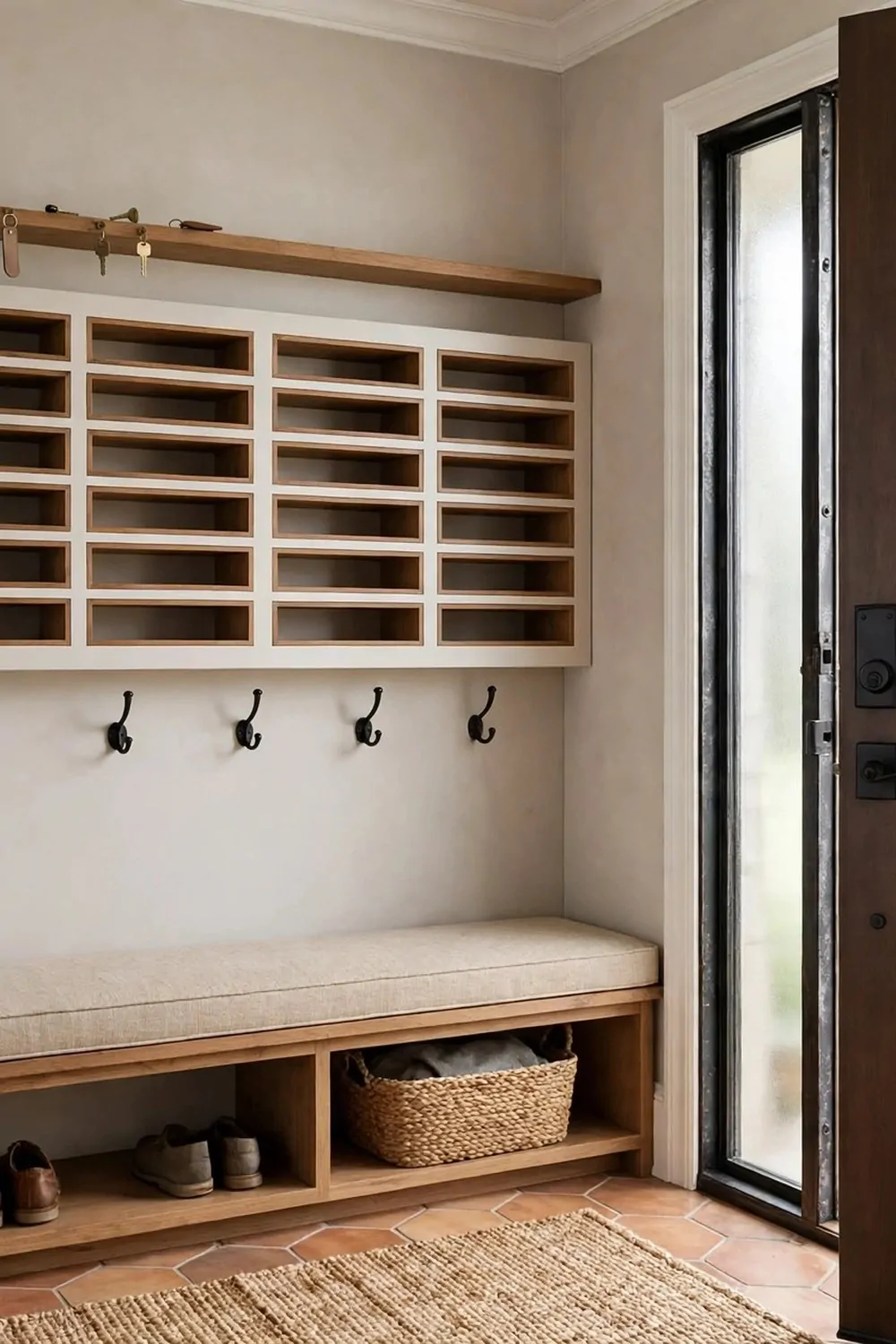
A drop zone is the first thing you see when you come home.
Mail slots on the wall sort letters as soon as they arrive. One slot for bills, one for letters, one for junk. You can deal with mail in minutes, not days.
Add hooks below the slots for coats and bags. Each person gets one hook. It stops coats from landing on chairs and sofas.
A small shelf above the hooks holds keys and sunglasses. A tray on the shelf keeps small things from rolling off. I check that tray every morning before I leave.
A bench under the hooks gives you a place to sit and put shoes on. Storage under the bench holds shoes and bags. It is the most used spot in my house.
Keep a small bin near the drop zone for recycling junk mail. Open mail, toss the junk, and file the rest. It takes a minute and stops paper piles.
Label the mail slots so everyone knows which is theirs. Kids love having their own slot for cards and letters. It makes them feel grown up.
Wipe the shelf and hooks once a week. Dust and dirt come in with every trip outside. A quick wipe keeps the entry looking fresh and welcoming.
A tidy drop zone makes leaving the house calmer. Keys, bag, coat, and shoes are all in one place. You walk out the door without a last minute hunt.
Built-In Planters That Hide Pots and Watering Cans
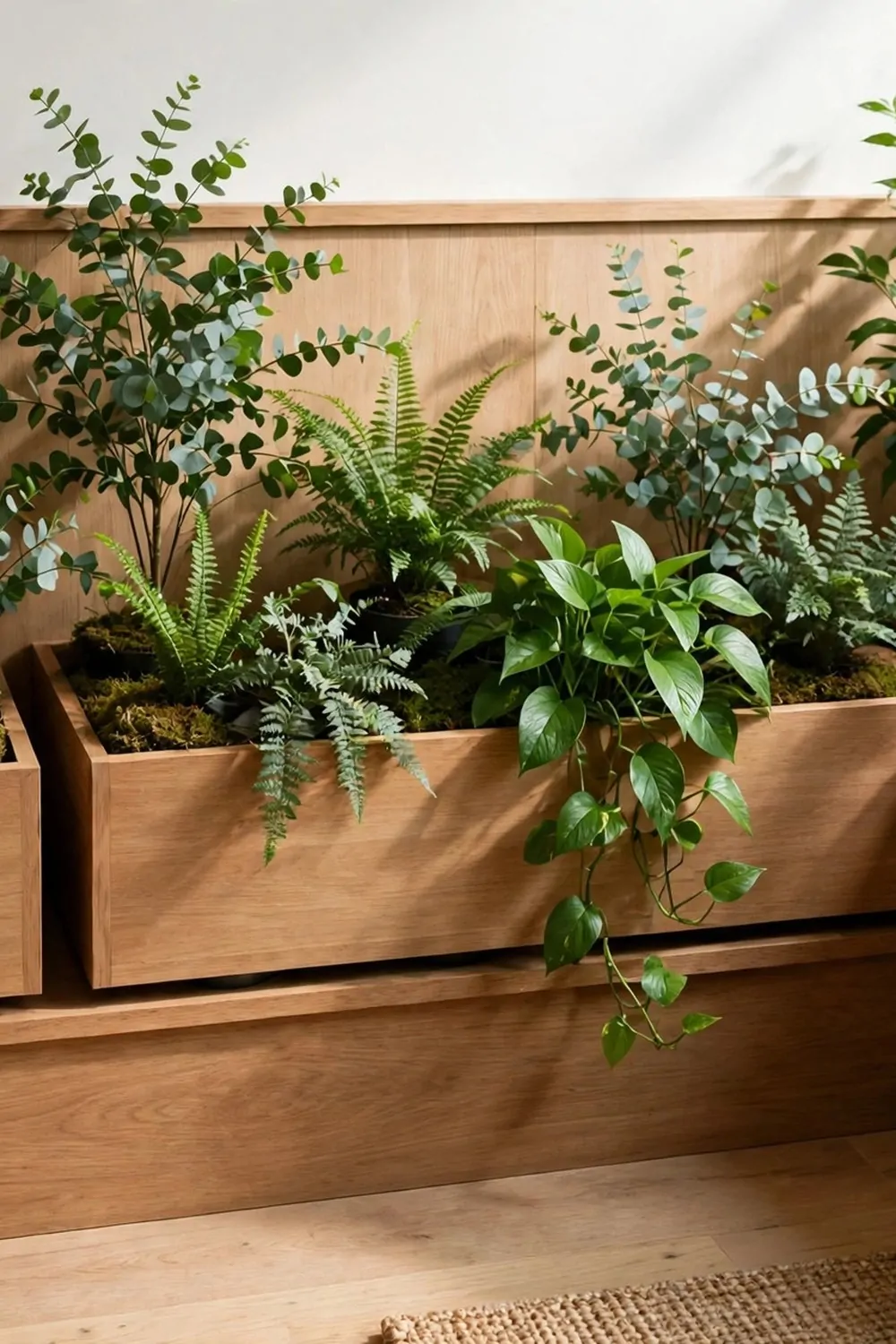
Plants make a home feel alive, but pots and cans can look messy.
Built in planters hide the pots inside a neat wooden box. You see green leaves, not plastic pots. The planter looks like part of the room or garden wall.
Build the planter with a tray inside to catch water. The tray stops water from dripping onto the floor. I empty the tray after watering so roots do not sit in water.
Hide the watering can in a small cupboard next to the planter. A slim door can hold a can and a small trowel. Everything for the plants stays in one spot.
Choose plants that fit the light where the planter sits. Sunny spots suit herbs and bright flowers. Shady spots suit ferns and leafy plants.
Use soil that drains well and do not over water. Most house plants die from too much water, not too little. I check the soil with my finger before I water.
A planter by a window is perfect for herbs you cook with. Basil, mint, and parsley grow well in a sunny kitchen. You can snip fresh herbs while you cook.
Clean dead leaves from the planter once a week. Dead leaves attract bugs and make the planter look sad. A quick tidy keeps plants healthy and pretty.
Built in planters work outside too, along a patio wall. They hide pots and give you a green wall to look at. I love sitting near mine with a cup of tea in the morning.
A Whole-Home Storage Plan That Ties Every Built-In Together
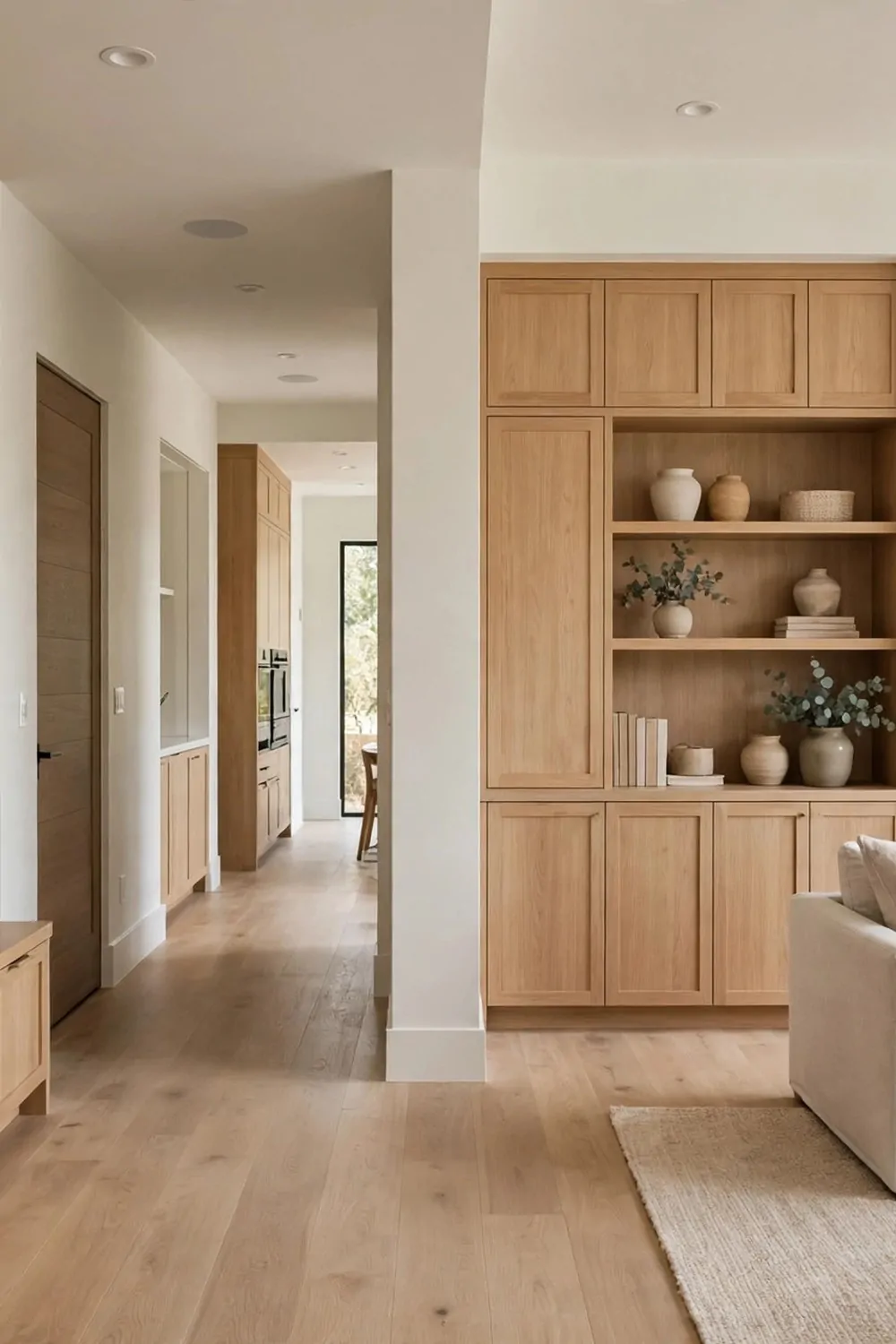
One built in is nice, but a whole home plan is better.
Start by walking through each room and listing what needs a home. Write down what is messy in each room. That list becomes your storage plan.
Group similar things together across the house. All the books in one library wall, all the shoes by the door. When things have one home, you find them fast.
Use the same color and style for built ins in each room. It does not need to match exactly, but a similar look ties the house together. I use the same paint color in most rooms.
Plan for what you own now, not what you might own one day. Empty shelves fill up fast, and too much storage can invite clutter. Keep the plan simple and real.
Leave a little empty space in every built in. Empty space is not wasted space. It gives you room to grow and it makes the room feel calm.
Check your plan once a year and adjust it. Kids grow, hobbies change, and rooms get new jobs. A good plan can change with your family.
Ask everyone in the house what bothers them most. Kids may want toy storage, adults may want a tidy desk. A plan that helps everyone gets used by everyone.
When every built in works together, the house feels calm. You spend less time looking for things and more time enjoying your home. That is the real point of good storage.
Keep Reading
If you liked these hidden built-in storage ideas, you will love these next reads. Each one is full of simple storage ideas that make your home calmer and tidier.
Start with the kitchen and the closet. Those two rooms hold most of the clutter in any home, and the ideas in these posts are easy to try this weekend.
Then take a look at the garage ideas. A tidy garage makes the whole house feel bigger, and you will find storage tricks there that work in every room.
- 30 Hidden Kitchen Storage Ideas That Make Small Spaces Look Expensive
- 35 Hidden Closet Storage Ideas That Maximize Every Inch
- 33 Luxury Garage Organization Ideas With Custom Cabinets
- 41 Custom Kitchen Cabinet Organization Ideas Worth Stealing
Thank you for reading all the way to the end. I hope one of these hidden built-in ideas helps your home feel calmer this week. Pick the spot that bugs you most and start there.