25 Study Planner Ideas for Students

My school bag used to hold loose sheets, and my homework lived in three different places.
I felt rushed each morning, and I often forgot one small job. A paper planner changed that for me, and now I start each day with a clear head.
Here are 25 study planner ideas for students, and each one takes only a few minutes to set up.
Simple tools are all you need for this. A plain planner and a pen are enough to begin. I like how simple it feels to write my day down by hand.
I plan my lessons, my homework, and my test days in one place. It helps me see what is done and what still needs my time.
You can pick the ideas that fit your school week best.
Pick one idea to try this week and see how it feels. Small steps add up, and a calm plan makes school days much easier.
1. Keep One Planner for All Your Lessons
I keep all my lessons in one planner, and I carry it with me each school day. It holds my homework, my test days, and my class notes in one place.
One planner means I never hunt through loose sheets in the morning.
I write each lesson on its own line when I get home. I add the due date next to it in small words. Then I close the planner and I know my work is safe.
My planner lives on my desk at home, and I take it to school each day. You can do the same with any plain planner you like.
It feels good to open one book and see the whole week.
I use my pen to write in a clear hand, so I can read it fast later. If a date changes, I cross it out and write the new one beside it.
Start with your lessons for tomorrow, and add the rest as you go. Keep your words short and plain. Soon your planner will hold your full school week.
My plain notebook for the one-planner plan cost $4 to $6.
Try this for one week and watch how calm your mornings feel. One planner can hold a lot, and it keeps your school work close at hand.
2. Write Tomorrow’s Lessons the Night Before
I write tomorrow’s lessons the night before, and it takes only a few minutes.
I sit down after dinner and open my planner. I look at my class list and write each lesson for the next day.
A short list at night means a calm start in the morning.
I write the lesson name first, and then I add any homework that goes with it. I keep each line short so I can read it fast. When I finish, I put my pen down and my day is ready.
You can try this tonight with just three lessons. Write them down, and you will see how light your bag feels in the morning.
Some nights I feel tired, and I want to skip this step. I still write the list, because it takes less time than I think. I thank myself the next morning when I know just what to do.
A night list keeps small jobs from slipping away.
My plain notebook for the night-before list cost $2 to $4.
Make this a small habit before bed, and keep it simple. Your planner will greet you in the morning with a plan you can trust.
3. Colour Each Subject with Its Own Pencil

I give each subject its own colour, and I write with my coloured pencils. Maths gets blue, and reading gets green. Science gets yellow, and I can spot each one at a glance.
I pick four colours for my four main subjects. I use the same colour each week, so my eyes learn the pattern fast.
Colour makes a full page easy to read in one look.
You can start with just two colours if you like. Add a third colour when you feel ready, and keep the set small.
I write the subject name in its colour first, and then I write the homework beside it. The colour helps me find the right lesson in a hurry. It also makes planning feel a bit more fun.
A coloured page feels friendly, and I like to open it.
I keep my coloured pencils close to my planner, so they are ready when I sit down to plan. You can do the same, and your colours will always be near.
My set of coloured pencils for the colour plan cost $2 to $4.
Try one colour for each subject this week. Write slowly, and enjoy the bright page. Soon you will know each subject by its colour, and planning will feel quick and easy.
4. Make a Weekly Study Timetable on One Page
I make a weekly study timetable on one page, and it holds all my study times. I write each day and each lesson in turn, and I read the week in one look.
I start with Monday, and I write my study time for that day. Then I move to Tuesday, and I do the same again. I keep going until I reach the end of the week.
One page for the week keeps my study times clear.
I use my pen to write the times in a clear hand.
You can fit six lessons on the page if you keep the words short. Short words leave room for the next day, and the page stays easy to read.
I check my timetable each morning before I start my work. If a lesson moves, I cross it out and write the new time. My planner stays true to my real week, and I trust it more each day.
Make your timetable on Sunday night, and use it all week long. A fresh week starts with a fresh plan, and that feels good.
My plain notebook for the weekly timetable cost $2 to $3.
Try this timetable for one full week. Write your times, follow them as best you can, and change what does not work. A simple timetable can make a busy week feel calm.
5. Break Big Homework into Small Steps
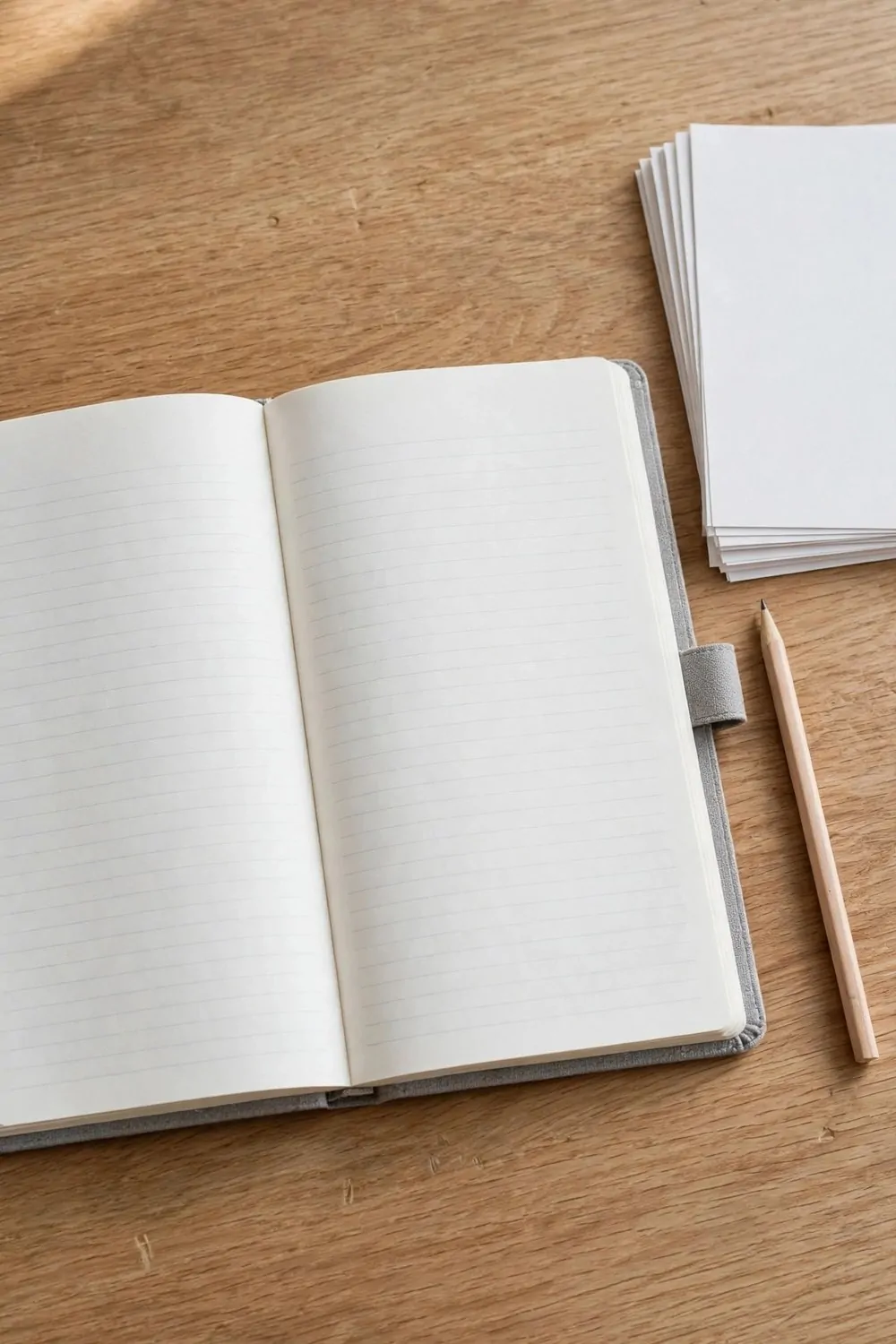
I break big homework into small steps, and each step feels easy to start.
I read the homework first, and I ask myself what comes first. I write that first step in my planner with my pencil. Then I write the next step, and the next, until the job feels small.
Three small steps are easier than one big job. You can finish one step, rest a bit, and then start the next.
Small steps turn a hard job into a few easy ones.
I write each step as a short line, so I can read it fast. I tick the step when I finish it, and I feel proud of that small win. Then I move to the next step with a clear head.
If a step feels too big, I break it again into two smaller parts. You can do the same, and no step will feel too hard.
A big job shrinks when you cut it into small pieces.
My plain notebook for the small-steps plan cost $2 to $3.
Try this with your next big homework, and write just three steps. You will see how fast the job moves when each step is small.
6. Plan a Short Break After Each Lesson
I plan a short break after each lesson, and I write it in my planner with my pen. A break gives my mind time to rest. Then I come back fresh for the next lesson.
A short rest makes the next lesson easier to learn.
I write the break time right after the lesson time. Five minutes is enough for a drink of water and a good stretch.
You can plan three breaks in a long study day, and each one helps. I rest my eyes, I walk around the room, and I take a slow breath. Then I sit down again and I feel ready.
Breaks are part of the plan, not a waste of time.
I never plan a break longer than my lesson, or my day runs away from me. A short break keeps my day on track.
Write your break in the planner before you start, and keep it short. When the time comes, stop and rest like you planned. Your mind will thank you when the next lesson starts.
My plain notebook for the break plan cost $1 to $3.
Try a short break after your next lesson and see how fresh you feel.
7. Keep a Page for Test Dates
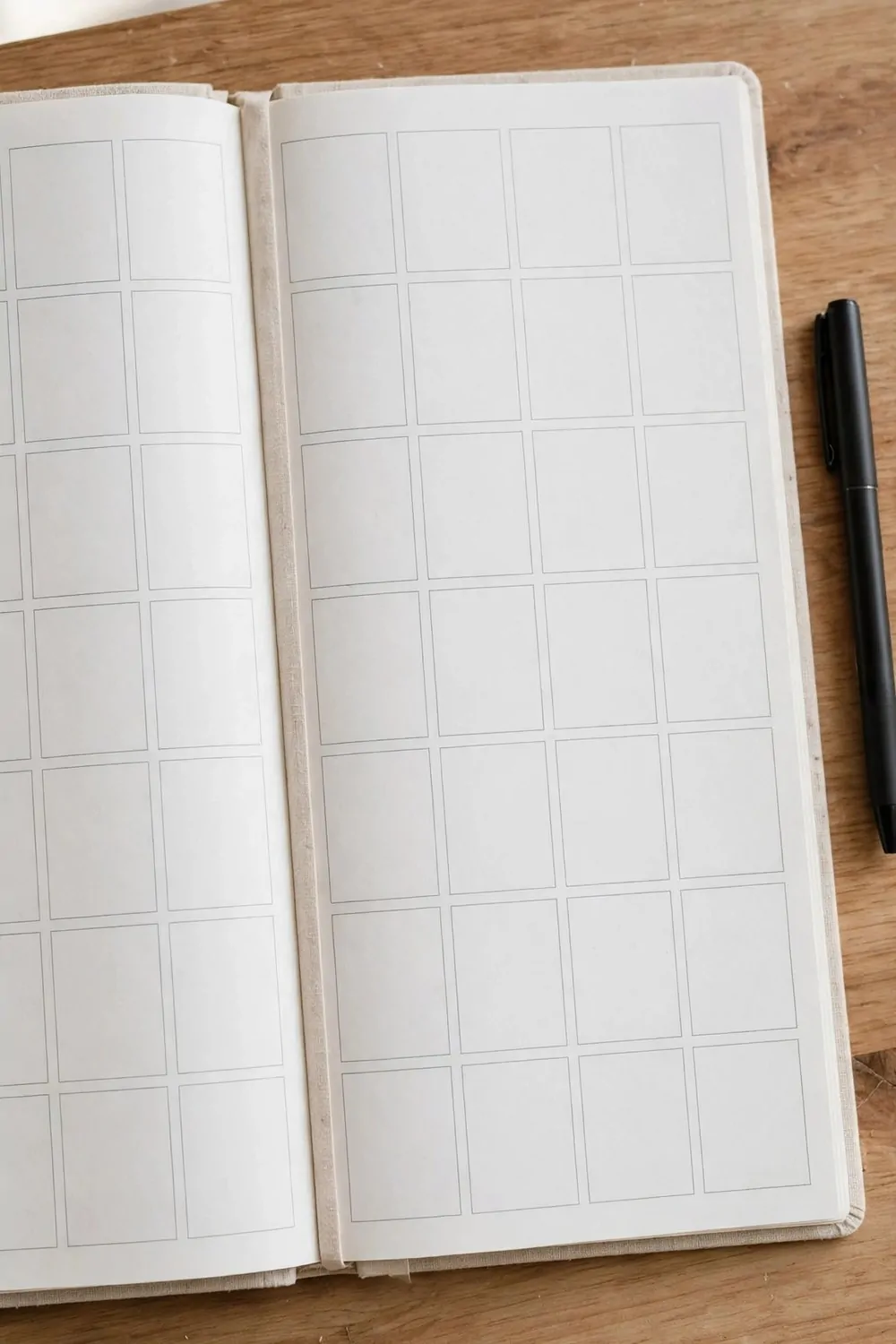
I keep a page for test dates, and I write each one as soon as I hear it. I read that page each week, so I always know what is coming next.
Test dates in one place make study time easy to plan.
I write the test name, the date, and the subject. You can add a small note about what to study first.
I look at my test page on Sunday, and I pick the nearest test. I plan a little study time for it each day. By test day, I feel ready and calm.
A test page turns worry into a clear plan.
I use my pen to write the dates in a clear hand. If a date moves, I cross out the old one and write the new date. I keep the page neat, so I can read it in one quick look.
You can start your test page today with just one date. Add each new date as your teacher shares it, and you will always know what comes next.
My plain notebook for the test-dates page cost $2 to $4.
Try a test page this term, and write each date the day you hear it. You will study with more calm, and test days will feel much easier.
8. Tick Off Each Lesson as You Finish It
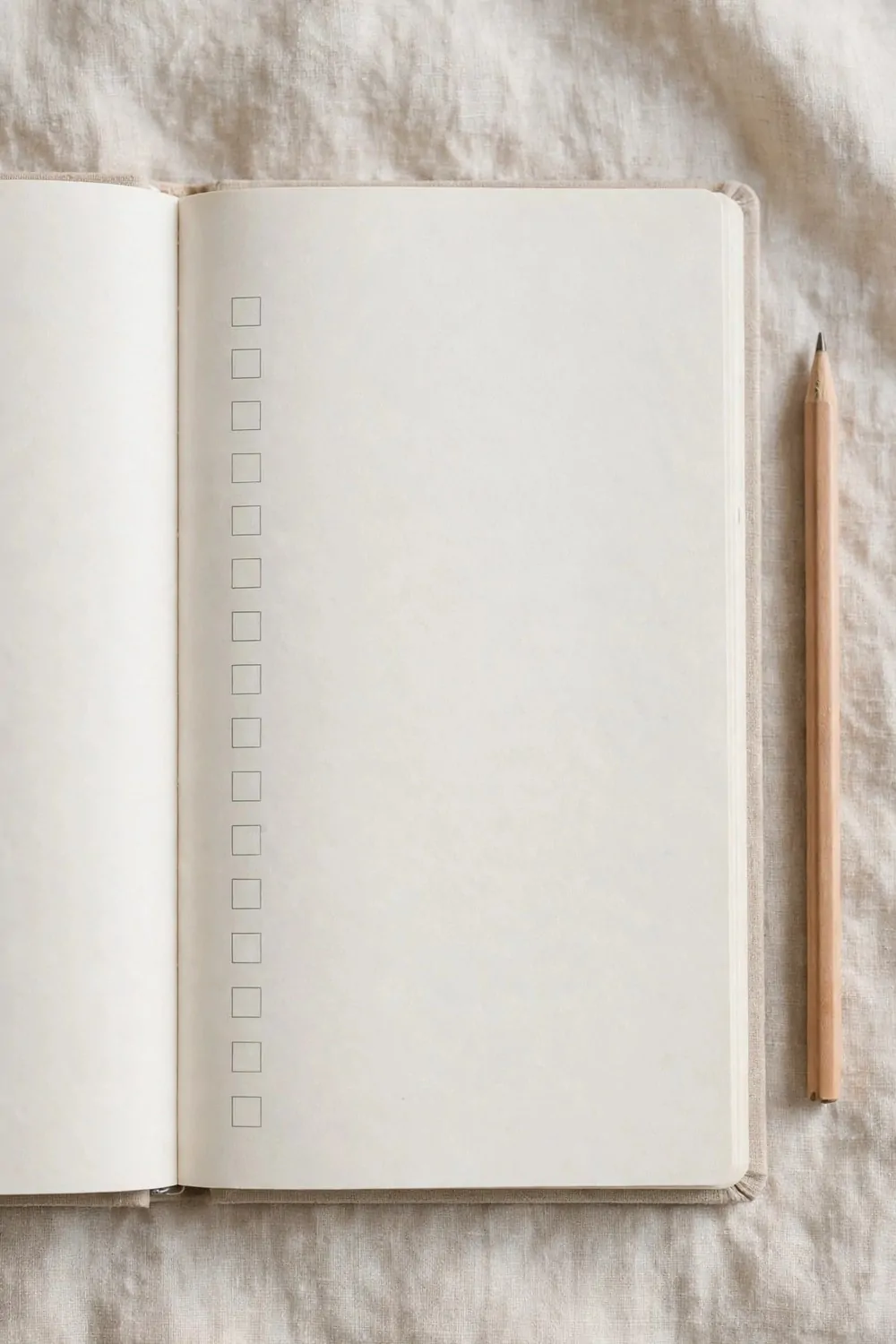
I tick off each lesson as I finish it, and it feels so good.
I write my lessons in my planner in the morning. When I finish one, I draw a small tick beside it with my pencil.
The tick tells me the job is done, and I can let it go. I move to the next lesson with a light heart. Each tick gives me a small push to keep going.
A ticked lesson is a finished lesson.
You can tick off three lessons today and feel the same lift. Small wins add up, and your planner holds your progress.
I never tick a lesson before I finish it.
I keep my pencil close, so I can tick each job the moment it ends. If I miss a tick, I add it when I check my list. My planner stays honest, and I trust what I read there.
My plain notebook for the tick-off plan cost $2 to $3.
Try ticking off each lesson today, one by one. You will end the day with a clear head and a happy heart.
9. Pack Your School Bag with Your Planner the Night Before
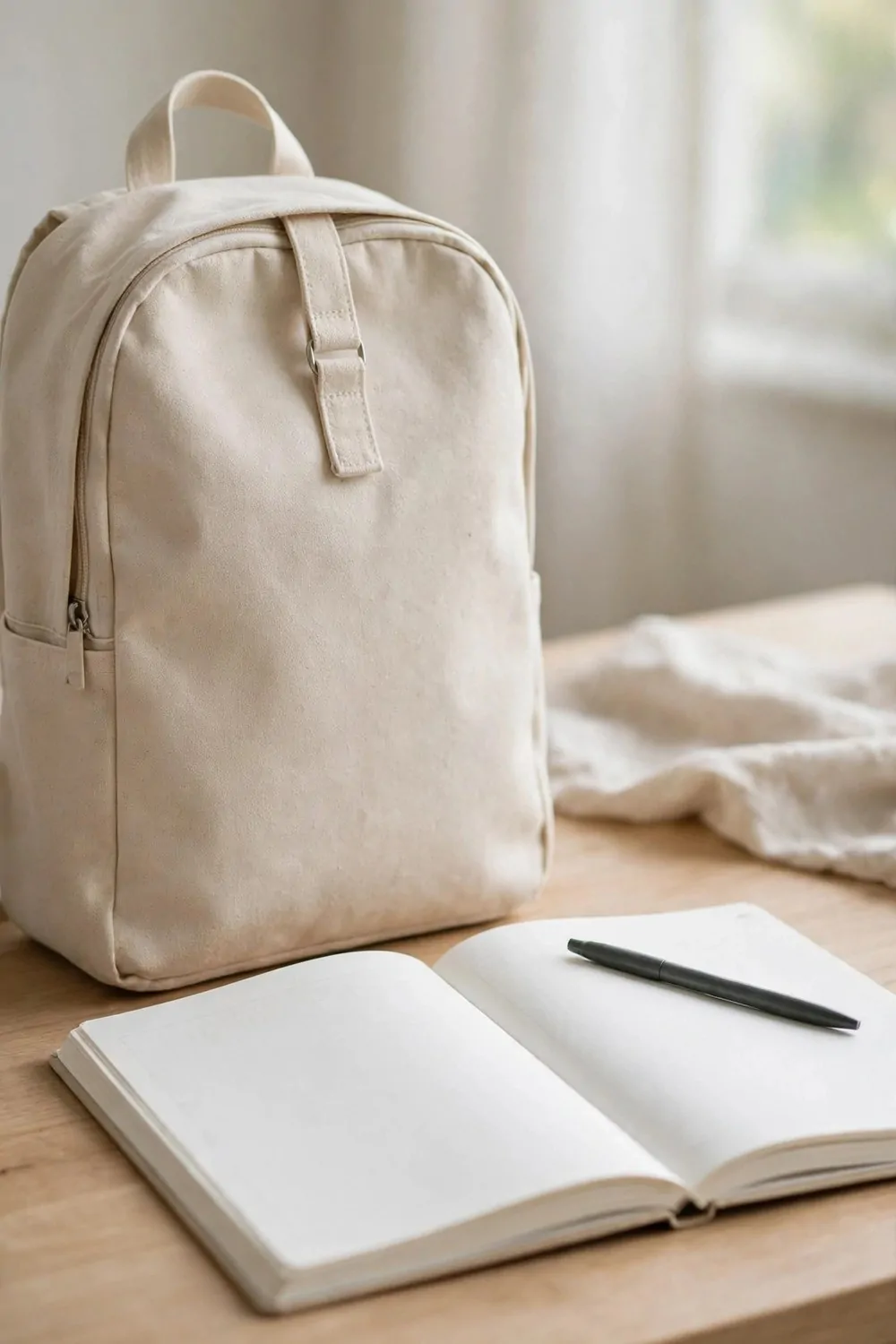
I pack my school bag with my planner the night before, and my mornings feel calm. I open my planner and read tomorrow’s lessons with my pen in hand. Then I pack each book I need for those lessons.
I check my homework list once more before I close the bag. If a book is missing, I find it now, not in a morning rush.
You can do this in five minutes after dinner. Lay out your bag, open your planner, and pack what you need. Then you can rest, and your morning is ready.
A bag packed the night before means a calm morning.
I never leave my planner out of my bag at night.
My planner lives in my bag each night, and I take it out at school. You can keep yours in the same safe spot, so you always know where it is.
Packing at night takes worry out of the morning.
My plain notebook for the pack-the-night-before plan cost $2 to $4.
Try packing your bag tonight, with your planner inside. Write your lessons, pack your books, and close the bag with a smile. Tomorrow will start smooth, and you will feel ready for school.
10. Make a Morning Checklist Before School
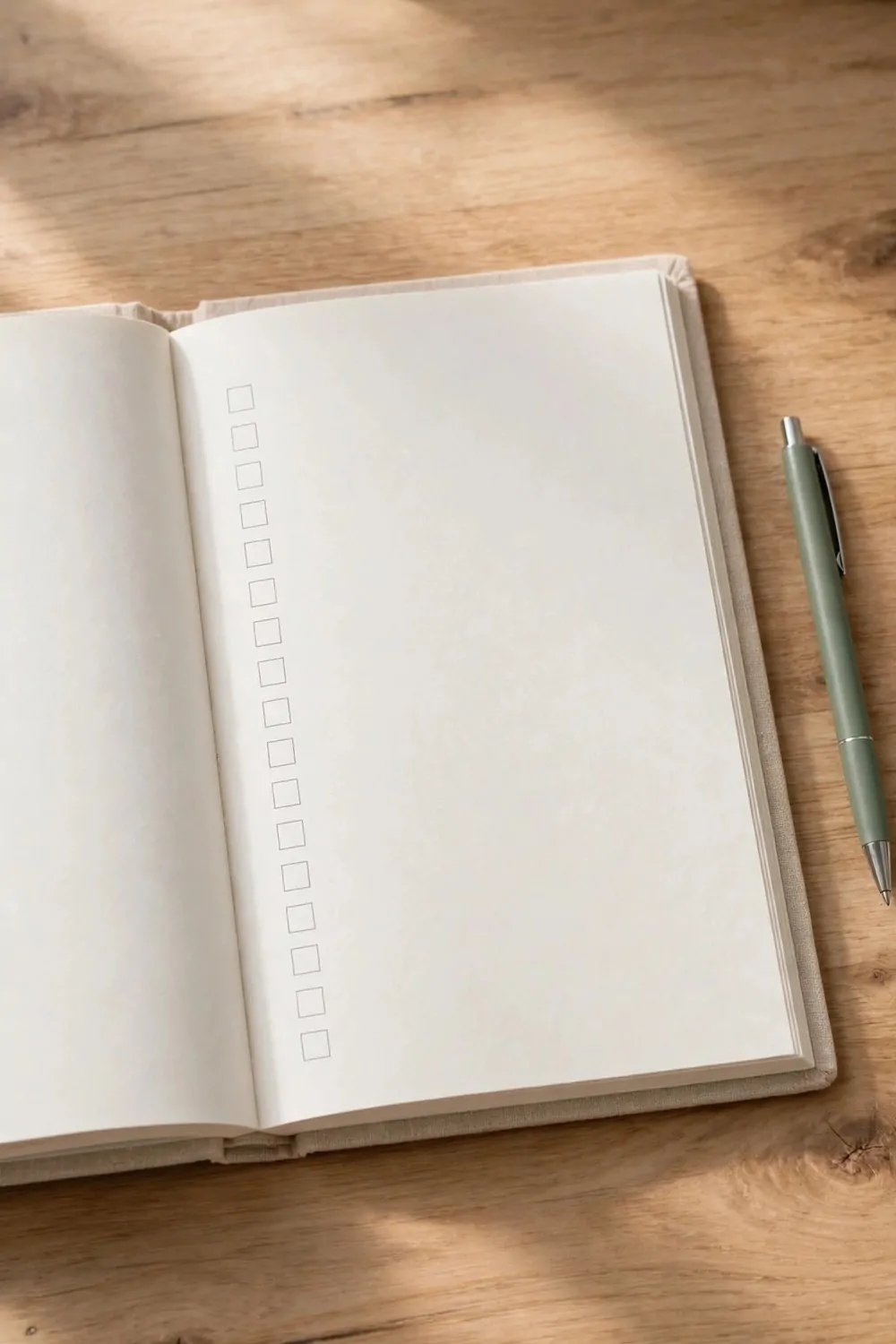
I make a short checklist each morning before school. I write it in my planner with my pen before I leave the house.
I keep the list short so I can finish it fast.
I write down my homework and my lunch first. Then I add one small job for the day. I tick each thing off as I do it.
A morning list stops that rush at the door. I feel calm when I know I have all I need.
I check the list once more before I walk out.
My plain pen for the morning checklist cost $2 to $3. I keep it in my planner so I can find it each morning.
Some days I add a kind word to a friend on my list. It takes me one minute to write it down. It makes my whole morning feel warm.
You can start with just three things tomorrow.
I write my list the night before when mornings feel too rushed.
| Idea | Main change | Typical cost |
|---|---|---|
| Keep One Planner for All Your Lessons | keep one planner for all your lessons | $4 to $6 |
| Write Tomorrow’s Lessons the Night Before | write tomorrow’s lessons the night before | $2 to $4 |
| Colour Each Subject with Its Own Pencil | colour each subject with its own pencil | $2 to $4 |
| Make a Weekly Study Timetable on One Page | make a weekly study timetable on one page | $2 to $3 |
| Break Big Homework into Small Steps | break big homework into small steps | $2 to $3 |
| Plan a Short Break After Each Lesson | plan a short break after each lesson | $1 to $3 |
| Keep a Page for Test Dates | keep a page for test dates | $2 to $4 |
| Tick Off Each Lesson as You Finish It | tick off each lesson as you finish it | $2 to $3 |
| Pack Your School Bag with Your Planner the Night Before | pack your school bag with your planner the night before | $2 to $4 |
| Make a Morning Checklist Before School | make a morning checklist before school | $2 to $3 |
| Total | $21 to $37 |
11. Write Down Three Things to Learn Each Week
I pick three things to learn each week.
I write them in my planner with my pencil on Sunday night. I keep the words short so the list stays clear.
Three small goals feel easy to reach.
One week I learned new words for my English class. One week I learned how to add big numbers fast. One week I learned the names of the planets in order.
I look at my three things each morning. I pick one to work on that day.
My plain pencil for the weekly list cost $2 to $4.
I tick a thing off when I can say it back in my own words. I feel proud when all three get a tick. I tell my mum what I learned at dinner.
You can pick easy things at first. Small wins help you want to learn more.
I start my new list each Sunday night.
12. Keep a Homework Tracker for Every Subject
I keep one homework tracker in my planner for all my subjects. I write each piece of homework down the day my teacher gives it. I add the day it is due next to it.
I never have to guess what is due now.
I write the subject first, then the task. I tick it off when it is done.
I check my tracker each night after dinner.
Maths homework goes in first because it takes me the longest. Then I add English and science in any order I like. I finish the quick jobs last so I end the night with a win.
My plain pen for the homework tracker cost $3 to $5. I use the same pen for all my subjects so my tracker stays neat.
I start the hardest job first when I have time.
If I miss a day, I do not worry at all. I just write the task down again for the next day. My tracker helps me start fresh each morning.
You can make your own tracker tonight. It takes five minutes and it saves you a lot of worry.
13. Plan Your Revision One Week Before a Test
I start my revision one week before a test. I write my plan in my planner with my pen on the Sunday before.
I pick one small topic for each day. I read my notes and say the main ideas out loud. I write down the parts I still find hard.
Short daily revision beats one long night of worry.
I do my revision after a short break from school. I keep each session short so my mind stays fresh.
On day one I go over my class notes from the week. On day two I try the hard questions again. On day three I ask a friend to quiz me on the tricky parts.
My plain pen for the revision plan cost $2 to $4.
I leave the last day free for a calm read through. I sleep early the night before the test.
A calm mind helps me remember more.
You can plan your next test the same way. Pick one small topic each day and tick it off as you go. You will walk into the test feeling ready.
14. Make a Simple Reading List for the Term
I make a simple reading list at the start of each term.
I write the names of six books I want to read. I pick two easy ones, two fun ones, and two that teach me something new. I write them in my planner with my pencil so I can change the list later.
I read a little each night before bed. I keep my list near my bed so I can reach it fast.
I start with the shortest book on the list. I tick it off when I finish the last page. I tell my mum what I liked best about it.
A good list makes reading feel like a treat.
My plain pencil for the reading list cost $2 to $3. I use it to rub out a title when I swap in a new book.
I ask my teacher for one new title each term. I ask a friend what they read last week too. I add the best ideas to my list for next term.
You can start with just three books on your list. Add more when you finish the first one.
I read a little more each week.
15. Keep Notes from Each Lesson on One Page

I keep the notes from each lesson on one page in my planner. I write the date and the subject first with my pen. I add the main ideas in my own short words.
I leave out long copied parts from the board. I write only what I need to remember.
One page per lesson keeps my notes easy to find.
I read my page again the same night. I add one more idea if I remember it later. I tick the page when I feel sure I know it.
I use simple words and short sentences in my notes. I draw a small star next to the ideas I find hard.
My plain pen for the lesson notes cost $3 to $5.
I keep my pages in order by date. I can find last week’s lesson in seconds. I feel calm when my notes stay tidy.
You can try this in your next lesson.
I write fast and fix my spelling later. My notes help me more when they stay simple.
16. Plan Time for Sport and Rest Too

I plan time for sport and rest in my planner too. I write my sport days in with my pen at the start of the week.
A good plan leaves room to play and to rest.
I play football with my friends twice a week. I rest on Sundays and let my body feel fresh again.
I do my homework first on sport days. I get my things ready the night before so mornings stay calm. I eat a good meal after I play.
Rest helps me learn better the next day.
My plain pen for the sport and rest plan cost $2 to $3. I keep it in my planner all week. It writes smooth each time I pick it up.
I never plan sport late at night. I need a calm evening to sleep well.
I tell my mum my plan for the week. She helps me keep sport, homework, and rest in balance. I feel happy when my week has room for all three.
You can add one rest day to your plan this week.
17. Make a Project Plan with Small Daily Steps
I break a big project into small daily steps.
I write the steps in my planner with my pencil. I give each step its own day so the work feels light.
First I pick the topic and write it down. Then I find three facts I want to use. Then I write my first short part.
Small steps stop a big project from feeling scary.
I do one step each day after school. I tick it off and feel proud of my work.
My plain pencil for the project plan cost $2 to $4. I keep it sharp and ready in my planner. It helps me fix a step when my plan changes.
I ask my teacher for help when a step feels hard.
I leave the last day free to check my work. I read it through once and fix the small bits.
You can plan your next project the same way. Start with one small step tomorrow and add one each day. You will finish on time and feel calm about it.
18. Keep a Page for New Words You Learn
I hear a new word in class and I want to keep it. I write it down on a fresh page in my planner with my pen.
One page for new words helps me learn them a little at a time.
I write the word in big clear letters so I can read it fast. I write one short line that uses the word in a real school line.
I add three new words each week and no more. Three words feel easy and I can still remember them on Friday.
I read my word page out loud to myself each morning before school.
A plain pen costs $2 to $3 and it writes smooth lines for my word page. I keep that pen with my planner so I can add a word the moment I hear one.
I look back at last week words before I add new ones. I say each word and its meaning one more time in my head. I tick the words I know well and I write the hard ones again.
My word page grows slow and steady and my school work feels a bit easier.
I ask my teacher about a word when I feel stuck on it. I write the short answer down and I use that word in my next class work.
19. Check Your Planner Each Night Before Bed
I open my planner each night before I go to bed.
I read what I wrote for today and I tick the jobs I did. I look at what is left and I move it to tomorrow in clear words.
I write tomorrow lessons in short lines so my morning feels calm. I read my tomorrow list one more time so I know how my day will start.
I write the time for each job in small neat words. I keep hard jobs early in the day when my mind feels fresh. I leave one free line for a job that pops up late.
A quick night check takes me five minutes and it saves me stress in the morning.
A plain pen costs $2 to $3 and it lasts me for weeks of night checks. I use the same pen each night so my planner stays neat and easy to read. I keep my pen with my planner so I never hunt for it at bedtime.
I write one kind word to myself at the end of each night check. It reminds me that I did my best today even when the day felt long.
I close my planner and I feel ready for sleep.
I ask myself one question before bed each night. I ask what I want to finish first tomorrow. I write that one job at the top of my tomorrow list.
20. Make a Monthly Calendar for School Events
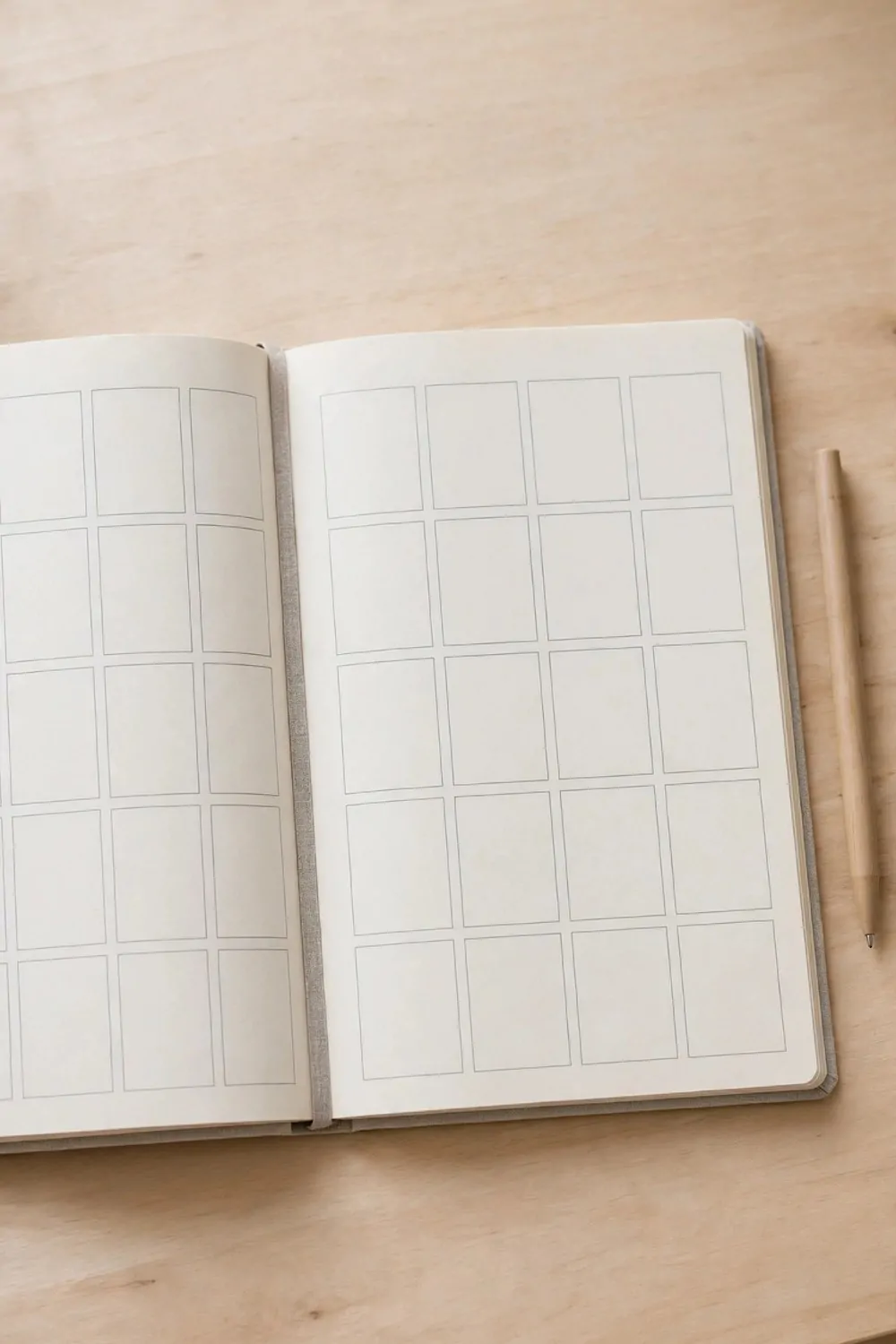
I draw a big month grid on two pages in my planner with my pen. I write the days of the month in neat rows across the top. I leave space under each day for one short school note.
One monthly view helps me see tests and school events before they sneak up on me.
I write test dates in bold clear letters so I spot them fast. I write school events like sports day and class trips in the same month view.
I check my month page every Sunday and I add any new date my teacher gives me.
I count back three days from each test and I write a small start note there. I plan my study in short bits across those days. I feel less rush when the test day comes round.
A plain pen costs $3 to $5 and it writes clear dark lines for my month page. I use that pen for all my dates so I can read them at one glance.
I write holidays and days off on my month page too so I can plan rest days.
I share my month dates with my family at the start of each month. We talk about busy weeks and we plan quiet nights for study.
My month page keeps my whole school month in one calm place.
| Idea | Main change | Typical cost |
|---|---|---|
| Write Down Three Things to Learn Each Week | write down three things to learn each week | $2 to $4 |
| Keep a Homework Tracker for Every Subject | keep a homework tracker for every subject | $3 to $5 |
| Plan Your Revision One Week Before a Test | plan your revision one week before a test | $2 to $4 |
| Make a Simple Reading List for the Term | make a simple reading list for the term | $2 to $3 |
| Keep Notes from Each Lesson on One Page | keep notes from each lesson on one page | $3 to $5 |
| Plan Time for Sport and Rest Too | plan time for sport and rest too | $2 to $3 |
| Make a Project Plan with Small Daily Steps | make a project plan with small daily steps | $2 to $4 |
| Keep a Page for New Words You Learn | keep a page for new words you learn | $2 to $3 |
| Check Your Planner Each Night Before Bed | check your planner each night before bed | $2 to $3 |
| Make a Monthly Calendar for School Events | make a monthly calendar for school events | $3 to $5 |
| Total | $23 to $39 |
21. Plan a Quiet Study Corner at Home
I pick one quiet corner in my home for study time. I sit there each day so my mind knows it is time to learn.
I clear that corner each morning before I start my work. I put my planner on the desk and I open it to the page for today. I take a slow breath and I read my first job.
A calm corner helps me focus even when the house feels busy.
I write my study jobs in my planner before I sit down. I work through them one by one and I tick each one as I finish it.
I keep my corner free of clutter so my eyes rest on my work. I write with my pen in slow neat lines. I stop after forty minutes and I stretch my arms for a short break.
I paid $3 to $5 for a plain pen that writes smooth lines for my corner study notes.
I tell my family my study time so they know I need quiet. I close my corner work with a short note about what I will do next.
I write tomorrow corner jobs at the end of each study time. I put my planner back in the same spot each day. I leave my corner tidy so tomorrow starts easy.
My quiet corner is small and simple and it works for me. I feel proud each time I finish my jobs there.
22. Keep a List of Questions to Ask Your Teacher
I write down my questions for my teacher the moment they come to my mind.
I keep a page in my planner just for questions. I write each question in short clear words with my pencil. I leave space under each question for the answer I will hear in class.
I ask three questions in one class and no more. Three questions feel brave and my teacher has time to answer them well.
I read my question list before class so I do not forget what I wanted to ask.
I write the answer in my own words right after I hear it. I use my pencil so I can fix a word fast if I get it wrong.
A plain pencil costs $2 to $3 and it writes soft clear lines for my question list. I keep that pencil with my planner so I can add a question any time. I write slow and neat so I can read my questions in class.
My question list makes class time feel less scary for me.
I write one question about my hardest lesson each week. I write one question about my homework when the steps feel muddled. I write one question about a word I did not know in class.
I thank my teacher when my questions get kind answers in class. I feel more sure of my work after I ask and I learn.
23. Make a Revision Card for Each Topic
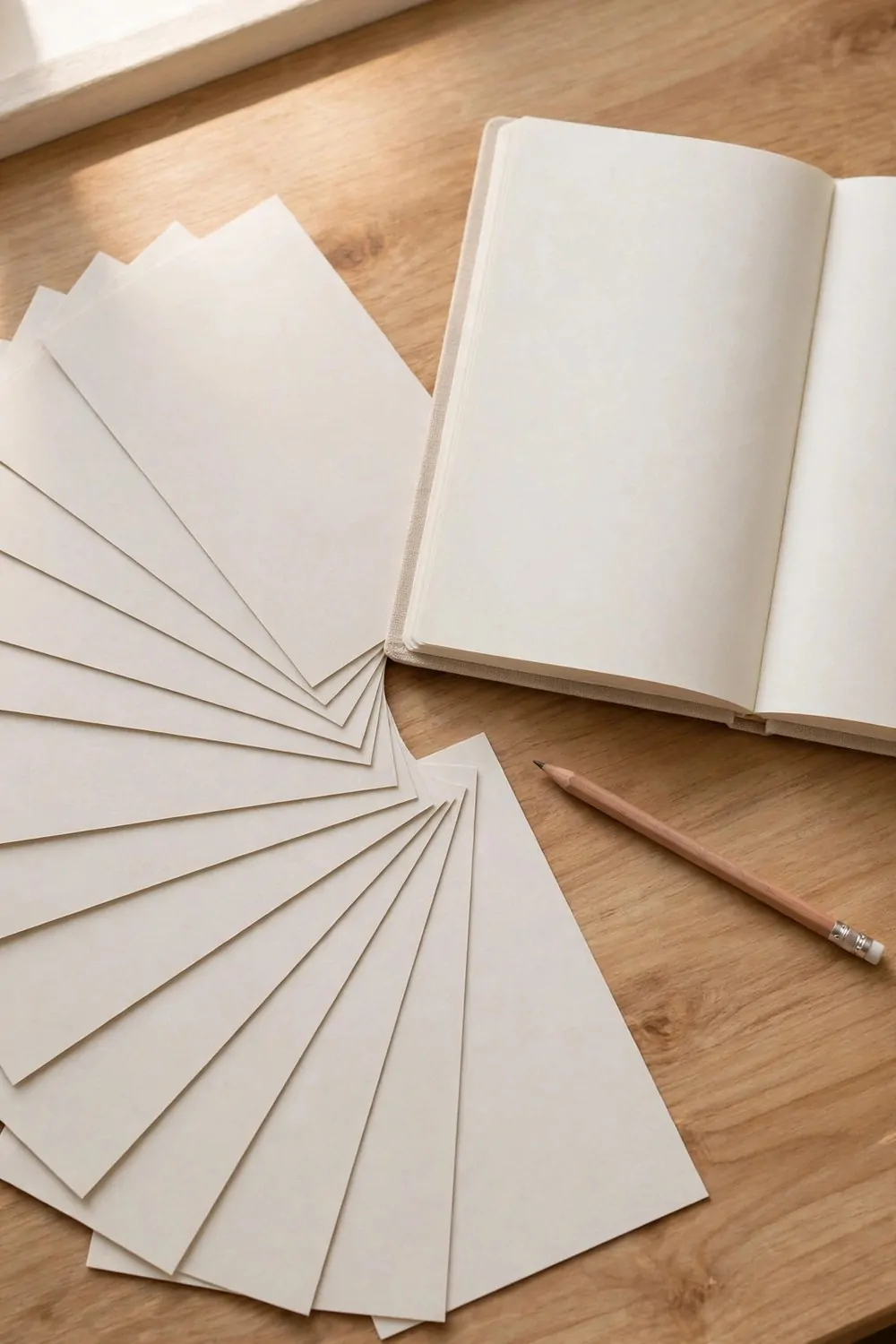
I take one plain card for each school topic I need to revise. I write the topic name at the top in big clear letters with my pencil. I write three short facts about that topic under the name.
I read my card out loud three times before I put it away. I try to say the facts from my memory on the third read.
One card for one topic keeps my revision small and easy.
I write hard facts on the front and I write a short hint on the back. I test myself with the hint first and then I turn the card to check. I write the facts I miss again on a fresh card.
I keep my cards together in my planner so I can find them fast. I pull out five cards each night and I test myself on them.
I paid $2 to $3 for a plain pencil that writes neat lines on each revision card.
I make new cards each week for new topics we learn in class. I throw away old cards when I know the topic well. I make a fresh card when I find a new fact I want to keep.
I ask a friend to test me with my cards on the bus home. I read the hint and I try to say the answer before I look.
My cards help me learn a little each day without stress.
24. Plan Your Weekend Homework in Two Short Sittings

I split my weekend homework into two short sittings so it never feels huge. I do one sitting on Saturday and one sitting on Sunday.
Two short sittings beat one long tired sitting every time.
I write my Saturday jobs on Friday night in my planner with my pen.
I start my Saturday sitting after breakfast when my mind feels fresh. I work for thirty minutes and then I take a short break. I tick each job I finish and I feel proud of my small wins.
I write my Sunday jobs on Saturday night so I know what is left. I keep Sunday work short so I still have time to rest and play.
A plain pen costs $2 to $4 and it writes smooth lines for my weekend plans. I use that pen to tick my jobs as I finish them. I keep my pen with my planner all weekend so I never lose it.
I end each sitting with a quick look at what I did well.
I ask my family for quiet time during my two sittings. I thank them when they help me keep my study time calm.
I write one fun plan for Sunday night after my work is done. I look forward to that fun time while I work. I start Monday with my homework done and my mind feels light.
25. Build Your Study Kit and Keep It in One Place
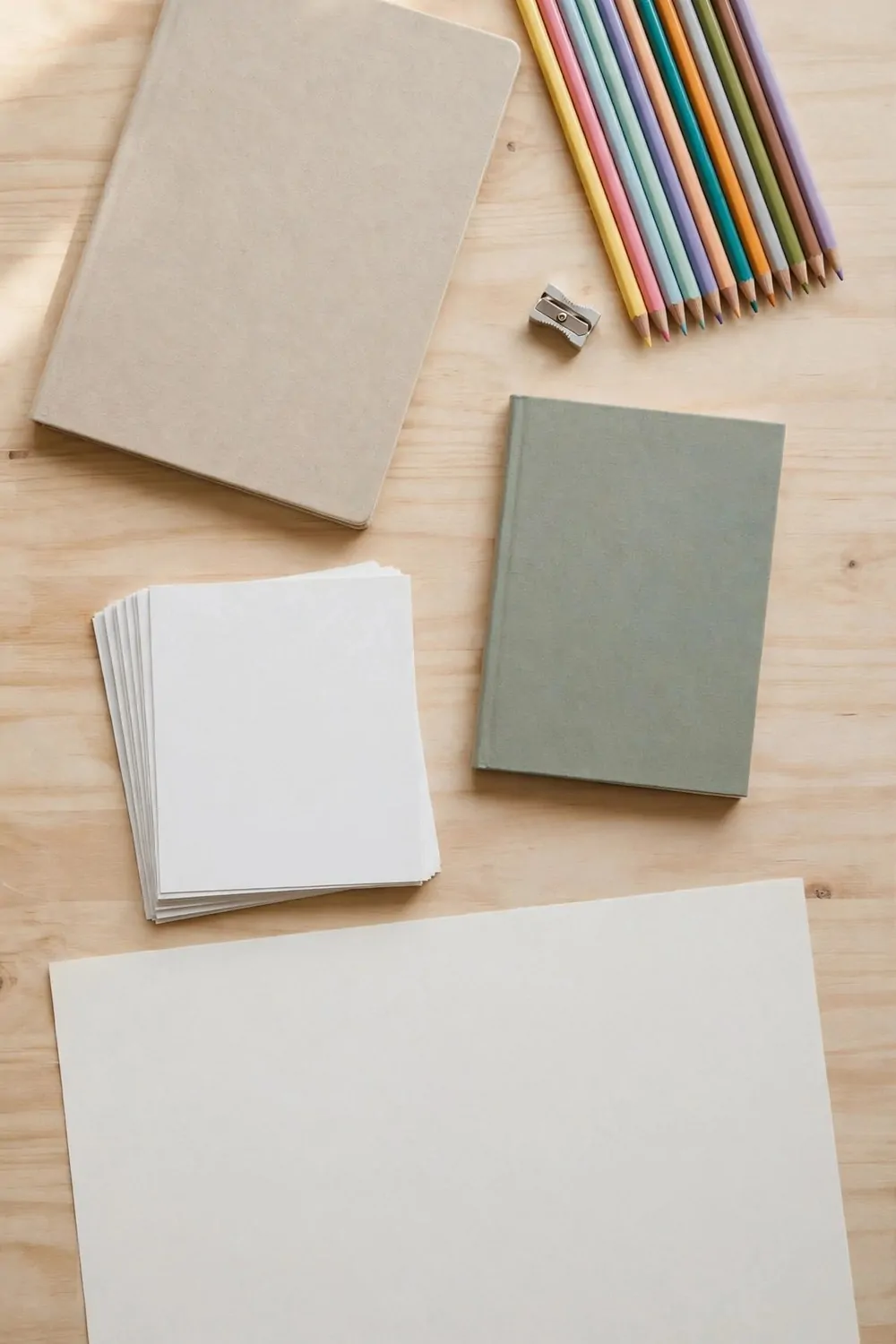
Write each lesson plan in the study planner notebook. A plain study planner notebook costs $4 to $6.
Mark each subject with a coloured pencil. A set of plain coloured pencils costs $2 to $4. I pick one colour for each subject so I can spot my lessons fast.
Keep pencils sharp with the sharpener. A plain pencil sharpener costs $1 to $3.
Write each homework job in the diary. A small plain homework diary costs $3 to $5. I open my diary each night and I write the next day jobs in short lines.
Write one topic on each index card. A set of plain index cards costs $2 to $3.
Mark test dates on the wall chart. A plain wall chart for school dates costs $3 to $5.
I put my kit in one place and I write my plans with my pen each morning. For a total of $15 to $26, the whole kit is ready. I check my kit each Sunday and I add a fresh card when I need one.
My study kit saves me time and it keeps my school work in one calm place. I feel ready for class when I grab my kit from its spot each morning.
Pick one study idea tonight, write your first plan before bed, and let school feel calmer one small page at a time.
| Idea | Main change | Typical cost |
|---|---|---|
| Plan a Quiet Study Corner at Home | plan a quiet study corner at home | $3 to $5 |
| Keep a List of Questions to Ask Your Teacher | keep a list of questions to ask your teacher | $2 to $3 |
| Make a Revision Card for Each Topic | make a revision card for each topic | $2 to $3 |
| Plan Your Weekend Homework in Two Short Sittings | plan your weekend homework in two short sittings | $2 to $4 |
| Build Your Study Kit and Keep It in One Place | build your study kit and keep it in one place | $15 to $26 |
| Total | $24 to $41 |
| Idea | Main change | Typical cost |
|---|---|---|
| a plain study planner notebook | Write each lesson plan in the study planner notebook | $4 to $6 |
| a set of plain coloured pencils | Mark each subject with a coloured pencil | $2 to $4 |
| a plain pencil sharpener | Keep pencils sharp with the sharpener | $1 to $3 |
| a small plain homework diary | Write each homework job in the diary | $3 to $5 |
| a set of plain index cards | Write one topic on each index card | $2 to $3 |
| a plain wall chart for school dates | Mark test dates on the wall chart | $3 to $5 |
| Total | $15 to $26 |
Keep Reading
If you liked these ideas, you will love these posts too
Each post has more simple ideas you can try at home this weekend.