25 Money Saving Challenge Ideas for Every Budget

I found five coins in an old coat pocket last winter, and that small pile started a whole new habit. I held those coins in my hand and felt glad. A small start can feel big.
Money slips away in small bits. A snack here and a drink there add up fast. I never saw where it all went.
Here are 25 money saving challenge ideas for every budget, and each one takes only a few minutes to start.
You do not need a big pile of money to start. A coin a day is enough. Small steps add up over time.
Each idea in this list is simple. You can pick one today and start right away. No hard rules and no big plans.
I tried many of these ideas myself. Some were easy and some took a bit of time. All of them helped me save a little more.
Pick the one that feels right for you. Start small and keep going. Your money box will thank you.
1. Save One Coin a Day
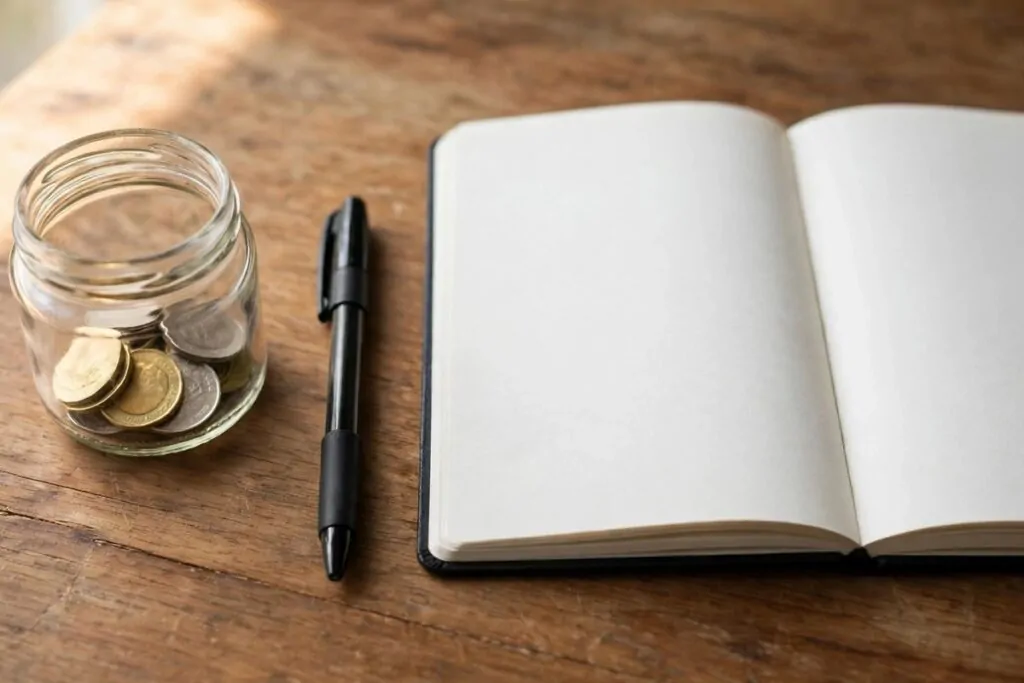
I drop one coin in my jar each morning. My jar grows a little more each day.
One coin feels too small to matter, but it adds up.
By the end of the week I have seven coins in the jar. By the end of the month the pile looks much bigger. I love to see it grow.
My small plain coin jar for the coin a day plan cost $2 to $4.
I keep the jar on my desk where I can see it. A full jar makes me smile.
Any coin works for this plan.
Some days I use a coin from my pocket. Other days I take one from the change on the shelf.
My kids like to drop a coin in too. They cheer when the jar gets full. It turns saving into a small game for us.
Start with one coin tomorrow morning.
2. Try a 52 Week Money Challenge
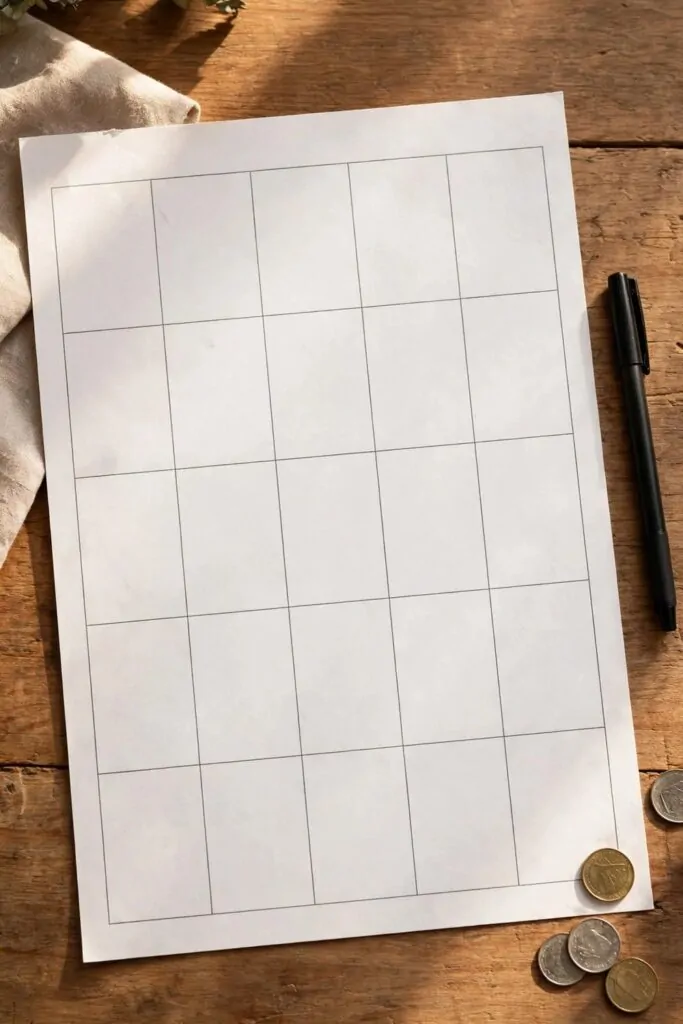
This plan runs for one full year.
Each week you put a little money aside. The amount grows a bit as the weeks go by.
I mark each week off on my chart when I finish it.
The first weeks feel easy and light. The middle weeks ask a bit more from me. The last weeks feel like a real win.
My plain money chart for the 52 week plan cost $2 to $3.
I keep my chart on the desk next to my jar. I like to see the boxes fill up.
- Pick a start day that suits you.
- Keep your coins in one safe place.
- Mark each week off when you finish it.
A missed week is fine, just pick it up again.
By the end of the year you have a nice pile saved. It feels so good to finish.
3. Keep a No Spend Day Each Week
One day each week I spend nothing at all. I plan my meals the day before. I take my lunch from home.
It sounds hard, but it is simple once you try it.
I pick the same day each week so it feels like a habit. Sundays work best for me.
My plain notebook for the no spend plan cost $3 to $5.
I write the day down in my notebook at the start of the week.
On that day I cook with food I already have. I drink water from home too.
My kids join in and we make it fun. We play games and read books. The day feels calm and slow.
If a real need comes up, I allow it. The plan is a guide, not a strict rule.
Pick one day this week and spend nothing at all.
4. Drop Your Spare Change in a Jar Each Night
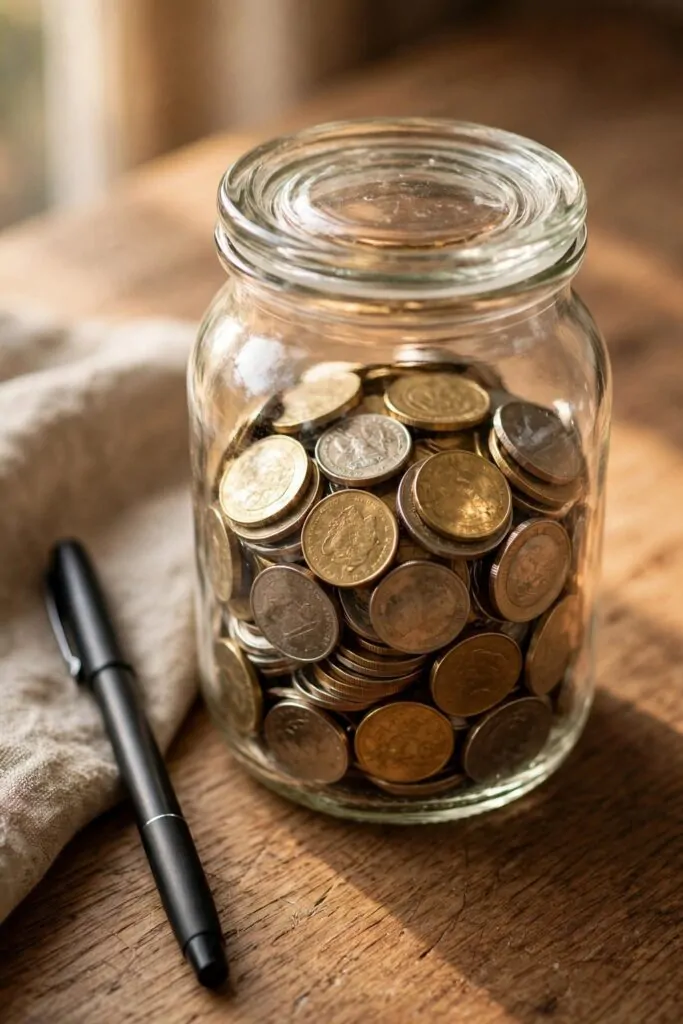
Each night I empty my pockets into the jar.
Coins hide in pockets, bags, and coat corners. I find them at the end of the day. They all go in the jar.
The jar sits on my desk by my bed. I see it every night before I sleep.
Some nights the jar gets only one coin.
My plain glass jar for the spare change plan cost $2 to $4.
I like the soft clink when a coin drops in. It is a small sound that means I saved. My kids love that sound too.
When the jar gets full I count the coins. I move them into my money box.
A full jar always makes me proud.
Start tonight with the coins in your pocket. You will be glad you did.
5. Try the 100 Envelope Money Challenge
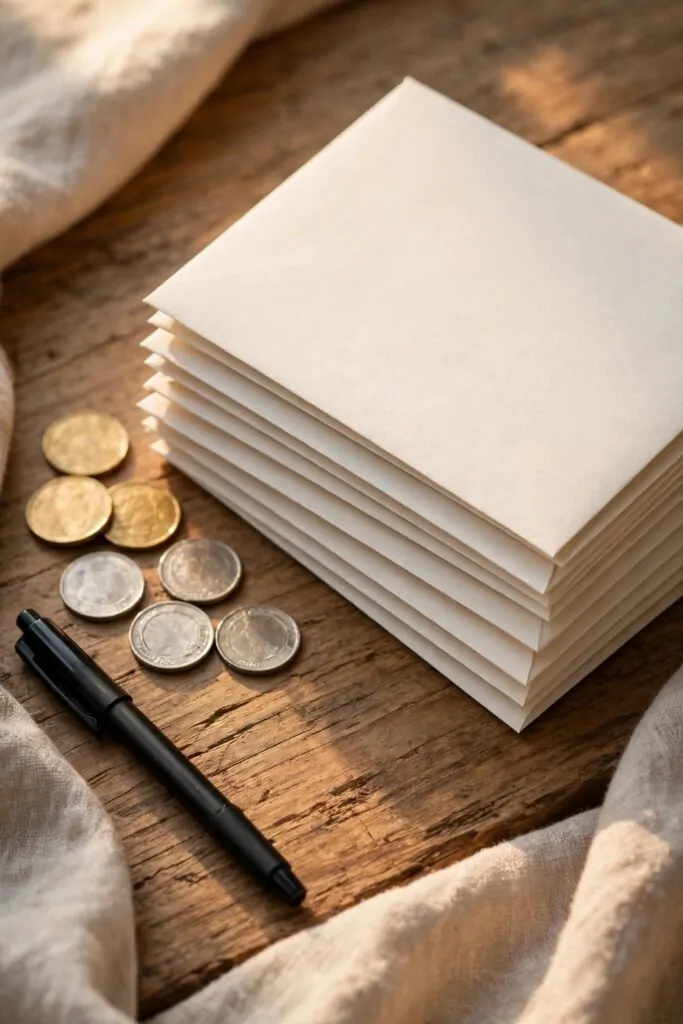
This plan uses a stack of plain envelopes. Each one holds a small amount of money.
I write a number on each envelope. I fill one envelope at a time. I stack the full ones in a neat pile.
- Use plain envelopes with no marks on them.
- Fill one envelope each week.
- Keep the full ones in one safe place.
Some weeks I fill a low number envelope. Other weeks I fill a higher one.
My pack of plain envelopes for the envelope plan cost $2 to $3.
I keep my stack on the desk where I can reach it.
The pile of full envelopes grows fast. I love to see the stack get taller. It feels like a game I can win.
My kids ask about the envelopes all the time. I let them help me fill one now and then.
Start with a small stack this week.
6. Cook at Home Five Nights a Week

Cooking at home saves more than I ever thought.
I plan five home meals each week.
I write the meals down in my notebook. I shop for the week in one trip. I keep the list simple and short.
My kids pick one meal each week. It makes them happy to help choose.
My plain meal list pad for the cook at home plan cost $2 to $3.
I cook simple food with few steps. Rice, soup, and roast veg are my go-to meals.
The kitchen smells so good on cook nights. We eat together at the table. The two nights off feel like a treat.
Leftovers make lunch the next day.
Try five home meals this week. You will see the change in your purse.
7. Pack Your Lunch for Work
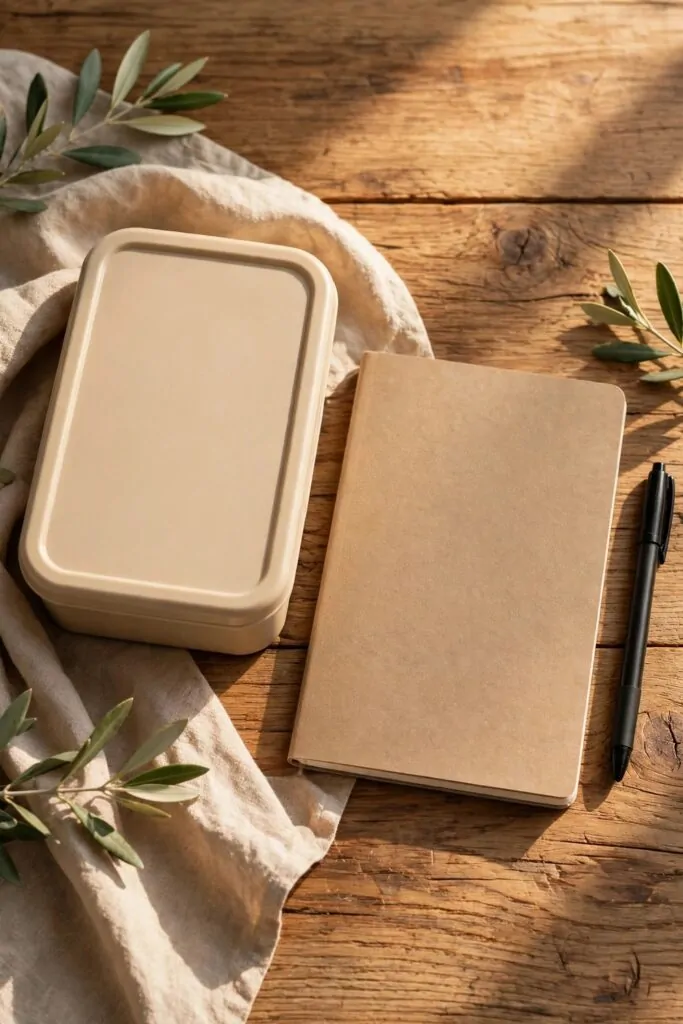
I pack my lunch the night before work. It takes ten minutes at most. I use food from the fridge.
A packed lunch costs far less than a shop lunch. I save a little each work day.
My lunch box waits by the door each morning.
My plain lunch box for the pack lunch plan cost $3 to $5.
I fill it with bread, fruit, and a small snack. I add a bottle of water from home.
My kids pack their lunch boxes too. We pack them side by side at night. Mornings feel calm and easy.
A full lunch box means no midday spend.
I write my lunch plan in my notebook each week.
Pack your lunch tomorrow night. Your purse will feel the change.
8. Set a Weekly Food Budget and Keep to It
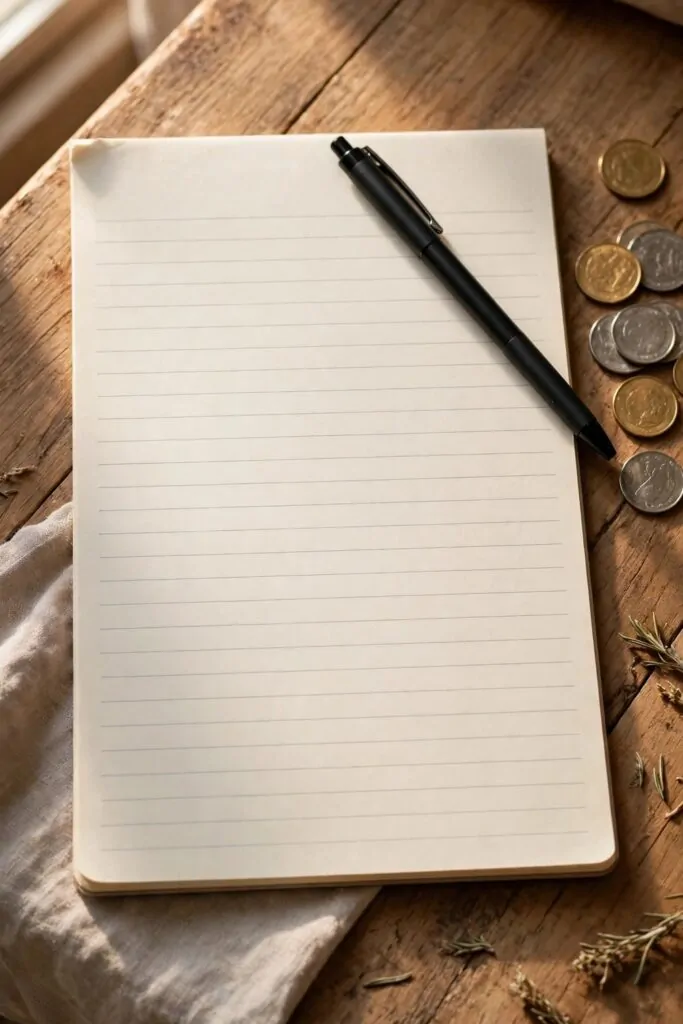
I set one food amount for the week. I write it at the top of my food list pad.
That number is my limit for the week.
I check the pad before each shop trip.
I buy what is on the list and nothing more. I skip the extras that tempt me. I walk out with only what I need.
My plain food list pad for the food budget plan cost $2 to $4.
- Write your weekly amount first.
- List only the meals you plan to cook.
- Check the pad before you shop.
Some weeks I come in under the amount. The extra coins go straight in my jar.
My kids help me tick things off the list. Shopping feels quicker with a plan.
A food budget takes the worry out of shopping. I know what I will spend. I know what I will cook.
9. Round Up Each Spend and Save the Rest
This plan turns small change into real savings.
Each time I spend money I round the amount up. The extra coins go in my jar.
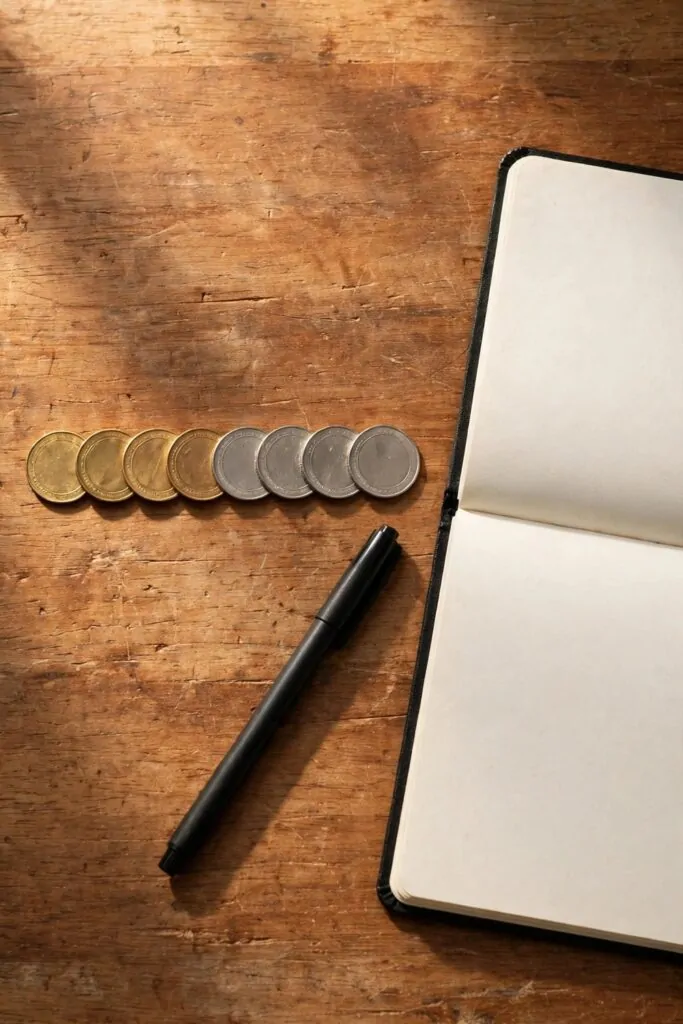
I keep a small notebook by my jar. I write the amount down when I round up. I like to see the numbers add up.
My plain pen for the round up plan cost $1 to $3.
A shop trip that costs less than a round number leaves spare change. That change adds up fast. By the end of the month the jar holds a nice pile.
I use my plain pen to mark each round up.
My kids love to help me count the coins. We count them together on Sundays.
Small coins feel small, but they grow.
Start rounding up with your next shop. It feels good to watch the jar fill.
10. Give Every Dollar a Job
I give each dollar a small job before the week starts. You can do the same with your own cash and a calm plan.
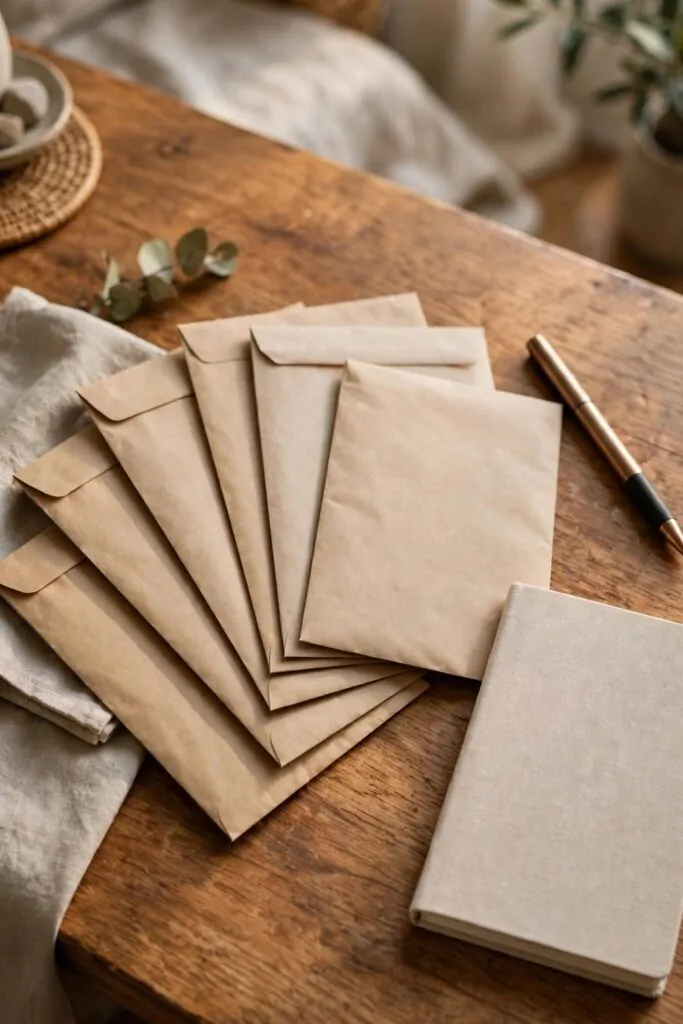
I take my plain cash envelopes and I fan them out on the table. I pick up my plain pen and I open my blank notebook. I write one job at the top of each blank page for the week ahead.
Each envelope holds cash for a job, like food, bus fares, and fun.
My plain cash envelopes for the dollar job plan cost $2 to $4.
I put cash in each envelope at the start of the week. I close the flap and I leave the envelope alone till its job comes up.
I check my blank notebook each night and I mark what I spent. I move no cash from one envelope to another envelope in the same week. I learn fast which job needs more cash and which job needs less.
You can start with jobs you know well, like food and travel and fun. I keep my jobs short and plain so I can follow them with no stress.
I feel calm when each dollar knows where it must go.
I tell my sister about my envelope jobs and she tries her own set. I keep my blank notebook near the envelopes so I can write in it each day. I smile when the week ends and each job stayed in its own place.
| Idea | Main change | Typical cost |
|---|---|---|
| Save One Coin a Day | save one coin a day | $2 to $4 |
| Try a 52 Week Money Challenge | try a 52 week money challenge | $2 to $3 |
| Keep a No Spend Day Each Week | keep a no spend day each week | $3 to $5 |
| Drop Your Spare Change in a Jar Each Night | drop your spare change in a jar each night | $2 to $4 |
| Try the 100 Envelope Money Challenge | try the 100 envelope money challenge | $2 to $3 |
| Cook at Home Five Nights a Week | cook at home five nights a week | $2 to $3 |
| Pack Your Lunch for Work | pack your lunch for work | $3 to $5 |
| Set a Weekly Food Budget and Keep to It | set a weekly food budget and keep to it | $2 to $4 |
| Round Up Each Spend and Save the Rest | round up each spend and save the rest | $1 to $3 |
| Give Every Dollar a Job | give every dollar a job | $2 to $4 |
| Total | $21 to $38 |
11. Try a 30 Day No Takeaway Challenge

I give takeaway food a rest for 30 days and I cook at home instead.
I take my blank calendar page and I fix it where I can see it each day. I pick up my plain pen and I mark day one with a small tick.
I plan simple meals I know well, like rice and beans and soup. I shop once for the week and I keep the food plain and fresh. I ask my mum for one easy recipe when I feel stuck.
I make a cup of tea when I want a treat in the evening. I sit with my tea and I look at my calendar page to see how far I have come.
My plain calendar pad for the no takeaway plan cost $3 to $5.
- cook one pot meals at home
- pack lunch the night before
- keep fruit on the table for snacks
I save the cash I would have spent on takeaway food in my money tin.
Some days feel hard, and I cook a fun meal at home to lift my mood. I remind myself that 30 days pass fast when I take them one day at a time.
I end the month proud of my home meals and my saved cash. You can try 30 days too, and you can start on any day you like.
12. Save Your Loose Notes in an Envelope
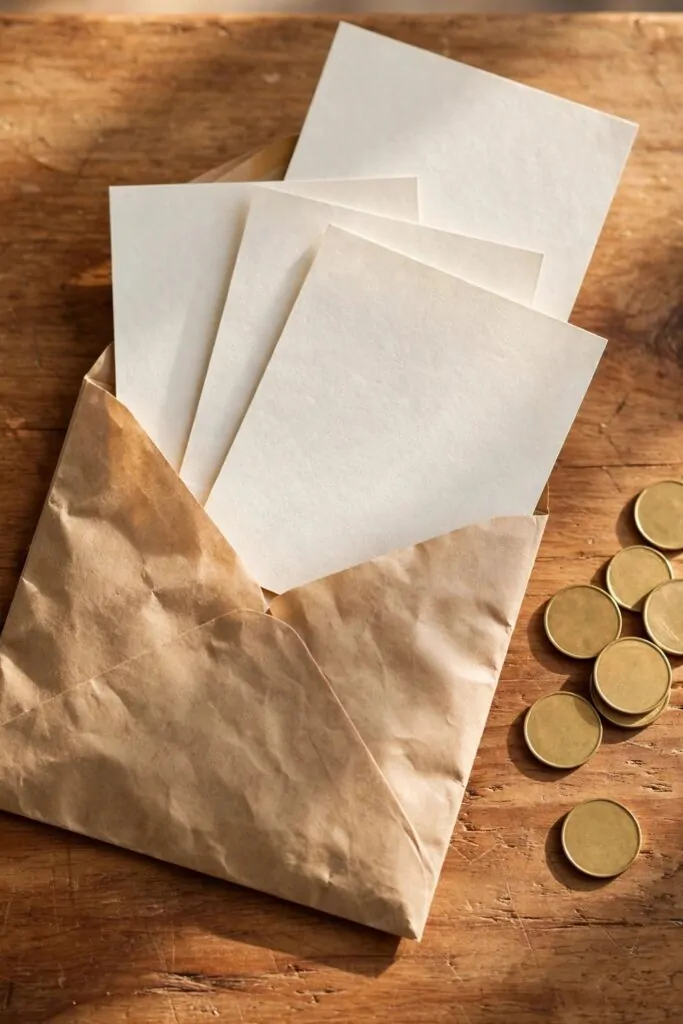
I keep a plain envelope on my shelf for loose paper notes I find in my coat. I slip each note inside the envelope the moment I find it. I like to see my small pile grow in one safe place.
You can pick a plain envelope and keep it in the same spot each day.
I empty my coat pockets each night and I check each fold for notes. I put each note in the envelope and I close the flap with care.
My plain envelope for the loose notes plan cost $2 to $3.
I set coins from my pocket next to the envelope on the shelf. I keep the envelope and the coins in the same spot each day. I add the coins to my saved cash at the end of the month.
I ask my brother to try his own envelope for his loose notes. I show him my envelope and he laughs at how plain and simple it looks.
I feel rich in a small way when I open a full envelope.
I use the saved notes for a treat I planned well, like new socks or a book. I never dip in the envelope for a thing I did not plan. I keep the habit going each month because it feels so easy.
You can start with a plain envelope and a shelf spot today. I promise you the notes add up faster than you think.
13. Plan a Low Spend Week Each Month
I pick one week each month when I spend as little as I can. I call it my low spend week and I plan it well.
I open my blank weekly planner page and I write my low spend days with my plain pen.
I cook from food I already have at home for the whole week. I walk to near places and I skip paid fun for seven days. I read books I own and I play games I own with my family.
I water my small potted green plant while I plan my week at the table. I like a calm green plant near my planner page while I think. I feel fresh and ready when I finish my week plan.
My plain list pad for the low spend plan cost $2 to $4.
I tell my friends I am on a low spend week so they know my plan. I pick free fun with them, like a walk in the park or a chat at home.
I write each low spend day in my planner page as the week goes on. I mark a small tick for each day I keep my spending low. I feel proud when I reach the end with ticks on each day.
You can pick your own low spend week and mark it in your planner. I think you will find free fun you forgot you loved.
I save real cash in my low spend week, and I love that calm win.
14. Sell One Thing You Do Not Use
I look round my room and I pick one thing I do not use at all.
I take a small stack of plain books from my shelf and I pick a book I have read twice. I set the book on the table next to my blank notebook. I pick up my plain pen and I write a short note about the book in my notebook.
I ask a friend if she wants the book for a fair price. I keep the deal plain and kind, and I agree the price with her first.
My plain notebook for the sell one thing plan cost $2 to $3.
I hand the book to my friend and I put the cash in my money tin. I feel light and glad when the shelf holds one less thing.
You can sell one thing each month and watch your room grow calm.
- pick a thing you have not touched in months
- ask a friend or a neighbour first
- agree the price before you hand it over
I keep my blank notebook near my books so I can write my next sale plan. I write the thing I will sell next and the day I will offer it.
I learn that a clear room helps a clear mind in a small way. I keep only the books I love and I read them more than before. I smile when my shelf looks neat and my tin holds a little more cash.
15. Walk Short Trips Instead of Driving
I walk to near shops when the trip is short and the day is fine. I lace up my plain walking shoes and I step out with a light heart. I enjoy the fresh air and the slow pace on the way.
I keep a blank notebook by my shoes so I can plan my walks. I pick up my plain pen and I write each short trip I will walk this week.
You can walk to the shop, to the park, and to a friend close by.
I save fuel cash each time I leave the car at home. I put the saved cash in my money tin when I get back.
My plain step chart for the walk plan cost $2 to $3.
I write each walked trip in my blank notebook with my plain pen. I watch my notes grow through the week and I feel strong. I tell my dad about my walks and he joins me on the next one.
I rest on a wooden bench outdoors when my feet feel tired. I sit for a short while and I watch the trees move in the wind.
I plan one walk each day, even when the day feels busy. I keep my walks short so I can fit them in with ease. I end each walk with a smile and a calm mind.
I save cash and I feel fit when I walk short trips each week.
16. Make a List Before You Shop
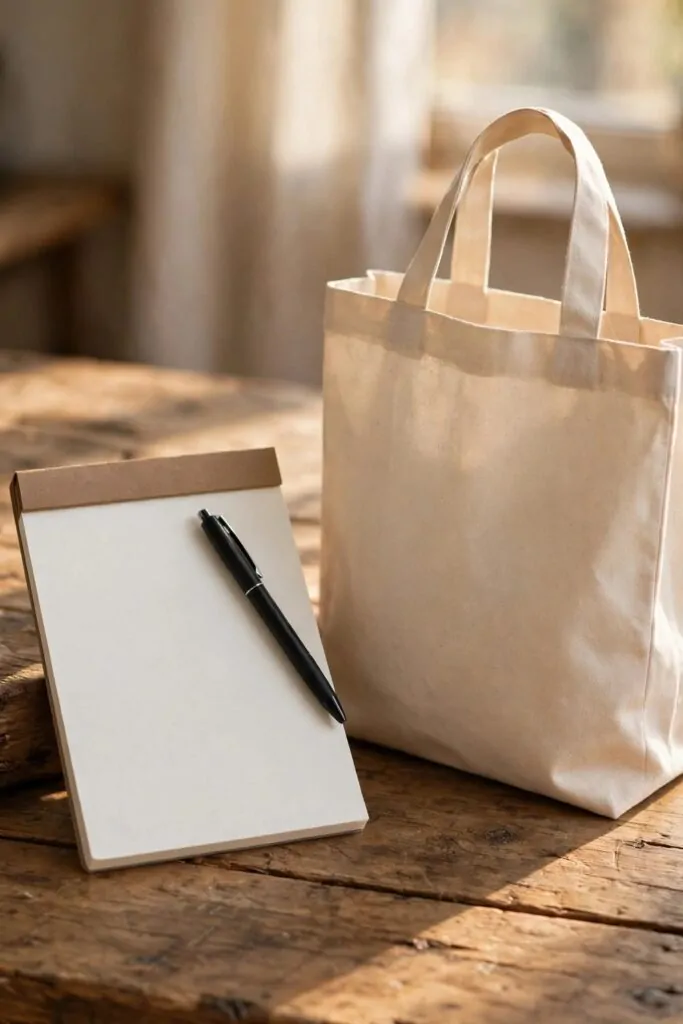
I never go to the shop with no plan in my head. I sit down first and I make a list of what I need.
I take my blank shopping list pad and I pick up my plain pen. I check my kitchen shelves and I write each thing I lack. I cross off each thing I already own so I do not buy it twice.
I put my plain canvas shopping bag by the door before I leave. I take my list pad with me and I hold it in my hand at the shop.
My plain shopping list pad for the shop plan cost $2 to $3.
You can save real cash with a list and a bag you bring from home.
- write the list before you leave home
- buy only what sits on the list
- check the list twice before you pay
I stick to my list even when a bright pack calls my name. I walk past the extra treats and I feel proud at the till.
I check my bag at home and each thing I bought was on my list.
I tell my mum my list trick and she tries it on her next shop. I keep my list pad near the door so I never shop with no plan.
17. Save the Same Amount Every Payday
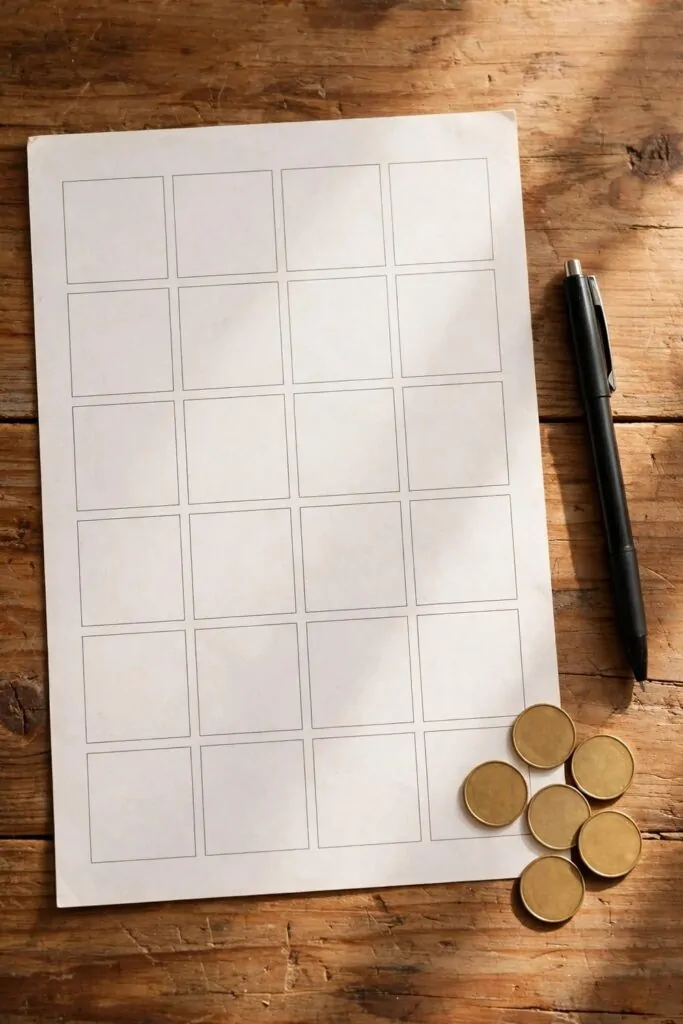
I pick one fixed amount and I save it on each pay day.
I take my blank pay day chart and I set it on the table. I pick up my plain pen and I mark the first box for this pay day.
You can pick a small amount that feels easy each time.
I put the same amount in my money tin on each pay day with no fuss. I keep the tin in one safe spot and I leave it alone till pay day comes round. I like to know the same amount goes in each time I get paid.
My plain pay day chart for the pay day plan cost $2 to $4.
I write the date in my chart box each time I save. I watch the boxes fill through the months and I feel calm.
I never skip a pay day, even when the month feels tight.
I set coins from my pocket next to the chart when I have spare change. I add them to my tin and I mark the next box with my plain pen. I feel proud when the tin grows and my chart shows each saved pay day.
I tell my sister my fixed amount and she picks her own small sum. I keep my chart where I can see it and I smile at my saved cash. I know my next pay day will add the same amount once more.
18. Try a Seven Day Pantry Challenge
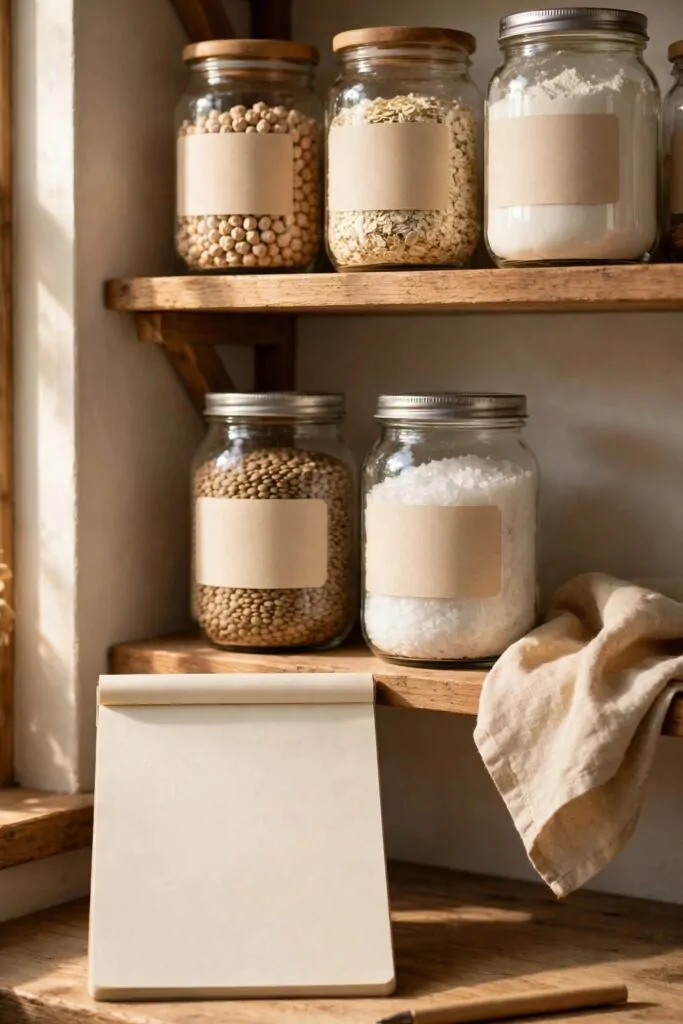
I open my pantry door and I look at what I already have. You can do the same in your own kitchen tonight.
I pull out the jars and I set them on the shelf where I can see them. The plain glass jars hold beans and oats and flour. I like to see my food lined up in a neat row.
Then I pick seven days and I plan one meal from the pantry for each day.
My plain pantry list pad for the pantry plan cost $2 to $3.
I write my seven meals on the pad with my plain pen. I cross each meal off when I cook it.
I shop for nothing new that week unless I run out of milk or bread. My jars last longer than I think they will. You will be glad to see how much food you already own.
I cook simple meals from what I have on the shelf. My family eats well and I spend less that week.
At the end of the week I count what is left. I plan my next shop from that list.
A pantry challenge shows you that your shelves hold more than you think. I feel calm when I know what I have. You can start with just three days if seven feels like a lot.
19. Keep a Spending Diary for One Month

I pick a plain diary and I keep it by my bed. Each night I write down what I spent that day. It takes me only a short time before I sleep.
I write the small spends too, like a snack or a bus fare. Those little spends add up fast when I do not watch them.
- Write the date at the top of the page.
- Write each spend on its own line.
- Write the total at the end of the day.
I use my plain pen so my notes stay neat and clear. You can read your own notes back at the end of the week.
My plain diary for the spending diary plan cost $3 to $5.
After one week I look back at my pages and I see where my coins went. Some days I spend more than I thought I would. I mark those days so I can plan them better next time.
By the end of the month I know my true spends and I feel in charge of them.
I show my diary to no one else because it is my own private plan. You can keep yours in a drawer if you like.
A diary turns small spends into a clear picture. I save more now because I can see where each coin goes.
20. Set One Savings Goal for the Month
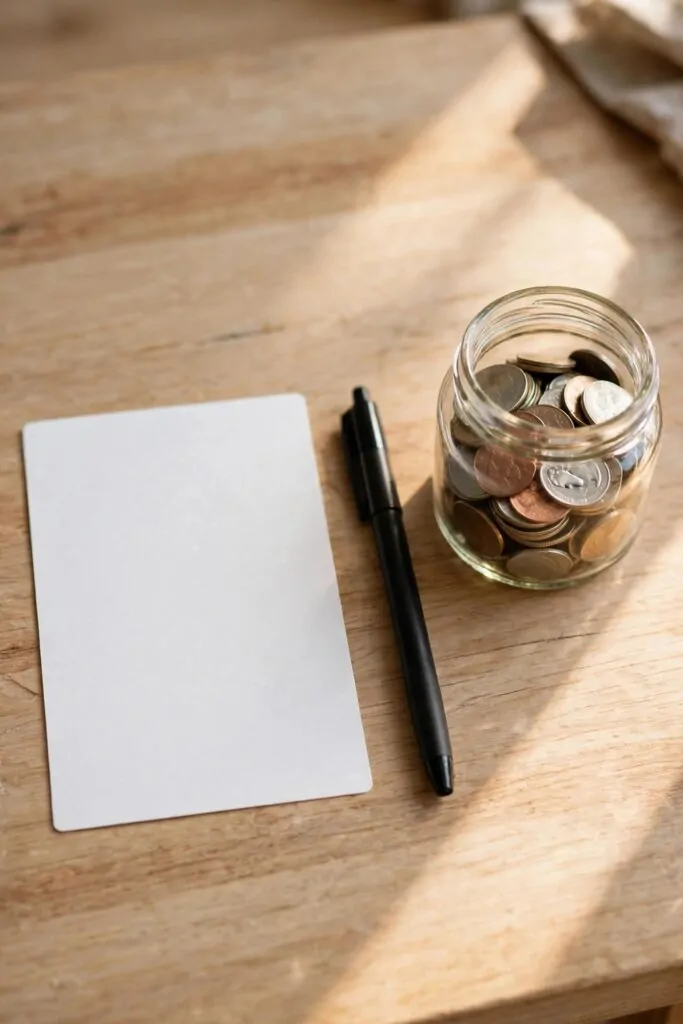
I pick just one thing I want to save for this month.
I write my goal on a plain card with my plain pen. I put the card where I can see it each morning.
My goal stays small so I can reach it in four weeks. I drop coins in my small glass jar each day. I like to watch the jar fill up little by little.
My plain goal card for the savings goal plan cost $2 to $3.
I tell my family about my goal so they can cheer me on. My kids like to drop coins in the jar too. We all smile when the jar gets heavy.
If a day goes by with no coins, I do not worry at all. I just drop coins in the next day and I keep going.
One goal at a time keeps saving fun and easy.
At the end of the month I count the coins in my jar. I feel proud when I reach the goal I set. You can set a new goal the next month if you like.
A clear goal gives each coin a job to do. I save more when I know just what I am saving for.
| Idea | Main change | Typical cost |
|---|---|---|
| Try a 30 Day No Takeaway Challenge | try a 30 day no takeaway challenge | $3 to $5 |
| Save Your Loose Notes in an Envelope | save your loose notes in an envelope | $2 to $3 |
| Plan a Low Spend Week Each Month | plan a low spend week each month | $2 to $4 |
| Sell One Thing You Do Not Use | sell one thing you do not use | $2 to $3 |
| Walk Short Trips Instead of Driving | walk short trips instead of driving | $2 to $3 |
| Make a List Before You Shop | make a list before you shop | $2 to $3 |
| Save the Same Amount Every Payday | save the same amount every payday | $2 to $4 |
| Try a Seven Day Pantry Challenge | try a seven day pantry challenge | $2 to $3 |
| Keep a Spending Diary for One Month | keep a spending diary for one month | $3 to $5 |
| Set One Savings Goal for the Month | set one savings goal for the month | $2 to $3 |
| Total | $22 to $36 |
21. Save Your Coins in a Tin for a Big Treat
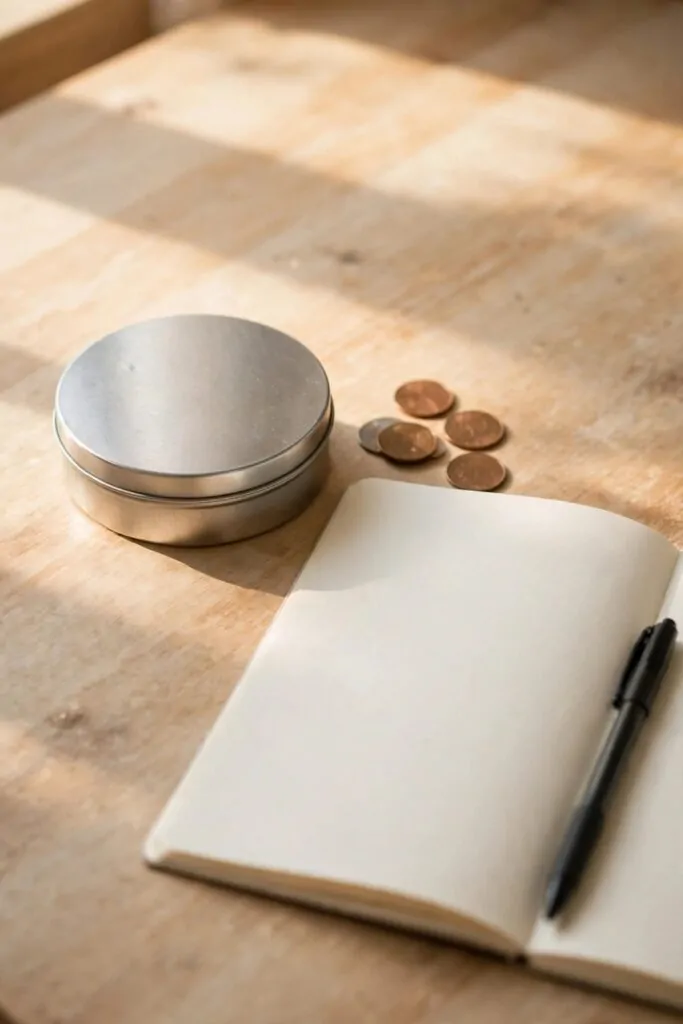
I keep a small plain tin on my shelf for spare coins. Each night I drop in the coins left in my pocket.
I write the date in my blank notebook when I start the tin. I note each coin I drop in with my plain pen. My notebook helps me see my tin grow over time.
I pick one big treat to save for, like a new book or a day out.
I do not dip into the tin for small things along the way. The tin stays shut until I reach my treat.
My small plain tin for the coins in a tin plan cost $2 to $4.
I look at my notebook each Sunday and I add up what I saved. One week I save a lot and the next week I save a little. Each week counts the same because I keep going.
- Drop coins in the tin each night.
- Write each drop in the notebook.
- Leave the tin shut until treat day.
When the tin feels full I open it and I count my treat coins.
A tin turns spare coins into a treat you can hold. I love that my small coins can grow into something big.
22. Cut One Small Treat for a Month
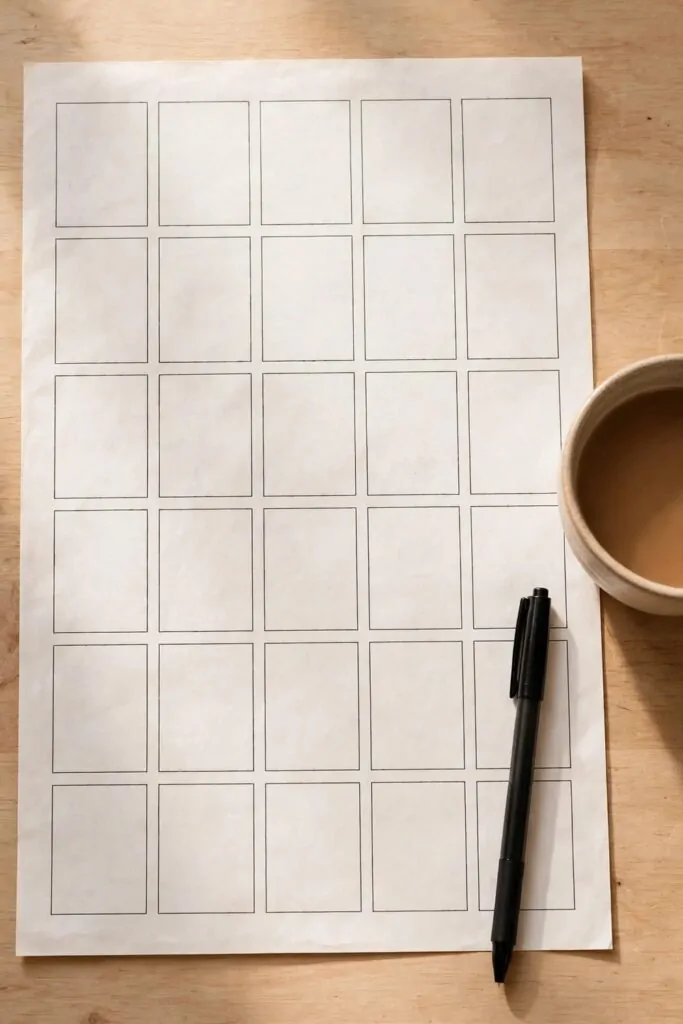
I pick one small treat I buy too often. I write it on my blank treat chart with my plain pen. Then I leave that treat out for one whole month.
I mark each day I skip the treat with a tick in an empty box.
I sip a cup of tea at home when I want my old treat. My tea costs less and it still feels like a small joy.
My plain treat chart for the treat plan cost $2 to $3.
I put the coins I save in a jar on my kitchen shelf. I like to see the jar fill up as the month goes on.
By week two the urge fades and the habit feels easy.
I tell my family what I am doing so they can help me stay strong. My sister cheers me on when the month feels long. You can pick a friend to cheer you on too.
When the month ends I count the coins in my jar. I feel proud of what I saved from one small change. I can spend the coins on something I truly want.
One small cut can save more than you think. I keep the chart to remind me how strong I can be.
23. Plan Free Fun Days with Your Family

I plan one free fun day each week with my family.
- Walk in the park and sit on a bench.
- Play games on the grass with my kids.
- Share a picnic lunch from home.
I write our free fun plan in my blank notebook with my plain pen. I pick the day and I write it down so we all look forward to it.
A park bench under green leaves is a fine place to rest and talk. I bring a ball and my kids run and play while I sit and watch. We laugh a lot and it costs us nothing at all.
My plain fun list pad for the free fun plan cost $2 to $3.
I ask my kids what free fun they want to try next. Their ideas are often the best ones we have.
Free days bring us close and they keep our coins in the tin.
I take my notebook with me so I can jot down new ideas as we play. My kids shout out their ideas and I write them down quick. We pick our next free day before we walk home.
You do not need to spend to have a good day. I plan free fun first and I save the rest for our goals.
24. Check Your Money Once a Week
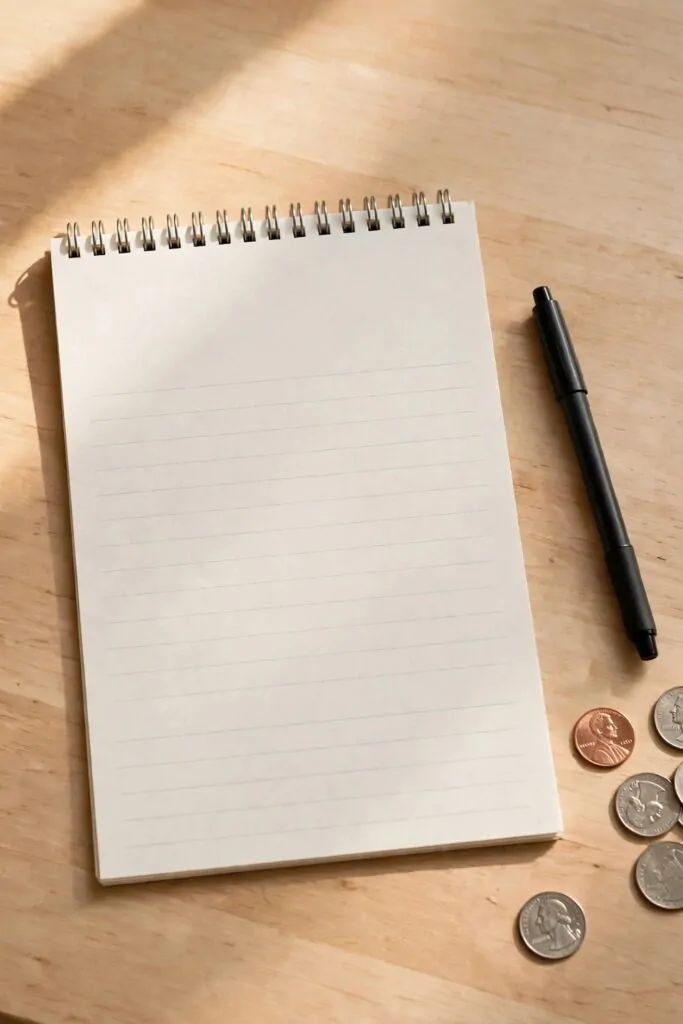
I pick one day each week to check my money. Sunday works well for me because the house is calm.
I sit down with my blank money check pad and my plain pen. I write down what I spent and what I saved that week.
I count the coins in my tin and I write the total on the pad. I look at my list and I see if I stayed on plan. If I spent too much, I plan a slow week next.
My plain money check pad for the weekly check plan cost $2 to $4.
A weekly check takes only a short time and it keeps me calm.
I write one small fix for next week on the pad. It may be a cheaper lunch or a walk instead of a ride. Small fixes add up over a whole month.
I tell my family how our week went so we all stay on track. You can share your check with your partner if you like.
I keep my pad in one spot so I never lose it. Each week I start on a fresh line and I write the date at the top. My pad shows my whole month at a glance.
One short check each week keeps my saving plan on track.
25. Build Your Money Saving Kit and Keep It in One Place
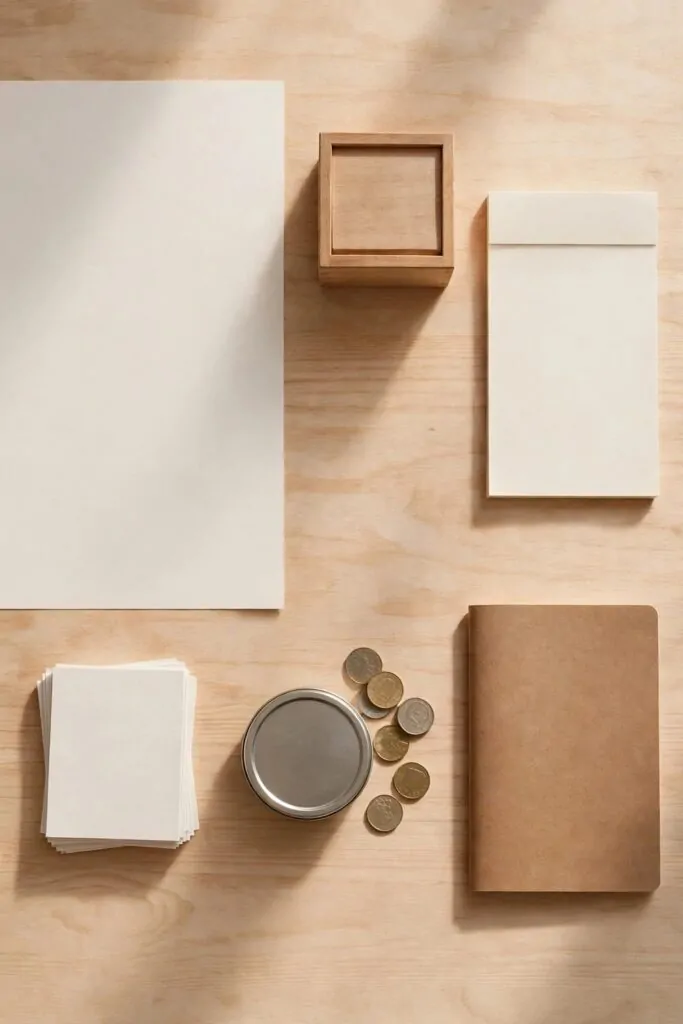
Mark each saved coin on the challenge chart. A plain money saving challenge chart costs $3 to $5. I mark one coin each night and I love to see the chart fill up.
Drop spare coins in the money box. A small plain wooden money box costs $4 to $6. I drop my coins in each night and I hear them land with a soft clink.
Write each week of spending on the list pad. A plain weekly spending list pad costs $2 to $4. I write my spends down each Sunday and I keep the pad by my bed.
Pick one challenge card each week. A set of plain challenge cards costs $2 to $3. I pick one card on Monday and I follow it all week.
Keep spare coins in the tin. A small plain tin for spare coins costs $2 to $4. I keep the tin on my shelf and I drop coins in when I have them.
Write each spend in the pocket notebook. A plain pocket notebook for spending notes costs $3 to $5. I carry it with me and I write each spend down right away.
I put my kit in one place and I save a little each day. For a total of $16 to $27, the whole kit is ready. On Sundays I look over my kit and keep it neat.
My kit makes saving easy because all I need sits in one spot. I tuck a little away each day, so the habit stays light even when days get busy.
Pick one challenge from this list tonight, save your first coins tomorrow, and let a small habit grow into real savings.
| Idea | Main change | Typical cost |
|---|---|---|
| Save Your Coins in a Tin for a Big Treat | save your coins in a tin for a big treat | $2 to $4 |
| Cut One Small Treat for a Month | cut one small treat for a month | $2 to $3 |
| Plan Free Fun Days with Your Family | plan free fun days with your family | $2 to $3 |
| Check Your Money Once a Week | check your money once a week | $2 to $4 |
| Build Your Money Saving Kit and Keep It in One Place | build your money saving kit and keep it in one place | $16 to $27 |
| Total | $24 to $41 |
| Idea | Main change | Typical cost |
|---|---|---|
| a plain money saving challenge chart | Mark each saved coin on the challenge chart | $3 to $5 |
| a small plain wooden money box | Drop spare coins in the money box | $4 to $6 |
| a plain weekly spending list pad | Write each week of spending on the list pad | $2 to $4 |
| a set of plain challenge cards | Pick one challenge card each week | $2 to $3 |
| a small plain tin for spare coins | Keep spare coins in the tin | $2 to $4 |
| a plain pocket notebook for spending notes | Write each spend in the pocket notebook | $3 to $5 |
| Total | $16 to $27 |
Keep Reading
If you liked these ideas, you will love these posts too
Each post has more simple ideas you can try at home this weekend.