How to Organize Your Personal Records

Nobody thinks about where their birth certificate is until the day they need it fast. I learned this the hard way when I had to find mine for an important form, and I tore the whole house apart looking for it. Drawers, boxes, old bags. That afternoon I promised myself I would never hunt for papers again.
Organizing your personal records is not about being perfect. It is about knowing exactly where to look when it matters. Here is the simple system that keeps all my important papers in order, and it fits in one small box.
Sort Papers Into Three Piles
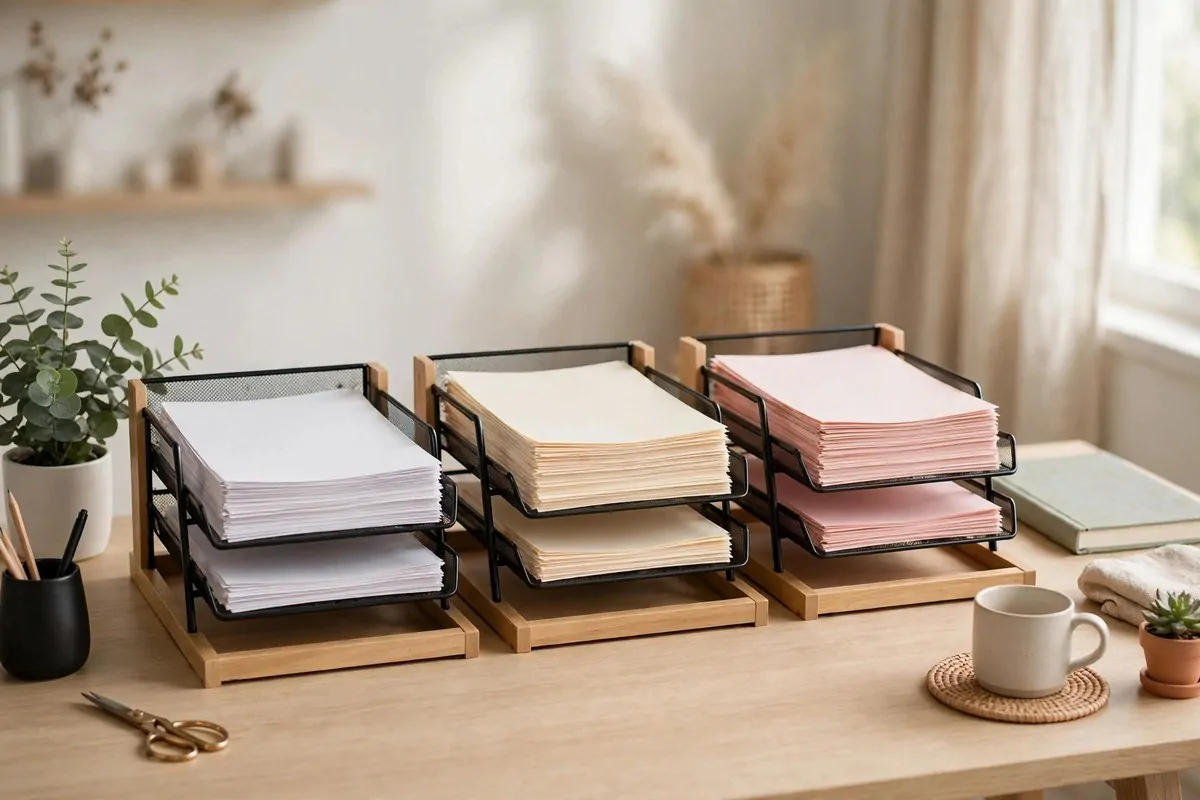
First, gather every loose paper in the house and spread them out on a table. Then sort them into three piles. Action: things that need doing, like bills to pay or forms to sign. Keep: papers you need for reference, like insurance policies or school records. Archive: long-term documents like tax returns and property deeds.
Before you sort, do a quick purge. Shred old statements you can see online. Recycle junk mail and expired warranties. Toss duplicates. The less paper you keep, the easier your system is to live with. Most of the pile turns out to be trash, honestly, and getting rid of it feels wonderful.
Set Up an Accordion File or File Box
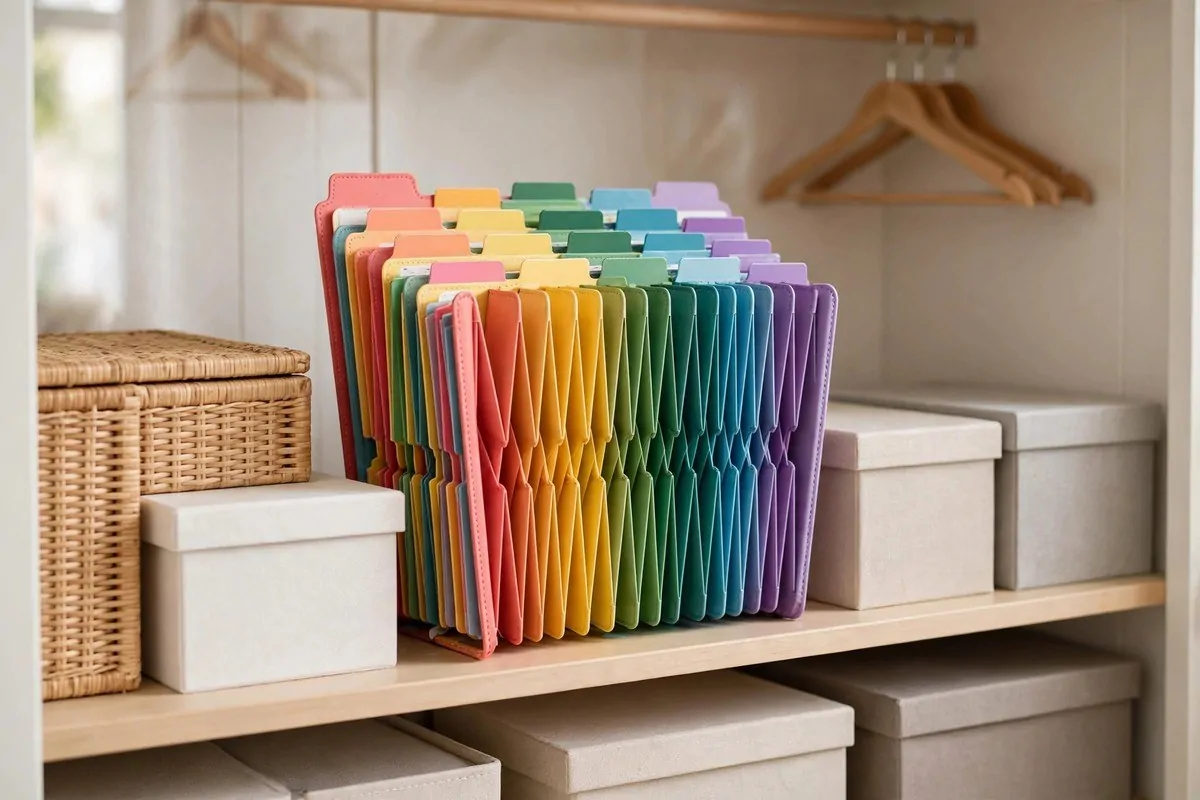
You do not need a big filing cabinet. A simple accordion file or a small portable file box works for most homes. Mine sits on a closet shelf and holds everything. Label the sections clearly: Taxes, Medical, Insurance, Home, Auto, Banking, Receipts.
Every paper gets a section, and every section has a label. Use a label maker or just neat handwriting, whatever you will actually maintain. The rule is simple: when a paper comes in, it goes in its section the same day. No "I will file it later" piles, because later never comes.
Protect the Vital Ones Separately
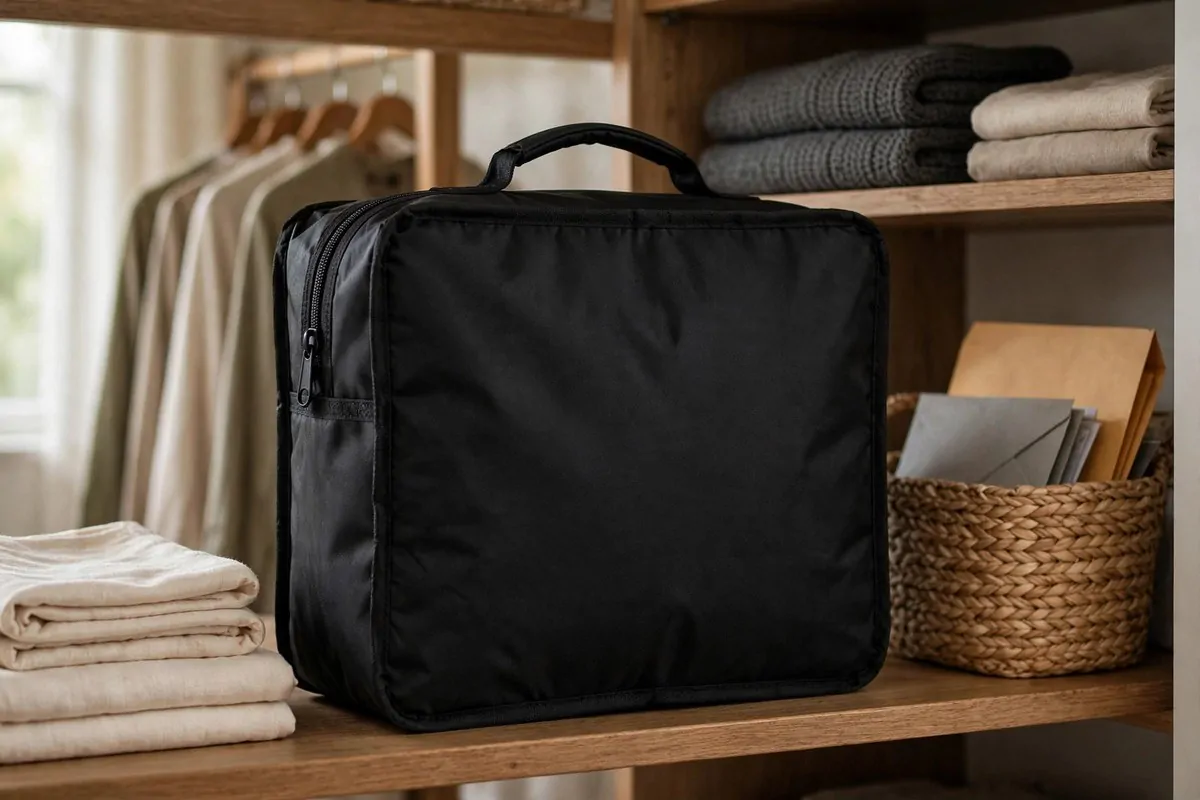
Some papers are too important for a regular folder. Birth certificates, passports, social security cards, marriage certificates, property deeds, and wills belong in a fireproof document bag or a small fireproof lockbox. Keep them all together in one spot you can reach fast.
This is the grab-and-go box. If there is ever an emergency, you take this box and nothing else. It also means these papers are never mixed up with everyday mail, so they can never get lost under a pizza coupon again.
Scan and Go Digital
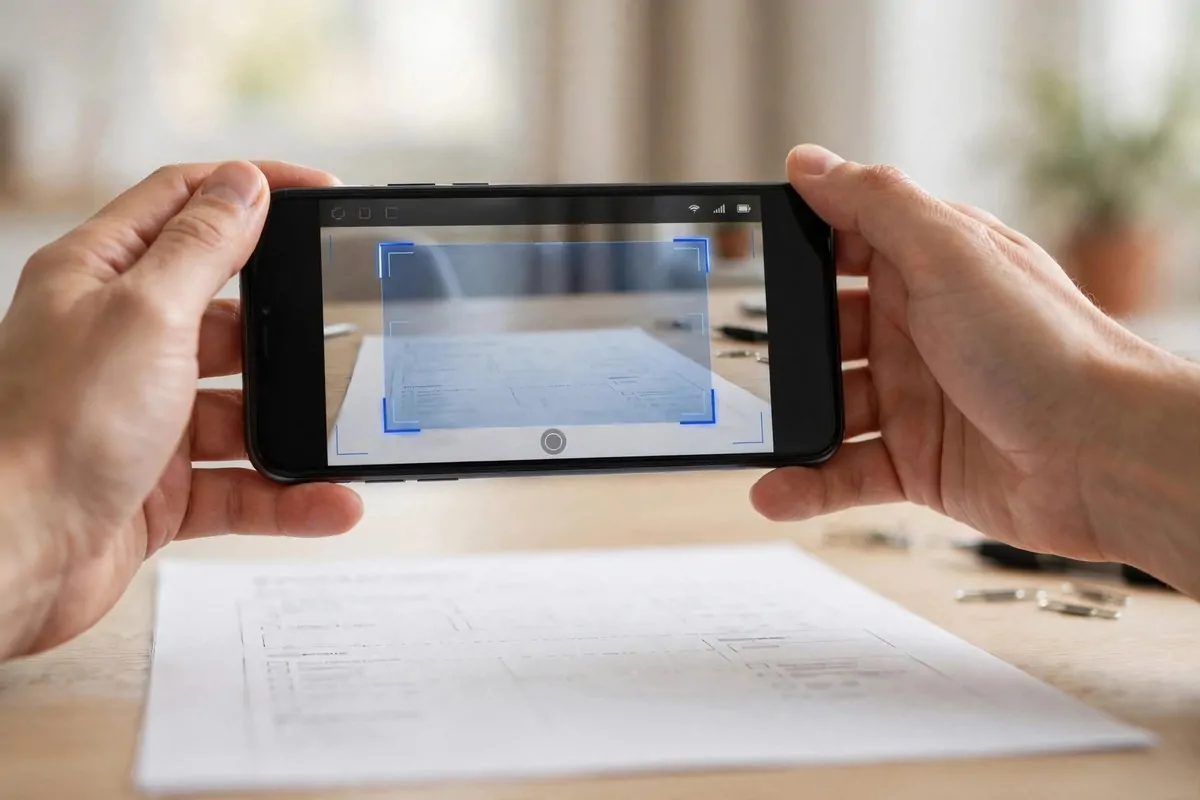
Paper can be lost, burned, or soaked. Digital copies protect you. Use your phone to scan the important stuff: insurance policies, medical records, receipts for big purchases, warranties, and tax documents. Save them in clearly named folders on your computer or in a secure cloud service.
I do this in small batches, not all at once. Ten documents on a slow evening. Within a month I had a full digital backup of everything that matters. And once something is scanned, you can often recycle the paper and keep just the digital copy, which keeps the file box nice and thin.
Do a 5-Minute Weekly Filing Habit
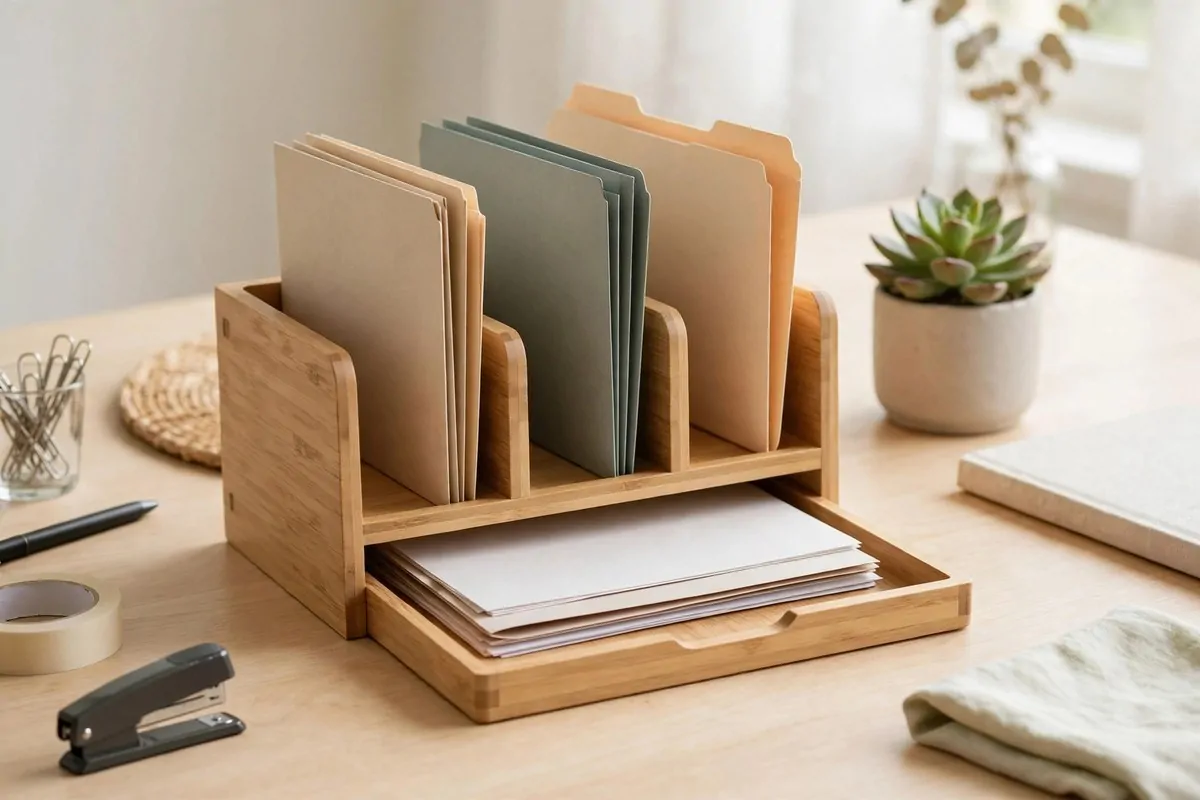
Systems only work if you feed them. Once a week, take five minutes. File the new papers, toss what is old, and empty the action folder. That is all it takes to keep the system alive.
Once a year, do a bigger review. Old monthly statements can go after a year. Tax documents stay for at least seven years. Receipts for big things stay as long as you own the thing. A little maintenance keeps your records slim, current, and ready for the day you need them in a hurry.