How to Organize My Finances and Money Life


You do not need a big salary or a finance degree to get your money life in order. You just need a simple system you can actually stick to. I used to feel scared to open my bank app. Now I check my money once a week and it takes ten minutes. In this post I will show you how to organize my finances the same simple way I organize everything else in my home: one small step at a time, no fancy tools needed.
Write Down What Comes In and What Goes Out

You cannot organize your finances if you do not know your numbers. So start here. Write down your monthly income after tax. Then write down every bill and expense. Go through your bank statements from last month to catch the ones you forget, like subscriptions. Be honest. This step can feel a little scary, but knowing the real numbers is what gives you power. Most people find at least one surprise. Maybe a subscription they forgot, or more food delivery than they thought. That is normal. Now you know, and you can fix it.
Give Every Dollar a Job

A budget is just a plan for your money. The simplest one is the 50/30/20 rule. About half of your income goes to needs like rent and food. About thirty percent goes to wants like eating out. Twenty percent goes to savings and debt. If twenty percent feels impossible right now, start with five. The point is to give every dollar a job before the month starts. I use a simple notebook with categories: bills, food, transport, fun, and savings. Some people like apps or cash envelopes. Pick the one you will actually use. A budget you ignore is just paper.
Put Bills and Savings on Autopilot

Late fees are the easiest money to save, because you just stop paying them. Set up automatic payments for every regular bill: rent, utilities, phone, and loan payments. Then make a list of each bill and its due date, so you always know what is coming. Next, automate your savings. Set a small transfer to move to your savings account on payday, before you can spend it. Even twenty dollars a month builds the habit. When saving happens on its own, you do not have to rely on willpower. Your future self will thank you.
Start a Small Emergency Fund

Life loves surprises. The car breaks. The tooth hurts. Without a small emergency fund, every surprise turns into debt. So build one. Aim for one thousand dollars first, or one month of basic expenses. Keep it in a separate savings account so you are not tempted to touch it. This money is only for real emergencies, not sales and not holidays. I keep mine in a different bank so I do not see it every day. Out of sight, out of mind, but there when I truly need it. Once this fund exists, your whole money life feels calmer.
Sort Out Debt and Paperwork
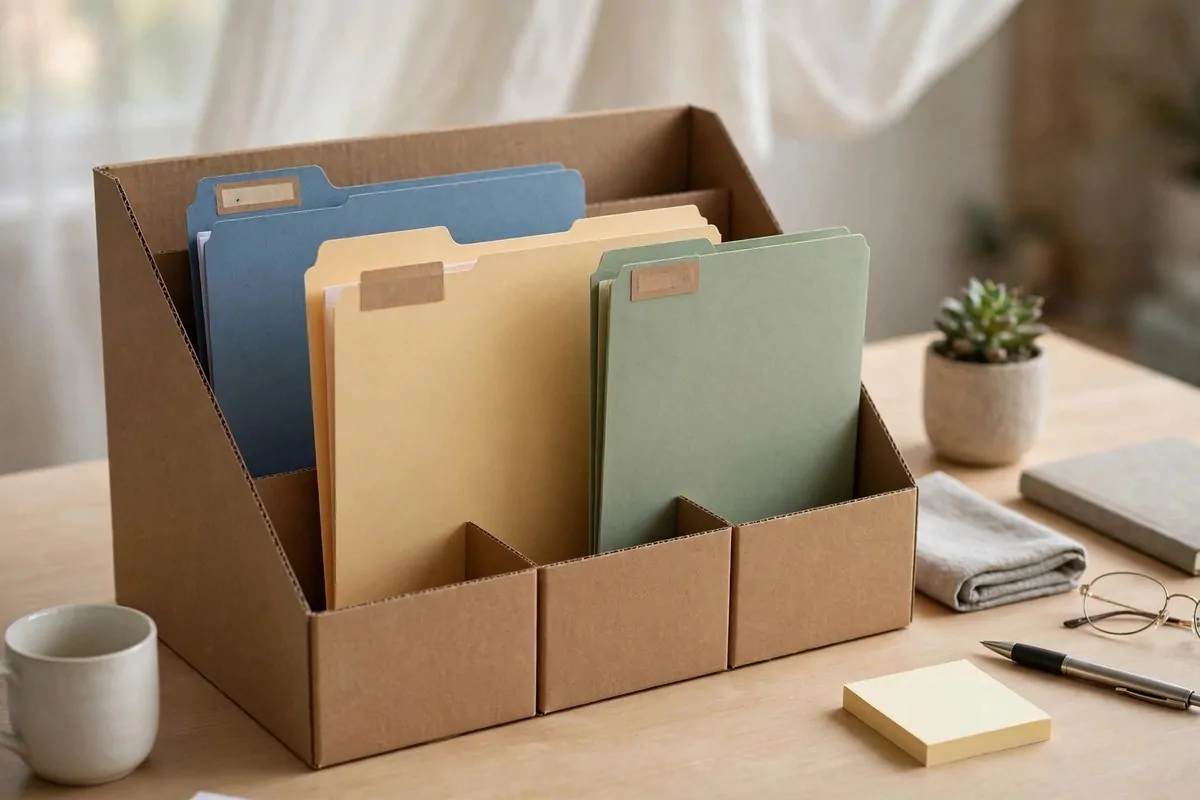
Now face the debt. List every debt with its balance, interest rate, and minimum payment. Pay the minimums on all of them, then put any extra money toward the smallest one first. When that one is gone, move to the next. Small wins keep you going. For paperwork, get one folder box with simple labels: bills, taxes, insurance, medical, and car. Shred what you do not need. Go paperless where you can. Also pull your free credit report once a year and check it for mistakes. Organized money is calm money. And calm money lets you sleep at night.