How to Organize Your Bills and Payments

Picture your kitchen counter right now. Is there a bill sitting on it that you keep meaning to pay? I ask because I lived like that for years. Bills in drawers, bills in bags, one stuck to the fridge with a magnet. I paid late fees I never needed to pay, just because I had no system at all.
The fix was not complicated. I just needed one list, one calendar, and one weekly habit. Once I had those three things, I stopped missing payments for good. Let me walk you through it step by step, because if I could do this, anyone can.
List Every Bill in One Place

You cannot organize bills you cannot see. So the first step is to make one master list of every bill you pay. Go through your bank statements for the last two months so you catch the sneaky ones, like subscriptions you forgot about. Write down the bill name, the amount, and the due date.
Also mark each bill as fixed or variable. Fixed bills are the same every month: rent, internet, phone, insurance. Variable bills change: electricity, water, credit cards. Knowing which is which helps a lot when you plan your money, because variable bills need a closer eye.
Build a Monthly Bill Calendar
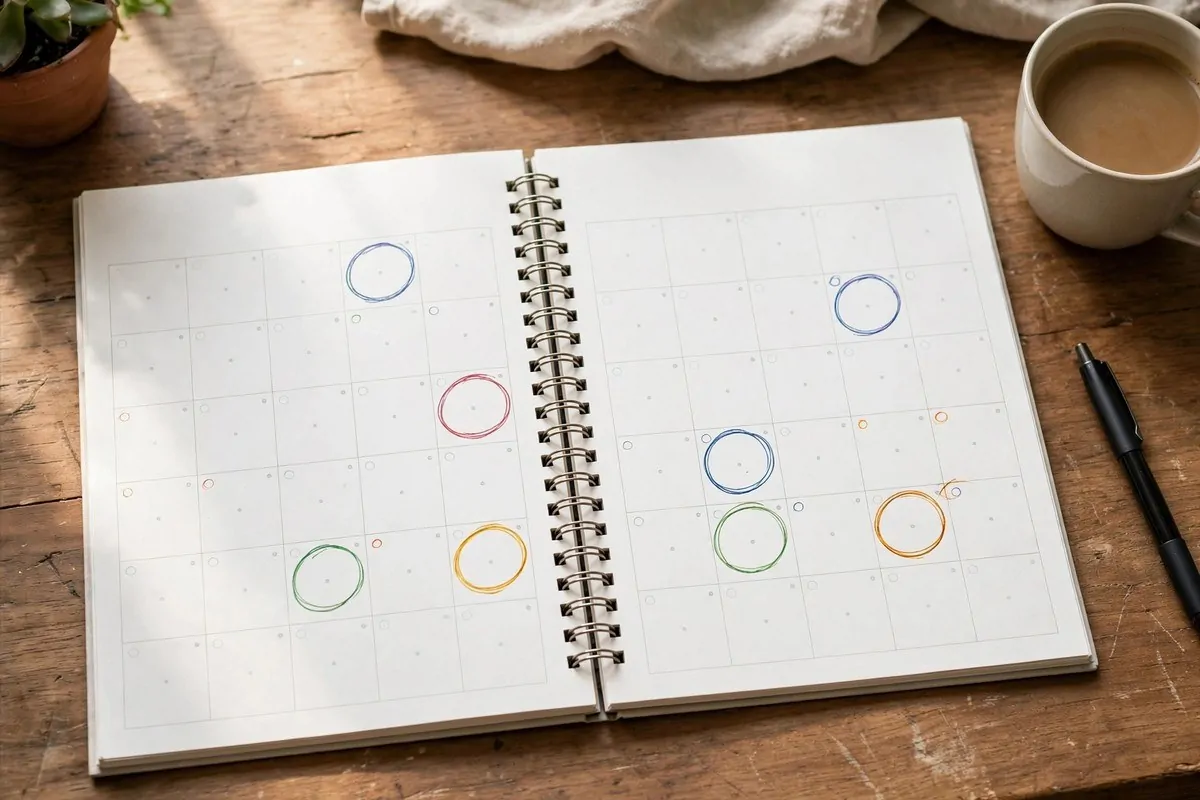
One calendar. That is the whole system. It can be a paper wall calendar, a phone calendar, or a simple notebook. Mark every due date on it. Then mark your paydays on the same calendar too. This part matters more than people think.
When you see money in and money out in one place, planning gets easy. You can spot the crowded weeks where five bills land at once. You can also ask some companies to move your due dates closer to your payday. Many of them will say yes if you just ask. Grouping due dates together means you handle money in one sitting instead of worrying about it all month.
Set Up Autopay for the Fixed Bills

This is the laziest and best step. Put your fixed bills on autopay: rent or mortgage, insurance, phone, subscriptions. They are the same amount every month, so they are safe to automate. Your bank's bill pay or the company's own autopay both work fine.
One warning from my own mistakes: keep a small buffer in your account so an autopay never overdraws you. And check your statements once a month anyway. Autopay handles the paying, but you are still the boss of your money.
Create Reminders for the Rest

Some bills cannot go on autopay because the amount changes, like electricity and credit cards. Those need a reminder instead. Set an alert on your phone for about five days before each due date. That gives you time to check the amount and pay without rushing.
The reminder is your signal, not your enemy. When it pops up, open the bill, pay it, and file it. Two minutes and it is done. I also keep a small "action" folder on my desk for paper bills that need paying. Paper goes in, and it only comes out when it is paid.
Do a 10-Minute Bill Check Every Week

Pick one day and make it your money day. Mine is Sunday morning with coffee. Ten minutes, same time every week. Open your bills, pay what is due, file what is finished, toss what is old. Then look at the week ahead and make sure nothing sneaks up on you.
This one habit catches everything before it becomes a problem. Late fees hate routines. Since I started my weekly bill check, I have not paid a single late fee. Ten minutes a week bought me that. It is the best deal I ever made.