29 Zero-Waste Kitchen Ideas That Cut Trash Fast

Most of the trash in my kitchen was never food. It was the stuff around the food. Thin bags, cling film, paper towels, little tubs I used once and threw away.
I started to notice it on bin day. The bag felt heavy, but my fridge was nearly empty.
That was the week I changed one small thing. I hung a cloth bag by the door, and the next shop felt different.
One change led to another. A jar here, a wrap there, and soon my bin stayed half empty for days.
You do not need to buy a whole new kitchen to cut your trash. You just need a few plain swaps that you use again and again.
Some of these ideas cost almost nothing. Some take one afternoon to set up, and then they save you money for years.
Every one of the 29 zero waste kitchen ideas sits in this post from start to finish, with no second post to chase, so you can read them all tonight and keep the ones that fit your own kitchen best.
1. A Cloth Bag by the Door for Shopping
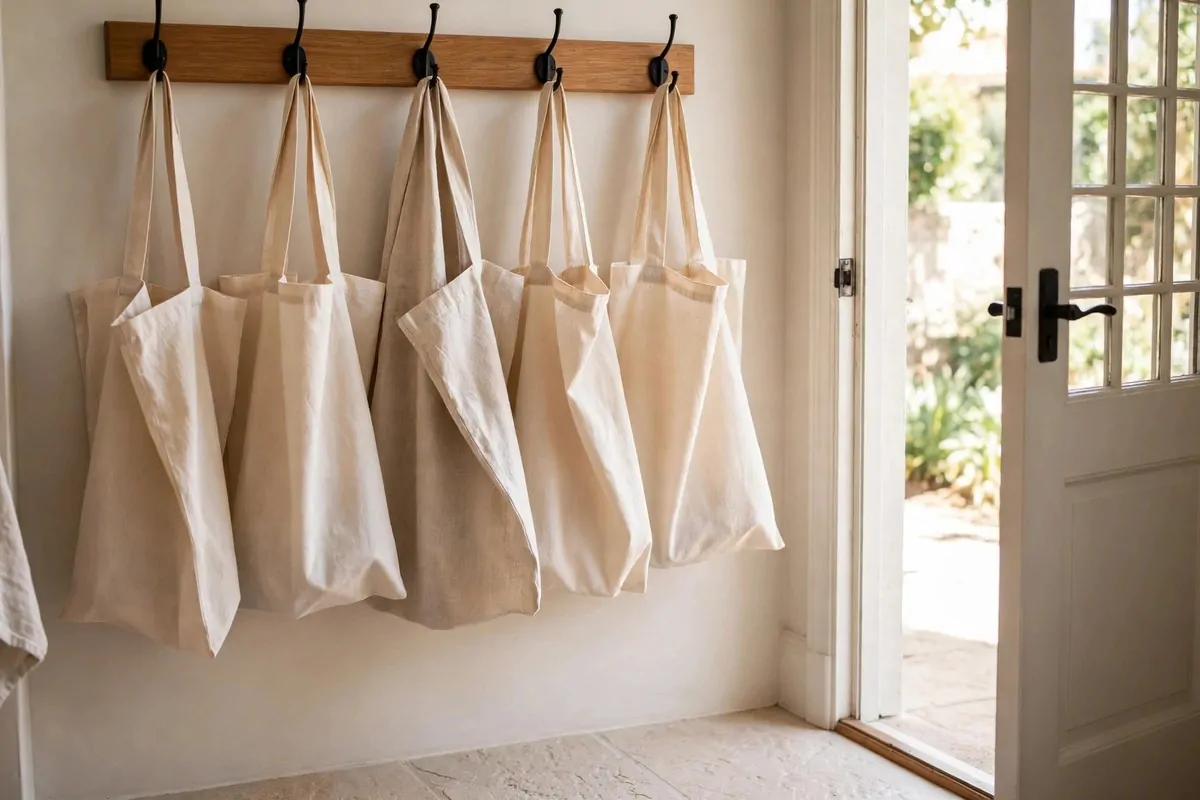
My cloth bag hangs on a hook right by the front door. I see it every time I leave the house.
Before the hook, I forgot my bags almost every week. I would come home with a pile of thin bags I did not want.
Now the bag is part of my leaving routine. Keys, phone, bag, and then I am out the door.
I keep a few bags on those hooks. One is for food, and the rest are for the odd bits I pick up on the way home.
A plain cotton bag holds a lot more than it looks like it should. I have carried a whole weekly shop in mine more than once.
When the bag gets grubby, I wash it with the towels. It comes out clean and ready to hang back up.
Typical cost $5 to $12.
If you sew, you can make one from an old sheet or a worn curtain. It works just as well, and it costs you nothing new.
Start with the hook, not the bag. Once the hook is there, the habit follows on its own.
2. Glass Jars for Dry Food Storage
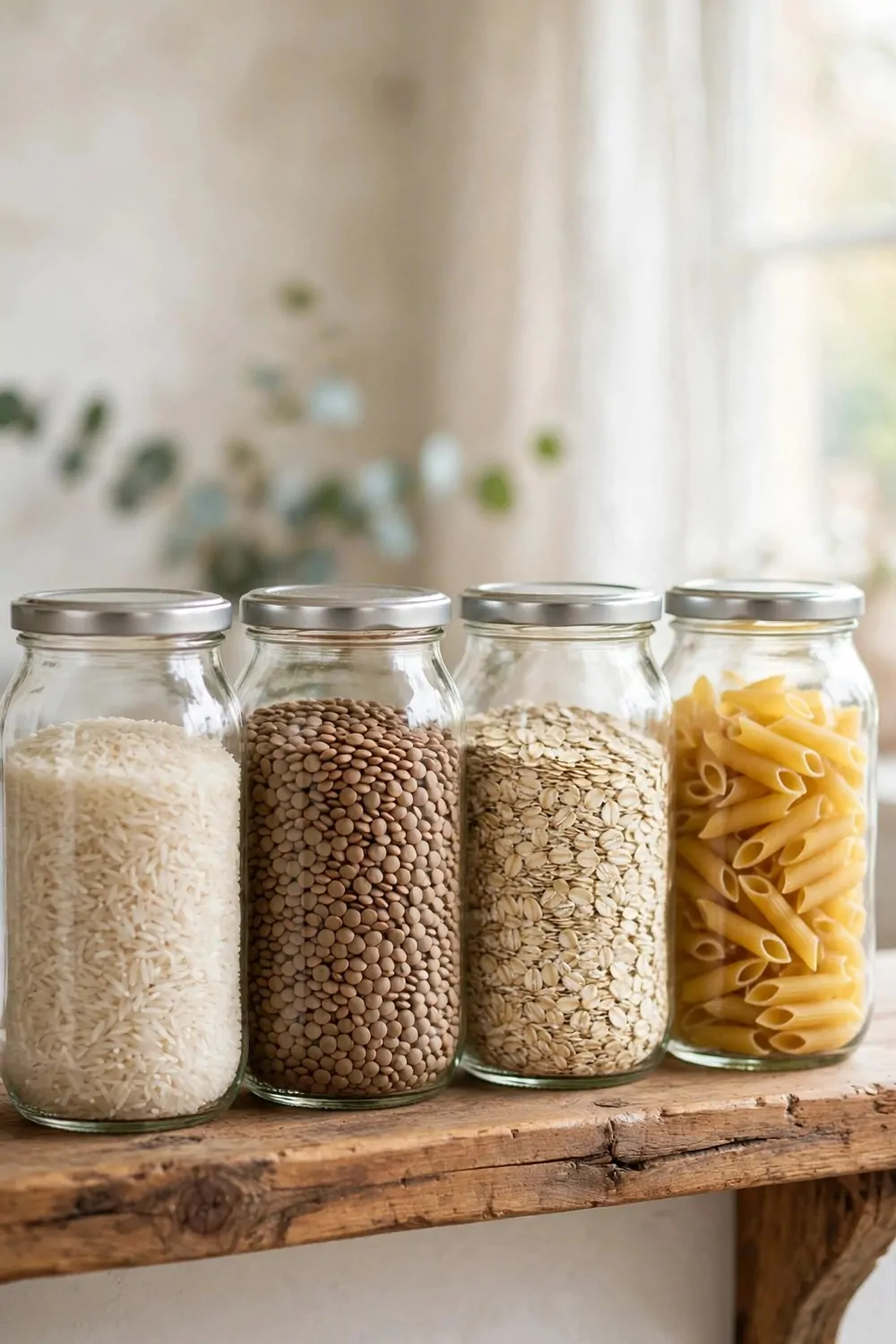
My dry food lives in glass jars now, and my shelves look calmer for it. Rice, oats, lentils, pasta, each one in its own jar.
I can see at a glance what I have left. No more half open packets sliding to the back of the shelf.
The jars keep things fresh for weeks. A tight lid keeps the air out, and the food stays dry and clean.
I wash the jars with plain soap and warm water before I fill them. Then I let them dry upside down on a tea towel.
You can add a small label to each lid if you like. Write the name and the date in plain pencil.
Old jam jars work just as well as new ones. I save every jar that comes into my house and give it a second life.
Typical cost $0 to $18.
Start with the food you use most. One jar of rice and one jar of oats will show you how easy it feels.
Your shelves will thank you. Neat rows of jars make cooking feel quicker, and shopping lists get shorter too.
3. Beeswax Wraps Instead of Cling Film
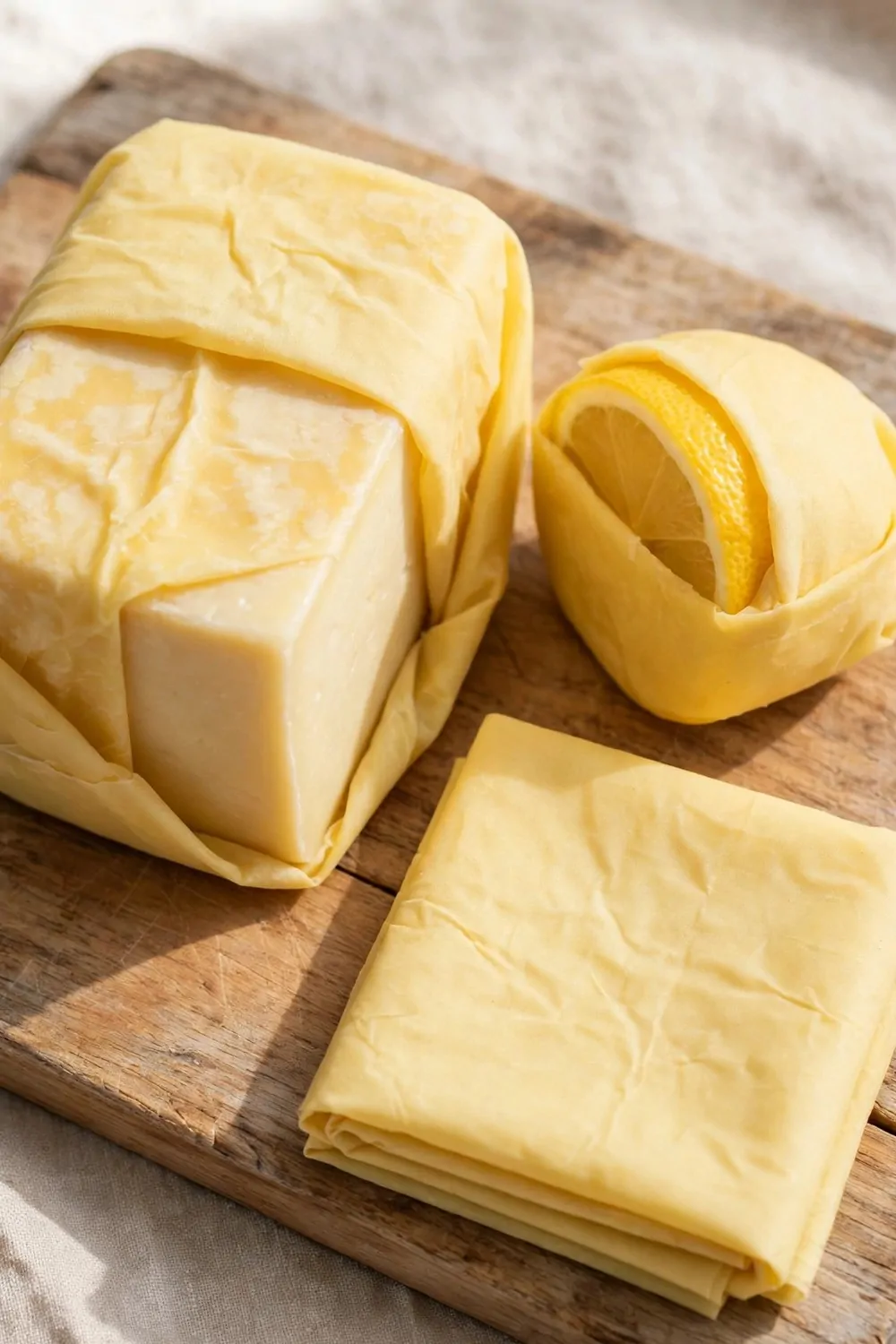
A beeswax wrap feels like stiff cloth until your hands warm it up. Then it bends round a bowl and holds its shape.
I use mine to cover leftovers, wrap half a lemon, and fold round a block of cheese. It does the job cling film used to do.
The wrap washes clean in cool water with a drop of plain soap. I lay it flat to dry, and it is ready again by morning.
Hot water is the one thing to avoid. It melts the wax, so I keep my wraps far from the kettle and the hot tap.
One wrap lasts me months of daily use. When the wax wears thin, I warm it in a low oven on a tray and it seals again.
I keep three sizes in a drawer by the fridge. Small for lemons, medium for bowls, large for plates and bread.
Typical cost $8 to $20.
You can also craft wraps from plain cotton cloth and beeswax. It takes one quiet afternoon and a baking tray.
Try one wrap before you buy a set. Once you feel how it seals, you will not miss the roll of film.
4. A Compost Caddy on the Counter
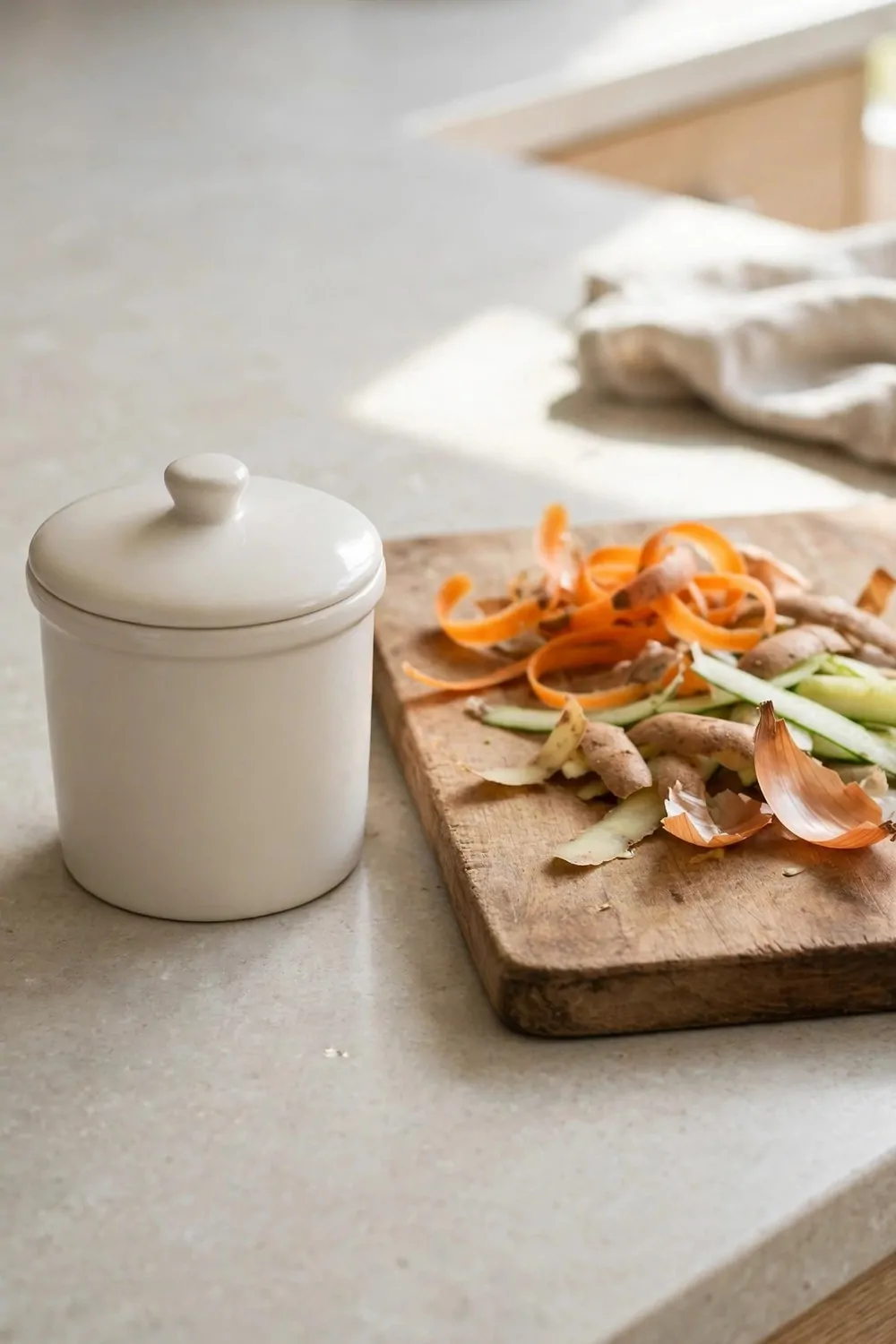
My compost caddy sits by the sink, and it changed how I cook. Peels and cores go straight in, not in the bin.
It is just a small tub with a lid and a plain paper liner. Nothing fancy, and it holds a day or two of scraps.
I empty it every evening into the big compost bin outside. A quick rinse with water keeps it fresh and clean.
Fruit peels, veggie tops, tea leaves, and coffee grounds all go in. I keep bones and dairy out of it.
The lid matters more than the size. A snug lid keeps smells in and tiny flies out of the kitchen.
My bin bags last twice as long now. Wet scraps were the heaviest part of my trash, and now they never reach the bin.
Typical cost $10 to $25.
If you have no garden, a small council caddy or a shared heap works too. Ask a neighbour with a garden if they want your scraps.
Start with one meal a day. Scrape the plates into the caddy after dinner, and the habit will grow from there.
5. Cloth Napkins in a Drawer by the Table
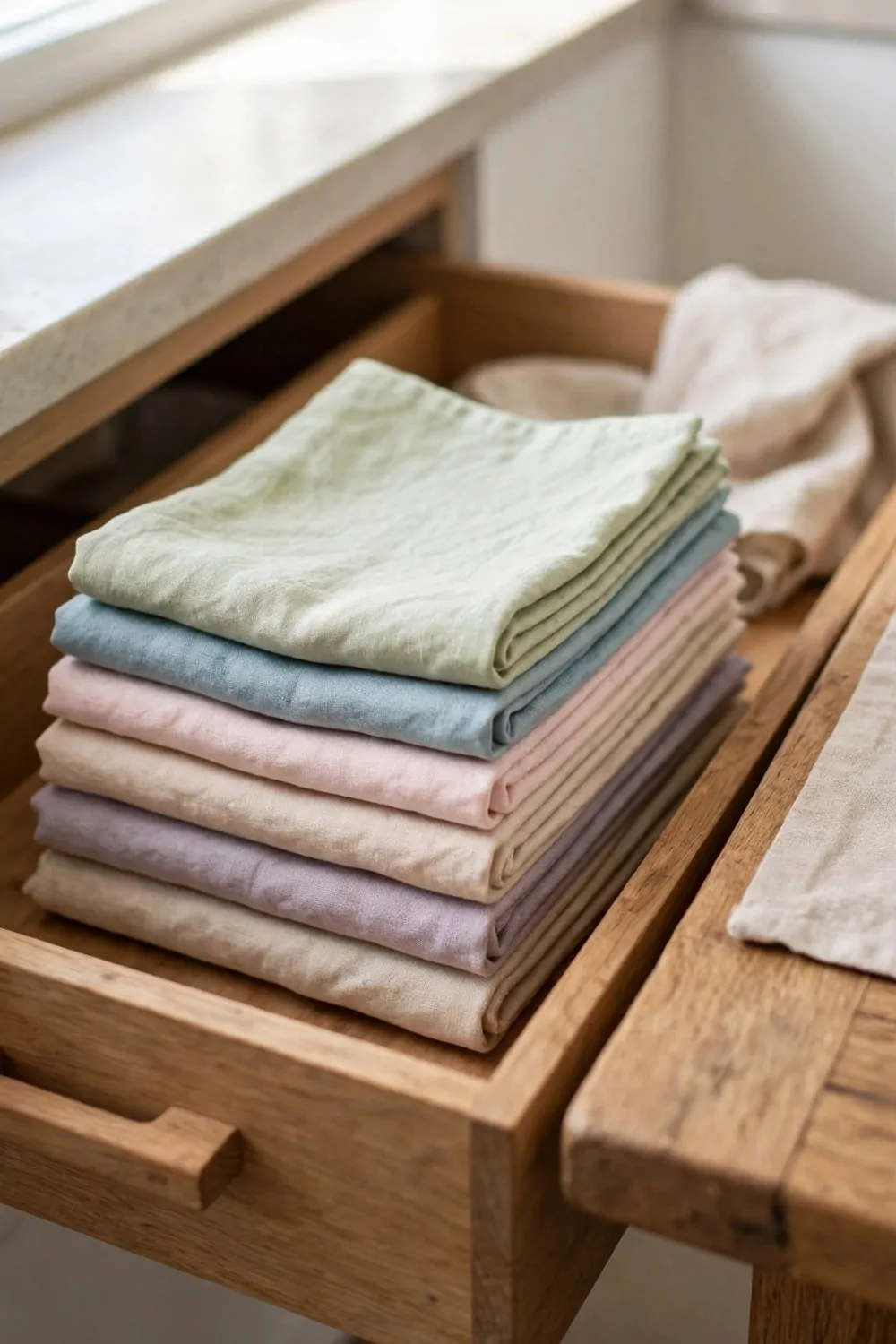
A stack of cloth napkins lives in the drawer by our table. Dinner feels calmer when they are right there.
I stopped buying paper napkins last spring. One washable stack replaced box after box of paper.
Each napkin is a plain square of cotton, nothing fancy. I fold them in fours and stack them in a neat pile.
After dinner, the used ones go in a small basket by the laundry. I wash them with the tea towels on a normal cycle.
Spills are easier with cloth too. A napkin soaks up a splash faster than a thin paper square ever did.
Guests like them more than paper, I have found. A real napkin makes an ordinary meal feel a little bit special.
Typical cost $6 to $15.
Old tea towels cut into squares work just as well. Hem the edges if you like, or leave them plain and simple.
Keep the drawer close to the table. If the napkins are two rooms away, nobody will reach for them.
6. A Refill Station for Soap and Oil
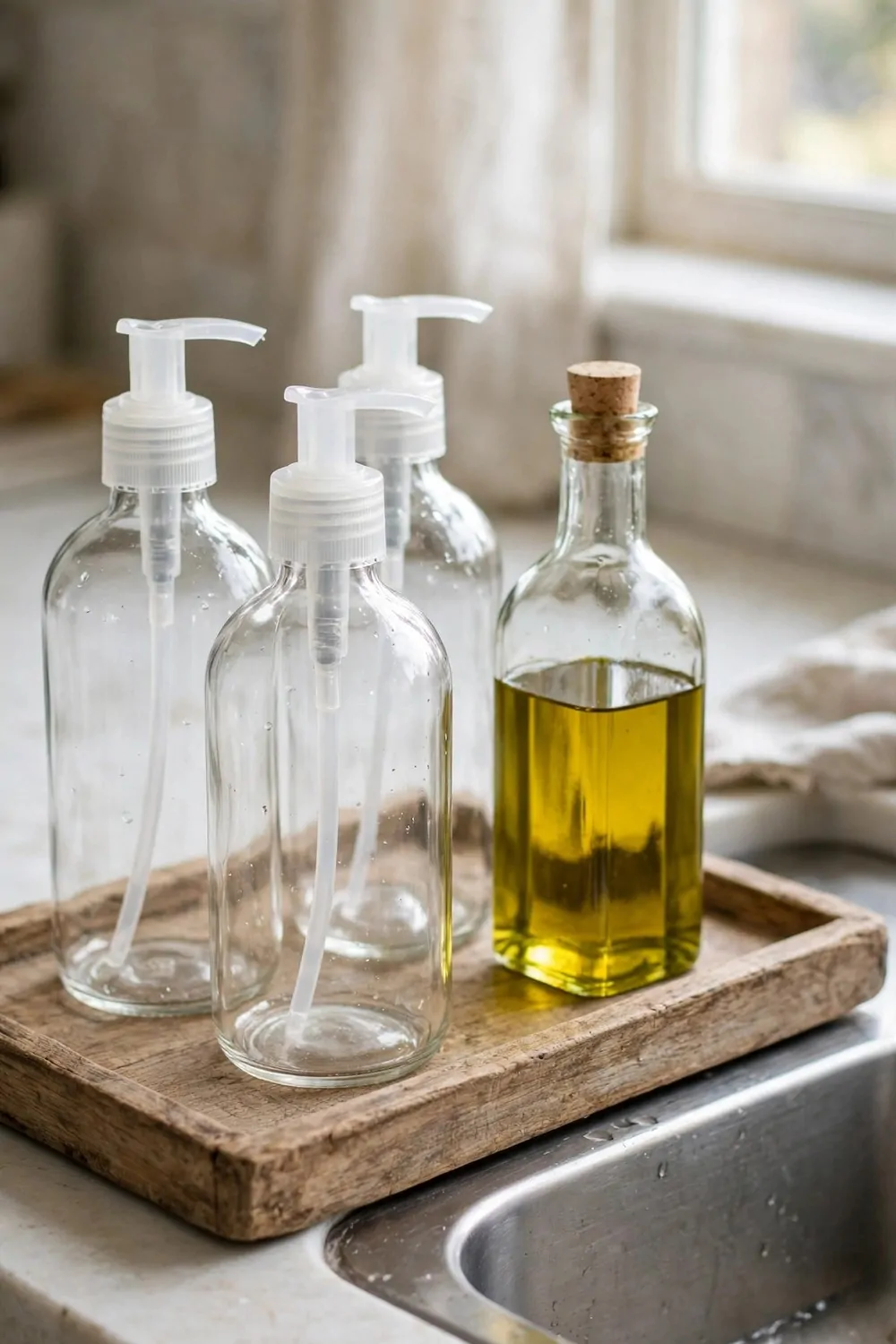
My refill station is a small shelf by the sink with plain bottles. One holds hand soap, and one holds cooking oil.
I buy soap and oil in big refill packs now, not new bottles each time. The same two bottles get filled again and again.
I keep a small funnel in the drawer for topping up, so I never spill a drop. It takes less than a minute to top a bottle up.
The soap bottles are glass with simple pump tops, and the oil bottle has a plain cork top. They look tidy, and they last for years without a crack.
You can label each bottle with a small strip of tape and a pen. It stops you pouring oil where the soap should go.
My recycling bin is lighter since I started this. Big refill packs use far less packaging than lots of small bottles.
Typical cost $8 to $22.
Some shops let you fill your own bottle right at the counter. Take your clean bottle along and ask at the till.
Start with just the soap bottle. Once that feels easy, add the oil, and then see what else you can refill.
7. Metal Straws in a Small Jar
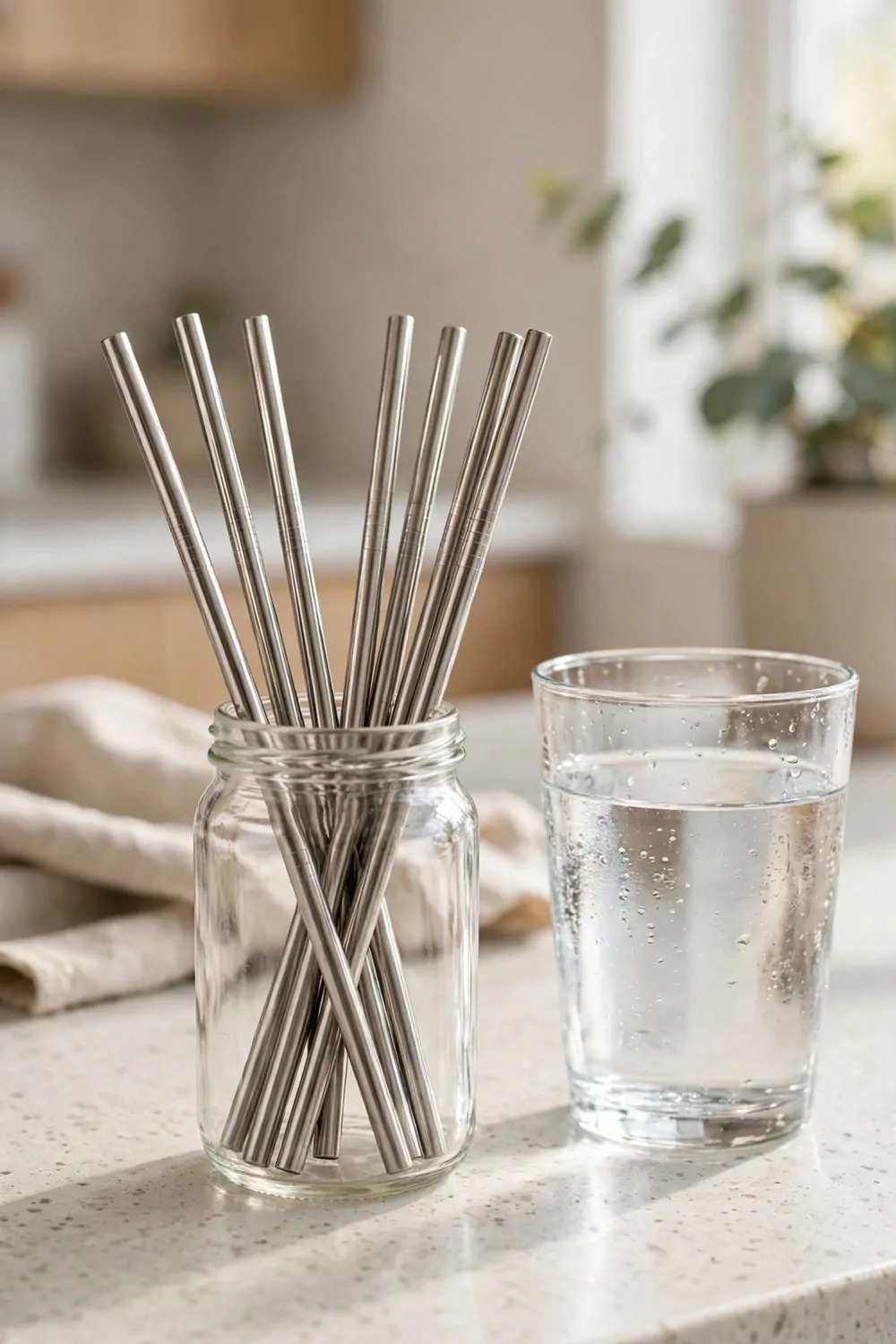
A small jar of metal straws stands on my kitchen shelf. It is the first thing guests notice when they come for a drink.
Each straw is plain steel, smooth and light in the hand. I keep a good bunch in the jar, ready for any cold drink.
They work in cold drinks, smoothies, and iced tea. They reach the bottom of tall glasses with ease.
After use, I rinse each straw under the tap and stand it in the rack to dry. Once a week they go in with the dishes.
A thin brush comes with most sets, and it cleans the inside in seconds. I keep mine in the drawer by the sink.
My drawer used to hold a box of throwaway straws. Now that space holds the jar, and nothing goes in the bin.
Typical cost $4 to $10.
Kids love picking their own straw from the jar. Let them choose, and they will ask for the steel straw every time.
Keep the jar where you pour drinks, not hidden in a cupboard. If you can see it, you will use it.
8. A Lunch Box That Lasts for Years
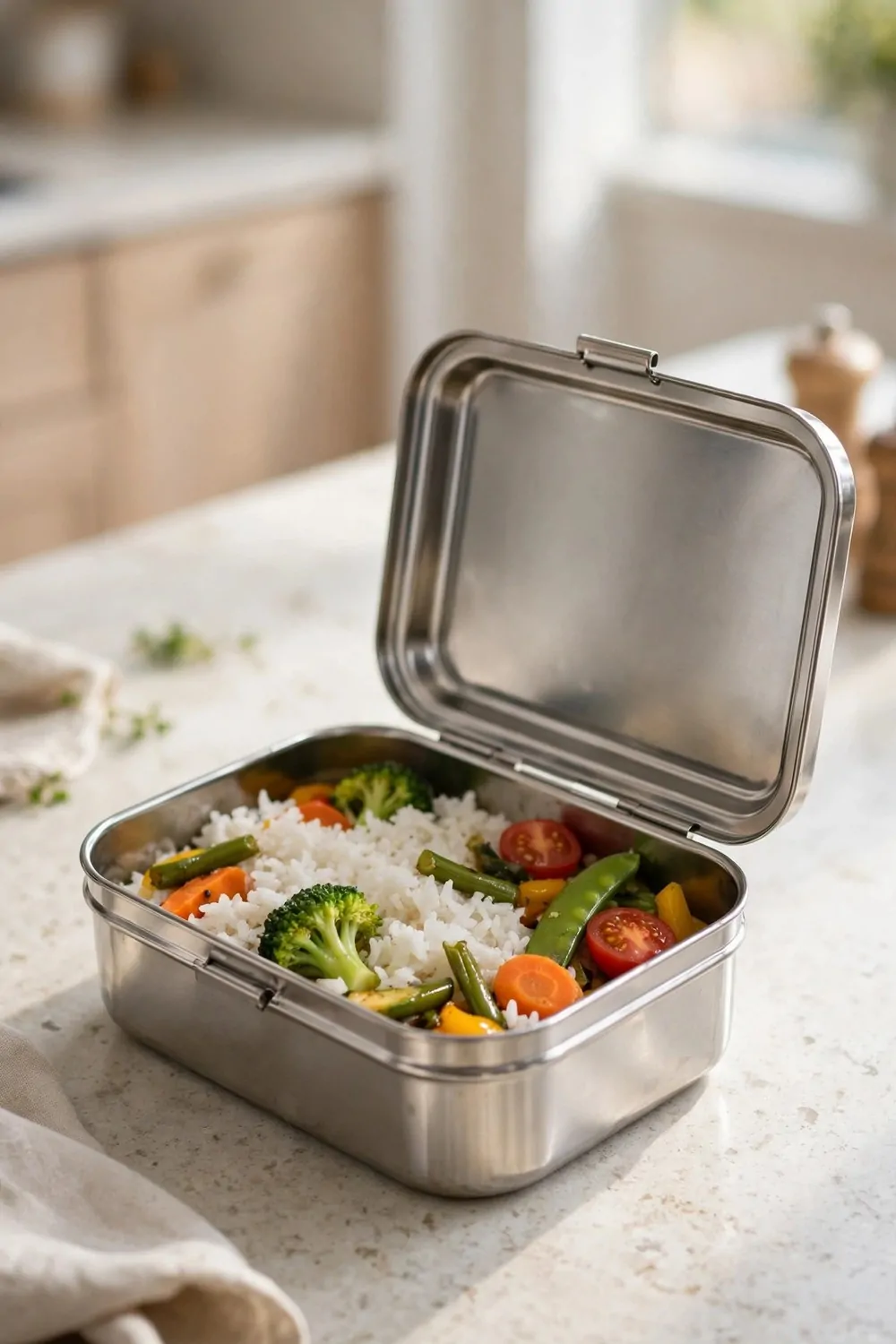
My lunch box is plain steel with a tight lid, and I have used it for three years. It still looks almost new.
It holds rice and veg without a squash. Everything stays in its own spot.
I pack it the night before, and mornings feel easy. Grab the box, add a bottle of water, and I am out the door.
The lid seals well enough that nothing leaks in my bag. I have carried soup in it more than once, and it never spilled.
Washing it takes a minute with soap and warm water. It dries fast, and it never holds a smell like old plastic boxes did.
One good box replaces hundreds of throwaway bags and wraps. That is the whole point, and it saves money over time.
Typical cost $12 to $30.
Pick a size that fits your usual lunch, not your biggest one. A box that is too big just rattles around in your bag.
If the lid ever wears out, check if the maker sells a spare. A new lid is cheaper than a whole new box.
9. Bulk Buying with Your Own Containers
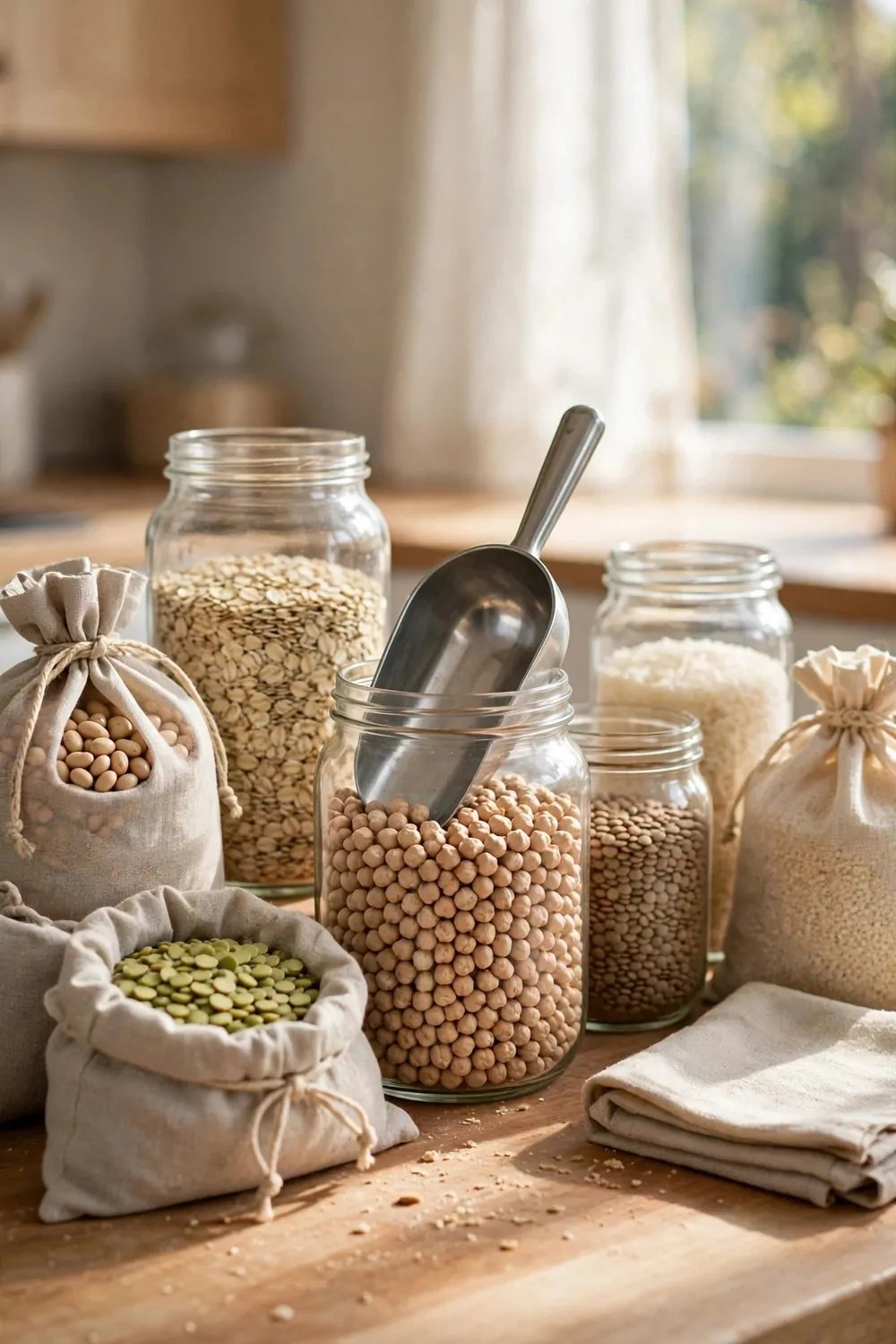
I take my own jars and bags to the bulk shop now, and the till feels lighter. No new packets come home with me.
The shop weighs my empty jar first and marks the weight on the lid. Then I fill it, and I only pay for the food inside.
Rice, oats, flour, and lentils are my bulk basics. I buy a month of each at once, and the jars stay full.
Wide mouth jars work best for scooping. A funnel helps with flour, and a steady hand helps with the rest.
I keep a list on the fridge of what is running low. It stops me buying a second bag of something I already own.
Bulk food often costs less per kilo than the small packs. My food bill dropped a little once I started.
Typical cost $0 to $15.
Start with one food you use every week. Buy just that in bulk, and see how it feels before you add a second.
Label every jar the day you fill it. A jar of flour and a jar of rice look the same from across the room.
10. A Herb Pot on the Window Sill
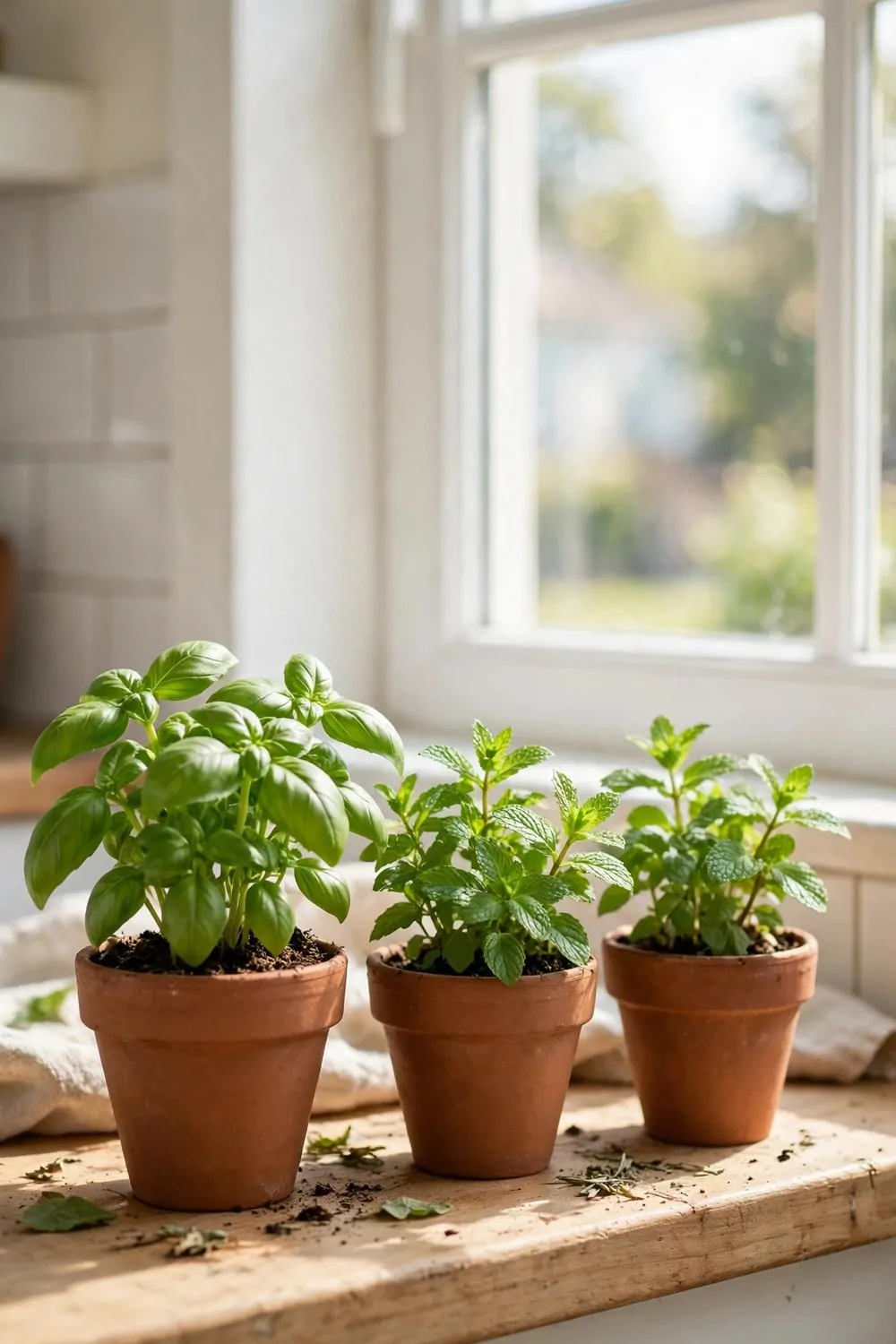
A small herb pot sits on my window sill, and it earns its place every day. Fresh basil is never more than an arm away.
I grow basil and mint in three little pots. They like the morning light and a drink of water twice a week.
Snipping a few leaves beats opening a plastic pack of herbs. No packet, no waste, and the taste is far better.
I water them in the morning with a small jug. Too much water rots the roots, so I give them just a little at a time.
When a plant grows tall, I trim the top leaves first. It grows back bushier, and I get more leaves for my cooking.
Herb pots save money too. One pot of basil costs less than three small packs from the shop, and it lasts for months.
Typical cost $3 to $12.
Start with mint if you are new to herbs. It grows fast, forgives a missed watering, and smells lovely on the sill.
Keep the pots where you can see them while you cook. If they are out of sight, you will forget to water them.
| Idea | Main change | Typical cost |
|---|---|---|
| A Cloth Bag by the Door for Shopping | Cloth bags by the door for shopping | $5 to $12 |
| Glass Jars for Dry Food Storage | Glass jars for dry food storage | $0 to $18 |
| Beeswax Wraps Instead of Cling Film | Beeswax wraps instead of cling film | $8 to $20 |
| A Compost Caddy on the Counter | Compost caddy on the counter | $10 to $25 |
| Cloth Napkins in a Drawer by the Table | Cloth napkins in a drawer by the table | $6 to $15 |
| A Refill Station for Soap and Oil | Refill station for soap and oil | $8 to $22 |
| Metal Straws in a Small Jar | Metal straws in a small jar | $4 to $10 |
| A Lunch Box That Lasts for Years | Lunch box that lasts for years | $12 to $30 |
| Bulk Buying with Your Own Containers | Bulk buying with your own containers | $0 to $15 |
| A Herb Pot on the Window Sill | Herb pot on the window sill | $3 to $12 |
| Total | $56 to $179 |
11. Reusable Produce Bags for Fruit and Veg
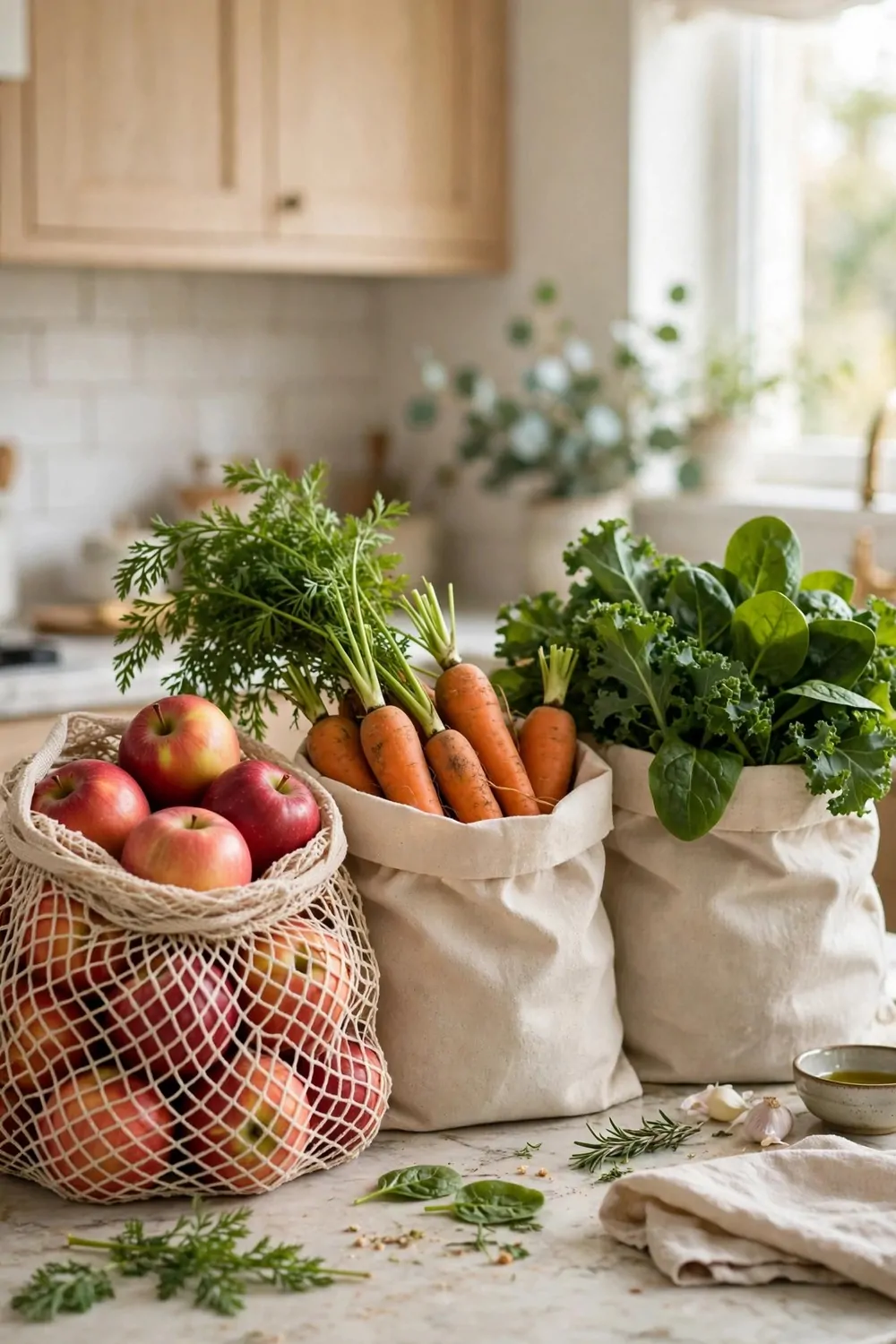
I used to grab a fresh plastic bag for every single thing at the shop.
Now I keep a small set of light cloth bags folded inside my big shopping bag. They weigh almost nothing and they wash well.
At the shop I slip apples, carrots or lemons straight into one of the cloth bags.
The bags let air move around the food, so leafy greens stay fresh a little longer in my fridge.
I pick bags with a drawstring top so nothing rolls out on the way home.
When a bag gets dirty I toss it in with my normal wash and hang it to dry.
I keep one spare bag in my coat pocket for the days I forget the main set.
You can start with just three or four bags and add more later if you like them.
Typical cost $6 to $15.
12. A Cloth Towel Roll Instead of Paper Towels
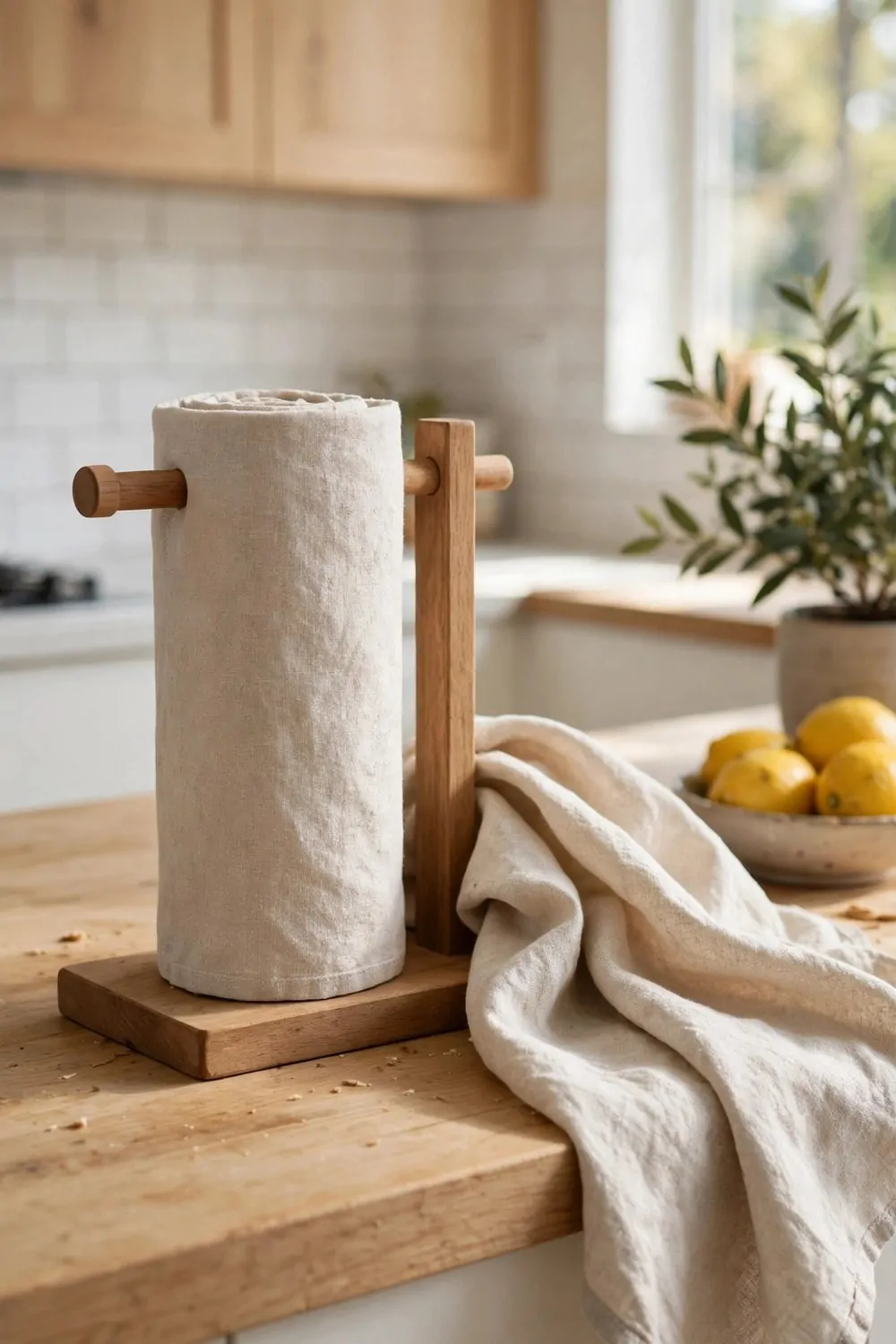
Paper towels vanish fast in my kitchen, one spill and the roll is half gone.
I made a roll of small cloth towels that snap together, and it lives on the old paper towel holder.
Each cloth is about the size of my hand, big enough for a spill and small enough to wash easily.
When I wipe the counter I grab one cloth, use it, then drop it in a small basket under the sink.
At the end of the week I wash the whole basket with my towels and roll them up again.
The cloths dry fast on the line, and they feel soft even after many washes.
I keep two or three clean ones folded near the sink so guests can find them too.
If a cloth gets stained I keep it for floor spills instead of throwing it away.
Typical cost $8 to $18.
13. Saving Veggie Scraps for Stock
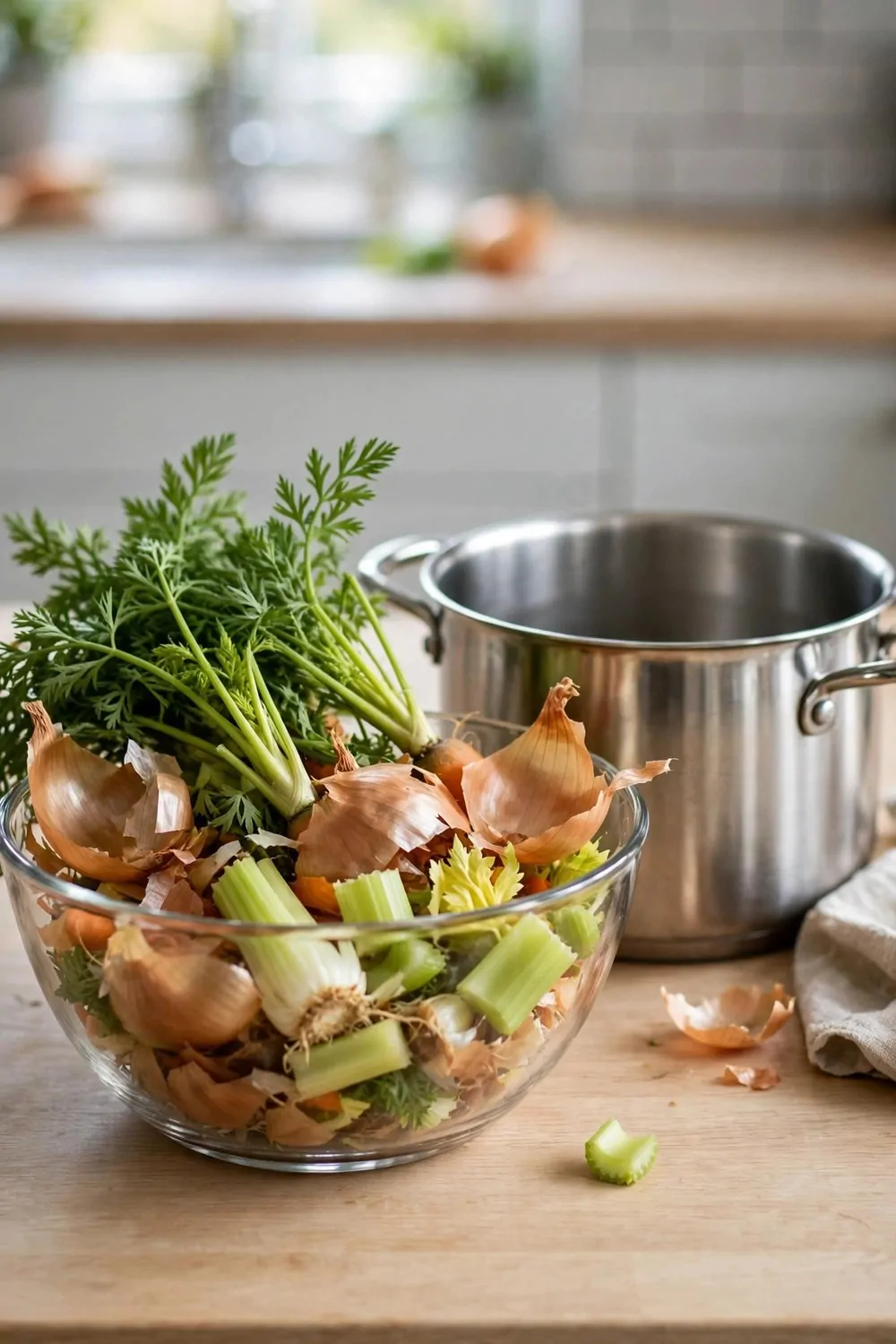
Onion skins, carrot tops and celery ends used to go straight in my bin.
Now I keep a tub in the freezer and drop clean scraps in as I cook.
When the tub is full I tip the scraps into a pot, cover them with water and simmer them gently.
After about an hour I strain the liquid through a plain sieve into jars.
The stock smells warm and fresh, and it makes plain rice taste much better.
I let the jars cool on the counter before I put lids on and slide them in the fridge.
One batch gives me enough stock for soups and stews for days.
Use it within a few days, or freeze it in small pots for later.
Typical cost $3 to $8.
14. A Freezer List on the Fridge Door
My freezer used to hide food at the back until it was too old to use.
Stick a sheet of paper on the fridge door and write down everything inside the freezer.
Each time you add a bag, write its name and the date on the list.
When you take something out, cross it off with one quick line.
A list like this shows you at a glance what to cook first, so nothing gets lost for months.
I check it before I shop, and I buy less because I can see what I already have.
Keep a pen beside the list so you can add to it at once.
My kids like ticking things off the list when they help me put shopping away.
Typical cost $2 to $7.
15. Glass Bottles for Water and Juice
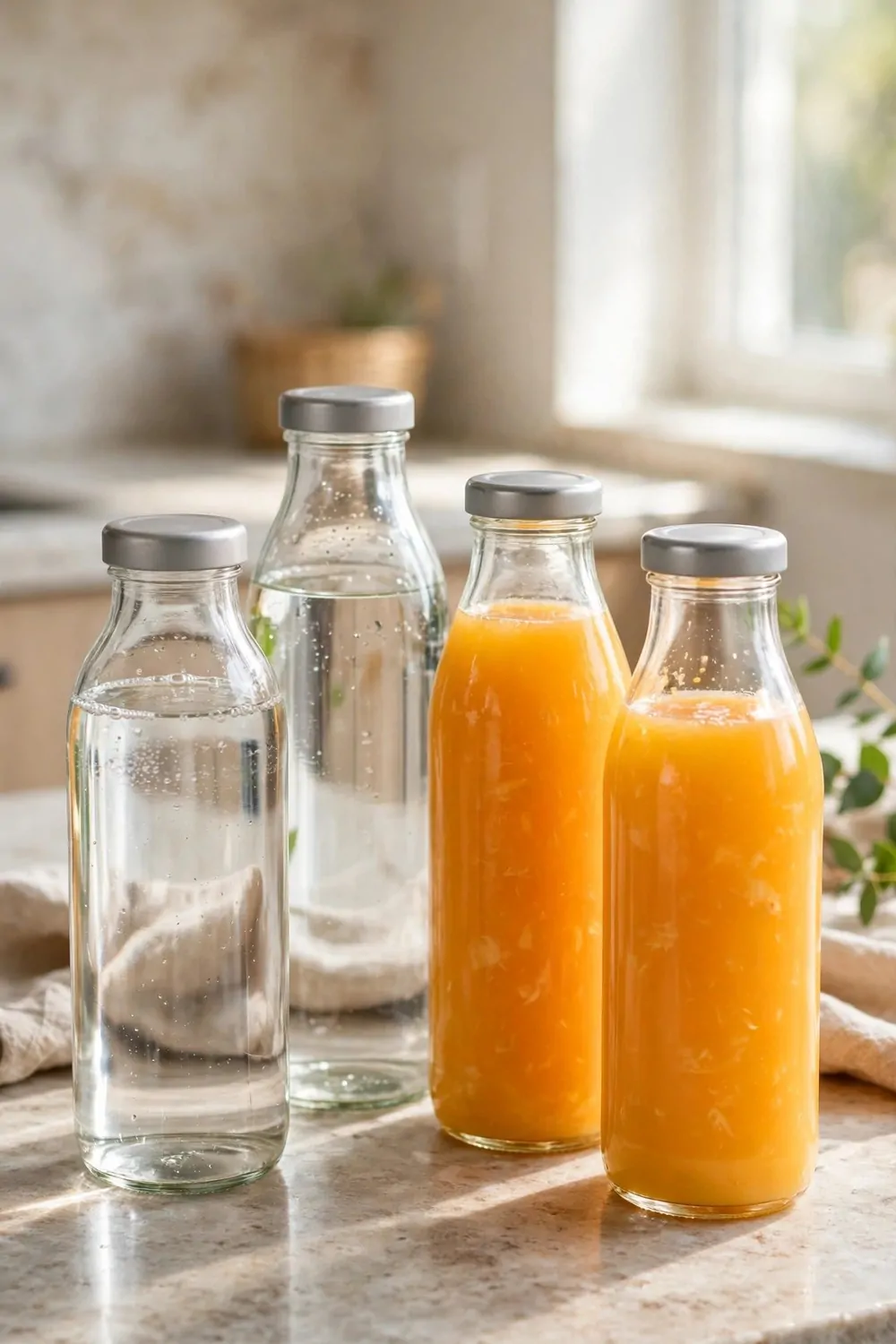
I stopped buying water in throwaway bottles and switched to glass ones I refill.
Glass does not hold smells, so my water tastes clean every time I fill it.
I keep one bottle on the table for meals and one in the fridge for cold water.
For juice I pour it into a smaller glass bottle with a snug lid and keep it cold.
The bottles wash easily with warm soapy water and a long brush.
I dry them upside down on a rack so no water sits inside.
A bottle with a wide mouth is easier to fill and clean, so I look for that shape.
Take a filled bottle with you when you go out and you will skip buying a drink on the way.
Typical cost $8 to $20.
16. A Small Bin for Soft Plastics to Recycle
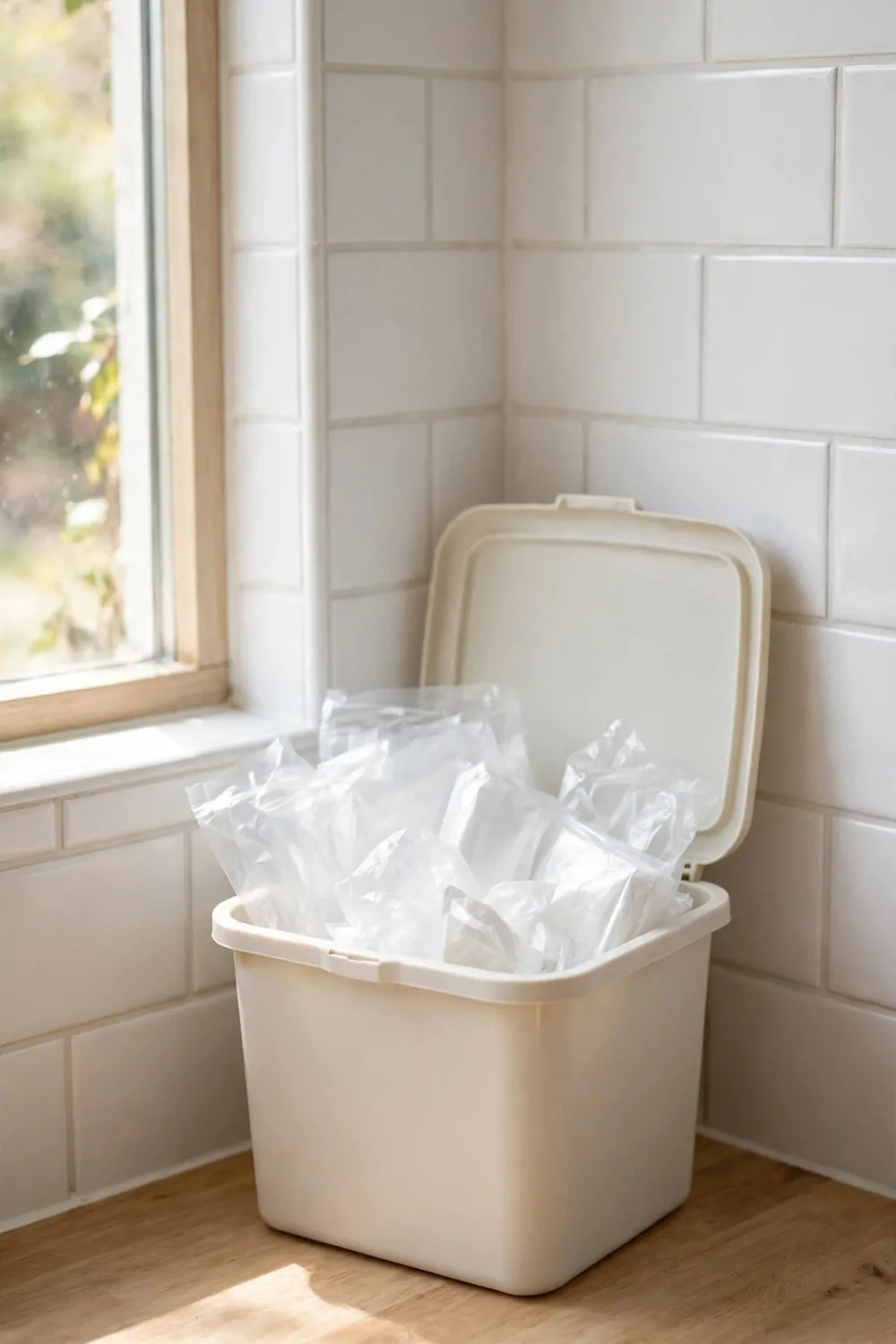
Soft plastic wraps and bags piled up in my kitchen because I had nowhere to put them.
I set a small bin by the back door just for soft plastics, and now they have a home.
Bread bags, clean wrap and carrier bags all go in the bin once they are empty and dry.
I give each bag a quick shake so no crumbs stay inside before I drop it in.
When the bin fills up I tie the bags together and take them to the collection point.
The bin is small on purpose, so I notice quickly when it needs emptying.
My family learned fast what goes in, because the bin sits right where we unpack shopping.
Keeping these plastics apart means less rubbish in my main bin each week.
Typical cost $4 to $12.
17. Baking Soda and White Vinegar for Simple Cleaning
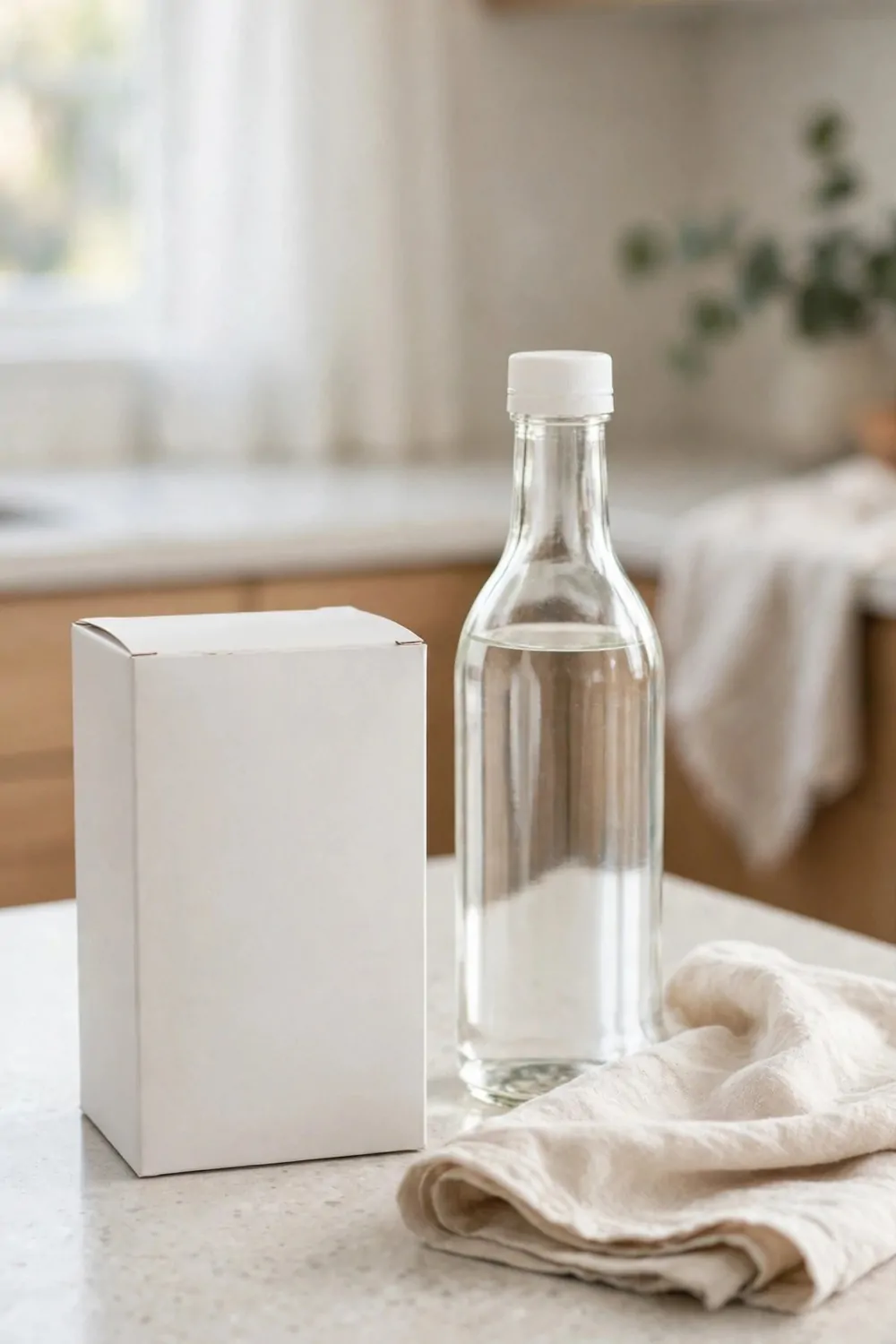
Two plain kitchen staples handle most of my cleaning, and I keep them under the sink.
For scrubbing I mix baking soda with a little water into a thick paste.
I spread the paste on the hob or the sink, leave it a few minutes, then rub it off with a damp cloth.
For wiping I mix white vinegar with water in a bottle and use it on worktops and tiles.
The vinegar water cuts grease well, and I wipe it dry with a clean cloth after.
I never mix the two together as a cleaning solution, because each one works best on its own.
For the drain I use the baking soda and vinegar fizz, then rinse it through with hot water.
The sink smells fresh after, and the drain runs clear again.
Typical cost $3 to $9.
18. A Mending Kit for Cloths and Bags
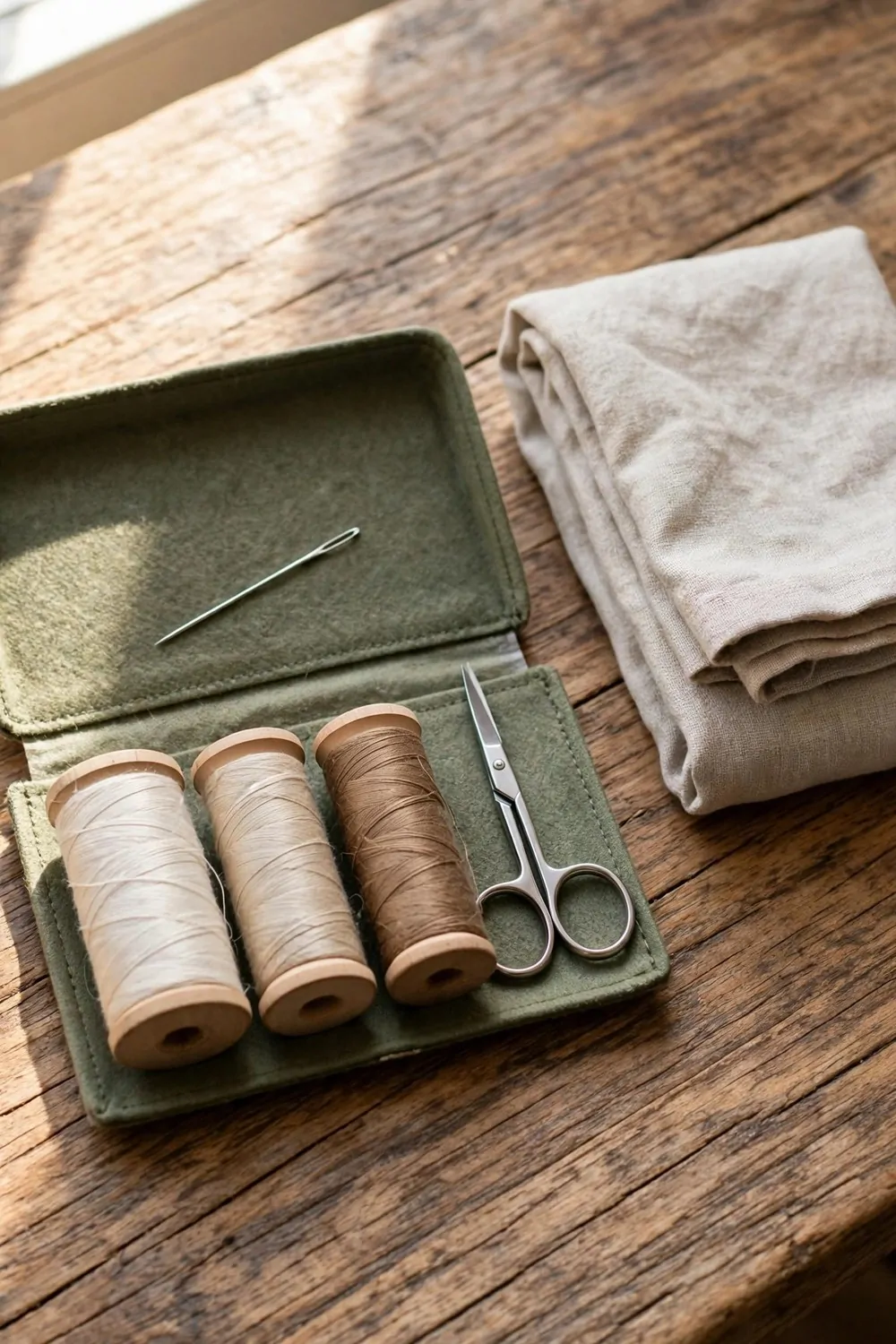
A small tear used to mean a cloth or bag went in the bin.
Now I keep a mending kit close by, and I fix things in a few minutes.
The kit holds needles, thread in a few plain colours and small scissors.
When a seam splits I stitch it closed with neat small stitches along the old line.
A loose button takes one minute to sew back on, and the bag feels new again.
I patch thin spots on cloths with a scrap of fabric from an old towel.
Fixing things saves money, and it keeps good cloth out of the rubbish.
Keep the kit where you can reach it easily, or the mending will wait forever.
Typical cost $5 to $14.
19. Buying Loose Fruit and Veg
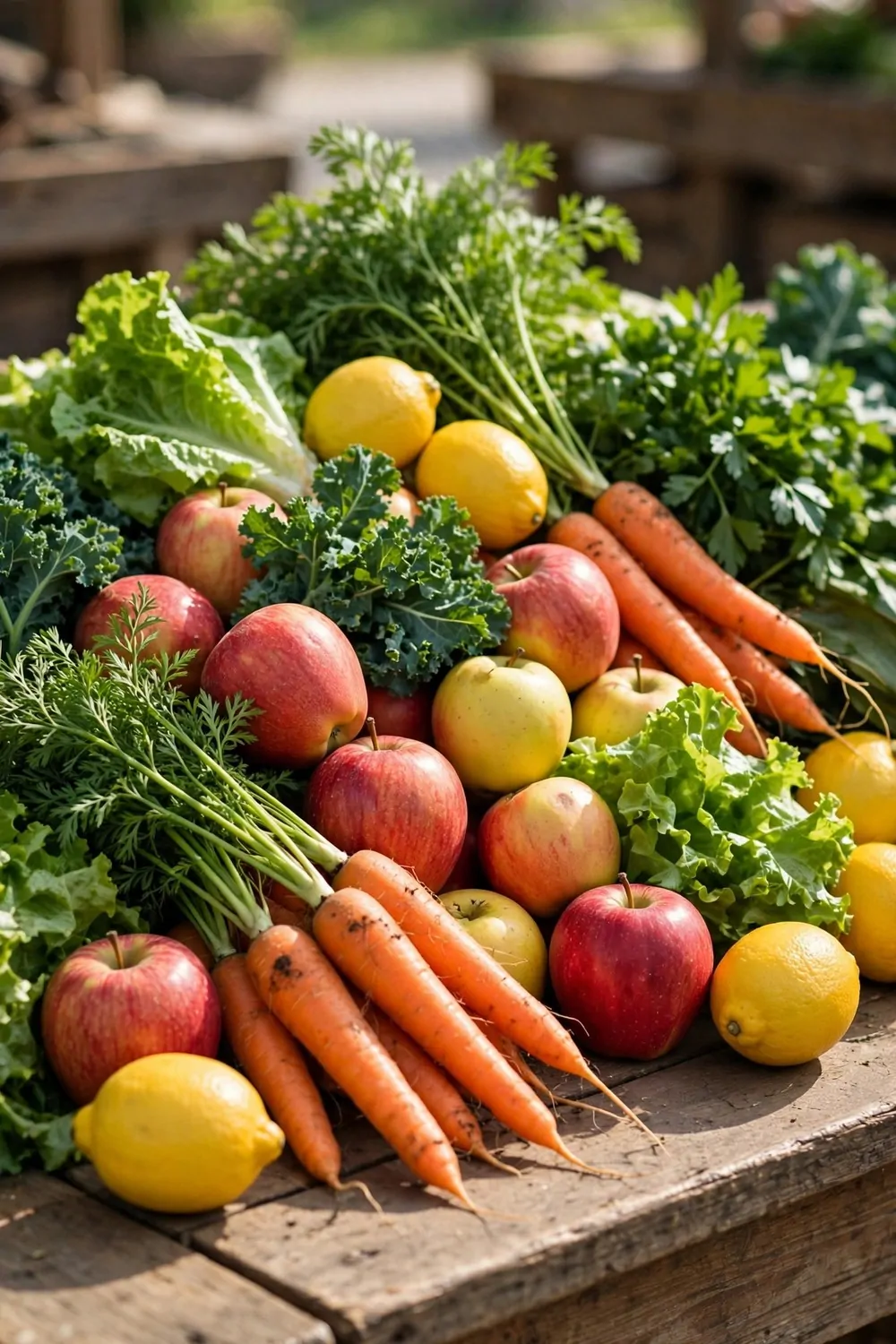
Loose fruit and veg let me buy just what I need, and nothing more.
At the market I pick each apple and carrot by hand and skip the ones I will not use.
Pre-packed bags often hide one soft piece at the bottom, and that piece ends up wasted.
Loose shopping means I can buy two carrots for soup instead of a whole bag of ten.
I carry my own cloth bags, so the loose items stay clean on the way home.
Weighing them at the till takes only a moment, and I pay for what I picked.
My fridge stays tidy because I only bring home food I have a plan for.
You need no new gear for this one, just the habit of choosing loose over packed.
Typical cost $0 to $5.
20. A Meal Plan on the Fridge
Dinner used to be a daily guess, and the guess often ended with a takeaway box.
Write the week meals on a sheet stuck to the fridge door.
On Sunday I look in the cupboards and the fridge, then I pick seven simple meals.
Write each meal next to its day, so everyone knows what is coming.
Plan around what you already have first, like the rice and the beans at the back.
Shopping is quicker because my list comes straight from the plan.
Leftovers get a spot on the plan too, so they get eaten instead of pushed aside.
When a day runs late I swap two meals around, and the week still works.
Typical cost $2 to $8.
| Idea | Main change | Typical cost |
|---|---|---|
| Reusable Produce Bags for Fruit and Veg | Reusable bags for fruit and veg | $6 to $15 |
| A Cloth Towel Roll Instead of Paper Towels | Cloth towel roll instead of paper towels | $8 to $18 |
| Saving Veggie Scraps for Stock | Saving veggie scraps for stock | $3 to $8 |
| A Freezer List on the Fridge Door | Freezer list on the fridge door | $2 to $7 |
| Glass Bottles for Water and Juice | Glass bottles for water and juice | $8 to $20 |
| A Small Bin for Soft Plastics to Recycle | Small bin for soft plastics to recycle | $4 to $12 |
| Baking Soda and White Vinegar for Simple Cleaning | Baking soda and white vinegar for simple cleaning | $3 to $9 |
| A Mending Kit for Cloths and Bags | Mending kit for cloths and bags | $5 to $14 |
| Buying Loose Fruit and Veg | Buying loose fruit and veg | $0 to $5 |
| A Meal Plan on the Fridge | Meal plan on the fridge | $2 to $8 |
| Total | $41 to $116 |
21. Reusing Jars for Leftovers
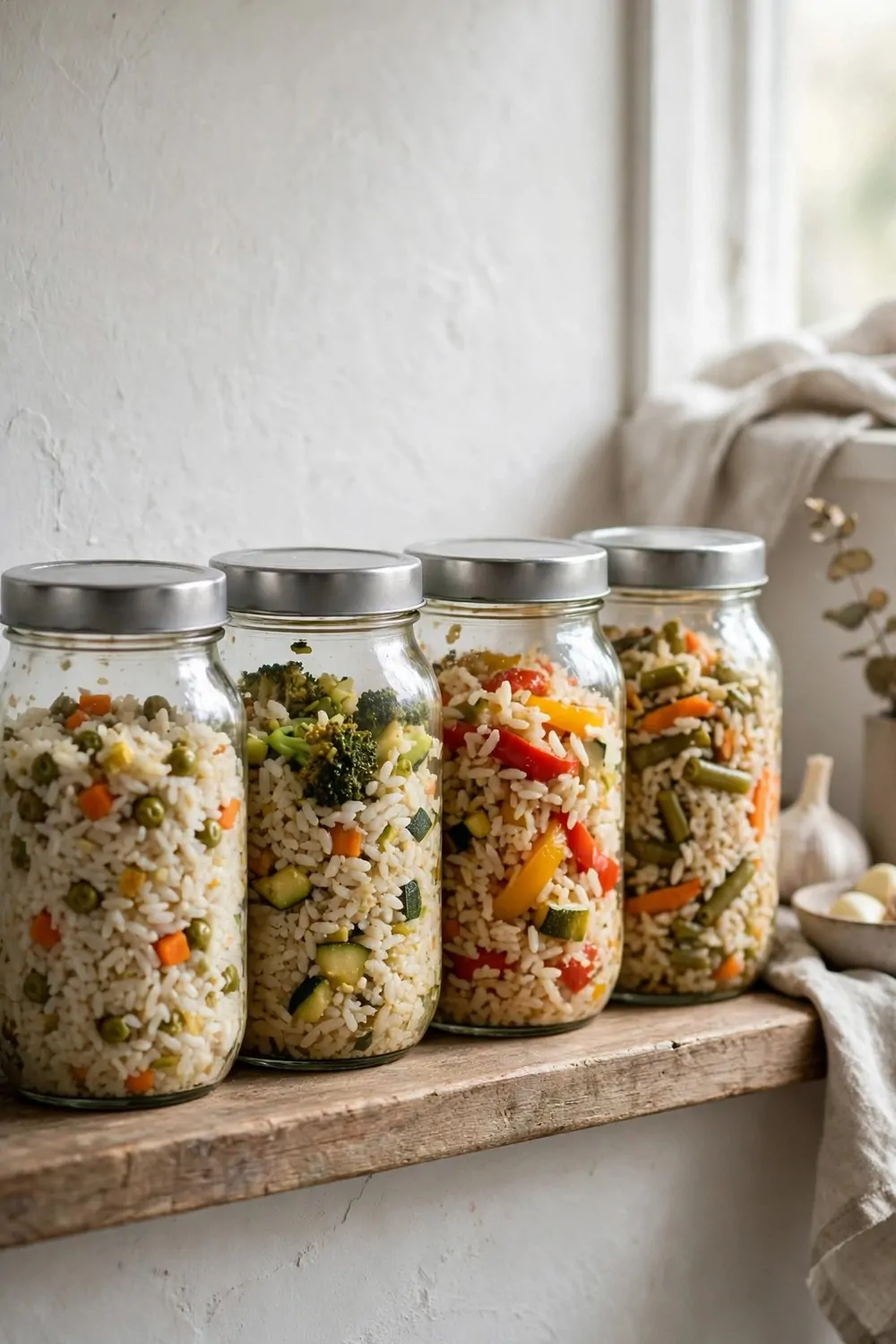
I keep every clean glass jar from jam and pickles.
Leftovers go straight into a jar after dinner, and I press the lid on tight so the food stays fresh in the fridge.
A clear jar shows me what is inside at a glance.
You can write the date on a small paper tag and tie it round the neck. It takes ten seconds and saves guesswork later.
Small jars suit sauces and cut fruit for lunch boxes, while big jars suit soup and rice for the next day.
I wash each jar with plain soap and warm water.
Glass does not hold smells the way old tubs did, so my jars still smell clean after months of use.
Typical cost $0 to $4.
Start with three jars and see how fast they earn their shelf space. You may find you never buy tubs again.
22. A Natural Sponge for Washing Up
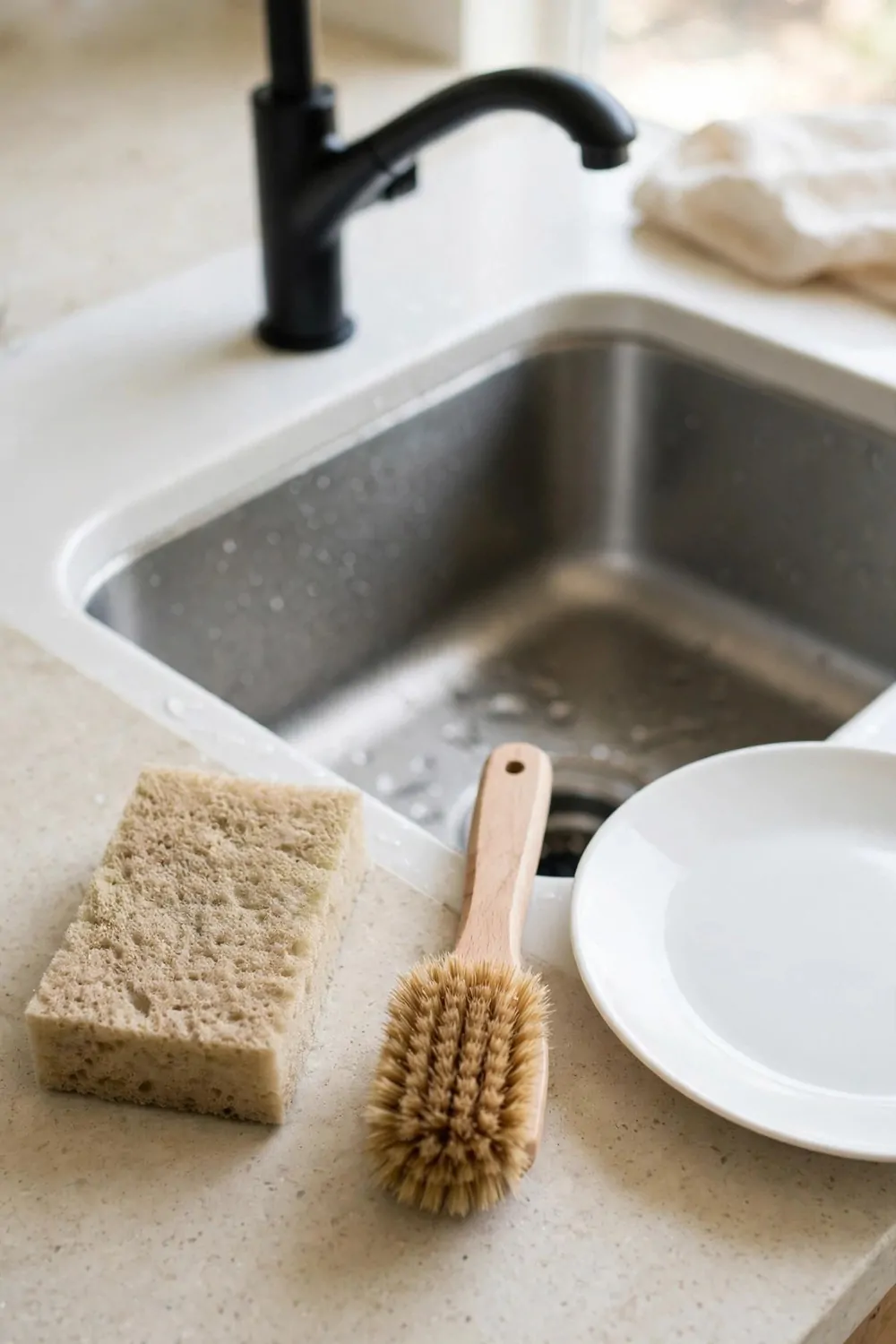
I swapped my throwaway sponge for a natural one.
A damp natural sponge lifts grease from pans with a drop of plain soap, and I rinse it well and hang it to dry.
It soaks up wash water fast and rinses clean in seconds.
It suits glasses and baked-on food alike, so one sponge does both jobs.
I keep two in rotation so one is always dry and clean.
When one goes in the wash, the other takes its place, and a quick boil in a pot of water freshens it up once a week.
It dries fast by the sink and never smells stale.
Typical cost $3 to $7.
Try one natural sponge for a week and watch how little trash your sink makes. It is a small swap with a big payoff.
23. Growing Spring Onions from Scraps
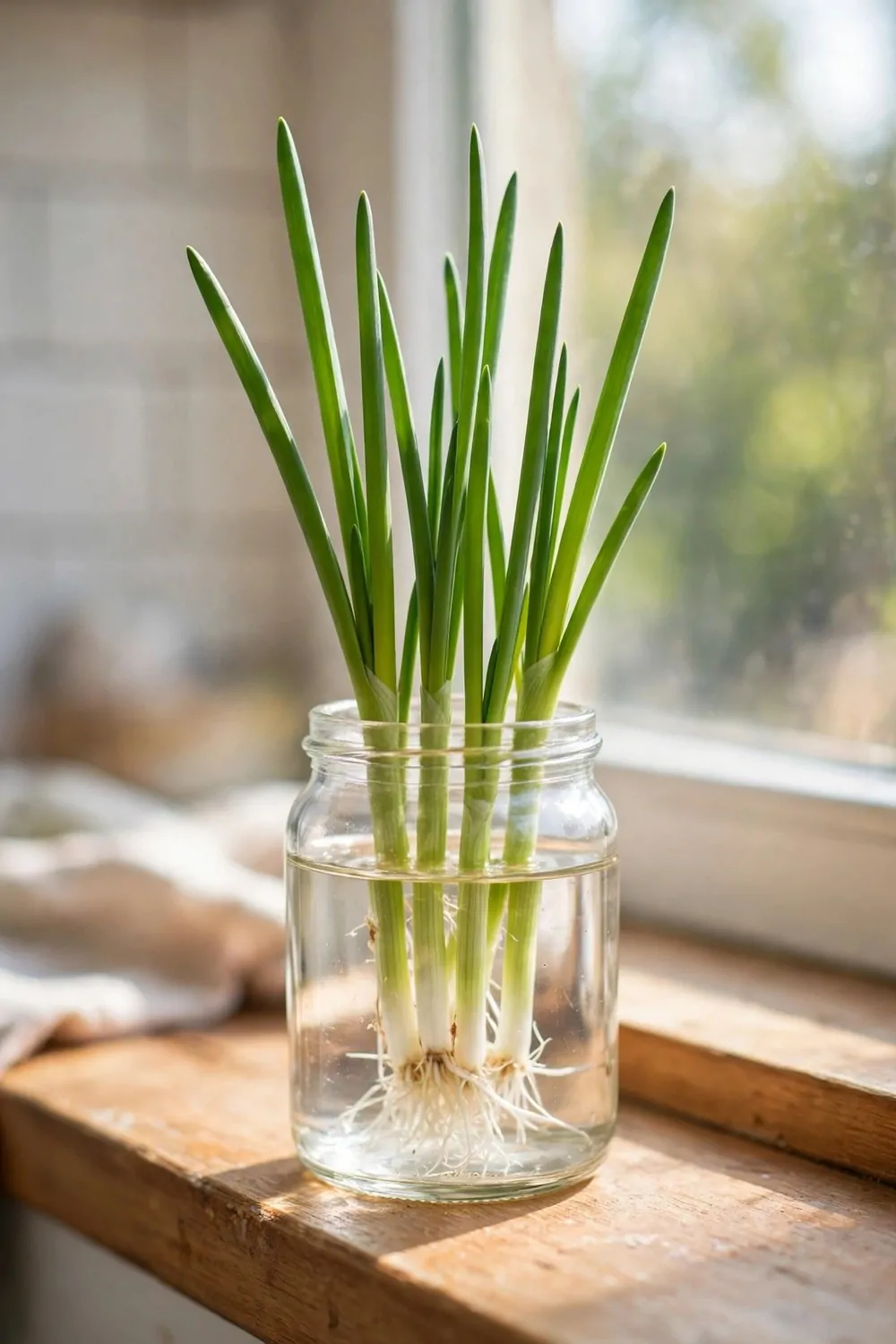
I save the white roots of spring onions after I chop the green tops.
They grow again in a glass of water on my sill, and new green shoots poke up in a few days.
I snip what I need and leave the rest to keep growing.
One bunch can give me greens for weeks if I change the water every two days so it stays fresh.
A sunny windowsill works best for fast growth.
My jar sits next to the sink where I see it each morning, and I top the water up when the level drops low.
When the roots look long and strong, I plant them in a pot of soil.
Typical cost $0 to $2.
Save your next bunch of roots and give it a try. It feels good to grow food from something you nearly threw away.
24. A Small Herb Drying Rack
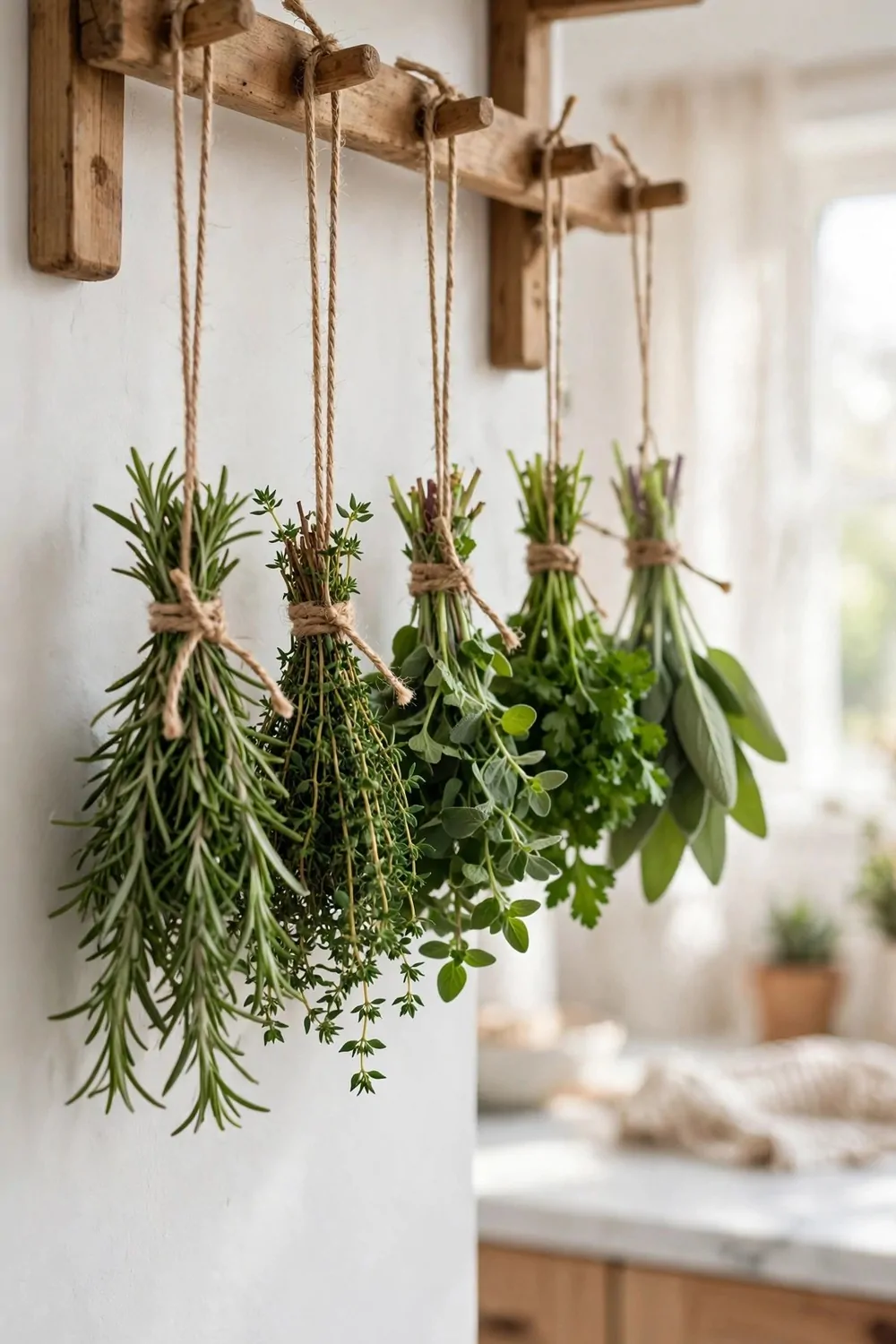
I hang fresh herbs on a small rack near my window.
They dry in the air and keep their smell for months, and I tie small bunches with plain string and hang them upside down.
Air moves round them and they dry even and neat.
Rosemary, thyme, and parsley all dry well this way.
I pick them in the morning when the leaves feel dry, and a wooden rack with pegs holds plenty of bunches.
The pegs hold each bunch apart, so every bunch dries on its own.
Keep the rack out of damp steam from the cooker, because dry air keeps the leaves green and full of scent.
Typical cost $6 to $12.
Dry one bunch this week and taste the difference in your cooking. Herbs dried at home beat a stale jar from the shop.
25. Storing Bread in a Cloth Bag
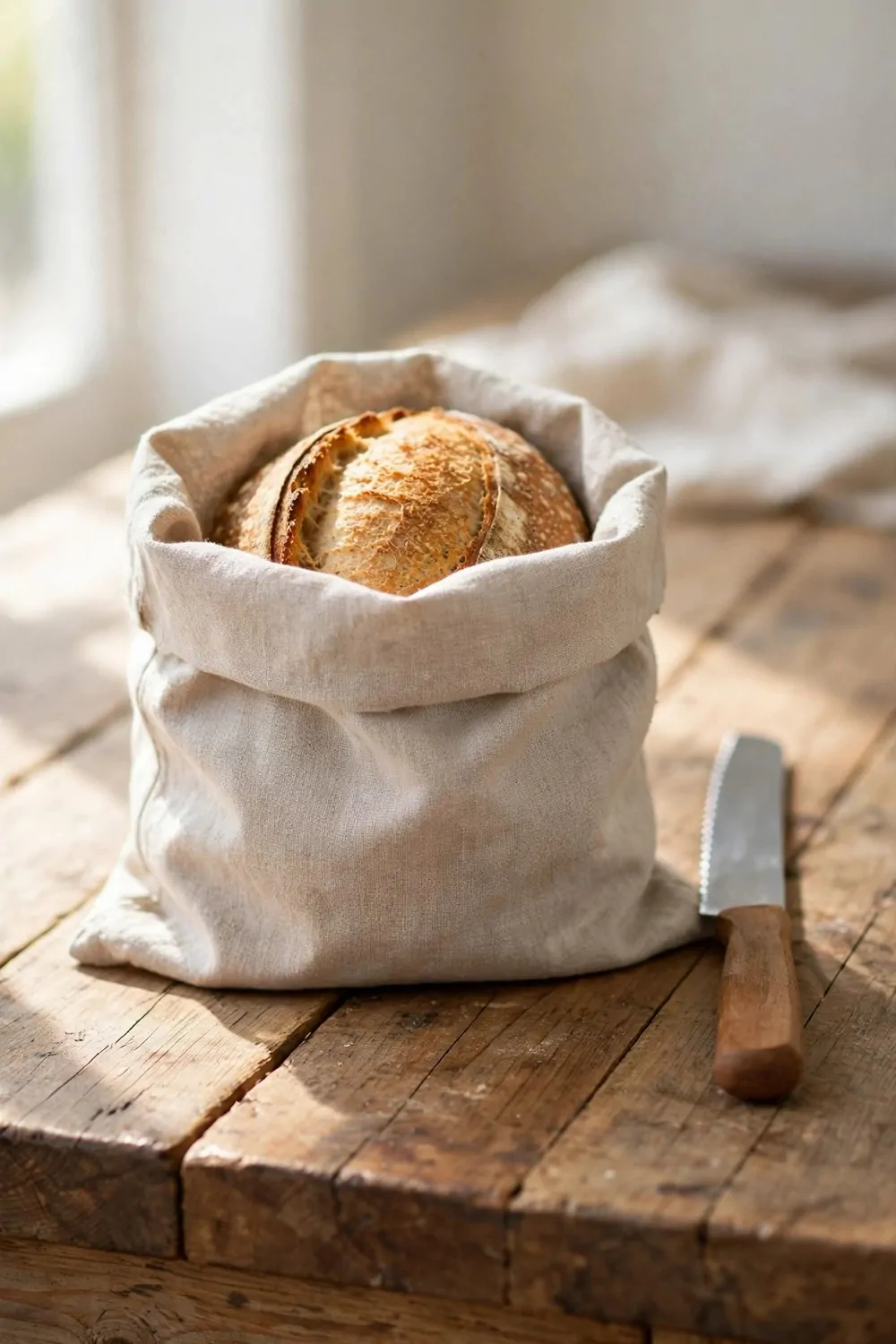
I keep my loaf in a plain cloth bag on the counter.
It stays soft inside and the crust keeps a light crunch, because a cloth bag lets the bread breathe a little.
Plastic bags trap damp air and make the crust go soft.
I shake the crumbs out of the bag each morning.
A quick shake keeps it fresh and clean for the next loaf, and I wash the bag with plain soap when it looks dusty.
Hang it in the sun and it dries in an hour.
A fold at the top keeps the bag shut tight and stops the bread from drying out too fast.
Typical cost $4 to $8.
Try a cloth bag for your next loaf and feel the crust stay crisp. It is a simple swap that cuts a lot of wrap.
26. A Water Filter Jug on the Counter
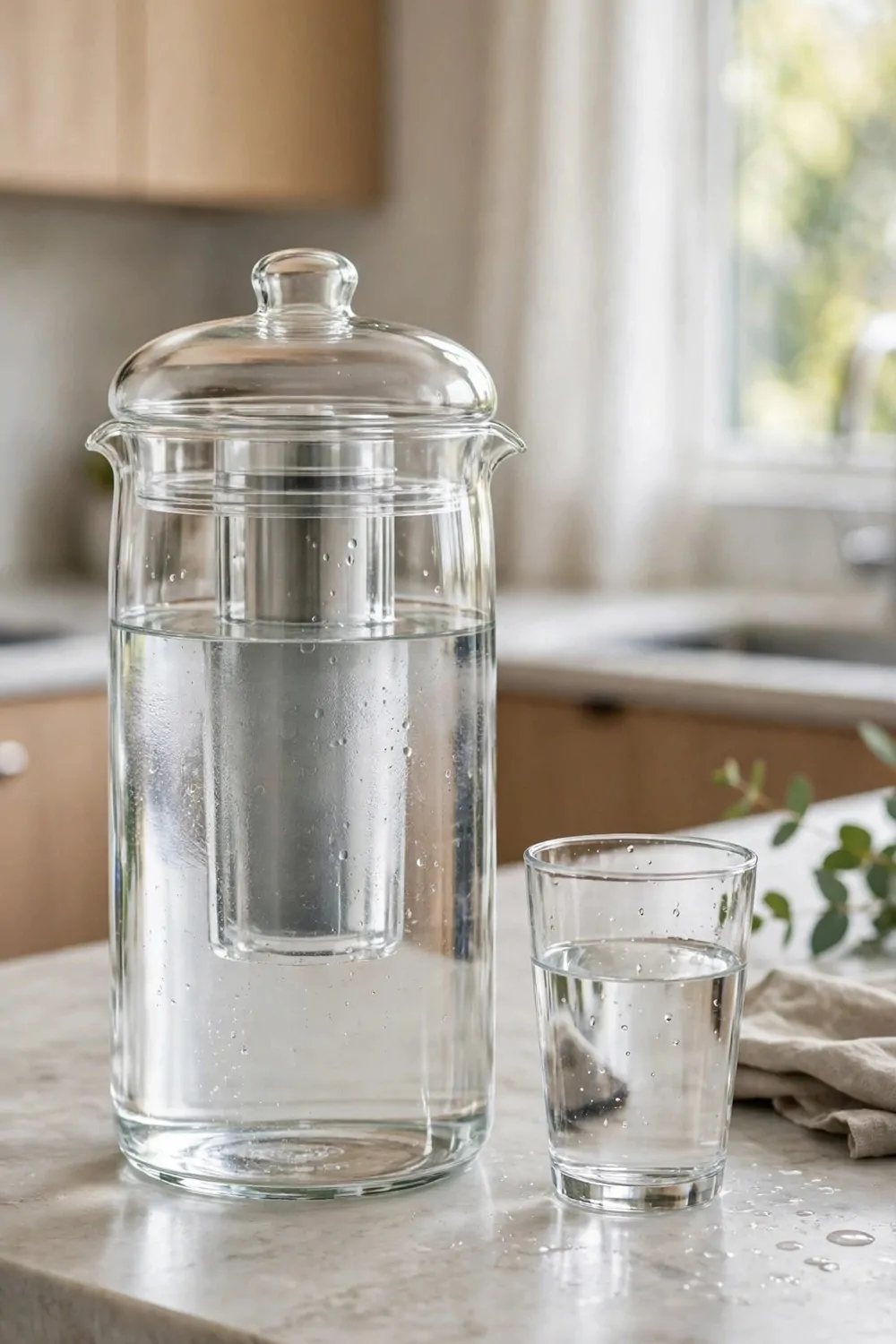
I fill a filter jug each morning and keep it on the counter.
Cold, clean water is always there when I want a drink, and the jug takes out the odd taste from tap water.
My tea and cooking water taste better from it too.
I wash the jug with plain soap and warm water each week.
A clean jug keeps the water tasting fresh, and I change the filter when the jug tells me it is time.
Most jugs have a small dial or light for this.
One jug saves me from buying lots of bottles, so my bin has far less plastic in it now.
Typical cost $12 to $22.
Put a jug on your counter this week and count the bottles you skip. Your bin will thank you for it.
27. Freezing Bread Ends for Crumbs
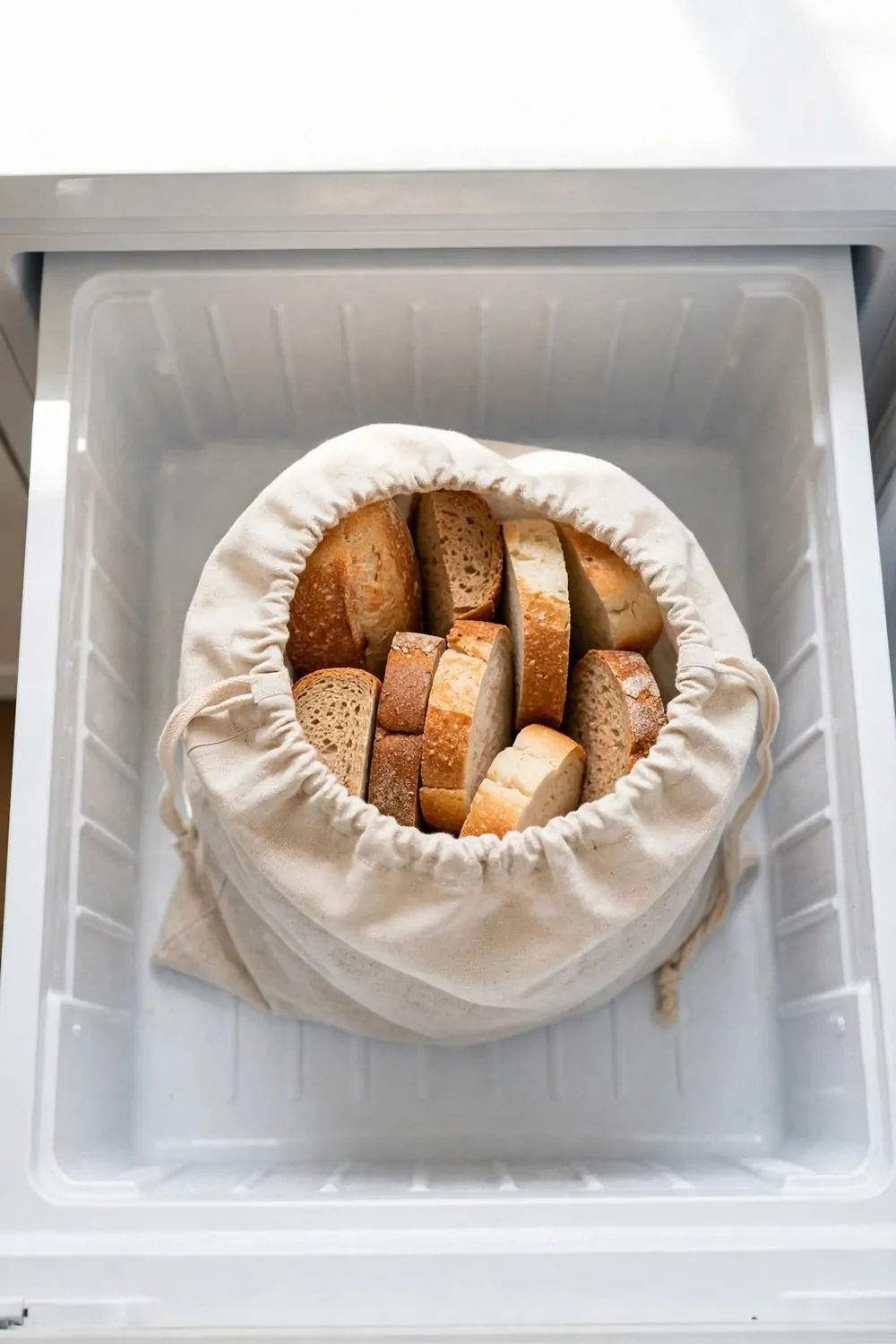
I toss bread ends and stale crusts into a bag in the freezer.
They pile up slow and cost me nothing at all, and when the bag is full, I blitz the frozen bits into crumbs.
A few short pulses make a coarse crumb that works well.
I keep the crumbs in a jar in the freezer so they stay fresh.
They last for weeks without going stale, and I sprinkle them over pasta bakes for a crisp top.
They turn golden in the oven and add a nice crunch.
You can also use them to coat fish cakes, because they stick well and fry up crisp and light.
Typical cost $0 to $3.
Save your next crusts instead of binning them. A jar of free crumbs is a small win for a zero-waste kitchen.
28. A Small Basket for Odd Bits by the Sink
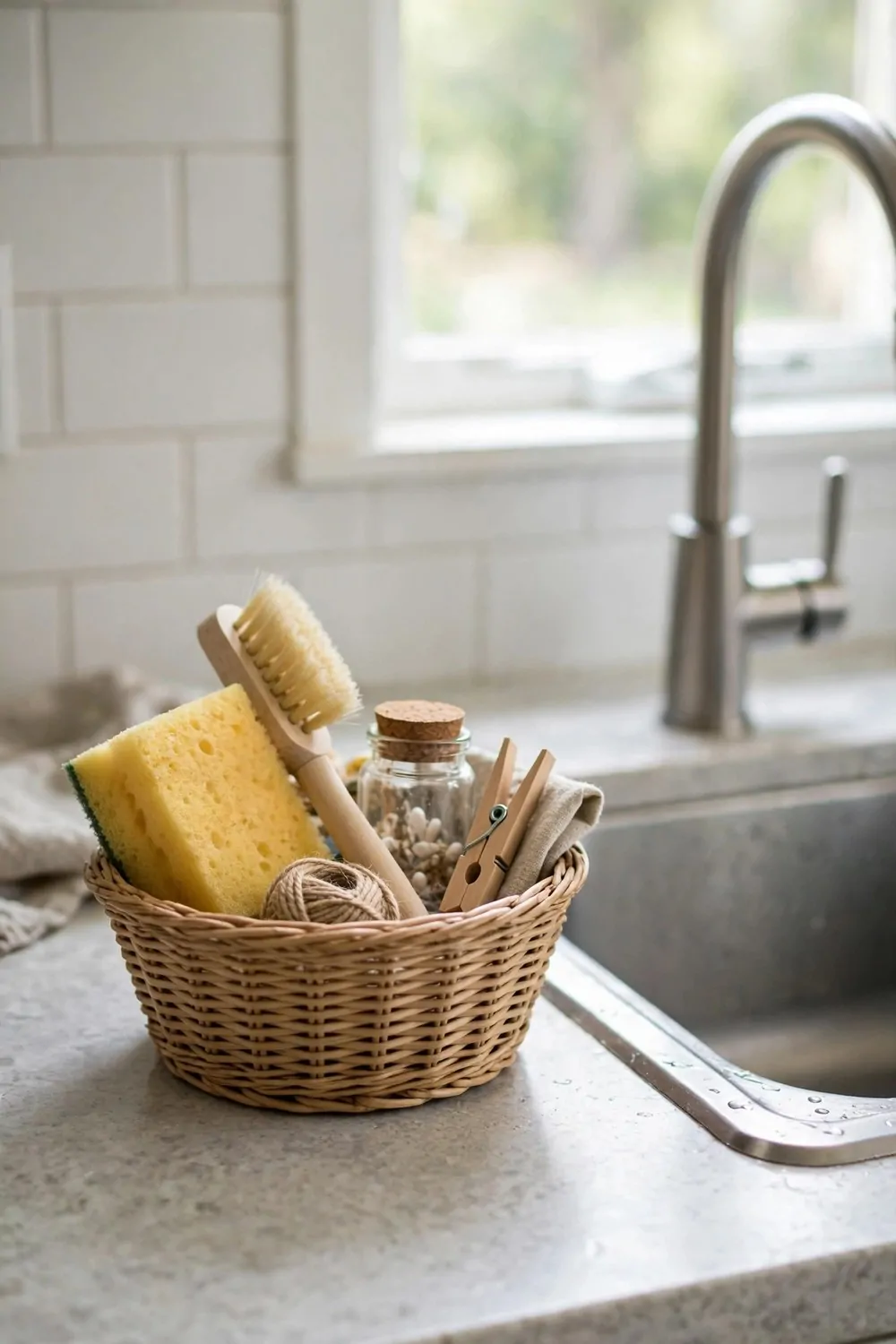
I keep a small basket by the sink for odd bits.
Lids, clips, and spare pegs all have a home now, and loose bits used to drift round my drawers and get lost.
Now I drop them in the basket and find them in seconds.
A woven basket looks soft and warm next to the tap.
It suits the kitchen far better than a plastic tub, and I sort the basket once a week and put things back where they belong.
It takes two minutes and keeps the sink clear.
Small jars and tubs can sit in the basket too.
Typical cost $4 to $9.
Set a basket by your sink today and watch the clutter shrink. One small spot for odd bits keeps the whole counter calm.
29. A Small Zero-Waste Kitchen Kit
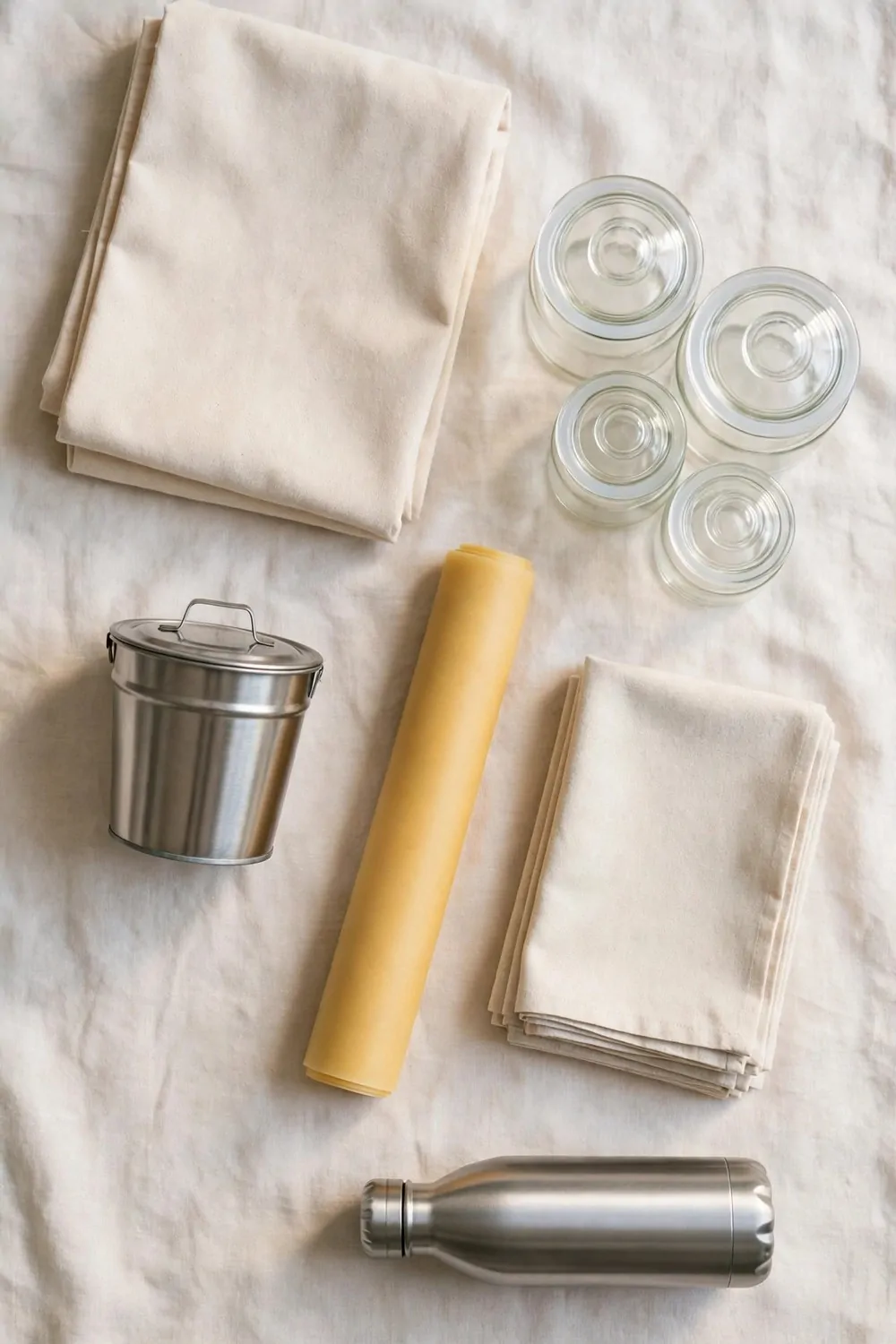
A cloth shopping bag is the first piece of my kit. I fold it small and keep it by the door so I never forget it.
A set of glass storage jars holds my dry food in clear view. Rice, oats, and lentils all sit neat in a row.
A roll of beeswax wrap covers bowls and wraps lunch with no throwaway film. I wash it in cool water and use it again.
A small compost caddy sits under my sink for food scraps. I empty it often so it never smells.
A pack of cloth napkins replaces paper ones at my table. I wash them with my towels and they come out soft.
A metal water bottle goes with me when I leave the house. It keeps water cool and I refill it all day.
Typical cost $5 to $9 for the cloth shopping bag, $8 to $14 for the set of glass storage jars, $6 to $10 for the roll of beeswax wrap, $7 to $12 for the small compost caddy, $4 to $8 for the pack of cloth napkins, and $8 to $13 for the metal water bottle, for a total of $38 to $66.
I keep the whole kit in one basket by the door. When all six pieces sit together, I grab them without thinking.
Pick one piece of this kit to start with, add the rest as you go, and enjoy a kitchen that wastes less and feels lighter each day.
| Idea | Main change | Typical cost |
|---|---|---|
| cloth shopping bag | Carry shopping in a cloth bag | $5 to $9 |
| set of glass storage jars | Store dry food in clear glass jars | $8 to $14 |
| roll of beeswax wrap | Wrap food in washable beeswax cloth | $6 to $10 |
| small compost caddy | Collect food scraps in a small caddy | $7 to $12 |
| pack of cloth napkins | Wipe hands and laps with cloth napkins | $4 to $8 |
| metal water bottle | Carry water in a metal bottle | $8 to $13 |
| Total | $38 to $66 |
Keep Reading
If you liked these ideas, you will love these posts too
Each post has more simple ideas you can try at home this weekend.