29 No Spend Challenge Ideas for a Fresh Start

I looked at my purse one morning and saw I had spent cash on things I did not need.
I felt a bit cross with myself. I did not want a hard plan that I would drop in a day.
Here are 29 no spend challenge ideas for a fresh start at home, and the first one needs no cash at all.
I started with one small step at a time, and each step felt easy. You can do the same in your own home, with things you already have.
A fresh start does not need a big change. It just needs a calm plan and a kind word to yourself when a day feels hard.
In this list I share the small ideas that helped me most. I hope one of them helps you feel light and free too.
Pick one idea today and try it with a smile. Small steps add up, and your purse will thank you.
1. Start With One No Spend Day Each Week
One day a week is a soft place to start. You pick the day that suits you best, and you keep the rest of the week as it is.
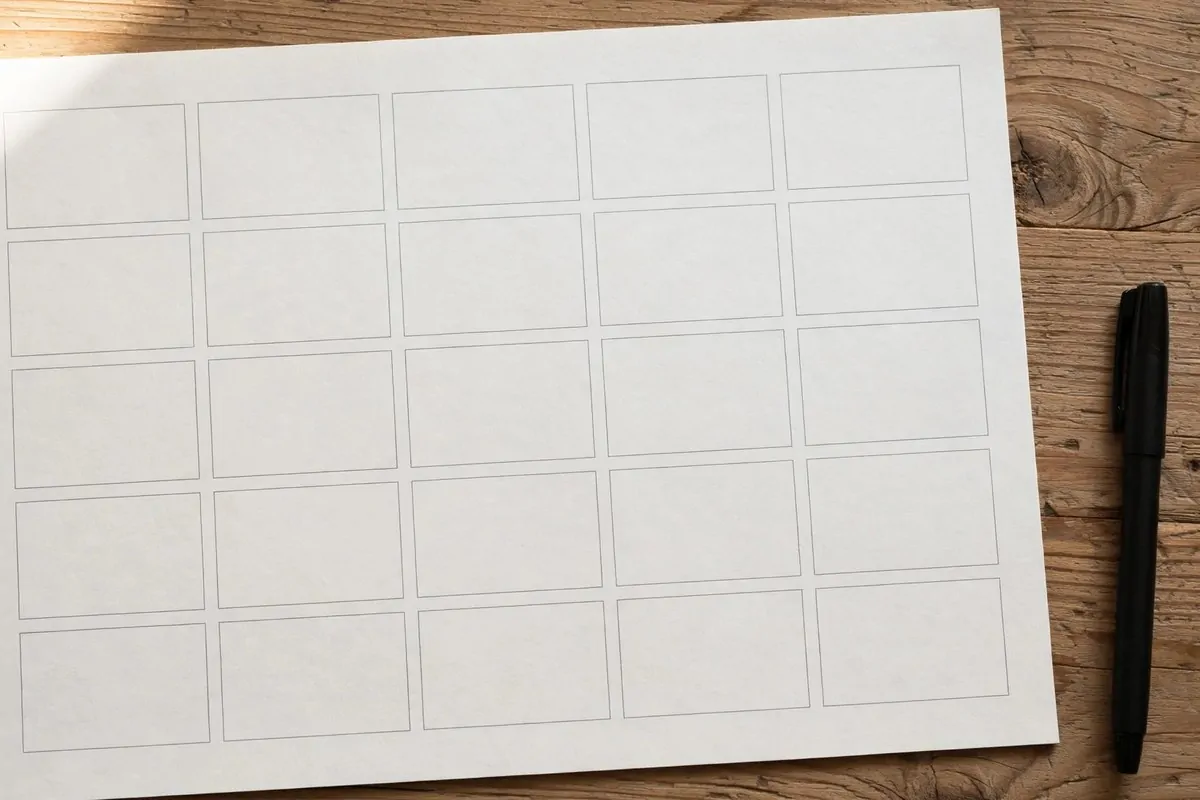
I take a pen and I mark my no spend day on my blank planner page.
The empty boxes give me room to plan my week in a calm way. I look at the days ahead and I choose the quiet one. Then I tell my family, so we all know the plan.
A set day makes the choice easy, and I do not have to think twice.
My plain pen cost $2 to $4.
On that day I stay away from shops and I use what is at home. I cook with food I have, and I find joy in simple things.
If a friend asks me out to a shop, I say a kind no and I plan a free walk instead. I keep my day light and full of home comforts. I end the day proud, and I look forward to the next one.
One day soon grows into a habit you love.
Try it this week and see how it feels. You may find that one day is all you need to start.
2. Make a Simple No Spend List for the Week
A short list keeps my week calm and clear.
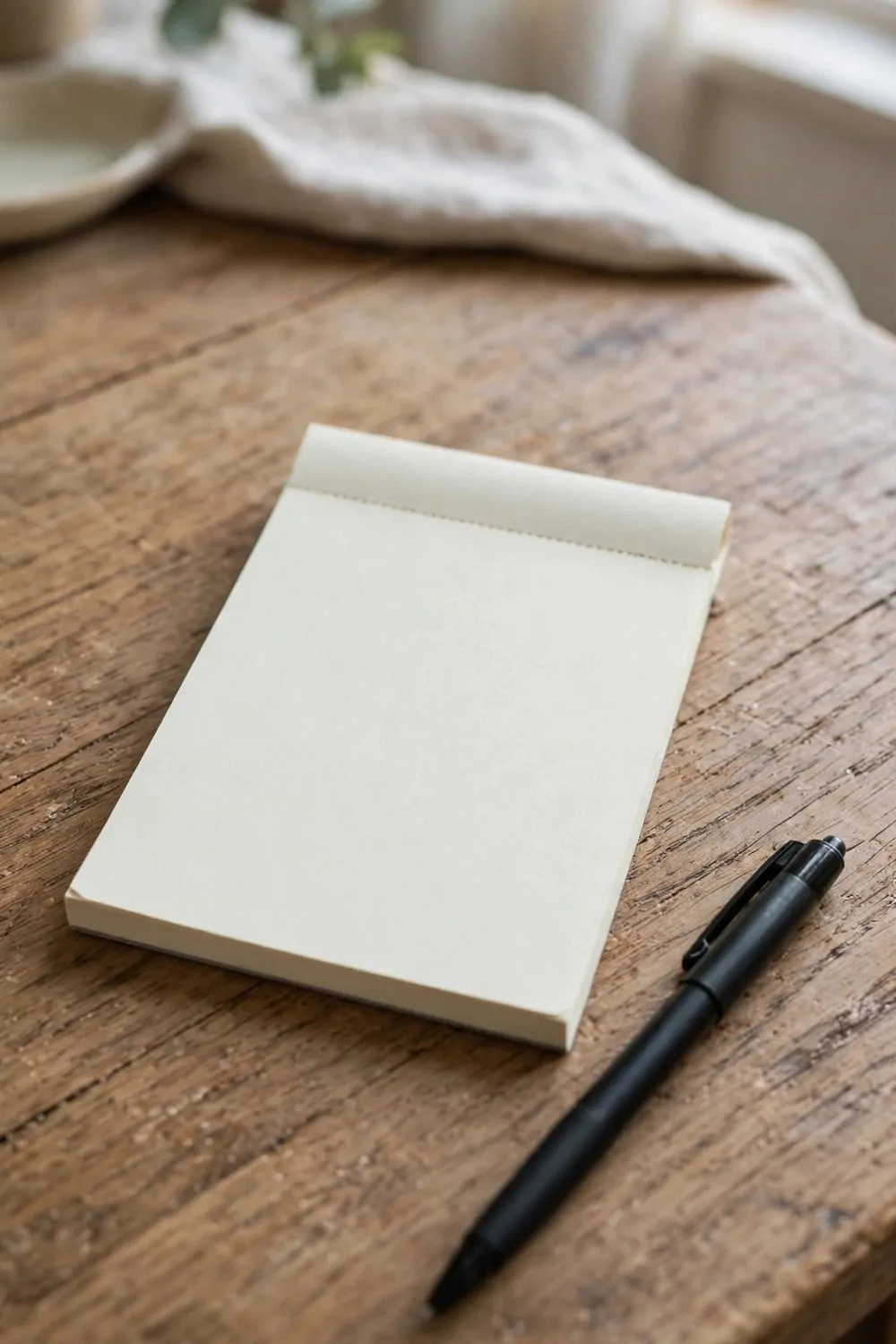
I sit at my kitchen table with a small notepad and a black pen. I think about the days ahead and what I truly need.
I write each need on the notepad, one line at a time.
The list helps me see what I already have at home. It stops me from buying the same thing twice. It also shows me where I can wait and use what is in my cupboard.
I keep the list where I can see it each morning. It reminds me of my plan before I leave the house.
My plain notepad cost $2 to $5.
A list is a kind friend on a busy day.
When I feel like buying a treat, I look at my list first. I ask myself if I need it now or if I can wait a week. Most times I can wait, and I feel glad that I did.
Make your list on a quiet evening. You will start the week with a clear head and a calm purse.
3. Use the Food You Already Have at Home
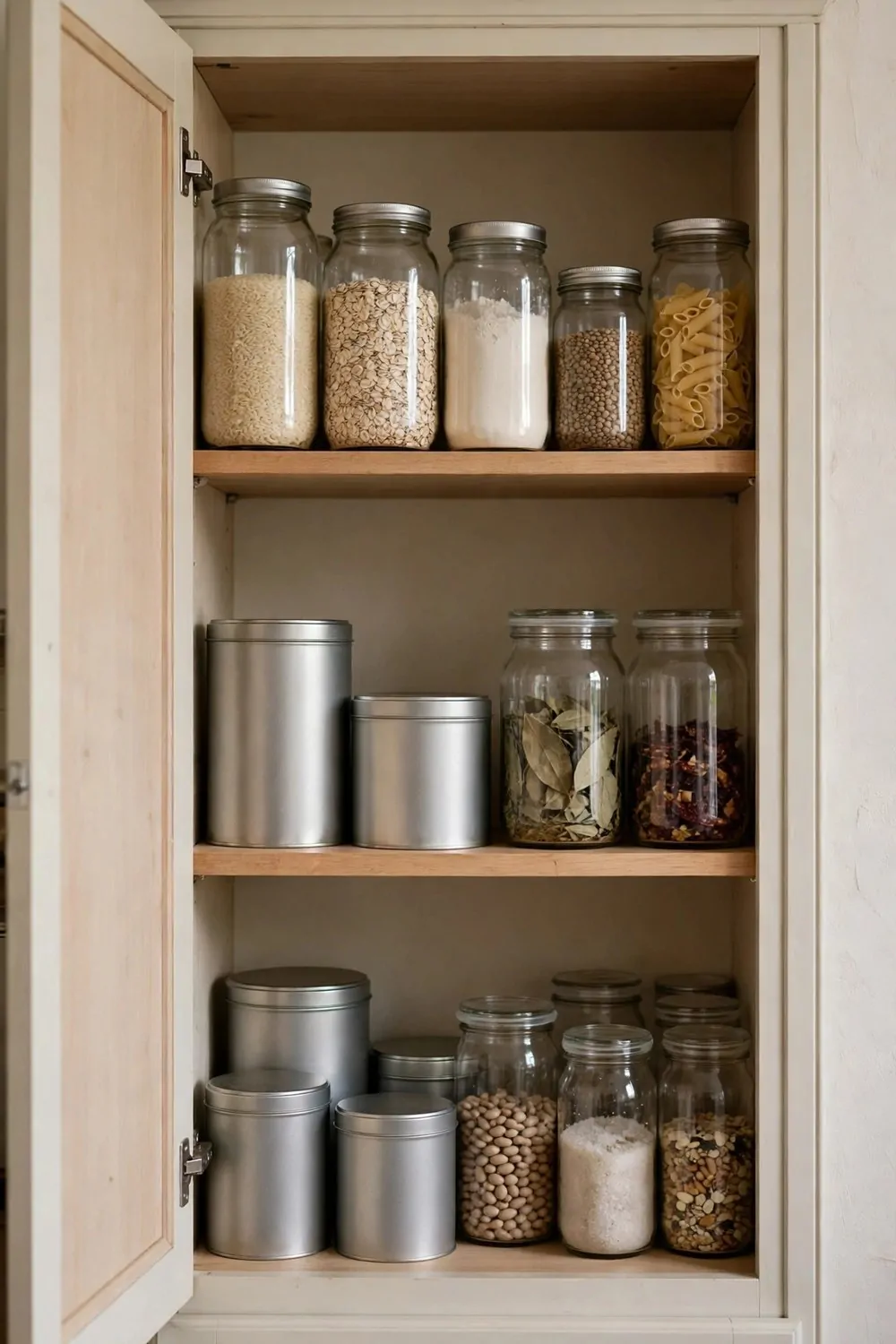
My cupboard holds more food than I think. I open the door and I look at each shelf with fresh eyes. I often find a meal I had not planned at all.
Plain glass jars and plain tins wait on the shelves, ready to use.
I pick one jar and one tin for lunch. I build a meal from what I find, and I feel clever for it.
Food at home costs nothing new, and it tastes just as good.
I move the older jars to the front of the shelf. That way I use them first, and nothing sits too long.
My children like to help me pick the jars for tea. We talk about what we can make with each one. It turns a plain shelf into a fun game for us all.
My plain glass storage jar cost $2 to $4.
Check your shelves before you plan a shop. You may find three meals hiding there already.
Use what you have, and your purse stays full.
4. Cook With What Is in Your Cupboards
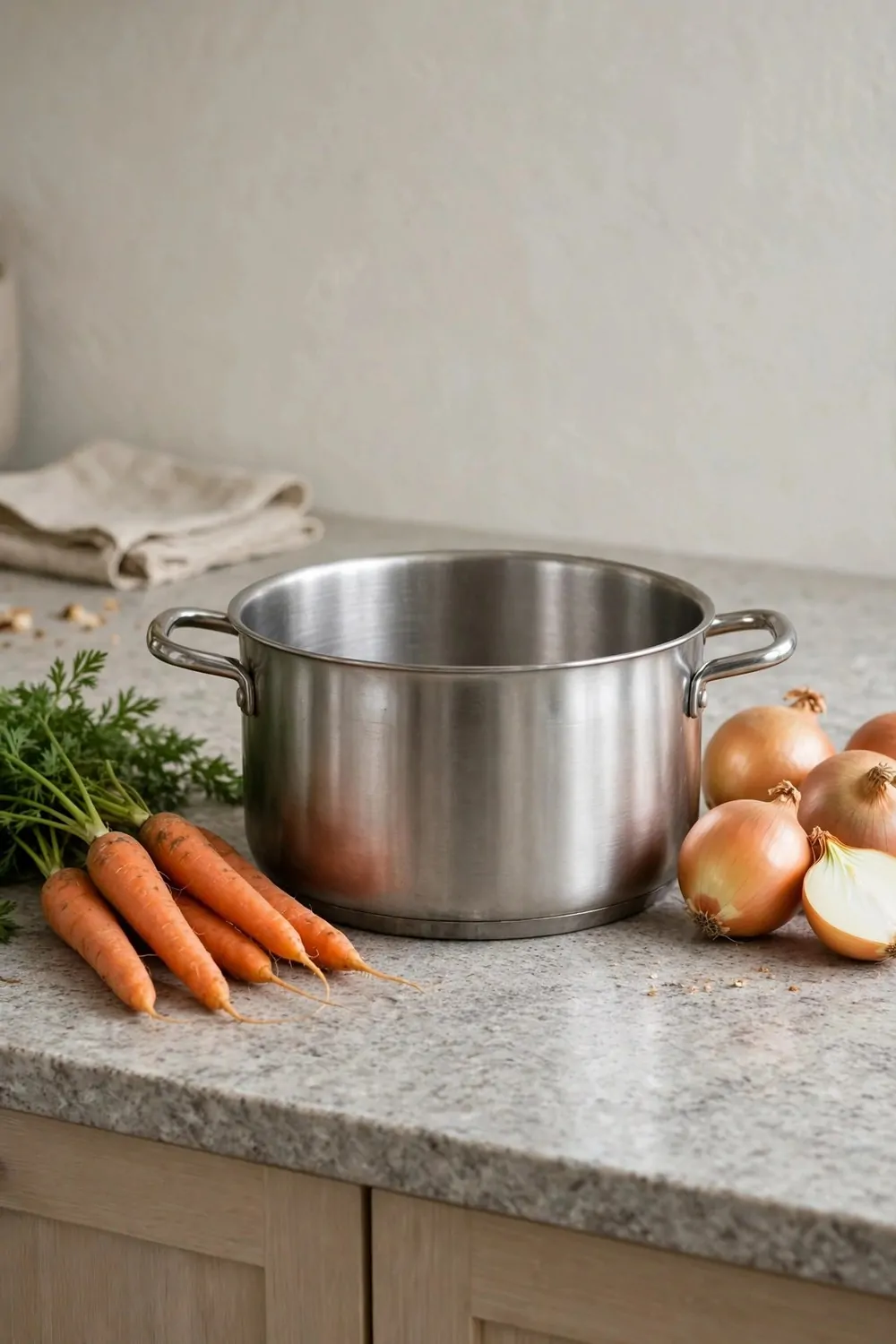
Cooking from my cupboards feels like a small win. I look inside, I pick a few things, and I start to cook.
A plain pot sits on my kitchen counter, ready for a warm meal. I add carrots and onions from my basket. I stir them slow and I let the smell fill the room.
Simple food can be the best food of the day.
I use up bits I might have thrown away. A soft carrot still makes a fine soup, and a spare onion adds a sweet taste.
I cook one pot, and I wash up as I go.
My plain cooking pot cost $4 to $6.
My family sits down to a meal made from what we had. We talk and laugh while we eat. No one knows the meal came from odds and ends.
A cupboard meal saves cash and time.
Try one cupboard meal this week. You will feel proud of the food you made.
5. Drink Water From Home All Day
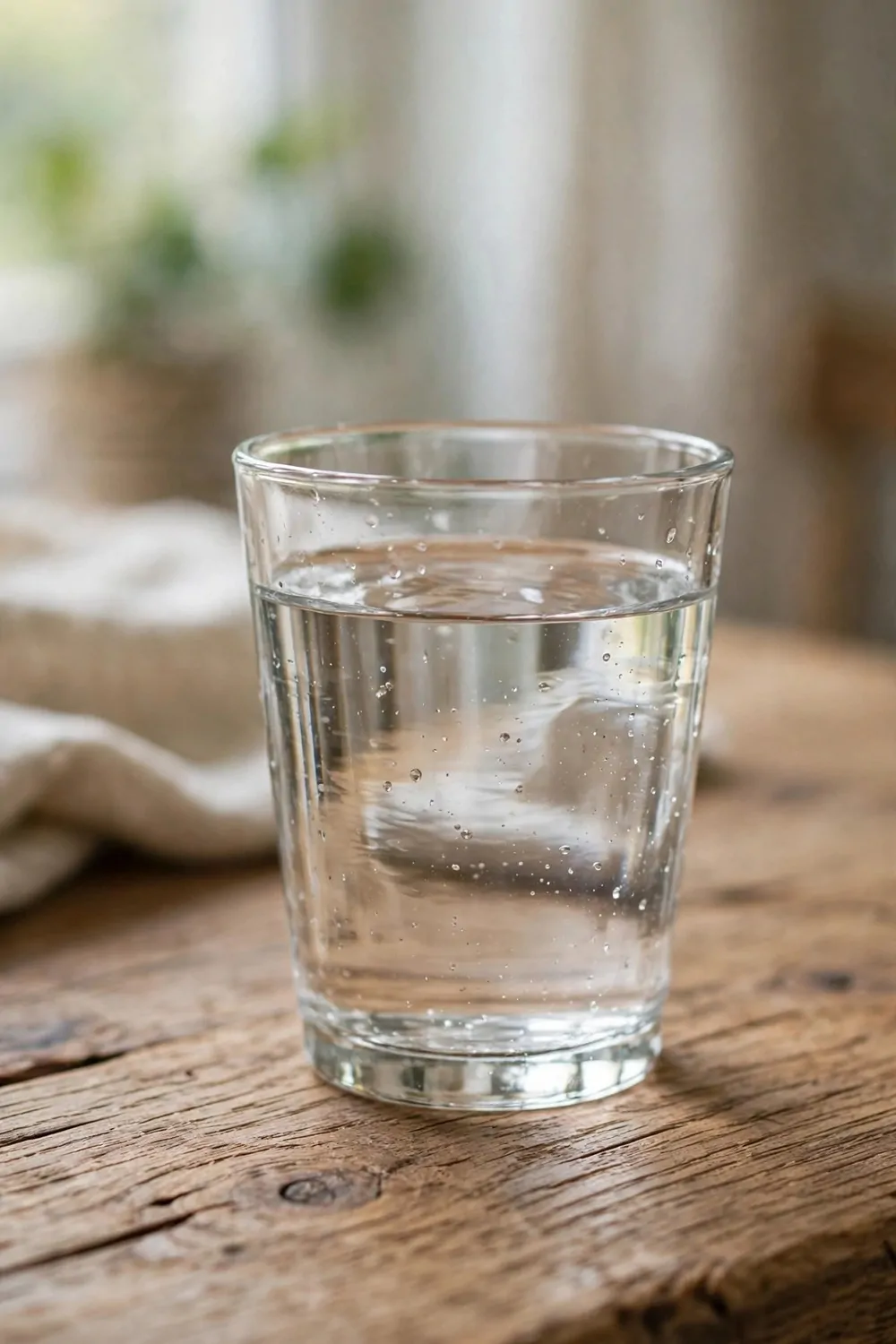
Water from home is free, fresh and kind to my purse.
I fill a plain glass each morning and I keep it close.
I place the glass on my wooden table where I can see it. I take small sips through the day, and I feel bright.
When I go out, I take water from home in a plain bottle. I do not stop for a drink at a shop. I save cash without even trying.
A glass of water wakes me up better than a sweet drink.
I add a slice of lemon when I want a change. It makes plain water feel like a treat, and it costs so little.
My plain glass cost $2 to $4.
My children have their own glasses too, and we fill them each morning. We talk about drinking well while we eat lunch. It is a small habit that helps us all.
Keep a glass near you all day. Your body and your purse will both feel the change.
6. Take a Packed Lunch From Home
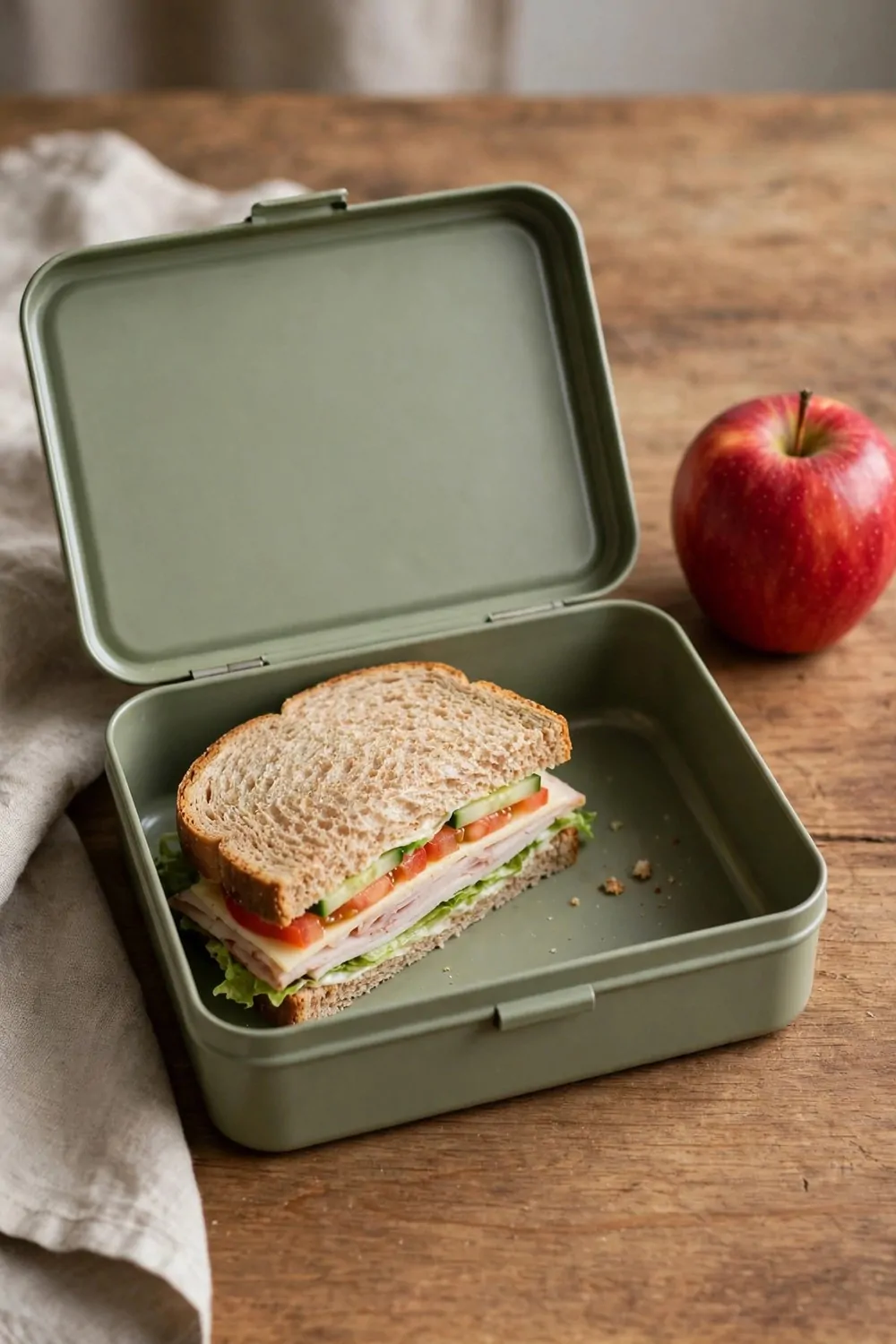
A packed lunch saves cash every work day. I make it the night before, so my morning stays calm. I put it by the door, ready to grab.
My plain lunchbox holds a sandwich, and a red apple sits beside it. I add some bits from the fridge, and it is done.
Lunch from home tastes better than a rushed shop lunch.
I pack it while I cook tea, so it takes no extra time.
I sit with my friends at lunch and I eat what I made. We chat and share stories, and no one misses the shop.
A home lunch keeps my day simple and my purse full.
Some days I pack leftovers from last night, and they taste just as good. Some days I make a fresh sandwich with a red apple on the side. Each day feels a little bit new.
My plain lunchbox cost $3 to $6.
Pack your lunch tonight and try it tomorrow. You will save cash and still eat well.
7. Walk Instead of Paying for a Ride
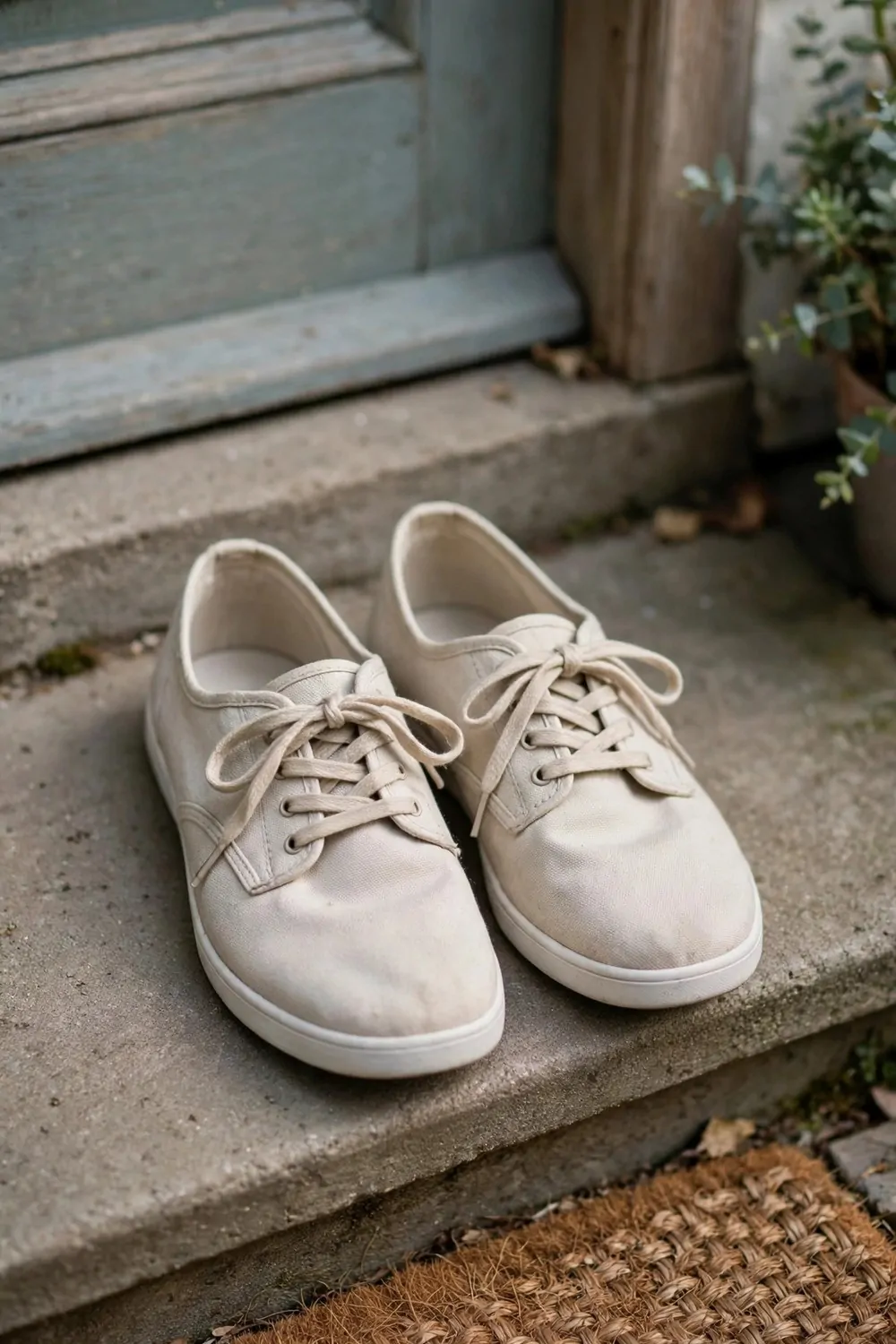
Walking costs nothing and it clears my head. I put on my shoes and I step out with a smile.
My plain walking shoes wait by the door, ready each day.
A short walk to the shop can be a joy, not a chore.
I plan my route so I pass the park and the trees. I breathe the fresh air and I look at the sky. I reach my stop with a calm mind and a warm heart.
I walk with my children on the school run when I can. We talk about our day, and the walk feels short.
Rain does not stop me, for I have a plain coat and a hood. I walk slow and I watch the drops on the leaves. I get home dry enough, and I feel strong for it.
Each walk saves cash that stays in my purse.
Try one walk in place of a short ride this week. You may find you like the slow pace more.
My plain walking shoes cost $4 to $6.
8. Read a Book You Already Own
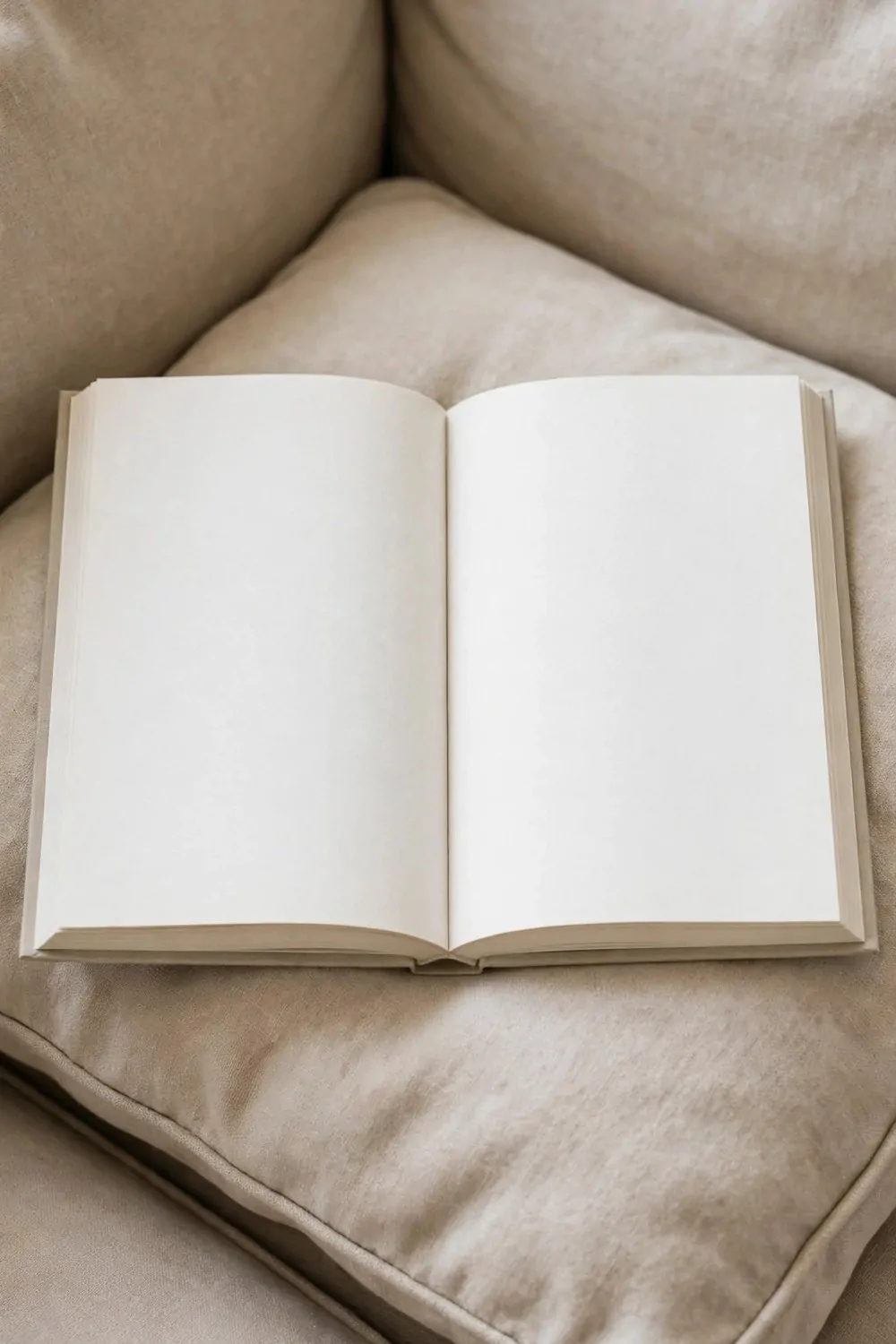
A book you own is a free trip to a new place.
I pick a book from my shelf that I have not read for years. I sit on my sofa with a warm drink. I open the book and I let the day slow down.
I turn the pages slow and I enjoy the quiet time. I read a few pages each night, and I look forward to it.
Reading at home costs nothing and fills an evening well.
My plain book cost $2 to $5.
A quiet hour with a book rests my mind.
I keep my book on the sofa cushion, so I see it each day. It calls me to sit down and rest a while.
My children pick their own books too, and we read side by side. We share our favourite parts over tea. It is a soft way to end a busy day.
Pick a book tonight and start on page one.
9. Play a Free Game at Home With Your Family
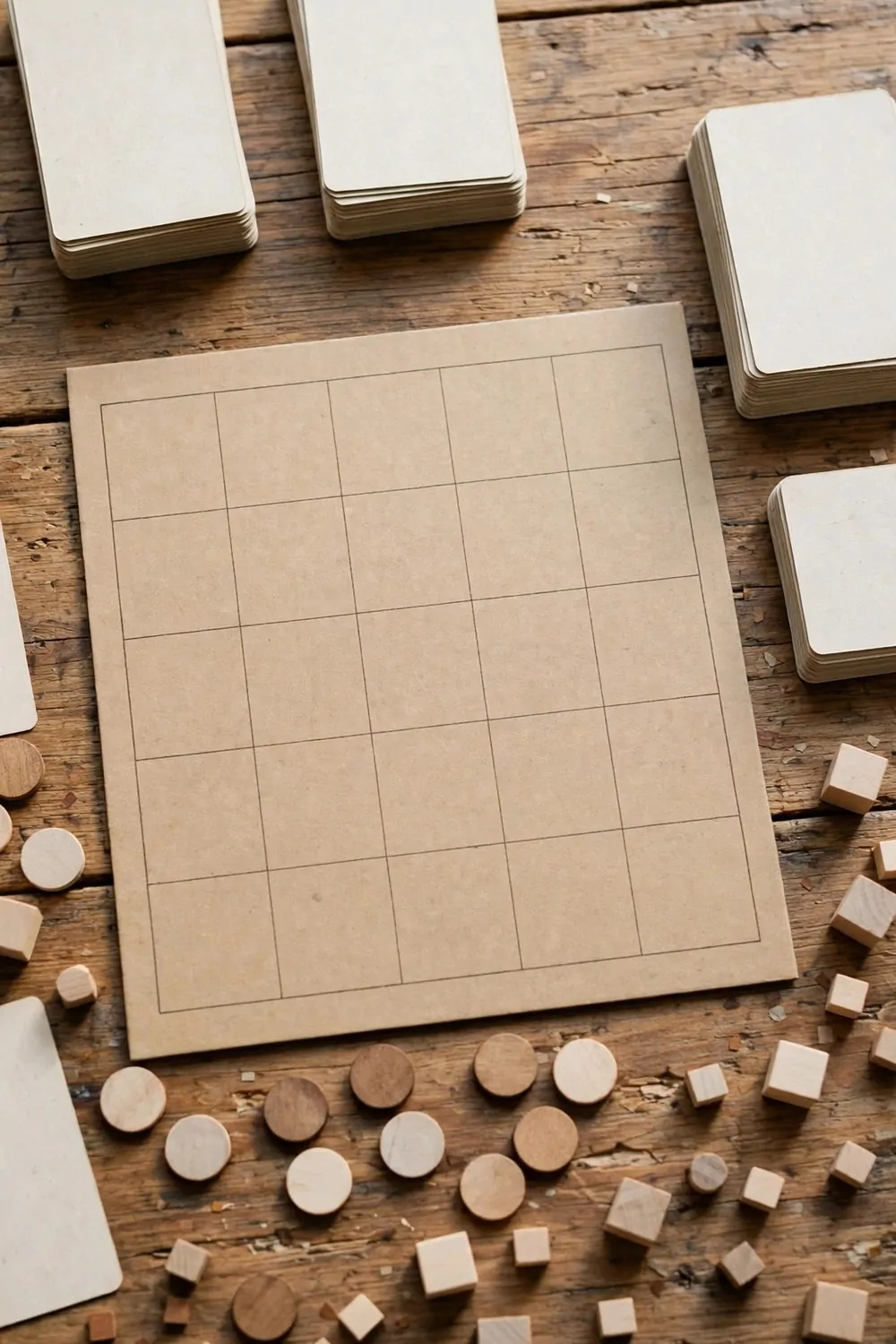
A game night at home costs nothing and brings us close. We clear the table and we sit down together.
My plain board game waits in its box on the shelf. We lift it out and we set the pieces in a row.
The blank cards make each round feel new and fun.
We take turns and we laugh at our moves. Small wooden pieces move round the board, one step at a time. No one minds who wins, for the fun is in the play.
A game night turns a plain evening into a warm one.
We play for an hour, then we pack the game away. The table is clear, and our hearts feel full.
Free games at home are the best kind of fun.
My plain board game cost $3 to $5.
Try a game night this week with your family. Pick a game you all like and set a time after tea. You will laugh more than you think, and you will want to do it again.
10. Clean One Small Spot Each No Spend Day
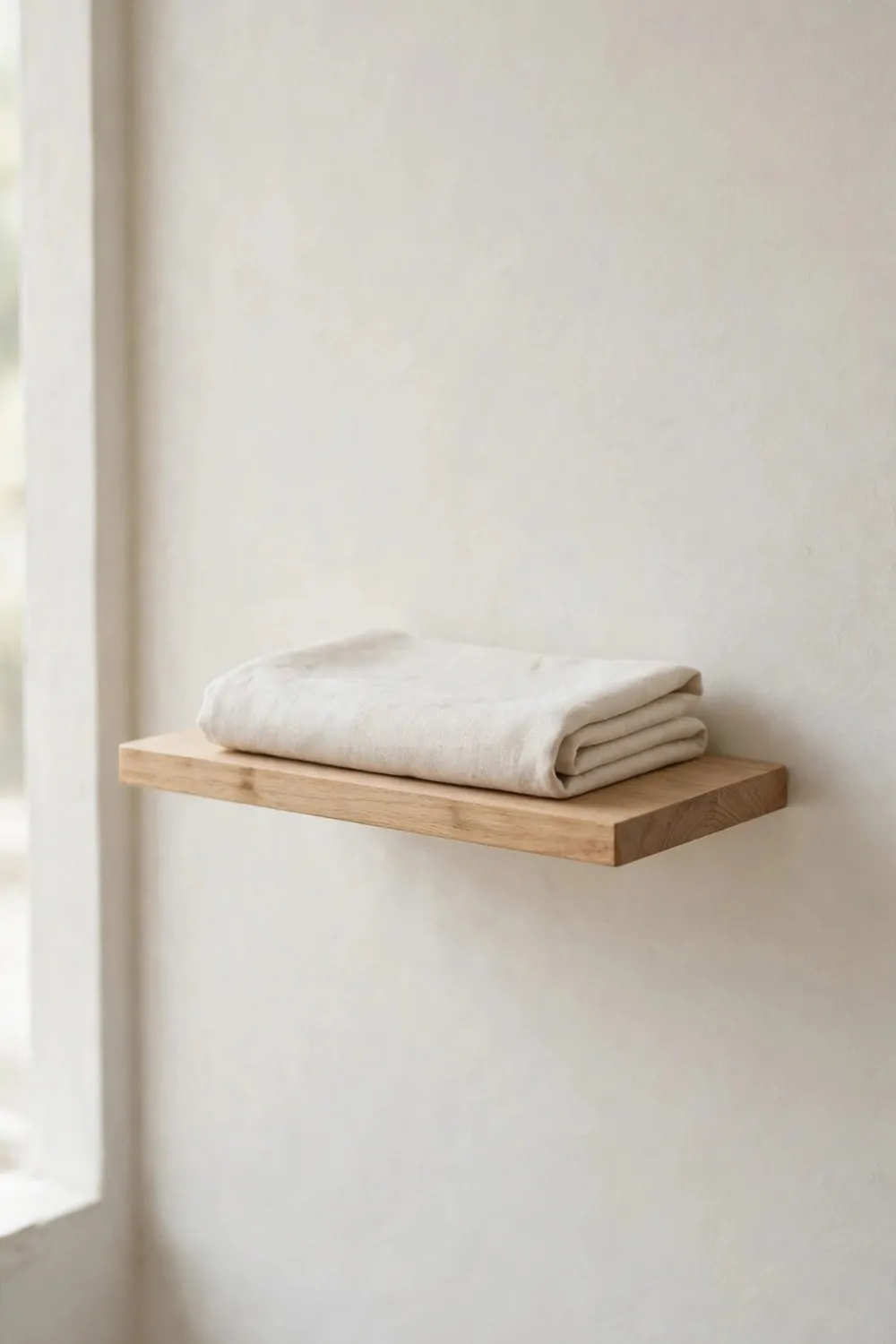
A small clean spot makes my whole home feel fresh.
I pick one shelf and I give it ten minutes. I take each thing off it and I wipe it clean.
A neatly folded plain cloth sits on the shelf when I am done. I put back only the things I love and use. The rest goes in a box to sort out later.
One spot a day is easy to keep up. Ten minutes is all it takes, and the change is clear to see.
A clean shelf lifts my mood each time I pass it.
My children help me dust the low shelves with a cloth. We chat as we work, and the time flies by. We end with a tidy shelf and a happy smile.
Small cleans add up to a fresh home.
Pick your spot tonight and set a time for it. You will love how it looks when you are done.
My plain cloth cost $2 to $3.
| Idea | Main change | Typical cost |
|---|---|---|
| Start With One No Spend Day Each Week | one set day with no shops | $2 to $4 |
| Make a Simple No Spend List for the Week | a short list before every shop | $2 to $5 |
| Use the Food You Already Have at Home | older jars used first | $2 to $4 |
| Cook With What Is in Your Cupboards | one pot meal from cupboard food | $4 to $6 |
| Drink Water From Home All Day | water from home in a plain bottle | $2 to $4 |
| Take a Packed Lunch From Home | a packed lunch made at home | $3 to $6 |
| Walk Instead of Paying for a Ride | one short walk in place of a ride | $4 to $6 |
| Read a Book You Already Own | a few pages read each night | $2 to $5 |
| Play a Free Game at Home With Your Family | a game night at home each week | $3 to $5 |
| Clean One Small Spot Each No Spend Day | one small spot cleaned each day | $2 to $3 |
| Total | $26 to $48 |
11. Mend a Small Tear Instead of Buying New
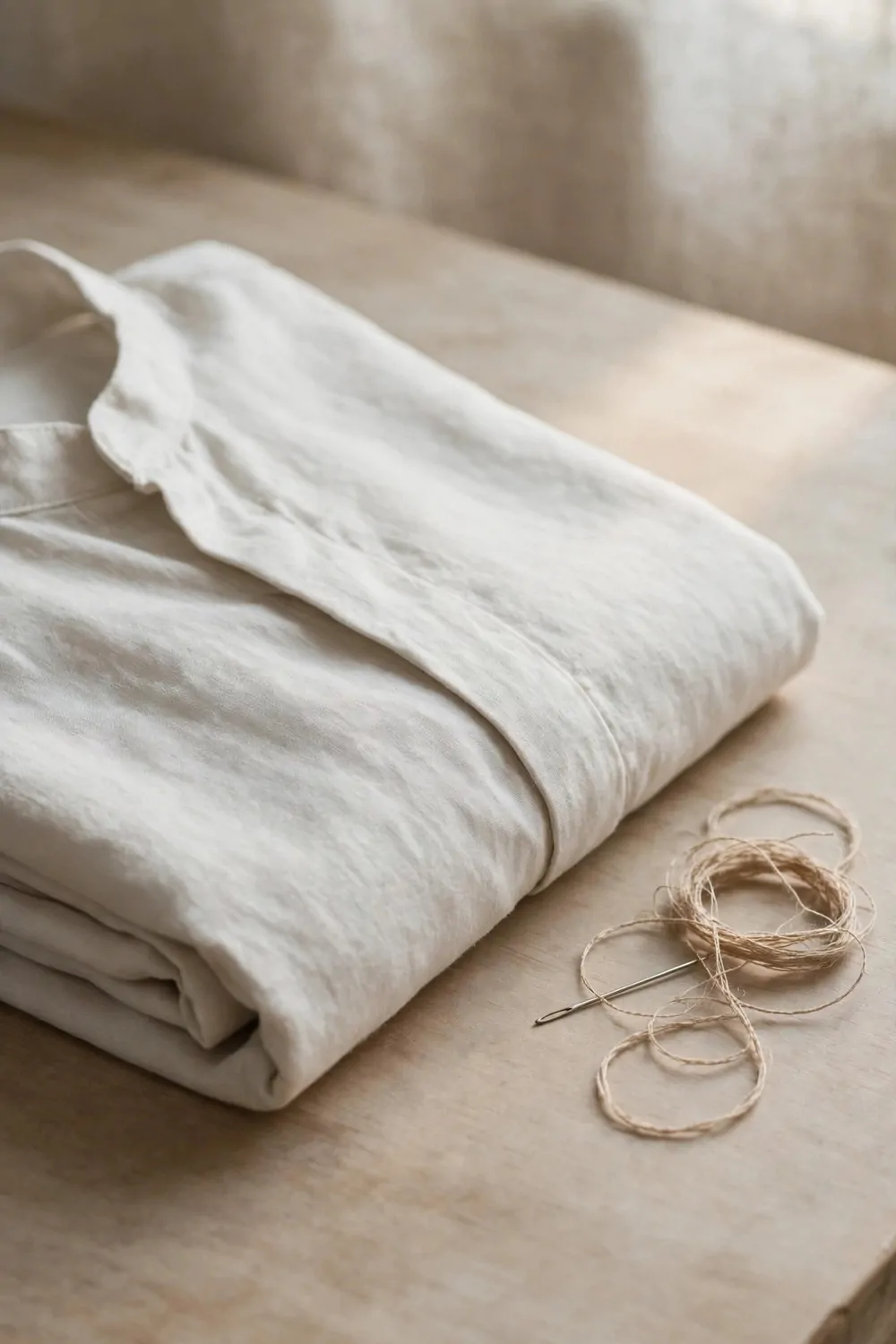
I found a small tear in my shirt last week. I almost put the shirt in a bag to throw away.
Then I stopped and I looked at the tear again.
It was small and the rest of the shirt still looked fine to me. I did not need a new shirt for one small tear. I just needed a little time and a calm hand.
I took a needle and thread and I sat down at the table. I pulled the thread through the needle slow.
I sewed small neat stitches across the tear. I pulled each stitch just tight enough to hold. I kept my hand slow so the line stayed straight.
My plain needle cost $2 to $4.
When I finished I turned the shirt over and looked at my work. The tear was shut and the shirt looked good again.
I felt glad I did not spend money on a new one.
You can do this with a shirt you love. A small tear is not the end of it. A few quiet minutes can give it a fresh start.
12. Swap Books With a Friend for Free
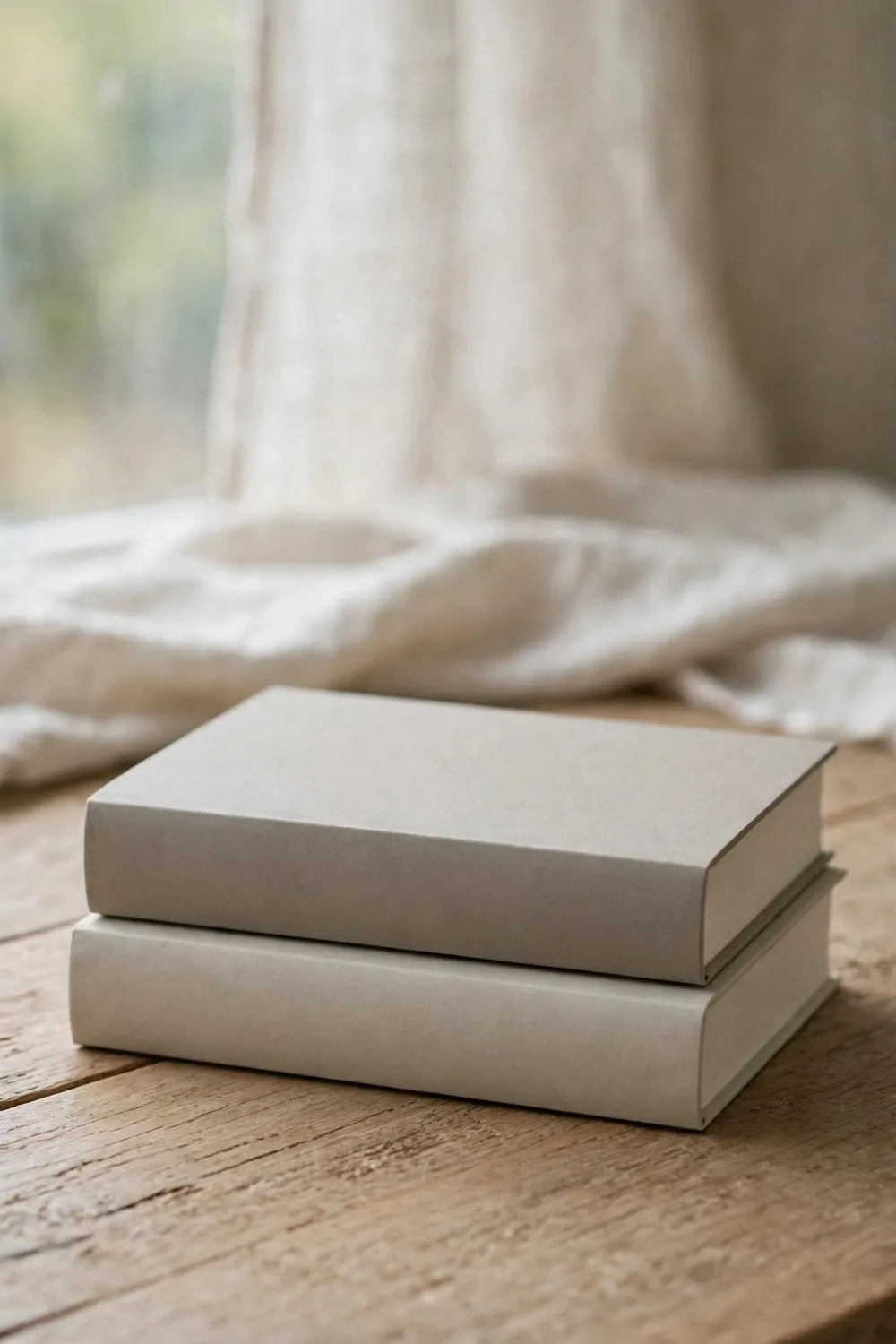
I love a good book but new books cost a lot.
My friend loves books too and we had the same problem. So we made a simple swap plan together.
I pick a book I have read and I pass it to her. She picks a book she has read and she passes it to me. We both get a fresh read for free.
We meet at my table and we swap the books there.
I read her book slow and I enjoy each page. I take care of it because it is not mine.
When I finish I give it back with a smile. I tell her which part was my favourite. She does the same with my book when she is done.
My plain book cost $3 to $5.
This swap gives us new reads all year. We never pay for a book we swap.
You can start this swap with one friend this week.
13. Make a Free Gift From Paper at Home
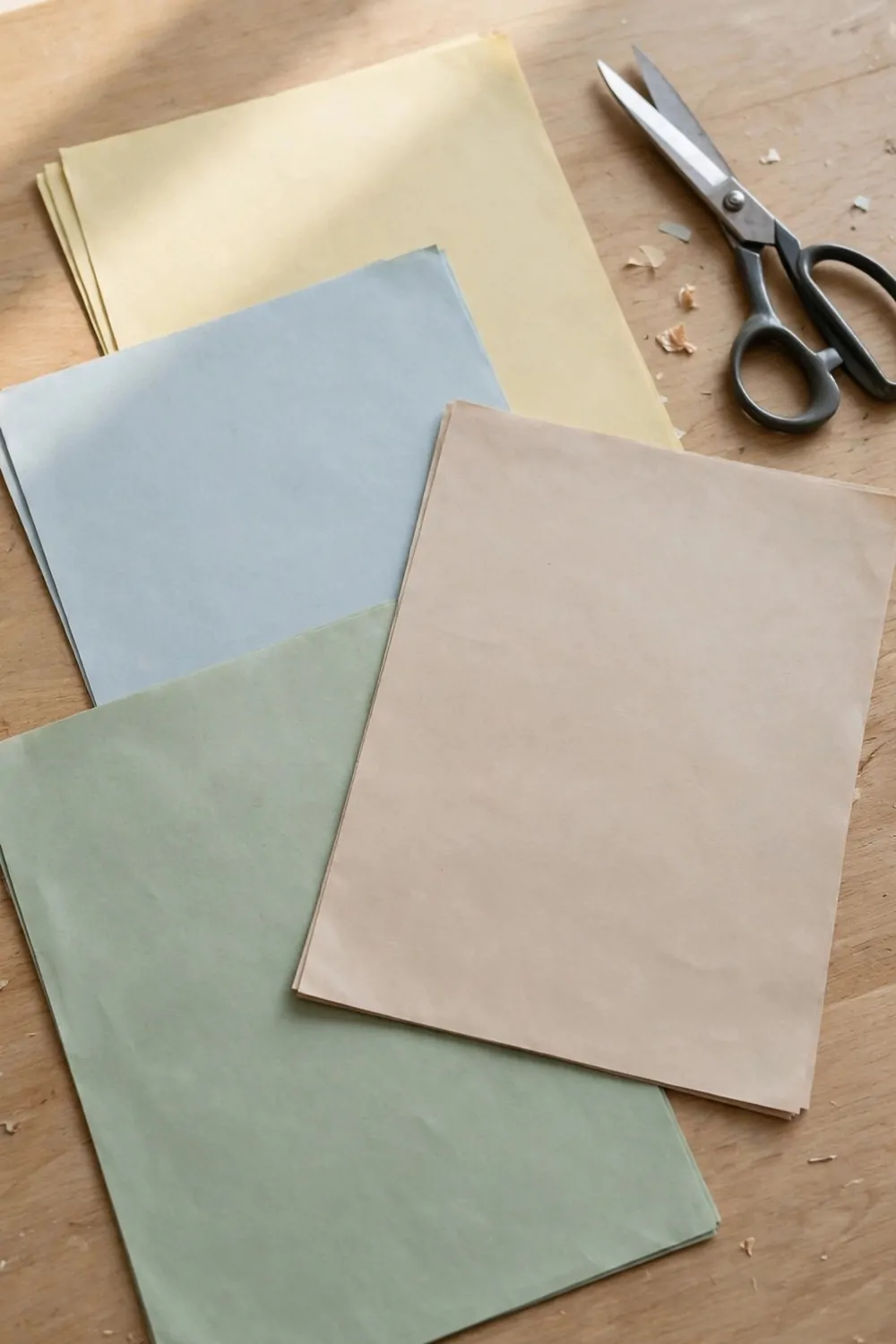
I wanted a small gift for my friend but I did not want to spend money. I looked in my drawer and I saw paper and scissors. That was all I needed to start.
I sat at the table and I cut the paper with care.
I folded each sheet slow and I made neat folds. The paper took shape in my hands as I worked.
I made a plain card shape first and then I added a small fold at the top. I kept the lines clean and simple. My friend would like a gift made with time and care.
My plain scissors cost $3 to $5.
I gave the gift to my friend the next day. She smiled and she kept it on her shelf.
It cost me no new money at all.
You can try this with paper you already have at home. Cut slow and fold with care. A gift you make yourself can mean a lot.
Keep your paper in one place so you can find it fast. Next time you need a gift you will know just what to do.
14. Grow a Small Herb on Your Window Ledge
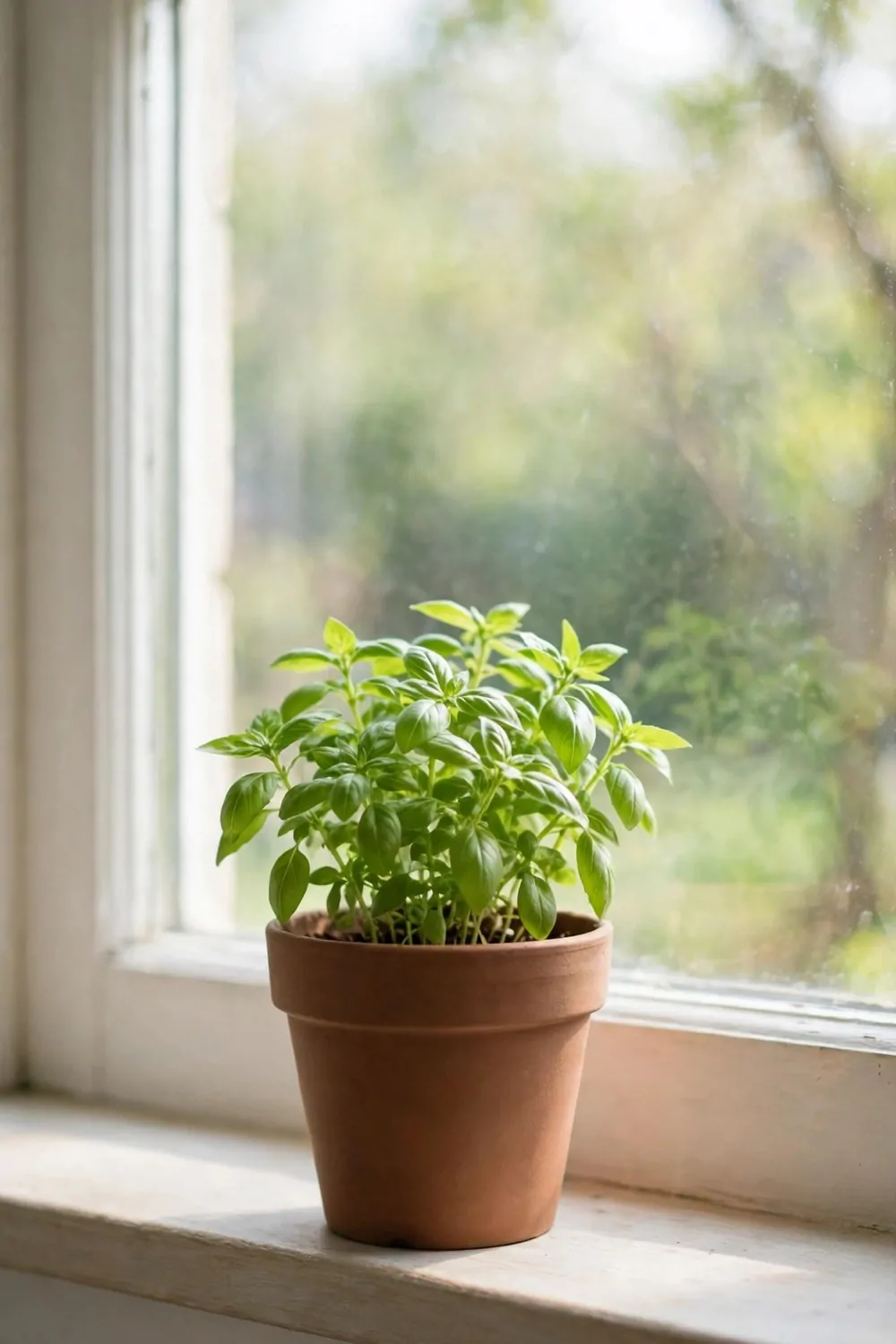
I keep a small green herb plant on my window ledge. It sits in a plain pot where the light can reach it.
I water it a little each morning before I start my day. I do not pour too much water in the pot. Just a small drink keeps the plant happy and fresh.
I love to see it grow a little more each week.
I snip some leaves when I cook dinner at home. I wash them and I add them to my food.
My plain pot cost $2 to $4.
This small plant saves me trips to the shop. I do not buy a full bunch when I need just a little herb. I use what grows right in my own home.
Each week I give the pot a small turn on the ledge. The light then falls on a new side and the plant grows full and even.
You can start with one small plant on your ledge.
Pick a bright spot and water it with care. Soon you will have fresh leaves to use in your meals.
15. Plan a Free Picnic in Your Garden
A picnic in the garden costs almost nothing at all.
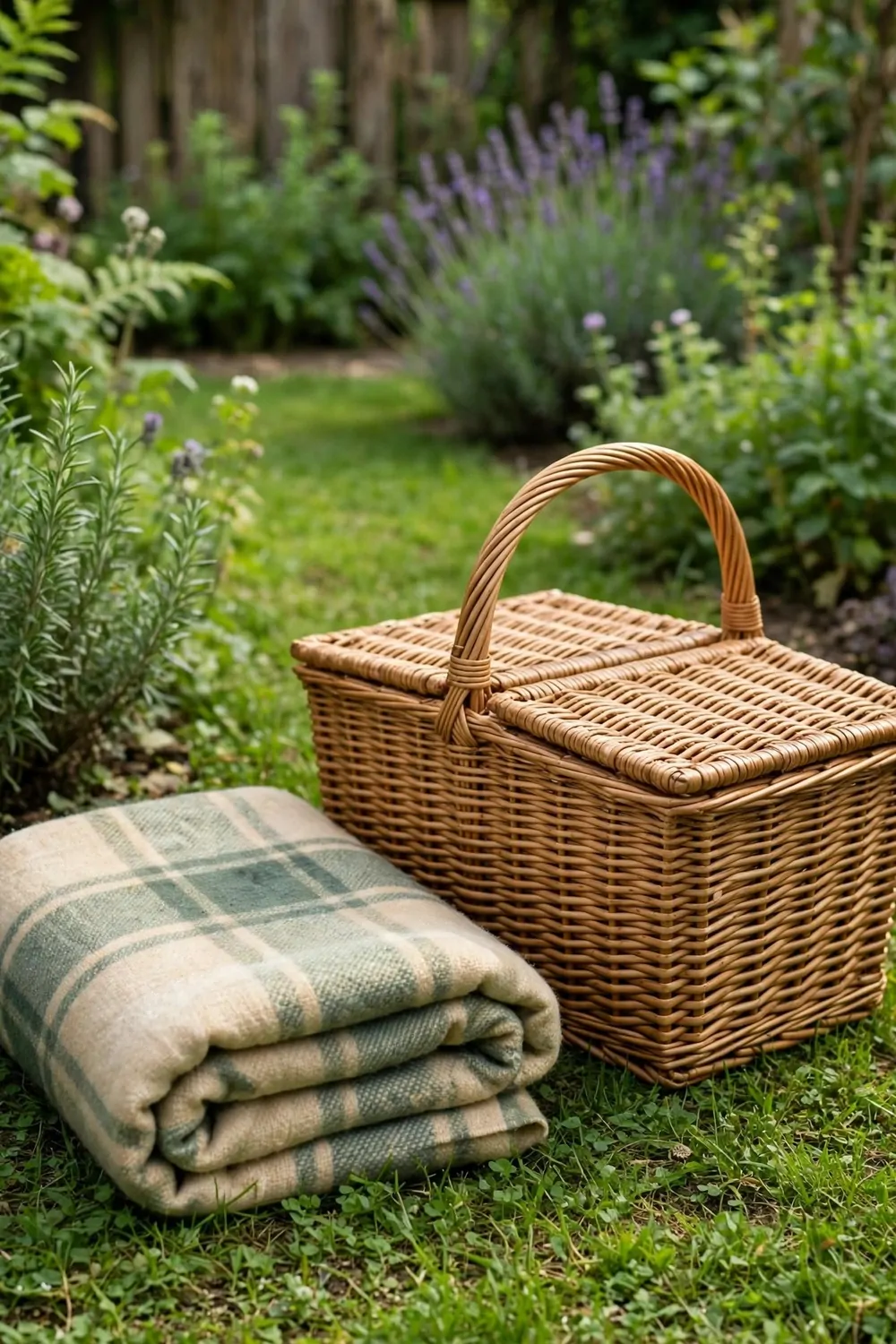
I take my wicker picnic basket and I put it on the green grass. I lay my folded blanket beside it on the grass. I sit down and I enjoy the fresh air for a while.
I pack food from home in a box before I go out. I bring water and a cup for each of us.
We eat slow and we talk and we rest in the sun.
My kids love to sit on the blanket and eat outside. I love that we do not pay for a meal out. A garden picnic feels like a small treat for us all.
I pack the basket again when we finish our food. I fold the blanket and I carry it back inside.
My plain blanket cost $3 to $6.
You can do this on a bright day this week. Invite your family to sit with you outside.
Bring food you already have in your kitchen. Sit on the grass and enjoy your time together. A free picnic can make a plain day feel special.
16. Use Up Half Used Jars Before You Buy More
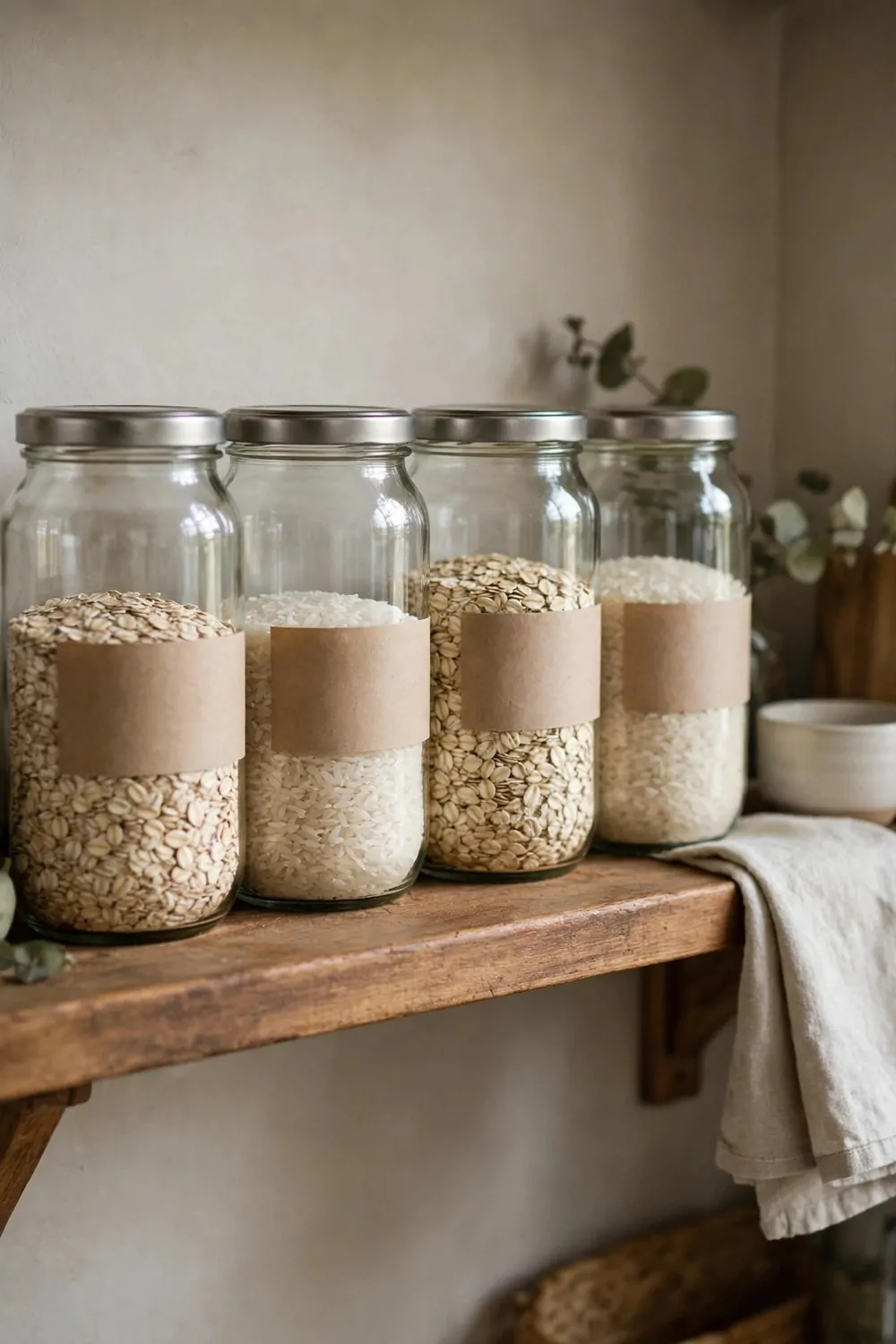
I opened my shelf last week and I saw jars that were half full. One jar held oats and one jar held rice. I knew I should use them before I bought more.
I organise my shelf and I move the half full jars to the front. That way I see them first each time I cook.
I cook with the oats first in the morning.
I pour the oats into a pot and I add water and I stir it slow. I eat it warm with a spoonful of fruit from my fridge. It fills me up and it tastes good.
Next I use the rice for dinner that night. I cook just what we need and I save the rest.
My plain jar cost $2 to $4.
When a jar is empty I wash it and I put it back on the shelf. I write oats or rice on my list only when the jar is low. That stops me from buying a jar I do not need yet.
You can look at your shelf today and pick one jar to finish. Use it up before you shop again.
Small jars used up on time save you money each week.
17. Wash Clothes in Cold Water to Save Cash
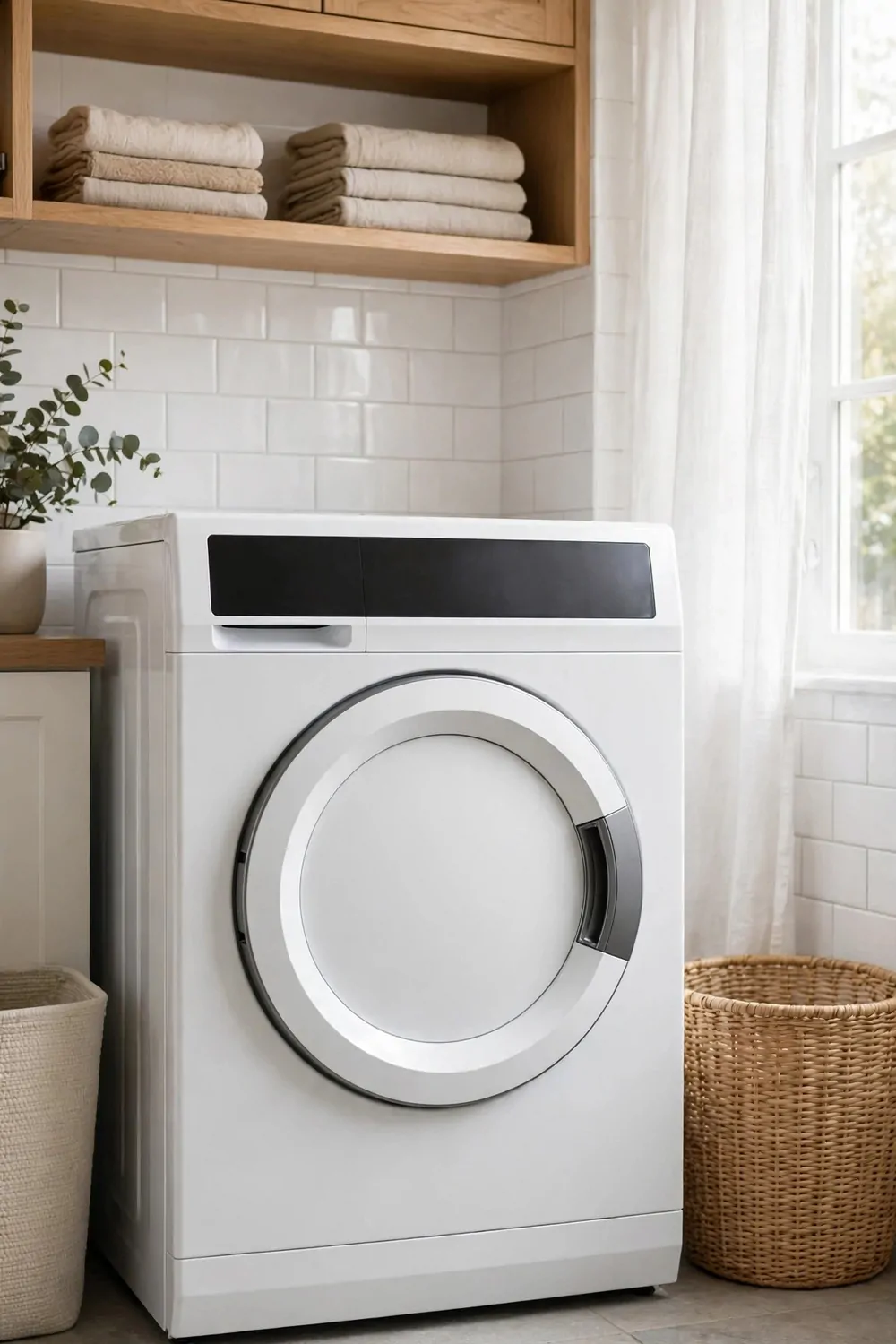
I wash my clothes in cold water now. It cleans them well and it costs less to run.
I load the white washing machine and I close the round door.
I add a small scoop of soap and I press the start button. The machine hums soft as it turns the clothes round.
I let the machine do its work while I tidy the room.
Cold water keeps my clothes soft and it helps the colours stay bright. I hang the clothes out to dry when the wash ends. They smell fresh and they feel clean to wear.
I wash full loads only and I never run it half empty. That saves water and it saves my time too.
My family now washes in cold water most days. We use less power and our bills stay low. It is a small change that adds up fast.
My plain soap cost $2 to $4.
You can try one cold wash this week. See how clean your clothes feel when they come out.
18. Turn Off Lights in Empty Rooms
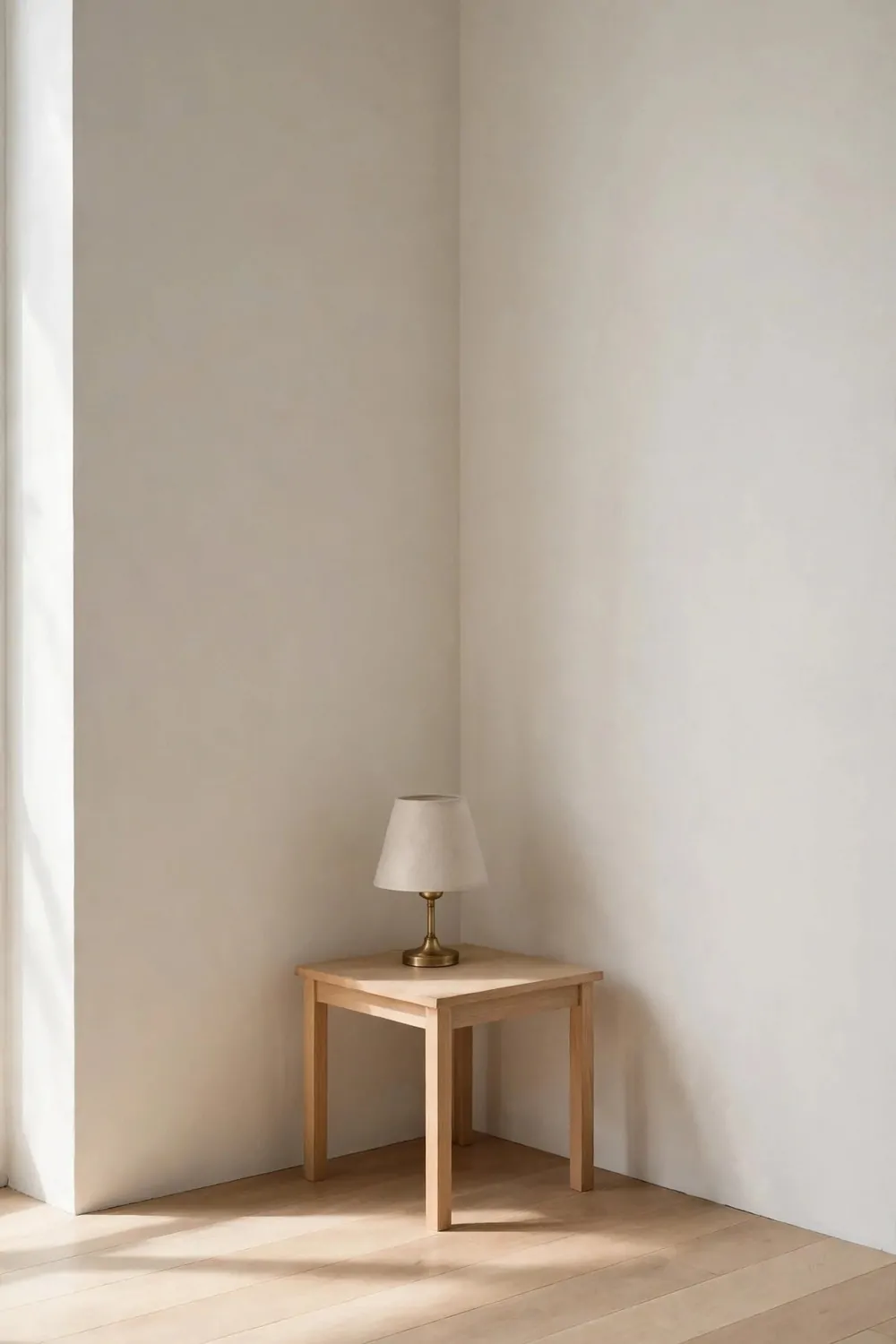
I save cash by switching lights off when I leave a room.
I walk out of the room and I flip the switch off behind me. It takes one second and it soon feels normal.
I switch the lamp off when I leave the room.
I check each room once before I go to bed. I switch off any light I left on by mistake.
My kids learn to do the same when they leave a room. I remind them with a kind word at first. Soon they switch the lights off on their own.
My plain lamp cost $3 to $5.
Soft daylight fills the room in the morning so I need no light then. I open the curtains and I let the sun in.
This habit costs nothing and it saves a little each month. I like that my home feels calm in the soft daylight. You will see the change in your bill if you stick with it.
Start tonight and switch off one extra light.
19. Make Your Own Simple Snacks at Home
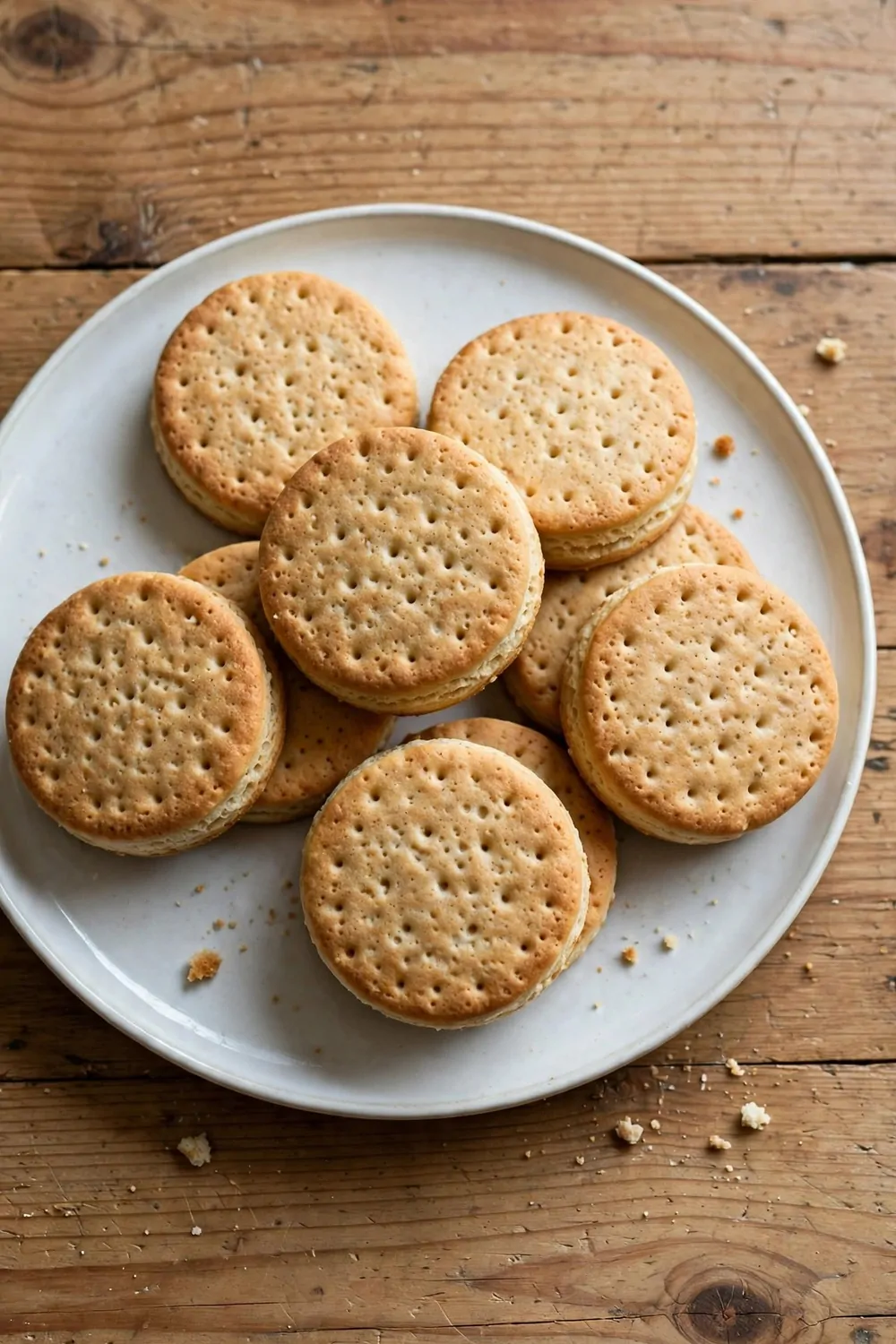
I make my own simple snacks at home now. I put round biscuits on a plain plate on the wooden table. My family can take one when they feel hungry.
I bake a small batch on a quiet afternoon.
I mix the dough in a bowl and I stir it slow. I shape each biscuit round with my hands. I bake them till they smell warm and sweet.
I let them cool on the plate before we eat them. Warm biscuits break soft in your hand.
My plain plate cost $2 to $4.
I keep the rest in a box with a lid for the next day. They stay fresh and they are ready when we want one.
You save money each time you bake at home.
Try one batch this week with what you have at home. You will love the smell in your kitchen.
Snacks from your own kitchen taste fresh and warm. You know just what went into each biscuit. That is why I make them myself most weeks.
20. Write a Free Letter to a Friend
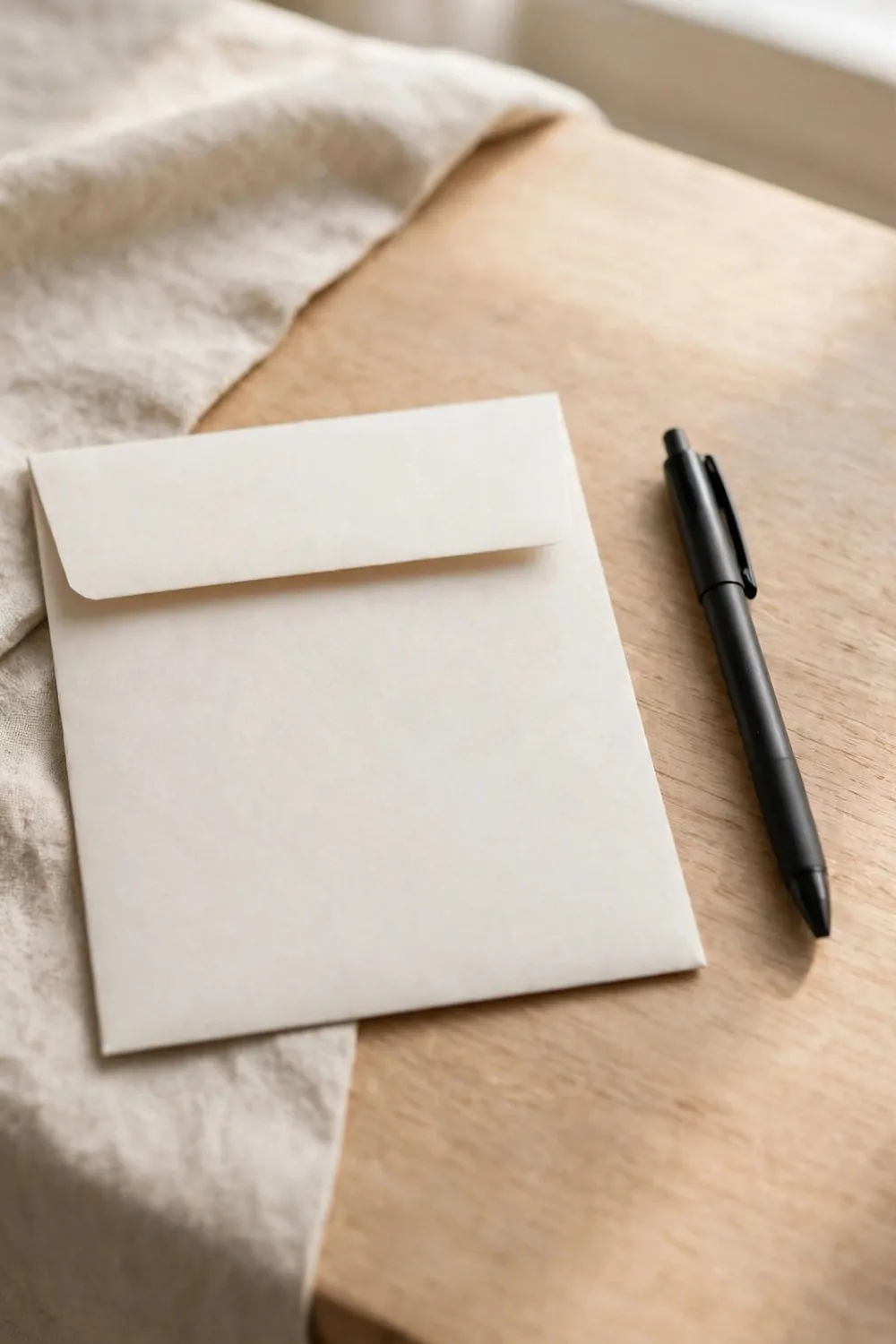
I love to write a free letter to a friend. It costs almost nothing and it means so much.
I take a pen and I write a few lines on a plain sheet. I tell my friend what I have been doing this week. I ask how she is and I wish her well.
I take a black pen from my drawer for my letter. I write slow so my words stay neat and clear.
I fold the sheet and I slip it in the blank envelope.
I seal the envelope and I put it by the door. I post it the next time I go out.
My plain pen cost $2 to $3.
My friend smiles when my letter drops through her door. She writes back to me a few days later. We keep in touch with no cost at all.
You can write your first letter today.
Pick a friend you miss and write a few kind lines. A letter from you can brighten her whole week.
| Idea | Main change | Typical cost |
|---|---|---|
| Mend a Small Tear Instead of Buying New | mend a small tear | $2 to $4 |
| Swap Books With a Friend for Free | swap a book with a friend | $3 to $5 |
| Make a Free Gift From Paper at Home | make a gift from paper | $3 to $5 |
| Grow a Small Herb on Your Window Ledge | grow a herb on the ledge | $2 to $4 |
| Plan a Free Picnic in Your Garden | plan a picnic in the garden | $3 to $6 |
| Use Up Half Used Jars Before You Buy More | use up half used jars | $2 to $4 |
| Wash Clothes in Cold Water to Save Cash | wash clothes in cold water | $2 to $4 |
| Turn Off Lights in Empty Rooms | turn off lights in empty rooms | $3 to $5 |
| Make Your Own Simple Snacks at Home | make simple snacks at home | $2 to $4 |
| Write a Free Letter to a Friend | write a free letter to a friend | $2 to $3 |
| Total | $24 to $44 |
21. Sort One Drawer and Find What You Own
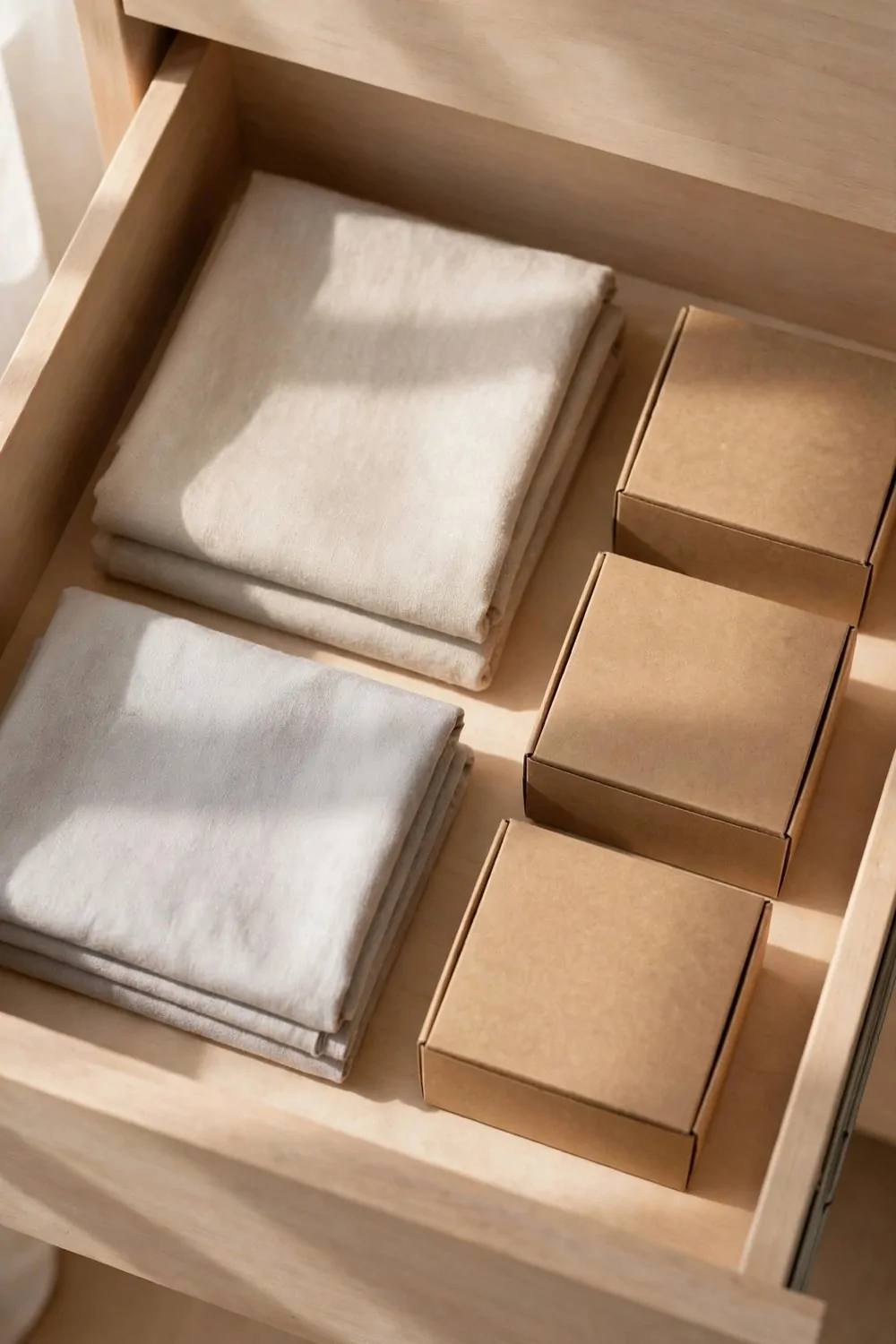
I open one drawer and look at what sits inside it. I often find things I forgot I had.
I take each thing out and lay it on the bed. I put the cloths in one neat pile and the small boxes in a row. I can see all of it at once now.
I fold the plain cloths flat and place them side by side. The small plain boxes hold the loose bits that used to roll about.
My plain drawer box cost $2 to $4.
I put back only the things I use each week. The rest goes in a bag for later or for a new home. My drawer feels light and calm when I shut it.
I write a small note of what lives in the drawer now.
Next time I want to buy a new cloth I look in the drawer first. Most days I find one I already own.
One tidy drawer can save me money all month. I do not need a new box when a plain one sits right there. I use what I own before I buy more.
A small drawer sort can change how my whole room feels.
22. Make a No Spend Jar for Spare Coins
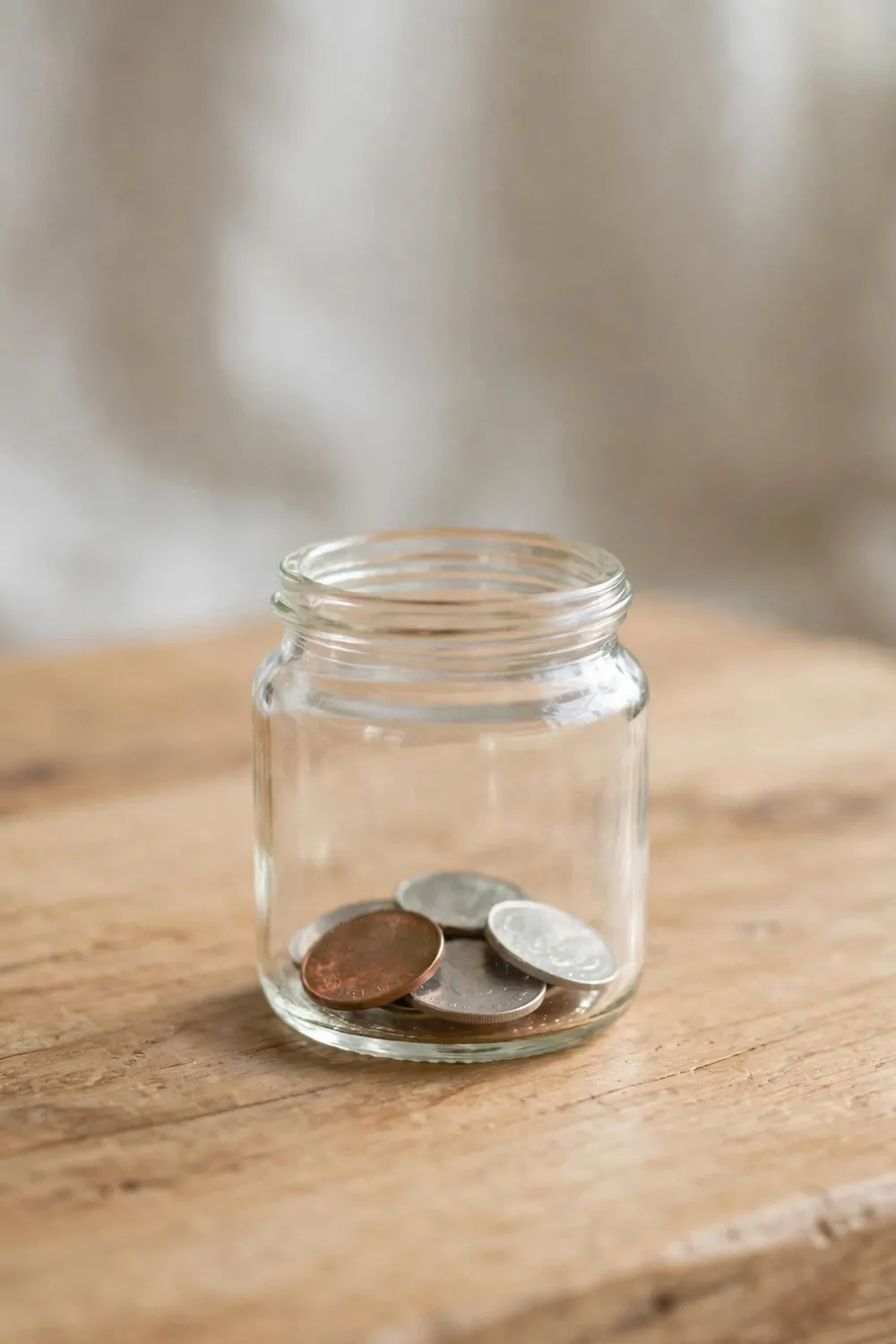
I keep a small clear glass jar on my wooden table. Each night I drop in some coins from my pocket. The jar fills up bit by bit without any fuss.
It feels good to watch my spare coins grow.
I do not count the coins each day. I let them sit and do their quiet work.
When the jar looks full I tip it out and count what I saved. I put the coins in a pouch for a no spend treat later. I start the jar again with an empty base.
My jar reminds me that small coins still count. I smile each time I hear a coin drop in.
My plain glass jar cost $2 to $3.
I keep the jar where I can see it each day. I never take coins out for a quick buy. The coins stay put until the jar is full.
Some weeks I add only a coin or two. That is fine, slow saving still counts.
A jar of spare coins is a small win I can see.
23. Try a Free Morning Walk Each Day
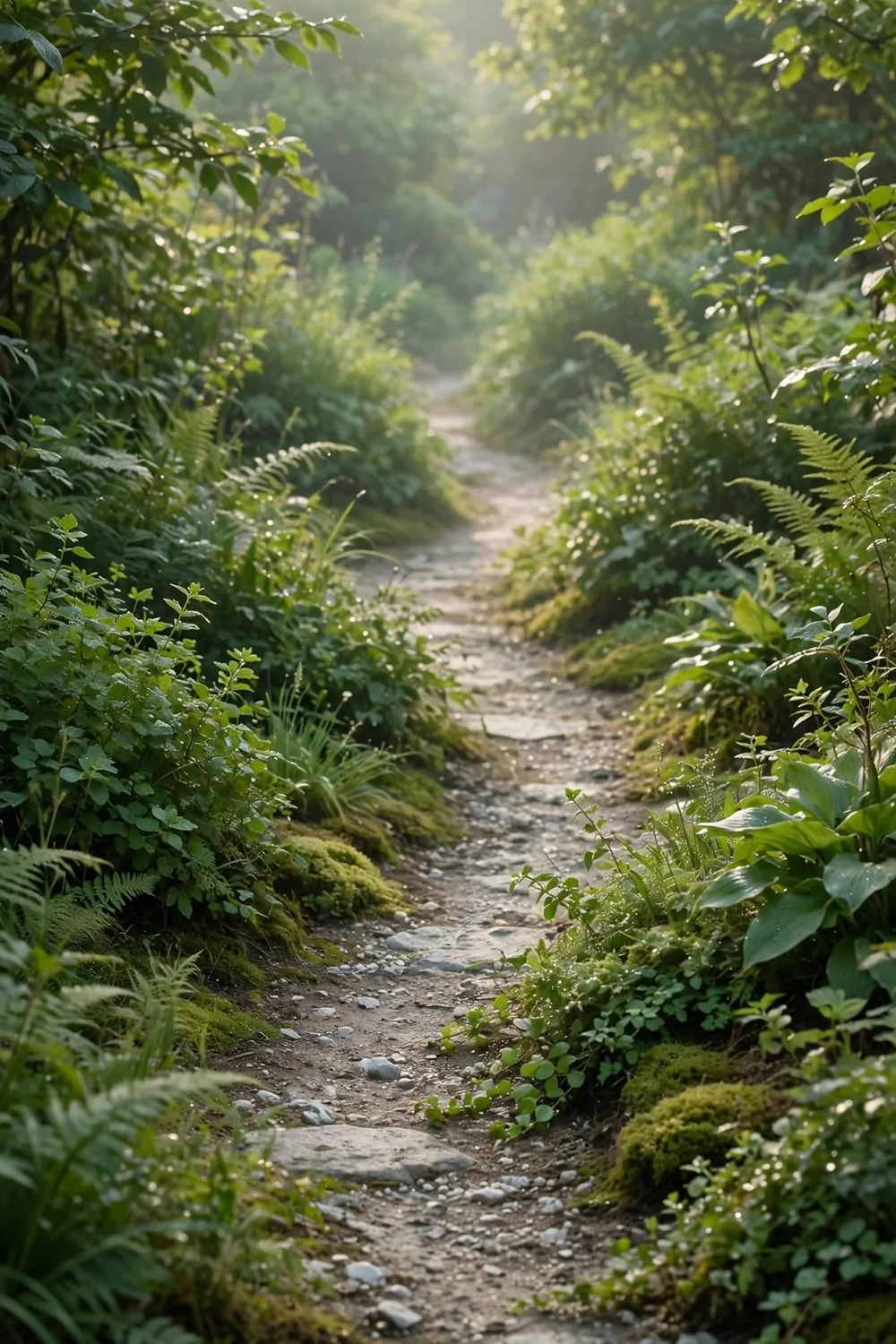
I step out each morning for a free walk in the garden. The path is quiet and the green plants line both sides. I breathe in the soft morning air and feel wide awake.
I walk at my own slow pace. I notice new leaves and small buds I missed last week.
My plain walking shoes cost $3 to $5.
A walk costs me nothing and fills my morning with calm. I leave my purse at home so I am not drawn to a shop. I come back with a clear head and a fresh plan for the day.
Some days I walk for ten minutes and some days I walk longer. The time is mine and the path is free.
I pick the same path so the walk feels easy.
I take a friend with me on some mornings. We talk and laugh and the walk feels even shorter.
A free walk helps me start the day without spending a coin. I do not need a pass or a ticket for the garden path. I just open my door and go.
My morning walk is now my favourite free habit.
24. Use a Library Card for Free Books
My plain library card opens a whole shelf of free books.
I take my card to the library and pick a stack of plain books. I bring them home and read a little each night. I return them on time and pick new ones next week.
The books have plain blank covers and I stack them by my bed. I do not need to buy a new book when the library has so many.
I keep my card in my purse so it is always with me.
I make a small list of books I want to read next. My list grows each time I visit the library.
Reading at home costs me nothing but time. I sit by the window with a warm drink and a good book. The quiet hour feels like a small gift to myself.
My plain library card cost $2 to $3.
I tell my friends about the free books too. They join the library and save money with me.
A library card is the best free tool I own. I read more books than I ever did before. I spend nothing and learn something new each week.
25. Make Tea at Home Instead of Buying It Out
I make my tea at home now instead of buying it out. My kitchen feels warm and slow in the morning.
My plain white mug cost $2 to $4.
I fill my small teapot and let the tea brew while I tidy the table. I pour it into my plain white mug and sit down. The first sip tastes just as good as a shop cup.
I save some coins each week this way. The money stays in my purse for things I truly need.
I keep my tea bags and sugar in one small spot.
I try new tea blends from my own shelf. I add a slice of lemon when I fancy a change. My home tea feels made just for me.
I invite a friend round for tea at home. We chat at my table and spend nothing at all.
Home tea is my small daily treat.
A shop cup of tea adds up fast over a month. My home cup costs far less and tastes just as warm. I keep the habit and my money stays safe.
26. Plan Free Fun for the Whole Weekend
I plan my whole weekend with free fun in mind. I spread a plain blanket on the green grass and lay out a round ball. I bring a closed book for a quiet rest in the sun.
I make a list of free things to do on both days. A walk in the park and a game on the grass cost me nothing.
I pack snacks from my own kitchen in a small bag. I fill a bottle with cold water from my tap. We eat on the blanket and laugh in the fresh air.
Free fun needs a little plan and no money at all.
I ask my family what they fancy for the weekend. We pick one free thing each and take turns.
I toss the round ball on the grass and chase it with a smile. We sit on the blanket and read the closed book together. The slow hours feel full and happy.
I keep my phone in my pocket and enjoy the day. The grass and the sun are all the fun I need.
My plain picnic blanket cost $3 to $6.
A planned weekend stops me from buying fun on the spot. I look at my list first and pick a free joy.
27. Keep a No Spend Chart on Your Fridge
I keep a no spend chart on my fridge door.
The chart is a plain blank paper with empty boxes in a row. A small magnet holds it flat on the fridge.
Each morning I look at the empty boxes and pick my plan for the day. I tick a box when I spend nothing all day. The row of ticks grows and I feel proud of it.
I place the chart at eye level so I see it first. My family can see my progress too.
My plain fridge chart cost $3 to $5.
I check my chart each night before bed. I count my no spend days for the week. The chart keeps my goal in plain sight.
Some weeks I fill five boxes and some weeks I fill three. Each filled box is a small win for me.
My fridge chart keeps me honest and calm.
A chart on the fridge costs little and helps a lot. I see it each time I open the door. I choose a no spend day more often now.
28. Share a Meal With Food You Already Have
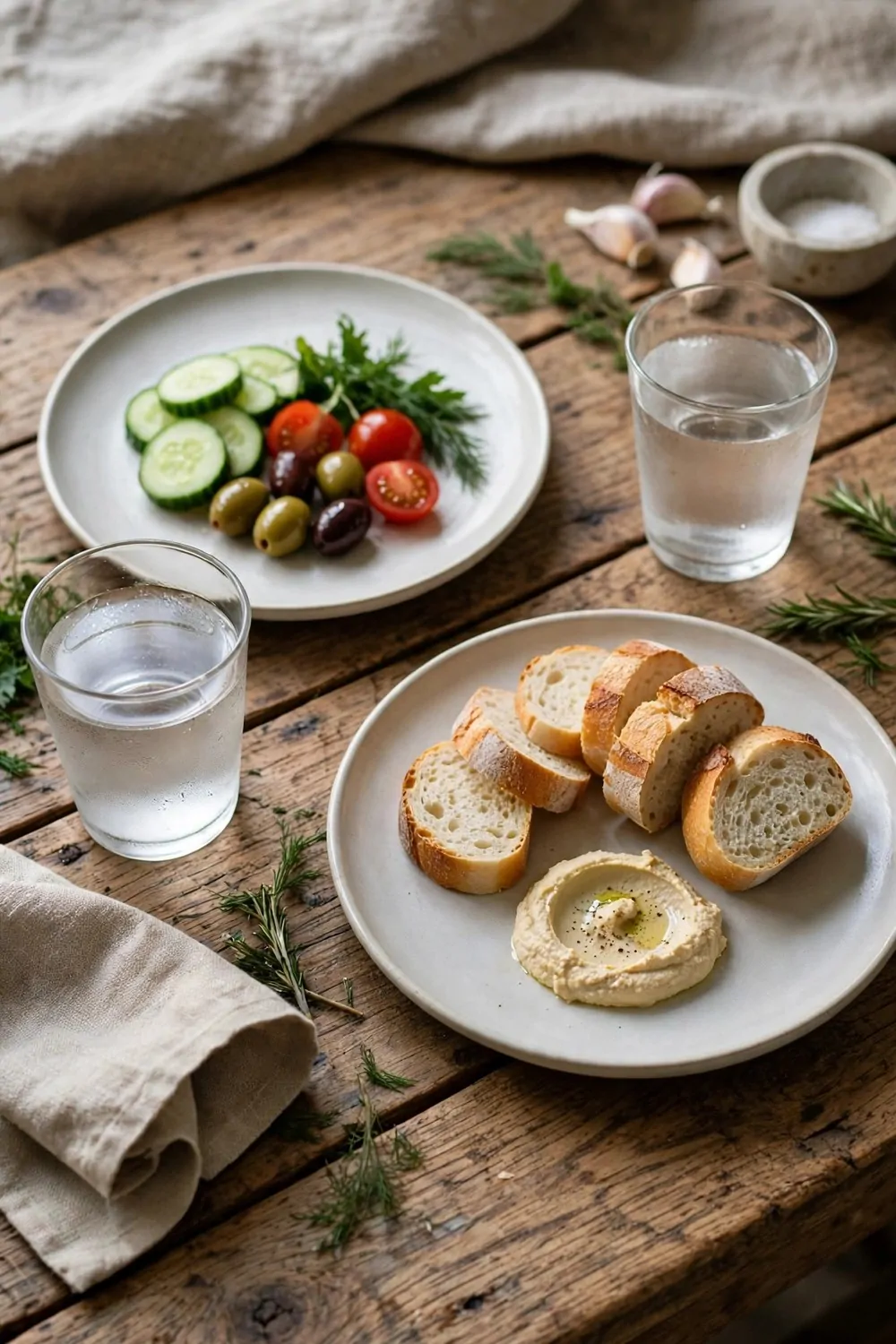
I share a meal with food I already have at home. I set the wooden table for two and feel glad.
I open my cupboard and look at what sits on the shelf. I pick simple food from my kitchen and lay it out. The meal comes together from things I already own.
I pour two plain glasses of water and set them down.
We sit down and talk while we eat. A shared meal at home feels warm and close.
I do not buy a takeaway when my kitchen can feed us. I use the food before it goes to waste. My purse stays shut and my table stays full.
I wash the two plain plates when we finish.
Sharing a meal saves money and brings us near. I plan my meals from my cupboard first each week. I buy only what I truly lack.
Some nights I cook a big pot and we eat well. The next day we share the rest for lunch.
My plain dinner plate cost $2 to $4.
29. Put Your No Spend Kit in One Small Box
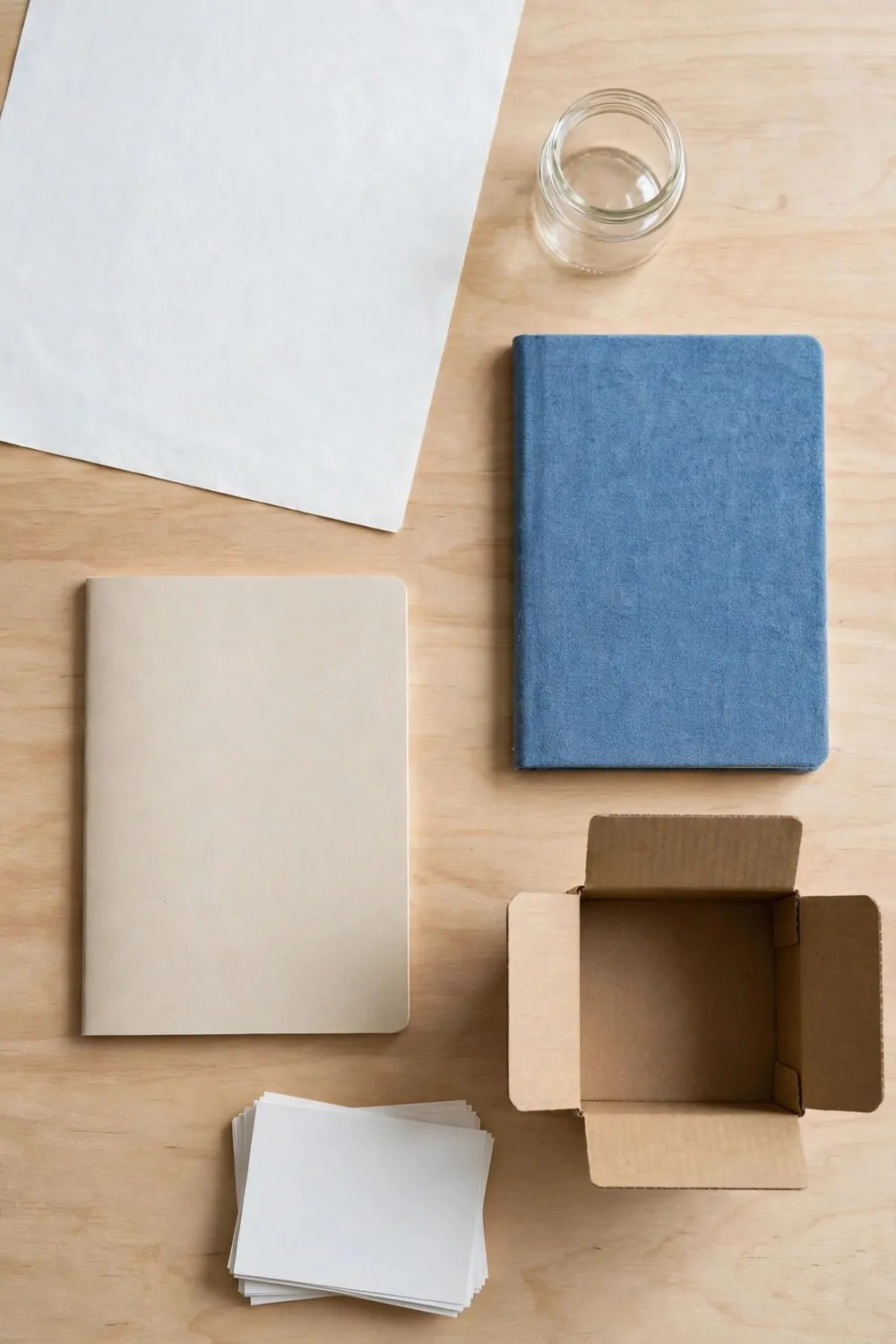
I put my no spend kit in one small box so it is ready when I need it. The box holds a plain no spend day chart for the fridge and a small plain no spend jar for spare coins.
I add a plain no spend tracker for no spend days and a set of plain no spend day cards for no spend days. I slip in a plain no spend money log for money I did not spend. All six bits sit in one small box for the kit.
I keep the box on a shelf where I can reach it each morning.
My plain no spend day chart cost $3 to $5, my small plain no spend jar cost $2 to $4, my plain no spend tracker cost $4 to $6, my set of plain no spend day cards cost $2 to $3, my plain no spend money log cost $3 to $5, and my small plain no spend box cost $3 to $6. For a total of $17 to $29, my kit is ready.
I open the box each night and pick my plan for the next day. The chart and the cards help me choose without a fuss.
I drop some coins in the jar when I skip a buy. I mark my tracker when the day stays free. I write the saved amount in my money log.
The kit keeps my no spend days in one calm place.
I take the box with me when I stay at a friend’s house. My kit travels well and keeps me on track.
Pick one no spend day this week and see how it feels. A small pause in spending can turn into a calm habit that stays.
| Idea | Main change | Typical cost |
|---|---|---|
| Sort One Drawer and Find What You Own | a tidy drawer with boxes inside | $2 to $4 |
| Make a No Spend Jar for Spare Coins | a jar for spare coins | $2 to $3 |
| Try a Free Morning Walk Each Day | a free morning walk each day | $3 to $5 |
| Use a Library Card for Free Books | a library card for free books | $2 to $3 |
| Make Tea at Home Instead of Buying It Out | tea made at home in a mug | $2 to $4 |
| Plan Free Fun for the Whole Weekend | free fun on a blanket | $3 to $6 |
| Keep a No Spend Chart on Your Fridge | a no spend chart on the fridge | $3 to $5 |
| Share a Meal With Food You Already Have | a shared meal from food at home | $2 to $4 |
| Put Your No Spend Kit in One Small Box | a no spend kit in one small box | $17 to $29 |
| Total | $36 to $63 |
| Idea | Main change | Typical cost |
|---|---|---|
| a plain no spend day chart | a no spend chart for the fridge | $3 to $5 |
| a small plain no spend jar | a jar for spare coins | $2 to $4 |
| a plain no spend tracker | a tracker for no spend days | $4 to $6 |
| a set of plain no spend day cards | day cards for no spend days | $2 to $3 |
| a plain no spend money log | a log for money I did not spend | $3 to $5 |
| a small plain no spend box | one small box for the kit | $3 to $6 |
| Total | $17 to $29 |
Keep Reading
If you liked these ideas, you will love these posts too
Each post has more simple ideas you can try at home this weekend.