21 Grocery Budget Ideas That Cut Costs Fast

I found a crumpled till receipt in my coat pocket and added up what my week of food really cost.
I stood in my kitchen and looked at the bags on the table. I knew I had bought too much food that I did not need.
Here are 21 grocery budget ideas that cut costs fast at home, and the first one starts with your next shop.
I wanted a simple way to spend less and still eat well. I did not want a hard plan that I would drop in two days.
So I started with small steps that fit my real week. Each one took a few minutes and helped me think before I spent.
You can try them one at a time and keep the ones that work for you. There is no need to change all your food habits at once.
My kitchen feels calmer now, and my food lasts longer. Let us start with the first easy idea.
1. Start Every Shop With a Short List
I write a short list before I leave my house. It helps me think about what I really need for the week.
I keep the list small so I can read it fast in the shop.
I look in my fridge first and I add what is missing. I add bread and milk if they are low. I leave off the things I still have at home.
A short list keeps my eyes on my food plan. I walk past the extra treats that I do not need.
My plain shopping list pad cost $2 to $4.
I write the list with a pen and I put it in my pocket. I check it as I walk down each aisle. It feels good to tick each thing off as I go.
You can make your list the night before you shop.
A list saves me time and it saves me stress. I do not stand in the shop and try to recall what I need.
Try it on your next shop and see how it feels. You may find your trolley holds only the food you planned to buy.
2. Take a Small Cash Budget to the Shop
I take a small amount of cash with me to the shop.
I put my food money in a small purse before I leave home. It helps me see what I have to spend.
I count the notes and coins once, then I close the purse. I leave my other money at home. I shop with a clear limit in my head.
A small purse makes the limit feel real.
I pick up only the food on my plan. I put back the extra things that would push me past my cash.
My small plain cloth purse cost $2 to $4.
You can try this with a small amount that fits your week. You choose the amount before you shop. You stop when the cash is gone.
It takes a bit of practice at first. Soon it feels like a normal part of my shop.
I feel calmer when I know my spend is set.
3. Check Your Cupboards Before You Leave Home
I look in my cupboards before I leave home. I open the doors and I see what is already there. I am done in a few minutes.
I often find food I forgot I had.
I check the shelves and I check the fridge too. I make a note of the things that are running low.
A quick look stops me buying food twice.
I move the older jars to the front so I use them first. I keep the newer ones at the back. That small move helps me waste less food.
You can do this while your kettle boils. It fits into a normal morning without much fuss.
My plain kitchen checklist cost $2 to $3.
I write down only the things I truly need. My list stays short and my shop stays simple.
A quick cupboard check is now part of my shop day.
4. Buy Only What Is on Your List
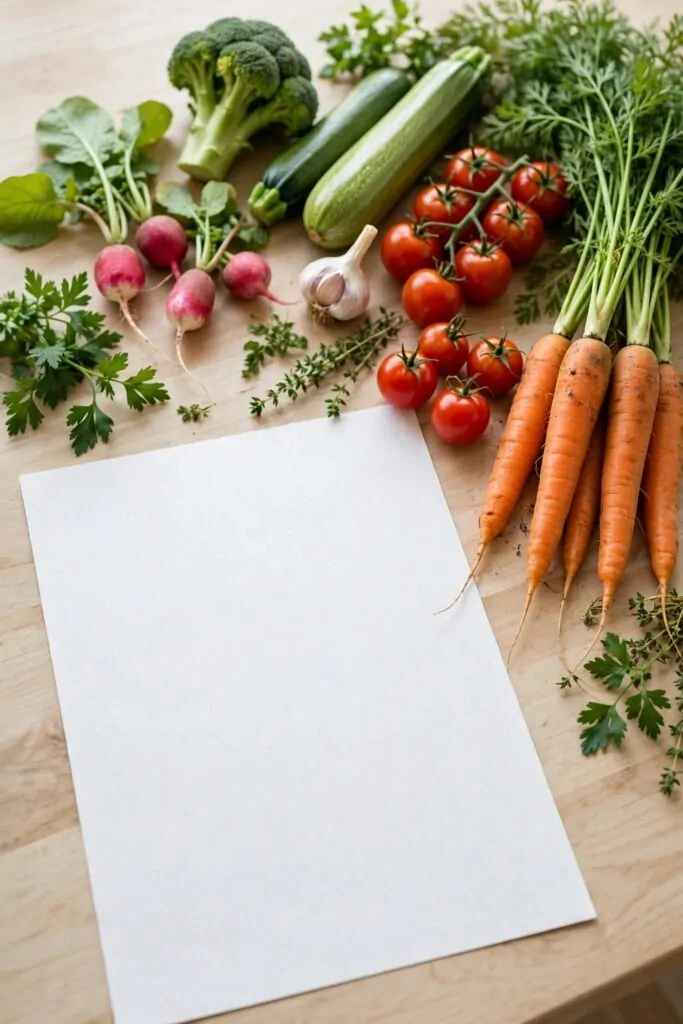
I buy only what is on my list when I shop. It sounds simple, and it works for me most weeks.
I read my list at the start of each aisle. I pick up the food I wrote down. I move on to the next aisle without a long look around.
My plain pocket list pad cost $2 to $4.
The bright packs on the shelves try to pull me in. I hold my list up and I keep to my plan.
I remind myself that extra food at home often goes stale. I think about my meals for the week. I choose the food that fits those meals.
You can leave the rest on the shelf.
It feels good to reach the till with just my planned food. I do not feel that rush of regret at the end.
My trolley looks plain, and that is fine.
Try it for one shop and watch how it feels. You may spend less time in the shop too. You may find your food lasts just as well.
5. Plan Your Food Spend Before the Week Starts
I plan my food spend before the week starts.
I sit at my kitchen table with my notebook. I think about the meals I want to make. I write a rough plan for each day.
I keep the plan loose so I can swap days around. A loose plan still helps me shop with care.
I look at what food I already have at home. I add only the fresh food I need. I leave space for one simple meal that uses up leftovers.
My plain food spend planner cost $3 to $5.
I write my plan with a pen and I keep it on the table. I can see it each morning when I wake up.
You can start with three or four meals and build from there. You do not need a perfect plan. You just need a plan that fits your week.
A plan takes the guess work out of my evenings.
I cook more calmly when I know what is for tea. My week feels less rushed, and my food goes further.
6. Cook at Home More Nights Each Week
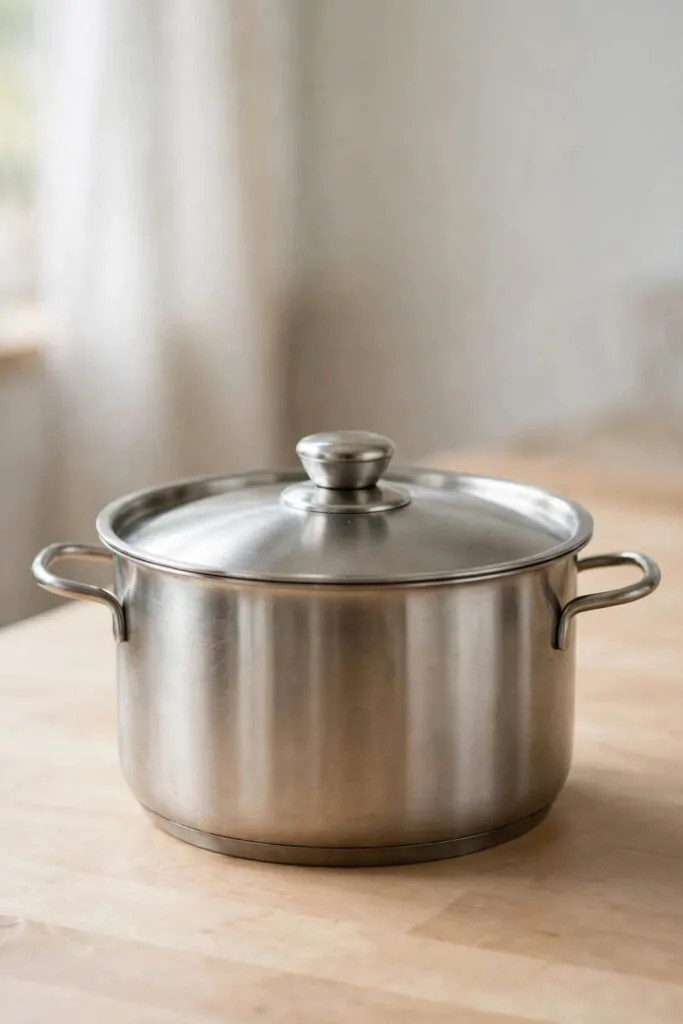
I cook at home more nights each week now. I use my plain pot and I make simple food. It tastes fresh, and I know what went into it.
I pick meals that take little time. A pot of soup or a pan of beans fills us up well.
Home food costs me less than food from outside.
I cook a big pot and I save some for the next day. I put the rest in a tub in the fridge. It makes the next night easy.
You can start with two home cooked nights a week. Add one more night when you feel ready.
I keep my meals plain and quick. I use the food I already bought. I waste less when I cook with a plan.
My plain cooking pot cost $2 to $4.
My kitchen smells warm on home cooked nights.
Try one new simple meal this week. You may find you like cooking at home more than you thought.
7. Buy Fresh Food When It Is in Season
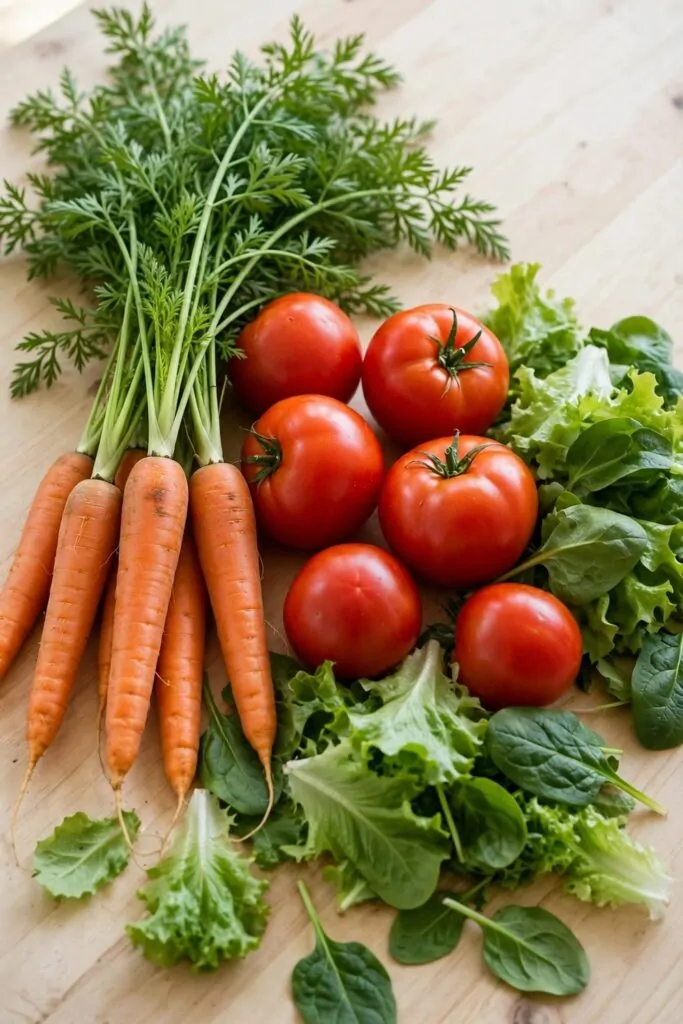
I buy fresh food when it is in season. It tastes better, and it is often the best pick on the stall.
I look for carrots and tomatoes when they look bright and fresh.
I pick leafy greens that look crisp and green. I leave the tired leaves on the pile.
I ask the seller what is fresh this week. I listen and I learn what grows near us now. I build my meals around that food.
You can try one new fresh food each week. It adds colour to your plate and variety to your meals.
My plain market bag cost $3 to $5.
I take my market bag and I fill it with the fresh picks. I wash the carrots and tomatoes at home. I use them in my meals that same week.
Fresh food in season makes my meals feel bright. I enjoy the simple taste of food at its best.
A seasonal shop is now my favourite shop.
8. Freeze Your Leftovers Before They Go Bad
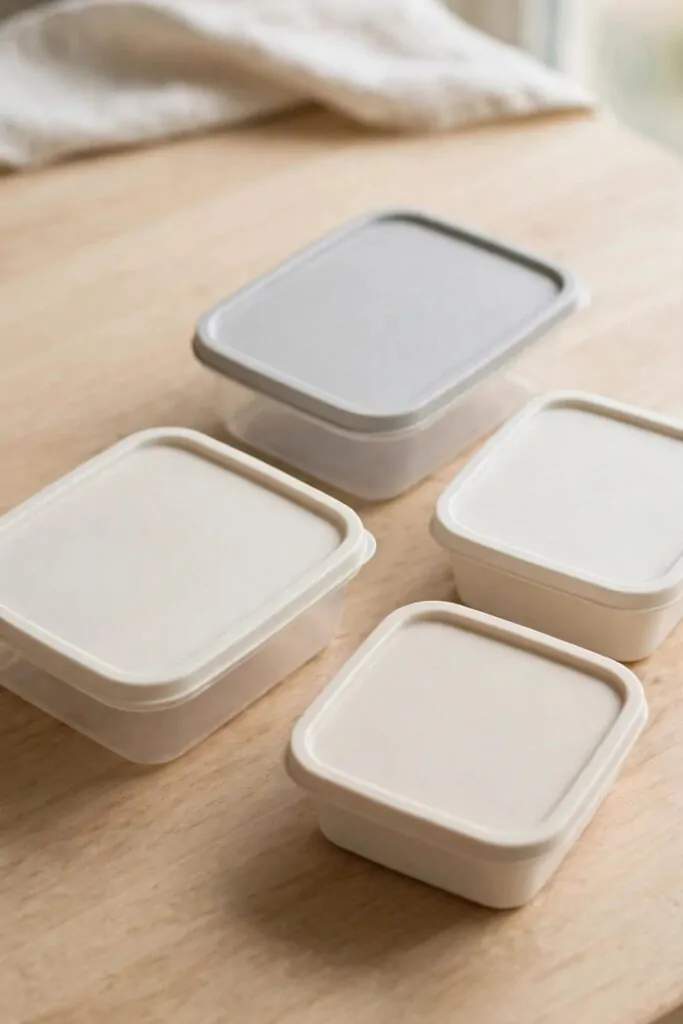
I used to throw food away at the end of the day. It felt bad each time I did it.
Now I put the extra food in a box with a lid right after we eat.
The lid keeps the food safe in the cold. I write the day in my notebook when I put the box away. That helps me know what to use first.
I let the food cool a little before I close the lid. Then I slide the box into the freezer and shut the door.
My plain lidded food containers cost $2 to $4.
On a busy night I take one box out in the morning. By dinner time it is soft and ready to warm up.
I warm it slow on the stove and stir it a few times. I try a spoonful and add a pinch of salt if it needs it. Then we eat it like it was made that day.
This one small change cut my food waste a lot.
You can start with just one box this week. Soon your freezer will hold meals that save you time and trips to the shop.
9. Compare Prices on the Shelf Before You Pick
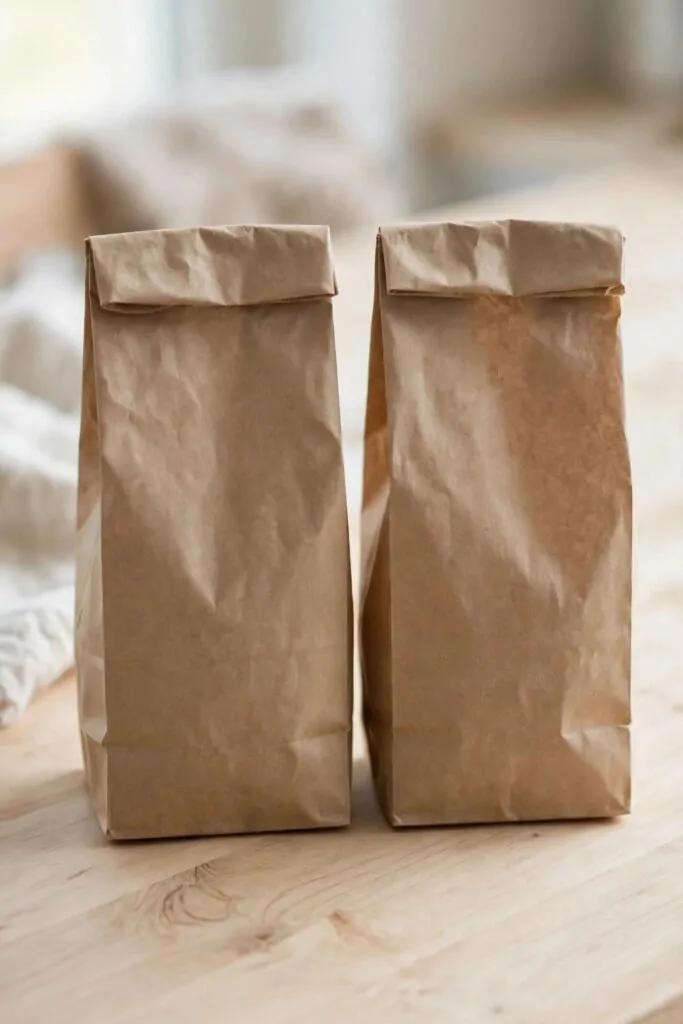
I stand in the shop and look at the shelf for a minute before I pick a bag.
The bags look much the same from the front. I turn them and read the small tag on the shelf. That tag tells me how much I pay for each bag.
One bag can look cheap but hold less food inside. The other bag can cost a little more and last a lot longer.
I do this slow check for the foods I buy most weeks.
My plain paper shopping bags cost $2 to $4.
I keep a small note in my pocket with the foods I need. I cross each one off as I find the best bag for it.
Some weeks the big bag wins and some weeks the small bag wins. I do not rush this choice when I shop. A calm minute at the shelf helps me pick well.
You can try this with just one food next time you shop. Pick the bag that gives you more food for your money.
Soon this quick check will feel like a normal part of your shop.
10. Buy Big Packs of Rice and Pasta
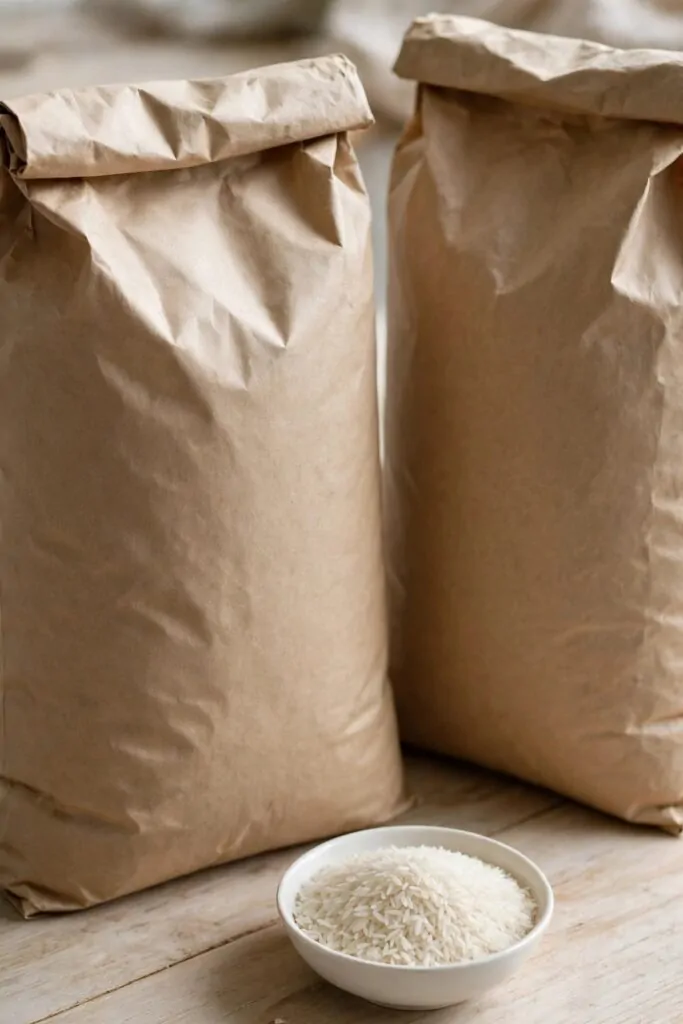
I buy rice and pasta in big packs now. The big packs last for many meals in my home. I keep them in a dry spot in my kitchen.
A small bowl of dry rice sits on my table when I cook. I scoop what I need and put the rest back in the sack.
The sacks stay shut tight so the food stays fresh and dry.
I write rice and pasta on my list when the sacks start to get low. I buy the big size when I see it on the shelf. Then I carry it home and put it away at once.
My plain rice and pasta sacks cost $3 to $6.
This plan means I do not run out in the middle of a meal.
I cook a pot of rice for dinner and save some for the next day. It warms up well and tastes just as good.
You can start with one big pack this month. Keep it in a clean dry place in your kitchen. You will see how many meals it gives you.
I like knowing the food is there when I need it. It makes my week feel calm and simple.
| Idea | Main change | Typical cost |
|---|---|---|
| Start Every Shop With a Short List | a short list before every shop | $2 to $4 |
| Take a Small Cash Budget to the Shop | cash in a small purse for the shop | $2 to $4 |
| Check Your Cupboards Before You Leave Home | a quick look in the cupboards first | $2 to $3 |
| Buy Only What Is on Your List | only the food on the list | $2 to $4 |
| Plan Your Food Spend Before the Week Starts | a food spend plan for the week | $3 to $5 |
| Cook at Home More Nights Each Week | more home cooked meals each week | $2 to $4 |
| Buy Fresh Food When It Is in Season | fresh food in season | $3 to $5 |
| Freeze Your Leftovers Before They Go Bad | leftovers in the freezer | $2 to $4 |
| Compare Prices on the Shelf Before You Pick | a price check on the shelf | $2 to $4 |
| Buy Big Packs of Rice and Pasta | big packs of rice and pasta | $3 to $6 |
| Total | $23 to $43 |
11. Cook One Big Pot That Lasts Three Days
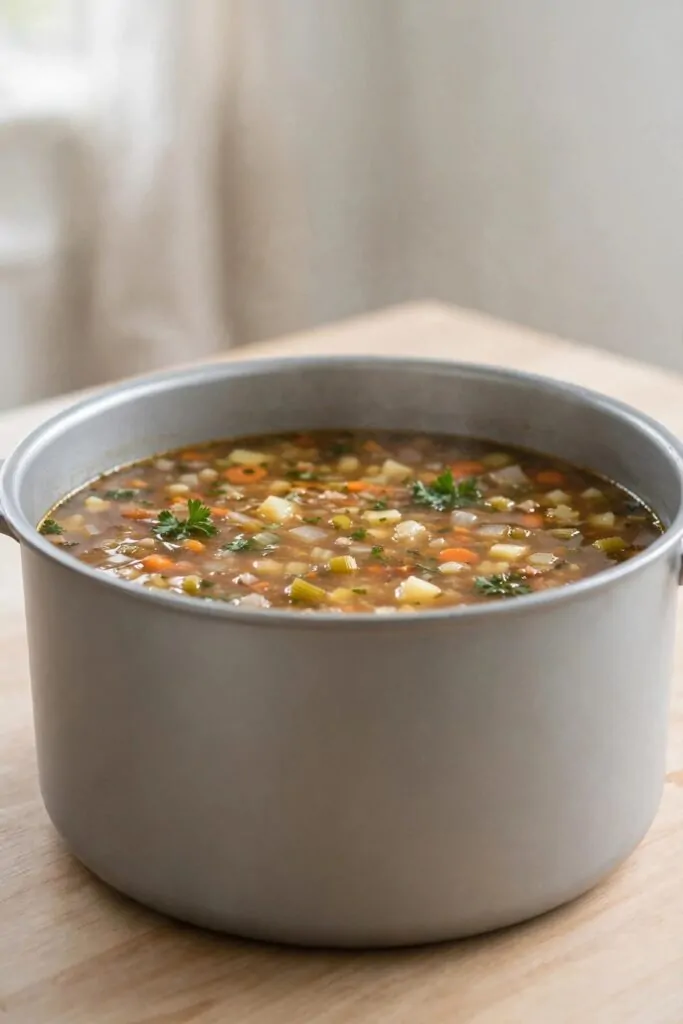
I cook one big pot on Sunday and it feeds us for three days. It saves me time on busy nights.
I start with water and the foods I have at home. I add them to the pot and let it cook slow. The smell fills my kitchen while it bubbles.
The pot on my table holds soup that is warm and ready to serve.
I ladle some into bowls for dinner that night. I let the rest cool before I put it away.
My large plain soup pot cost $2 to $4.
The next day I warm a bowl for lunch. I add a slice of bread with it. It tastes even better on the second day.
On the third day I warm the last of it for dinner.
You can pick one simple soup you like and try this plan. Cook it big once and rest for two nights.
I keep the pot on the stove with the lid on between meals. I check it before I warm it up again. This plan makes my week feel light and easy.
12. Pack Your Lunch Instead of Buying One
I used to buy lunch out almost every day.
The food was fine but the cost added up fast. I knew I had to change that habit.
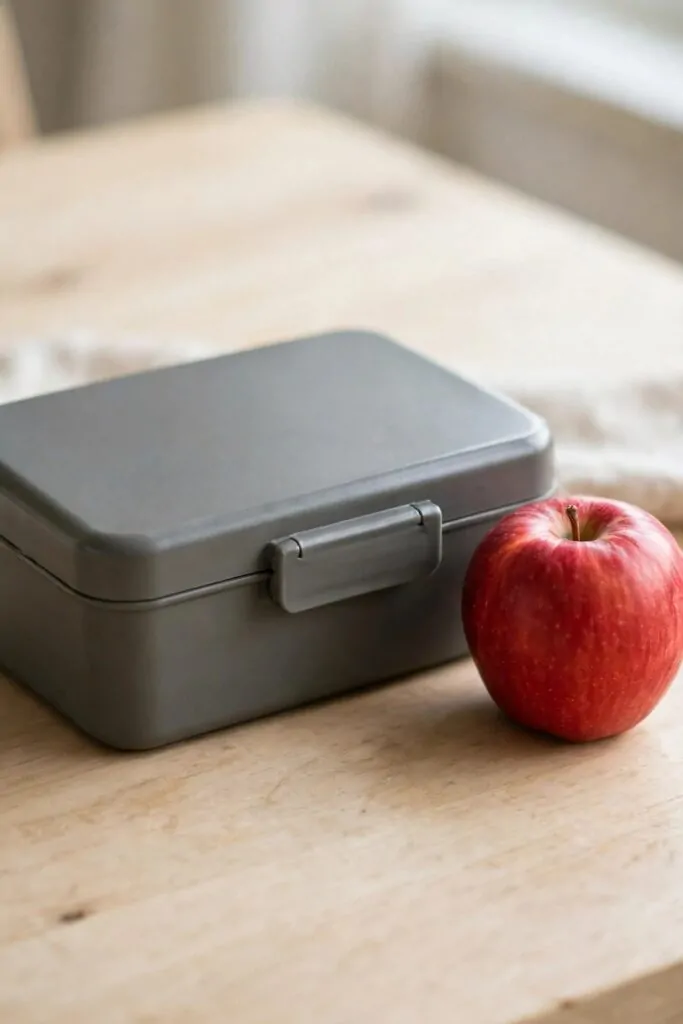
Now I pack my lunch at night before bed. I put it in a plain lunchbox and close the lid tight. In the morning I just grab it and go.
A red apple sits beside the lunchbox on my table. I add the apple to my bag in the morning. It gives me a fresh bite with my lunch.
My plain lunchbox cost $2 to $4.
I pack leftovers from dinner when I can. They taste good the next day at work.
This small habit helps me eat food I like more.
You can start by packing lunch twice a week. Pick foods you enjoy and that pack well. Soon you will pack it most days without thinking.
I feel proud when I open my lunchbox at noon. It is food from my own kitchen and it was made with care.
13. Use Every Bit of the Food You Buy
I used to throw away parts of food I could still use. Now I look at each piece before it goes in the bin. I ask myself if it can help in one more meal.
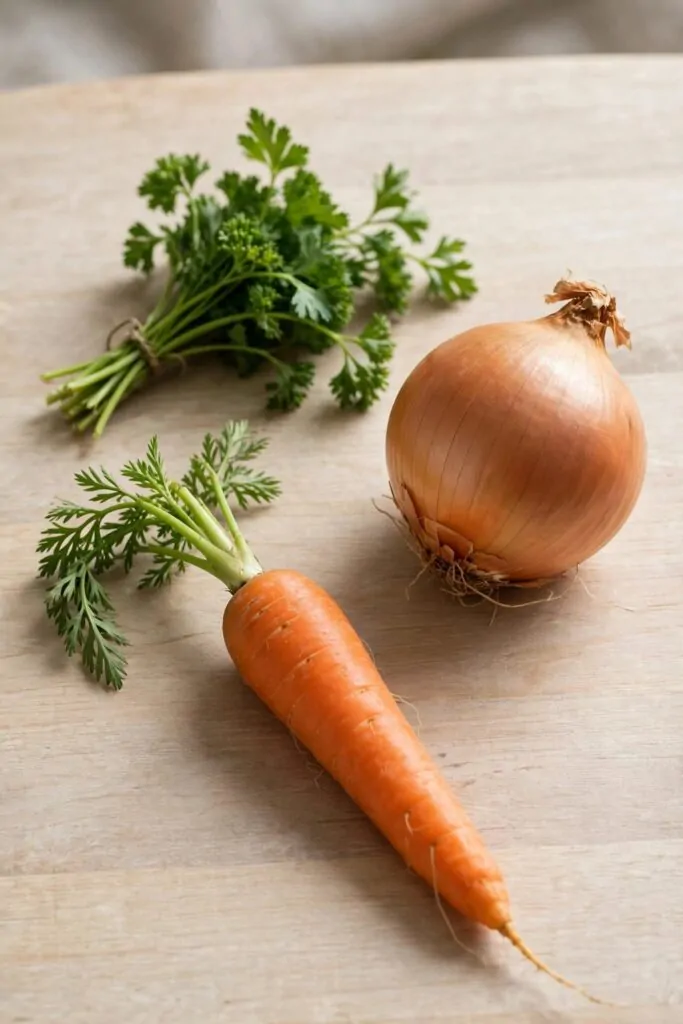
A whole carrot and a whole onion sit on my table with a small bunch of green herbs.
I wash the carrot and use the whole thing in my soup. I chop the onion fine and add it to the pan.
The green herbs go on top at the end for fresh taste. Nothing from that small pile goes to waste.
My plain shopping basket cost $2 to $3.
I save soft bits for soup and firm bits for a stir in the pan. I keep them in a small bowl in the fridge. They stay good for a day or two that way.
You can start with just one food this week. Use all of it and see how far it goes.
It feels good to waste less food each week.
I plan my meals so I buy only what I will use. I cook with what I have before I shop for more. This way my food lasts longer and my shop stays simple.
14. Grow a Few Herbs on Your Window Ledge
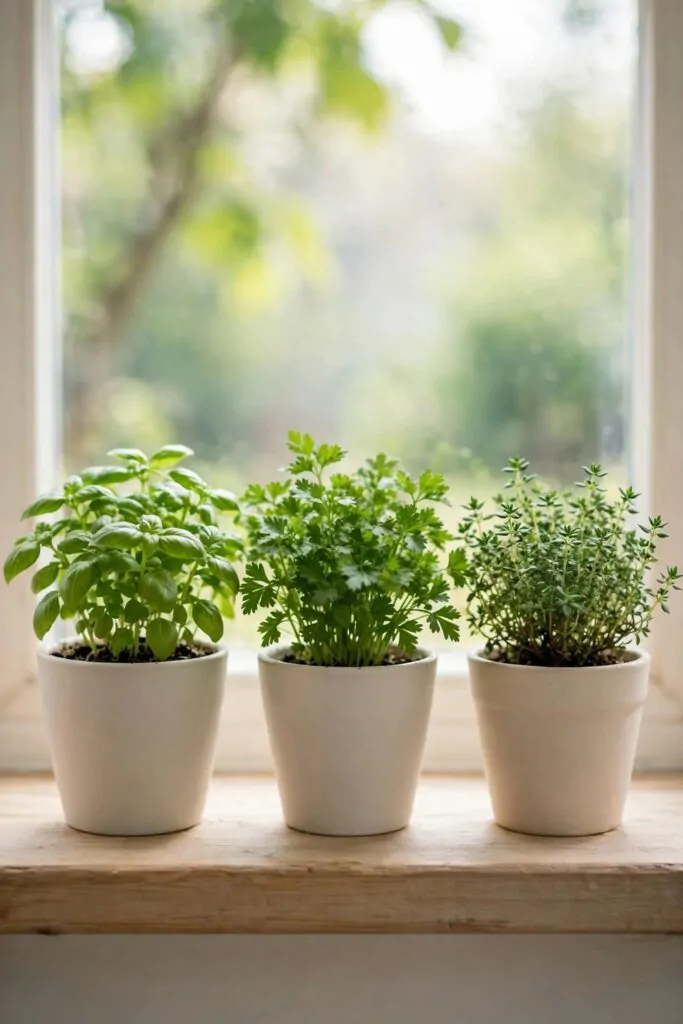
I grow a few herbs on my window ledge at home. They sit in three small pots where the light comes in.
I water them a little each morning before I start my day.
The green leaves grow slow and smell fresh when I touch them. I snip a few leaves when I cook dinner.
I add the fresh leaves to soup and rice at the end. They lift the taste without much work. I feel happy to pick food I grew myself.
My small plain herb pots cost $2 to $4.
You do not need a big garden for this plan.
Pick a bright spot by a window in your home. Set the pots there and keep the soil damp. Soon you will see new green leaves each week.
I check the pots when I make my morning tea. I snip a few leaves when I cook and the pots keep growing back.
This small ledge gives me fresh taste all year. It is one of my best small wins in the kitchen.
15. Shop Once a Week and Skip the Daily Trips
I used to pop into the shop nearly every day. Each little trip added one more thing I did not plan to buy.
Now I go just once a week and I stick to that one trip.
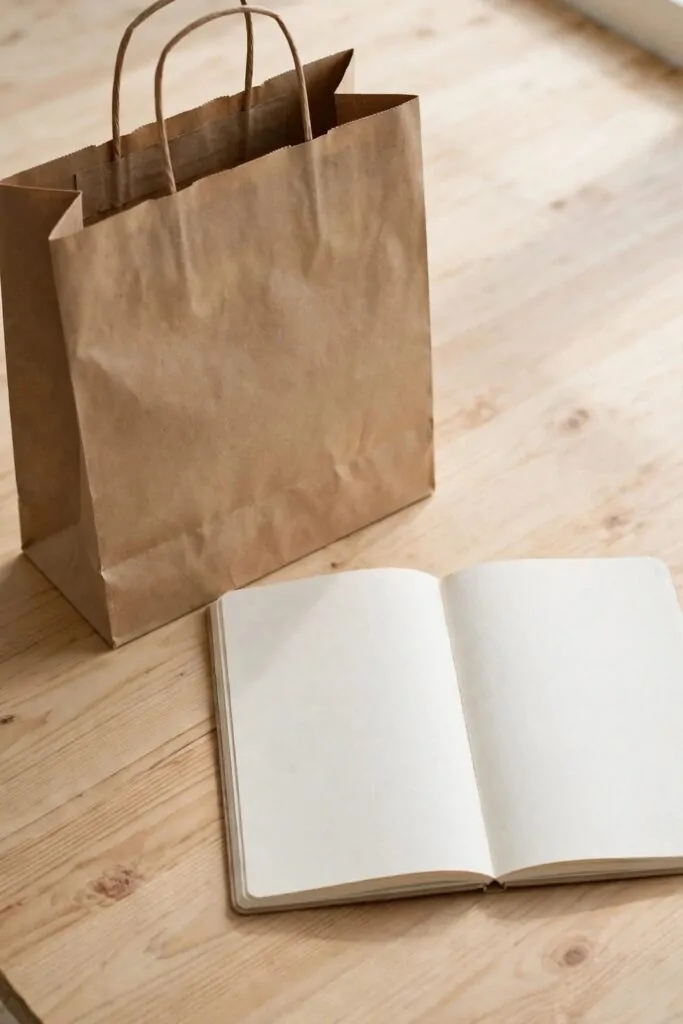
My plain paper shopping bag cost $2 to $4.
I write my list the night before I go. I check the fridge and the cupboard first. Then I cross off anything I already have at home.
One trip means I buy less food on a whim. It also means I use up what is already in my kitchen.
My bag sits by the door so I do not forget it.
If I run out of milk midweek, I wait till the next shop. I use water or a bit of juice in my tea instead. It feels strange at first, but it gets easy fast.
A weekly shop also saves my time and my feet. I spend that saved time cooking a simple meal at home.
Try one shop a week and see how calm your food week feels.
16. Keep Cheap Staples on One Shelf at Home
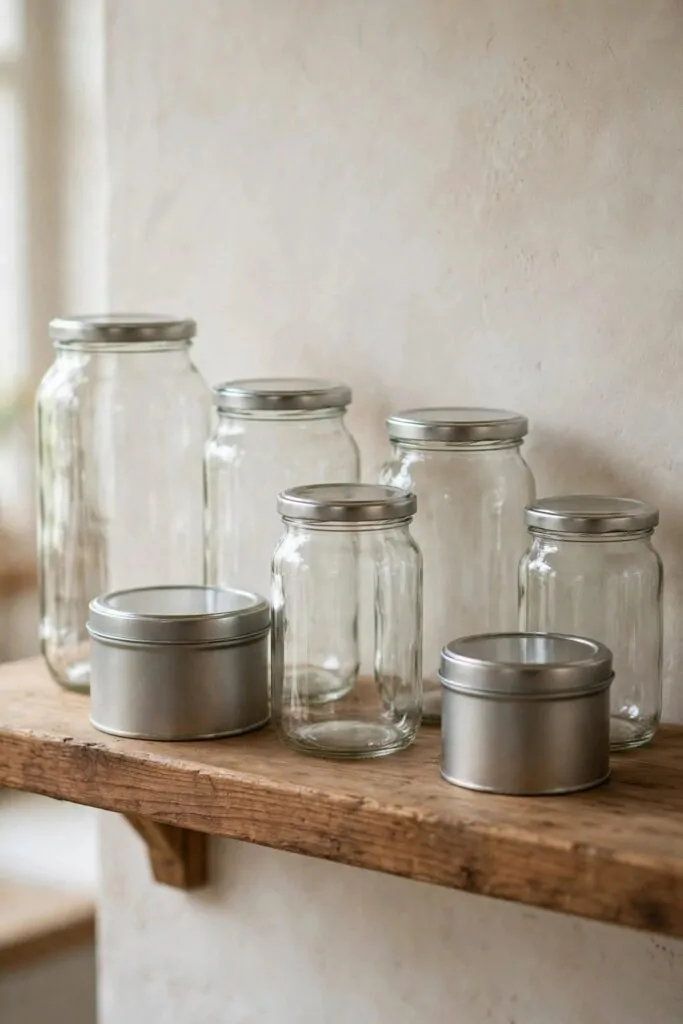
I keep one shelf just for cheap staples. The jars and tins sit in a neat row. When I can see them, I know what I have.
I buy these staples when they are on a good price. A full shelf means I rarely run out midweek.
I check the shelf each Sunday before I write my list.
Plain glass jars and plain tins hold it all. Each jar and tin has its own spot on the shelf.
My plain pantry jars cost $3 to $5.
I put new bags at the back of the shelf. Older jars move to the front. That way nothing sits there for months.
One shelf keeps my whole kitchen tidy.
You can start with just three jars. Add more as your shelf fills up.
A shelf of staples makes cheap meals easy. I can make soup or porridge any night. And I waste less food because I use what I see.
17. Make Your Own Snacks Instead of Buying Them
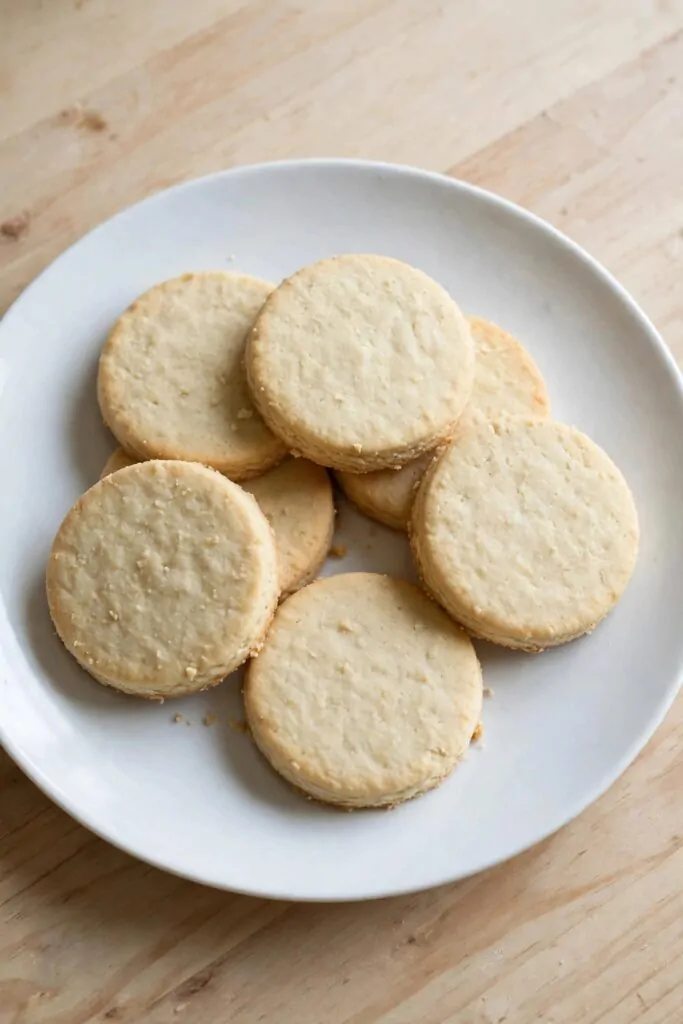
Shop snacks cost a lot for a small pack. I make my own snacks at home now and it costs far less.
My plain snack plate cost $2 to $4.
Round biscuits are my favourite easy snack. I bake a tray on Sunday and keep them in a tin. They last the whole week if I hide them well.
I also cut up fruit and keep it in a small bowl.
A plate of home snacks feels just as nice as a shop pack. My kids reach for the plate first now.
I mix oats and honey into little balls. I roll them with my hands and chill them in the fridge. They are sweet, soft and quick to grab.
Making snacks takes me about ten minutes. That is less time than a trip to the shop.
Try one snack this week and see how it goes.
You will save money and you will know what is in your food. That is a win twice over.
18. Share a Big Pack With a Friend
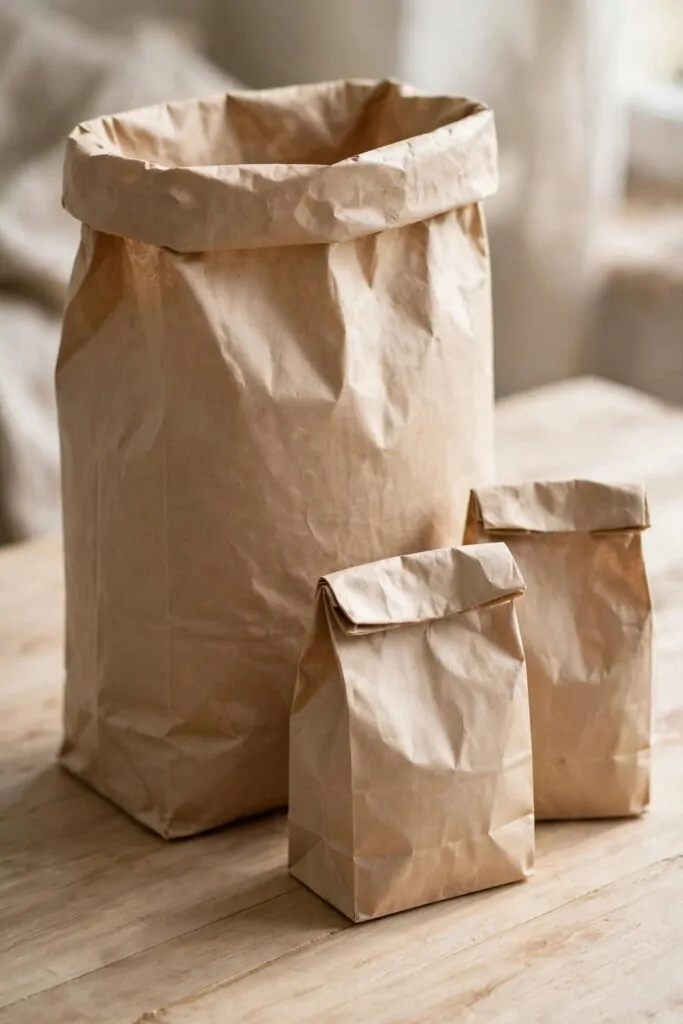
Big packs cost less per kilo, but they are too much for one home.
I split a big pack with my friend now. We each take half and we each pay half.
We pick one big pack each month. Rice is a good one to share. Flour works well too.
I carry the big paper sack home and split it on my table. Two smaller paper bags hold each half.
Sharing means nothing goes stale in my cupboard.
We write down whose turn it is to buy. We swap turns each month. It stays fair and simple that way.
My large plain paper sack cost $3 to $5.
Ask a friend or a neighbour if they want to share. Most people like the idea at once.
A shared pack saves money for both of us. It also means fewer trips to the shop. And it feels good to help each other out.
19. Read Your Till Receipt Before You Leave the Shop
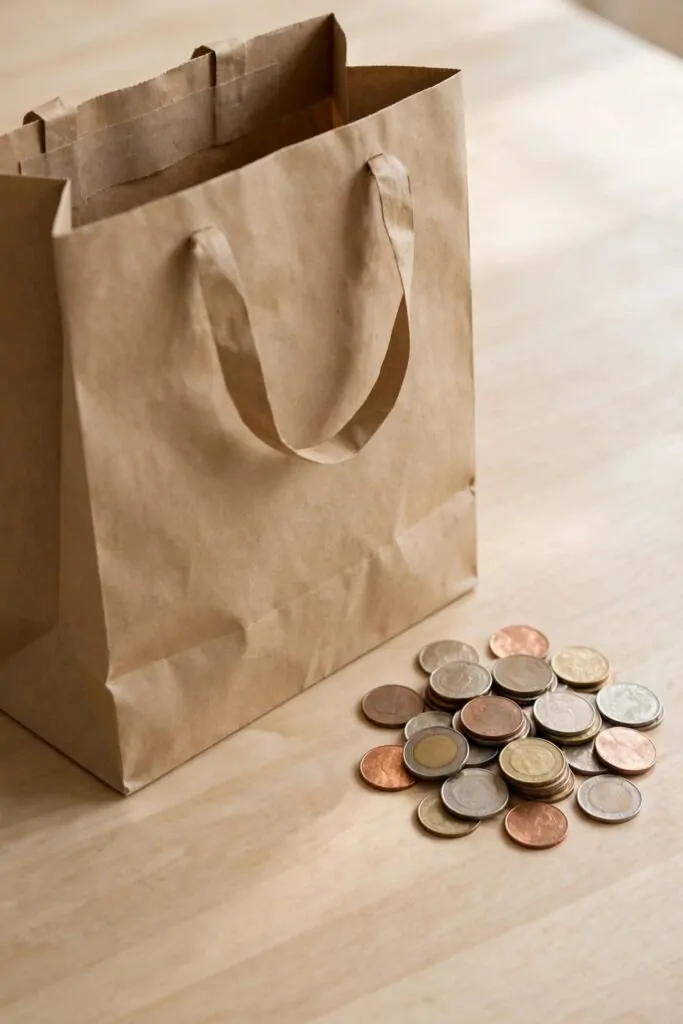
I read my till receipt before I leave the shop. It takes me one minute. It has saved me money more than once.
I check each line against what is in my bag.
Sometimes an item is charged twice by mistake. Sometimes a price is not the one on the shelf.
My plain shopping bag cost $2 to $3.
If I spot a mistake, I walk straight to the till. I show the receipt and ask them to fix it. They always sort it out with a smile.
I keep the receipt in my bag till I get home. Then I can check it against my list too.
A quick check is worth the minute it takes.
I also add up the total in my head as I shop. That way no big number shocks me at the till. And I put back anything I do not need.
Make the receipt check a habit every shop. Your wallet will thank you for it.
20. Set One Small Weekly Limit for Food
I set one small weekly limit for food. It is a number I can stick to without feeling tight.
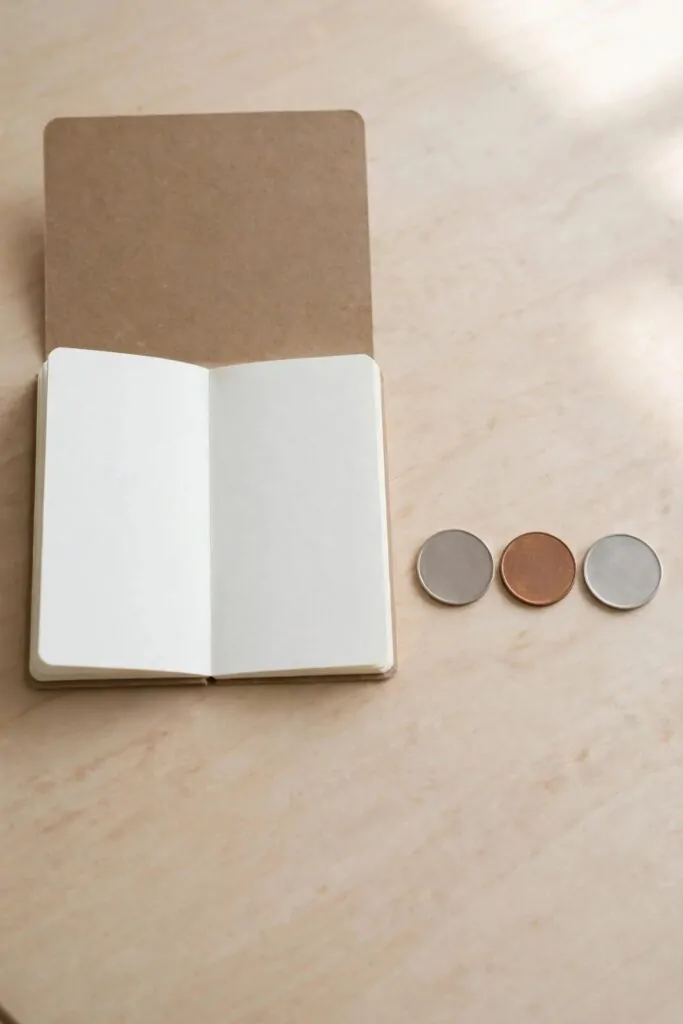
I write the limit in my small plain notebook. I keep a few coins beside it on the table. That little pile reminds me to stay on plan.
I check the notebook each time I come home from the shop. The numbers keep me on track.
If I am near my limit, I cook from what I have. Rice and beans make a fine cheap meal.
A small limit works better than a big strict one. A big limit feels like a punishment. A small one feels like a game I can win.
My small plain notebook cost $2 to $4.
I tell my family the limit so we all help. We pick cheap meals together each week.
At the end of the week I see how I did.
Some weeks I go a little over and that is fine. I learn from it and I try again. A small limit is a habit, not a test.
| Idea | Main change | Typical cost |
|---|---|---|
| Cook One Big Pot That Lasts Three Days | one big pot for three days | $2 to $4 |
| Pack Your Lunch Instead of Buying One | a packed lunch from home | $2 to $4 |
| Use Every Bit of the Food You Buy | every bit of food used | $2 to $3 |
| Grow a Few Herbs on Your Window Ledge | fresh herbs on the window ledge | $2 to $4 |
| Shop Once a Week and Skip the Daily Trips | one shop each week | $2 to $4 |
| Keep Cheap Staples on One Shelf at Home | cheap staples on one shelf | $3 to $5 |
| Make Your Own Snacks Instead of Buying Them | snacks made at home | $2 to $4 |
| Share a Big Pack With a Friend | a big pack shared with a friend | $3 to $5 |
| Read Your Till Receipt Before You Leave the Shop | a check of the till receipt | $2 to $3 |
| Set One Small Weekly Limit for Food | one small weekly limit for food | $2 to $4 |
| Total | $22 to $40 |
21. Build Your Grocery Saving Kit in One Small Box
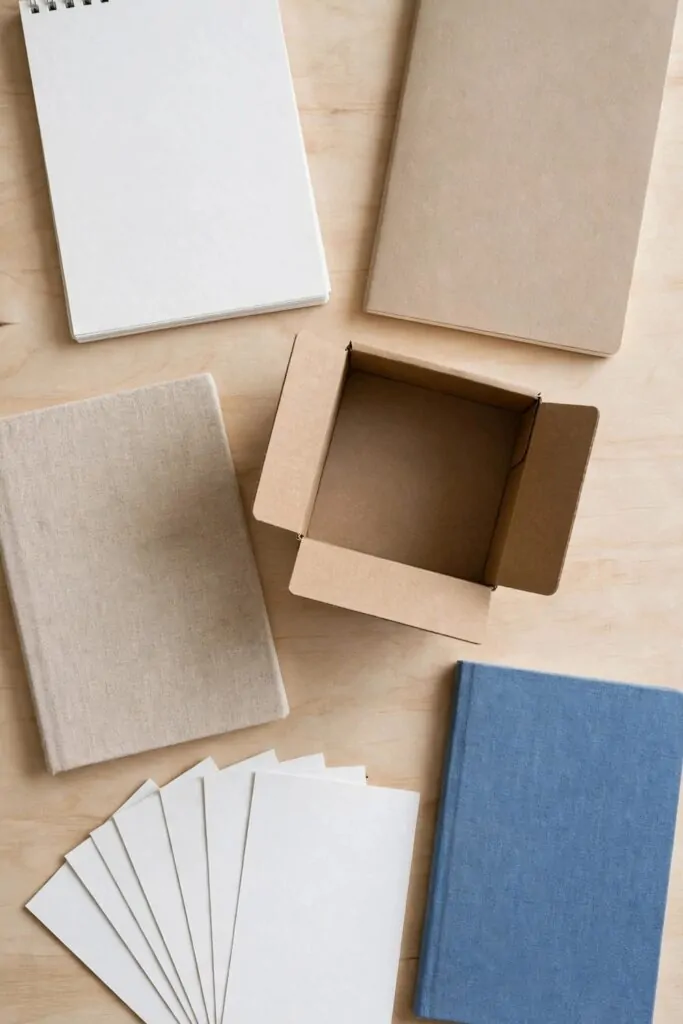
I keep a plain grocery list pad and a plain grocery meal planner in my kit. Write your shop list on the list pad each week. Plan your meals on the meal planner each week.
My kit holds a small plain grocery budget box and a plain grocery spending tracker. Keep your food cash in the budget box. Write each week of spending in the tracker.
My kit also holds a set of plain grocery list cards and a plain grocery money log. Write one shop list on a card each week. Write each week of spending in the money log.
My plain grocery list pad cost $2 to $4, my plain grocery meal planner cost $3 to $5, my small plain grocery budget box cost $3 to $6, my plain grocery spending tracker cost $4 to $6, my set of plain grocery list cards cost $2 to $3, and my plain grocery money log cost $3 to $5. For a total of $17 to $29, my kit is ready.
I keep the whole kit in one small box on my shelf. When I need to plan a shop, I grab the box and sit down with it.
The box keeps my lists, my plans and my notes in one place. I do not hunt around the kitchen for a scrap of paper. Everything I need is right there in the box.
A small box is all it takes to stay on track.
You can build your kit this week with plain bits from any shop. Start with the pad and the planner, then add the rest.
Pick one idea from this list tonight and try it on your next shop. A small saving each week can turn into a habit that lasts.
| Idea | Main change | Typical cost |
|---|---|---|
| Build Your Grocery Saving Kit in One Small Box | a grocery saving kit in one small box | $17 to $29 |
| Total | $17 to $29 |
| Idea | Main change | Typical cost |
|---|---|---|
| a plain grocery list pad | Write your shop list on the list pad each week | $2 to $4 |
| a plain grocery meal planner | Plan your meals on the meal planner each week | $3 to $5 |
| a small plain grocery budget box | Keep your food cash in the budget box | $3 to $6 |
| a plain grocery spending tracker | Write each week of spending in the tracker | $4 to $6 |
| a set of plain grocery list cards | Write one shop list on a card each week | $2 to $3 |
| a plain grocery money log | Write each week of spending in the money log | $3 to $5 |
| Total | $17 to $29 |
Keep Reading
If you liked these ideas, you will love these posts too
Each post has more simple ideas you can try at home this weekend.