28 Budget Tracker Ideas That Make Saving Easy

I opened a small blank notebook and wrote down what my lunch cost that day. It felt small and simple. I liked how calm the blank page looked with a pen and some coins beside it.
Money can feel hard to follow when it moves fast. A small tracker slows it down and makes it easy to see.
I use a plain page and some short lines each day. Here are 28 budget tracker ideas that make saving easy at home, and the first one takes less than five minutes.
You do not need a big plan to start. You only need one page and a calm minute at home.
Each idea here keeps the work small. You write down what you spend and what you save.
I like trackers that I can see each day. They help me pick one small save and stick with it.
Pick the idea that feels easiest for you. Start there and let the rest wait for another day.
1. Start a Daily Spending Tracker in a Small Notebook

I open my notebook each morning and write down one line for the day. It gives my money a clear start and keeps my plan close.
As the day goes on, I write down what I spend.
A short line works best for me. I write the thing I bought and the amount I paid. Then I move on with my day and let the page do the work.
At night I look at the lines I wrote. I can see where my money went without doing hard sums.
This small habit helps me spend with a calm mind.
My notebook stays in a spot I pass each day. I write in it after I buy a thing I need for the house.
Some days I spend very little and the page stays short. Some days I spend more and the lines grow long. Both kinds of days teach me a lot about my own habits.
My small notebook cost $4 to $9.
I start again on a fresh page each morning. The new page feels calm and easy to fill.
2. Track Your Food Money for One Whole Week

I write down all my food money for one whole week.
I add each meal and each snack to the page. Food I buy on my way home goes on the page too.
By day three I can see where my food money goes.
I love how simple this week feels. I do not guess at the end of the week. I look at the page and I know the true cost of my food.
I plan my meals with what I already have at home. I write a short list before I go out to buy food.
This one week shows me what to change next week.
I save the page when the week ends. I read it again before I plan the next week.
My food notebook cost $3 to $8.
A week is long enough to learn a lot. A week is short enough to feel easy. I like to try this track again when my food plans change.
3. Keep a Bills Tracker with Every Due Date

I write each bill on one page with its due date. The bills go in date order so the near ones come first. My month feels calm when I can see them all.
I mark a bill as paid when the money leaves my plan.
I write the amount with the date in plain numbers. I can see at once what I owe that week.
Late fees stay away when I follow my own dates.
At the start of each month, I look at the page. I add new bills as they come in. I cross out the ones I have paid with a short line.
My bills page stays out where I can see it. I write a bill down the moment I learn its date.
This page keeps my month smooth and free from last minute rush.
My bills binder cost $5 to $12.
I end the month with a clear page and a clear mind. I start the next month with the same simple page.
4. Colour One Box Each Day You Save
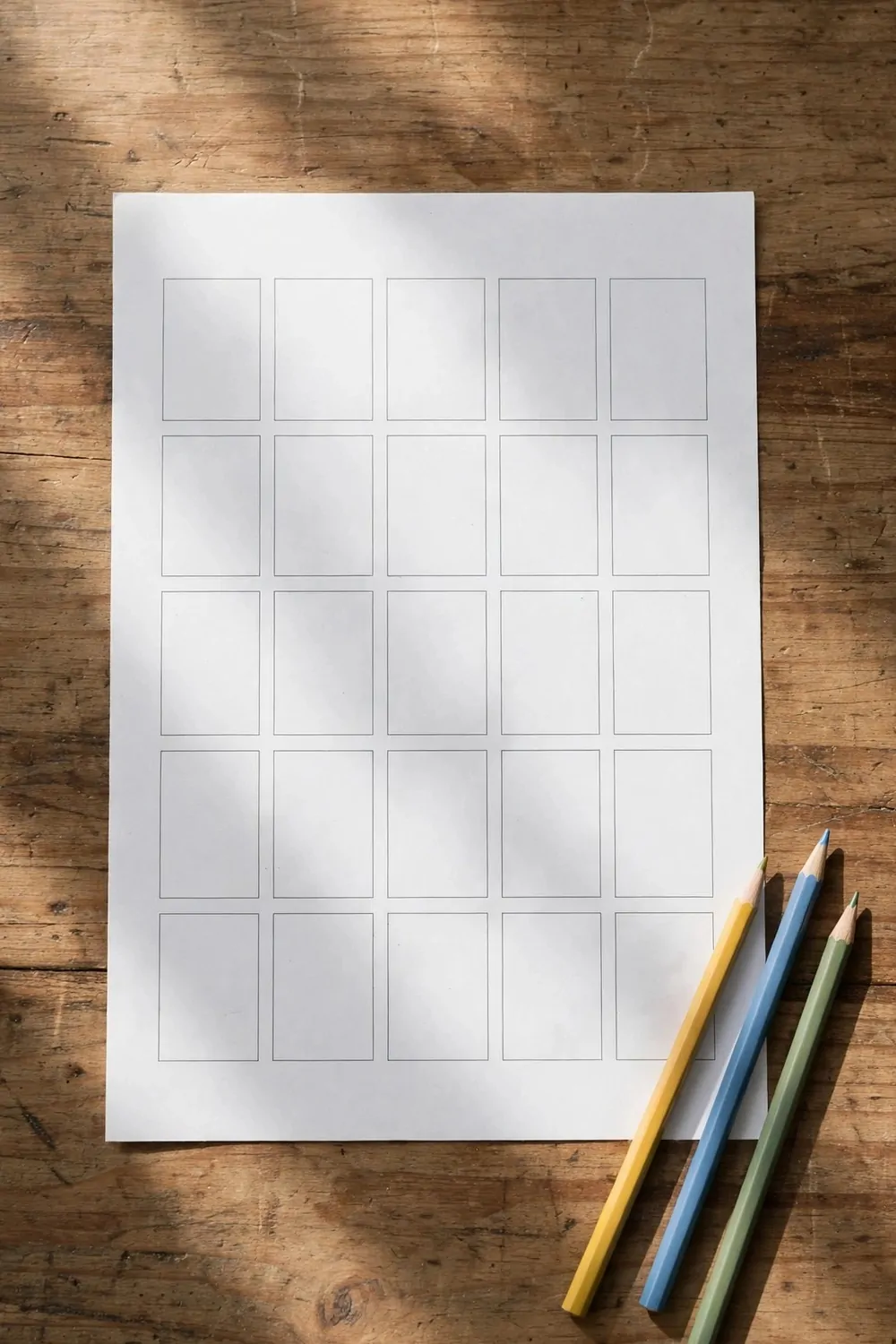
I colour one box each day I save a bit of money. It gives me a small win I can see at once.
I pick a small save that fits my day. The saved coins go in my jar and then I colour the box. I like the link between the save and the mark.
A missed day does not break my track.
I just colour the next box on the next day I save. I keep going with no guilt and no fuss.
This page turns saving into a fun daily game.
I look at my page in the morning to plan my save. One thing I can skip that day stands out to me. I write the saved amount on the page for that day.
I leave my colour page where I see it each morning. It reminds me to save before I spend on small extras.
My savings chart cost $3 to $7.
One coloured box a day adds up to a proud month of saves.
5. Track Your Coins in a Glass Jar Tracker
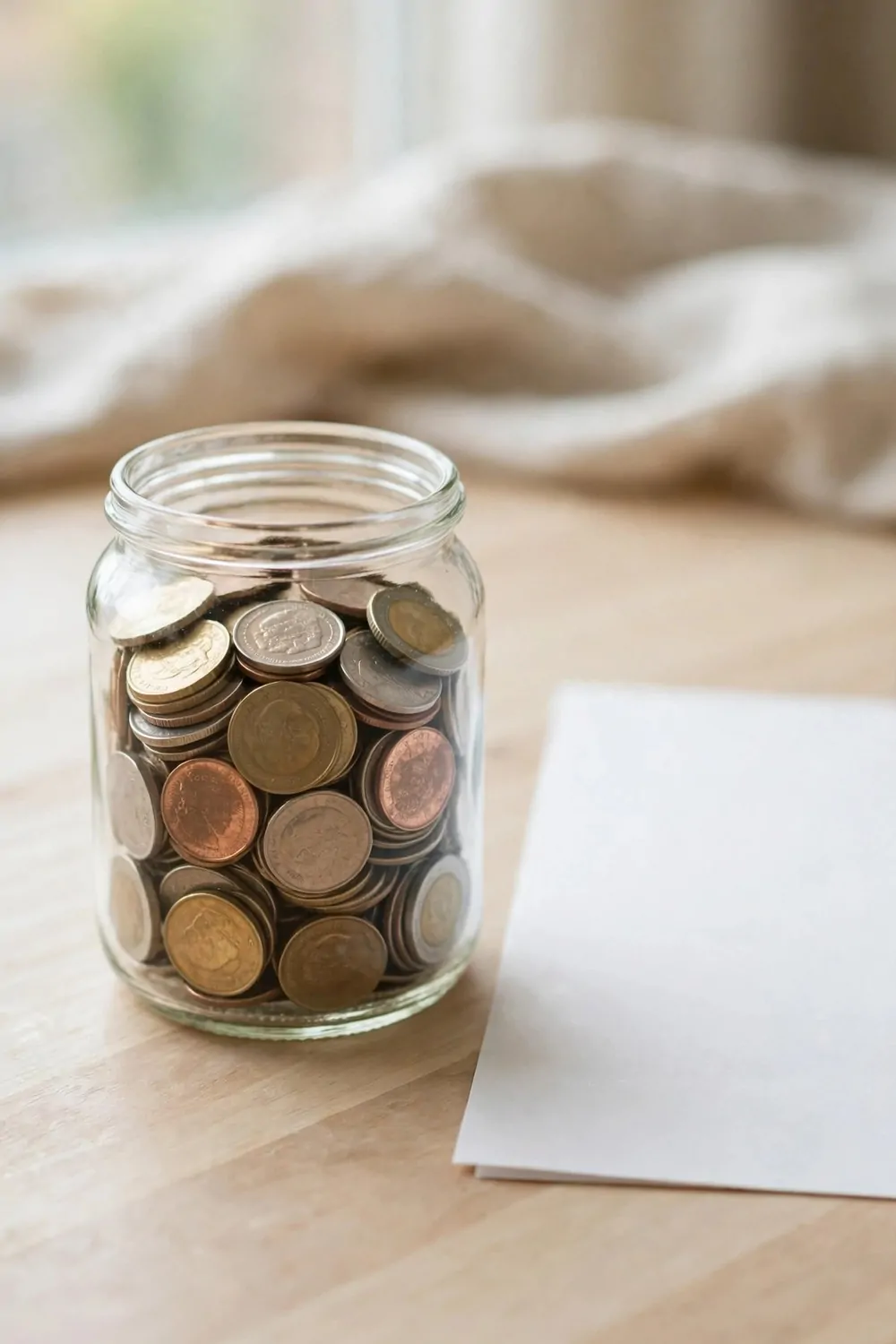
I put my spare coins in a glass jar each day.
I write the date on my page when I add coins. The coin total goes on the page in plain numbers too. I like to see my saves grow as the days pass.
I empty my pockets at the end of each day. I drop the loose coins in the jar before I rest.
Small coins add up fast when I save them each day.
I write a small goal on my page for the jar. I work toward that goal one coin at a time.
I do not take coins out for small wants. The jar grows till I reach my goal. Counting the coins at the end of the month makes me proud.
This jar makes saving feel real and close.
My glass jar cost $2 to $8.
I start a new jar page when I reach my goal. I write the new date and keep saving with joy.
6. Mark Each No Spend Day on Your Tracker
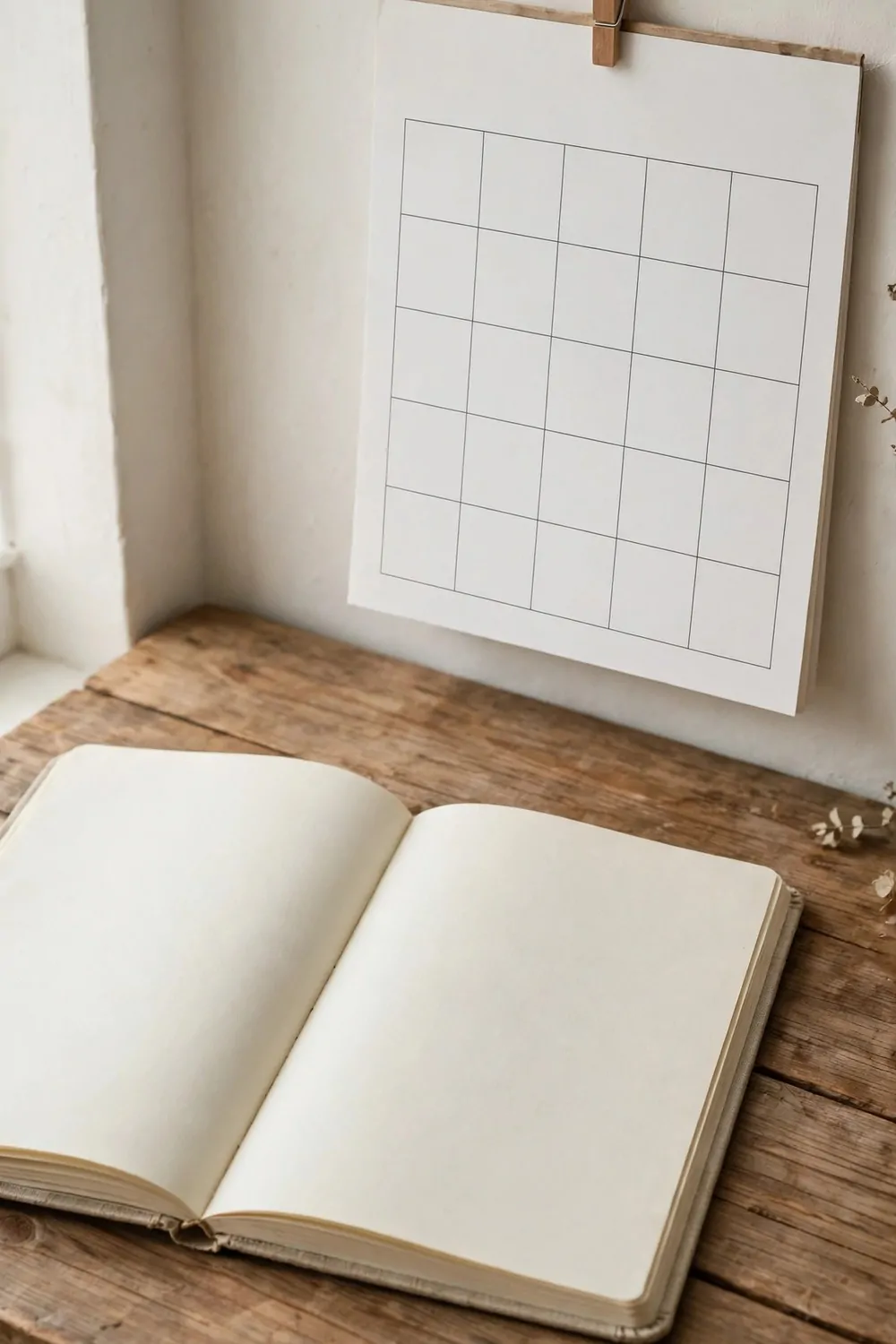
I pick some days in the month to spend on nothing new. I mark each one on my page with a star. I feel strong when I see the stars line up.
A no spend day still lets me buy food I need. I just skip the extra treats and fun buys that day.
I plan my no spend days at the start of the month.
I write them on my page before the month starts. Each morning I read the page to keep the plan fresh.
Some weeks I manage two no spend days with ease. Some weeks I manage only one and that is fine too. Each star I add shows a win I earned.
I use the saved money for a bill or a small goal.
I leave my star page where I see it each day. It helps me pause before I buy a thing I do not need.
My wall calendar cost $4 to $10.
No spend days teach me what I truly need. They show me how much I can save with small pauses. My month closes with more money and a calm mind.
7. Track Your Payday Money Before You Spend It
I write down my payday plan before the money comes in. I give each part of it a job on the page.
Bills come first and savings come right after them.
I write the bill amounts on my page with clear numbers. I write my save amount on the same page too.
I leave some money for food and home needs. A small bit stays for treats too. I do not spend the rest till I have a clear plan for it.
This plan stops my payday money from slipping away.
I open my payday page on payday morning. I follow the lines I wrote one by one.
I feel calm when each part has a clear job. Paying my bills on time makes me proud. Watching my save grow each month feels good.
My payday sheet cost $2 to $6.
A payday plan turns a busy day into a quiet win.
8. Keep a Wall Tracker for Your Monthly Savings
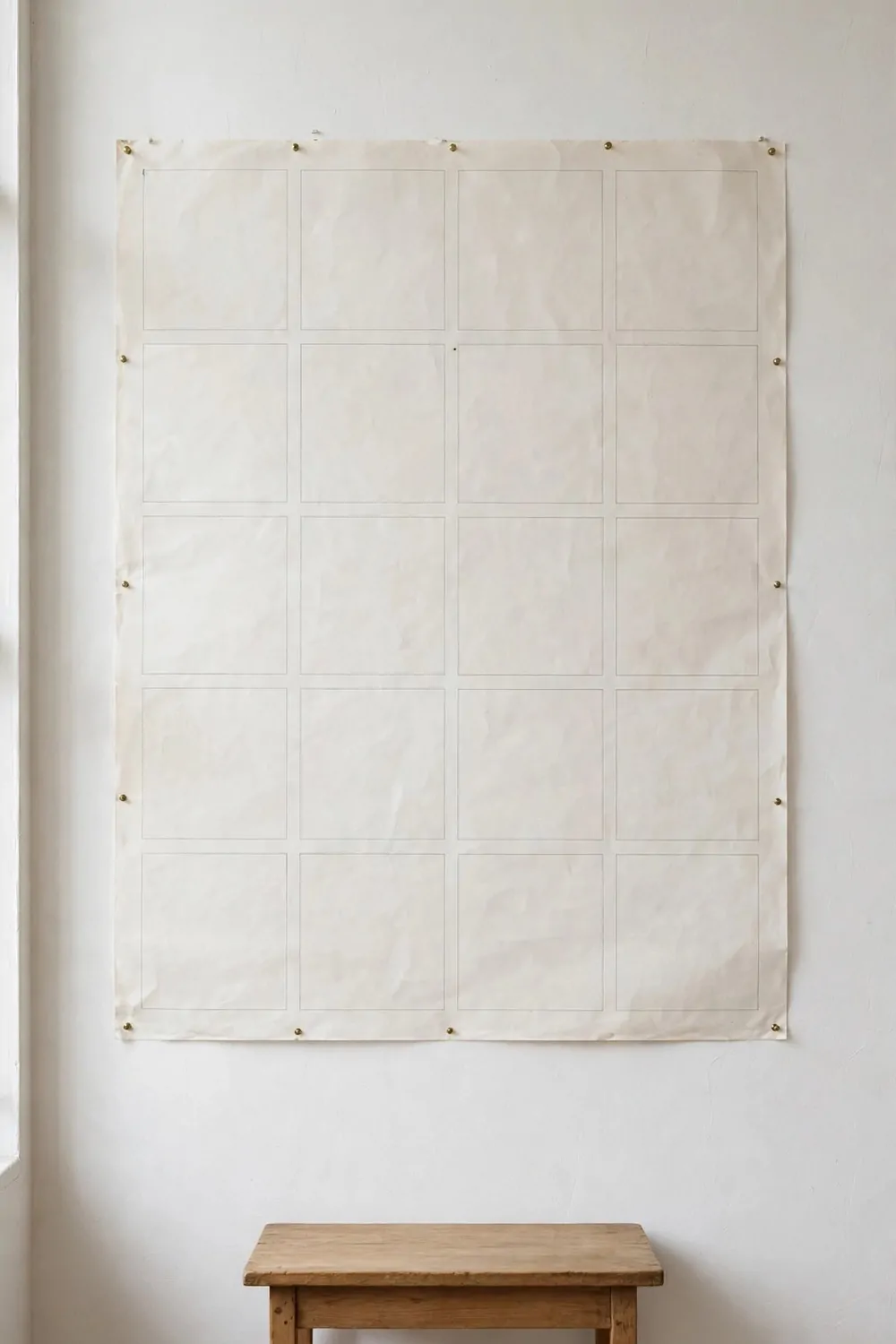
I keep a savings page on my wall where I see it each day.
I write my monthly save goal on my page first. I add each save to the page as the month moves on.
I colour one part of the page for each save I make. My saves add up through the month and I like to see it. The month ends with a full page of saves and that makes me proud.
This wall page keeps my goal in front of me all month.
I write my save on the page the same day I save it. I do not wait till the end of the week.
A wall tracker makes saving feel like a daily habit.
I start each month with a fresh page on the wall. The month name and my save goal go on it first. I add my saves one by one till the month ends.
My savings poster cost $5 to $11.
I take the old page down when the month ends. I keep it with my other pages to see how far I have come.
9. Track Small Treats So They Stay Small

I love small treats and I do not want to drop them. Small treats should stay small and fit my plan. I write each treat on my page so I can see them all.
I give treats a small part of my money each week.
I write the treat and its cost down on my page.
I pick one treat to enjoy each week. I skip a second treat when my week already has one.
Treats feel best when they stay rare and sweet.
I write my treat plan at the start of the week. Each treat goes on the page when I buy it. I read the page before I buy one more.
My treats page stays in view while I plan my week. It helps me enjoy my treat without guilt.
My treats page cost $2 to $5.
Small treats keep my month fun and easy. They give me joy without breaking my plan. I end each week glad I wrote them down.
10. Keep One Tracker Page for Family Money

I keep one page for all our family money. I write what comes in and what goes out on that page.
I write the shared bills on the page first. I add food money and home needs on the same page in plain lines.
I write the date for each line I add. I write the amount down in clear numbers too. I like how one page keeps our shared money clear.
One page stops money mix ups at home.
I look at the page with my family at the end of each week.
I look back at what came in and what went out. I pick one small save to try in the next week.
This page helps our home run smooth and calm.
My family binder cost $6 to $14.
One page is easy to keep and easy to read. It keeps our money in one clear place. A fresh page starts each month for our family money.
| Idea | Main change | Typical cost |
|---|---|---|
| Start a Daily Spending Tracker in a Small Notebook | small notebook for daily spending | $4 to $9 |
| Track Your Food Money for One Whole Week | food money page for one week | $3 to $8 |
| Keep a Bills Tracker with Every Due Date | bills page with due dates in order | $5 to $12 |
| Colour One Box Each Day You Save | daily save boxes to colour in | $3 to $7 |
| Track Your Coins in a Glass Jar Tracker | glass jar coin tracker with dates | $2 to $8 |
| Mark Each No Spend Day on Your Tracker | no spend days marked with stars | $4 to $10 |
| Track Your Payday Money Before You Spend It | payday plan written before spending | $2 to $6 |
| Keep a Wall Tracker for Your Monthly Savings | wall savings page for the month | $5 to $11 |
| Track Small Treats So They Stay Small | small treats page to keep treats small | $2 to $5 |
| Keep One Tracker Page for Family Money | one page for shared family money | $6 to $14 |
| Total | $36 to $90 |
11. Track Your Lunch Money for Work Days
I take lunch to work on most days. I write down what I spend when I buy lunch out.
You can see your lunch costs add up fast when you write them down each day.
I write the day on my line first. I write what I bought for lunch. I write the cost with it and move on.
Some days I bring food from home and I spend nothing. I still write that day down so my week stays full and true.
At the end of the week I add up my lunch days and I see what I spent.
I look for days when I spent more than I planned. I think about what I can bring from home next time. I make a short plan for the next week and I feel calm about it.
You do not need a hard plan to start this. You just need one line for each work day and a bit of time to fill it in.
My lunch notebook cost $4 to $9.
I keep my lunch tracker where I see it each morning. I fill it in before I go and my day feels easy from the start.
12. Track Your Bus and Trip Money for the Week

I write down what I spend to get around each week.
I write my bus fare on the day I ride. I write my trip cost with it so I see it all at once.
I start each week with a fresh page. I write each day in order.
I leave room for each ride I take. You can spot a costly week fast when all your rides sit in one list.
I add up my rides when the week ends. I see if I stayed inside the amount I planned for trips.
I plan my next week with that number in mind.
Some weeks I walk more and I ride less. I write those days down too and I keep my list full. I feel good when my week costs less than I thought.
My trip notebook cost $5 to $10.
I write in my trip tracker at night before bed. My week feels tidy and I know just what I spent.
13. Keep a Shopping Tracker for Your Weekly Shop

I make a list before I go for my weekly shop. I write what I need for meals at home. I write what I need for the house too.
You save time and you save money when you shop from a list.
I write the cost of each thing I buy. I add the costs up when I get home.
I see what my weekly shop really costs when I do this each week.
Some weeks I buy too much of one thing. I write a note for next week so I buy less of it. I use what I have first and my shop gets easy.
I keep my old lists so I can see my costs change. I learn what weeks cost more and I plan for them.
I write my shop plan in the morning before I go out.
My shop list pad cost $3 to $8.
I add to my shopping list when I think of a thing I need. I take it with me when I go out. My shop feels calm and quick when I shop from my list.
14. Keep a Gift Tracker for Birthdays Through the Year

Each birthday through the year goes in my gift list. I write the date with it so I do not miss it.
I write down what I want to give. I write down how much I want to spend. I write down when I will buy it.
You feel calm when your gift plans stay ready all year.
I save a bit each month for gifts. I write that amount down and I watch it grow through the year.
I look at my gift list at the start of each month. I see what birthdays come next. I plan my buys so I do not rush at the end.
I write down each gift after I buy it so I do not buy it twice.
I keep my gift notes short and clear. I read them back and I know just what I still need to do.
My gift list book cost $4 to $10.
I read my gift list each month and my year feels easy.
15. Track One Small Saving Habit Each Day
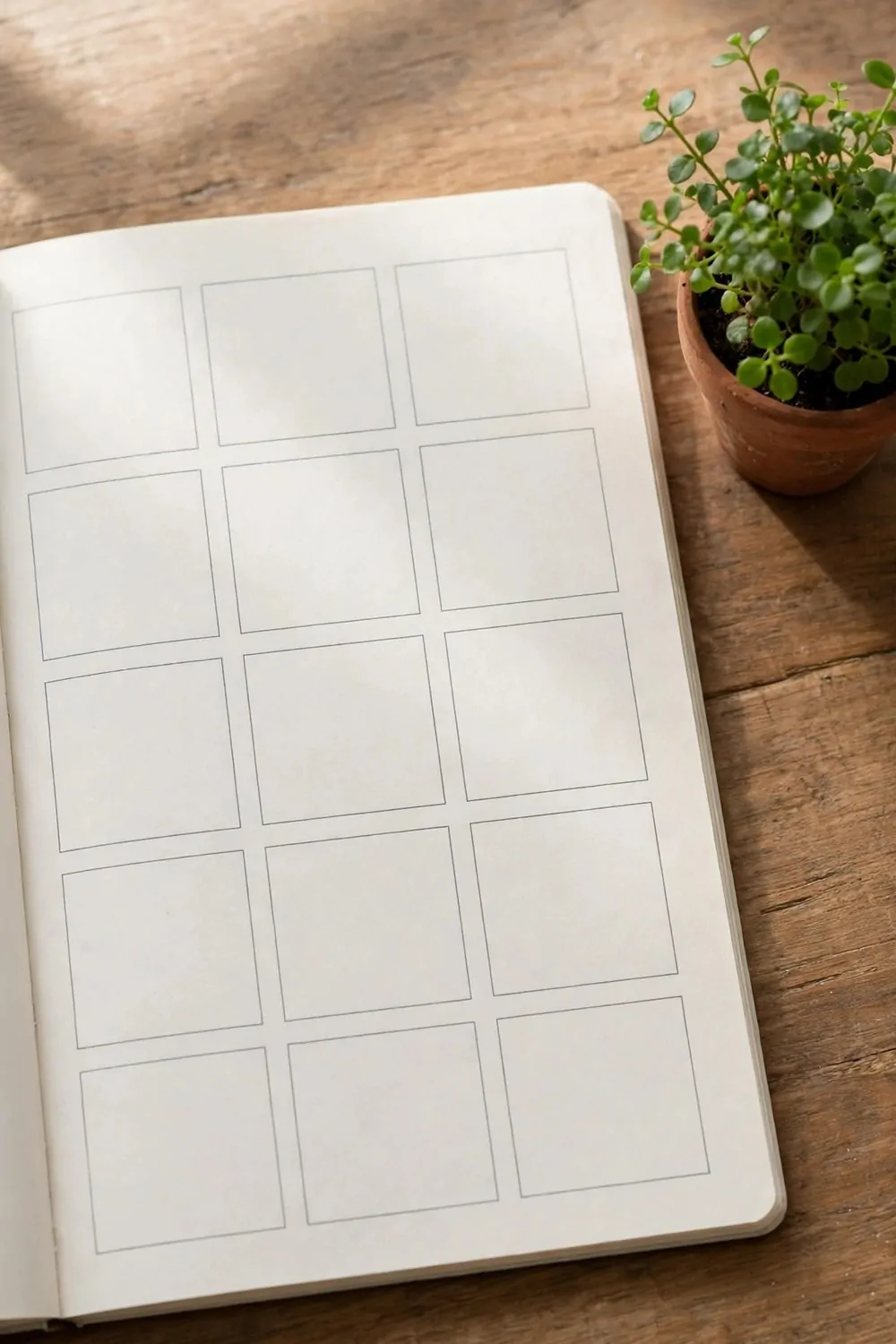
I pick one easy saving habit and I do it each day.
I write the habit on my page first. I write a mark for each day I do it. I see my days add up as the week goes on.
You do not need a hard change to save. You just need one easy step you can do again each day.
I save my loose coins in one spot at home. I write down what I save each day. I feel happy when my saved amount grows a bit.
I keep my habit easy so I want to do it again tomorrow.
Some days I miss my habit and that is fine. I start again the next day and I do not give up.
I write a short line about how my day went. I look back at my week and I see my good days. I pick the same habit for next week and I stay with it.
My habit page set cost $3 to $7.
I look at my habit page first thing each morning.
16. Keep a Weekly Review Page in Your Tracker

I sit down once a week and I look at my tracker. I read what I wrote through the week. I think about what went well and what I can do better.
I write a short review when each week ends. I write what I spent and what I saved.
You learn a lot from your own week when you read it back.
I write down one thing I did well with money. I write down one thing I want to change. I write down one easy step for the next week.
I keep my review short so I will do it each week. I use plain words and I keep it honest.
I write my review on the same day each week so it turns into a habit.
I read my old reviews when I feel stuck. I see how far I have come and I feel proud I stayed with it.
My review binder cost $6 to $12.
My review page waits for me at the end of each week. I fill it in with care and I take my time. I start my next week with a clear head and a calm plan.
17. Track Your Free Days with a Star Each Time

I give myself a star each time I have a free day with no spend. I write it down and I mark one star for that day.
You can see your free days grow when you mark them with stars.
I look at my stars at the end of the week. I smile when I see some stars through the week.
I do not spend on a free day if I can help it. I make food at home and I enjoy a quiet day. I write down what I did instead of spending.
I keep my free days fun so I want more of them.
Some weeks I have more free days than other weeks. I write each one down and I feel good about my week.
I mark one star as soon as my free day ends.
My star page pack cost $2 to $6.
I look at my stars each morning and I feel keen to keep going. I mark a new star when my free day ends. I end my week happy when I see what I saved.
18. Keep a Pocket Size Tracker in Your Bag

I keep a tracker in my bag so I can write things down when I am out.
I write down what I spend right after I buy it. I write the day with it so I do not forget.
You miss less when you write it down at once.
I take my tracker with me each day. I take it out when I need it and I put it back when I am done.
I write my costs in short lines. I keep my words plain and quick. I read them back at night and I add them to my main tracker.
I do not wait till night to write a cost down. I write it down in the moment and my day stays true.
I use my pocket tracker for buys through the day. My bus fares and my food costs both go in my notes. I write down all the costs I might forget by night.
My pocket notebook cost $3 to $9.
I keep my pocket tracker in my bag each morning. I write in it through the day and my money feels clear.
19. Track Your Holiday Savings One Coin at a Time
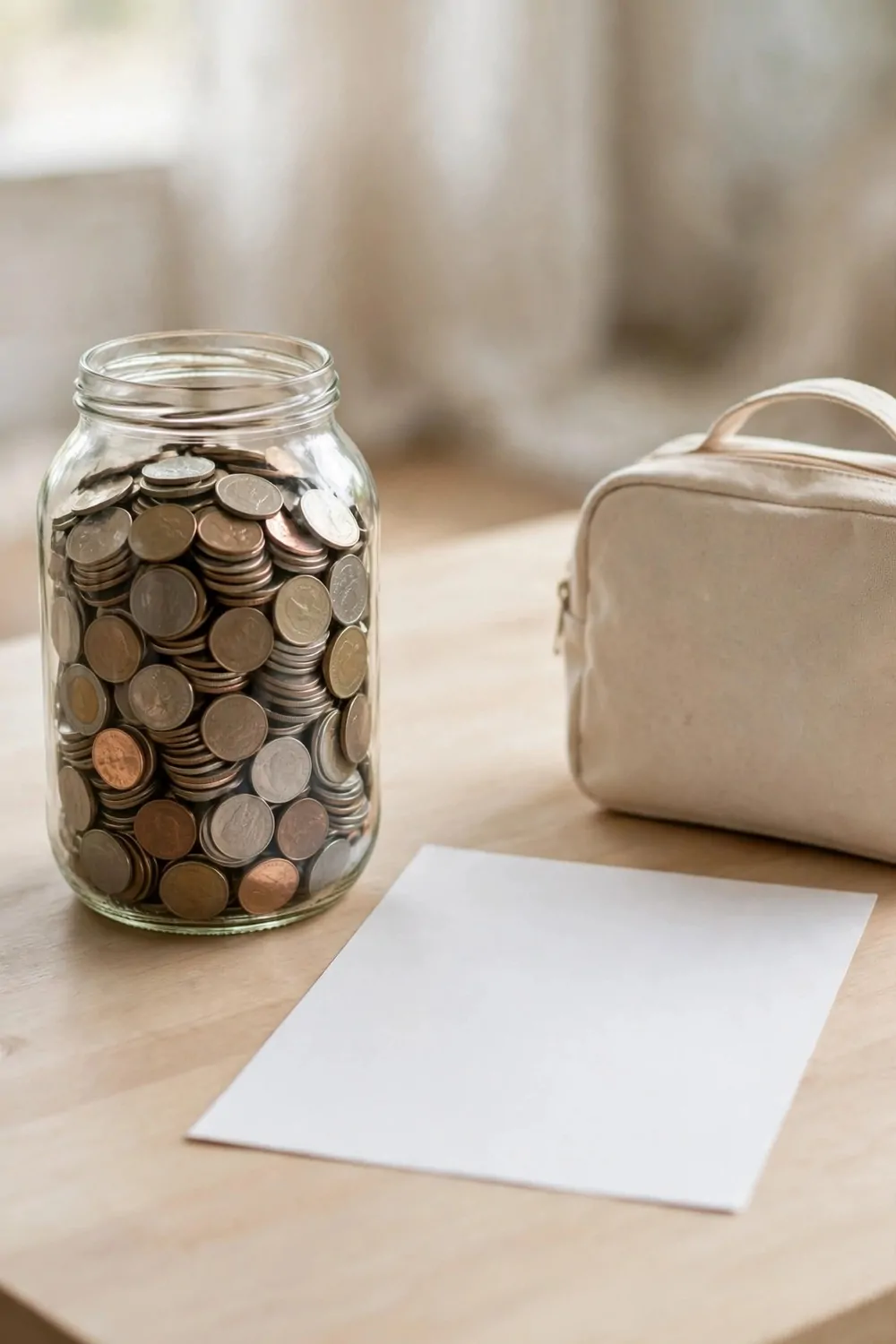
I save for my holiday one coin at a time. I put a coin aside each day when I can. I write down what I saved and it makes my day.
You can save for a trip without a hard plan when you do a bit each day.
I pick a clear goal for my holiday fund. I write the goal on my page first. I write how much I want to save by the end.
I save my spare coins in one jar at home. I write down each coin I put in.
I feel glad each time I add to my holiday fund.
Some days I save more and some days I save less. I write it all down and I see my week in a clear way. I do not worry about slow days and I stay with it.
I look at my saved amount when the week ends. I see how near I am to my goal and I want to keep saving.
My holiday jar set cost $5 to $11.
I look at my holiday page each day and I want to keep saving.
20. Keep a Tracker for Money In and Money Out

All the money that comes in goes in my log. I write down all the money that goes out too.
I write the date for each line. I write what the money was for. I write the amount with it and I move on.
You see your month well when you do this. You see what comes in and what goes out each month.
I add up my money in and my money out when the week ends.
I look at what is left after my costs. I think about what I can save from it for next week.
Some weeks more comes in and some weeks more goes out. I write each line down and I keep my book full. I plan my next week with what I learned from this one.
I keep my money log ready so I can find it fast.
My money log book cost $4 to $8.
I write in my money log each night when my day ends. I feel pleased I wrote it all down and my head feels clear.
| Idea | Main change | Typical cost |
|---|---|---|
| Track Your Lunch Money for Work Days | lunch costs stay clear each work day | $4 to $9 |
| Track Your Bus and Trip Money for the Week | bus and trip costs stay in one weekly list | $5 to $10 |
| Keep a Shopping Tracker for Your Weekly Shop | weekly shop costs stay clear on one list | $3 to $8 |
| Keep a Gift Tracker for Birthdays Through the Year | birthday gifts stay planned all year | $4 to $10 |
| Track One Small Saving Habit Each Day | one daily habit stays easy to follow | $3 to $7 |
| Keep a Weekly Review Page in Your Tracker | weekly reviews stay short and clear | $6 to $12 |
| Track Your Free Days with a Star Each Time | free days get a star each time | $2 to $6 |
| Keep a Pocket Size Tracker in Your Bag | costs go in your bag tracker at once | $3 to $9 |
| Track Your Holiday Savings One Coin at a Time | holiday savings grow one coin at a time | $5 to $11 |
| Keep a Tracker for Money In and Money Out | money in and money out stay clear each week | $4 to $8 |
| Total | $39 to $90 |
21. Track Your Light and Water Money Each Month

I write my power cost and my water cost on one page each month.
I like to see both costs together so I know where my money goes. At the end of the month I add both costs and write the total down.
When the total is higher than last month I look at my notes and think about what changed. I write one short note about the change so I can recall it later. Then I set a soft target for next month and write it down too.
I keep my bills in one place so I can find them fast when I sit down to write. I write the date at the top of my line so I know which month it belongs to.
My tracker helps me spot a high month early and plan a calmer month after it.
I write the power cost first and then I write the water cost after it. I leave some space after each month so my notes stay easy to read.
Some months my water cost jumps when I wash more clothes and clean more rooms. I write a short note about that month so I do not feel lost later. I also write what I will do next month to keep the cost low and steady.
My plain light and water tracker sheet cost $2 to $4.
You can start with last month and work back one month at a time. Soon you will see a clear pattern and feel calm about your bills.
22. Track Your Kids Pocket Money Each Week
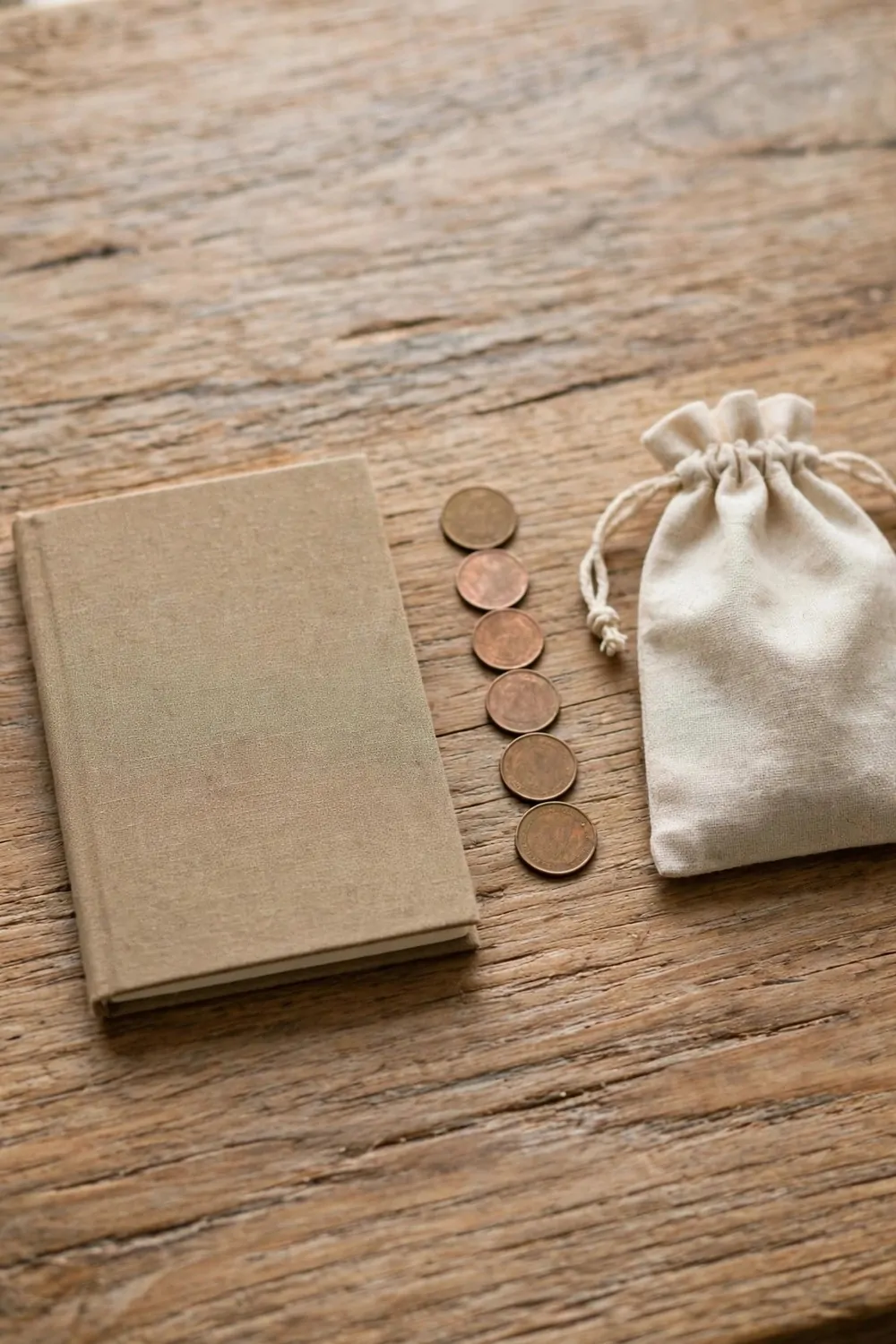
I give my kids some pocket money each week and I write it down on a tracker page.
Each child has a line for the week so I can see who got what and when. I write the amount in plain words and numbers so there is no mix up later.
When the week ends I sit with my kids and we talk about what they spent. We pick one fun plan for next week and write it down together.
I like this tracker because it teaches my kids to wait and to pick with care. I write a short note when they save for a toy they really want. I also write a short note when they put some money aside for later.
My weekly page keeps pocket money simple and stops arguments before they start.
I write the week date at the start of each line so I can find it fast. I write the amount given and the amount left after spending. I praise a week when my kids spend with care and save some money.
Some weeks are hard and some weeks are easy, and both teach us a lot. I keep my notes short and kind so my kids like to look at them with me.
My plain pocket money tracker pad cost $2 to $4.
You can start this week with one line and one amount. Ask your kids what they want to save for and write it down. Soon the weekly page will feel like a fun habit for the whole house.
23. Keep a Year Tracker with One Line Each Month
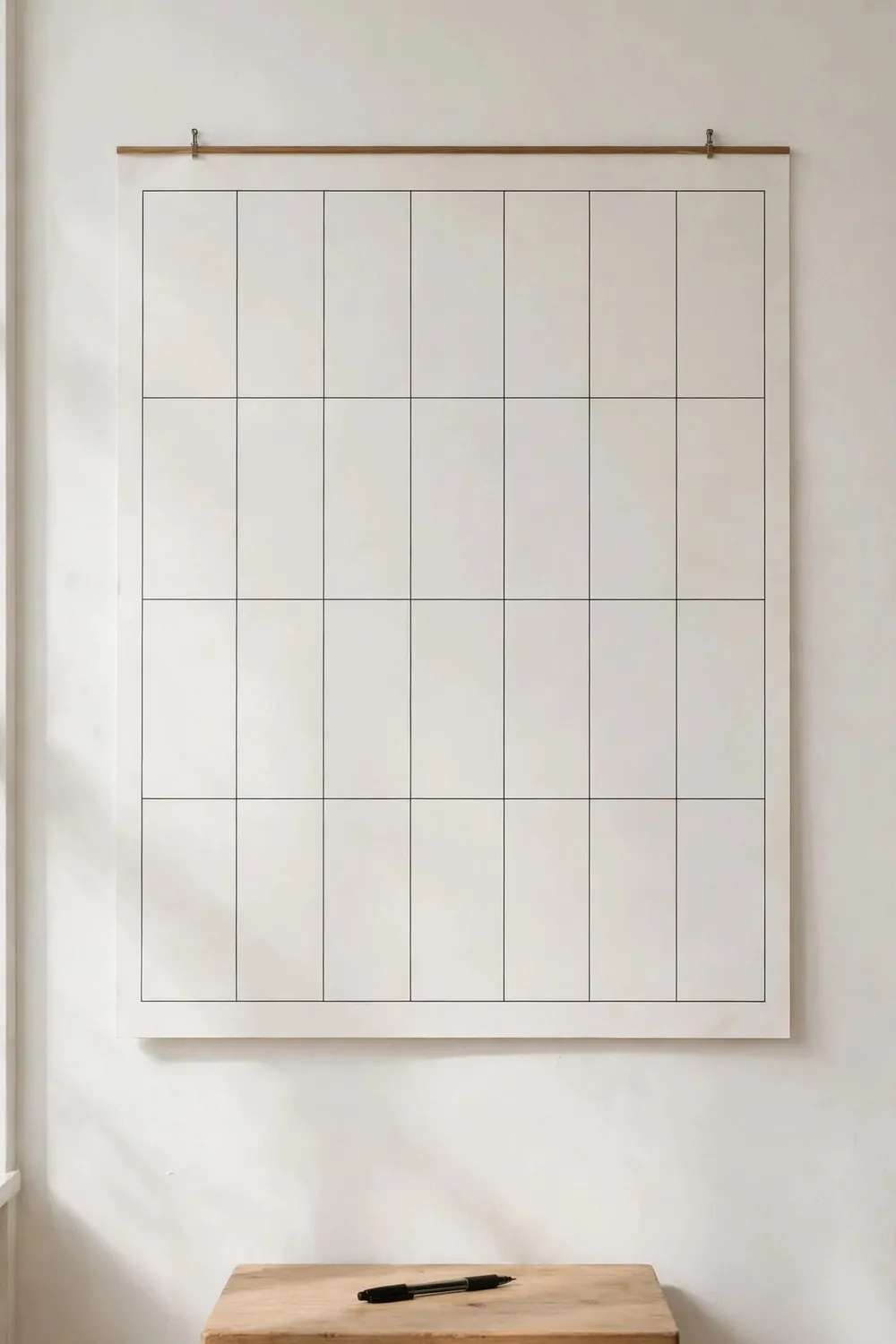
I keep one page for the whole year and I write one short line for each month. I write what I spent most on and what I saved that month. I like to see the full year in one view so I can learn from it.
At the end of each month I sit down and write my line while the month is still fresh in my mind.
I write the month name first and then I write my main cost and my main saving. I keep the line short so I can read the whole year fast.
My year tracker shows me which months were tight and which months felt easy.
When I look back I can see my best saving month and my hardest spending month. I write a short note with that line so I recall what helped me that month.
I use my year page to plan for months when costs always rise. I write a soft plan for those months before they come. I also write a kind note to myself for months when I did well and saved some money.
You do not need long notes, one honest line each month is enough to learn a lot.
My plain year tracker chart cost $3 to $5.
Start with this month and write your first line tonight. By next year you will have a full story of your money in short lines.
24. Keep a Spare Change Count on Your Tracker Page
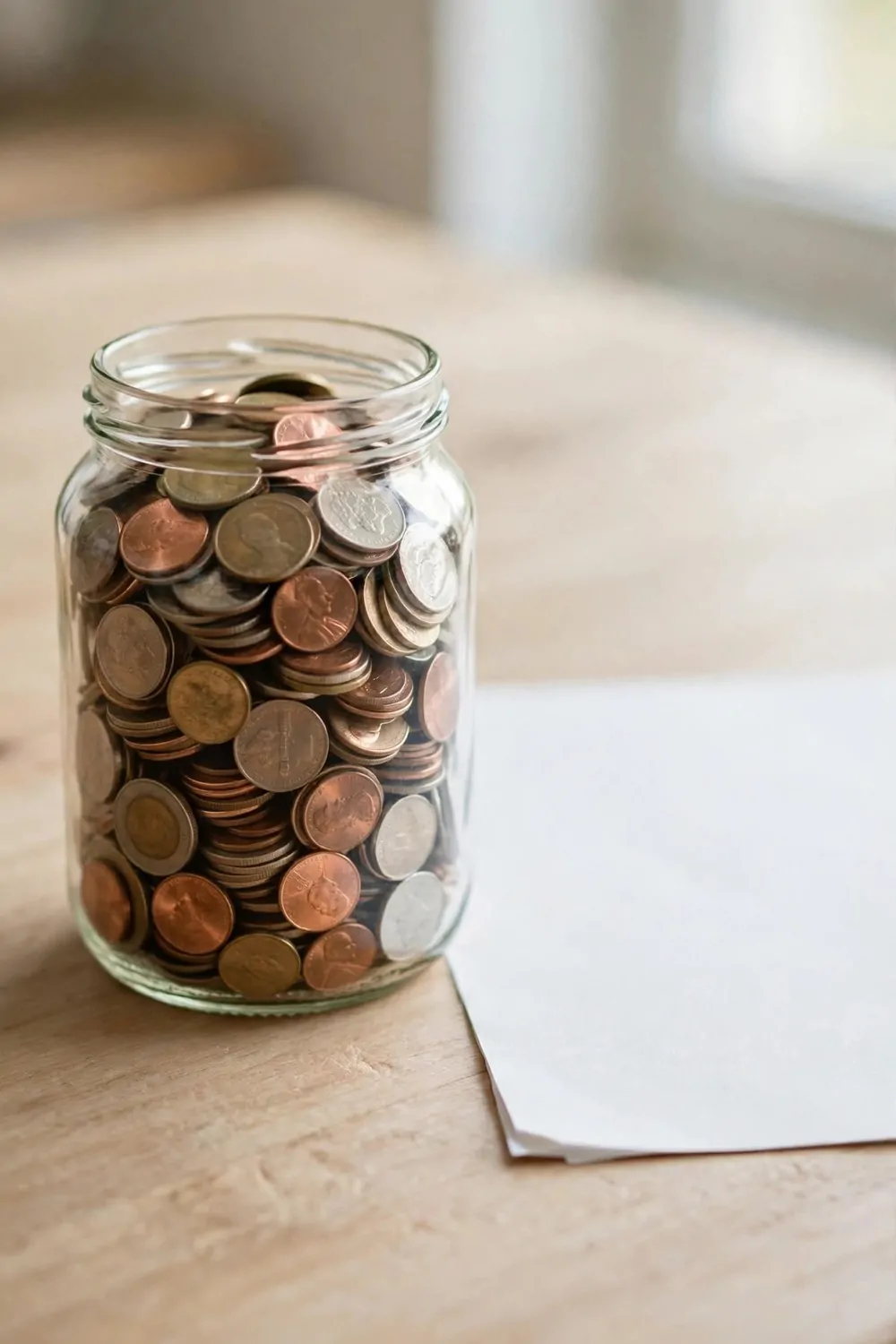
I keep a jar for spare change and I count it at the end of each week. I write the total on my tracker page so I can watch it grow.
I drop my coins in the jar when I come home from the shop. I write the date and the new total each time I count.
I like to see the total climb a bit at a time without any rush. My spare change page turns loose coins into real savings for a treat or a gift.
When I have saved for a while I count it all and write the final total down. I use the money for a fun day out or I put it toward my next saving goal.
I write each count in the same place on my page so I can follow the rise. I write a short note when I add some coins from a trip to the market. I also write a short note when I reach a total I am proud of and smile.
You can start with the coins in your pocket today and count them tonight.
I never rush this tracker because slow growth still counts as growth. I write my total with care and I enjoy the win each week.
My plain spare change tracker sheet cost $1 to $3.
Start tonight, count your coins, and write your first total down.
25. Track Your Low Spend Weeks on One Page
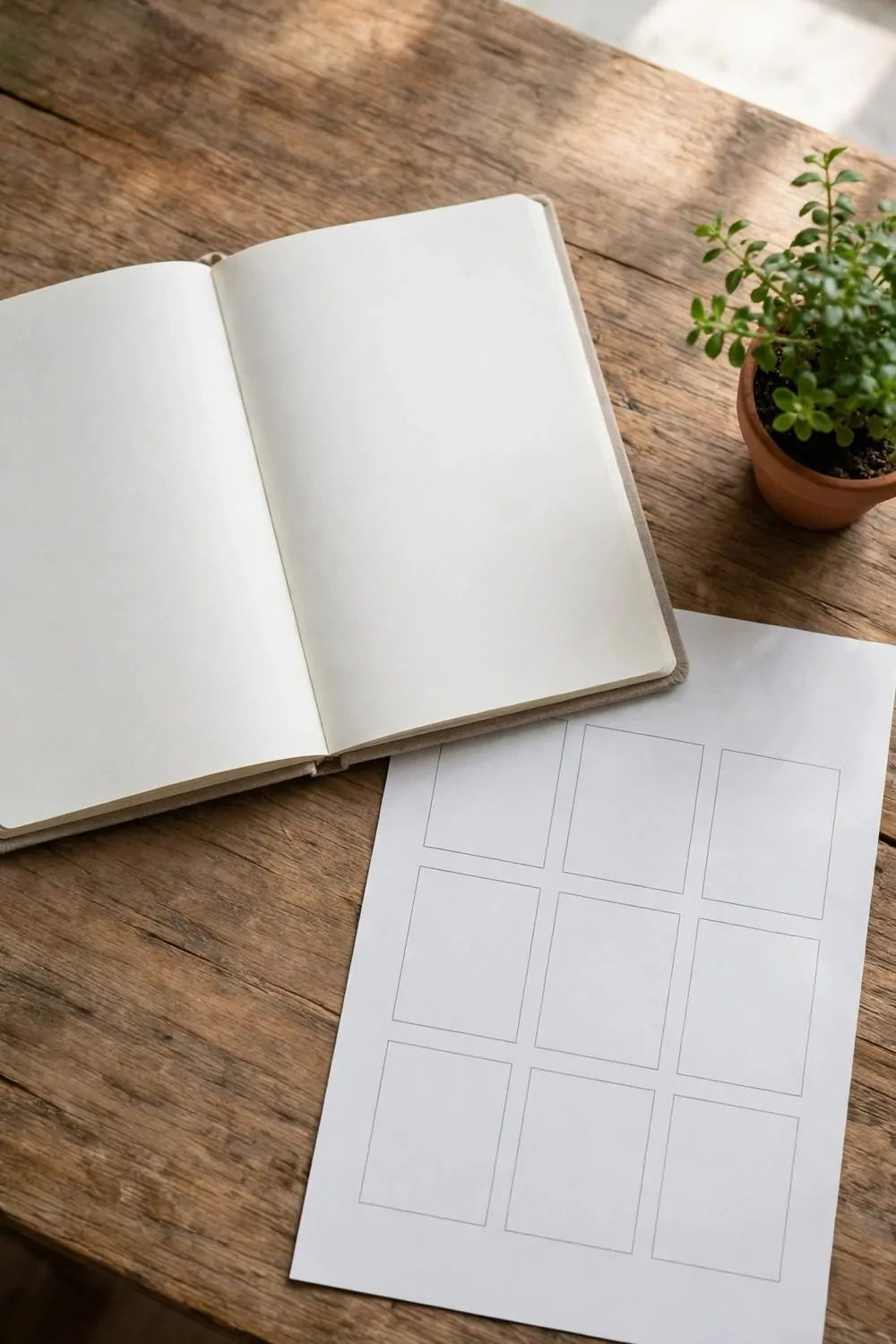
I mark my low spend weeks on one page so I can see my wins at a glance.
A low spend week is a week when I buy only what I need and skip the rest. I write the week down and I write what helped me spend less. I also write how I felt at the end of that week so I can recall it later.
I like to look back at my low spend weeks when money feels tight. I copy one good habit from a past low week into the week ahead.
My low spend page shows me that I can live well on less when I plan with care.
I write the start date of each low week so I can find it fast. I write what I cooked at home and what I skipped at the shop. I write a short note about the best part of that week so I can smile when I read it.
Some low weeks come from a calm plan and some come from a busy week at home. Both count as wins and both teach me how to spend with care.
You do not need a perfect week, one calm low week is a great start.
My plain low spend week tracker pad cost $2 to $4.
Pick this week and try to keep it low and calm. Write each day down and mark the week when it ends. Soon you will have a page of wins to look back on.
26. Track Each Envelope with Its Own Page

I use one envelope for each part of my budget and I give each one its own tracker page. I write the envelope name at the top of its page so I can find it fast. I write what goes in and what goes out each week in short lines.
When I pay for food I write it on the food envelope page that same day. When I pay for travel I write it on the travel envelope page too.
My envelope pages stop money from mixing up and keep each part clear in my mind.
I like this way because I can see which envelope runs low first. I write a short note when I move money from one envelope to another. I write the new totals down so I never lose track of what is left.
At the end of the week I sit down and read each envelope page in turn. I write a short plan for next week based on what I see.
You can start with your food envelope and add more envelopes as you learn.
I keep my envelope pages together in my binder so I can flip to any page fast. I write the date on each new page so I know which week it is for. I also write a kind note to myself when I keep an envelope on track all week.
My plain envelope tracker set cost $3 to $5.
Start tonight with one envelope and one page. Soon each part of your budget will have its own clear home on paper.
27. Track Your Dream Saving Goal with Small Steps
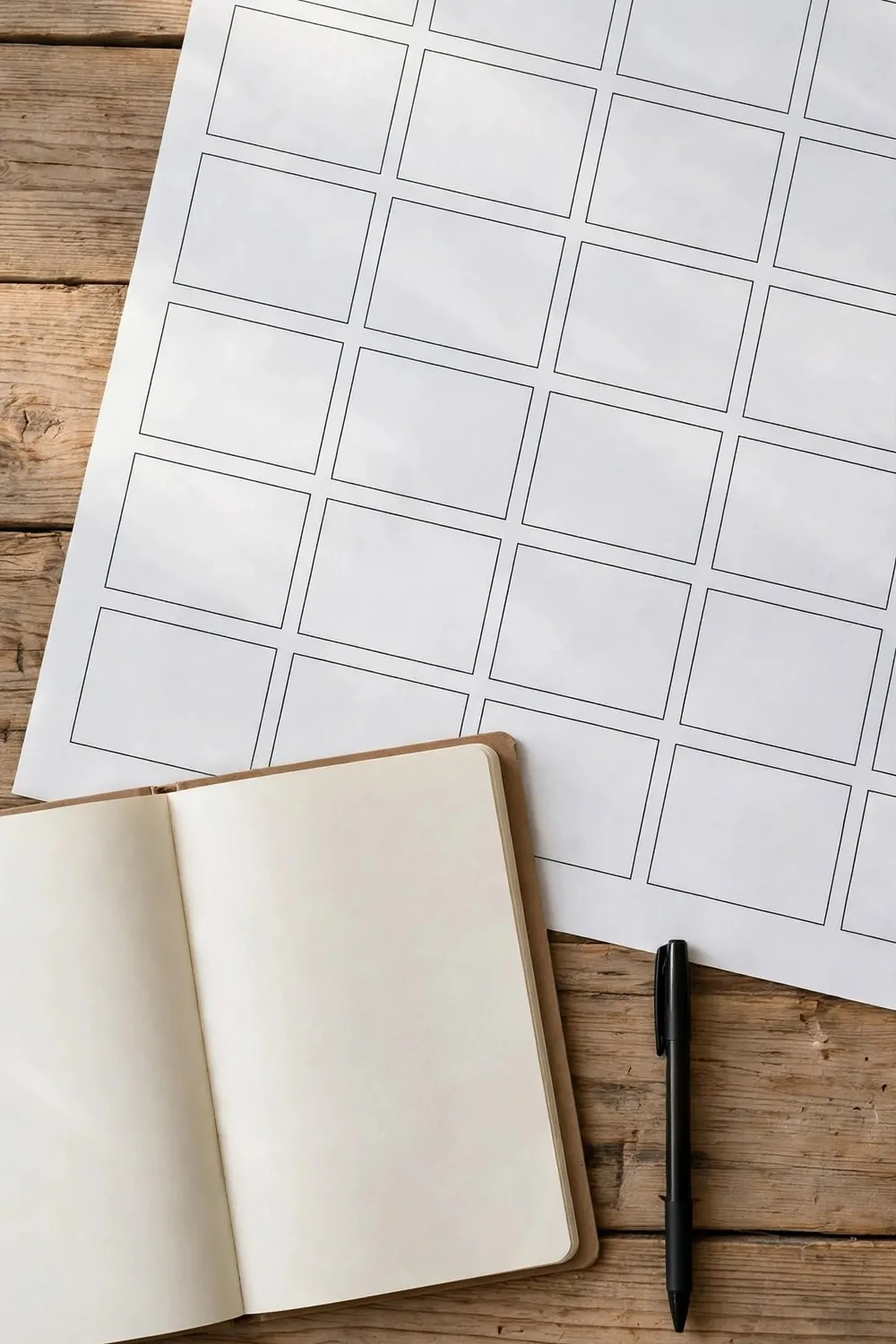
I write my dream saving goal at the top of my tracker page in clear words. I write why it matters to me so I can read it when I feel low.
Then I break the goal into steps I can reach one at a time without any rush.
I write each step on its own line with a box I can colour when I finish it. I love to colour a box and see my goal move closer.
Some steps are fast and some steps take more time, and both are fine. I write a short note for each step about how I will reach it. I also write a short note about what I will do with the money when I reach my goal.
My dream goal page keeps me going on days when saving feels hard.
I look at my goal page each morning and I write my progress for the day. I write one kind line to myself when I hit a step and feel proud.
You can start with a goal that feels close and build from there with care.
My plain dream saving goal chart cost $3 to $5.
Pick your dream goal tonight and write your first step tomorrow. Soon your chart will show a path from where you are to where you want to be.
28. Put Your Whole Tracker Kit in One Small Box
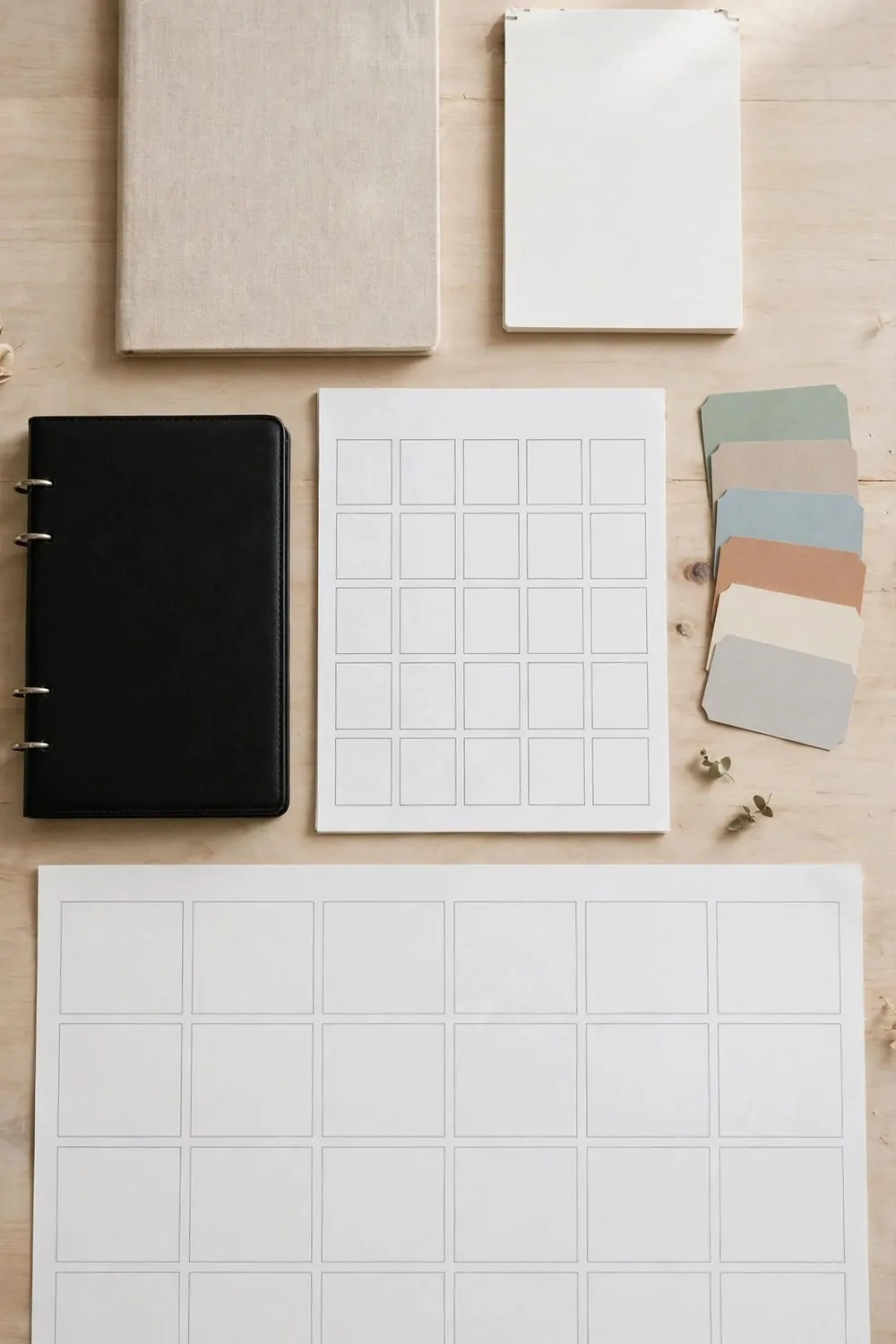
I write each day of spending in the tracker notebook, and I keep a plain budget tracker notebook in my kit.
I mark each week of spending on the tracker pad, and I use a plain weekly tracker pad for my weekly notes. I keep my tracker pages in a plain money tracker binder so I can find them fast.
I colour one box on the goal chart each week, and I use a plain savings goal chart to watch my dream grow. I mark each part of the budget with a divider tab, and I use a set of plain budget divider tabs to keep my pages in order. I pin the wall chart where I see it each day, and I use a plain monthly tracker wall chart to see my month at a glance.
I start each morning with my kit and I write my first line before the day gets busy. I end each week with my kit and I write a short note about what went well.
When I feel lost I open my kit and read my notes from the past weeks. I pick one tracker to use that day so I do not feel rushed. I write my line with care and I put my kit back where I see it each day.
My kit keeps my money notes together and helps me save with a calm mind.
You can build your kit tonight with the tools you already have at home. Start with one tracker, add the rest as you go, and keep it all in one place you love to open.
My plain budget tracker notebook cost $4 to $6, my plain weekly tracker pad cost $2 to $4, my plain money tracker binder cost $4 to $6, my plain savings goal chart cost $3 to $5, my set of plain budget divider tabs cost $2 to $3, and my plain monthly tracker wall chart cost $3 to $5. For a total of $18 to $29, my kit is ready.
Start with one tracker idea tonight, write your first line in the morning, and watch your savings grow one small mark at a time.
| Idea | Main change | Typical cost |
|---|---|---|
| Track Your Light and Water Money Each Month | write your light and water costs in one place each month | $2 to $4 |
| Track Your Kids Pocket Money Each Week | give each child a weekly money line to follow | $2 to $4 |
| Keep a Year Tracker with One Line Each Month | write one short line for each month of the year | $3 to $5 |
| Keep a Spare Change Count on Your Tracker Page | count your spare coins and write the total down | $1 to $3 |
| Track Your Low Spend Weeks on One Page | mark each low spend week on one page | $2 to $4 |
| Track Each Envelope with Its Own Page | give each envelope its own tracker page | $3 to $5 |
| Track Your Dream Saving Goal with Small Steps | break your dream goal into steps you can reach | $3 to $5 |
| Put Your Whole Tracker Kit in One Small Box | keep all your tracker tools in one small box | $18 to $29 |
| Total | $34 to $59 |
| Idea | Main change | Typical cost |
|---|---|---|
| a plain budget tracker notebook | Write each day of spending in the tracker notebook | $4 to $6 |
| a plain weekly tracker pad | Mark each week of spending on the tracker pad | $2 to $4 |
| a plain money tracker binder | Keep your tracker pages in the binder | $4 to $6 |
| a plain savings goal chart | Colour one box on the goal chart each week | $3 to $5 |
| a set of plain budget divider tabs | Mark each part of the budget with a divider tab | $2 to $3 |
| a plain monthly tracker wall chart | Pin the wall chart where you see it each day | $3 to $5 |
| Total | $18 to $29 |
Keep Reading
If you liked these ideas, you will love these posts too
Each post has more simple ideas you can try at home this weekend.