31 Front Garden Bed Ideas for Color All Season

My front garden bed used to be a flat strip of dull soil, and I hardly gave it a glance as I walked to the door each morning.
It sat right by the door, but it gave me nothing to smile at. No color, no shape, just bare dirt and a bit of grass at the edges.
Then I planted a small row of pink flowers one spring, and the whole front of my house changed. People slowed down as they walked past, and I started to look forward to coming home.
A front garden bed does not need to be big or fancy. A small strip by the path can hold plenty of color if you pick the right plants for the spot.
Some beds like sun all day, and some like a bit of shade. I learned to match the plant to the place, and my beds grew much better after that.
In this post I share beds for sun, shade, spring, summer, and autumn, plus simple edges and easy care tips. You can start with one bed and add more when you feel ready.
You will find all 31 front garden bed ideas right here in this one post, with color for every season, so you can read the full set in one go and pick the beds that suit your front yard best.
1. A Bright Red Geranium Border by the Path
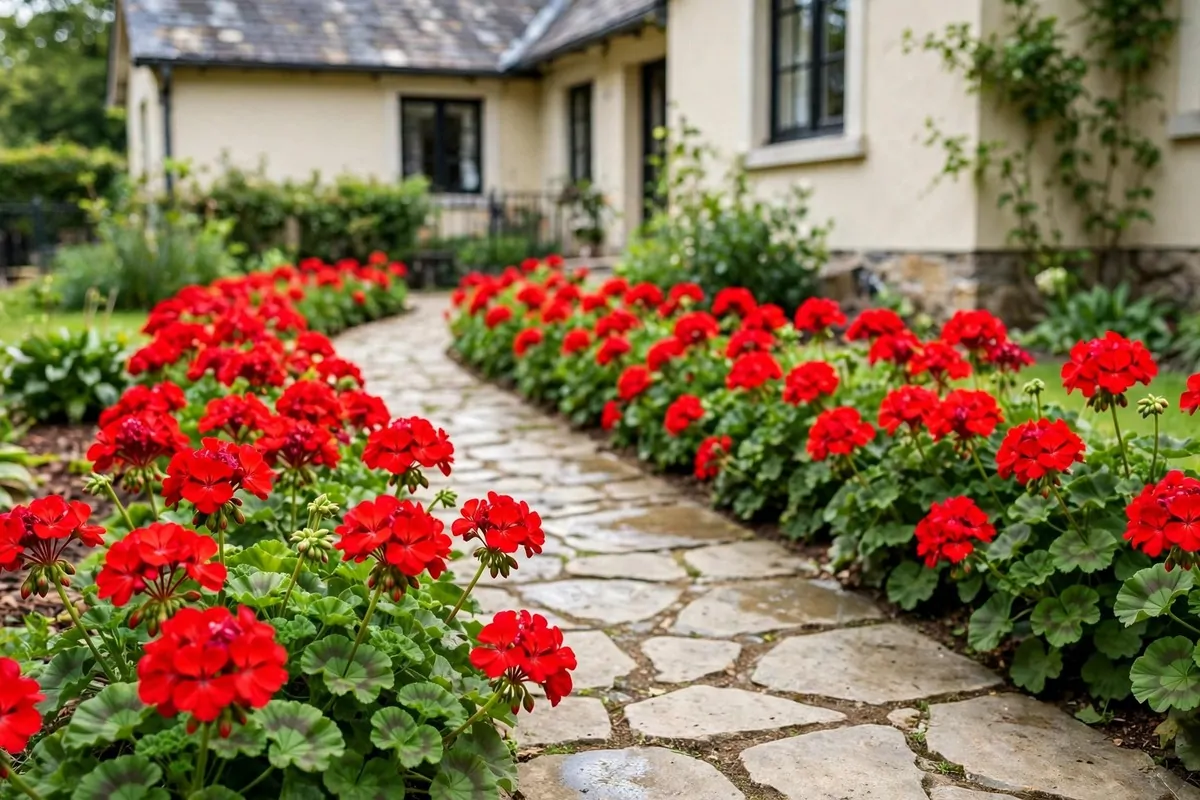
I love how red geraniums look by my front path. They make the walk to my door feel bright and warm.
I plant them in a neat row along the edge.
The red blooms stand out against the green leaves. You can see them from the street. I smile each time I walk past them.
I water them in the morning so the soil stays damp. They like sun all day.
Typical cost $10 to $24.
I trim off the old blooms when they fade. New red buds come up fast after that.
You can start with small pots from the garden shop. I set them about a hand apart.
The red color works well with a plain path. It feels cheerful without being too much.
I add a little feed once a month in summer. The plants stay full and the blooms keep coming.
2. Yellow Marigolds Along the Front Edge
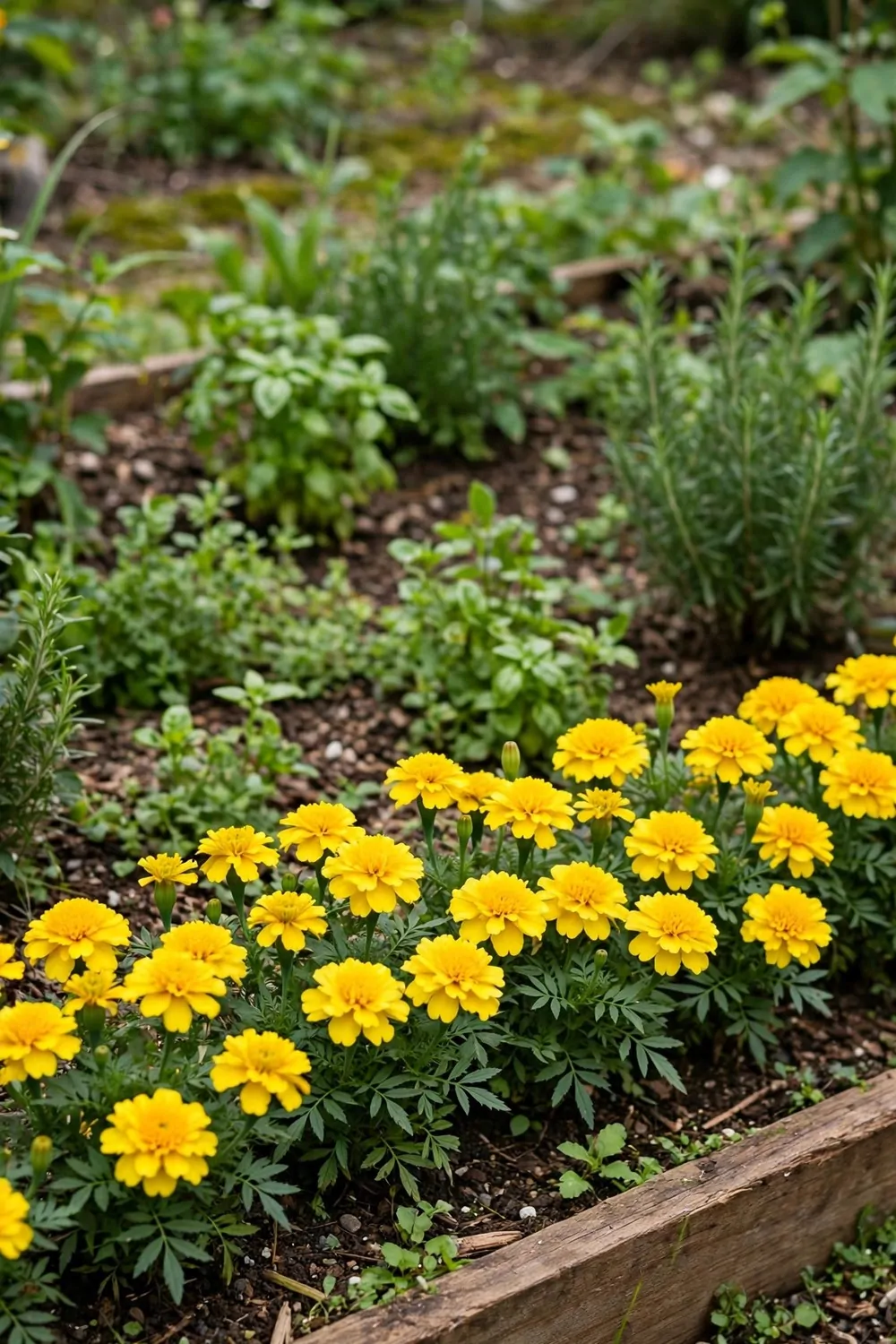
Yellow marigolds make my front edge glow in the sun. They are one of the easiest flowers I grow.
I tuck them right along the front of the bed.
The yellow blooms stay bright for a long time. They look neat even when I am busy. I like how they frame the taller plants behind them.
I water them at the base so the blooms stay dry.
Typical cost $8 to $18.
I pinch off the old yellow heads when they turn brown. New ones pop up in a few days.
You can grow them from seed or small plants. I mix the seeds in light soil and keep it damp.
The yellow color pairs well with green leaves and dark soil. It feels sunny on a dull day.
I check the edge once a week and pull out any weeds. The bed stays tidy with very little work.
3. A Pink Petunia Bed by the Steps
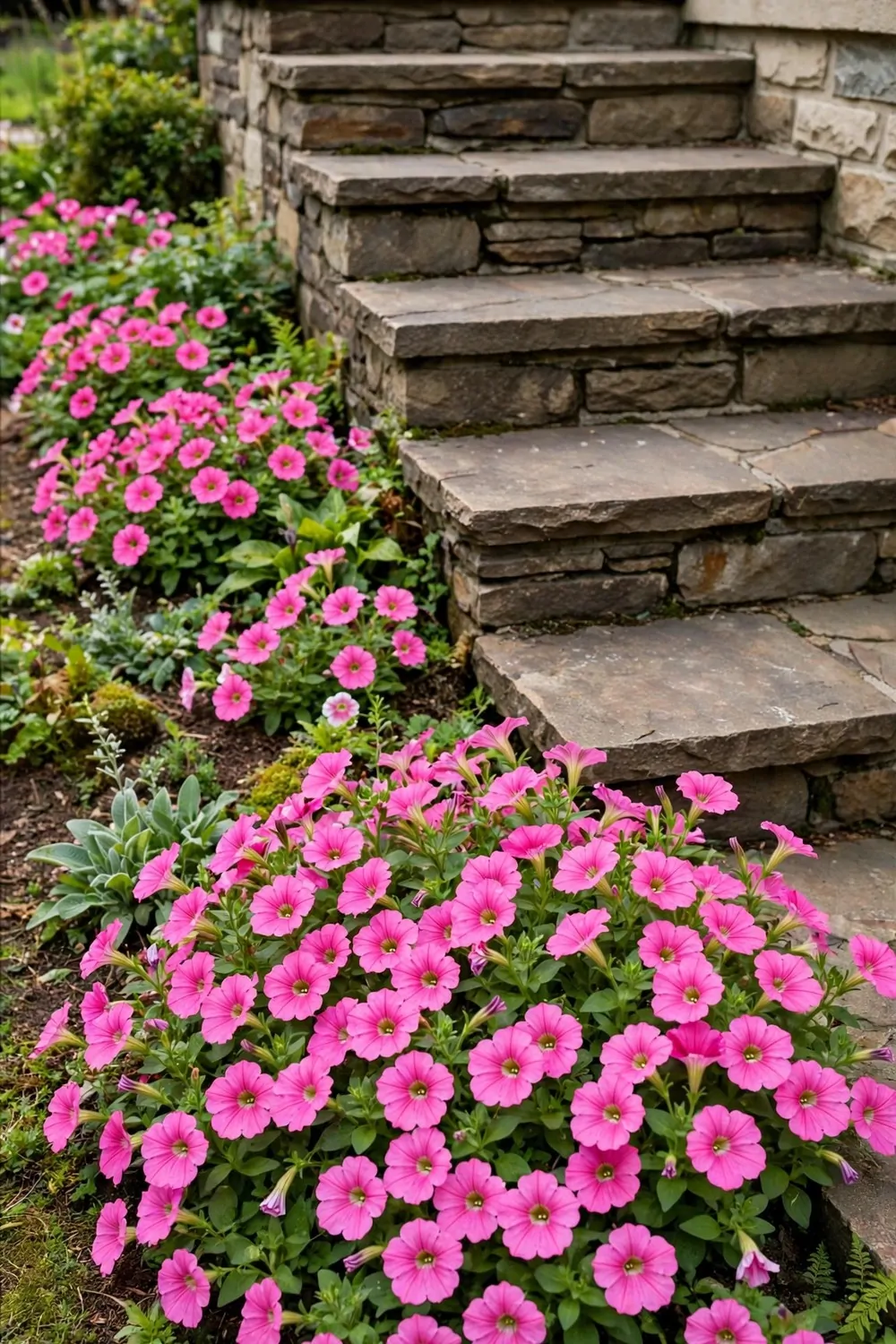
Pink petunias by my steps make the front door feel soft and sweet. I see them first thing each morning.
I plant them in a low bed right beside the steps.
The pink blooms spill a little over the edge. They look full and friendly. You can spot the pink color from the path.
I water them in the evening on hot days. They perk right back up by morning.
Typical cost $9 to $20.
I trim the long stems back when they get leggy. New pink blooms fill in the gaps fast.
You can pick light pink or deep pink plants. I mix both for a soft look.
The bed needs sun for most of the day. I keep the soil loose so water drains well.
I feed them once a month in the warm months. The pink flowers keep coming till the cold sets in.
4. Purple Lavender in a Sunny Corner
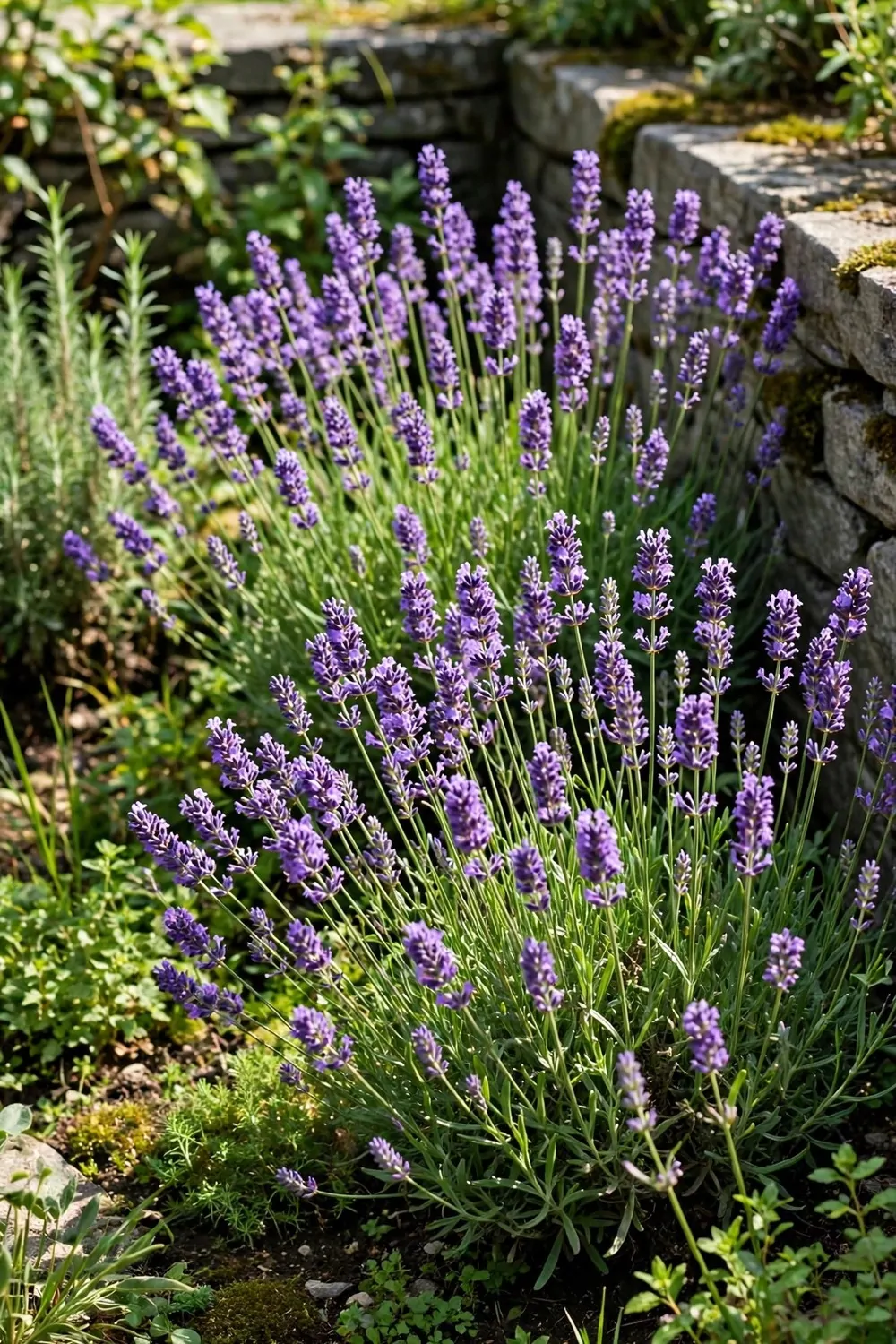
Purple lavender in my sunny corner feels calm and pretty. The tall stems sway a little in the breeze.
I plant it where the sun hits most of the day.
The purple blooms sit above grey green leaves. They smell soft when I brush past them. I love to sit near them in the afternoon.
I water lavender less than my other flowers.
Typical cost $12 to $26.
I cut the stems back after the blooms fade. The plant stays neat and bushy.
You can start with one small plant and let it grow wide. I leave space around it for air.
The purple color looks lovely next to pale stone. It suits a quiet corner by the house.
I add grit to the soil so it drains fast. Lavender hates wet feet in winter.
5. Orange Zinnias by the Fence
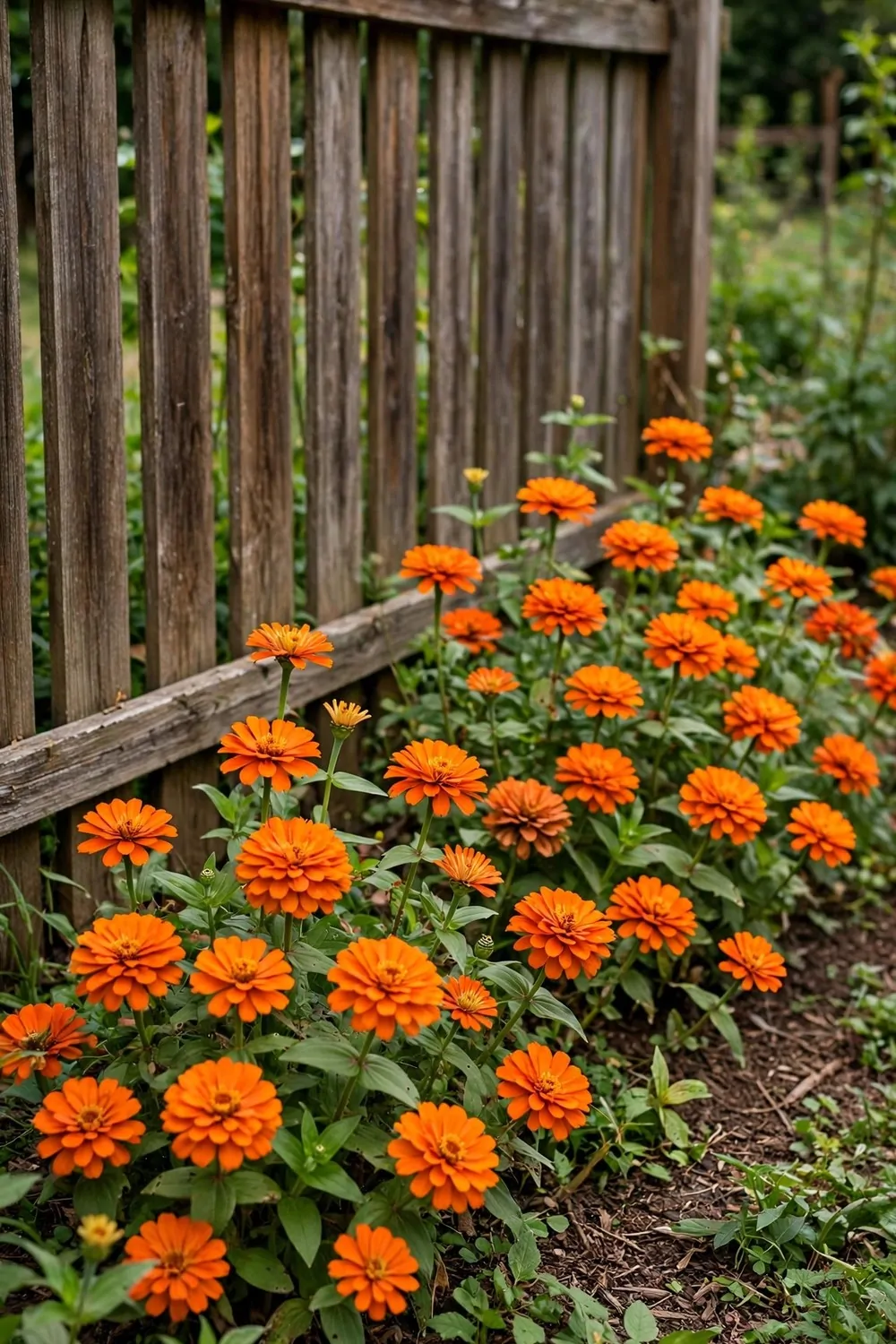
Orange zinnias by my fence bring a bold pop of color. They stand tall and I spot them from the window.
I plant them in a row along the fence line.
The orange blooms are big and bright. They last for weeks on each stem. I cut a few for a jar inside too.
I water them at the roots in the morning.
Typical cost $10 to $22.
I deadhead the old orange blooms to keep new ones coming. The plants just keep going all summer.
You can sow the seeds right in the bed. I thin them out so each plant has room.
The orange color looks great against a plain fence. It warms up the whole front garden.
I stake the tall stems if the wind picks up. A short stick and soft tie does the job.
6. White Alyssum as a Soft Front Border
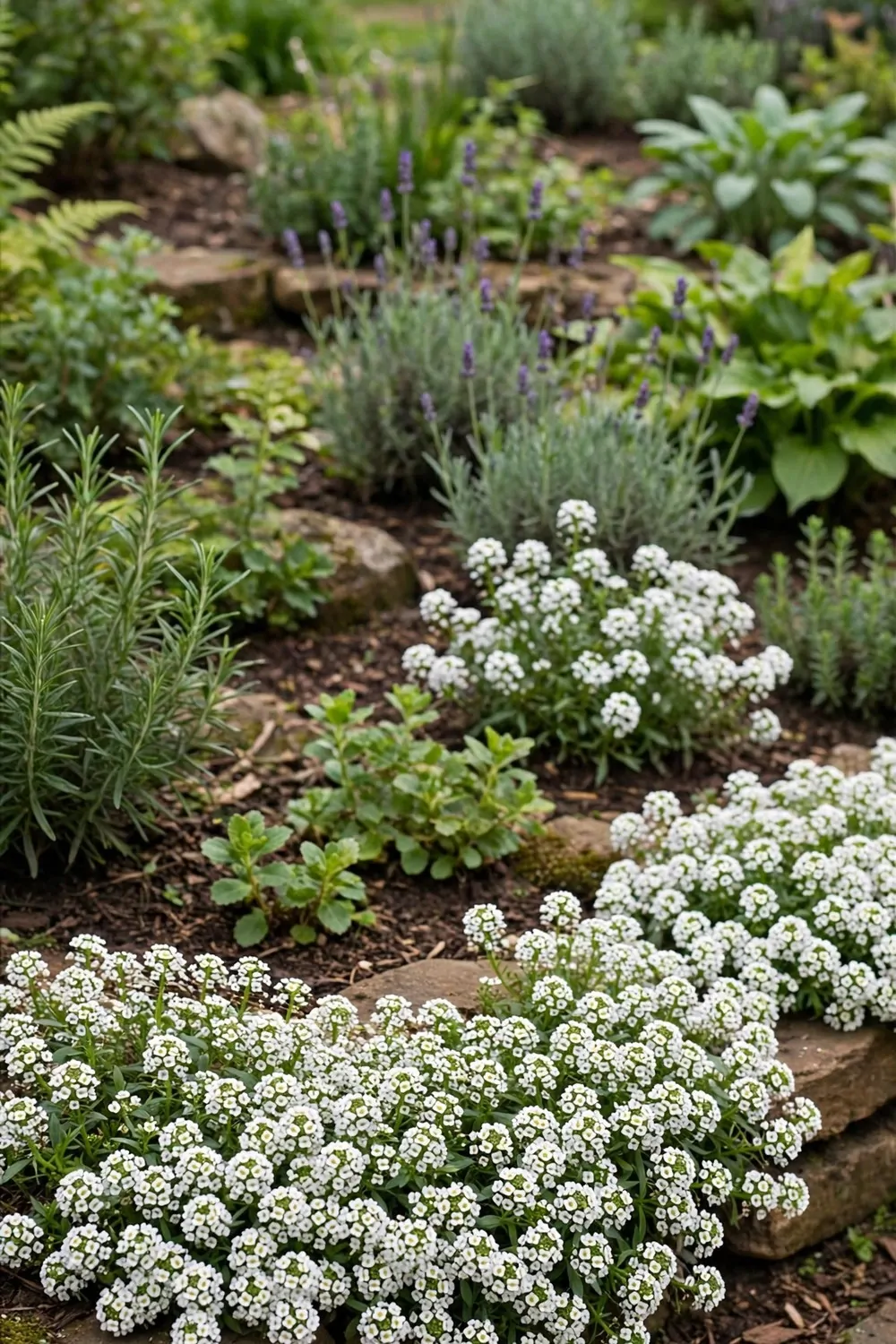
White alyssum makes a soft cloud along the front of my bed. It looks like a pale trim on a dress.
I plant it right at the very front edge.
The tiny white blooms cover the low plants in a thick mat. They smell faintly sweet on warm days. I like how they soften the hard edge of the bed.
I water them gently so the small blooms stay put.
Typical cost $6 to $14.
I shear the plants back when they get straggly. Fresh white blooms come back in a week or two.
You can start them from seed in a tray. I set the small plants close together for a full edge.
The white color goes with every other flower in the bed. It makes the bright colors behind it stand out more.
I keep the soil damp in the first weeks. Once they settle in they need very little fuss.
7. A Red and White Bed by the Porch
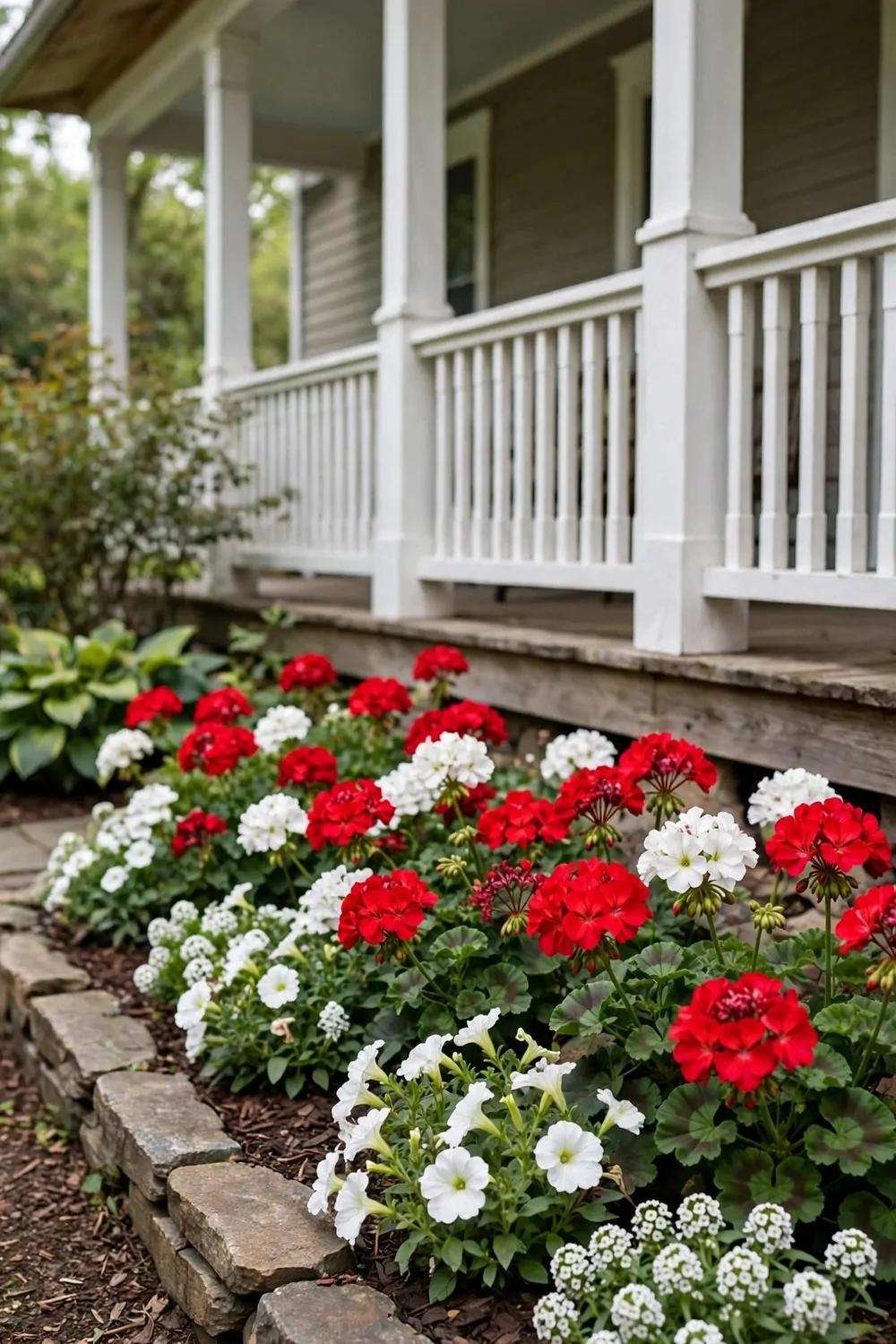
A red and white bed by my porch feels fresh and classic. The two colors look crisp side by side.
I mix red blooms and white blooms all through the bed by the porch.
The red flowers give the bed its bold look. The white flowers keep it light and neat. Together they frame the porch in a simple way.
I water the bed in the morning before the sun gets strong.
Typical cost $14 to $30.
I mix red geraniums with white alyssum for this look. You can swap in other red and white flowers you like.
I keep the bed even so the colors read well from the path. A little planning at the start helps a lot.
The red and white mix suits a porch with pale paint. It feels tidy without trying too hard.
I feed the bed once a month while it blooms. The colors stay strong right through summer.
8. Blue Lobelia in a Shady Strip
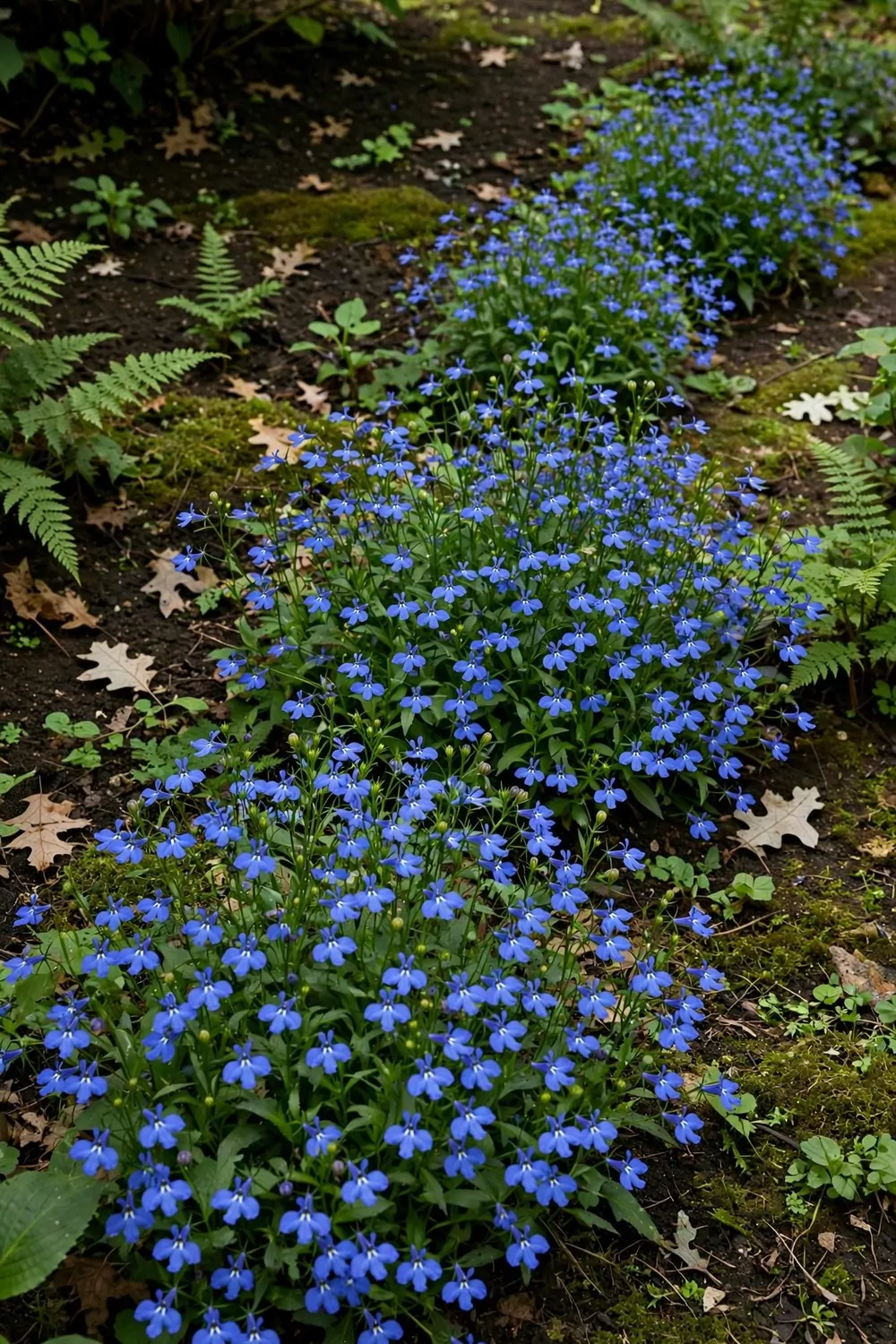
Blue lobelia fills my shady strip with cool color. It is one of the few flowers that loves a spot with less sun.
I plant it along the strip by the north side of the house.
The small blue blooms form a dense carpet. They look calm against the green leaves. I enjoy the cool blue tone on hot days.
I keep the soil damp in the shade.
Typical cost $7 to $16.
I trim the plants back when the blue fades a bit. New blooms show up fast after a light cut.
You can start with small tray plants. I set them close so the strip fills in quick.
The blue color pairs well with white blooms nearby. It gives the shady corner a soft glow.
I add a little compost to the soil before I plant. The lobelia roots settle in and grow strong.
9. A Mixed Flower Bed with Blooms All Year
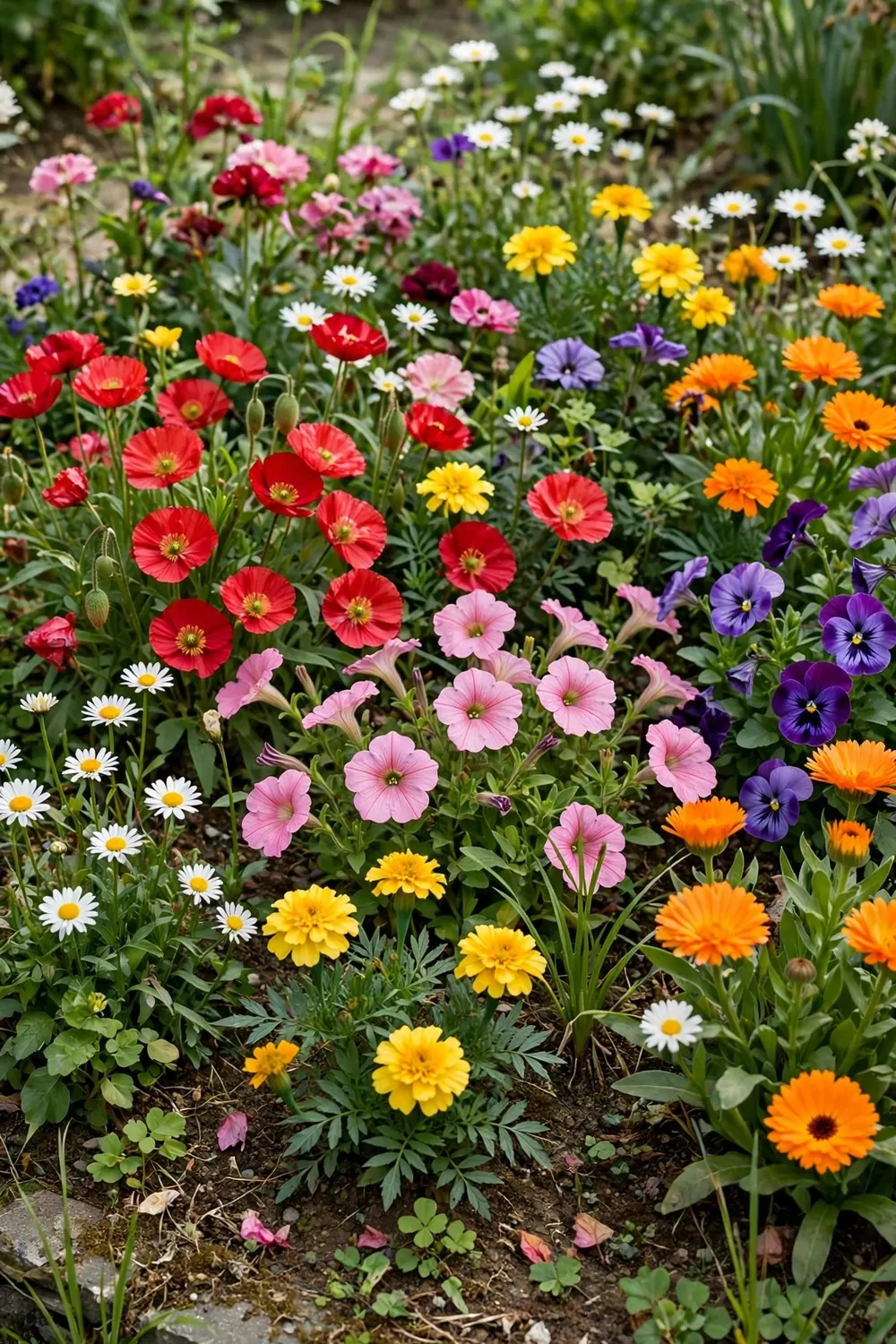
A mixed bed with blooms all year is my favorite kind of front garden. There is always something new to look at.
I plant early bloomers at the back and late bloomers at the front.
I mix spring bulbs with summer flowers and fall blooms. One group fades just as the next one starts. You get color from spring right through fall.
I water the bed based on what is in bloom.
Typical cost $16 to $34.
I plan the bed on paper first so the seasons line up. A simple sketch saves me from gaps with no blooms.
You can use red, yellow, pink, purple, orange, white and blue flowers in one bed. I repeat a few colors so it still looks calm.
The mixed bed needs a little more care than a single flower bed. I weed it once a week and trim as I go.
I add fresh compost each spring before the new growth starts. The soil stays rich and the blooms stay strong.
10. A Low Stone Edge Around a Bright Bed
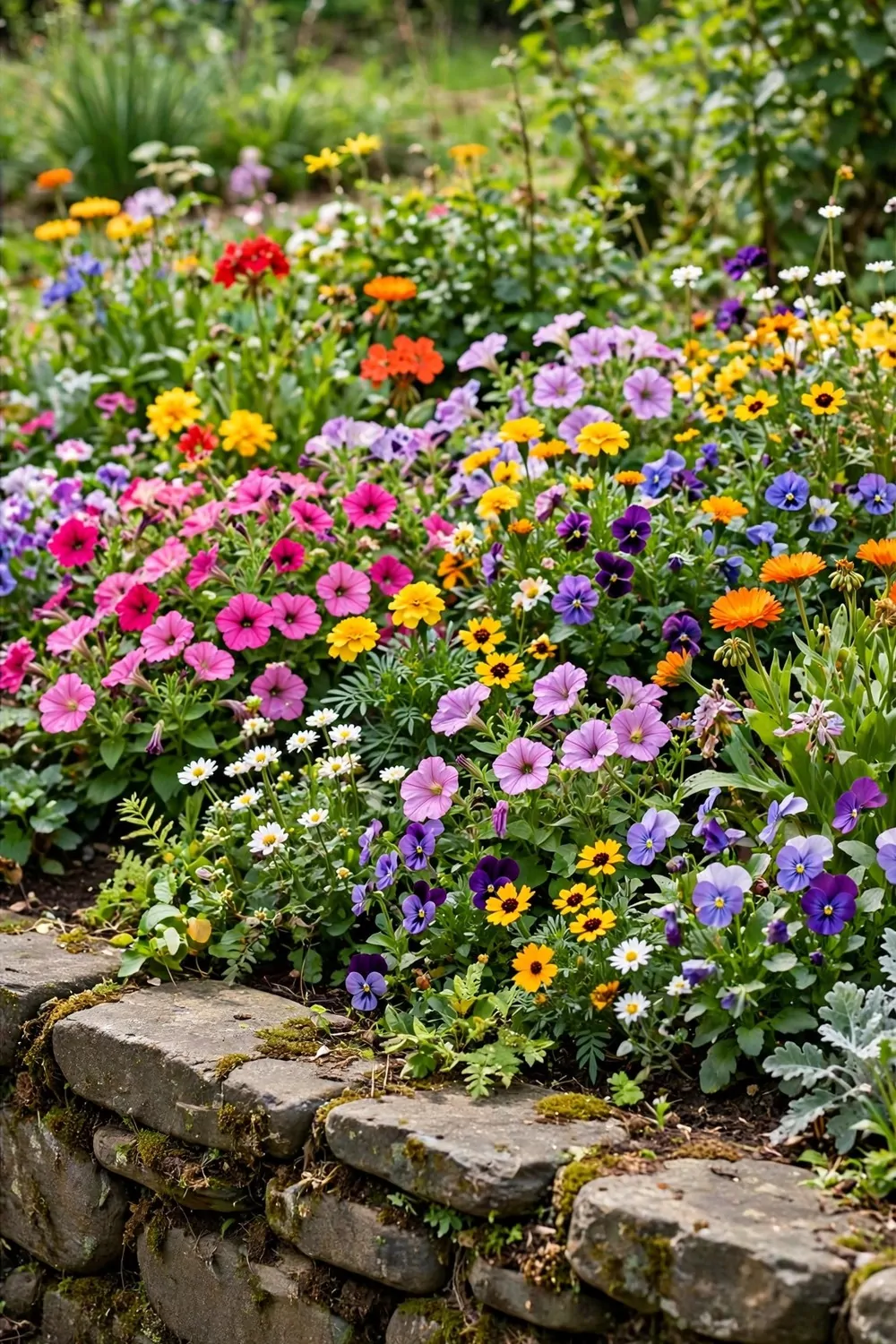
A low stone edge makes my bright bed look finished. It holds the soil in and gives the bed a clear shape.
I lay flat stones in a low stack around the bed.
The pale stones frame the bright blooms inside. They stop the soil from washing onto the path. I like how neat the edge looks after rain.
I set each stone level with the next one.
Typical cost $18 to $38.
I dig a shallow trench first so the stones sit firm. A flat base keeps them from tipping over.
You can use pale or grey stones from the garden shop. I pick ones that are about the same size.
The stone edge suits a bed full of red, yellow and pink flowers. It lets the bright colors do the talking.
I brush the stones clean once a month. The edge stays tidy and the bed looks cared for.
| Idea | Main change | Typical cost |
|---|---|---|
| A Bright Red Geranium Border by the Path | Plant red geraniums by the path | $10 to $24 |
| Yellow Marigolds Along the Front Edge | Plant yellow marigolds on the front edge | $8 to $18 |
| A Pink Petunia Bed by the Steps | Plant pink petunias by the steps | $9 to $20 |
| Purple Lavender in a Sunny Corner | Plant purple lavender in a sunny corner | $12 to $26 |
| Orange Zinnias by the Fence | Plant orange zinnias by the fence | $10 to $22 |
| White Alyssum as a Soft Front Border | Plant white alyssum on the front border | $6 to $14 |
| A Red and White Bed by the Porch | Plant a red and white bed by the porch | $14 to $30 |
| Blue Lobelia in a Shady Strip | Plant blue lobelia in a shady strip | $7 to $16 |
| A Mixed Flower Bed with Blooms All Year | Plant a mixed bed for blooms all year | $16 to $34 |
| A Low Stone Edge Around a Bright Bed | Add a low stone edge around a bright bed | $18 to $38 |
| Total | $110 to $242 |
11. A Raised Bed with Tall Sunflowers at the Back
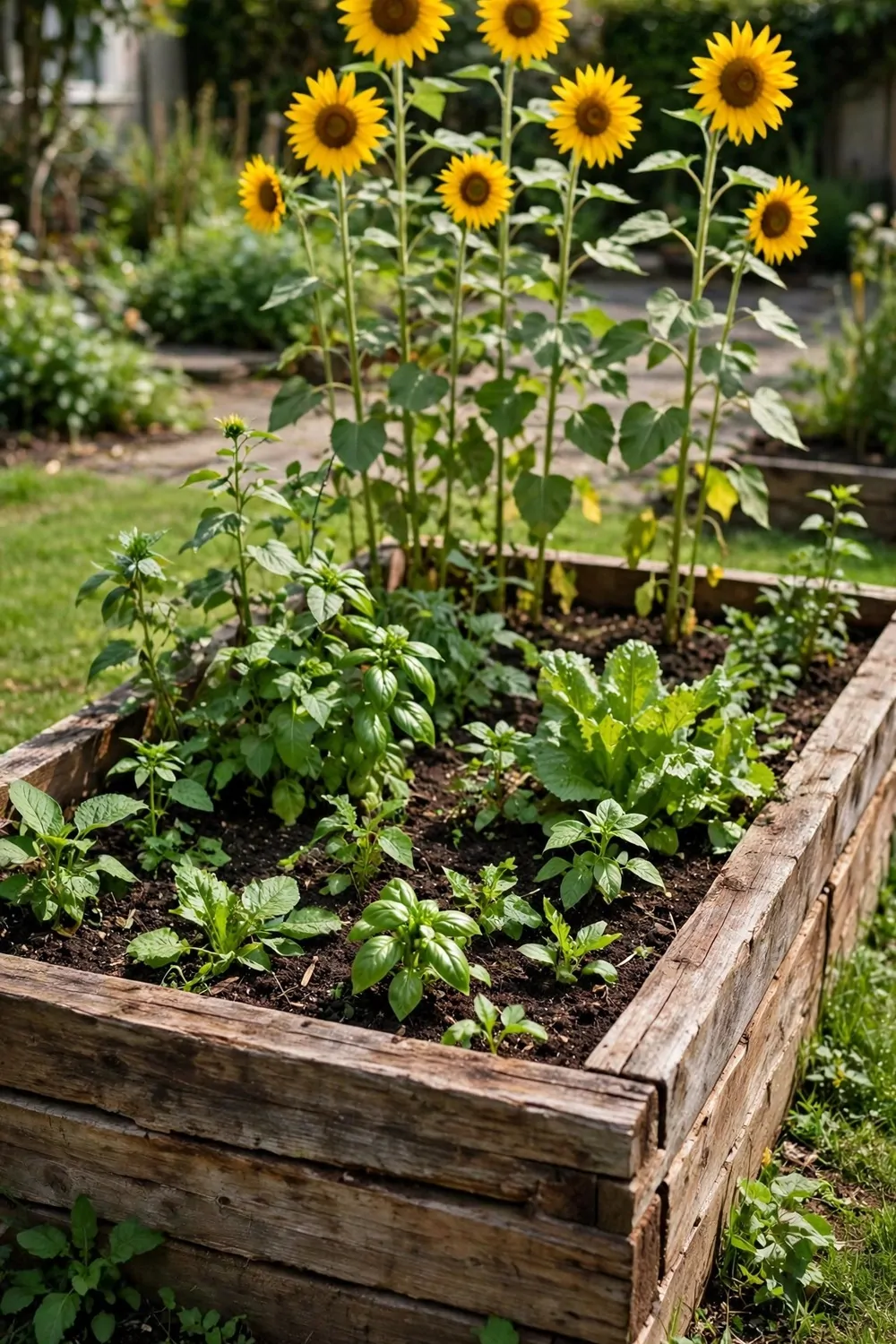
I built a low raised bed at the back of my front garden. I put tall sunflowers along the back edge.
The yellow flowers stand high over the small plants in front of them.
I filled the bed with soft soil and I mixed in some old compost from my bin. The sunflowers grew fast once the warm days came. I watered them in the morning so the soil stayed damp.
You can see the yellow heads from the street. They make the whole front yard look bright and tall.
I tied each stem to a thin stick when it got tall.
Typical cost $16 to $32.
The bed edge is plain wood, and it keeps the soil in one neat place. I left a small path in front so I can reach the plants to water them. The low plants in front stay short and full.
I cut one sunflower for my kitchen table. The rest stayed outside for all to see.
A tall back row like this gives your front bed a clear shape.
12. A Small Bed of Pansies for Cool Months
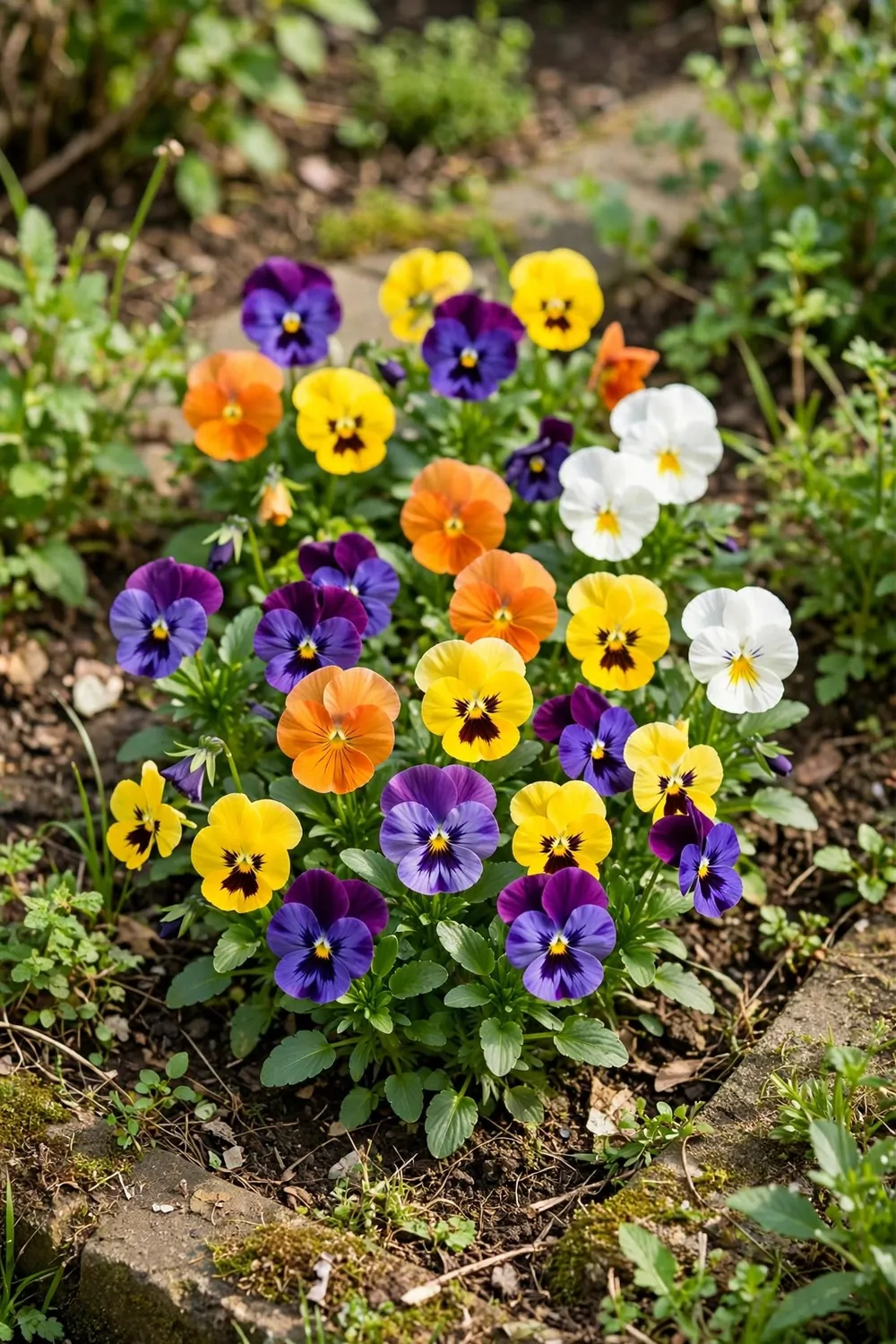
I made a small bed of pansies near my front door for the cool months. It stays bright when most other flowers fade.
The small flowers come in purple, yellow, white, and orange.
I planted them close together so the bed looked full right away. I watered them with a light can, and I picked off the old flowers each week. The new buds opened fast after that.
You can plant pansies in a small patch of soil. They do not need a big bed at all.
I added a thin layer of mulch to keep the soil damp.
Typical cost $8 to $18.
The pansies sit low to the ground, and their round faces turn up to the sun. I like to check them each morning when I step out. A few leaves turn brown, and I pull those off by hand.
This small bed is easy to care for. It gives you color when the days feel cold and grey.
Try a small pansy bed if your front yard feels bare in the cool months.
13. A Pink and Purple Petunia Mix by the Walk
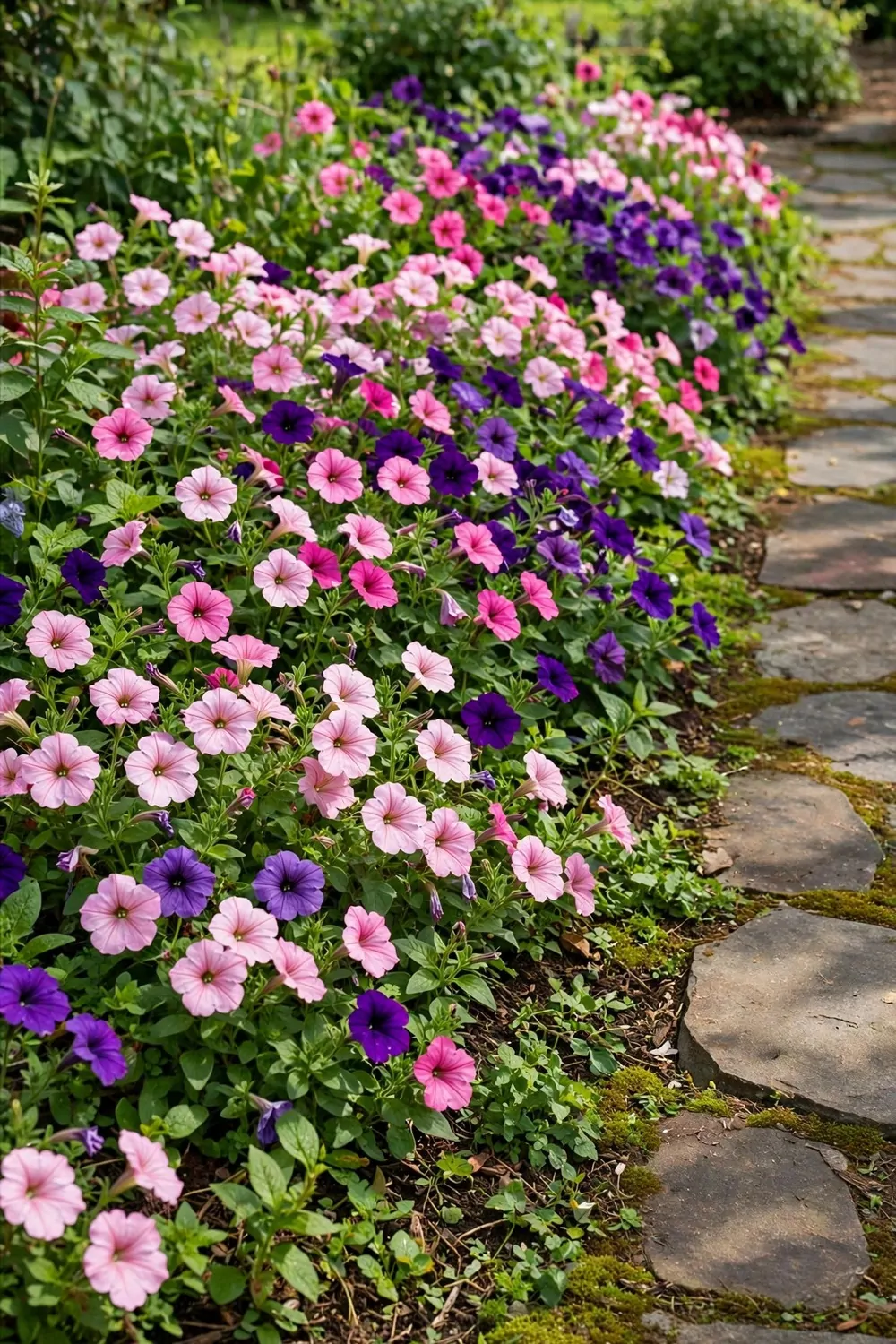
I planted a pink and purple petunia mix by the walk. It makes the path to my door feel soft and full of color.
The pink flowers and the purple flowers grow side by side in one low bed.
I set the small plants in a neat row, and I left a little space between each one. They spread out as they grew, and the bed filled in fast. I water them in the evening when the sun is low.
You can walk past this bed each day. The bright pink and purple blooms lift your mood.
I trim the long stems back when they start to look thin.
Typical cost $10 to $22.
The petunias like sun, and they bloom for a long time if you keep them watered. I pick off the faded flowers so new ones can open. The green leaves stay fresh under the pink and purple blooms.
This mix is simple to grow. It gives you two clear colors in one bed.
A pink and purple mix by the walk is a sweet way to greet your guests.
14. A White Daisy Bed by the Mailbox
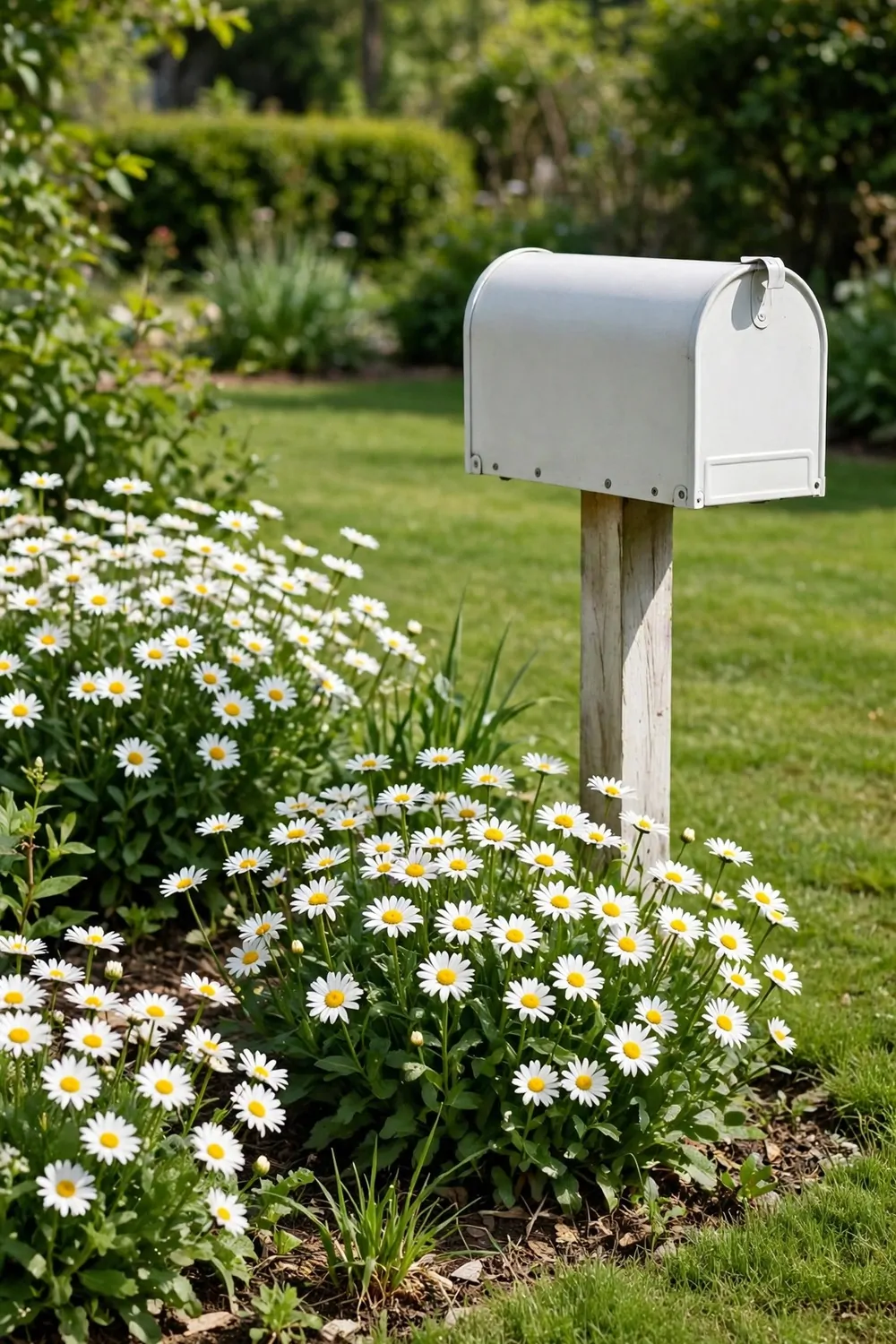
I planted a white daisy bed by the mailbox. It looks clean and fresh all through the warm months.
The white flowers stand in a neat patch, and their green leaves fill the space below them.
I dug the soil loose and I added some compost before I planted. The daisies took root fast, and they sent up new stems in a few weeks. I water them when the top of the soil feels dry.
You can spot this white bed from the road. It makes the mailbox area look cared for.
I cut the old stems down after the first blooms fade.
Typical cost $9 to $20.
The white daisies come back strong, and they do not need much fuss. I pull the weeds out by hand so the daisies have room to grow. The bed stays tidy with just a little care each week.
This bed is a good pick if you want one clear color by the street. It stays neat with little work.
A white daisy bed by the mailbox is simple, bright, and easy to keep.
15. A Red Salvia Row by the Driveway
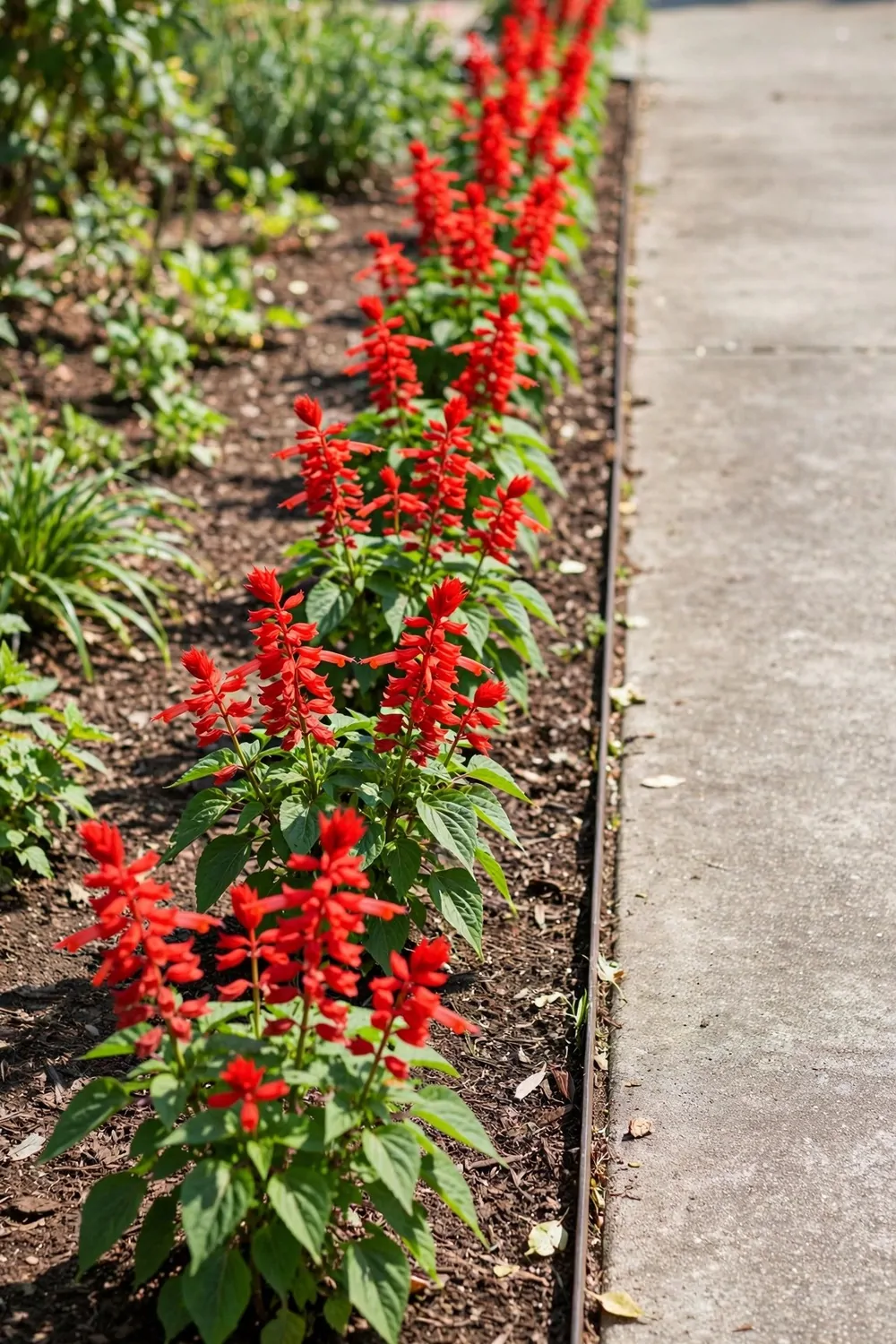
I planted a red salvia row by the driveway. The tall red spikes stand out against the grey drive.
The red flowers bloom in a long line, and they look bold from the car.
I set the plants in a straight row, and I left even gaps between them. They grew tall in the sun, and the red blooms opened one after the other. I water them at the base so the leaves stay dry.
You can see this red row as you pull in. It makes the edge of the driveway feel alive.
I trim the faded spikes to help new red blooms grow.
Typical cost $12 to $26.
The salvia likes a sunny spot, and it keeps its color for a long season. I add a thin layer of mulch to hold the damp in the soil. The green leaves stay neat under the red flowers.
This row is easy to grow. It gives you a strong line of red all summer.
A red salvia row is a simple way to dress up a plain driveway edge.
| Idea | Main change | Typical cost |
|---|---|---|
| A Raised Bed with Tall Sunflowers at the Back | Build a raised bed with tall sunflowers | $16 to $32 |
| A Small Bed of Pansies for Cool Months | Plant a small bed of pansies | $8 to $18 |
| A Pink and Purple Petunia Mix by the Walk | Plant pink and purple petunias by the walk | $10 to $22 |
| A White Daisy Bed by the Mailbox | Plant a white daisy bed by the mailbox | $9 to $20 |
| A Red Salvia Row by the Driveway | Plant a red salvia row by the driveway | $12 to $26 |
| A Yellow Coreopsis Bed That Comes Back Each Year | Plant a yellow coreopsis bed | $10 to $24 |
| A Blue and White Bed by the Front Gate | Plant a blue and white bed by the gate | $12 to $26 |
| A Mixed Herb and Flower Bed by the Steps | Plant a mixed herb and flower bed by the steps | $14 to $30 |
| A Bright Bed of Begonias in a Shady Corner | Plant a bright bed of begonias in shade | $9 to $20 |
| A Red Rose Bed by the Front Window | Plant a red rose bed by the front window | $18 to $36 |
| Total | $118 to $254 |
16. A Yellow Coreopsis Bed That Comes Back Each Year
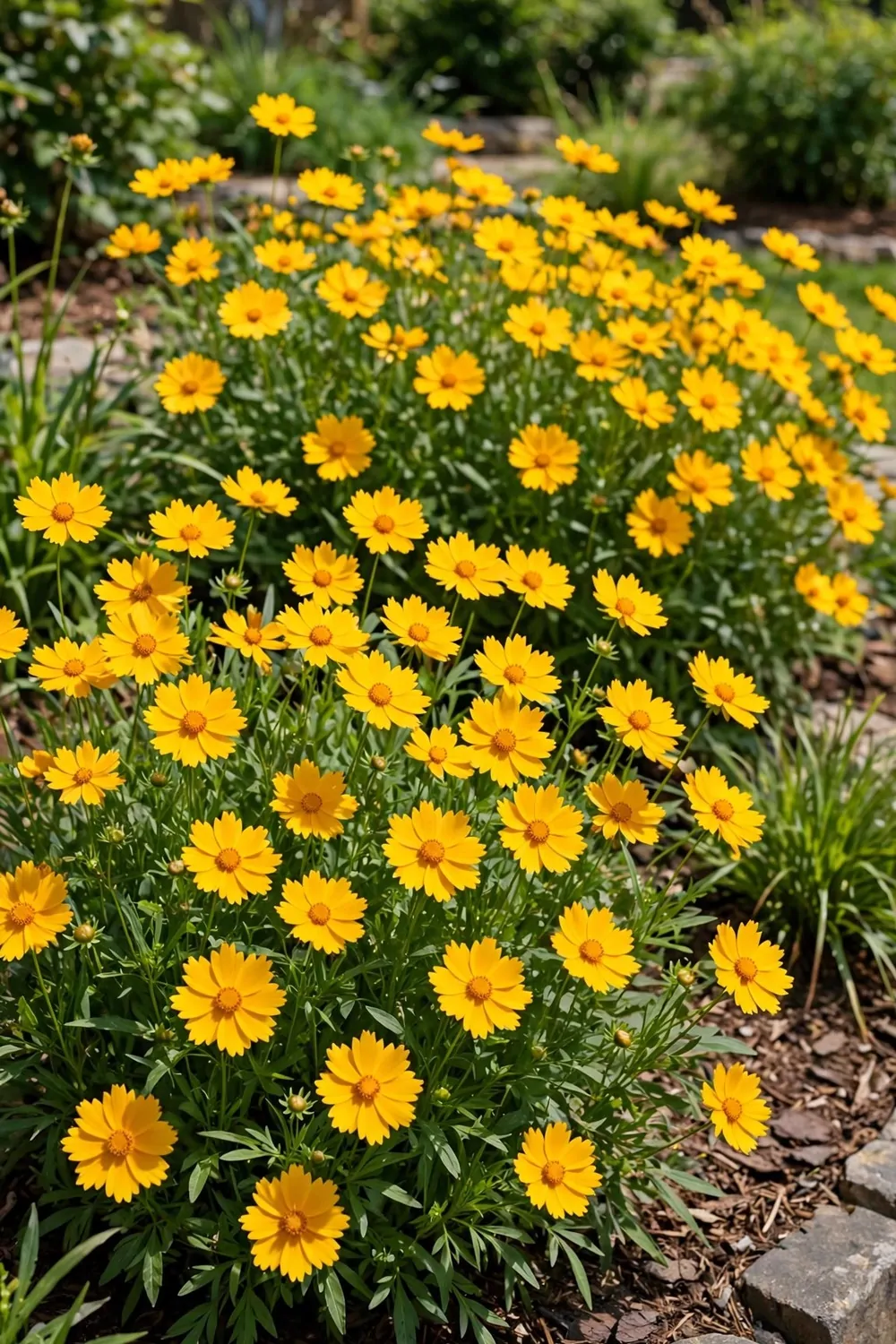
I planted a yellow coreopsis bed in my front garden. It comes back each year with more yellow blooms.
The yellow flowers look like small suns, and they cover the bed in a bright wash of color.
I planted them in a sunny patch with loose soil, and they settled in fast. They spread a little each year, so the bed gets fuller on its own. I water them when the soil feels dry to my touch.
You do not need to replant this bed each spring. That saves you time and work.
I cut the stems back in late fall after the blooms fade.
Typical cost $10 to $24.
The yellow coreopsis blooms for a long time, and the green leaves stay fresh below the flowers. I pull out the weeds so the plants have room to spread. A few old stems turn brown, and I trim those off.
This bed is a good pick if you want steady yellow color year after year. It needs little work from you.
A yellow coreopsis bed that returns each year is one of my best front garden picks.
17. A Blue and White Bed by the Front Gate
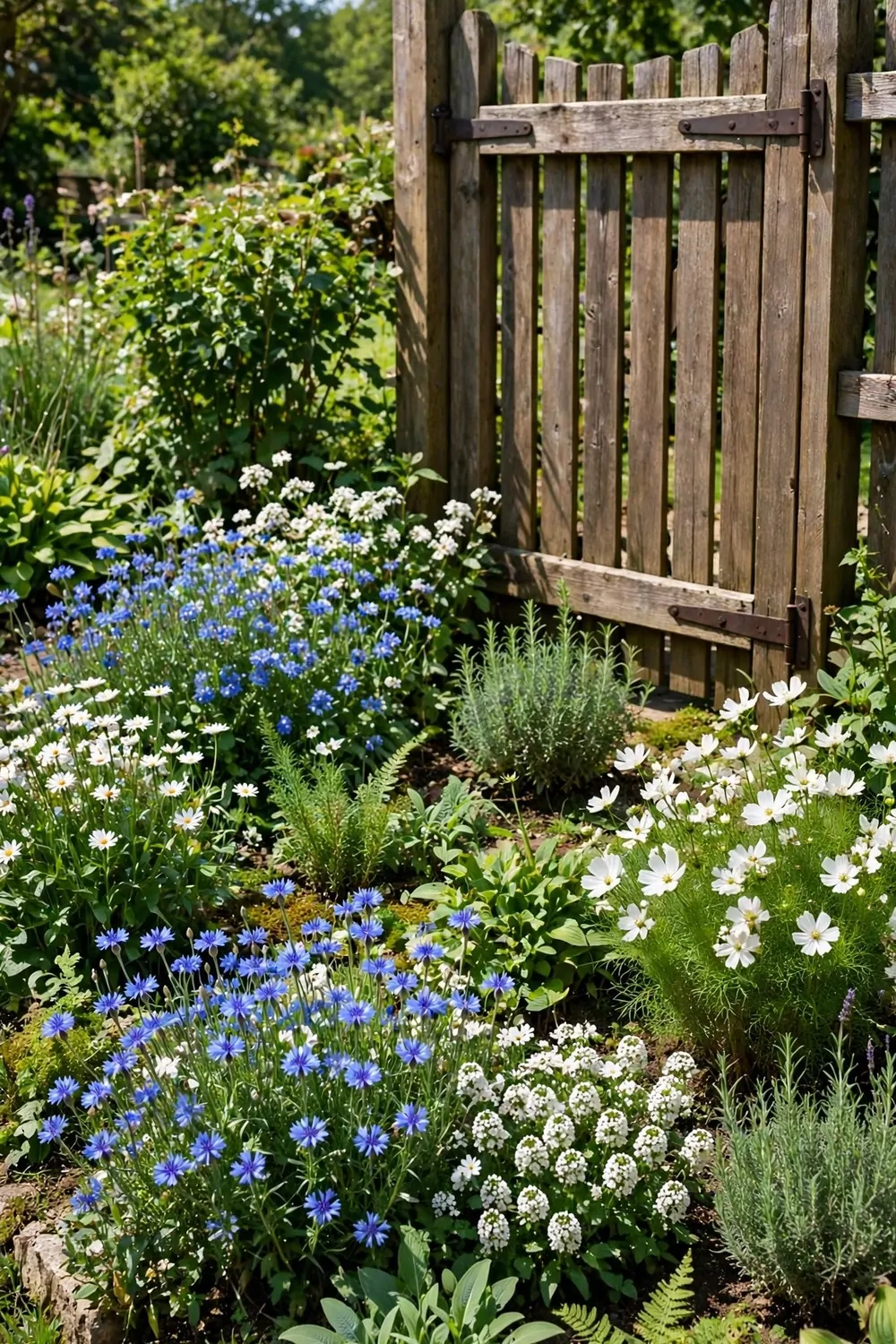
I planted a blue and white bed by the front gate. It makes the entry to my home feel calm and fresh.
The blue flowers and the white flowers mix in soft patches across the bed.
I put the blue blooms in small groups, and I set the white blooms between them. The two colors look clean together, and they show up well from the path. I water the bed in the morning so the plants stay fresh all day.
You can see this bed as soon as you open the gate. It sets a soft tone for the whole yard.
I deadhead the old blooms each week to keep new ones coming.
Typical cost $12 to $26.
The blue and white bed likes sun, and it blooms for a long season with steady care. I keep the soil loose, and I pull the weeds out by hand. The green leaves fill the gaps and keep the bed looking full.
This bed is simple to plan. The two colors never clash.
A blue and white bed by the front gate is a calm and pretty welcome.
18. A Mixed Herb and Flower Bed by the Steps
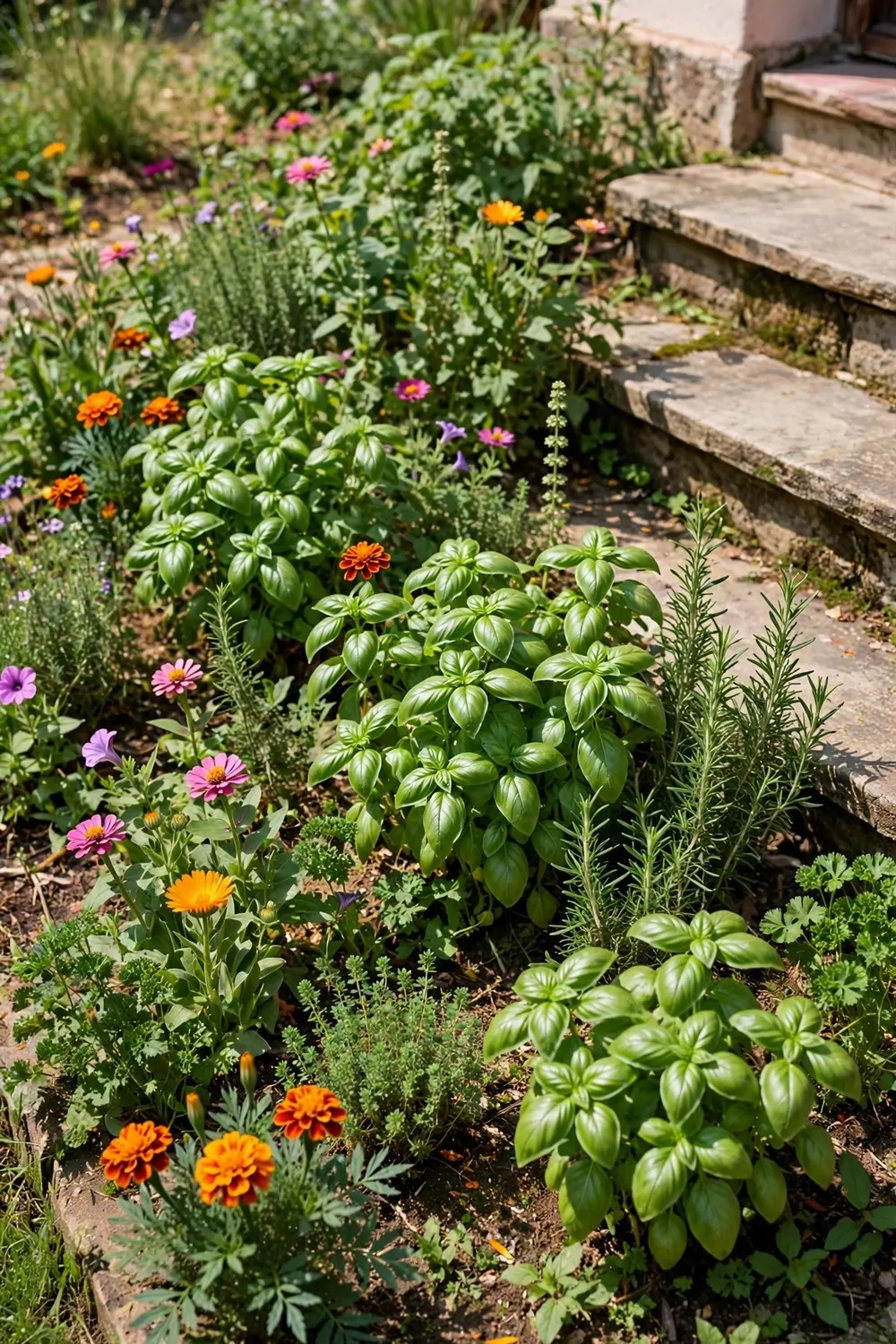
I made a mixed herb and flower bed by the steps. It smells fresh each time I walk past it.
The green herbs grow next to bright flowers in one small bed.
I planted basil, mint, and rosemary in the same bed as the flowers. I set pink and yellow flowers all through the bed, and it looked full in a few weeks. I water the herbs at the base so their leaves stay dry.
You can pick a few herb leaves for your cooking. The flowers keep the bed pretty.
I trim the mint often so it does not take over the bed.
Typical cost $14 to $30.
The herbs like sun, and they grow fast with a little water each day. I pull the weeds out so the small plants have room. The flowers bloom beside the herbs, and the whole bed feels alive and useful.
This bed is a good pick if you want scent, color, and cooking leaves in one place.
A mixed herb and flower bed by the steps is both pretty and handy.
19. A Bright Bed of Begonias in a Shady Corner
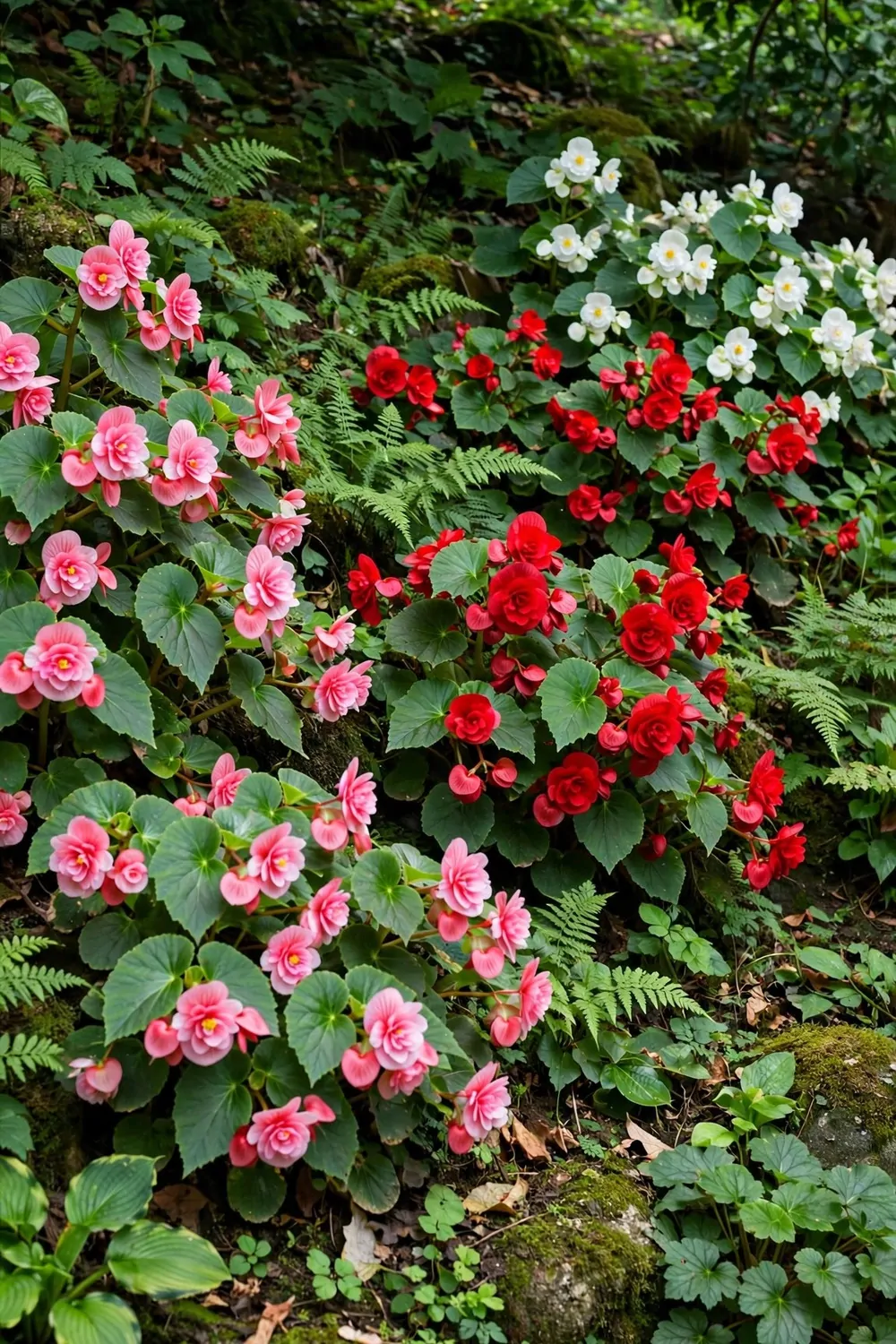
I planted a bright bed of begonias in a shady corner. It lights up a spot where little else would bloom.
The pink, red, and white begonias glow in the shade, and their green leaves stay full and soft.
I set the plants in loose soil under a tree, and they settled in fast. They do not need full sun, and they bloom for a long time in the shade. I water them when the soil feels dry, and I keep the leaves free of old bits.
You can turn a dull shady corner into a bright spot with this one bed. This one bed does the job well.
I pick off the faded blooms so new ones can open.
Typical cost $9 to $20.
The begonias like a cool, damp spot, and they stay low and neat. I tuck a light mulch cover round the stems so the soil stays damp. The pink, red, and white flowers stand out well against the dark shade behind them.
This bed is easy to care for. It gives you color where sun is scarce.
A bright begonia bed is my best fix for a shady front corner.
20. A Red Rose Bed by the Front Window
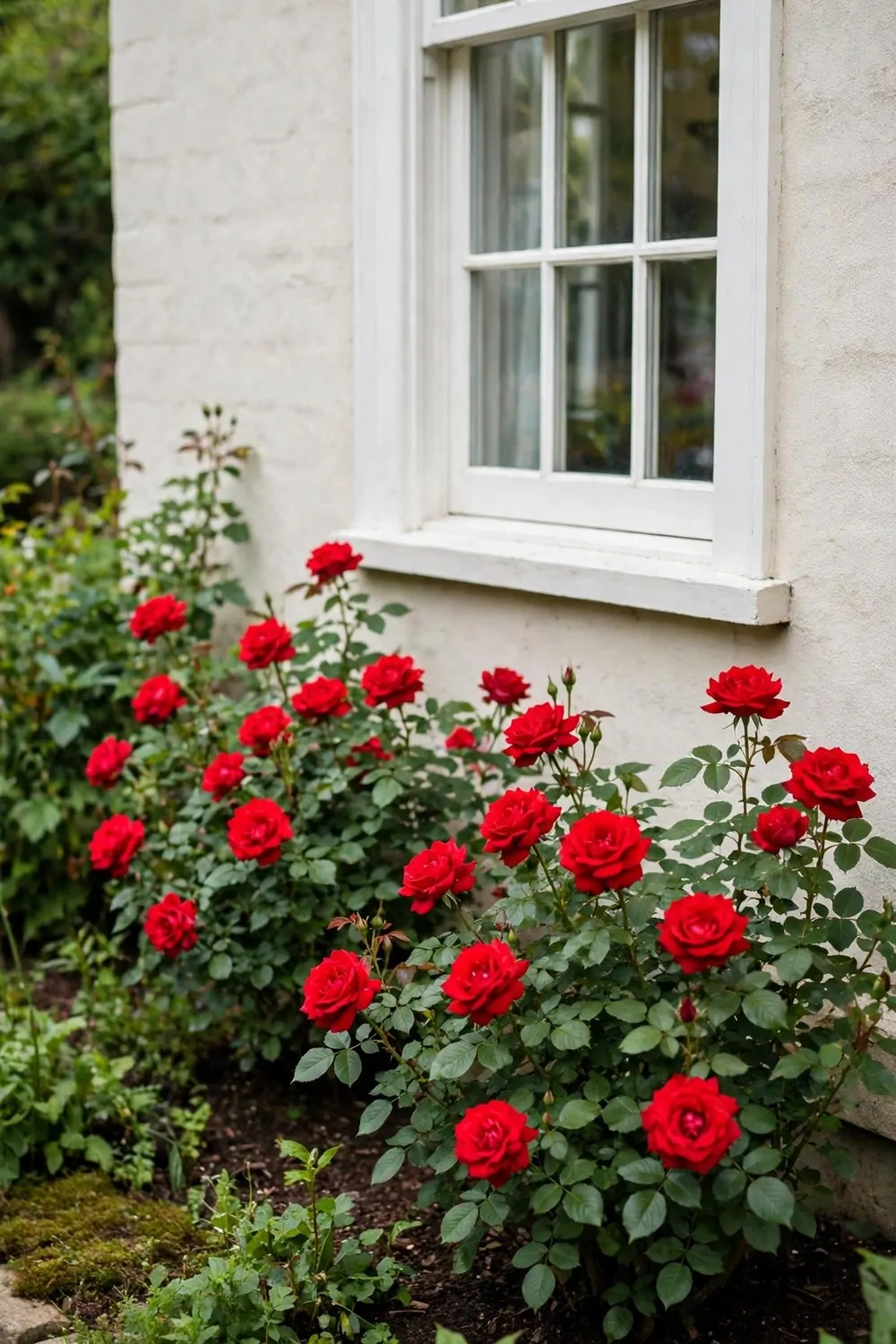
I planted a red rose bed by the front window. The red blooms frame the view from inside my home.
The red roses open in full clusters, and their scent drifts through the open window.
I dug the soil deep and I added compost before I set the rose plants in. They took root well, and they sent up strong new stems in spring. I water them at the base, and I wear gloves when I trim them.
You can see the red roses from the street. They make the front of the house feel warm and loved.
I prune the old stems in early spring to help new growth.
Typical cost $18 to $36.
The roses like sun and air, and they bloom again after you cut the old flowers off. I feed them with compost in spring, and I check the leaves for spots each week. The green leaves stay thick under the red blooms.
This bed takes a little more care. The red roses are worth the work.
A red rose bed by the front window is a classic front garden look.
21. A Pink Impatiens Bed Under a Tree
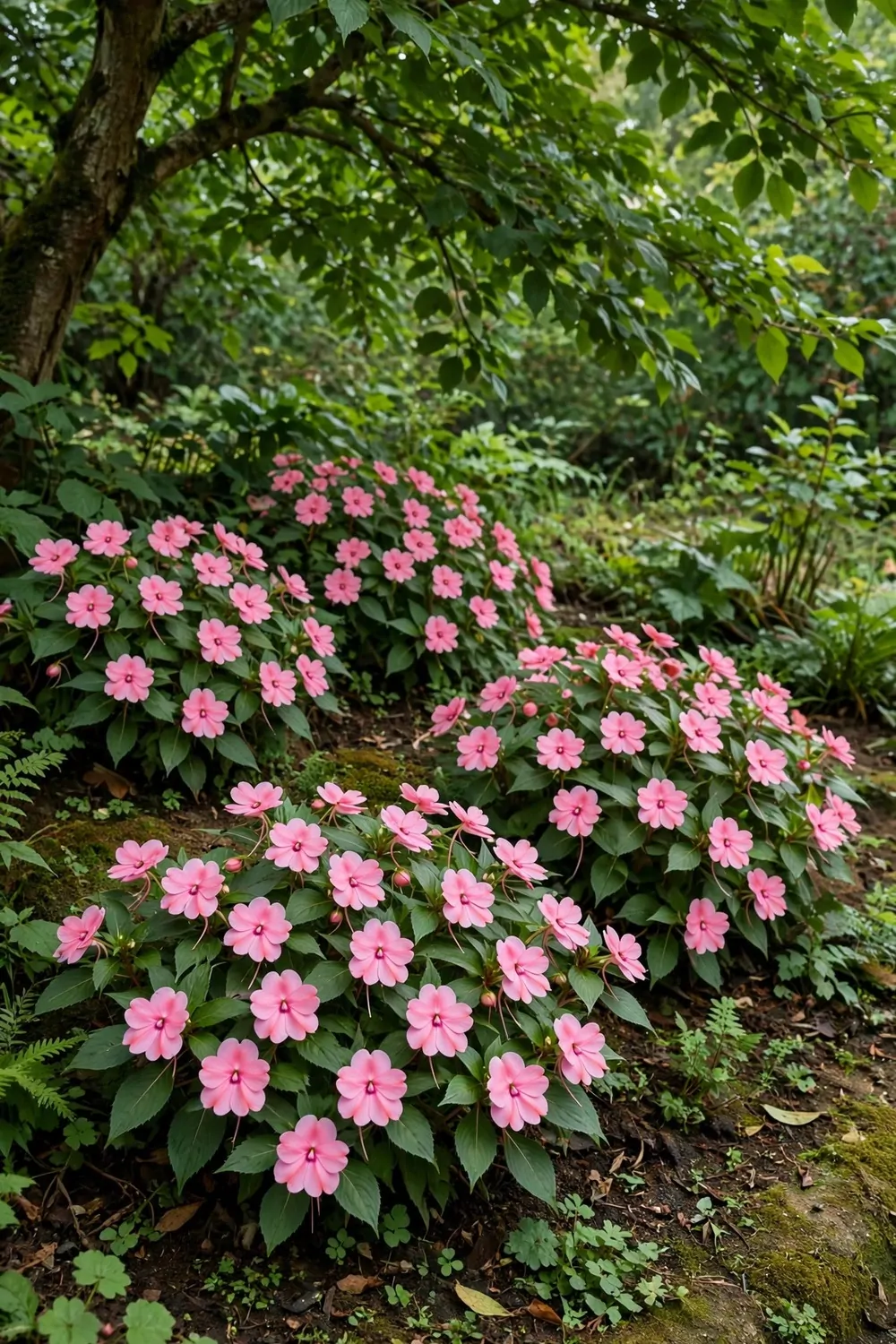
I love the soft pink glow under my big tree in summer. The shade there is cool, and pink impatiens fill it with color when little else will grow.
I clear the fallen leaves first and loosen the top soil with my hands. Then I space the small plants about a hand width apart so they can spread and join up.
Pink impatiens like damp soil, so I water them in the morning. I give them a good drink and let the shade keep the soil cool through the day.
The pink flowers keep coming all summer if I pinch off the dead heads. I do this once a week while I walk past with my tea.
Typical cost $9 to $20.
I add a thin layer of mulch round the plants to hold the damp in. It keeps the soil soft and stops weeds from popping up too fast.
This bed looks best when the pink is thick and low. I plant in a wide block, not a thin line, so the color reads from the street.
You can sit on the step and see the pink from the front door. It makes a shady spot feel warm and loved, even on a dull day.
If a plant looks leggy, I trim the top back a little. New pink shoots soon follow, and the bed fills out again in a week or two.
22. A Yellow and Orange Marigold Strip by the Road
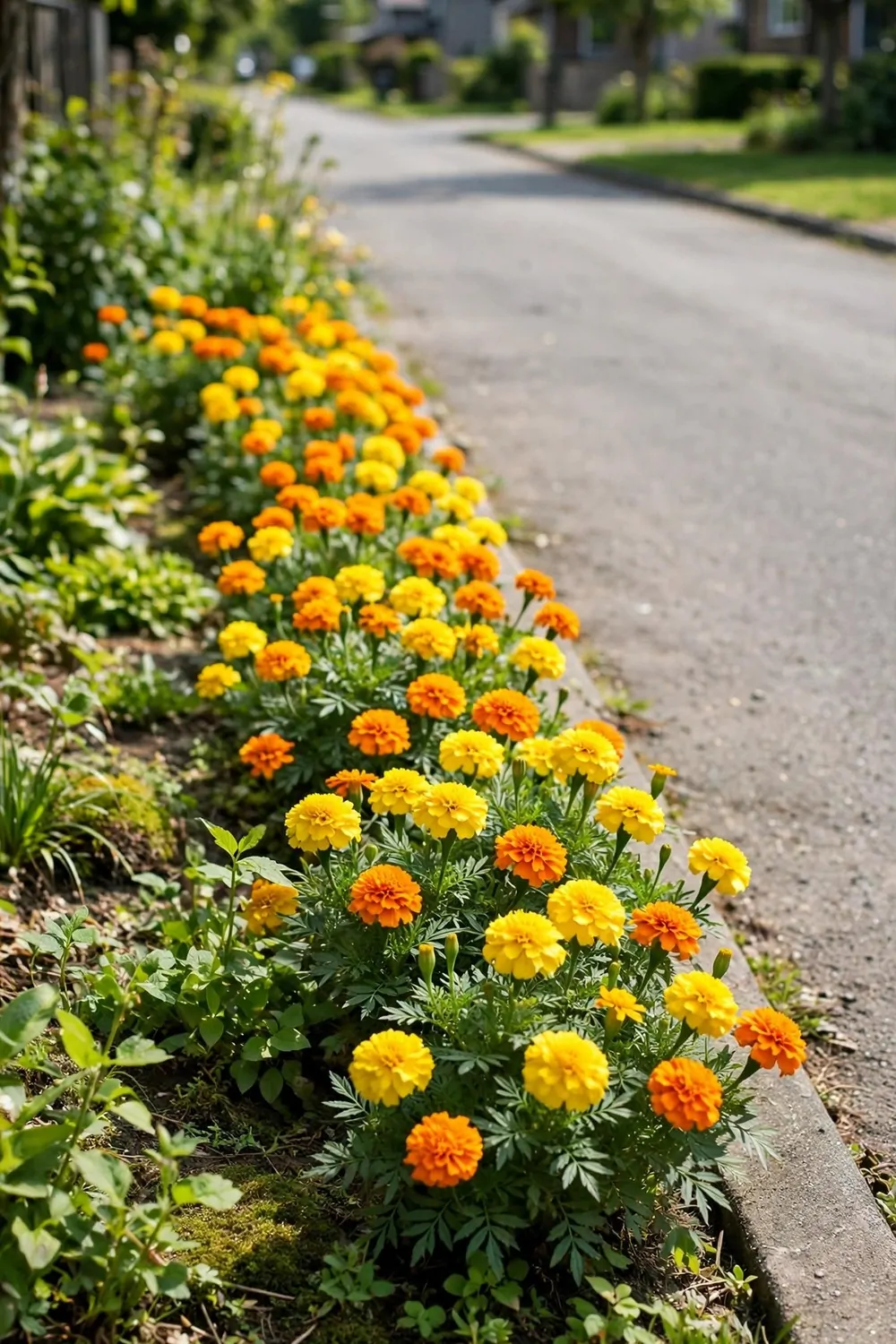
My marigold strip by the road is the brightest thing in my front yard. Yellow and orange flowers stand in a neat row, and drivers slow down to look.
I pick the sunniest strip I have for this bed. Marigolds love full sun, and they bloom best when they get sun most of the day.
I plant the yellow ones and the orange ones in turns. The mix looks cheerful, and the two warm colors sit well side by side.
These flowers are tough, and they do not mind dry soil for a day or two. I water them at the base when the soil feels dry to my touch.
Typical cost $8 to $18.
I deadhead the spent yellow and orange blooms each week. It takes five minutes, and new buds open fast after I do it.
The strip needs a clean edge so it looks tidy from the road. I cut a straight line with my spade and pull the grass back each month.
Kids on my street point at the orange flowers as they walk to school. It makes me smile, and it costs me almost nothing to keep it going.
In autumn I pull the old plants out and add the stems to my compost heap. Then the bed rests till spring, ready for a fresh strip next year.
23. A Purple Aster Bed for Autumn Color
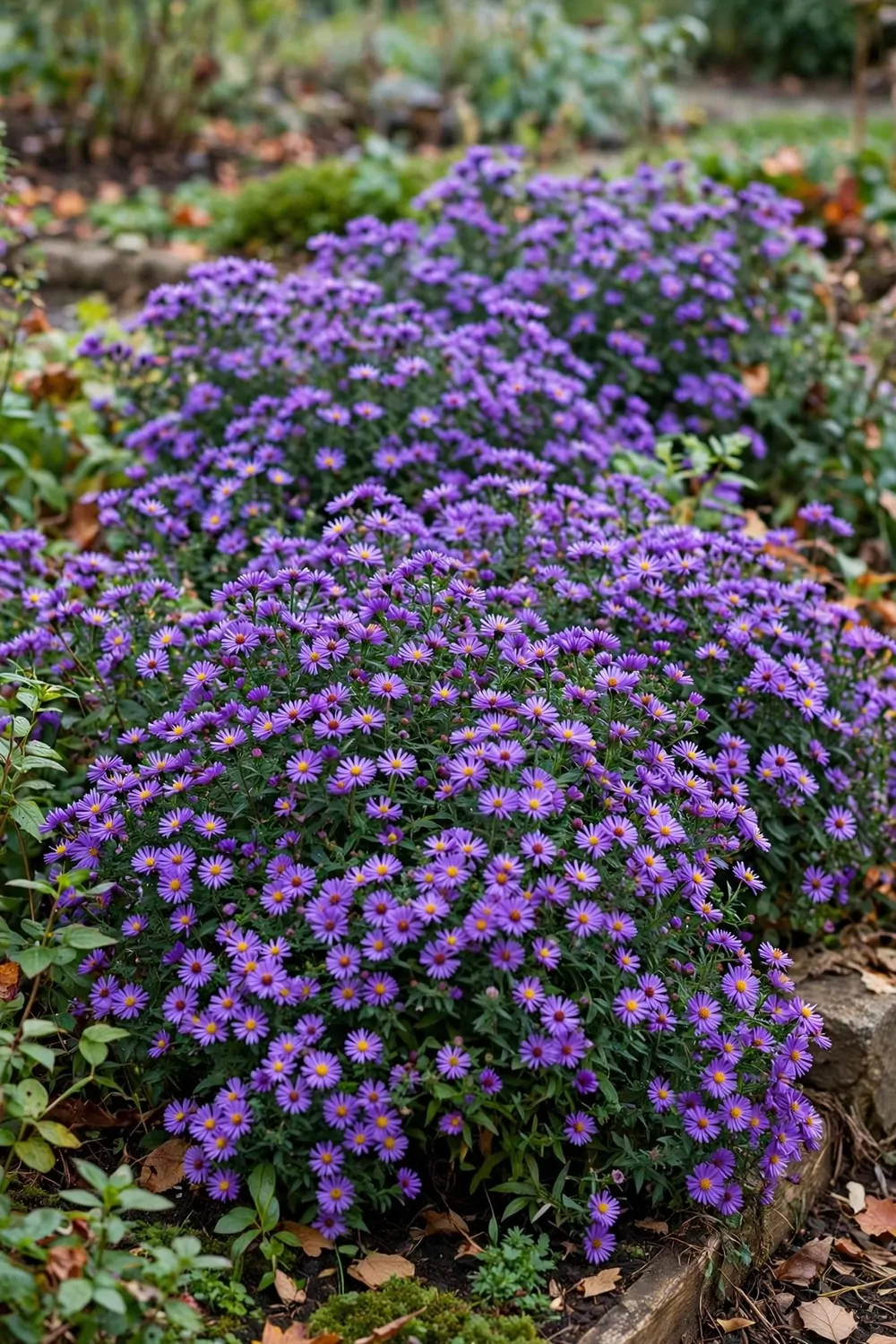
When most of my summer flowers fade, my purple asters start to shine. They bring rich purple color just when the garden needs it most.
I plant asters in a sunny spot with good drainage. They do not like wet feet, so I pick a raised bed where rain runs off fast.
The purple flowers open in late summer and last well into autumn. I love how they glow against the gold leaves that fall round them.
I give each plant room to grow tall and bushy. If I crowd them, the stems get weak, so I space them out and let air move between them.
Typical cost $10 to $22.
I water the base in dry spells, not the leaves. Wet leaves can spot, so I aim low and keep the purple blooms dry and bright.
Bees visit the purple flowers on warm autumn days. I stand back and watch them work, and the bed feels alive even as the year cools down.
I cut the stems back after the flowers fade. Then I add a layer of mulch to protect the roots through the cold months.
Next spring the asters push up fresh green shoots. I split the clumps every two or three years to keep the purple bed full and strong.
24. A White and Pink Cosmos Bed by the Fence
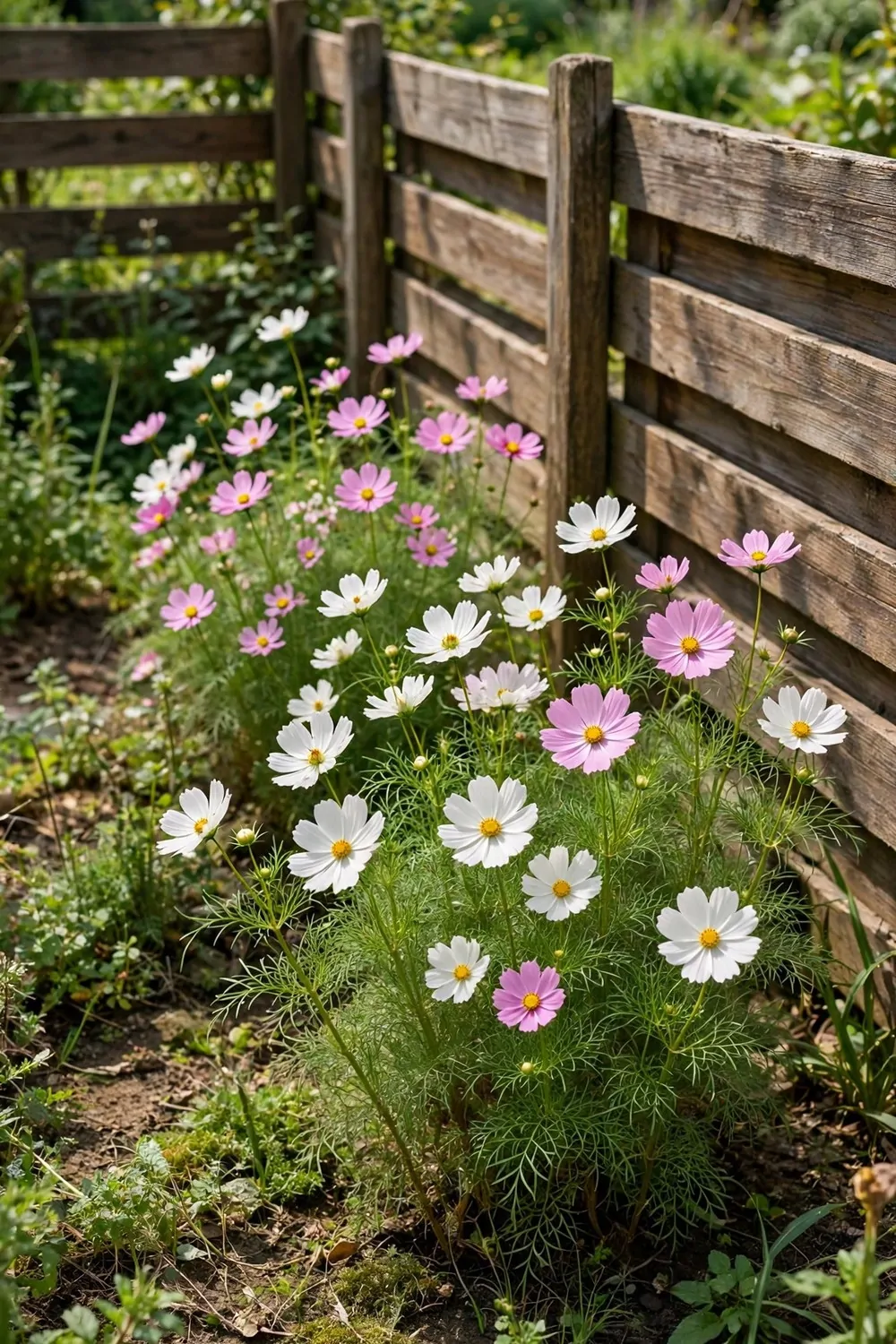
White and pink cosmos dance along my fence all summer. The tall stems sway in the breeze, and the soft flowers look light and pretty.
I sow the seeds right where they will grow, along the fence line. Cosmos do not like to be moved, so I let them start in place.
The white flowers glow in the evening light, and the pink ones add a soft blush. Together they make the fence look less plain and hard.
I thin the seedlings when they are small so each plant has space. Strong plants grow tall, and weak ones fade if they are too close.
Typical cost $12 to $26.
I water the young plants till they settle in, then I leave them mostly alone. Cosmos like it a bit dry, and too much water makes them flop.
I tie the tallest stems to the fence with soft ties. This stops the wind from bending them over on stormy nights.
The white and pink blooms keep coming till the first frost. I pick a small bunch for my kitchen table each week, and more buds open in their place.
At the end of the season I let some flowers go to seed. Next year new white and pink cosmos pop up on their own along the fence.
25. A Low Wood Edge Around a Cottage Bed
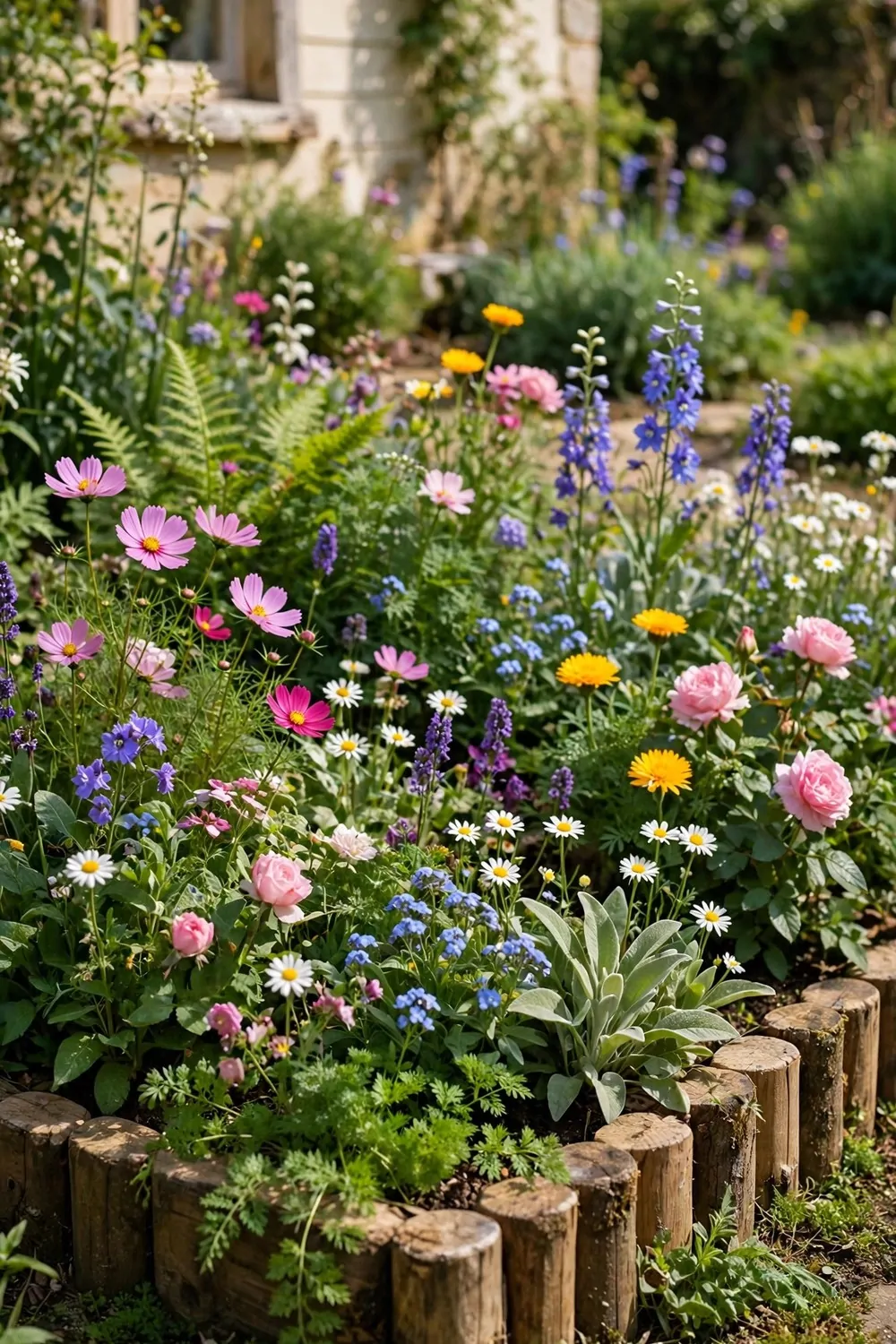
A low wood edge gives my cottage bed a neat finish. It holds the soil in place and stops the grass from creeping into the flowers.
I use short lengths of plain wood, cut to fit the bed. I push them into the soil so only a few inches show above the ground.
The wood edge looks warm and soft next to cottage flowers. It suits a loose, friendly bed much better than a hard stone edge.
I line the wood up in a gentle curve round the bed. Straight lines feel stiff here, so I follow the shape of the plants instead.
Typical cost $14 to $30.
I check the wood each spring for rot or wobble. If a piece feels soft, I swap it out before it falls and lets soil spill onto the path.
Inside the edge I plant a mix of cottage flowers in soft colors. The low wood frame lets the plants spill over a little, which I love.
The edge also makes mowing much easier. I run the mower along the wood line, and the grass stays out of the bed.
A quick brush of oil on the wood each year keeps it looking fresh. It takes ten minutes, and the whole cottage bed looks cared for.
26. A Bright Bed of Tulips for Spring Color
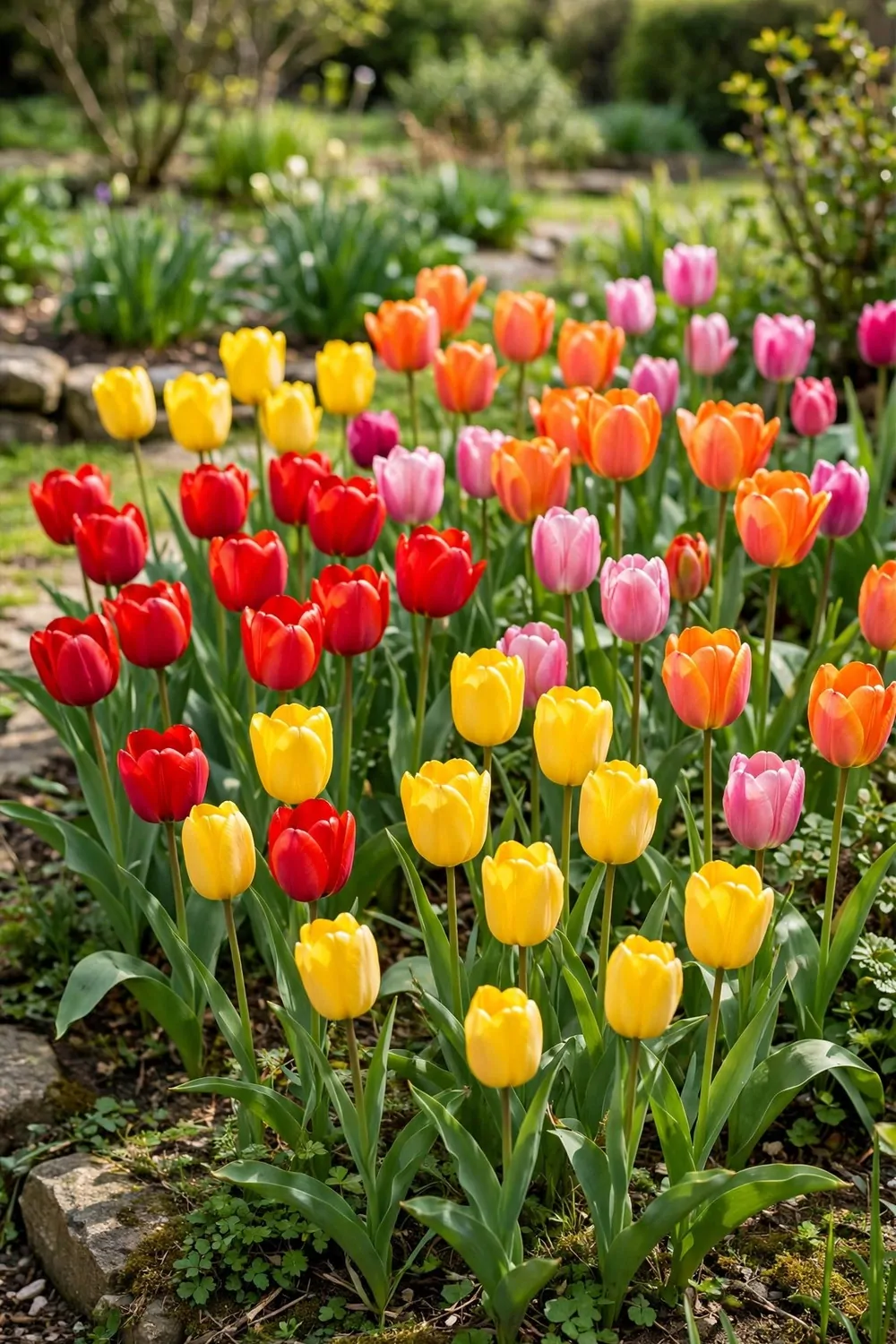
My tulip bed is the first bright thing I see each spring. After a long grey winter, those bold colors feel like a fresh start.
I plant the bulbs in autumn, pointy end up, in a sunny spot. I push them down deep so the cold winter helps them grow strong roots.
I plant the bulbs in groups, not in single lines. A tight group of tulips makes a bold patch of color that you can see from the road.
The bright flowers open in spring and last for weeks. I love to stand at my front door with my tea and look at them each morning.
Typical cost $10 to $24.
I let the leaves die back on their own after the flowers fade. The leaves feed the bulb for next year, so I never cut them off green.
I add a few late bulbs too, so the color lasts longer. When the first tulips fade, the later ones open and keep the bed bright.
If I want a fuller bed, I plant new bulbs each autumn. Old bulbs still bloom, but fresh ones give the strongest show.
Tulips are simple, cheap, and full of joy. One small bed can lift the whole front yard in spring, and I look forward to it all winter.
27. A Mixed Bed of Annuals You Can Change Each Year
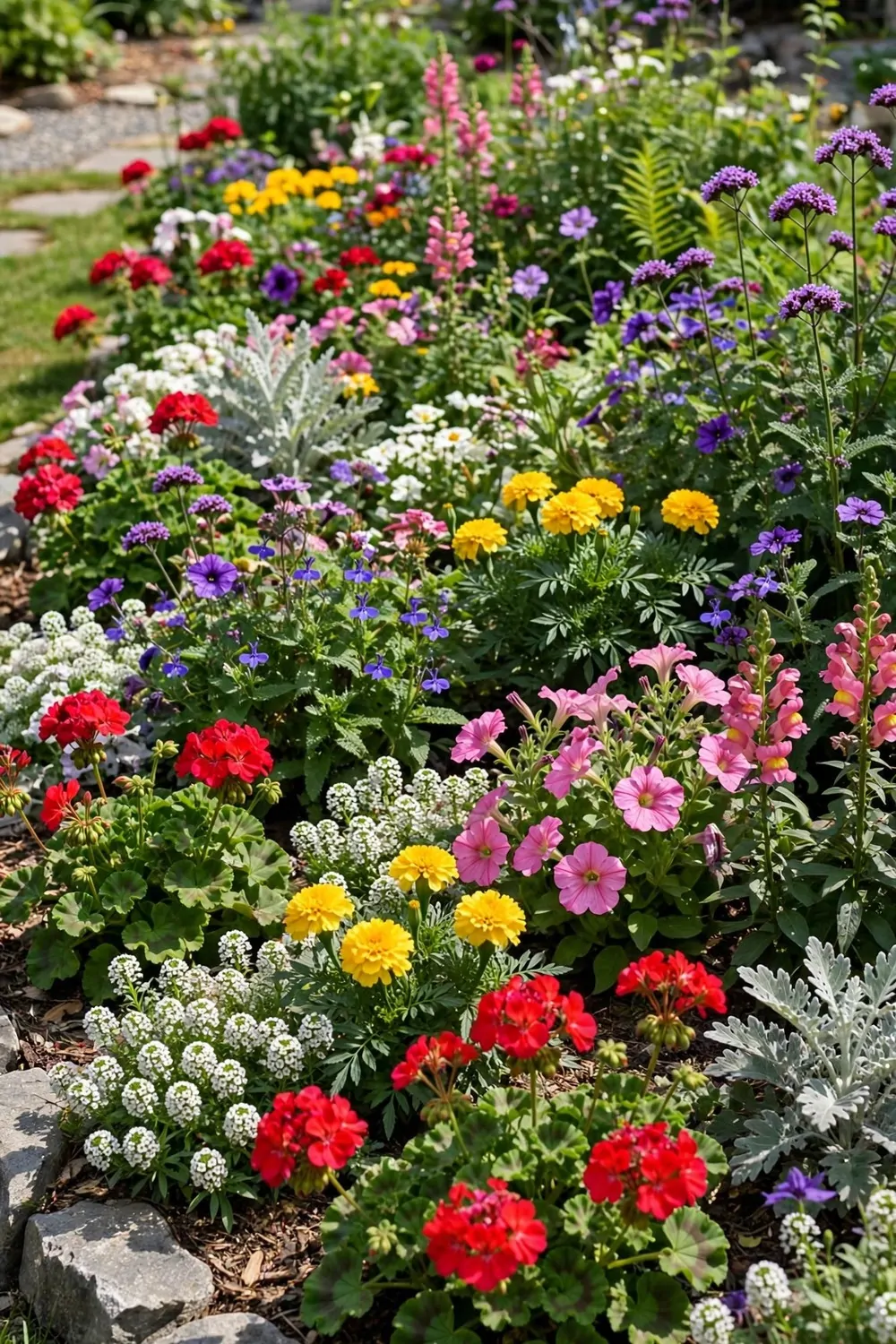
I love a mixed bed of annuals because I can change it every year. One year it is all warm colors, the next year it is soft pastels.
Annuals grow fast from seed or small plants, and they bloom all season. I pick a mix of heights so the bed has shape, not just flat color.
I start with tall plants at the back and short ones at the front. This way every flower gets sun, and I can see them all from the path.
I try new color mixes each spring, and some work better than others. That is half the fun, and a bed that flops costs me very little.
Typical cost $12 to $28.
I water the bed well in the first two weeks till the roots settle. After that I water when the soil feels dry, and the plants grow fast.
I pull out any plant that fades early and pop a fresh one in its place. The bed stays full all summer, and no bare gap lasts long.
At the end of the season I clear the whole bed and start fresh. I love the clean slate, and I plan the next mix over winter.
If you like change, this is the bed for you. It lets you play with color each year without a big cost or a long wait.
28. A Red and Yellow Zinnia Bed by the Porch
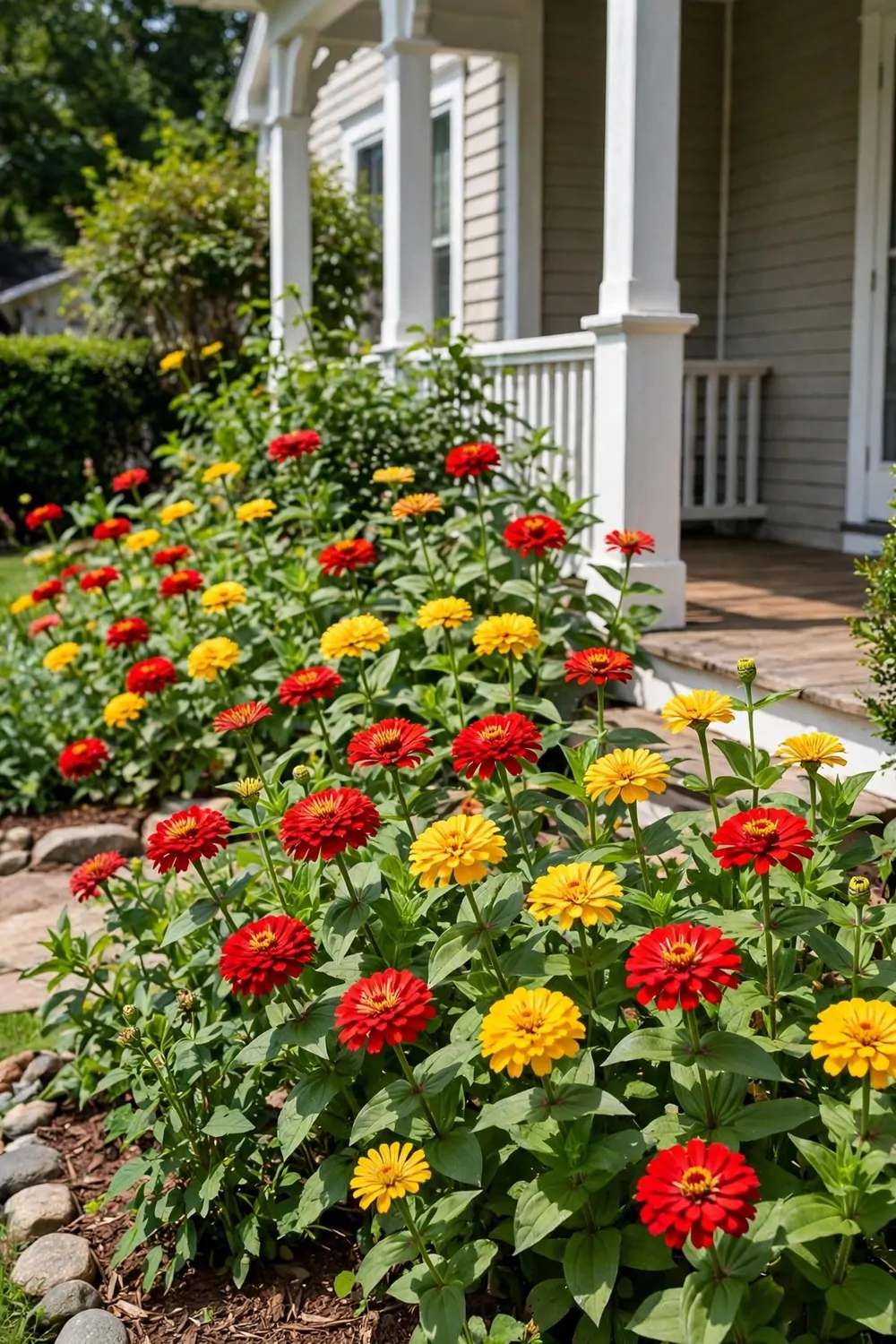
Red and yellow zinnias by my porch make the front door feel like a party. The bold colors pop against the house wall, and guests always smile.
I plant zinnias in the sunniest spot by the porch. They love heat and sun, and they bloom nonstop from summer till frost.
The red flowers are deep and rich, and the yellow ones are bright and sunny. I mix them in equal parts so neither color takes over.
I sow the seeds after the last frost, right in the bed. Zinnias grow fast, and I see green shoots within a week.
Typical cost $10 to $22.
I water at the base in the morning and keep the leaves dry. This keeps the red and yellow blooms clean and bright all season.
I cut flowers for my kitchen table all summer long. The more I cut, the more red and yellow buds open, so I never feel guilty.
The bed needs little food to do well. I feed it once in midsummer, and the plants stay strong till the cold nights arrive.
Zinnias are my easiest porch flower. They ask for sun, water, and a bit of room, and they give me color for months.
29. A Soft Blue Hydrangea Bed by the House Wall
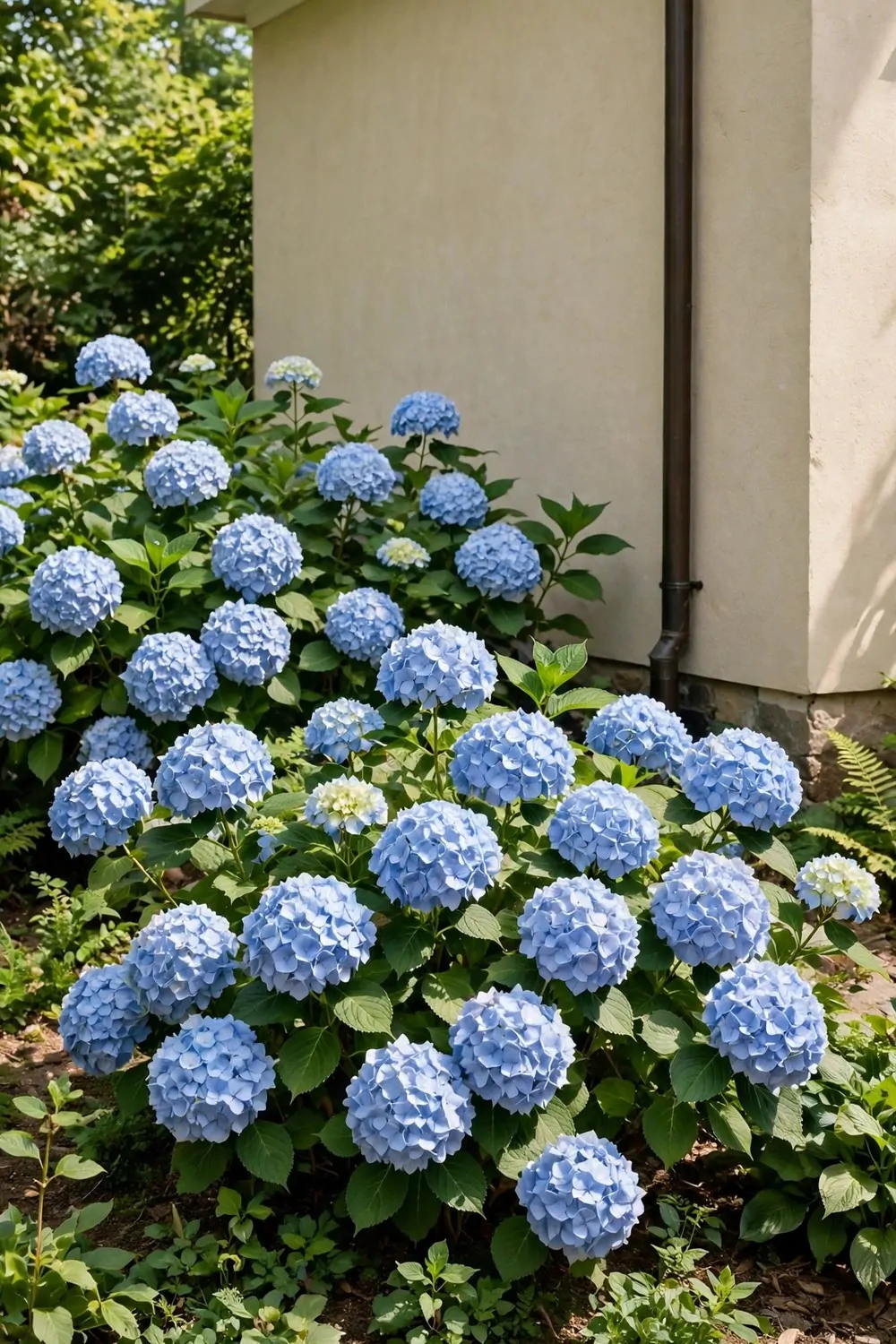
Soft blue hydrangeas by my house wall look calm and cool on hot days. The big blue blooms soften the hard wall and make it feel friendly.
I plant hydrangeas where they get morning sun and afternoon shade. Too much hot sun fades the soft blue, so shade in the afternoon helps a lot.
The blue flowers grow in large round heads that last for weeks. I love how one plant can fill a whole corner with color.
I water these plants well, as they drink a lot in summer. I give them a deep drink at the base twice a week in dry weather.
Typical cost $16 to $34.
I add mulch round the roots to hold damp in the soil. It keeps the roots cool, and the soft blue blooms stay fresh much longer.
I prune lightly after the flowers fade, just to shape the plant. I never cut hard in spring, or I would lose the new blue buds.
The blue color looks best next to soft green leaves. I keep the low green plants at the front, and the bed looks soft and calm.
Hydrangeas are slow to start but worth the wait. After two years my bed is full, and the soft blue wall of flowers is my favorite view.
30. A Pink and White Sweet Pea Bed on a Small Trellis
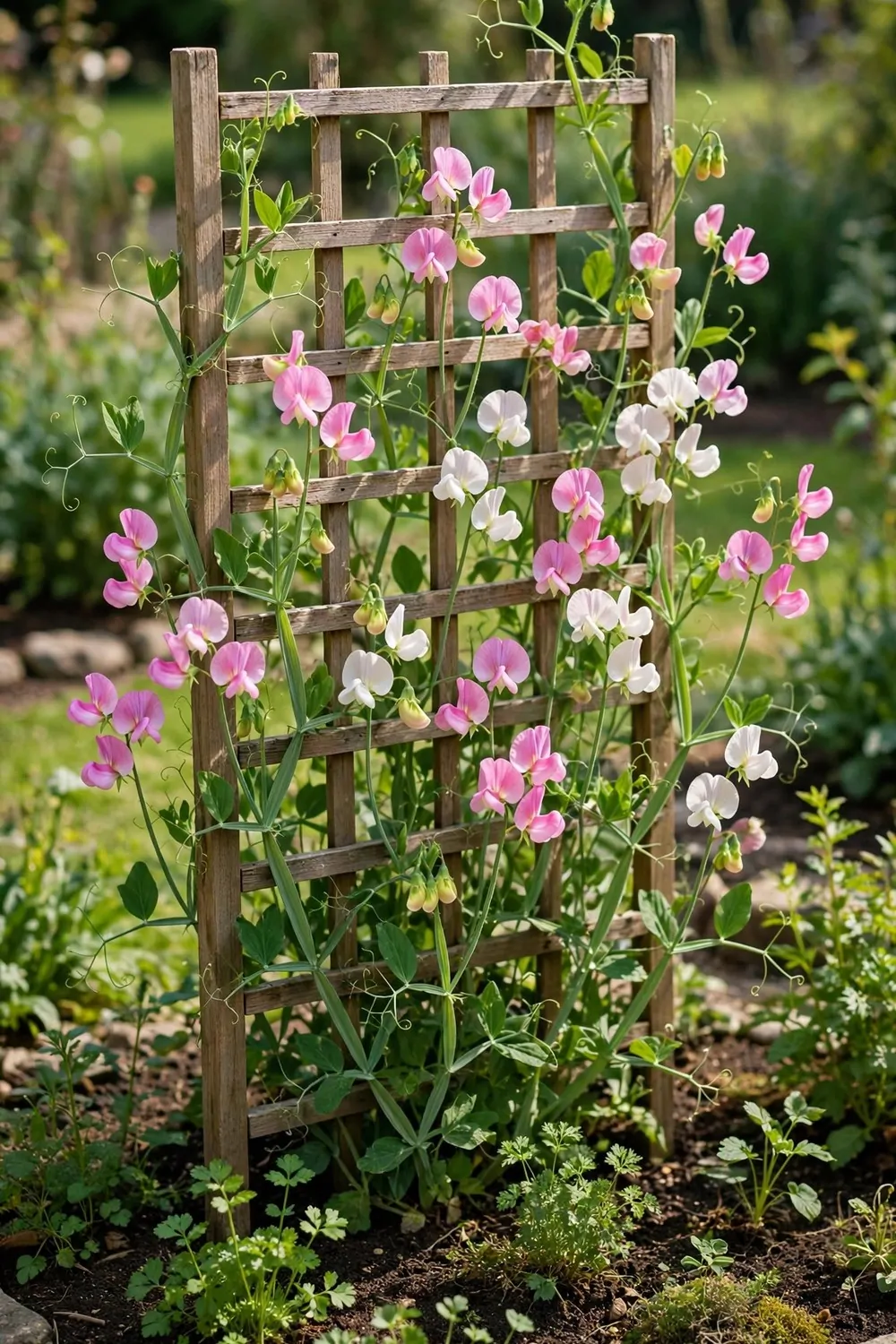
Pink and white sweet peas climb my small trellis and fill the air with a sweet scent. They turn a plain corner into a soft, pretty spot.
I sow the seeds in early spring, right at the base of the trellis. The young shoots reach out and grab the trellis with their thin tendrils.
The pink flowers are soft and bright, and the white ones glow in the shade. Together they climb up the trellis in a gentle mix.
I tie the stems loosely to the trellis as they grow. A soft tie keeps them safe in wind without pinching the thin stems.
Typical cost $12 to $26.
I pick the pink and white flowers often, as picking keeps new buds coming. A small bunch on my table smells lovely for days.
Sweet peas like cool roots, so I mulch the base well. I also water at the base in dry spells to keep the plants happy.
The trellis needs to be firm in the soil before the plants get heavy. I push the legs deep and check it after strong wind.
This bed is small, sweet, and easy to love. One trellis, a few seeds, and you get pink and white color all summer long.
31. A Simple Care Kit for Your Front Garden Beds
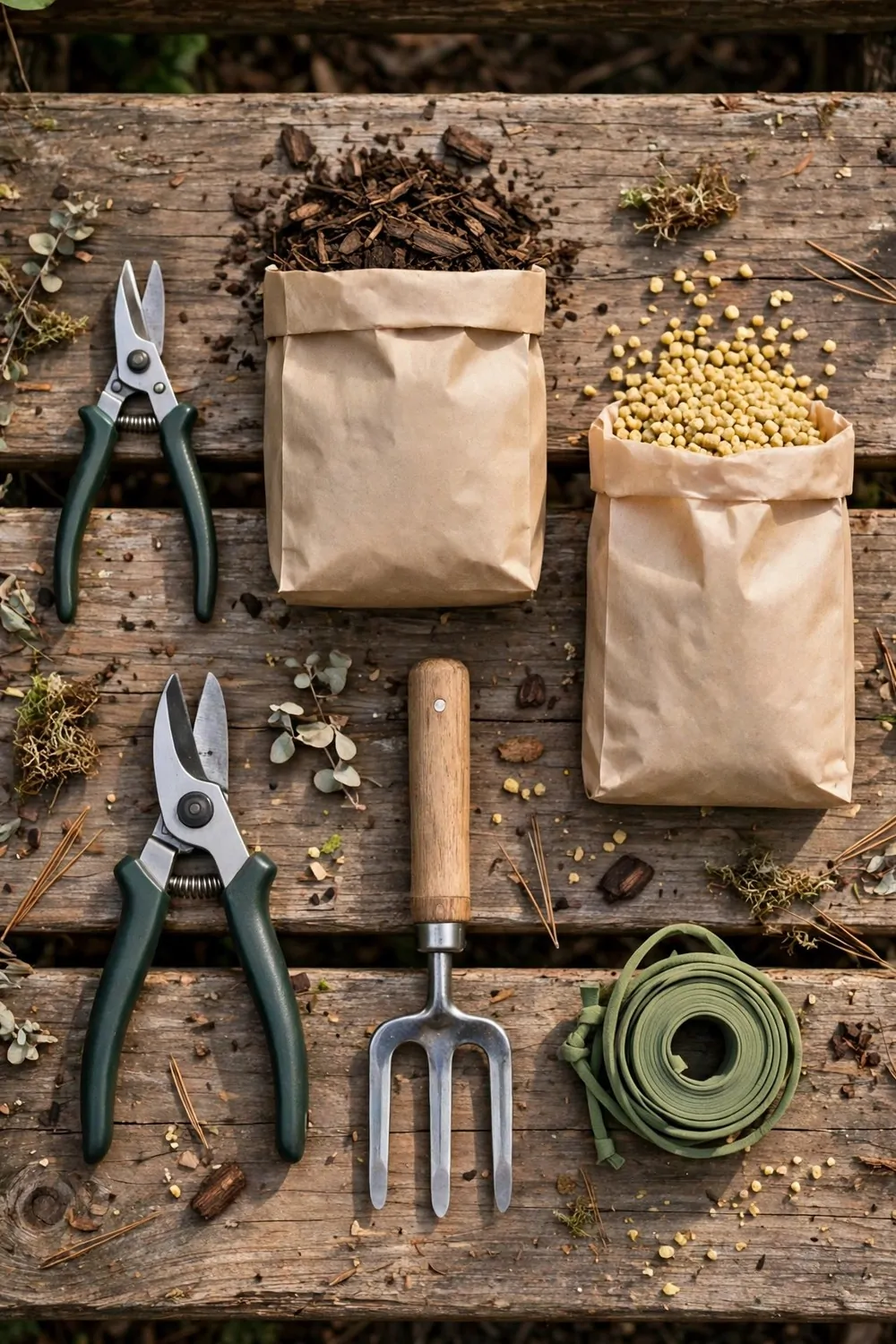
My simple care kit keeps all my front garden beds in good shape, and it fits in one small box by the back door. I reach for a small pair of plain garden snips, a small bag of plain mulch, a small bag of slow-release plant food, a small pair of plain pruners, a small plain garden fork, and a small roll of soft plant ties whenever I head out to the beds.
I use the snips for soft stems and the pruners for woody stems. The fork loosens the soil, the mulch covers bare spots, the plant food feeds the beds, and the soft ties hold tall stems up.
I keep the kit by the door so I use it often. If the tools sit in a far shed, I forget them, and the beds show it within a week.
I check my beds once a week with the kit in hand. I trim dead heads, pull a few weeds, and tie up any stem that leans too far.
The snips cost $4 to $8, the mulch costs $5 to $9, the plant food costs $6 to $10, the pruners cost $8 to $14, the garden fork costs $5 to $9, and the plant ties cost $3 to $6, for a total of $31 to $56.
I clean the snips and pruners after each use with a dry cloth. Clean tools cut well, and they last much longer than dirty ones.
I top up the mulch in spring and again in autumn. A fresh layer keeps the soil damp and the weeds down, and the beds look tidy at once.
I feed the beds in spring when growth starts, then again in midsummer if the plants look pale. A little food goes a long way, so I never overdo it.
With this small kit and ten minutes a week, my front garden beds stay full of color all season. You can build the same kit for very little, and it will serve you for years.
| Idea | Main change | Typical cost |
|---|---|---|
| a small pair of plain garden snips | Trim soft stems with a small pair of plain garden snips | $4 to $8 |
| a small bag of plain mulch | Cover bare soil with a small bag of plain mulch | $5 to $9 |
| a small bag of slow-release plant food | Feed the beds with a small bag of slow-release plant food | $6 to $10 |
| a small pair of plain pruners | Cut woody stems with a small pair of plain pruners | $8 to $14 |
| a small plain garden fork | Loosen the soil with a small plain garden fork | $5 to $9 |
| a small roll of soft plant ties | Tie tall stems with a small roll of soft plant ties | $3 to $6 |
| Total | $31 to $56 |
Keep Reading
If you liked these ideas, you will love these posts too
Each post has more simple ideas you can try at home this weekend.