27 Quiet Time Activities for Kids That Actually Work

The house went quiet after lunch, and my little one still had energy to burn in the calmest way.
This one post holds all 27 quiet time activities for kids, from a slow story hour to a quiet maze book, and you can pick the one that fits your afternoon best.
Quiet time is not a nap, and it is not a punishment. It is a soft break where small hands stay busy and the house stays calm.
I set a small spot on the rug with a basket of quiet things. My little one knows that spot means slow play. A soft blanket and a little light help too.
You do not need fancy tools for any of these ideas. Most of them use things you already have at home, like paper, crayons, and a few small toys.
Pick one idea, try it for ten minutes, and see how your child feels. If it works, keep it in the basket for next time. If it does not work, just try a new one tomorrow.
Every idea below is slow, simple, and easy to start. Let us begin with a story hour, and let the quiet do its work.
1. A Slow Story Hour with Picture Books
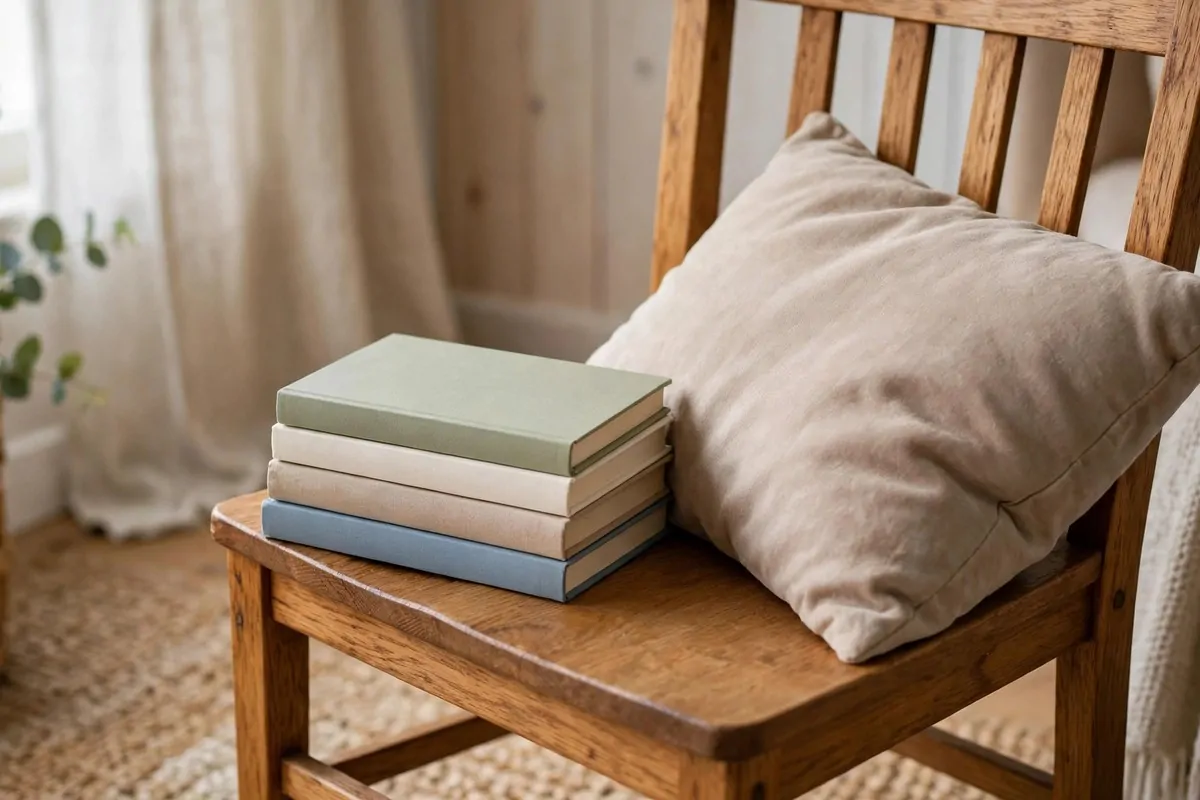
I stack picture books beside a soft cushion before lunch ends. My little one picks the first book, and we settle in close.
We read slow, one page at a time, and we stop to look at every picture.
I point at a small detail in the corner of the page. My little one finds it and smiles. Then we turn the page together.
A big book with bright pictures works best for this hour. Thin books with few words keep the pace calm.
I keep my voice low and soft, almost like a whisper.
When the book ends, we do not rush to the next one. We sit quiet for a bit and talk about our favourite page.
Some days my little one tells the story back to me from the pictures. The words come out mixed up and sweet. I just listen and nod.
A small pile of books by the bed makes this hour easy to start.
Typical cost $3 to $6.
2. A Shape Matching Puzzle on a Mat
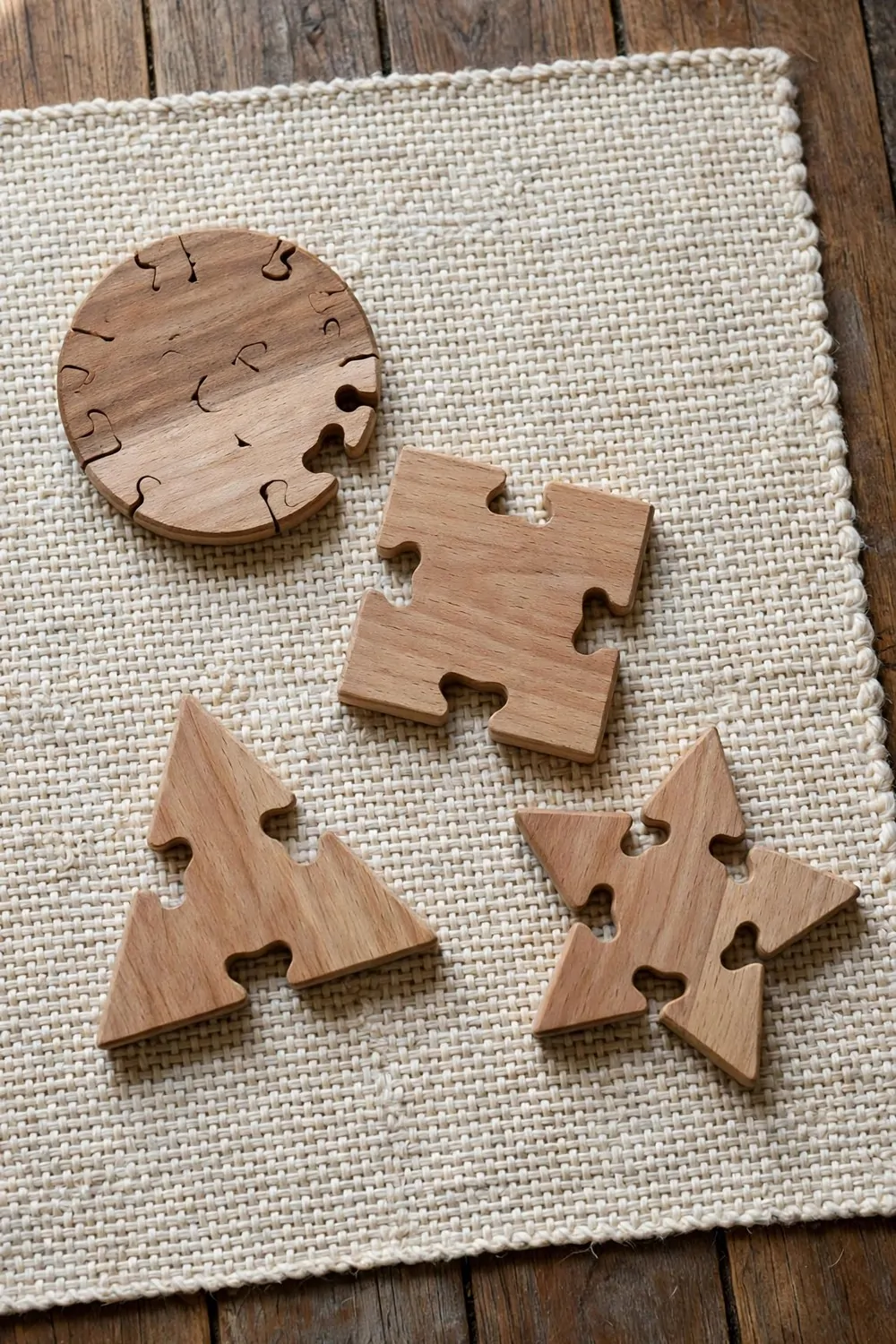
I lay a soft mat on the floor and set out a shape puzzle with big pieces.
My little one picks up a circle piece and turns it round. It joins the next piece with a soft tap.
We name each shape as we place it down. A square has four straight sides, and a triangle has three.
Slow hands work best here, so we never rush the pieces.
If a piece does not fit, we try the next hole. A wrong try is just part of the game.
I keep the extra pieces in a small bowl by the mat. My little one takes one piece at a time. The mat stays neat, and the game stays calm.
A wooden puzzle with chunky pieces lasts a long time.
When all the shapes sit in place, we count them together. Then we pull the pieces apart and start again.
Typical cost $4 to $8.
3. A Colouring Book with Blunt Crayons
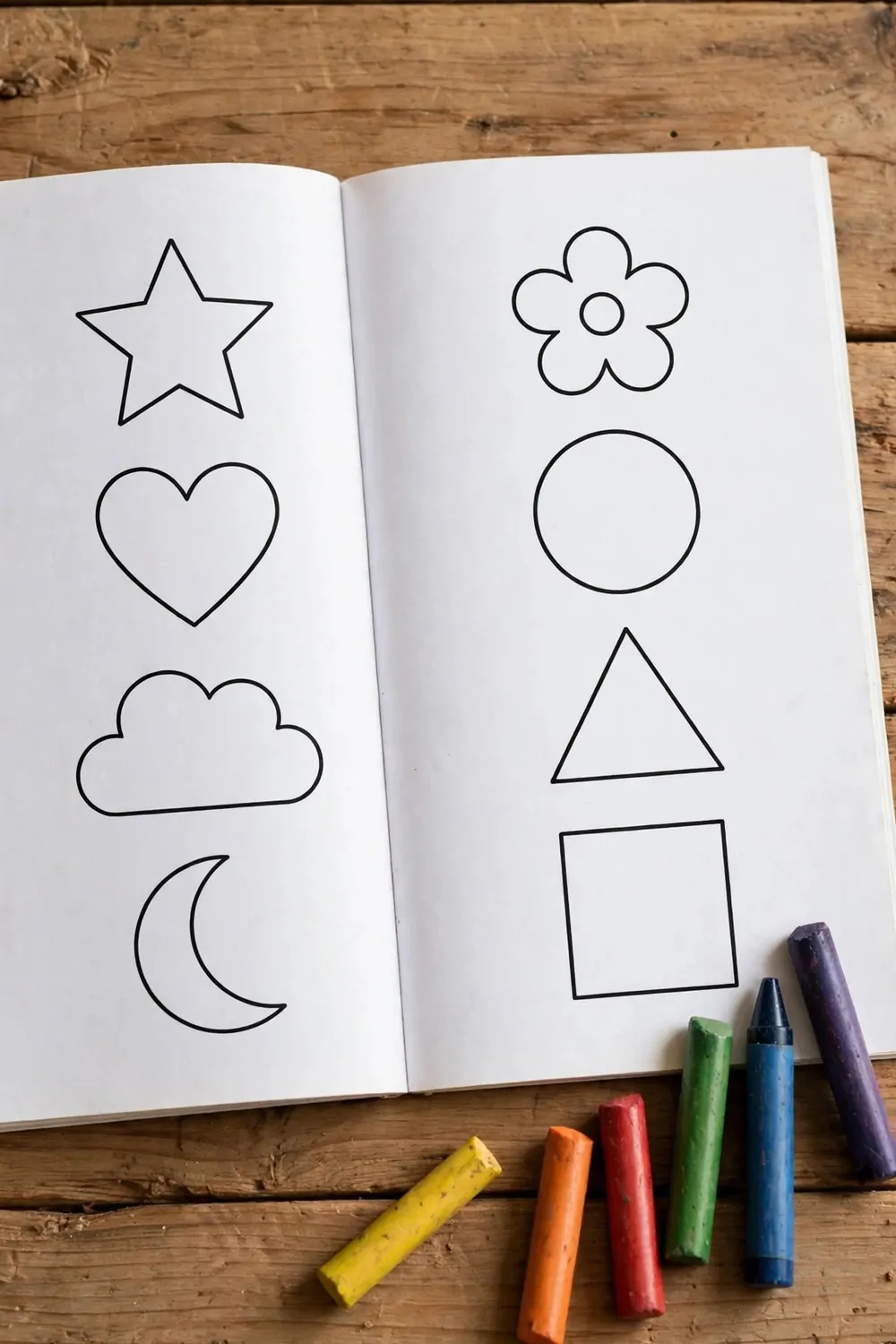
I open a colouring book to a page of simple pictures. I set out blunt crayons in soft colours. My little one picks the first colour and starts slow.
Blunt crayons are kind to small hands, and they do not snap so fast.
We colour inside the lines when we can, and we do not worry when the colour slips out. A page full of soft colour still looks lovely.
I sit close and colour my own page while my little one works. We trade crayons now and then. The quiet hum of crayons on paper fills the room.
A thick book with large pictures keeps the mood calm.
When a page is done, we hold it up to the light. Then we tape it to the wall by the door.
Crayons in a small tin stay tidy and easy to find.
Some days we colour just one page and stop. Other days we fill three pages in a row. Either way, the hour feels soft and slow.
Typical cost $2 to $5.
4. Dot Sticker Art on Plain Cards
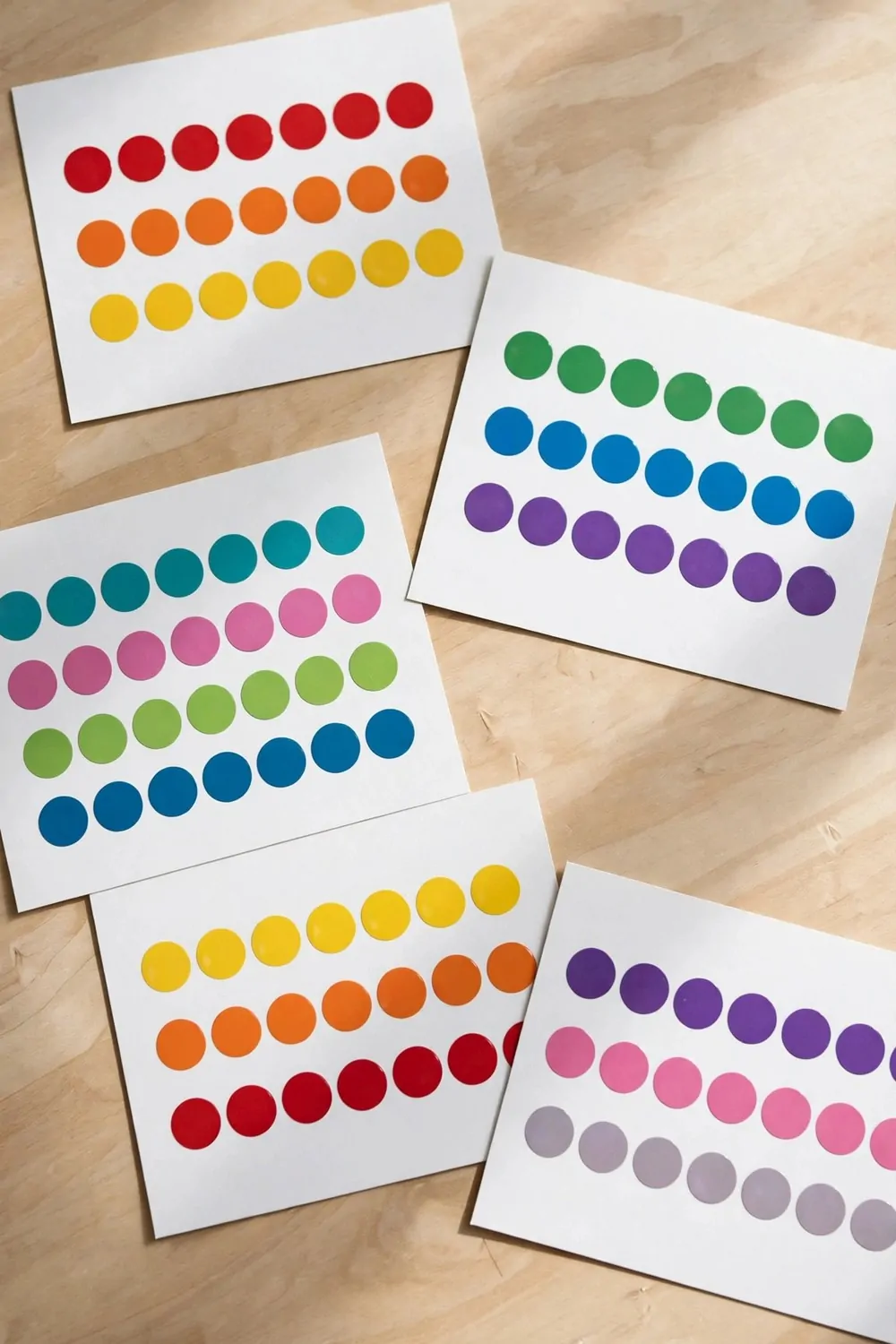
I lay a plain card on the table and open a sheet of dot stickers. My little one peels the first dot with two small fingers.
The dot sticks down with a soft press. We add a second dot right beside it. Soon a row of bright dots runs across the card.
Peeling stickers takes time, and that slow pace is the whole point.
We stick dots in neat rows on the card. A row of red dots sits above a row of orange dots.
I keep the sticker sheets in a flat box so they do not curl. My little one picks one sheet at a time. The rest stay neat for another day.
Plain cards cost little, and they hold stickers well.
When the card is full, we write a name on the back. Then it goes on the shelf to show a guest.
Dot stickers are easy to peel, so small hands feel proud.
Typical cost $3 to $6.
5. Pipe Cleaner Twists on a Tray
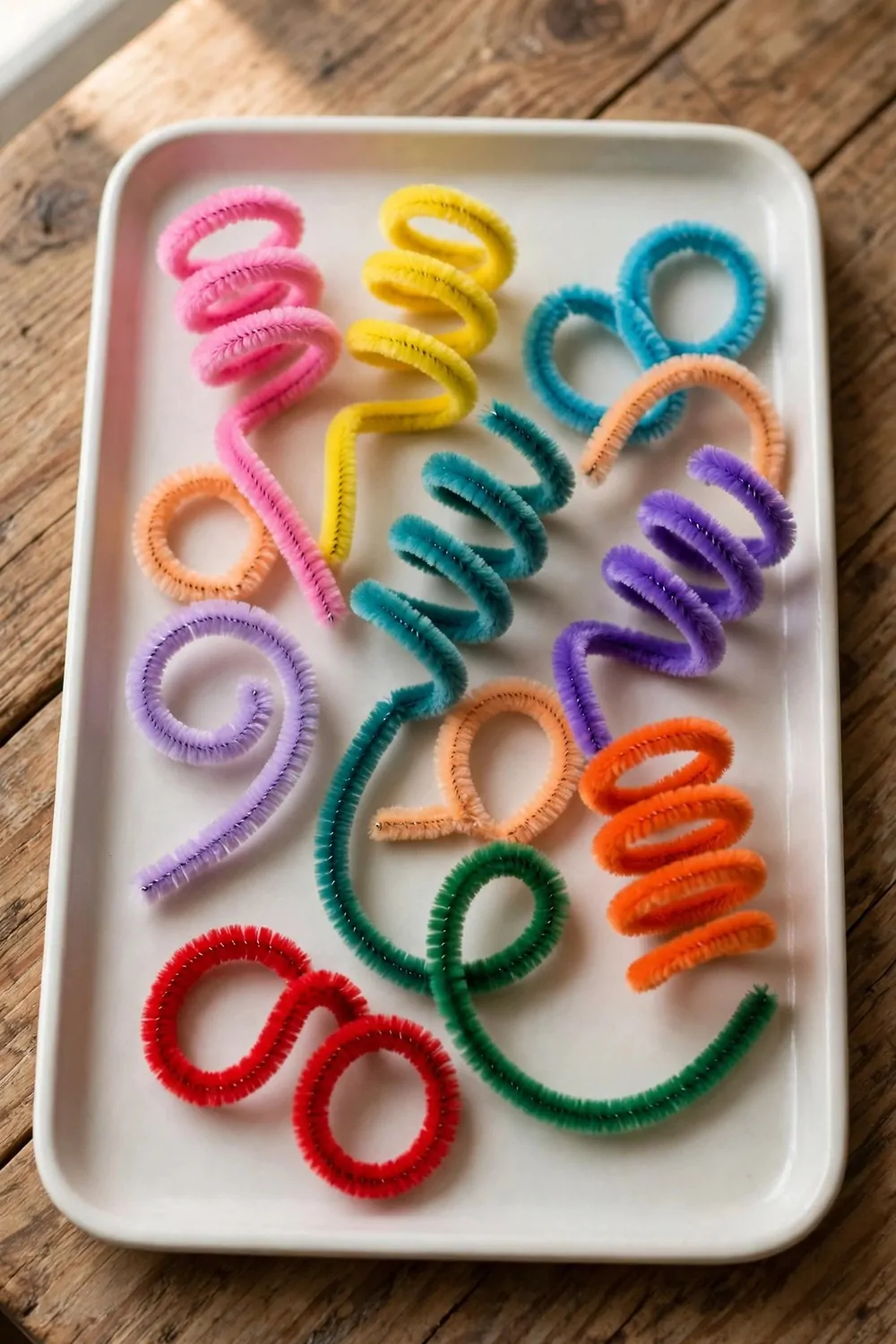
I set a small tray on the table and pour out a bunch of soft pipe cleaners.
My little one bends one pipe cleaner into a round loop. Then we twist the ends together so it holds its shape.
A loop can be a ring for a doll. Two loops can be soft ears. Three loops in a row make a wavy snake for the tray.
Pipe cleaners bend easy, so little fingers do not get tired.
I keep the colours spread out on the tray. My little one picks a red one, then a blue one. The tray stays tidy while we play.
We twist two colours together for a swirl. The twist looks neat, and it feels soft in the hand.
A tray keeps the bits in one place, so clean up takes a minute.
When we finish, we line the shapes up on the tray. Then we pick a favourite to keep on the shelf.
Typical cost $2 to $4.
6. Sorting Wooden Counters by Colour
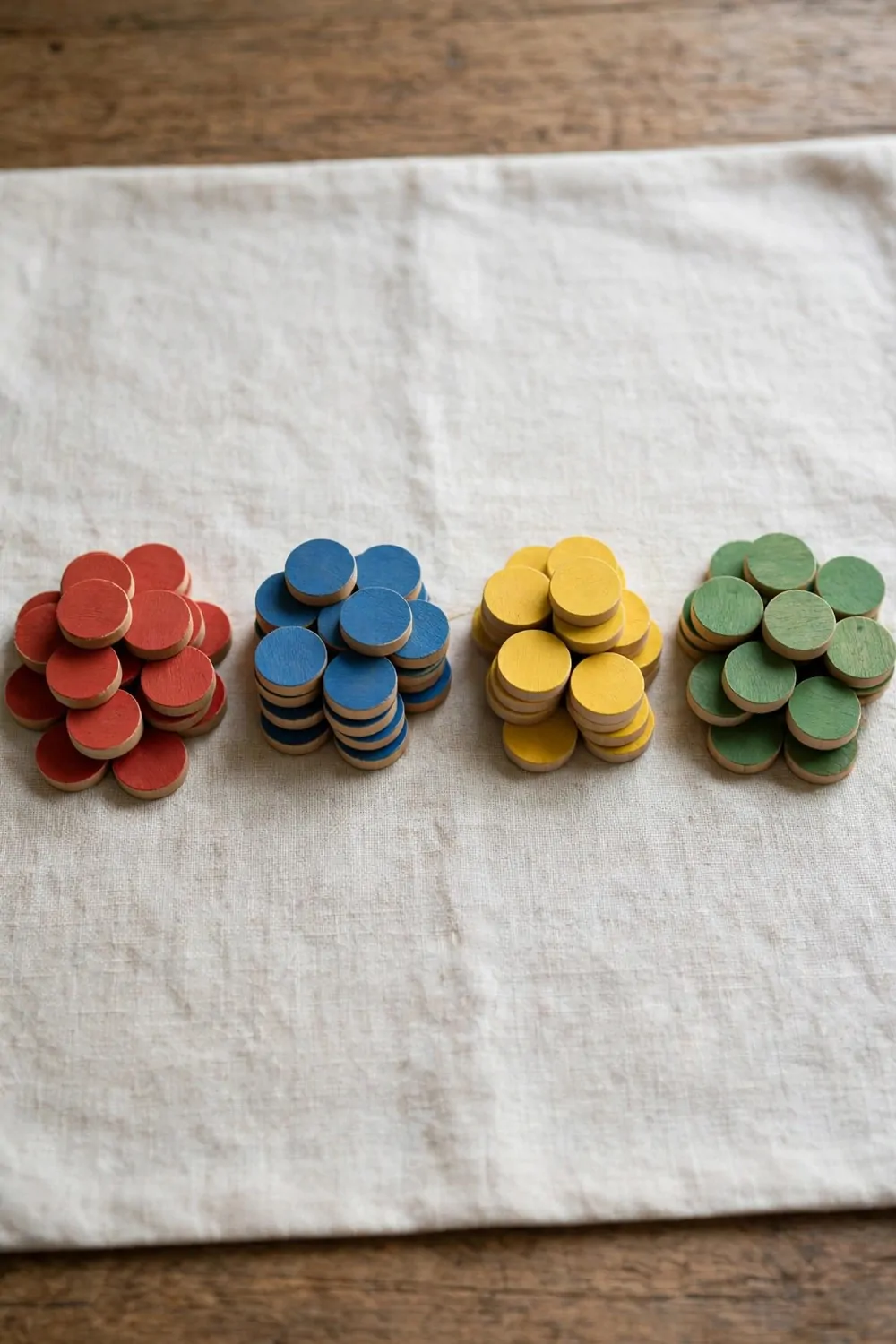
I pour wooden counters onto a plain cloth and set out four piles. Each pile gets a colour of its own. My little one picks up a counter and adds it to the right pile.
Red goes in the red pile, and blue goes in the blue pile. Yellow and green have piles too.
Sorting is slow work, and slow work suits a quiet hour.
I count the counters in one pile when it grows big. My little one counts along with me. We start the pile again when the count is done.
Wooden counters feel warm and smooth in small hands. They do not roll far when they drop.
The plain cloth keeps the piles neat on the table.
Some days we sort by colour, and some days we sort by size. Big counters go in one pile and small ones in another. The game changes, but the calm stays the same.
When every counter has a home, we scoop the piles back into one big pile. Then we start the sort all over again.
Typical cost $3 to $5.
7. A Wooden Block Tower on a Rug
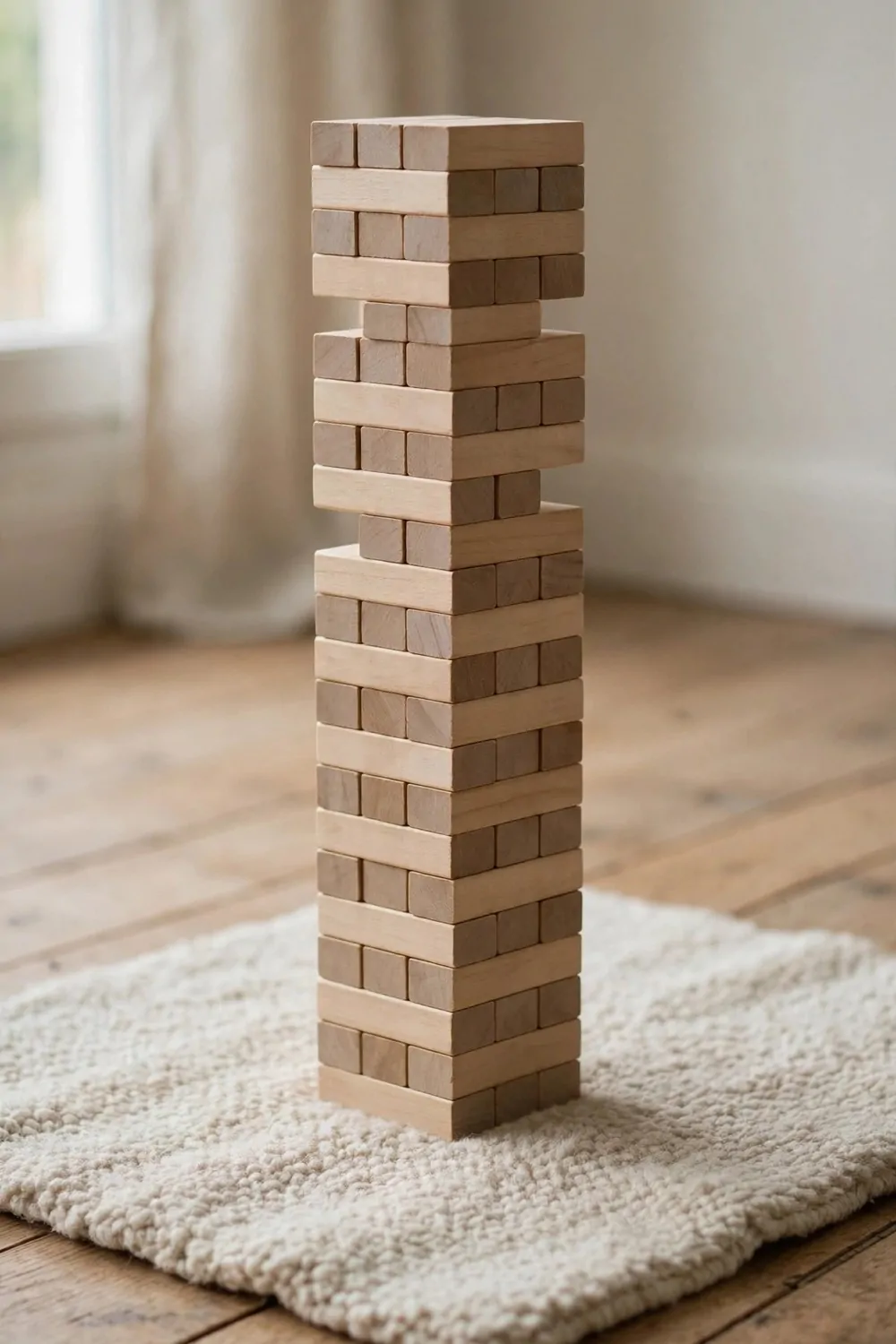
I spread the wooden blocks on a soft rug in a loose pile. My little one picks a block for the base.
We stack slow, one block at a time, and we check that each block sits flat.
A tall tower needs a flat base, so we start with three blocks in a row. Then we add more layers on top.
My little one holds a breath as the tower grows. I hold my breath too. The tower wobbles once, then it stands still.
Wooden blocks feel solid, and they stack well on a rug.
When the tower falls, it falls soft on the rug. We laugh a quiet laugh and start again. The second tower often stands taller than the first.
We build a bridge with two blocks and one flat piece on top. A tiny toy can walk across the bridge.
A basket by the rug keeps the blocks in one place.
Typical cost $4 to $7.
8. A Button Threading Card with Ribbon
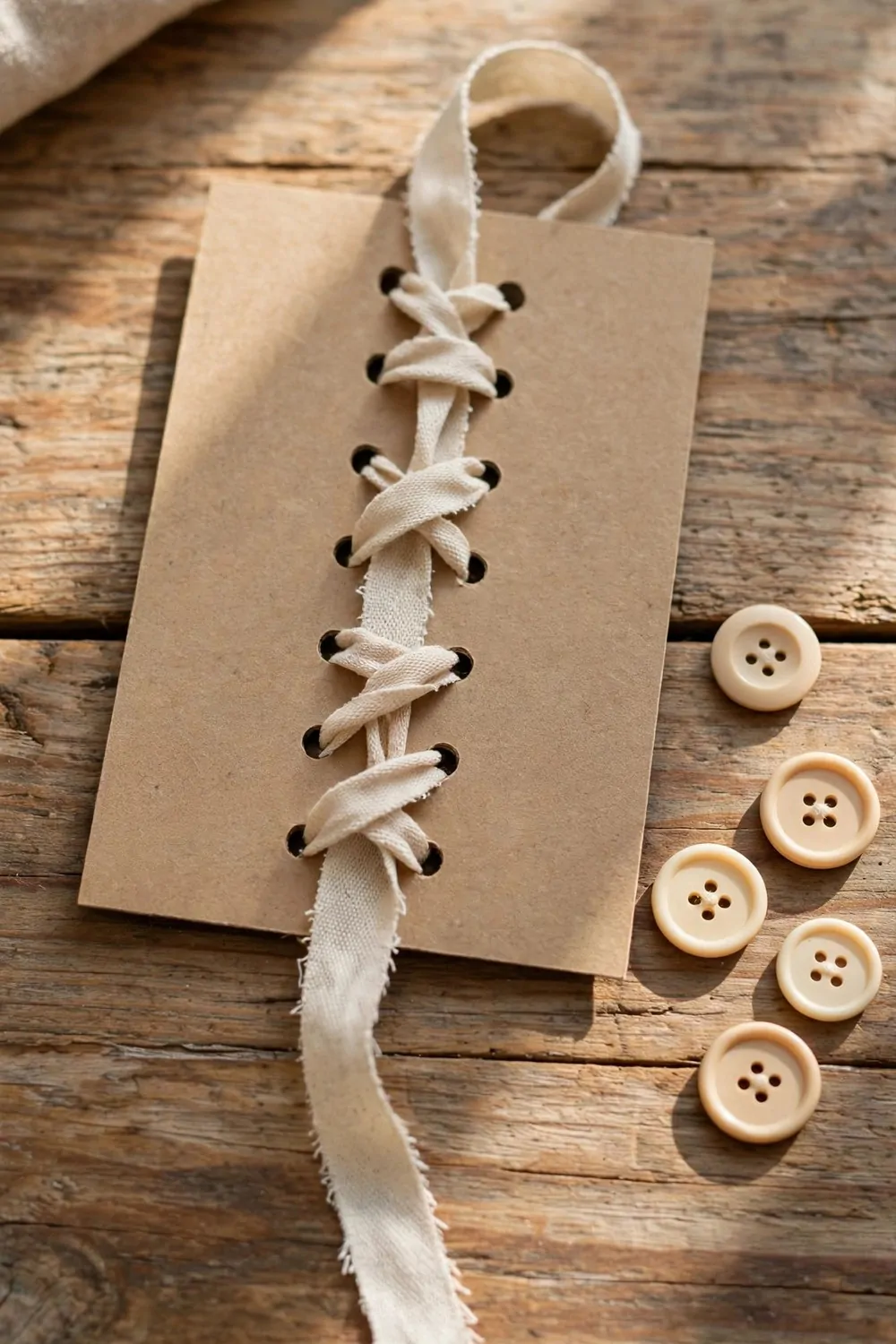
I take a stiff card and poke holes down the middle.
A soft ribbon threads through the first hole from the front. My little one pulls it through slow and gentle. Then the ribbon goes in the next hole from the back.
Big buttons with wide holes make this game easy for small hands.
We thread a button onto the ribbon and slide it to the middle. Then we thread a second button and slide it beside the first.
I tie a small knot at the end so the buttons do not slip off. My little one counts the five plain buttons beside the card. They look neat and bright.
The card can be a sun with ribbon rays, or a flower with a soft edge. My little one picks the shape each time.
Ribbon is soft, so it does not hurt small fingers.
When the card is full, we hold it up and look at the pattern. The ribbon makes a neat line down the middle. Then we untie the knot and start again.
Typical cost $3 to $6.
9. A Domino Line on the Floor
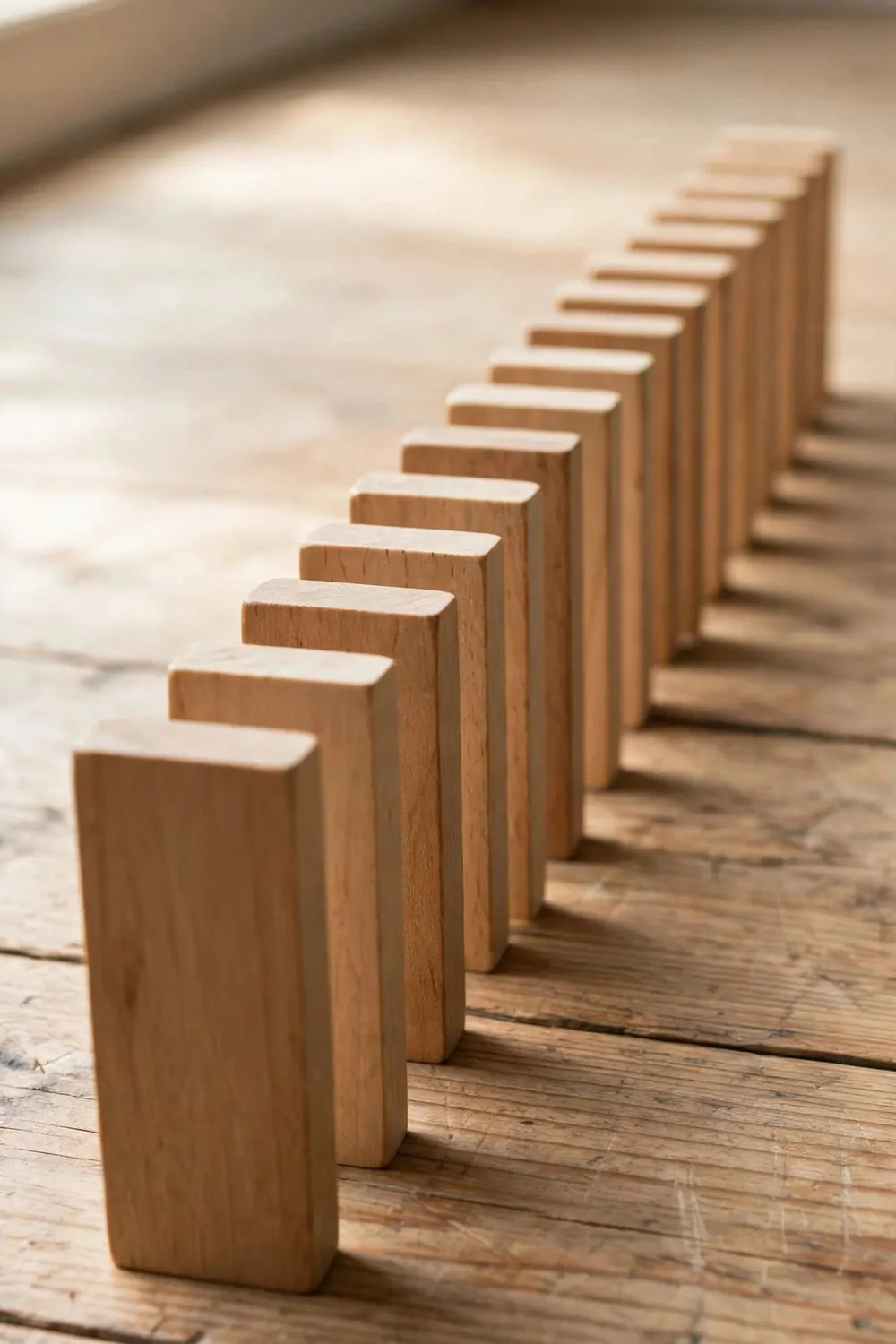
I lay the first domino on its end on the floor. My little one sets the next one just behind it. We leave a small gap so each piece can fall on the next.
Slow hands build the best line, so we take our time with each piece.
The line runs straight across the wooden floor. We add ten pieces, then twenty. The line grows long and quiet across the floor.
If a piece falls too soon, we just set it up again. A topple in the middle is part of the fun.
Wooden dominoes stand firm, and they fall with a soft tap.
When the line is done, we step back and look at it. Then my little one taps the first domino with one small finger.
The pieces fall one by one in a neat row. The taps patter soft across the floor. We watch till the last piece rests flat.
A tin box keeps the dominoes safe for the next quiet hour.
Typical cost $3 to $5.
10. Weaving Paper Strips on a Loom Card
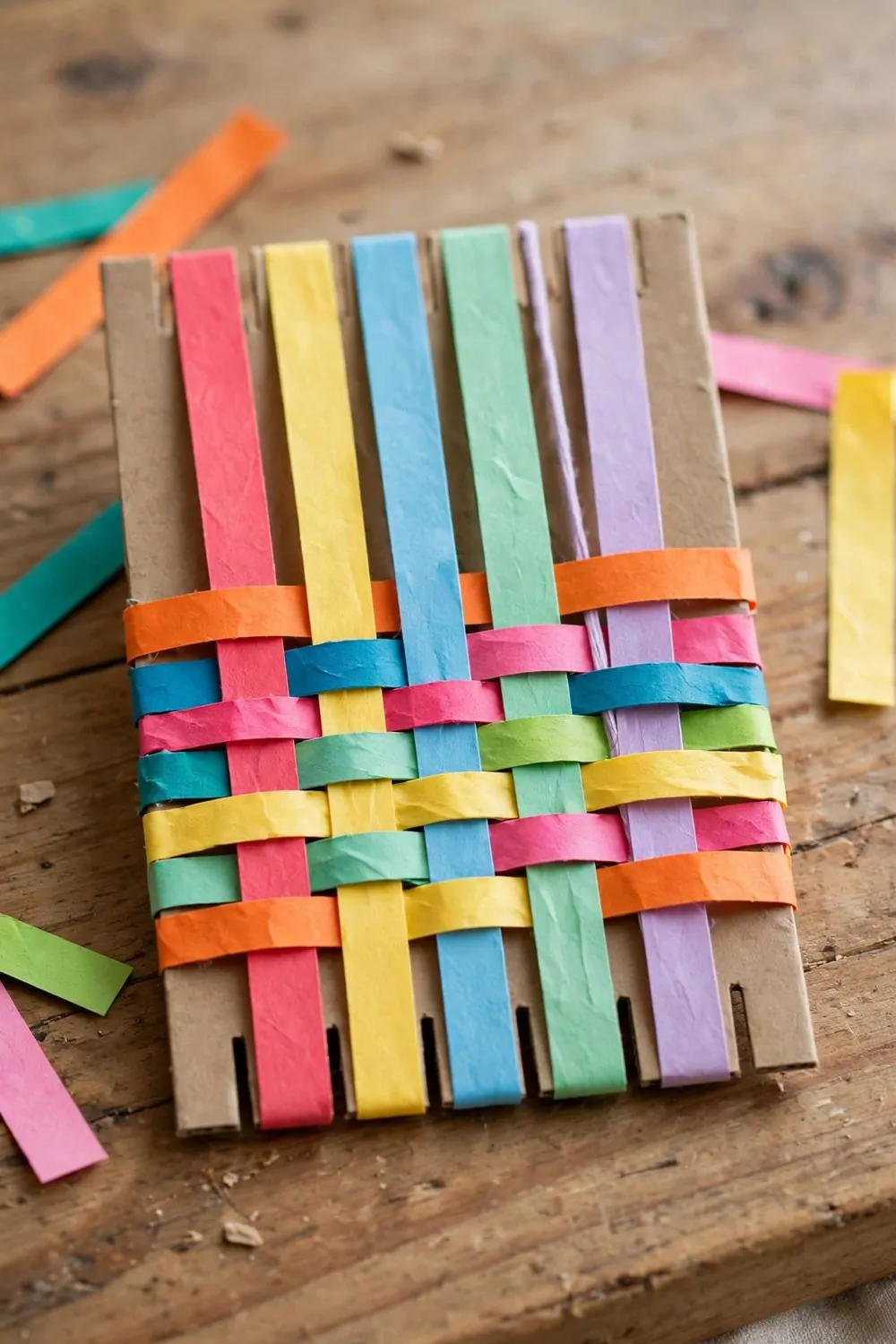
I cut a piece of thick card for my child. I snip little slits along the top edge and the bottom edge.
My child pulls a strip of coloured paper down through the first slit.
Then the strip goes up through the next slit. It goes down again through the one after that. The over and under pattern starts to show.
We use short strips in soft colours for the first try. A short strip is easy to pull and it does not tangle.
My child picks a new colour each time a strip ends.
I tape the end of each strip at the back of the card. That keeps the weave flat and neat. My child can turn the card over and see the tidy back.
Slow work suits this one best. There is no rush to fill the whole card in one go.
When the card is full, we press it flat under a heavy book for a while.
Typical cost $2 to $5.
| Idea | Main change | Typical cost |
|---|---|---|
| A Slow Story Hour with Picture Books | picture books make a slow story hour | $3 to $6 |
| A Shape Matching Puzzle on a Mat | a shape puzzle on a mat for quiet play | $4 to $8 |
| A Colouring Book with Blunt Crayons | blunt crayons and a colouring book | $2 to $5 |
| Dot Sticker Art on Plain Cards | dot stickers on plain cards | $3 to $6 |
| Pipe Cleaner Twists on a Tray | pipe cleaners twist into soft shapes | $2 to $4 |
| Sorting Wooden Counters by Colour | wooden counters sorted by colour | $3 to $5 |
| A Wooden Block Tower on a Rug | wooden blocks stack into a tall tower | $4 to $7 |
| A Button Threading Card with Ribbon | a ribbon threads through a button card | $3 to $6 |
| A Domino Line on the Floor | dominoes stand in a line on the floor | $3 to $5 |
| Weaving Paper Strips on a Loom Card | paper strips weave on a loom card | $2 to $5 |
| Total | $29 to $57 |
11. Folding a Paper Fan with Plain Paper
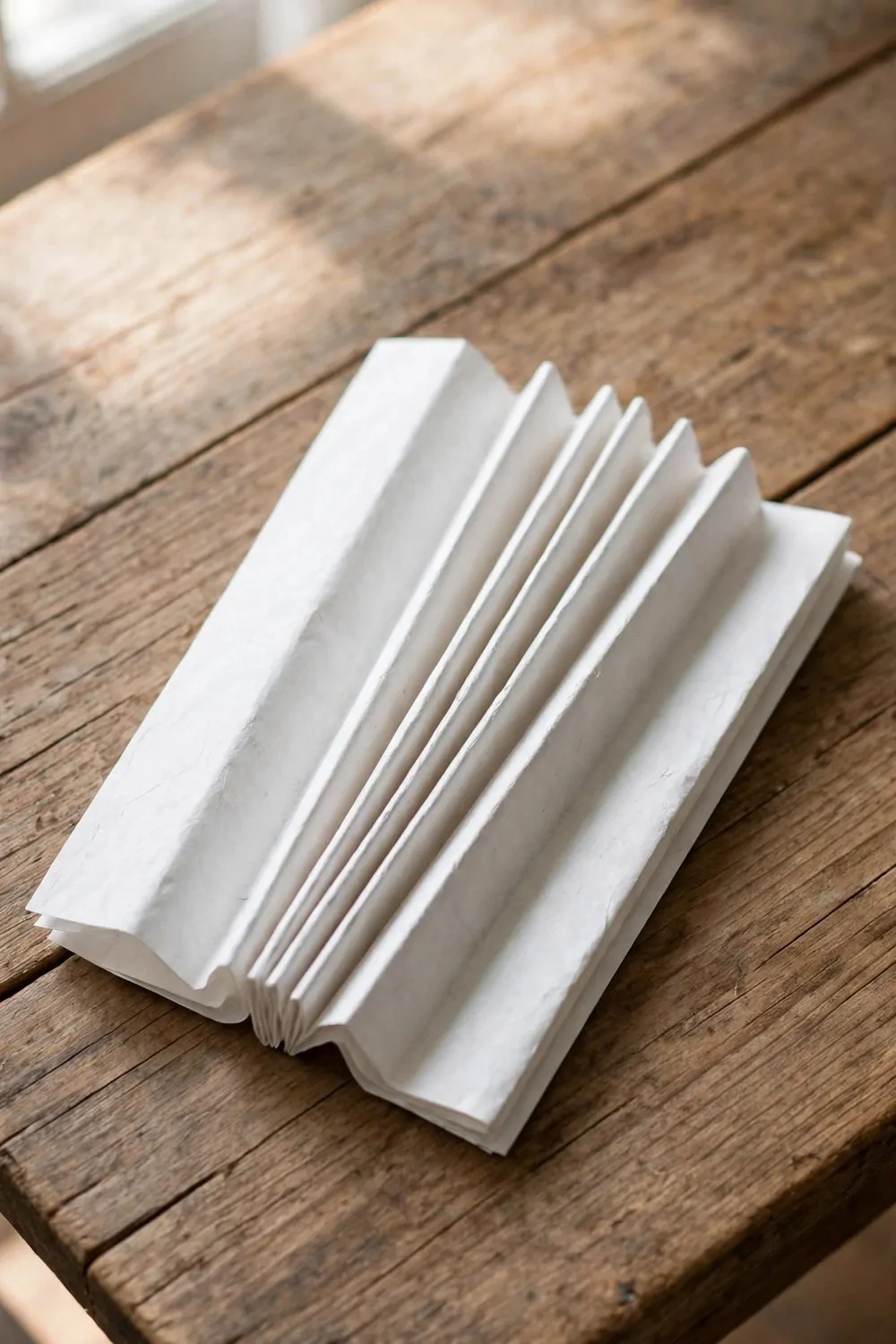
A plain sheet of paper from home is all we need for this one.
I fold the bottom edge up by a small bit. Then I turn the paper over and fold it up again. I keep going until the whole sheet is a neat zigzag.
My child presses each fold flat with a thumb. A flat fold makes the fan open in a smooth way.
We pinch one end tight and hold it still.
I wrap a small bit of tape round the pinched end. That keeps the fan shut at the bottom till we spread it open.
My child waves the fan slow in the air. The soft air feels cool on a warm day. My child stops when the fan is put down and starts again later.
We use paper we already have in a drawer at home.
A plain sheet works well for a first fan. A sheet with soft spots or lines works well too. My child picks the one she likes best.
Typical cost $0 to $3.
12. Cutting Paper Snowflakes for the Window
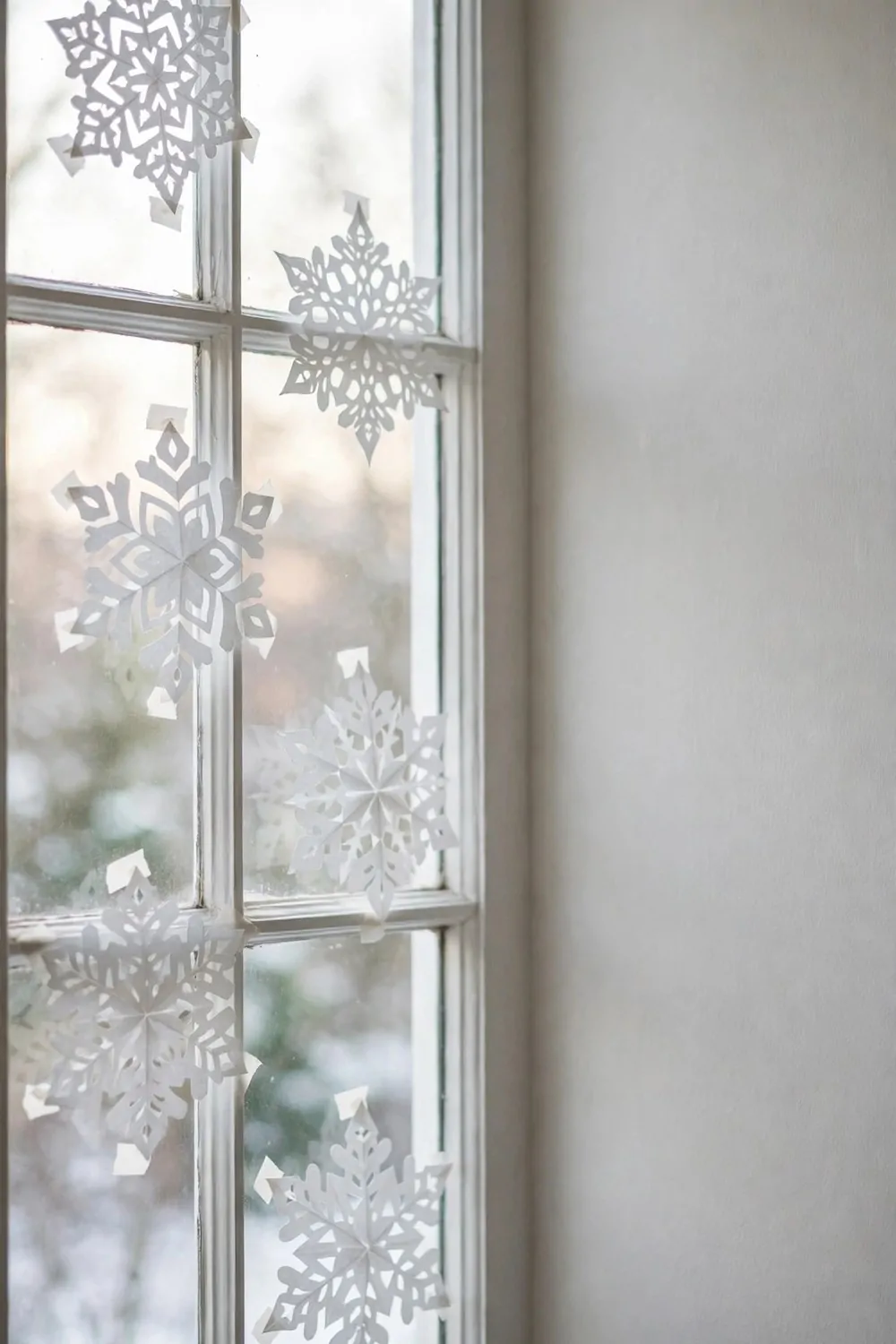
I fold a square of white paper in half. I fold it in half again. Then I fold it one more time into a small triangle.
My child holds the folded paper tight so it does not slip.
I help my child snip small shapes from the folded edges. Tiny triangles and small curves work well for a first one.
We open the paper slow and flat on the table. A white shape with holes appears in the middle. My child smiles at the shape each time we open one.
No two snowflakes look the same when we make them.
We stick the best ones on the window with a small bit of tape. The light comes through the holes and makes soft shapes on the floor.
A blunt pair of small scissors is best for this job. I sit close while my child cuts. We put the paper bits in a small bowl when we finish.
These plain winter cut-outs stay up on the window for days.
Typical cost $2 to $4.
13. A Quiet Listening Game on a Cushion
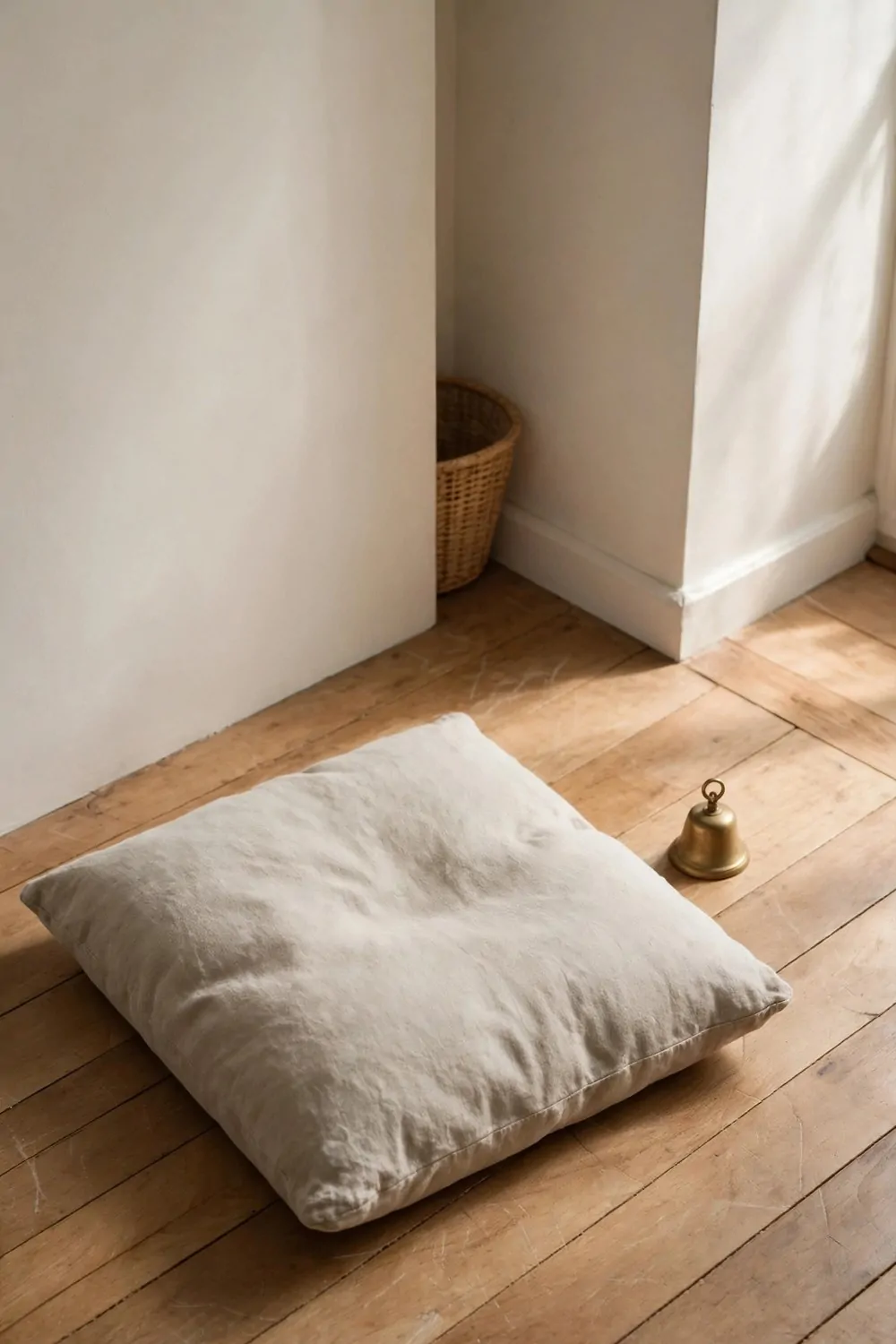
My child sits on a soft cushion with eyes shut. We stay still for a short while and just listen.
I ask what sound comes from the kitchen. My child listens hard and names a tap or a cup. Then we wait for the next sound in the room.
A clock tick is easy to hear when the room is still.
We take turns to name one sound each. My child goes first, then I go next.
Birds outside the window make a soft call. A car passes far away on the road. Rain on the glass makes a light patter when it falls.
We use no toys for this game, just our ears and the sounds already in the room.
My child holds up one finger for each new sound. That keeps hands busy while ears do the work.
We play for five minutes and then stop. My child tells me which sound was liked best. I tell my child which sound I liked best too.
Typical cost $0 to $2.
14. Drawing a Story in a Blank Notebook
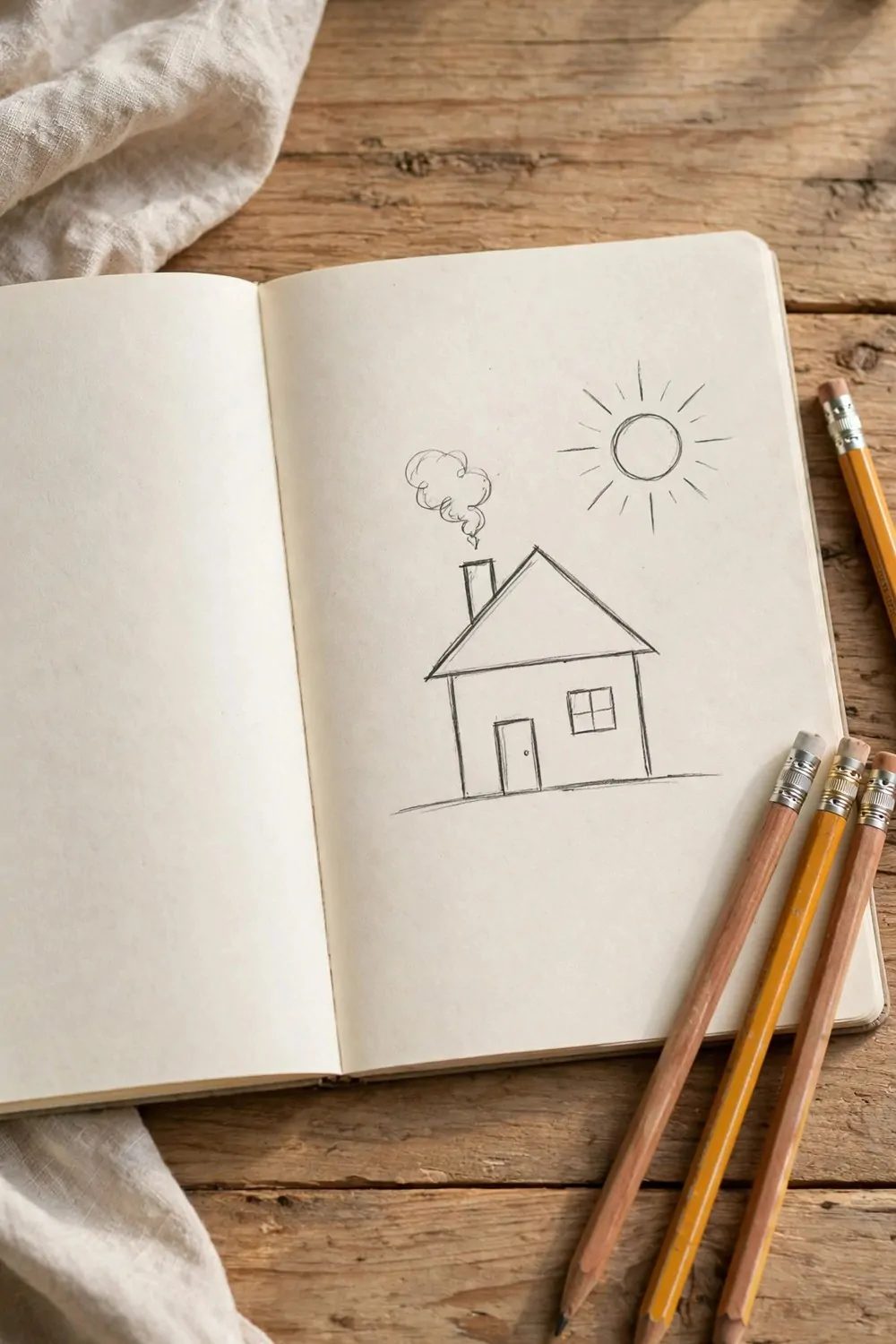
A blank notebook and a few pencils sit on the table.
My child draws a small house on the first page. A round sun sits in the top corner.
On the next page, a kite flies over the house. A ball rests near the tree. A small boat sits in a pond at the bottom of the page.
Each page adds one more bit to the story.
My child draws slow and thinks about what comes next, and I ask what the kite will do tomorrow. My child draws the answer on the next page.
We write one short line under each picture. My child tells me the words and I help with the hard ones.
The notebook stays in one place so the story does not get lost.
When the last page is full, we read the whole story back together. My child turns each page and points to the best picture.
Typical cost $3 to $6.
15. A Nature Weaving on a Cardboard Frame
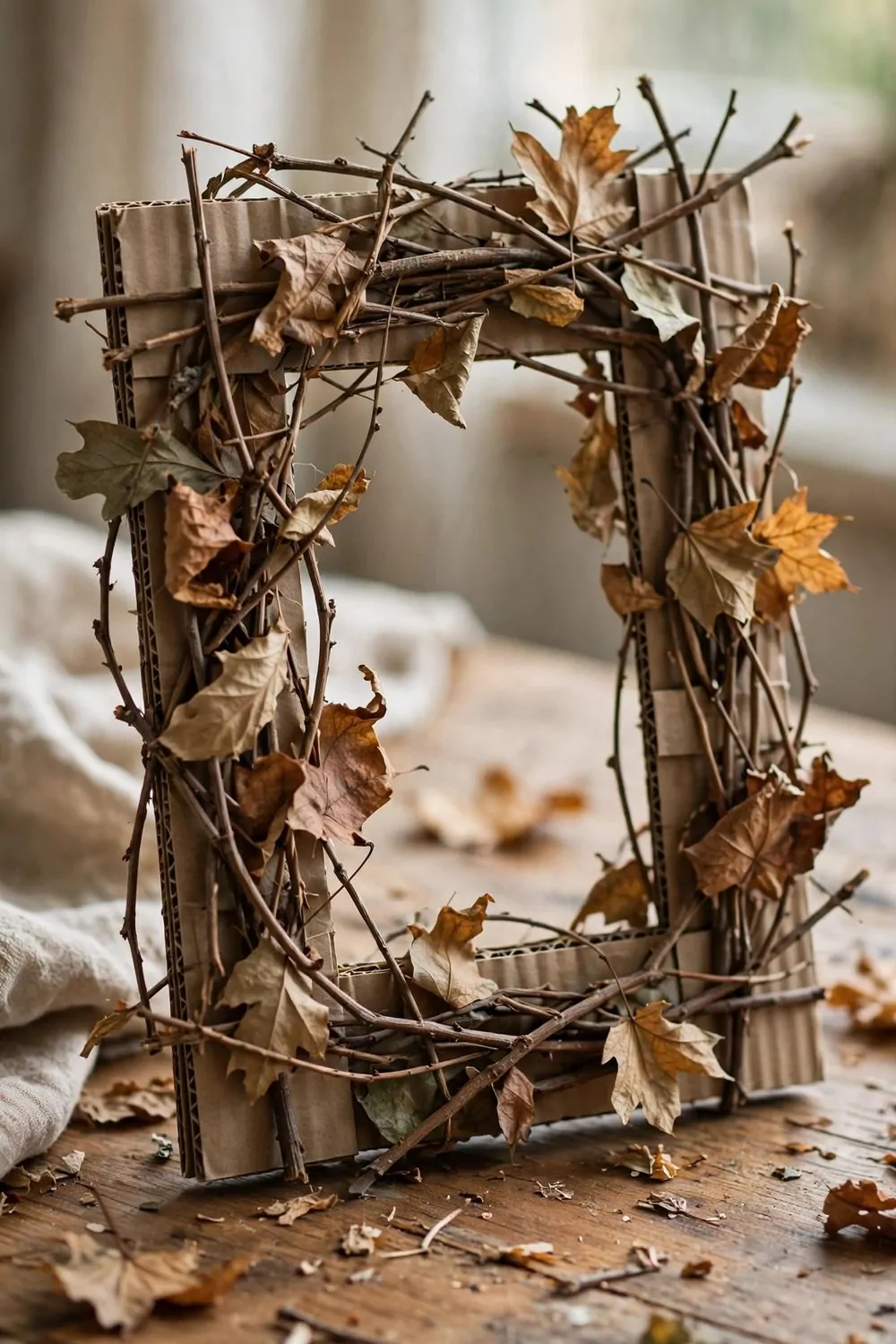
We pick up leaves and thin twigs from the garden at home. I cut a rectangle from an old box for the frame. I snip slits round the edges of the card.
My child threads a long leaf over and under the slits. The leaf bends easy and stays in place.
A thin twig goes across the frame next.
We add more dry leaves near the bottom. A round leaf fills a gap on the side. My child picks each bit and puts it where it fits best.
Nothing here costs a coin because the garden gives us the bits. The card comes from a box we already have at home.
My child works slow and stops to look at the frame.
The frame stands on the table when the weave is done. We look at it each day and smile.
The leaves dry in a day and turn a soft brown colour.
Typical cost $0 to $4.
16. Pressing Leaves Between Paper Sheets
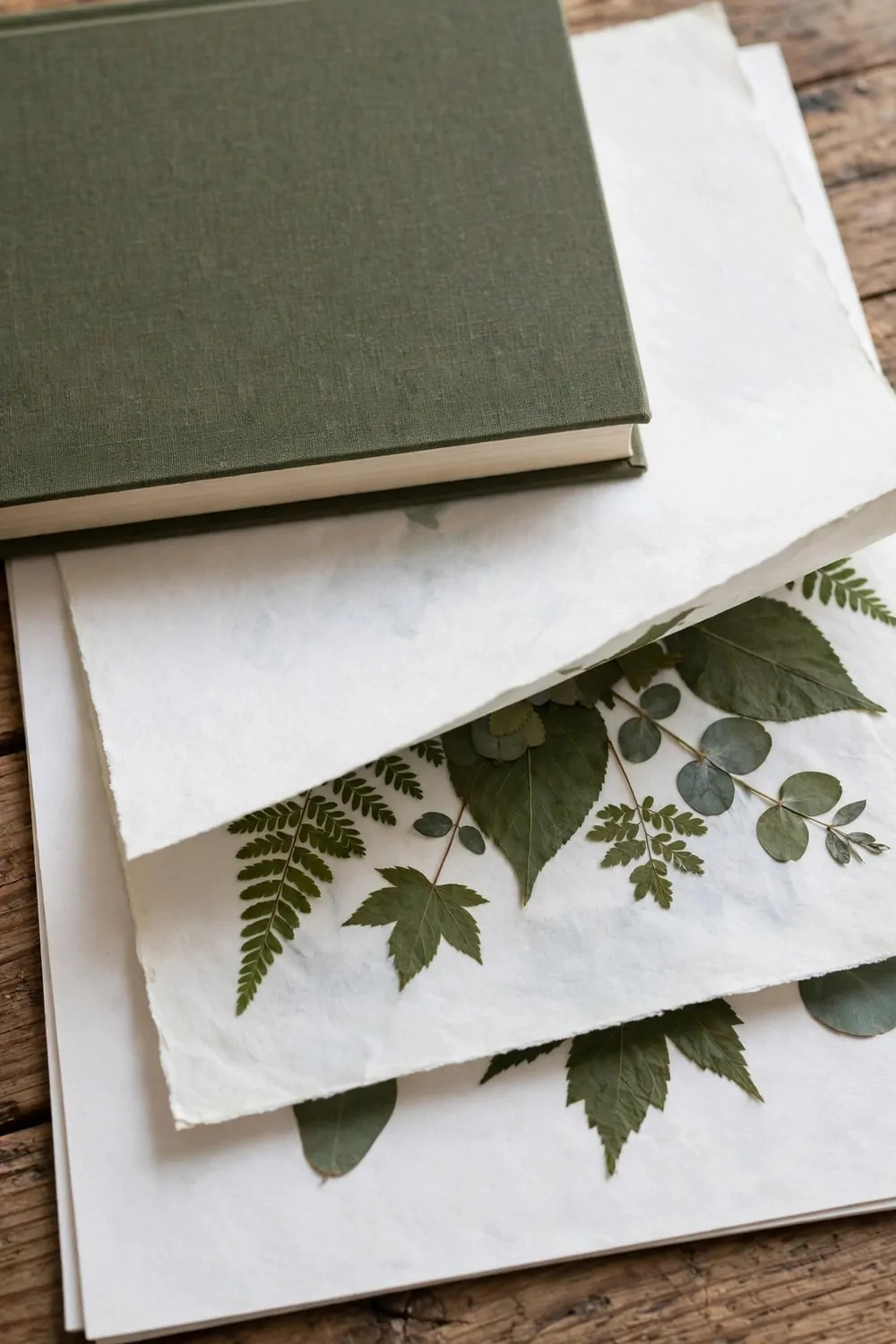
My child picks flat leaves from the ground near our home. We look for leaves with no tears and no thick stems.
I lay one leaf flat on a sheet of plain paper.
My child puts a second sheet on top of the leaf. We press the paper flat with our hands.
I put a heavy book on top of the paper. The book stays there for a few days. My child lifts a corner to peek at the leaf each morning.
The leaf turns flat and dry in the book. It keeps its shape and its soft colour.
We take the leaf out with care so it does not break.
My child sticks the flat leaf in a notebook. I write the date under it in pencil. The notebook holds all the pressed leaves in one place.
Some leaves press better than others. A thin leaf dries flat, and a thick leaf takes more time.
Typical cost $2 to $4.
17. A Calm I-Spy Game at the Window
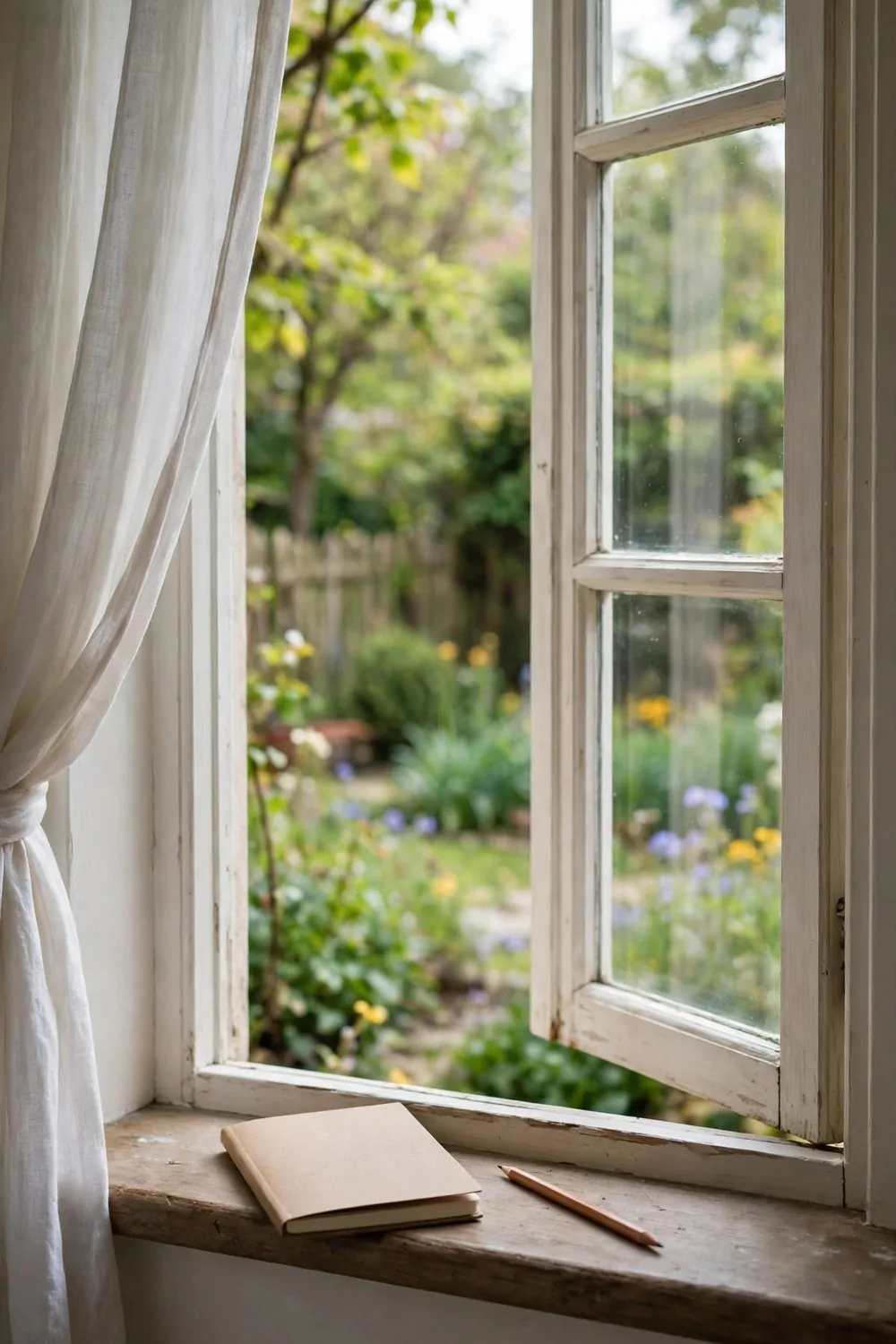
My child sits by the window and looks out with eyes only.
I say I spy a red pot by the fence outside. My child looks for the pot and points when it is found. Then my child picks the next thing to spy.
We use no toys and no cards for this game.
A tree, a gate, and a red pot are easy first picks. My child learns to look slow and check each thing in turn.
We keep our voices low so the game stays calm.
I give a small clue when my child gets stuck. The clue names a colour or a shape. My child tries again with the clue in mind.
We play for ten minutes and then swap seats. My child looks from my spot and I look from the other spot.
The game needs nothing but eyes and a window, so it costs nothing at home.
Typical cost $0 to $3.
18. A Cotton Ball Picture on Card

I draw a big cloud shape on a piece of card. My child dabs glue inside the shape with a small brush. Then we press soft cotton balls onto the glue.
The cloud turns white and puffy in a few minutes.
The cloud has a round top and a flat bottom. My child pats the cotton balls into place.
We add more cotton balls to fill any bare gaps. My child presses each ball down and counts to three.
I hold the card still while the glue dries. My child watches the balls stay in place. We leave the card flat on the table till it feels dry.
The picture looks soft and light when it is done.
We hang the card on the wall with a small bit of tape. My child shows it to the family at tea time.
A bag of cotton balls lasts for lots of pictures. One bag makes clouds, soft hills, and white flowers. My child picks the next picture when this one is dry.
Typical cost $3 to $5.
19. A Quiet Ring Toss on the Floor
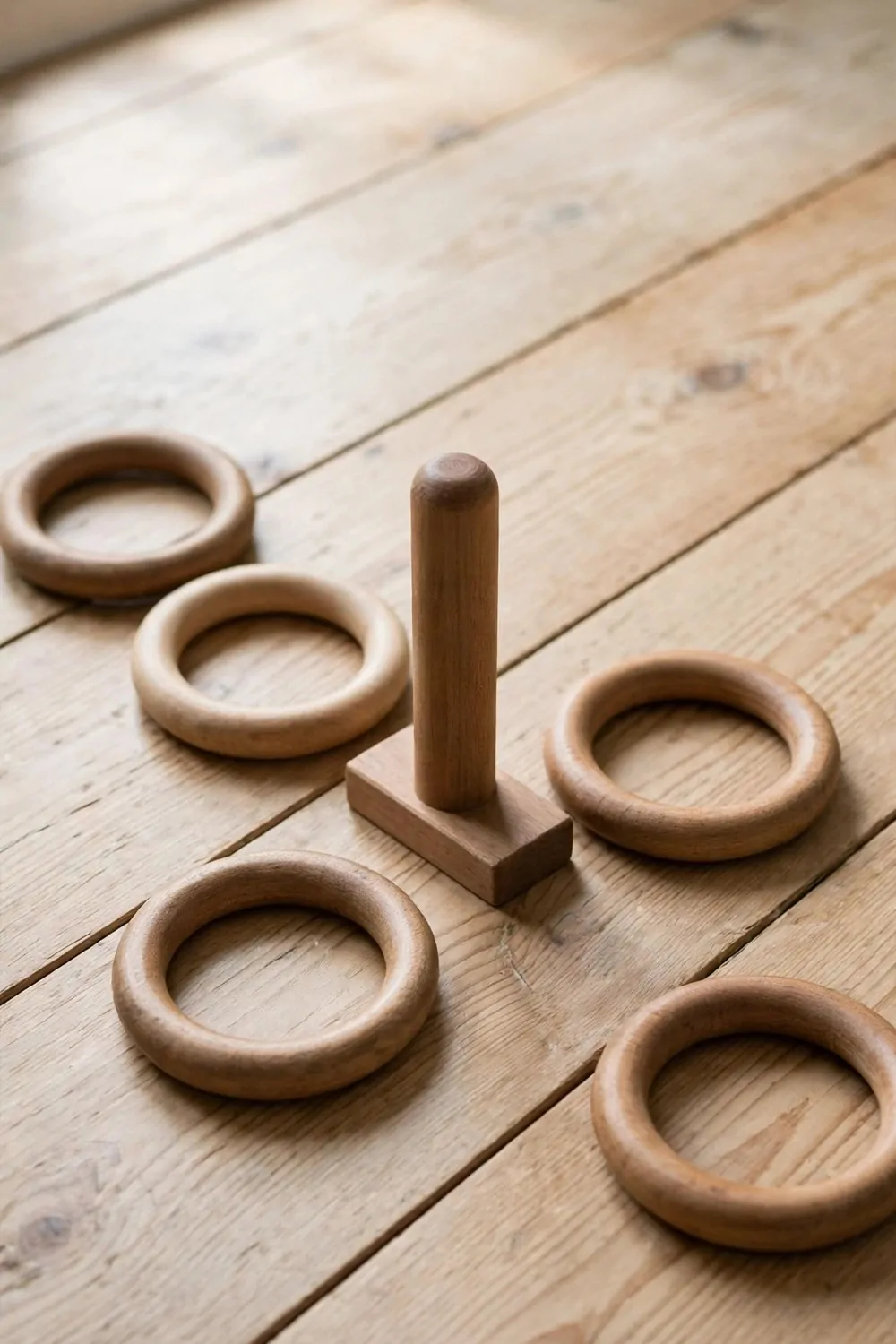
I set a small peg on the floor. My little one stands a short step back and holds a wooden ring.
One soft toss is all it takes to start the game.
The ring wobbles a bit in the air. Then it drops down near the peg. We both smile when it lands close.
No one keeps score in our house.
We take turns one ring at a time. That slow pace keeps the room calm.
I picked a peg with a flat base. It stays put on the floor. The rings are light and smooth in small hands.
We play for a few quiet minutes after lunch.
When the rings run out, we pick them up together. Then we start again if we want more play.
Typical cost $4 to $7.
20. A Breathing Buddy with a Soft Toy
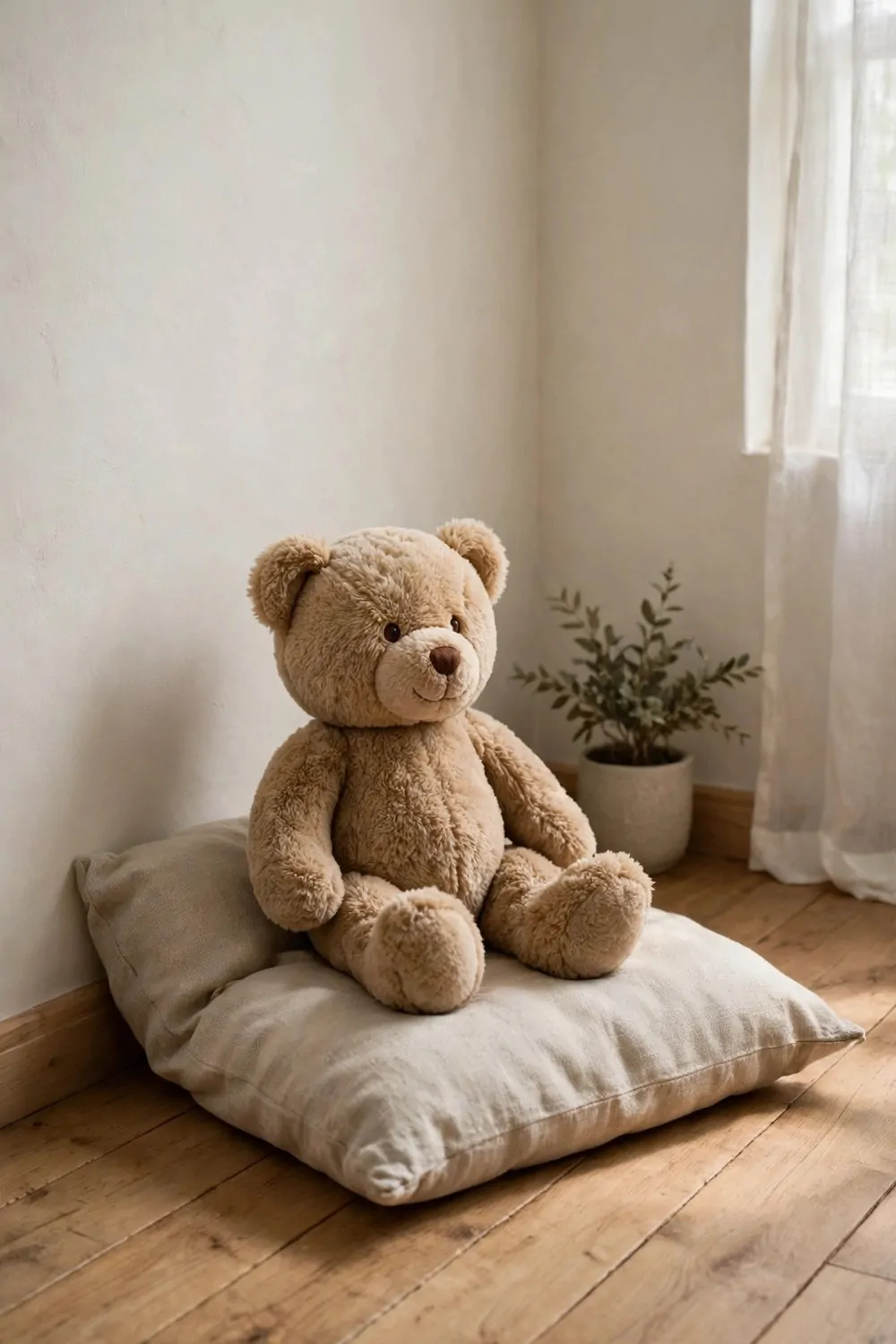
I hand my little one a soft toy to hold close.
We lie down on the rug together. The toy rests on the tummy. We watch it rise and fall with each slow breath.
I count to three in a soft voice. Then we breathe out slow together.
The room feels calm and still.
My little one picks a favourite soft toy each time. The soft toy stays close through the whole minute. That small friend makes the quiet minute feel safe.
We do three slow breaths and then rest. No rush and no loud talk in this minute.
It feels calm to breathe slow together.
I keep the toy in a small basket by the rug. We can find it fast when quiet time starts. My little one likes to pick it up first.
Typical cost $4 to $8.
| Idea | Main change | Typical cost |
|---|---|---|
| Folding a Paper Fan with Plain Paper | plain paper folds into a fan | $0 to $3 |
| Cutting Paper Snowflakes for the Window | paper snowflakes for the window | $2 to $4 |
| A Quiet Listening Game on a Cushion | a listening game on a cushion | $0 to $2 |
| Drawing a Story in a Blank Notebook | a story drawn in a blank notebook | $3 to $6 |
| A Nature Weaving on a Cardboard Frame | leaves and twigs weave on a frame | $0 to $4 |
| Pressing Leaves Between Paper Sheets | leaves pressed between paper sheets | $2 to $4 |
| A Calm I-Spy Game at the Window | an I-spy game at the window | $0 to $3 |
| A Cotton Ball Picture on Card | cotton balls make a picture on card | $3 to $5 |
| A Quiet Ring Toss on the Floor | wooden rings toss onto a peg | $4 to $7 |
| A Breathing Buddy with a Soft Toy | a soft toy for a quiet breathing minute | $4 to $8 |
| Total | $18 to $46 |
21. A Window Crayon Drawing on Glass
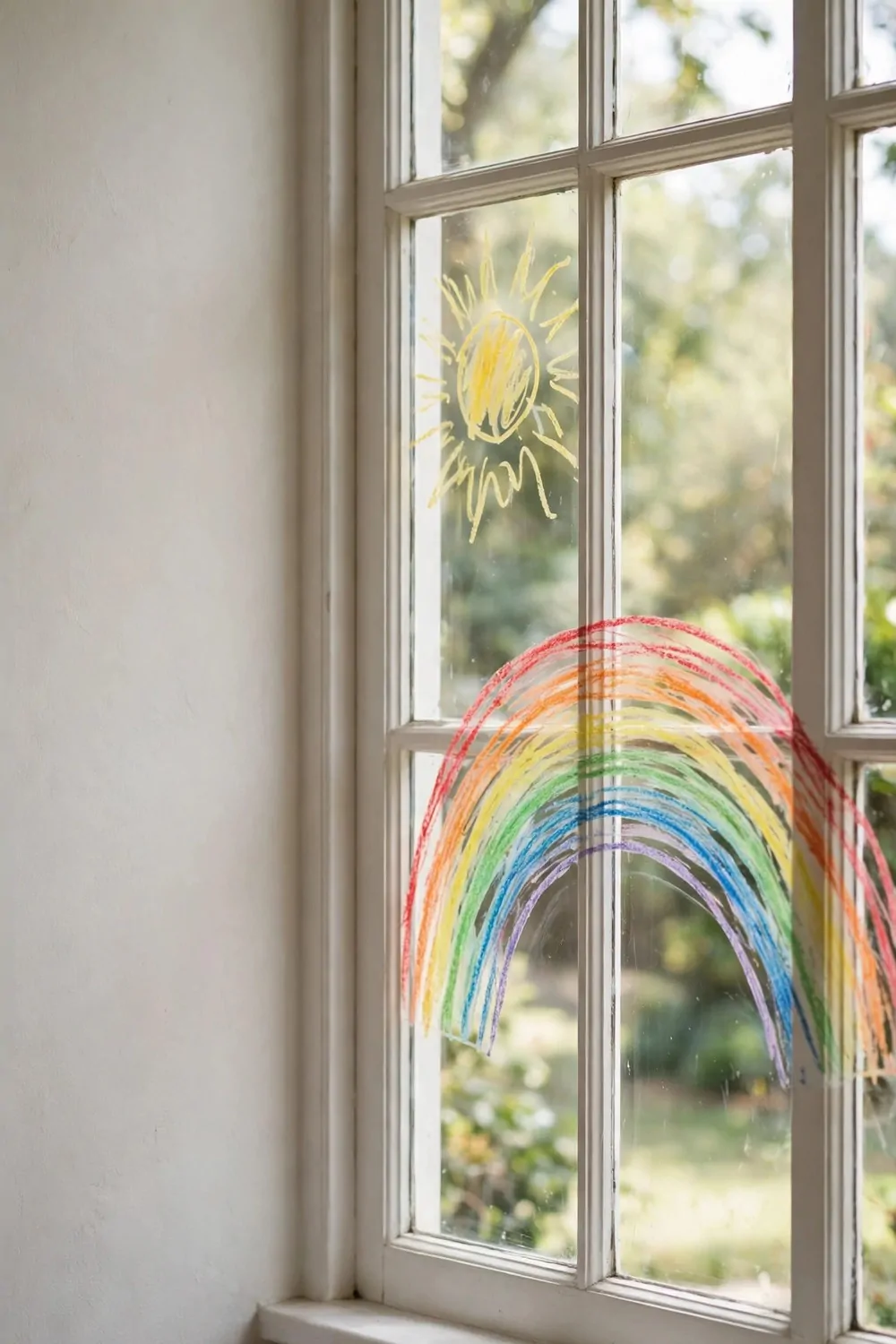
I keep a small pack of window crayons by the glass door. My little one picks a bright colour first. A sun is a good shape to start with.
The crayon glides soft across the glass.
Next we draw a rainbow with wide arcs. Each colour gets its own soft line.
The sun sits high above the rainbow. The wide arcs make the window bright.
The glass fills with colour and light.
We wipe the glass clean with a damp cloth when we finish. The crayons come off with no fuss. Then the glass is clear for the next drawing.
I put the crayons back in their small box. My little one helps me line them up in a row.
It is a quiet way to play by the window.
Typical cost $3 to $6.
22. A Quiet Building Set with Small Bricks
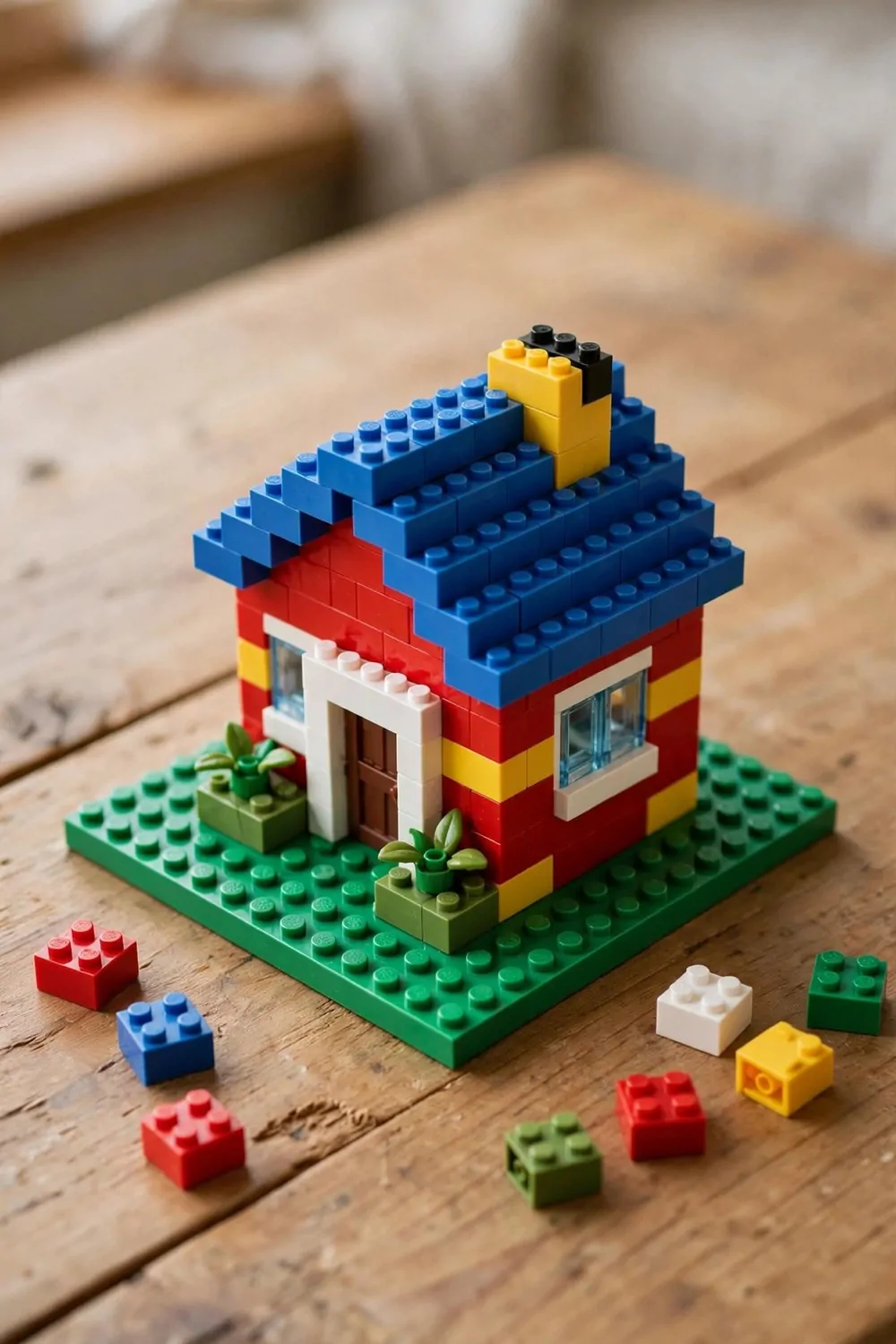
I pour a small set of bricks onto a tray. One by one, my little one lifts each brick off the tray.
First we build a low wall. Then we add a small tower beside it. The bricks click soft as they stack.
No tall tower is needed for this quiet play.
We build a little house with a sloped roof. A small brown door sits at the front.
My little one works slow and steady.
I sit close and watch the build grow.
When the house is done, we add two small green plants by the door. The green baseplate makes the garden edge. Then we stop and look at what we made.
We take the build apart brick by brick. The bricks go back in their box in a neat pile.
Typical cost $5 to $9.
23. A Bead Maze on a Wooden Board
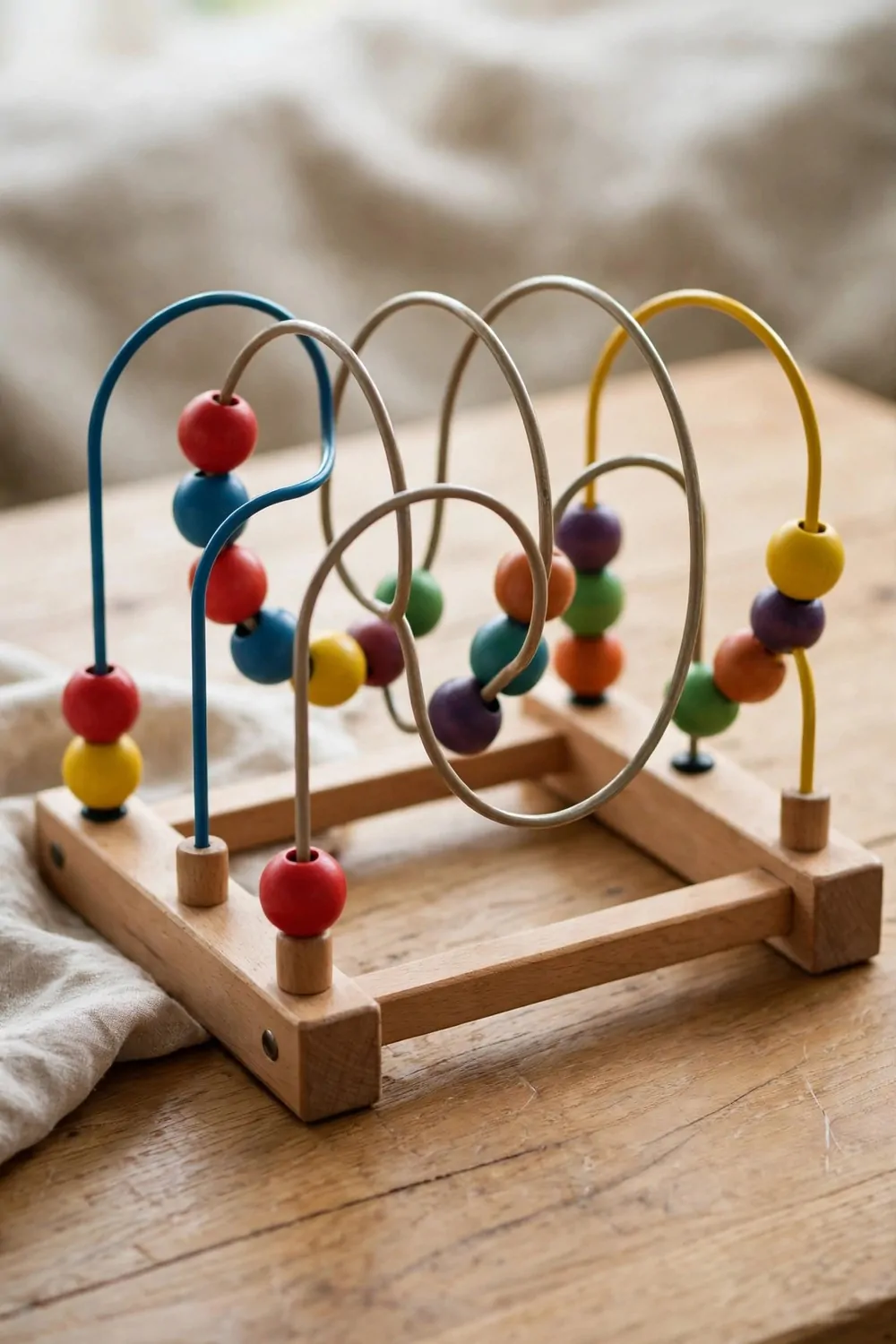
I set a wooden bead maze on a low table.
My little one slides one bead along the wire. The bead moves slow and makes no loud noise.
Beads sit in a row on each wire. My little one moves one bead to the far end. Then the next bead follows it along the wire.
The board stays flat on the table. Small hands can reach every wire. I watch the beads glide from side to side.
It is a calm way to fill a quiet minute.
We count the beads as they slide along. My little one likes to start again from the top.
No pieces fall off the board.
When play ends, the maze goes back on its shelf. It is ready for the next quiet time.
Typical cost $4 to $7.
24. Matching Socks from the Laundry Basket
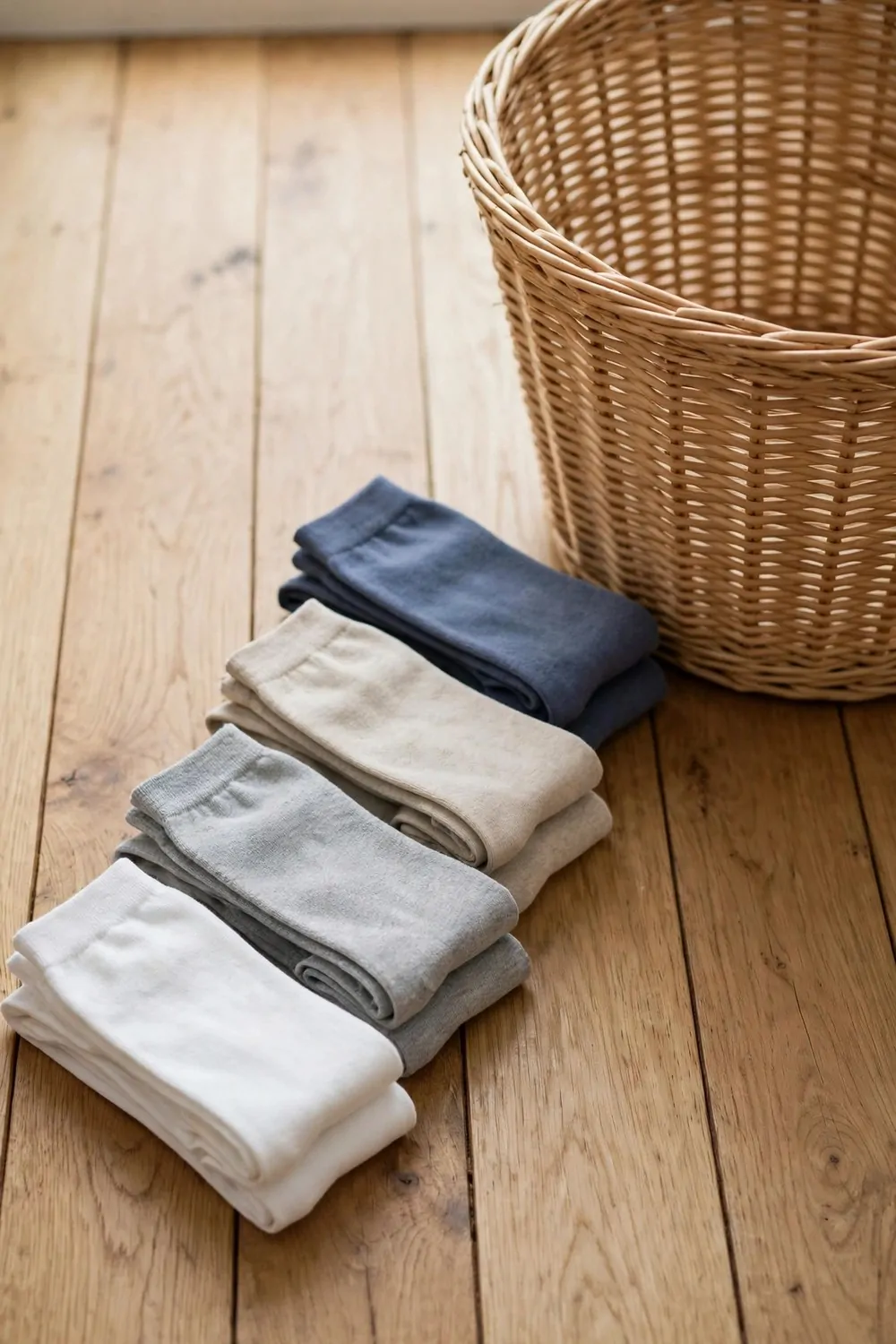
I tip the laundry basket onto the floor. Clean socks spill out in a soft pile. My little one sits beside the pile to start.
We pick up one sock and look for its pair. A match goes into a neat pile of its own.
No new socks are needed for this game.
The socks all come from our own laundry basket at home.
My little one holds up two socks side by side. We check the size together before we call it a pair.
Pairs grow into a small stack on the floor. My little one likes to pat each stack flat. We keep going till the pile is gone.
It feels good to finish a job together.
We roll each pair into a soft ball. Then the pairs go back in the drawer in a neat row.
Typical cost $0 to $2.
25. A Maze Book with a Blunt Pencil
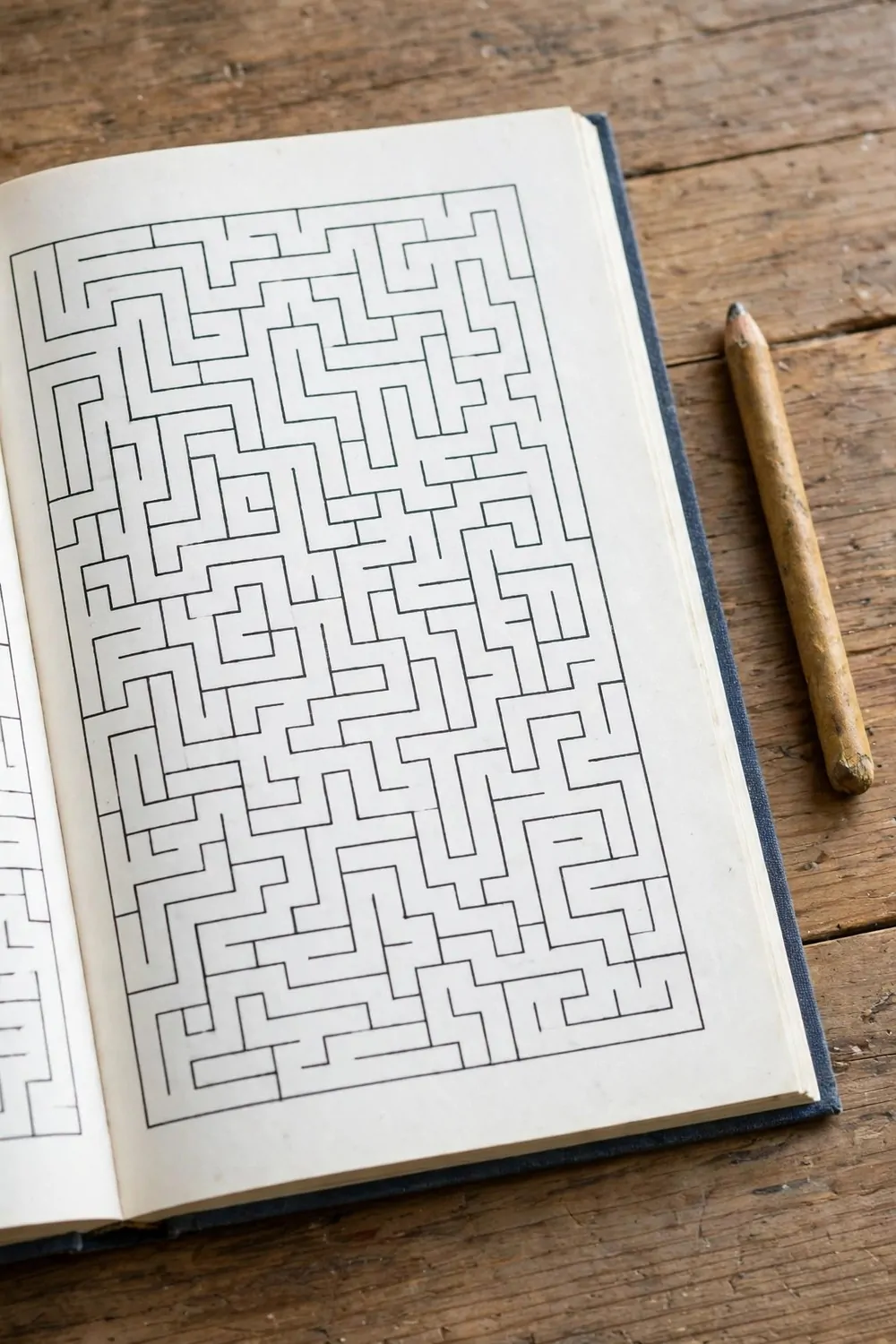
I open a maze book to a fresh page. My little one holds a blunt pencil in one hand.
We follow the path with a slow line.
A wrong turn just means we try a new way.
I point to the start with my finger. My little one draws the line from there. We stop at each turn and look ahead.
The pencil stays on the page the whole time. That slow move keeps the line neat.
We cheer soft when we reach the end.
Next we pick a new maze on the next page. Some paths wind round in big loops. Some paths run straight and then turn sharp.
We close the book when we want a rest. The blunt pencil goes back in its small pot.
Typical cost $3 to $6.
26. Tracing Shadows on Paper by the Window
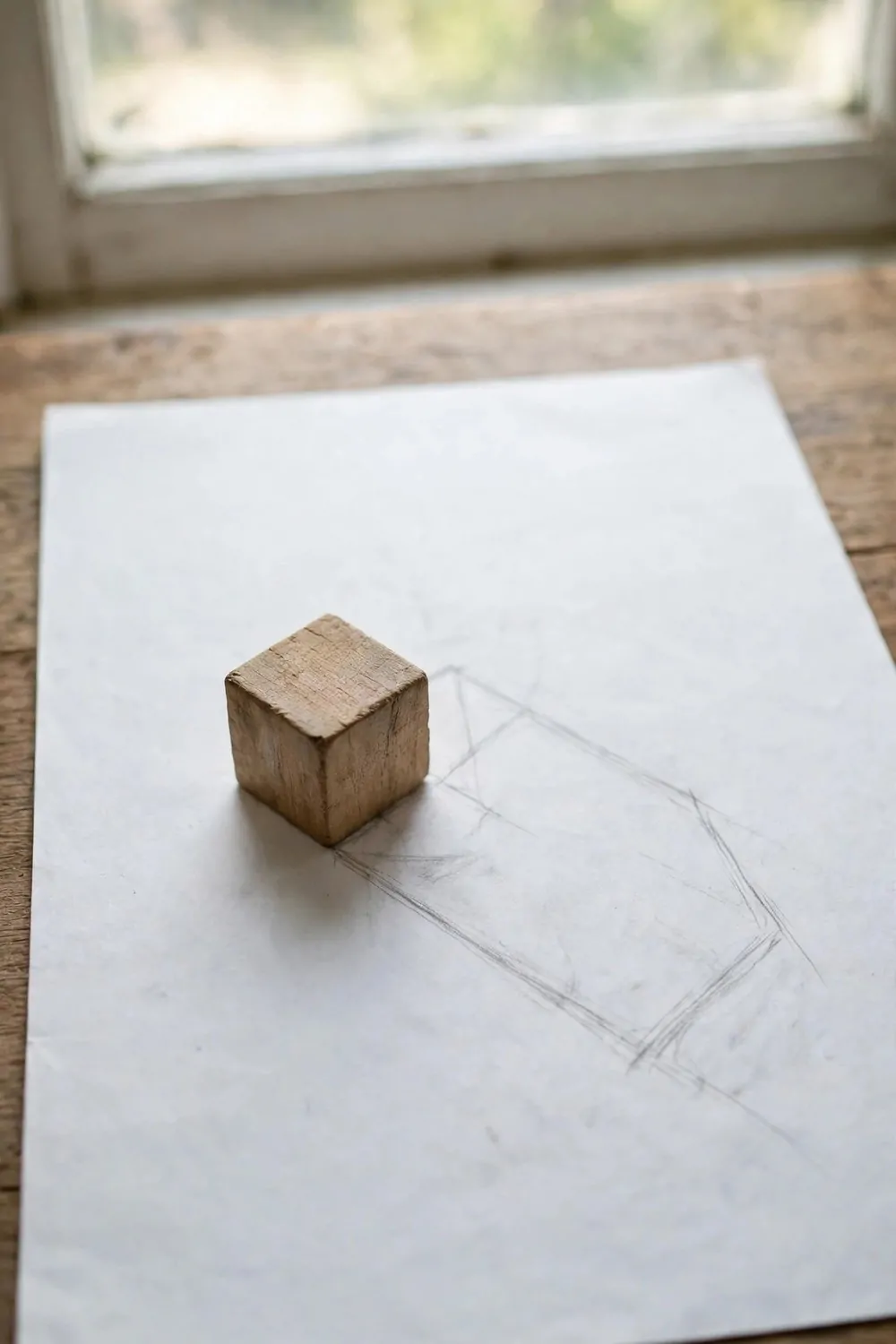
I tape a sheet of paper to the table by the window.
Sun light falls soft across the paper. I set a small toy block on the paper. Its shadow lands clear on the paper.
My little one picks up a blunt pencil.
We trace round the shadow with a slow line. The shape grows bit by bit on the paper.
I hold the block still while we trace. My little one keeps the pencil on the line. Then we lift the block and look at the shape.
The traced shape looks just like the block.
We move the block to a new spot. A fresh shadow gives us a new shape to trace.
My little one draws over the lines again to make them dark. Then we look at the cube shape on the paper.
Typical cost $2 to $5.
27. A Quiet Time Activity Kit
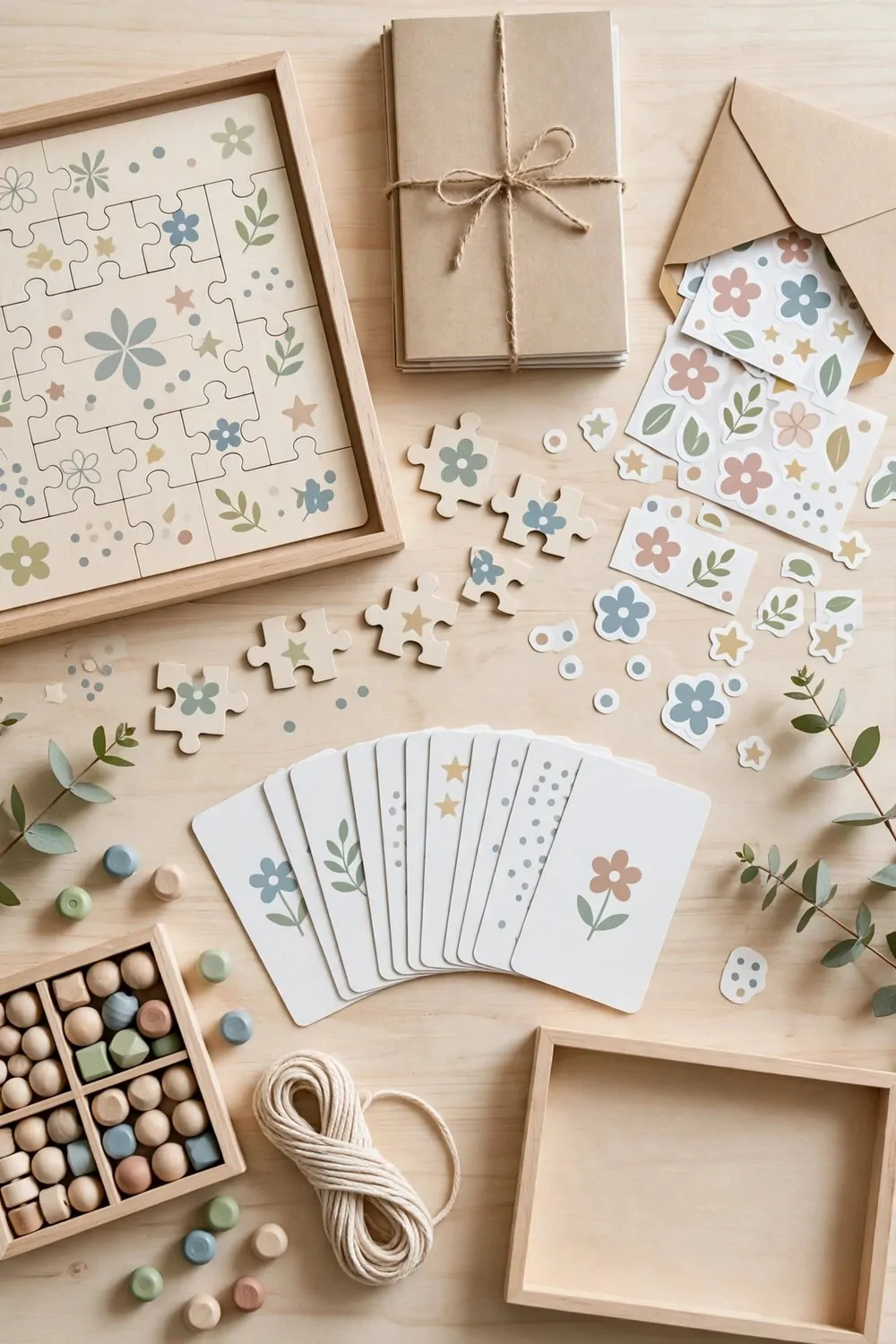
I keep six quiet bits in a plain tray box on the shelf. When quiet time starts, I pull the tray out fast and set it on the table.
The quiet puzzle set has big pieces for calm play.
The colouring book bundle holds soft crayons and a colouring book. My little one picks a page and colours slow. The soft crayons glide easy across the page.
The sticker activity pack has dot stickers and plain cards. My little one sticks dots in neat rows on each card.
The bead threading kit has wooden beads and a cord.
The matching card game set has plain picture cards. We lay the cards face down in rows. My little one turns two cards at a time to find a pair.
The quiet puzzle set costs $5 to $9, the colouring book bundle costs $4 to $8, the sticker activity pack costs $3 to $6, the bead threading kit costs $4 to $7, the matching card game set costs $5 to $8 and the quiet time tray box costs $7 to $12, for a total of $28 to $50.
When play ends, we put all the kit bits back in the tray box. Each bit has its own spot, so the box stays neat.
Set out one quiet activity from this list this afternoon, and enjoy a calm hour while your little one plays.
| Idea | Main change | Typical cost |
|---|---|---|
| quiet puzzle set | a quiet puzzle set with big pieces for calm play | $5 to $9 |
| colouring book bundle | soft crayons and a colouring book bundle for quiet colour time | $4 to $8 |
| sticker activity pack | dot stickers and plain cards in a sticker activity pack | $3 to $6 |
| bead threading kit | wooden beads and a cord in a bead threading kit | $4 to $7 |
| matching card game set | plain picture cards in a matching card game set | $5 to $8 |
| quiet time tray box | a plain tray box holds the kit pieces in one place | $7 to $12 |
| Total | $28 to $50 |
Keep Reading
If you liked these ideas, you will love these posts too
Each post has more simple ideas you can try at home this weekend.