18 Villager Neighborhood Acnh Layouts That Look Adorable

The first time I moved a villager’s house, I paid the 50,000 bells and dropped it in the worst spot on my whole island. It sat crooked behind a cliff, and every time I walked past it, the mailbox poked into my path and annoyed me.
I learned the hard way that a villager neighborhood is not just ten houses plopped on grass. It is a little street. It is the part of your island where people slow down, where flowers bloom in rows, where lampposts glow at night. And when you plan it right, it feels like the cutest small town you ever walked through.
I spent weeks scrolling through island tours and studying the layouts real players actually built. Some went full city. Some went full forest. All of them shared one thing: the houses looked like they belonged together, like a real neighborhood.
This guide rounds up 18 of the best ideas I found. You can copy one exactly or mix a few together. Either way, your villagers are about to get the cutest street on the island.
The Classic Cul-de-Sac Curve
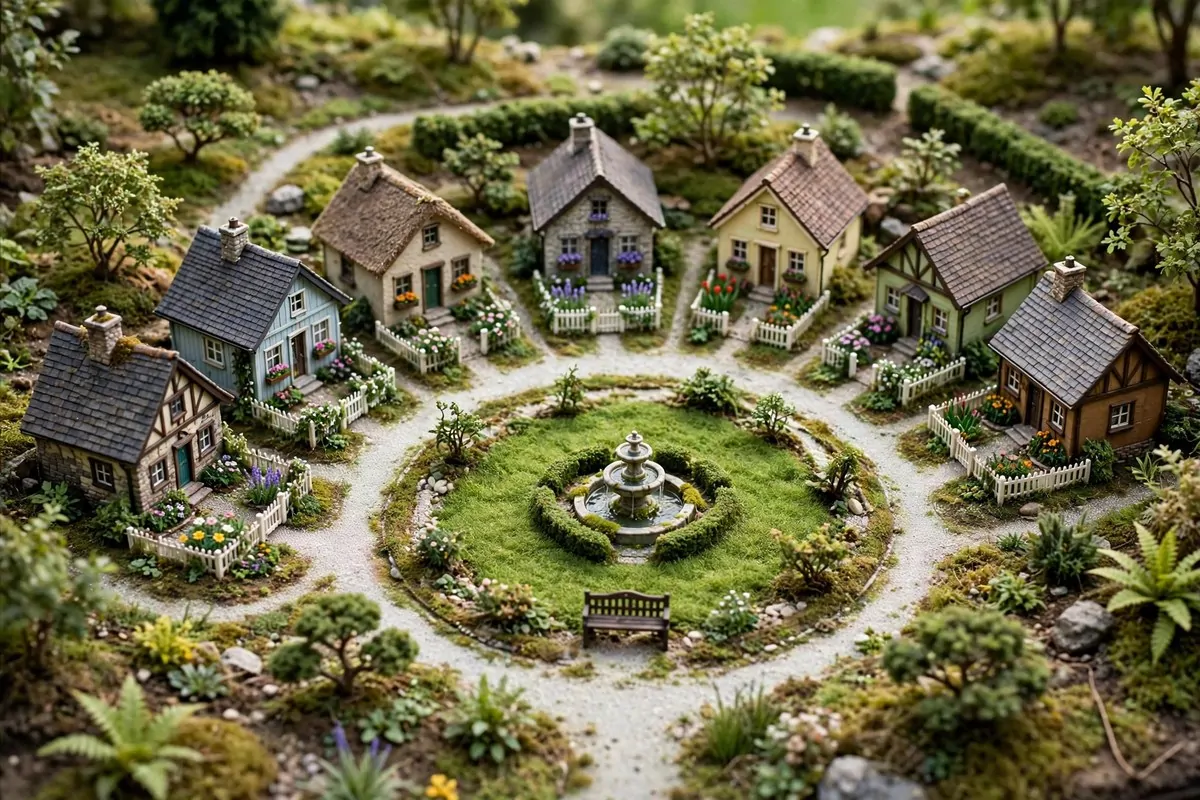
The cul-de-sac is the queen of villager neighborhoods. It just works.
You curve six to ten houses around a small round green in the middle. Every front door faces the center. The middle holds a fountain, a bench, or a little flower circle. When you stand in the center and turn around, you see every home at once, and it makes your heart happy.
I love this layout because it feels like a real suburb. Kids ride bikes in circles. Neighbors chat over fences. It has that cozy American movie vibe, and it translates perfectly to the game.
Spacing matters more than you think here. Leave one extra tile of room between houses than feels right. In the game, villagers drop their own furniture outside, and mailboxes need space. Cramped curves look messy fast.
Start by marking the circle with paths first. Walk it. Run around it. Then place houses one at a time, checking the view from the center each time. If one house blocks another, shift it out by a tile or two.
The green in the middle is where the magic lives. I have seen players put a simple park bench with two flower beds. Others go big with a fountain, iron fences and a ring of hyacinths. Both look amazing.
Paths tie it all together. A curved dirt path from each door to the center circle looks natural. Stone paths feel more polished and city-like. Pick one and stick with it for the whole curve.
Here is a quick spacing guide that saved me a lot of bell-moving fees:
| Houses in the curve | Tiles between doors | Center green size |
|---|---|---|
| 6 houses | 4 to 5 tiles | 8×8 tiles |
| 8 houses | 4 tiles | 10×10 tiles |
| 10 houses | 3 to 4 tiles | 12×12 tiles |
Lampposts around the green are the cherry on top. At night, the whole curve glows softly. I sometimes just stand there with my camera and do nothing. It is that pretty.
One last tip. Put one flower color per house in its little yard bed. It gives each home its own identity, and the curve looks like a rainbow from above. Trust me, the overhead map view of a cul-de-sac is a thing of beauty.
A Japanese Sakura Street
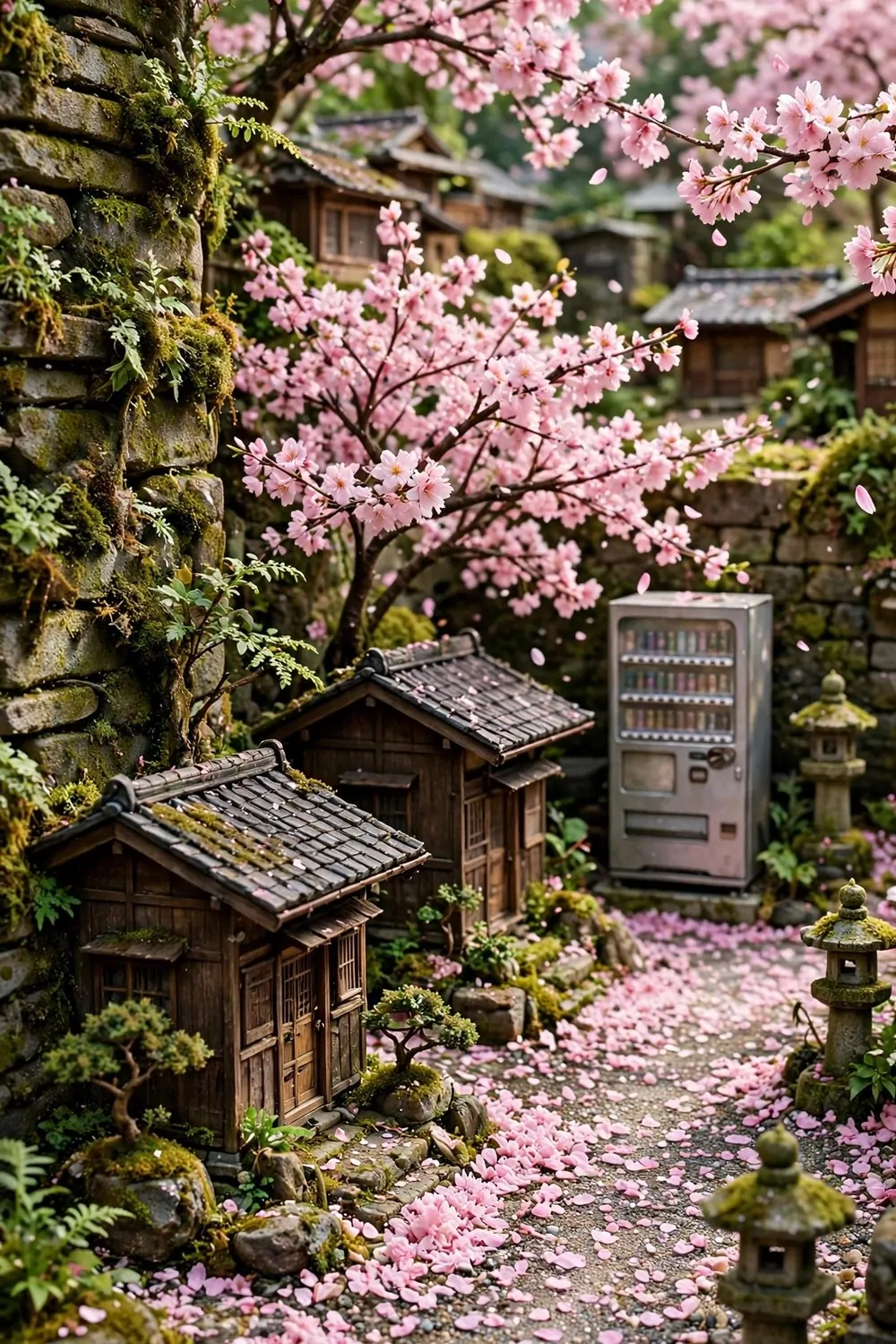
This one stopped my scroll dead. A whole street that looks like a quiet Japanese suburb in spring.
The trick is that the houses themselves stay simple. The world around them does all the work. Sakura blossom trees line the street. Petals fall on the ground. A drink vending machine sits at the corner like it grew there.
Stone lanterns light the path at night. Shisa statues guard a garden wall. Mossy stone walls edge the plots. It feels real, not like a game set, and that is the hardest thing to pull off in ACNH.
Start with the street, not the houses. Lay a straight narrow road. Line both sides with sakura trees, leaving gaps where the house paths will branch off. The rhythm of trees, gap, trees, gap is what makes it look like a real suburb.
Vending machines are the secret star here. Tuck one near a corner with a tiny bench beside it. It looks so lived in. Like someone actually buys a cold drink there on a hot day.
Petals and leaves on the ground add realism. Scatter a few custom petal designs along the road. When things look too clean, they look fake. A little mess is what sells it.
Keep the houses modest. Small wooden styles fit best. Let the street be the main character. The houses are just the neighbors living on it.
I would plan this in spring for the full sakura effect. But honestly, it looks good in every season. In winter the lanterns glow against the snow and it turns into a whole different kind of pretty.
Fences should be low and simple. Bamboo fencing matches the theme perfectly. High stone walls feel too heavy here. Let the street breathe.
If you want one showpiece, build a tiny shrine corner at the end of the street. A stone lantern, some flowers, a mossy wall behind it. It gives the street a destination, a reason to walk to the end.
The European Pastel Row
Some islands go loud. This one whispers, and I love it.
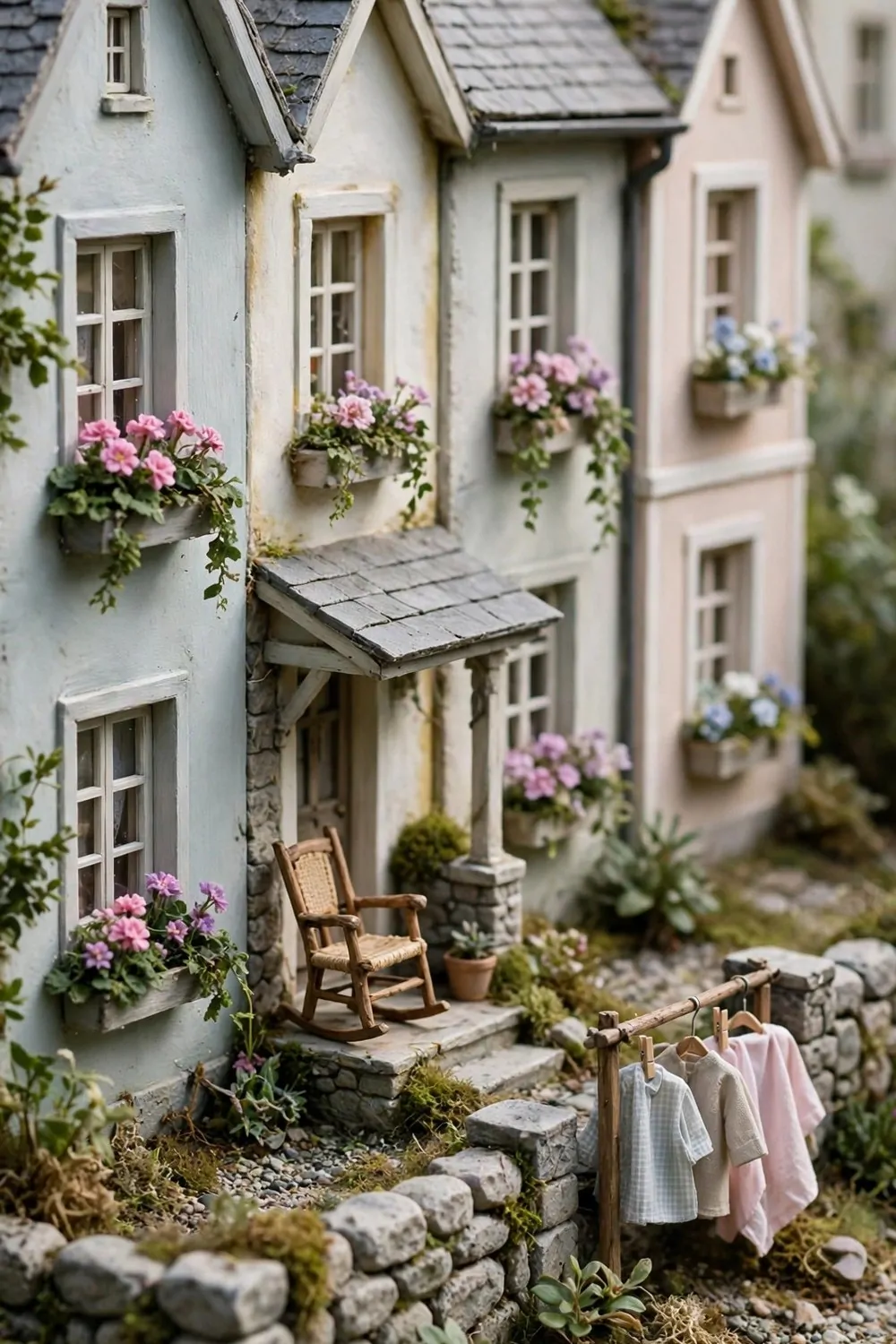
The European pastel row uses muted colors and soft whites for the whole street. The houses look like little cottages from an old Eastern European town. Stone fences run along the plots. Everything matches without trying too hard.
Muted palettes are forgiving. You do not need rare items to make them work. A rocking chair on a porch. A dog house by the fence. A clothes rack with a cute custom pattern. Small lived-in details beat expensive items every time.
White and cream walls are the base. Add soft sage, dusty pink, or pale blue doors if your remodel options allow. Keep every house in the same family of softness. One bright neon house would ruin the spell.
Stone fencing is the signature move. It runs down the whole street like a ribbon. It is more work to craft than wooden fencing, but the payoff is huge. The street instantly looks older and more storied.
I like adding a tiny shop stall at the end of the row. Put some custom patterns on it, like a little market stall. It gives the street a story. Maybe someone sells flowers there. Maybe it is a tiny bakery. Use your imagination.
This layout photographs beautifully in soft morning light. The pastels glow. If you take island photos, shoot this street at sunrise. You will thank me.
Keep the yards small and tidy. A few personal items per house is plenty. A bench here, a potted plant there. The charm comes from restraint, not from stuffing every tile.
One thing I noticed: this style ages well. Flashy themes get old fast, but a quiet pastel street still looks good months later. If you are the type who redecorates every week, this might actually be the layout that finally sticks.
The Woodland Forestcore Cluster
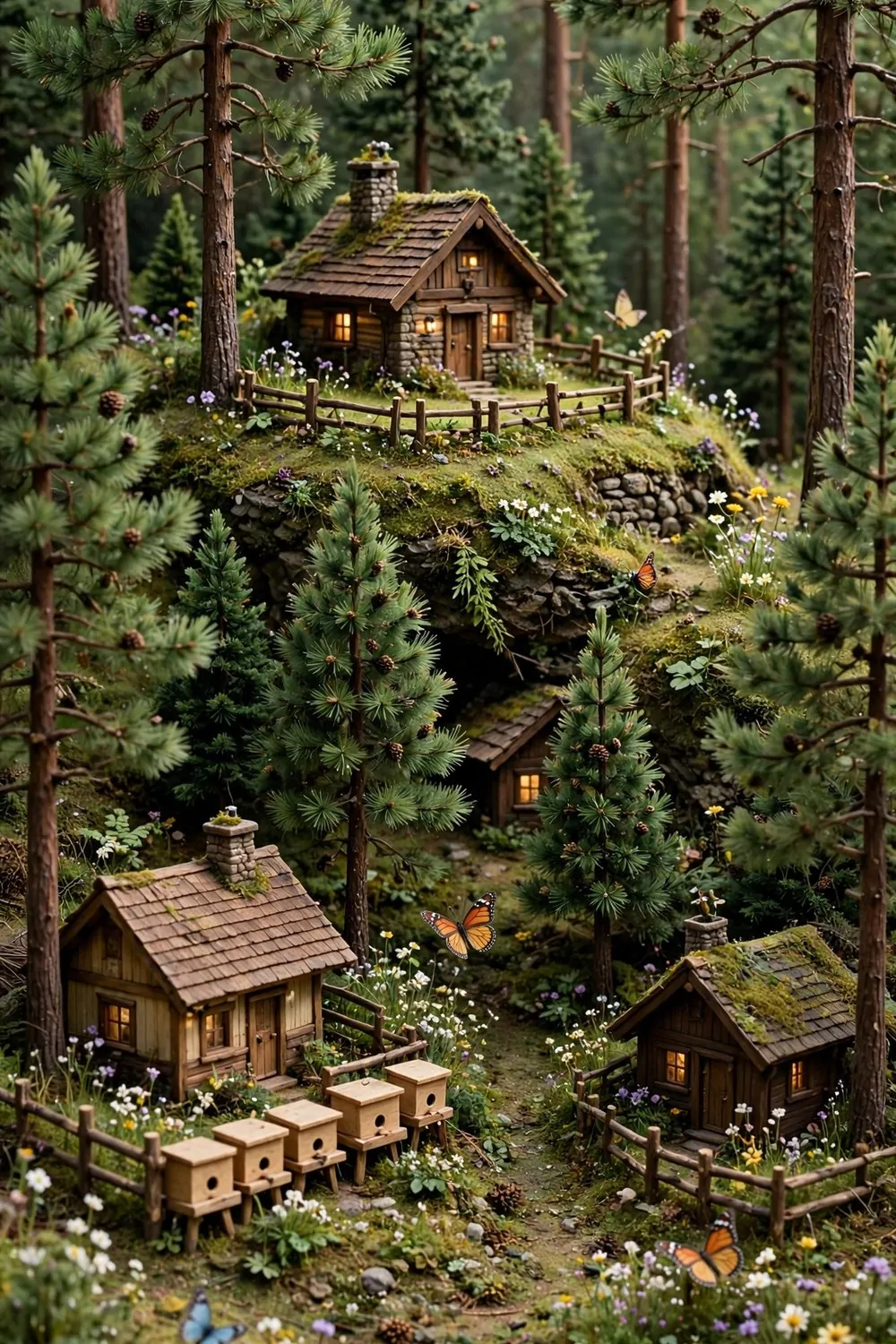
Forestcore girls, this is your neighborhood. The houses hide among the trees like they grew there.
This build uses nature instead of furniture to do the heavy lifting. Tall pines crowd around the cottages. Wooden fences look hand-made. Flowers run wild in patches. It feels like a fairy tale clearing, not a planned street.
Different ground levels make it magical. Terraform one or two houses onto a low cliff. A waterfall spilling down beside a cottage is the prettiest thing. The sound alone is worth the terraforming effort.
Bees love this neighborhood. Place a few beehive boxes among the flowers. The butterflies show up too. Your island stops feeling like a game and starts feeling like a place where small creatures actually live.
Here is my starter list for a forestcore street:
- Wooden fences, lots of them, slightly crooked for charm
- Log benches and log stools as seating
- Beehive boxes tucked into flower patches
- A couple of streetlamps for safety after dark
- Wildflower clusters in mixed colors, never in perfect rows
- Mushroom platforms if you have them, for pure whimsy
Villagers will water the flowers for you here. I love watching them do their little watering-can routine. It makes the neighborhood feel alive in a way no furniture can.
Do not pave much. Dirt paths or simple custom grass paths work best. Stone roads would kill the mood. You want to feel like you are wandering, not commuting.
The trickiest part is not over-clearing. You need enough trees for the forest feel but enough open space to walk. Mark your walking paths first, then plant trees around them. Never the other way around.
At night, this neighborhood is unreal. Fireflies, glowing windows, the dark pines overhead. I have spent whole evenings just walking this kind of street in other people’s dream towns. It never gets old.
Riverside Rows With Rolling Water
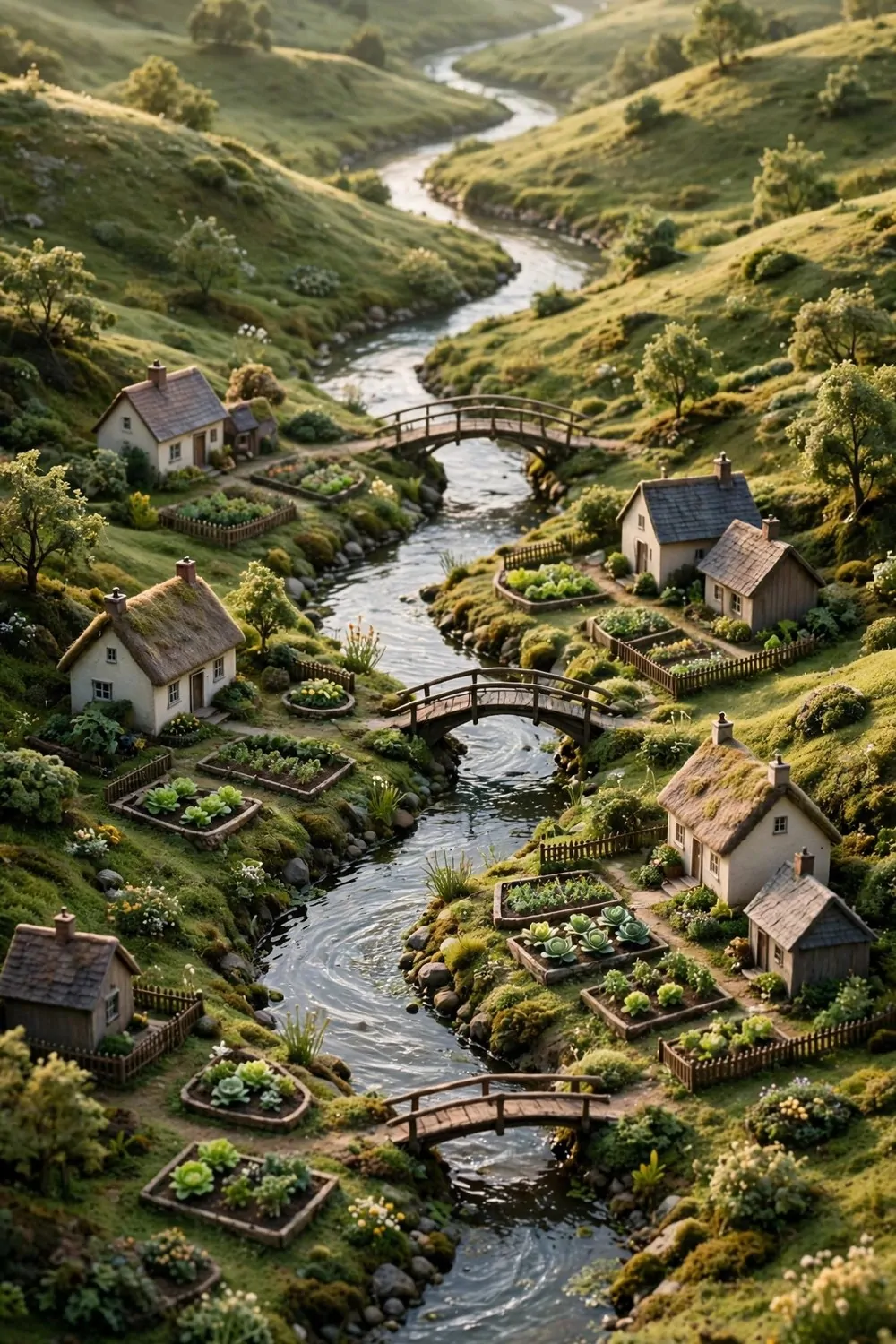
Wake up to rushing water. That is the whole pitch, and it is a good one.
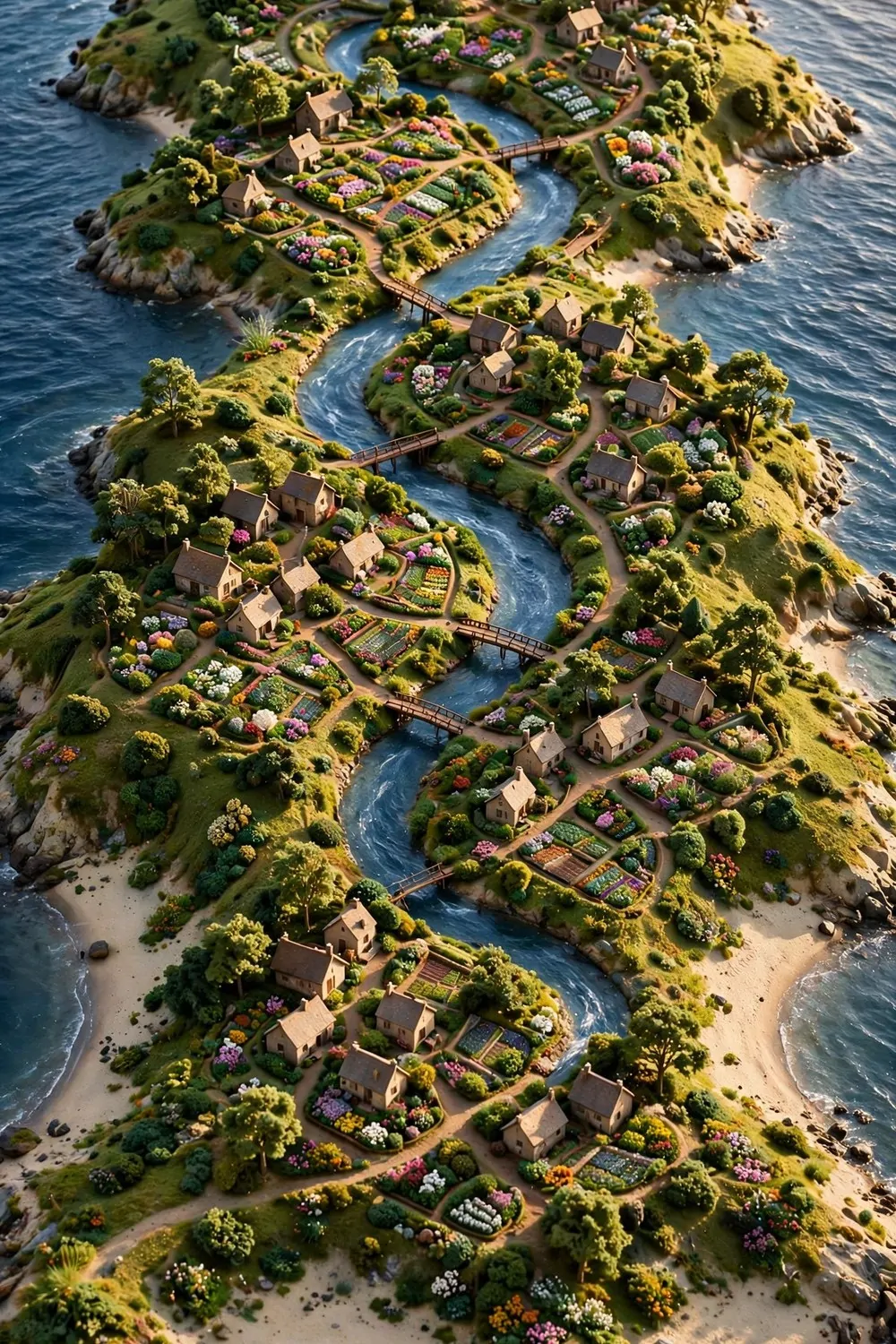
A riverside neighborhood strings the houses along a winding river. Each home gets a little patch of bank. Bridges connect the two sides. In the morning, you take the long way to the shops just to hear the water.
You will need the waterscaping permit for this one. It is worth every bell. Dig a gentle S-curve through your residential area. Not a straight canal, a lazy river that bends like it has somewhere better to be.
Houses on both banks look best. It doubles your street without doubling your land. A bridge every three or four houses keeps both sides connected. Mix bridge styles if you want charm, or match them for polish.
Fishing from your front yard is the lifestyle upgrade nobody talks about. Step out the door, cast a line, catch dinner. Your villagers will not do it, but you will, and it never stops being fun.
Garden beds along the banks look natural and give the street color. Flowers reflect in the water. I have seen players line the whole river with cosmos, and the screenshot looked like a painting.
Hills add drama. A gentle slope down to the water with a waterfall or two makes the neighborhood feel three-dimensional. Flat riverside streets are fine, but terraced ones are the ones people remember.
Keep the paths simple. A dirt trail that follows the river’s bends feels right. The river is the star. The path is just how you walk beside it.
One practical note: leave room at the river mouth for the waterfall cliffs. You need the space, and nothing ruins a riverside street like a cramped waterfall corner. Plan the water first, houses second.
At dusk, with the water catching the light, this neighborhood glows. It is the kind of street that makes visitors stop and take photos. I know because I am the visitor who stops.
A Sleepy Coastal Neighborhood
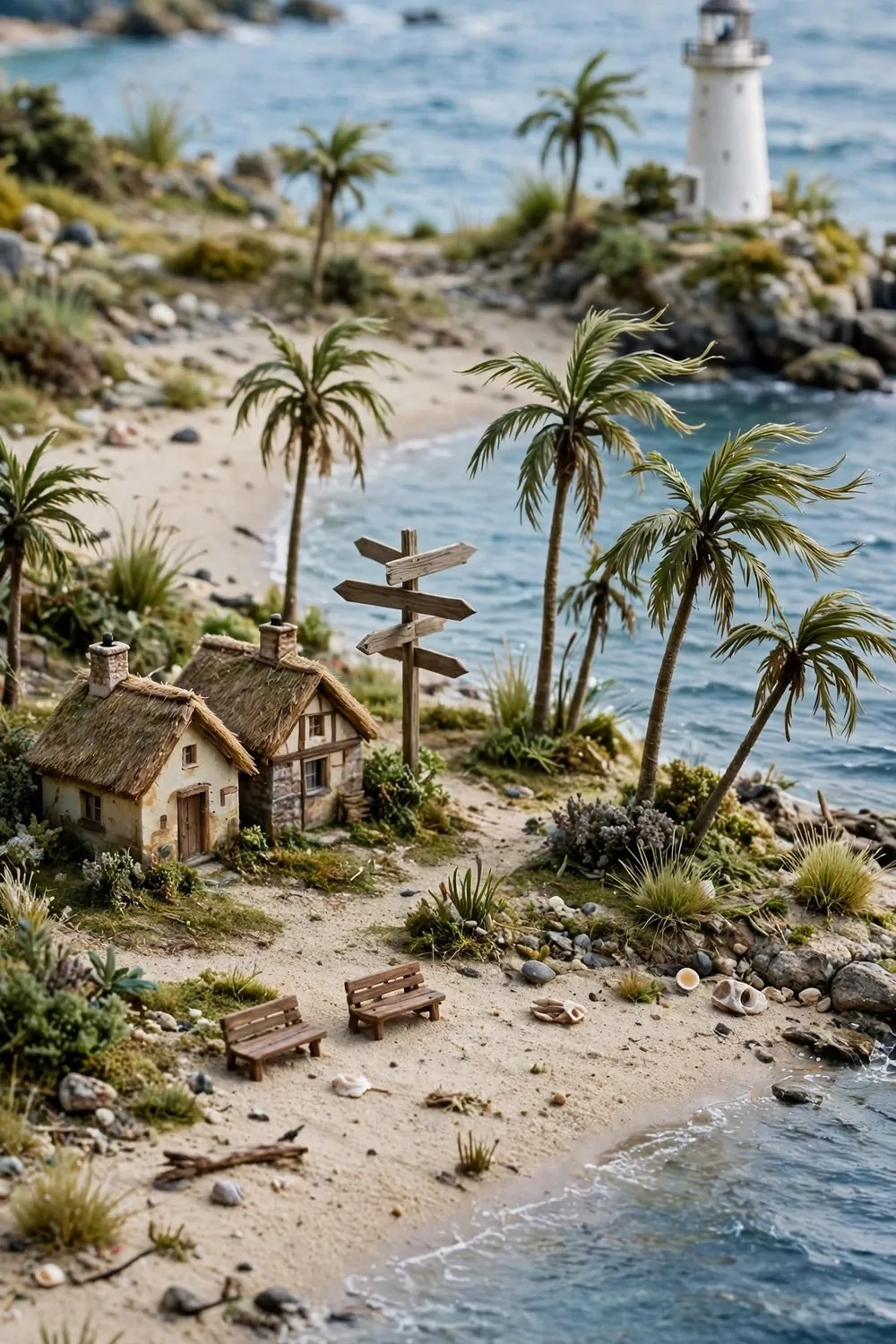
Being on an island means every neighborhood is technically coastal. This one just admits it.
The coastal neighborhood hugs the beach. Houses sit a hop away from the sand. The sea breeze is basically a resident. And the lighthouse at the end of the street ties the whole thing together like a period at the end of a sentence.
Benches face the water. Not the street, the water. That small choice changes everything. Your villagers sit and watch the waves. You sit and watch the waves. Everybody wins.
Directional signposts are the cutest detail. Point one arrow to the beach, one to the shops, one to the museum. It looks like a real seaside town that expects visitors. Which, if you open your gates, it does.
Sand paths blend the street into the beach. Use the in-game sand path so it flows naturally. Stone would look too harsh against the shore. Let the neighborhood melt into the coastline.
Beach towels and umbrellas near the houses make it feel like summer lives here. A surfboard leaning on a fence. A cooler by the porch. Tiny storytelling details that cost nothing.
Palm trees are obvious, but do not overdo them. Mix in some regular hardwoods so it looks like a real neighborhood that happens to be by the sea, not a resort brochure.
The lighthouse deserves a little plaza. A circle of flowers, a bench, maybe a telescope. Make it a destination. End your street there and watch visitors walk straight to it every single time.
Salt air fades everything, so go for weathered looks. Light woods, soft blues, sandy whites. Bright plastic colors look wrong here. The coast has a palette and it is a gentle one.
This is the neighborhood for slow mornings. Coffee on the porch. Waves in the distance. A villager singing on the beach. If that sentence made you smile, build this street.
The Pink Fairytale Court
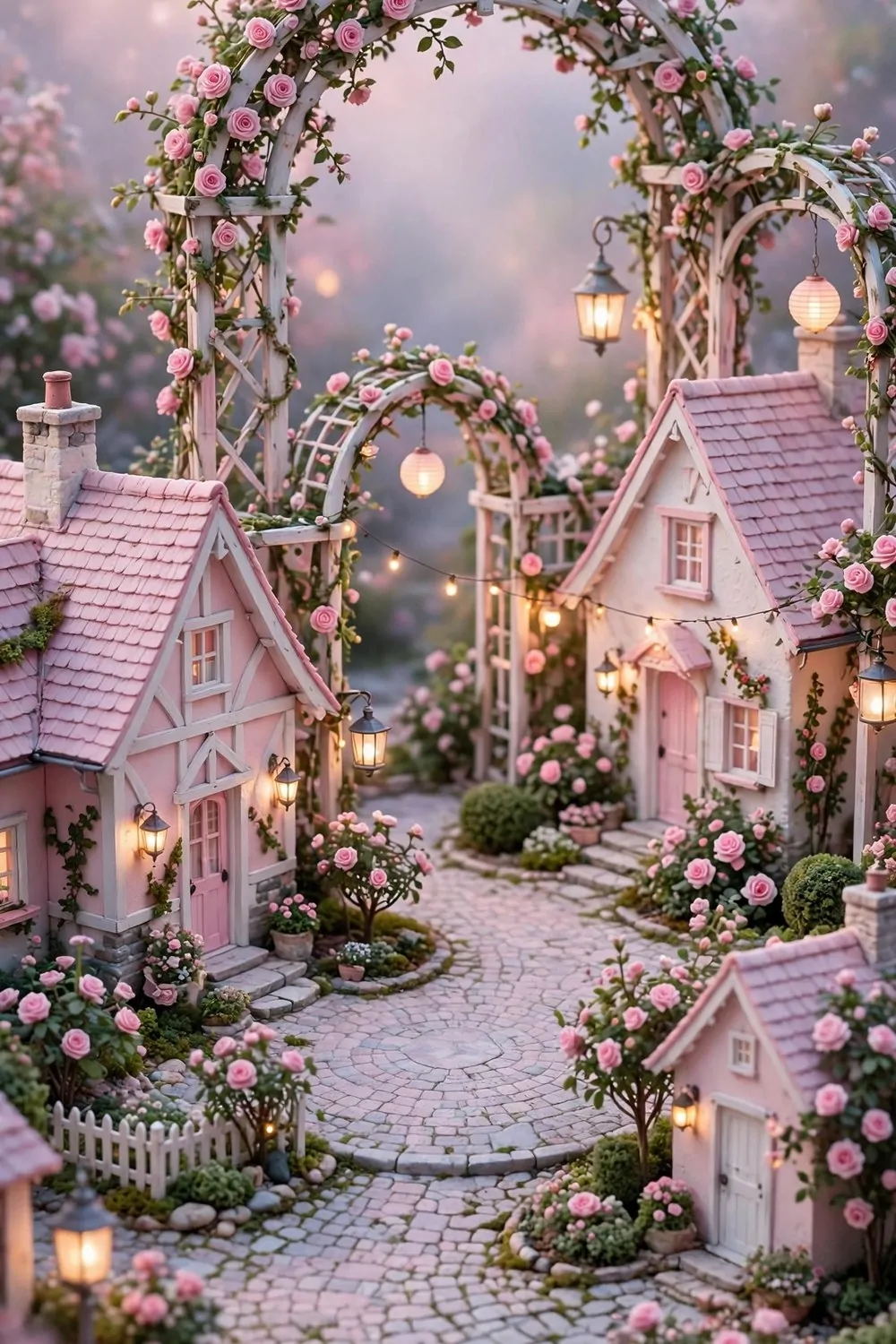
If your island runs on pink, this is your street. No apologies.
The pink fairytale court spaces the houses out around a paved plaza. Custom panels extend the houses so they look bigger, almost like little manses. Pinks and whites swirl together until the whole place feels like the inside of a jewelry box.
Custom panels are the power move here. Place them against the house walls to fake extra rooms and porches. They also hide storage, which is handy because fairytale streets need a lot of stuff.
Rose gardens are non-negotiable. Pink roses, white roses, red roses as accents. Arch them over trellises. Line the plaza with them. The whole court should smell like a flower shop in your imagination.
Paved paths keep it polished. Use the light stone or a custom pink-ish pattern. Dirt would drag the fantasy down. This street is not pretending to be natural. It is proudly, gloriously artificial.
Lanterns and nova lights add sparkle at night. The court glows pink and gold. I have seen dream addresses where this street alone got a thousand likes. People love pink. It is science.
Space the houses wider than you think. Fairytale needs air. Cramped pink looks cluttered, but generous pink looks royal. Give each house a real garden to breathe in.
Matching is the whole game here. Pick your pink family and commit. Blush, rose, cherry. Then white for contrast. One random orange house would stick out like a traffic cone. Keep the palette tight.
The center plaza deserves a fountain or a big flower clock. Something round, something grand. It is the heart of the court. Every fairytale needs a heart.
I will be honest. This is not for everyone. But if your villagers wear crowns and your flag has a heart on it, you already know this street is yours.
Mushroom Fairy Mountain Village
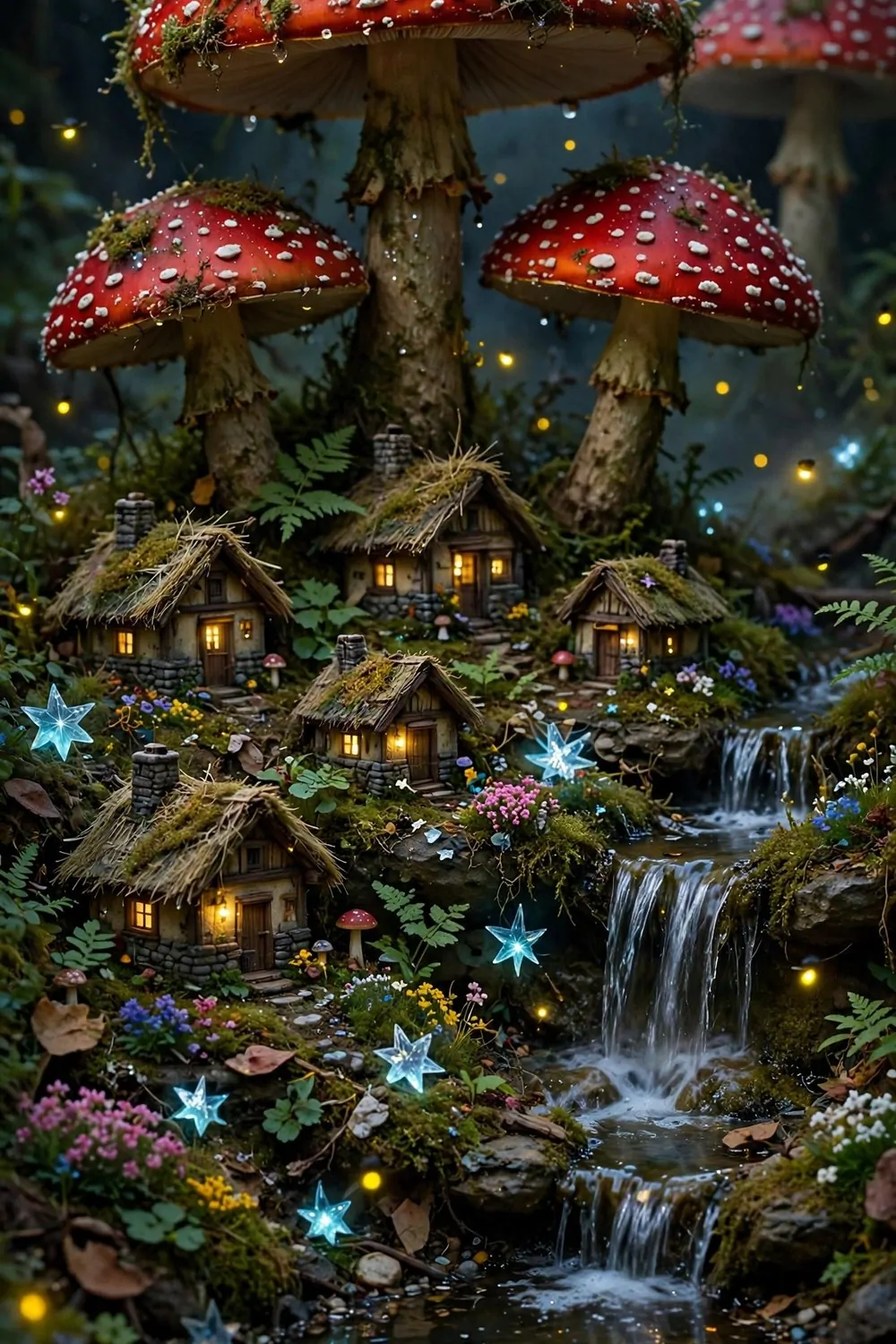
Fairycore is a whole lifestyle, and this neighborhood is its capital city.
Each house sits on its own little island, ringed by waterfalls and rivers. Giant mushrooms tower between the cottages. Star fragments glitter in the grass. It looks like the fae moved in and the villagers just pay rent.
The waterfalls are the walls of this neighborhood. Instead of fences, you carve water around each plot. It is more work, and it costs bells for every bridge and incline, so save up. The result is worth the grind.
Big mushrooms are the signature. Scatter them generously. Mix the sizes. A tiny cottage next to a towering mushroom looks like a storybook illustration, and I mean that as the highest compliment.
Star fragments on the ground catch the light beautifully. They sell the magic. A few nova lamps tucked among the flowers add a soft glow that makes the whole village shimmer after dark.
Each mini-island can have its own theme. One is a flower island. One is a mushroom forest. One has a tiny pond with a bench. Walking the bridges between them feels like traveling through different tiny worlds.
Butterflies love it here. Meteor showers over this village are unreal. I have seen screenshots that look like fantasy movie stills. If you host meteor nights, your friends will lose their minds.
Keep the bridges narrow and wooden. Stone bridges feel too heavy for a fairy village. Wooden planks over sparkling water is the look. Rustic, small, magical.
Climbing up and down the little inclines is part of the fun. Do not flatten everything for convenience. The vertical layers are what make it feel like a hidden mountain village.
This is a late-game build. You need the terraforming, the bells, the mushroom DIYs. But oh, when it comes together, it is the neighborhood people fly across the world to see.
A Boardwalk Village Over Water
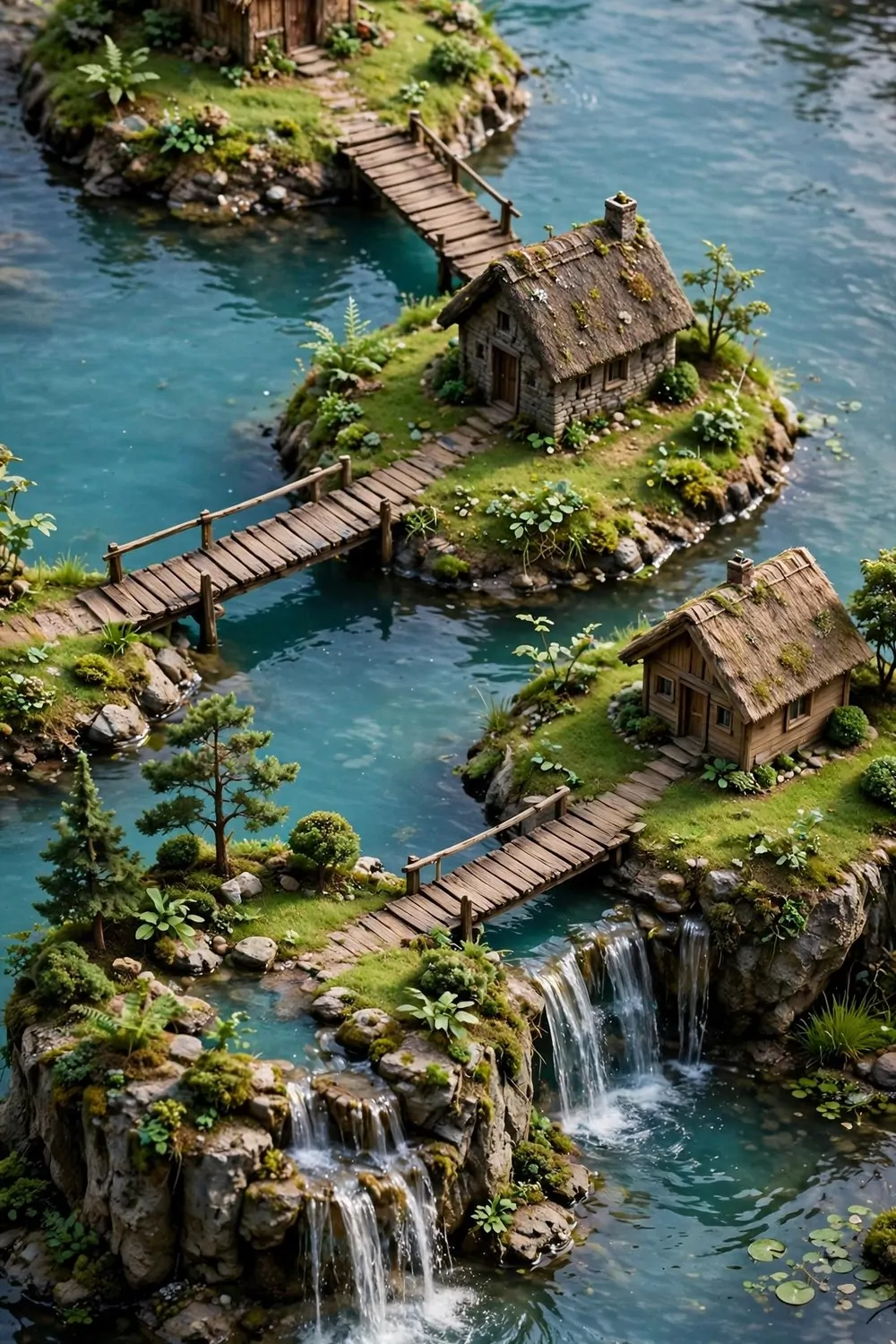
Forget streets. This neighborhood floats.
Every house gets its own small island. Wooden plank bridges connect them in a chain. There is no flooding in this game, so you can build over water with total confidence. It is the most fun you can have with the waterscaping tool.
Each island can be any size you want. Give the house a big lawn, or keep it tiny and cozy. The freedom is the point. No two islands have to match, and that is what makes the village charming.
Raising one or two islands adds drama. A waterfall spilling off a raised island beside a cottage is gorgeous. The sound of water everywhere makes the whole village feel like a spa.
Fishing here is ridiculous in the best way. You are surrounded by water on every side. Cast from your porch. Cast from a bridge. The fish practically introduce themselves.
Bridges are the streets of this village. Vary them. A red zen bridge here, a wooden one there. Each bridge is a little photo moment. Villagers crossing them daily is the cutest commute in the game.
Rain on this village sounds amazing. I know that is a weird thing to say about a game. But the rain hitting all that water, with the bridges and the little islands, it is genuinely peaceful. Build it and wait for a rainy day.
Keep the islands close enough to chat across. The charm is the closeness. If the islands drift too far apart, it stops feeling like a village and starts feeling like separate houses that happen to be wet.
Lawn decorations matter more here because each island is small. Pick two or three perfect items per island. A bench, a flower bed, a lantern. Curate, do not clutter.
This village photographs like a dream from the map view. All those little islands in a chain, the bridges zigzagging between them. Take the screenshot. Frame it. You earned it.
The Sleepy Bus-Stop Suburb
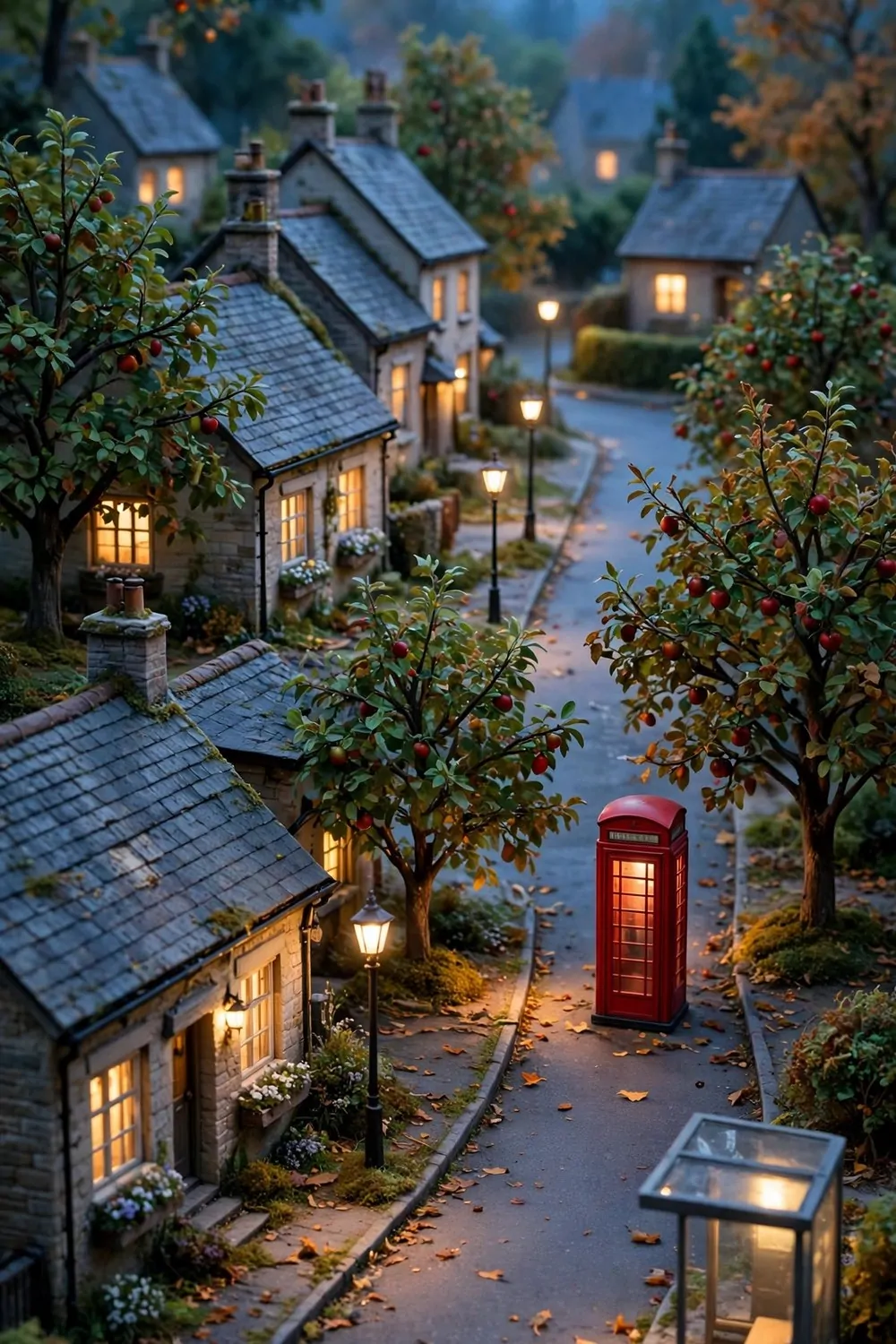
This neighborhood runs on quiet. It is the street where nothing happens, and that is the whole point.
The signature pieces are gloriously ordinary. A telephone booth on the corner. A bus stop shelter with a little bench. An apple tree dropping fruit in someone’s yard. It looks like the suburb you grew up in, minus the homework.
Wide lawns are the luxury here. Give each house real breathing room. Big stretches of grass with just a few items. The emptiness is not laziness. It is the design. Sleepy suburbs need space to be sleepy in.
The bus stop is the heart. Put it where the street bends. Add a tiny timetable custom design if you are feeling fancy. It tells a story: people here go places, slowly, on a bus that is probably late.
Apple trees, cherry trees, whatever fruit you love. Fruit trees in yards make the street feel productive and homey. Shake them in season. Leave the fruit for your villagers. It is the little things.
A telephone booth adds a pop of color and a lot of nostalgia. Red against green grass, glowing softly at night. It is a landmark. Give directions by it. Meet friends by it.
At night, this street is pure peace. Windows glow warm. The lampposts hum. Crickets do their thing. I have fallen asleep to stupider sounds. This one is actually lovely.
Daytime brings the bugs and butterflies. They drift across the big lawns like they own the place. They kind of do. Let them have it.
Keep decorations minimal and practical. A bike by a fence. A watering can by the flowers. Things people would actually own. The realism is what makes visitors smile and say, oh, this feels like home.
This is the neighborhood for players who find city builds stressful. No pressure. No theme to maintain. Just a quiet street where the grass is green and the bus is always five minutes away.
A Tropical Park-Side Suburb
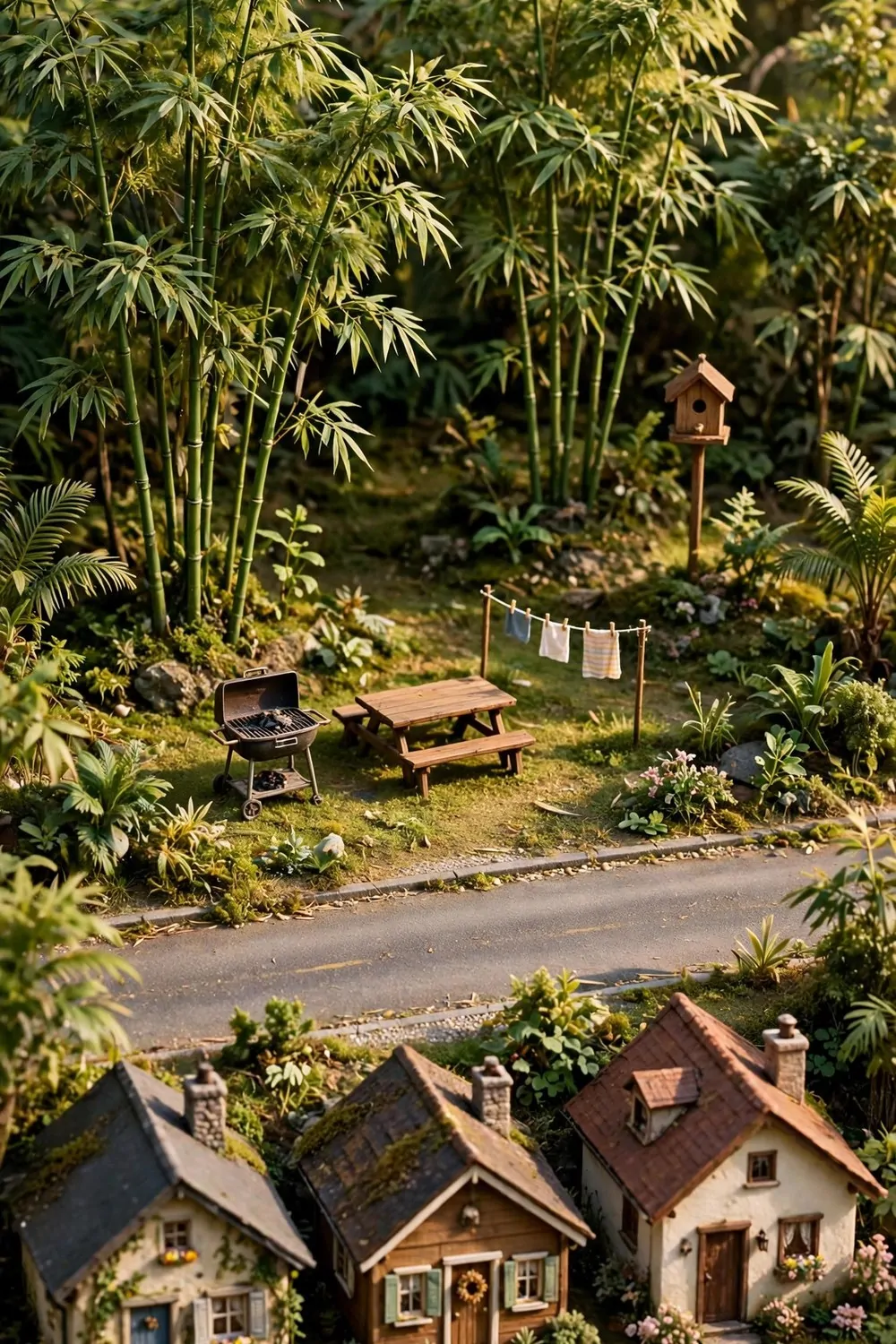
The houses face a park. The park has a barbecue. I rest my case.
This build embraces the island part of island life. Bamboo sways. The air feels warm even through the screen. Your villagers live across the street from the best cookout spot on the island, and honestly, they deserve it.
The park is the centerpiece, so build it first. A barbecue grill, a couple of picnic tables, some tiki torches for evening. It should look ready for a party at all times. Because in your head, there is always a party.
Bamboo trees set the vibe fast. Plant a grove at the park’s edge. They rustle. They are tall and dramatic. Nothing says tropical like bamboo, except maybe the ocean, which you also have.
A clothesline in one yard is the detail that makes it real. Sheets on a line, swaying in the breeze. It is such a small thing. It adds so much life. I will die on this hill.
Birdhouses on fences or posts add charm and attract the eye upward. The street feels layered: ground flowers, mid-level fences, birdhouses and bamboo up high. Layers make streets interesting.
Keep the houses simple and breezy. Light colors, open porches, lots of plants. Heavy dark furniture would feel wrong here. This street runs on sunlight and lemonade.
The barbecue area needs seating. Log benches are perfect. They look handmade and they fit the theme. Arrange them in a loose circle. Instant community gathering spot.
Flowers in hot colors work best. Hibiscus, red and orange cosmos, yellow mums. Cool pastels would look washed out next to all that green and sun. Go bold.
This is a summer-forever street. In winter it looks a little funny, but you know what? It also looks like a vacation. Some of us need that in February. No judgment.
The Autumn Teal Suburb
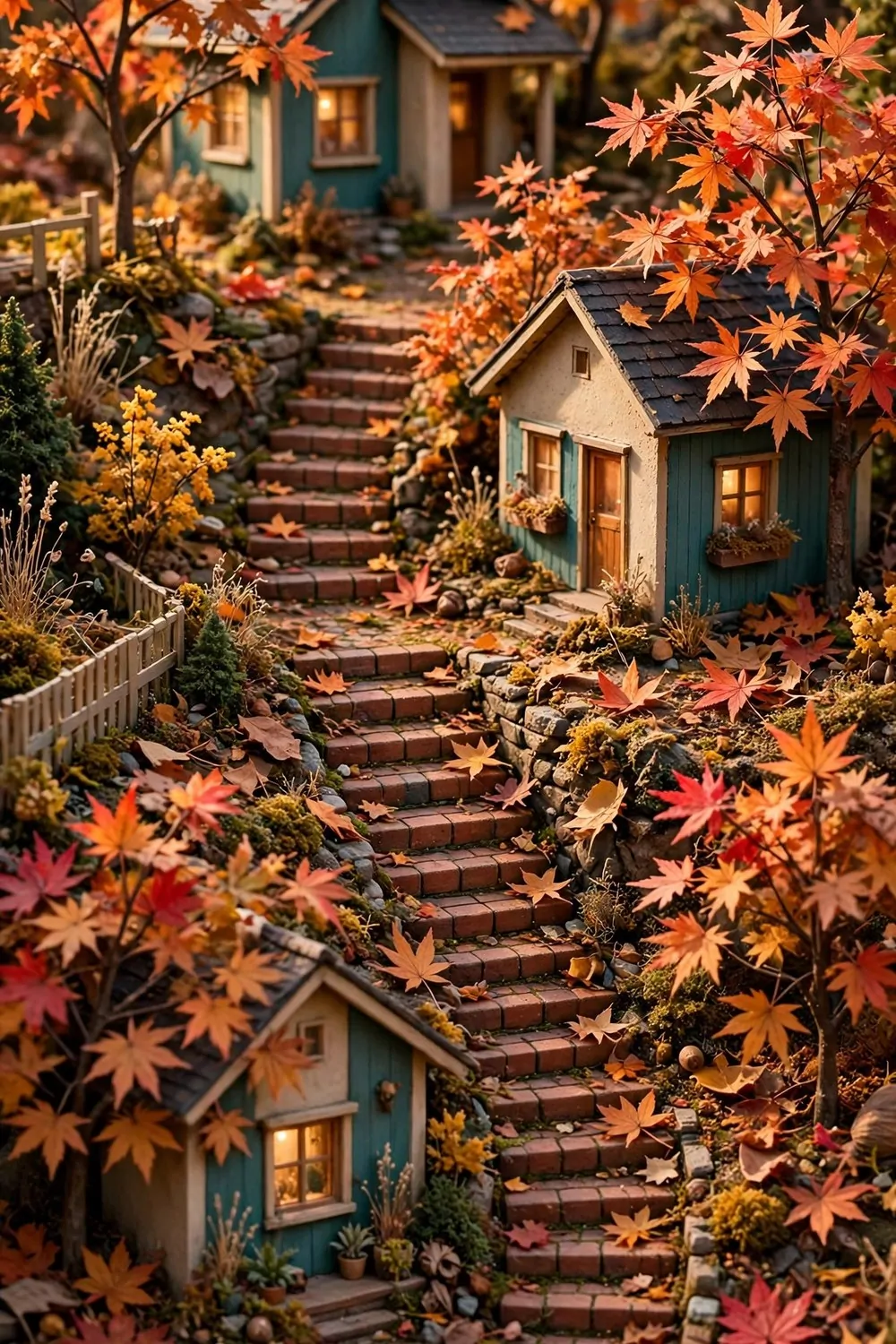
Muted beiges. Dusty teals. Trees on fire with autumn color. This street is a whole mood.
The palette does the work here. Warm beige walls, teal doors and trim, brick stairs and low walls. Against the orange and red trees, it looks like the cover of a cozy novel. I want to drink cider just looking at it.
Brick is the texture star. Brick stairs, brick paths, brick edging. It feels solid and old and loved. Stone would be too gray. Wood would be too rustic. Brick is exactly right for this color story.
Autumn trees are non-negotiable. You need the orange canopy. Plant hardwoods and let the season do its magic. In other seasons the street is still pretty, but in fall it is a masterpiece.
Keep the yards small and personal. A pumpkin patch by one house. A bench under the reddest tree. A stack of firewood by a door. Fall is a cozy season and the yards should feel like it.
Here are color combos that nail the look:
| House part | Best color | Why it works |
|---|---|---|
| Walls | Warm beige or cream | Glows against orange trees |
| Doors and trim | Dusty teal | Cool contrast to warm leaves |
| Paths and stairs | Brick red | Ties the whole street together |
| Flowers | Orange and yellow mums | Echo the tree colors |
Fallen leaves on the paths sell the season. Scatter a few custom leaf designs. It is a tiny effort for a huge payoff. The street should crunch under your feet, at least in your imagination.
This is a great space-saver layout. You do not need huge yards. The trees fill the visual space. A few personal items per house is plenty. Let the canopy do the talking.
Evening light here is golden and soft. The teal doors pop against the warm glow. If you are into island photography, this street will fill your camera roll. Fair warning.
It is a peaceful street. Not flashy. The kind of place where you would actually want to live out your island years. And honestly, is that not the whole point?
Zen Garden Yards With Personality
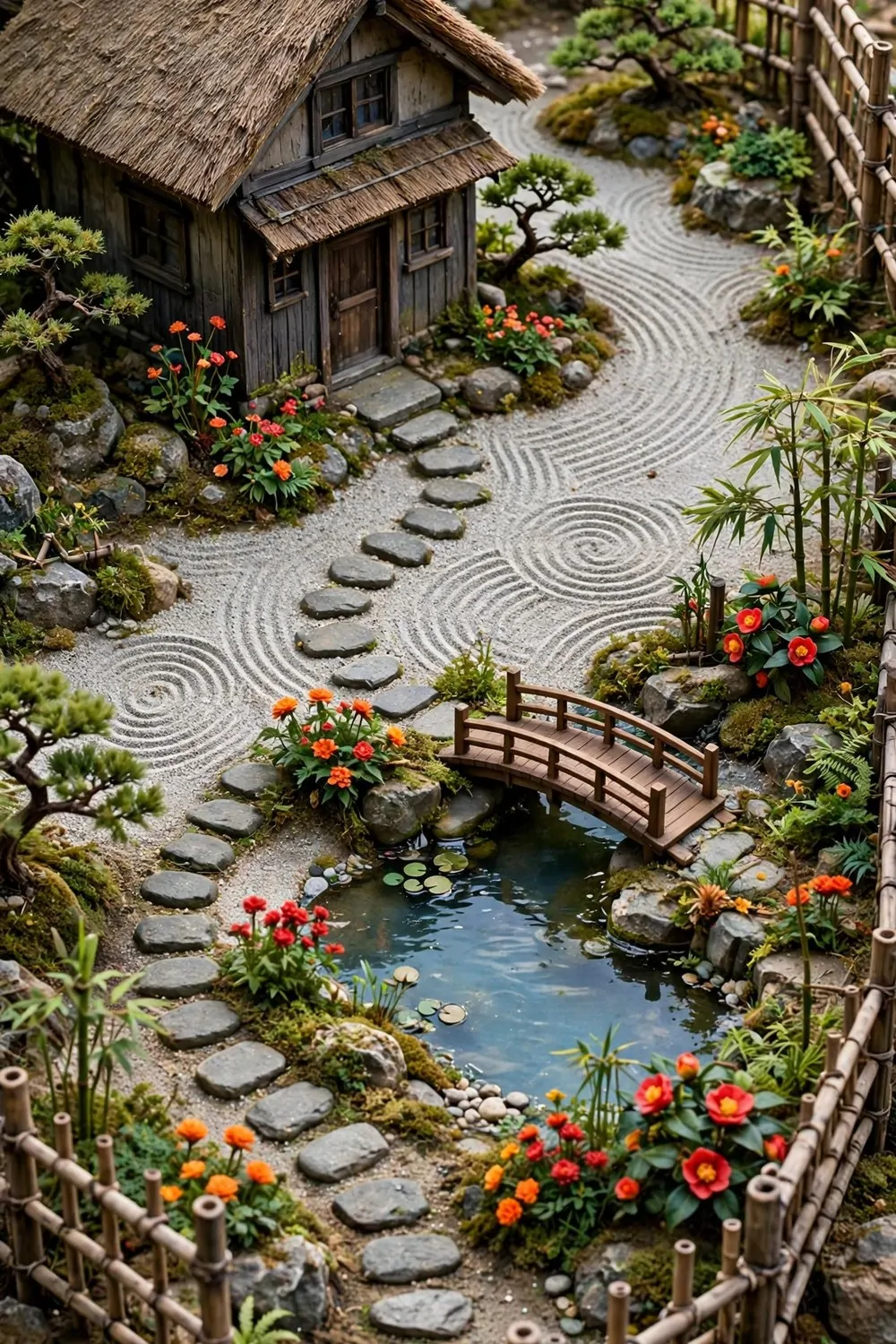
Give each villager a yard that matches their soul. The zen garden is the template. Personality is the twist.
The base is simple: raked gravel or sand, stone paths, a few carefully placed rocks. It is calm. It is clean. It is the opposite of a cluttered yard, and sometimes that is exactly what a street needs.
Then you personalize. A sporty villager gets red and orange flowers for energy. A snooty villager gets white lilies and an elegant stone lantern. A lazy villager gets a hammock hidden behind bamboo. The yard tells you who lives there.
Small ponds are the showpiece. A tiny pond with a stone bridge, some water plants, maybe a koi-colored custom design. Water brings the zen garden to life. Still water, calm mind, happy player.
Bamboo fencing frames each yard beautifully. It is light, natural, and very Japanese. It keeps the yards separate without building walls. Boundaries that breathe.
Raked gravel patterns take patience. Use a custom design with the rake lines. It is fiddly to place. The result looks like a real Kyoto garden in miniature. Worth every minute.
Do not overcrowd. Zen means space. Three perfect items beat thirty random ones. Every rock should earn its place. Every plant should have a reason.
This works as a full street of zen yards or as single accent yards in a mixed neighborhood. One zen yard on a busy street is like a deep breath. It calms the whole block down.
I love walking this kind of street slowly. No running. The gravel crunches. The pond ripples. It is the most relaxing five minutes in the game. Try it when real life is loud.
Rustic Country Yards Full of Charm
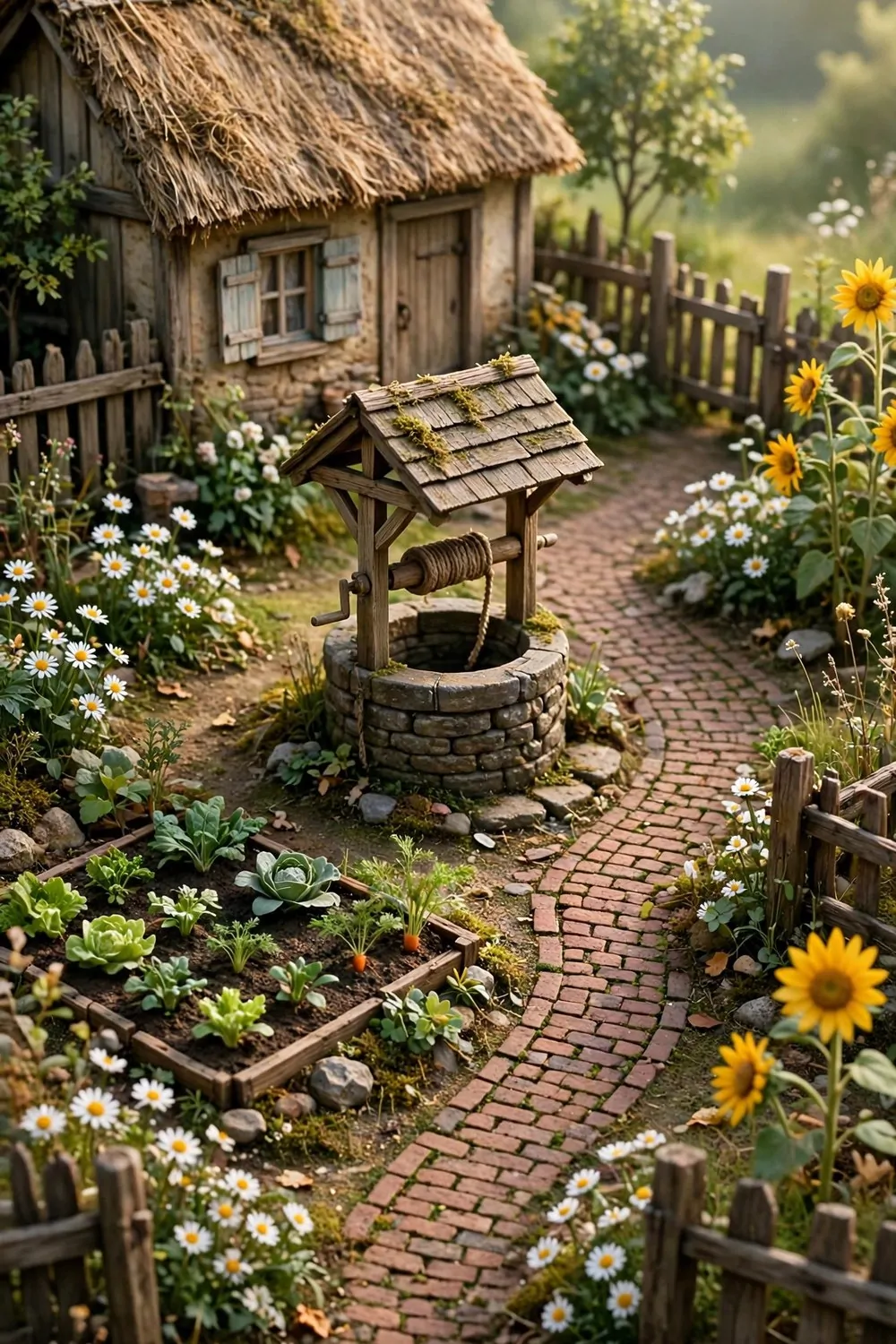
Country roads, take me home. This yard style is pure comfort.
The rustic country yard runs on brick paths, wooden fences, and well-loved items. A wishing well as the centerpiece. A vegetable patch in the corner. Daisies and sunflowers nodding in the breeze. It feels like grandma’s house, in the best way.
The wishing well is the anchor. Place it where the path splits. It is charming, it is classic, and every visitor will stop to look at it. Some will throw in a bell for luck. I do. Every time.
Brick pathways lead the eye. Lay them from the street to the door, then branch to the garden beds. Brick says country better than any other path. It is warm and handmade and a little uneven, like it has stories.
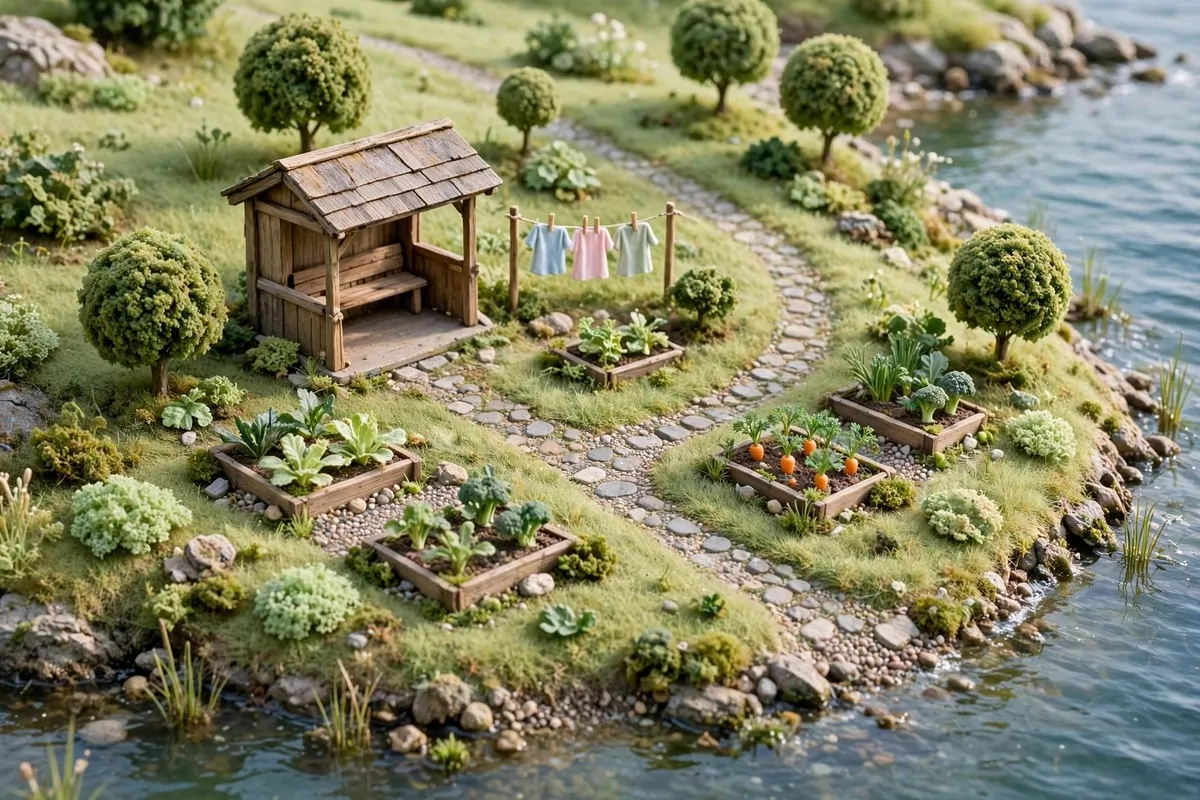
Vegetable gardens make it real. Tomatoes, pumpkins, carrots in neat rows. It looks productive. It looks like someone here cooks. A scarecrow in the corner is the perfect finishing touch.
Wooden fences should look a little weathered. Perfect fences feel suburban. Slightly rough fences feel country. If you have the weathered-look custom designs, this is their moment.
Flower choices matter. Daisies, sunflowers, cosmos in country colors. Skip the exotic hybrids here. A country yard grows what grows easily. That is the whole philosophy.
Add one cozy seating spot. A log bench under a tree. A rocking chair on the porch. Somewhere to sit with lemonade and watch the clouds. Country living is slow living.
This yard style is cheap to build. Most items are craftable or common. It is the best-looking budget option on this whole list. Proof that bells do not buy charm.
Mix and match across the street. Every yard can be rustic but different. One has the well, one has the garden, one has the orchard corner. Variety within a theme keeps the street interesting.
The Dreamland Bright Mini-Islands
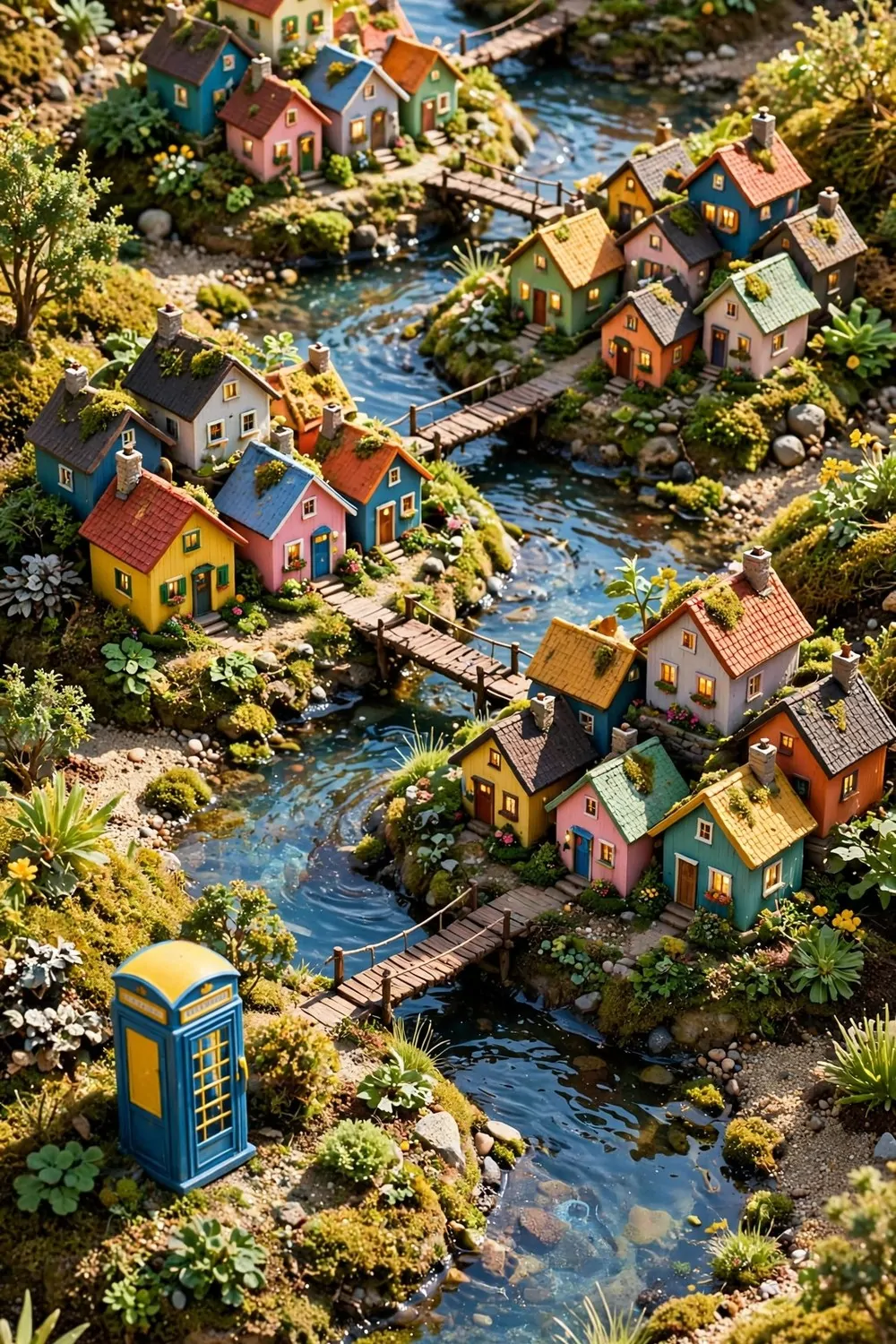
Turn the saturation up. This neighborhood is pure joy in build form.
Bright houses pack close together on mini-islands, split by thin streams with tiny bridges. Every color is welcome. Blue next to yellow next to pink. It looks like a box of crayons melted into a village, and I am obsessed.
Small space is the superpower here. Short on room? This layout thrives in tight quarters. The streams break up the density so it never feels cramped. It feels clever instead.
Color matching the items is key. With so little room per island, every item shows. That blue and yellow telephone booth has to earn its spot. Pick items that match the house colors exactly. Cohesion in chaos.
The thin streams are the streets. They wind between the mini-islands like little canals. Tiny bridges hop across them. It is Venice for people who love rainbows.
Keep the islands small on purpose. A house, a flower bed, one cute item. That is a full island. The constraint forces creativity, and the results are adorable.
Bridges become jewelry. With so many in a small area, vary the styles. Each bridge is a photo. Each crossing is a tiny adventure. Your daily walk becomes a tour.
This neighborhood is loud in the best way. It is not for minimalists. It is for players whose islands look like candy stores. If your wardrobe is all bright colors, your street should match your soul.
Kids love this layout. Okay, everyone loves this layout. But there is something extra delightful about watching a young player run the bridges, hopping island to island. Pure happiness.
Night does not dim it. The bright colors glow under the lampposts. It looks like a festival that never ends. If your island needs energy, this street is a double espresso.
City Grid Apartment Rows
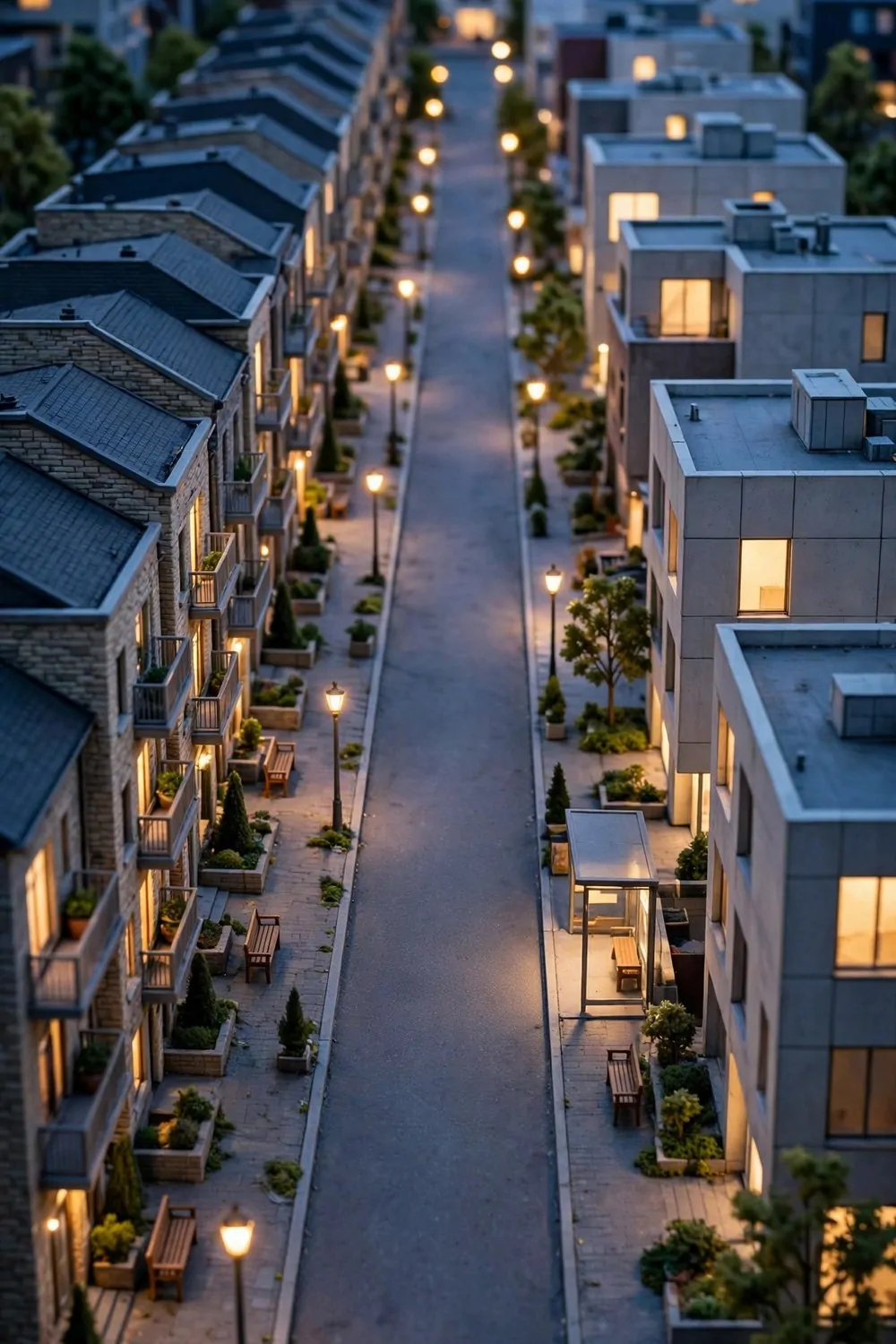
Big city dreams on a small island. The grid makes it possible.
This layout divides the residential area into neat blocks with straight roads. The houses line up in apartment-style rows, close together, all facing the street. It is organized. It is efficient. It is weirdly satisfying.
Straight roads are the foundation. Lay them first, in a proper grid. Wide enough for two villagers to pass. Paved, not dirt. This is the city. The city has sidewalks.
Streetlights at regular intervals are mandatory. They are the rhythm of the street. Even spacing, same style, all the way down. At night the row of glowing lamps looks incredible.
Benches and planters break up the concrete. A bench every few houses. A planter with a single shrub. Small green moments in the gray. Cities need them, and so does your grid.
The houses sit close. That is the point. Urban living means neighbors. Leave just enough room for a tiny stoop garden or a window box. Density is the aesthetic here.
A corner store completes the block. Nook’s Cranny or a market stall setup at the end of the row. Cities have corner stores. It makes the neighborhood feel complete and lived in.
Keep the color palette urban. Grays, whites, navy doors, brick accents. Save the pastels for the suburbs. The city has its own cool, and it is a little bit sleek.
This layout saves the most space of any on this list. If your island is packed with projects, the grid fits ten houses into the smallest footprint. Practical and pretty is a rare combo.
It is not cozy in the traditional sense. But there is a different kind of comfort in a well-run street. Everything in its place. Lights on time. Neighbors close. Some players find that the coziest thing of all.
A Venice-Style Canal Neighborhood
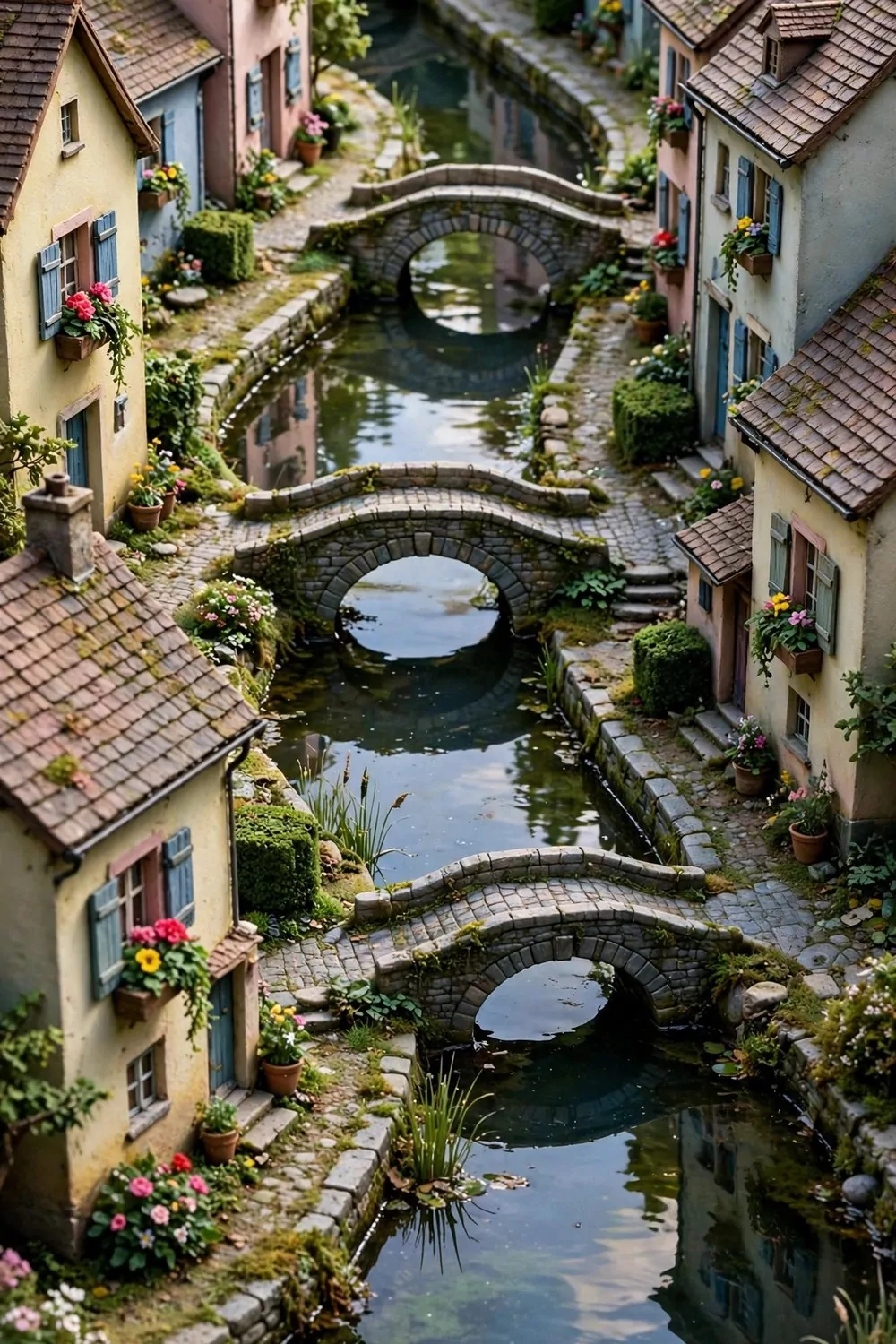
Mini-Amsterdam. Mini-Venice. Maximum charm. Pick your favorite, the vibe is the same.
A winding canal replaces the street. Houses line both banks. Arched bridges hop across every few homes. Flower boxes spill color from every window. It is the most romantic neighborhood on this list, and it is not close.
The canal should curve. Straight canals look like drainage ditches. A lazy S-bend with the water catching the light looks like a painting. Take the extra time with the waterscaping. It matters here more than anywhere.
Bridges are the stars. Arched stone bridges look classic. Red zen bridges look dramatic. Mix them along the canal for variety, or match them for elegance. Either way, they will be in every screenshot.
Flower boxes on windows are the detail that sells it. Every house gets one. Red geraniums, pink cosmos, whatever you love. The canal reflects the colors. It doubles the beauty for free.
Leave space between the houses for tiny canal-side gardens. A bench facing the water. A lantern on the bank. These in-between spots are where the neighborhood breathes.
Evening is magic hour. The water goes gold, the bridges glow, the windows light up. I have no notes. Just be there at sunset with your camera. You will see.
This works best as a statement piece, not the whole island. One canal street among other neighborhoods gives your island range. It becomes the place visitors ask about.
Keep the banks tidy. Canals look best with clean edges. Trim the weeds, edge the paths, keep the flowers groomed. A messy canal looks swampy. A tidy canal looks like Europe.
Gondola not included. But a little rowboat decoration on the bank? That I can get behind. It is the wink that makes the theme fun instead of serious.
The Grand Tiered Entrance Neighborhood
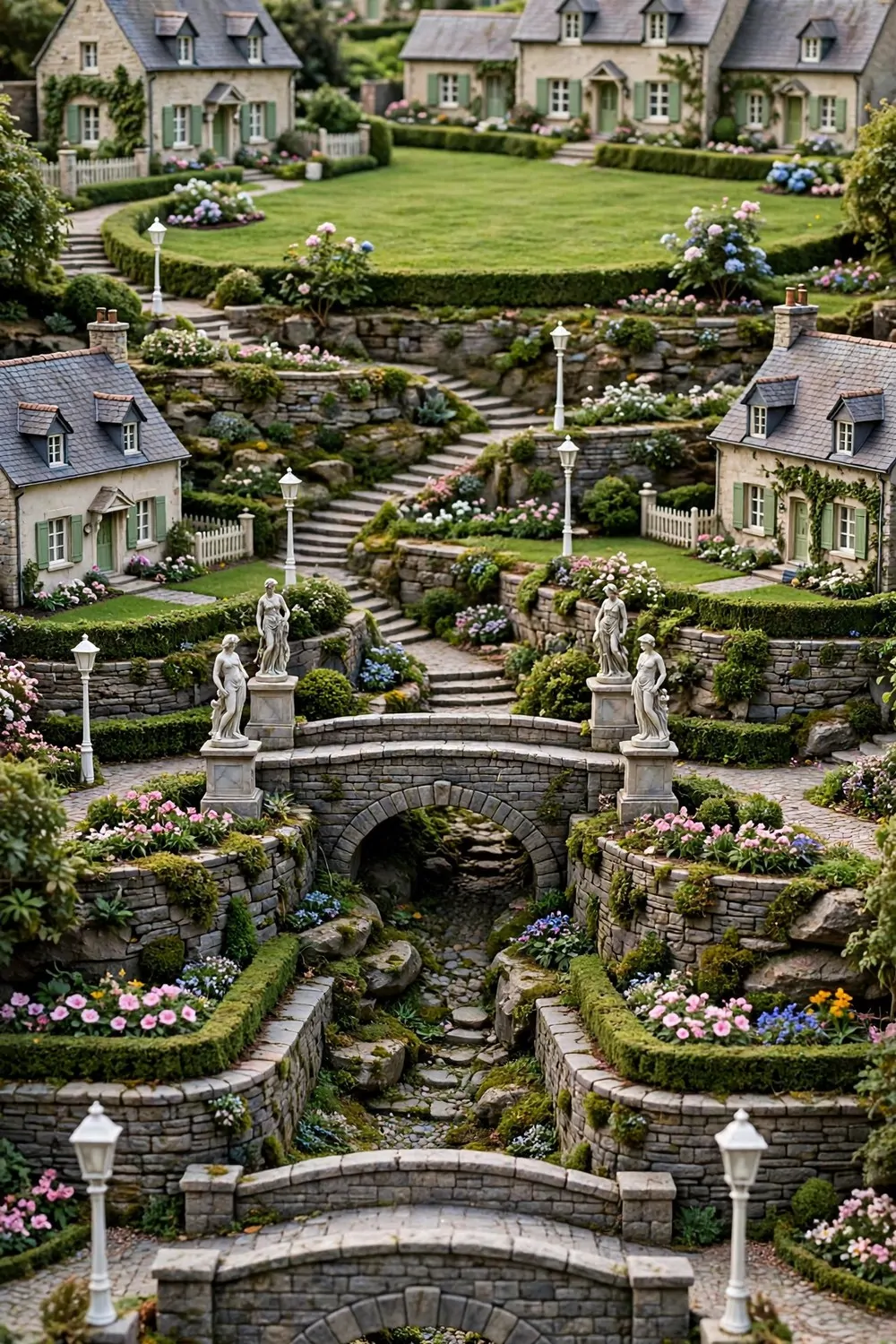
Make an entrance. This neighborhood starts before you even reach the houses.
The grand tiered layout gives every villager a real lawn, spread across gentle terraces. Stone bridges cross decorative streams. White street lamps line the approach. Statues and flower beds make it feel classy but still warm. It is the neighborhood that says, we have arrived.
Start at the gate. A proper entrance with fencing, lamps, and a sign or statue sets the tone. Visitors should feel the shift. This is not just houses. This is the nice part of town.
Terraces add the grandeur. Two or three gentle levels, each with its own row of lawns. Climbing up through the neighborhood feels like an event. The views from the top tier are the reward.
Lawns for everyone is the luxury. Big green rectangles with flower borders. Space for a bench, a fountain, a garden gnome if you are feeling silly. Room to breathe is the whole point of this layout.
White street lamps are the signature. They look elegant by day and dreamy by night. Line the main path with them. Symmetry matters here. This is a neighborhood that likes things even.
Statues add the fancy. Place them at path corners and terrace edges. They make the street feel established, like it has history. A little pretentious? Maybe. But in the most fun way.
This needs space. More than any other layout here. Do not squeeze it. If your island is tight, save this idea for later. Grandeur cannot be rushed or cramped.
The payoff is the approach. Walking up through the terraces, lamps glowing, lawns spread out below, houses waiting at the top. It feels like coming home to somewhere important.
Your villagers deserve it. They water your flowers. They send you letters. They wear the ugly sweaters you gift them without complaint. Give them the grand neighborhood. They earned it.