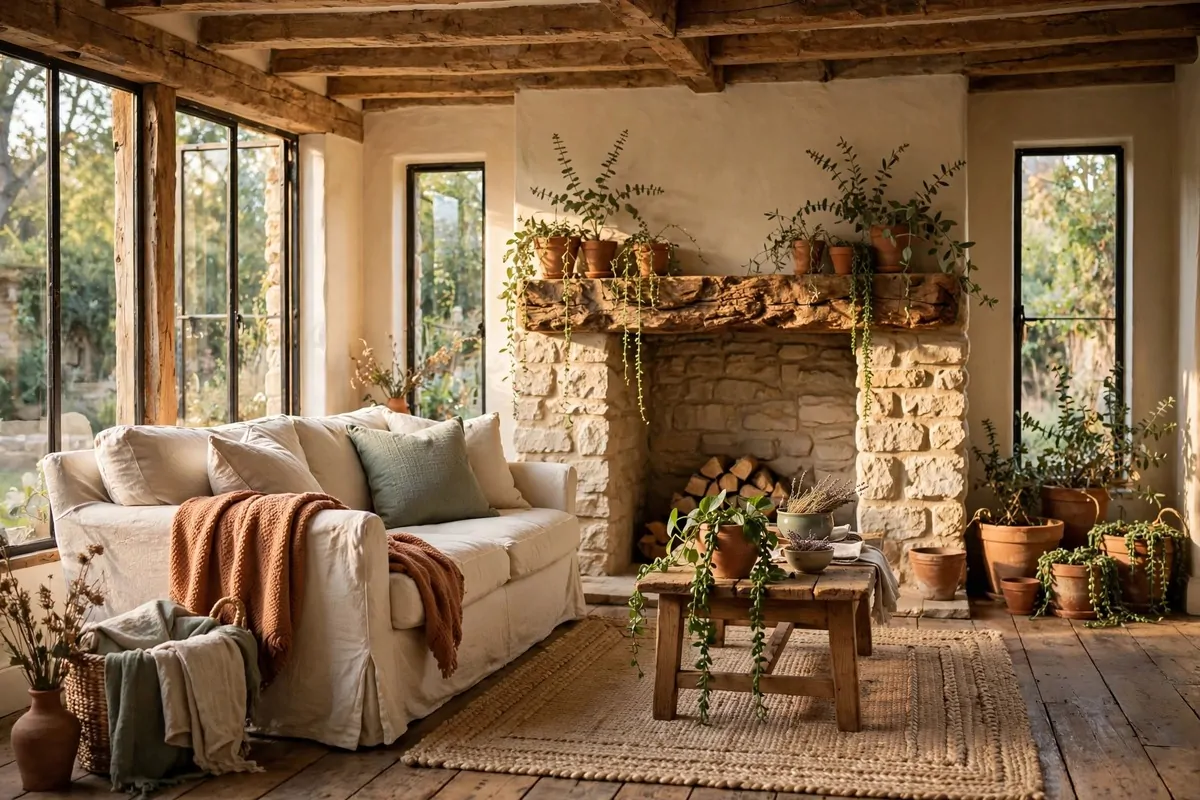
18 Small Guest Bedroom Office Ideas That Welcome Guests and Work

Your guest room is a storage unit with a bed in it.
Think about it. When did a guest last sleep in yours? For most of us the answer is a few nights a year. The other 350 days that room holds boxes, drying laundry, and good intentions. All that space, doing almost nothing.
Now flip it. What if that room worked for you every single day and still rolled out the welcome mat when guests came? A desk in the corner. A bed that folds or doubles up. Storage that hides your work in minutes. That is what these 18 Small Guest Bedroom Office Ideas are about.
I turned my own guest room into my office two years ago. My mother still visits. She still gets a real bed, clean towels, and a lamp to read by. But Monday through Friday that room earns its keep. It is the hardest working room in my house.
The trick is designing for both jobs from the start. Not an office with a bed squeezed in. Not a guest room with a laptop on the nightstand. A real combo where each job respects the other. Let us build it.
1. Fold the Bed Up and Let the Room Work
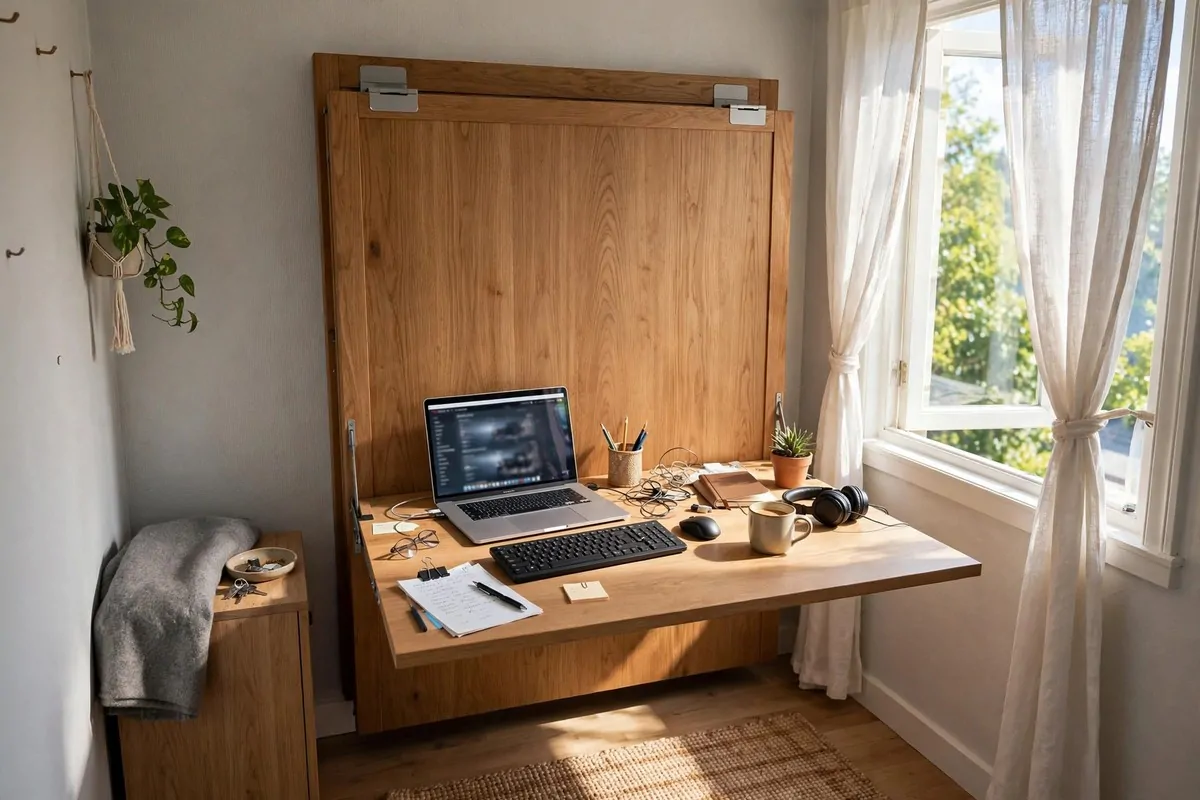
The Murphy bed is the king of small guest bedroom office ideas. Folded up by day, the room is a full office. Folded down by night, it is a real bedroom with a real mattress. No compromises on either side.
The combo units with a desk on the bed face are the smartest version. The desk pivots and stays level as the bed comes down. You never clear your desk. Your papers stay where they are. In the morning you fold the bed up and work continues exactly where it stopped.
Yes, they cost more than a regular bed. But add up what they replace. A bed plus a desk plus the floor space of both. In a small room that floor space is worth more than the price difference.
Measure your ceiling before you fall in love. A queen Murphy bed needs about seven feet of wall height. Low ceilings or a ceiling fan in the way can kill the plan. A twin or full size needs less room and suits most guest rooms fine.
Mounting is not a DIY guess. These units are heavy and they bolt into wall studs. A pro installer takes a couple of hours. I paid for installation and slept well, literally and figuratively.
When the bed is folded up, style the cabinet like furniture. Flank it with bookshelves. Put art above it. Guests arriving at night see a handsome wall unit, not a transformer waiting to unfold.
Practice the fold before anyone visits. The first time feels clumsy. By the fifth time it is smooth. Your guests should see confidence, not a wrestling match with furniture.
2. Let a Daybed Play Sofa by Day
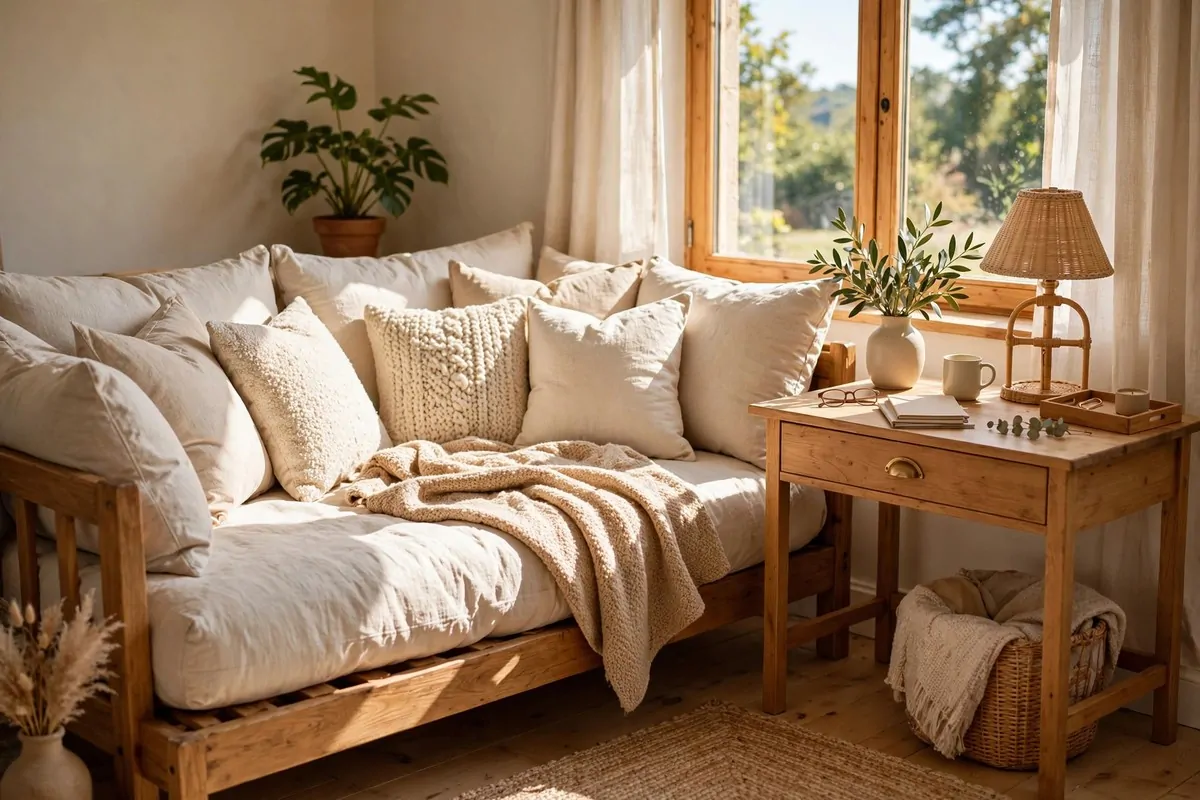
A daybed is the friendliest bed for a combo room. Pushed against the wall and piled with cushions, it looks like a sofa all day. At night it is a proper bed. Guests never feel like second class citizens.
The mattress is what makes or breaks this. A real twin mattress, six inches or more. Not a futon pad. Not a sofa cushion pretending. Your guest’s back will know the difference by morning, and they will remember it.
Dress it like a couch, not a bed. Big square pillows along the back. A throw folded over one arm. During your workday it becomes your reading spot, your call spot, your lunch spot. A daybed that works daily earns its floor space.
Size it right for the room. A twin daybed is about 39 by 75 inches. Leave at least two feet of walkway on the open side. If the room is very tight, a daybed with a trundle underneath gives you a second sleep spot without a second footprint.
Storage underneath is a bonus. Flat bins slide under most daybeds. Guest sheets in one. Your office overflow in another. Out of sight, out of mind, but right there when you need it.
I keep a small side table at the daybed’s end. It holds a lamp and a coaster. By day it is my tea spot. By night it is the guest’s nightstand. One table, two jobs, zero extra furniture.
The only rule is the afternoon nap trap. A daybed this comfortable will call your name at 2 pm. If you are weak like me, face your desk away from it.
3. Pick a Sleeper Sofa With Storage Drawers
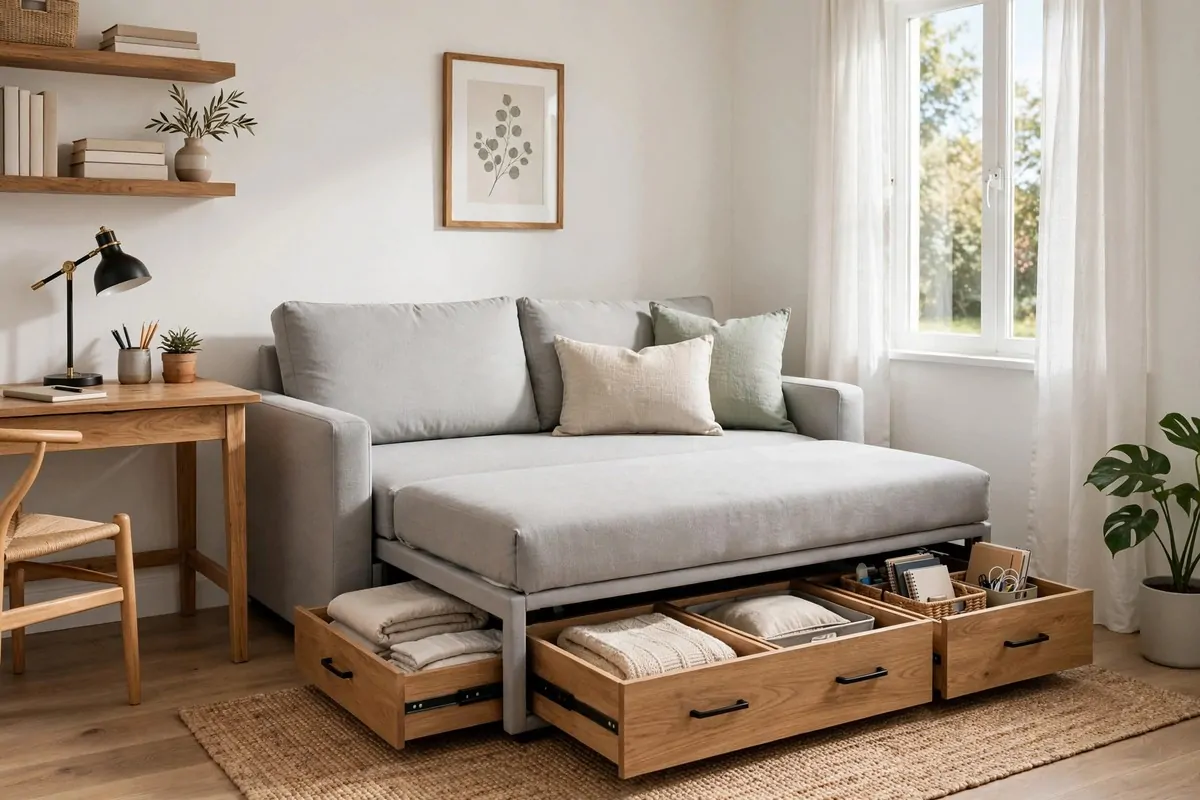
A sleeper sofa does three jobs. Sofa by day. Bed by night. Storage underneath, always. In a small guest bedroom office, triple duty furniture is not a luxury. It is survival.
The pull-out mechanism matters more than the looks. Cheap sleeper sofas have a bar that hits your back at 3 am. Test it in the store. Lie on it for ten minutes. If you feel metal, keep shopping. Your guests deserve better, and so does your reputation as a host.
The storage drawers are the secret feature. Bedding lives in the sofa. Sheets, a spare blanket, a guest pillow. When visitors come, everything they need is already in the room. No digging through the hall closet at 10 pm.
During the workday the closed sofa looks like a normal couch. Put it opposite the desk or against the free wall. It softens the office. A room with a sofa feels like a home. A room with only a desk feels like a cubicle.
Size check before buying. A sleeper sofa needs clear floor in front to pull out. Measure the open length, usually 80 inches or more. Move your desk if you have to. The bed only needs that space at night.
Keep the bedding simple. One set of sheets, one duvet, two pillows. Store them in the drawers always. When guests text that they are coming, you are already ready. That feeling is worth a lot.
A sleeper sofa also gives you a thinking seat. Long calls, big planning sessions, reading the long report. Sometimes the desk chair is not the right seat. The sofa is.
4. Hang a Desk That Disappears
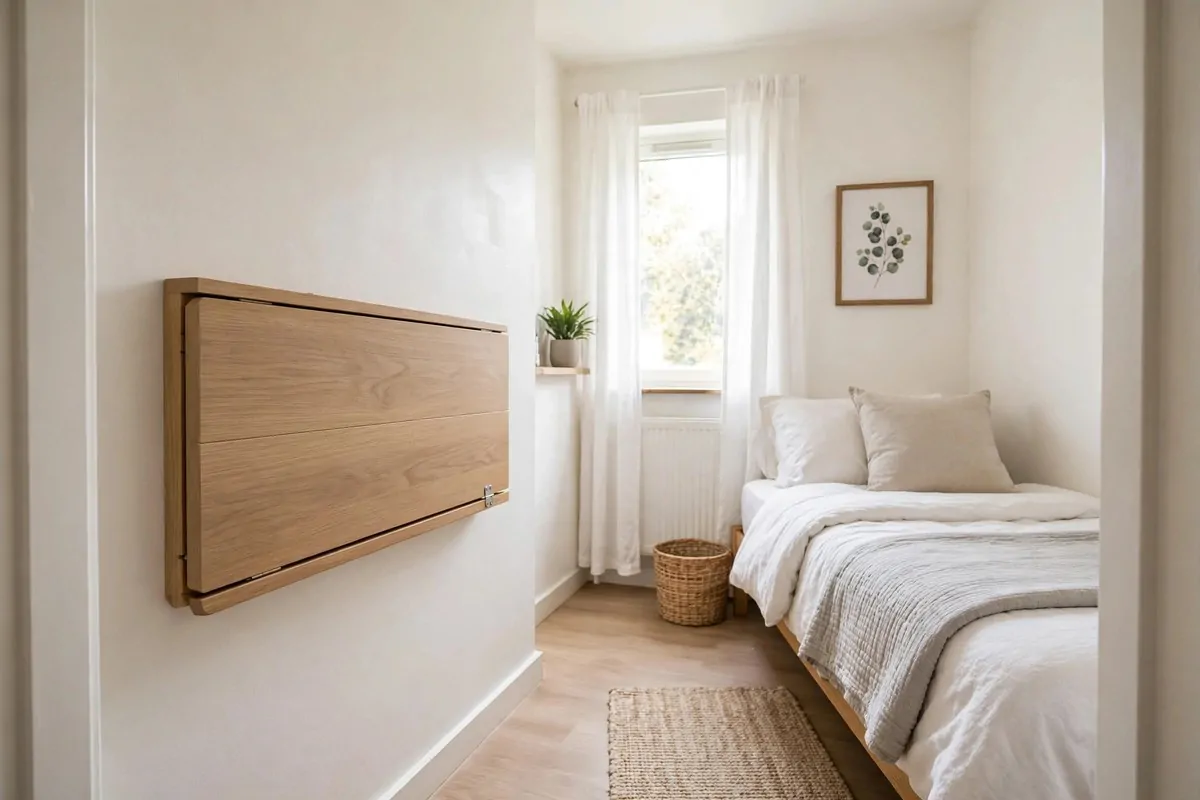
When guests arrive, your office should vanish. A wall-mounted drop-leaf desk makes that happen in seconds. Fold it down to work. Fold it up when the room becomes a bedroom.
I used one of these for a full year in a room barely bigger than a parking space. Every evening I folded the desk up and the room breathed again. It was my favorite five seconds of the workday.
Mount it at proper desk height, about 29 to 30 inches from the floor. Sit in your chair and mark where your hands fall naturally. Too high and your shoulders ache by lunch. Getting the height right is the whole game with these desks.
Pick one with a small raised lip at the back edge. It stops pens rolling off and gives the desk a finished look. Without the lip it feels like a shelf. With it, it feels like furniture.
The wall space above the folded desk stays useful. Hang a small shelf or a pinboard there. When the desk is down, supplies sit right above your work. When it is up, the shelf looks like normal wall decor.
Keep a folding chair that tucks away too. A chair that folds flat and hangs on a hook, or slides under the bed. A desk that disappears but a chair that stays is only half a trick.
Clear the desk before you fold it. Make it a habit. Five minutes at day’s end. Papers in the tray, laptop in its sleeve. A fold-up desk buried in clutter is a desk you will stop folding, and then it is just a small desk.
5. Hang a Curtain Down the Middle
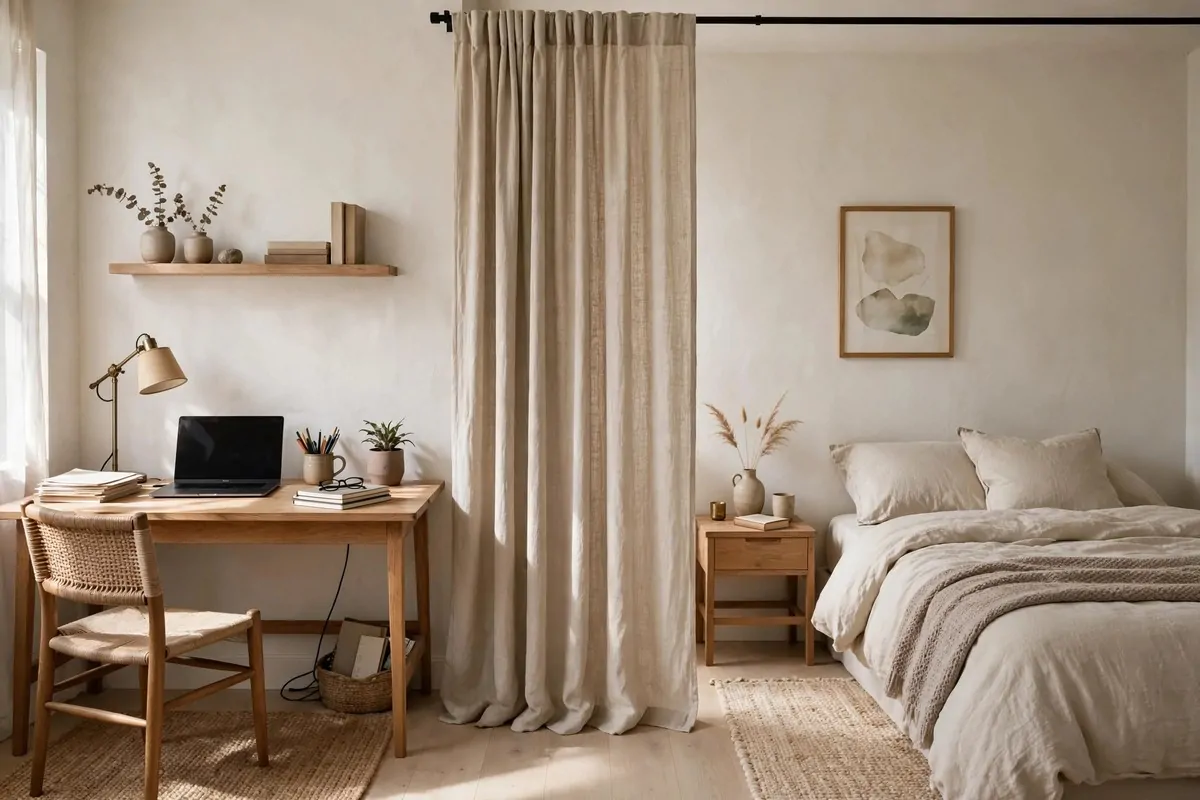
A curtain is the cheapest room divider ever invented. A ceiling track, a length of fabric, and your small room has two zones. Work on one side. Sleep on the other.
Guests love this more than you would expect. A curtain gives them visual privacy. They can read in bed without your monitor glowing at them. They can get dressed without a show. In a small room, a curtain is kindness.
Use a ceiling-mounted track, not a tension rod. A track sits flush and the curtain glides smooth. Tension rods sag and fall at the worst moments. Ask anyone who has woken to a curtain rod on their face.
Pick a heavy fabric. Linen or a lined cotton. Sheer curtains look pretty but they do not divide anything. You want something with weight that hangs straight and blocks the sightline properly.
Keep it open during the workday. Tie it back with a simple tieback. The room feels big and the light flows. Close it when guests arrive or when you need to hide the bed on a video call. Two seconds, total transformation.
The curtain also hides mess. Bed unmade? Close the curtain. Laundry on the daybed? Close the curtain. It is the fastest tidy-up in home history.
Wash the curtain twice a year. Fabric in a small room collects dust. A fresh curtain makes the whole room feel new. While it is down, the track gets a wipe too.
One warning. Curtains do not block sound. Your guest will hear your keyboard. You will hear their snoring. For one or two nights, everyone survives. For longer stays, add a white noise machine. It helps more than you think.
6. Divide the Room With a Shelf
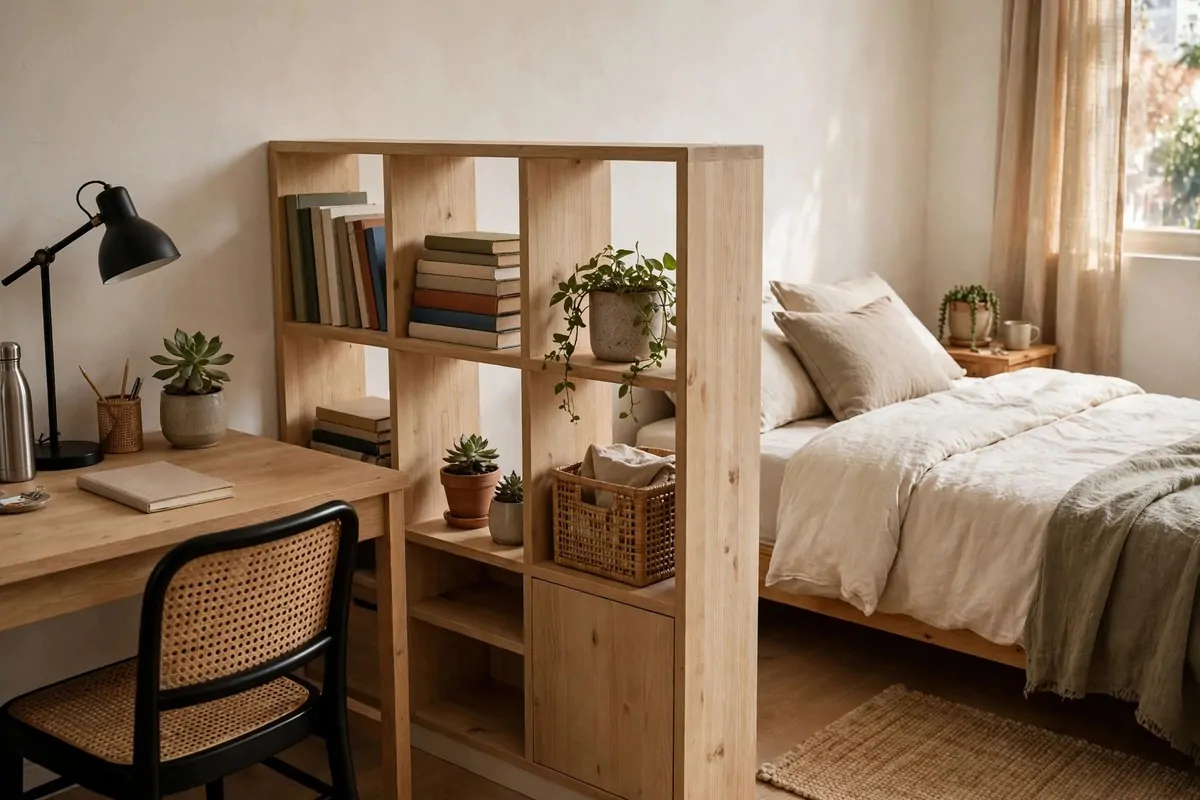
A low open shelf between the desk and the bed does the curtain’s job with storage built in. It divides the room and holds your stuff at the same time.
Place it perpendicular to the wall, splitting the room into a work half and a sleep half. Waist height is the sweet spot. Tall enough to divide, low enough to let light and air flow over it.
Style each side for its audience. The desk side holds office supplies, binders, and a small plant. The bed side holds books, a carafe of water, and a little clock. One shelf, two personalities.
This trick is gold for video calls. Your camera sees a styled shelf with books. It does not see the bed three feet behind it. You look like you work in a library. Nobody needs the full story.
Cube shelves work best because they look finished from both sides. A regular bookcase has an ugly back. Cubes are neat all around. Anchor it to the wall or the floor. A freestanding shelf mid-room must not tip.
Keep the top clear or nearly clear. A shelf top becomes a dumping ground fast. One plant, one small tray for keys. That is it. The moment papers land there, the divider looks like clutter.
Guests get a nightstand out of this. The bed side of the shelf is within arm’s reach of the pillow. Their book, their phone, their water. All right there. Thoughtful hosting without buying a single extra table.
I change the bed side styling when guests come. A little vase with a flower. A folded towel. It takes two minutes and it says welcome louder than words.
7. Take Your Storage to the Ceiling
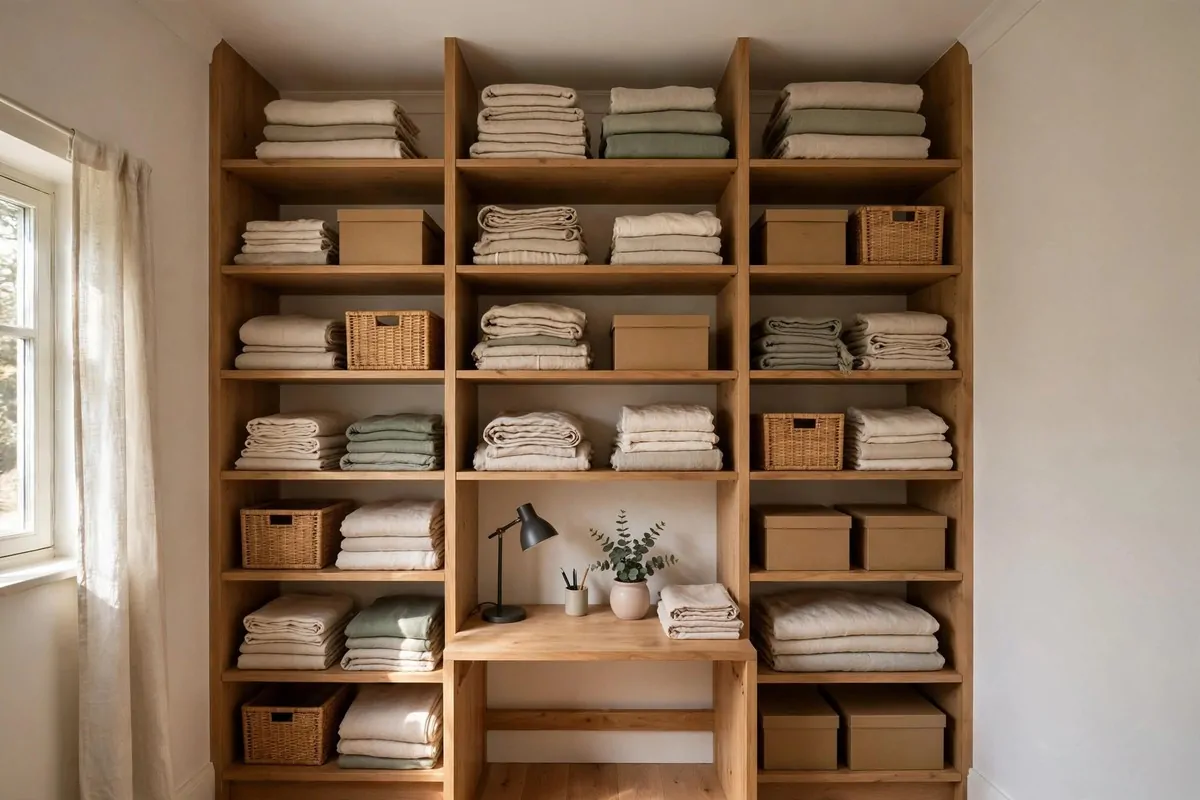
In a small combo room, the floor is full. The walls are not. Go up.
Tall shelving above and beside the desk holds everything without eating floor space. Office supplies at desk level. Guest linens up high. Decorative boxes in between. One wall becomes the room’s entire storage system.
I keep guest towels and sheets on the top shelf in a labeled box. When visitors come, I pull the box down and the bed is made in minutes. The rest of the year that box sits quietly out of the way. No hall closet digging.
Use closed boxes for the ugly stuff. Matching boxes, same color. Open shelves with random clutter look messy from the bed. Matching boxes look calm. Your guest falls asleep looking at tidy shelves, not at your tax folders.
Keep a small step stool nearby. A folding one that hangs on the closet door. Top shelves are useless if you cannot reach them safely. Climbing on the desk chair is how accidents happen.
Anchor tall shelves to the wall. Every single one. A small room means furniture gets bumped. A bumped shelf full of books is dangerous. Two brackets into a stud takes ten minutes and lasts forever.
Leave the lowest shelf for guests. A clear spot where they can put their own things. A book, a phone charger, a water bottle. A guest with nowhere to put their stuff feels like they are in the way. One empty shelf says you expected them.
Lighting on the shelves is a nice touch. A strip of warm LED under one shelf lights the desk without a lamp taking up space. It also makes the shelves look expensive. Little lights, big effect.
8. Roll Your Office Around
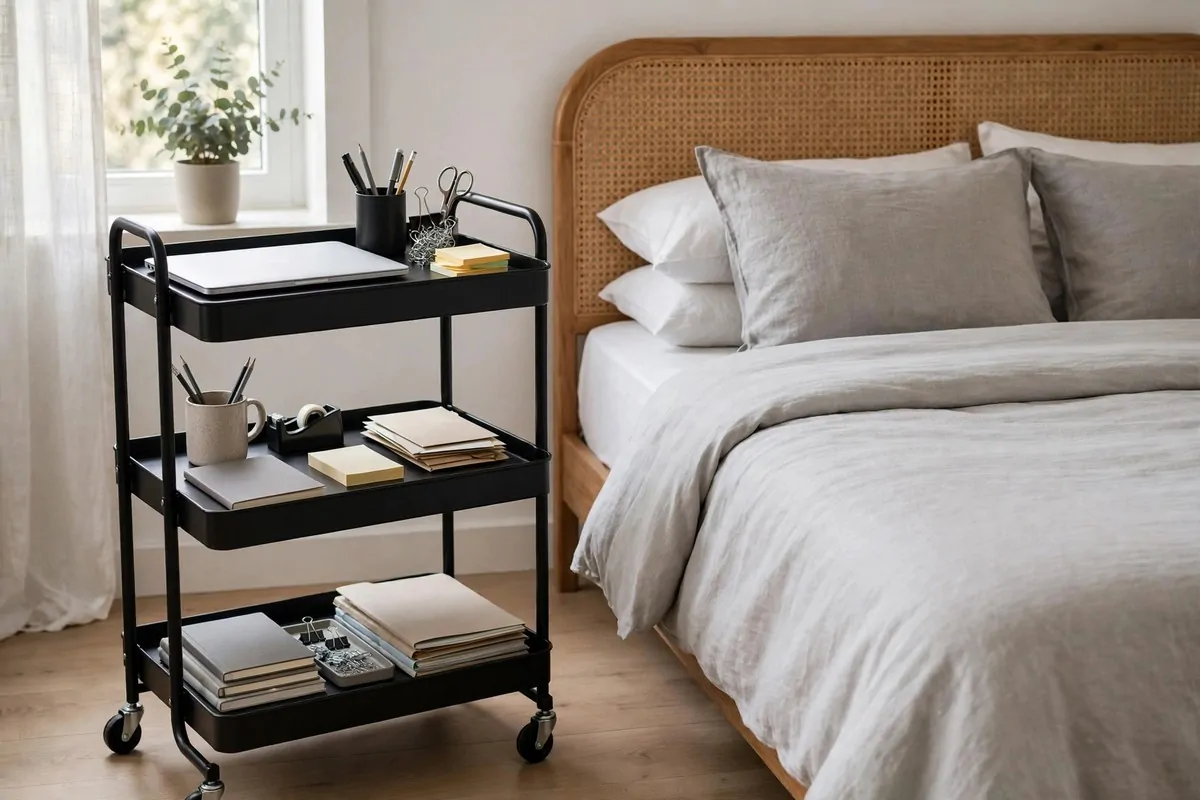
A rolling cart is a portable office. Notebooks on top. Supplies in the middle. Chargers and extras below. When guests arrive, you roll the whole thing into the closet and the office is gone.
This is the fastest room change in this entire list. Ten seconds. No boxes to pack. No desk to clear. Just roll and close the door. Your guest walks into a clean bedroom, not your workplace.
The three-tier metal carts are the classic for a reason. They are cheap, strong, and narrow enough to fit anywhere. Mine has lived beside my desk, in my closet, and next to the guest bed. It goes where it is needed.
Give each tier a job so it stays organized. Top tier is the daily work kit. Middle tier is supplies. Bottom tier is the backup stuff. When the top tier overflows, it is time to file, not time for a bigger cart.
Roll it to the window for writing sessions. Roll it to the daybed for planning. A fixed desk pins you down. A cart lets the work follow the light and the mood. Small rooms feel bigger when things move.
For guests, the cart becomes a nightstand. Roll it beside the bed with towels on top and a little note. Everything they need is within reach. You bought one cart and got an office plus guest service.
Lock the wheels when it is parked. Most carts have two locking casters. A cart that drifts across the room at night is funny once. Then it is annoying. Lock it.
I label nothing on my cart. The tiers are visual. I can see everything at a glance. If you share the room, labels help. Otherwise trust your eyes.
9. Sleep on Top of Your Storage
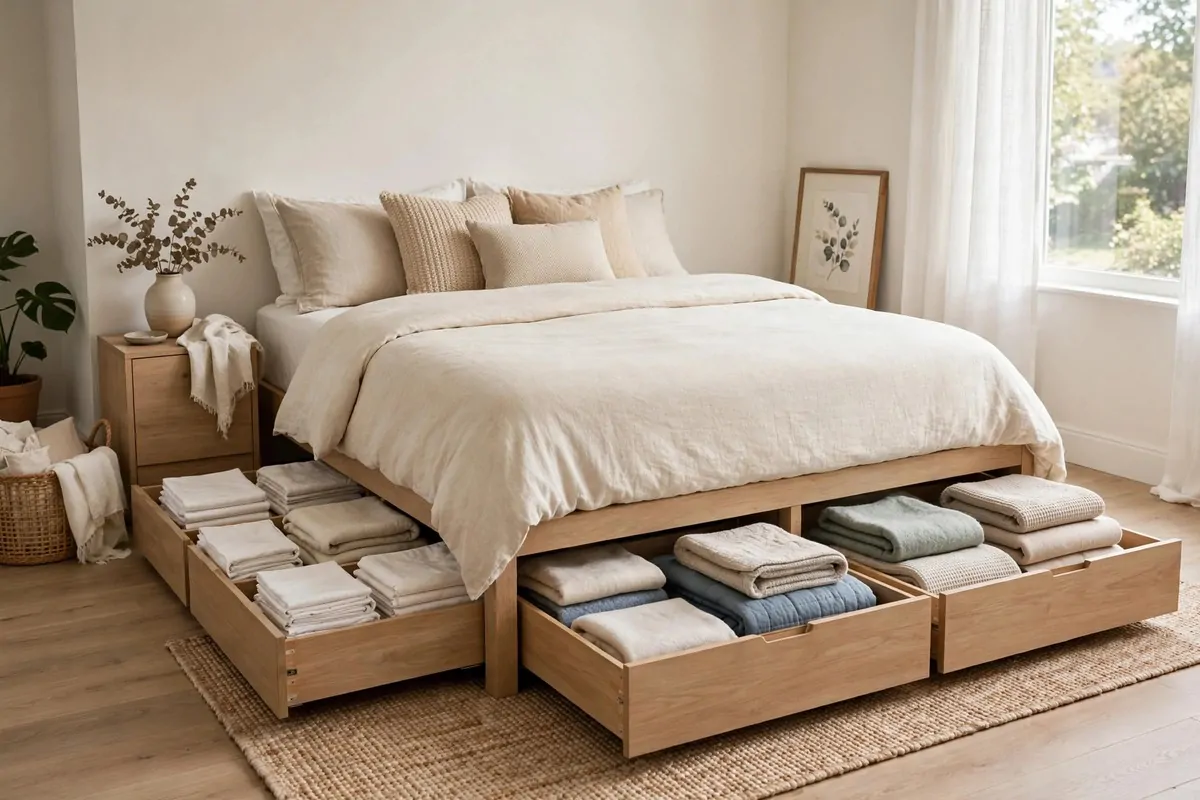
A storage bed hides an entire dresser under the mattress. Drawers pull out from the base. Guest bedding lives in the bed itself. In a small room this is like finding free square footage.
Put the guest linens in the bed drawers. Sheets, duvet cover, spare blanket. When visitors come, the bed makes itself from its own insides. It feels a little bit like magic the first time.
The other drawers hold your office overflow. Paper stock. The scanner you use monthly. Files you need but not daily. Closed drawers keep it all invisible. The room looks like a calm bedroom, not a supply room.
Drawer quality matters. Cheap drawers stick and wobble. Look for drawers on real glides that pull smooth with one hand. You will open these drawers half asleep when making the bed for guests. They should work easy.
Keep one drawer empty for guests. They arrive with chargers, books, and the random things people carry. An empty drawer gives them a place to unpack a little. Living out of a suitcase for three nights is tiring. A drawer says stay awhile.
The bed base should match the room’s calm palette. White, light wood, or soft gray. A big dark block of a bed base makes a small room feel heavy. Light colors keep it floating.
Vacuum under and around the drawers seasonally. Dust loves hiding spots. A quick clean keeps the drawers gliding and the room fresh. Guests notice clean. They always notice.
A storage bed plus a fold-away desk is the ultimate tiny room combo. Sleep on storage. Work on a wall. The floor stays open for living. That is a small room doing three jobs.
10. Face the Window While You Work
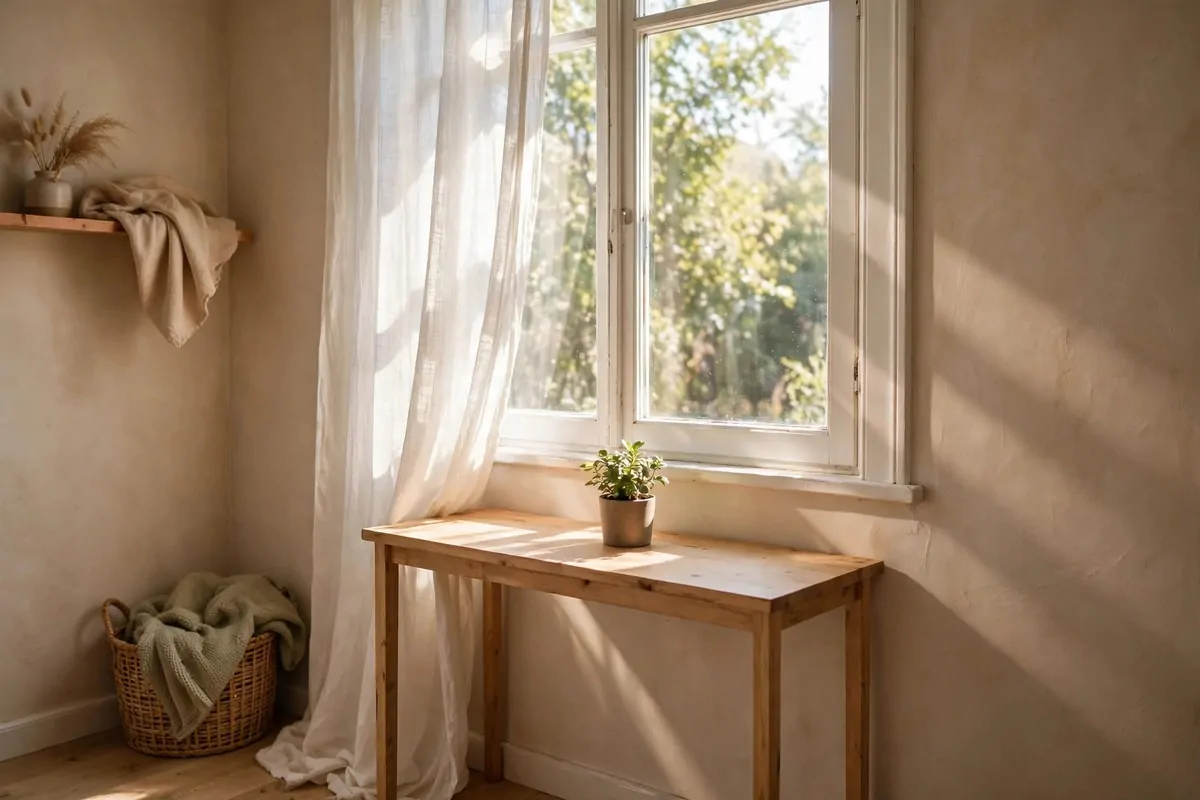
A desk under the window is the most photographed home office setup for a reason. It feels good. Daylight on your work. A view when you look up. In a small guest room it also keeps the desk out of the walkway.
Slide a narrow desk right under the sill. Even 18 inches deep works for a laptop. The window wall is often dead space in a bedroom. This puts it to work without blocking anything.
Watch the glare on your screen. If the sun hits directly, you will squint all afternoon. A sheer curtain or a simple blind fixes it. You want soft light, not a spotlight on your monitor.
For video calls, facing the window lights your face beautifully. Soft daylight from the front is the best ring light ever made, and it is free. Your coworkers will ask what lamp you bought. Tell them it is a window.
Guests get the window too. A bed near a window with morning light is a small luxury. If the desk is under the window and the bed is beside it, everyone shares the best spot in the room.
Keep the sill clear. One small plant, maybe a candle. A crowded sill blocks light and collects dust. The window is the star here. Let it shine.
In winter check for drafts. A cold window behind your back all day is miserable. Weather stripping or a heavy curtain at night fixes most drafts. Comfort first, always.
Open it when you can. Fresh air resets a small room in minutes. I open mine every morning while the coffee brews. By the time I sit down, the room feels new.
11. Tuck Work Into the Corner
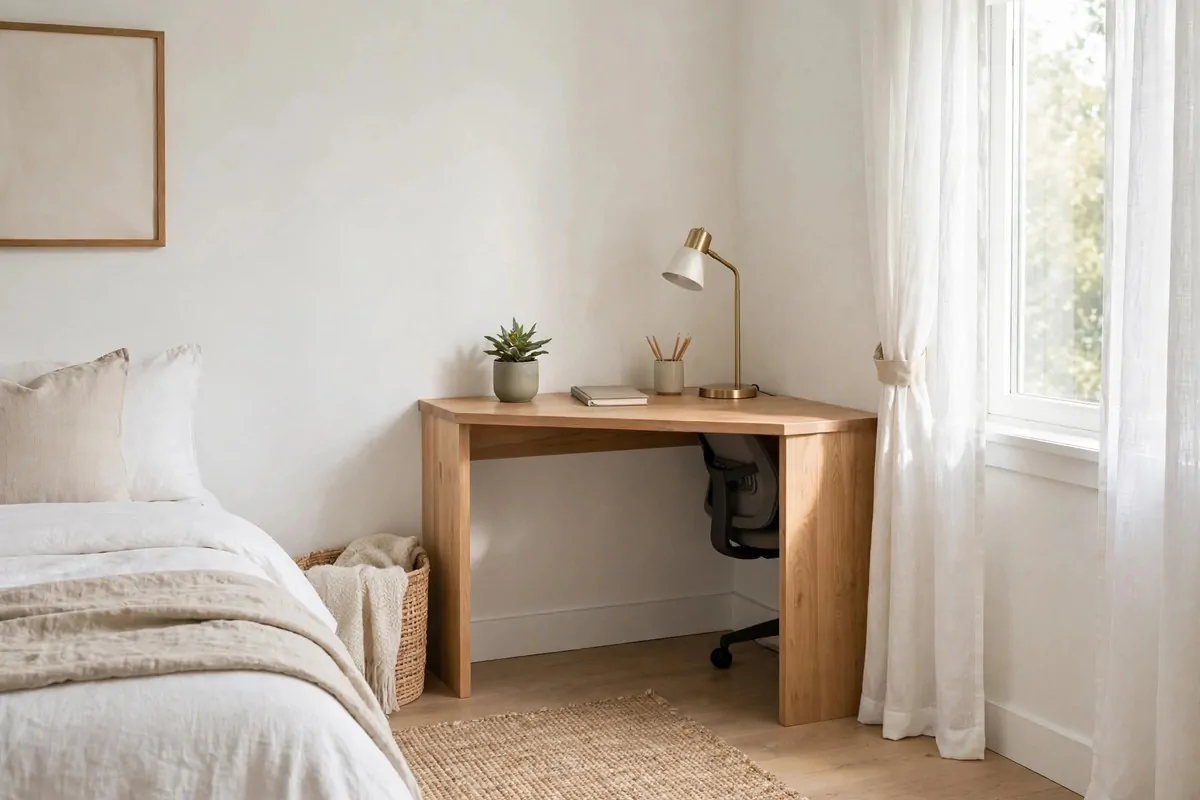
Corners are free real estate. A small desk tucked into a corner gives you a full workstation while leaving the rest of the room open for the bed and for walking.
An L-shaped corner desk gives you two surfaces in the footprint of one. Computer on one wing. Writing space on the other. Swivel between them. Everything within reach, nothing in the middle of the room.
Face out of the corner, not into it. Sit with the corner behind you and the room opens up ahead. Facing into the corner feels like a punishment. Facing out feels like command of the room.
The corner behind the monitor is dead space. Use it. A small printer fits there. A stack of trays. The things you need weekly but not hourly. Out of sight, within reach.
A corner desk leaves the bed as the room’s main feature. That matters for guests. They walk in and see a bedroom with a desk in the corner, not an office with a bed squeezed in. First impressions set the whole visit.
Add a wall lamp instead of a desk lamp in a tight corner. A swing-arm lamp mounted on the wall frees the whole desk surface. In a small corner every inch counts, and lamps eat inches.
Keep the corner tidy. A messy corner desk is visible from the bed. Your guest falls asleep looking at your chaos. A clear desk says the room is under control, even when life is not.
12. Leave a Welcome Tray for Guests
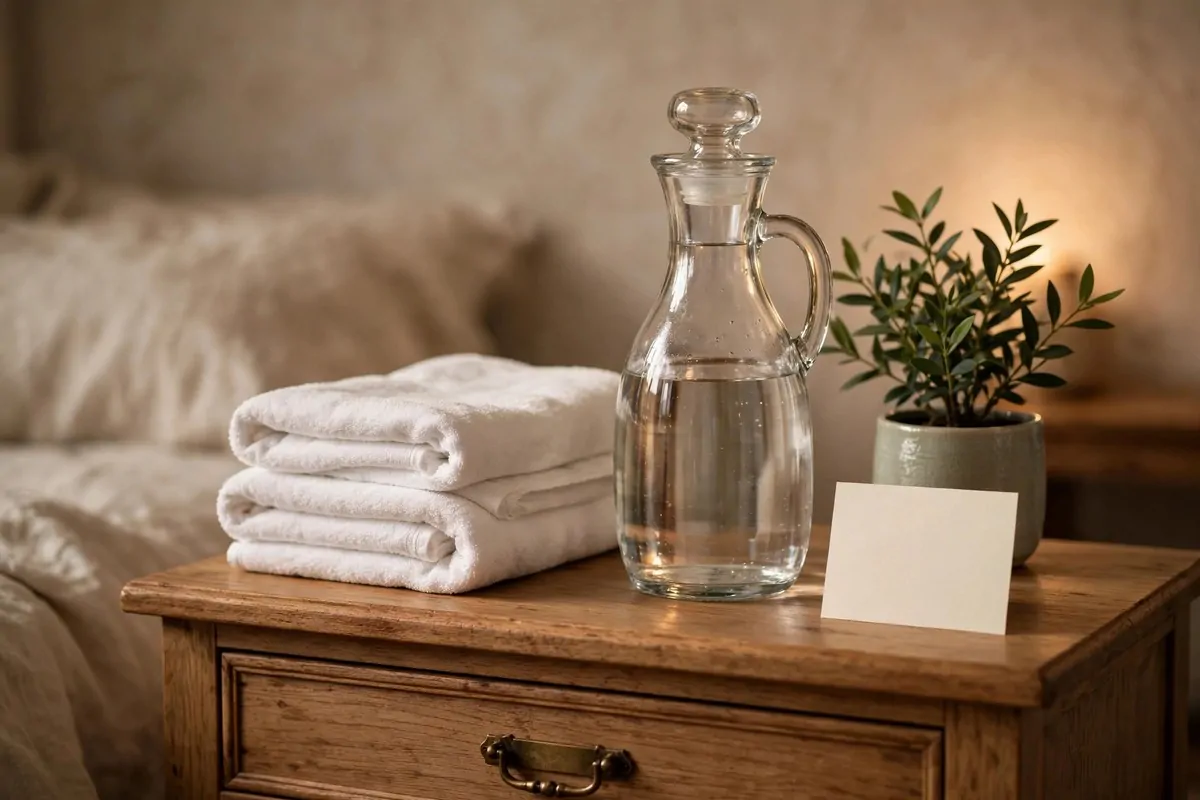
This is the idea that makes guests feel truly welcome. A small tray or a corner of the nightstand set up just for them. It says you thought about their stay before they arrived.
The basics fit on one tray. A folded towel. A small bottle of water or a carafe. The wifi password on a little card. A phone charger they can borrow. That is it. Four things that answer every midnight need.
I add a handwritten note. Two lines. “So glad you are here. Help yourself to anything.” It takes thirty seconds and guests mention it for years. Handwriting beats printing. It feels personal because it is.
Keep the tray ready in a closet box. Towel, card, charger, all packed together. When guests are coming, you set the tray out in two minutes. No last minute scrambling. No “oh no, the towels are in the wash.”
The wifi card is the most used item. Nobody wants to ask for the password twice. Write it big and clear. Your guests will photograph it and never bother you about it again.
A small plant or a single flower on the tray is a lovely touch. It does not have to be fancy. A sprig from the garden in a small glass. Living green says this room is cared for.
Clear a little space around the tray. Do not bury it in your office stuff. The welcome station should be the first thing a guest sees when they walk in. It sets the tone for the whole visit.
When the visit ends, the tray goes back in its box. The room returns to office mode. The system resets itself. Good hosting should be easy, or you will stop doing it.
13. Light It in Layers
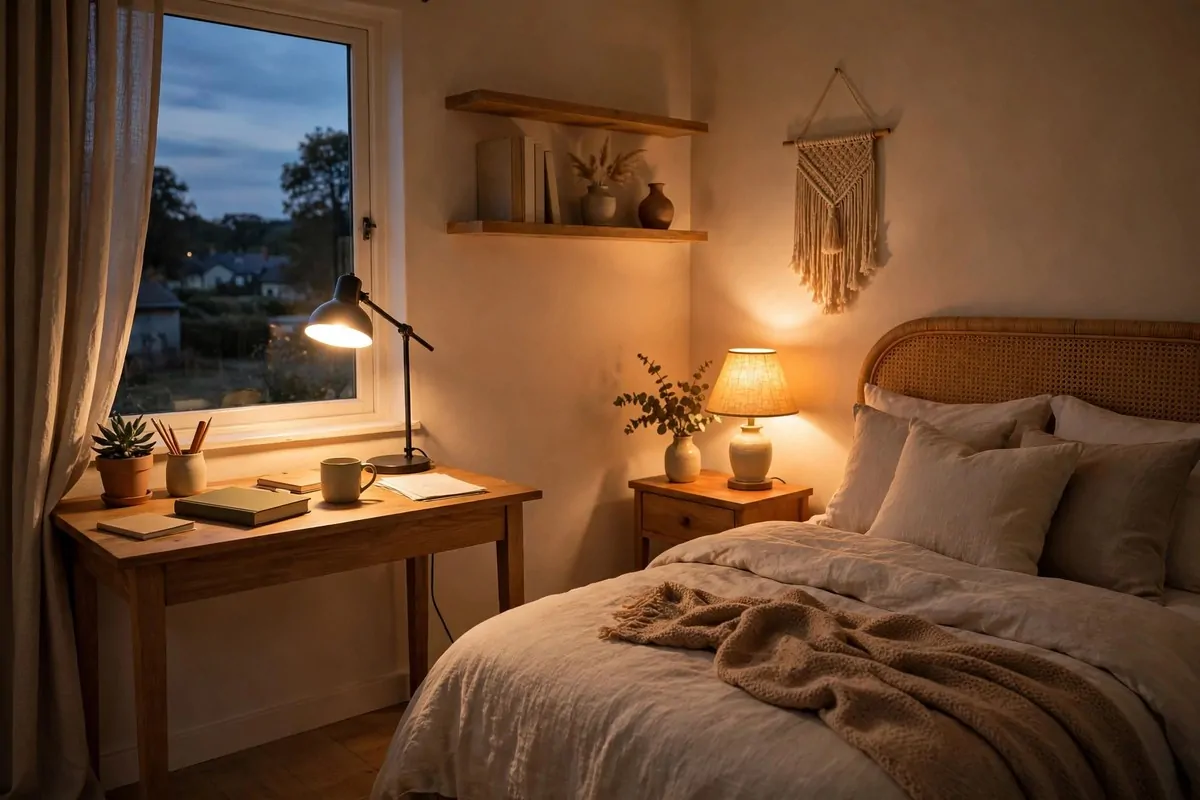
One ceiling light cannot do two jobs. A combo room needs layers. Bright task light for work. Warm soft light for evenings and guests. Each layer has its own switch and its own moment.
The desk lamp is layer one. Adjustable arm, warm white bulb. Aim it at your work. This is your daytime light, focused and clear. A good desk lamp is the difference between a desk and a workstation.
The bedside lamp is layer two. Warm, low, and on its own switch. When guests arrive, this is their light. They can read in bed without the ceiling light blasting. It makes the room feel like a bedroom again in one click.
A floor lamp in the corner is layer three. It fills the room with a soft glow for evenings. No harsh shadows. I turn mine on at 4 pm in winter. The room shifts from office to home and my brain gets the message.
Here is a simple plan that works in almost any small combo room:
| Layer | What it is | When it is on |
|---|---|---|
| Task | Desk lamp, cool white | Work hours |
| Ambient | Floor lamp, warm | Evenings, winding down |
| Guest | Bedside lamp, warm low | Guest stays, bedtime reading |
| Overhead | Ceiling light, dimmable | Cleaning, finding things |
Dimmers are worth every penny. A dimmer on the overhead light turns it from interrogation to atmosphere. If you rent, plug-in dimmers exist. No wiring needed.
Check the bulbs’ color. Mixing cool white and warm yellow in one room looks off. Keep task light neutral white and everything else warm. Consistency makes the room feel designed.
Show your guests the switches when they arrive. A quick tour. “This one is your lamp.” It takes ten seconds and saves them fumbling in the dark. Good hosting is mostly small instructions.
14. Keep Colors Light and Soft
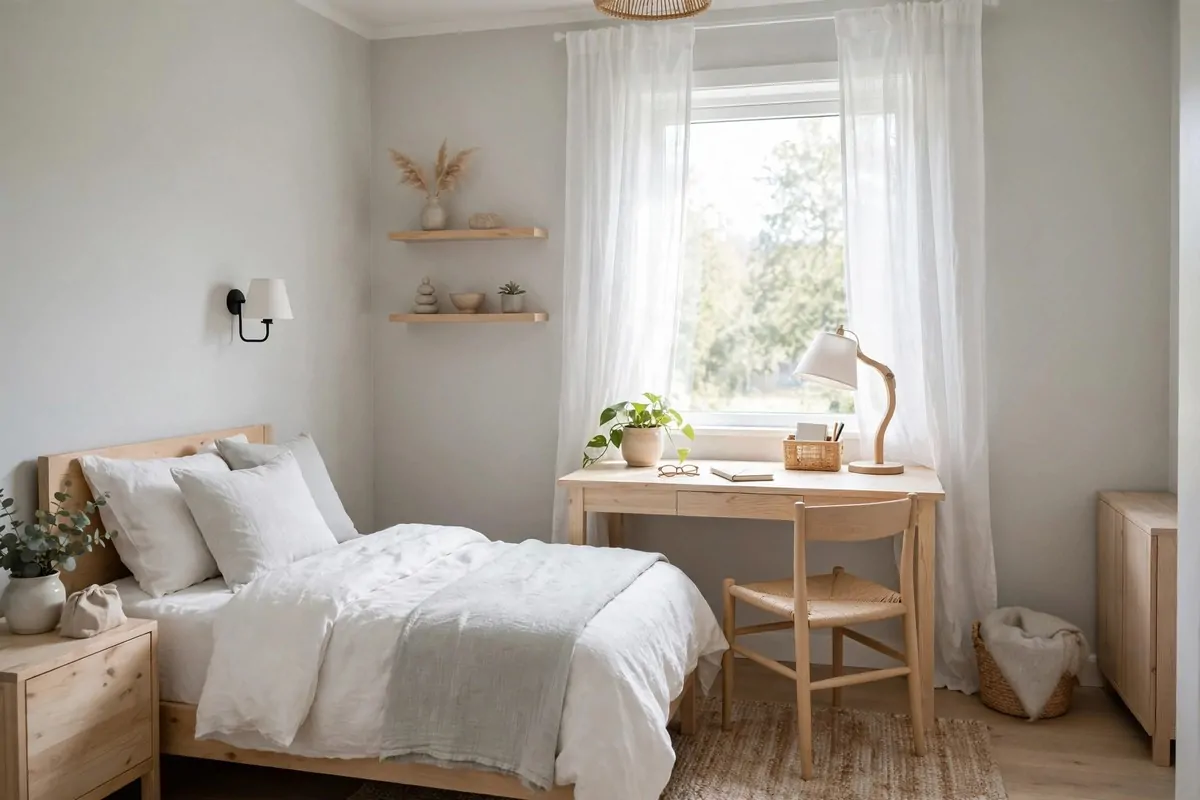
Small rooms need light colors. It is not a rule someone invented to be boring. Light walls bounce light around. Dark walls drink it. In a small combo room, every bit of light counts double.
Soft white on the walls is the safest choice. It makes the room feel bigger. It looks clean on video calls. It lets your furniture and textiles bring the personality. White walls are a blank page, not an empty one.
Warm whites beat cold whites. A cold white can feel like a hospital. A warm white feels like morning. Look for names with words like soft, warm, or linen. Test a patch and look at it at night under your lamps.
Add color with things you can change. Bedding. Curtains. A rug. Art. These bring warmth without shrinking the room. I change my throw pillows with the seasons and the room feels new each time.
One accent wall can work if it is soft. A pale blue or a whisper of sage behind the bed. It gives the room depth without closing it in. Keep the other three walls light.
Ceilings should always be white or the lightest shade. A white ceiling lifts the room. It reflects light down onto your desk. When you are already painting walls, the ceiling is a small extra job with a big payoff.
Guests feel calmer in light rooms. A dark small bedroom can feel like a cave. Light walls, light bedding, and warm lamps make a small room feel like a retreat. Your guests sleep better. That is the whole point.
Avoid busy patterns on big surfaces. A wild wallpaper on all four walls will fight with everything else in a combo room. Save the bold pattern for one cushion or one piece of art. Small doses, big impact.
15. Hang a Mirror to Double the Light
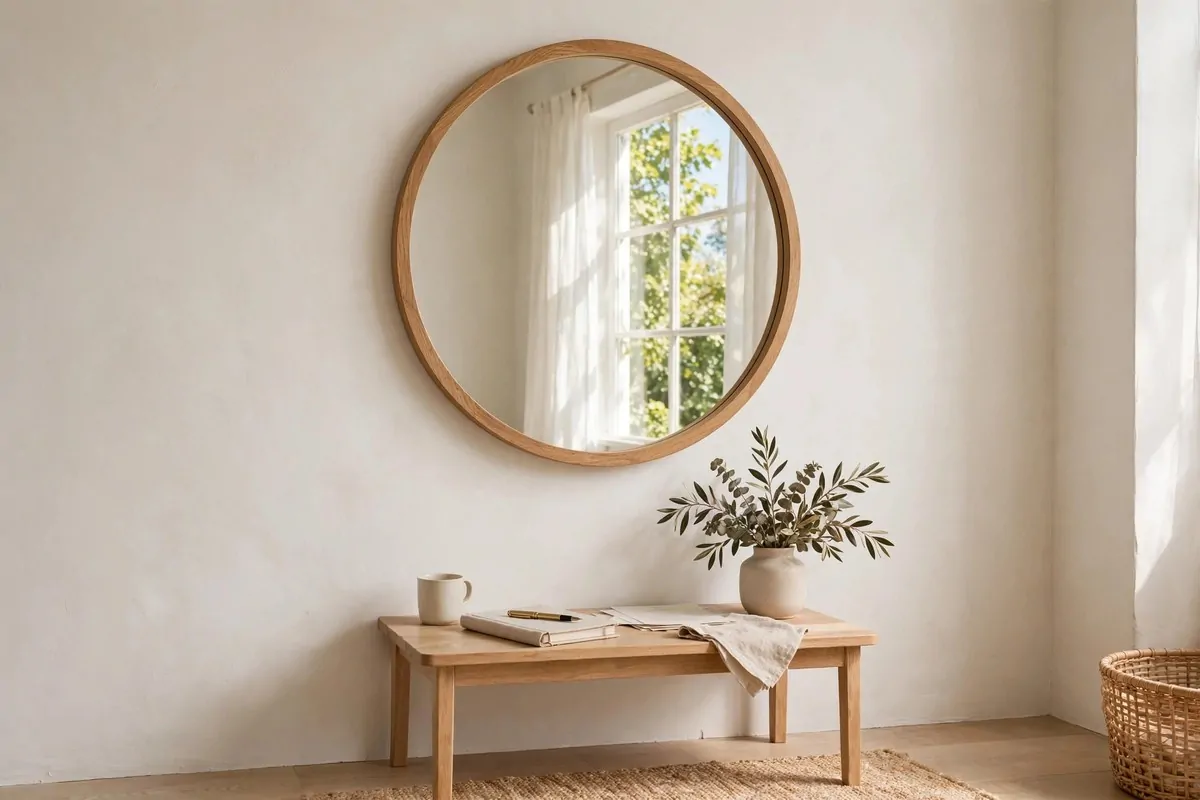
A mirror is a window you can hang anywhere. It bounces daylight around the room and doubles whatever light you have. In a small combo room, a mirror is almost cheating.
Hang it opposite the window or beside it. Opposite catches the view and throws it back. Beside the window catches the light at an angle. Never hang it where it reflects your monitor. Screen glare in a mirror is distracting all day.
Size matters. A small mirror is decoration. A big mirror changes the room. Go as big as the wall allows. A full length mirror leaning on the wall does double duty for guests checking their outfit.
A round mirror softens a room full of rectangles. Desks, beds, shelves, everything is square. A circle breaks the pattern. It is a small design trick that makes the room feel styled.
Check what the mirror reflects before you hang it for good. Hold it up and look. You want window, art, or plants. Not the messy closet or the pile of laundry. A mirror doubles whatever it sees, good or bad.
Guests use mirrors more than you think. Getting ready in the morning. Checking the outfit. A well placed mirror means they do not have to hunt for one. Put it where the morning light hits.
Keep it clean. A dusty mirror in a small room looks dull fast. A quick wipe monthly keeps it bright. It takes one minute and the room sparkles after.
I hung mine opposite the window and the room gained what feels like a second window. My desk faces the real one. The mirror faces me. Light from both sides. No dark corners left.
16. Zone the Floor With a Rug
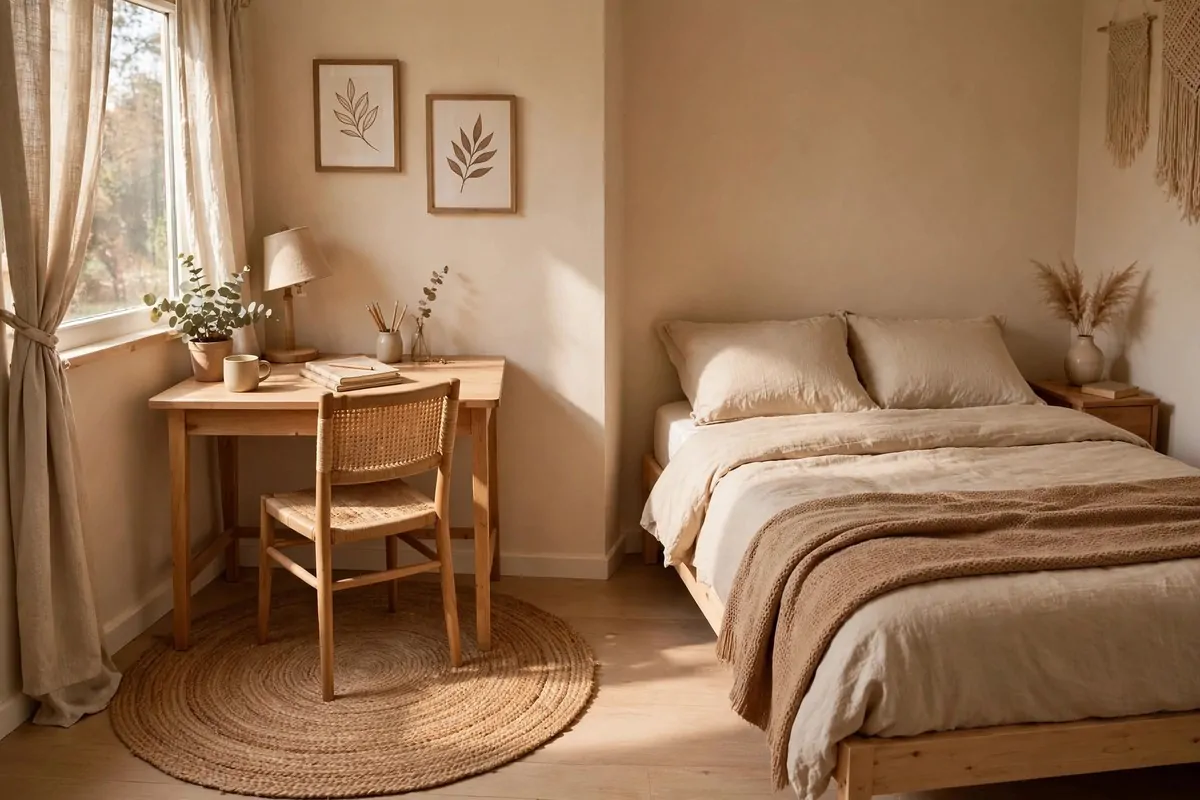
A rug draws lines on the floor without walls. In a combo room, one rug under the desk says this is the office. The bare floor by the bed says this is the bedroom. Your feet learn the zones before your brain does.
A round rug works beautifully in small rooms. It softens all the corners and rectangles. Place it under the desk and chair. The curve of it against the straight walls looks intentional and stylish.
Size it so the chair stays on the rug when you push back. A rug that is too small looks lost. Measure your chair’s full push-back distance and add a foot. Bigger is almost always better with rugs.
Low pile for office chairs. Thick rugs grab wheels and every push becomes a workout. A flat weave or a low jute rug lets the chair glide. Your legs will thank you by Friday.
A rug also hushes the room. Hard floors echo in small spaces. A rug soaks up the sound of the chair, your footsteps, and the general buzz. Calls sound better. Guests sleep deeper.
Pick a pattern that forgives. Office life means crumbs, pen marks, and coffee risks. A patterned rug in warm tones hides the evidence. My light solid rug lasted one year. My patterned replacement is going strong.
The rug warms the room for guests too. Stepping out of bed onto something soft beats cold floor every time. It is a tiny luxury that costs little and means a lot at 7 am.
Shake it out or vacuum it weekly. Small room rugs collect dust fast. A clean rug keeps the whole room feeling fresh. Five minutes with the vacuum, done.
17. Carve a Bedside Nook for Guests
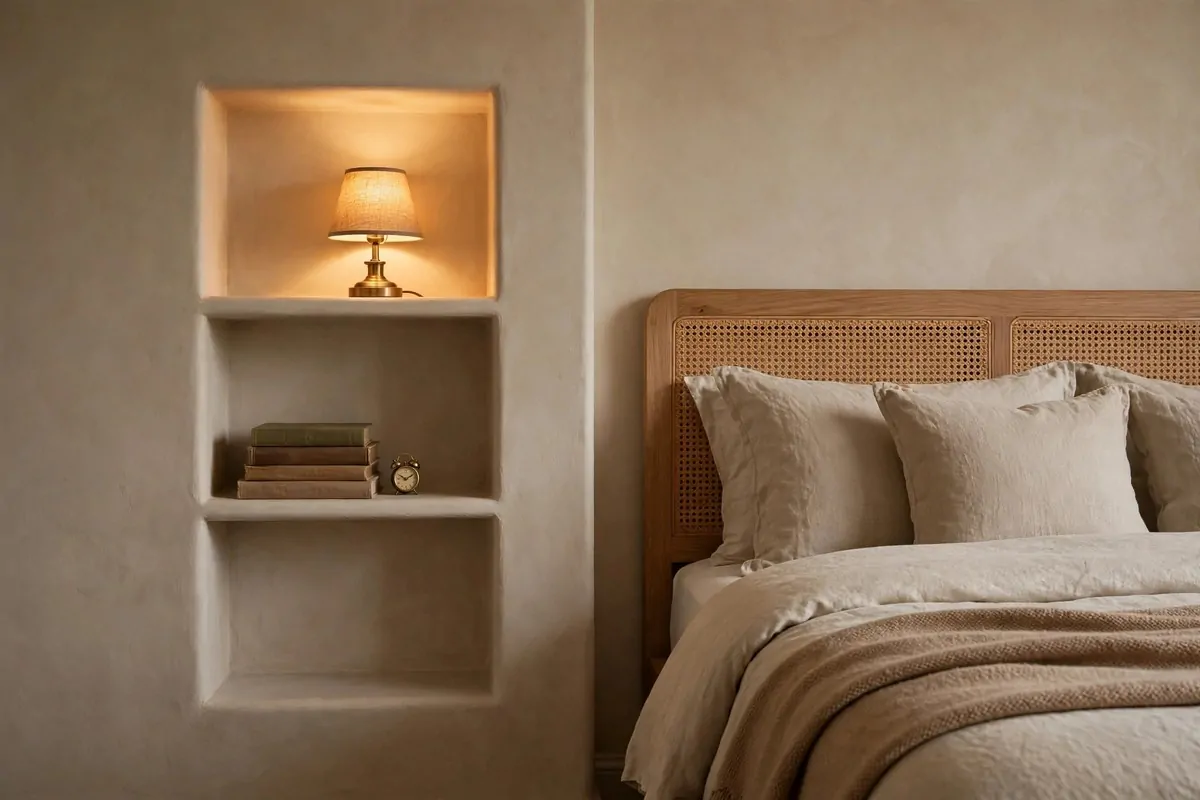
Guests need a nightstand. But a combo room has no floor space for one. The answer is the wall. A small shelf or a recessed niche beside the bed gives guests everything within reach.
A floating shelf at mattress height works perfectly. Big enough for a book, a phone, and a glass of water. That is all anyone needs at night. Mount it solid. It will hold a heavy water glass at 2 am.
A wall-mounted reading light above the shelf is the luxury touch. A small swing-arm lamp or a plug-in sconce. Your guest reads without lighting the whole room. You could even work late at the desk without disturbing them.
If you are handy, a recessed niche is the dream. A shallow box set into the wall between studs. It holds a lamp and a book and takes zero floor space. It looks built in because it is.
Style the nook before guests arrive. A small clock. A book you think they would like. The water carafe. It takes two minutes and it feels like a hotel. A thoughtful hotel, run by someone who loves you.
Keep the nook clear during office days. Do not let it become a pen holder or a charger station. The moment work colonizes the guest nook, the room stops feeling welcoming. Guard the boundary.
An outlet near the nook is essential. Guests need to charge their phone by the bed. If there is no outlet close, run a neat extension or a flat cable cover. A guest with a dead phone is a stressed guest.
I put a tiny dish on my guest shelf for jewelry and keys. It is such a small thing. Guests always use it. Small things say you thought about them. That is what hospitality is.
18. Keep the Desk Guest-Ready
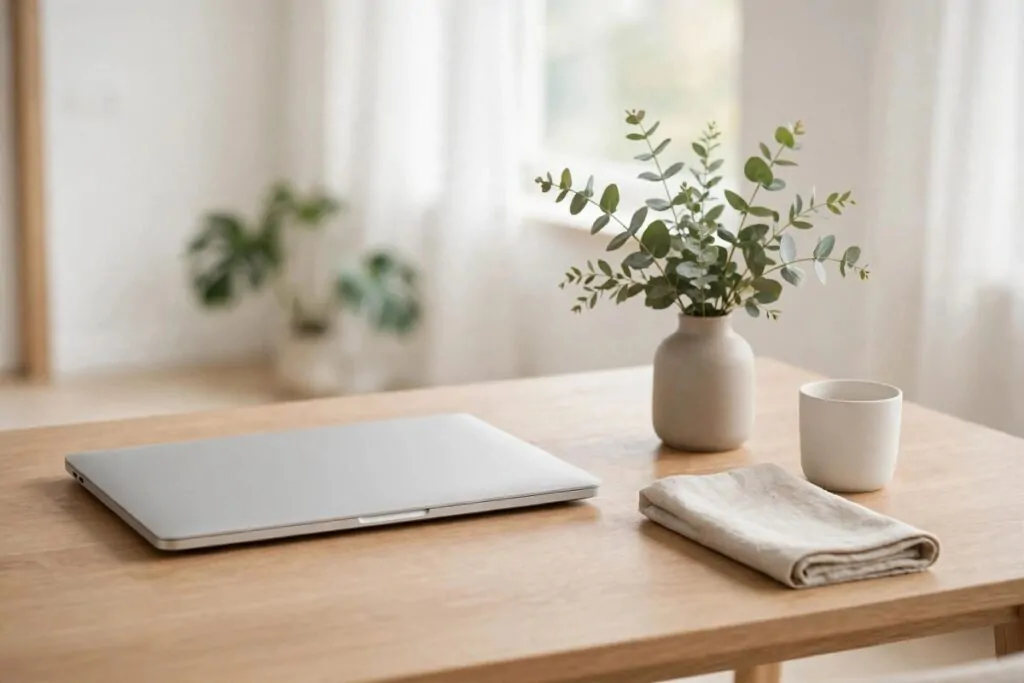
The final idea is a habit, not furniture. Keep your desk guest-ready. That means clear enough that a visitor sees a calm room, not your work chaos.
The end of day reset takes five minutes. Papers into the tray. Laptop closed or put away. Pens in the cup. Coffee mug to the kitchen. When you leave the room, it should look like nobody works there.
Cables are the biggest visual mess. A cable tray under the desk hides the tangle. One neat line to the wall outlet. When guests walk in, they see clean surfaces, not spaghetti. Tidy cables are hospitality.
Use closed storage for the daily clutter. A drawer, a box, a cabinet. Open piles look busy. Closed storage looks calm. Your guest does not need to see your to-do list. They need to feel at rest.
I keep a “guest mode” checklist on the inside of the closet door. Five items. Clear desk. Fresh towel on the bed. Water on the nightstand. Wifi card out. Trash emptied. It takes ten minutes and the room transforms.
The desk in guest mode can hold one welcoming thing. A small vase with a flower. A candle. It says this desk is resting too. The room is on holiday from work, just like your guest is on holiday from home.
This habit pays off daily, not just for guests. A clear desk every evening means a clear start every morning. You sit down and begin. No digging through yesterday’s mess. Future you says thanks.
A combo room only works if both jobs respect each other. Work respects rest by tidying up. Rest respects work by leaving the setup intact. Five minutes a day keeps the peace between them.