15 Ways to Organize My Life as a Busy Mom

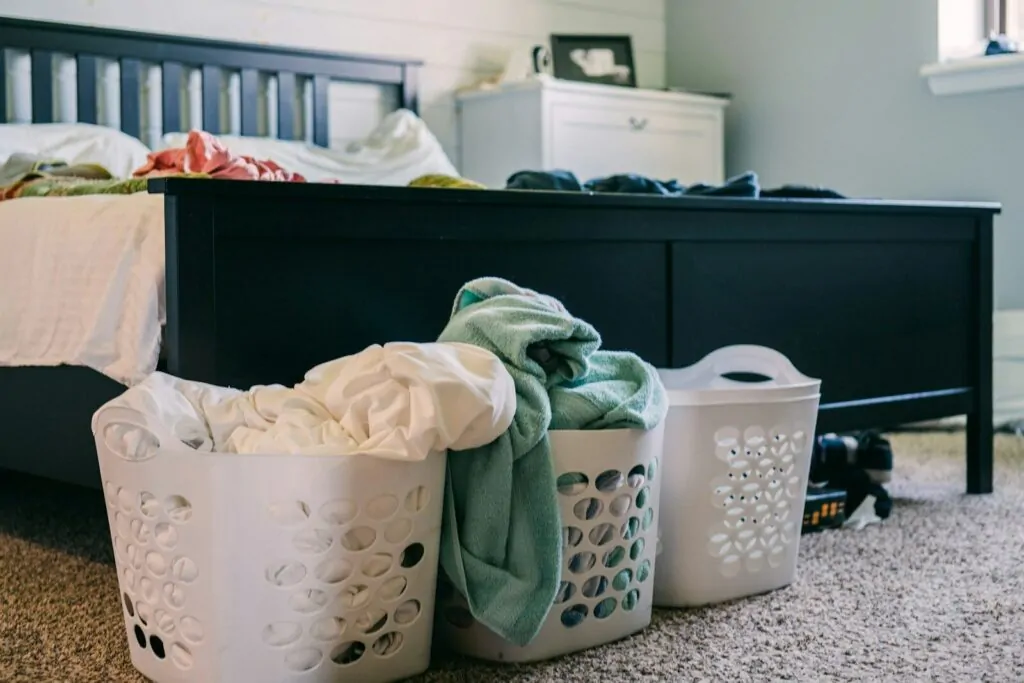
You are not messy. You are not lazy. I want you to hear that first.
Most moms I know run a full job at home. Each day has a long list of small tasks that no one else can see. Doc visits. School forms. Lunch for one kid, a snack for the next. Who needs new shoes. Who has a test.
Here is the real issue. The problem is not that you have a lot to do. The problem is that you hold it all in your head. Your mind is not a box for storage. When it gets full, you feel tired, cranky, and lost.
Good order should give you more room to breathe. It should not be one more list that makes you feel bad. So in this post, I will share 15 ways to move the load out of your head and into simple systems. Pick 2 or 3 to start. Do not try all at once.
1. Build a Life Dashboard So Your Head Can Rest
Your brain should not be your family’s storage box.
A life dashboard is one spot where all the key stuff lives. It can be a big wall board, a shared phone app, or a plain notebook. What matters is that it is just one spot.
Put these on it:
- Family plans for the week
- Key dates and reminders
- Events coming up
- Your own goals
- Top jobs for the home
When you see it all in one place, your mind can let go. Experts on the mind say that tasks you have not done keep nagging at you. This is called the Zeigarnik effect. Writing a task down tells your brain, “It is safe. I have it.”
I use a big paper board by the fridge. It is not pretty. But it works.
2. Try a Weekly Reset That Stops Chaos Early
Many folks talk about Sunday plans. This is a bit more than that.
Pick one time each week. Set a timer for 20 to 30 minutes. Sit down with tea and do a quick check.
- Look at the school dates
- Check the food in the fridge and shelf
- Set out things you need, like forms or gifts
- Ask how you feel about the week
That last one is big. I ask, “What needs attention this week?” I do not ask, “What needs to be perfect?” Those two questions feel so far apart. The first one is kind. The second one is a trap.
A short reset each week can save you from a lot of Monday panic.
3. Organize Your Home Around Real Daily Problems
Please do not start with “organize the kitchen.” That is too big. You will get tired and quit by noon.
Start with pain. Ask these things:
- When does the morning go bad?
- What do I lose again and again?
- Which spot makes me mad each day?
Then fix that one spot. Just that one.
Here are some ideas that work well:
- A school bag spot by the door, with hooks at kid height
- A charge spot for all the phones and tablets
- A homework zone with pens, paper, and a good light
This is called problem based order. You do not fix the house. You fix the trouble. The house then gets better bit by bit.
4. Use the Five Minute Rule to Save Your Brain
Moms make so many small calls each day. What to cook. What to wear. Which form to sign. Experts call the tired feeling that follows “decision fatigue.” Each choice uses a little bit of your mind fuel.
So I use three simple rules:
- If a task takes under 5 minutes, do it now
- If it comes back again and again, make a system
- If it does not matter, drop it
Say a kid hands you a note from school. Sign it right then. Do not put it in a pile. A pile is just a choice you have not made yet.
Say you pick out the same 3 things each morning. Make a system. Set the clothes out the night before.
Say the color of the cups does not matter. Then stop thinking about it. Free your mind for big things.
5. Build Family Systems So You Are Not the Reminder Person
This one hurts, right? You say the same thing 10 times. “Shoes. Bag. Lunch. Water.”
The goal is not for mom to run everyone better. The goal is for everyone to help.
Here are some easy ways:
- Use one shared calendar that all the adults can see
- Make a chore chart with pictures for small kids
- Let kids pack their own bag, even if it is not perfect
- Split tasks with your partner by whole job, not by bits
That last one is key. Do not hand your partner a task and then check on it. Give them the whole job. Let them own it, from start to end. If they do it a bit different than you would, that is fine. It is done.
Kids can do more than we think. Even a 4 year old can put dirty socks in a bin.
6. Match Your Tasks to Your Energy
We all plan by the clock. But our energy goes up and down.
Some tasks need a sharp mind. Some do not. So I sort my day like this:
High energy jobs:
- Big plans
- Key work calls
- Bills and money tasks
Low energy jobs:
- Fold clothes
- Answer easy mail
- Quick wipe of the counters
Think about your best hour. For me, it is early, before the kids wake. I do the hard stuff then. When I am tired at 4 pm, I fold socks. That is all my brain can handle, and it is fine.
Watch your own pattern for a week. You will see it. Then plan with it, not against it.
7. Make a Minimum Effort Day Plan
Some days are just rough. A kid is sick. You slept 4 hours. The car will not start.
On days like that, you need a backup plan. Write it down when you feel calm, so you can use it when you do not.
My plan has four parts:
- Easy meals, like eggs and toast or pasta
- Only key cleaning, like dishes and one trash run
- A short daily flow with no extras
- Low goals, and I say it out loud
Then I say to myself, “Fed, safe, and loved. That is a win.”
The CDC says most adults need at least 7 hours of sleep. Sadly, many moms get less. So on a low day, the best plan may be an early bed. Rest is not lazy. It is fuel.
8. Set Digital Rules for Your Family
Phones hold so much now. Photos, mail, forms, logins. It piles up fast, and it is a mess.
Here is what I do.
Photos: Pick one day a month to sort. Delete the blurry ones. Save the best ones in a folder by year.
School mail: Make a folder in your inbox called “School.” Set a rule to send all school mail there. Check it once a day.
Passwords: Use a password manager. Do not keep them on a sticky note. This is safer for your family too.
Key files: Scan birth papers, shots, and other forms. Keep them in one safe cloud folder.
Kids’ info: Be careful with names, school, and photos on the web. Ask what you would want a stranger to know.
Here is a simple folder plan:
- Family
- Kids (one folder for each child)
- Home
- Money
- Health
That is it. Five folders is plenty.
9. Plan Meals Around Your Real Life
Most meal plans look nice. Then a soccer game runs late and the plan falls apart.
So plan for real life. Here is how.
Make a list of family favorites. Just 8 to 10 meals that everyone will eat. Do not add new ones unless you want to.
Then repeat them. It is fine. Nobody in my house cares that we have tacos each week. I stopped feeling bad a long time ago.
Next, build a 15 minute dinner list. These are your rescue meals. Mine are:
- Quesadillas and fruit
- Pasta with jarred sauce and peas
- Egg fried rice
- Sandwiches and soup from a can
Keep the food for these meals in the house at all times. Then on a bad night, you do not need to think. You just cook.
Also, pick your busy days. If Tuesday is crazy, make Tuesday a slow cooker day, or a leftover day.
10. Keep a Home Inventory to Save Time and Money
This sounds dull. But it saves so much stress.
An inventory is just a list. Keep it in your phone. Here is what to track:
- Kids’ clothes and shoe sizes
- Home supplies, like soap, paper, and trash bags
- School gear, like pens and glue
- Season stuff, like coats and boots
Here is why it helps. You will stop buying the same thing twice. You will shop faster, since you know what you need. And you will spend less time hunting for stuff.
I keep a small note on my phone with each kid’s size. When a sale comes up, I know just what to buy. That has saved me cash more than once.
11. Create Transition Routines for Hard Parts of the Day
Most stress does not come from tasks. It comes from switching between tasks.
Think about it. Morning rush. After school chaos. Bedtime fights. These are all moments when one thing ends and the next thing starts.
Those moments need a system, not just a to do list.
Morning: Do the night before prep. Bags packed, clothes out, lunch half made.
After school: Make a set flow. Snack first, then a short break, then homework. Same each day. Kids like to know what is next.
Bedtime: Use the same steps in the same order. Bath, book, lights out. Sleep experts say a steady routine helps kids fall asleep.
When the steps are the same, you do not need to argue. The routine does the work for you.
12. Use Closing Tasks to Fix Tomorrow Tonight
Many offices have closing tasks. Shops clean up before they shut. You can do the same at home.
Before you go to bed, do a quick 10 minute close:
- Clear the kitchen counter
- Pack the bags
- Look at the plan for tomorrow
- Pick your top 3 tasks
Then go to bed.
There is a nice reward. You wake up to a calm kitchen. You know what the day holds. That small gift to your morning self is worth it.
Some nights I skip it. I am tired, and I just fall into bed. And you know what? The next morning shows me why the close matters. I try to do it more often now.
13. Put Yourself on the Calendar
Moms book time for everyone. Dance class. Dentist. Play dates. Then there is no slot left for mom.
Try this. Treat yourself like a person who matters. Because you are one.
Put your own time on the calendar in ink. Make it real.
Ideas that are small but strong:
- 15 minutes of quiet with a hot drink
- A hobby hour once a week
- A walk after dinner
The CDC says adults should get about 150 minutes of movement each week. A 20 minute walk on most days can get you there. It counts.
I know it feels odd at first. You may feel guilty. But an empty cup can not pour for anyone. Fill yours first, even if it is just a bit.
14. Write a List of Things You Do Not Manage Anymore
This is my favorite idea. Most lists say what to add. This one says what to remove.
Order is not just about doing things well. It is also about doing fewer things.
Grab a page. Write the title “Things I Do Not Manage Anymore.” Then add to it.
Here are some ideas:
- I do not fold the kids’ socks and pj’s
- I do not say yes to each party or club
- I do not track jobs that others can track
- I do not clean up after grown people
Read the list each month. Add a new line when you feel worn out.
Ask yourself, “Who else can do this? Does it need to be done at all?” You may find that the answer is “no one” and “no.” That is great news.
15. Check and Fix Your Systems Each Month
No system is perfect on day one. Some will fail. That is just how it goes.
So once a month, sit down for 20 minutes. Ask 4 questions:
- What made me stressed again and again?
- What wasted my time?
- Which system needs a fix?
- What can I make simpler?
Write the answers down. Pick one small change. Just one.
If a chore chart is not working, change it. If the morning spot is a mess, move the hooks. This is not failing. It is just tuning, like a car.
Over a few months, small fixes add up. Your home will run smooth, and you will feel it.
Quick Checklist for Busy Moms
Save this list. It sums up the whole post.
- Make one family calendar
- Set a time for your weekly reset
- Build a spot that fixes a daily problem
- Set up systems for tasks that repeat
- Remove tasks you do not need to do
Start with the first one today. That is enough.
Final Words: Do Less, Carry Less
The most organized moms are not doing more. They are carrying less.
Order is not about a perfect house. It is not about a perfect plan. It is about setting up systems that guard your time, your energy, and your peace.
You do not need to fix it all this week. Pick one idea. Try it. If it helps, keep it. If not, toss it and try another.
You are doing a great job. Now let your systems help you do it.
How can a busy mom organize her life when she has no free time?
Start small. Try a 5 minute task, like writing a list or setting out clothes for the next day. Small acts add up. Then use a weekly reset of 20 minutes to plan ahead. You do not need a lot of time. You need a simple plan.
What is the easiest organization system for overwhelmed moms?
A shared family calendar plus a weekly reset. That is all. One place for plans, one time to review them. Add other tools later, once this feels normal.
How do moms manage family schedules without stress?
Use one calendar that the whole family can see. Add all events to it. Give each person a color. Check it at the same time each week. When everyone can see the plan, mom does not need to be the reminder.
How can I stop feeling mentally overloaded as a mom?
Get the tasks out of your head and onto paper or an app. Then share the load with your partner and kids. Drop tasks that do not matter. Rest, too. If the feeling stays strong for weeks, talk to a doc or a counselor. You do not have to carry it alone.
What should a mom organize first at home?
Pick the spot that causes the most daily stress. For many, it is the door where shoes, bags, and coats pile up. Fix that spot first. A small win will give you the push to keep going.