30 Frugal Living Ideas That Save Money Every Day

My purse felt light at the end of last month, and I knew I had to change how I spend. I looked at my notes and I saw small sums slipping away each day.
I did not need a big change or a hard plan. I just needed small habits that fit my normal days. A few small swaps can keep a lot of coins in my purse by the end of the month.
Here are 30 frugal living ideas that save money every day at home, and the first one starts with a meal you cook yourself.
Each idea below is plain and easy to try. You can pick one this week and add more when you feel ready.
I try to cook more, waste less, and use what I already own. My home feels calmer when I spend with care. You will feel the same calm when your purse stays a bit fuller.
Start with the first idea and see how much you save in one week.
Small steps add up faster than you think. By the end of the month, your purse feels a little heavier.
1. Cook at Home More Nights
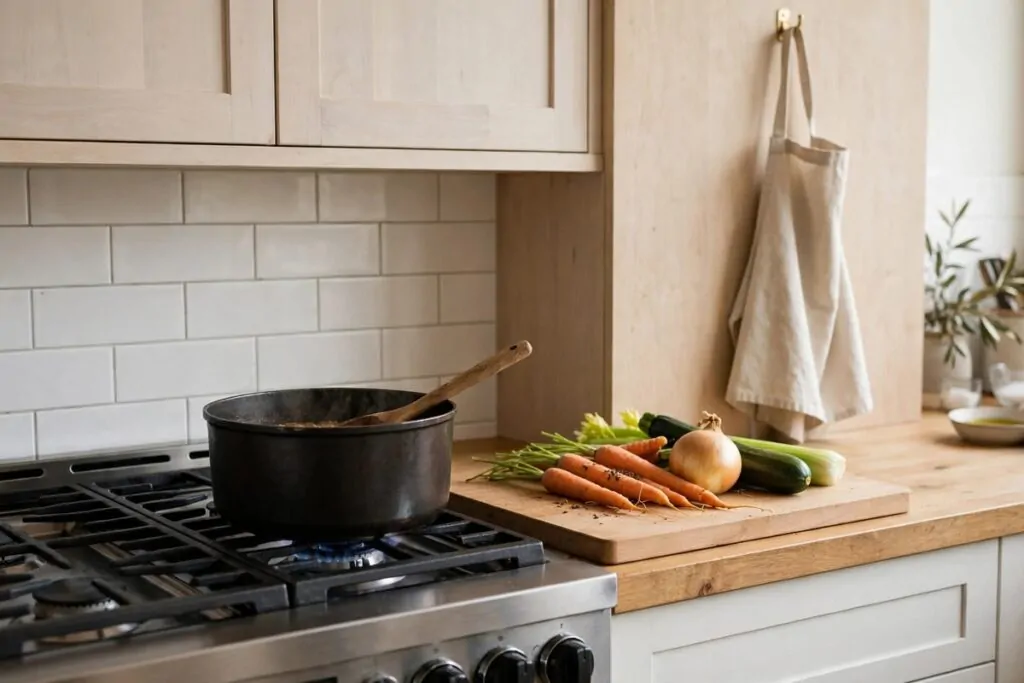
Cooking at home saves me more than any other habit I have. I spend far less on one home meal than on a meal from a shop.
I cook at home most nights now, and my purse stays fuller. I stay close while the pot cooks and I turn the flame off when I am done.
I pick simple meals I can make in one pan. Rice, beans, and fresh veg make a warm plate with little fuss. My family eats well, and I still have coins left for the next day.
I keep my meals plain and quick on busy nights. A short cook time means I never feel too tired to start.
Leftovers from one night become lunch the next day. I pack them in a small box and I take them with me. Nothing goes to waste, and I buy less food each week.
My plain cooking pan cost $8 to $12.
You can start with just two home meals a week. Add one more each week till most nights are home nights.
I plan my home meals round what I already have in my cupboard. I check my shelves first, then I pick the meal. That one small check stops me from buying the same food twice.
Home meals taste warm and fresh, and they cost so little. Try one tonight and feel the difference in your purse.
2. Plan Your Meals for the Week
A meal plan takes me ten minutes on a Sunday night. I sit at my table with my notebook and I list seven meals. That short list saves me from daily trips to the shop.
I pick meals my family likes and meals I can cook fast. I write them down in plain words so I never forget.
My plain meal plan notebook cost $2 to $4.
My plan stops me from buying food I do not need. I shop once for the week, and I stick to my list.
One plan means less waste and less stress each night.
I leave one night free in my plan for leftovers. That free night clears my fridge before the week ends. My fridge stays tidy, and I throw away far less food.
You can plan just three meals at first. Three planned meals still save you time and coins each week.
I check my cupboard before I write my plan. Food I already own goes in the plan first.
Plan your week once, and your nights will feel easy.
3. Shop With a List Every Time
I never walk into a shop without a list in my hand.
My list keeps me on track from the first shelf to the last. I buy what is on the list and I leave the rest where it sits.
I write my list at home before I leave. I check my cupboard and my fridge so I only list what I truly need.
A list stops those quick extra buys that add up fast. One extra jar here and one extra pack there can drain a purse in a week. My list says no for me, so I do not have to think twice.
My plain shopping list pad cost $1 to $3.
I keep my list pad on my kitchen shelf. I add items to it all week as I run out of them.
A short list means a short trip and a small bill.
You can use a plain paper list or a note on your phone. Pick the one you will truly carry with you. The best list is the one that stays in your hand at the shop.
Try a list on your next shop and count what you save. You will see the difference at the till right away.
4. Buy Store Brands First
Store brands cost less than big name brands on the same shelf. I reach for the store brand first and I check the price.
Most store brand foods taste just as good to my family. Rice, oats, and plain flour all cook the same in my pots. I save coins on each bag, and the meals still taste warm and full.
I try one store brand at a time so I know what I like. If my family likes it, it stays on my list for good.
My plain store brand rice cost $1 to $2.
I compare the price per bag before I pick. The store brand often wins by a clear gap. That small gap adds up over a whole month of shops.
You do not need to swap all at once. Swap one item each week and watch your bill shrink.
I keep a note of the store brands my family likes best. My note helps me shop fast without thinking twice.
Cheap does not mean poor when the taste stays good.
Start with rice, oats, or plain flour on your next shop. Pick the store brand and cook it the same way you always do. You may not even taste the change, but your purse will feel it.
5. Use What You Already Have
My cupboards hold more than I think most days. I open them first before I buy anything new. Half the time, what I need is already on my shelf.
My plain storage basket cost $3 to $5.
I use up old jars, spare cloths, and plain boxes before I shop. Each used item saves me the price of a new one.
I keep a basket for odds and ends near my kitchen shelf. When I need a small thing, I look in the basket first. That quick look has saved me many small buys over the year.
You can do the same in every room of your home. Look in your drawers and shelves before you head to the shop.
Last week I pulled out a spare notebook, a plain pen, and a small tin. All three went straight to work, and I bought nothing new.
Use it up before you buy more.
Old jars can hold rice, oats, and dry beans with ease. I wash them, dry them, and fill them again.
Walk round your home and list what you already own. You may find ten useful things hiding in plain sight. Each one you use is a coin you keep in your purse.
6. Mend Clothes Before You Buy New
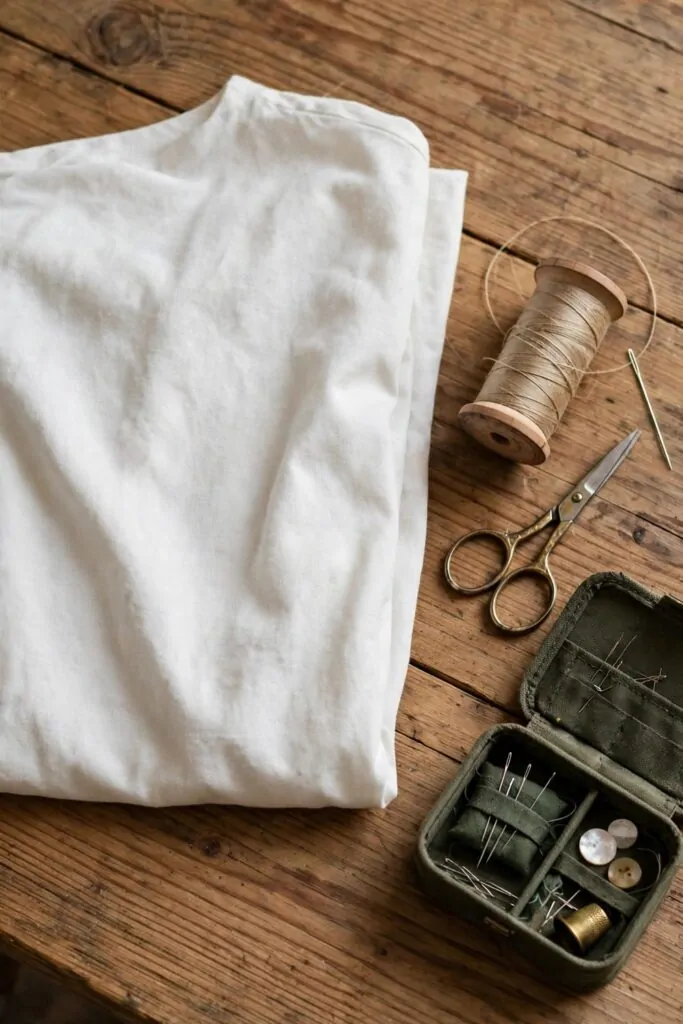
A small tear does not mean a shirt is done.
I mend my clothes with a needle and thread on quiet nights. A loose button takes five minutes to fix. A small tear takes a few neat stitches, and the shirt looks good again.
I keep my sewing kit in a small box on my shelf. I grab it when a seam comes loose, and I fix it the same day.
Mending saves me the price of a whole new shirt. One fixed shirt can last many more months of wear.
You can learn one simple stitch and fix most small tears. Ask a friend to show you, or watch a plain guide at home. One stitch at a time is all it takes to start.
My plain sewing kit cost $3 to $6.
I check my clothes each week for loose buttons and small tears. I fix them fast before they grow worse. A small mend today stops a big tear tomorrow, and it keeps my coins in my purse.
My kids’ clothes get the same care as mine. A patched knee still runs, jumps, and plays all day long.
Mend it first, and buy new only when it truly wears out.
7. Trim Your Own Hair at Home
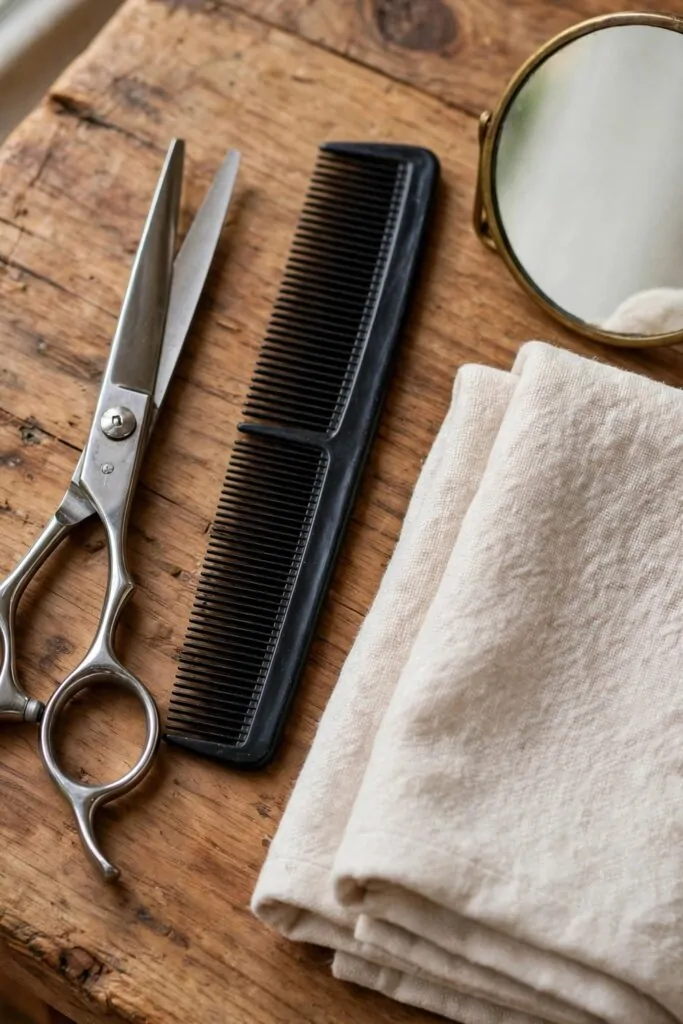
I trim my own hair at home now, and I save a lot each month. A small trim keeps my hair neat without a salon bill.
I use plain scissors and a comb in front of my mirror. I take my time and I cut just a little at a time.
I trim just the ends, never a big cut. Small snips keep my hair tidy and safe. If I feel unsure, I stop and I try again next week.
My plain hair scissors cost $4 to $7.
You can start with a tiny trim of your own ends. A little trim is easy, and it builds your trust with each try.
I keep a small towel on my shoulders while I trim. The towel keeps loose hair off my clothes. I shake it out after, and my floor stays clean.
Slow and small beats fast and risky every time.
My family saves too when we trim at home. Each home trim keeps coins in our purse for other needs.
Try a small trim this week and see how neat it looks. You may find you never miss the salon bill at all.
8. Make Your Own Cleaning Spray
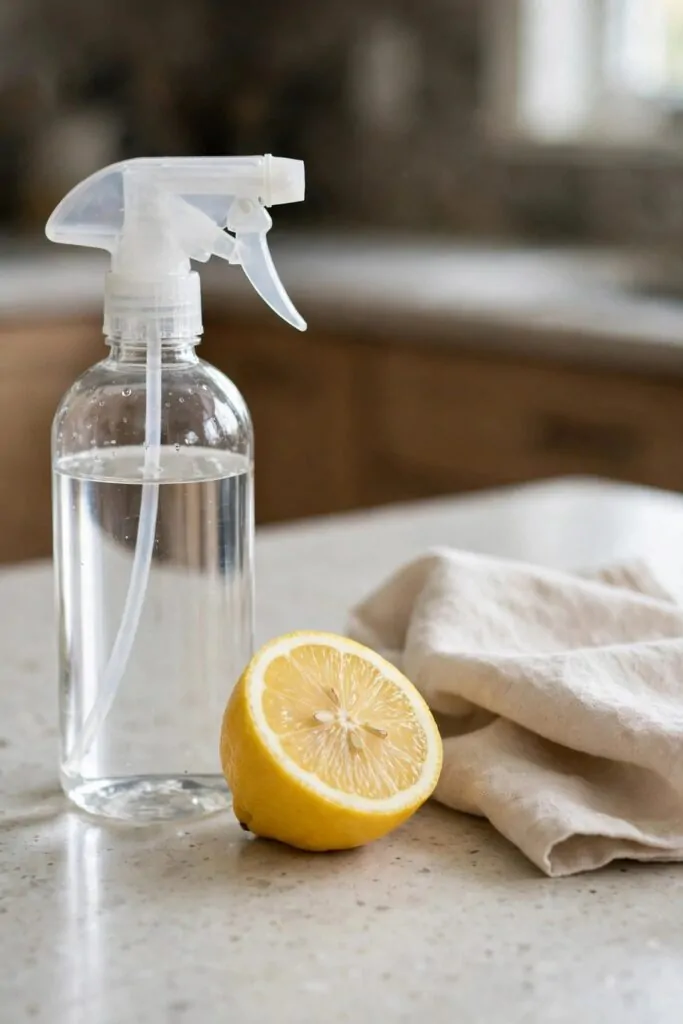
I make my own cleaning spray with plain things from my kitchen. Water, plain vinegar, and a squeeze of lemon do the job well. My counters shine, and I spend far less than on shop sprays.
I mix it in a plain spray bottle each week. I shake it well before I spray, and I wipe with a clean cloth.
One bottle lasts me a long time at home. I spray my counters, my sink, and my table with the same mix.
Simple mixes clean well without a big price tag.
I keep my spray bottle under my kitchen sink. I grab it when I spill something or when I wipe down after meals. One quick spray and a wipe leaves my kitchen smelling fresh all day.
My plain spray bottle cost $1 to $3.
You can make a fresh batch in two minutes flat. Mix, shake, and spray, and your kitchen smells clean and light.
I use plain cloths I wash and use again. I rinse them, hang them to dry, and they last for months. Washable cloths save me the cost of paper rolls week after week.
Try one home spray this week and count what you save. Your counters will shine just as bright as before.
9. Grow Herbs on Your Windowsill
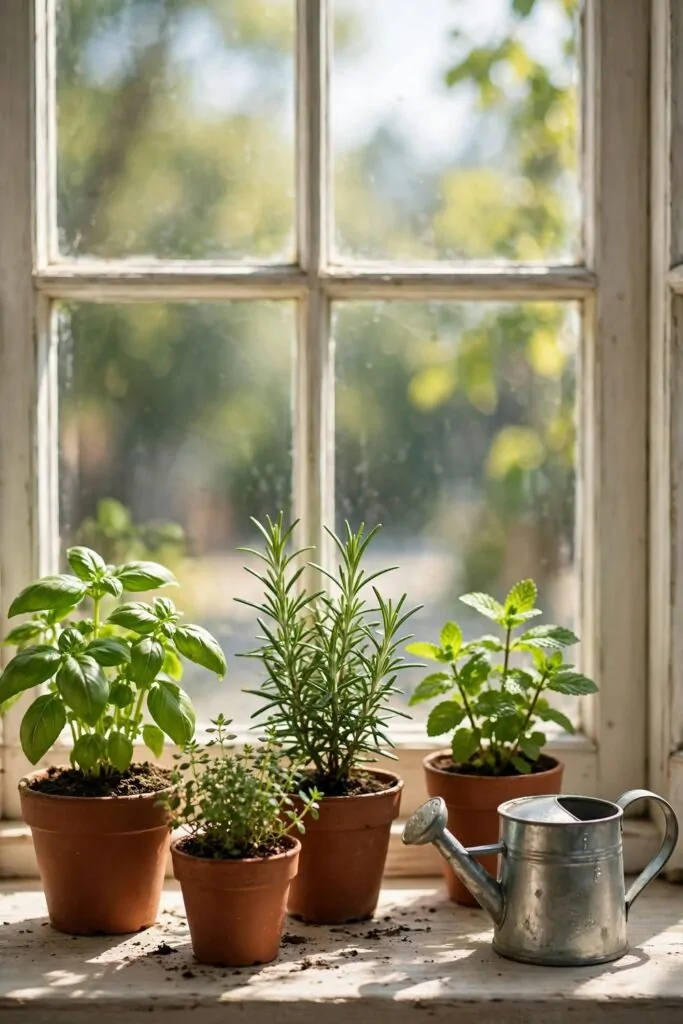
Fresh herbs cost a lot at the shop, but they grow free on my windowsill.
I grow mint and basil in small pots by my kitchen window. A few leaves lift a whole meal with fresh taste.
I water my pots each morning with a small cup. I snip a few leaves when I cook, and the plants keep growing. One small pot gives me herbs for weeks on end.
You can start with just one pot of mint. Mint grows fast and asks for very little care.
My plain herb pot cost $2 to $4.
I keep my pots where the sun comes in each day. My windowsill gets soft light from morning till noon. Herbs love that light, and they grow green and strong.
Fresh herbs make plain rice and plain soup taste bright. I snip them fresh, and I add them just before I serve.
One pot of mint can flavour a month of meals.
Try one pot this week and watch it grow. You will snip fresh herbs each time you cook.
10. Pack Lunch From Home
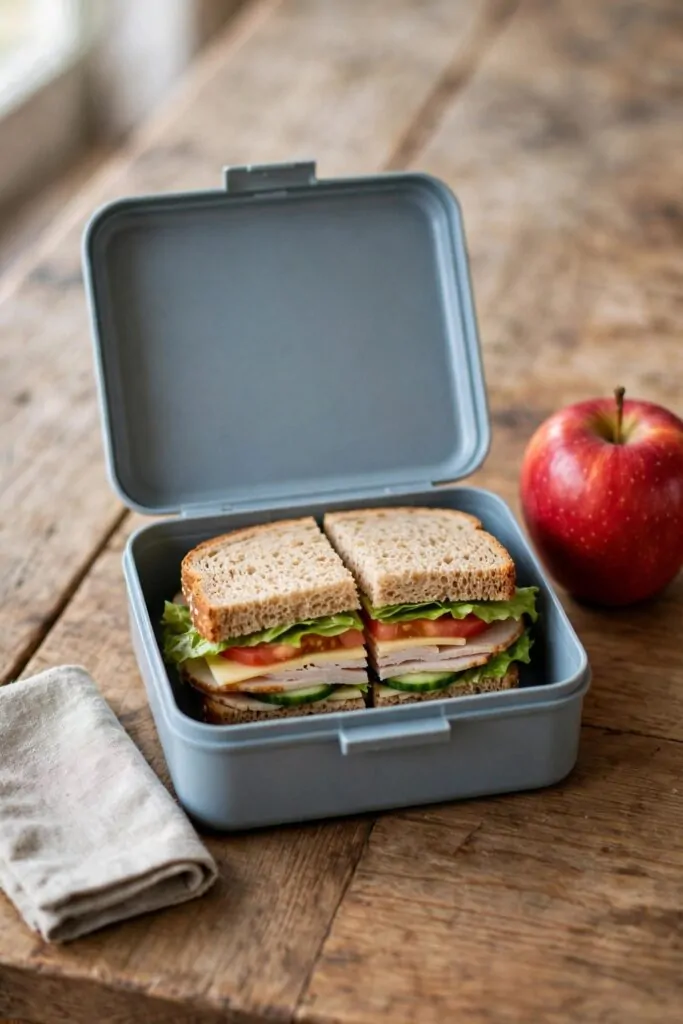
Packing lunch from home saves me coins every single workday. A home lunch costs far less than a bought one.
I pack my lunch the night before so my mornings stay calm.
I put a sandwich in my plain lunchbox the night before. A red apple sits beside the box on my wooden table, ready to go in my bag.
I pack leftovers some days and a fresh sandwich on others. My lunch stays fresh till noon, and I never feel hungry. A full home lunch keeps me going through my whole day.
I keep my lunchbox on my kitchen shelf where I see it each night. I wash it after each use and I dry it well. A clean box means a fresh lunch every single day.
You can pack yours in five minutes flat. Pick a sandwich, set an apple beside the box, and you are done.
My plain lunchbox cost $4 to $6.
I save enough in one month to buy a whole week of food. Small daily savings grow into big sums fast. My purse feels the change by the end of the very first week.
Pack it tonight, and save coins tomorrow.
| Idea | Main change | Typical cost |
|---|---|---|
| Cook at Home More Nights | cook at home more nights | $8 to $12 |
| Plan Your Meals for the Week | meals planned for the week | $2 to $4 |
| Shop With a List Every Time | shop with a list every time | $1 to $3 |
| Buy Store Brands First | store brands bought first | $1 to $2 |
| Use What You Already Have | use what you already have | $3 to $5 |
| Mend Clothes Before You Buy New | clothes mended before buying new | $3 to $6 |
| Trim Your Own Hair at Home | hair trimmed at home | $4 to $7 |
| Make Your Own Cleaning Spray | cleaning spray made at home | $1 to $3 |
| Grow Herbs on Your Windowsill | herbs grown on the windowsill | $2 to $4 |
| Pack Lunch From Home | lunch packed from home | $4 to $6 |
| Total | $29 to $52 |
11. Drink Water Instead of Soda
Water costs me nothing from my tap at home. I fill my plain bottle each morning and I take it with me.
A cold drink from a shop adds up fast over a week.
I used to buy a fizzy drink each day at lunch. That small buy took my coins away day by day. Now I drink water and my coins stay in my purse.
Water keeps me fresh through a long day. I feel light and calm when I drink it often.
My plain water bottle cost $3 to $5.
I keep my bottle on my kitchen shelf where I see it. I wash it each night and I fill it fresh each morning. A clean bottle makes plain water taste good.
Try water with your lunch this week.
You will save coins each day without much fuss. Your purse will feel a little fuller by Friday.
One plain bottle can change your whole week.
12. Turn Off Lights You Do Not Use
A light left on in an empty room wastes my cash.
I walk through my rooms each night before bed. I switch off each light I do not need.
One small switch can save coins all month long.
My kids leave lights on in their rooms too. I remind them with a kind word each night. Before long they turn the lights off all by themselves.
My plain light switch timer cost $4 to $6.
I use the light from my window in the day. My rooms stay bright till the sun goes down.
I keep one lamp on where I sit at night. I read my book under that one lamp. The rest of the house stays dark and calm.
Try one dark room tonight.
You will see your bill fall a little next month. A small habit can save real cash over a year.
13. Wash Clothes in Cold Water
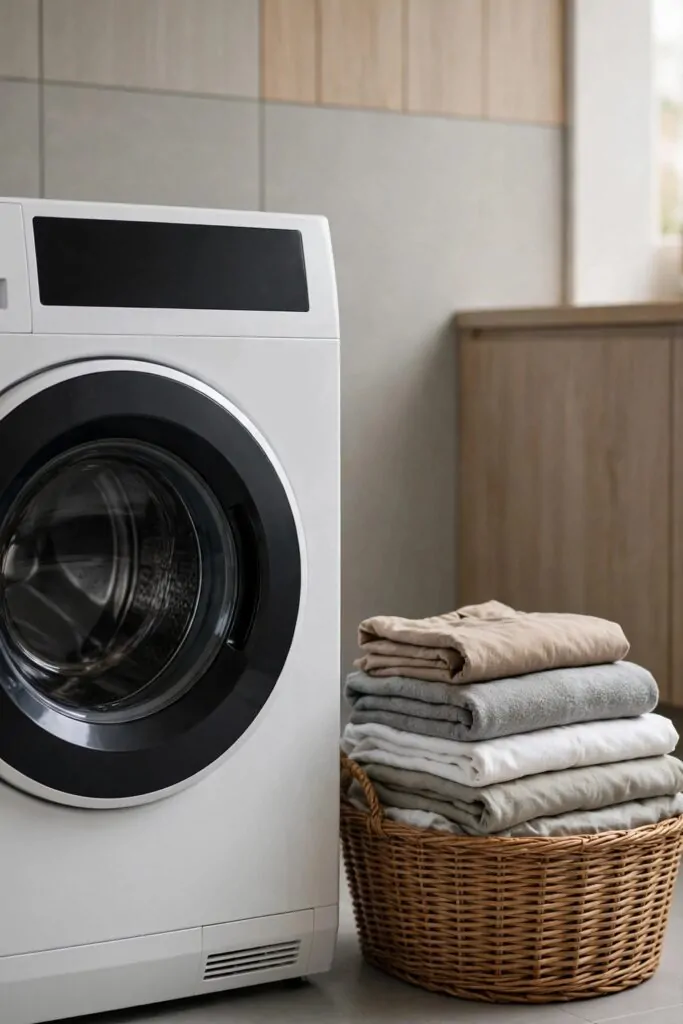
Cold water cleans my clothes just fine. I wash my shirts and my towels in cold water each week. My clothes come out fresh and clean.
Hot water costs more cash each wash.
I turn the dial to cold before I start the wash. My machine does the rest with no fuss.
My colours stay bright when I wash them cold. My white clothes stay white too. I hang them up and they dry fresh.
My plain cold wash soap cost $2 to $4.
I wash full loads so I run the machine less. A full load saves water and cash at once.
Try cold water for your next wash.
You will not see a change in how clean your clothes feel. Your clothes will last longer too. A small turn of the dial saves cash all year.
Cold water is a plain habit with a real payoff. I use it each week and my purse stays fuller.
14. Air Dry Your Laundry
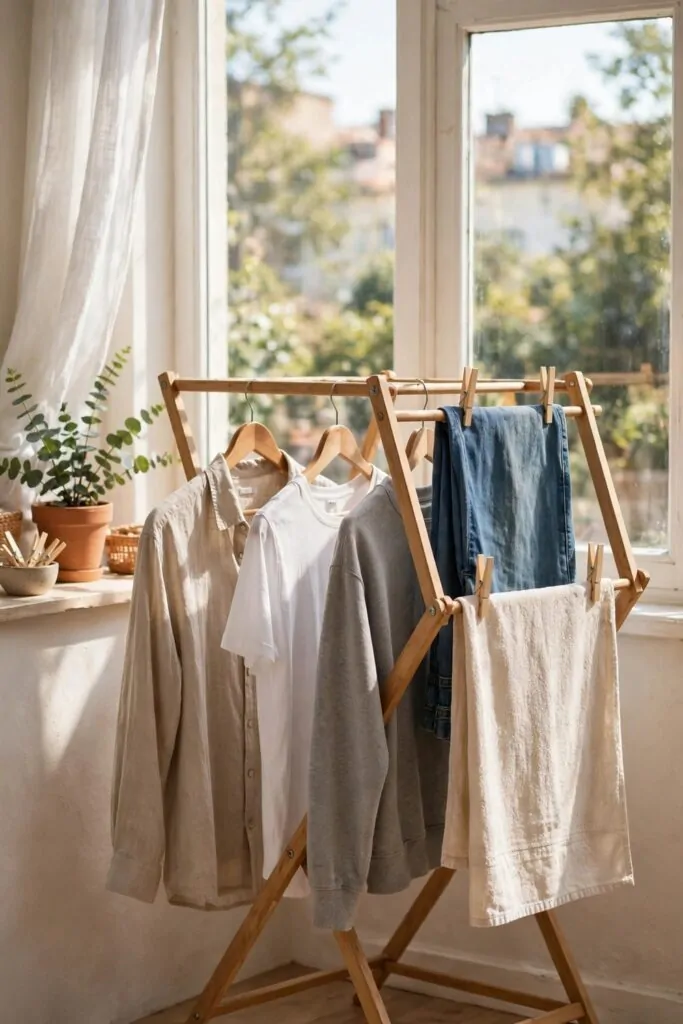
I dry my clothes in the fresh air each week. The sun and the wind do the work for free.
I hang my clothes on the rack by my window. I pin each piece up with care. The air moves through them and they dry soft.
A dryer eats cash with each load.
I wash my clothes and I hang them straight away. They smell fresh when I bring them back in.
I hang my shirts and my towels with space between them. The air can reach each piece that way. By late day they feel dry and light.
My plain drying line cost $3 to $6.
I fold my clothes and I put them in the basket. A neat basket makes my wash day feel calm.
Try the line for your next wash.
You will save cash each week without much fuss. Your clothes will last longer too. Fresh air is free and it works each time.
15. Borrow Books From the Library
My library lets me read new books for free.
I walk in with my plain library card each week. I pick two books from the shelf. I take them home and I read them at night.
A new book from a shop costs real cash. My library book costs me nothing at all.
Free books are the best kind of saving.
I read one book while my tea cools. I keep the next book on my shelf for the next night.
My kids pick their own books too. They read them at home and they swap them back each week. A library trip is a calm day out for us all.
My plain book bag cost $2 to $4.
I return my books on time each week. A late book can cost a small fine.
Try your library this week if you have not been in a while. You will find books for each mood and each age. A free book in your hand feels like a small gift.
16. Swap Clothes With a Friend
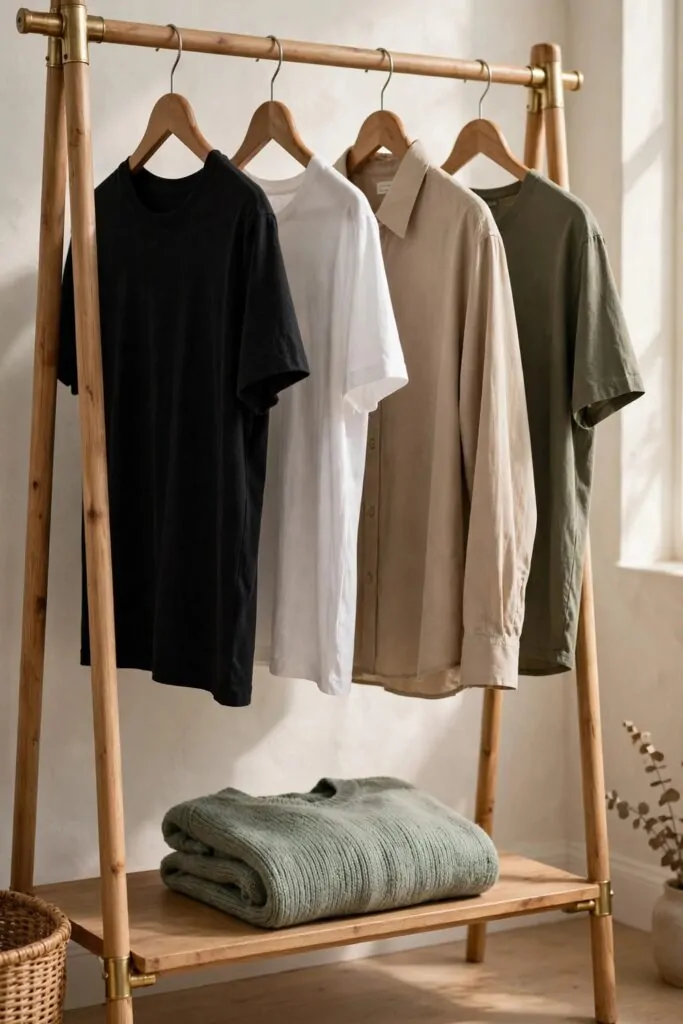
I swap clothes with my friend each season. We bring our good clothes we no longer wear. We trade them and we both go home glad.
A new top from a shop costs real cash. A swap costs me nothing at all.
A fresh look can come from a friend’s shelf.
I wash each piece before I pass it on. I fold it neat and I hang it up. My friend does the same with her own clothes.
We meet at home and we look through the clothes. We pick what fits and what we like.
My plain clothes hangers cost $2 to $3.
A swap keeps good clothes in use. It keeps cash in my purse too. I love to see my old clothes worn with joy again.
Ask a friend to swap with you this season.
You will both leave with a fresh look. Your purse will stay full and your shelf will feel new.
17. Sell What You No Longer Use
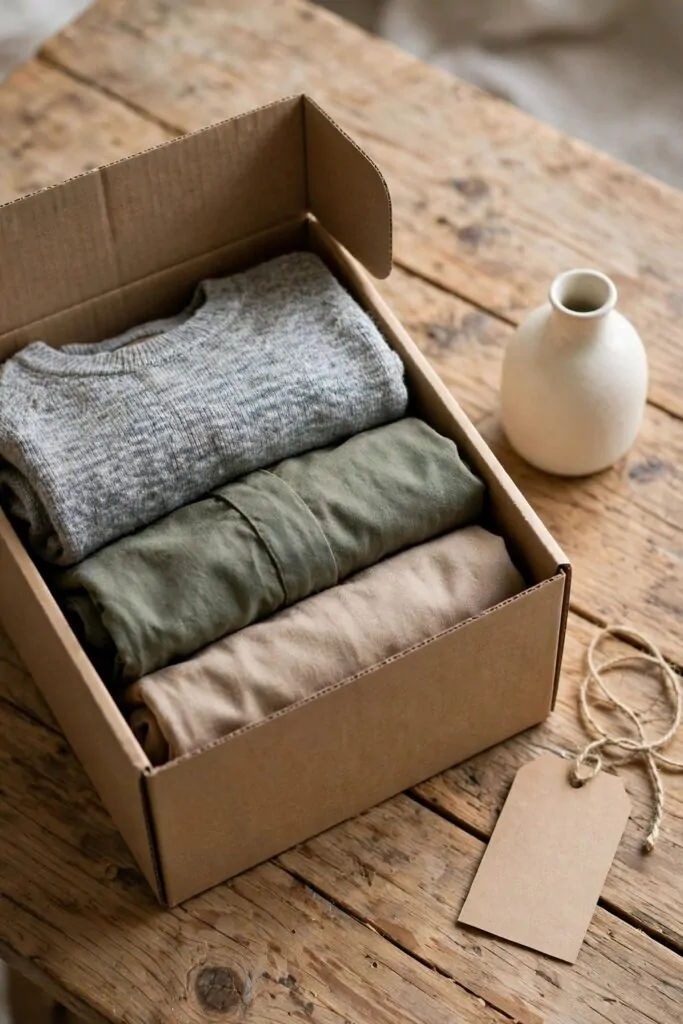
My shelves hold things I no longer use. I sell them and I turn them into cash.
A spare thing in my house can pay for my week.
I look through my rooms once each month. I pick out what I have not used in a long while.
I put my folded clothes in a plain box. I set the box on my table. I take a plain photo of each thing I want to sell.
My plain selling box cost $2 to $4.
I write a short note about each thing. I say what it is and how it looks. A plain note helps a buyer trust me.
I meet the buyer in a safe place. I take the cash and I smile.
Try one small sale this month.
You will clear your shelf and fill your purse. A sold thing is cash back in your hand.
18. Fix Small Things Yourself
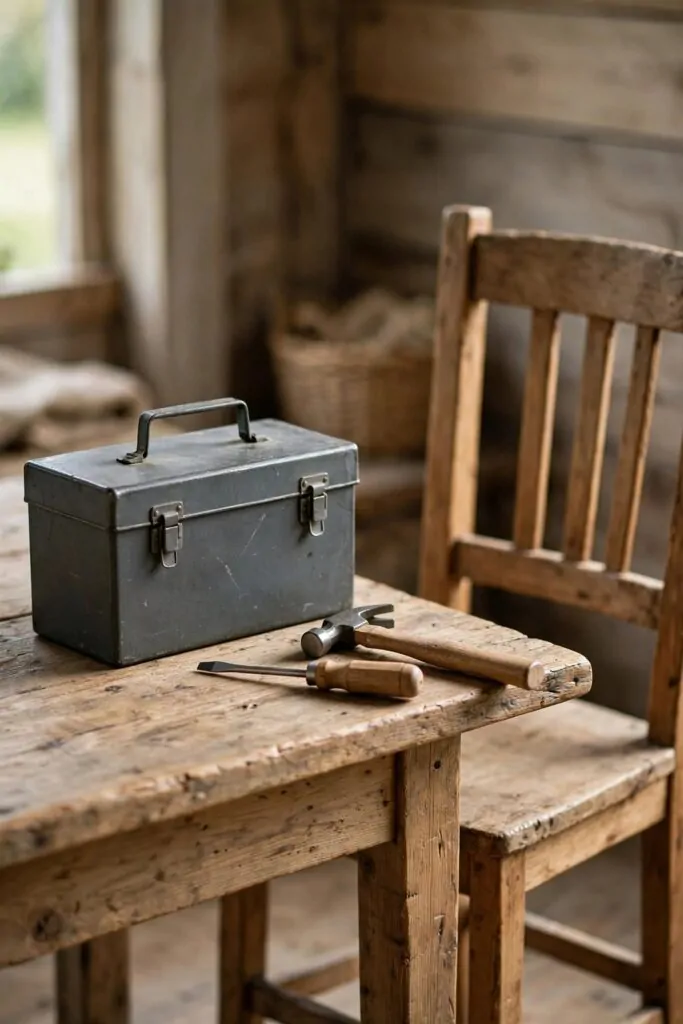
A small fix at home can save a big bill.
I fix a loose knob on my door with my own hands. It takes just a few calm minutes.
I watch a short guide and I learn the steps. I take my time and I work slow. A fixed knob feels like a small win.
I reach for my plain tool box when a knob comes loose. A small tool and a calm hand do the job.
My plain tool box cost $4 to $7.
I fix a torn hem with a needle and thread. A few small stitches make the cloth look new.
I mend a small tear in my curtains with the same kit. I match the thread as best I can. My curtains look neat again and I saved a big fee.
I only fix what I can do with care. A big job still needs a skilled hand.
Try one small fix this week.
19. Use Cash for Daily Spending
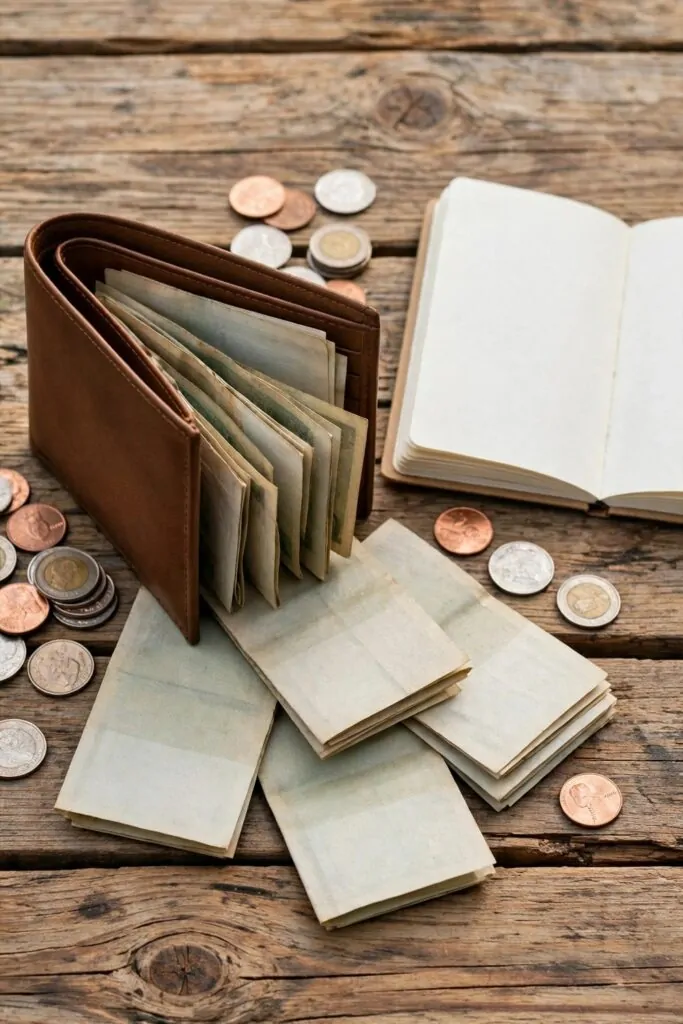
Cash in my hand feels real to me. I see it leave my purse with each buy. That plain sight keeps my spends in check.
Cash you can see is cash you can guard.
I take my cash out at the start of each week.
I put it in my purse in plain notes. I spend from that cash and nothing more.
When my cash runs low I stop and I think. I ask myself if I truly need the next buy. Most weeks the plain answer is no.
I keep my coins in a small pouch in my purse. Small coins pay for small buys with ease.
My plain cash pouch cost $2 to $4.
I count what is left each night before bed. A quick count shows me how my week is going.
Try cash for your daily buys this week. You will feel each buy in your hand. Your purse will tell you the truth each night.
20. Set a Weekly Spending Cap
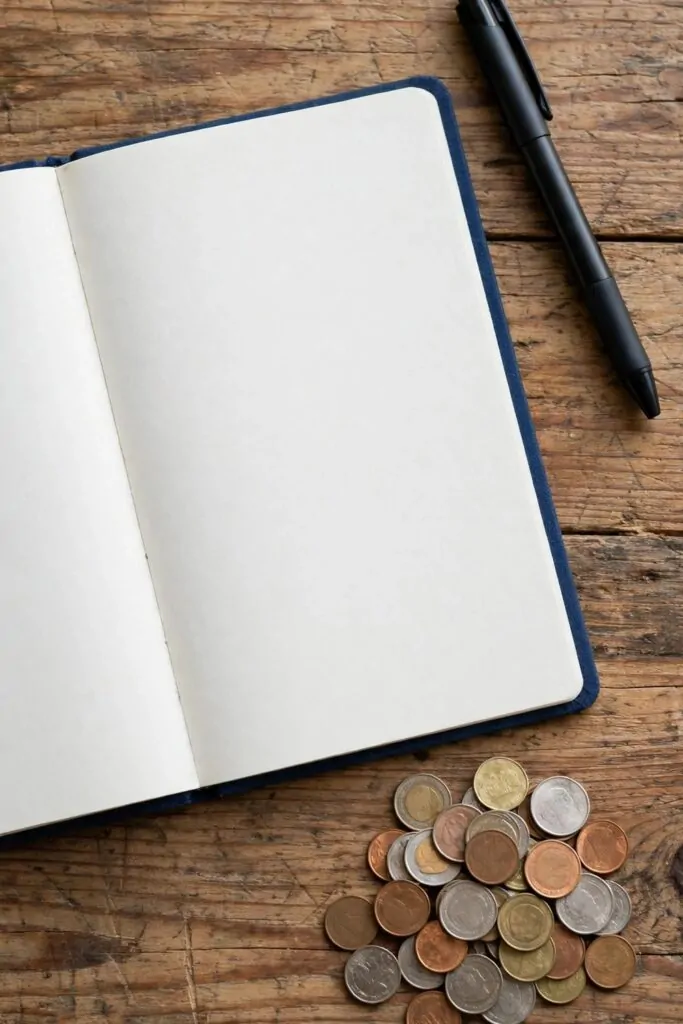
A weekly cap tells me how much I can spend. I pick one fair number and I stick to it.
I sit down each Sunday and I set my cap. I look at my purse and I count what I have. My cap fits my week and it feels fair.
I write my cap on a plain slip. I keep the slip in my purse where I see it.
A cap you can see is a cap you can keep.
My plain spending cap chart cost $2 to $3.
I check my spends each night before bed. I add them up with care on my slip. A quick check shows me if I am near my cap.
Some weeks I stay well under my cap. I smile and I save what is left.
Some weeks feel tight and I slow right down. I skip a small extra and I cook at home. My cap keeps me calm even in a hard week.
Try one fair cap this week.
| Idea | Main change | Typical cost |
|---|---|---|
| Drink Water Instead of Soda | water instead of soda | $3 to $5 |
| Turn Off Lights You Do Not Use | lights turned off when not used | $4 to $6 |
| Wash Clothes in Cold Water | clothes washed in cold water | $2 to $4 |
| Air Dry Your Laundry | laundry dried in fresh air | $3 to $6 |
| Borrow Books From the Library | books borrowed from the library | $2 to $4 |
| Swap Clothes With a Friend | clothes swapped with a friend | $2 to $3 |
| Sell What You No Longer Use | things you no longer use sold | $2 to $4 |
| Fix Small Things Yourself | small things fixed yourself | $4 to $7 |
| Use Cash for Daily Spending | cash used for daily spending | $2 to $4 |
| Set a Weekly Spending Cap | a weekly spending cap set | $2 to $3 |
| Total | $26 to $46 |
21. Save Your Loose Coins in a Jar
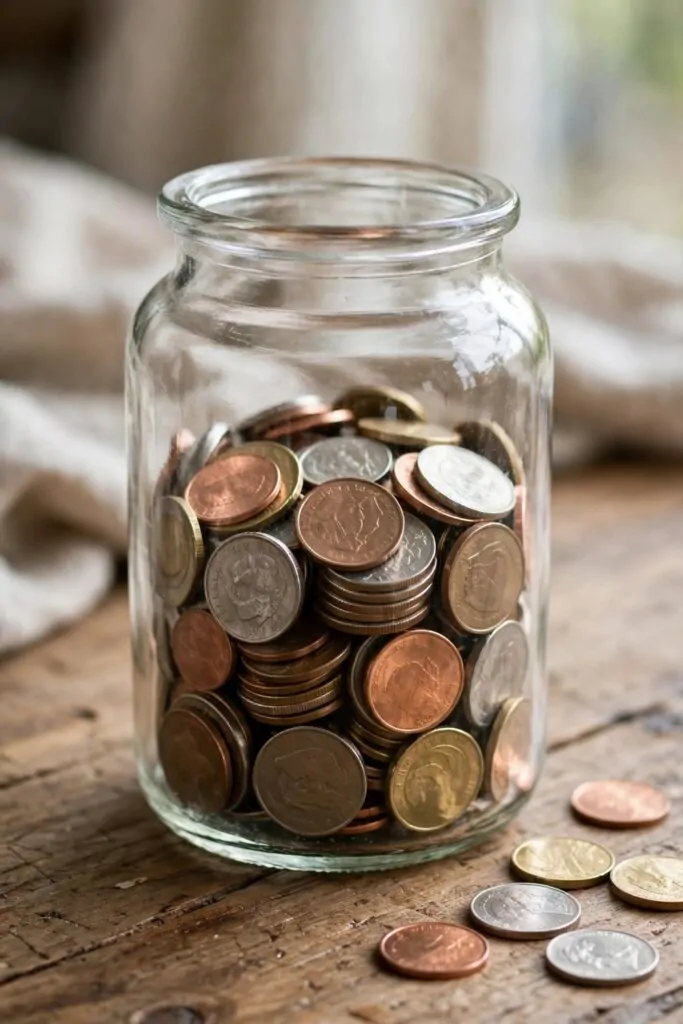
I drop my loose coins in a clear jar at the end of each day. I keep the jar on my wooden table so it stays in plain sight.
Coins from my purse go in first. Coins from my coat pocket go in next. By the end of the week the jar holds my saving for the week.
One coin at a time is all it takes.
I like the soft ring when a coin drops in. That tiny noise tells me my saving is growing.
My plain coin jar cost $2 to $4.
You can start with any jar you have at home. Wash it out and set it on your table. A plain jar works just as well as a new one.
Small coins add up fast.
At the end of the month I count what is in the jar. I put the coins in my purse for a small need.
A jar of coins feels like a tiny win each day. Try it this week and watch your jar fill. You may be glad you kept each coin instead of letting it roll away.
22. Make Gifts Instead of Buying Them
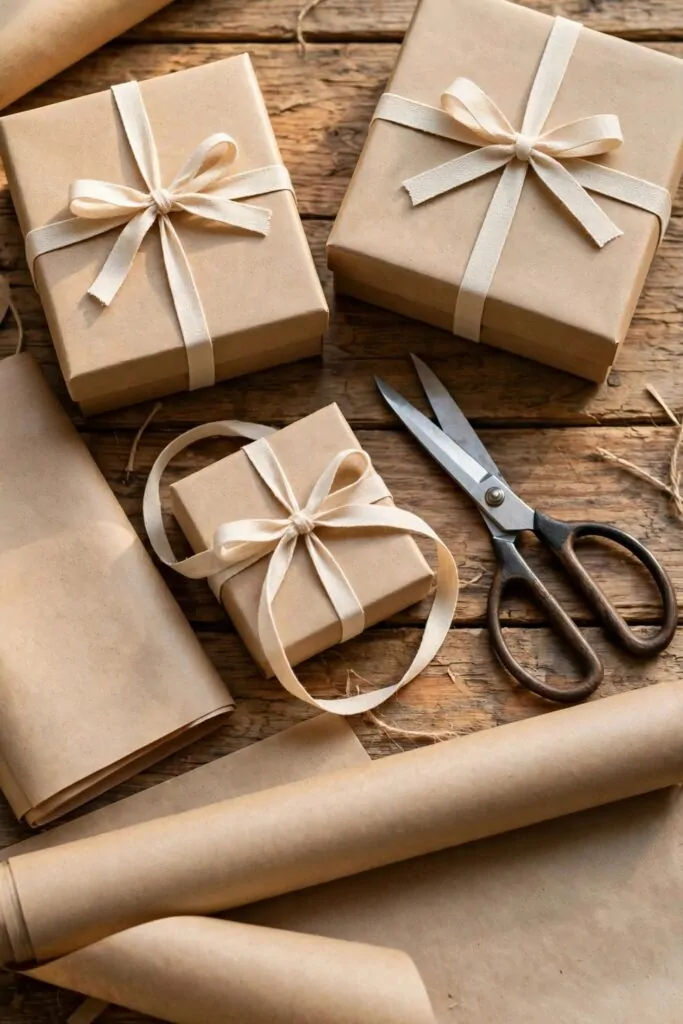
I make gifts with bits I already have at home. A plain card with a kind note feels warm and true. My family smiles when they see I made it just for them.
A gift you make carries your time in it.
I fold a small card from plain paper and write a few kind lines inside. A jar of dry mix from my cupboard makes a sweet gift too.
Gifts from a shop cost more than I like some weeks. A gift I make costs little and still feels full of care.
My plain gift box cost $2 to $5.
Start with one gift and see how it feels.
Pick a plain box and set your gift inside with care. Tie it with a bit of ribbon from your drawer. A neat box makes a plain gift look like a treat.
My children love to help me wrap each gift. We laugh as we fold the paper and tie the ribbon.
A gift made with care is a gift worth giving.
23. Walk Short Trips Instead of Driving
I walk to the near shop instead of taking the car.
A short walk wakes up my legs and clears my head. I reach the shop in a few minutes and feel glad I walked.
I take my small bag and walk down the street. The air feels fresh on my face. I pass the same trees each time and smile at them.
Short trips cost less when I walk them. My car stays home and my purse stays full.
My plain walk bag cost $3 to $5.
Start with the nearest shop and walk there once this week. Take your time and enjoy the walk. Soon the walk feels easy and quick.
Walking turns a small trip into a small win.
I walk with my family on a calm evening. We talk as we walk and the trip feels short.
Try one short walk this week and see how it feels. Your legs will thank you for the fresh air. Your purse will thank you for the coins you kept.
24. Plan Free Nights at Home
I plan free nights at home so my week feels full without spending. A quiet night in can feel just as good as a night out.
I pick one night each week for a free plan at home. We cook a plain meal together in the kitchen. Then we sit and talk or read till bedtime.
A free night at home still feels like a treat.
I write the plan on my list so we all know what is next. A plan on paper keeps the night from slipping away.
My plain home night list cost $2 to $3.
Try a game night with bits you already own. A deck of cards and a cup of tea make a fine evening.
My family picks the plan together on Sunday. One week we cook, the next week we read. Each week feels new even though it costs nothing.
Free nights bring us close together.
A week with one free night feels calm and full. Give it a try and see how much you save by staying in.
25. Reuse Jars and Boxes for Storage
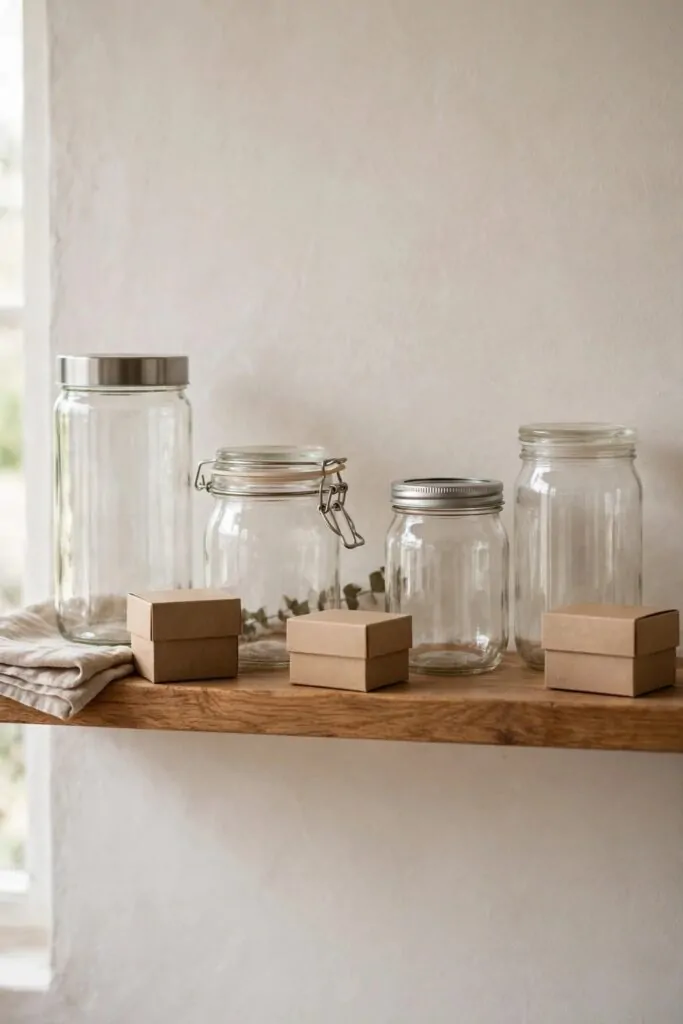
I keep the jars and boxes from my kitchen instead of throwing them away. A clean jar can hold pens on my desk. A small box can hold bits and pieces in my drawer.
Old jars make fine homes for small things. I wash each one and set it where I need it.
Reuse turns plain trash into plain storage.
I can put my buttons in one jar and my pins in one box. Each thing has its own spot now. I never hunt for a small thing anymore.
My plain storage box cost $3 to $5.
Start with one jar and one box this week.
A label on each jar can tell me what lives inside. I write the name with my pen in big plain letters.
My shelves look neat with rows of plain jars. Each jar can hold one kind of thing. I smile when I open a drawer and see it all in order.
You can do the same with boxes from your shelf. A plain box keeps small things safe and tidy.
26. Batch Cook on Sunday
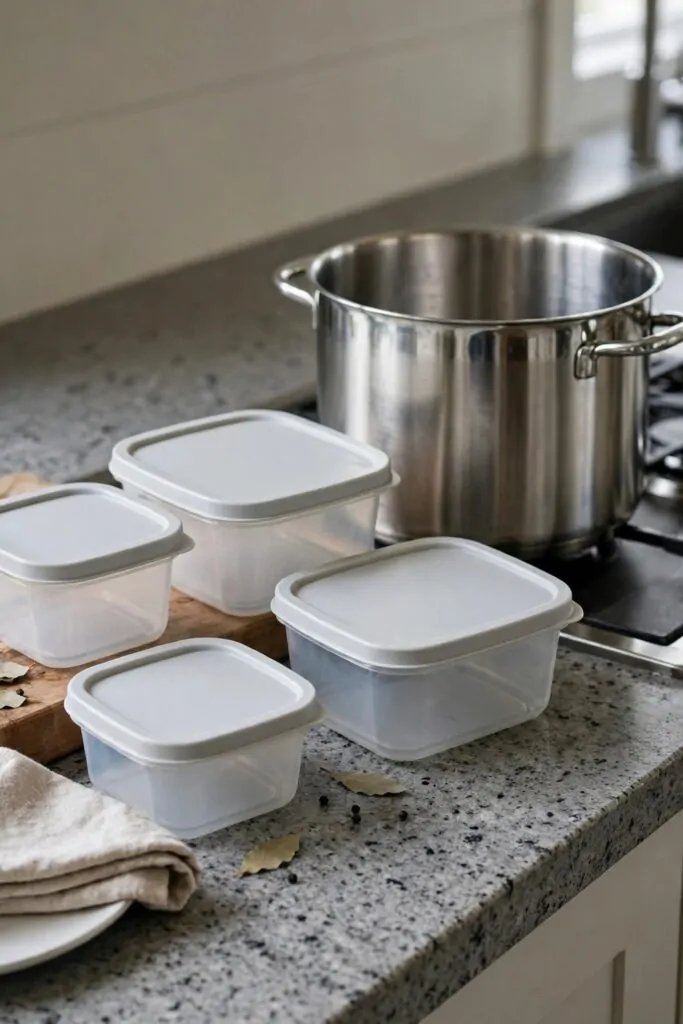
I cook a big pot of food on Sunday for the week ahead. One big cook saves me time on busy days.
Sunday cooking makes the whole week easy.
I pick two plain meals that my family likes. I cook them both in big pots on the stove. Then I split the food into boxes for each day.
A big pot costs less than many small cooks. I use the same heat for more food at once.
My plain batch pot cost $5 to $8.
Start with one big pot this Sunday and see how it goes. Pick a meal you know well. A meal you know well is quick to cook and hard to spoil.
I set each box in the fridge in a neat row. Each day I take out one box and warm it up.
Less cooking each day means more rest each night.
Try it once and feel the week get calm. Your evenings open up for rest and talk. Your purse stays fuller too, one pot at a time.
27. Freeze Leftovers for Later
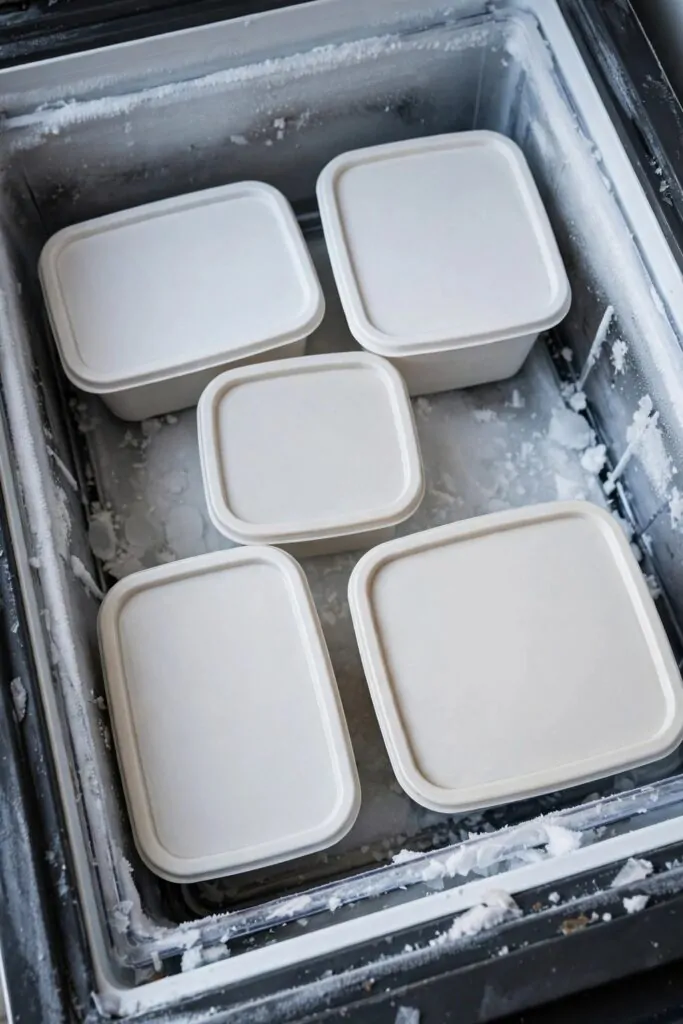
I freeze my leftovers instead of letting them go to waste.
After dinner I scoop the extra food into a small box. I write the name of the food on the lid with my pen. Then I set the box in the freezer for a busy day.
A box in the freezer is a meal waiting for me. On a tired day it saves me from cooking at all.
Leftovers taste just as good the next week. I warm them slow and serve them like new.
My plain freezer box set cost $3 to $6.
Start with one box this week and label it well. A clear label tells you what is inside without opening it.
Nothing good should go to waste.
I check my freezer each Sunday and plan my week around what is there. A full freezer means fewer shops. Fewer shops mean more coins stay in my purse.
Try it with your next meal and see. The box waits in the cold till you need it. A saved meal is a saved bit of money.
28. Skip the Daily Takeaway Coffee

I make my drink at home instead of buying one each day. A cup from my own kitchen tastes warm and calm. The coins I save each day add up by the end of the week.
A home cup costs far less than a shop cup. I keep the change in my jar for a small need.
One home cup a day saves a lot by month end.
I set my cup and my jar of coffee on the shelf each night. In the morning I make my drink in a few minutes.
My plain home cup cost $2 to $4.
Start with one home cup tomorrow morning.
Pick a cup you like and keep it by the kettle. Fill it slow and sit down to drink it. A slow morning cup feels like a small treat.
My family joins me with their own cups at the table. We talk a little before the day starts.
Try it for one week and count what you kept. You may be glad you skipped the shop cup. A small daily change can grow into a big saving.
29. Check Your Pantry Before You Shop
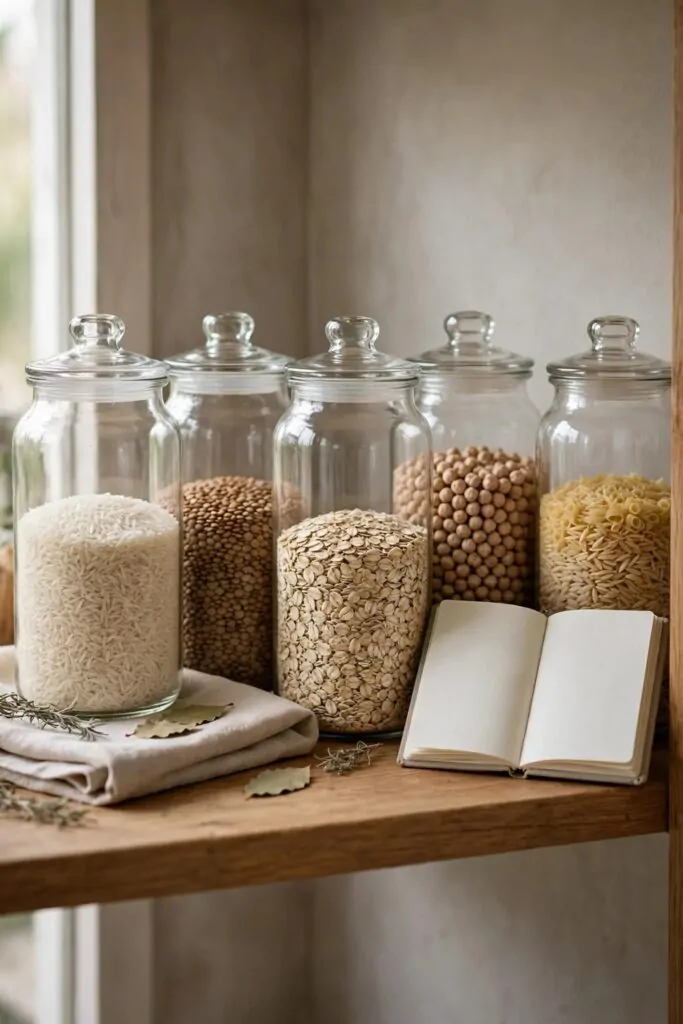
I open my pantry and look at what I already have before I shop. A quick look keeps me from buying the same thing twice.
I write a short list of what is missing. I check each shelf one by one. Then I take the list with me to the shop.
A pantry check takes two minutes and saves real money.
I keep my list on the fridge where I can see it. Each time I use the last of something, I add it to the list.
My plain pantry list cost $2 to $3.
Start with one shelf and look at each jar and box. Write down what is low or gone. A full shelf means you can skip that item this week.
My family helps me check the shelves on Sunday. We call out what we see and I write it down.
Shop with a list, not with a guess.
A list from your pantry keeps your purse calm. Try it before your next shop and see what you save.
30. Keep a Simple Frugal Kit at Home
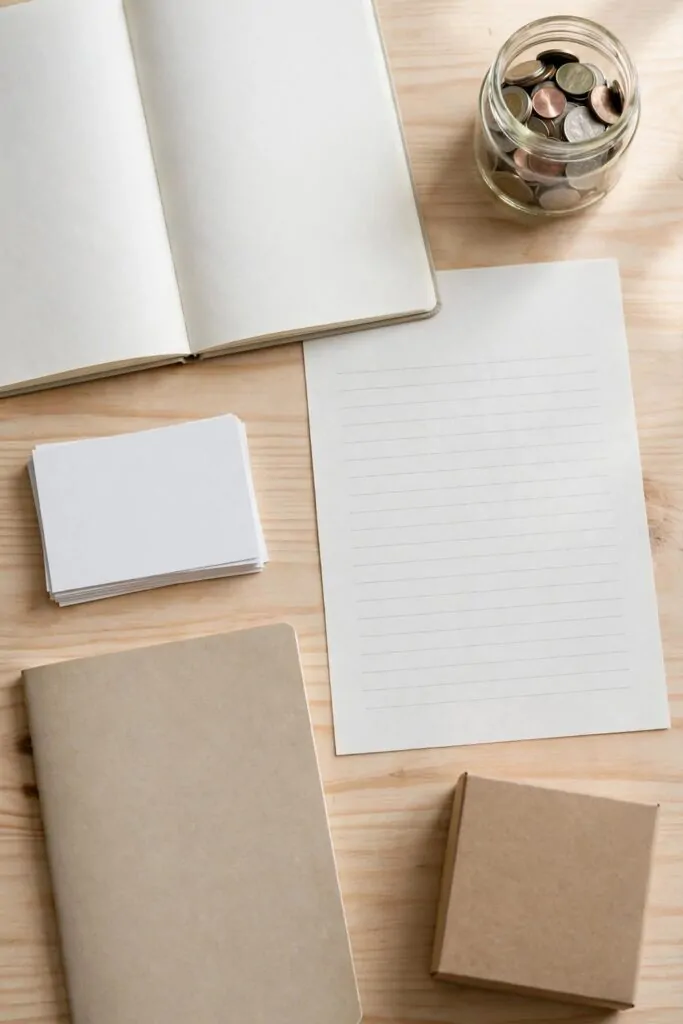
My frugal kit lives in one small box by my table. All six bits stay together in my kit, ready each week.
A plain notebook holds my plans for the week. A small jar holds the coins I save each day. A meal list, a set of cards, a spending log and a small box fill out the rest of the kit.
My plain notebook costs $3 to $5, my small jar costs $2 to $4, my meal list costs $2 to $3, my set of cards costs $2 to $3, my spending log costs $3 to $5 and my small box costs $3 to $6, for a total of $15 to $26.
The box sits by my table, in easy reach each week.
Each week I pull out my notebook and write my plan. I check my meal list and pick the meals for the days ahead.
Coins go into the jar as the week goes on. I mark each spend in my log so I can see where my money goes. The cards help me keep each small job in order.
When I stay a night at a friend’s place, my kit box rides along in my bag. It fits in my bag with ease and my week runs smooth.
A small kit keeps a big plan simple.
When I open my kit on Sunday I feel calm about the week ahead. Each small bit of saving adds up, and my home feels full without spending more.
| Idea | Main change | Typical cost |
|---|---|---|
| Save Your Loose Coins in a Jar | loose coins saved in a jar | $2 to $4 |
| Make Gifts Instead of Buying Them | gifts made instead of bought | $2 to $5 |
| Walk Short Trips Instead of Driving | short trips walked instead of driven | $3 to $5 |
| Plan Free Nights at Home | free nights planned at home | $2 to $3 |
| Reuse Jars and Boxes for Storage | jars and boxes reused for storage | $3 to $5 |
| Batch Cook on Sunday | batch cooking on Sunday | $5 to $8 |
| Freeze Leftovers for Later | leftovers frozen for later | $3 to $6 |
| Skip the Daily Takeaway Coffee | daily takeaway coffee skipped | $2 to $4 |
| Check Your Pantry Before You Shop | pantry checked before shopping | $2 to $3 |
| Keep a Simple Frugal Kit at Home | kit total for the whole plan | $15 to $26 |
| Total | $39 to $69 |
| Idea | Main change | Typical cost |
|---|---|---|
| a plain frugal living notebook | a notebook for frugal living notes | $3 to $5 |
| a small plain frugal living jar | a jar for loose coins each week | $2 to $4 |
| a plain frugal living meal list | a meal list for the week ahead | $2 to $3 |
| a set of plain frugal living cards | cards for frugal living goals | $2 to $3 |
| a plain frugal living spending log | a log for spending each week | $3 to $5 |
| a small plain frugal living box | a box for frugal living tools | $3 to $6 |
| Total | $15 to $26 |
Keep Reading
If you liked these ideas, you will love these posts too
Each post has more simple ideas you can try at home this weekend.