100 Envelope Challenge Ideas for Big Savings

I found a plain envelope tucked inside an old book, and it held a few coins I had saved long ago. I sat down with it and I thought about how a small pile of envelopes could hold a whole year of saving.
One envelope on its own looks small, but one hundred envelopes together can hold a lot of cash by the end of the year. Each envelope takes a small amount, and the amounts grow as the numbers grow. I like that slow climb because my purse never feels light.
Here are 30 100 envelope challenge ideas for big savings at home, and the first one starts with a single envelope.
This plan works because it never asks for a big sum on day one. You start with envelope one and a small amount of cash, and you work your way up one envelope at a time. Each week feels easy, and each full envelope feels like a small win.
This plan needs no fancy tools at all. A pack of plain envelopes, a small box, a black pen and a small notebook are all you need to start.
I like that this plan fits in a small box on my shelf. I can see my envelopes when I pass by, and I know just how far I have come. Saving feels calm when the tools stay plain and close.
Start with the first idea below and give it a try this week. You can start today with one plain envelope and a coin from your pocket.
1. Start With Envelope Number One
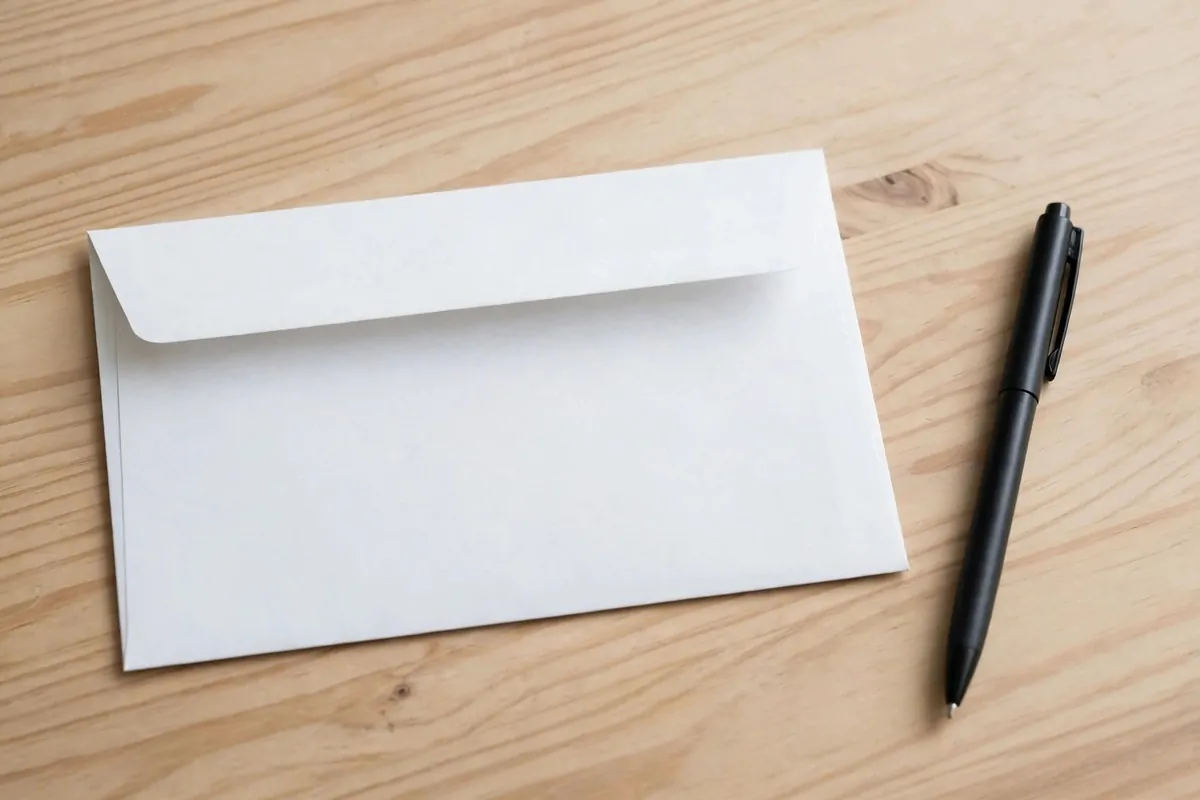
Envelope number one is the easiest place to start. I take one plain white envelope from my pack and I set it on my wooden table.
My plain first envelope cost $2 to $3.
I put $1 in envelope one and I smile at how light it feels. One small amount never hurts my purse, and it still counts as a real start. I keep the envelope where I can see it each day.
One envelope done feels better than a big plan I never start.
I tell my family that I started with envelope one. They like the idea and they want to try it too.
Some days I look at my envelope and I feel proud of one small step. Other days I forget it is there, and then I spot it on the table and I smile. A small start stays with me all week long.
Start small and your saving will grow slow and sure.
I write the number one on the envelope in plain words with my black pen. The number tells me this is the first step of my plan.
Try envelope one today and see how easy saving can feel.
2. Label One Hundred Envelopes at Once
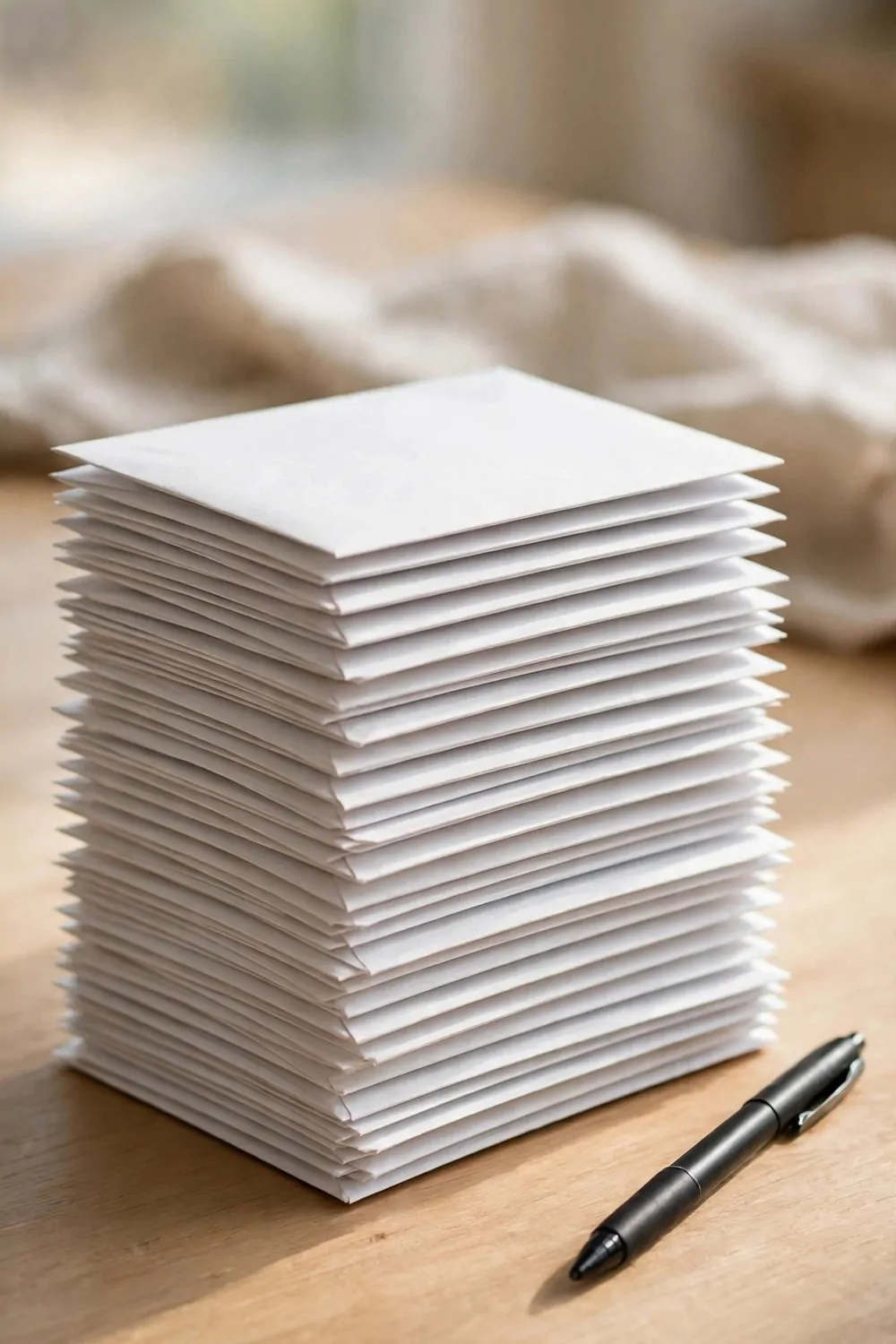
I label all my envelopes in one calm sitting before I start.
I take my pack of plain white envelopes and my black pen, and I sit at my wooden table. I write a number on each envelope, one by one, from the first to the last.
My plain envelope pack cost $2 to $4.
Labelling at once saves me time later in the year. I never have to stop and hunt for a pen when a new week starts. My envelopes wait in a neat pile, ready for each week to come.
I go slow so my numbers stay clear and easy to read. A clear number helps me pick the right envelope each week.
One sitting now makes the whole year feel easy.
Some weeks I pick a low number and some weeks I pick a high number. Each number tells me how much cash goes in that week. I like to choose the number that fits my purse that day.
Labelled envelopes keep my plan neat from the very first day.
You can label your envelopes on a quiet evening at home. Put on the kettle, sit down, and work through the pack at your own pace.
3. Keep Your Envelopes in One Small Box
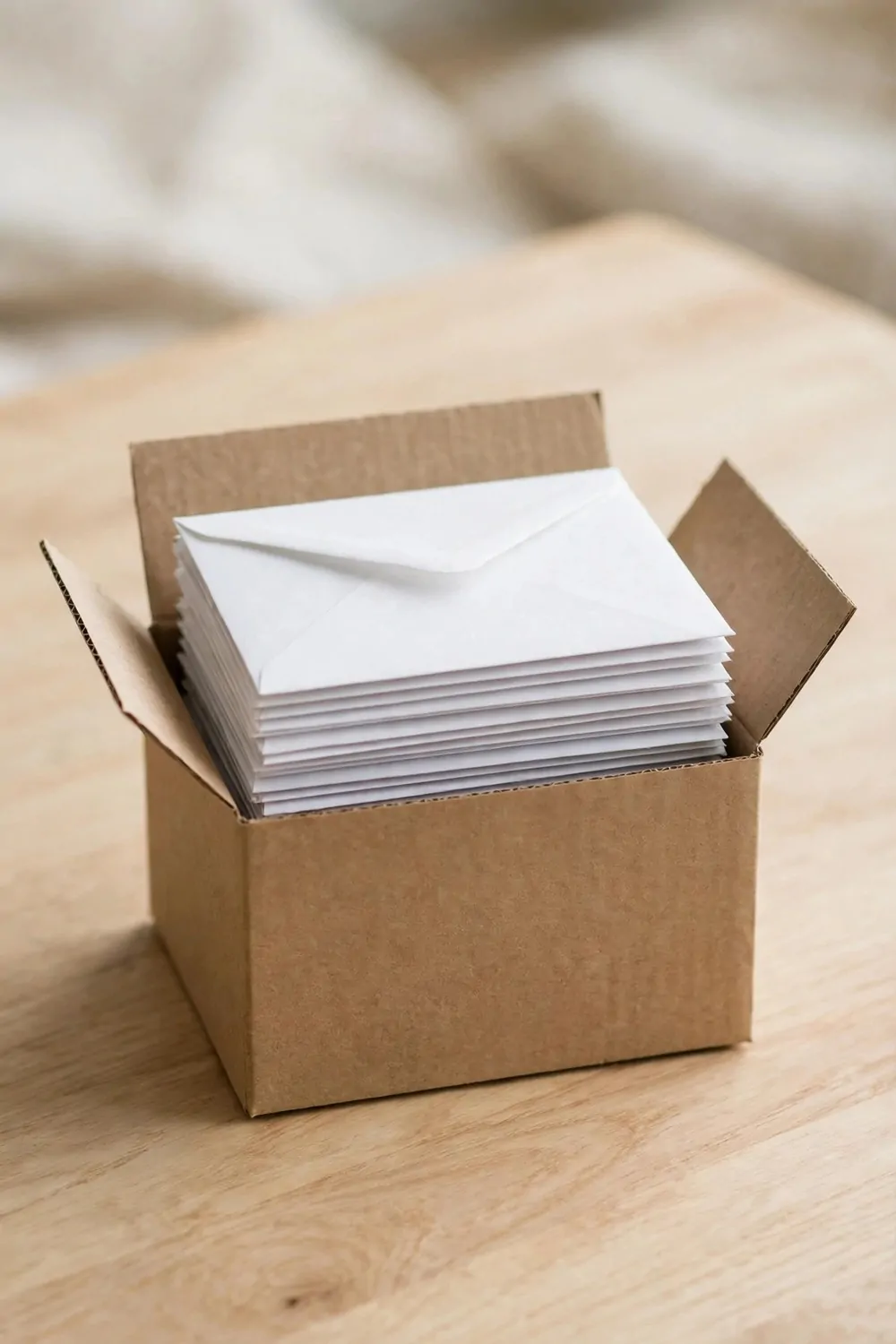
One small box keeps all my envelopes in one calm place. I set the box on my shelf and I drop my labelled envelopes inside it. I never have to hunt round the house for my saving plan.
A box keeps my plan tidy and close at hand.
I pick a plain brown kraft box because it feels strong and simple. I put my envelopes in the box week after week without any fuss.
My plain envelope box cost $2 to $5.
I keep the box where I see it each morning. It reminds me that my plan is close and easy to reach. I open the box, I pick my envelope, and I put my cash in with a smile.
Some weeks I add a low envelope and some weeks I add a high one. Each one goes in the box till its week comes round.
One box means no lost envelopes and no mess.
My box stays on my shelf through the whole year.
Try one small box for your envelopes this week. You will like how calm and neat your saving feels.
4. Pick One Envelope Each Week
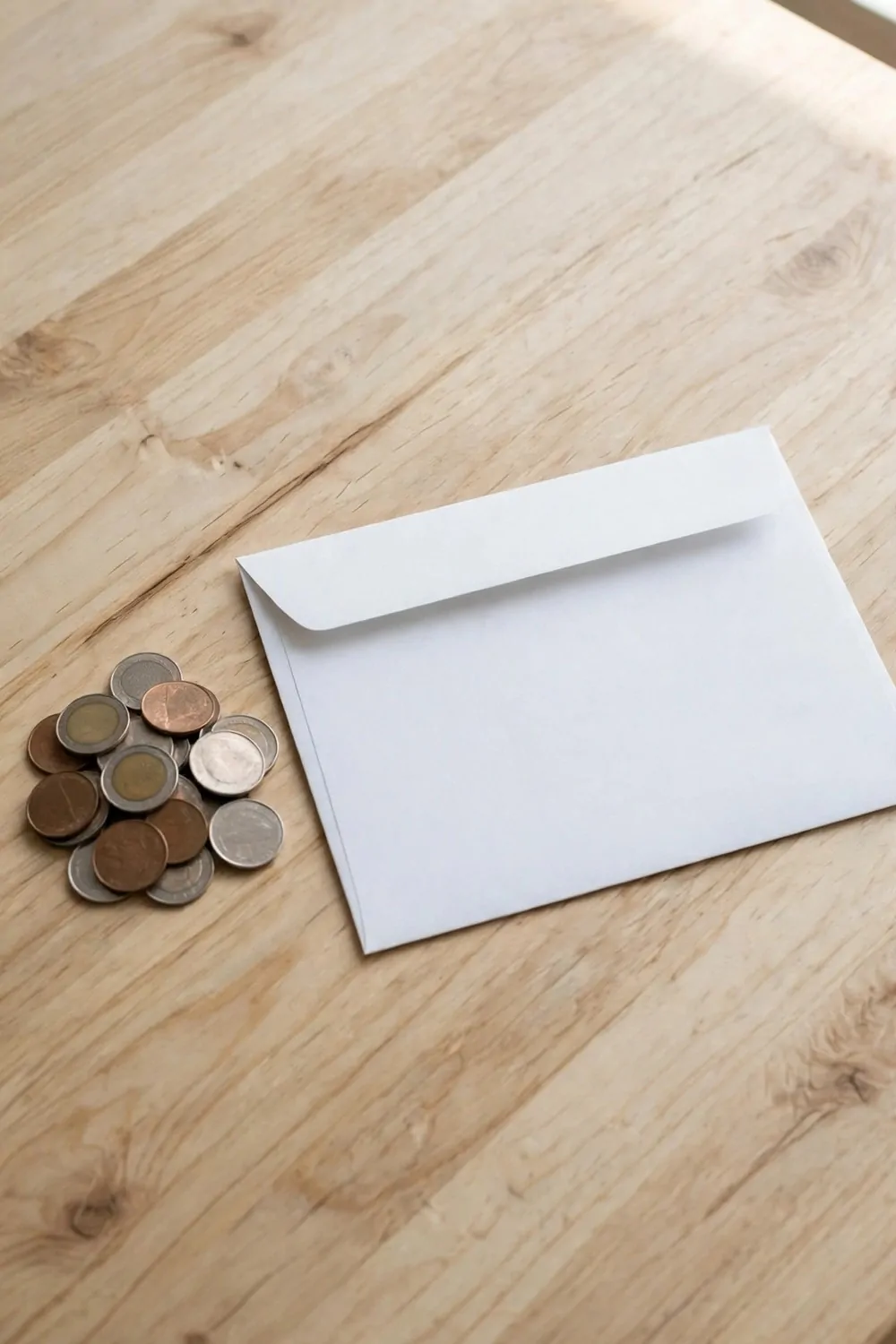
Each week I pick just one envelope from my box.
I look at the numbers and I choose the one that fits my purse that week. A low week takes a small amount and a high week takes a bit more. I never pick two at once, so my plan stays slow and kind.
I take my time with the pick because it sets the tone for my week. A calm pick makes the whole week feel easy.
My plain weekly envelope cost $2 to $6.
Some weeks I pick envelope one and some weeks I pick a much higher number. Each pick feels fresh, and I never get bored of the plan.
One envelope a week is all this plan ever asks.
I put my cash in the envelope I picked and I set it aside for the week. I mark the week in my notebook so I know which one I took. I keep the rest in my box for the weeks still to come.
You can pick your envelope on the same day each week. A set day turns the pick into a habit you look forward to.
Pick one, fill it, and feel proud of your week.
5. Put the Right Cash in the Right Envelope
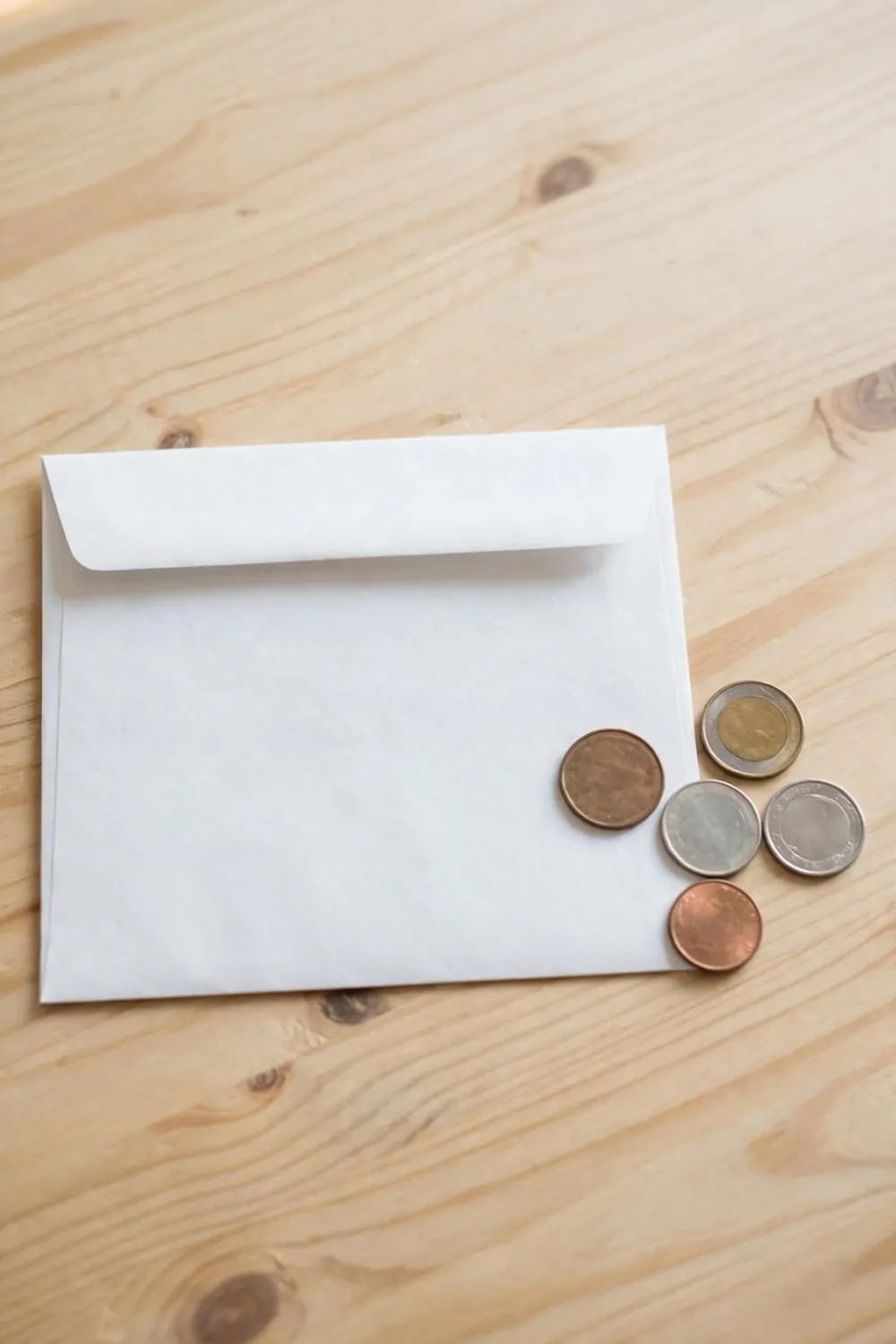
Each envelope needs the right amount of cash for its number. I check the number first, then I count my cash with care.
Envelope one takes $1 and a high envelope takes a lot more. I count the notes and coins on my table before I put them in. A slow count stops me from mixing up my weeks.
The right cash in the right envelope keeps my plan true.
I count my cash on my wooden table while I check each envelope. I look at the number twice before I move on to the next one.
My plain cash envelope cost $3 to $4.
Some weeks my purse feels full and some weeks it feels light. I pick an envelope that fits the week I am in. My plan bends a little, and that is why I can keep it up all year.
I never rush the count, even when I feel busy. A calm count now saves a muddle later in the week.
Right cash, right envelope, calm mind.
Check the number, count the cash, and put it in.
6. Use Small Coins for Low Numbers
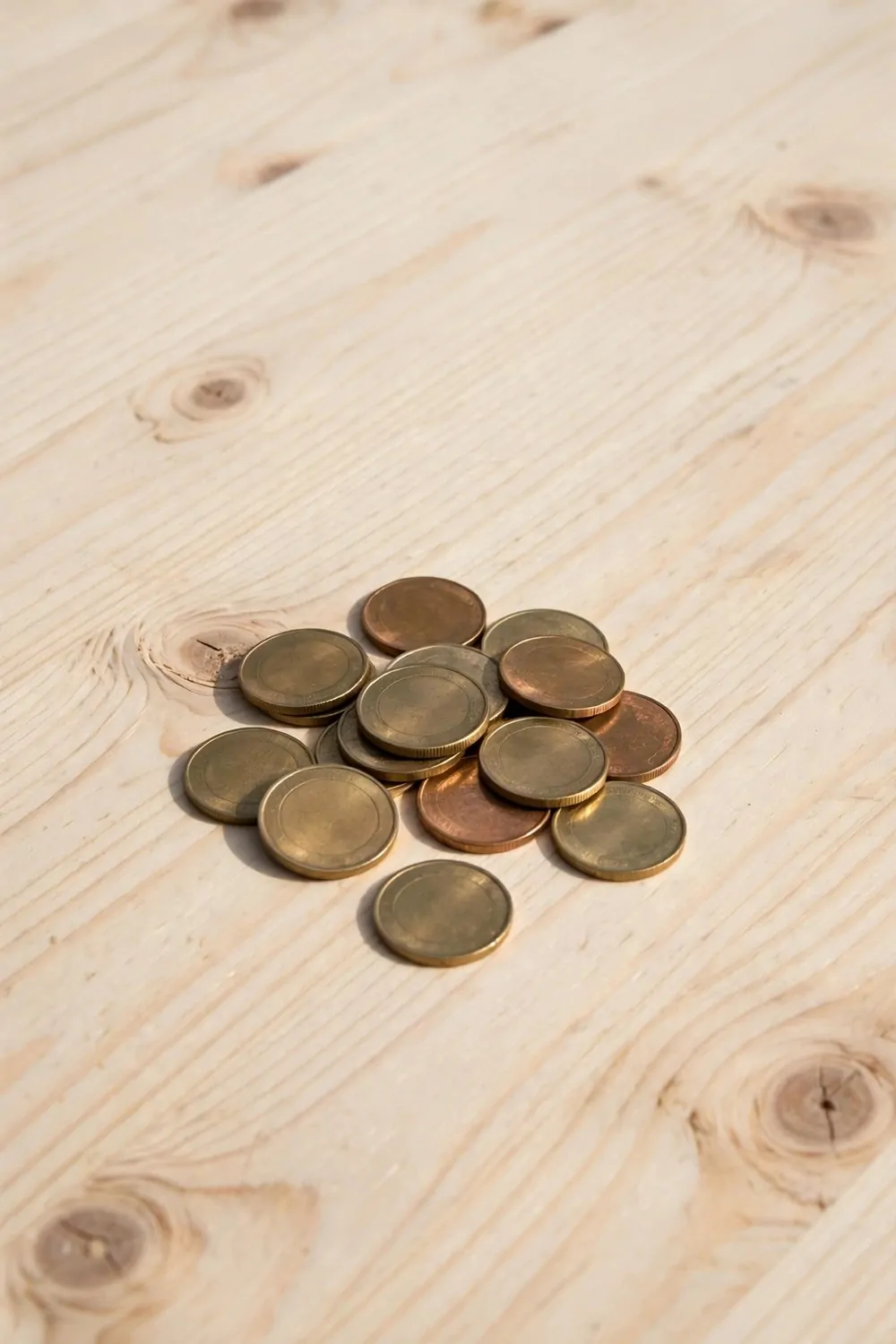
Low numbers ask for small amounts, so small coins work well for them. I save my small coins in a pouch through the week. When a low envelope comes up, I already have the coins I need.
I check my purse each night for small coins to set aside. Each coin goes in my pouch for a low number week.
My plain coin pouch cost $3 to $5.
Envelope two takes $2 and envelope three takes $3. I count the coins on my table and I drop them in one by one. Small coins add up fast when you save them with care.
Small coins make low weeks feel light and easy.
Some weeks I save a few coins from my purse, and some weeks I find a coin in a coat pocket. Each one still counts the same toward my low number.
Keep a pouch for small coins and low weeks will never feel hard.
I like to count my pouch on a quiet evening. I tip the coins out, I count them slow, and I put them back in the pouch. A counted pouch tells me which low envelopes I can fill next.
Small coins, low numbers, big smiles at the end.
7. Use a Plain Chart to Count Your Envelopes
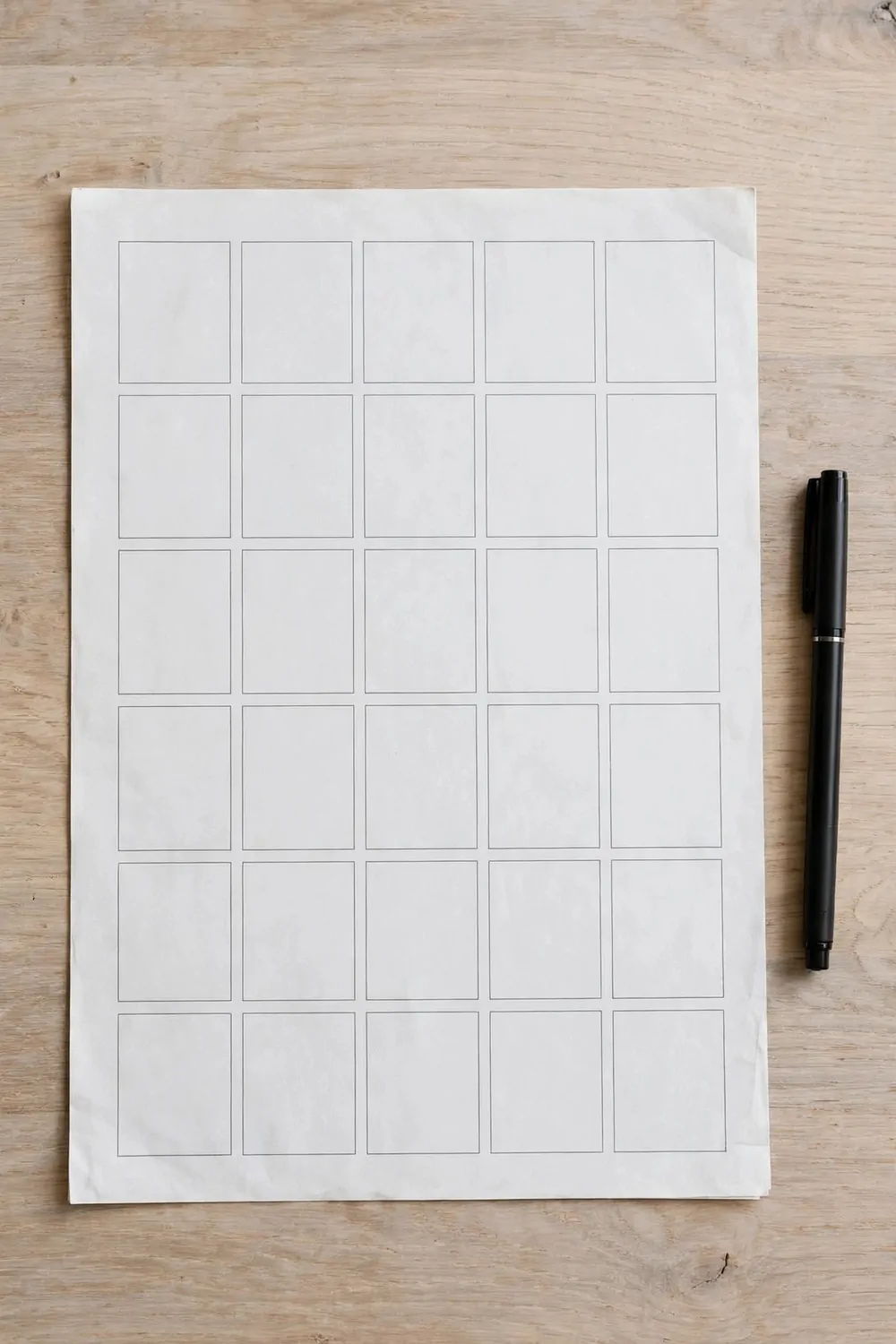
A plain chart helps me count my envelopes at a glance.
I keep my chart on the wall where I see it each day.
My chart is a plain sheet with rows of empty boxes. Each box waits for one filled envelope. I look at the chart each morning and I know just where I stand.
I mark one box each time I fill an envelope. A quick mark shows me my progress without any fuss.
My plain envelope chart cost $3 to $6.
Some days I mark it first thing, and some days I mark it just before bed. Each mark shows me I kept the small promise I made to myself.
My black pen stays close beside my chart. I grab it when an envelope is filled and I make my mark at once. A pen close by keeps the habit quick and simple.
Each mark keeps my whole year moving in the right way.
You can hang your chart where you walk past it each day. A spot in plain sight will nudge you each time you see it.
8. Mark Each Envelope as You Fill It
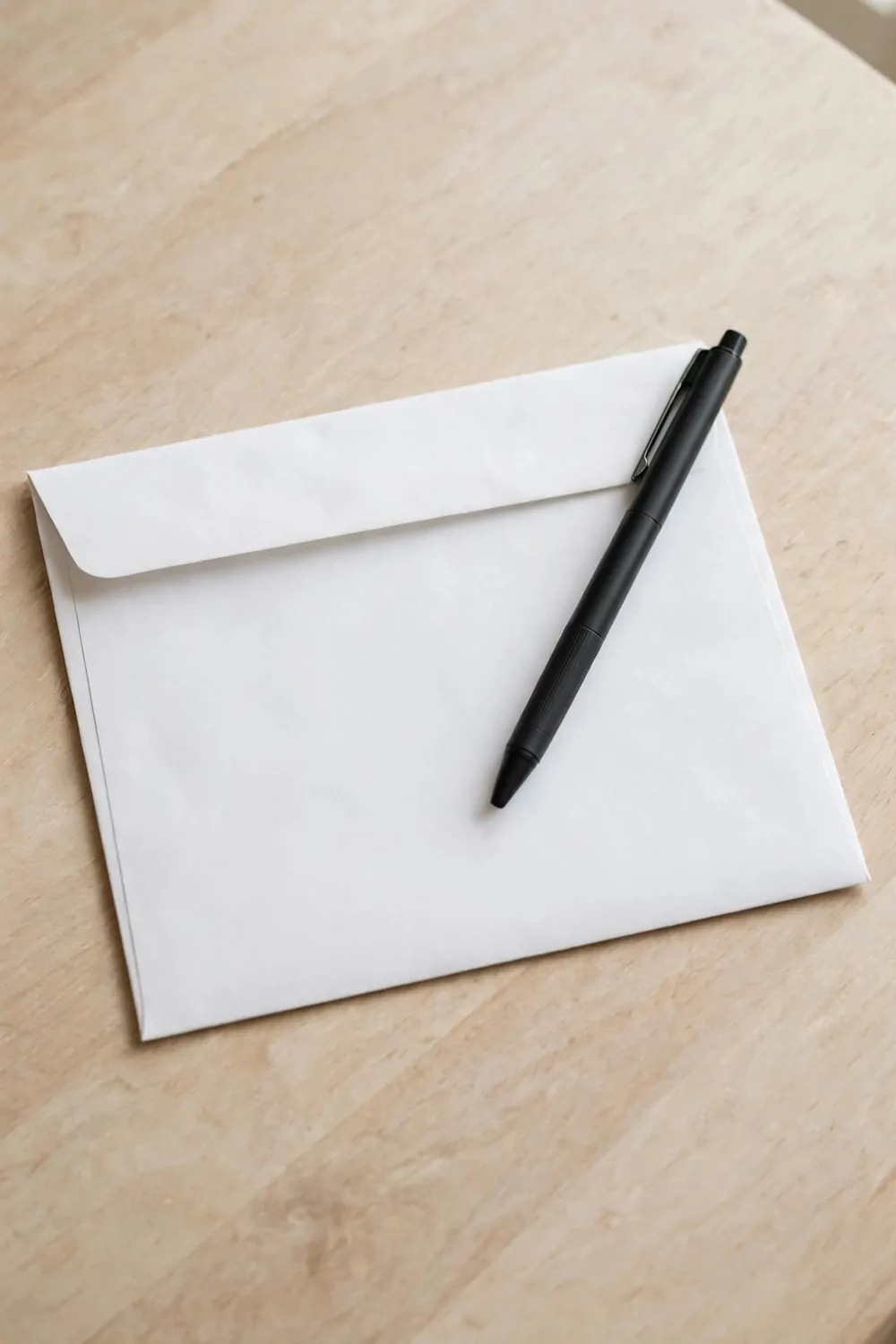
I mark each envelope as I fill it, so I never lose track of my weeks. A quick mark tells me that envelope is done and dusted.
I use my black pen to make a small mark on the front.
My plain mark pen cost $4 to $5.
I fill the envelope first and then I make my mark. I check the number once more before I mark it, so I mark the right one. A marked envelope goes back in my box, ready for the end of the year.
Some envelopes I mark on the same day I fill them. Some I mark the next morning when I have a quiet minute.
My family can see my marked envelopes when I show them my box. They ask me how my plan is going, and I tell them with pride. Each mark is a small win I can point to with a smile.
A mark means that envelope is finished for good.
You can mark yours with a tick or a small star. Pick one mark and use it the same way each time.
Mark it, box it, and move on to the next one.
9. Store Full Envelopes in a Safe Spot
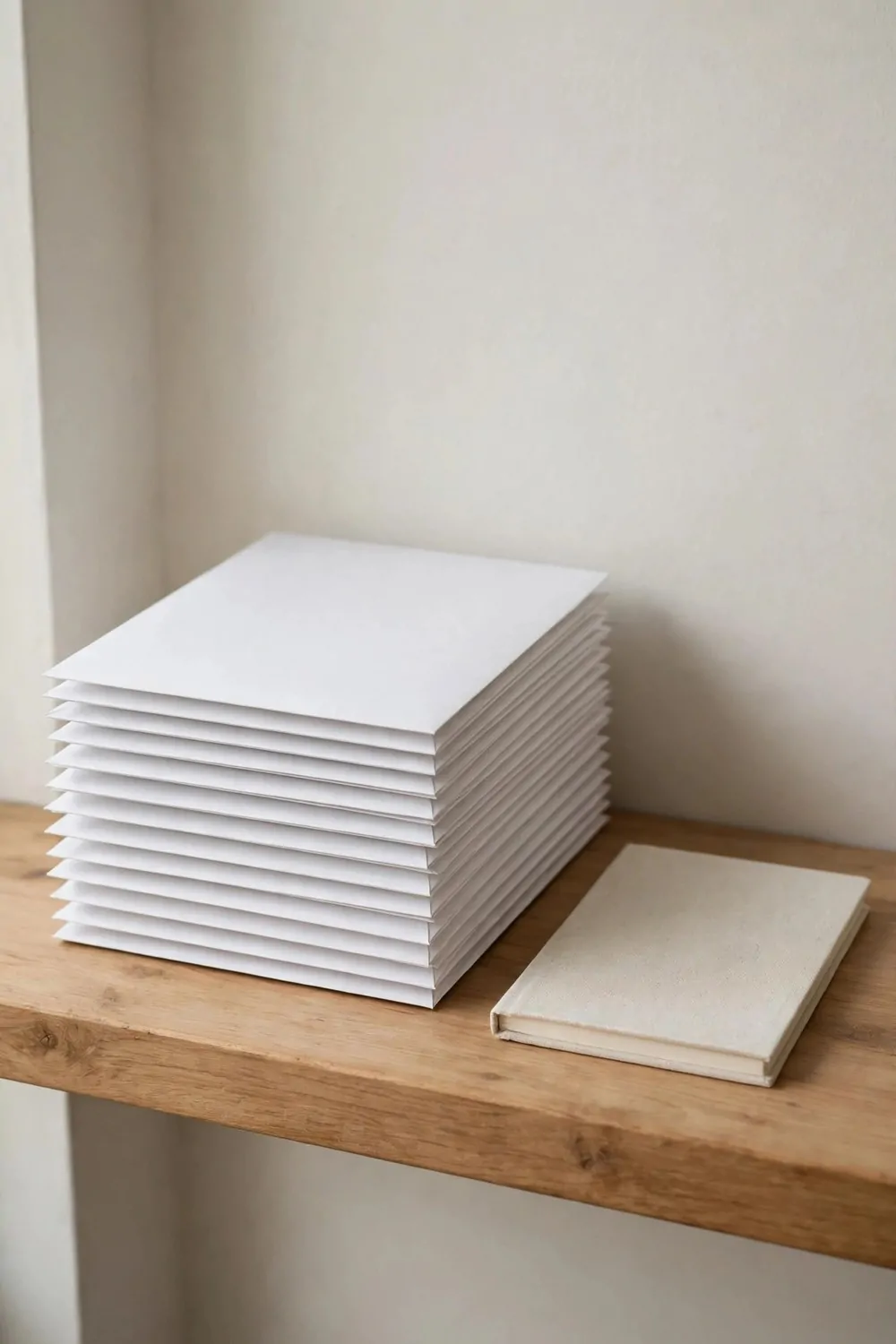
Full envelopes hold my saved cash, so I keep them in a safe spot at home. I pick a spot that stays dry and out of the way. My full envelopes rest there till the end of the year.
A safe spot keeps my hard work safe from harm.
My plain storage tin cost $4 to $6.
I put each full envelope in my tin as soon as I fill it. I keep the tin on my shelf where I can reach it with ease.
Some weeks I fill a low envelope and some weeks I fill a high one. Each full envelope goes in the same safe spot, no matter its number. I count my full envelopes once a month to see how far I have come.
Full envelopes stay safe when they live in one spot.
I never mix my full envelopes with my empty ones. Full ones go in the tin, and empty ones stay in the box.
One safe spot means no worry and no lost cash.
You can pick a shelf, a drawer, or a tin on a side table. Choose a spot that feels safe and easy to reach. Your full envelopes will wait there till the year is done.
10. Use a Plain Jar for Spare Coins
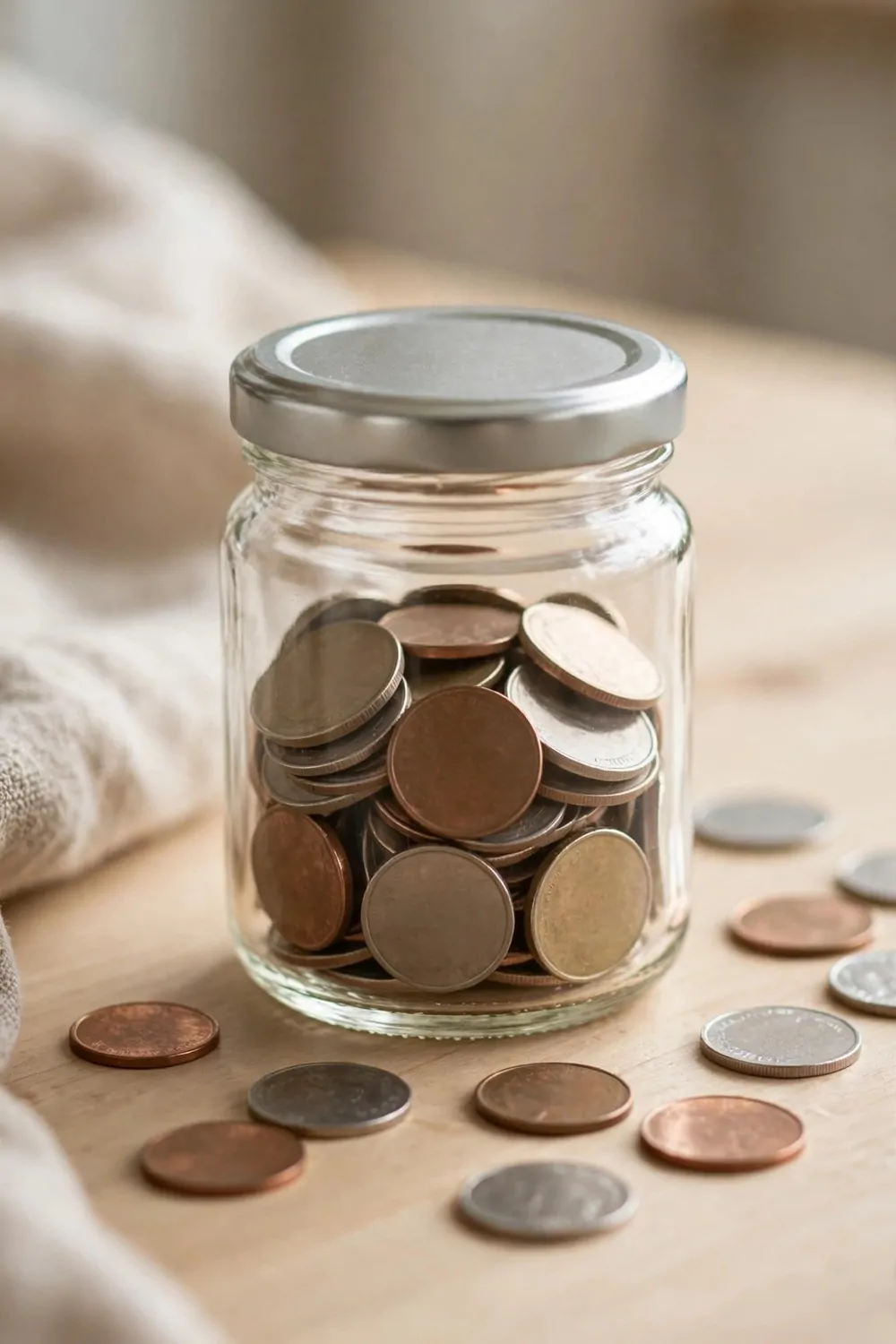
Spare coins pile up fast when you save them each day.
I keep a plain jar on my wooden table just for spare coins. Each night I drop the coins from my pocket into the jar.
The jar takes coins of all sizes, big and small. I never sort them at night, I just drop them in and walk away. A jar for spare coins turns loose change into real saving.
My plain spare coin jar cost $5 to $6.
Some weeks a lot of spare coins land in my jar, and some weeks only a small amount does.
At the end of the week I count the coins in my jar. The counted coins go to my low envelopes first.
A jar by my side keeps my spare coins safe.
I like to see my jar fill up slow and sure on the table. It reminds me that small coins still count toward my plan. Each coin in the jar is one step closer to a full envelope.
Try one plain jar for your spare coins this week. You will love to watch it fill up coin by coin.
| Idea | Main change | Typical cost |
|---|---|---|
| Start With Envelope Number One | one envelope saved first | $2 to $3 |
| Label One Hundred Envelopes at Once | all envelopes labelled at once | $2 to $4 |
| Keep Your Envelopes in One Small Box | envelopes kept in one small box | $2 to $5 |
| Pick One Envelope Each Week | one envelope picked each week | $2 to $6 |
| Put the Right Cash in the Right Envelope | the right cash in the right envelope | $3 to $4 |
| Use Small Coins for Low Numbers | small coins used for low numbers | $3 to $5 |
| Use a Plain Chart to Count Your Envelopes | envelopes counted on a plain chart | $3 to $6 |
| Mark Each Envelope as You Fill It | each envelope marked as you fill it | $4 to $5 |
| Store Full Envelopes in a Safe Spot | full envelopes kept in a safe spot | $4 to $6 |
| Use a Plain Jar for Spare Coins | spare coins kept in a plain jar | $5 to $6 |
| Total | $30 to $50 |
11. Try the Hundred Envelope Plan in Reverse
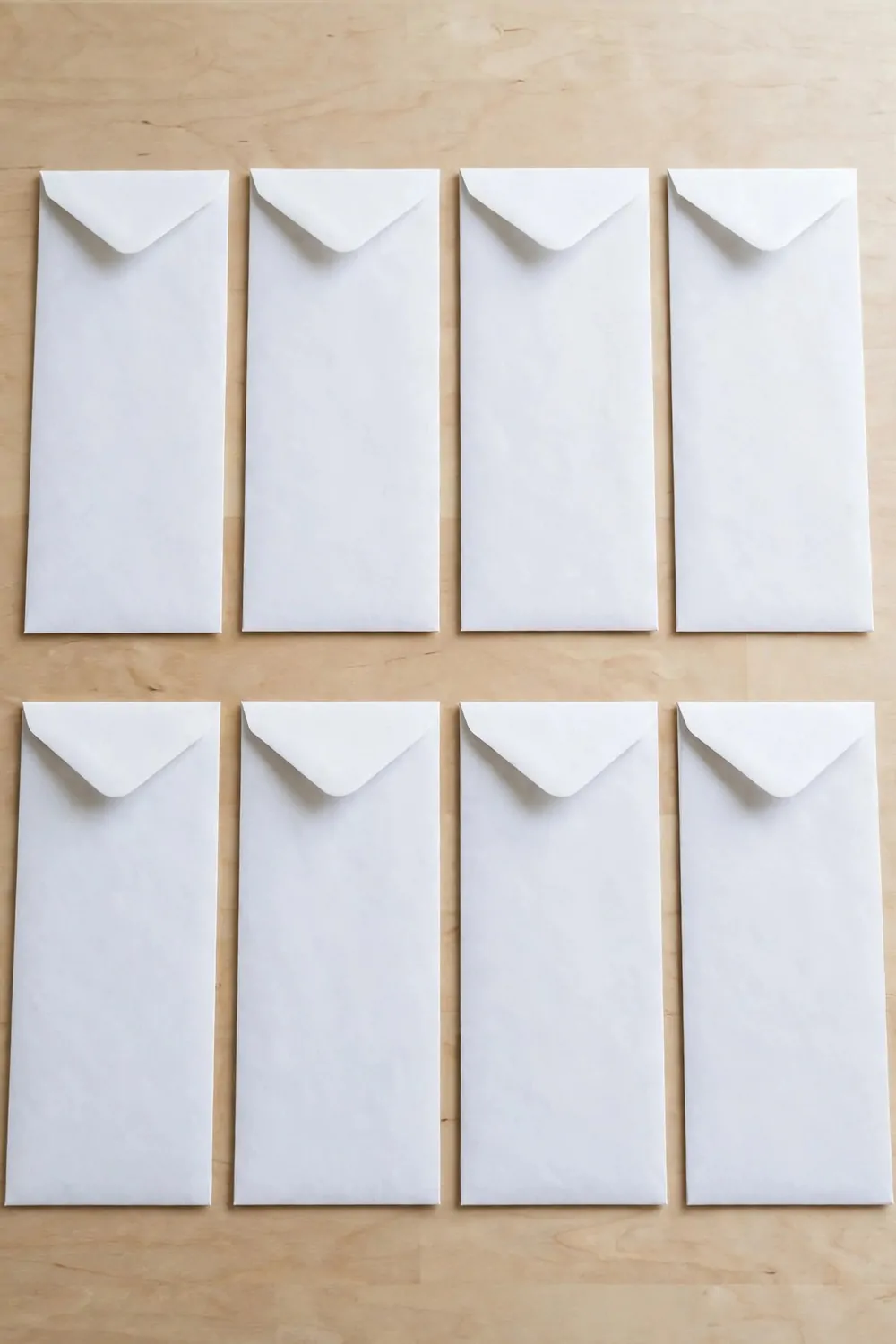
The reverse plan turns my hundred envelopes round for me. I start with the big numbers first and I end with the small ones.
Envelope one hundred gets $100 in the first week.
That first week feels big, and I get the cash ready early. I keep the money in a safe spot so my week stays calm. A big start makes the rest of the plan feel light.
Week two asks for $99, just one less than the week before. Each week after that asks for one less.
My plain reverse envelope chart cost $3 to $5.
I mark each envelope on my chart as I fill it. I keep the chart on the table and I check it every morning.
By the last weeks the amounts feel small and light. I put in $2 and then $1 to close the plan. I love to end with a soft week after all the big ones.
This plan suits you if big weeks first feel right.
Start with envelope one hundred and go down one by one. The last envelope will feel like a small win.
12. Fill Your Envelopes With a Friend
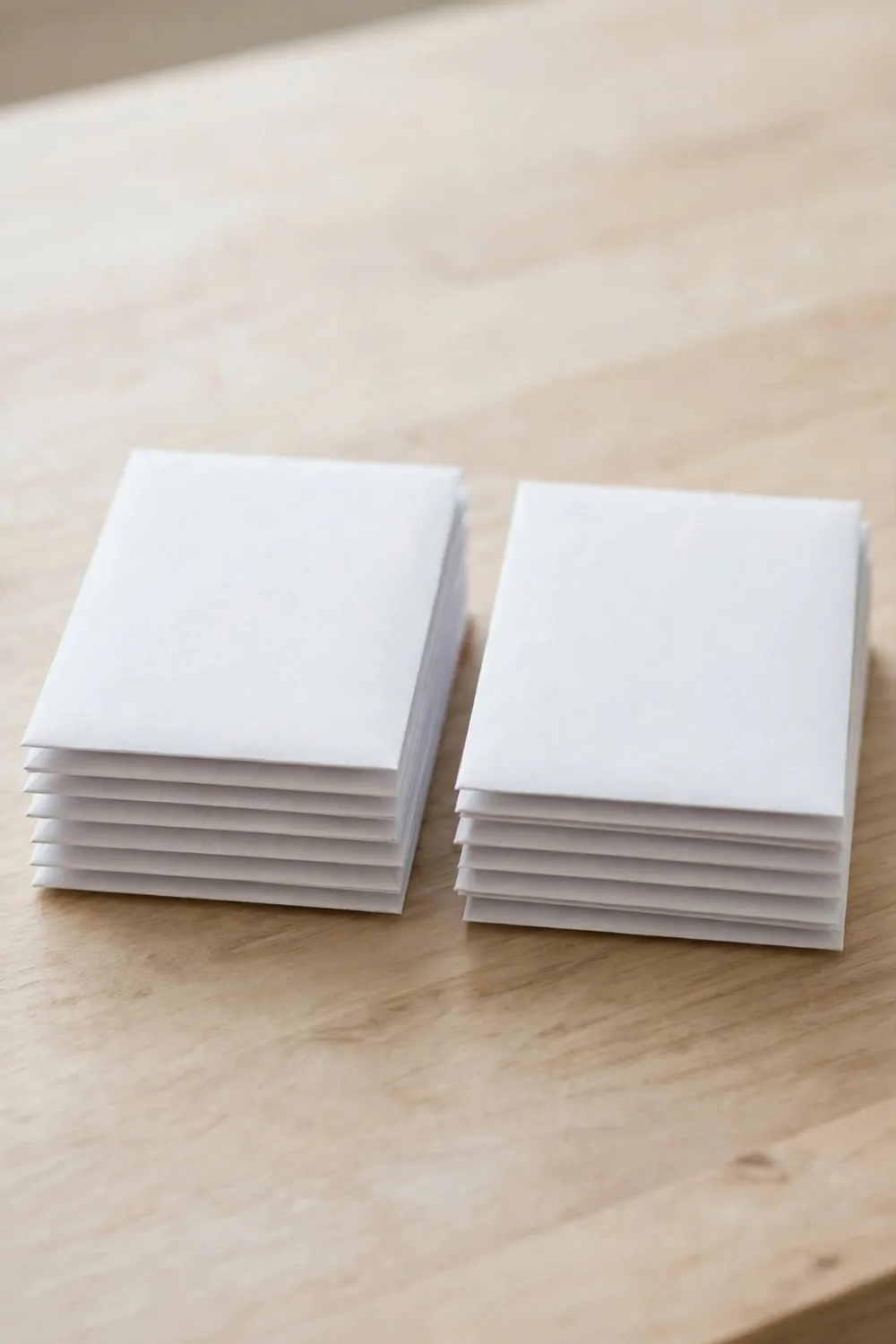
Saving feels easier when a friend saves beside me.
We both choose the same envelope each week. We fill it with the same cash on the same day.
I keep my own envelopes at home in my box. My friend keeps her own envelopes at her home too.
Each week we tell each other our envelope number. We talk about how the week went and what we saved. A kind word from a friend lifts a hard week.
My plain friend envelope set cost $2 to $4.
Some weeks feel short and we watch our cash with care. We skip a small buy and we guard our envelope amount. We lift each other up when a week feels hard.
We take a walk together and we talk about our envelopes. A walk costs nothing and it lifts my mood.
A friend makes the long weeks feel short.
Ask a friend to save beside you this week. Pick the same envelope and fill it on the same day. You will both smile when you see your envelopes grow side by side.
13. Keep Your Envelope Box Where You Can See It
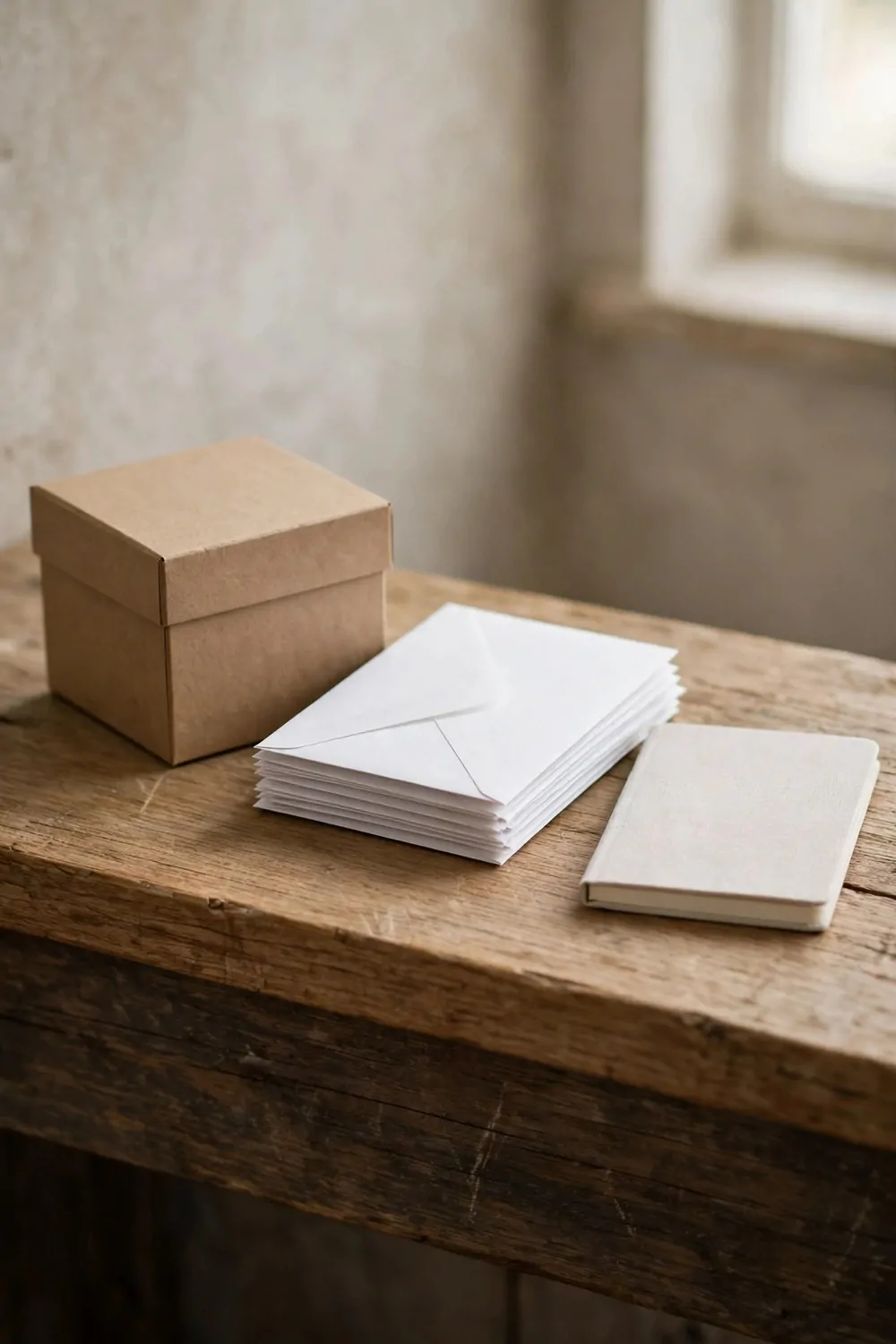
I keep my envelope box where I can see it each day. It sits on my shelf in plain sight. I pass it each morning and it reminds me of my plan.
My plain envelope box cost $3 to $6.
I never tuck my envelopes in a drawer where I forget them. I like to see my weeks add up in front of my eyes.
Each week I take my envelope from the box. I put my cash in and I put it back in its place.
A box in plain sight keeps my saving on my mind.
Some weeks I fill a big envelope and some weeks I fill a small one. I walk past the shops and I leave my saving alone. The box waits on the shelf till the week is done.
My kids like to look at the box too.
They ask me which envelope I filled this week. I tell them the number and we smile together.
Try a box on a shelf you pass each day. You will love to see your saving grow day by day.
14. Skip One Small Treat to Fill an Envelope
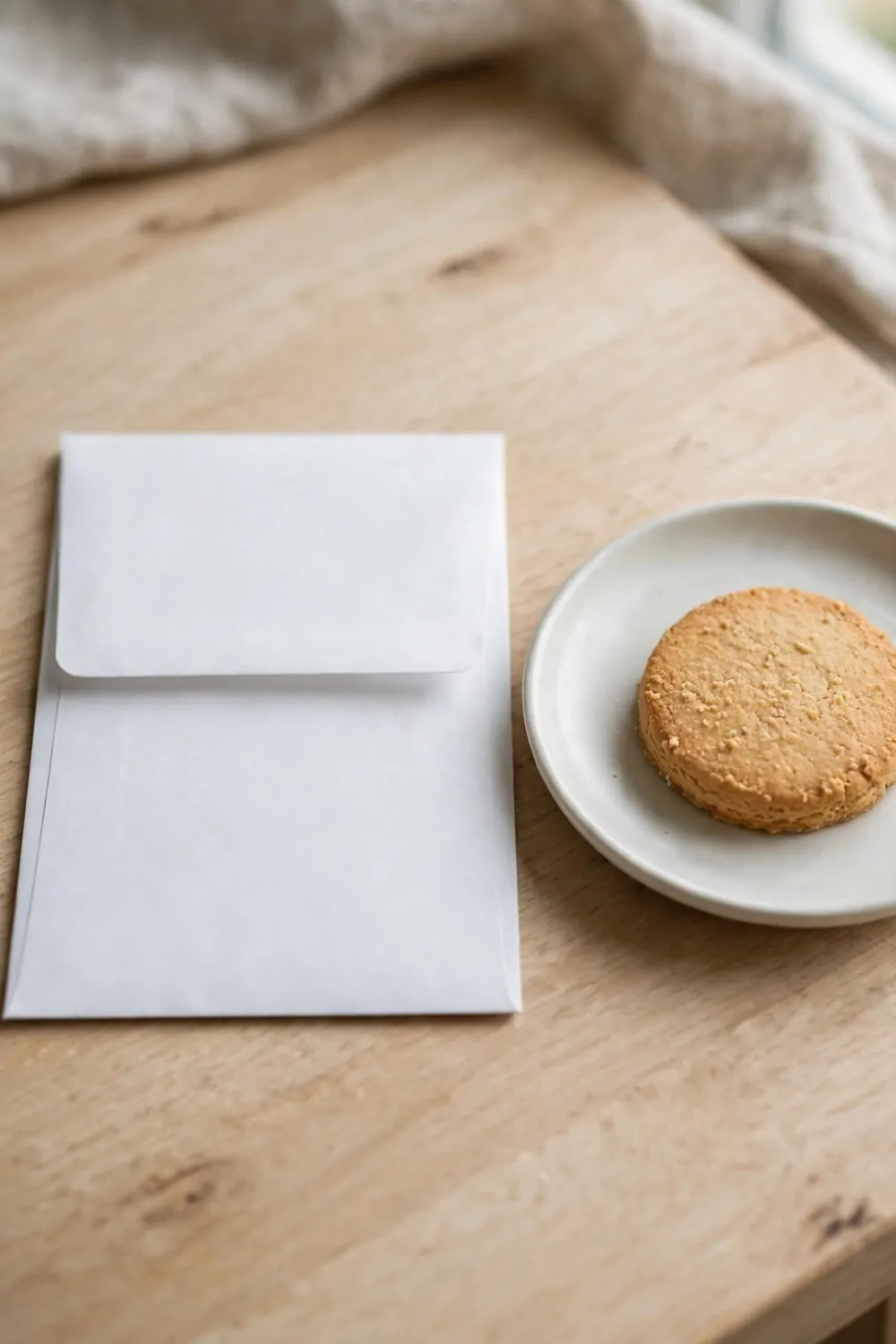
One skipped treat a week soon turns into real saving. I skip just one treat and I put that cash in my envelope.
I pick one treat I can miss with ease that week. A plain bun from the shop can wait till next week. I still enjoy my meals and I never feel left out.
My plain treat tin cost $2 to $3.
I put the coins I would have spent in the envelope straight away. I do it at once so the cash does not slip away.
Some weeks the treat is a plain bun and some weeks it is a cold drink from a shop. I choose one treat and I leave the rest be. My purse feels a little lighter, and that feels good.
I only skip a small extra, never a meal I need.
My family helps me pick the next treat to skip. We talk about it at tea time and we laugh together.
A skipped treat still lets me enjoy my week. I eat my home food with joy and I feel calm. My envelope fills up while I still smile each day.
Pick your one small treat to skip this week.
15. Look for Spare Coins Around the House
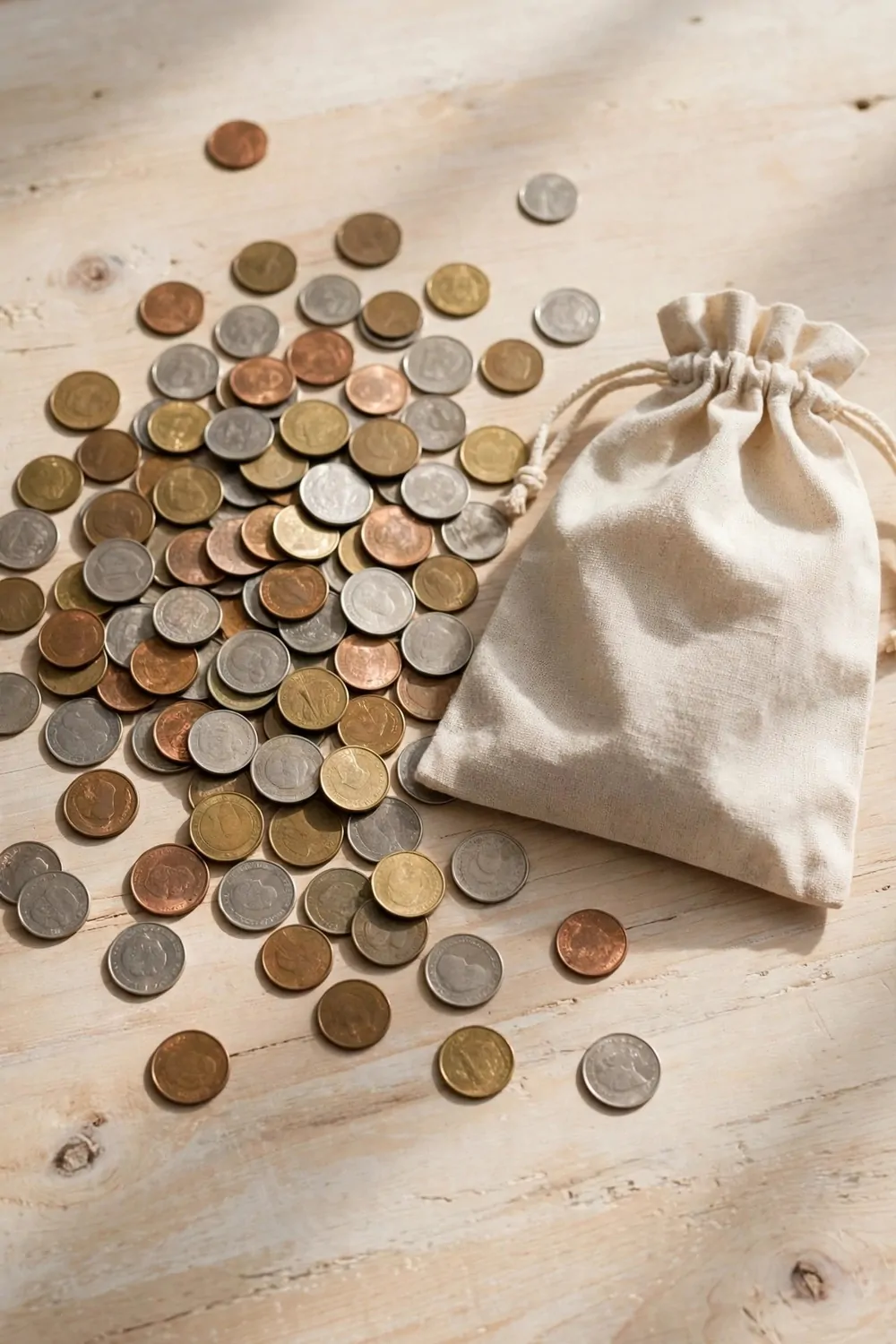
Spare coins hide in small spots all round my house.
I look down the side of my sofa and I check the top of my shelf. I look in my coat pockets and in my old purse too. A coin turns up in a small spot more often than I think.
Each coin I find goes straight in my envelope for the week. I never leave a found coin to sit and wait.
My plain spare coin pouch cost $2 to $4.
My pouch waits on the wooden table and I spot it each day. Found coins go in the pouch till envelope day comes.
Some weeks I find two coins and some weeks I find just one. Each found coin still counts the same to me. I feel glad each time my hand finds one in a small spot.
I check each pocket well before wash day comes. A coin in a pocket is a coin saved for my plan.
My kids join the hunt when they are at home. We look in small spots together and we laugh when we find one.
Try a coin hunt round your house this week.
16. Tuck a Small Note Inside Each Envelope
Each envelope gets a small note from me. The note says why I save that week.
I take a blank slip and I write a few kind words on it. I tuck the slip inside the envelope with my cash.
My plain note pad cost $2 to $3.
Some weeks my note talks about my home. Some weeks it talks about a calm day to come. Each note is short and plain so I can read it fast.
I fold each slip small and I tuck it in with care. The slip sits with my cash till the envelope is full.
A note in the envelope makes my saving feel warm and mine.
When the month ends I read my old notes again. I smile at my own kind words and at how far I came. Each note gives me heart when a week feels hard.
You can try one slip this week. Write one kind line and tuck it in your envelope.
Your envelopes will keep your weeks and your words side by side.
17. Count Your Full Envelopes Each Month
At the end of each month I count my full envelopes with care. I take them out one by one and I lay them in a row. I count slow so I never miss one.
Four full envelopes in a month makes me feel proud. I smile when I see how much I have saved.
My plain month count chart cost $3 to $5.
I mark each full envelope on my chart as I count. A mark on the chart shows me my month is done.
A month count shows me my plan is working.
Some months I fill all four envelopes and some months I fill three. I never feel cross about a week I missed.
I start the next month with a fresh mind and a calm heart. I put my full envelopes back in their box in order. My family asks me how my month went at tea time.
I tell them how many envelopes I filled that month. We talk about my saved weeks and we smile together. A good month count makes us all feel proud.
Count your full envelopes at the end of this month.
18. Add a Few Extra Coins When You Can
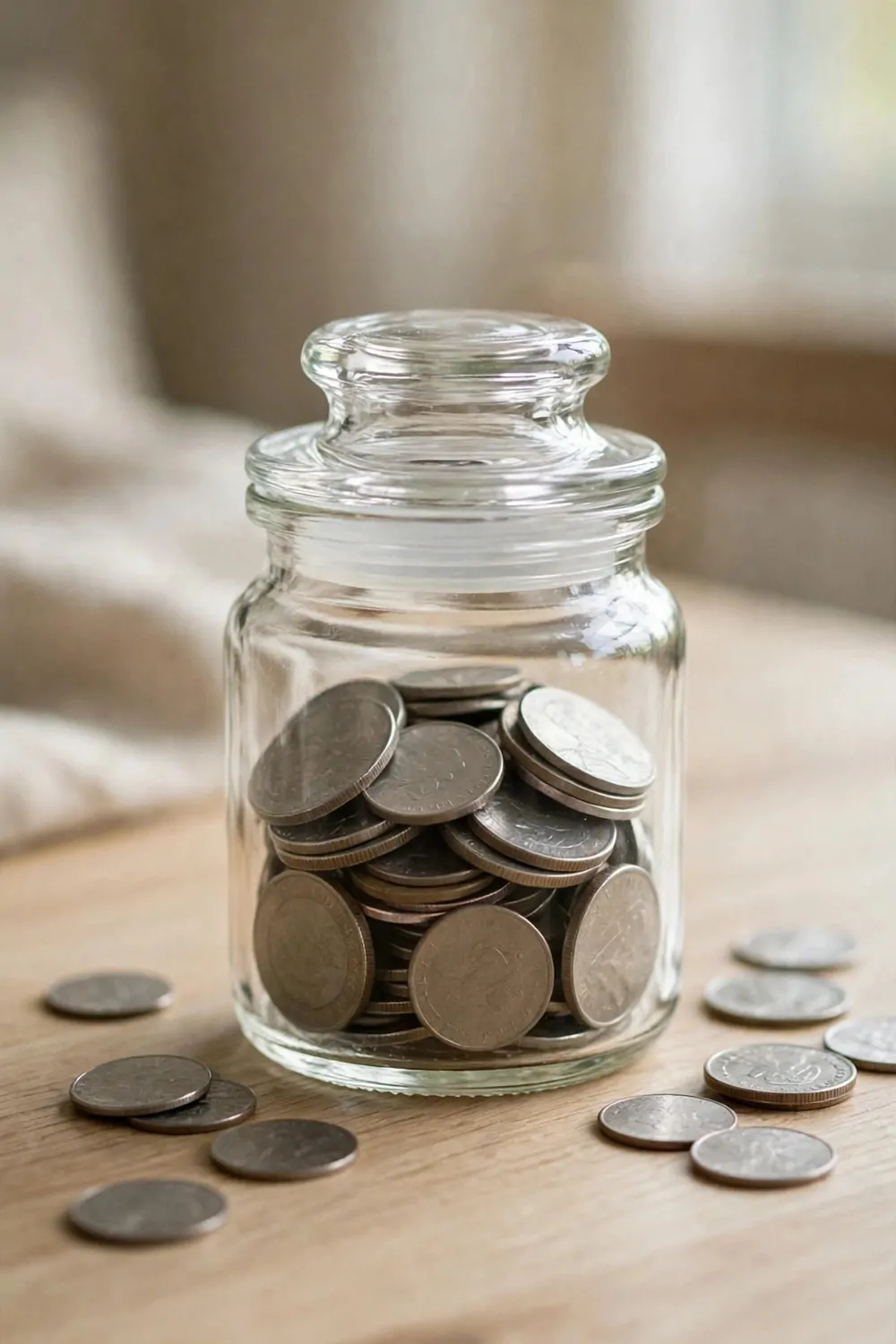
Some weeks my purse holds a little extra cash.
I leave it alone and I do not spend it on a whim. I drop it in my extra envelope instead.
A few extra coins now and then soon add up. I never push for extra cash when my week feels tight. I only add more when my purse feels easy.
My plain spare coin jar cost $2 to $4.
I like to see my extra envelope grow past my usual amount. It feels like a small gift for my plan. Some months the extra envelope holds a nice surprise.
No week asks for a set extra amount. I add what I can and I leave the rest alone.
An extra coin jar beside my box keeps it all neat.
I use the extra coins when a week runs short. I take just what I need and I leave the rest in place.
Try an extra jar beside your envelope box. It is a joy to watch it grow over the months. A little extra each week soon turns into a fine sum.
19. Keep a Plain Folder for Your Envelopes
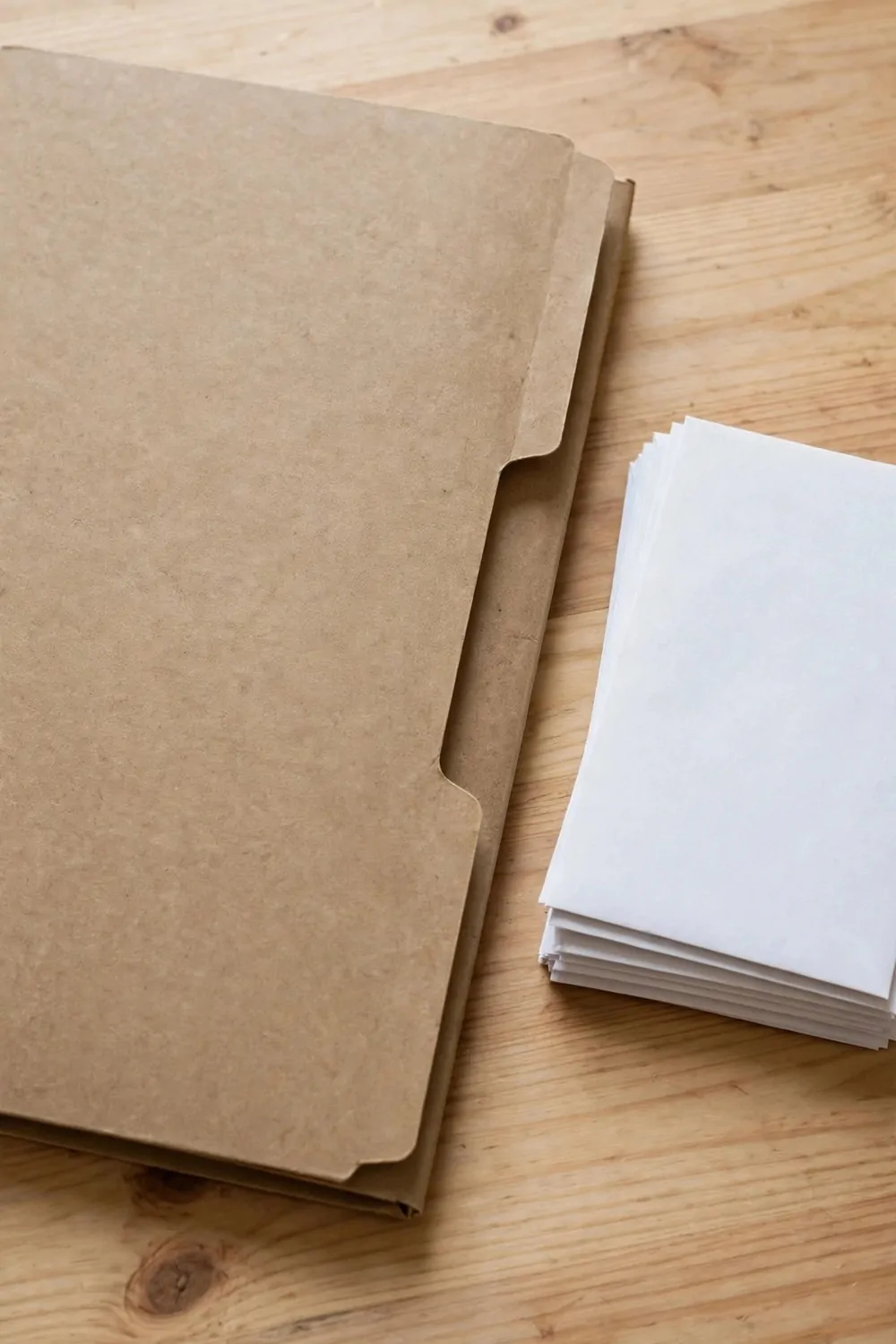
I keep a plain folder for my envelopes on my shelf. The folder keeps my envelopes in one tidy spot.
My plain envelope folder cost $3 to $6.
A plain brown kraft folder is light and easy to hold.
Each week I slip my filled envelope into the folder. I work through the numbers in turn from one to one hundred. I keep my envelope cash far from my purse cash.
The folder sits on my shelf where I see it each day. I take it down each week when envelope day comes.
Some weeks I add coins and some weeks I add a note with my cash. I count my envelopes as I go and I feel calm. The folder keeps my plan apart from my daily spends.
One folder, one plan, and no fuss.
At the end of the plan I open the folder and count it all. I smile at all the weeks I saved. I start a fresh folder for the next round.
Try one plain folder for your envelopes. You will like how tidy and calm your saving feels.
20. Number Each Envelope From One to One Hundred
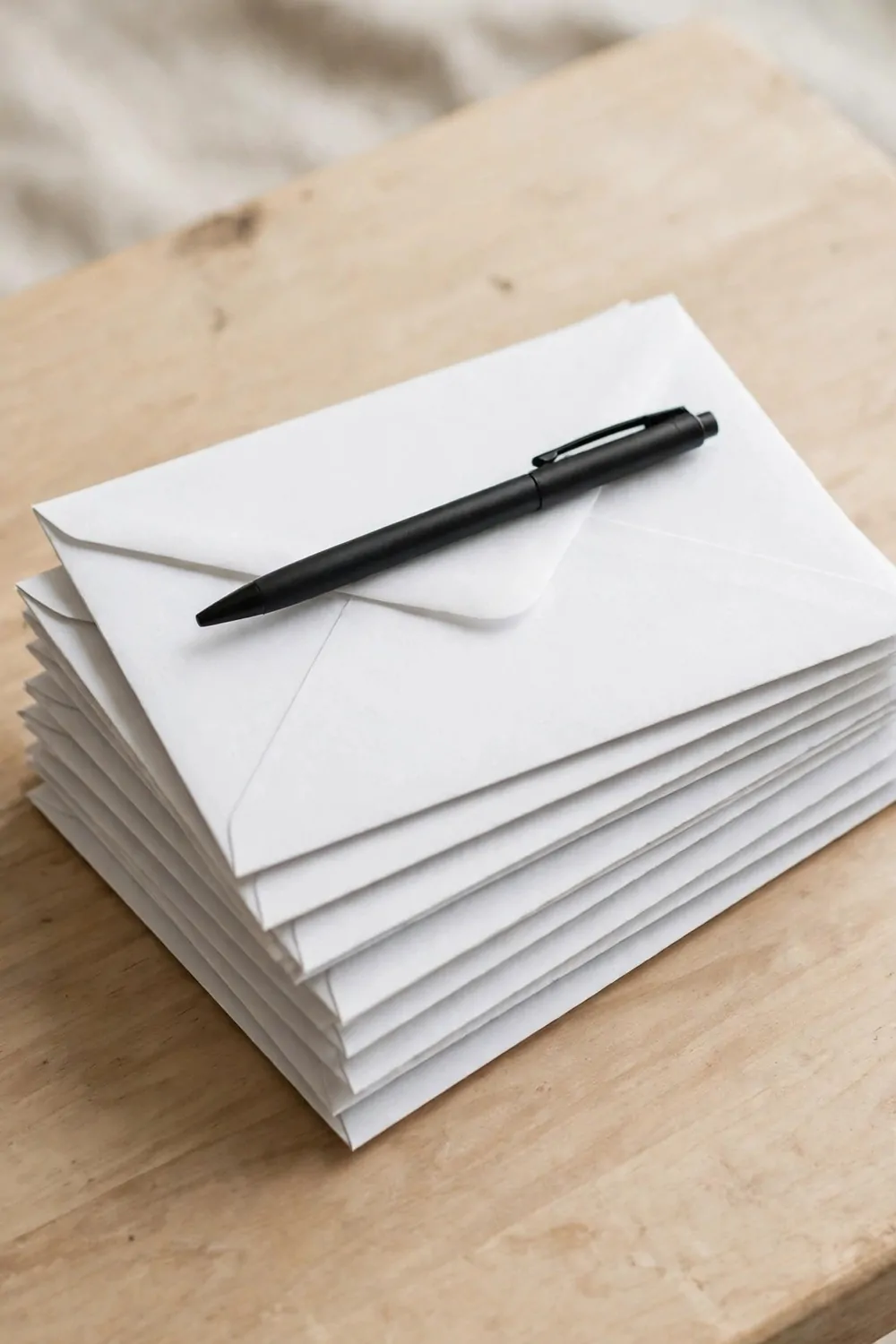
I number each envelope from one to one hundred before I start. Each number shows me which week that envelope is for. I take my black pen and I work through the stack one by one.
Envelope one gets $1 and envelope two gets $2. I write the number on the envelope with my pen as I go. I keep the stack in order so no two envelopes get mixed up.
My plain envelope set cost $2 to $4.
Each week I pick the next envelope in turn. I slip the right cash inside it.
The stack gets thinner as the weeks pass by. I can see how far I have come just by looking at it.
A numbered stack keeps my whole plan in order.
Some weeks feel easy and some weeks feel short. I look at my cash at the start of each week.
The stack stays on my table through the whole plan.
You can build your own stack this week. Write the number one on the first envelope and slip $1 in. The rest of the hundred will follow one envelope at a time.
| Idea | Main change | Typical cost |
|---|---|---|
| Try the Hundred Envelope Plan in Reverse | the hundred envelope plan in reverse | $3 to $5 |
| Fill Your Envelopes With a Friend | envelopes filled with a friend | $2 to $4 |
| Keep Your Envelope Box Where You Can See It | envelope box where you can see it | $3 to $6 |
| Skip One Small Treat to Fill an Envelope | one small treat skipped to fill an envelope | $2 to $3 |
| Look for Spare Coins Around the House | spare coins found around the house | $2 to $4 |
| Tuck a Small Note Inside Each Envelope | a small note inside each envelope | $2 to $3 |
| Count Your Full Envelopes Each Month | full envelopes counted each month | $3 to $5 |
| Add a Few Extra Coins When You Can | a few extra coins when you can | $2 to $4 |
| Keep a Plain Folder for Your Envelopes | a plain folder for your envelopes | $3 to $6 |
| Number Each Envelope From One to One Hundred | each envelope numbered from one to one hundred | $2 to $4 |
| Total | $24 to $44 |
21. Put the Same Amount in Every Envelope
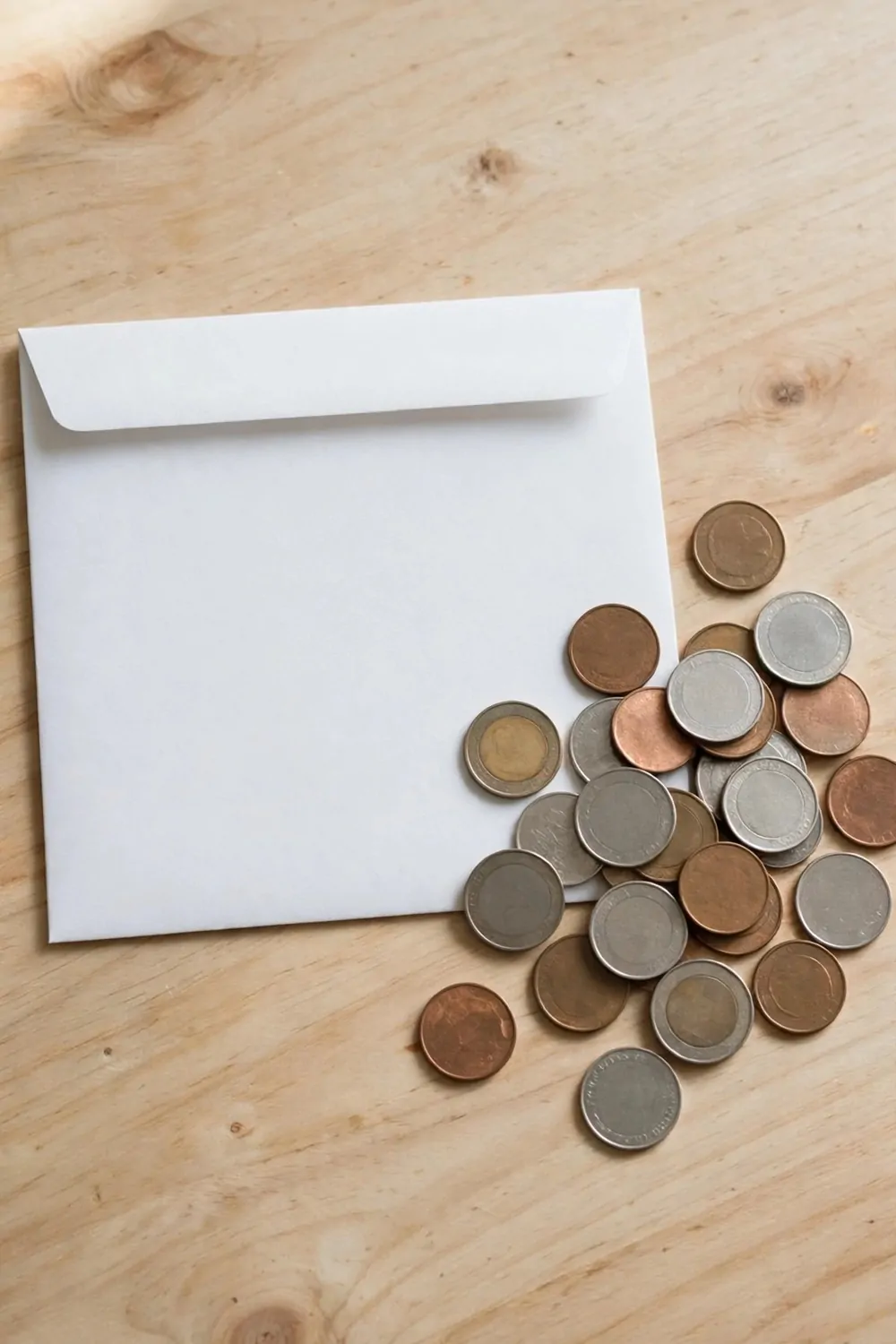
I pick one small amount that fits my week and I use it for every envelope. A few coins or one small note both work, and the same amount keeps the plan calm.
I tuck the same amount into each white envelope on my wooden table. I set each envelope in a neat row beside the last one. The row grows a little each week and I like to see it grow.
One fixed amount means I never stop to choose.
When a week feels easy I do not add more. The same amount keeps my purse from feeling light.
My plain envelope set cost $3 to $5.
You can start with an amount so small it feels easy. A small amount you keep each week beats a big amount you drop after two weeks. Pick the amount that fits your purse and hold it all year.
I keep my row of envelopes out where I pass it each morning. A quick look at the row reminds me to stay on plan.
The same amount each week turns saving into a calm habit.
Little by little the same amount builds into a pile I feel proud of. Give one fixed amount a try this week.
22. Hang Your Envelope Chart on the Wall
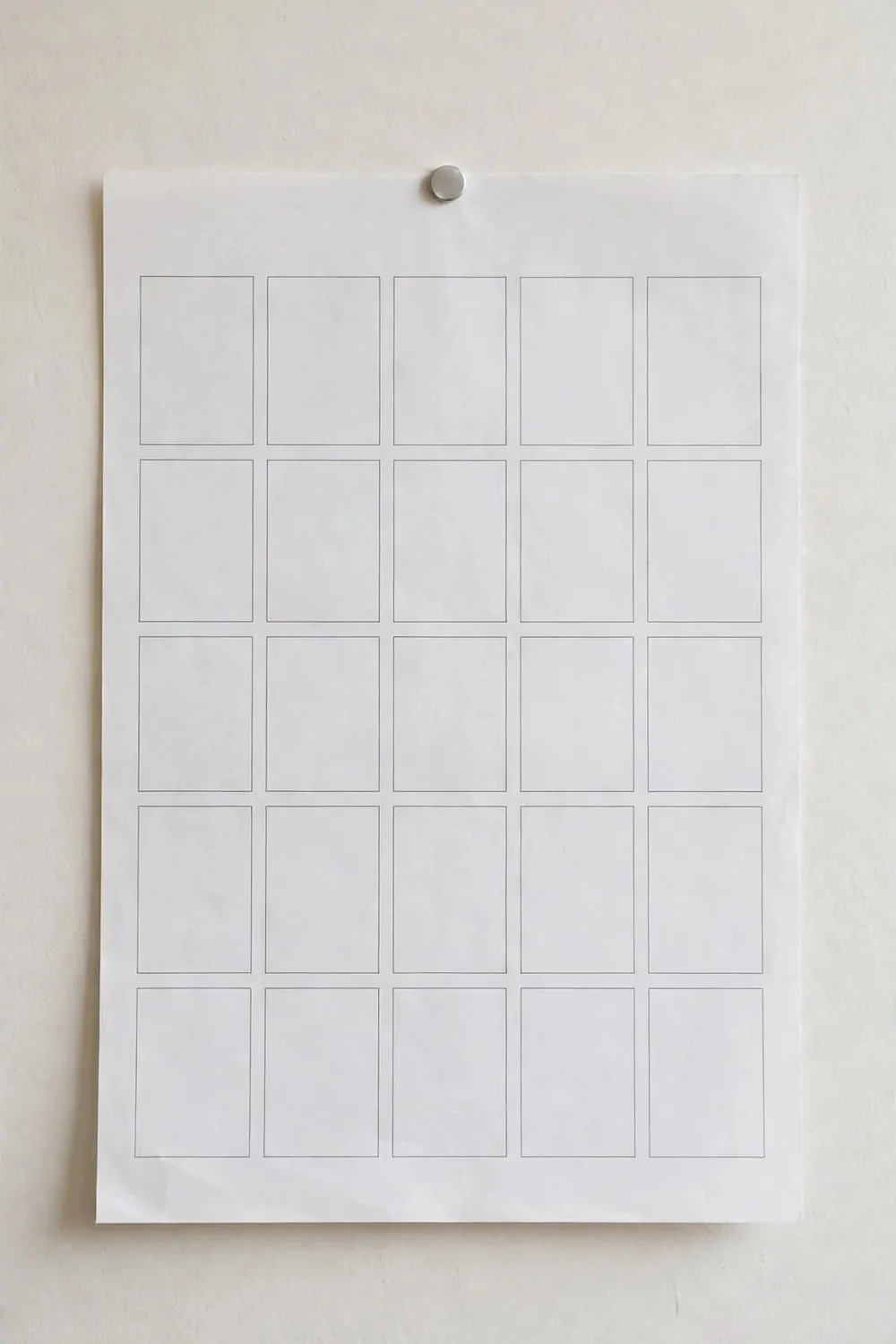
I hang my envelope chart on a wall I pass each day.
The chart shows rows of blank boxes for my envelopes. I mark one box when an envelope is full.
I pick up my pen when an envelope is filled and I mark the box at once. One quick mark keeps me true to my plan, and it takes only a second. Week by week the marked boxes show how far I have come.
My chart on the wall keeps my goal where I cannot miss it. I pass it each morning and it reminds me what I am saving for.
One hundred boxes looks like a lot at the start, but the chart cuts it into one small step at a time.
My plain envelope chart cost $2 to $4.
The kitchen or the hall by your door both work well. Pick a spot you walk past each day so the chart stays on your mind. A spot you see often keeps the habit alive.
I count the boxes left with my family in the evening. We talk about how far we have come and we smile.
A wall chart turns a long plan into small steps.
23. Set Your Envelope Cash Aside on Payday
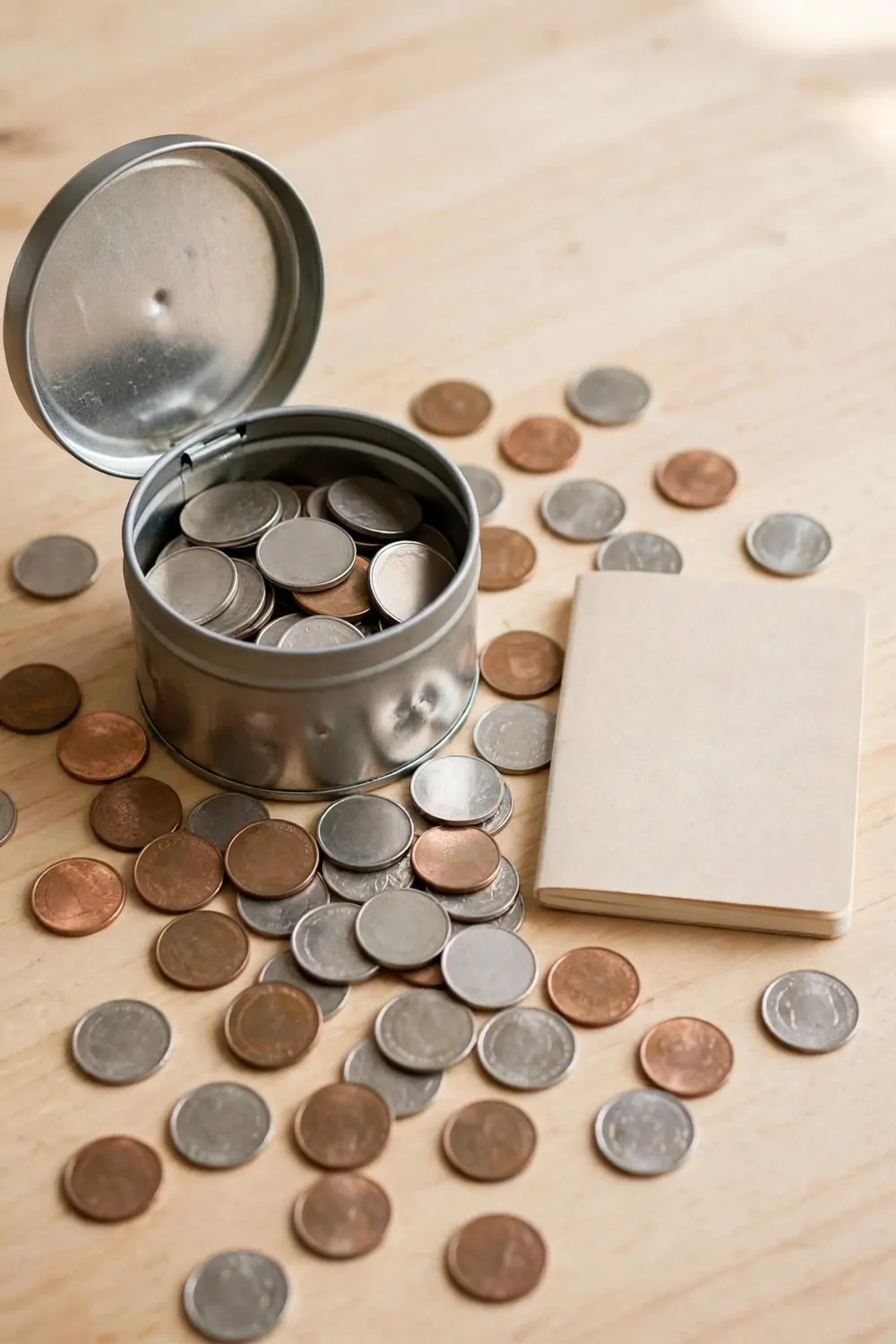
I save on payday, before I spend on a single other thing. I pull my envelope cash out first and set it aside. Once it is set aside, my saving is done for the week.
The cash goes straight into my plain pouch by the door. The pouch stays in the same spot each time I save.
Saving on payday feels simple and calm.
Some weeks my pay feels tight, yet I still set my small amount aside. Even a tight week can hold one small saving. Keeping my own promise feels good.
The same payday each week turns this into a habit I do not have to think about. My pouch is the first thing I reach for, and the rest of my cash waits its turn.
Payday saving works best when the amount stays small.
My plain payday pouch cost $4 to $6.
Pick an amount that fits your week with ease. A small amount you keep beats a big amount you drop.
Once cash is in the pouch, it stays there till envelope day. The pouch guards my saving till I need it. Give it a try on your next payday and feel the difference.
24. Keep a Small Notebook for Your Envelope Numbers
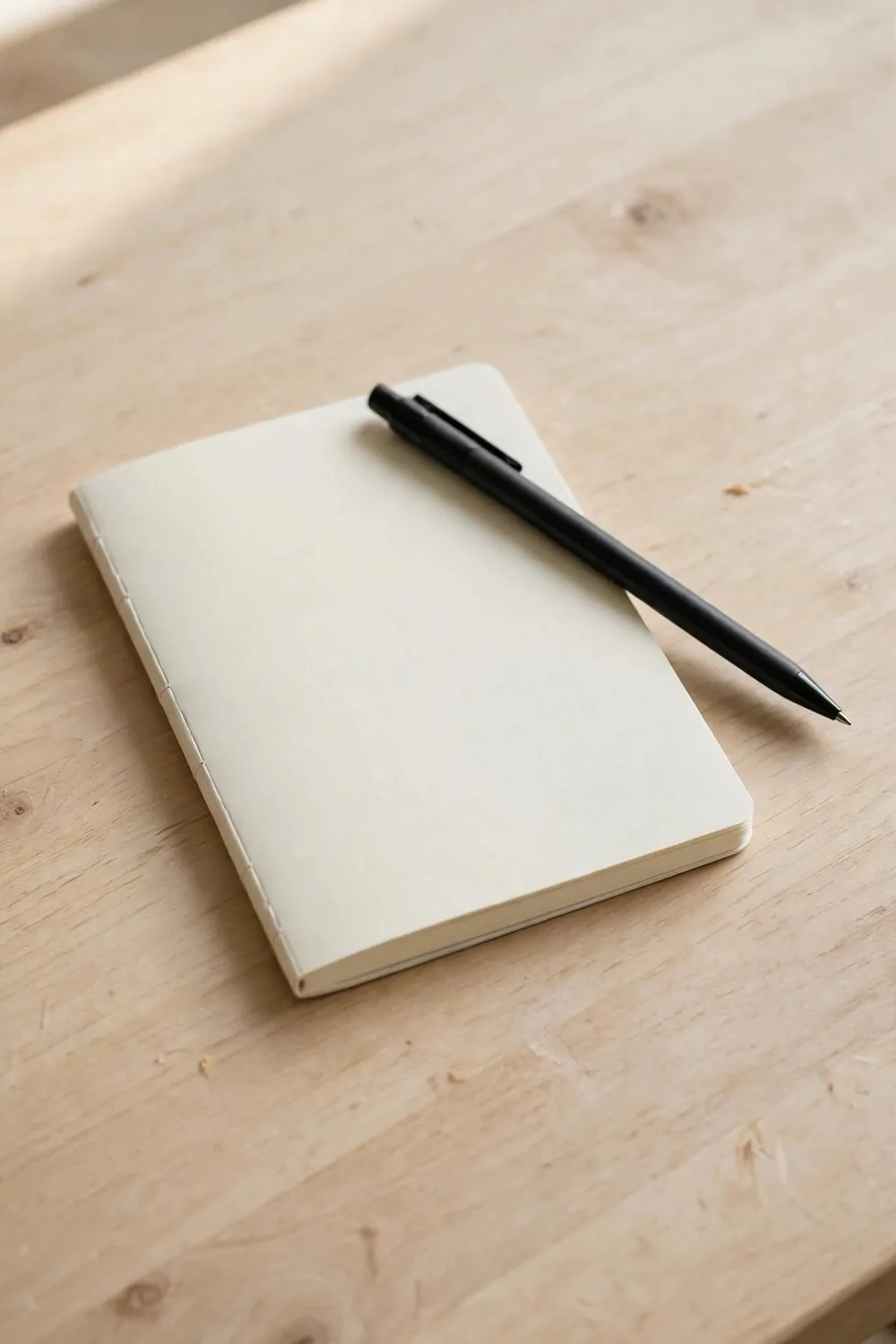
I keep a small notebook on my wooden table for my envelope numbers. It sits beside my envelopes where I can reach it each day.
A notebook keeps all my numbers in one safe place.
Each week I pick up my pen and I write the number in my notebook. I write it slow so I can read it back with ease. When the number is plain to see, I find the right envelope fast.
I read my notebook each week before I fill an envelope.
You can use any small notebook you like for this job. Pick one that fits in your hand and opens flat on the table.
My plain small notebook cost $2 to $3.
I keep my pen by the notebook so it is always close by. I never hunt for a pen when it is time to save. A pen in the right spot makes the whole job quick.
My notebook holds the plan so my head stays free.
I check my numbers once a week and I feel glad the plan is clear. Writing a few lines each week keeps my saving on track.
25. Keep Notes in a Tin and Envelopes in a Box
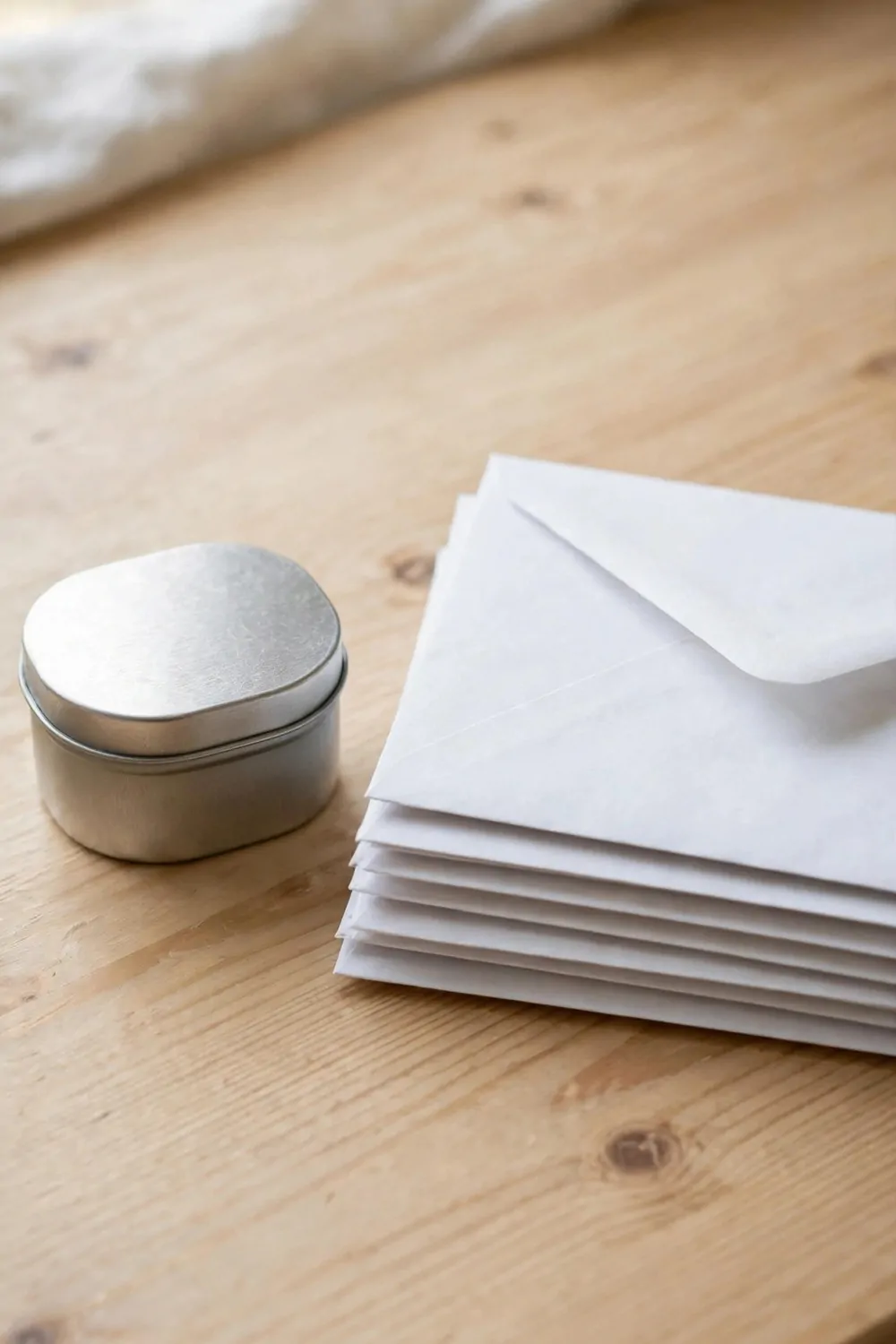
Two plain spots hold my saving, one for notes and one for envelopes.
Paper notes slip into a small tin on my wooden table. Envelopes rest in a neat stack that sits beside the tin. With two spots, my saving stays neat and easy to count.
When I have a note, it goes straight into the tin that week. I set an envelope on the stack at the end of each day.
One tin and one stack cover the whole plan.
I like to see my envelopes stack up beside the tin. Notes stay flat in the tin, safe from harm. A weekly check of both spots shows me how much I saved.
My plain note tin cost $3 to $6.
Start with a tin you already have at home. A plain box from your shelf works just as well.
Two small spots keep saving simple and calm. I know where each bit of cash lives and I never hunt for it. Notes in the tin and envelopes in a stack is my rule.
I hold this rule all year and my money grows bit by bit.
26. Give Yourself a Free Treat After Ten Envelopes

After ten envelopes I give myself a small free treat. I count ten envelopes in my row and I smile. That small prize keeps me going for the next ten envelopes.
A treat you earned with saving feels extra sweet.
For my treat I bake simple round biscuits in my own kitchen. I bake them with bits I already have in my cupboard, so no new cash leaves my purse.
Warm biscuits on a plate feel like a small prize after ten envelopes. I sit down and I take my time with each bite. I think back on the ten envelopes I filled one by one.
Ten envelopes at a time is easy to hold in my mind.
Pick any free treat that lifts your mood. A slow walk outside or a quiet hour with a book works just as well.
My plain treat plate cost $2 to $5.
Keep the treat free, so not one coin leaves your saving.
When my family is home I share my biscuits with them. We chat about the saving we did and we laugh together. Then I turn back to my envelopes with a fresh smile.
27. Put Your Unspent Cash in an Envelope
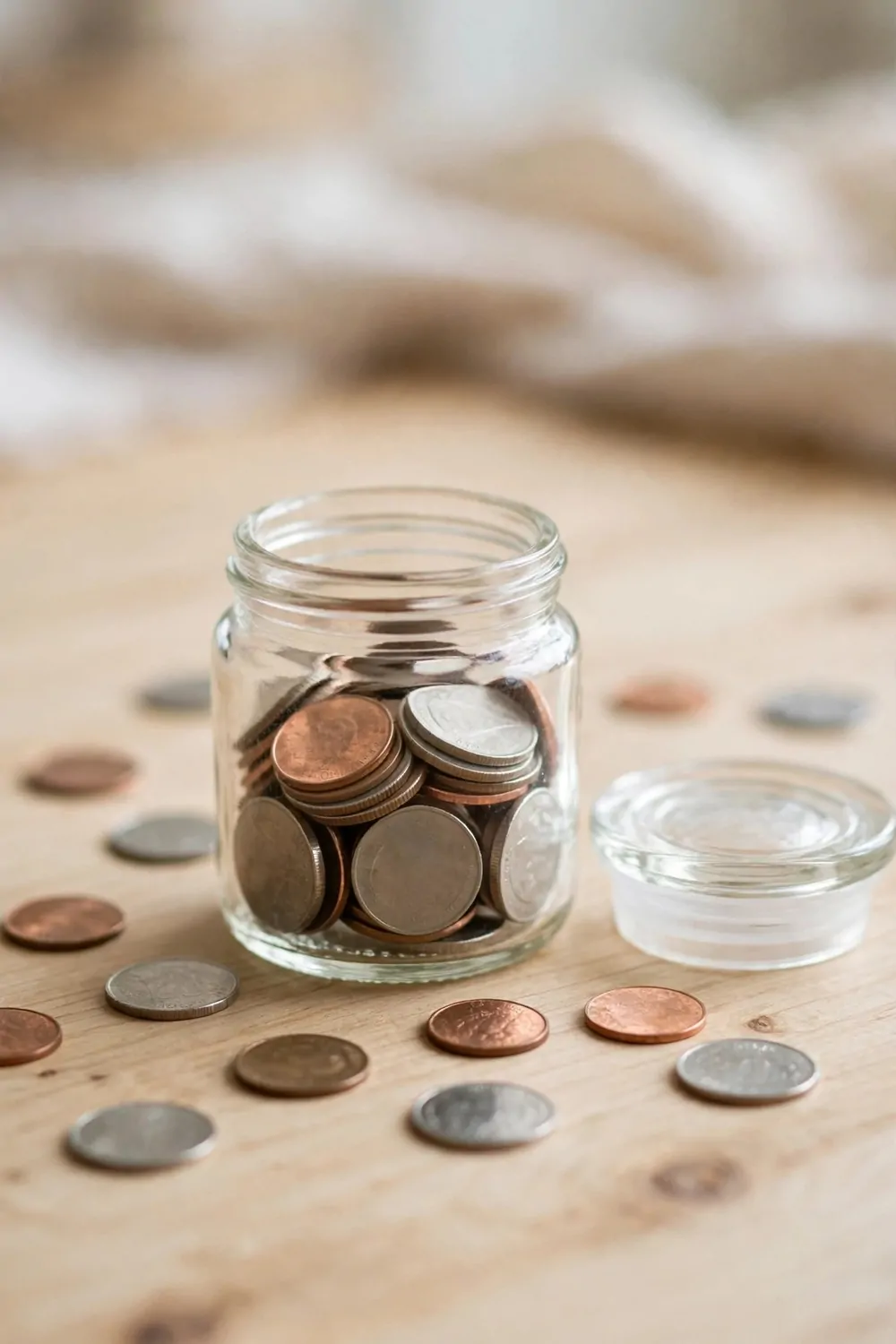
Some weeks cost less than I planned, and I smile at the extra cash. I look in my purse at the end of the week and I count what is left.
The cash I did not spend goes straight into an envelope. I set that envelope with the rest of my row.
Cash left over is cash saved.
One week I stayed home instead of a shop trip and kept the coins in my purse. That night the coins went into an envelope. A small win I had not planned still felt sweet.
My plain spare cash envelope cost $3 to $4.
Try it when a week costs less than you thought. A quick look in your purse at the end of the week shows what is left to save.
Small savings count, and my envelope proves it each week.
Missing a shop trip does not make me sad. My envelope grows a little more, and that feels good. Each unspent coin is a step toward the full one hundred.
Give it a try this week and see what stays in your purse. You may be glad you kept it instead of spending it.
28. Begin a Fresh Set of Envelopes Next Year
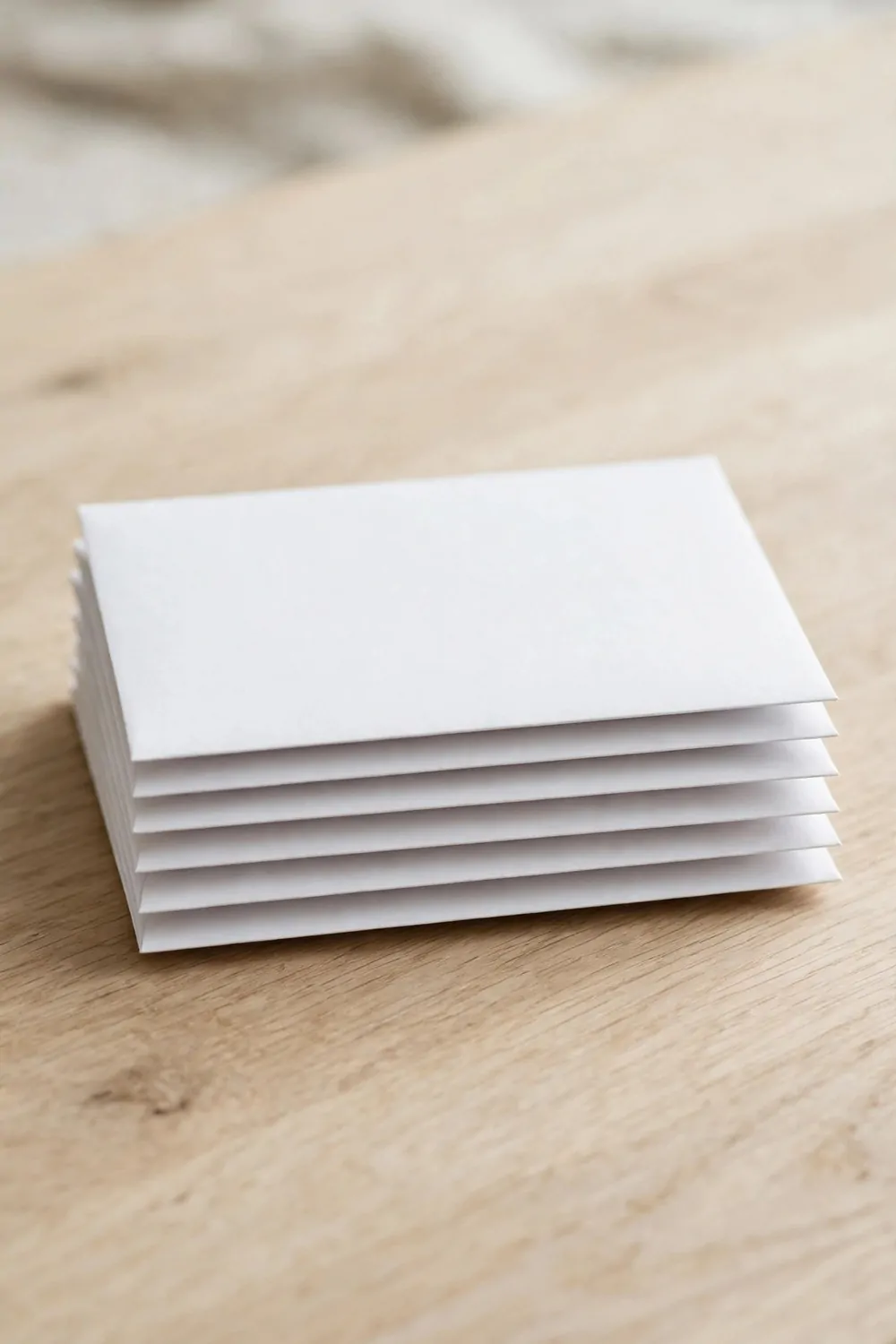
When the last envelope is filled, I start again with a fresh set.
I take my full envelopes and I put them in a safe spot at home. The money inside them stays safe till I need it.
Then I lay out a fresh set of white envelopes on my wooden table. The neat new stack waits for my first saving of the year.
I count my full envelopes once more before I put them away. Each one holds one step of steady saving. I feel proud when I look back at the full row.
A new year gives me a new chance to save.
My old envelopes stay as spares in a drawer for next time. Starting fresh each year keeps the habit bright.
My plain fresh envelope set cost $2 to $4.
I keep a small note by the envelopes with the first number on it. I read the note each morning and it sets my plan for the day. That small note keeps my start strong.
Fresh envelopes, fresh year, same calm habit.
29. Show Your Children How Envelopes Save Money
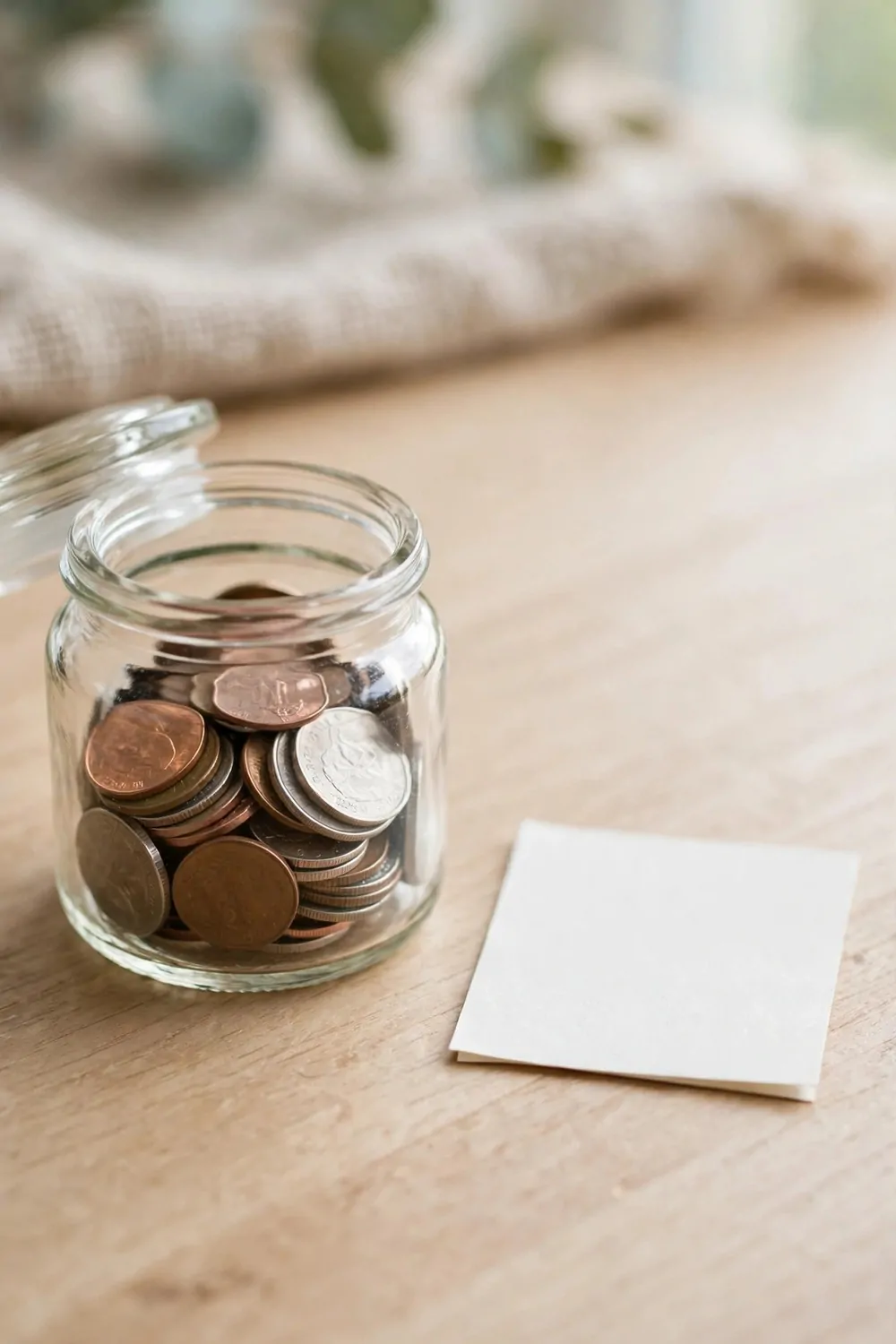
I show my children how envelopes save money, one small step at a time. We sit at the table and I lay out a few envelopes for them to see. Each envelope holds a small amount, and together they grow into a big saving.
I let each child drop a coin in an envelope on our saving day each week. They love the soft clink as the coin lands inside. We count our envelopes together and we talk about what we saved for.
Little hands can learn a big saving habit.
After we save, I mark one box on our chart for the week. My children watch the marks grow and see how far we have come.
Saving young grows into saving for life.
Begin with a few coins from your purse and let your child choose one. They drop it in the envelope and beam with pride. A small weekly job makes a child feel grown up.
My plain family envelope set cost $4 to $5.
My children ask when the row will be done. I tell them one hundred envelopes take time, and they grin at the long wait.
Show a child to save, and the habit stays for life.
30. Keep Your Hundred Envelope Kit in One Small Box
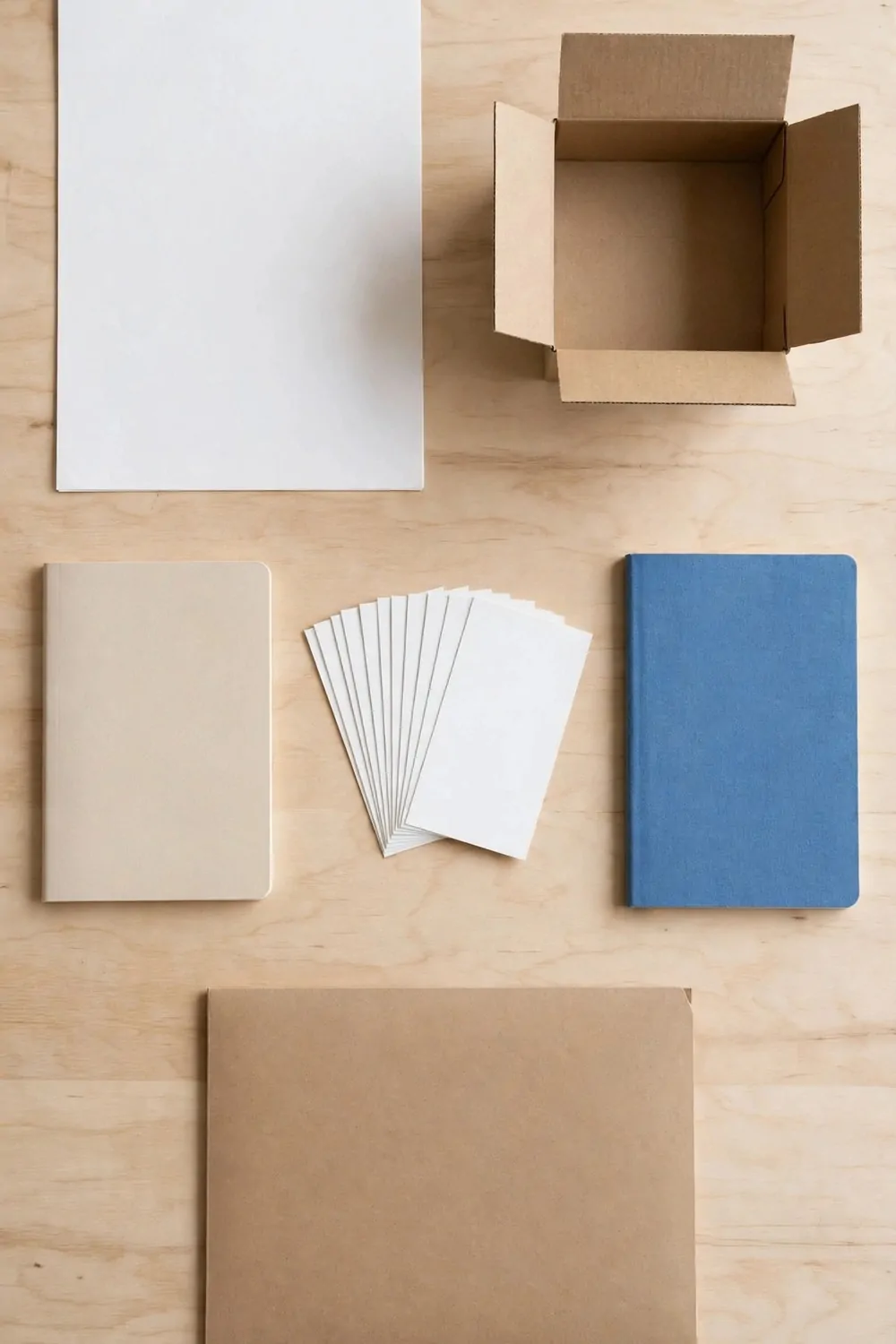
My hundred envelope kit lives in one small box on a shelf by my table. A plain 100 envelope challenge chart for the wall goes in first, then a small plain 100 envelope box for my envelopes.
A plain 100 envelope tracker goes in next, with a set of plain 100 envelope cards for all one hundred envelopes. I tuck a plain 100 envelope money log in last for the cash I set aside each week. All six bits ride together in the one small box.
My plain 100 envelope challenge chart cost $3 to $5, my small plain 100 envelope box cost $2 to $4, my plain 100 envelope tracker cost $4 to $6, my set of plain 100 envelope cards cost $2 to $3, my plain 100 envelope money log cost $3 to $5, and my small plain 100 envelope folder cost $3 to $6. For a total of $17 to $29, my kit is ready.
The box sits on a shelf by my table, in easy reach each week.
Each week I pull out my chart and look at the week ahead. Coins go into the envelopes, and I mark my tracker for the week. Then I write the amount in my money log to keep track of my saving.
The cards stay in order so I always know which envelope comes next. Each week the top card tells me where I am in the plan.
Full envelopes go in the folder, and the folder rides in the box with the rest.
On a short stay at a friend’s house, the box comes along in my bag. It rides with no fuss and takes up little room. My week stays on track even when I am away from home.
When I seal the last envelope I smile at the thick stack of saving I built one week at a time. The habit stays with me now, and the next year starts with a fresh set and the same calm plan.
| Idea | Main change | Typical cost |
|---|---|---|
| Put the Same Amount in Every Envelope | the same amount in every envelope | $3 to $5 |
| Hang Your Envelope Chart on the Wall | an envelope chart on the wall | $2 to $4 |
| Set Your Envelope Cash Aside on Payday | envelope cash aside on payday | $4 to $6 |
| Keep a Small Notebook for Your Envelope Numbers | a small notebook for envelope numbers | $2 to $3 |
| Keep Notes in a Tin and Envelopes in a Box | notes in a tin and envelopes in a box | $3 to $6 |
| Give Yourself a Free Treat After Ten Envelopes | a free treat after ten envelopes | $2 to $5 |
| Put Your Unspent Cash in an Envelope | unspent cash in an envelope | $3 to $4 |
| Begin a Fresh Set of Envelopes Next Year | a fresh set of envelopes next year | $2 to $4 |
| Show Your Children How Envelopes Save Money | children shown how envelopes save money | $4 to $5 |
| Keep Your Hundred Envelope Kit in One Small Box | a 100 envelope kit in one small box | $17 to $29 |
| Total | $42 to $71 |
| Idea | Main change | Typical cost |
|---|---|---|
| a plain 100 envelope challenge chart | a 100 envelope chart for the wall | $3 to $5 |
| a small plain 100 envelope box | a box for 100 envelopes | $2 to $4 |
| a plain 100 envelope tracker | a tracker for 100 envelopes | $4 to $6 |
| a set of plain 100 envelope cards | number cards for 100 envelopes | $2 to $3 |
| a plain 100 envelope money log | a log for envelope cash each week | $3 to $5 |
| a small plain 100 envelope folder | a folder for full envelopes | $3 to $6 |
| Total | $17 to $29 |
Keep Reading
If you liked these ideas, you will love these posts too
Each post has more simple ideas you can try at home this weekend.