20 Future Home Ideas Everyone Will Want by 2030

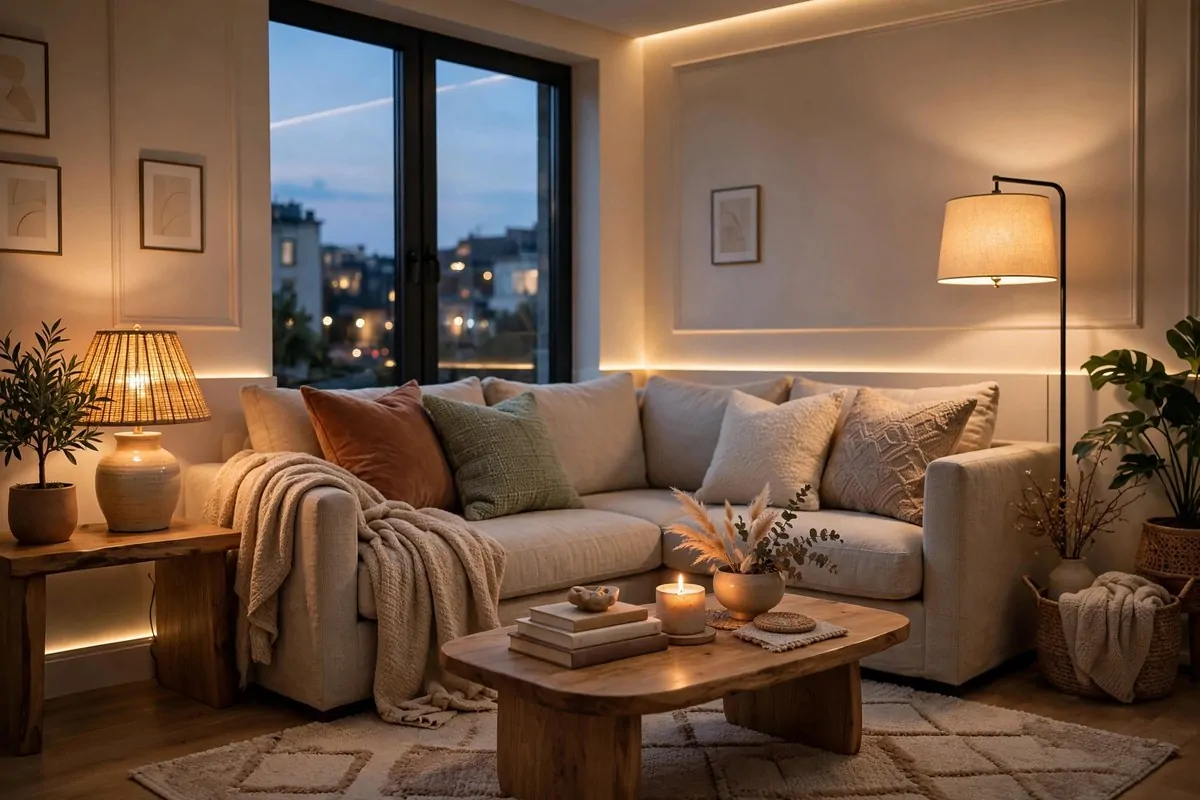
Think back ten years. Most of us had one remote for the TV, a phone that stayed in a pocket, and a thermostat with little sliding numbers. That was it.
Now the lights dim by themselves. The doorbell talks to my phone. My fridge is smarter than my first computer, honestly.
That was only ten years. So what will five more years bring? A lot more than you might guess. And most of it will feel warm and human, not cold and robotic.
These Future Home Ideas are not wild science fiction. They are real designs and real tech that are already showing up in homes today, and getting cheaper fast. I went through the trends designers are actually talking about, and I picked the twenty that I think you will want most by 2030.
So pour something warm and let us walk through the house of the future together. You might start making plans for your own place before we finish.
1. Robotic Furniture That Moves Itself
I will be honest with you. This one sounds like a movie scene at first.
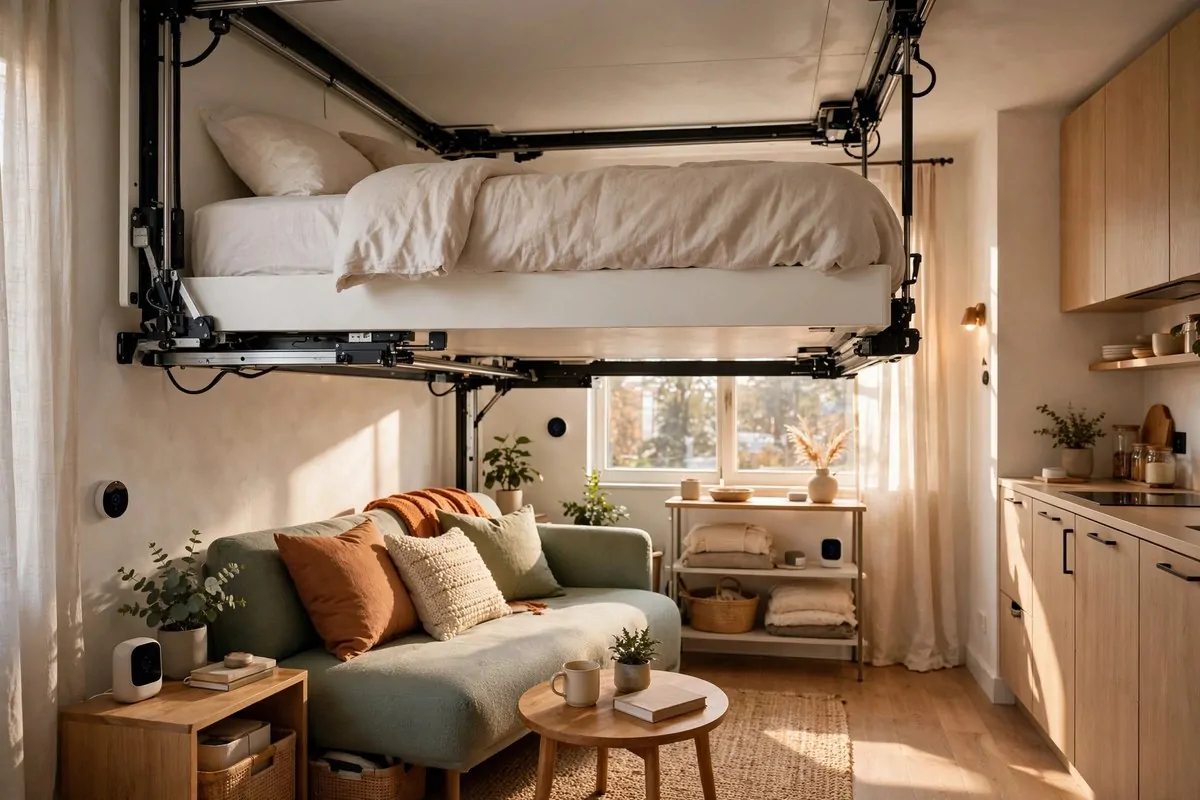
But companies are already selling beds that lift up to the ceiling at the touch of a button. When the bed goes up, a sofa and a living room appear underneath. It is like magic, but it is real furniture you can buy.
This matters because homes are getting smaller in most cities. A studio apartment can feel like a closet by day and a bedroom by night. Robotic furniture lets one room do the work of three.
I love this for young families most of all. Your kids get floor space to play during the day. At night, the bed floats down and everyone sleeps easy.
The closets are changing too. Some new designs ride on tracks and compress themselves when you are not dressing. You get your hallway back in seconds.
Here is how I picture a day with furniture like this:
- Morning: the bed lifts, the room becomes a bright living space.
- Afternoon: a desk folds out from the wall for homework or work.
- Evening: the sofa returns, the desk hides, movie time begins.
You do not need a mansion to live big anymore. You just need furniture that moves when you do.
2. A Home That Learns Your Day
Today we tell our homes what to do. We tap apps, we set timers, we talk to little speakers on the counter.
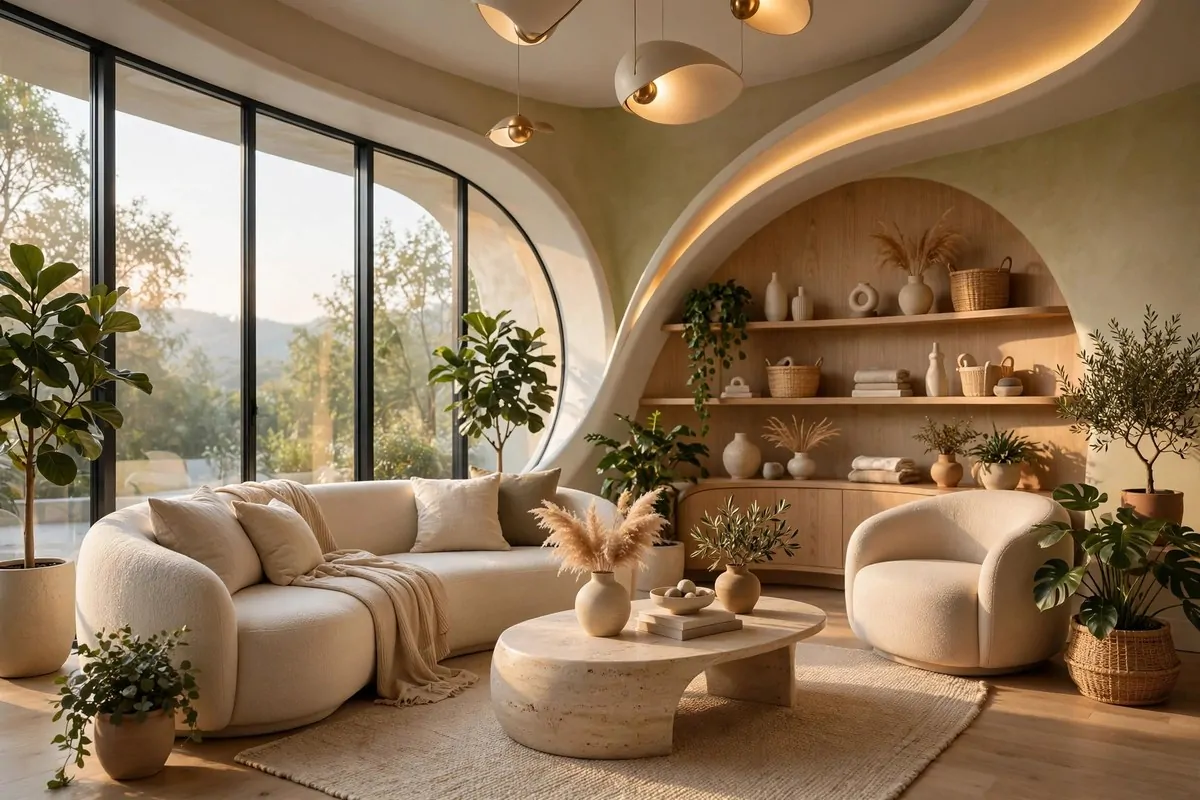
By 2030, that whole pattern will flip. Your home will watch your habits quietly and start doing things before you ask. Tiny sensors in the floor and walls will learn when you wake up, when you leave, when you read at night.
It will feel less like giving orders and more like having a very thoughtful roommate. The lights will be warm when you come home tired. The hallway will glow soft when you get up at 2am for water.
I think the best part is that you stop thinking about it. No more opening five apps to set the mood for a quiet evening. The home just knows.
Here is what a learned routine might look like for an ordinary family:
| Time of day | What the home does |
|---|---|
| Morning | Bathroom light warms up, coffee area brightens |
| Work hours | Rooms dim, energy drops where nobody sits |
| Dinner time | Kitchen glows bright, dining area turns warm |
| Bedtime | All lights fade low, doors check themselves |
Does that feel creepy or cozy to you? For me, it depends on who controls the data. But the idea itself is lovely. A house that pays attention.
Start small and it will feel natural. Even one room that learns your routine can change how your evenings feel.
3. Technology That Disappears Into the Walls
For years, smart homes looked like gadget shops. Boxes on every shelf, blinking lights, cords everywhere. It was useful but honestly a bit ugly.
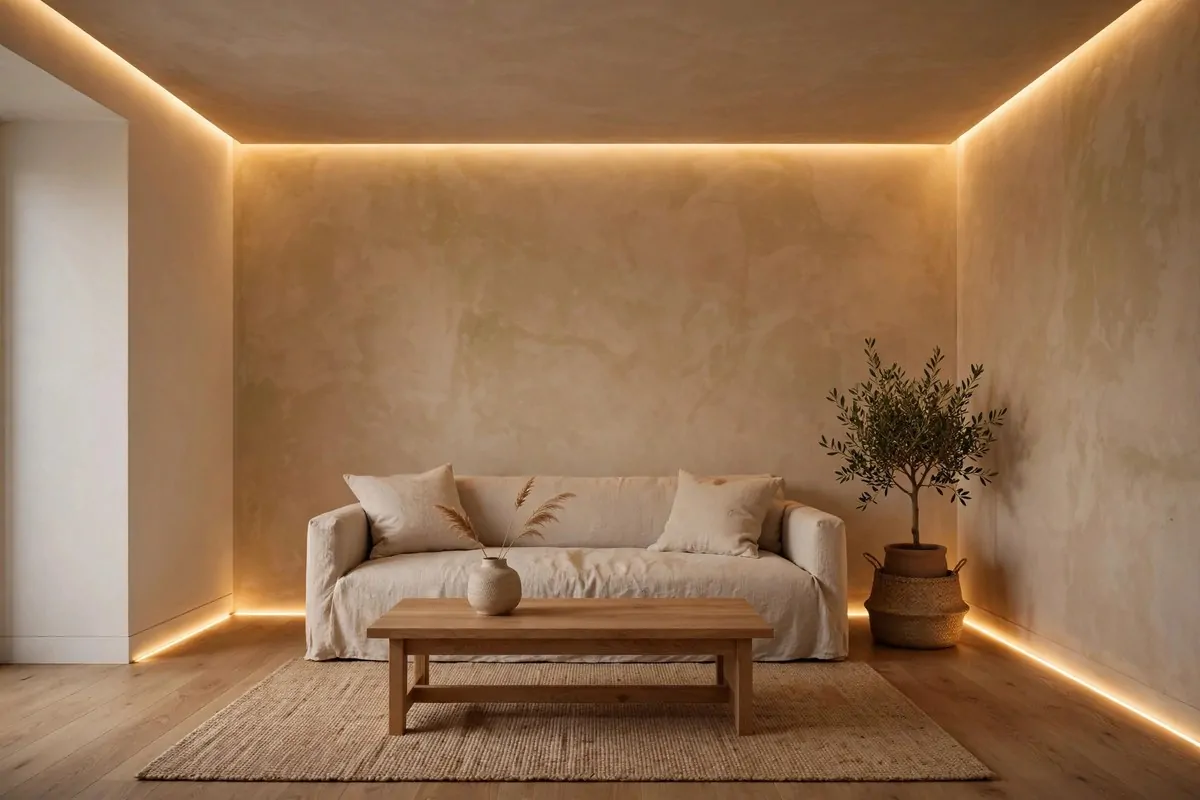
That era is ending. Designers are now hiding the tech right inside the house itself. LED strips live inside the wall edges. Speakers sit behind the ceiling paint. Chargers hide under the side table top.
You walk into the room and it feels calm and simple. Then music fills the air and you cannot see a single speaker. That is the whole point.
I find this idea so freeing. My living room finally gets to be a living room again, not a charging station with furniture around it.
The catch is that you have to plan for it a little early. You cannot easily tuck speakers behind a finished wall. If you are renovating in the next few years, ask your builder to add empty conduits and hidden outlets. Future you will be grateful.
A home that behaves smartly without looking like a laboratory. That is the dream, right?
I keep thinking about how tidy everything will look. Fewer boxes on shelves means more room for the things you actually love.
4. Lighting That Follows the Sun
We all know the feeling of harsh white office light at 9pm. It wakes your brain up when you are trying to wind down. Not fun.
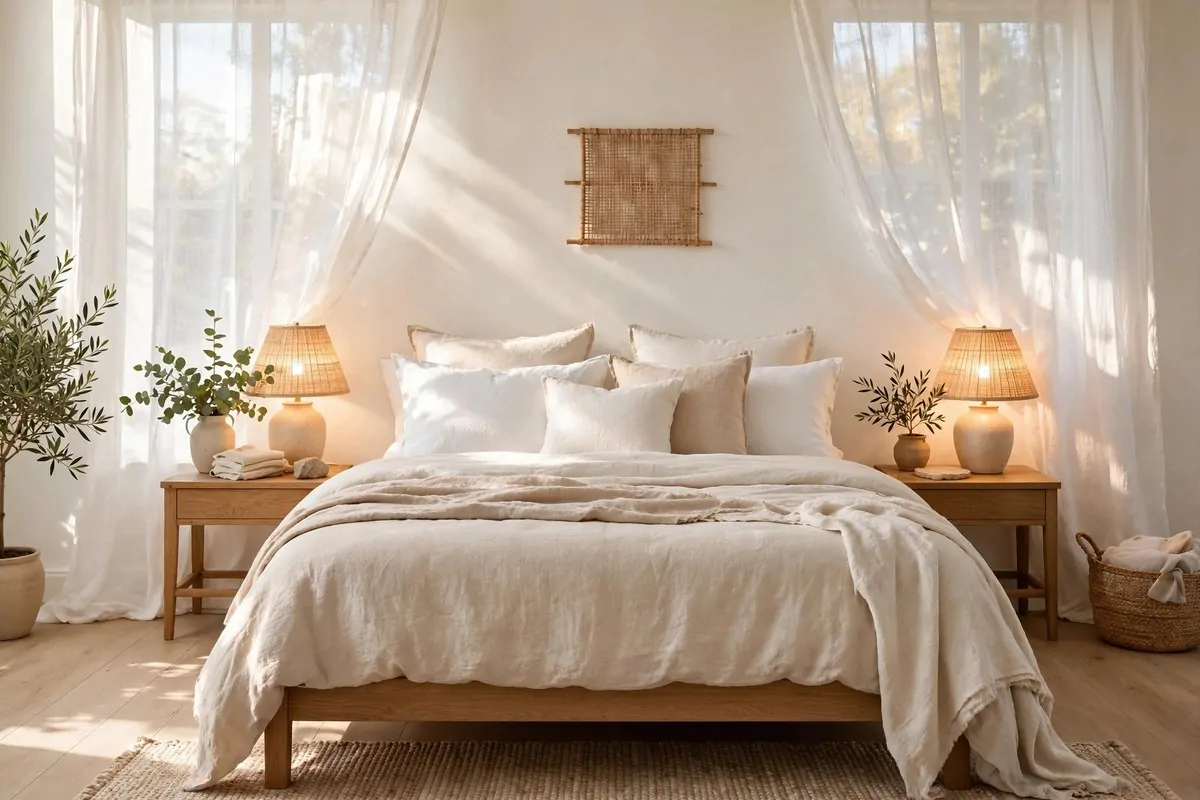
Future homes fix this with lighting that changes color through the day, just like the sky. Bright and cool in the morning when you need energy. Soft and golden in the evening when you want to relax.
The sensors watch the daylight outside and match it inside. On a gray rainy day, your lamps gently add brightness so the room never feels gloomy. On a summer evening, they dim to a candle-like glow.
I notice this most in the bedroom. Waking up under light that feels like sunrise is so much kinder than a blaring alarm and a bare bulb.
It helps kids too. Bedrooms that dim themselves in the evening send a quiet signal to little bodies. Sleep gets easier for the whole house.
Some people will say this is a small detail. I disagree. Light touches everything in your home. When it moves with nature, the whole house feels more alive.
My own hallway lamp has a dimmer and it changed my evenings. The future just makes that cozy feeling automatic.
5. Kitchen Gardens Growing on Your Wall
Fresh herbs taste better. That is just a fact, and every cook knows it. But not everyone has a balcony or a backyard.
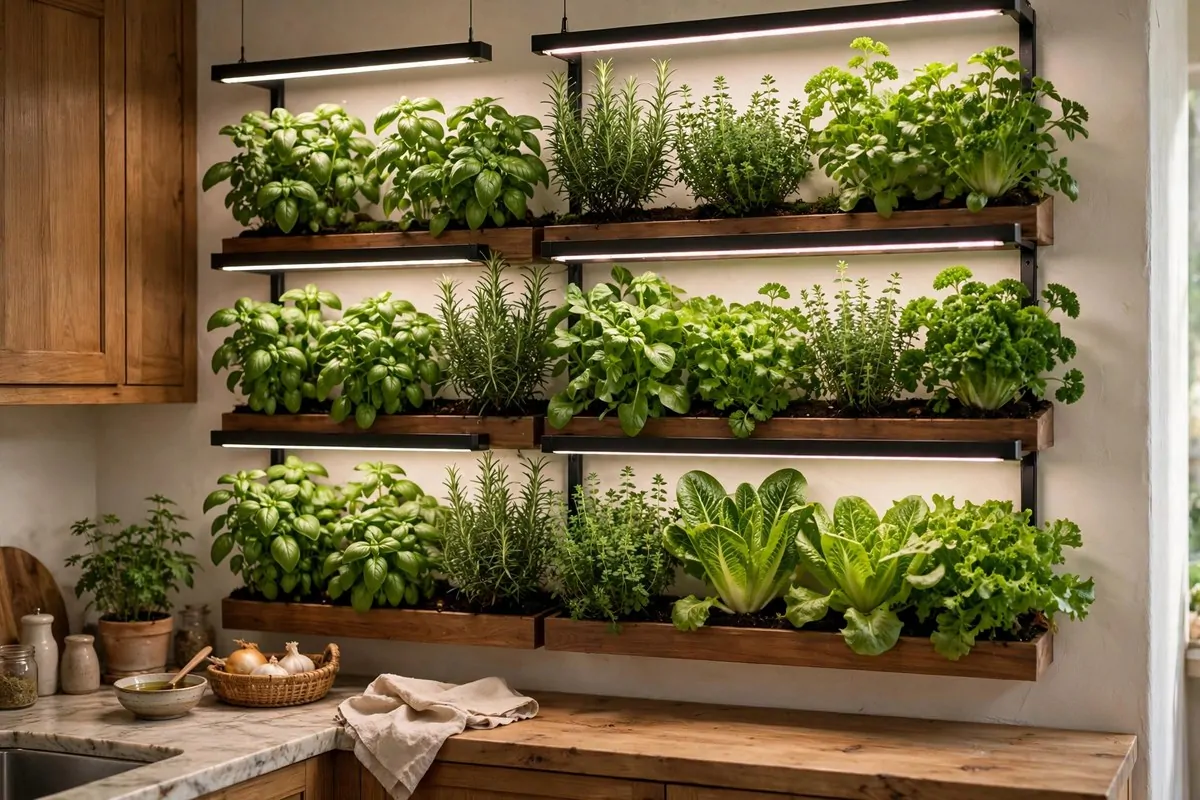
That is why wall gardens are one of my favorite Future Home Ideas. By 2030, many apartments will have a living wall of herbs and greens built right into the kitchen. Water and light run on a simple automatic system.
You reach over while cooking and snip fresh basil. No packaging, no plastic bag, no sad wilted leaves from the store. It feels a little like having a farm in your flat.
The systems are getting clever about waste too. Some recycle their water in a loop. The lights sip power and only run when the plants actually need them.
Here are the easiest plants to start with, even in today’s homes:
- Basil: grows fast and loves kitchen warmth.
- Mint: nearly impossible to kill, perfect for tea.
- Chives: snip and they grow right back.
- Lettuce: fresh salads steps from your stove.
- Thyme: slow but steady, great with roasted food.
Imagine telling your grandma that in 2030, people grow dinner ingredients on the living room wall. She would laugh. Then she would want one too.
If a full wall garden sounds like a lot, start with one planter box. The habit of snipping fresh herbs is what matters most.
6. Floors and Walls From Fast-Growing Plants
Sustainability sounds like a big serious word. But really, it just means using materials that the earth can make again quickly.
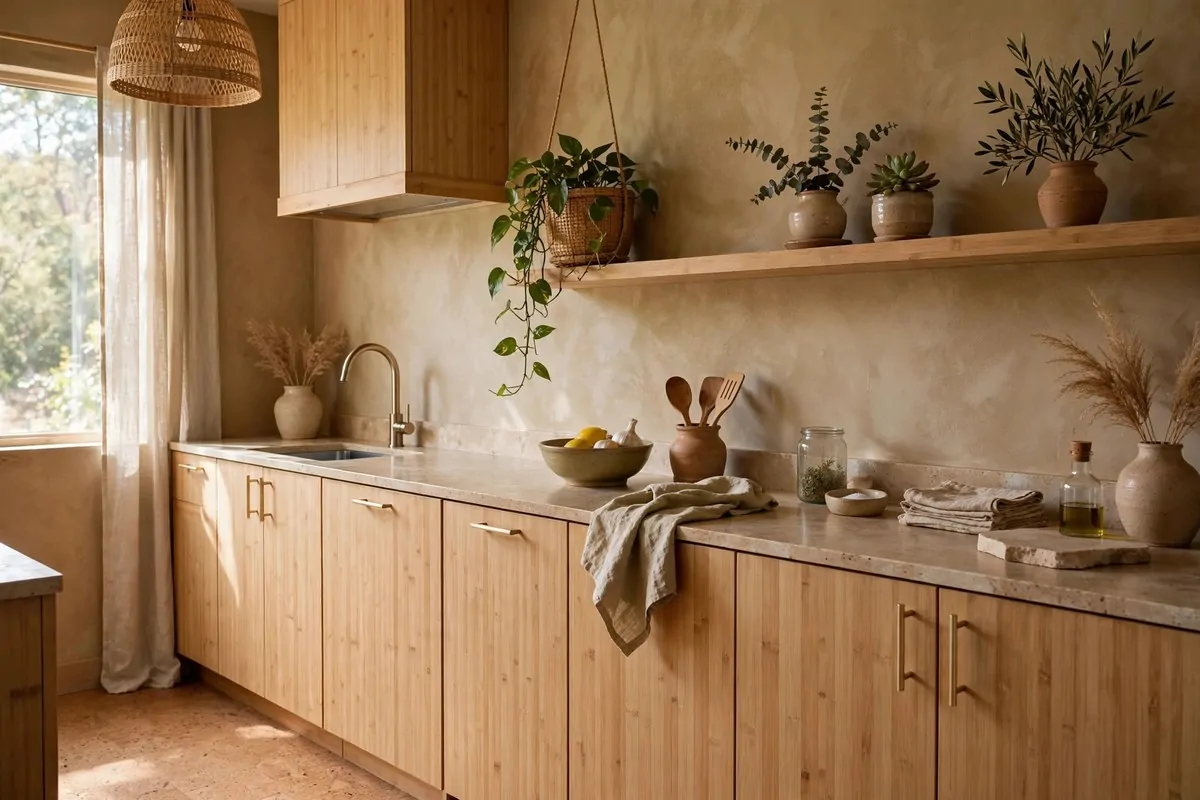
Bamboo is the star here. It grows back in a few years, not a few decades like hardwood. By 2030, I expect bamboo floors and cabinets to be completely normal, even in budget homes.
Cork is another quiet hero. It comes from tree bark that grows back without harming the tree. Cork floors are warm under bare feet and they muffle sound nicely. My neighbor has cork in her kitchen and she swears her mornings feel calmer.
Reclaimed wood is having a moment too. Old barns and warehouses get taken apart, and the wood gets a second life as floorboards and beams. Each plank carries a little story with it.
Here is a quick comparison if you are choosing between them:
| Material | Feel | Why people love it |
|---|---|---|
| Bamboo | Light and clean | Grows back fast, very hard-wearing |
| Cork | Warm and soft | Quiet underfoot, kind to the tree |
| Reclaimed wood | Rich and storied | No new trees cut, full of character |
You do not have to rebuild your house to use these. Start with one room. A bamboo floor in the hallway. A cork wall in the study. Small swaps add up over time.
The future home will be built from things that grow. And honestly, homes made of plants just feel nicer to be in.
7. Furniture Grown From Mushrooms
I know how this sounds. Furniture grown from mushrooms? Sophie, have you lost it?
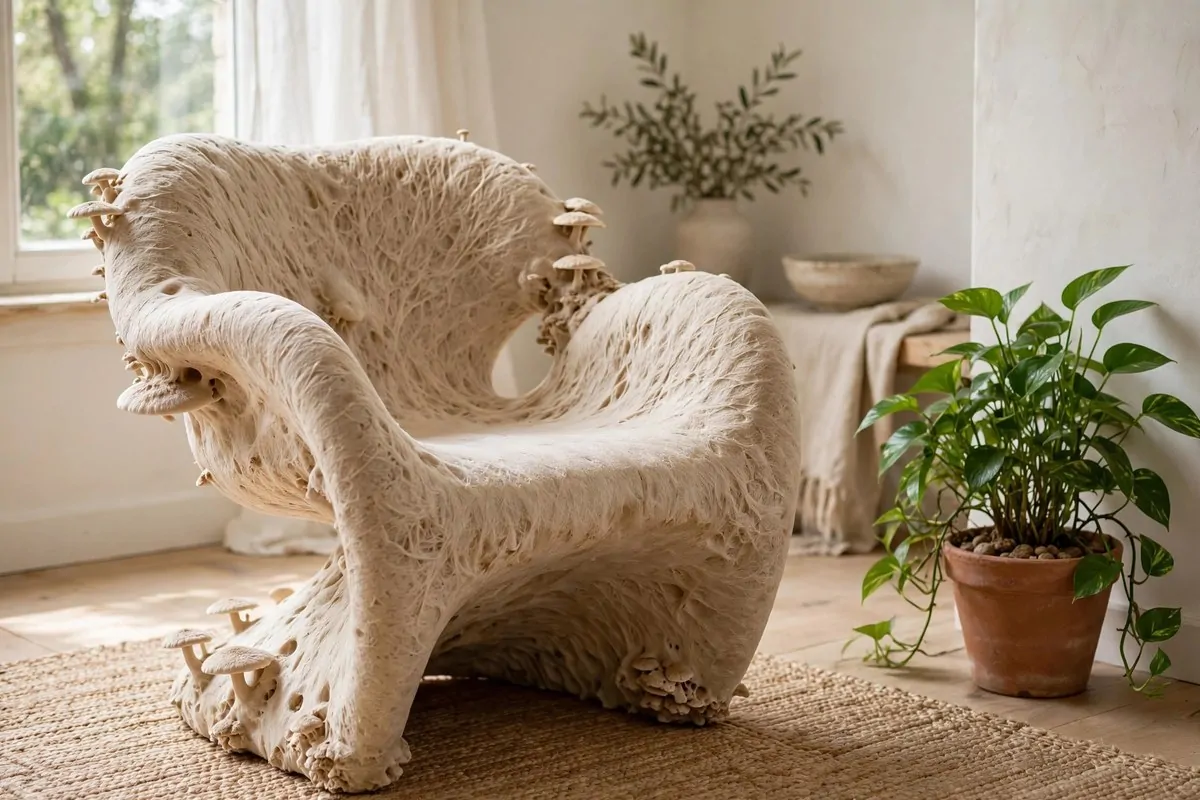
Hear me out. Designers are growing furniture from mycelium, which is the root network of mushrooms. It grows into molds, gets baked to stop growing, and turns into something as strong as wood foam.
The results are honestly beautiful. Soft rounded chairs, lampshades, wall panels. They look natural and earthy, like the home version of a forest floor.
The best part is what happens at the end. When a mycelium chair wears out, it can break down naturally instead of sitting in a landfill for a hundred years. That is a big deal for the planet.
I can see these pieces in kids’ rooms especially. Rounded edges, soft feel, no sharp corners. And when the kids outgrow them, they return to the earth gently.
We are still early with this one. But by 2030, I would not be surprised to see a grown chair sitting proudly in design stores next to the regular wooden ones.
Nature makes the best designer. We are finally starting to let it lead.
8. Walls That Fold Away
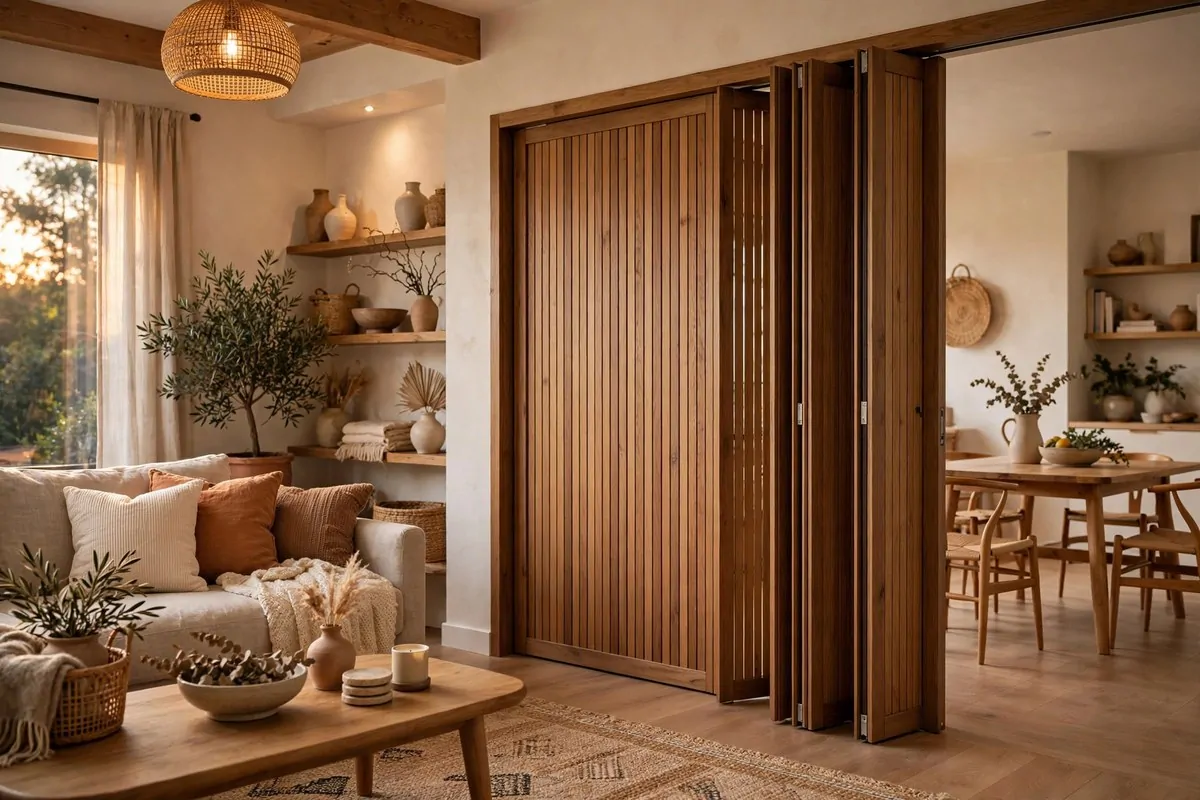
One room or two? By 2030, the answer will be both.
Movable walls are becoming a normal feature in new homes. Sliding panels, folding screens, and glass dividers let you split a big room in seconds or open it wide when guests come.
This is so useful for work from home. Close the panel and you have a quiet office. Slide it open at 6pm and your office melts back into the living room. No more staring at your desk all evening.
Parents tell me this is a lifesaver with teenagers. One big space for family time, two cozy zones when everyone needs their own corner. Flexibility keeps the peace.
The designs are getting prettier too. Not cold office partitions. Think warm wooden slats, frosted glass that glows softly, fabric panels that hush the sound between rooms.
I think of it as a house that breathes. It stretches when you need space and hugs you when you want to feel close. One home, many moods.
Renters will love this one too. A good folding screen needs no drilling and no landlord permission, just a free corner.
9. Windows That Tint on Command
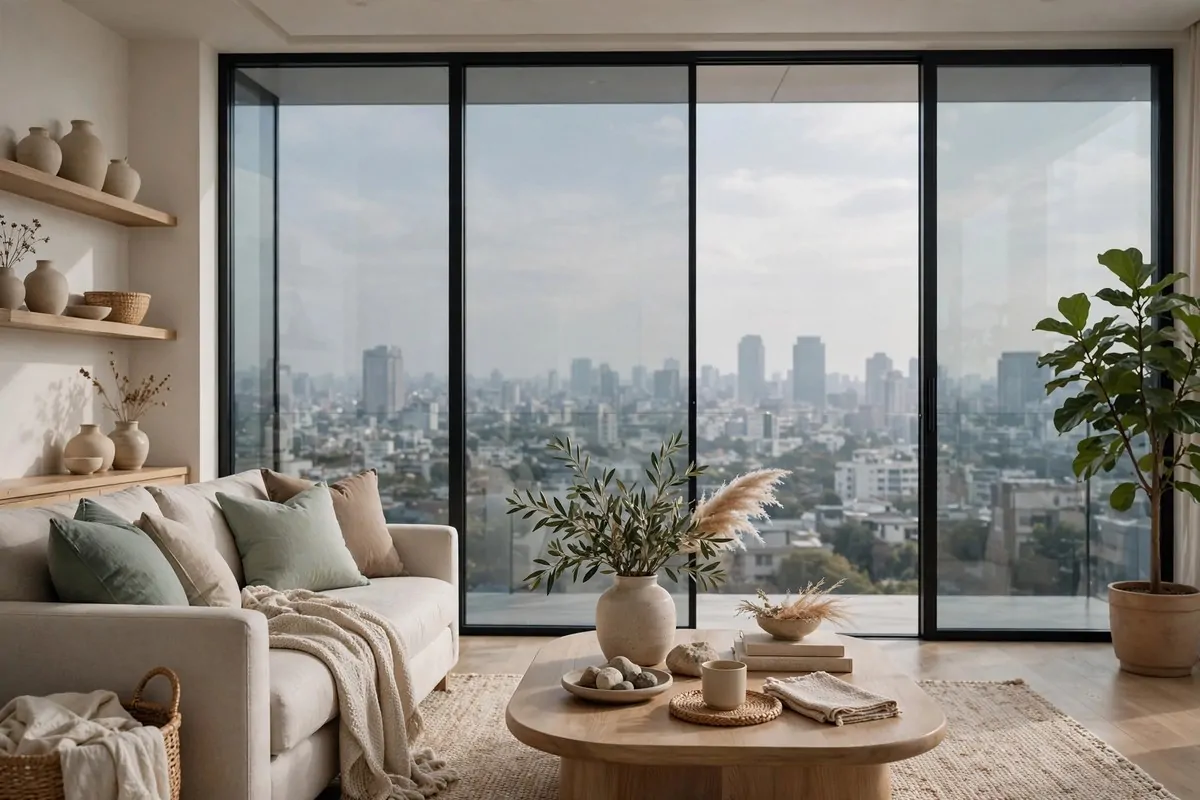
Curtains are fine. Blinds are fine. But have you ever seen a window that darkens itself?
Smart glass windows can switch from clear to frosted, or from bright to softly tinted, at a tap or on a schedule. No cords, no dusty blinds, no fighting with a stuck roller shade.
The privacy angle is wonderful. Your street-facing windows can turn frosted at night automatically. During the day they go clear again and flood the room with light.
They help with heat too. In the afternoon sun, the glass tints itself to block glare and keep the room cool. Your air conditioner gets a little break and your sofa does not fade.
I picture these in bathrooms especially. A big window over the tub that you can make private in one second. All the daylight, none of the worry.
By 2030, these will cost far less than they do today. Clear glass that thinks. What a lovely sentence to write.
Little fingers cannot get pinched in these the way they can in old blinds. Parents will appreciate that more than anything.
10. Mirrors That Talk and Listen
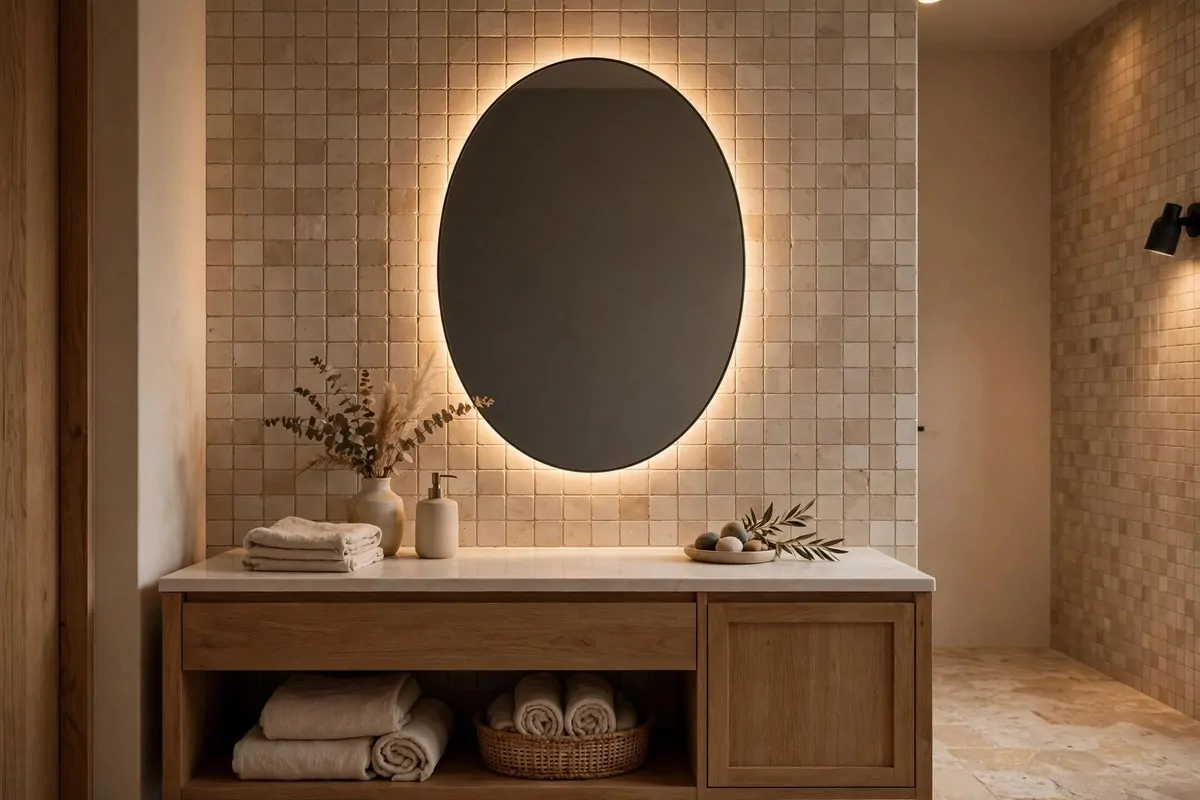
This one is already sneaking into bathrooms and dressing rooms. Voice helpers and touch displays are being built right into mirrors and kitchen appliances.
You can ask your bathroom mirror for the weather while you brush your teeth. Your kitchen backsplash can show a recipe while your hands are covered in flour. No phone to touch with sticky fingers.
I love the gesture part most. A wave of the hand to pause the video. A nod to answer a call. It feels natural, like the house is reading your body language.
There is a design lesson here too. These screens hide when you are not using them. The mirror is just a mirror until you need more. Calm surface, helpful when asked.
Privacy matters with always-listening devices, and I want to say that clearly. Choose ones with a real off switch and keep them out of the most private rooms if that feels right to you.
Done thoughtfully, the talking mirror is not about showing off. It is about a house that helps without getting in the way.
Set the display to go dark at night so the mirror becomes just a mirror again. Rest matters for people and for gadgets.
11. A Kitchen That Cooks Alongside You
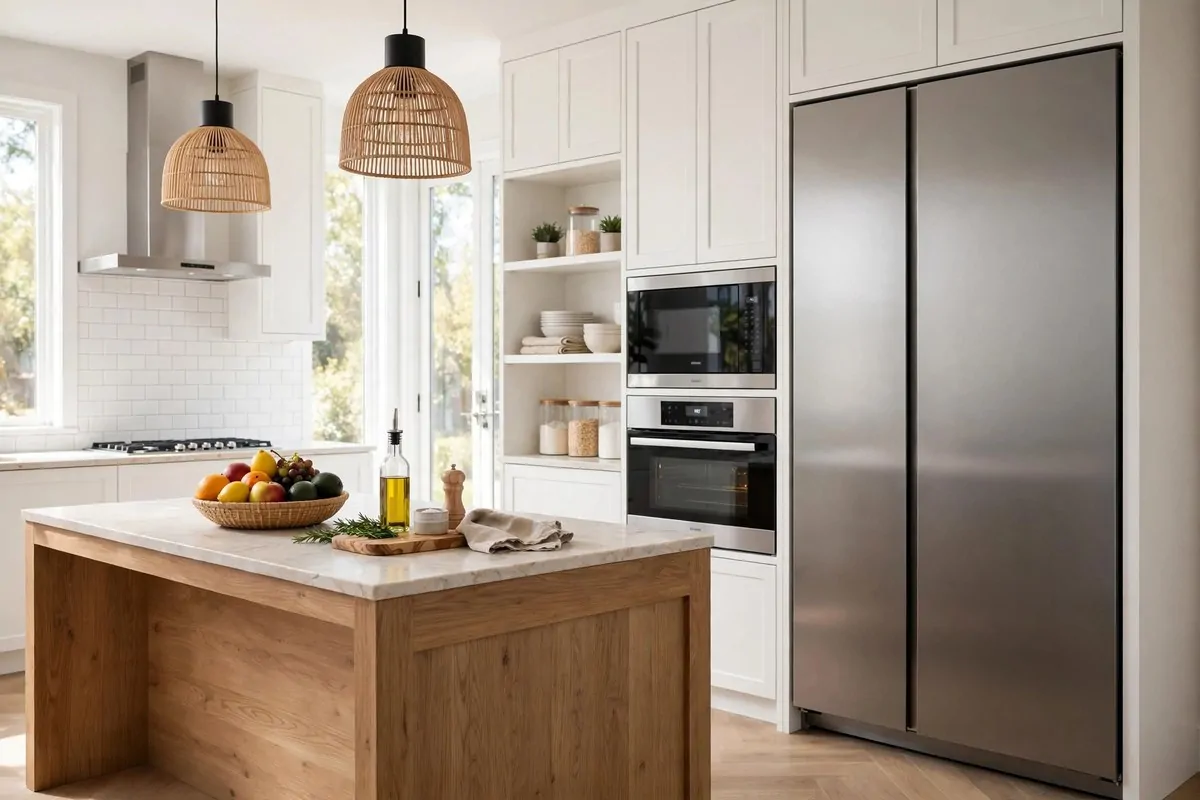
The kitchen has always been the heart of the home. By 2030, it gets a gentle upgrade without losing its warmth.
Smart fridges will track what is inside and warn you before the milk goes bad. Some will even reorder the basics so you never run out of eggs on pancake morning again. Small thing, big joy.
Ovens and cooktops are learning too. They can hold exact low temperatures for slow cooking, or tell you when the bread has proofed just right. Baking becomes less stressful for beginners like me.
My favorite kitchen upgrades are simple:
- A faucet that measures water for recipes exactly.
- A stove that cools down fast when a little hand comes near.
- A bin that opens when it sees you carrying a heavy pot.
- A counter scale built right into the worktop.
The kitchen still smells like garlic and fresh bread. It still has the family table in the middle. The tech just quietly removes the annoying parts of cooking.
A heart of the home that also does the dishes, almost. Now that is a Future Home Idea I can get behind.
Teach one family member the fridge list feature first. They will show everyone else faster than any manual ever could.
12. Art That Changes With Your Mood
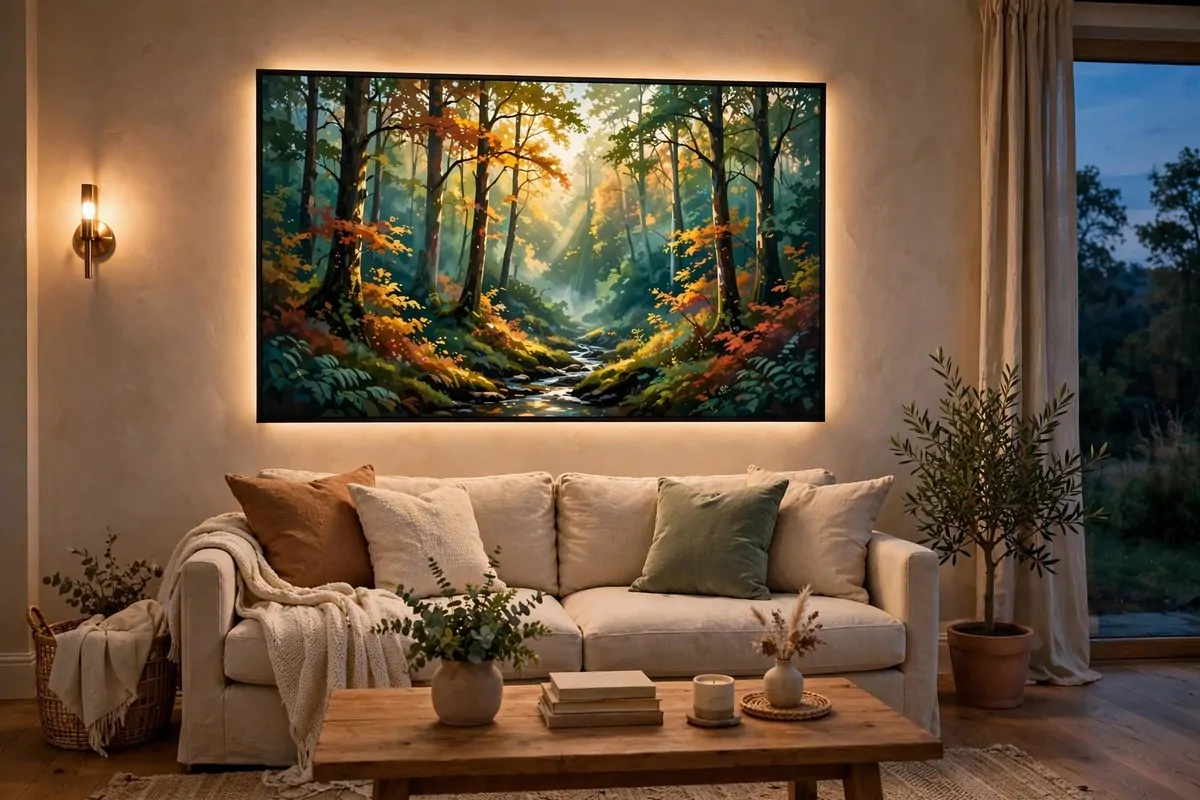
Big black TVs used to dominate living rooms. They were useful but honestly they were big ugly rectangles when turned off.
That is changing fast. Wall displays can now show art when you are not watching anything. A calm forest scene. A Van Gogh style painting. Your own family photos drifting by softly.
And it goes further than screens. AR glasses can paint a whole virtual gallery on your bare walls. Your plain white hallway becomes a museum corridor with one look through the lenses.
I think this is lovely for renters most of all. You cannot paint the walls in a rental. But you can hang a digital frame and change the whole mood of the room in seconds.
Dinner parties will be fun too. Set the wall to a cozy fireplace glow for a winter evening. Switch to a sunny beach scene for a summer birthday. The wall becomes part of the celebration.
Your home’s personality used to be fixed in paint and nails. By 2030, it will be as changeable as your mood. I find that idea freeing.
Change the wall art with the seasons and your home will always feel fresh. Winter fireplace, spring garden, autumn forest.
13. Air That Cleans Itself
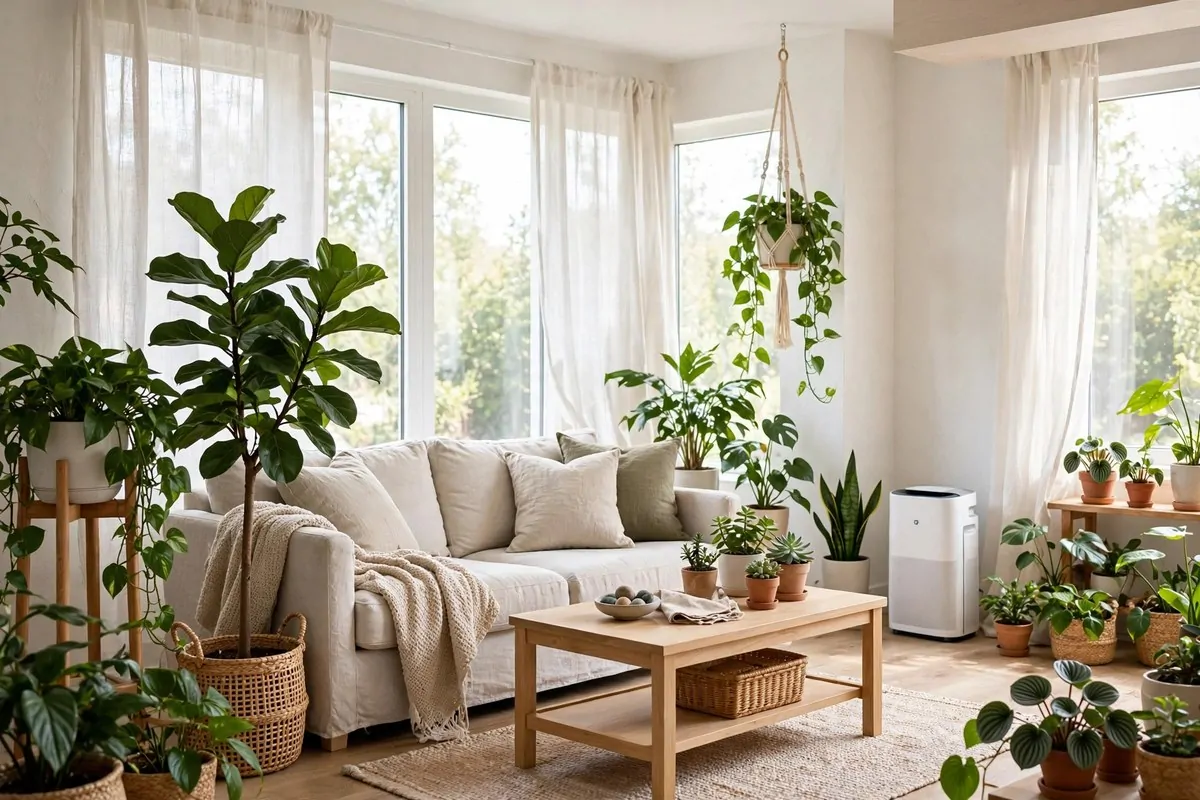
We think a lot about what we eat and drink. We think much less about what we breathe, even though we do it all day inside our homes.
I want to be careful and honest: plants and gadgets help, but fresh outdoor air and regular cleaning still matter most. The tech is a helper, not a miracle worker.
Future homes will watch the air. Small sensors check for dust, smoke, cooking fumes, and stuffy rooms. When the air gets stale, the house reacts on its own.
It might crack open a vent, run the purifier quietly, or nudge the smart window to let in fresh air. You do not have to think about it. You just notice that the house always smells clean.
This matters a lot for families with allergies or asthma. A bedroom that keeps pollen and dust low can mean genuinely better sleep for a child who struggles.
Plants help here too, and not just for looks. Living walls and indoor trees work alongside the sensors, adding fresh oxygen and a little bit of nature’s calm.
Still, walking into a home that always feels like a spring morning? Yes please. I will take that future any day.
14. Bathrooms That Feel Like a Spa
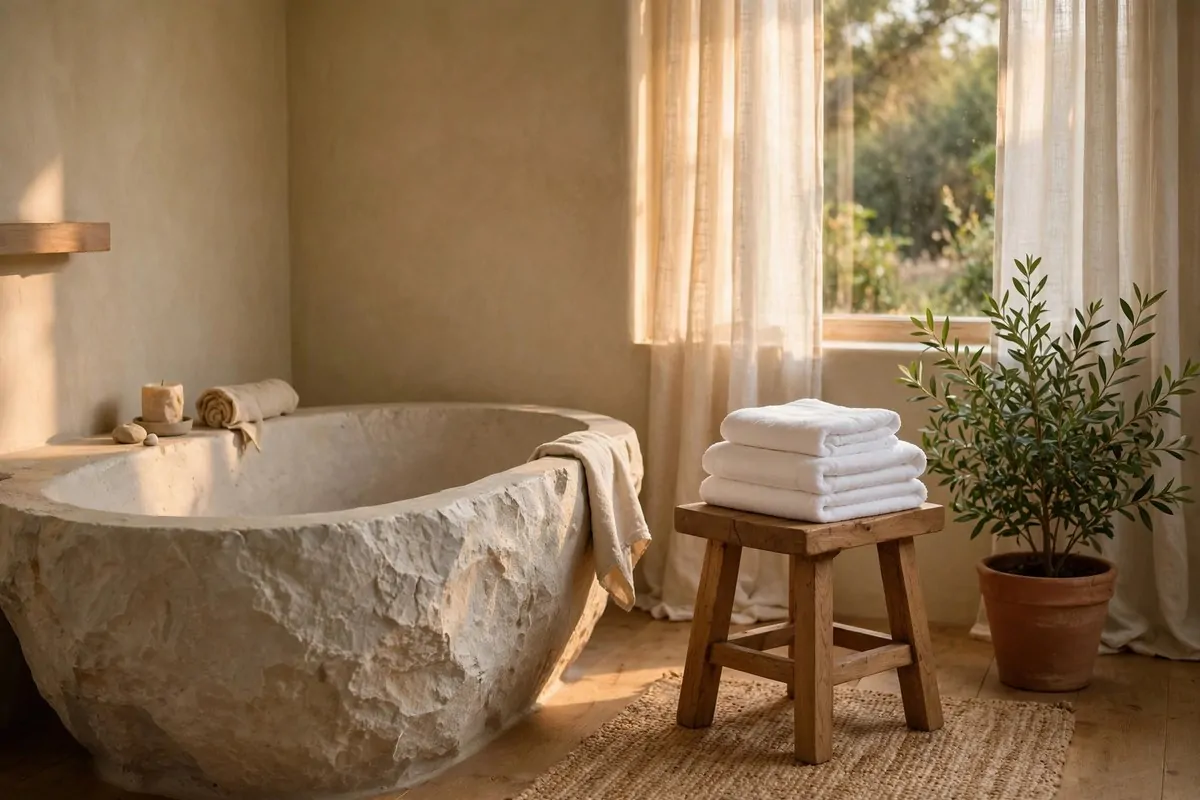
The bathroom used to be the most boring room in the house. Tile, taps, done. Not anymore.
By 2030, bathrooms are becoming little wellness rooms. Deep soaking tubs, rain showers, warm stone floors, soft lighting that never glares. It is the room you go to when the day has been too much.
The tech here is gentle, not flashy. Mirrors that never fog up. Floors that warm up before your morning alarm. Showers that remember your favorite temperature.
I am most excited about the simple upgrades regular families can do now:
- A small wooden stool for the shower corner.
- Fluffy towels kept warm on a heated rail.
- One big plant that loves bathroom humidity.
- A dimmable light so evenings feel soft.
You do not need a giant budget for a spa feeling. A few warm textures and low light can turn even a tiny bathroom into a calm little retreat.
We spend so much of life rushing. A bathroom that slows us down for twenty minutes a day is not a luxury. It is a kindness to ourselves.
Even a small pile of folded towels on a wooden stool adds calm. The spa feeling starts with warm little details, not big spending.
15. A Gym That Fits in a Corner
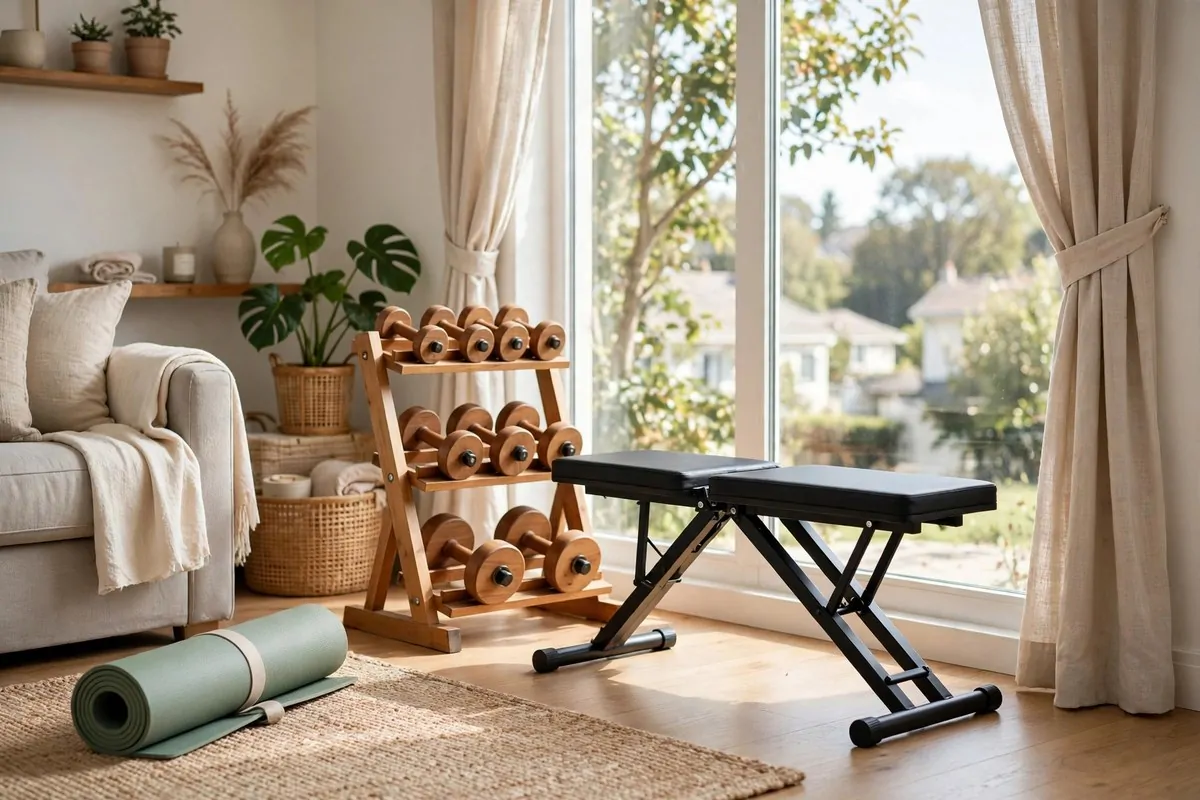
Gym memberships are great until life gets busy. Then they become a monthly bill for a place you never visit. Sound familiar?
Future homes solve this by making room for movement everywhere. Not a full gym. Just a smart corner that works hard.
A fold-down bench, a rack of weights that tucks under the stairs, a yoga mat that lives behind the sofa. Mirror panels can show workout videos and gently correct your form. The corner becomes a gym when you need it and disappears when you do not.
I love this for parents of small kids. You cannot always leave the house to exercise. But you can absolutely squeeze in twenty minutes while the baby naps in the next room.
The designs are getting kind to the eye too. Wooden weight racks, soft mats in pretty colors, storage that looks like furniture. Your living room does not have to look like a locker room.
Movement will be built into the house of 2030, not added as an afterthought. Your home will want you to be healthy. How sweet is that?
Pair your corner workouts with a good playlist and a window view. Twenty fun minutes beat an hour of boring ones every time.
16. Homes That Age Gracefully
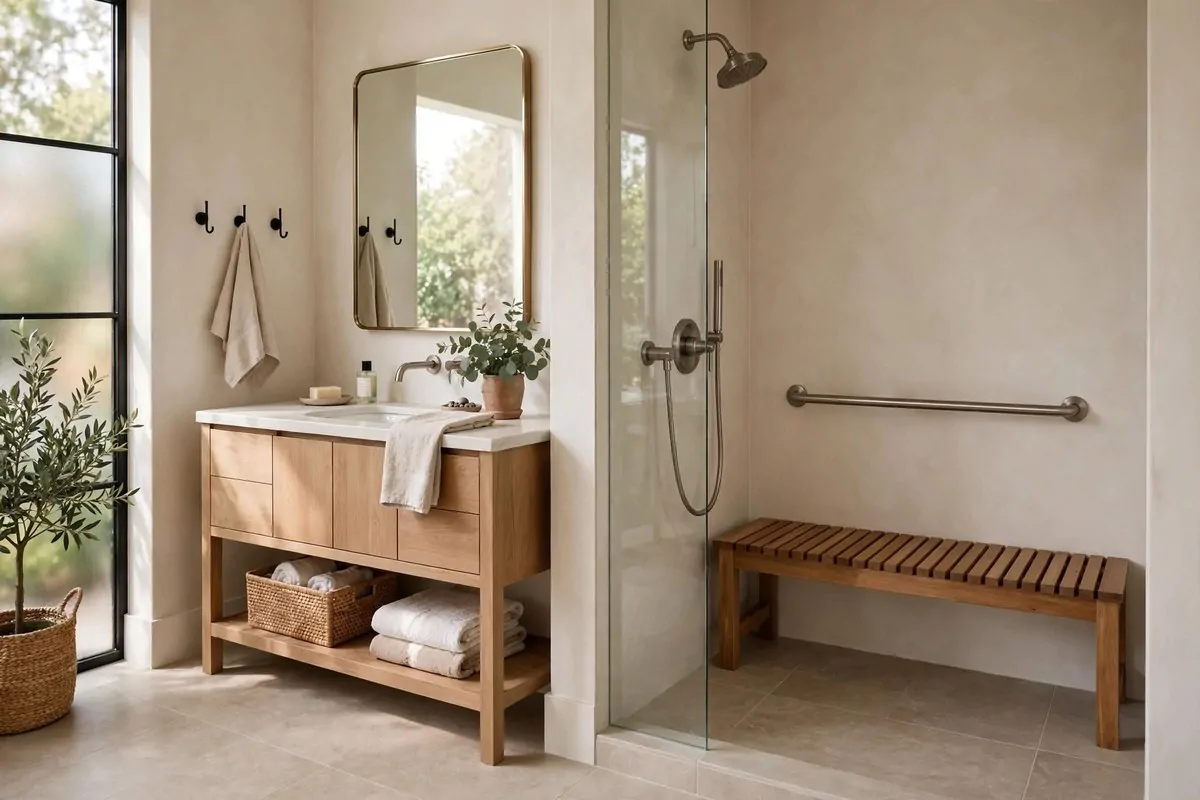
This one is close to my heart. Good design should work for every age, from a crawling baby to a grandparent with a walking frame.
Future homes are being built with this in mind from the start. Walk-in showers with no step to climb over. Doorways wide enough for a wheelchair. Light switches low enough for small hands and seated adults.
Kitchens get friendlier too. Pull-out shelves so nobody has to kneel deep into a dark cabinet. Counters at heights that work whether you stand or sit.
The clever part is that none of this looks medical. A curbless shower looks like a spa. A wider hallway just feels generous. Good inclusive design is invisible design.
I think every family should ask for a few of these features in their next home, no matter their age now. We all get older, and our homes should grow old with us gracefully.
A house that welcomes you at eight months and at eighty years. That is the most beautiful Future Home Idea on this list, if you ask me.
Ask older family members what would help them most in their home. They usually know exactly what is missing.
17. Your Home Will Know Its Energy Bill
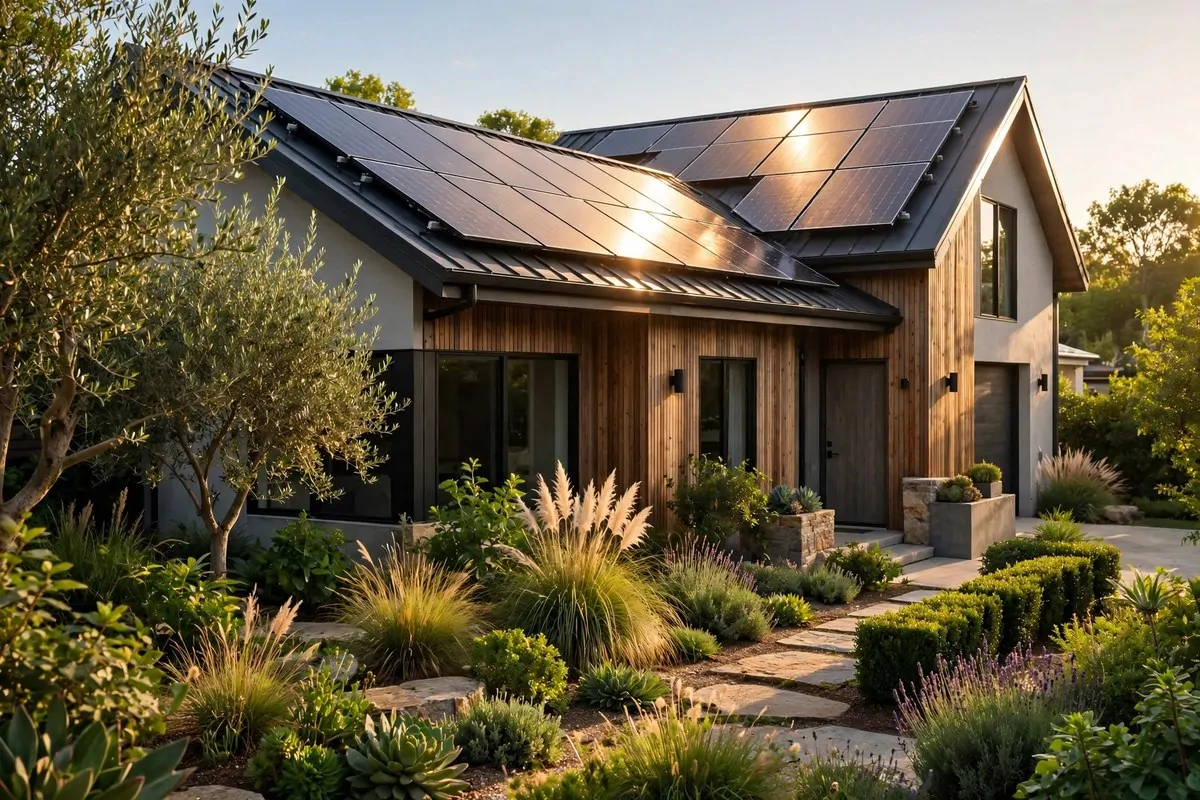
Energy used to be invisible. You flipped a switch and the bill arrived later as a surprise. Not fun at all.
By 2030, homes will watch their own energy closely. Smart panels show exactly what each room is using. The house shifts heavy jobs, like heating water, to times when power is cheapest and cleanest.
Solar is becoming normal, not fancy. Panels on the roof, sometimes even built into roof tiles that look like regular shingles. The house makes its own power on sunny days and stores it for the evening.
Here is the simple version of how it works together:
| What it does | How it helps you |
|---|---|
| Solar panels | Make free power from sunshine |
| Home battery | Saves daytime power for night use |
| Smart panel | Moves big jobs to cheap-power hours |
| Good insulation | Keeps heat in, so you buy less of it |
The goal designers talk about is the net-zero home. It makes as much energy as it uses over a year. That sounds ambitious, but new builds are getting closer every year.
I am not saying your bill drops to zero tomorrow. But a house that thinks about energy will always be kinder to your wallet than one that does not.
Check which way your roof faces before dreaming too big about solar. In most regions, the sunny side catches the most power.
18. Houses Built in a Factory
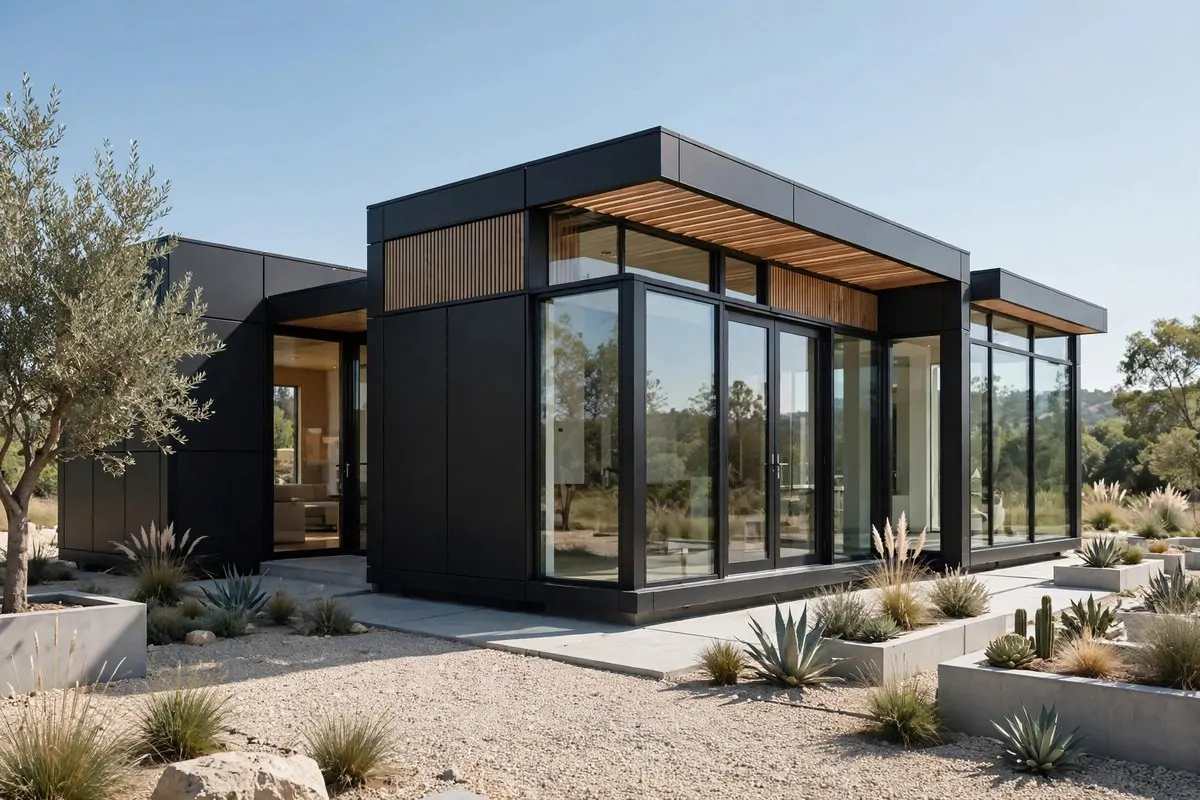
For a hundred years, we built houses the slow way. Brick by brick, in the rain, for months. There is a better way coming.
Modular homes are built in factories in clean, dry conditions, then placed on your land like big beautiful building blocks. The quality is often higher because machines and skilled teams control every step.
3D printing is joining in too. Printers can already lay down walls layer by layer with very little waste. By 2030, printed parts and even printed rooms will be a normal option.
The speed is the fun part. A factory-built home can be ready in weeks instead of a year. Less noise for the neighbors, less mess on the street, less waiting for you.
And before you picture a boring gray box, stop. Modern modular homes are stunning. Big glass walls, warm wood, clever layouts. Many look like high-end architecture.
Factory-built does not mean soulless. It means precise, fast, and much less waste. The home of 2030 might be built in a warehouse before it ever sees your street.
Ask a builder for a tour of a finished modular home before you judge it. Photos do not do the solid quiet feel justice.
19. Handmade Pieces in a High-Tech Home
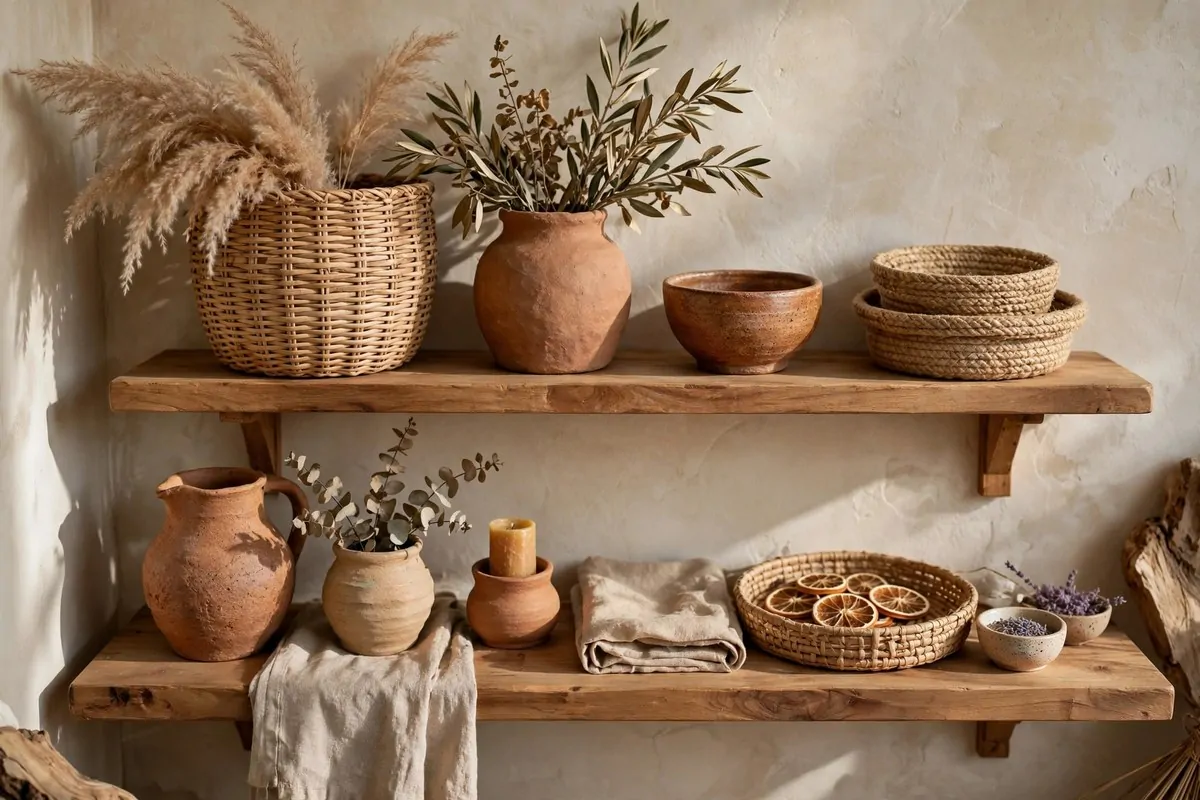
Here is a twist nobody expected. As homes get smarter, handmade things are becoming more precious, not less.
Designers are seeing a real hunger for the human touch. A wonky clay pot made by someone’s hands. A woven basket with little uneven threads. A quilt stitched by a grandmother.
These pieces tell a story that no factory can copy. When everything in your house is smart and smooth, one rough handmade bowl becomes the most interesting thing in the room.
I think it is about balance. The tech handles the boring jobs quietly. The handmade things carry the feelings. Together they make a home that is both modern and warm.
You can start this trend today without spending much:
- Visit a local craft market and pick one handmade item.
- Put your kids’ clay creations on a real shelf, not in a drawer.
- Choose one vintage piece with a past over a new copy.
- Learn one small craft yourself, even badly. It still counts.
By 2030, the most stylish homes will mix the newest tech with the oldest crafts. A voice-controlled lamp lighting a hand-carved table. That contrast is the whole charm.
Smart homes do not have to feel cold. The handmade pieces are what keep them human.
20. The Office That Disappears
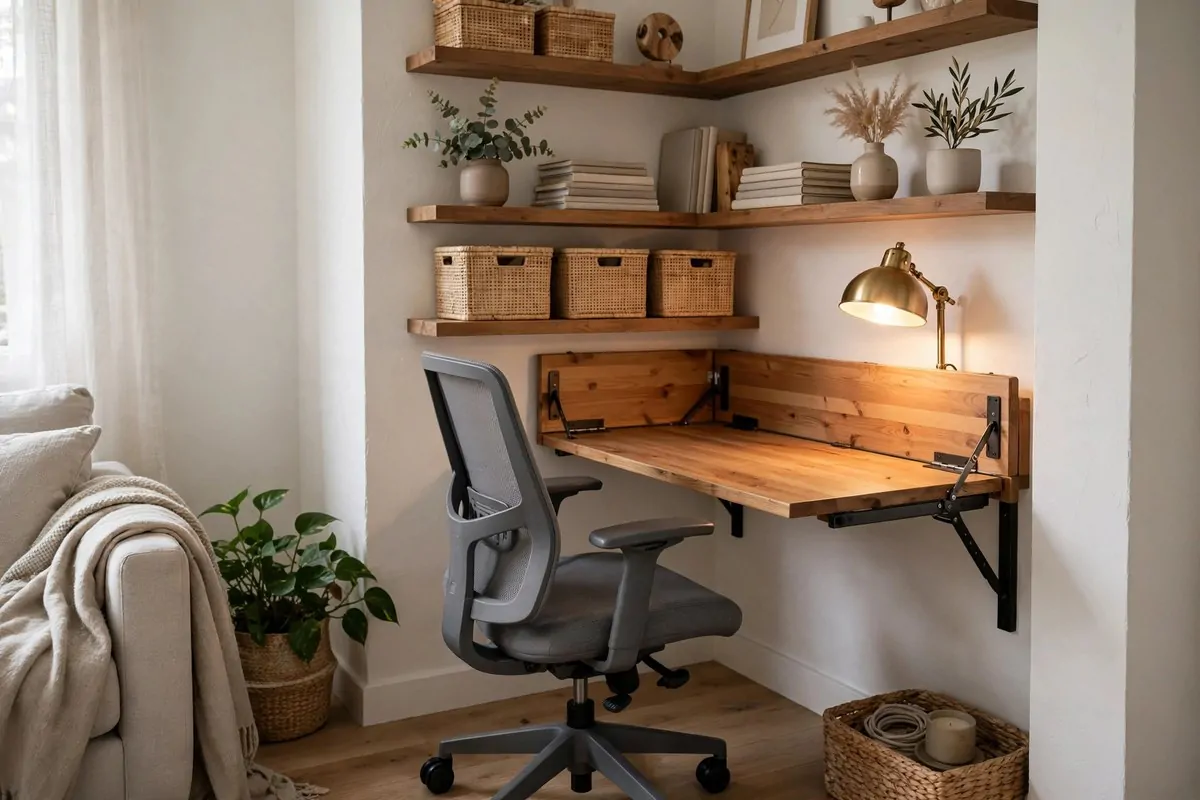
Working from home is not going away. But nobody wants their living room to look like an office forever.
So the home office of 2030 is designed to vanish. Fold-down desks that close into pretty cabinets. Chairs that tuck away. Monitors that rise from the desktop only when needed.
Ergonomics are getting attention too, and that is wonderful. Desks that remind you to stand up. Chairs that support your back properly. Lighting that reduces eye strain during long calls.
Sound matters when you share a home. Small acoustic panels, soft rugs, and those movable walls from idea number eight can carve out a quiet zone for important calls.
My favorite trick is the shutdown ritual. At the end of the day, you close the desk, the office disappears, and your home is your home again. Your brain learns that work is over.
We used to build offices in spare bedrooms. By 2030, the office will be a mood, not a room. It appears when you need it and melts away when you do not.
And that, I think, is the perfect place to end. The future home is not about more stuff. It is about a house that bends around your life instead of forcing your life to bend around it.
A Last Little Thought
I started this list thinking about gadgets and walls and clever glass. I am ending it thinking about something simpler.
Every one of these Future Home Ideas has the same heart underneath. A home that notices you. A home that makes room for you. A home that grows with you.
You do not need all twenty. You do not even need five. Pick the one idea that made you smile while reading, and start there. Maybe it is the herb wall. Maybe it is the fold-away desk.
The home of 2030 will be built one small choice at a time, by people like you and me. And honestly, I cannot wait to see what we make of it.