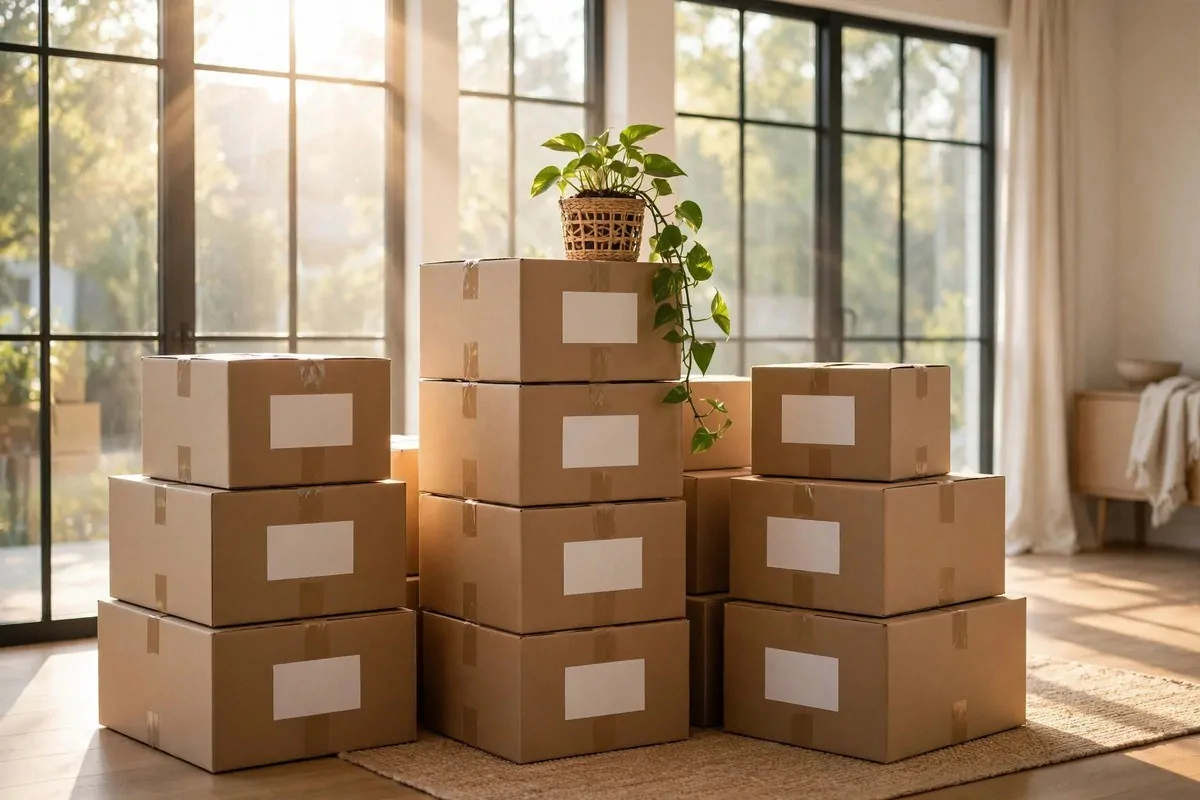
20 Tiny House Living Habits for Life in Under 400 Square Feet

I once counted my morning steps. Bed to bathroom to kettle. Nine steps.
That is what life in under 400 square feet really looks like. Everything you need is close. Everything you do is close too, which means every small choice shows up fast.
Tiny House Living is not about being tough or having a perfect system. It is about small habits you repeat every day. The kind that keep a tiny home feeling calm instead of cramped.
Here are the 20 habits I would tell any friend who is moving small. None of them take long. All of them change the way a tiny house feels.
1. Make Your Bed Before Anything Else
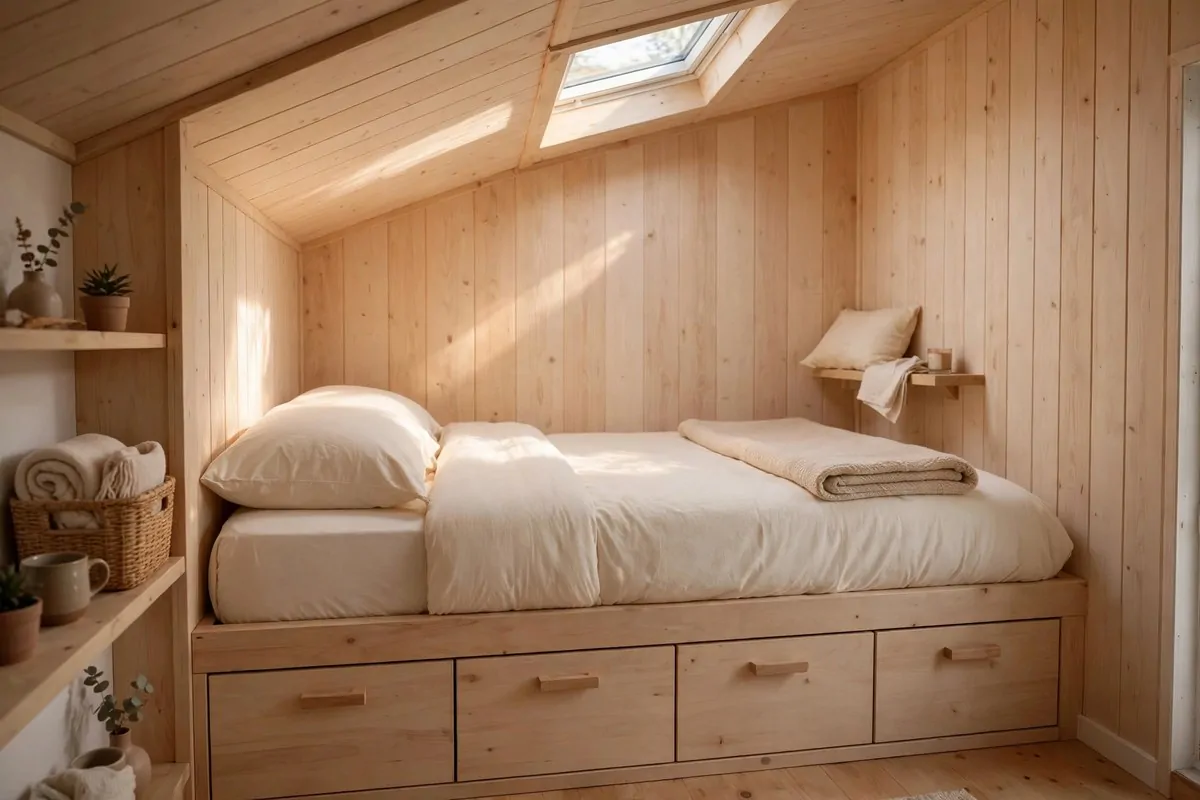
In a tiny house, your bedroom is also your living room. Or at least it looks like it.
When the bed stays messy, the whole house feels messy. It takes about two minutes to pull the blanket up and fluff the pillow.
I do mine before I even drink water. It wakes my brain up and tells the day I am ready.
A made bed makes the loft look neat from downstairs. That one view shapes the whole room.
You do not need perfect hotel corners. Just smooth it out and tuck the edges.
This habit costs nothing and it sets the tone. Every tiny home day starts better with a made bed.
Guests notice it too, if you ever have one over. A made bed says this home is cared for.
And on the days when everything feels messy, the bed is still done. That is one win already in the bag.
2. Wash the Dish the Minute You Are Done With It
A tiny kitchen has one sink and very little counter. One dirty pan can swallow the whole space.
I wash my bowl the second I finish eating. It takes thirty seconds while the food is still soft.
If I let it sit, it hardens and the wash takes five times longer. That is a lesson I learned the hard way.
The trick is hot water right away. No soaking tub needed, no pile forming.
Keep the dish soap next to the faucet where you can reach it blind. Put the drying rack on the left if you are right handed, or flip it around.
After drying, everything goes straight back to its spot. The counter stays empty and your mind stays calm.
I also keep just four plates and four bowls. Fewer dishes means the habit stays easy.
If you own less, you wash less. It all connects in a tiny house.
3. Live by the One-In-One-Out Rule
Every new thing you bring into a tiny house has to earn a spot. So I made a simple deal with myself.
One thing comes in, one thing goes out. Same type, same day.
New shirt means one old shirt leaves. New pan means one pan goes to the donation box.
I keep a small box by the door just for this. When something is out, it lands in the box and leaves with me on my next trip out.
This habit stops the slow clutter creep. You know, the kind where one day you wonder how you own four spatulas.
Here are the spots where this rule saves me most:
- Kitchen tools and gadgets
- Clothes and shoes
- Towels and bed sheets
- Books and paper notebooks
It works because it is automatic. No big decision needed, just a trade.
Kids can learn this rule too. My friend’s daughter trades her old toys for new ones without a fuss.
4. Give the House a Ten-Minute Closing Shift Each Night
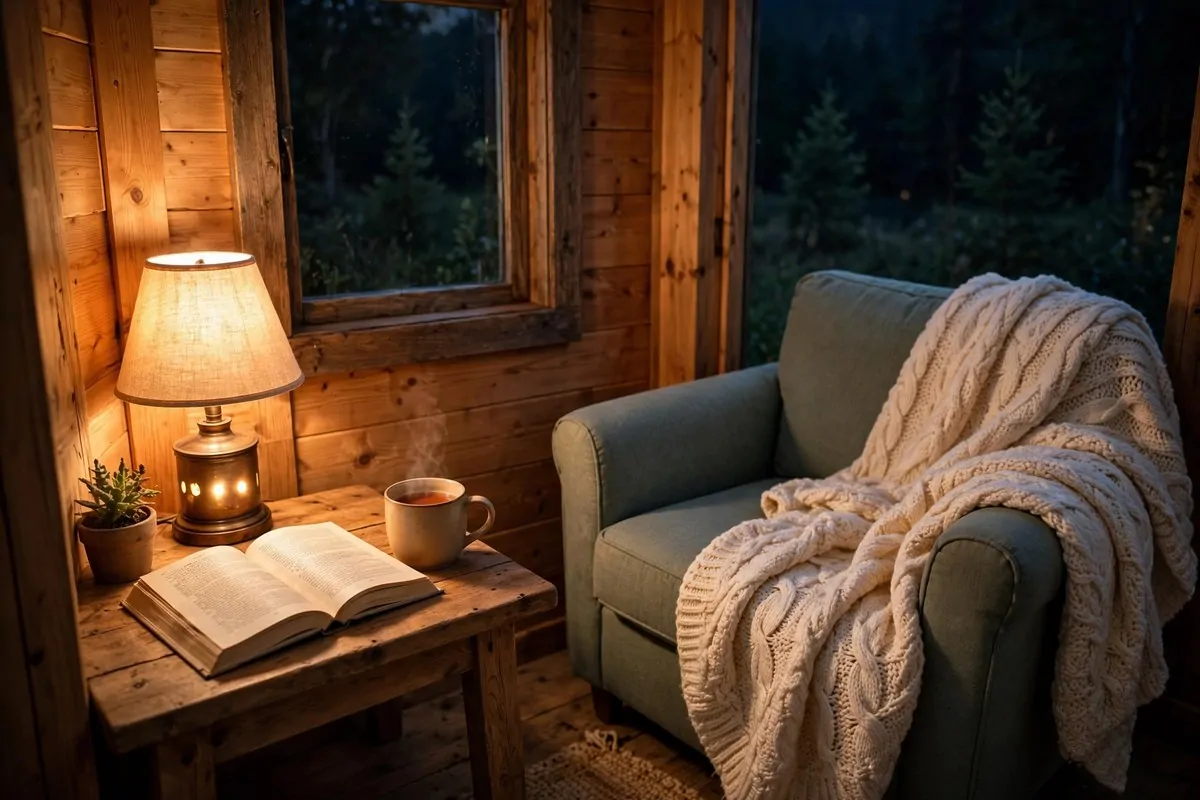
Stores have closing shifts. Your tiny house needs one too.
Every night before bed I set a timer for ten minutes. Then I move through the house and reset everything.
Dishes get dried and put away. The blanket gets folded. Shoes go by the door. Mail goes to its tray.
It sounds small but it changes the mornings. You wake up to a calm house instead of a to-do list.
My rule is that nothing sits out overnight unless it is supposed to be there. Ten minutes is all it takes in a small space.
Some nights I finish in six. The timer keeps me honest and fast.
When the closing shift is done, the house feels closed for the night. My brain gets the message too.
I play the same short playlist during my closing shift. When the music ends, I am usually done.
5. Hang Things Up Instead of Setting Them Down
Flat surfaces are the enemy in a tiny house. Anything you set down will live there forever.
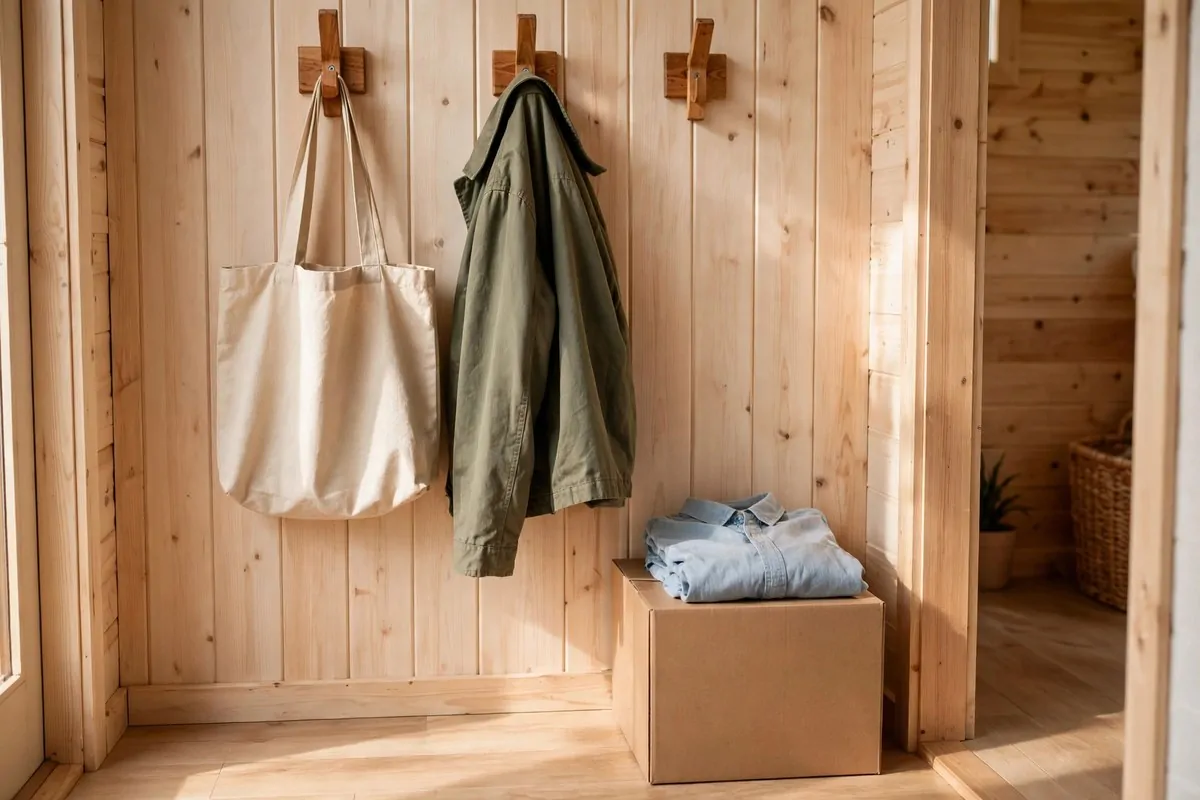
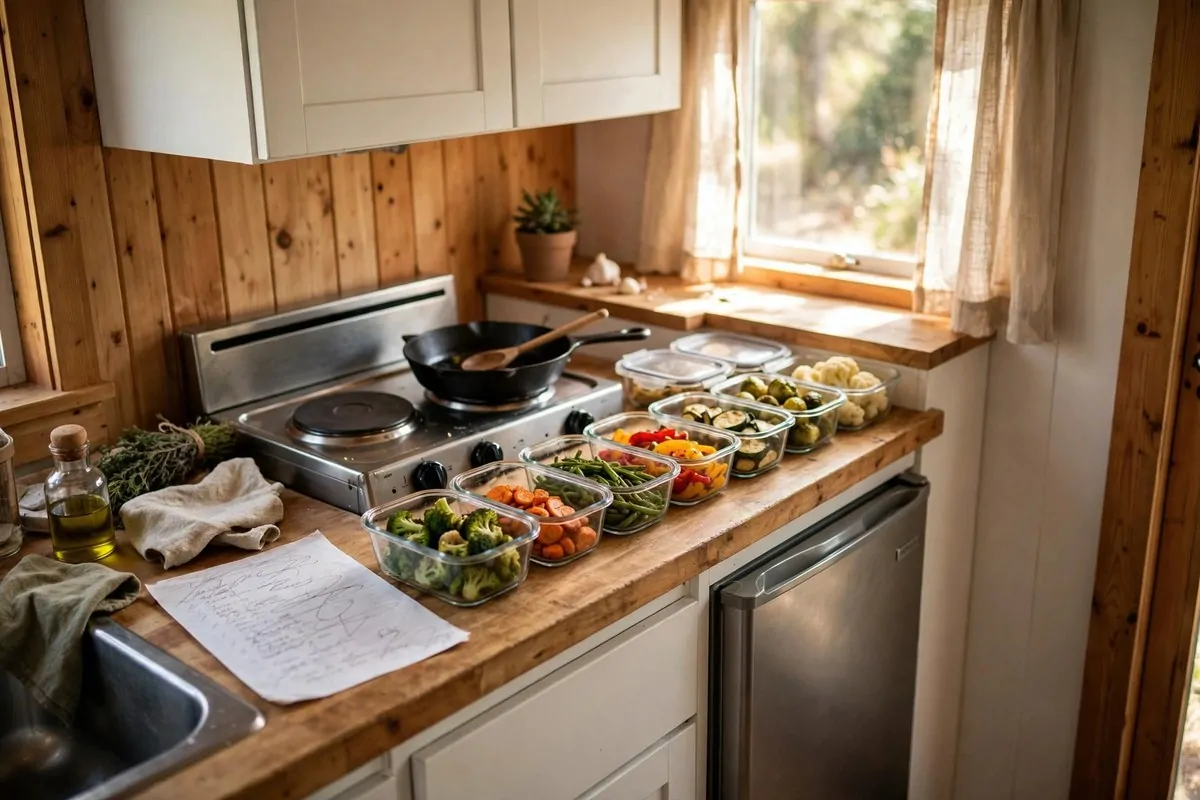
So I made hanging my default. Jacket goes on the hook, not the bench. Keys go on the wall hook, not the counter.
Bags hang by the door. The dish towel hangs from the oven handle. The broom hangs inside the closet door.
It takes the same two seconds as setting something down. But the result is a room with nothing piled up.
I put hooks in places where I used to drop things. Right next to the door, inside the bathroom door, beside the loft stairs.
Wall hooks are cheap and they hold a lot. When in doubt, hang it up.
This one habit alone keeps half the clutter out of my sight. Try it for a week and watch your counters clear.
The back of every door is fair game too. Hooks on the bathroom door hold tomorrow’s outfit.
6. Let the Walls Do the Heavy Lifting
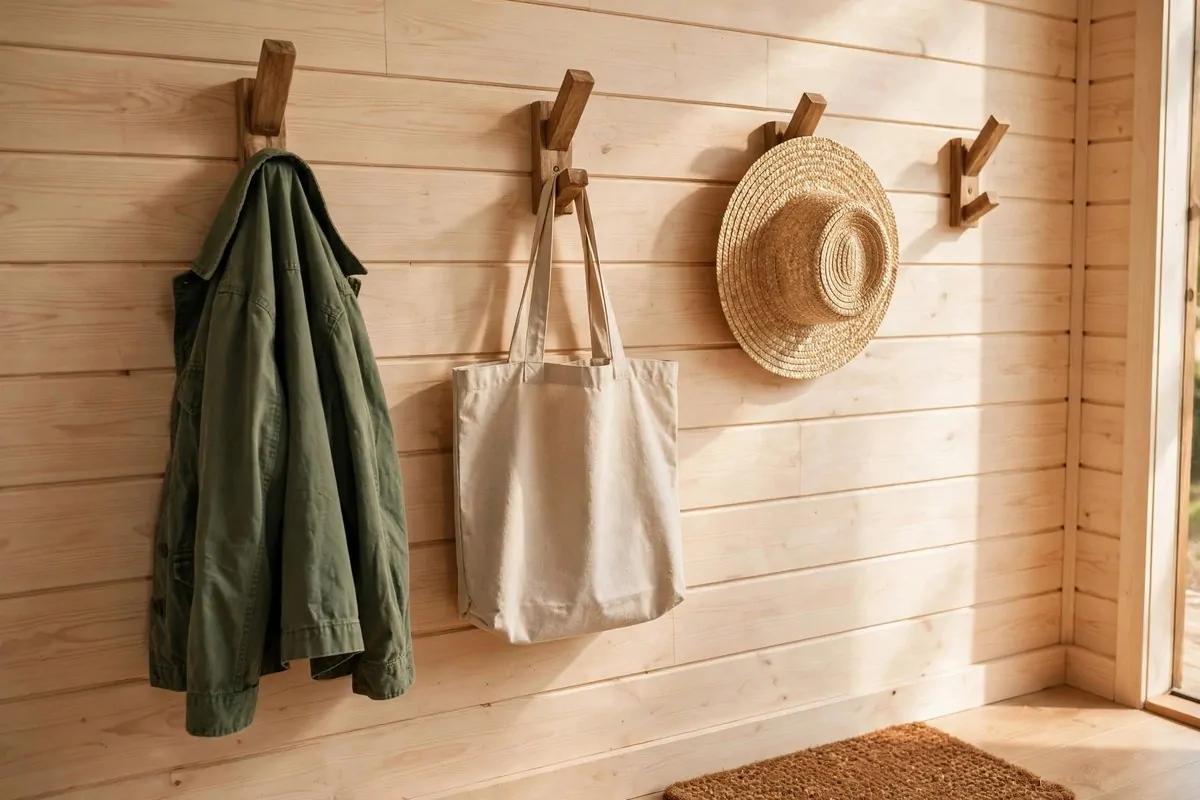
A tiny house has very little floor. But the walls go all the way up to the roof.
Every day I use my walls on purpose. The spices live on a magnetic strip. The mugs hang under the shelf.
Floating shelves hold the books I read and the jars I reach for. The space above the door holds the things I use once a month.
Going up is the oldest trick in Tiny House Living, and it still works. Floor space is for living, walls are for storing.
I keep a little step stool nearby so high shelves stay easy. If reaching feels like a chore, you will stop using the shelf.
One wall at a time is enough. You do not need to cover every inch, just the spots that used to feel dead.
I check my walls once a month and move things around. Needs change, and the walls can change with them.
Heavy things go low, light things go high. That keeps the shelves safe and easy to use.
7. Scan Paper the Moment It Comes In
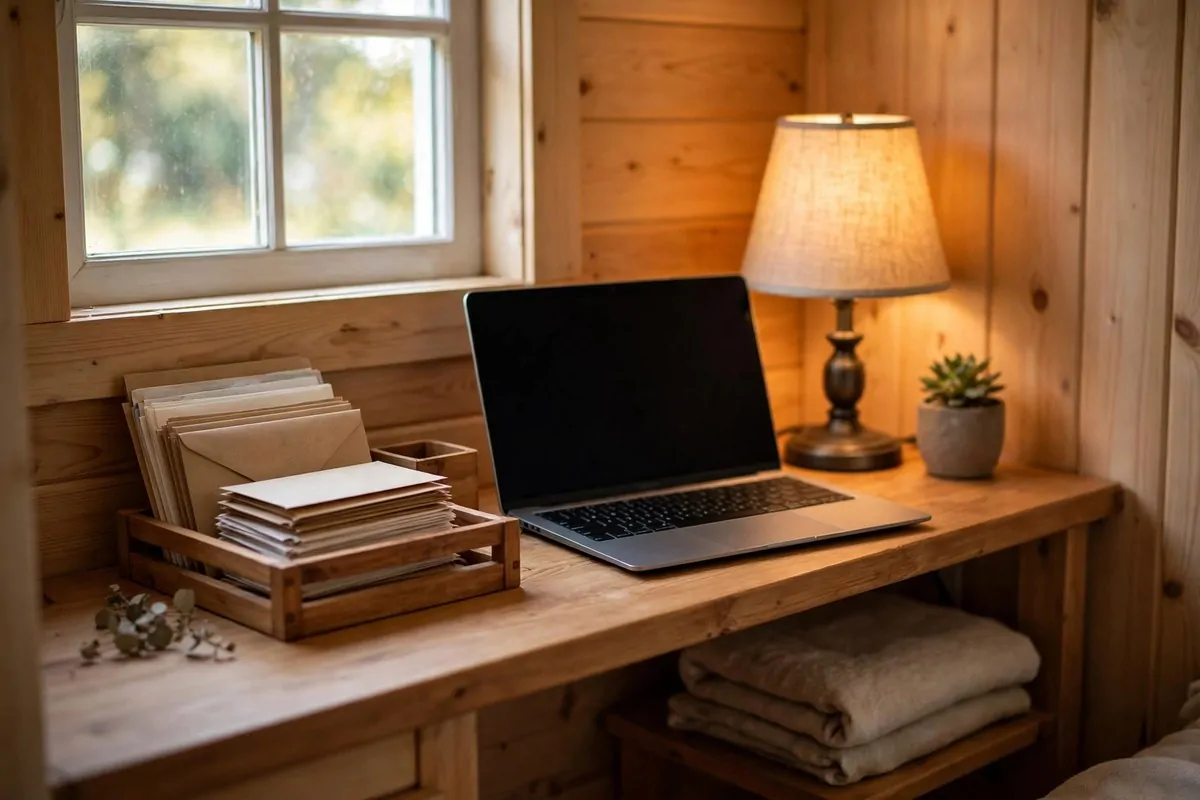
Paper multiplies fast in a small home. Bills, letters, flyers, receipts. A week of it fills a whole drawer.
My habit is simple. Paper comes in, I sort it in one tray. Once a week I scan what matters and recycle the rest.
I take a phone photo of receipts I need. Bills go into a folder app on my phone. The physical copies get shredded or recycled.
Only true keepers stay on paper. For me that is things like my birth certificate and the home title.
The tray by the door catches everything. Nothing lands on the counter or the table.
Going paperless sounds big but really it is just a two minute habit. Scan, file, recycle. Done.
Old photos are the one exception I handle slowly. A few each week, scanned and backed up.
One small album of printed favorites stays on the shelf. Everything else lives on my phone.
8. Plan Your Meals Once a Week
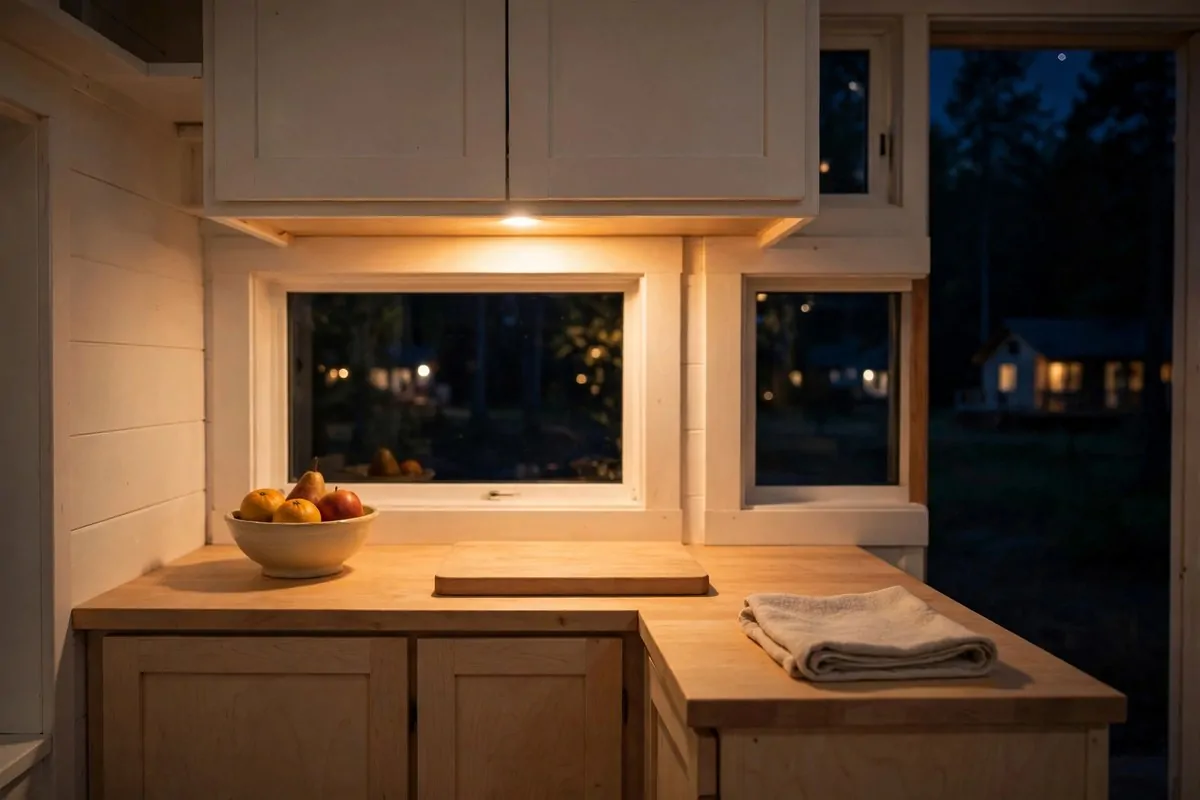
A tiny fridge holds almost nothing. That sounds like a problem until you turn it into a habit.
Once a week I sit down and plan my meals. Five dinners, a few lunches, and snacks. Nothing fancy.
Then I shop for exactly that list. No extra bags, no food that dies in the back of the fridge.
Meal planning fits tiny kitchens perfectly because you cook small on purpose. One pot meals, sheet pan dinners, bowls you can build from the same base.
Leftovers get planned too. Last night’s roasted vegetables become today’s lunch wrap. Nothing goes to waste.
Here is my simple weekly rhythm:
- Sunday: plan five dinners on paper
- Sunday: shop once, with the list
- Twice a week: cook a big batch of grains or soup
- Daily: build meals from what is prepped
The best part is how calm the kitchen feels. No staring into an empty fridge at 6 pm.
You spend less money too, since you buy what you eat and eat what you buy.
9. Keep Your Wardrobe Small and Visible
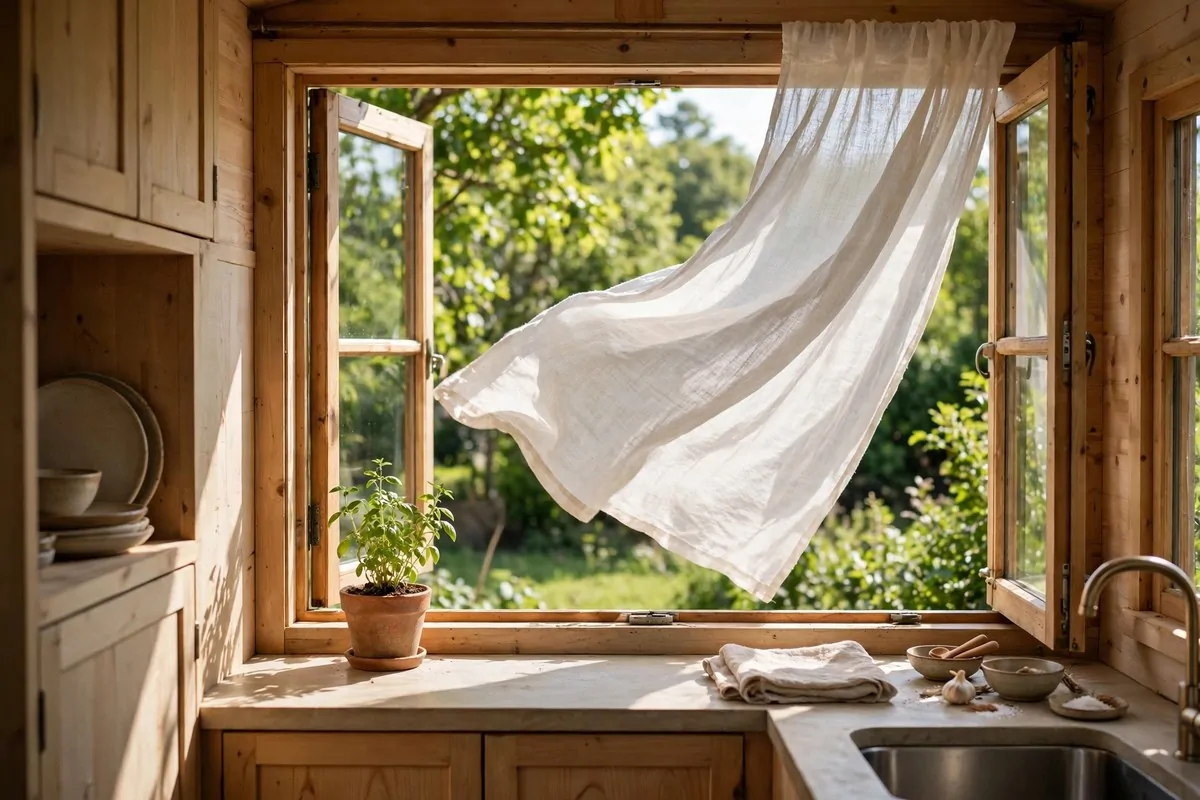
Clothes are the silent space eaters. A tiny closet can hold a mountain of maybe outfits.
My habit is to keep only what I wear on repeat. About two weeks of outfits that all work together.
I fold everything upright in the drawer so I can see it all at once. Nothing hides at the bottom.
When every shirt is visible, getting dressed takes two minutes. No digging, no drama.
Seasonal clothes leave the house twice a year. They go into a labeled box in storage, and the current season moves in.
I ask myself one question before buying clothes. Would I wear this at least twice a week? If not, it stays in the store.
A small wardrobe is a gift in Tiny House Living. Less choice, more calm, and mornings that run themselves.
I do a quick closet check each season. Anything I skipped all season goes straight to the donation box.
10. Open the Curtains First Thing
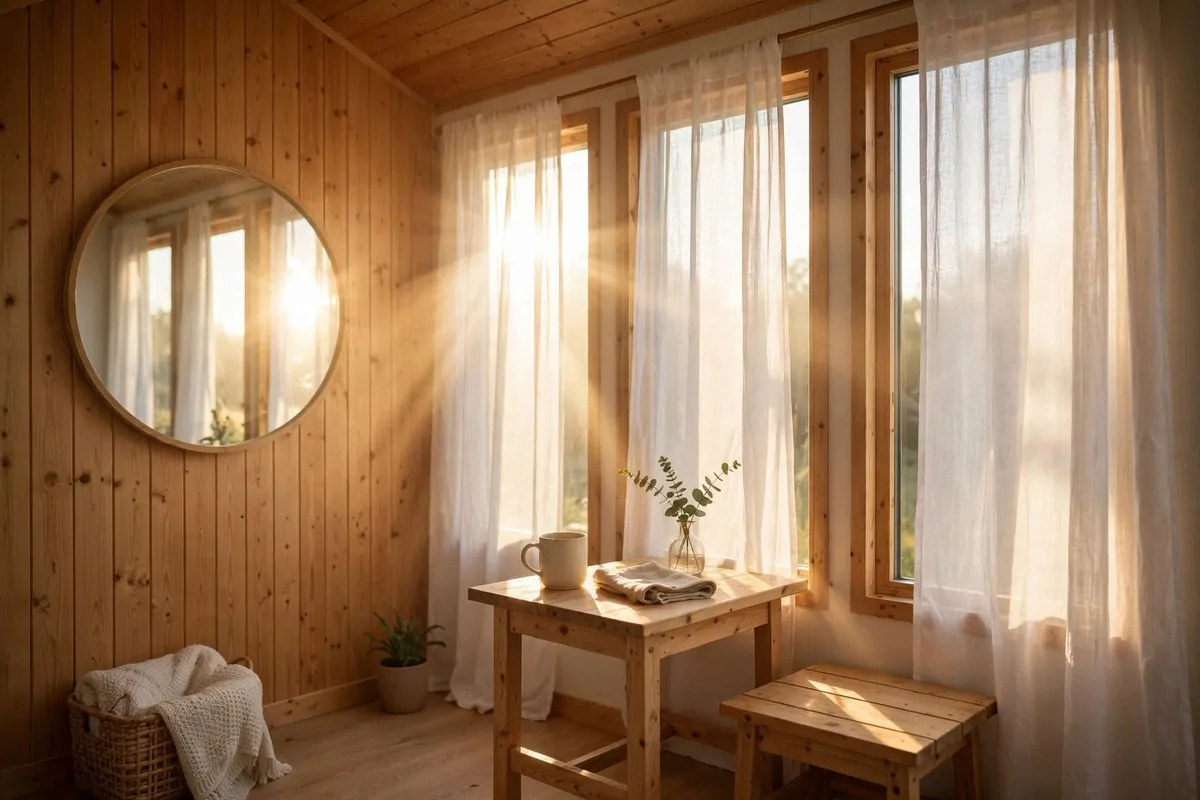
Light is free square footage. A bright room feels twice as big as a dark one.
My first habit every morning is walking the house and opening every curtain. It takes under a minute.
Sunlight does something to a tiny house that no decor can. It opens the walls up.
I keep the curtains light and sheer so daylight pours in even when they are closed for privacy.
Mirrors help too. A small mirror across from a window bounces light deep into the room. I have one by my front door and one near the loft stairs.
At night I switch to warm lamps. Bright white light in a tiny space feels harsh after dark.
This light rhythm, bright days and warm nights, makes the whole house feel bigger and calmer.
Clean windows once a month too. Dusty glass blocks more light than you would think.
11. Air Out the House Every Day
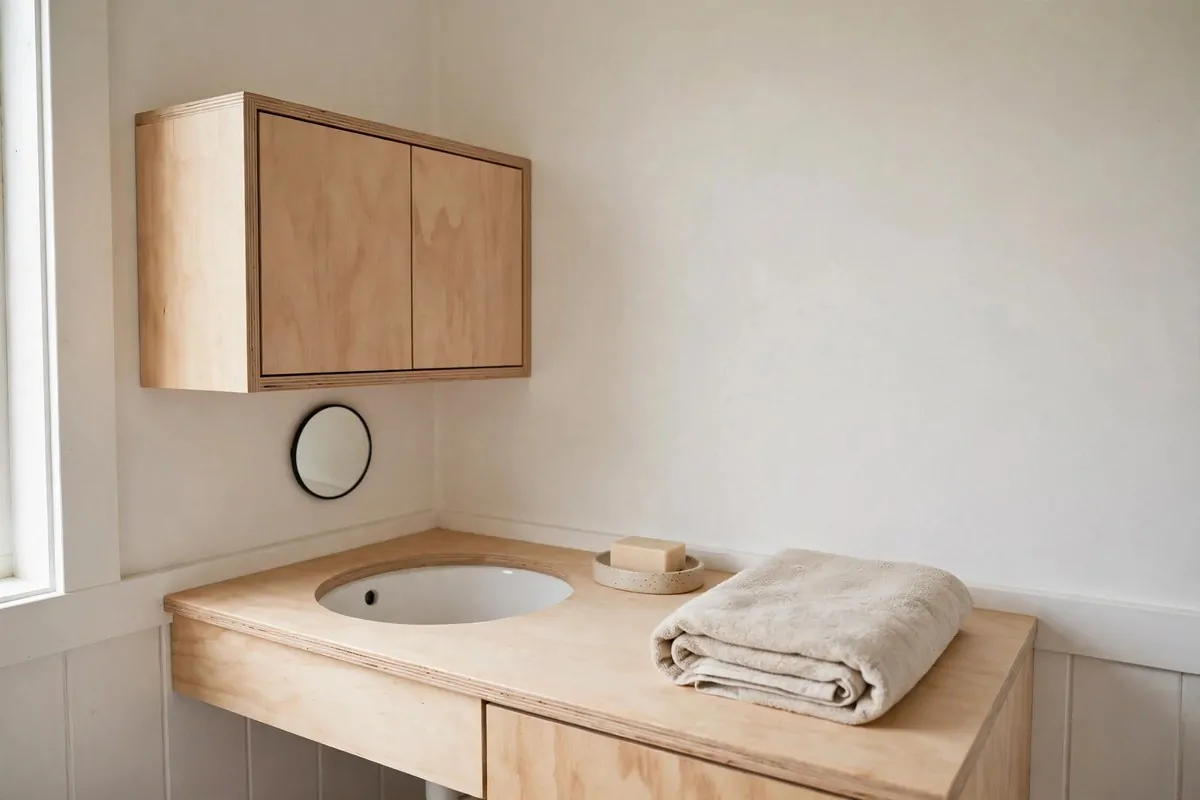
Tiny houses trap air. Cooking smells, shower steam, and just breathing all pile up fast.
So I open the windows every single day. Even in winter, even if it is just for ten minutes.
Fresh air clears out the cooking smells from dinner. It dries the bathroom steam before it becomes a problem.
Cross breeze works best. I open a window on each side of the house and let the air move through.
In the kitchen I always run the fan or crack the window while cooking. Tiny kitchens fill with steam in seconds.
This habit also keeps the air healthy. Small spaces need fresh air the way plants need water.
On warm days the door stays open most of the afternoon. The house breathes, and so do I.
A small fan in the window pulls air through even faster. I use mine on still summer evenings.
12. Keep Every Surface Mostly Clear
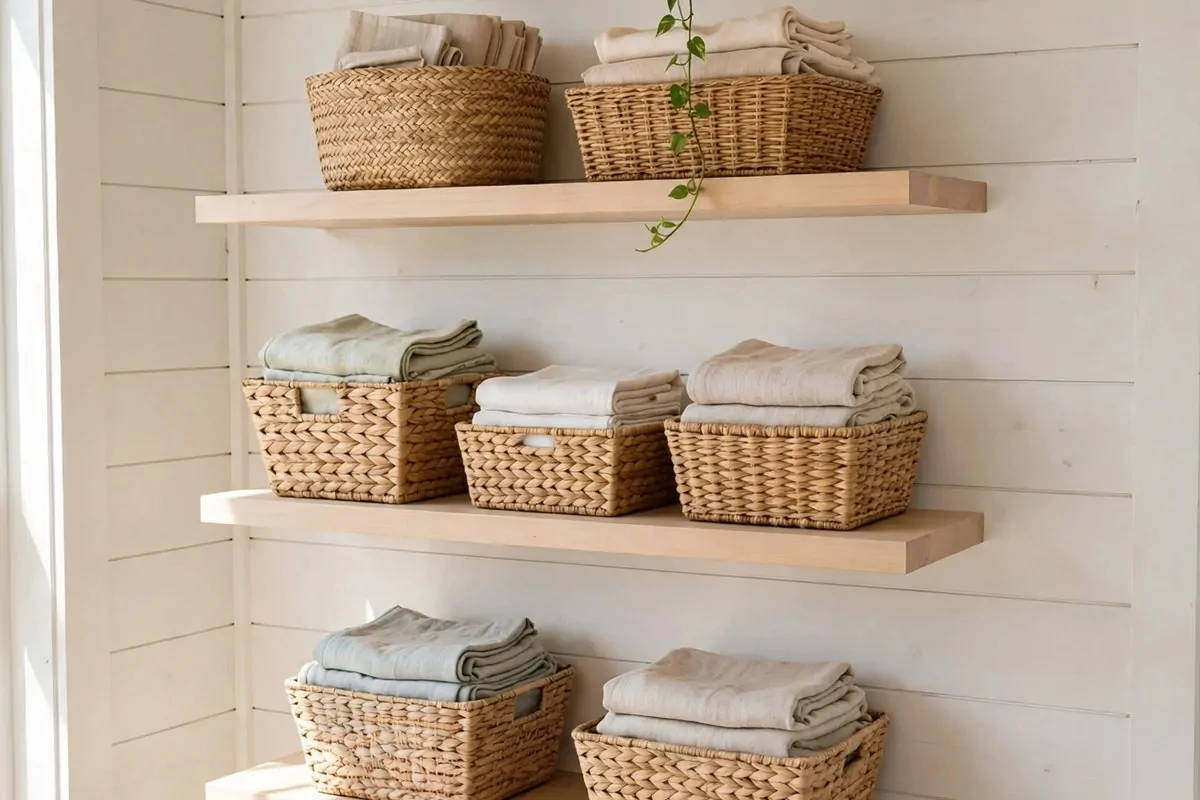
In a tiny house, every surface is visible from everywhere. One cluttered counter makes the whole home feel chaotic.
My habit is the mostly clear rule. Every surface stays about 80 percent empty.
The kitchen counter holds the kettle and a small fruit bowl. That is it. Everything else lives in a cabinet.
The bathroom sink holds soap and one folded towel. The desk holds my laptop and a lamp.
When surfaces are clear, the house looks bigger. Your eyes can rest instead of jumping from pile to pile.
I do a quick surface sweep during my nightly closing shift. Anything without a home gets put away or goes in the donation box.
Empty space is not wasted space. In Tiny House Living, empty space is the whole point.
I take a photo of my clear counters once in a while. On messy days it reminds me what calm looks like.
13. Sweep the Floor in Five Minutes a Day
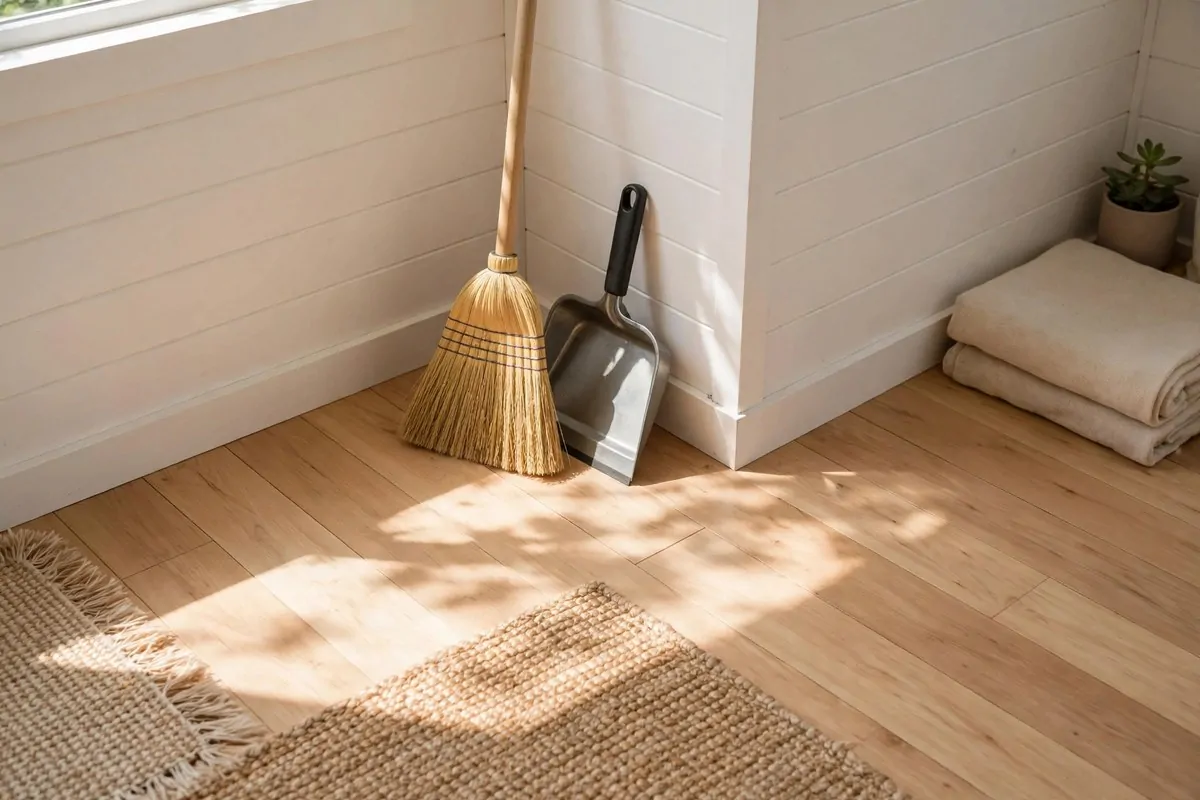
A tiny house has a tiny floor, which means dirt shows up fast. A few crumbs look like a disaster.
So I sweep every day. It takes five minutes because there is barely any floor to sweep.
I keep the broom hanging where I can grab it. If the tool is far away, the habit dies.
My route is always the same. Kitchen first, then the path to the door, then around the table.
Once a week I do a deeper mop. The daily sweep makes that weekly clean take ten minutes instead of an hour.
Tiny house floors reward routine. A little effort every day beats a big scrub once a month.
Clean floors also make the whole house feel fresh. It is the fastest way to reset a small space.
A small rug by the door catches half the dirt before it spreads. Shake it out every few days.
14. Never Shop Without a List
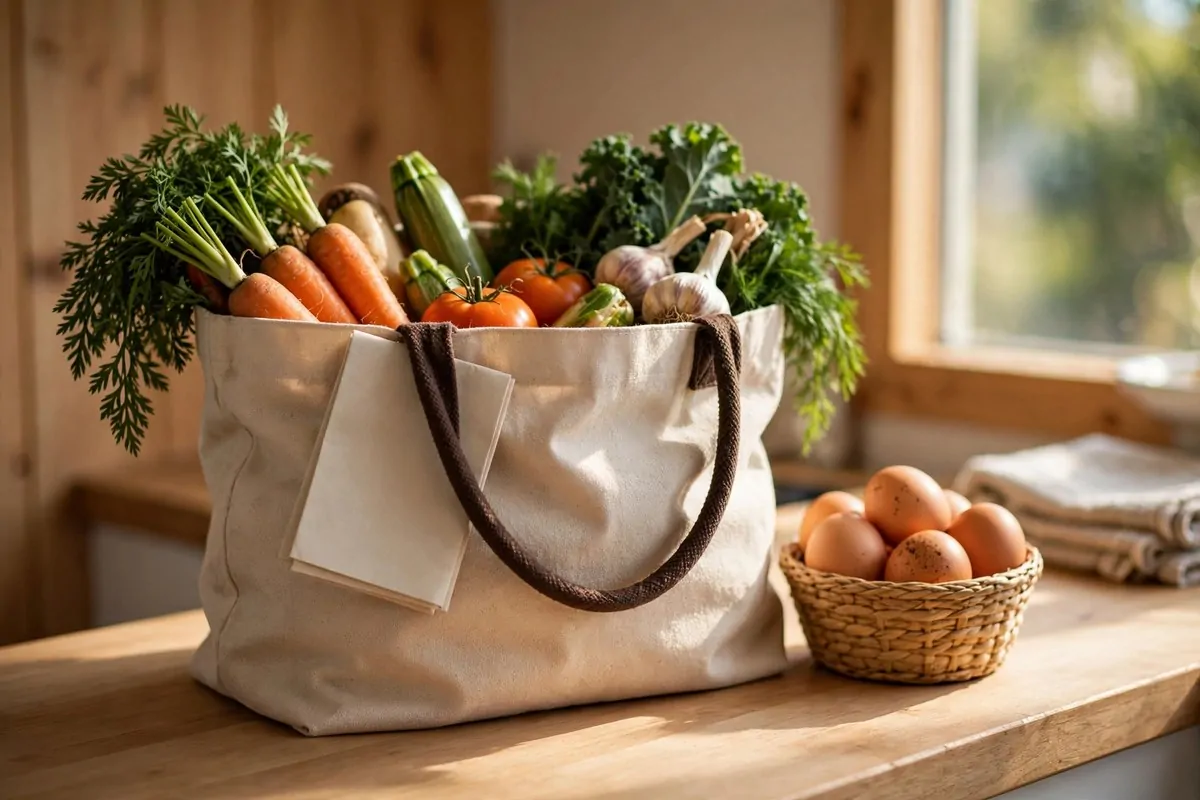
Impulse buys have nowhere to hide in a tiny house. Every extra thing needs a home you do not have.
My rule is simple. If it is not on the list, it does not come home.
I keep a running list on my phone. When I use the last of something, it goes on the list right then.
This habit changed my spending too. The list turns shopping into a mission instead of a wandering trip.
Before buying anything non essential, I sleep on it. Most of the time I forget about it by morning, which tells me everything.
The list also stops duplicate buying. In a tiny kitchen, two bottles of the same soap is a storage crisis.
Shop with a list and your tiny house stays the size you chose. Shop without one and it shrinks a little every month.
I also check what I already have before writing the list. Two half used bottles of the same thing is a tiny house classic.
15. Rotate Your Seasons Twice a Year
A tiny house cannot hold four seasons at once. Winter coats and summer shorts should not share one closet.
Twice a year I do a season swap. Spring and fall, one afternoon each.
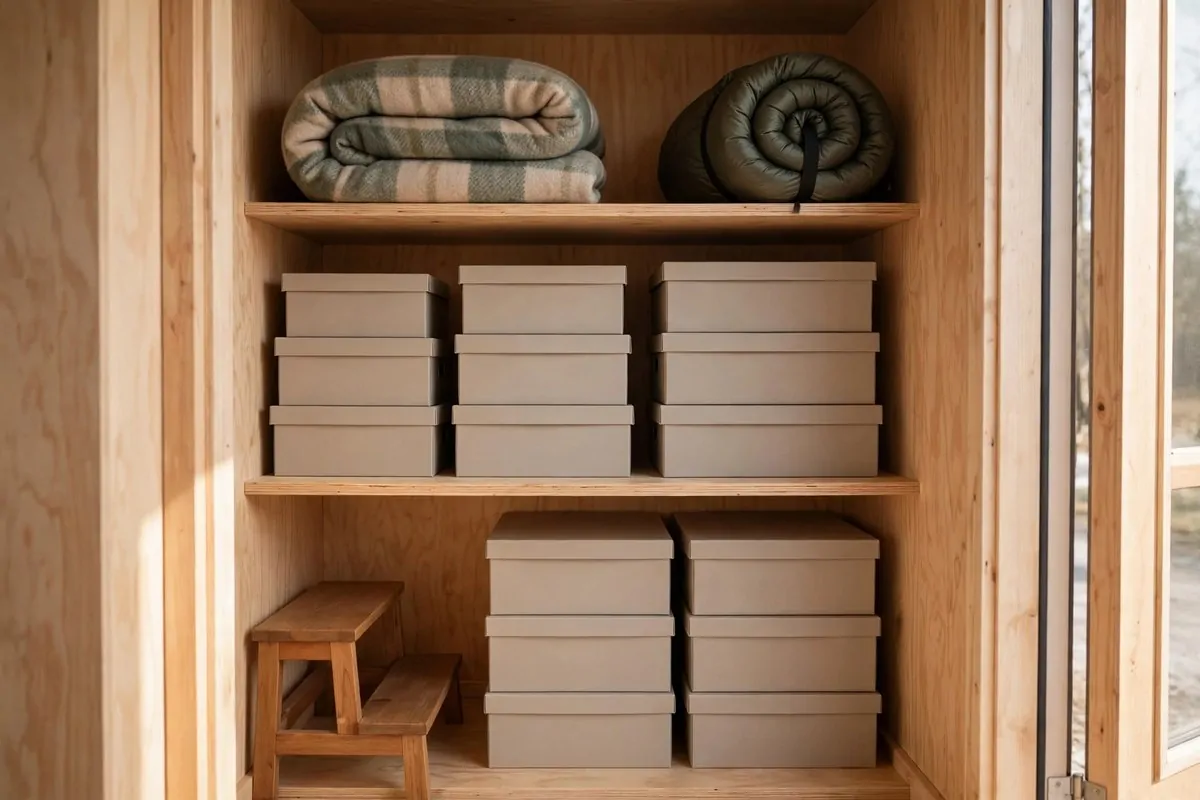
The out of season clothes, bedding, and gear go into labeled boxes. The current season moves into the closet and drawers.
I keep the boxes in one storage spot, always the same place. Clear labels on every box so I never have to open three to find one thing.
Here is how my swap breaks down:
| Season | Comes In | Goes Out |
|---|---|---|
| Warm months | Light clothes, fan, sun shades | Heavy coats, thick blankets, heater |
| Cold months | Coats, warm bedding, heater | Swim gear, light linens, fan |
The swap is also a natural declutter moment. If I did not wear it last season, it goes in the donation box.
Holiday decorations get the same treatment. One small box, in and out, no year round clutter.
Two afternoons a year keep the closet breathing. That is a trade I will take.
16. Treat the Outdoors as Another Room
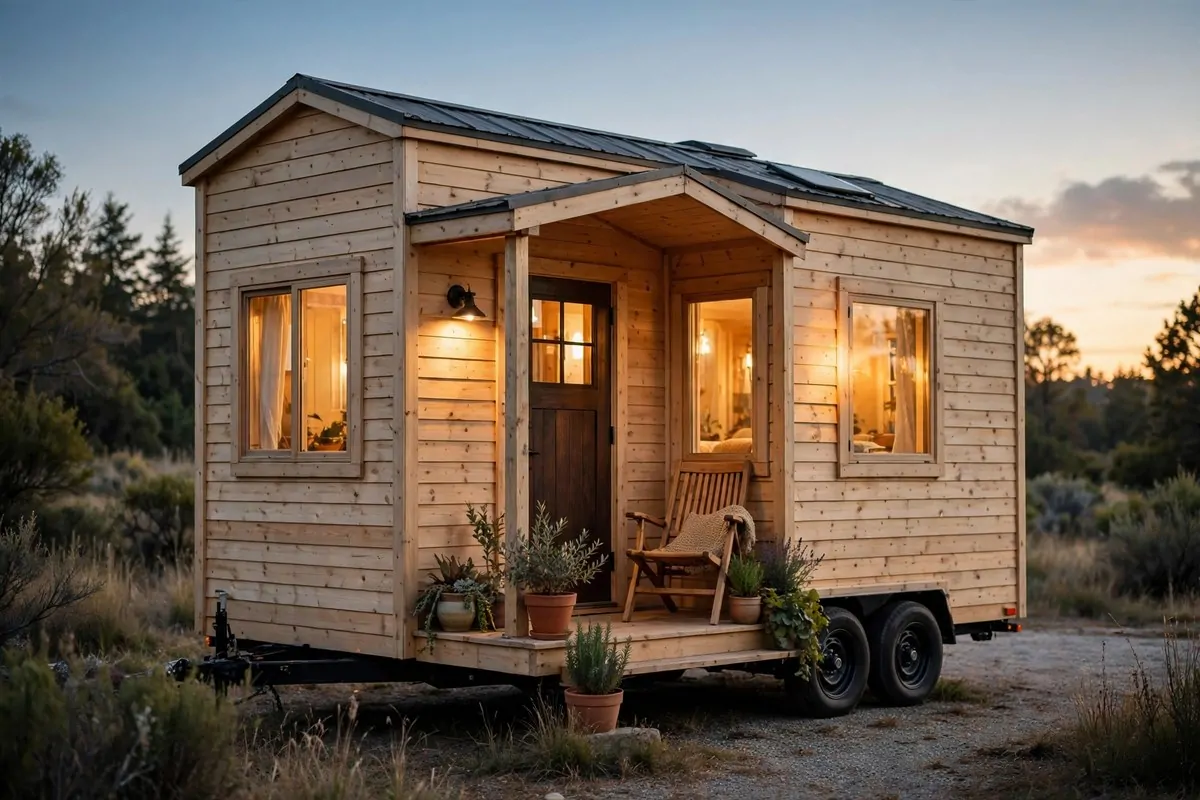
Under 400 square feet is small. But your land, your deck, or your little porch does not count in that number.
I treat my outdoor space like a real room. It has furniture, light, and a purpose.
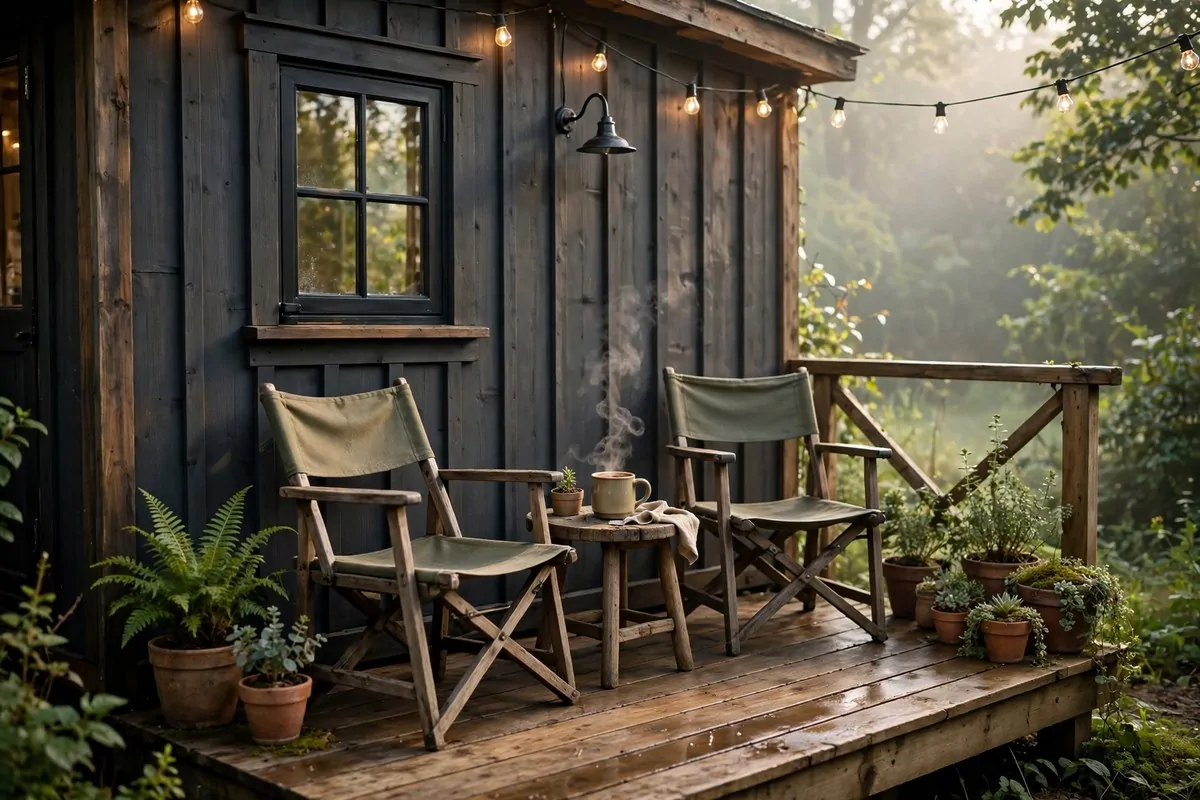
Morning coffee happens on the deck, not at the tiny table. That frees the indoor space for the day.
The porch holds the plants that would crowd the windows. The outdoor rug and chairs make it feel like an extension of the living room.
On nice days I cook outside on a small grill. The tiny kitchen gets a break and the house stays cool.
Even a tiny patch of ground works. Two folding chairs and a small table turn a doorway into a dining room.
This habit makes the house feel twice as big. Tiny House Living is really indoor outdoor living when you let it be.
Even in bad weather the porch earns its keep. It holds the muddy boots and wet umbrellas so the house stays dry.
17. Keep the Laundry Moving
A tiny house has no room for a mountain of laundry. One overflowing basket can take over a whole room.
My habit is small loads, often. I wash twice a week instead of letting it pile into one giant day.
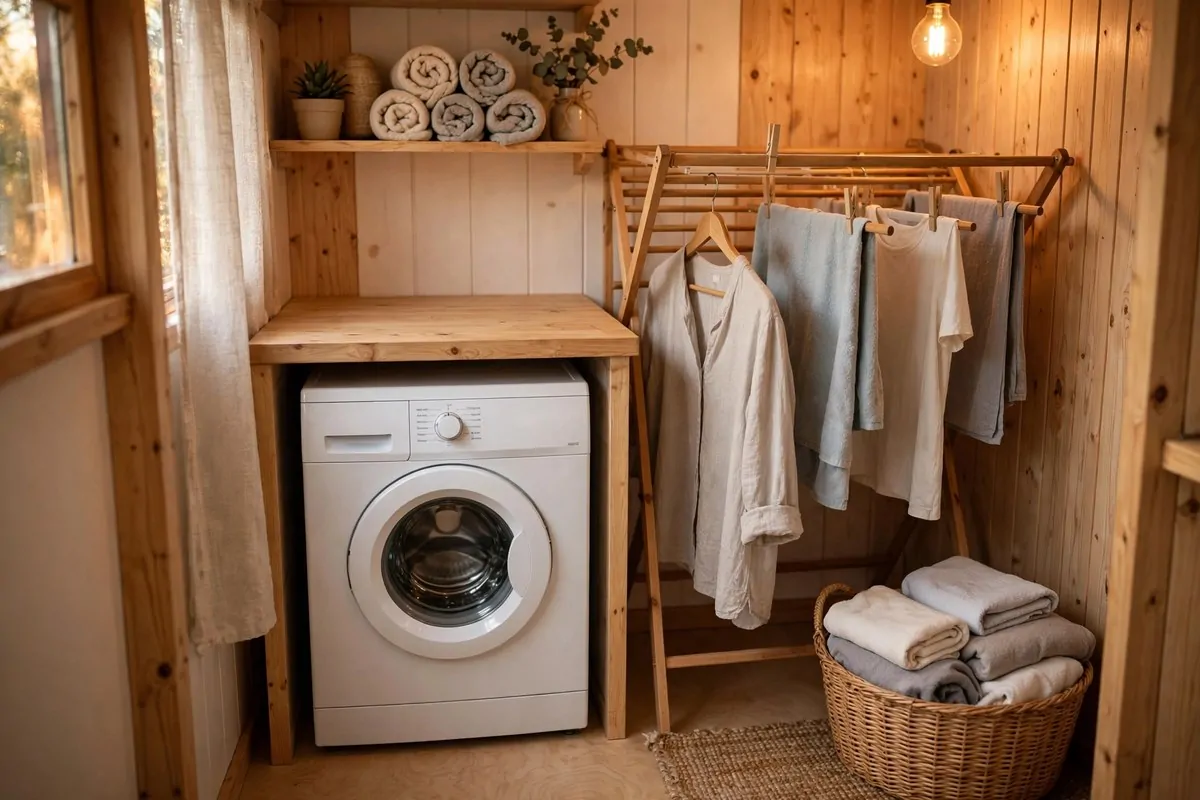
A compact washer fits in the tiniest corner. It runs while I do other things.
I hang clothes to dry on a folding rack. It costs nothing, uses no power, and the clothes last longer.
The rack folds flat and slides behind the door when I am done. No dryer, no vent, no wasted space.
Folded clothes go straight to the drawer. The basket never sits full overnight.
Laundry in a tiny house is like dishes. A little bit all the time beats a mountain once in a while.
I wash sheets and towels on the same day each week. Routine beats remembering.
18. Clean as You Cook
Cooking in a tiny kitchen means you are one pot away from total chaos. The mess has nowhere to go.
So I clean while I cook. It is the only way that works.
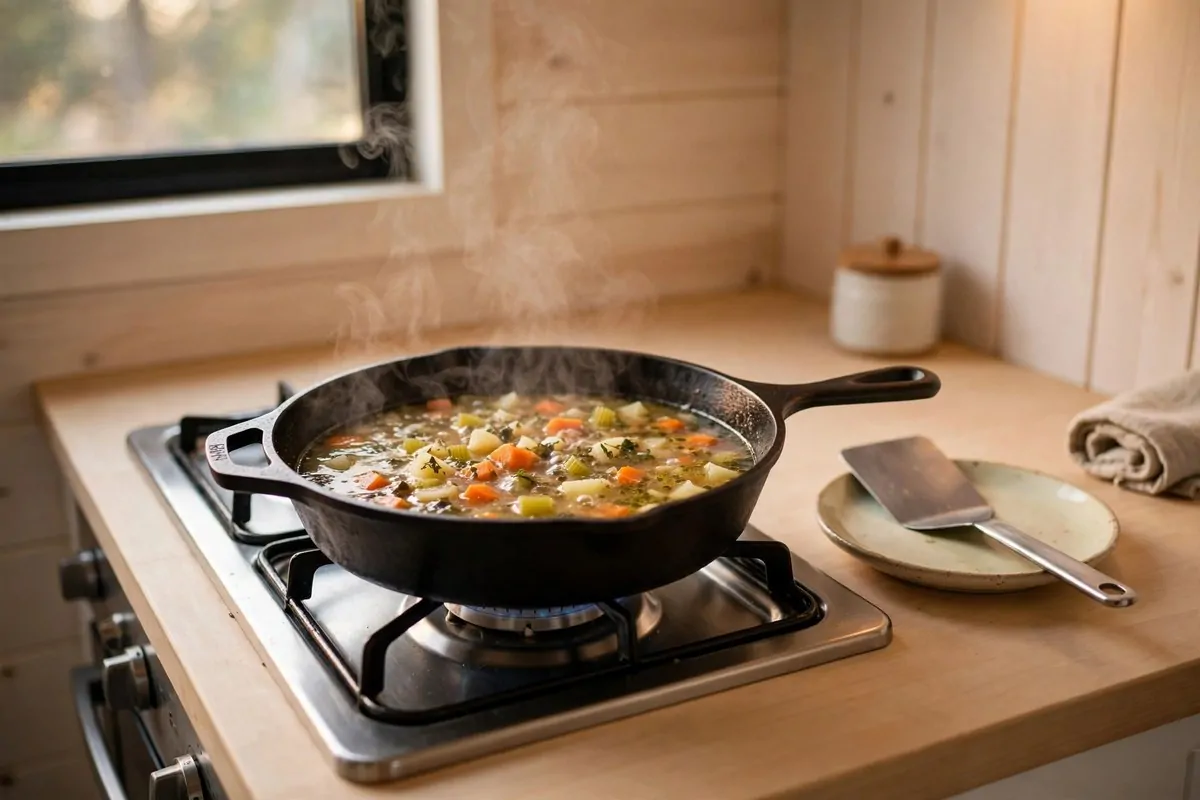
While the onions soften, I wash the cutting board. While the soup simmers, I wipe the counter.
By the time dinner is ready, the kitchen is almost clean. We eat, wash the last two plates, and we are done.
I keep a small trash bowl on the counter for scraps. It stops me from walking across the kitchen twenty times.
This habit also makes cooking more fun. A tidy kitchen mid cook feels calm, not frantic.
The rule is simple. Never stand still in the kitchen. If something is simmering, your hands should be cleaning.
I fill the sink with hot soapy water before I start cooking. Tools go straight in as I finish with them.
19. Give Every Item a Real Home
Things get lost in tiny houses faster than anywhere else. There are so few places to look, and yet you still cannot find the scissors.
The fix is giving every single item a home. Not a rough area, a real spot.
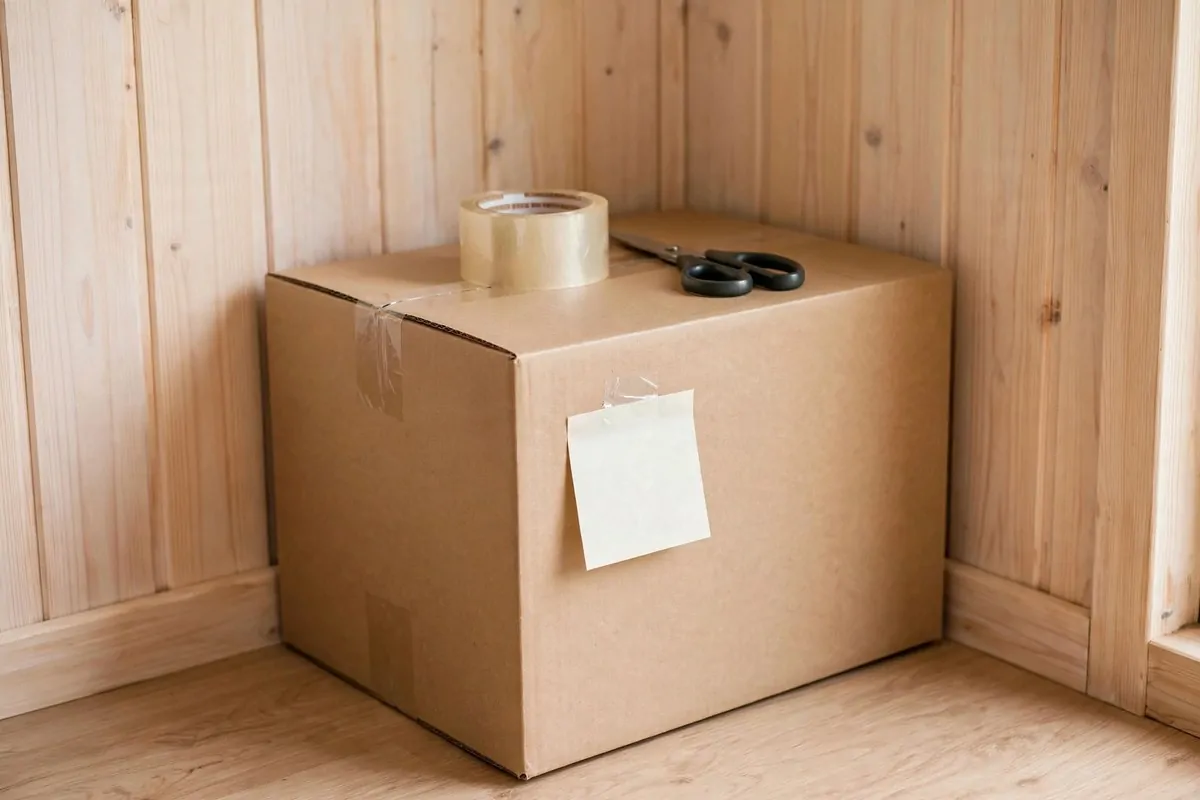
The scissors live in the desk tray. The tape lives in the top drawer. The spare batteries live in the blue bin.
When everything has a home, putting things away takes seconds. You never have to think about it.
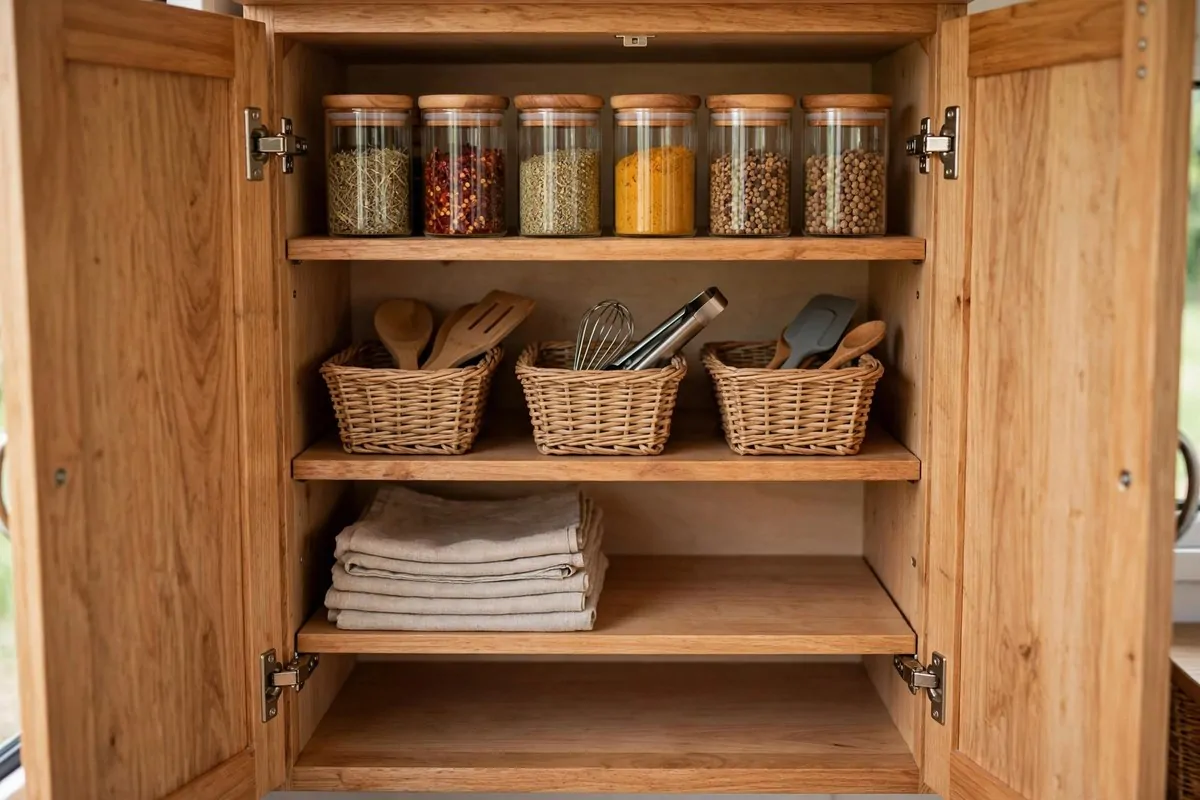
I use small bins and jars to create zones inside cabinets. One bin for baking, one for first aid, one for batteries and cords.
| Zone | Lives In | Holds |
|---|---|---|
| Kitchen daily | Counter jar | Spatula, tongs, wooden spoon |
| Fix it | Small toolbox | Screwdriver, tape, spare hooks |
| Paperwork | Wall tray | Mail to scan, stamps, pen |
Labels help the whole household follow the system. A label maker is one of my favorite tiny house tools.
When something does not have a home, that is a signal. Either give it one today or admit it should leave.
This habit is the backbone of Tiny House Living. Homes for things mean peace for people.
20. Run a Quarterly Box Check
Some things are hard to let go of. The maybe jacket. The spare cables. The gift you never use.
For those, I use the box check. Anything I am unsure about goes into a box with today’s date on it.
The box gets sealed and stored out of the way. If I need something from it, I can open it and take it out.
But if three months pass and I never opened it, the whole box goes to donation. Unopened, no peeking.
This takes the pain out of decluttering. You are not throwing things away, you are just testing if you miss them.
I run this check every season, right when I do my seasonal swap. The two habits fit together perfectly.
Most boxes leave full. That tells me the habit is working and my tiny house is staying light.
Living small is not about having nothing. It is about knowing what matters, and these twenty habits are how I keep that promise to myself every day.