20 Small Apartment Ideas That Feel Way Bigger

My first apartment was so small I could stir a pot on the stove and reach the fridge without moving my feet. The whole place was one room, a kitchen corner, and a bathroom I had to sidestep into.
I loved that little place anyway. It taught me something no big house ever did. A small home does not have to feel small. It just needs a few smart choices.
I made plenty of mistakes first. I bought a huge dark sofa that ate half the room. I hung tiny curtains that made the window look even smaller. I kept boxes I did not need for years.
Then I started over, one idea at a time. I swapped the sofa. I moved a mirror. I got rid of half my stuff. Slowly the same apartment started to feel twice as big.
These 20 Small Apartment Ideas are the ones that actually worked for me. No big building work. No huge budget. Just real tricks you can try this weekend in your own small place.
1. A Big Mirror Across From the Window
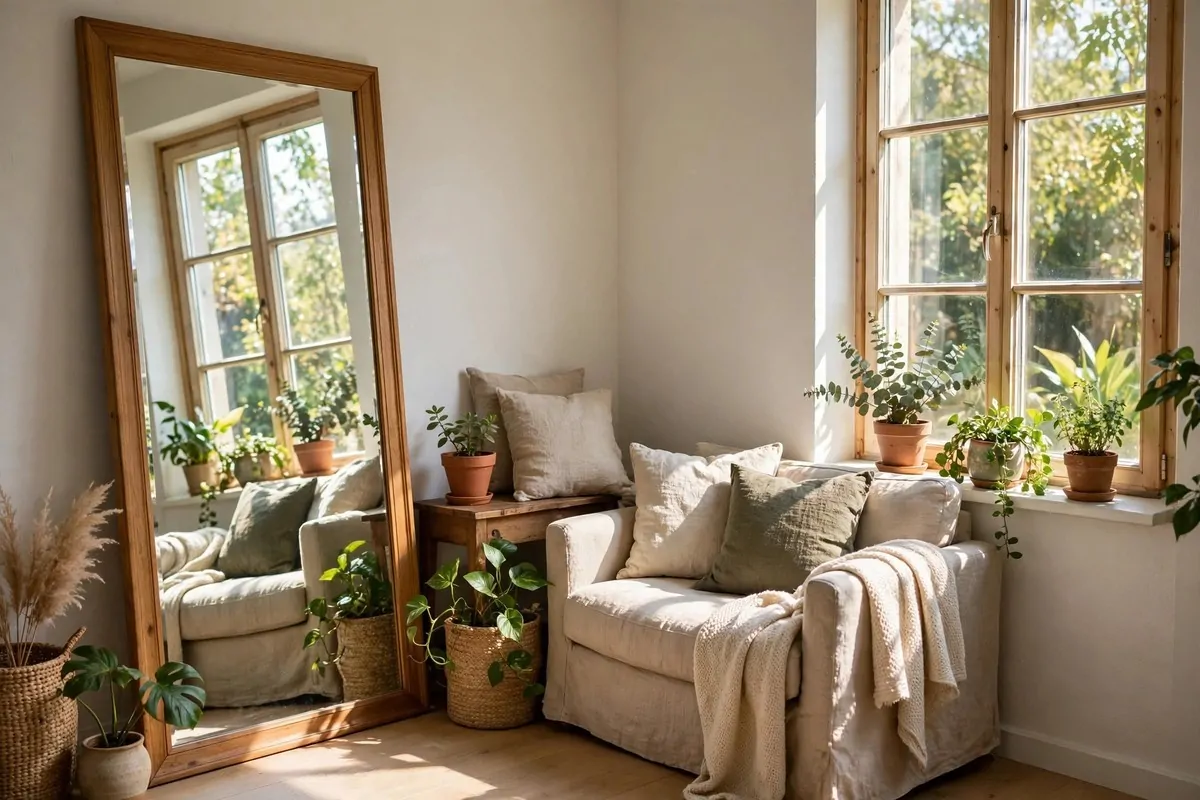
A mirror is the oldest trick for a small room, and it works because it is simple. Hang one big mirror across from your window and the whole room wakes up.
The mirror bounces daylight deep into the room. It also doubles what your eye sees. Your brain reads the reflection as more space, and suddenly the room feels wider.
One large mirror beats a bunch of small ones. A wall of tiny mirrors looks busy and chops the room up. One big clean mirror keeps it calm.
I leaned a tall mirror against the wall across from my window. It cost very little secondhand. That one change made my living room feel like a different place.
Lean it or hang it, both work. If you rent, leaning is safer for your walls. Just make sure it cannot tip over. A small rubber pad behind the bottom edge holds it steady.
Put the mirror where it reflects something nice. A window view. A plant. A pretty lamp. If it reflects a messy corner, you will just see the mess twice.
Keep the glass clean. A dusty mirror looks dull and kills the trick. A quick wipe once a week is enough.
This is the cheapest idea on this whole list. Start here if you only try one thing today.
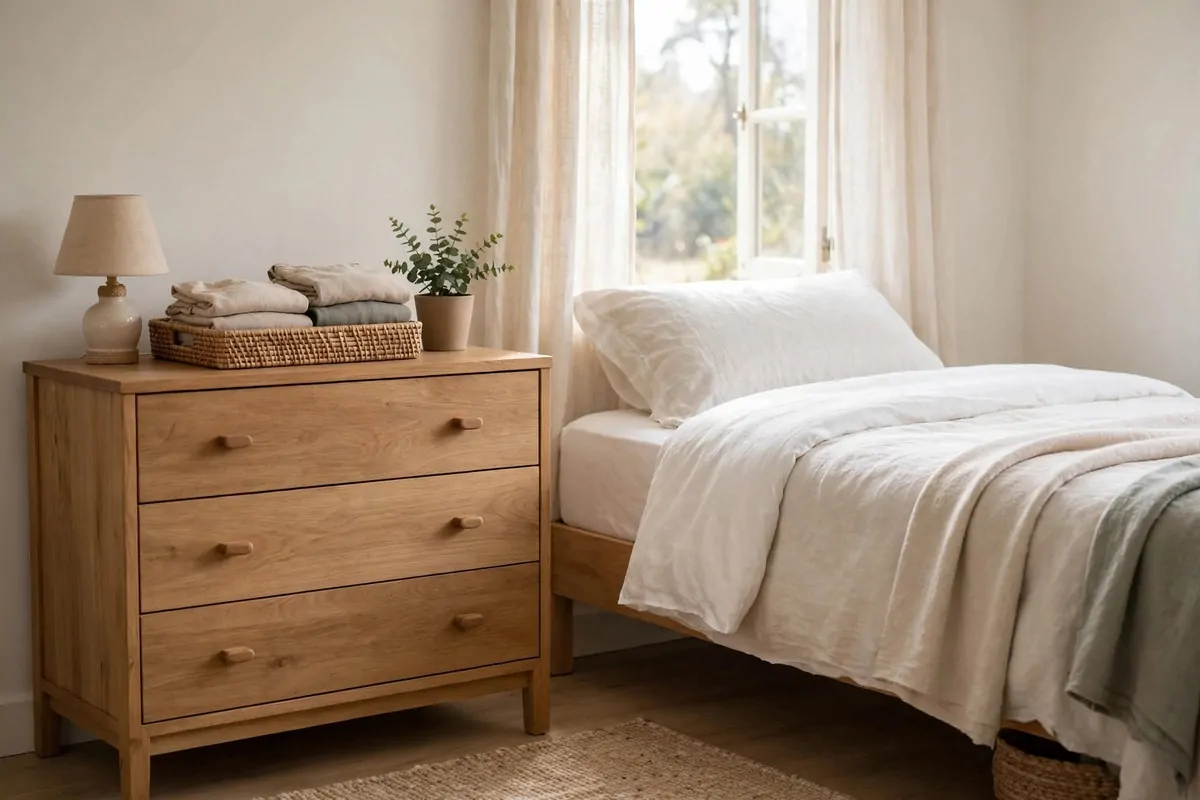
2. Furniture With Legs You Can See Under
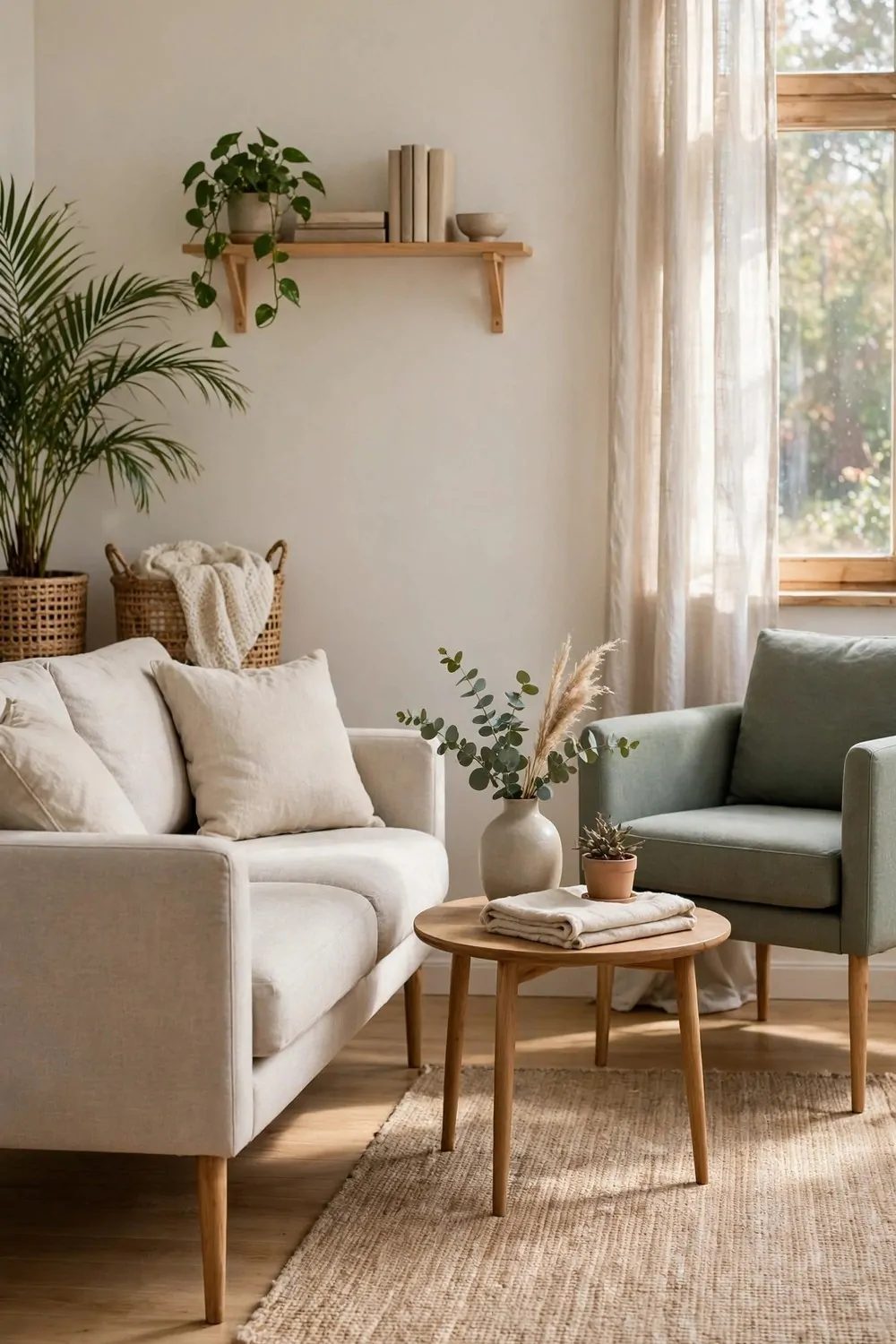
Furniture that sits flat on the floor looks like a solid block. It hides the floor and makes the room feel heavy. Furniture on legs does the opposite.
When you can see floor under a sofa or a chair, your eye keeps travelling. The room reads as bigger because the floor looks continuous. It is a small visual trick with a big payoff.
Look for sofas and chairs with slim legs. Mid-century style pieces are great for this. They sit a little higher and look light even when they are big.
I swapped my old boxy sofa for one on wooden legs. Same size on paper. Completely different feeling in the room. My friends asked if I had knocked a wall down.
Beds work the same way. A bed frame with legs shows floor around it. A solid base closes the room in. If you already have a solid bed, a taller frame is a cheap upgrade.
Tables too. A coffee table on legs beats a chunky square box. A dining table with slim legs leaves the floor open under it.
This rule also makes cleaning easier. You can actually reach under things with a broom. In a small place, that matters more than you think.
One warning: do not stuff the space under furniture with clutter. The trick only works if the floor stays visible. Keep it clear.
3. One Large Rug Instead of Many Small Ones
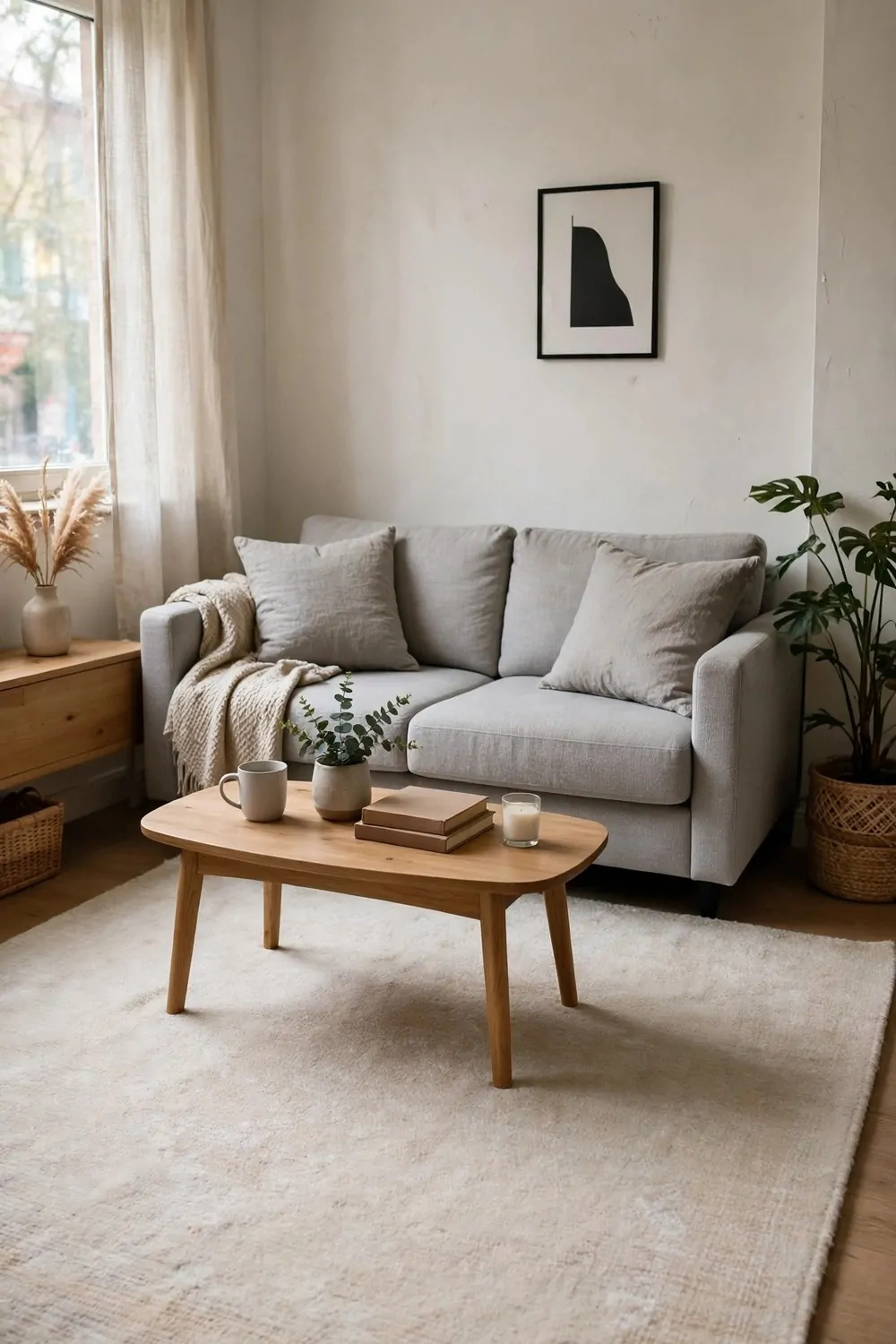
Lots of small rugs chop a room into pieces. Each little rug says "this is a separate tiny zone" and your eye believes it. One large rug does the opposite.
A big rug pulls the whole seating area together. It makes the room read as one open space instead of five small ones. The effect is instant.
Size it right. The front legs of your sofa and chairs should sit on the rug. If the rug floats in the middle like an island, it looks lost. Go bigger than you think you need.
I used to have three small rugs in my one room. One by the door, one by the sofa, one by the bed. The place looked like a patchwork quilt. One large rug replaced all three and the room finally looked calm.
Pick a light color or a simple pattern. A very busy pattern can feel loud in a small space. A soft solid or a gentle stripe is safer.
A large rug also feels great under your feet. In a small apartment you walk the same floor all day. A soft rug makes that walk nicer.
Vacuum it once a week and shake it outside now and then. A big rug holds dust, but a clean one is worth it.
If money is tight, check secondhand shops. Big rugs show up there all the time, and a good wash brings them back to life.
4. Floor-to-Ceiling Curtains That Lift the Room
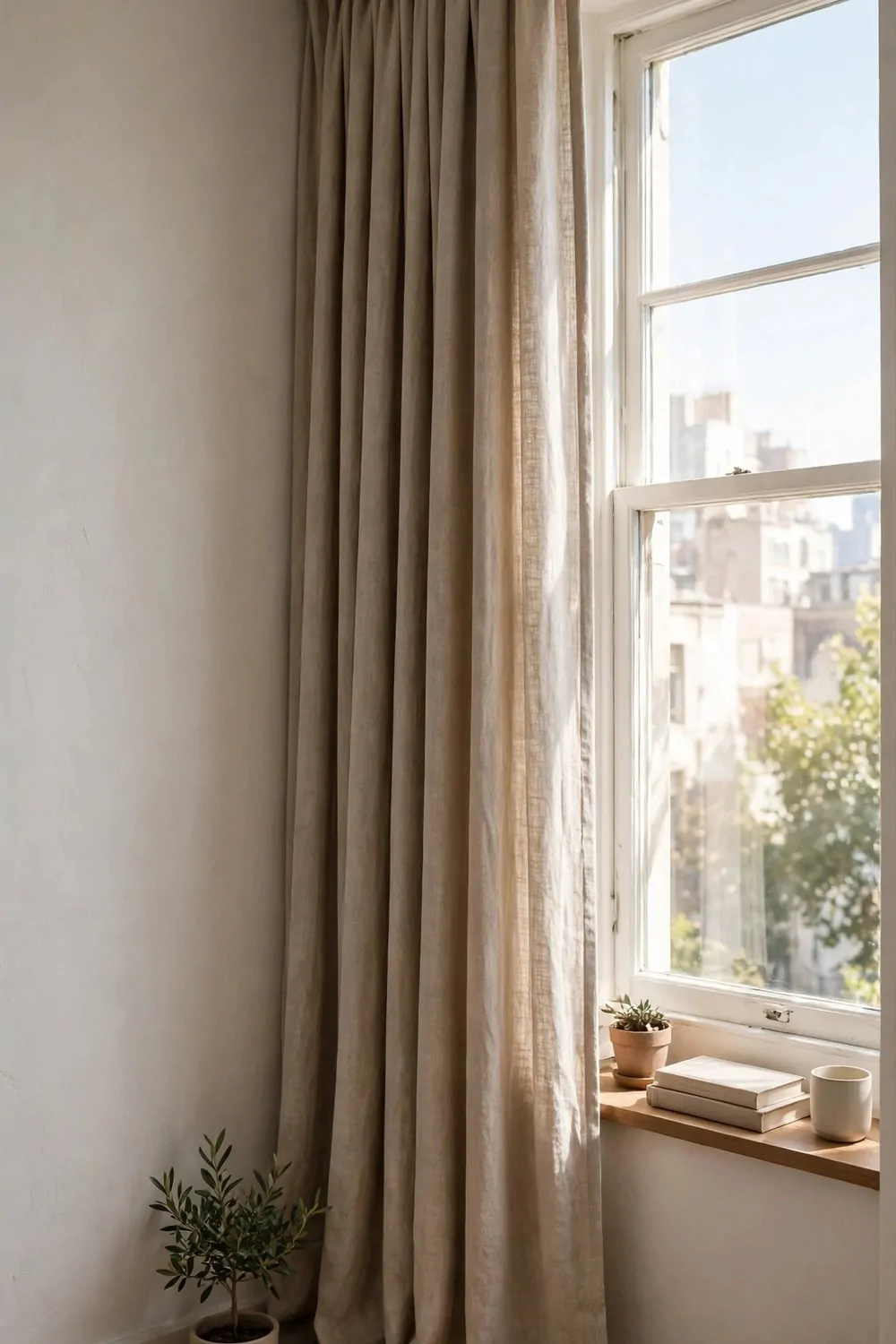
Short curtains make a window look short. Long curtains make the whole wall look tall. Hang your curtain rod close to the ceiling and let the fabric fall all the way to the floor.
This draws your eye upward. The wall looks taller. The ceiling looks higher. The room feels bigger even though nothing actually changed size.
I hung my old curtains at window height for years. The window looked like a small hole in the wall. When I moved the rod up to the ceiling, the same window looked twice as grand.
Use a simple rod and simple fabric. Heavy fancy curtains can overwhelm a small room. Light cotton or linen in a pale color works best.
Make the curtains wide too. Let them cover a little wall on each side of the window, not just the glass. This makes the window itself look wider.
Keep them open during the day. The tall frame stays even when the fabric is pulled aside. You get the height trick plus the daylight.
This is a renter-friendly fix. Two small screws or even strong adhesive hooks can hold a light rod. Fill the holes when you leave.
Iron or steam the curtains once. Wrinkled curtains ruin the tall clean line. A quick steam takes five minutes.
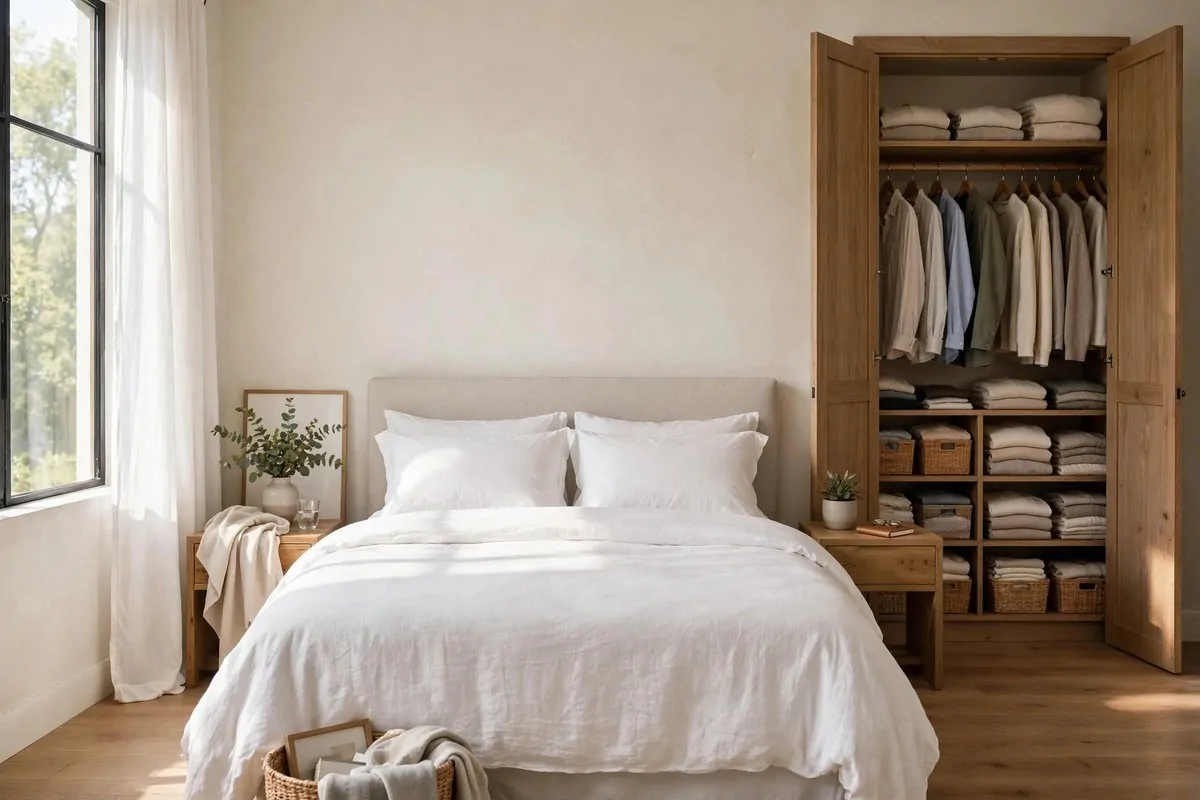
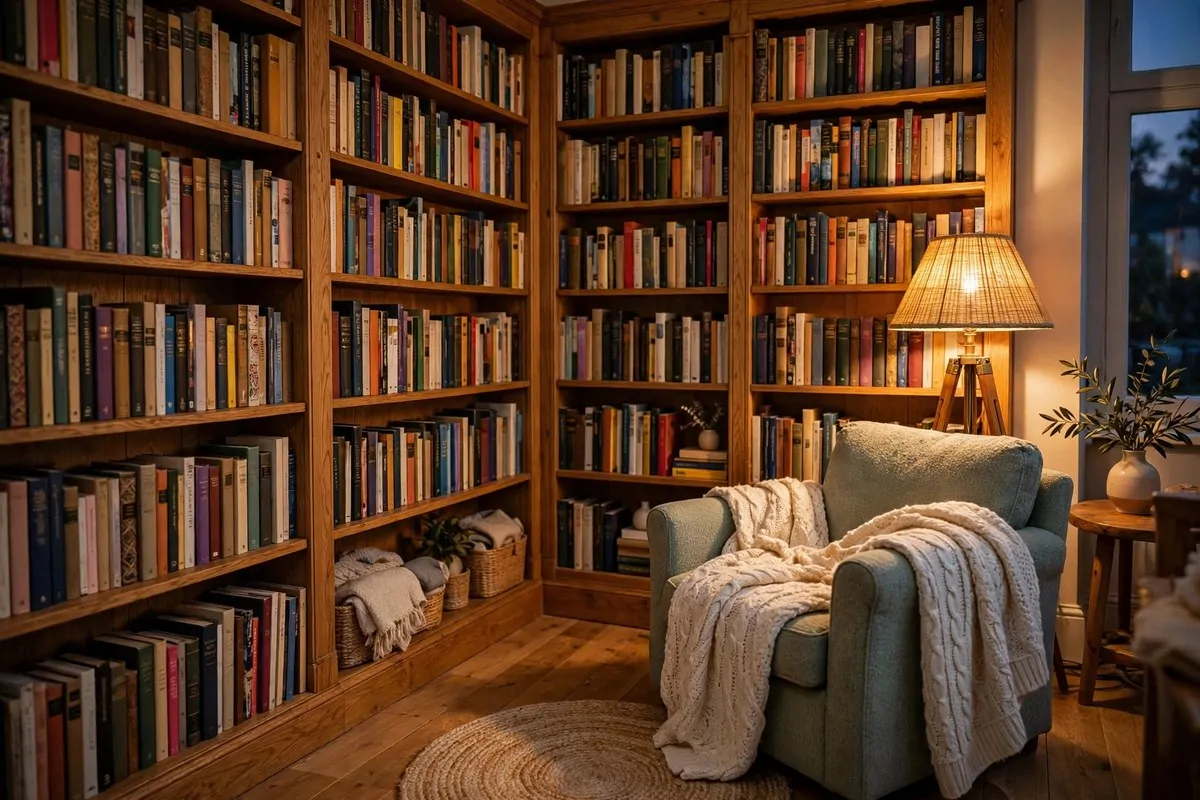
5. A Wall of Tall Shelves for Vertical Storage
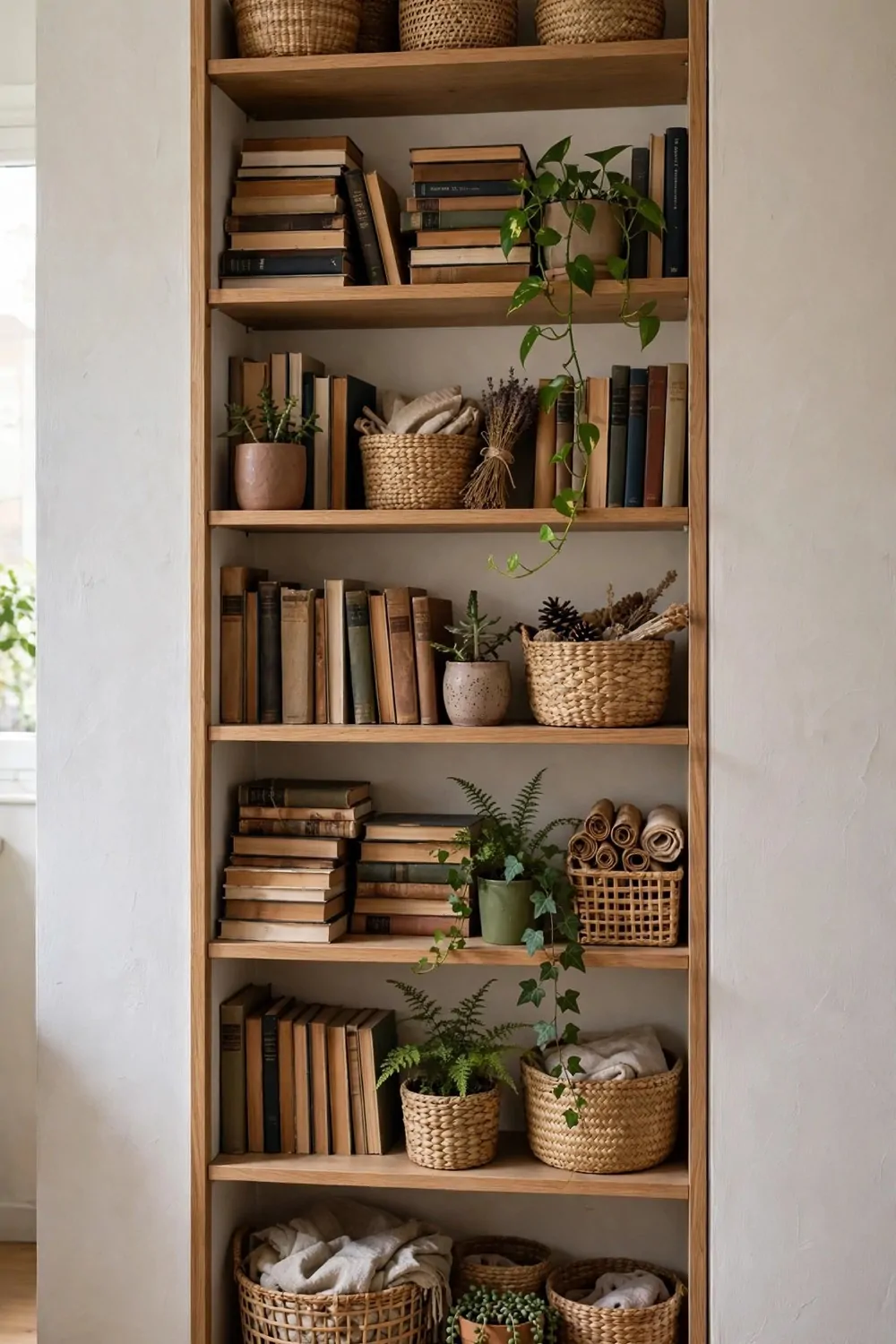
When floor space runs out, look up. Walls are free real estate in a small apartment. Tall shelves use the height you already have.
A wall of shelves holds books, plants, baskets, and kitchen things without eating one inch of floor. It also pulls the eye upward, which makes the room feel taller.
Go tall but not deep. Shallow shelves hold plenty and do not stick out into the room. Deep shelves make a narrow room feel like a tunnel.
I built a tall shelf wall in my old place with three cheap bookcases bolted together. It held my books, my plants, my spare blankets, and my board games. My floor finally had room to breathe.
Put heavy things low and light things high. Books go on the bottom shelves. Plants and baskets go up top. This keeps the shelves safe and stable.
Anchor tall shelves to the wall. This is not optional. A tall shelf can tip, and in a small place you walk close to it every day. Two screws into a stud keep everyone safe.
Leave a little empty space on each shelf. A shelf crammed edge to edge looks like a warehouse. A little breathing room looks like a home.
Baskets on the shelves hide the messy stuff. Cables, chargers, spare batteries. The shelf looks tidy and you still know where everything is.
6. A Fold-Down Table for Dining and Work
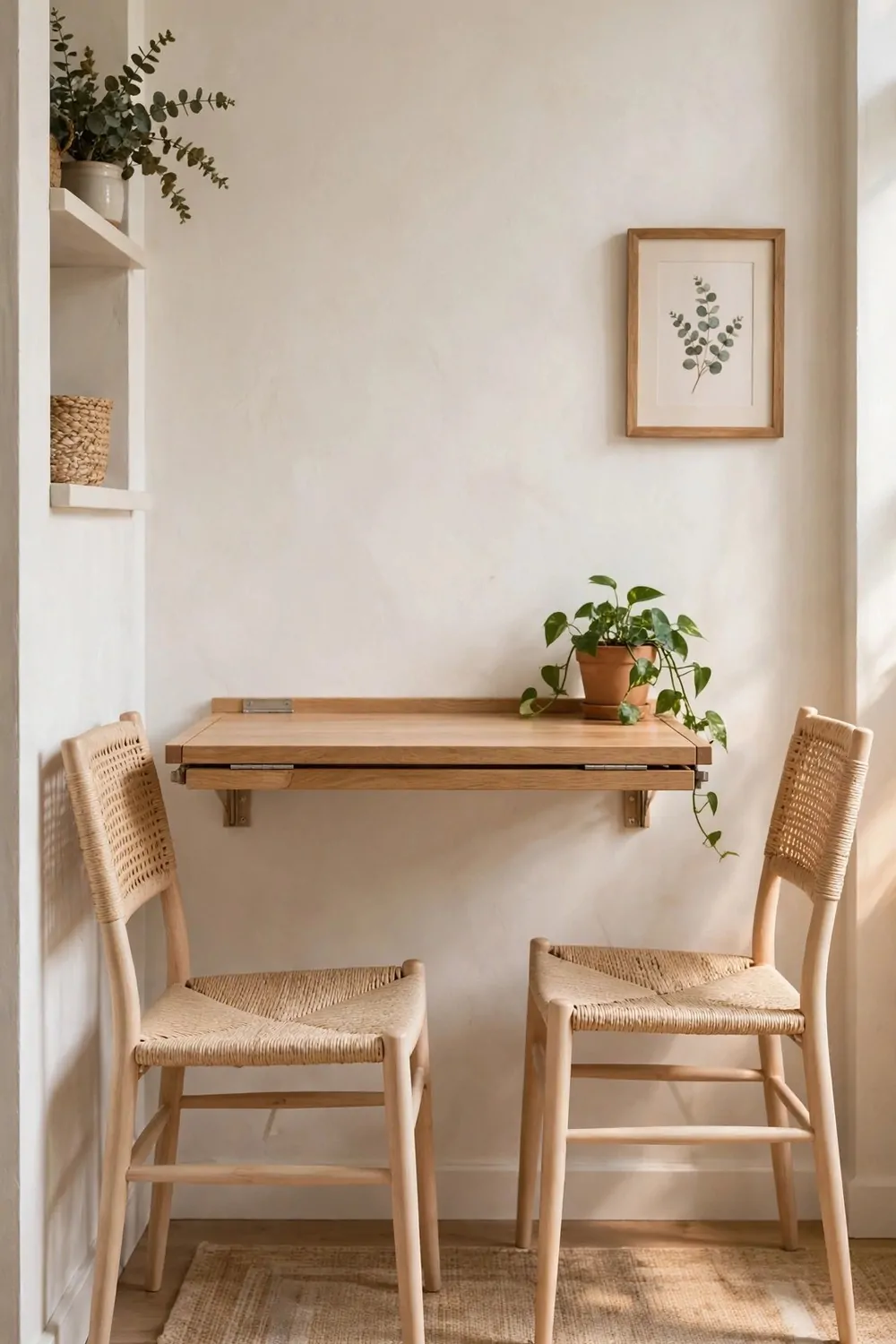
A full dining table eats floor space all day for meals that take one hour. A fold-down table gives you the same meals and then disappears.
These tables mount to the wall and fold flat when you do not need them. Down for dinner, up for dancing. Your floor comes back the rest of the day.
I had one in my kitchen corner. Breakfast down, laptop work down, dinner down. Folded up, the corner held a plant and nothing else. It felt like gaining a whole room.
Pick a sturdy one. Cheap fold-down tables wobble, and a wobbling table spills soup. Read reviews and check the weight rating before you buy.
Pair it with two light chairs you can stack or hang. Heavy chairs defeat the purpose. Folding chairs have come a long way and some look genuinely nice now.
Use the wall above the folded table. A small shelf or a picture keeps the spot pretty when the table is up. Nobody wants to stare at a blank bracket.
This also works as a desk. If you work from home in a small place, a fold-down desk by the window is a gift. Close it at five and work is done for the day.
Measure twice before you drill. The table should clear your knees and your chairs. Mark it with tape first and sit there for a minute.
A fold-down table is one of those ideas people laugh at until they try it. Then they wonder why every small apartment does not have one.
7. A Rolling Kitchen Cart for Extra Counter Space
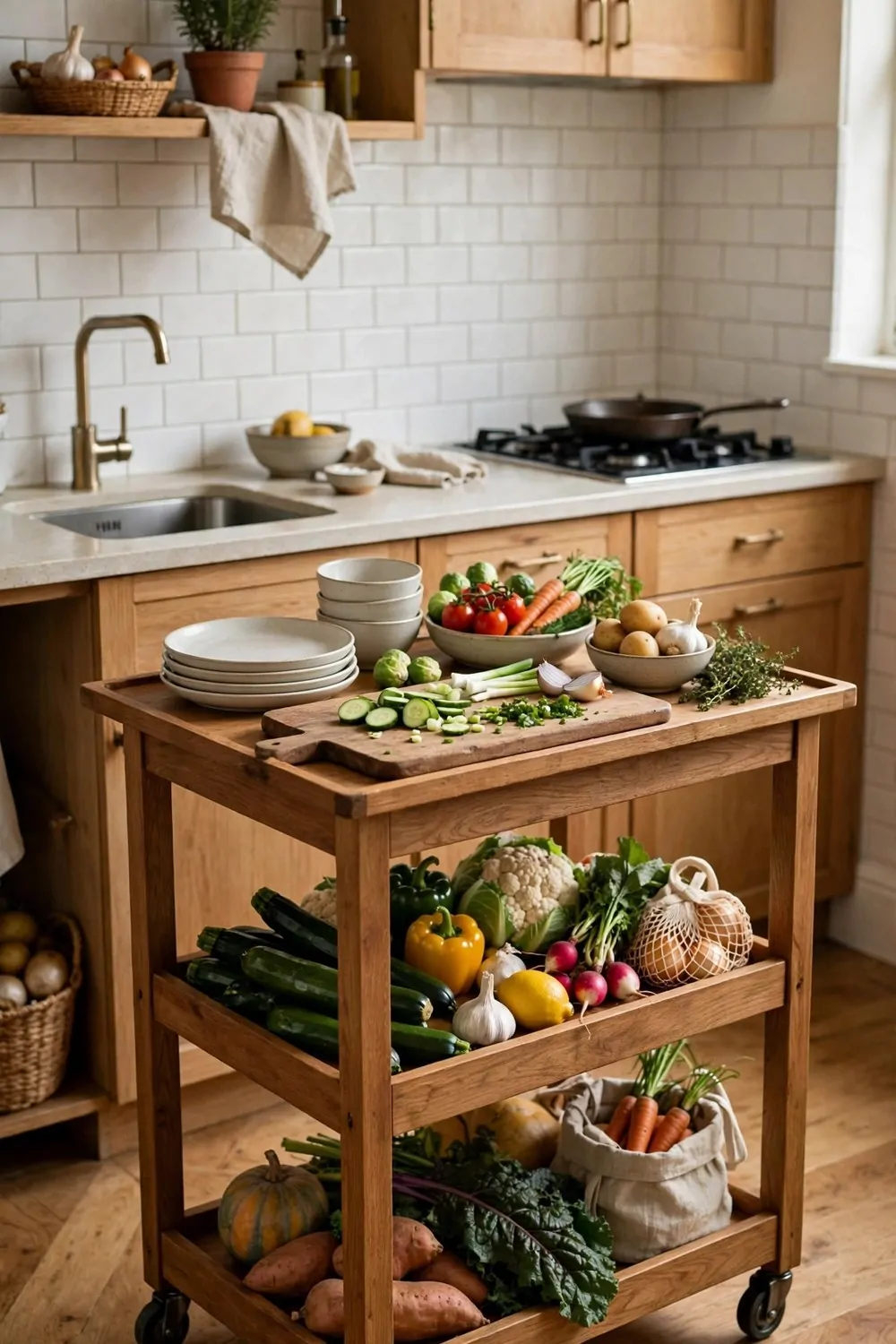
Small kitchens run out of counter space first. A rolling cart adds a whole extra counter that you can move where you need it and park when you do not.
Use it as a prep station while you cook. Roll it to the stove, chop your vegetables, roll it back to the wall. It is like a kitchen island that knows when to leave.
I kept mine beside the fridge. It held my cutting board, my most-used spices, and a bowl of fruit. Cooking in a tiny kitchen finally felt possible instead of stressful.
Pick a cart with a solid top. Butcher block is best because you can chop right on it. A wobbly top is useless, so check that the wheels lock tight.
The shelves underneath are bonus storage. Pots, pans, baking trays. Things that used to live in a pile in a cabinet now have a home you can reach.
Lock the wheels when you cook. An unlocked cart rolls away at the worst moment. Most carts have a little foot brake. Use it every time.
When guests come, the cart becomes a drinks station or a dessert table. Roll it into the living room and suddenly you have a bar. Small apartments need furniture that changes jobs like this.
Wipe the top after cooking. A cart top gets messy fast because it is always in use. A quick wipe keeps it ready for the next job.
8. A Bookcase That Divides the Room and Stores Things
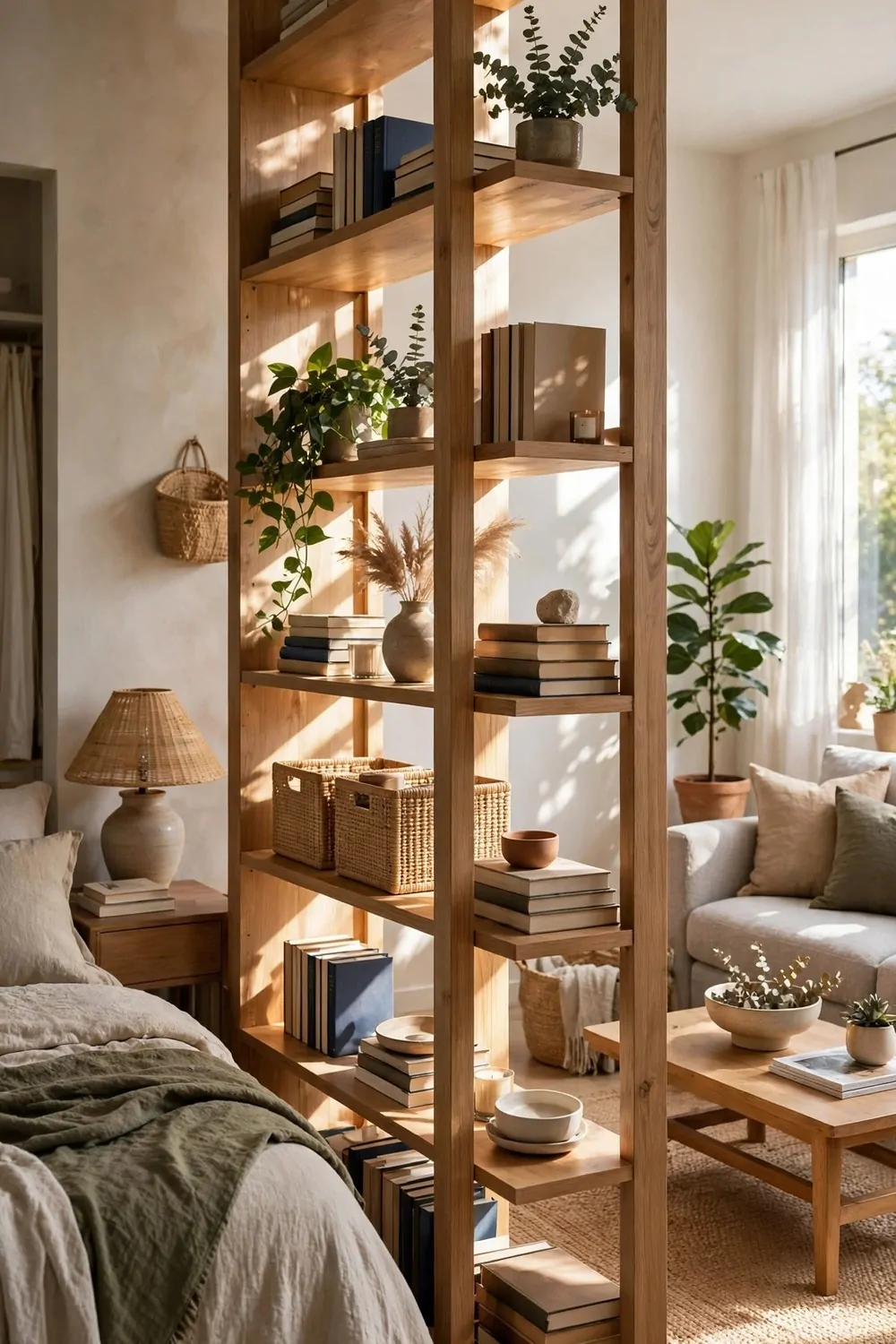
Studio apartments need zones, but walls kill light and space. An open bookcase divides the room without closing it off. You get privacy and storage in one piece.
An open-backed bookcase lets light through. You can see shapes and colors on the other side, so the room still feels connected. A solid wall would cut the place in half.
Put the bookcase between your bed and your living area. Now your bed has its own little room feeling, and your sofa has a backdrop. Both sides win.
I used a tall open shelf this way in my studio. One side held my books and plants facing the sofa. The other side held folded clothes and baskets facing the bed. It was the best furniture I owned.
Keep the shelves a little open. If you stuff every gap, the bookcase becomes a wall again. Leave some breathing room so light passes through.
Anchor it well. A freestanding bookcase in the middle of a room can tip if someone bumps it. Bolt it to the floor or wall if you can, or at least use anti-tip straps.
This trick also works in a shared apartment. A bookcase between two desks gives each person a little boundary without a fight over walls.
Style both sides. A divider you only decorate from one side looks unfinished from the other. Put something nice facing each zone.
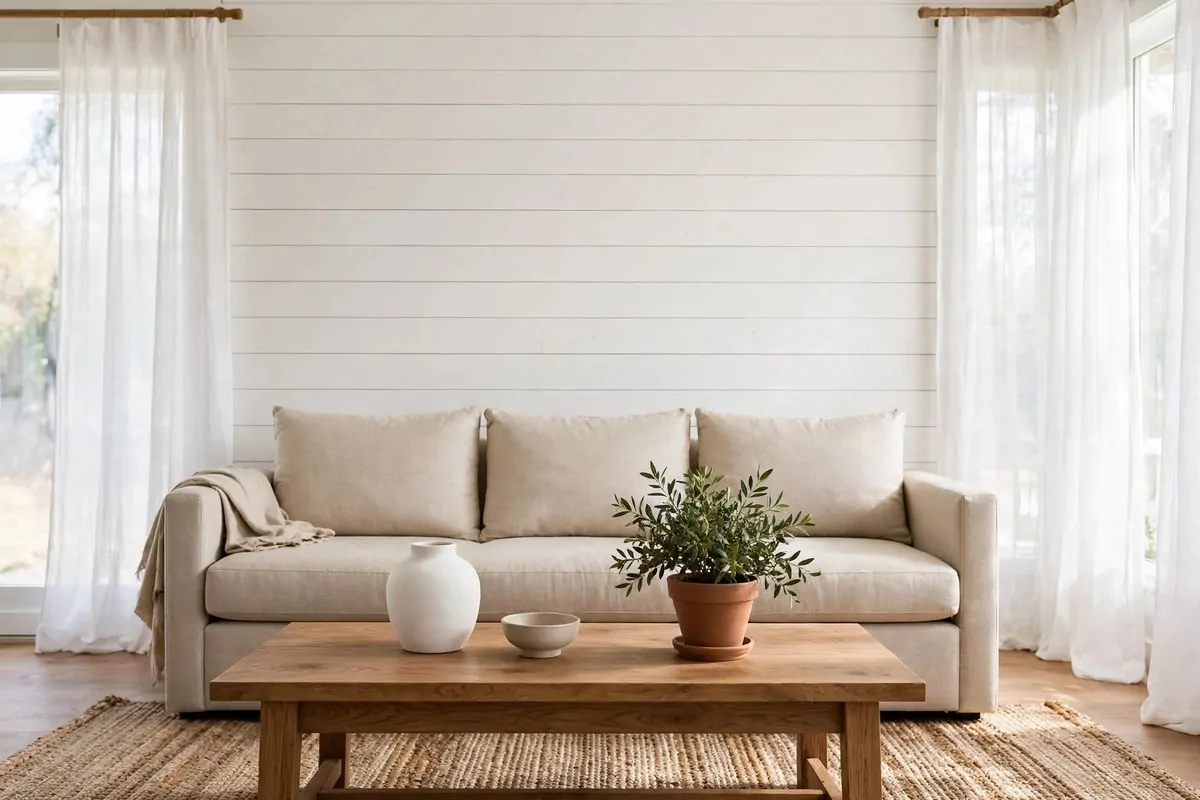
9. Sheer Curtains That Let the Light In
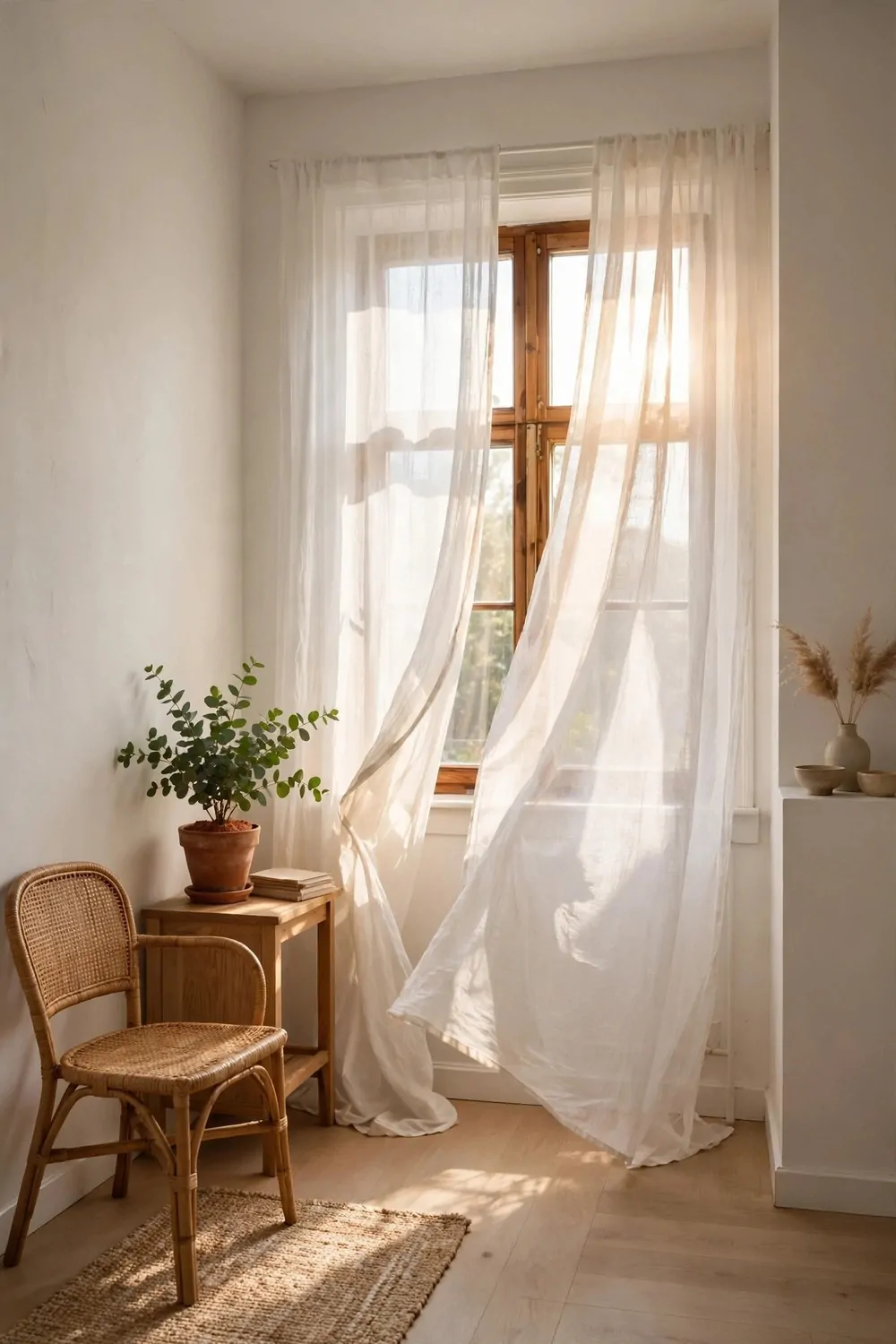
Heavy dark curtains swallow light. Sheer curtains soften it and let it through. In a small apartment, daylight is free space, so do not block it.
Sheer white curtains glow when the sun hits them. The whole window becomes a soft light panel. The room feels brighter, and brighter rooms feel bigger.
I replaced my thick bedroom curtains with sheers and the room changed overnight. Mornings felt gentler. The room looked larger. I wished I had done it years earlier.
Privacy is the worry, and it is fair. Sheers alone do not hide much at night. Pair them with a simple roller blind behind them. Sheers by day, blind by night.
Keep them white or very pale. Colored sheers tint the light in strange ways. White keeps the daylight clean and the room calm.
Wash them a few times a year. Sheers collect dust fast because air moves through them. A gentle machine wash brings back the glow.
Hang them high and wide, like the long curtains in idea four. Sheers on a high rod make the window look tall even when the fabric is thin.
This is one of the cheapest changes on this list. A pair of sheer panels costs less than a dinner out and changes the room every single day.
10. A Wall-Mounted TV to Free the Floor
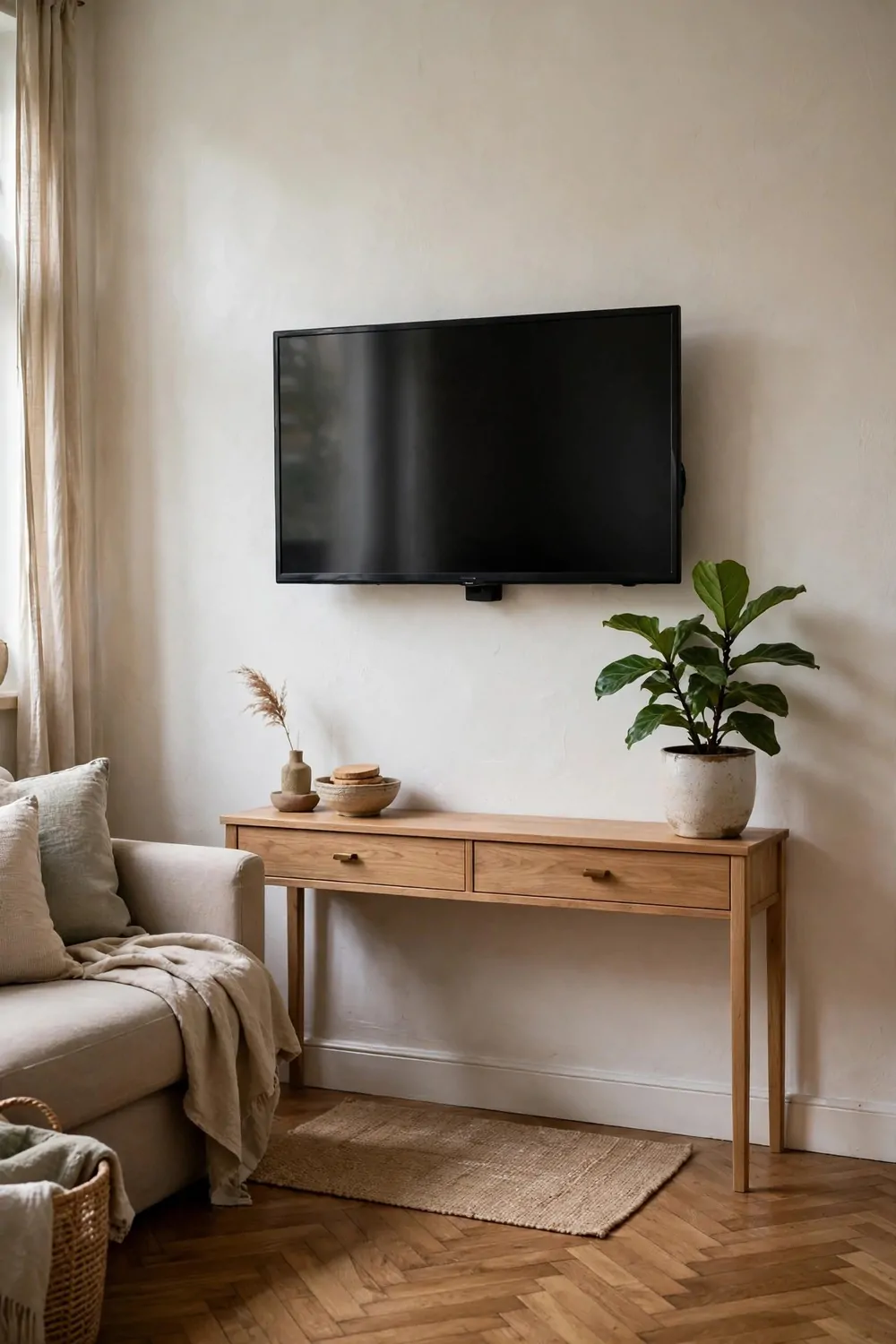
A TV on a stand eats a whole corner. A TV on the wall eats nothing. Mounting it frees the floor underneath for a slim console, a basket, or just empty space.
Empty floor is precious in a small apartment. Every square foot you can see makes the room feel bigger. A mounted TV gives you back a square foot or two.
Mount it at eye level when you sit down. Too high and your neck hurts. Too low and it looks odd. Sit on your sofa and have someone hold it at different heights.
Hide the cables. A dangling cable ruins the clean look and makes the wall feel messy. A simple cable channel painted the wall color hides them completely.
I mounted my TV and put a low plant stand underneath. The corner went from a bulky black box to a light little green spot. The room felt wider the same evening.
Use a mount rated for your TV size and screw into studs. Plasterboard alone will not hold a big TV. If you are unsure, ask a handy friend or a local installer.
A swivel arm is worth it in a small place. You can angle the TV toward the sofa or the bed. One TV serves two zones and you skip buying a second screen.
If you rent, check your lease first. Some landlords allow small mounts. If not, a tall slim TV stand against the wall is the next best thing.
11. Light Paint and One Calm Color Story
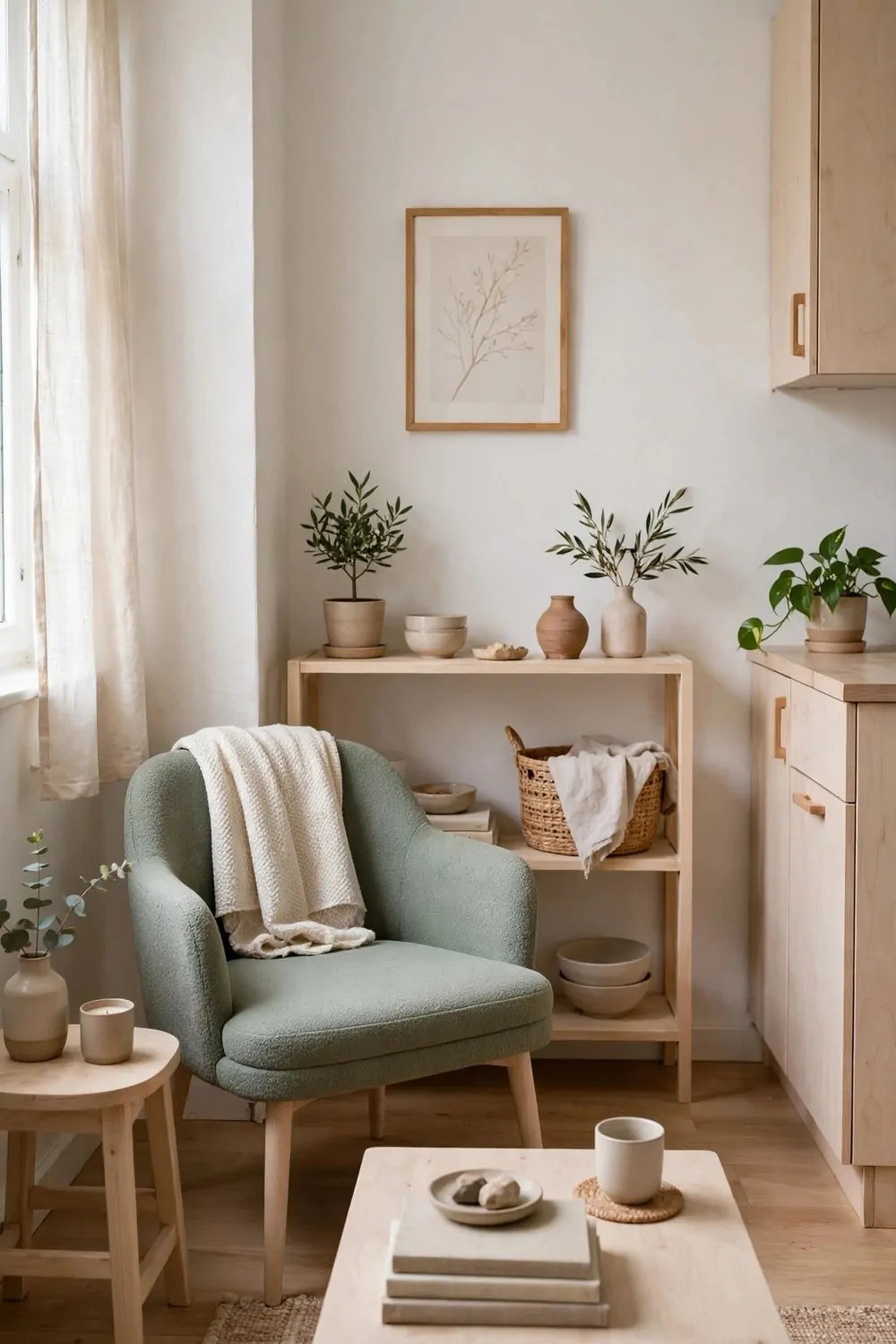
Dark walls close a room in. Light walls open it up. White, cream, and pale pastels bounce light around instead of swallowing it.
Pick one light base color for the whole apartment. When every room shares the same pale walls, the place reads as one bigger space instead of a bunch of small boxes.
Then add one calm accent color. Sage green. Soft blue. Warm sand. Use it in cushions, a throw, a plant pot. One accent keeps things peaceful. Five accents make a small room feel noisy.
I painted my apartment warm white and used sage green as my one accent. The rooms finally flowed into each other. Visitors kept saying the place felt bigger, and nothing else had changed.
Avoid stark bright white if it feels cold to you. A warm white with a tiny hint of cream feels soft and still reflects light. Test a small patch first.
Paint the ceiling the same light color or even lighter. A dark ceiling presses down on a room. A light ceiling lifts it.
This table shows how wall colors change the feeling of a room:
| Wall color | Feeling in a small room | Best for |
|---|---|---|
| Warm white | Bright and open | Every room |
| Pale sage | Calm and fresh | Living room and bedroom |
| Soft grey | Cool and tidy | Kitchen and bathroom |
| Dark navy | Cozy but smaller | One accent wall only |
If you rent and cannot paint, use light bedding, light curtains, and light rugs to get the same effect. The big surfaces matter more than the walls.
12. A Murphy Bed That Folds Away by Day
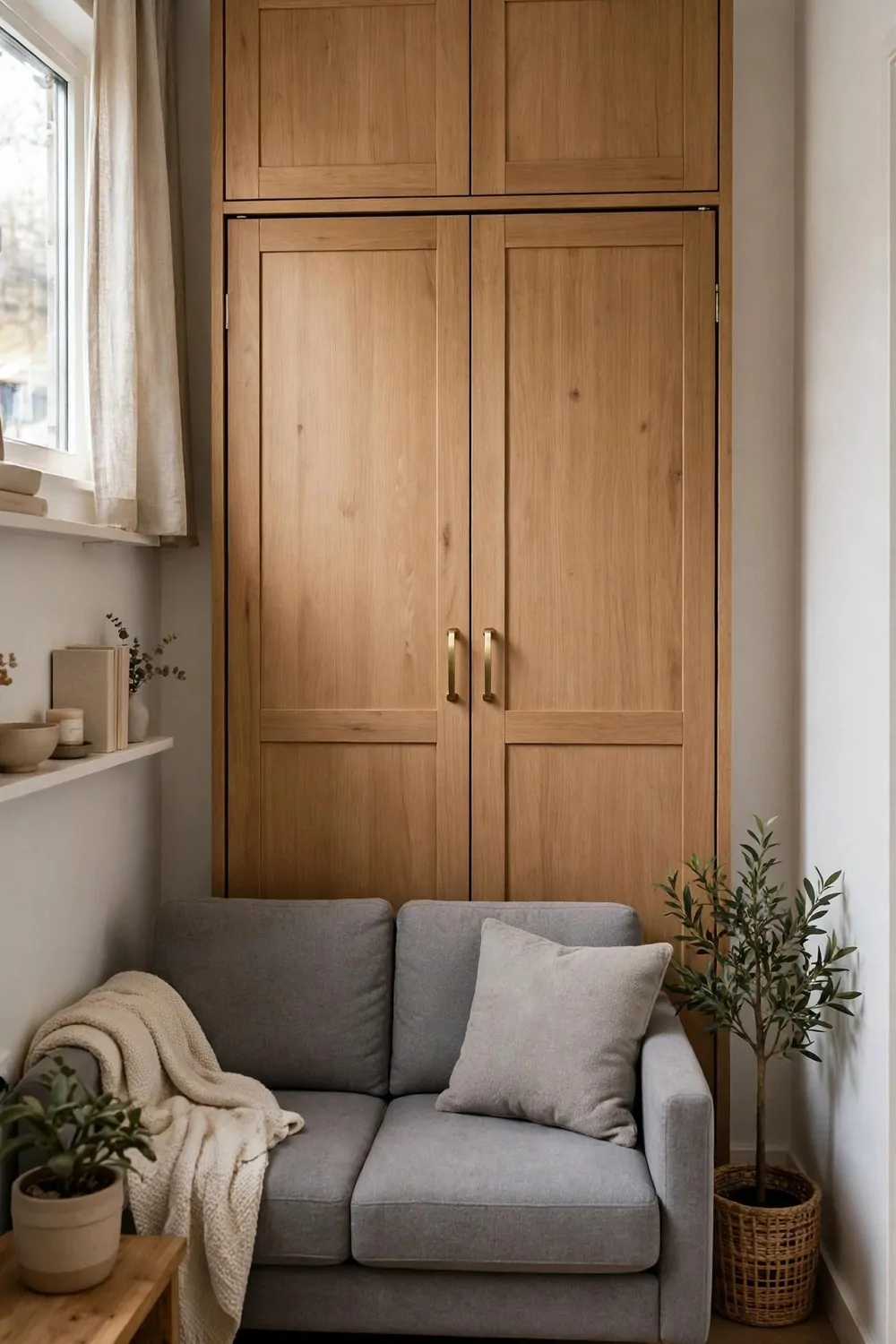
A bed takes up a third of a small apartment all day long. A Murphy bed folds into the wall and gives you that third back every morning.
Fold it up and your bedroom becomes a living room. A sofa sits in front of the cabinet. By day you have a lounge. By night you pull it down and sleep.
Modern Murphy beds are easy to use. The old ones were heavy and scary. New ones have gas pistons and fold down with one hand. My neighbor has one and she is not strong at all.
You need a clear wall and a little floor space in front. Measure the bed length on the floor with tape before you buy. Nothing is worse than a bed that blocks the door when it is down.
The cabinet can hold shelves on the sides. Books, plants, a lamp. When the bed is up, it looks like a normal wardrobe wall. Nobody guesses a bed hides inside.
This is a bigger purchase than most ideas here. But if your apartment is a studio, it changes your life more than any other single change.
Make the bed every morning before you fold it up. A messy bed folded into a wall stays messy and smells stale. Thirty seconds of tidying saves you later.
If a full Murphy bed is too much, a good sofa bed is the budget version. It is less comfortable nightly, but fine for a studio where guests sleep over sometimes.
13. Under-Bed Drawers for Hidden Storage
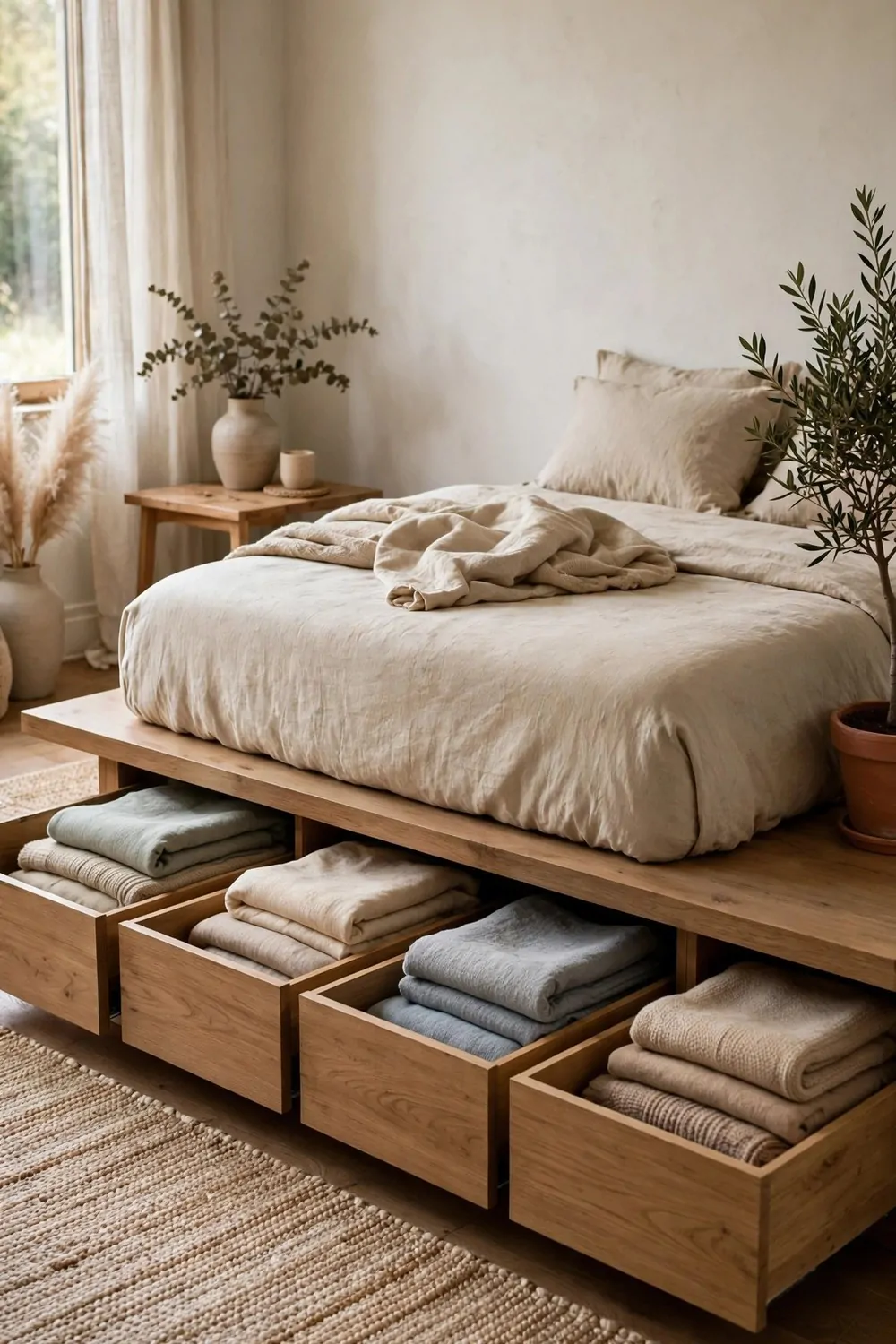
The space under your bed is a whole closet you already own. Under-bed drawers turn that dead space into storage without adding one piece of furniture to the room.
Use them for things you need but not every day. Winter blankets. Out-of-season clothes. Spare sheets. Gift wrap. All the stuff that clutters shelves can live under the bed.
Rolling drawers work best. You pull them out like a drawer, grab what you need, and push them back. Boxes work too, but drawers are easier on your back.
I keep my winter blankets and my hiking gear under my bed. My closet finally has room for the clothes I actually wear. Getting dressed got faster.
Label the drawers if you have more than two. A little tag on the front saves you from pulling out three drawers to find one scarf.
Keep the drawers clean. Dust gathers under beds. A quick vacuum under there once a month keeps your blankets fresh.
This idea costs almost nothing if you already have a bed frame with clearance. Measure the gap first. You need about 20 centimeters of height for a useful drawer.
If your bed sits on the floor, bed risers lift it cheaply. They add a few centimeters and suddenly the whole under-bed space opens up.
14. Clear Zones With Rugs and a Small Table
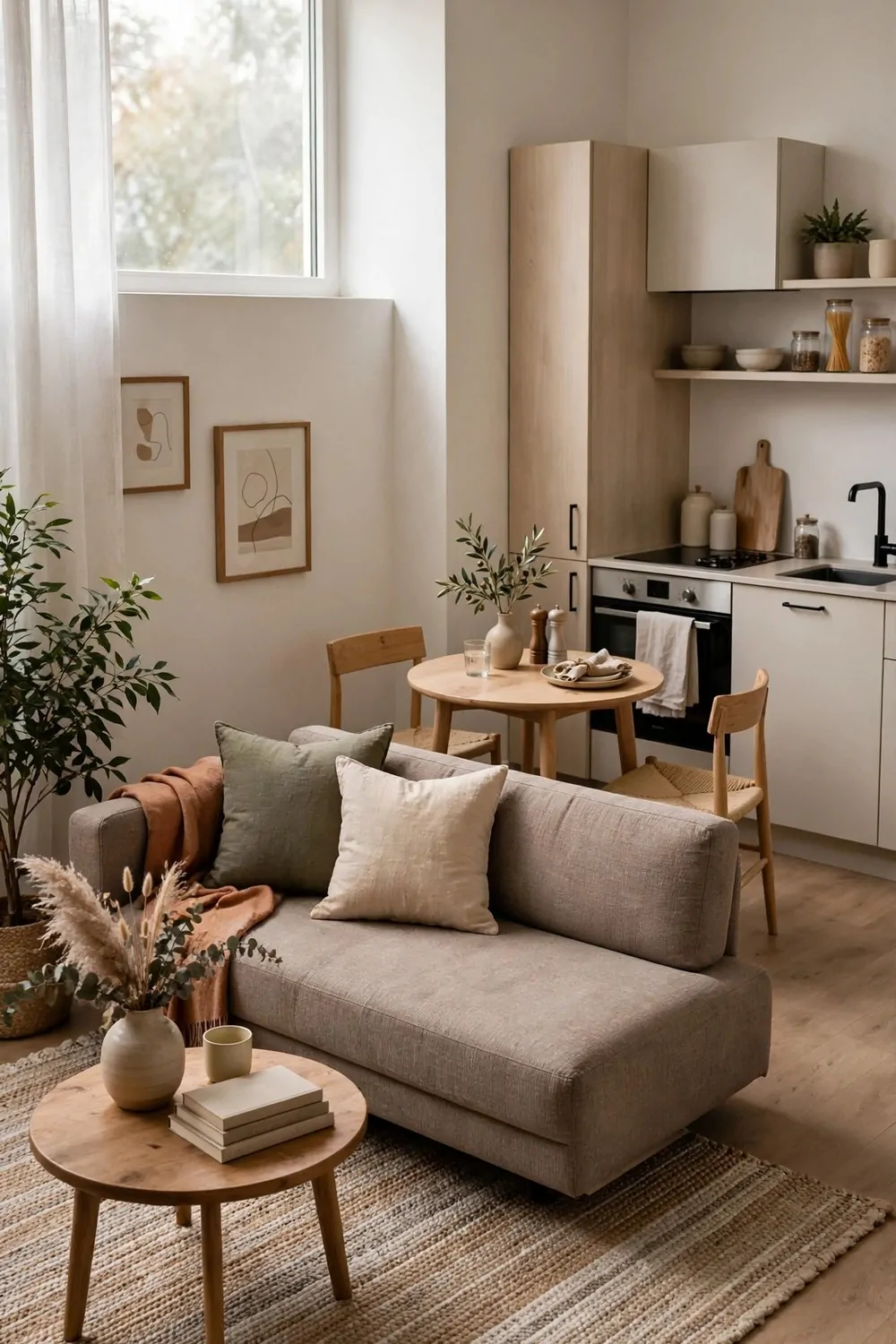
A studio without zones feels like one messy room. A studio with zones feels like a real home with rooms. You do not need walls to make zones.
Use a rug to mark the living zone. Put your sofa and coffee table on it. That rug says "this is the living room" and your brain believes it.
Use a small table to mark the dining zone. Two chairs and a little table near the kitchen corner says "this is where we eat" even without a wall.
I zoned my studio this way and it stopped feeling like a dorm room. I could "go to the living room" after dinner even though it was six steps away. That mental shift matters.
Keep paths clear between zones. You need a walkway of about a meter. If you have to climb over furniture to get to bed, the zones are too tight.
Use light to mark zones too. A floor lamp by the sofa. A small pendant over the table. Different light in each zone makes each one feel like its own place.
Here is a simple way to plan your zones:
- Living zone: rug, sofa, lamp, low table
- Dining zone: small table, two chairs, pendant light
- Sleep zone: bed, bedside lamp, curtain or shelf divider
- Work zone: small desk, chair, task lamp near the window
Start with just the rug. One rug already creates one zone, and the rest of the room starts to organize itself around it.
15. Glass Doors Instead of Solid Walls
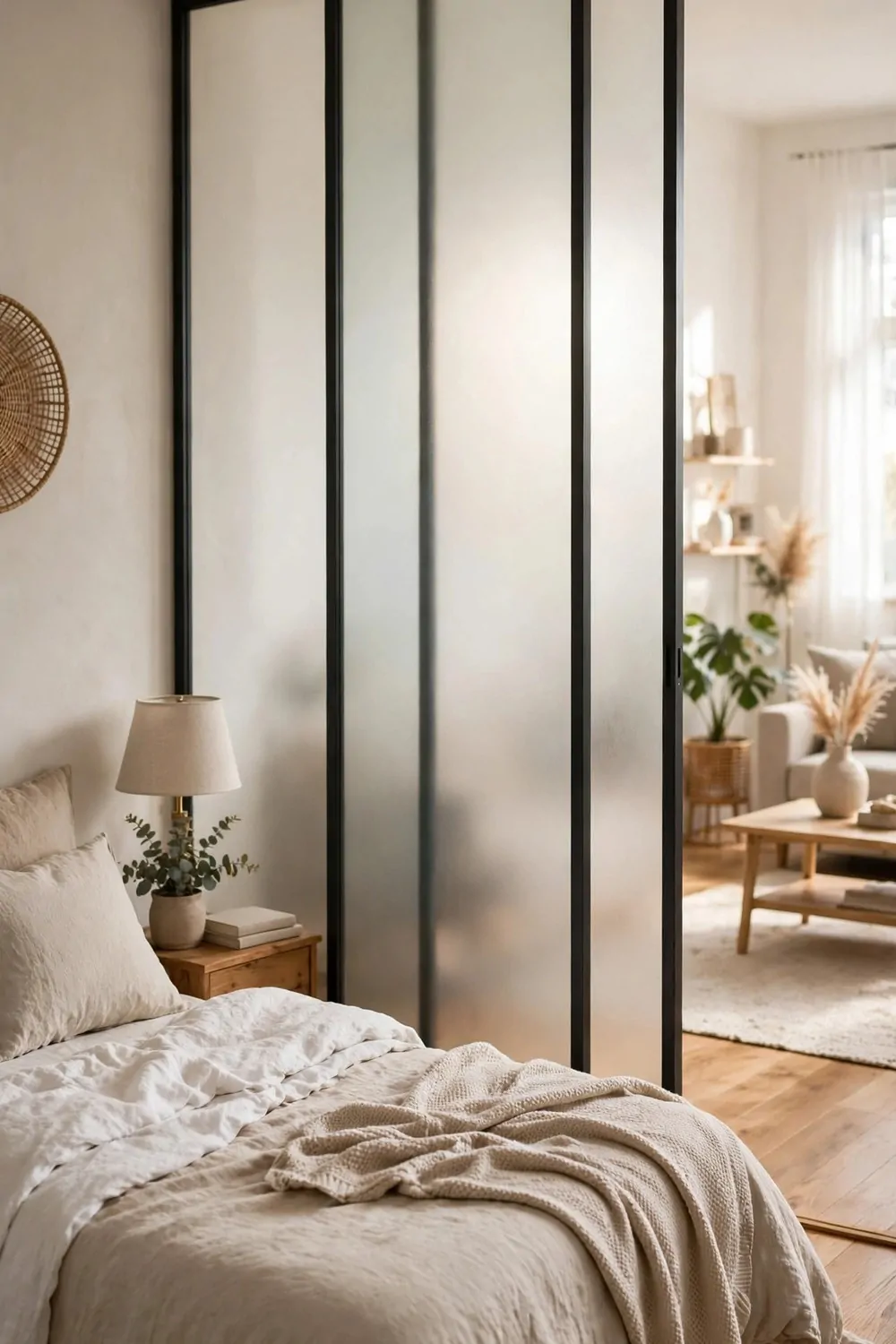
A solid door blocks light and chops a small apartment in half. A glass door keeps the rooms separate but lets the light flow through both.
Frosted glass is the sweet spot. It gives privacy without darkness. You see light and soft shapes, not details. Perfect for a bedroom or bathroom door in a small place.
Sliding glass doors are even better. They do not swing into the room. A swinging door eats a whole arc of floor space. A slider uses just the wall line.
I replaced a solid bedroom door with a frosted slider in a rental once. My landlord agreed because I paid for it and left it when I moved. The living room got brighter the same day.
If you cannot change doors, hang a sheer curtain in the doorway instead. It gives a little privacy and keeps the light moving. Not perfect, but much better than a closed solid door.
Clean the glass now and then. Smudged glass looks worse than a plain wall. A quick spray and wipe once a week keeps it bright.
Glass doors also make a small place feel modern. They look intentional and tidy. Guests notice them and assume the apartment is bigger than it is.
This is a bigger change than a mirror or a rug. But if you own your place or have a kind landlord, it is one of the best space tricks there is.
16. A Slim Entryway Station by the Door
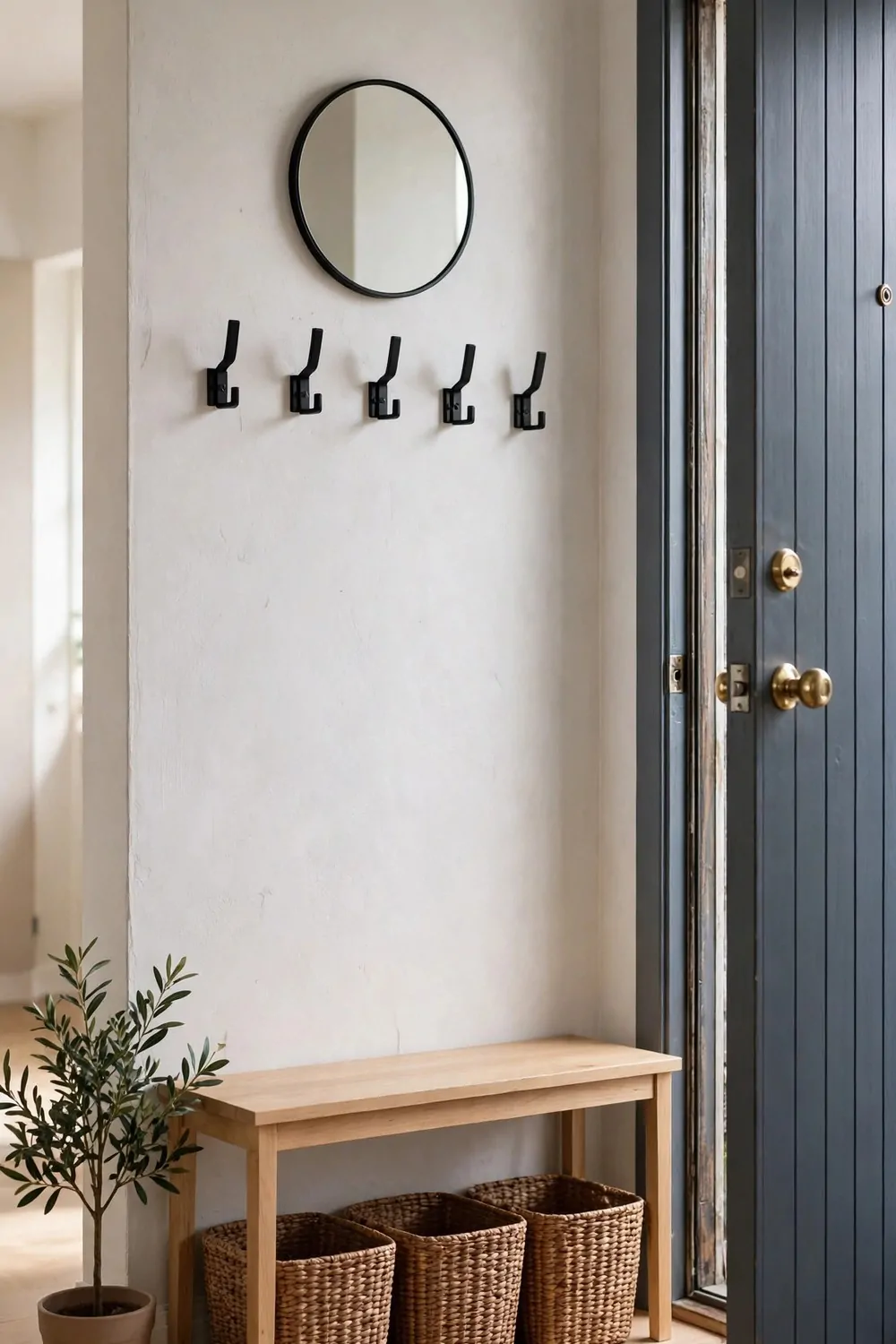
Shoes and keys pile up by the door in a small apartment. That pile is the first thing you see when you come home, and it makes the whole place feel chaotic.
A slim entryway station fixes it. A narrow bench, a few hooks, one basket. Everything has a place the second you walk in.
The bench should be slim. A deep bench blocks the hallway. A narrow one gives you a seat to change shoes without eating the walkway.
Hooks hold coats, bags, and keys. One hook per person is enough. More hooks just invite more clutter to hang there.
I set up a station like this with a secondhand bench and three adhesive hooks. No drilling. My hallway went from a dumping ground to a welcome spot in one afternoon.
The basket underneath catches shoes. One pair each, no more. If the basket overflows, that is your sign to move some shoes to the closet.
A small mirror above the bench is a bonus. Last look before you leave. It also bounces a little light into the hallway, which is usually the darkest part of a small place.
Keep the station tidy. It only works if it stays the landing spot, not another junk pile. A ten-second reset when you come home keeps it working.
17. Open Shelving in the Kitchen for Everyday Dishes
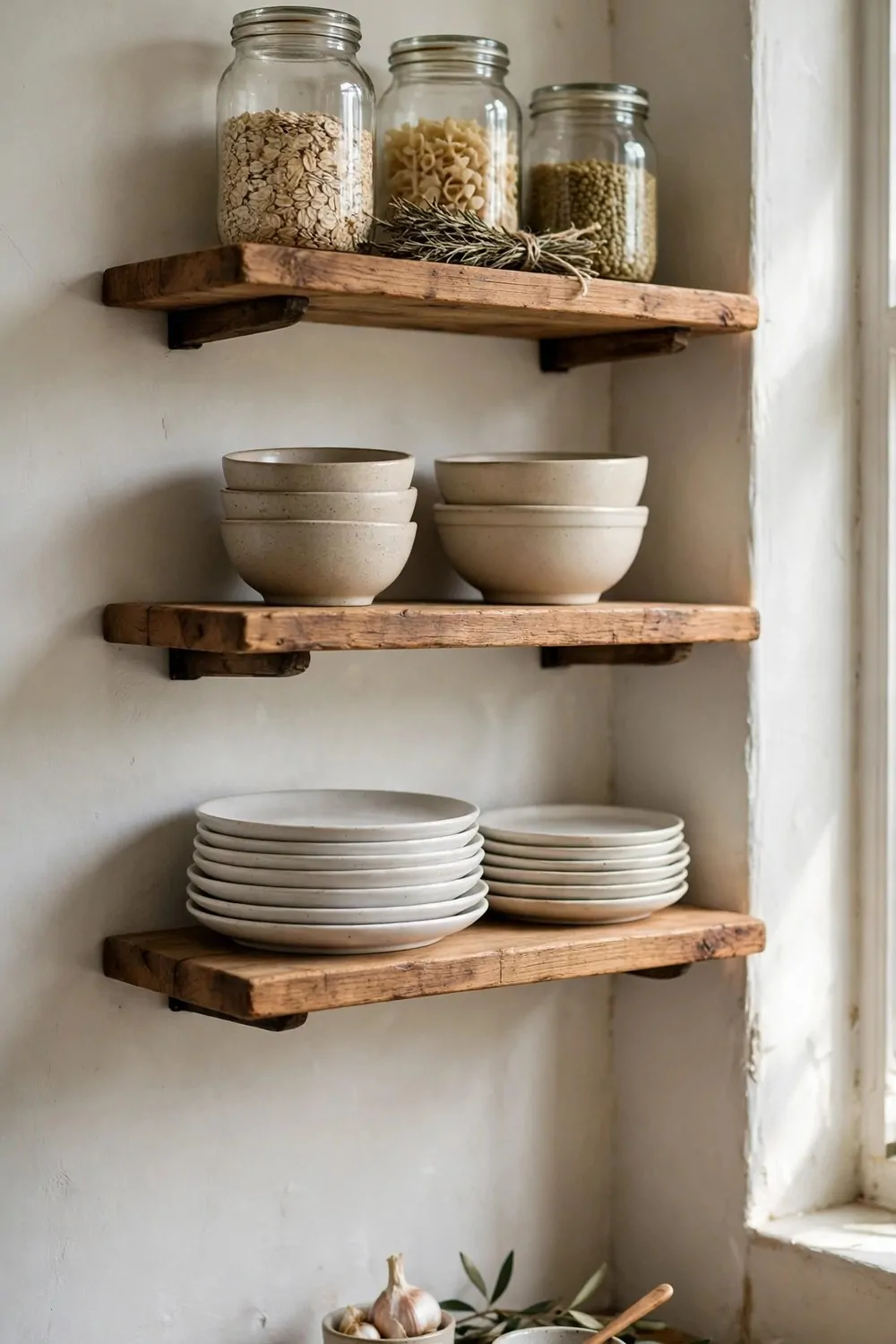
Upper cabinets make a small kitchen feel like a box. Open shelves keep the walls light and put your everyday dishes where you can actually reach them.
Plates, bowls, and mugs you use daily belong on open shelves. You grab them without opening a door. Cooking gets faster and the kitchen feels less cramped.
Keep it to the everyday stuff. Pretty matching dishes look great on open shelves. Random chipped mugs and old plastic containers do not. Hide those in a closed cabinet.
I took the doors off one upper cabinet in my old kitchen. Same cabinet, totally different feeling. The kitchen looked wider and I stopped banging my head on open doors.
Style the shelves a little. Stack plates in neat piles. Put bowls in a row. Add one small plant at the end. A tidy shelf is decor all by itself.
Dust is the trade-off. Open shelves collect grease and dust faster than closed cabinets. A quick wipe once a week keeps them fresh.
Do not overload them. A shelf bowing under too many plates is dangerous. Spread the weight and keep heavy items low.
This works best on one wall, not every wall. One open shelf wall plus closed storage elsewhere is the balance. All open everywhere looks like a shop.
18. A Small Balcony Nook for Morning Coffee
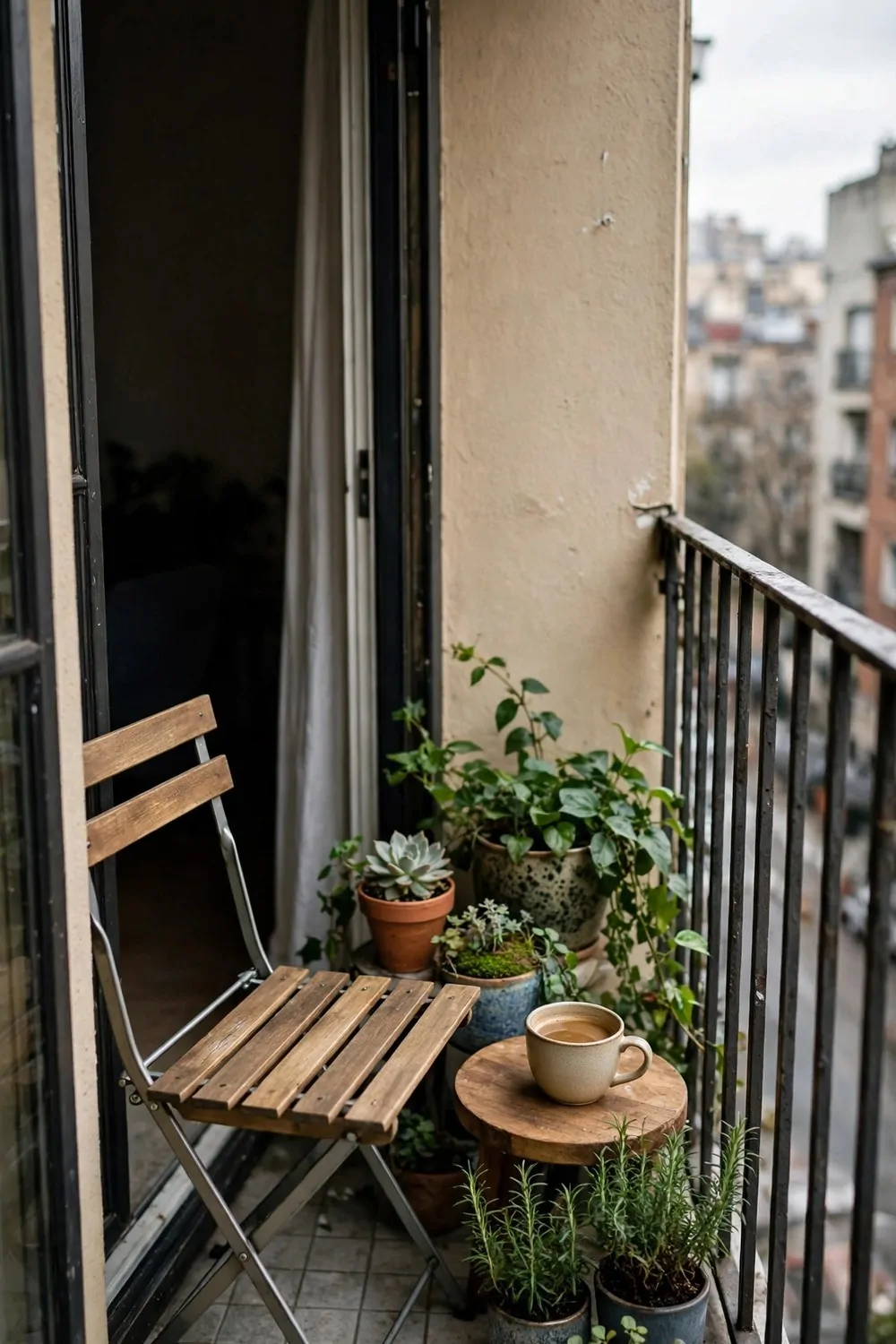
A tiny balcony is easy to ignore. It becomes a storage spot for a broken chair and a plant you forgot. But even a tiny balcony can be a whole extra room for one person.
All you need is a small chair, a tiny table, and one plant. That is a coffee nook. A place to sit with your morning cup and pretend the city is far away.
I had a balcony barely big enough to stand on. I squeezed in a folding chair and a crate as a table. My mornings changed. Coffee outside, even for ten minutes, made the whole apartment feel bigger.
Folding furniture is your friend here. A chair that folds flat can come inside during storms. A table that hangs on the railing takes zero floor space.
Plants make a balcony feel like a garden instead of a ledge. One trailing plant and one pot of herbs is plenty. More than that and you cannot move.
Keep it simple in winter too. A small outdoor cushion you bring inside at night. A lantern for evening light. The nook works in every season if you keep it light.
Do not use the balcony as storage. The second it holds boxes, it stops being a room. Guard it like the little treasure it is.
Even five minutes out there resets your brain. A small apartment feels small when you never leave it. A balcony nook is the smallest possible escape.
19. Baskets and Boxes That Look Like Decor
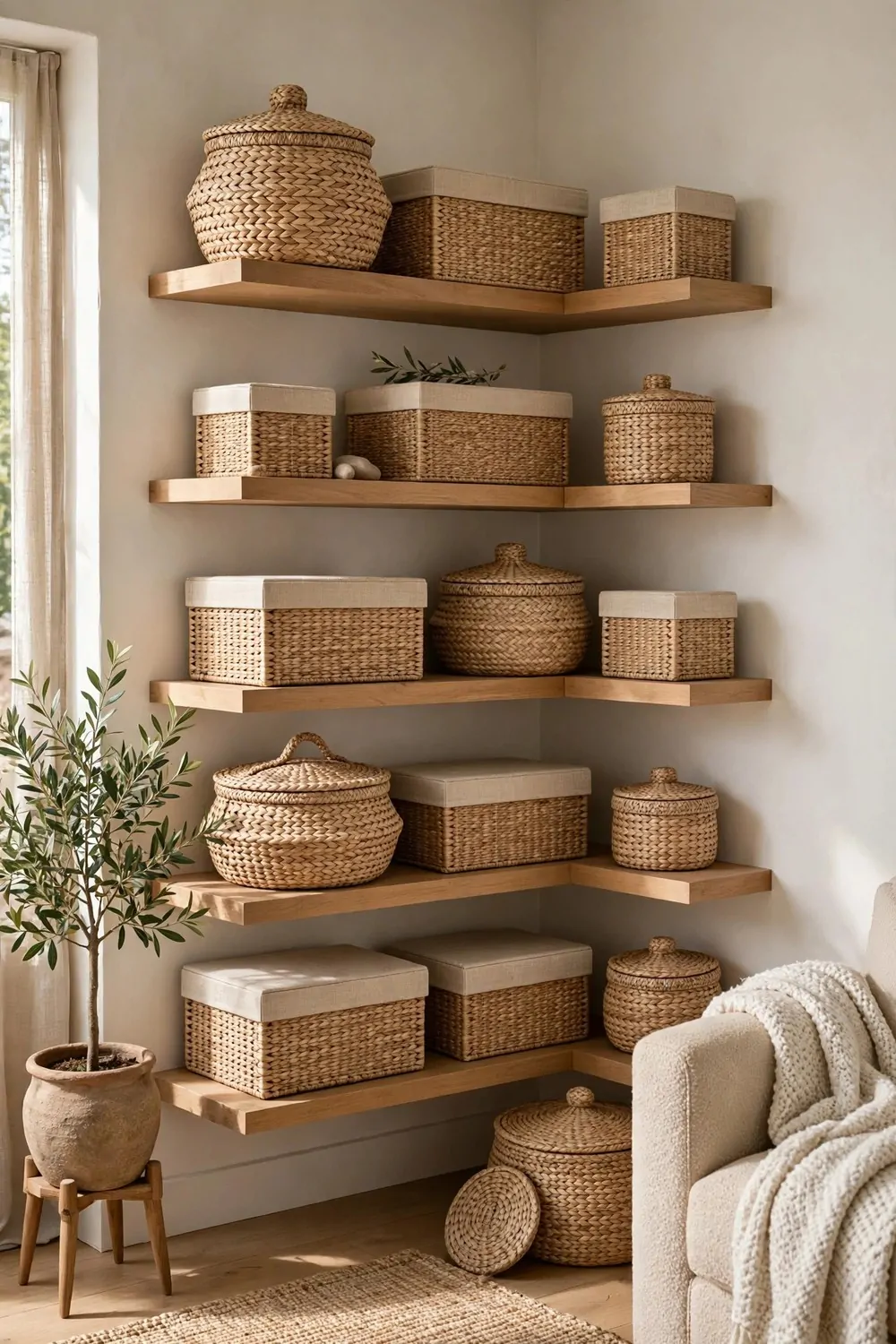
Small apartments need storage, but ugly storage makes a room look like a warehouse. Baskets and pretty boxes hide your stuff and look like decor at the same time.
A woven basket on a shelf holds chargers, remotes, and random bits. It looks like a styling choice. Nobody knows it hides your mess.
Pick baskets that match each other. Same material, similar color. Matching baskets look calm. A random mix of plastic bins looks like a moving day that never ended.
I switched all my open storage to seagrass baskets one weekend. Same stuff inside. Completely different room. Friends asked if I had redecorated.
Label the baskets if you forget what is inside. A tiny tag on the front saves you from opening five baskets to find the scissors.
Use boxes with lids for the messiest stuff. Papers, cables, craft supplies. A lidded box on a shelf looks like a book from far away.
Put one basket by the sofa for the daily clutter. Mail, keys, a book you are reading. Empty it once a week into the right homes. The basket catches the mess before it spreads.
Baskets are cheap secondhand. Charity shops always have them. A quick wash and they look new.
20. A Weekly Declutter Habit That Keeps It Big
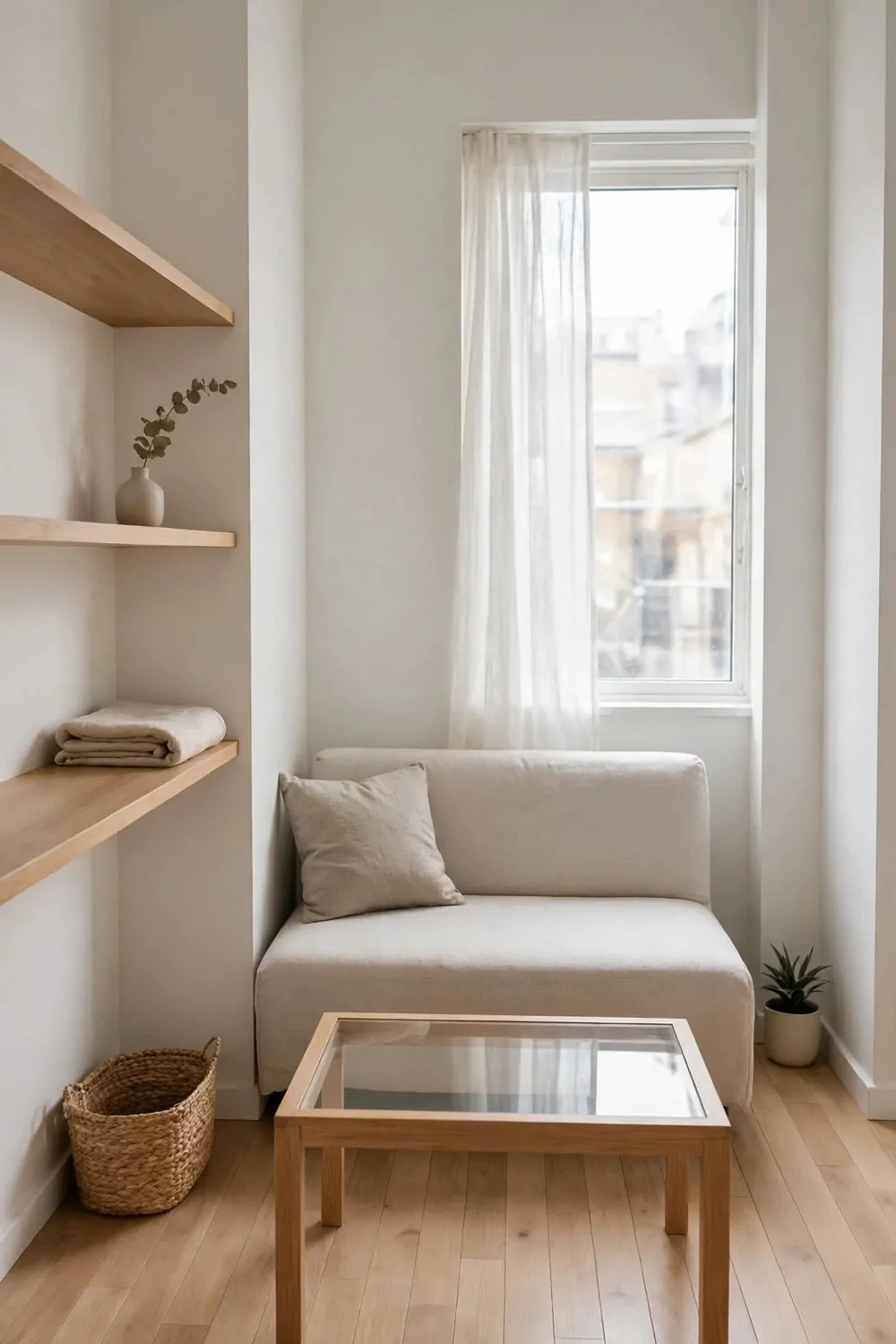
Here is the honest truth behind every idea on this list. None of them work if clutter creeps back. A small apartment stays big only if you keep it that way.
Pick one weekly habit. Ten minutes, same day, every week. Walk through the apartment with a basket and collect everything that does not belong.
I do mine on Sunday evening. The basket fills with mugs, mail, stray socks, and things that migrated to the wrong room. Ten minutes later the place feels big again.
Use the one-in-one-out rule for new things. Something new comes in, something old goes out. A new mug means an old mug leaves. This stops the slow pile-up that shrinks small homes.
Keep a donation bag by the door. When the bag fills, drop it off. No bag means stuff sits in a pile "to donate someday" for months.
Be honest about duplicates. You do not need four wooden spoons or six water bottles in a small kitchen. Keep the best one or two and let the rest go.
This habit is free and it beats every purchase on this list. Mirrors and rugs help, but a clear room is what actually feels big.
Start today, not next week. Grab a basket, set a timer for ten minutes, and see how much better your place feels. Then do it again next week.
Small apartments reward the people who live lightly in them. Less stuff, more space, more calm. That is the whole secret, and now you know it.