45 hobbies for women in their 20s

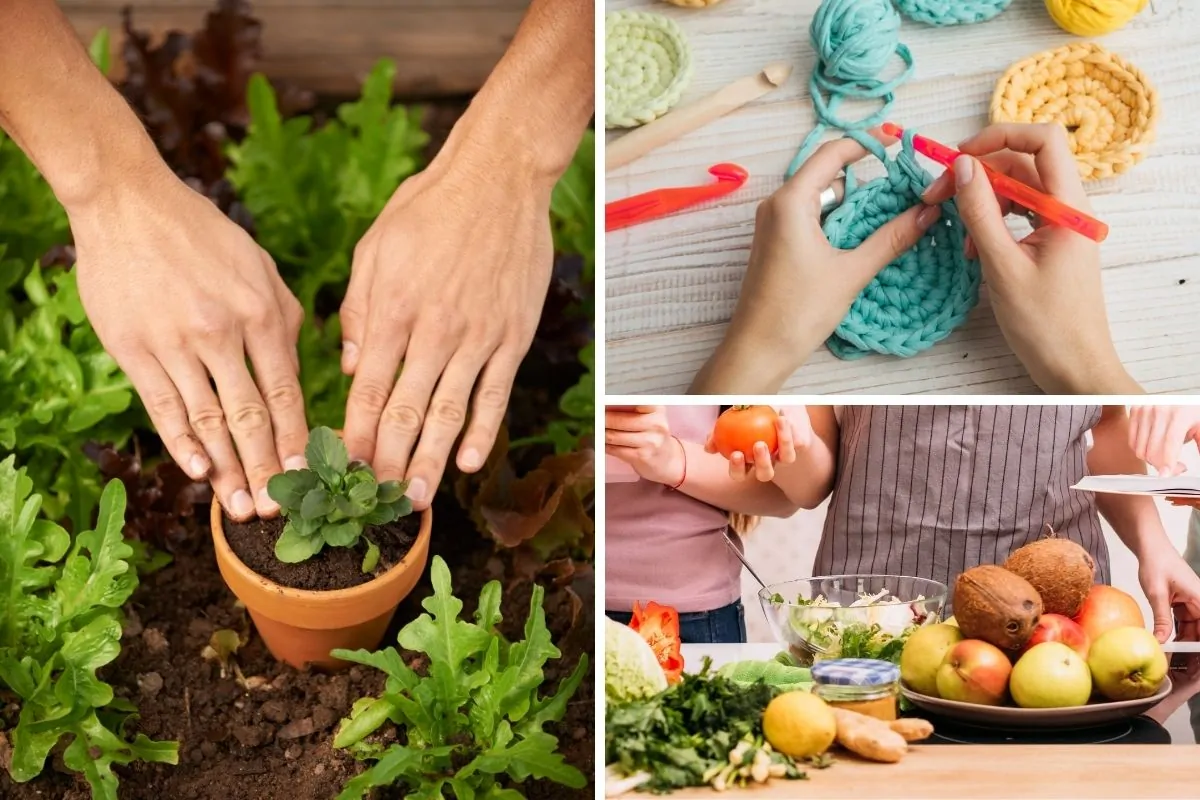
Your 20s are strange. They are full and empty at the same time. There are days when the week feels so packed you barely breathe. Then a quiet Sunday comes, and all that free time just sits there, heavy, like a question you don’t know how to answer.
Most women in their 20s have not been taught how to rest or play with purpose. School gives you tasks. Work gives you goals. But free time? That one is on you.
A hobby is not just a way to pass the hours. It is a way to find out who you are when no one is asking you to be anything else. The women who seem most grounded, most alive in this decade, are often the ones who have at least one thing they do just for the love of it. Not for money. Not for an audience. Just because it fills them up.
This list has 45 hobby ideas for women in their 20s. From creative hobbies to active ones, from solo pursuits to social ones. There is no one right pick. Just a few good ideas to try.
Do Not Try All 45 at Once One of the most common mistakes young women make is picking five new hobbies at once, burning out in two weeks, and giving up on all of them. Pick one. Give it four to six weeks. See how it feels. Then add another if you want.
Why Hobbies Matter More in Your 20s Than at Any Other Time
The 20s are a decade of identity. Research in developmental psychology shows that this period, what Erik Erikson called “early adulthood,” is when people work hardest to figure out who they are apart from family expectations and school structures.
Hobbies play a big role in that. They are not just fun. They build new neural paths in the brain. A 2020 study from the University of Pittsburgh found that people who engage in leisure activities have lower stress hormones and better mood scores. Not just during the hobby. In their general daily life too.
There is also a quiet truth here that often goes unsaid.
The people who know how to enjoy their own company, who have built a life that does not depend on constant plans or outside validation, are often happier in the long run. Hobbies teach you that skill. They teach you to be alone without feeling lonely. That is one of the most useful things a woman in her 20s can learn.
| Benefit of Having a Hobby | Why It Matters in Your 20s |
|---|---|
| Reduces stress | Work and life pressure is high in this decade |
| Builds identity | Helps you know who you are outside of roles |
| Grows new skills | Opens doors to career shifts or side income |
| Builds community | New hobbies = new people with shared values |
| Boosts mental health | Gives brain a break from constant digital input |
| Creates lasting memories | The experiences that define your 20s |
Creative Hobbies for Women in Their 20s
1. Painting and Watercolor Art: You Don’t Need to Be Good at It
Most people avoid painting because they think they need talent first. They don’t.
Painting is one of those creative hobbies where the process matters far more than the result. Watercolor is a good starting point because it is cheap, easy to carry, and forgiving in a way oil paint is not. A basic set from an art supply shop costs less than a dinner out.
What makes painting work as a hobby is that it forces you into the present moment. You cannot scroll while you paint. You cannot overthink while you are watching color bleed across wet paper. That forced presence is rare and genuinely valuable.
- Start with a basic 12-color watercolor set and thick paper
- Watch free tutorials on YouTube before buying anything expensive
- Set aside just 20 minutes twice a week to start
- Do not throw early work away; it shows how fast you grow
Pro Tip: Buy a small sketchbook you can carry in your bag. Even five minutes of sketching during a lunch break counts. Consistency beats long sessions every time.
2. Journaling and Creative Writing: The Cheapest Therapy Around
There is something about writing that makes the inside of your head more organized. Thoughts that feel massive and tangled when they are inside you often become small and workable once they are on a page.
Journaling is not about writing perfectly. It is about writing honestly. Some women write one line per day. Some write three pages every morning. Some just write when something is bothering them.
Creative writing goes further. Short stories, poems, even fan fiction, all of it counts. Creative writing builds vocabulary, sharpens thinking, and gives you a private creative world that belongs entirely to you.
Studies show that expressive writing lowers cortisol. That is the stress hormone. Even 15 minutes of writing per day makes a measurable difference in emotional regulation over just a few weeks.
- Keep a small journal by your bed for nighttime thoughts
- Try a “stream of consciousness” write for 10 minutes, no editing allowed
- Explore fiction writing; create characters, places, small stories
- Look into local writing groups or online forums for community
3. Photography: Learning to Actually Look at Things
Photography teaches you to slow down. That alone makes it worth trying.
When you carry a camera, even just your phone with more intention, you start seeing light, shadow, and detail in ways most people walk past. A door in a back alley. The way steam rises from a cup. The exact shade of sky at 6 PM in October.
Film photography has had a huge comeback among women in their 20s. There is something satisfying about shooting on a roll of film, having limited shots, and waiting to see what comes out. It builds patience and creativity in a way digital shooting does not quite replicate.
- Start with your phone camera and study composition basics
- Try a disposable film camera for a fun, low-cost entry point
- Follow photographers on social media whose work you love for inspiration
- Join a local photography walk or club to meet like-minded people
4. Pottery and Ceramics: Hands in Clay, Head Gets Quiet
Pottery has become one of the most popular new hobbies for young women, and for good reason. Getting your hands into clay and shaping something on a wheel or by hand is one of the most grounding physical experiences available.
It is also deeply humbling. Your first bowl will probably look more like a lump. That is fine. That is actually part of the point. Pottery teaches you to be okay with imperfection and to keep going anyway.
Most cities have beginner pottery classes that are not as expensive as people assume. A six-week beginner course typically runs between $80 and $150 depending on location. Some community centers offer them for free.
5. Nail Art: Your Hands as a Canvas
Nail art has grown into a genuine skill and creative hobby. What started as a simple coat of color has become an entire art form with its own tools, techniques, and online community.
The nice part is that it costs very little to start. A set of nail art pens, some base coat, and a few colors is enough to begin. YouTube and TikTok are full of step-by-step tutorials for every skill level.
Beyond the creativity, nail art is a relaxing hobby. The focus it requires clears the mind. Many women treat their nail art sessions as a quiet ritual, a time set aside just for themselves.
6. Knitting and Crocheting: Not Just for Grandmas
Both knitting and crocheting have had a massive revival. Younger women have discovered that these crafts are meditative, portable, and produce real, wearable results.
Crocheting is generally easier to learn as a beginner. You only need one hook instead of two needles. Within a few weeks of practice, a beginner can make simple items like bags, beanies, or coasters.
| Knitting vs. Crocheting | Knitting | Crocheting |
|---|---|---|
| Tools Needed | Two needles | One hook |
| Learning Curve | Steeper at first | Easier to start |
| Speed | Slower for beginners | Faster in general |
| Best For | Fabric, sweaters, socks | Bags, amigurumi, hats |
| Cost to Start | $20 to $30 | $15 to $25 |
7. Scrapbooking: Turning Memories into Something You Can Hold
In a world where every photo lives on a phone and fades into a scroll, scrapbooking is an act of deliberate preservation. Printing photos, choosing paper, writing captions, cutting and layering, all of it turns moments into something you can hold, share, and return to.
This is a good rainy day hobby. It is also deeply satisfying in ways that digital photo albums are not.
8. Candle Making: A Hobby That Pays for Itself
Candle making is creative, calming, and practical. The end result smells good and lights up your room. Many women have turned it into a small side business after starting it as a fun hobby.
The basics are simple: wax, wicks, fragrance oils, and containers. A starter kit from Amazon or a craft store is usually under $40. There are dozens of YouTube tutorials that walk through the entire process in under 20 minutes.
- Use soy wax as a cleaner-burning option
- Start with simple fragrances like lavender, vanilla, or citrus
- Test your candles before gifting them; some wicks need trimming
- Mason jars make great beginner containers
9. Embroidery: Small Stitches, Big Patience
Embroidery is slow work. That is exactly why it is good for you. In a decade when everything is fast, instant, and on-demand, sitting down to stitch a small flower or a word onto fabric is quietly revolutionary.
Embroidery hoops are inexpensive, thread is cheap, and beginner kits are widely available online. The community around this hobby, especially on Instagram and Pinterest, is warm and incredibly encouraging.
10. Digital Art and Graphic Design: A Creative Hobby with Real Career Value
Digital art is one of the few creative hobbies that directly builds career-relevant skills. Learning programs like Procreate on an iPad or Canva for graphic design gives you tools that are genuinely valued in marketing, social media, and branding.
Even if you never work as a designer, the ability to make beautiful, clear visuals is useful in almost every career now.
Pro Tip: Procreate has a one-time cost of around $12. That is one of the best investments a woman in her 20s can make in a creative skill. There are also free options like Krita and Canva that are excellent for beginners.
Active and Outdoor Hobbies for Women in Their 20s
11. Yoga: The One Hobby That Fixes Three Things at Once
Yoga improves flexibility, builds strength, and calms the nervous system. It is hard to find another single activity that does all three at once.
What most people do not realize until they try it regularly is that yoga changes how you relate to discomfort. You learn to breathe through hard moments instead of fleeing them. That skill transfers into every other area of life.
- Free YouTube channels like Yoga With Adriene are a perfect starting point
- Start with 20-minute beginner sessions and build up slowly
- Morning yoga sets a calmer tone for the whole day
- A good non-slip mat costs around $25 and lasts for years
12. Hiking: The Most Underrated Free Hobby There Is
Hiking costs almost nothing. A good pair of shoes, water, and access to a trail is all you need to start. Yet the mental health benefits of hiking are among the best-documented in all of outdoor activity research.
A 2015 study in the journal PNAS found that people who walked in nature for 90 minutes had significantly lower activity in the part of the brain linked to rumination, that is, the repetitive negative thinking that drives anxiety and depression.
Fresh air, physical movement, and distance from screens combine into something genuinely powerful.
- Find trails near you using the AllTrails app (free version works great)
- Start with flat, short trails and work up to elevation gradually
- Bring more water than you think you need
- Let someone know where you are going before heading out alone
13. Archery: The Focus Hobby That Quiets a Noisy Mind
Archery has grown steadily as one of the most popular new hobbies for young women in recent years, and it makes complete sense once you try it.
The sport demands full presence. You cannot hit a target while thinking about your inbox. Every shot requires controlled breathing, a steady grip, and a calm mind. That combination is genuinely rare to find in a single activity.
Most archery ranges offer beginner sessions for around $20 to $40, including equipment rental. Many women find that after just two or three sessions, the meditative quality of the practice is what keeps them coming back more than the sport itself.
- Find a local range using the USA Archery club finder (free tool online)
- Start with a recurve bow as a beginner before exploring compound styles
- Wear close-fitting clothing on your bow arm to avoid string contact
- Expect sore forearm muscles in the first week as your body adjusts
14. Rock Climbing: Fear Is the First Thing You Climb
Indoor rock climbing has exploded in popularity. Most cities now have at least one climbing gym, and many offer beginner classes and day passes that let you try before committing.
Climbing builds grip strength, problem-solving, and a specific kind of courage: the willingness to reach for the next hold even when you’re not sure it’s safe. That same courage shows up in everything else eventually.
15. Cycling: Going Somewhere or Nowhere, Both Are Valid
Cycling is one of the most versatile active hobbies on this list. It can be as intense as a mountain trail ride or as gentle as a slow pedal through a park on a Sunday morning.
A decent secondhand bike can be found for $100 to $200. City cycling is also one of the cheapest ways to get around, which means this hobby can actually save money over time.
16. Swimming: The Workout That Feels Like Floating
Swimming works every muscle group in the body while putting zero impact on joints. It is calming in a way that most physical activity is not.
For women in their 20s who deal with anxiety, regular swimming sessions have been shown in clinical studies to reduce anxious thinking and improve sleep quality more effectively than many other forms of exercise.
17. Roller Skating: Pure Nostalgia With Real Fitness Benefits
Roller skating has made a full comeback. Outdoor skate communities, rink sessions, and viral videos have brought this hobby back in a big way for young women.
It burns calories at the same rate as running, but it feels nothing like a workout. It feels like play. There is a big difference between the two, and your body responds better to movement that feels good.
Warning Box: Safety First With Skating Falls happen, especially in the first few weeks. Always wear wrist guards, knee pads, and a helmet when learning to skate. A broken wrist from a bad fall can sideline you for months and make the whole experience miserable. Protect yourself.
18. Martial Arts: The Confidence Builder That Goes Bone-Deep
Kickboxing, judo, jiu-jitsu, capoeira. Each one is its own world. But they all share a common gift: they build a kind of inner confidence that is hard to fake or borrow from anywhere else.
The discipline involved in martial arts also teaches patience and respect, values that quietly shape who you become over time.
19. Gardening: The Slowest, Most Satisfying Hobby on This List
Growing something from a seed requires patience, care, and consistency. Those same qualities tend to grow in the gardener.
A balcony or windowsill is enough to start. Herbs like basil, mint, and rosemary are easy first plants. Watching something green and alive grow because of your daily attention is a different kind of satisfaction from anything digital life provides.
20. Kayaking and Paddleboarding: Water Changes Everything
Both kayaking and paddleboarding require balance, upper body strength, and focus. The payoff is being on the water, surrounded by quiet, moving at your own pace.
Many parks and lakes offer hourly rentals, which makes this an accessible try-before-you-buy kind of hobby.
Social and Community Hobbies for Women in Their 20s
One of the quietly difficult things about your 20s is that making new friends gets harder. School no longer throws you together with people every day. Meeting like-minded people takes more intention.
Social hobbies solve this problem elegantly. They put you in a room with people who already share one interest with you. That is the easiest starting point for real connection.
21. Book Clubs: Read, Meet, Talk, Repeat
A book club gives reading a social dimension that makes it twice as enjoyable. You have a reason to finish the book. You have people to discuss it with. And you have a regular social commitment that does not depend on someone spontaneously texting to make plans.
- Check local libraries and coffee shops for existing book clubs
- Start your own with three or four friends who love reading
- Rotate who picks the book each month for variety
- Make it relaxed: food, drinks, good conversation about the book
22. Volunteering: The Hobby That Gives Back Something Unmeasurable
There is a particular kind of fullness that comes from giving time without expecting anything back. Volunteering connects women in their 20s to their community, to causes larger than their own daily concerns, and to people they would never otherwise meet.
Animal shelters, food banks, tutoring programs, community gardens, all of these need regular helpers. The act of showing up consistently for something outside of yourself builds a kind of character that nothing else quite replicates.
23. Hosting Dinner Parties: Creating Experiences, Not Just Meals
Hosting is an art. It involves cooking, presentation, conversation, timing, and atmosphere. Done well, it creates memories that last for years.
Many women in their 20s underestimate how much they enjoy this until they try it once and see how their guests light up. The skill grows quickly with practice.
- Start small: four people is easier than ten
- Pick one signature recipe to master before trying new dishes on guests
- Set the table the night before to reduce day-of stress
- Themed dinners (a specific cuisine, a color palette, a season) add fun
24. Board Games and Game Nights: Low-Tech, High-Joy Connection
Board games have had a genuine renaissance. Modern games like Settlers of Catan, Ticket to Ride, Codenames, and Azul are nothing like the dusty Monopoly sets of childhood.
A regular game night with friends is one of the best low-cost social hobbies available. It requires no skill to start, gives everyone something to focus on, and creates the kind of easy laughter that is hard to manufacture in any other setting.
| Game Type | Best For | Time Needed |
|---|---|---|
| Strategy (Catan, Chess) | Problem solvers, competitive types | 60 to 120 min |
| Party games (Codenames, Taboo) | Social groups, loud fun | 30 to 60 min |
| Cooperative (Pandemic) | Groups who prefer teamwork | 45 to 90 min |
| Word games (Scrabble, Bananagrams) | Creative thinkers, language lovers | 30 to 60 min |
| Trivia games | Knowledge lovers, mixed groups | 30 to 90 min |
25. Cooking and Baking Classes: A Skill That Feeds Everyone
Taking a cooking class is both a social and practical hobby. In one evening, you learn a new skill, meet new people, and eat good food. It is one of the better returns on investment for a social hobby.
Many community centers, cooking schools, and even restaurants offer beginner evening classes. Some run themed nights like pasta-making, sushi rolling, or bread baking.
26. Thrift Shopping and Upcycling Old Furniture
Thrift shopping is sustainable, budget-friendly, and genuinely addictive once you find your first great piece. There is a specific satisfaction in finding something beautiful that others overlooked.
Upcycling old furniture goes further. Taking a scuffed dresser and repainting it, replacing handles, and turning it into a piece that looks designer is one of the most rewarding DIY projects available.
- Sand, prime, and use chalk paint for the best finish on old furniture
- Check Facebook Marketplace and local thrift shops weekly
- Focus on solid wood pieces; they upcycle far better than pressed wood
- Follow DIY furniture accounts on Pinterest for endless inspiration
27. Language Learning with Groups: A Skill That Opens Whole Worlds
Language learning is one of those hobbies that keeps giving back for decades. Every new language is access to different cultures, different literature, different people.
Apps like Duolingo make the habit easy to start. But joining a conversation group, either online or in person, is where real fluency begins to grow. Meeting native speakers in a language exchange setting is also one of the most interesting ways to make new friends across different cultures.
Pro Tip: Pick a language tied to a place you genuinely want to visit. The motivation to actually use what you learn makes the practice feel less like study and more like preparation for something exciting.
28. Solo Travel: The Most Transformative Hobby for Personal Growth
Solo travel changes women in ways that are difficult to fully explain until they experience it. Making decisions for yourself in an unfamiliar place, navigating unknown cities, sitting with yourself in new surroundings, all of it builds a quiet, unshakeable confidence.
A weekend trip to a nearby city is enough to start. It does not need to be international or expensive.
Learning and Growth Hobbies for Women in Their 20s
29. Sewing and Clothes Making: Wear What You Actually Designed
Sewing is one of the most practical creative hobbies a woman in her 20s can learn. Once you understand how a garment is put together, you see clothing differently. You stop buying things that almost fit and start making things that fit exactly right.
The skill range in sewing is enormous. On one end, you are hemming jeans and mending a torn seam. On the other end, you are drafting patterns and making a dress from scratch.
A basic sewing machine costs between $80 and $150 for a beginner model that handles most early projects well. YouTube channels like Professor Pincushion offer free, structured beginner courses that are genuinely excellent. Many community colleges run evening sewing classes that cover the fundamentals in just four to six sessions.
Beyond clothing, sewing opens into home decor (cushion covers, curtains, quilts), accessories (bags, headbands, tote bags), and even small businesses. Many women who start sewing as a hobby have turned it into an Etsy shop within a year.
- Buy a second-hand sewing machine first to test whether you enjoy it before investing more
- Start with simple projects: a pillowcase, a tote bag, a hemmed skirt
- Learn to read a sewing pattern before attempting your first garment
- Fabric markets and thrift shops are far cheaper sources of material than retail stores
30. Blogging and Content Creation: A Creative Hobby That Can Earn
Starting a blog or a content page is a creative hobby that also builds real skills: writing, photography, SEO, branding, audience-building. Many women in their 20s have turned a casual blog into a meaningful side income within 12 to 18 months.
Even without monetization, the act of creating content consistently, of putting ideas into the world regularly, sharpens thinking and communication in ways few other hobbies can match.
31. Podcasting: Turning Your Thoughts into Audio
Podcasting is easier to start than most people realize. A decent USB microphone costs around $50. Free software like Audacity handles editing. Spotify and Apple Podcasts are free to publish on.
The most successful beginner podcasts do not try to appeal to everyone. They pick one specific topic, something the host genuinely cares about, and speak to a small, specific audience honestly.
32. Financial Literacy: The Hobby That Pays for All the Others
Learning about personal finance is not glamorous. But it is one of the most practical hobbies a woman in her 20s can develop. Reading books like “The Psychology of Money” by Morgan Housel or listening to finance podcasts changes how you relate to money in ways that compound over an entire lifetime.
Understanding how saving, budgeting, and long-term investing works gives you freedom. That freedom shows up as options, and options are what make life feel alive.
Important Note: This content is general information only and not financial advice. Always do your own research and consult a qualified financial professional before making investment decisions.
33. Film Photography: Slow Down, Shoot Less, See More
Film photography teaches restraint. With only 24 or 36 shots on a roll, every frame has to count. That constraint forces you to look more carefully, wait for the right moment, and think before you shoot.
The result is a different relationship to images. They feel earned. They feel real.
34. Online Courses and New Skills: Learning as a Lifestyle
The internet has made learning almost anything free or very cheap. Platforms like Coursera, Skillshare, and YouTube have courses on graphic design, coding, cooking, psychology, business writing, and hundreds of other topics.
Treating learning as a hobby, spending even 30 minutes a week on a course purely out of curiosity, builds a kind of mental flexibility that makes you more creative and more adaptable in every area of life.
35. Calligraphy and Hand Lettering: The Art of Writing Slowly
In an age where everything is typed, learning to write beautifully by hand is a quiet act of rebellion and a genuinely satisfying creative hobby.
Calligraphy and hand lettering are not the same thing, though they are often grouped together. Calligraphy uses a pointed pen or brush and follows specific historical styles like Copperplate or Gothic. Hand lettering is freer, more modern, and more forgiving for beginners.
Both teach you to slow down, to pay attention to detail, and to find rhythm in repetition. The result is a skill with real-world uses: hand-addressed envelopes, wedding place cards, greeting cards, wall art, and personalized gifts that feel genuinely special.
A beginner calligraphy kit costs between $15 and $30 and includes everything needed to start. Most women see clear improvement within the first two to three weeks of daily practice, even just 15 minutes at a time.
| Style | Tools Needed | Learning Curve | Best For |
|---|---|---|---|
| Brush lettering | Brush pen (Tombow or similar) | Easy to start | Modern, casual style |
| Copperplate calligraphy | Pointed nib and ink | Moderate | Formal, wedding use |
| Gothic/Blackletter | Flat nib and ink | Moderate to hard | Dramatic, artistic work |
| Faux calligraphy | Regular pen or marker | Very easy | Total beginners |
Instagram has an enormous calligraphy community with daily inspiration and tips
Practice on smooth, slightly thick paper to prevent ink bleeding
Start with faux calligraphy before investing in nibs and ink
Tracing practice sheets (free to print online) speed up early progress significantly
36. Home Decor and Interior Styling: Your Space, Your Expression
Your 20s are often the first time you have a space that is fully yours to decorate. Learning to style a room, understand color theory, and create a home that reflects your actual taste is a genuinely satisfying creative hobby.
- Start with rearranging what you already have before buying anything
- Study color palettes: neutral bases with one bold accent color work best for beginners
- Thrift shops are gold mines for unique, inexpensive decor pieces
- Plants immediately make any space feel more alive and complete
Relaxing and Mindful Hobbies for Women in Their 20s
37. Reading: The Simplest, Most Powerful Habit on This List
A survey by the National Endowment for the Arts found that regular readers are more empathetic, more creative, and more socially connected than non-readers. Reading fiction, in particular, builds theory of mind, the ability to understand and feel what others are experiencing.
Ten pages a night is 3,650 pages in a year. That is roughly 12 to 15 books. That is a real education, chosen entirely by you.
- Fiction: builds empathy, escapism, emotional vocabulary
- Non-fiction: builds knowledge, perspective, practical skills
- Essays and memoirs: builds clarity of thought and emotional honesty
- Poetry: builds attention, language appreciation, and slowness
Pro Tip: Keep a reading log. Even just the title and one sentence about how the book made you feel. Looking back over a year of books is one of the most interesting self-portraits you can create.
38. Meditation and Breathwork: Hard to Start, Impossible to Quit
Most people try meditation once, feel restless, and conclude they are “not the meditating type.” Most people are wrong about this.
Meditation is a skill. The restlessness in the first weeks is not a sign that it is not working. It is the practice. Staying with discomfort, returning to the breath, not following every thought, all of that is the work.
Research from Harvard Medical School shows that just eight weeks of regular meditation literally changes the density of grey matter in areas of the brain linked to stress, learning, and emotional regulation.
Start with five minutes. Use a free app like Insight Timer. Give it six weeks before judging whether it is “working.”
39. Skincare as a Self-Care Ritual
Skincare has become much more than cosmetics for many women in their 20s. Treated as a ritual, a quiet morning or evening routine, it becomes a form of self-respect and daily care.
Understanding your skin type, learning which ingredients work for you (niacinamide, vitamin C, hyaluronic acid), and building a simple consistent routine is both a practical skill and a form of self-knowledge.
The act of showing up for your own body daily, even in small ways, is a habit that extends into how you care for yourself in all other areas of life.
40. Tea and Coffee Culture: The Slow Art of a Warm Cup
Learning about specialty coffee or tea is a sensory hobby that pairs beautifully with any other quiet activity. Understanding the difference between pour-over and French press, or between a white tea and a pu-erh, opens a world of flavor, history, and calm ritual.
This hobby also makes every morning slightly more interesting, which is not a small thing.
41. Puzzle Solving: For the Mind That Needs to Quiet Down
Jigsaw puzzles, crosswords, logic puzzles, and Sudoku are all forms of active rest. They engage enough of the brain to crowd out anxious thoughts, but not enough to feel like work.
Studies show that regular puzzle activity is linked to slower cognitive decline in later life. Starting the habit in your 20s is a form of long-term investment in mental health.
42. Flower Arranging: Beauty That You Made Yourself
There is something quietly generous about filling a room with flowers you arranged yourself. Flower arranging is a tactile, creative, and sensory hobby that requires almost no prior skill.
A trip to a local market or even a grocery store flower section, combined with a simple vase and some basic technique (odd numbers, varying heights, greenery as filler), is enough to start.
Inexpensive Hobbies for Women in Their 20s
Money should not be a barrier to having a good hobby. The following 45th additions to this list are specifically chosen because they cost very little to start.
43. Birdwatching: The Hobby That Costs Almost Nothing
Birdwatching requires no equipment to start. A window, a park, or a backyard is enough. A free app like Merlin Bird ID from the Cornell Lab turns a phone into a bird identification tool that is genuinely impressive.
Once you start noticing birds, you cannot stop. They are everywhere. And the act of paying close, slow attention to something small and living is one of the most calming things a busy mind can do.
- Download the Merlin app (free)
- Start by identifying five birds visible from your home or office
- A used pair of binoculars from a thrift shop costs under $20
- Join a local birdwatching group for walks and community
44. Starting a Creative Social Media Page: Share What You Love
This is different from building a brand or trying to go viral. A creative social media page focused on a hobby you love, photographs of your walks, drawings you make, recipes you try, books you read, is a low-stakes creative outlet that also connects you with others who share the same passion.
It is not about the numbers. It is about having a public creative practice that makes you more consistent, more thoughtful, and more connected to a wider community.
45. Cooking New Cuisines at Home: The World on Your Stove
Learning to cook dishes from different cultures is one of the most inexpensive, endlessly rewarding hobbies available. A bag of spices and a YouTube tutorial is enough to put a genuinely different meal on the table any night of the week.
Thai curry. Moroccan tagine. Japanese miso soup. Ethiopian injera. Each one is a small window into a different world, a different way of combining flavors, a different history on a plate.
This hobby builds a practical life skill while quietly broadening your understanding of different cultures and the people who come from them.
How to Find the Right Hobby for You: A Simple Honest Framework
With 45 options, it is easy to feel overwhelmed. Here is a straightforward way to narrow it down.
Think About What You Loved Before Responsibility Took Over
Before deadlines and work emails and adult obligations, what did you love doing? Drawing, running around outside, making things, reading, performing, helping people?
Those childhood instincts are not random. They point toward what your brain genuinely finds rewarding. Revisiting them in adult form is often a shortcut to finding the right hobby.
Match the Hobby to What Your Life is Currently Missing
| If Your Life Feels Like This | Try This Type of Hobby |
|---|---|
| Too loud, too social, overwhelming | Solo, quiet hobbies: reading, journaling, meditation |
| Lonely, isolated, disconnected | Social hobbies: book clubs, classes, volunteering |
| Sedentary, stiff, low energy | Active hobbies: yoga, hiking, cycling |
| Bored, unchallenged, flat | Learning hobbies: instruments, languages, courses |
| Stressed, anxious, scattered | Mindful hobbies: pottery, embroidery, gardening |
| Creative but with no outlet | Art hobbies: painting, photography, writing |
Give Every Hobby a Real Try Before Moving On
The first session of almost anything feels awkward. The second feels less so. By the fourth or fifth, you start to get a genuine sense of whether something is for you.
Quitting after one class is not a fair trial. Give any new hobby at least four to six sessions before deciding it is not right.
Indoor Hobbies vs. Outdoor Hobbies: A Quick Comparison
| Indoor Hobbies | Outdoor Hobbies |
|---|---|
| Journaling, painting, knitting | Hiking, cycling, kayaking |
| No weather dependence | Fresh air, nature benefits |
| Year-round consistency | Season-dependent in some climates |
| Easier on tight budgets | Often free or very low cost |
| Better for introverts starting out | Natural social opportunities |
| Great for small-space living | Requires some gear over time |
Checklist: Are You Ready to Start a New Hobby?
Use this before you begin to set yourself up for success:
- Picked ONE hobby to try first, not three
- Found a beginner resource (YouTube, local class, free app)
- Set aside specific time in the week for it (even 30 minutes counts)
- Gathered only the basic supplies needed to start
- Told a friend or written it down as a commitment to yourself
- Given yourself permission to be bad at it for the first few weeks
- Decided not to judge it until after at least 4 sessions
Key Takeaways
- Most women in their 20s have free time but no clear idea how to use it with intention. Hobbies solve that quietly.
- The best hobby is not the most impressive one. It is the one you actually keep coming back to.
- Hobbies do not need to be productive to be valuable. Something done purely for joy is its own kind of contribution to a life well lived.
- Making new friends in your 20s takes effort. Social hobbies make that effort feel natural instead of forced.
- Picking a hobby that costs nothing is wiser than picking one that needs expensive gear before you even know if you like it.
- Your 20s are the best time to find out what kind of person you are when nobody is grading you.
Conclusion
The 20s move fast. It sounds like a cliche because it is also, genuinely, true.
The women who look back on this decade with warmth and a sense of having really lived it are rarely the ones who were busiest or most productive. They are the ones who had things they loved doing. Things that were just theirs.
A hobby gives you an anchor. Something to look forward to on a hard Tuesday. Something that makes you interesting to others, but more importantly to yourself.
Somewhere on this list of 45 hobbies for women in their 20s, there is one that already caught your eye. That is not a coincidence. It is probably worth listening to.
As the poet Mary Oliver once asked: “What is it you plan to do with your one wild and precious life?”
A good hobby is one quiet, honest answer to that question.
Active Hobbies for Women in Their 20s Near You: How to Actually Find Them
One of the most common questions people ask after reading a list like this is: “Okay, but how do I actually find these things near me?”
The answer is simpler than it feels.
Most cities and even small towns have far more resources than their residents realize. The problem is usually awareness, not availability.
Where to Look for Hobby Groups and Classes Near You
Community centers and parks and recreation departments run far more programs than most people know. Pottery classes, yoga sessions, classes, cooking workshops, language exchange groups, all of these often run at deeply discounted rates through municipal programs.
Check your city’s parks and recreation website first. It is often the cheapest and most overlooked resource for exactly this kind of activity.
Libraries are wildly underutilized in their 20s. Beyond books, modern libraries run craft workshops, author talks, beginner coding classes, crochet clubs, and film screenings. Many of these are completely free.
Meetup.com remains one of the most reliable tools for finding hobby-based social groups. There are running groups, book clubs, hiking communities, board game nights, photography walks, and language exchange events in most cities. The app is free to browse and most events are free or very cheap to attend.
Facebook groups organized by hobby or local area are another strong resource. Search for “[your city] + hiking group” or “[your city] + book club” and you will almost always find active communities.
Instagram and TikTok hashtags tied to your hobby and your city can surface local creators, events, and studio openings that you would not find through a Google search.
Craft Hobbies for Women in Their 20s: A Deeper Look
Craft hobbies deserve their own moment here because they offer something that most other hobby categories do not: a physical object at the end.
There is a particular satisfaction in holding something you made. It does not matter if it is a slightly lopsided candle, an embroidered hoop that took three weeks, or a small painting that you are not sure you like yet. You made it. That matters.
Research on what psychologists call “the IKEA effect” shows that people assign significantly more value to things they have assembled or created themselves. The same principle applies to hobbies: what you make with your hands, you treasure in a way that purchased objects rarely inspire.
Why Craft Hobbies Are Good for Your Mental Health
Craft hobbies work as a form of what psychologist Mihaly Csikszentmihalyi called “flow,” a state where you are fully absorbed in a challenging but manageable task. The hands are busy, the mind quiets, and time passes differently.
This is not a minor benefit. In a decade where anxiety rates among women in their 20s are at historical highs (the American Psychological Association reported in 2023 that women aged 18-34 report the highest stress levels of any demographic), having a reliable route into flow is genuinely important.
The best craft hobbies for this purpose are ones with a gentle learning curve that build in complexity over time. Embroidery, knitting, crochet, and watercolor painting all fit this description well.
| Craft Hobby | Cost to Start | Time to First Result | Difficulty Level |
|---|---|---|---|
| Embroidery | Under $15 | 1 to 2 hours | Easy to start |
| Knitting | $20 to $30 | A few sessions | Medium |
| Crocheting | $15 to $25 | 1 to 2 sessions | Easy to medium |
| Watercolor painting | $20 to $40 | First session | Easy |
| Candle making | $30 to $50 | 2 to 3 hours | Easy |
| Pottery | $80 to $150 (class) | 6-week course | Medium to hard |
| Macrame | $15 to $25 | First session | Easy to medium |
| Scrapbooking | $20 to $35 | One afternoon | Easy |
Hobbies for Women in Their 20s That Also Build Your Career
This section is for those who want their personal time to do double work. Not every hobby has to be productive. But some of them naturally build skills that translate into professional value, and it is worth knowing which ones.
Photography and Visual Design
Photography teaches you to see differently and to communicate visually. Both of those skills are enormously valuable in marketing, social media, content creation, and almost any creative industry.
Learning Lightroom or Photoshop while pursuing photography as a hobby gives you software fluency that many entry-level roles now require. Companies pay well for people who can both create content and edit it competently.
Blogging and Creative Writing
Writing is the most transferable professional skill that exists. The ability to communicate clearly, to structure ideas, to find the right words for a complex thought, is valued in every industry from medicine to law to tech to education.
A blog that runs for two years, even with a small readership, demonstrates discipline, voice, and the ability to produce work consistently. That is more impressive to many employers than a generic resume line.
Financial Literacy and Personal Finance
Learning about budgeting, saving habits, and the basics of long-term investing while in your 20s is not just a hobby. It is an act of self-care with decades-long implications.
Women, on average, outlive men by several years. They also face a documented wage gap and career interruptions related to caregiving. That combination makes financial literacy not just useful but genuinely critical.
Starting simple: understanding a budget, building an emergency fund, and learning what a pension or retirement account actually does, is a foundation that compounds over an entire lifetime.
Language Learning
Speaking two or more languages is a concrete, demonstrable skill that opens international career doors, increases earning potential in many sectors, and makes you more interesting to a much wider range of people.
In a globalized workforce, bilingualism is increasingly valued. Starting with a language tied to your heritage, your interests, or a place you want to work or travel to gives the learning a personal stake that makes it easier to sustain.
Hobbies for Women in Their 30s: A Quick Bridge for Those Wondering
Many women searching for hobby ideas in their 20s are also thinking ahead, wondering what interests will carry into the next decade.
The good news is that the best hobbies are not age-restricted. They grow with you.
Yoga becomes deeper with years of practice. A passion for photography turns into a distinctive visual style over a decade of shooting. A love of reading, once built, never really goes away. A skill like cooking or language learning just gets better with time and use.
The hobbies worth building in your 20s are ones with depth, ones that have enough complexity to keep challenging you as your skill grows. Those are the ones you will still be doing at 35 and 45 and beyond.
The hobbies that are purely trend-driven or surface-level fun tend to fade. The ones rooted in genuine curiosity and personal meaning tend to last.
Frequently Asked Questions About Hobbies for Women in Their 20s
What are the best hobbies for introverted women in their 20s?
Journaling, painting, reading, embroidery, photography, gardening, candle making, and yoga are all excellent for introverts. They are primarily solo pursuits that do not require social energy to enjoy.
What are good active hobbies for women in their 20s with busy schedules?
Yoga (can be done at home in 20 minutes), running, cycling to work, and roller skating are all flexible enough to fit around a full schedule. The key is choosing something that does not require a long commute to a specific location to work.
What are cheap or free hobbies for women in their 20s?
Hiking, running, reading (free with a library card), journaling, birdwatching, sketching, and language learning through free apps like Duolingo are all genuinely free or nearly free to start.
How do hobbies help with personal growth in your 20s?
Hobbies build identity, resilience, patience, and skill. They connect you to communities beyond your immediate circle. They give you something to talk about, something to return to, and a sense of progress that exists outside of work or academic performance.
What if no hobby seems to stick for me?
That is more common than it sounds. Some women try ten hobbies before finding one that genuinely holds. The pattern to watch for is not excitement on day one. It is what makes you want to go back on day fifteen, when the novelty has worn off and only genuine interest remains.
A Few Things Nobody Tells You About Picking Up a New Hobby
Being bad at something new is the whole point at the start. Expecting competence before experience is one of the reasons so many women give up on hobbies before they find out whether they actually like them.
Every person who now makes beautiful ceramics, takes stunning photographs, or runs ten kilometers started at zero. They started on a day when they were just as busy and just as uncertain as you might feel right now.
The difference between them and people who never find a hobby they love is often not talent or time. It is simply a willingness to be a beginner for long enough to get good at something.
There is a kind of quiet courage in starting something new without knowing if you will be good at it. That courage is its own reward, apart from whatever skill eventually follows.
The best hobbies do not ask you to be impressive. They ask you to show up.
The Difference Between a Good Hobby and a Great One
Not all hobbies are created equal. Some fill time. Others fill you.
A good hobby is one you enjoy when you do it. A great hobby is one you think about between sessions. One that gives you something to look forward to on a hard week. One that slowly shapes how you see the world and yourself.
The hobbies that tend to become great ones share a few common features.
They have depth. There is always more to learn, more skill to develop, more layers to explore. A hobby you can master in a week will not hold your attention for a year.
They connect you to others who share the same passion. Even solo hobbies like photography or reading have communities: forums, clubs, social media groups, local events. The social dimension of a hobby adds staying power that pure solitude cannot always sustain.
They are tied to something you genuinely value. If you care about the natural world, gardening and hiking will resonate in ways that an indoor craft might not, regardless of how popular the craft is right now. If you value self-expression, creative writing or painting will always call you back.
And they make you feel like yourself. Not who you are supposed to be. Not who you are trying to become. Just who you already are, quietly and without performance.
That last one is perhaps the hardest to find and the most worth looking for.
Building a Life With Hobbies at the Center: A Final Word
One of the quietest truths about a fulfilling decade is this: the women who seem most alive in their 20s are rarely the ones doing the most. They are the ones who have learned to do fewer things with more depth and more presence.
A good hobby is a practice in presence. Whether it is 30 minutes of yoga before work, that time set aside for something you love is not indulgence. It is maintenance of the self.
Societies throughout history have understood this. The Japanese concept of ikigai, the French notion of joie de vivre, both point to the same quiet truth: a life well lived includes time spent doing things that feel meaningful not because they produce anything, but because the doing itself is the point.
Your 20s are a chance to build that kind of life. Not a perfectly optimized one. Not a maximally productive one. But one with color, texture, and a few things in it that make the ordinary days feel like they belong to you.
Pick one hobby from this list. Give it a real chance. See what it does to your weeks.
That is all. Just that.