8 Real Ways to Make Money as a Teenager

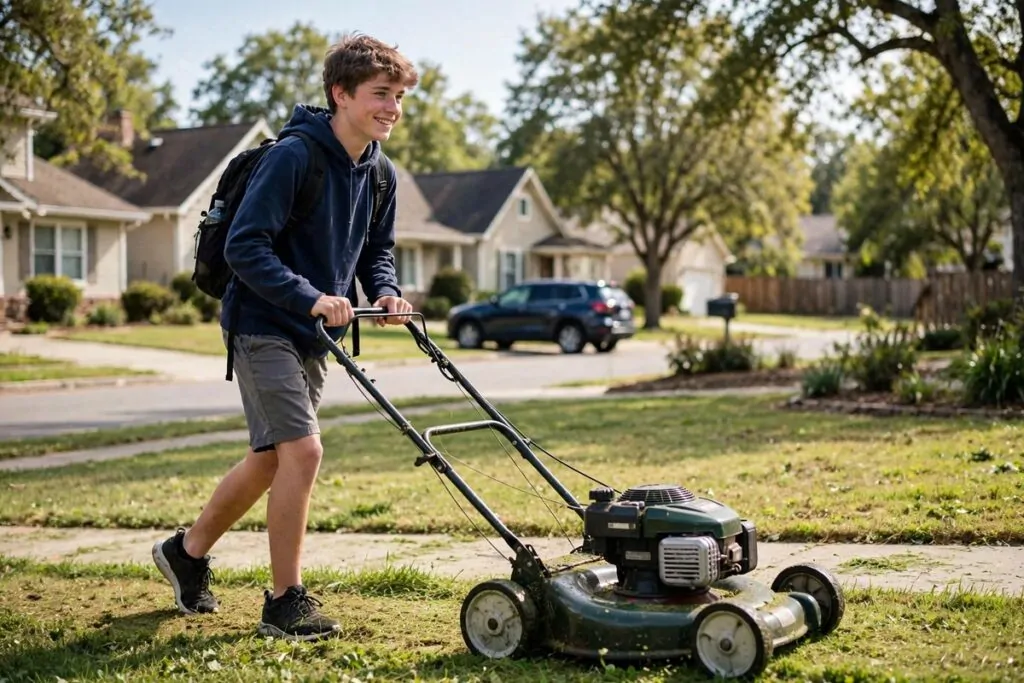
There is a special kind of freedom in spending money you earned your own self. No asking, no explaining, no waiting for someone to say yes. That feeling is what this guide is about.
The short answer: you can start earning this weekend with nothing but time, energy, and a little courage. The eight ways below all work for real teens in real towns.
A lot of teens think a job means filling out forms and waiting for a call that never comes. That is one path, but it is not the only path. The ways in this guide need no boss and no resume. You just need to offer something people already want.
Some of these ways pay in a day, while others build slow and pay bigger later. All eight are honest work that fits around school.
I wish someone had shown me this list at fourteen. Pick one idea that sounds like fun and try it for two weeks. Your first earned dollar is closer than you think.
Key Takeaways
Read this part if you are in a hurry. It holds the whole game plan in six lines.
- Start with what people near you already need, like yard work, pet care, car washes, and simple tech help.
- Charge a clear price before you start the work, and always agree on it out loud.
- Ask family, neighbors, and friends of the family first. A warm hello beats a cold flyer every time.
- Save part of every dollar you earn. Teens who save early learn a habit most adults never learn.
- Track your hours and pay in a notebook. Small math shows which jobs are worth your time.
- Keep school first and keep it safe. Never go into a stranger’s home alone, and tell a parent where you are.
1. Mow Lawns and Tidy Yards
A lawn never stops growing, and that is good news for you. Most adults would rather pay a teen than spend their Saturday pushing a mower. You do not need fancy gear to start. A mower, a rake, and a pair of gloves cover most jobs.
Start on your own street where people already know your face. Knock on doors in the late afternoon and keep your pitch short.
| Job | Time it takes | What teens oft charge |
|---|---|---|
| Mow a small lawn | about 45 minutes | $15 to $20 |
| Mow a large lawn | about 90 minutes | $30 to $40 |
| Rake leaves for one yard | about one hour | $15 to $25 |
| Sweep and tidy a driveway | about 30 minutes | $10 to $15 |
Agree on the price before you touch a single blade of grass. Ask the owner to walk the yard with you and point at what they want done. That five minute walk stops most fights about pay.
Do the edges and the cleanup, not just the middle of the lawn. Anyone can mow the flat part. The teen who trims and sweeps gets hired again.
- Ask if you can use their mower and gas. Many owners say yes, and that saves you hauling gear.
- Take a quick photo when you finish. One good before and after shot wins your next three jobs.
- Offer a weekly cut at a small discount. Regular yards mean regular money without new knocking.
One Saturday holds real math. Six small lawns at fifteen dollars each is ninety dollars for one day, and four Saturdays in a row makes three hundred sixty dollars. That is real money from a mower and a free weekend. Keep half saved and you will feel rich fast.
2. Walk Dogs and Watch Pets
People love their pets and feel bad leaving them alone all day. A teen who walks dogs or feeds cats fills a real need. This work pays well because trust is the product.
Start with pets you already know, like a neighbor’s dog or a cousin’s cat. Learn the animal’s habits before money ever changes hands. A calm teen who knows the routine is worth more than a fast one.
- Walk dogs in pairs at most until you are strong on the leash. Two friendly dogs are fun, five are a mess.
- Write down feeding times, vet numbers, and quirks for each pet. A notebook makes you look like a pro.
- Charge per visit, not per hour, so both sides know the deal. Twenty minutes of play can count as one visit.
Big pet apps like Rover only take sitters who are eighteen or older. That rule is actually good news for young teens. It means your street has no app competition, only word of mouth. You become the local option, and local beats an app for trust.
Never walk a dog you cannot hold if it lunges. Ask the owner about pulling, barking, and other dogs before the first walk. Safety first keeps this job fun instead of scary.
Grow slow and keep every client happy. Ten steady clients beat thirty one time jobs.
Add small extras that cost you nothing but mean a lot, like refilling the water bowl, wiping muddy paws, and leaving a short note about the visit. Owners remember the teen who cares about details. That memory turns into holiday tips and summer bookings. Small care is the whole business model.
3. Teach What You Are Good At
If you get good grades in math or read well, younger kids need you. Parents pay real money for a tutor they trust.
You do not need to be a genius, just one step ahead of the kid you teach. A tenth grader can easily help a sixth grader with fractions. Teach with patience and simple words. The kid should leave feeling smarter, not smaller.
Start with family and neighbors to build proof. One happy parent will tell the whole school pickup line. Soon you will have a small waiting list.
Charge by the session and keep sessions short. Forty five minutes is the sweet spot for young minds.
Prepare a tiny plan before each session. Know which page and which skill you will cover. Plans keep you calm when the kid asks a weird question. Parents can feel the difference between a plan and winging it.
Use praise more than correction. Tell the kid what they did right before you fix what went wrong. Confidence makes the next session easier for both of you.
Math is not the only subject that pays. Reading, music basics, and even video game skills have buyers.
4. Flip Things You No Longer Need
Your room is a small shop and you do not know it. Old games, outgrown gear, and gadgets you never touch are cash waiting to be sold.
Sort everything into three piles, one to keep, one to sell, and one to give away. Be honest with the sell pile, because if you have not touched it in a year, it belongs there. Take clear photos in daylight for each item. Good photos sell faster than good words.
Price by checking what the same item sells for right now. A quick search shows the going rate in two minutes. Price a little under it to sell fast.
| Item | Where teens sell it | Tip that raises the price |
|---|---|---|
| Video games and consoles | local marketplace groups and school friends | include the charger and reset the device first |
| Sports gear | neighborhood apps and team chats | clean it well and show that it works |
| Old phones and tablets | family friends and local buyers | wipe your data and note the battery health |
| Clothes in good shape | friends and community sales | wash, fold, and photograph in daylight |
Meet buyers in public places and bring a parent the first few times. Never share your home address in a chat. Safe selling is smart selling.
I would price low for the first sale and raise prices once you have happy buyers. Early wins teach you the game faster than perfect prices.
Put half of every sale straight into savings before you spend a cent. Selling feels like free money, which makes it easy to waste. A teen who saves half of flip money builds a cushion fast.
5. Wash Cars on Weekends
Dirty cars sit in every driveway on your street. Their owners are busy, and weekends are your open window. A bucket, soap, and two clean cloths are enough to begin. This is simple work that pays the same day.
Wash one family car for free to practice your system. Time yourself and learn where you are slow. Then knock on doors with a real price and real confidence.
Do the full job every time, wash, dry, wheels, and windows inside and out. A half washed car earns half the respect.
- Dry the car right after rinsing to stop water spots. Spots are what separate pros from amateurs.
- Offer inside vacuuming as an add on for a few dollars more. It takes ten minutes and feels premium.
- Book the same cars every Saturday morning. Regulars are the backbone of this hustle.
The math is friendly here. Four cars at twenty dollars each is eighty dollars before lunch. That is holiday money, gift money, save money, all from soap and elbow grease.
Rain is your enemy, so watch the sky on Friday night. A simple text to move a wash saves the booking.
Ask each happy owner for the name of one friend with a dirty car. One name per car doubles your street fast. Referrals are free and they close themselves.
6. Help Neighbors with Tech
Every street has someone fighting with a phone, a printer, or a Wi-Fi box. You grew up with this stuff, so it feels easy to you, and that gap is a business.
Older neighbors are your best clients here. They have the need and the cash, and they love a patient teen. One fixed phone can lead to a whole street of small jobs.
- Set up new phones and move photos and contacts over. Most setups take under an hour.
- Fix slow Wi-Fi by moving the router and updating settings. You know more about this than most adults.
- Teach video calls step by step and leave a one page cheat sheet. Grandparents pay happily for this.
Charge a flat fee per job so no one watches the clock. Twenty dollars for a phone setup feels fair to both sides. Write down what you fixed on a small card. That card stops the same question from coming back next week.
Never guess with someone’s data. Back things up before you touch settings you do not know.
Leave every device better than you found it. Update the apps, clear the junk, and make it fast. People pay for the feeling of a new device, and that feeling is your product.
Word spreads fast when you fix what the big stores could not. One grateful neighbor tells the whole block. Soon your phone buzzes with small jobs every week. Keep a simple list of who paid what.
7. Make and Sell Simple Things
If you can bake, draw, or build, you can sell. People pay for handmade things because they feel special. Your skill is the whole factory.
Start with one product and make it great. Ten perfect cookies beat five sloppy crafts.
Sell where people already gather, like school fairs, family parties, and community events. Ask a parent to help you set up a tiny table. Price so the math works after the cost of supplies. If cookies cost you two dollars a batch, do not sell the batch for three.
- Baked goods sell fast and cost little to start. A tray of brownies can double your money in a day.
- Friendship bracelets and simple art find buyers at school events. Keep prices low and volume high.
- Offer custom orders once people trust your work. Custom means higher prices and zero waste.
Keep your costs tiny at the start. Use what your kitchen or craft box already holds. Every dollar you do not spend is profit.
Ask buyers what they want next before you make more. One question saves you from a table of stuff nobody wants. Listen, then make, then sell. Makers who listen outsell makers who guess.
Save part of every sale for better supplies. Better tools make better products, which make better prices.
8. Do Small Online Jobs for Real People
The internet pays for small skills, and teens have more of them than they think. You do not need a big platform to start. People you know need digital help right now.
Most big freelance sites only allow users who are eighteen or older. That sounds like a wall, but local work jumps over it. Clubs, teams, and small shops near you need flyers, posts, and simple edits. They will happily pay a teen they know.
| Skill you already have | Who pays for it | Starter price |
|---|---|---|
| Making flyers and posters | school clubs and local shops | $10 to $15 per design |
| Editing short videos | friends, teams, and clubs | $15 to $25 per video |
| Running a small social page | family businesses | $50 per month |
| Typing up notes | busy students and tutors | $5 to $10 per hour |
Show three samples before you ask for money. Make them for free for a school club or a family friend. Samples prove skill better than promises.
Get paid when you deliver, not before and not weeks later. Clear terms keep friendships safe.
Keep every job small at first. Small jobs finish fast and teach you what clients want. Finish five small jobs and you have a real mini portfolio. It is proof you can deliver.
Watch your screen time like a budget. Online work can eat homework hours fast. Set a timer, finish the job, then log off.
Conclusion
Eight ways, one choice to make. You do not need all eight, you need one that fits your life right now. Pick the one that made you nod while reading.
Start this week, not next month. Tell one person what you are offering before the weekend ends.
I still think the biggest win is not the cash but the proof. Proof that you can spot a need, offer a fix, and get paid for it. That proof stays with you into every job you ever take. Money fades, but the skill of earning never does.
Keep school first and keep your word always. Show up on time, do clean work, and save part of what you earn.