Your 20s Are Your Biggest Advantage (Don’t Waste Them)
In your 20s, that shows up at 2 AM when the phone is down and the room is still. A strange mix of excitement and dread. Like standing at the edge of something big but not quite seeing where it leads.
That feeling is not a problem. It is information. The 20s are the only decade where everything is still forming. Career, character, habits, health, wealth. All of it sits in wet clay right now. And what gets shaped in this window tends to harden in the years that follow.
The tragedy is not failing in your 20s. The tragedy is not knowing what this window actually gives you.
The Decade Nobody Warns You About (But Should)
Most people enter their 20s thinking they have forever. The advice they get is vague. “Enjoy it.” “These are the best years.” “Figure things out.” Nobody sits them down and says: this is the most leveraged decade of your entire life.
Psychologist Meg Jay, in her research on young adults, found that 80% of life’s most defining moments happen before the age of 35. That number feels impossible until you realize how many major decisions cluster in the 20s: where to live, what to build, what skills to master, who to surround yourself with.
The brain itself is still forming until about age 25. The prefrontal cortex, which handles long-term planning and judgment, is not fully developed until then. That sounds like a weakness. It is actually a window. The brain is plastic. It learns fast. It forms patterns quickly. What gets practiced in this phase gets wired in.
Here is what this decade actually gives you that almost no other decade will:
- Time to fail and recover without the weight of dependents or deep financial obligations
- High neuroplasticity, meaning the brain absorbs new skills faster in the 20s than in the 40s
- Low social cost of reinvention: changing paths in your 20s gets called “finding yourself,” doing it at 42 gets called a crisis
- Compounding runway, the longer wealth, skill, and health are built, the longer they grow
Most people discover this list too late.
Why Your Brain Is Still Building Itself at 22
The human brain reaches full maturity around age 25. This is not a limitation. It is a feature. It means the window for rapid learning, habit formation, and identity-building is open right now.
Neuroscientist David Eagleman has written extensively about how the brain rewires itself based on use. What gets practiced grows. What gets ignored shrinks. In the 20s, that process is faster than it will ever be again.
This is why what fills a person’s days at 22 matters more than most people admit. Someone who spends five years reading, building real skills, and staying physically active is not just “ahead.” They have literally built a different brain than someone who spent the same five years scrolling and avoiding hard things.
Here is a quick comparison that makes this concrete:
| What You Build at 22 | What It Becomes at 32 |
|---|---|
| A reading habit of 20 pages/day | Roughly 70+ books per year for 10 years |
| A basic savings habit of even 10% | A meaningful financial cushion |
| One deep technical skill | A career edge or business foundation |
| 3 days/week of physical training | A body that actually serves you at 40 |
| A strong circle of growth-minded people | A network that opens real doors |
None of this is magic. It is math. Small things done consistently for 10 years produce large things.
Here is what tends to happen instead:
- Most 20-somethings treat their 20s like an extended vacation from “real life”
- They delay skill-building because they assume there will be time later
- They spend money on things that vanish instead of things that grow
- They confuse being busy with making progress
The brain in the 20s is a sponge. Most people hand it nothing worth absorbing.
The Biggest Mistake That Steals 10 Years of Progress
The most dangerous trap in your 20s is not laziness. It is the feeling of “I still have time.” That feeling has quietly stolen the best years of more people than any bad decision ever did.
There is a concept in psychology called “temporal discounting.” It means that the further away a reward is in time, the less real it feels today. The 40-year-old version of you, healthy or struggling, rich or barely getting by, feels like a stranger right now. So present comfort wins over future benefit, every single time, unless something changes.
People in their 20s delay things they know they should start. The gym. The savings. The skill. The business idea. The hard conversation. Not because they are lazy people. Because the brain genuinely struggles to feel future pain as real pain. This is not a character flaw. It is biology.
But knowing that does not make it less dangerous.
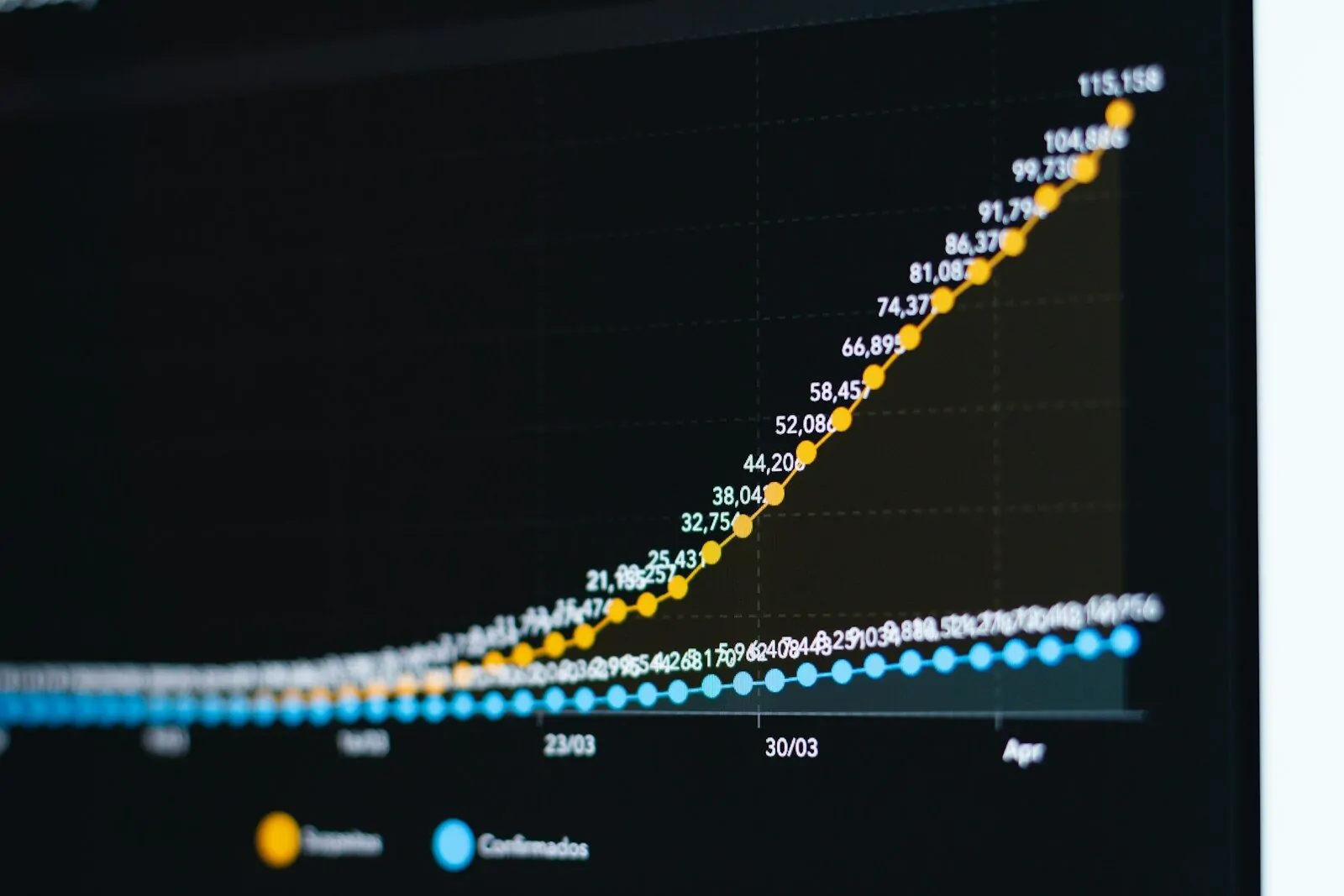
Here is what “I still have time” costs in real terms. A person who starts building a savings habit at 22 versus one who starts at 32 does not just have a 10-year head start. Because of compounding, that 10-year gap often means 2x to 3x the outcome by retirement. The same math applies to skills, to health, to relationships. Every meaningful thing grows exponentially when started early.
The delay feels costless. It never is.
- Almost every 35-year-old who feels stuck can trace the stuckness to decisions made (or not made) between 22 and 28
- The years that “don’t count” always end up counting the most
- “I will start when things settle down” is one of the most repeated lies people tell themselves
Things do not settle down. They get more complex. Start in the mess.
What Grows Fast in Your 20s (and What Dies Slow)
Not all things are equal in this decade. Some things give massive returns when started now. Others quietly rot when neglected, and the damage only becomes visible later.
| Grows Fast When Started Early | Gets Harder Every Year It Is Ignored |
|---|---|
| Physical fitness and muscle | Recovery time after injury increases with age |
| Learning new languages | Language acquisition slows significantly after 25 |
| Building financial savings | Compound interest becomes powerful only with time |
| Social skills and confidence | Avoidance calcifies into patterns |
| Writing, coding, design skills | Catch-up in technical skills is steep after 30 |
| Character and self-discipline | Habits harden; changing them takes more effort |
There is a pattern here worth noticing. The things that grow fast when started early are almost always the things people postpone. Physical health feels urgent only when it breaks. Financial discipline feels necessary only when money is gone. Skill-building feels important only when someone else has it and you do not.
The 20s are the window where planting feels optional. It rarely feels that way at harvest.
How to Build Real Skills While Others Are Still Scrolling
The single most valuable thing a person can do in their 20s is become genuinely good at something specific. Not decent. Not okay. Actually good. The market pays premium for depth, not for being broadly average.
The average person in their 20s consumes roughly 7 hours of screen content per day. That number includes social media, streaming, gaming, and casual browsing. Seven hours. In a 16-hour waking day, that is nearly half of everything. The opportunity cost is staggering.
Skill-building does not require talent. It requires hours. Researcher Anders Ericsson spent decades studying expertise and found that elite performers in almost every field, were separated from average performers mainly by deliberate, focused practice hours. Not born with gifts. Practiced with intent.
The 20s are where those hours either accumulate or vanish.
A few things actually build real, marketable skill:
- Writing clearly: Every job, every business, every leadership role requires this. Most people write like they are in a hurry and have nothing to say. Learning to write well in your 20s is a career-long advantage.
- Learning to sell and communicate: Not manipulation. The ability to explain value, to persuade with honesty, to move people toward decisions. This skill compounds everywhere.
- One technical or creative skill built to a high level: Whether that is code, design, video production, data analysis, or anything else. One thing done well opens more doors than five things done poorly.
- The skill of learning itself: Knowing how to absorb new information fast, how to ask better questions, how to apply what you read. This is the meta-skill that multiplies everything else.
Skill does not come from watching people who have it. It comes from doing the thing badly, then less badly, then well enough to get paid, then well enough to be proud of.
Your Body Is an Asset. Treat It Like One.
The body in the 20s feels indestructible. That is the lie. It is not indestructible. It is just slow to send the bill.
Research from the Harvard School of Public Health found that lifestyle patterns established in early adulthood, specifically activity level, diet quality, and sleep, predict health outcomes decades later with striking accuracy. The choices made at 24 are not just “now” choices. They are 54-year-old body choices.
Most people do not feel this because damage from poor health habits in the 20s is largely invisible. Weight creeps up slowly. Energy drops gradually. Sleep quality declines quietly. By the time the damage is visible, it took years to accumulate.
Here is a basic checklist that actually matters in the 20s:
- Move your body at least 3 to 4 times per week with some resistance training
- Sleep 7 to 8 hours consistently, not as a reward but as a non-negotiable
- Eat food that is mostly real: protein, vegetables, fruits, whole grains
- Limit alcohol to rare occasions, not weekly habits
- Drink enough water daily (most people are mildly dehydrated most of the time)
- Get bloodwork done at least once a year to know what is actually happening inside
- Avoid sitting for more than 2 hours without some movement
None of these are dramatic. All of them compound. The person who sleeps well, moves regularly, and eats with some care in their 20s arrives at 40 in a completely different body than the one who does not.
The body is not separate from ambition. It is the platform everything else runs on.
Money in Your 20s Works Differently Than You Think
The goal with money in your 20s is not to become rich fast. The goal is to stop bleeding money on things that disappear and start directing even a small amount toward things that grow. The difference over 20 years is not small.
Most financial advice for young people sounds either obvious or impossible. “Spend less than you earn.” “Save 20%.” “Invest early.” Everyone knows this. Almost nobody does it consistently. The reason is not information. It is priority.
In the 20s, money tends to flow toward status. Clothes, cars, going out, the right phone, the right apartment. None of these are wrong on their own. The problem is when they eat money that should be growing. A person spending everything they earn has a net worth that stays at zero regardless of how much they make.
Here is how money actually works in this decade:
| Age You Start Saving | Monthly Amount | Estimated Value at 60 (8% avg annual growth) |
|---|---|---|
| 22 years old | $200/month | Approx. $870,000 |
| 32 years old | $200/month | Approx. $390,000 |
| 42 years old | $200/month | Approx. $160,000 |
The same money. The same habits. A 20-year head start produces more than 5x the outcome.
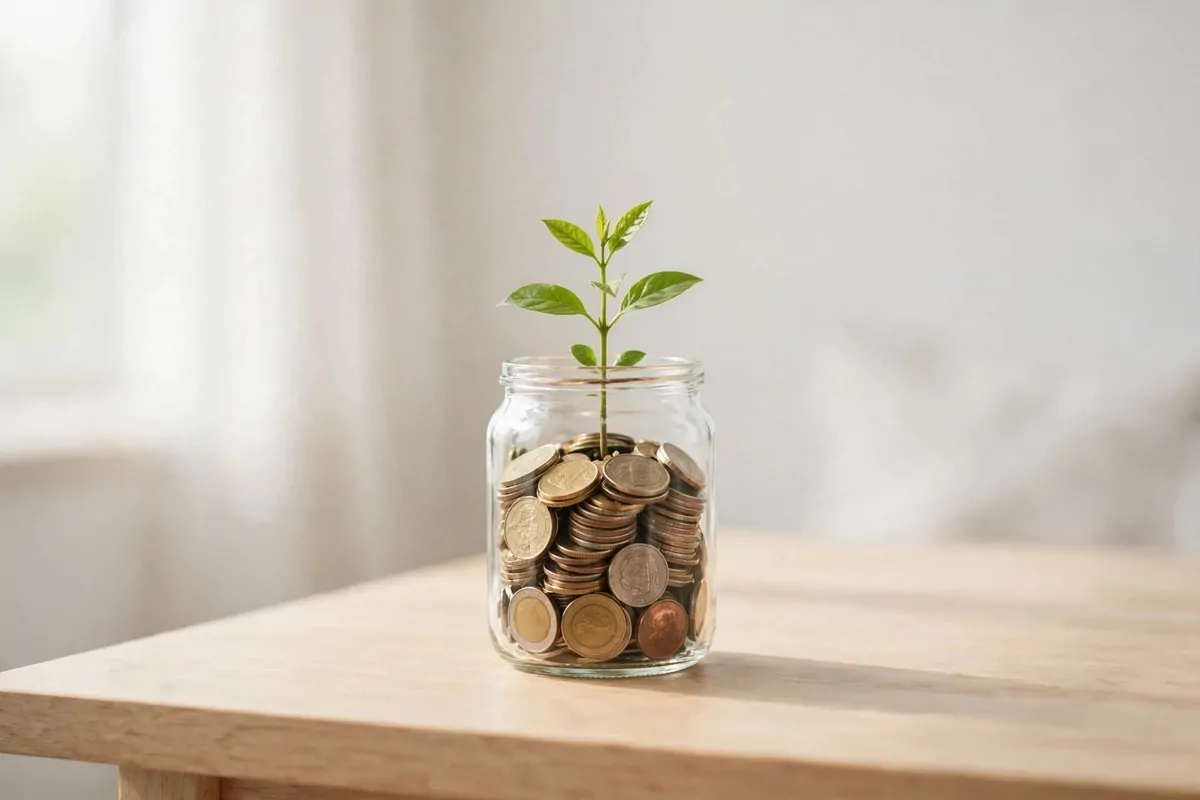
This is not about being obsessive with money. It is about understanding that money in the 20s is a seed, not a fruit. Most people eat every seed they grow and then wonder why they have nothing to harvest.
Three honest things about money and the 20s:
- Lifestyle inflation is the silent killer of financial progress. Every raise that turns into a better car or bigger apartment resets the savings gap.
- Books and courses that teach real skills are almost always better investments than entertainment subscriptions. One produces something that lasts; the other produces nothing.
- Spending money to look wealthy to other people in their 20s is one of the most expensive habits a person can have. Most people being impressed will forget by next week.
The People You Choose Now Will Shape Who You Become
Psychologist Nicholas Christakis spent years mapping social networks and found something that should change how people think about friendship: behaviors, attitudes, and even happiness spread through social networks like viruses. The people in someone’s immediate circle do not just influence mood. They influence identity, ambition level, habits, and life trajectory.
In the 20s, the circle is still forming. This is one of the most underappreciated facts about this decade. The friendships and relationships built in this window often last decades. Which means the wrong circle, full of comfortable mediocrity, complaint, and low standards, sets a ceiling on growth that is very hard to escape later.
This is not about being cold or calculating with relationships. It is about being honest. A person surrounded by people who read, grow, build things, and hold themselves to real standards will be pulled upward by proximity alone.
Here is what tends to separate circles that lift from circles that limit:
- Circles that lift: People talk about ideas, plans, lessons learned. Failure is treated as data. Growth is celebrated, not resented.
- Circles that limit: People talk mostly about other people. Complaint is the default. Anyone who tries something different is quietly mocked or discouraged.
Four things worth watching in the people closest to you right now:
- Do they make you feel like your dreams are possible or slightly embarrassing?
- When they get a win, do you feel genuinely happy or quietly threatened?
- Do conversations leave you energized or drained?
- Are they building something, anything, or just passing time together?
The quality of a life is shaped significantly by who fills it.
Focus Is the Rarest Thing in Your 20s
Attention is currency. In the 20s, almost every external force, social media, entertainment platforms, advertising, peer pressure, is designed to spend your attention for you. Protecting focus is not a productivity trick. It is an act of self-defense.
Something strange has happened to the 20s as a decade. It has gotten louder. The average attention span has measurably shortened over the past 15 years. According to Microsoft research published in 2015, the average human attention span dropped from 12 seconds in 2000 to 8 seconds by 2013. And the trajectory has only continued downward since then.
What this means practically: the ability to sit with something hard, to resist the pull of distraction, to work on one thing without needing constant novelty, this is becoming rare. And rare things become valuable. A person in their 20s who can actually focus, who can read for an hour, who can work on one project for weeks without jumping to the next shiny thing, has an edge that is only going to grow.
Deep work, as researcher Cal Newport calls it, is the ability to focus without distraction on cognitively demanding tasks. It produces results that scattered, reactive work never can. And the capacity for it is built, not inherited.
Three things that build focus in the 20s:
- Morning time that belongs to you before checking any notification or message. Even 45 minutes of uninterrupted creation or learning daily adds up to roughly 270 hours per year.
- A physical space associated with work, separate from rest. The brain forms context associations quickly, and a dedicated work space trains the mind to shift into focus.
- Deliberate limitation of inputs. Fewer apps, fewer subscriptions, fewer group chats. The more channels demanding attention, the less depth any one thing gets.
Focus is not a personality trait. It is a practice.
The Quiet Habits That Actually Build Great Lives
People obsess over the big moves. The right school. The right job offer. The big break. But most lives are built not by moments but by defaults. The things a person does without thinking, every single day, shape outcomes more than any single event ever will.
Here is an honest checklist of habits that tend to separate people who feel proud of their 20s from those who feel like they were sleepwalking:
Daily Habits Worth Building:
- Read something that challenges or teaches you, even 15 pages
- Create something, even if small: write, build, design, make
- Move your body in a way that makes you breathe hard
- Review what you accomplished and what you plan for tomorrow
- Limit passive consumption to a defined window, not as a constant background
Weekly Habits That Compound:
- Connect meaningfully with someone who is ahead of where you want to be
- Review your financial picture, even briefly. Know the numbers.
- Do something uncomfortable that pushes a real skill forward
- Rest completely, even one day where the phone and to-do list disappear
Things Worth Stopping:
- Checking social media before doing anything that matters in the morning
- Saying yes to social obligations that drain energy and produce nothing
- Treating sleep as a luxury rather than a necessity
- Spending money to impress people who will not notice by next Tuesday
None of this is complicated. The execution is where almost everyone struggles. Starting is easy. Doing it when no one is watching, when it is boring, when results feel slow: that is where character forms.
What 30-Year-Olds Wish They Had Done at 22
One of the most consistent patterns observed across conversations with people in their 30s and 40s is regret. Not about the things they tried and failed. About the things they did not try at all.
Here is a table built from patterns across those reflections:
| What They Wish They Had Done at 22 | What They Did Instead |
|---|---|
| Built one strong, deep skill to a high level | Dabbled in several things without mastering any |
| Saved and invested even a small amount monthly | Spent everything, told themselves they would save later |
| Traveled and experienced discomfort intentionally | Waited until they “could afford it properly” |
| Spent more time building, less time consuming | Watched others build while scrolling past their own potential |
| Chosen harder paths when the choice was still light | Chose comfort, then found the comfortable path led nowhere interesting |
| Taken their health seriously before it broke | Treated the body like a machine that could run forever without maintenance |
The striking thing about this list is how ordinary it is. None of these regrets are about missing some rare opportunity. They are about missing the ordinary, unglamorous work that builds a life.
Three things that are genuinely easier at 22 than at 32:
- Learning a new language or instrument from scratch
- Changing careers without major financial fallout
- Building physical fitness from the ground up
The window is not closing. But it is not standing still either.
Key Takeaways
- The 20s feel long and are actually short. The decade moves faster in reflection than in experience, and what gets neglected here tends to stay neglected.
- Comfort in the 20s is expensive. Every easy choice made now often becomes a harder constraint in the decade that follows.
- Who you spend time with is not a social question. It is a direction question. The circle sets a trajectory, not just a mood.
- The gap between knowing and doing is where most 20-year windows are lost. Almost everyone reading this knows what they should start. Very few start it today.
- Health, money, skills, and relationships all compound over time. Starting ten years earlier does not produce a 10% better outcome. It produces a fundamentally different life.
- The person who uses this decade with intention does not just end up richer or fitter. They end up with a completely different sense of who they are and what they are capable of.
One Last Thing
There is a question that has a way of cutting through all the noise. Jim Rohn, a thinker who spent decades studying the patterns of people who lived well, once said: “Don’t wish it were easier. Wish you were better.”
The 20s are not hard because life is unfair. They are hard because growth is hard. Because building something real when nothing is guaranteed, when peers are choosing comfort, when results are slow and invisible, that requires a kind of quiet resolve most people talk about but few practice.
This decade will pass. It is passing right now, while this sentence is being read.
What gets built in the remaining years of the 20s, or the early months if they are not far along, will not announce itself as important. The gym session today will not feel historic. The page read this evening will not feel transformative. The money saved this month will not feel like enough to matter.
But five years from now, the pattern of choices made in ordinary moments will be the most visible thing in the room.
The clay is still wet.