22 Cheap Tiny Home Ideas Under $20,000

Twenty thousand dollars. That is the price of a used car with dented bumpers.
It is also enough for a whole home. Not a big one, not a fancy one, but a real one with a door that locks and a bed that fits you.
I have seen people do it. Sheds turned into cottages. Kits put up in a single weekend. A shipping container with a wood deck and a mailbox out front. These 22 cheap tiny home ideas are all things real people actually did, and none of them needed a lottery ticket.
Pick the ones that fit your life. You do not need all twenty two. Even five of them will save you a mountain of money.
1. Buy a Prefab Kit and Build the Shell Fast
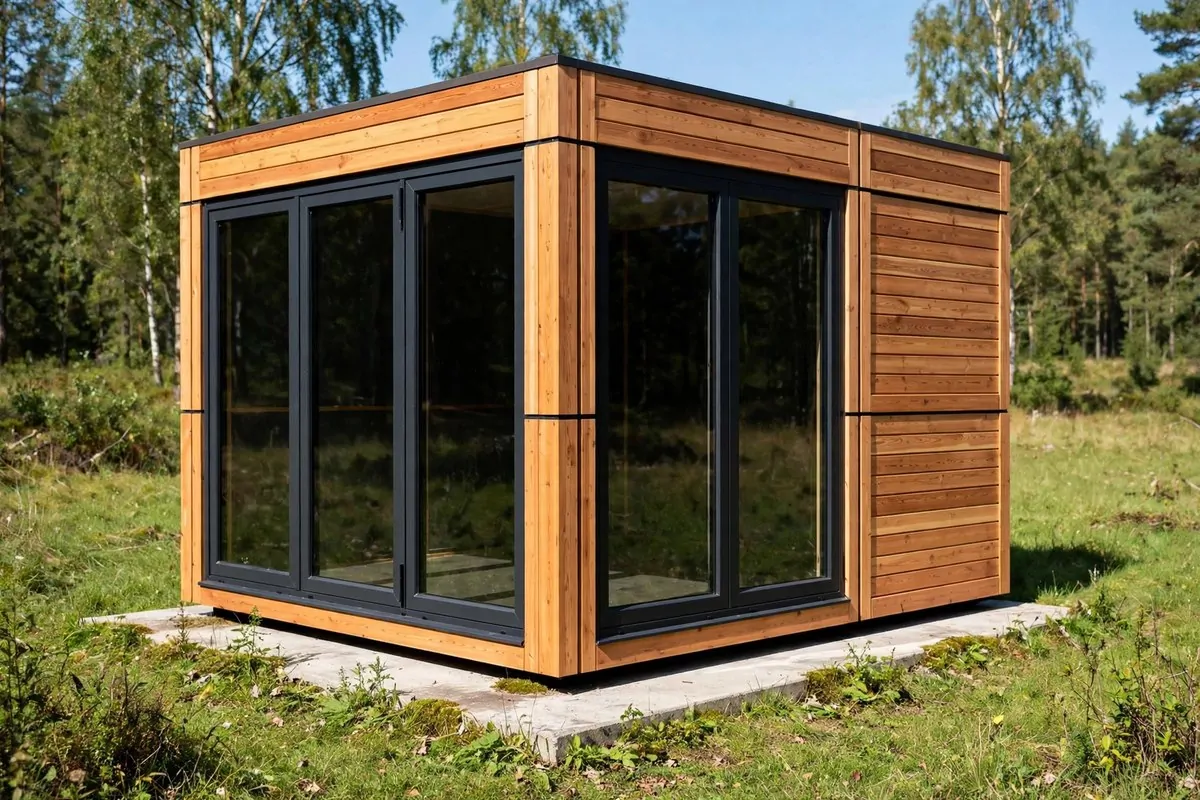
A kit is like a giant box of building pieces with the instructions already inside. Companies sell them as panel sets that lock together.
I like kits because they cut out the hardest part. You do not need to draw plans or guess how a wall goes up. The panels come numbered.
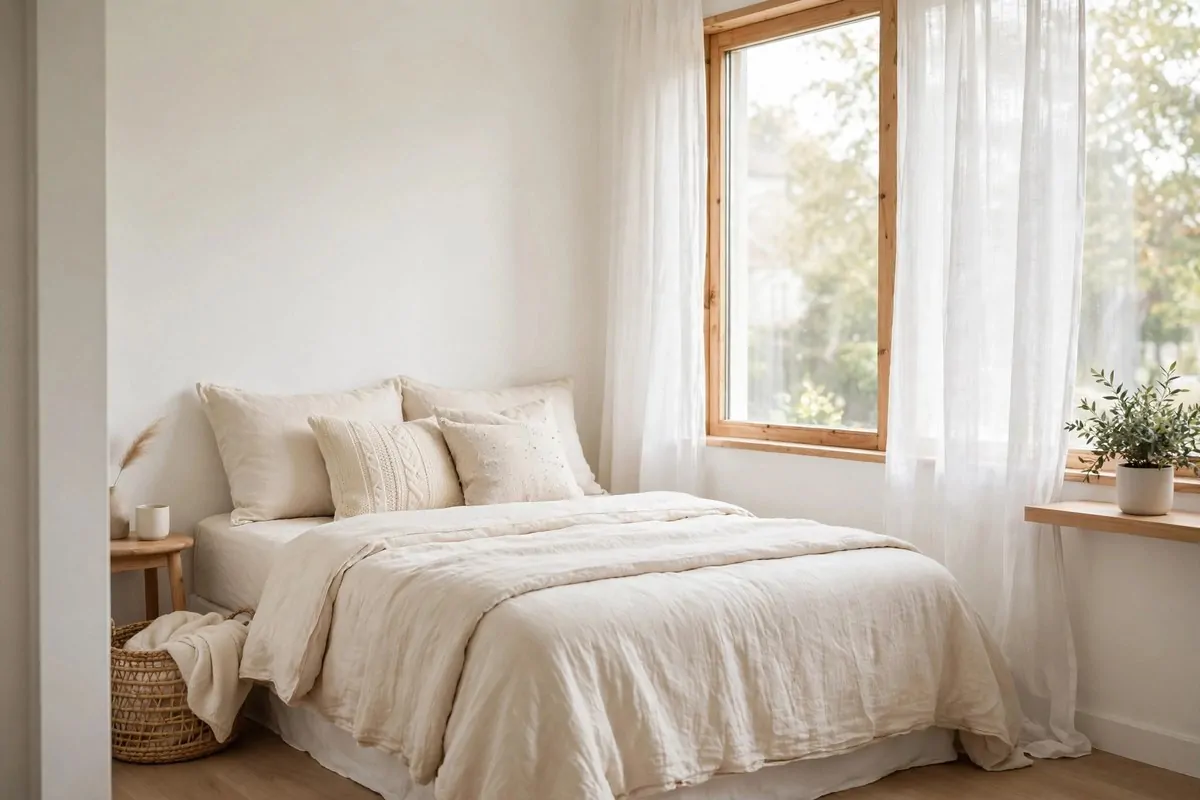
Some kits can be put together in a day or two by a few friends. That means you pay for almost no hired labor.
The catch is the kit is only the shell. You still need the inside finished, but you can do that slowly as money comes in.
Many people I have read about put their kit on a simple concrete pad. A pad costs far less than a full foundation.
Keep the finish simple at first. Paint the inside walls one light color and stop there.
You can add flooring, trim, and shelves month by month. The shell keeps the rain off while you work.
Pick a kit with windows already cut in. Cutting window holes yourself is one of the trickiest jobs, so let the factory do it.
A small kit, like a fourteen by twenty two foot model, is plenty for one or two people. Keep it simple and you keep it cheap.
2. Turn a Garden Shed Into a Cozy Home
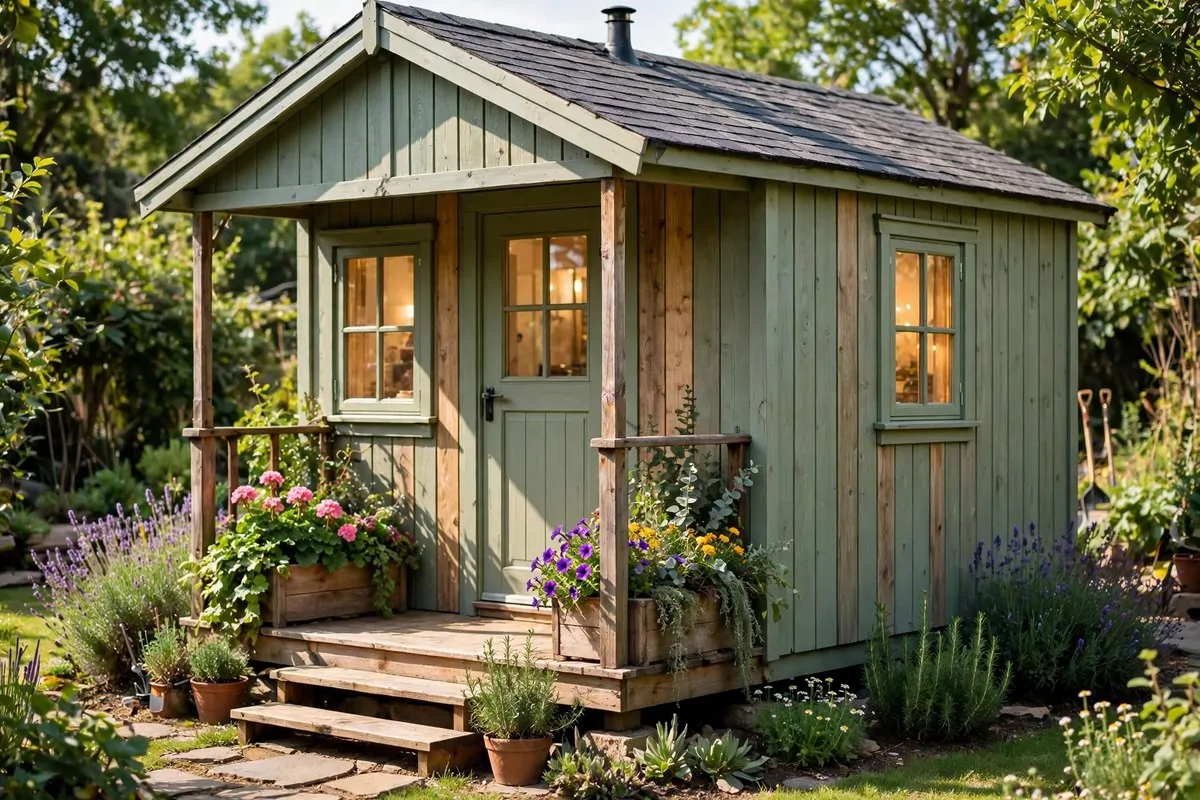
A big garden shed is already half a tiny home. It has a roof, a floor, and four walls.
Shed shells cost much less than a stick built cabin. You can even buy them at a big home store.
Start with the biggest shed you can afford, with tall walls and a loft space if possible. The loft alone doubles your usable room.
Insulate it like you mean it. Sheds are built for tools, not people, so the first job is keeping the cold out.
Add a real door and windows you can open. Light and fresh air change everything inside.
A small porch makes the whole thing feel like a home instead of a storage box. A porch can be simple boards and posts.
Here is my quick shed conversion checklist, in the order I would do it.
- Insulation in the walls, floor, and ceiling
- A real lockable door and two windows that open
- One electrical line with a few outlets
- A small porch with simple posts
- Fresh exterior paint in a real home color
Run one main electrical line and keep the wiring plan tiny. Fewer outlets means less cost and less work.
I have seen shed homes with the sweetest little kitchens. A mini fridge, a two burner cooktop, and a narrow sink are all you need.
Paint the outside a real home color. The second the gray shed paint is gone, it stops looking like a shed.
3. Build With Reclaimed Wood
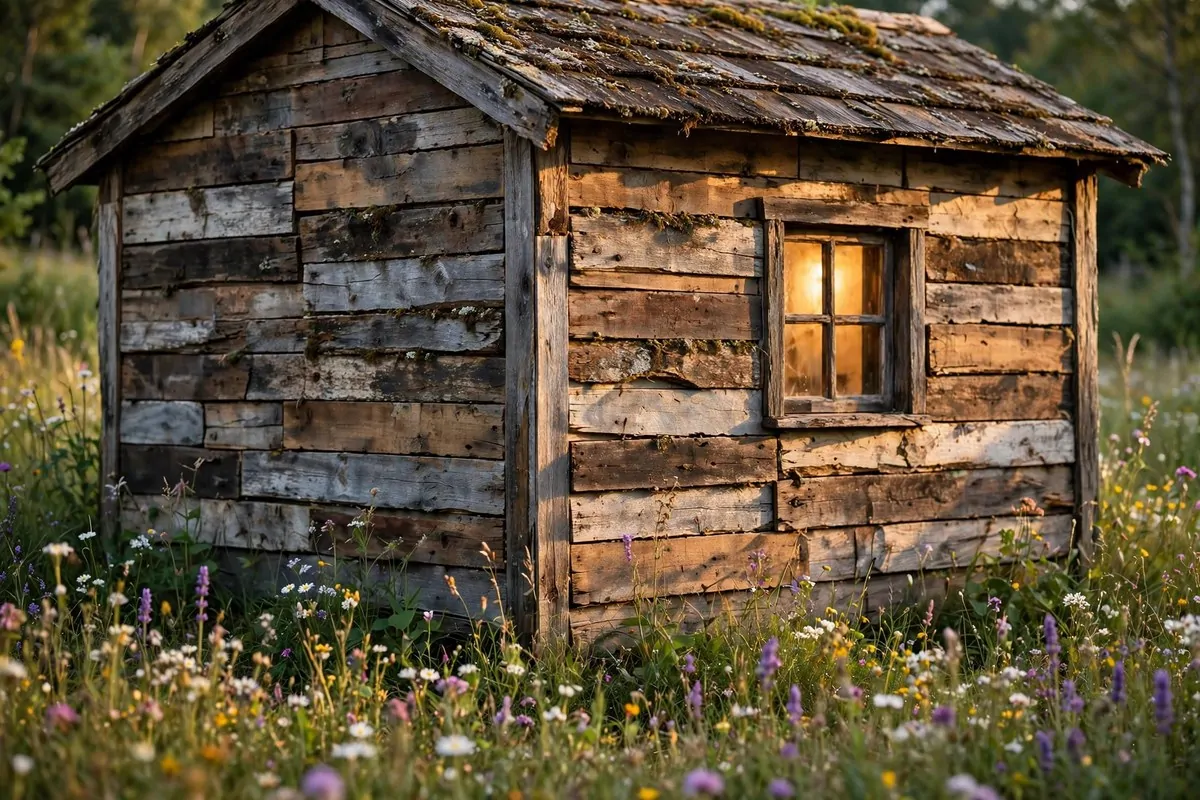
Reclaimed wood is old lumber taken from torn down barns, fences, and houses. It is cheap and full of character.
Check local demolition sites and online marketplaces. People give away old lumber just to get it out of the way.
The wood needs a little love. Pull the nails, sand the rough spots, and cut away the bad ends.
Use the best pieces where you see them every day. An accent wall of old barn wood looks amazing and costs almost nothing.
Save the plain straight studs for framing where nobody sees them. Function first, beauty second.
Reclaimed cedar is a real treasure if you find it. It stands up to weather and smells wonderful.
One warning: check the old wood for rot and insects before you bring it home. A quick look saves a big headache later.
You can also reclaim trim, baseboards, and window casings. These little details cost a fortune new.
I think reclaimed wood makes the prettiest cheap tiny homes. Every board has a story, and you did not pay full price for a single one.
4. Start With a Shipping Container
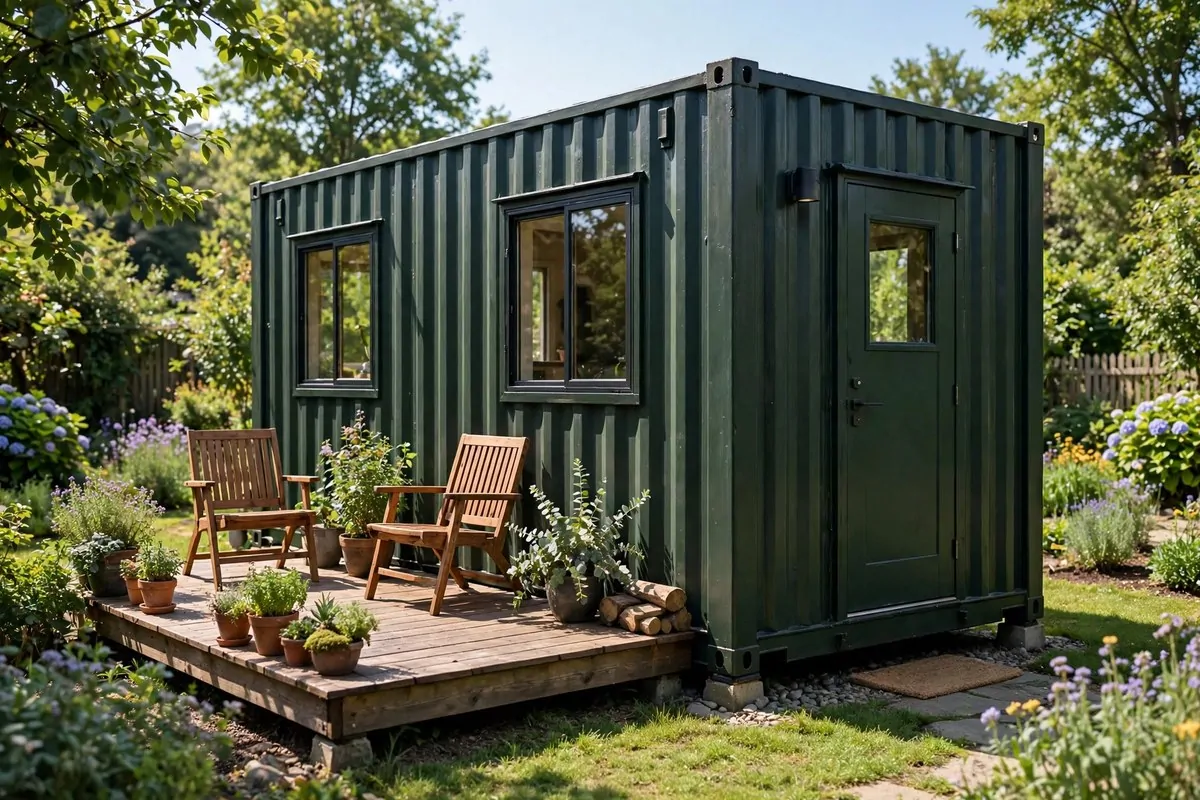
A used shipping container is a steel box that already has walls, a floor, and a roof. One container is about eight feet wide and twenty or forty feet long.
Containers are strong. They were built to cross oceans, so a small home is an easy second job for one.
Cut openings for a door and windows. This is the one part where you may want help, because cutting steel needs the right tools.
Insulate from the inside so you keep the outside look if you like it. Spray foam works great in the metal ribs.
A coat of paint turns the shipping logo into a real home color. Dark green, white, or a soft blue all look great.
Put a wooden deck on one side. It gives you outdoor living space and makes the metal box feel warm.
Two containers side by side make a wider home if one feels too narrow. Many people start with one and add the second later.
A container keeps the weather out from day one. You can camp in it while you finish the inside.
For cheap tiny home ideas, a container is one of the fastest ways to have a lockable shell without building walls yourself.
5. Keep the Footprint Small and Boxy
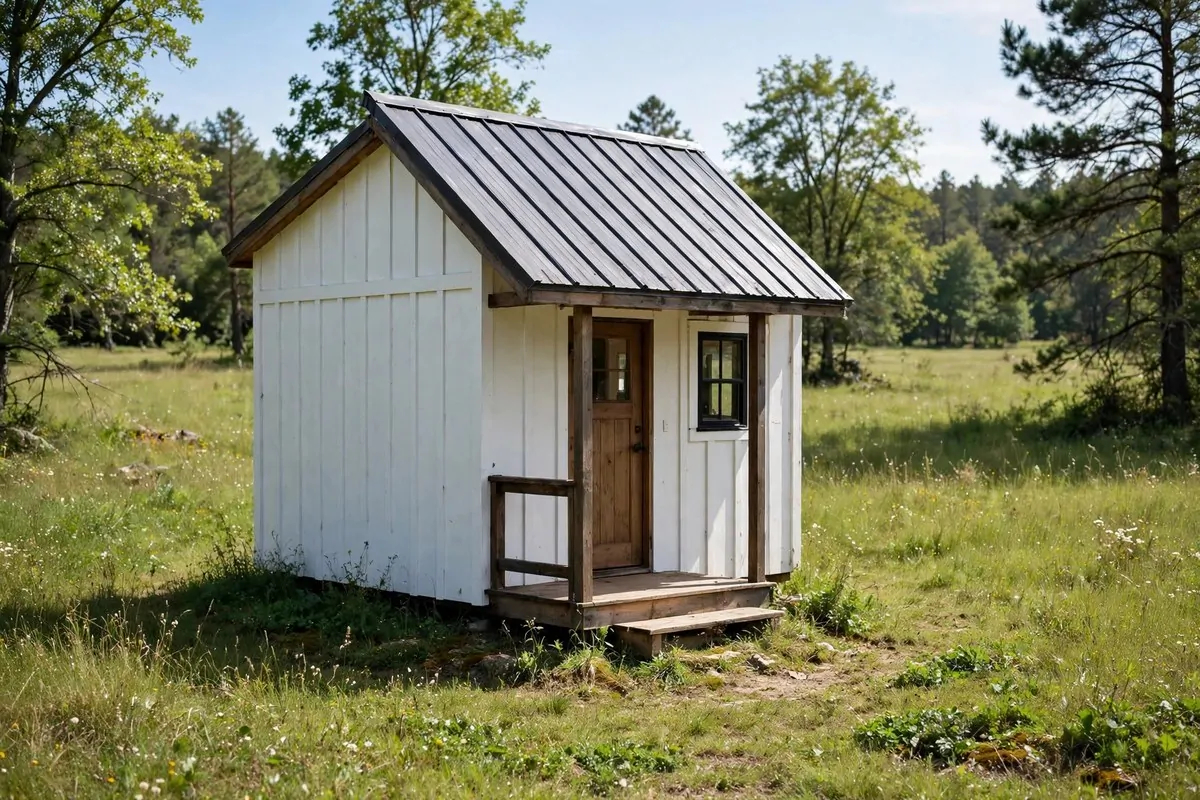
Every extra corner costs money. Every curve costs even more.
A plain rectangle is the cheapest shape to build. The lumber math is simple and there is almost no waste.
Roofs get cheaper when they are simple too. One sloped roof, or a basic gable, keeps the framing easy.
Small means fewer materials for everything. Fewer sheets of drywall, fewer floor boards, fewer shingles.
Think in terms of a studio apartment, not a house. One main room does the job of three.
A boxy home also stays warmer in winter. There are no weird nooks leaking heat.
You can make a box look great with the right paint and trim. Cute is in the details, not the shape.
I have seen plain rectangular tiny homes that look like little storybook cottages. All it took was good color and a nice door.
Small and boxy is one of those cheap tiny home ideas that saves money at every single step, from the foundation to the roof.
6. Do the Labor Yourself
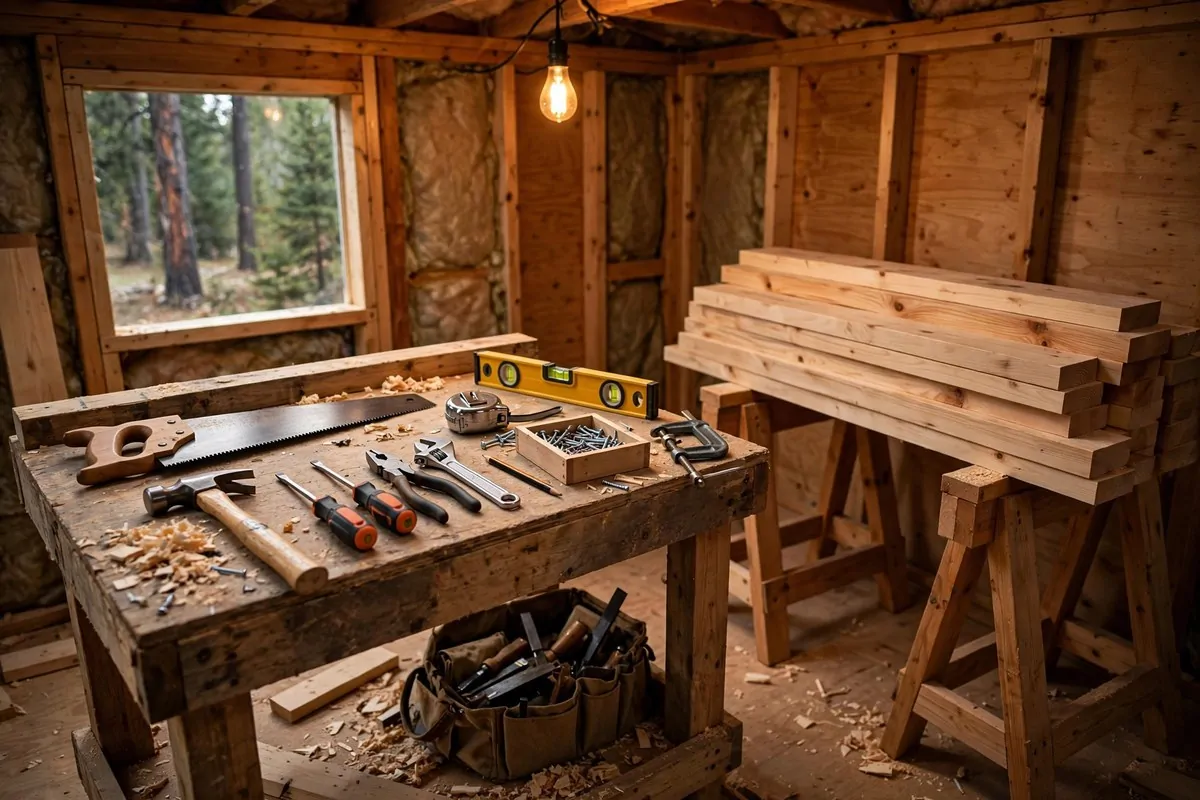
Labor is the biggest cost in most builds. When you do the work yourself, that cost drops to zero.
You do not need to build the whole thing alone. Do the parts you can do and hire out only the scary stuff.
Painting, insulation, flooring, and trim are all beginner friendly. You can learn each one from free videos in an evening.
Ask friends to help on the big days. A wall raising party with pizza is a real tradition in tiny home builds.
Take your time on one job before starting the next. Rushing is how mistakes happen.
The electrical panel and the main plumbing hookups are where most people hire a pro. That is smart, not expensive, if you did the rest yourself.
Keep a small notebook of what each job cost. Watching the savings add up is very motivating.
One couple I read about built their whole shell with weekend help and finished in two months. Their only hired cost was an electrician for a day.
Doing your own labor is the single fastest way to keep a tiny home under twenty thousand dollars.
7. Use Reclaimed Windows and Doors
New windows are shockingly expensive. One nice window can cost what your whole wall framing costs.
Salvage yards and resale stores are full of good windows from remodels. They sell for a small fraction of new prices.
Take a tape measure and your wall plan when you shop. Odd sizes are cheap, but only if they fit your holes.
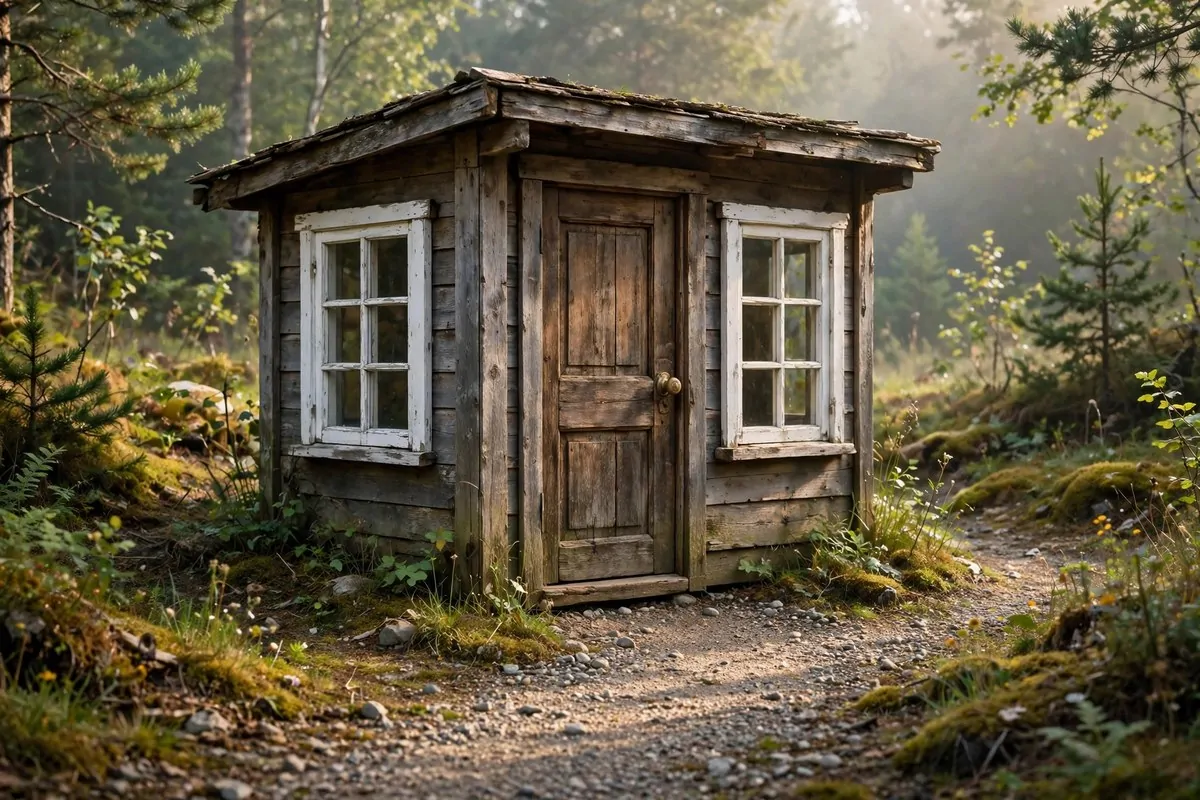
Old wooden doors have more charm than anything new. A solid wood door from an old house will outlast a cheap new one.
Paint old windows one bright color and they look brand new. White or black trim paint does wonders.
Check that the glass is whole and the frames are not rotten. A little peeling paint is fine, but wobbly frames are not.
Mixing window sizes looks artistic on a tiny home. Three different old windows on one wall can be the cutest thing.
You can even reclaim the hardware. Old brass knobs and hinges cost almost nothing at a salvage shop.
I love this one because every window comes with a little history, and your walls go up for much less money.
8. Paint It Light and Bright
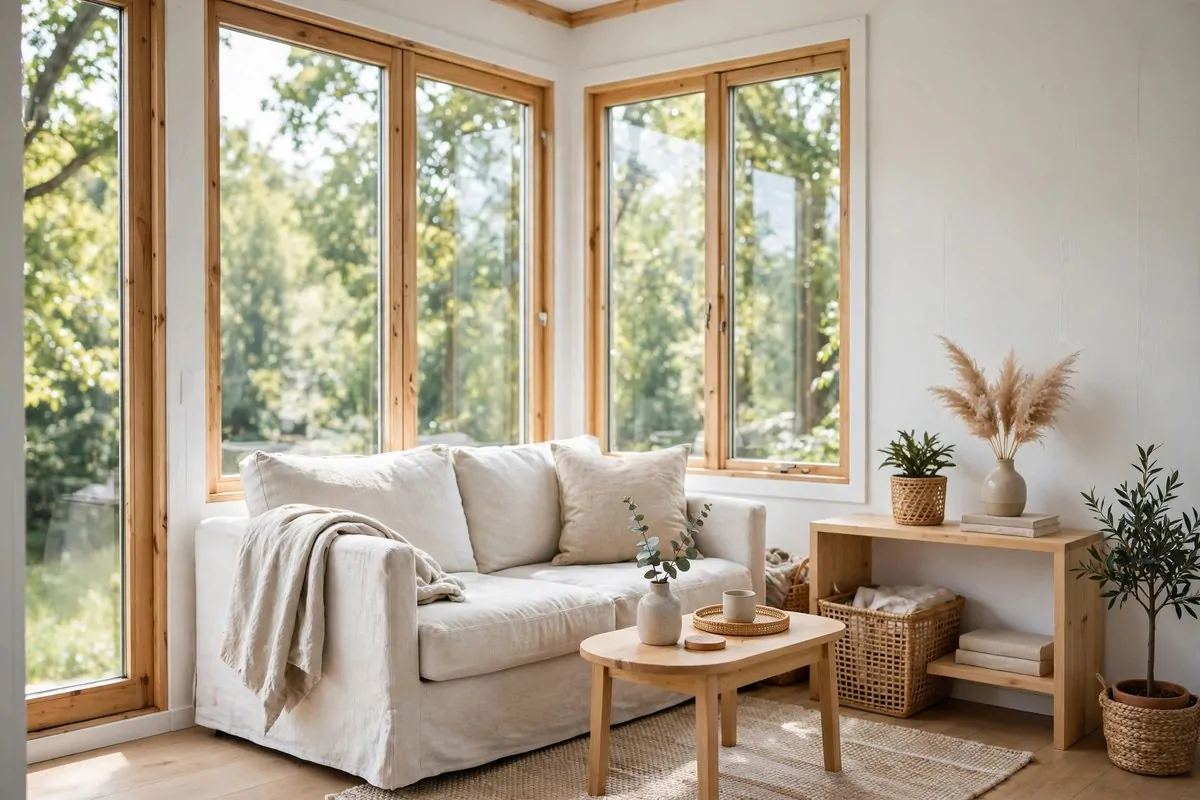
A gallon of white paint is one of the cheapest upgrades that exists. And it changes everything.
Small rooms look bigger when the walls are light. White, cream, and pale gray all bounce light around.
Paint the ceiling white too. A dark ceiling makes a small room feel like a cave.
One bold accent wall is fine, but keep the rest light. The trick is balance.
The outside matters just as much. A bright exterior color makes the whole home feel larger and newer.
Paint hides a lot of sins. Uneven old wood, patched drywall, and mixed materials all disappear under two coats.
Use leftover paint from the big walls for small projects inside. A painted shelf or frame stretches every gallon.
Do the painting yourself. It is easy, it is peaceful work, and you save hundreds.
For cheap tiny home ideas, paint is the hero. Nothing else gives you this much change for this little money.
9. Choose Furniture That Does Two Jobs
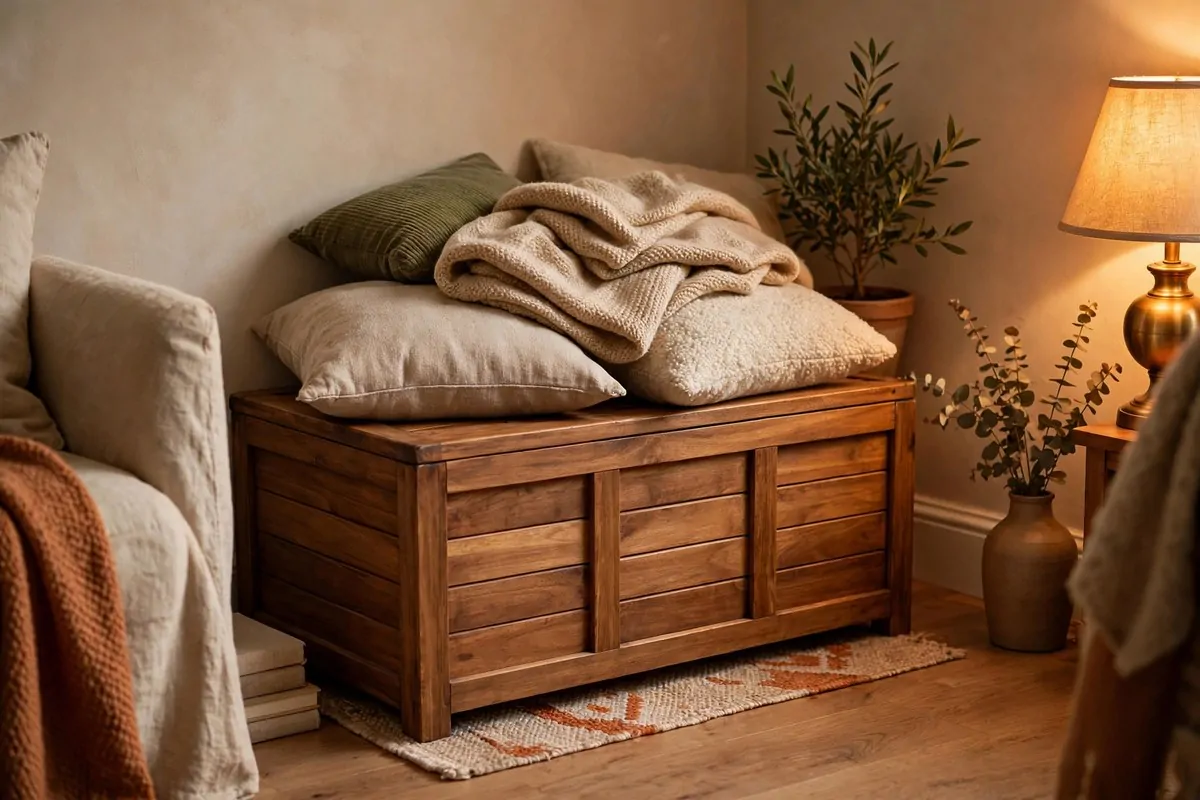
In a tiny home, every piece of furniture should work twice as hard as you do.
A storage ottoman is a seat, a footrest, and a toy box in one. That is three jobs for the price of one piece.
| Piece | Job one | Job two |
|---|---|---|
| Sofa bed | Living room seating | Guest bed at night |
| Storage ottoman | Coffee table and seat | Hidden storage inside |
| Folding wall desk | Work space by day | Flat wall, free floor by night |
| Nesting tables | Extra surface for guests | Stacked away when not needed |
Beds with drawers underneath swallow clothes, shoes, and blankets. You stop needing a dresser.
A folding wall desk is a work space by day and flat against the wall by night. You get your floor back.
Look for a sofa that turns into a bed. Guests get a real bed and you keep your living room.
Nesting tables are a small miracle. Pull them out when friends visit, stack them away when they leave.
Check thrift stores for these pieces first. Multifunctional furniture shows up second hand all the time.
Measure your door and your space before you buy anything. A sofa that cannot fit through the door is not a bargain.
When each piece does two jobs, you buy half the furniture. Half the furniture means half the cost.
10. Use the Walls, Not the Floor
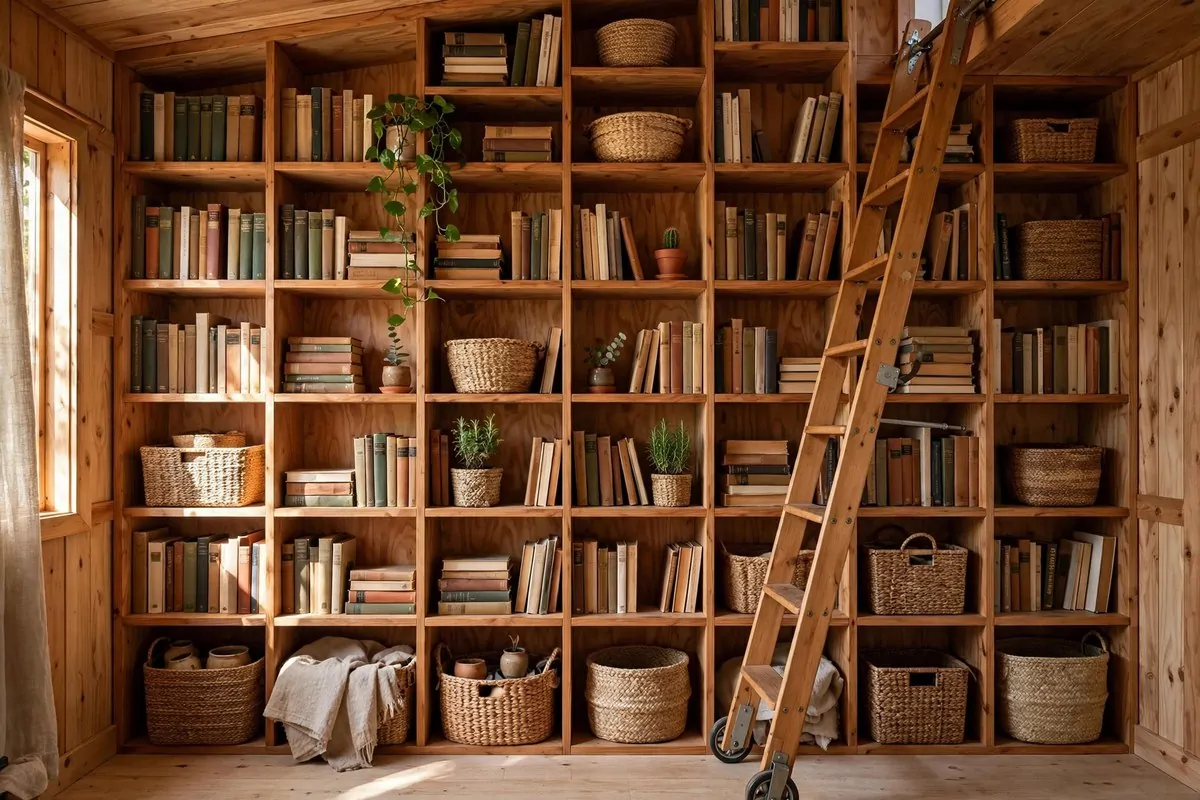
Floor space is gold in a tiny home. Walls are free real estate.
Floating shelves cost very little to make. A plank, two brackets, and some screws hold your books and dishes.
Put shelves all the way up to the ceiling. The top rows hold things you rarely need, like holiday boxes.
Hooks are the cheapest organizers ever. Hang pots, pans, coats, and bags instead of buying stands for them.
A pegboard wall in the kitchen or craft corner holds tools where you can see them. Paint it a fun color for free style points.
Use the backs of doors too. A rack on a bathroom door holds towels and cleaning supplies.
Magnetic strips on the kitchen wall hold knives and spice jars. They cost little and look very modern.
High cabinets over the bed or the desk use dead space nobody misses.
Here is a quick way to plan your wall storage.
| Wall zone | Best use | Cheap solution |
|---|---|---|
| Low wall | Daily items | Hooks and small shelves |
| Eye level | Decor and dishes | Floating shelves |
| Above doors | Rarely used stuff | A plank shelf with baskets |
| Door backs | Towels, supplies | Over door racks |
When storage climbs the walls, your tiny floor stays open. And open floors feel like big homes.
11. Try Open Shelving in the Kitchen
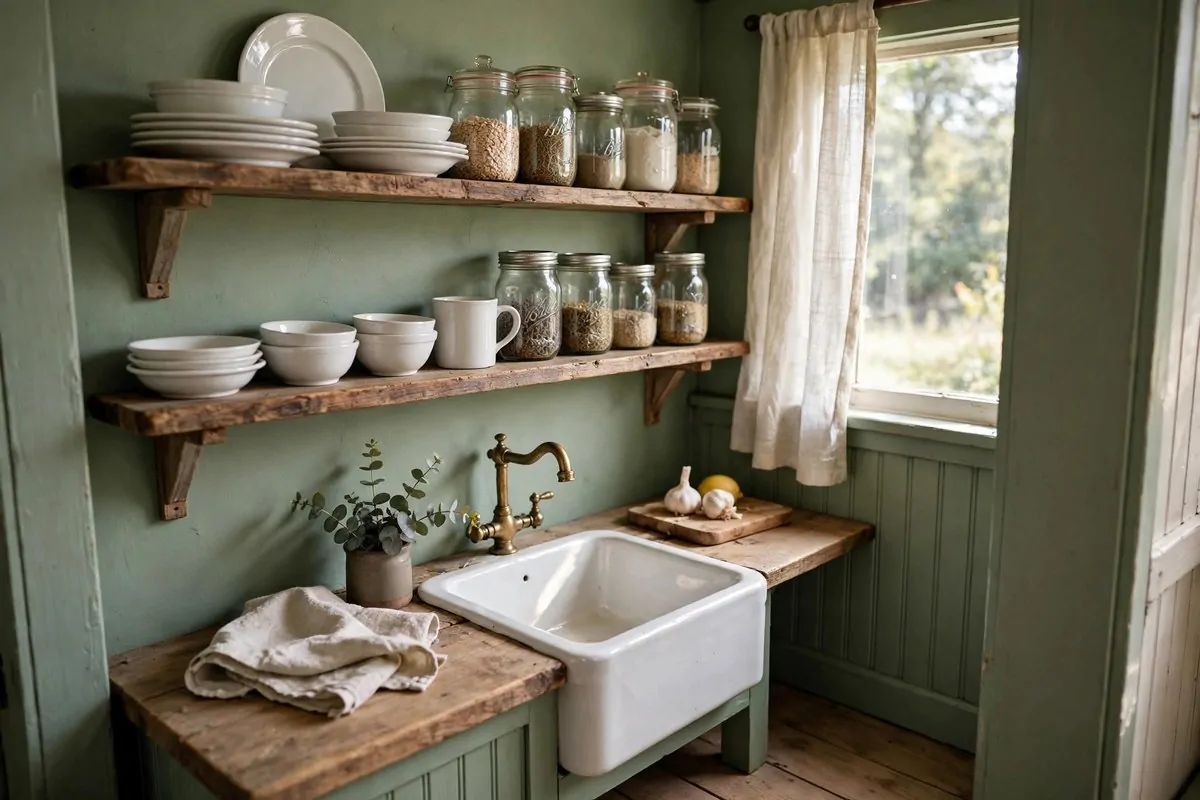
Upper cabinets cost a lot and close the room in. Open shelves do the opposite.
Two or three wooden planks on brackets hold all the dishes a small kitchen needs. You can see everything at a glance.
This costs a small part of what real cabinets cost. And it installs in an afternoon.
Keep your prettiest dishes out front. They become the decoration, and you skip buying wall art for the kitchen.
Mason jars on the shelves hold dry goods beautifully. Rice, beans, and pasta all look great in glass.
Only keep what you use. Open shelves punish clutter, which is actually a gift in a tiny home.
Wipe the shelves once a week with a damp cloth. Kitchen dust settles on open shelves faster than inside closed cabinets.
You can still have one closed cabinet for the ugly stuff. Cleaning bottles and spare light bulbs do not need to be on display.
Open shelving is one of my favorite cheap tiny home ideas because it is cheap, pretty, and practical all at once.
12. Light It Up With LED Strips
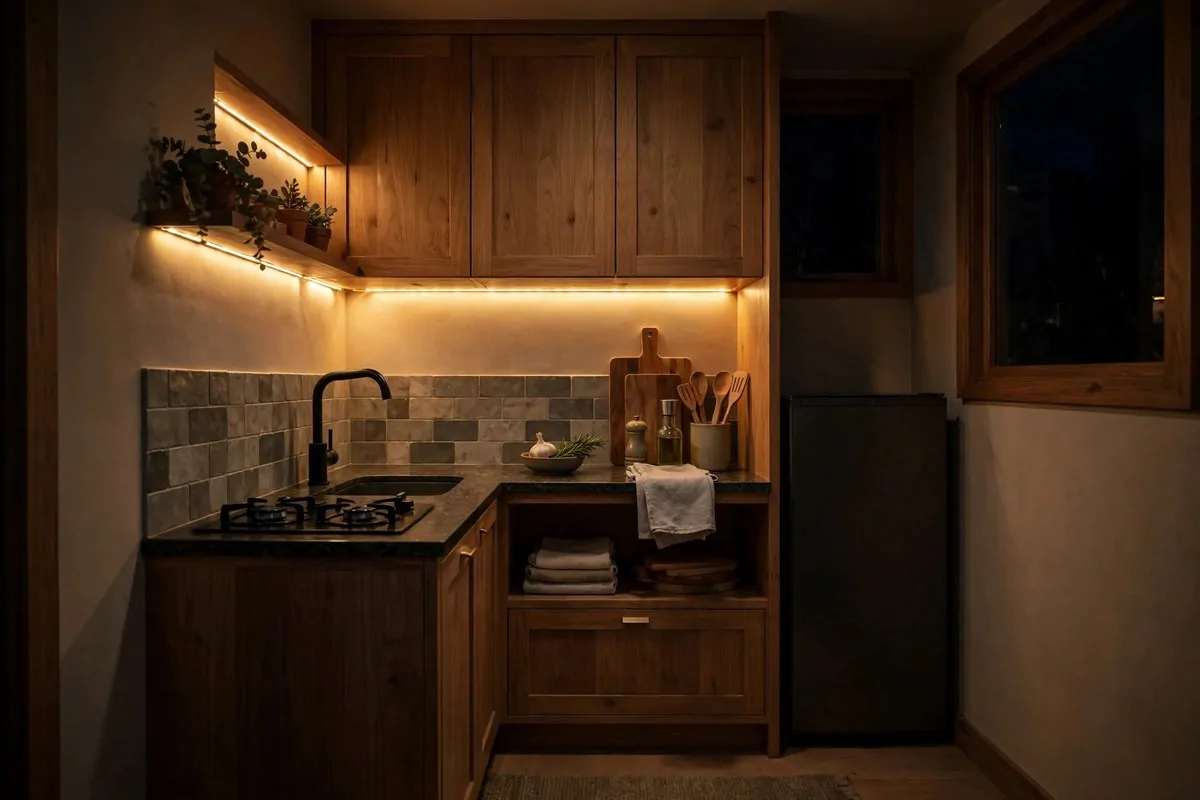
Good lighting makes a small home feel twice as big. LED strips are the cheapest way to get it.
Stick them under kitchen cabinets, along shelves, and behind the bed. They turn dark corners into glowing ones.
LED strips use very little power. Your electric bill stays tiny, which matters in a tiny home.
Pick warm white, not cold white. Warm light feels cozy like candlelight. Cold light feels like an office.
You can cut the strips to fit. One roll can light your kitchen, your shelf, and your reading corner.
Many strips come with a remote and dimmer. Dim lights at night make a small space feel very romantic.
Put a strip behind a mirror too. It doubles the light and the mirror doubles the room.
A pendant light over the table plus LED strips around it is all the lighting a tiny home needs.
Lighting is one of the few places where spending a little feels like spending a lot.
13. Rescue Thrift Store Furniture
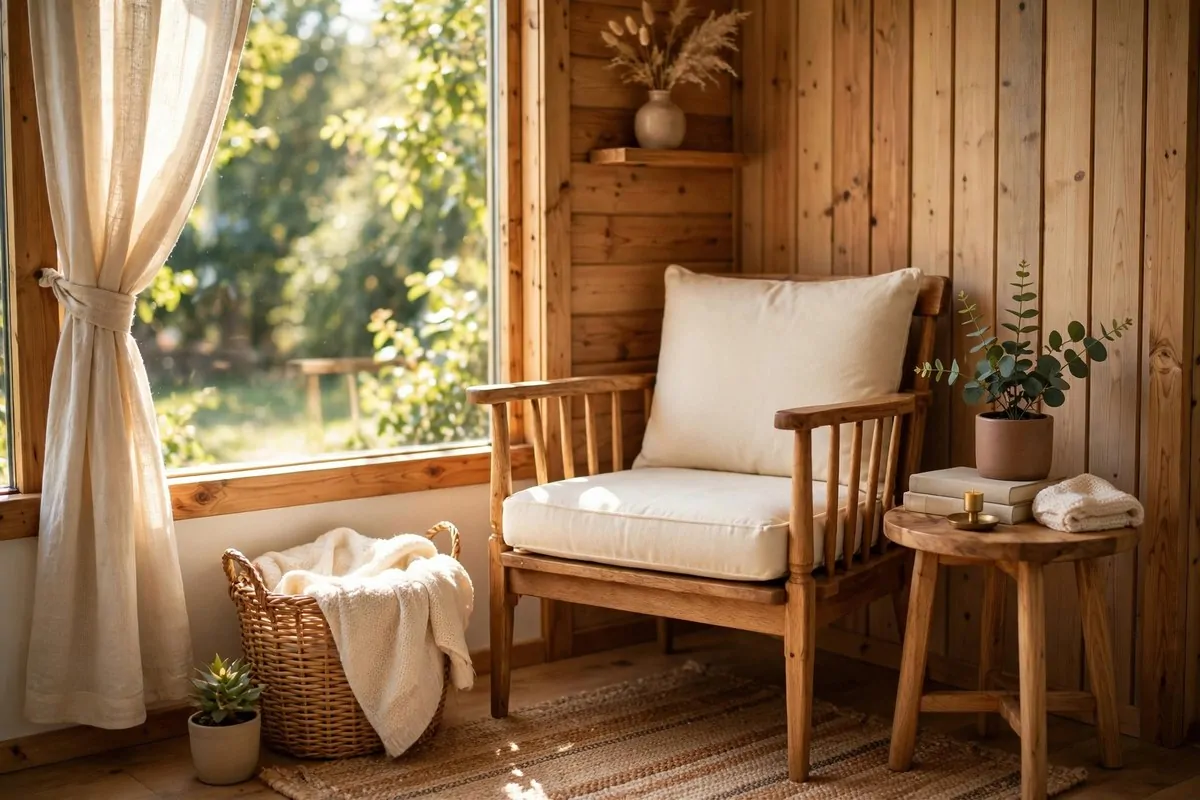
Thrift stores are treasure chests for tiny homes. Solid wood furniture shows up for almost nothing.
Look for small scale pieces. A little armchair, a narrow side table, a tiny dresser. Big furniture drowns a tiny room.
Check the bones, not the paint. A wobbly paint job can be fixed. A cracked frame cannot.
Sand and repaint wooden pieces in colors that match your home. White, sage green, and warm wood tones are all safe.
Reupholster a chair seat with a piece of fabric you love. It takes an hour and changes the whole look.
Old nightstands make perfect tiny home tables. They are the right height and the right size.
Visit thrift stores often. The good stuff goes fast, and new pieces arrive every day.
Set a rule: buy only what fits your home today. A beautiful big couch that does not fit is not a bargain.
I have furnished whole rooms with second hand pieces that looked better than anything in a big box store.
14. Add a Simple Deck Outside
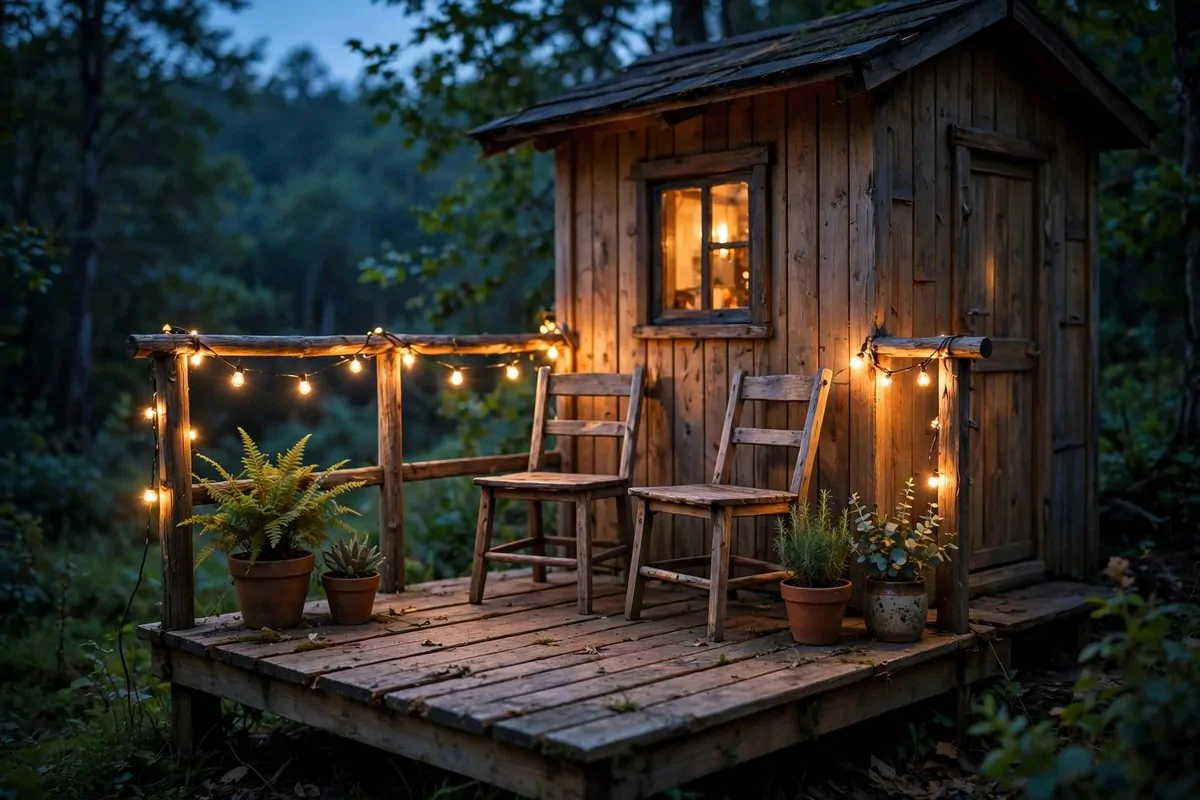
A deck is the cheapest extra room you will ever add. It is not even a room, but it feels like one.
When the weather is nice, the deck becomes your living room. You eat outside, read outside, and visit with friends outside.
A simple platform deck needs no fancy skills. Level boards on blocks, screwed down tight, and you are done.
Add a cheap outdoor rug and two chairs. That is all it takes to make it feel finished.
String lights on the deck railing are pure magic at night. They cost very little and look like a fairy tale.
Potted plants around the edges make the deck feel private and green. Herbs in pots give you cooking flavor too.
A small deck doubles how big your tiny home feels in summer. Your living space flows right out the door.
Keep a small outdoor storage box for cushions and games. Rain will not wait for you to remember.
This is one of those cheap tiny home ideas that buys you happiness more than square feet.
15. Start With a Small Solar Kit
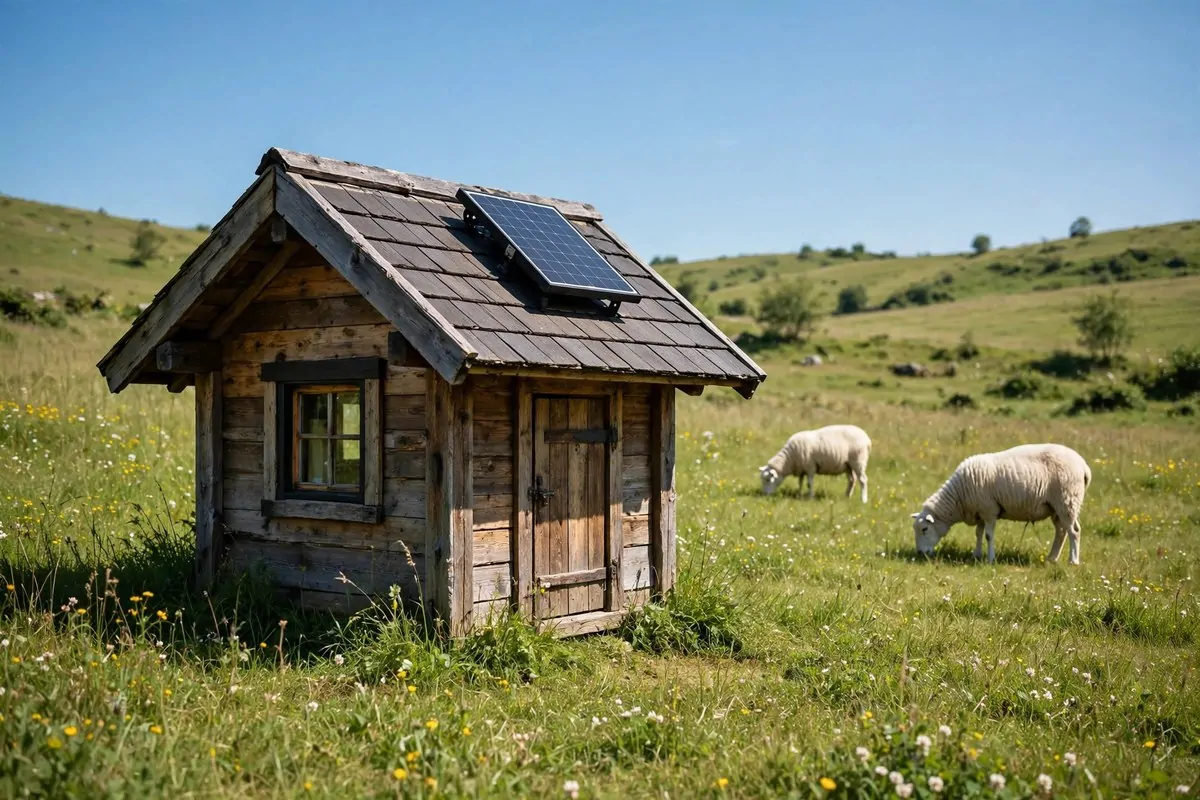
A full solar system can wait. A small starter kit cannot, because it starts saving you money right away.
A basic kit has one or two panels, a battery, and a controller. It runs lights, a phone charger, and a small fan.
Mount the panels on the roof or on a simple ground stand facing the sun. South facing is best if you can manage it.
Wire the kit to your LED lights first. Lights are the easiest win and you will notice the savings immediately.
Add panels one at a time as you can afford them. Solar is one of the few home upgrades that works in pieces.
Learn the basics of your battery. Keep it charged, keep it dry, and it will serve you for years.
A small inverter lets you run a laptop and other little devices. Big appliances will need more panels later.
Even a starter kit makes you feel independent. You are making your own power, and that never gets old.
For cheap tiny home ideas, solar is a slow investment with a fast payoff in freedom.
16. Catch Rain With a Simple Barrel
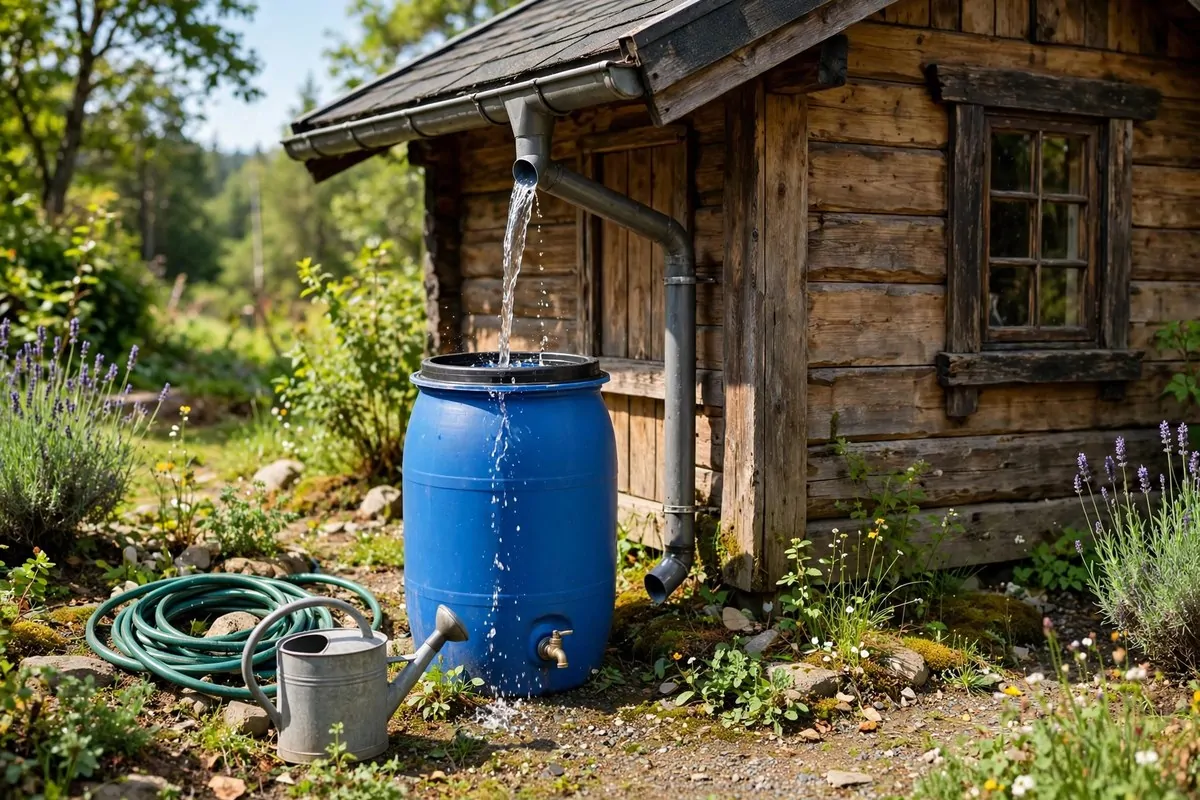
Rain is free water falling on your roof. A barrel is the cheapest way to catch it.
Put a barrel under a downspout and let the gutters do the work. One good rain fills it fast.
Use the water for plants, washing, and cleaning the deck. It saves your paid water for drinking and cooking.
Add a mesh screen on top. It keeps leaves and mosquitoes out with zero effort.
A spigot near the bottom makes filling a watering can easy. No pump needed for simple jobs.
Paint the barrel to match your home. A gray or green barrel looks tidy next to a tiny cabin.
If you want more, connect two barrels with a short pipe. Doubling is as easy as adding one more.
In dry months you will be so glad you have it. Plants drink a lot in summer.
A rain barrel is one of the simplest cheap tiny home ideas. It pays for itself every time it rains.
17. Sleep in a Storage Loft Bed
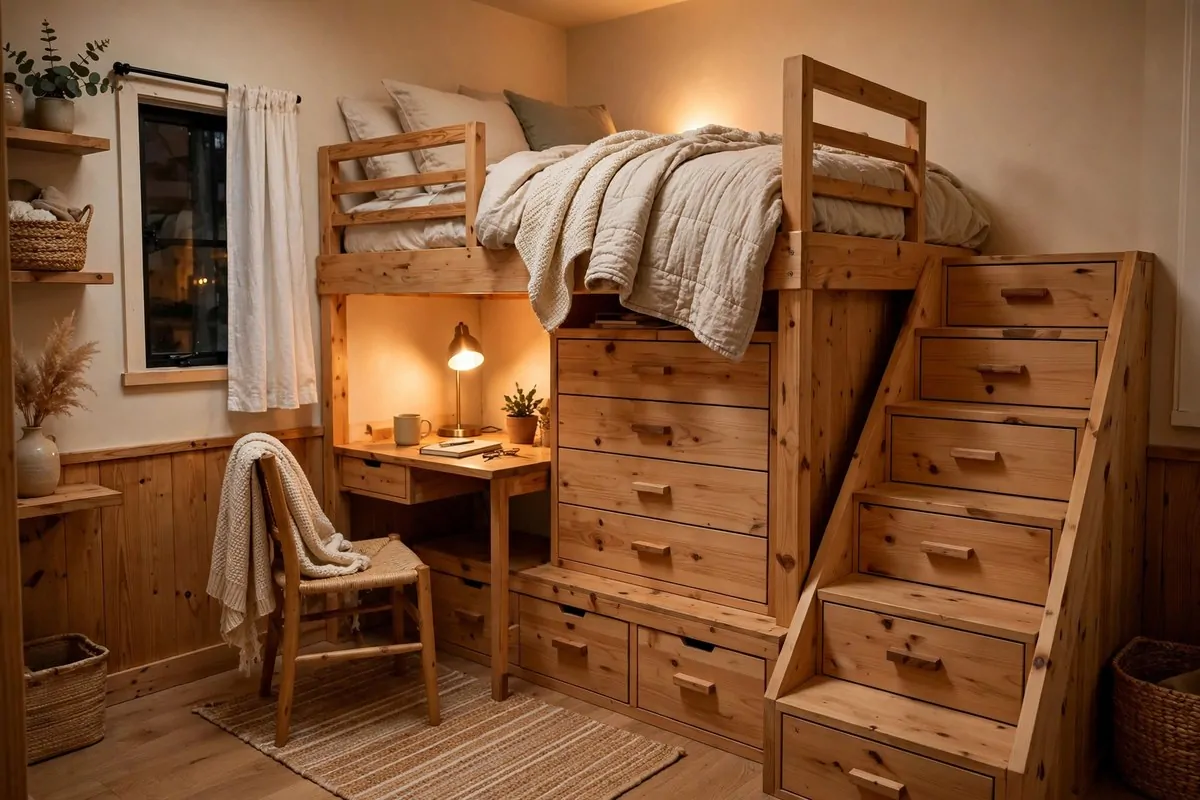
A loft bed is the ultimate tiny home trick. You sleep up top and live underneath.
Build the platform strong. Use real lumber and sturdy brackets, because a bed must never wobble.
Underneath you can fit a desk, a dresser, or even a small sofa. That one footprint now does two jobs.
Add drawers into the steps or the platform sides. Every inch of a loft can hold something.
A simple guard rail keeps the bed safe. Paint it to match and it looks like it was always meant to be there.
Hang a small light or a strip of LEDs under the platform. Your desk area below gets perfect light.
Use a real ladder or sturdy stairs, not a shaky one. You climb this every single night.
Loft beds are very common in cheap tiny home ideas because they turn one room into two without adding a single wall.
Your future self will thank you every morning when the bed is already made and out of the way.
18. Hang a Fold Down Table
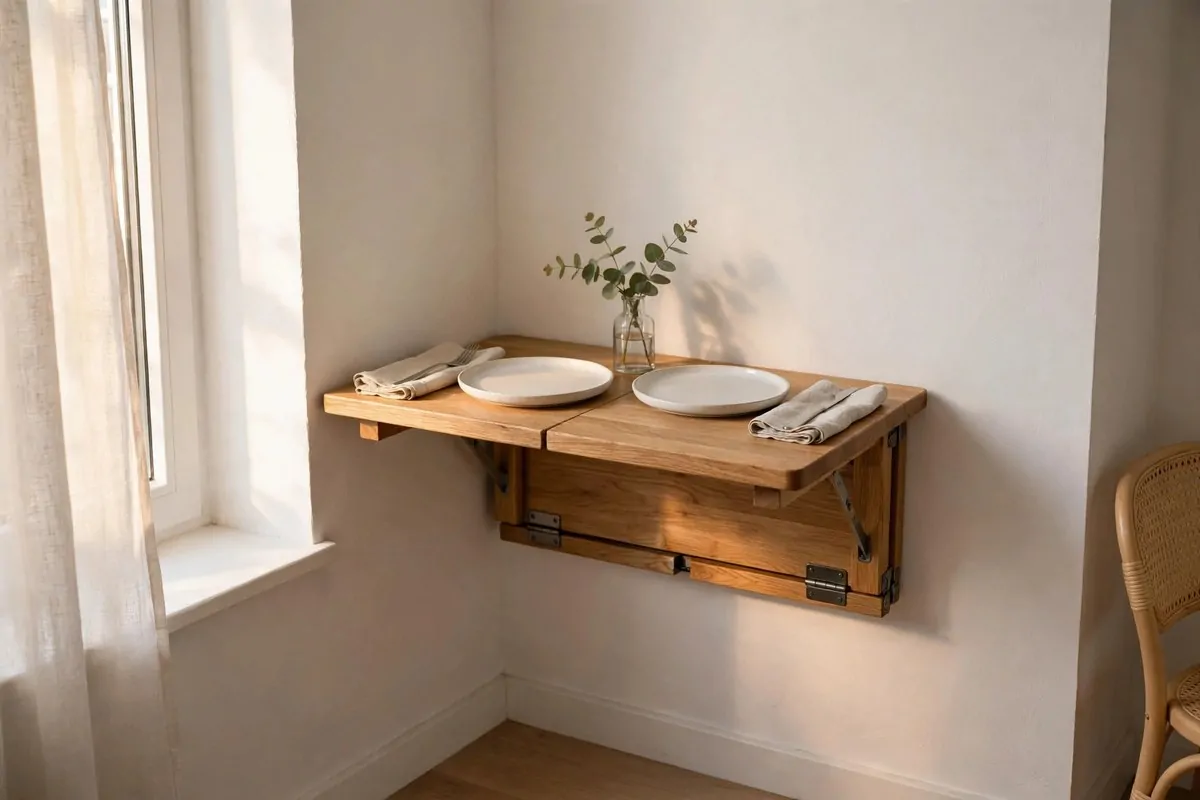
A dining table eats floor space all day but you only use it for an hour. A fold down table fixes that.
Mount a sturdy tabletop on wall hinges with folding legs. Down for dinner, up against the wall after.
It doubles as a desk and a craft table. One table, three jobs, zero floor space when folded.
Add a small shelf right above it. When the table is down, the shelf holds your meal. When it is up, the shelf holds decor.
Build it from a solid piece of reclaimed wood for extra charm. Old wood folds up just as well as new.
Make sure the wall brackets are anchored into studs. A table full of dinner is heavier than it looks.
Kids love these tables. Folding the table after a meal feels like a little magic trick.
You can also fold down an ironing board style work surface in the craft corner. Same idea, different job.
Cheap tiny home ideas are all about this trick. Things that disappear when you are done with them.
19. Make Your Own Light Fixtures
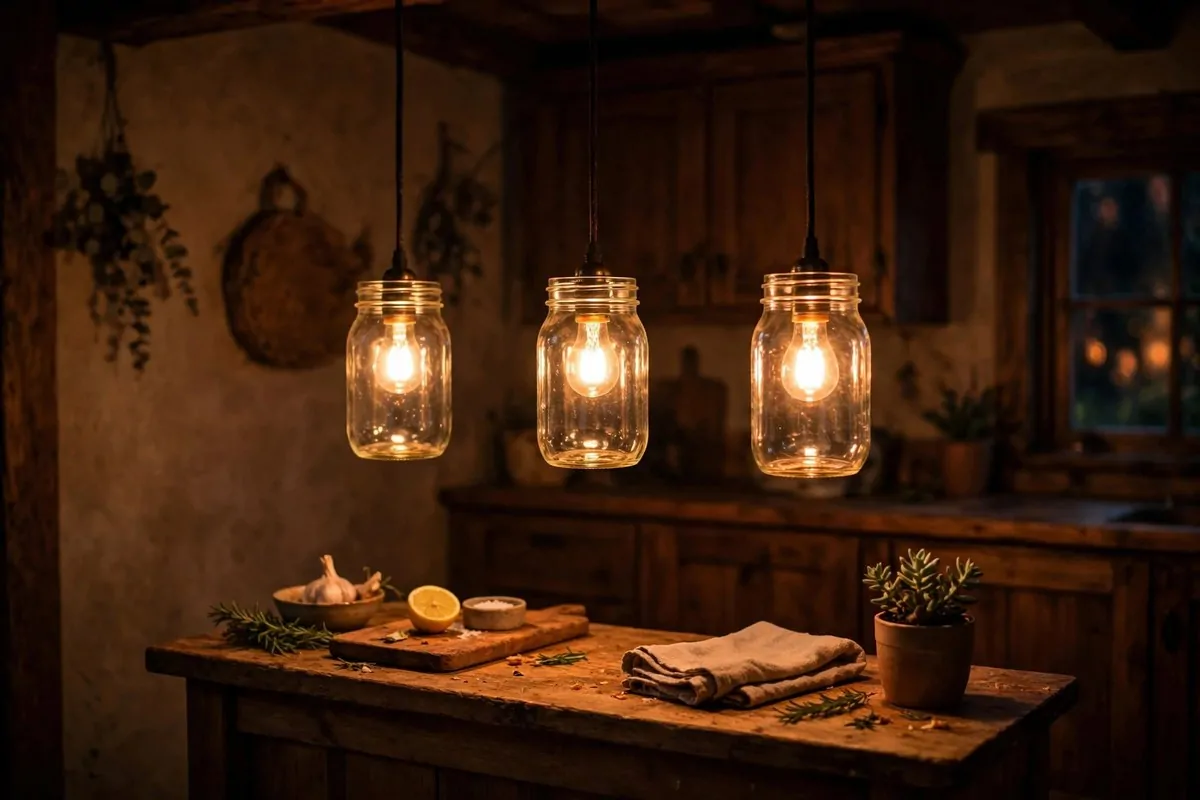
Store bought light fixtures cost a lot for what they are. Making your own is easy and fun.
Mason jars make the prettiest pendant lights. Hang them from cords over the kitchen or the table.
A basket turned upside down becomes a lamp shade. It gives warm, patterned light that looks designer made.
Paper lanterns are dirt cheap and glow beautifully. Hang a few at different heights in the living corner.
Use LED bulbs in everything you make. They stay cool, which matters with handmade shades.
Paint old fixtures instead of replacing them. A brass chandelier painted matte black looks brand new.
Cluster small lights instead of buying one big one. Three jar pendants over a table beat one expensive fixture.
Check the wiring twice and keep fabric shades away from hot bulbs. Safe and pretty is the only goal.
Handmade lights give your tiny home a look no store can copy. And you will tell everyone who asks that you made them yourself.
20. Lay Down a Rag Rug
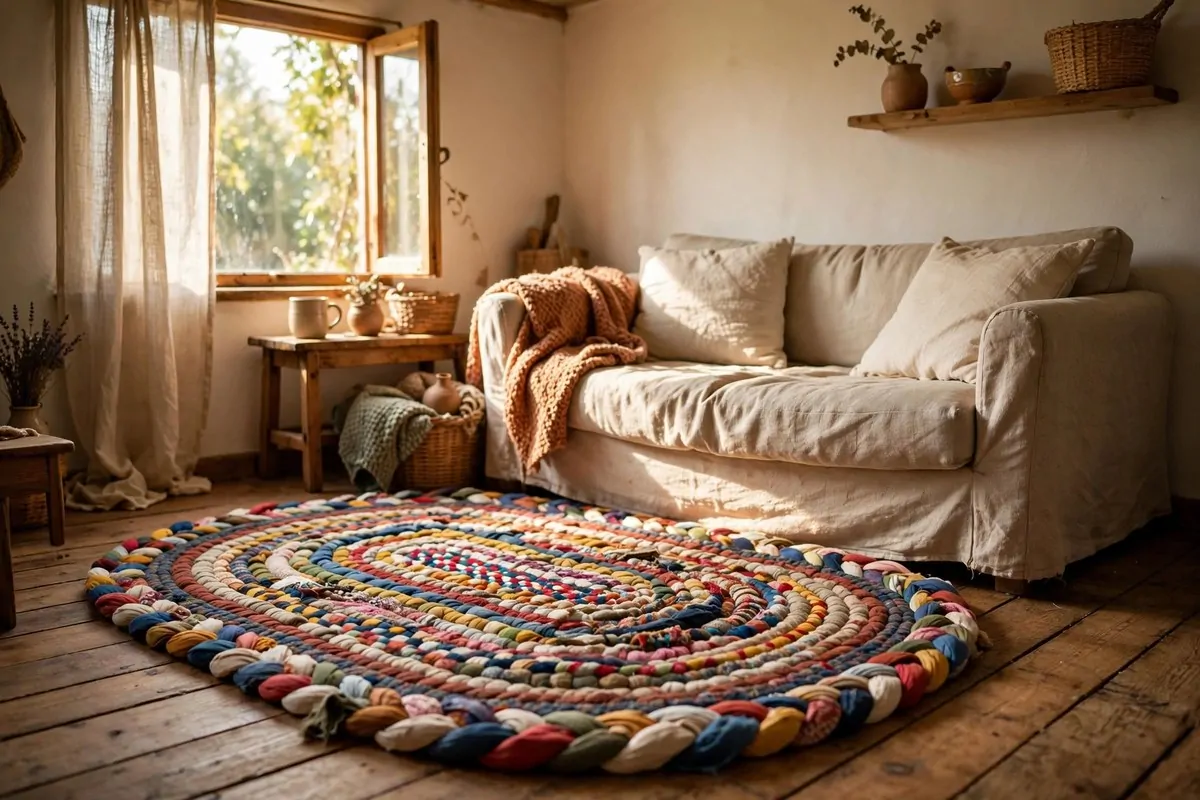
A rag rug is made from old clothes and fabric scraps. It is free if you have a closet to clean out.
Cut the fabric into strips, braid them, and stitch the braid into a spiral. It is simple work you can do while watching shows.
Rag rugs add color to plain floors. A tiny home with bare floors can feel cold. A rug fixes that in an afternoon.
They are soft under bare feet. Mornings feel kinder when you step onto a rug instead of cold wood.
You can wash a rag rug in the machine. Try that with an expensive store rug.
Make different sizes for different spots. A small one by the bed, a bigger one in the living area.
Use colors that match your home. Old jeans make a great blue rug. Old sheets make soft white ones.
These rugs wear for years. The more you wash them, the softer they get.
This is one of my favorite cheap tiny home ideas because it turns trash into treasure, literally.
21. Paint One Bold Accent Wall
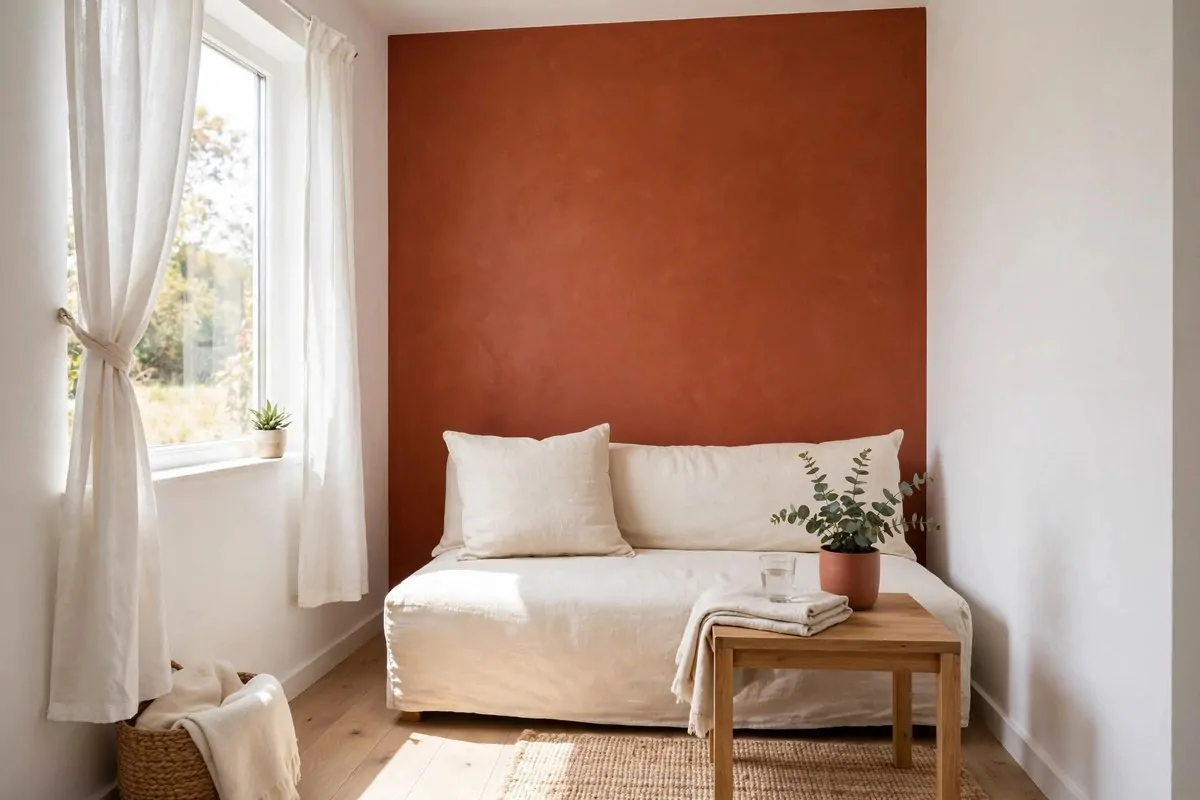
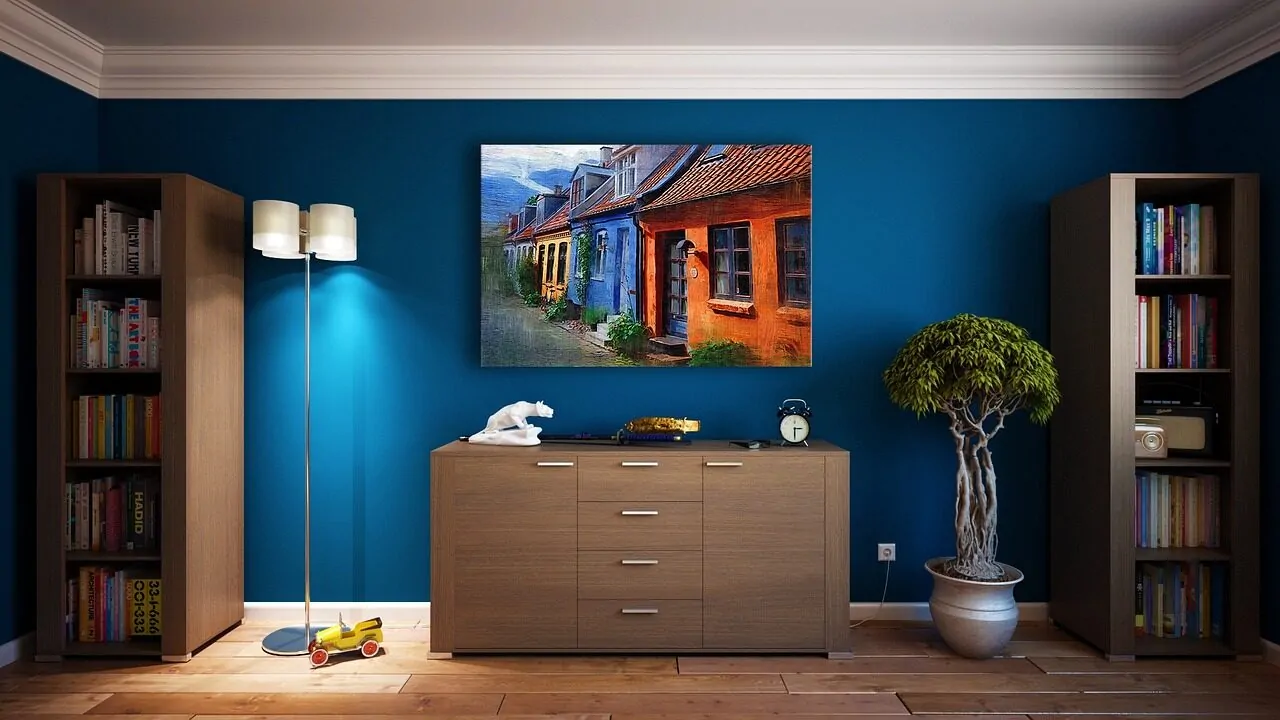
One painted wall costs one small can of paint. But it looks like a whole room makeover.
Pick the wall you see first when you walk in. That wall sets the mood for the whole home.
Deep green, terracotta, and warm blue are all cozy in a tiny space. Dark colors feel rich when the other walls stay light.
Tape the edges carefully and use two coats. Clean lines make a cheap paint job look expensive.
Test the color with a small patch first. Colors look different on your wall than on the tiny store chip.
An accent wall behind the bed or the sofa anchors the room. Furniture suddenly looks arranged instead of random.
If you rent or change your mind, one wall is easy to repaint. It is a low risk experiment.
Match small decor to the wall color. A pillow or a plant pot in the same color ties it all together.
This one proves that cheap tiny home ideas do not have to look cheap. One wall, one afternoon, brand new room.
22. Finish With Mirrors and Plants
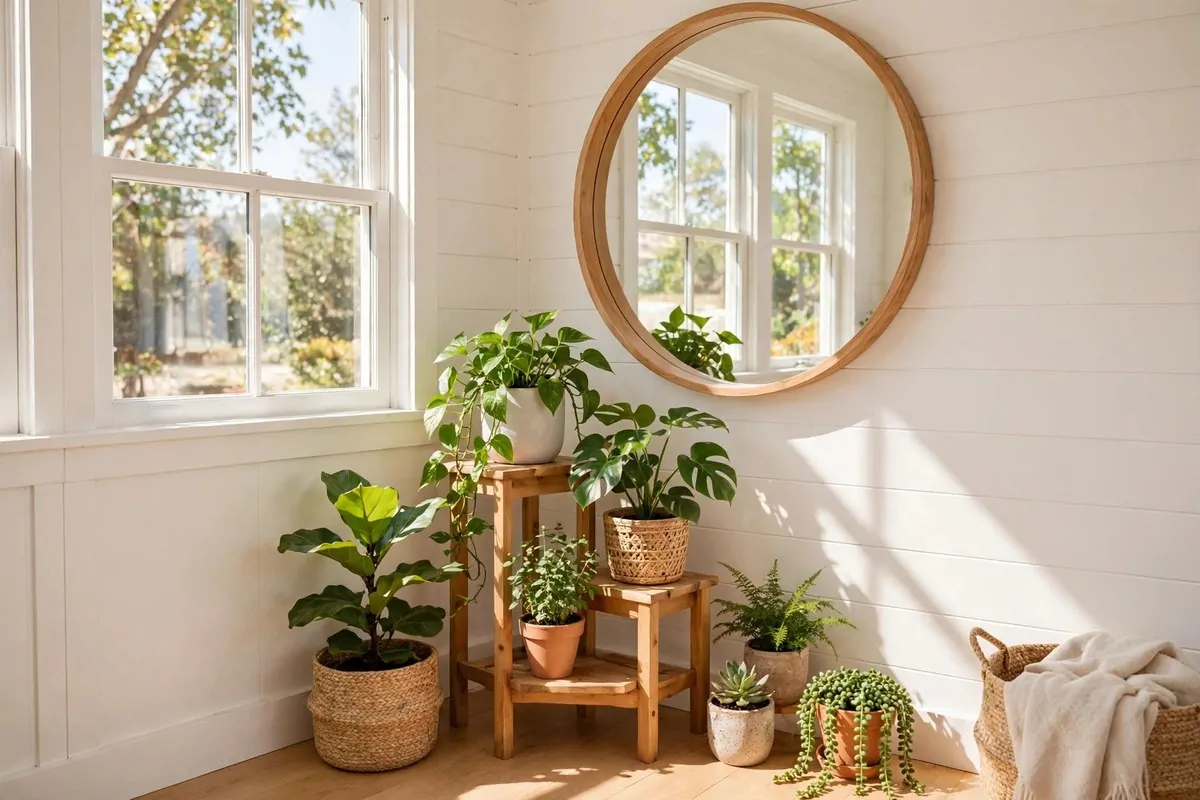
Mirrors are the oldest trick for making small rooms feel big. Light bounces off them and the room doubles in your eyes.
Hang one big mirror across from a window. It reflects the view and the daylight.
Thrift stores are full of cheap mirrors in old frames. Paint the frame and it looks new.
Plants make a tiny home feel alive. One green plant changes a room more than most furniture does.
Keep easy plants if you are new to them. Pothos and snake plants forgive almost everything.
Hang plants from the ceiling to save surface space. A hanging plant is a garden that uses no floor at all.
Group three plants together for a bigger impact. Odd numbers always look better than even ones.
Put a small plant in the bathroom too. They love the steam and they make the smallest room feel cared for.
Mirrors and plants are the cheapest finishing touch there is. Together they make a tiny home feel bright, big, and alive.
Building a tiny home on a small budget is not about being cheap. It is about being smart. Every dollar you save on the build is a dollar that stays in your life. So pick your favorite cheap tiny home ideas, start small, and build the little home that fits your big dreams.
Keep Reading
If these ideas got your wheels turning, here are more posts you will love.