12 Ways To Organize Your Room

There is a kind of tired that only a messy room brings. Not the tired from hard work or a long day. The kind where you walk in, look at the pile on the chair, the stuff on the floor, the bags on the desk, and you just… sit down. You do not touch a thing. You scroll your phone instead.
Most people have been there. And the strange part is, it is not always about being lazy. A lot of the time, the room feels too far gone. The brain looks at the whole thing as one big problem, and one big problem feels impossible to start on. So nothing gets done.
But organizing a room is not one big problem. It is twelve small ones. And when you break it apart like that, the whole thing starts to feel very, very possible.
This guide is not about becoming a minimalist or buying a full set of matching storage bins. It is about knowing where to start, what to do next, and how to keep things from sliding back to where they were. The twelve ways here come from real trial, real mess, and real reflection. Some of them take ten minutes. Some take an afternoon. All of them make a real difference.
1. Clear Out the Clutter Before You Try to Organize Anything
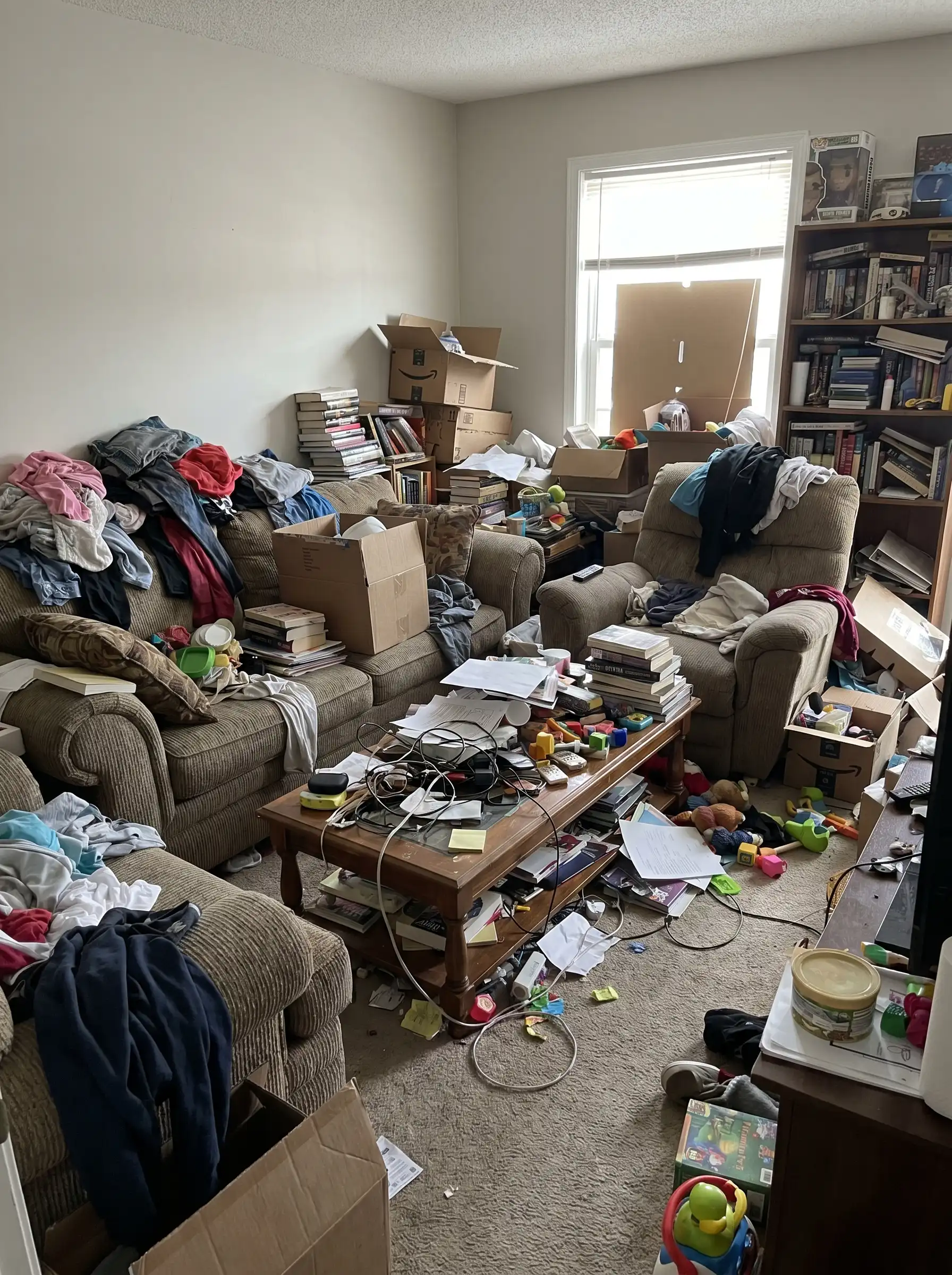
The most common mistake people make when they want to organize a room is they skip this step. They buy new shelves. They rearrange the furniture. They fold things and stack things and move things from one pile to another. But the room still feels heavy. Still feels like too much. That is because the root problem was never addressed.
Clutter is not just mess. It is things that do not belong in your life anymore that still take up space in your room. Old clothes that no longer fit. Gifts you kept out of guilt. Products you stopped using two years ago. Papers from a job you left. Each one of these things costs a little bit of mental energy every time your eyes land on it.
The first way to truly organize your room is to reduce what is in it before you try to arrange what is in it.
Start with one corner. Not the whole room. One corner, one shelf, one drawer. Pick everything up and make a fast call: does this belong here? Is this still used? Is this still wanted? If the answer to all three is yes, it stays. If not, it goes into one of three places:
- A bag for things to give away
- A bin for things to throw away
- A box for things that belong in a different room
The goal here is not to become someone who owns very little. The goal is to make sure every item in the room has earned its place there. Once the clutter is cleared, the organizing part becomes much easier and much faster than most people expect.
Do this before anything else. The rest of this list will not work the same if you skip it.
2. Use Your Wall Space (Most Rooms Have More of It Than People Think)
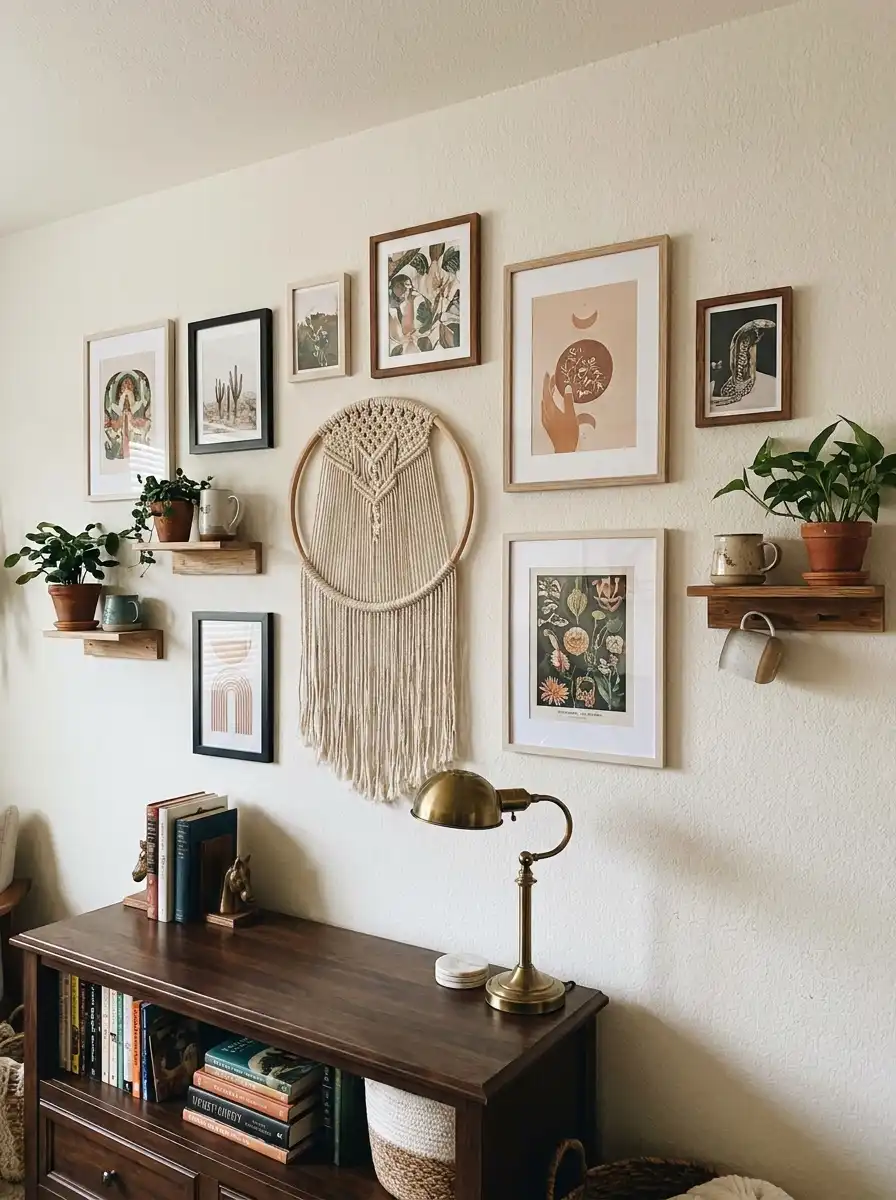
Floor space is limited. Most rooms, especially smaller ones, feel cramped because everything lives on the floor or on a desk. Shelves, bags, boxes, shoes, bags again. The floor takes all the weight and it shows.
But walls go all the way up to the ceiling, and most of that space sits completely empty.
Wall-mounted shelves are one of the simplest and most effective changes you can make in a room. They get things off the floor, they make use of dead space, and they make a room look and feel bigger. You do not need to cover every wall. Even one or two shelves in the right spot can change the way a room breathes.
What to Put on Wall Shelves
This is where people sometimes go wrong. They put random things on shelves and it just looks like a cluttered floor but higher up. The trick is to be intentional about what goes up there.
Good candidates for wall shelves in a bedroom include:
- Books you read or refer to often
- Small plants that add calm without taking desk space
- A few decorative items that are meaningful, not just filler
- Baskets or bins that hold things you reach for regularly
- Speakers, small lamps, or a charging station
Wall hooks are another underused tool. Behind a door, on the side of a wardrobe, on a small patch of blank wall near the entrance to the room. A hook can hold a bag, a jacket, a set of headphones, a hat. Things that normally end up on the floor or on a chair because there was nowhere obvious to put them.
Pegboards are also worth a look, especially for people who keep a lot of small items. They mount flat on the wall and let you hang a large number of things in a very organized way. Very popular in craft rooms and home offices, but there is no reason they cannot work in a bedroom too.
The wall is your friend. Most rooms never use it properly.
3. Choose Storage Bins That Actually Fit Your Room and Your Life
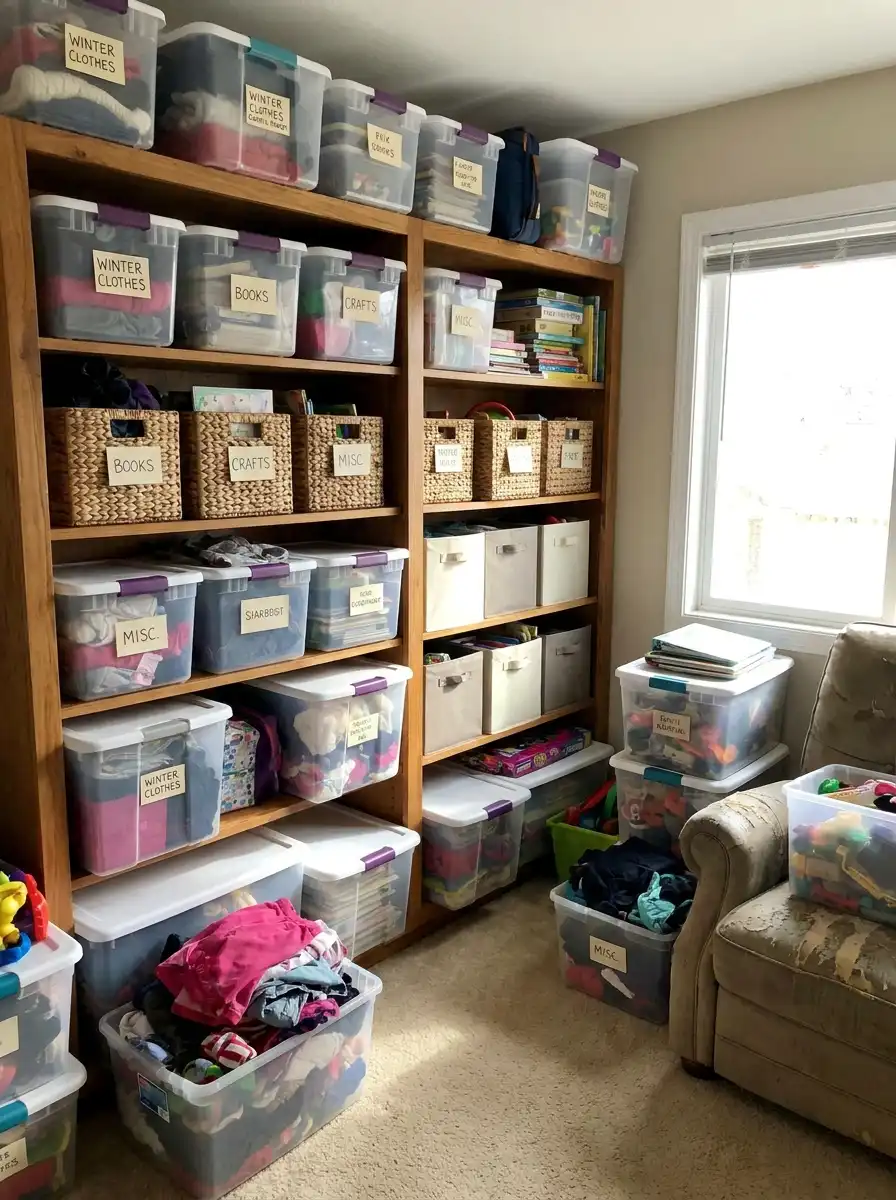
Not all storage is equal. Walking into a home store and buying a set of bins because they look nice is a very easy thing to do. It is also a very common reason people end up with a pile of storage bins they never use sitting in the corner of the room.
The right storage bin is one that fits the space it is going into, holds the things that need to go into it, and is easy enough to use that you will actually use it. That last part matters more than most people admit.
If a bin has a lid that is hard to remove, it will stop being used. If a bin is too big to slide under the bed, it will sit in the open instead. If a bin is too small to hold the category of things you assigned it to, things will overflow and the system breaks down.
Before buying any storage, measure first. The space under the bed, the depth of the shelf, the height of the closet. Write those numbers down. Then shop with those numbers in mind.
Types of Storage Worth Knowing About
There are a few categories that come up again and again for bedroom organization:
Clear bins with lids: These are good for things you do not reach for often but need to keep. Seasonal clothes, extra bedding, craft supplies. Clear sides mean you can see what is inside without having to open every box.
Fabric storage cubes: Soft, foldable, and they sit nicely on shelves or in cube-frame shelves. Good for clothes, blankets, or anything that does not need a rigid container.
Drawer dividers: These cost very little and make a significant difference inside any drawer. Socks stop mixing with phone cables. Small items stay where you put them.
Open-top bins: Easier to use than lidded ones for things you reach for daily. Keep them on shelves where they are visible so you always know what is in them.
The goal is not to have a lot of storage. The goal is to have the right storage in the right places. A few good bins used consistently beat a room full of bins used halfway.
4. Divide Your Room Into Zones
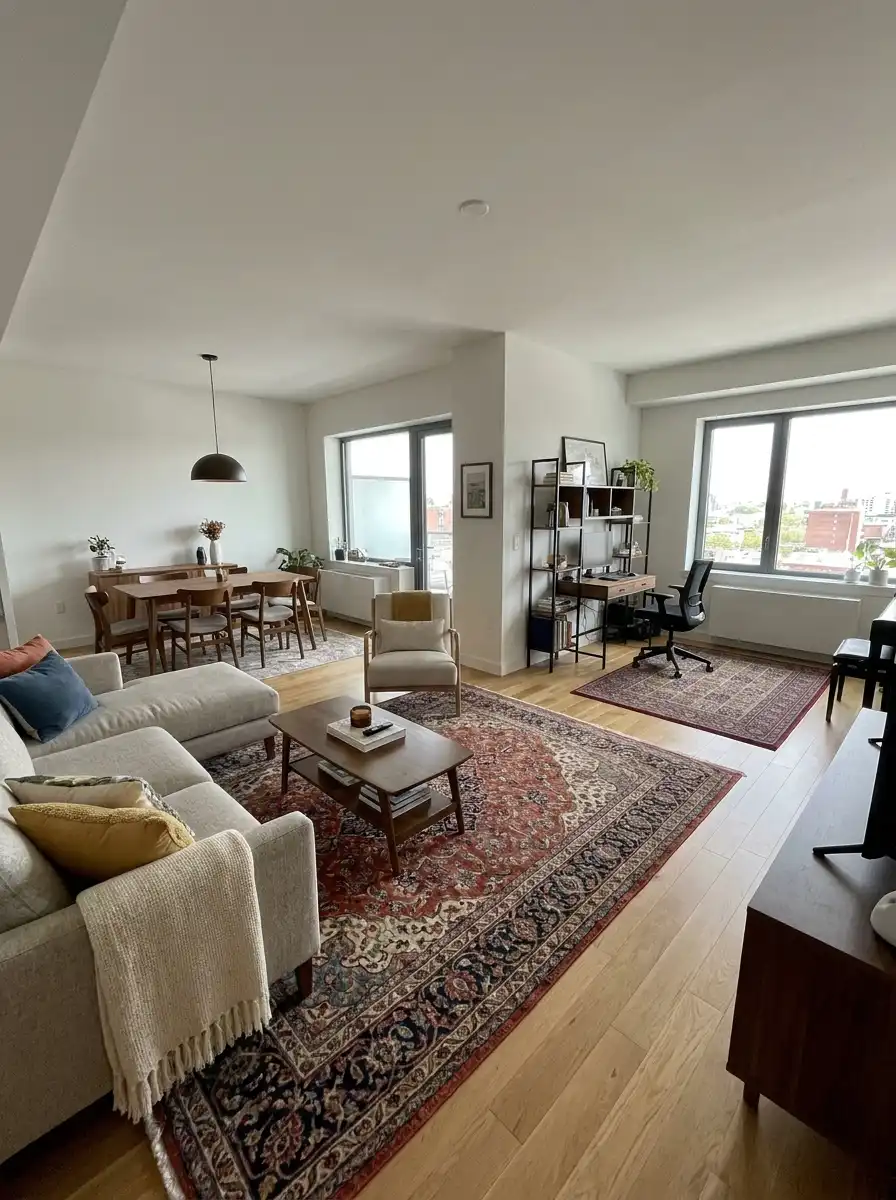
This is one of those ideas that sounds a bit formal but makes a huge practical difference once you try it.
A zone is just a designated purpose for a part of the room. The sleep zone is where you rest, and nothing related to work belongs there. The work zone is where study or remote work happens. The dressing zone is where clothes are kept and put on. The relax zone might be a reading chair or a small spot on the floor with a cushion.
Most rooms in everyday life are used for everything at once. Work happens on the bed. Clothes end up on the desk chair. The floor near the door becomes a landing zone for everything that enters the room. Over time, everything bleeds into everything else and the room loses the ability to do any one thing well.
When you give parts of your room a clear purpose, two things happen. First, things have a natural home. The laptop goes in the work zone, not on the bed. The book goes near the reading chair, not on the kitchen counter where it will never be read. Second, your brain starts to respond differently to each part of the room. The bed starts to feel like rest. The desk starts to feel like focus. This is not just good for organization. It is genuinely good for sleep and productivity too.
How to Set Up Zones Without Renovating Anything
You do not need to move walls or buy new furniture to create zones. A few simple shifts go a long way:
- Use a small rug to define a reading or lounge area
- Keep work items only on the desk, never on the bed or floor
- Use a clothing rack or hooks in one specific spot for dressing
- Keep the area right beside your bed clear and calm, for sleep only
The zoning does not have to be perfect. A rough idea of where each activity belongs is enough to make the room feel more intentional.
5. Start With the Bed, Because It Changes How the Whole Room Feels
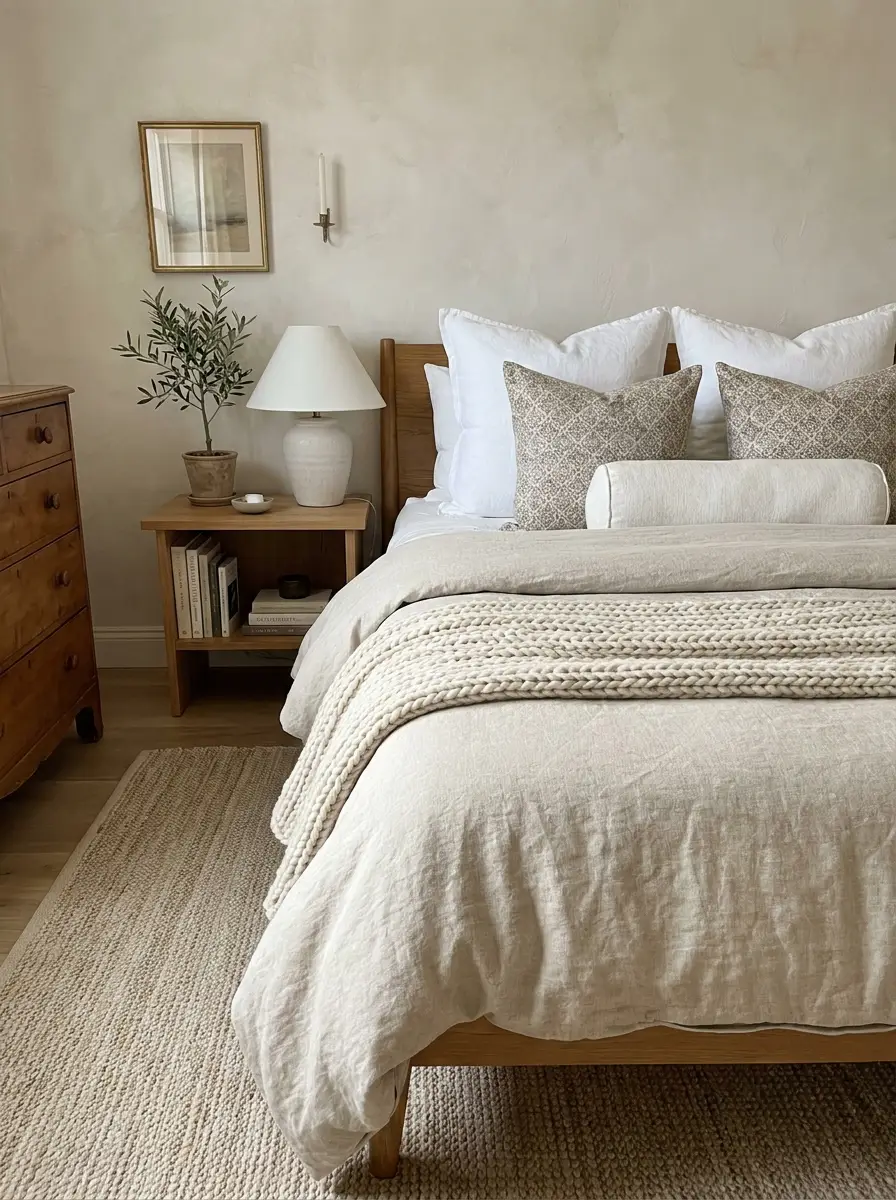
There is a reason this advice comes up so often. It works.
The bed takes up a large part of most bedrooms. It is usually the first thing you see when you walk in. When it is made, the room already looks cleaner. When it is not, even a perfectly organized room can feel chaotic.
Making the bed every morning is not about being tidy for the sake of it. It is about starting a small chain reaction. Once the bed is done, the rest of the room looks closer to okay. The motivation to do more, to put that cup away or hang up that jacket, feels more accessible. It is a low-effort action with a disproportionately large effect.
But beyond making the bed daily, the bed area itself is worth organizing thoughtfully.
Keeping the Bed Area Clear and Calm
The nightstand or the surface beside the bed tends to become a graveyard for small things. A phone, a glass of water, three chargers, a book, some receipts, maybe some headphones. It collects things the way a ledge by a door collects keys and mail.
Try keeping the surface beside the bed to just three things: a lamp, one book (or none), and a glass of water if needed. Everything else finds a different home.
Under-bed storage is worth mentioning here too (it gets its own section later), but the area directly beside and on top of the bed should feel restful. The bedroom is where the nervous system is supposed to wind down. Too much visual noise in the sleep zone works against that in subtle ways.
6. Reclaim the Floor (It Is Not a Storage Surface)
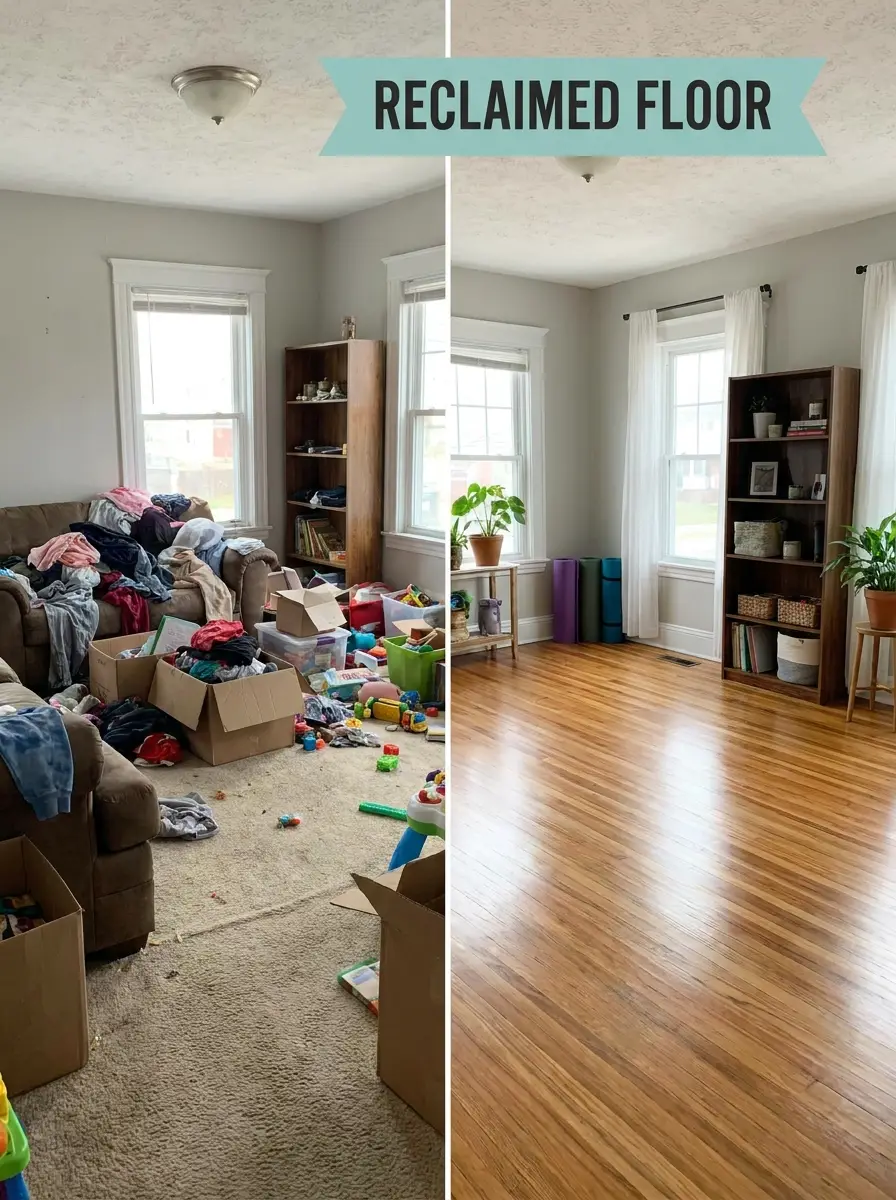
In a room that has drifted into disorder, the floor usually goes first. A bag gets put down for a moment and stays for weeks. Clothes form a small mountain near the wardrobe. Shoes scatter from the door outward like they were dropped in a hurry, because they were.
The floor is not meant to hold things long term. When it does, moving through the room becomes harder. Cleaning becomes harder. Finding things becomes harder. The room starts to feel smaller and heavier than it actually is.
One useful way to think about the floor: if something lands on the floor and stays there for more than one day, that item does not have a proper home yet. The solution is not to put it back on the floor more neatly. The solution is to give it a home.
Shoes need a rack, a small shelf near the door, or a designated spot in the closet. Bags need a hook or a shelf. Clothes that are worn but not yet dirty need a hook or a small open basket, because most people need a middle zone between the wardrobe and the laundry bin.
Once every item on the floor has a designated place, the floor stays clear almost on its own. It takes a few days of catching yourself and redirecting habits. But after a week or two, it becomes natural.
A clean floor changes the feel of a room more than most people expect. The room feels open. Movement feels easy. Even a small room feels bigger when the floor is clear.
7. Deal With the Cable and Cord Situation
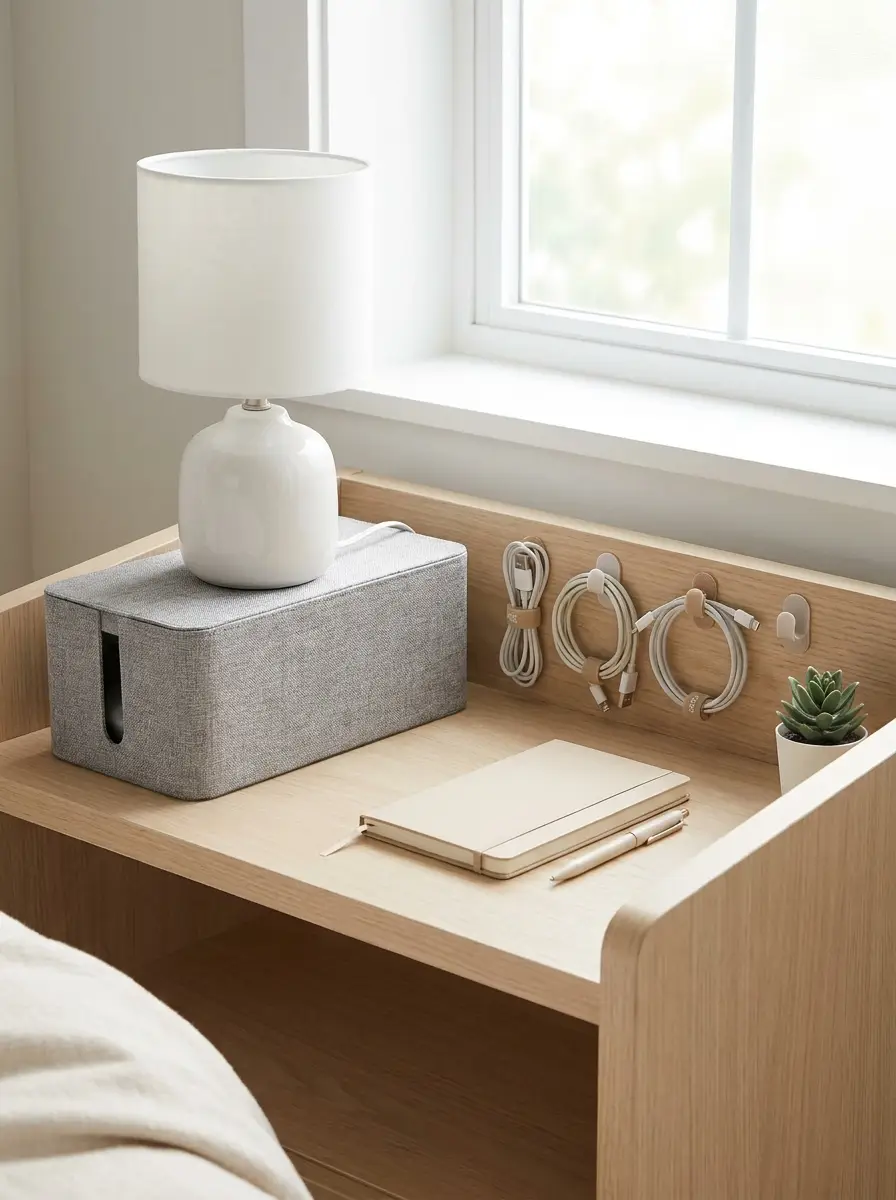
This one tends to get skipped because it feels minor. It is not minor. A desk or bedside table with six tangled cords coming off it in different directions is visual noise that adds to the sense of disorder in a room even when everything else is tidy.
Most rooms today have a lot of devices: a phone charger, a laptop charger, earphone cables, a lamp, maybe a speaker or a gaming controller. When none of this is managed, it becomes a small version of the clutter problem, except it is made of wires and it sits right where the eye lands most often.
Simple Ways to Manage Cables
This does not require a cable management kit or a new desk. A few basic steps handle most of it:
- Use velcro ties or small cable clips to bundle cords together
- Run cables along the edge of a desk or nightstand where they stay out of the way
- Use a small charging station or a single power strip to gather all charging cables in one spot
- Label cables at the end with a small piece of tape if multiple devices share a charging area
A cable box, which is just a small box that hides a power strip and all the cables plugged into it, is one of the most underrated room organization tools. It costs very little, it holds a lot of cables out of sight, and it makes a desk or nightstand look significantly cleaner.
Spending thirty minutes on cable management once delivers a return every single day in the form of a calmer-looking space.
8. Use the Space Under Your Bed
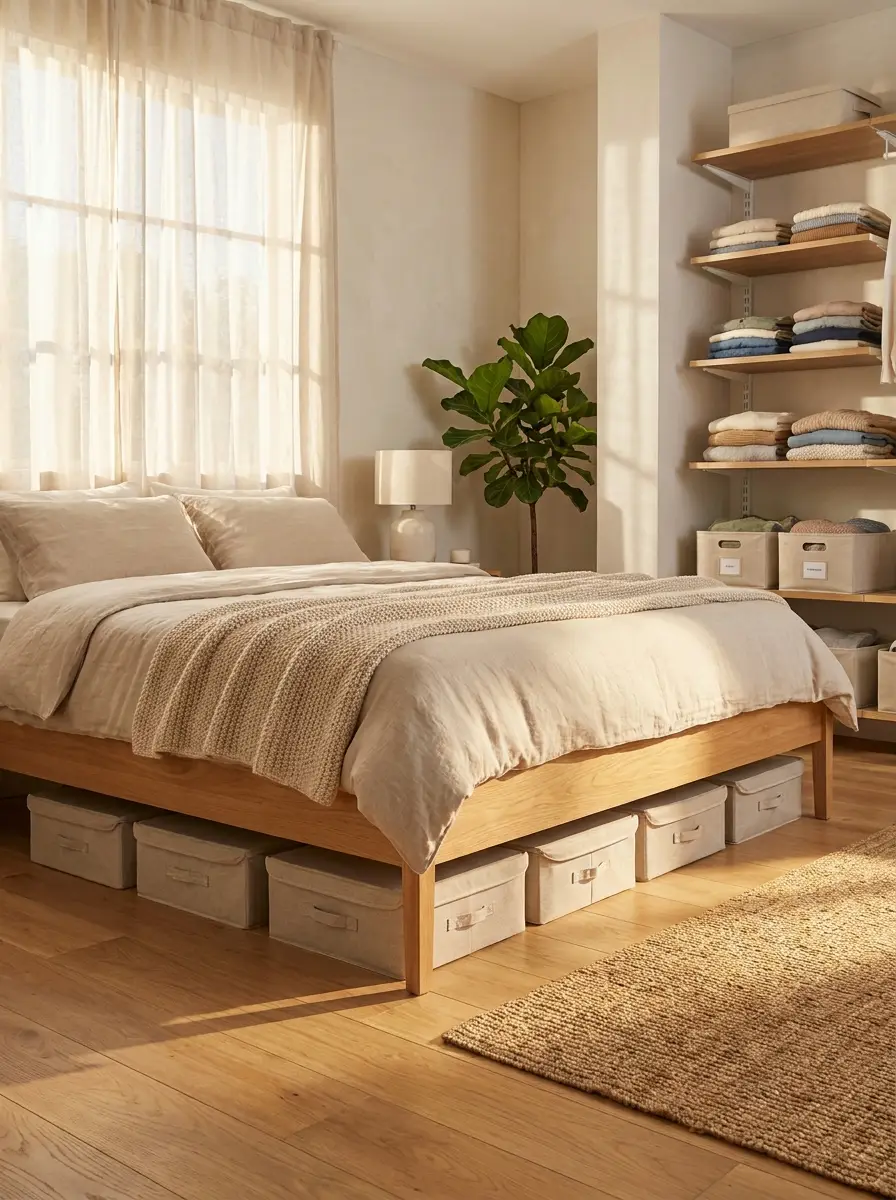
Under-bed space is often wasted entirely or filled with things in a completely disorganized way. Old boxes shoved in without thought, random items that were moved off the floor during a quick clean, dust and forgotten things.
This space is actually some of the most valuable storage in a bedroom, especially in a smaller room. Used well, it can hold a significant volume of items without adding any visual weight to the room, because everything is out of sight.
The key is to be deliberate about what goes under the bed and to use storage containers that are made for the purpose.
What Works Best Under the Bed
Low-profile bins or bags that slide in and out easily are the best option. Look for flat storage containers made specifically for under-bed use. They tend to be wide, shallow, and have wheels or smooth bases so they can be pulled out without effort.
Good things to store under the bed include:
- Out-of-season clothes (winter clothes in summer, summer clothes in winter)
- Extra bedding that is not in current rotation
- Shoes that are used occasionally but not daily
- Books, craft supplies, or hobby items that are used sometimes but do not need to be on display
Avoid using the under-bed area as a general dumping ground. If random things start going under there without a system, it quickly turns into a storage problem rather than a storage solution. Assign specific categories to specific containers, label them if needed, and commit to keeping other things out.
9. Rethink How Your Closet Is Working (Or Not Working)
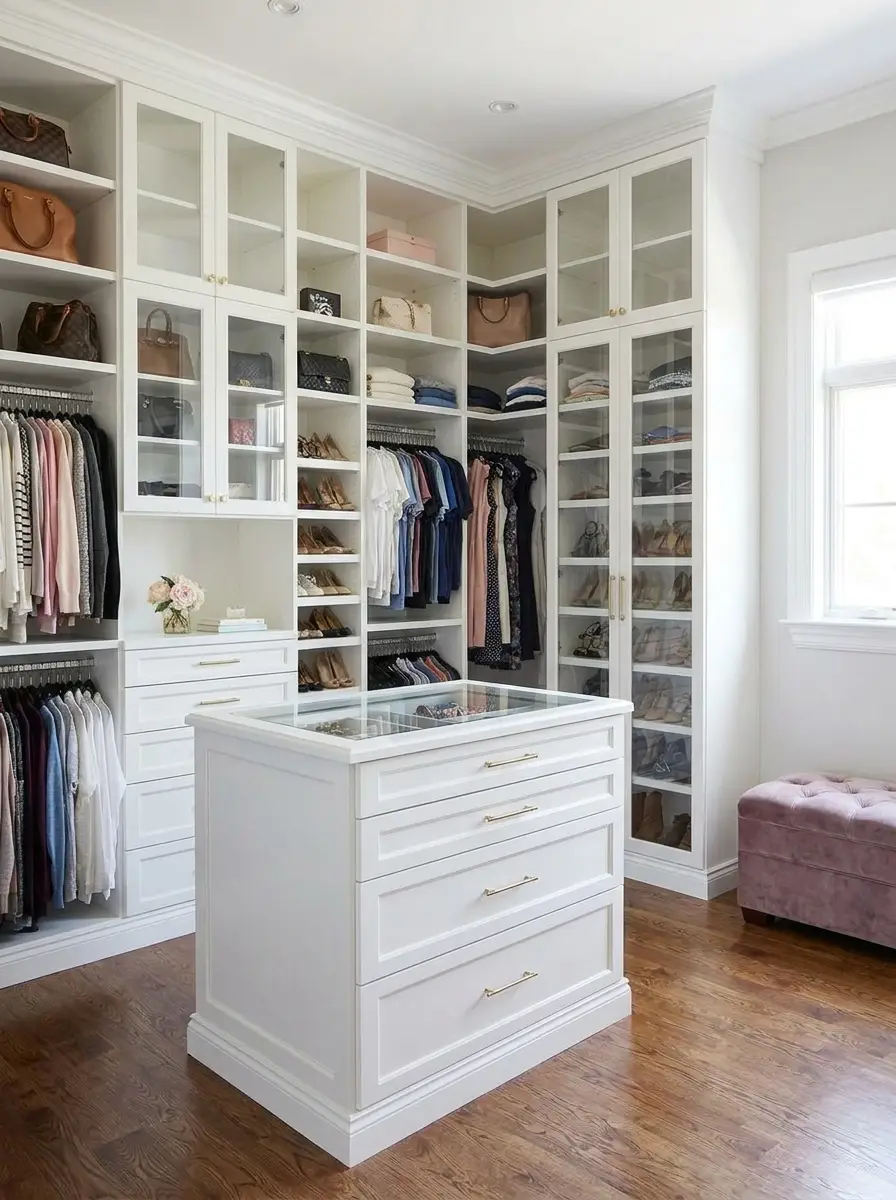
The closet is where most bedroom organization fails silently. Things go in, and finding them again becomes a problem. Clothes get stuffed. Shoes pile up. The closet door closes and everything behind it is forgotten.
A disorganized closet creates a ripple effect in the rest of the room. When the closet is hard to use, clothes end up on the floor, the chair, or the bed. When it is easy to use, clothes go back where they came from.
The first step in fixing a closet is, again, to go through what is in it. Most people have a far smaller number of clothes they actually wear than the total number of clothes they own. The rest takes up space and makes it harder to find the things that are actually used.
A helpful practice: if a piece of clothing has not been worn in twelve months, it is probably not going to be worn. The exception is occasion-specific items. But for everyday clothes, a year is a fair window.
Closet Organization That Actually Works
Once the closet is reduced to things that are genuinely used, the arrangement matters.
- Hang clothes by category: work clothes together, casual clothes together, formal items together
- Use uniform hangers if possible. Mismatched hangers waste space and make the closet look messier than it is
- Keep the most-used items at eye level and easy reach. Rarely used things go up high or down low
- Use the floor of the closet for shoes, in a rack or a small stacking shelf
- Add a small hook on the inside of the closet door for belts, bags, or accessories
Shelf dividers, small shelf risers, and hanging organizers that clip onto the rod can all double the usable space in a closet without any renovation. These are small, inexpensive changes with a large practical return.
10. Set Up a Desk or Study Area That Supports Focus
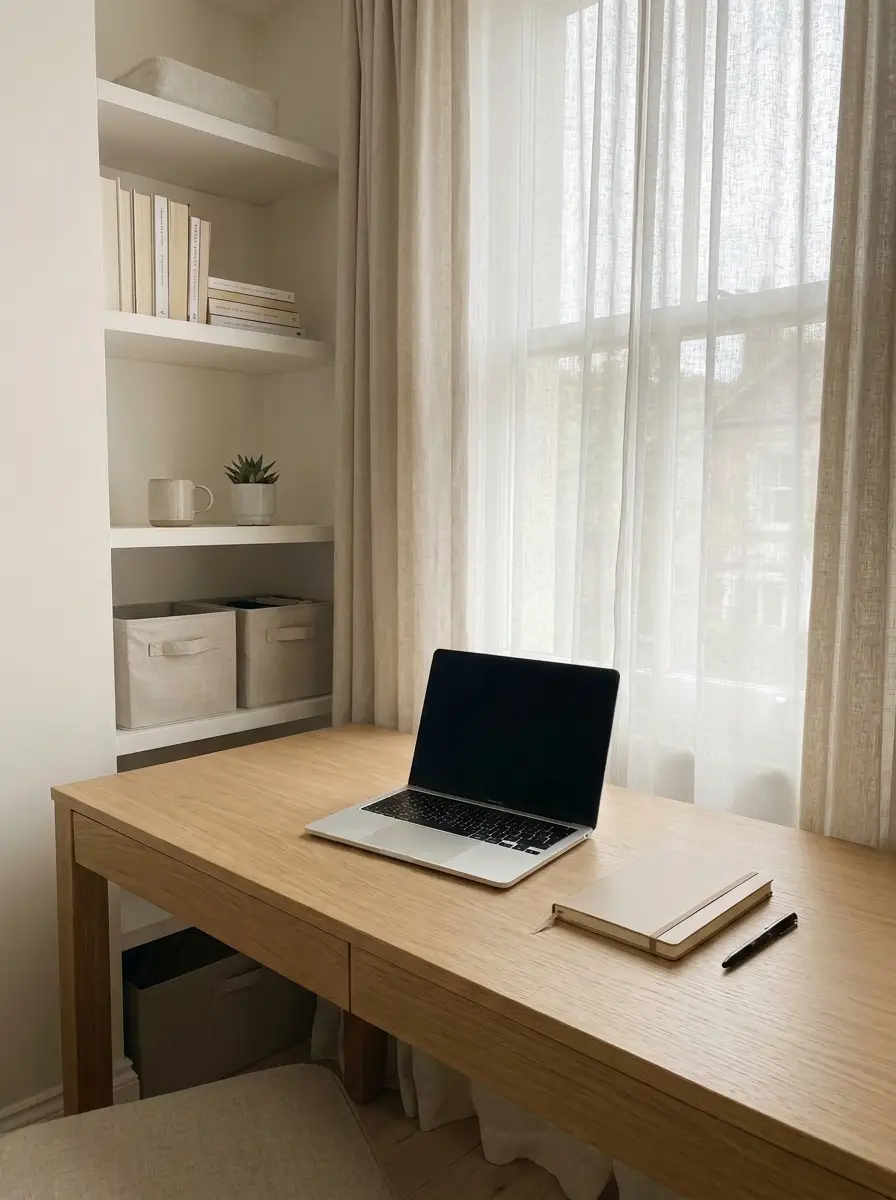
A desk that is covered in things makes it hard to think. This sounds obvious, but many people accept a chaotic desk as normal, then wonder why sitting down to work or study feels like a struggle.
The desk is not general storage. The desk is a workspace. Everything on its surface should serve the act of working or studying. Everything else belongs somewhere else.
Start by clearing everything off the desk completely. Everything. Then put things back only if they are used on or at the desk regularly. Most things will not make it back.
What a Functional Desk Setup Includes
A good desk setup does not require expensive gear. It requires clarity about what belongs there.
Keep on the desk:
- The primary work tool: a laptop, a notebook, a drawing pad
- One pen holder with a small number of pens or pencils that actually work
- A lamp if needed for lighting
- A small tray or dock for the phone
Keep near but not on the desk:
- Reference books or materials that are used often but not every session
- A small bin for paper or notes
- Charging cables run neatly to the side
Move away from the desk:
- Decorative items that add visual noise without function
- Snack wrappers, cups, and anything that belongs in the kitchen
- Old papers, receipts, or notes that are no longer relevant
A desk that is set up with intention signals to the brain that this is where focus happens. It becomes a place you want to sit at rather than a place you avoid.
11. Make Smart Use of Hooks and Hangers
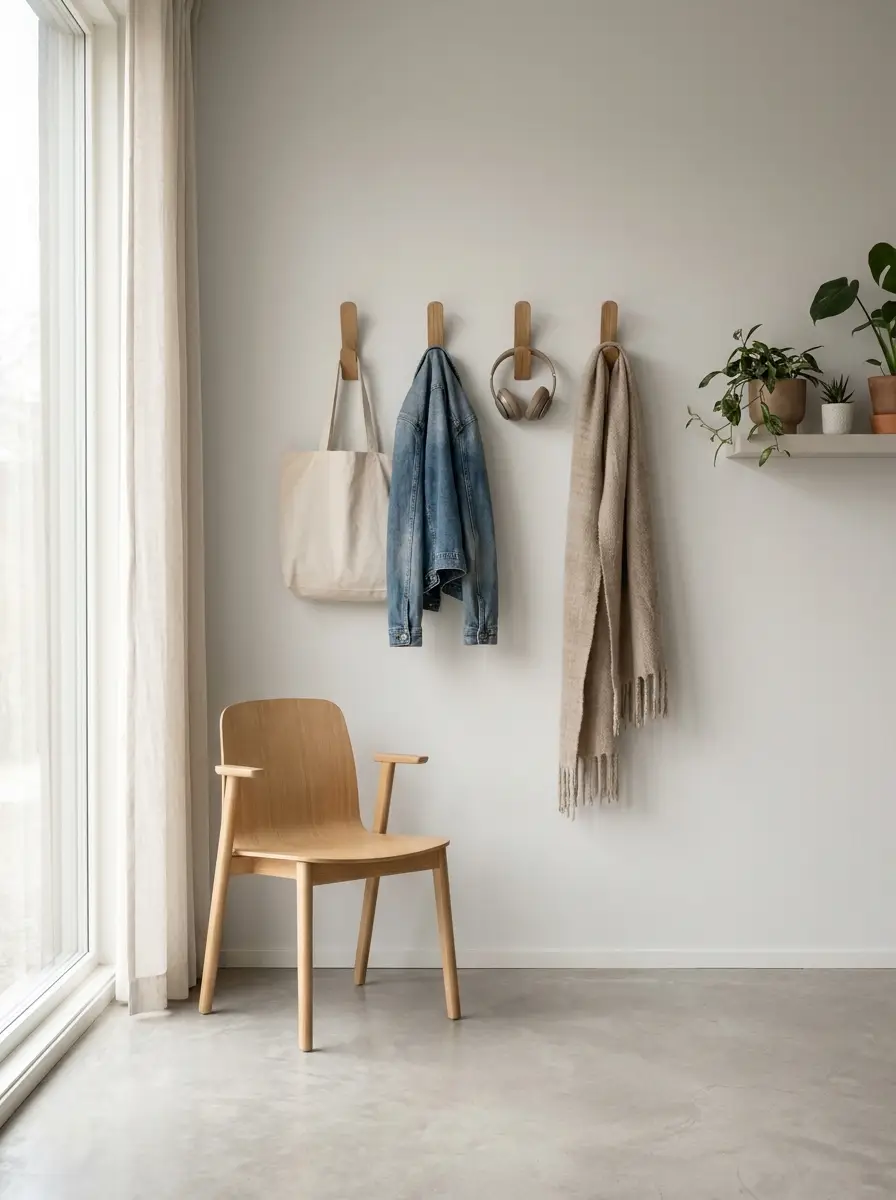
Hooks are one of the most overlooked tools in room organization. They cost almost nothing. They install in minutes. They hold an enormous amount of the things that tend to end up on floors and chairs: bags, jackets, belts, scarves, hats, headphones, towels, robes.
The reason so many rooms go without hooks is that people do not think about them until the mess is already a problem. But installing two or three hooks in strategic spots solves a significant number of daily organization problems before they start.
Where to Put Hooks in a Bedroom
Think about where items land when they come into the room. The door is the most obvious spot. A row of hooks on the back of the door handles jackets and bags immediately, before they have a chance to drift onto the floor or a chair.
Beside the wardrobe or closet is another strong spot. Clothes that are worn once but not yet dirty, the kind that feel too clean for the laundry but too worn to go straight back on a hanger, these need a designated landing. A hook or two solves this completely.
Near the desk for headphones, a bag, or a cable is another practical location. On the side of a nightstand for tomorrow’s outfit or a robe. Even small adhesive hooks on blank wall space can handle a lot if placed with intention.
One thing worth noting: hooks work best when each one has a specific job. A hook that is “for anything” quickly becomes overloaded and stops being useful. Decide what goes where and keep it consistent.
12. Build a Small Daily Reset Habit
All of the above, the decluttering, the zoning, the storage, the clean floor, all of it can be undone if there is no daily maintenance. This is the part most organizing guides skip, or mention briefly at the end without much weight. But it is arguably the most important part.
A room does not stay organized because it was organized once. It stays organized because a small amount of effort goes into it each day.
The good news is that this does not have to be a big cleaning session. A daily reset habit can take five to ten minutes if the room is already in a reasonable state. The goal is simply to return things to where they belong before they start to accumulate.
What a Daily Reset Can Look Like
A room reset habit works best when it is attached to something that already happens at a fixed time each day. After getting up in the morning, or just before getting into bed at night are the two most natural windows.
A simple reset checklist might look like:
- Make the bed or straighten the sheets
- Put any clothes on the floor or chair where they actually belong
- Clear the desk surface of anything that does not live there
- Return any cups, plates, or glasses to the kitchen
- Put away shoes and bags in their spots
- Give the floor a quick scan for anything out of place
That is genuinely it. Five to ten minutes, done consistently, is what keeps an organized room organized. It is not glamorous. But the difference between a room that stays tidy and one that falls back into chaos is almost always found right here: in this small, quiet, daily habit that most people underestimate.
Key Takeaways
- Organizing without decluttering first is moving the problem, not solving it
- Most rooms have untapped wall space that could hold a significant amount of what currently lives on the floor
- The right storage is not the most stylish storage. It is the storage that actually gets used
- A messy floor is usually a symptom of things that do not have a proper home yet
- The closet affects the whole room. When it works, the rest of the room works better
- A five-minute daily reset habit prevents the need for a five-hour monthly overhaul
A Final Thought
Organizing a room is, in a quiet way, an act of respect toward yourself. Not in any grand sense. Just the small, steady kind that says: the space where rest and work and daily life happen is worth a little care.
The mess that builds up over weeks or months rarely comes from laziness. It comes from a lack of clear systems. From things without homes. From habits that were never built, not because there was no desire, but because no one ever broke it down into steps that felt manageable.
Once the steps are clear, the room stops feeling like a problem and starts feeling like a place.
As William Morris once put it, have nothing in your house that you do not know to be useful or believe to be beautiful. The room does not have to be perfect. But every thing in it should have a reason to be there.
That is enough to start.