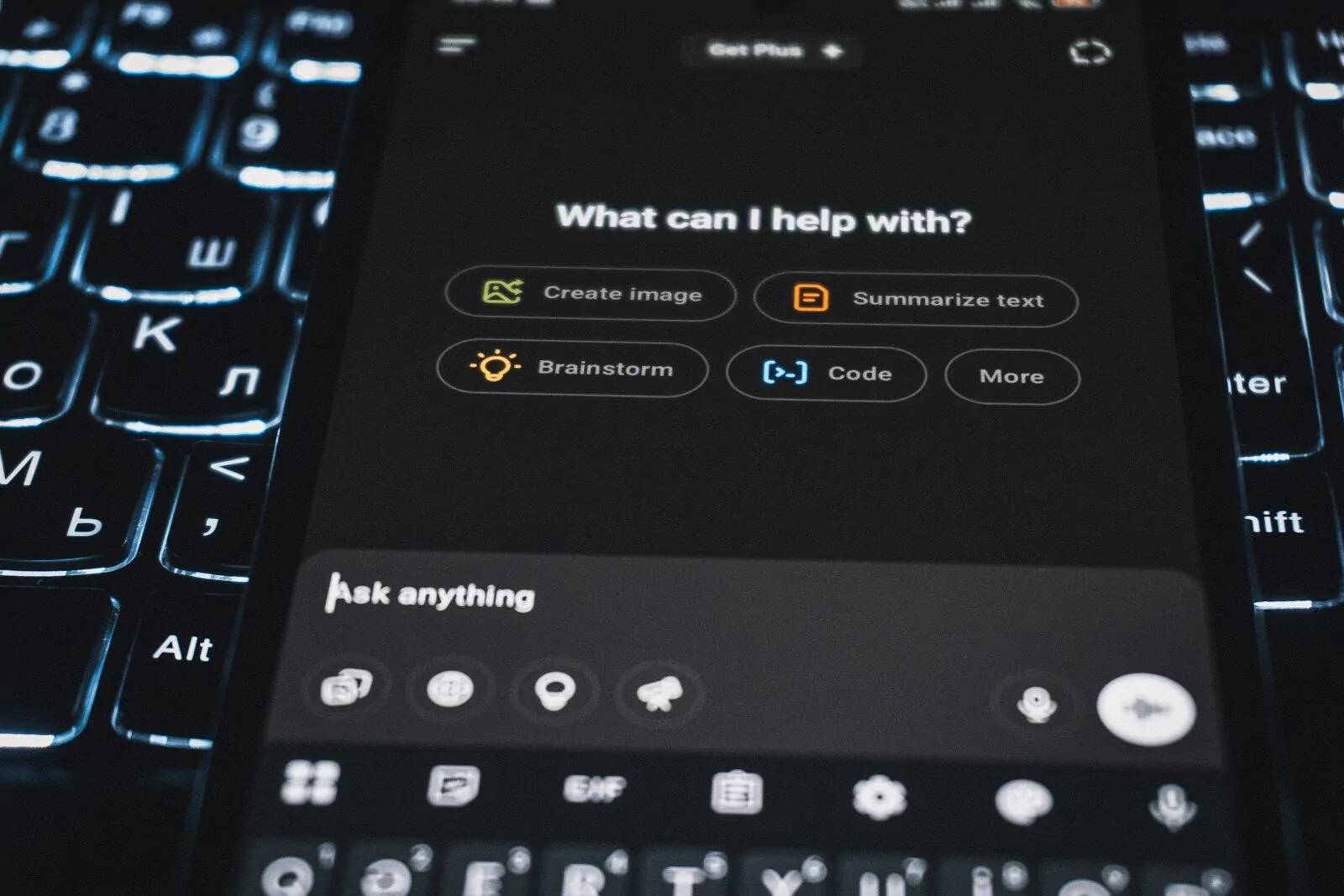
Real World AI: 7 Practical Ways to Use AI in Daily Life (With Tools)


Most people hear the word AI and think of robots, sci-fi films, or something only tech companies can afford. The truth is already different. Right now, a student in a small city is using AI to pass an exam faster. A solo shop owner is using it to reply to 200 customer messages without typing a single word. A freelancer is earning money on Fiverr with AI tools doing most of the heavy lifting.
Real world AI is not coming. It is already here, and the people using it well are quietly pulling ahead of those who are not.
This guide covers seven practical ways to use artificial intelligence in daily life, with real tools for each one, no theory, no jargon, and no wasted reading time.
What Is Real World AI?
Real world AI means using smart software to complete actual tasks, not studying it in a lab or reading about it in a book. It is AI doing useful work for real people in real situations.
Three examples that say more than any definition:
A bank flags a suspicious charge before the cardholder notices. That is fraud detection powered by machine learning.
A Spotify playlist adjusts itself based on the time of day and listening history. That is personalization through ai algorithms.
A small business owner types one sentence and gets a full email draft back in seconds. That is generative ai handling content creation.
None of these require a technical background. None require a team. They require the right ai tools and a willingness to use them.
Ai models today are trained on billions of data points. They learn patterns, predict outcomes, and generate outputs that would have taken hours to produce manually just a few years ago. Machine learning is the foundation. Generative ai is the newest and fastest-growing layer on top.
The gap between knowing AI exists and using it to actually save time or earn money is exactly where most people are stuck right now.
1. Using AI to Make Money
Real world AI has opened income paths that did not exist five years ago. These are not passive. They require effort and skill. But the speed advantage is real and documented.
Freelancing With AI Tools
Platforms like Fiverr and Upwork are full of clients who need content written, graphics designed, and business tasks completed. Many of these clients do not realize how fast a skilled person with the right ai tools can complete the work. That gap is the opportunity.
A writer using ChatGPT with strong prompts can draft a 1,000-word article in under twenty minutes. Not a rough draft. A clean, structured piece that needs only light editing. The skill is not replaced. It is multiplied.
Content creation is one of the most in-demand freelance services right now. Businesses need blog posts, email sequences, product descriptions, and ad copy at a scale they cannot handle alone. One person with solid prompting knowledge can fill that gap and earn consistent income doing it.
Video Editing With AI
Video editing used to require expensive software and years of practice. Tools like Descript, CapCut AI, and Runway now handle subtitle generation, background removal, color grading, and even script-to-video conversion automatically. The barrier to entry has dropped to almost zero, and short-form video demand keeps growing.
Running an AI Automated Agency
An ai automated agency is a small operation that offers AI-powered services to businesses. Content pipelines, automated reports, chatbot setup, data summaries. The setup cost is low. The margin is strong. And the work scales in ways a traditional service business does not.
Tools to use: ChatGPT, Jasper AI, Fiverr, Descript, Canva AI
2. AI in Business Automation
Most business owners spend more time on repeated, low-skill tasks than they ever planned to. Sending follow-up emails. Moving data between apps. Generating weekly reports. These tasks are not hard. They just steal time every single day.
Ai automation solves this, and it does not require a developer.
How Zapier Works in Real Life
A customer fills out a contact form. Zapier catches it instantly. It sends a welcome email, adds the contact to a spreadsheet, creates a task in a project tool, and notifies the right team member on Slack. Zero manual input after the initial setup.
That is an ai system doing five jobs at once without error, without fatigue, and without salary.
Ai technology now handles things that once required dedicated staff. Workflows that used to take an hour to process manually now run in seconds. Over a week, that adds up to real hours returned to the business.
Why Consistency Matters More Than Speed
Humans make mistakes, especially on tasks done at the end of a long day. An ai application runs the same task the same way every time. That reliability is undervalued until a human error costs a business a client or a payment.
Real world application of automation also creates a cultural shift. When teams stop doing repetitive work by hand, they start doing more thoughtful work. That is where real business mastery begins.
Tools to use: Zapier, Make (formerly Integromat), n8n, HubSpot
3. AI for Marketing and Content
Marketing runs on content, and content takes time. Most businesses know what they want to say. They just run out of hours to say it at the scale the market now expects.
What AI Does for Content Teams
A tool like Jasper AI or ChatGPT can take a simple brief and return:
- A full blog post draft
- Five ad headline variations
- A week of social media captions
- A product description optimized for search
All of this in the time it used to take to write a single paragraph from scratch. That speed does not replace human judgment. It makes a human’s time go much further.
Generative ai has also changed how SEO content gets made. One person with a clear strategy and the right ai tools can now produce more well-structured, search-ready articles in a week than a full editorial team could a few years ago.
Personalization at Scale
Personalization is where AI delivers some of its strongest marketing results. Instead of sending one email to a list of 10,000 people, a business can now send 10,000 slightly different emails, each adjusted to the reader’s past behavior, location, and purchase history.
Open rates go up. Click-through numbers follow. The difference between a generic blast and a targeted message is not subtle once the data starts coming in.
Actionable Insights From AI Analytics
Actionable insights now come from tools that process thousands of data points and surface what matters. Which ad is converting. Which page is losing visitors. Which subject line works with which segment.
Marketers who used to spend days pulling reports get those answers in minutes. That frees up time and budget to test faster and waste less on guesswork.
Tools to use: Jasper AI, ChatGPT, Surfer SEO, Semrush AI, Mailchimp AI
4. AI for Students and Learning
Learning has always had a pacing problem. A classroom moves at the speed of the group. A student either keeps up or quietly falls behind without anyone noticing.
Ai tools are changing this in ways that feel genuinely personal.
What Students Are Actually Using AI For
- Pasting a ten-page academic paper into ChatGPT and asking for a plain-language summary
- Asking follow-up questions on a concept until it actually makes sense
- Generating practice quiz questions from lecture notes
- Turning a recording of a class into a structured study guide in minutes
An ai assistant does not get tired of answering follow-up questions. It does not judge a student for not understanding the first time. For people who feel self-conscious asking for help, that matters more than it sounds.
Research Has Changed
Finding relevant sources used to take hours of scanning papers and pulling quotes manually. Ai models now read multiple documents at once, surface the most relevant passages, and identify contradictions between sources.
That is a skill that used to take years to develop. It is now a prompt away.
The AI Campus Model
Platforms built around ai campus environments are emerging where learners move through structured paths guided by adaptive systems that adjust difficulty based on real-time performance. These are early but growing fast, and the results for self-directed learners are measurable.
Expert guidance that once required access to specialized teachers or expensive tutors is now available through ai tools at almost any hour, for free or close to it.
Tools to use: ChatGPT, Notion AI, Google NotebookLM, Quizlet AI, Khanmigo
5. AI in Daily Life
Most of the time, people do not notice the ai application running behind their daily experience. The phone that unlocks by recognizing a face. The app that reroutes based on live traffic. The streaming platform that queued the right film on a tired Tuesday night.
These are not accidents.
Virtual Assistants Are Already Everywhere
Virtual assistants like Siri, Google Assistant, and Alexa handle reminders, calendar checks, smart home controls, grocery orders, and messages while driving. The interactions feel natural enough that most people forget they are talking to a machine.
Over 4.2 billion voice assistants were in use globally as of 2024. That number keeps climbing.
Personalization Engines Run Quietly
A news app learns which topics keep a reader engaged. A fitness app adjusts workout suggestions based on past completion rates. A food delivery platform surfaces the options most likely to be chosen based on order history, time of day, and weather.
None of this is random. It is machine learning running continuous pattern recognition on individual behavior, silently and without any input from the user.
Digital Assets Get Smarter
Digital assets like photo libraries now auto-sort by face, location, and event. Email inboxes separate important messages from noise without the user setting up filters manually. Cloud storage predicts which files will be needed soon and preloads them.
These improvements are small individually. Over a week, they add up to hours that go somewhere better.
Tools to use: Google Assistant, Siri, Alexa, Google Photos, Gmail AI
6. AI for Small Businesses
Running a small business means doing many jobs at once. Owner, marketer, customer service rep, accountant, strategist. There is never enough time for all of it.
Real world AI has changed that cost equation significantly.
Customer Support Without a Full Team
A chatbot powered by an ai agent handles the most common customer questions around the clock. Opening hours, return policy, order status, product availability. These questions come in at all hours, and they do not need a human to answer them.
The business owner wakes up to a cleared inbox instead of a wall of unanswered messages. That alone changes the pace of a small operation.
Lead Generation That Actually Targets
Ai tools now scan websites, social platforms, and public business directories to identify potential customers who match a defined profile. Instead of cold outreach to random lists, a small business reaches people who have already shown signals of real interest.
The quality of the conversation improves. The conversion rate tends to follow.
Fraud Protection Without an IT Department
Fraud detection is built into most modern payment processors through AI. Unusual transaction patterns get flagged before a charge clears. Small operators are protected from costly chargebacks that used to go unnoticed until the damage was already done.
Business Models Are Shifting
Business models that used to depend entirely on local word-of-mouth now have access to targeted digital campaigns, automated follow-up sequences, and real-time review monitoring, all through ai tools that cost less per month than a single hour of hired help.
Tools to use: Tidio, Intercom AI, Apollo.io, Stripe Radar, Mailchimp
7. AI for Productivity
Productivity is not about doing more. It is about getting through the necessary work without losing the whole day to it.
Task Management That Actually Works
Tools like Motion and Reclaim.ai do not just store a list of tasks. They look at what needs doing, how long each task typically takes, what is already on the calendar, and then build a realistic daily plan. The result is a day with real structure rather than a list that carries over to the next week with added guilt.
Email Is Costing More Time Than Anyone Tracks
An ai assistant reads an inbox, sorts messages by urgency, drafts replies in a consistent voice, and removes noise automatically. Research from McKinsey found that the average knowledge worker spends 28% of the workweek managing email. Cutting even half of that changes the texture of the entire workday.
Writing Takes Up More of the Day Than Most People Realize
Reports, proposals, updates, messages, documentation. An ai application that helps draft, refine, and structure written work cuts the time on each piece and often improves the clarity of the final output. The voice stays the person’s. The heavy lifting gets shared.
Complex Tasks Are Now Within Reach for Small Teams
Complex tasks like competitive analysis, document review, and financial modeling used to require a specialist. Ai models handling these tasks are not perfect, and human review is always necessary. But the first draft of the thinking arrives faster, and that matters enormously for small teams who cannot wait on a specialist for every decision.
What Actually Changes After a Few Weeks
The first thing most people notice after using these tools consistently is not speed. It is mental space. When the routine load is lighter, attention that used to go toward low-value tasks starts going toward work that actually requires thinking.
Tools to use: Motion, Reclaim.ai, Notion AI, Otter.ai, Grammarly
How to Start Using AI Today
The biggest barrier is not cost or complexity. It is never quite deciding where to begin.
Step 1: Pick One Specific Task
Not “use AI to improve the business.” Something concrete. Use ChatGPT to write the first draft of a client proposal. Use Zapier to send a confirmation email every time someone fills a contact form. One task. Clear output. Measurable result.
That specificity separates people who get value quickly from people who never quite start.
Step 2: Learn the Tool at the Depth the Task Needs
Most tools have tutorials, YouTube walkthroughs, and community forums full of real-world tips. Spending one hour learning before starting saves three hours of frustration. The skill compounds fast once the basics are solid.
Step 3: Scale Gradually
Once one task is automated or improved, find the next one. The people who get the most from ai automation build it into their routine over time, not overnight. Gradual progress builds something that lasts. A burst of enthusiasm followed by abandonment builds nothing.
Expert guidance is widely available. Online communities, YouTube channels, and ai campus style platforms all offer structured paths for new users with real use cases.
Best Real World AI Tools
ChatGPT
The most widely used ai assistant for writing, research, coding, summarizing, and problem-solving. The free tier works for most beginners. The paid tier adds speed, better ai models, and custom GPT access. For anyone starting with real world AI, this is the most practical first stop.
Jasper AI
Built specifically for content creation and marketing copy. Templates for blog posts, ad headlines, product descriptions, and emails. Output is more marketing-ready out of the box than a general-purpose tool. Strong choice for businesses producing content at scale.
Zapier
The backbone of ai automation for non-developers. Connects over 6,000 apps and builds workflows without a single line of code. A simple Zap can eliminate hours of manual work weekly. The free plan covers basic use. Paid plans unlock conditional logic and multi-step automation.
Notion AI
Sits inside a widely used workspace tool and helps with writing, summarizing, and organizing content. For teams already on Notion, the AI layer adds without friction. For individuals building a personal knowledge base, it turns raw notes into usable output.
Google Gemini
Built into Google Workspace tools including Docs, Gmail, and Sheets. For users already inside the Google ecosystem, Gemini offers a low-friction entry point into real world AI without learning a new platform.
An AI Agency
For businesses that want results without building internal skill, hiring an ai agency is worth considering. These teams specialize in setting up ai automated agency systems for clients, from content pipelines to customer service bots to full workflows. The cost varies, but at a certain business scale, the return on delegating this work is measurable.
Key Takeaways
- Most people are already using AI without calling it that. The shift is about becoming intentional with what is already available.
- The best use of AI is not to move faster blindly. It is to free up attention so the real thinking gets more space.
- The learning curve is shorter than it looks. Most tools are usable within a day. Real business mastery of them takes weeks, not years.
- Ai automation does not replace judgment. It removes work that does not need judgment so more time goes toward decisions that do.
- Starting with one task is not starting small. It is starting smart.
- The cost of not starting compounds quietly. The gap tends to become visible only once it is already significant.
FAQs
What is real world AI?
Real world AI refers to artificial intelligence used in practical, everyday settings rather than in research labs. This includes tools that write, respond, automate, recommend, and organize across business, education, creative work, and daily life. It is AI doing something useful right now, for real people with real problems.
How is AI used in everyday life?
AI runs inside navigation apps, music platforms, email filters, social media feeds, banking apps, customer service systems, and search engines. Most people encounter real world AI dozens of times a day without recognizing it. The more intentional version is using ai tools actively for writing, planning, content creation, and automating repetitive work.
Can AI help make money?
Yes. Many people earn real money through AI-assisted freelancing, content creation, and service businesses built around ai automation. The income is not passive and does not happen without effort or skill. But the leverage is real and documented across platforms like Fiverr, Upwork, and independent ai agency operations.
What is the best AI tool for beginners?
ChatGPT is the most practical starting point because it handles many different tasks through simple conversation and requires no technical setup. From there, Zapier works well for automation, and Jasper AI suits anyone focused on content. The best tool is always the one that matches the specific problem being solved.
Is AI safe to use for business?
Ai technology used through reputable platforms is generally safe. The main risks are accuracy, since ai models can be confidently wrong, and security when sensitive data is involved. Used with appropriate human review, the benefits significantly outweigh the risks for most real world application scenarios.
What is an AI agent?
An ai agent is a type of ai system that takes a goal, breaks it into step by step actions, and carries those actions out across multiple interactions or platforms without requiring a human to guide every move. Real practical application includes research pipelines, content workflows, and automated customer interactions.
What is an AI automated agency?
An ai automated agency is a service business that uses ai tools and workflows to deliver results for clients at scale. Common services include content pipelines, automated reporting, chatbot setup, and lead generation. The model works because ai technology handles the repeatable work while the operator focuses on strategy and client relationships.
Conclusion
Real world AI is not a future event. It is a current reality that most people are already partially inside without realizing it. The tools exist. The entry point is accessible. The income opportunities are documented. The productivity gains are measurable.
The only thing that separates people who benefit from this shift and people who do not is the decision to move from passive awareness to active use.
Start with one task. Use one tool. Notice what changes. Then add the next one.
As the technologist Kevin Kelly once put it, the most powerful technologies are the ones that disappear into the background of daily life. That is exactly where real world AI is settling, quietly and permanently, into the fabric of how work, learning, and daily life actually function.
The question is not whether to use it. The question is how much longer to wait.