7 Life Advice Lessons for Building Strong Relationships

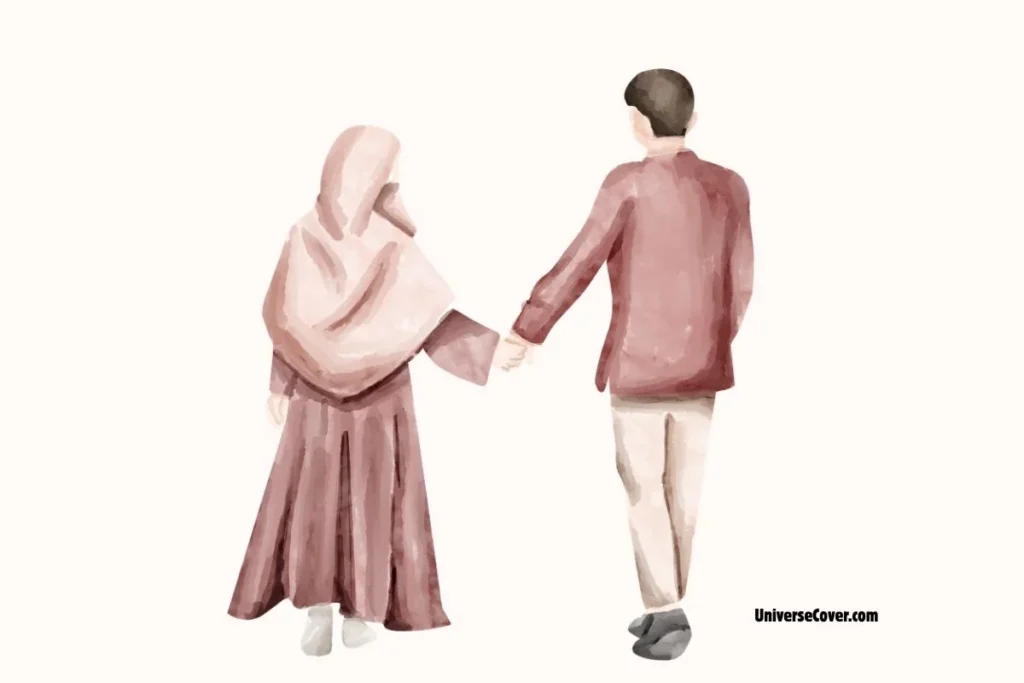
This pain sometimes everyone face that the people is in room are many but every one feel alone pain in heart.
The pain of having many friends but no one who truly knows you. The pain of love that once felt warm, and now just feels like a habit.
Strong bonds do not fall apart in one big moment. They fade. They thin out, like cloth that gets worn day by day, until one day you hold it up to the light and see right through it. Most people do not notice this until it is too late. And by then, the words needed to fix things feel too big, too late, or too hard.
Lesson 1: Trust Is the Root, Not the Fruit
Most people treat trust like a gift they give at the end, once the other person has earned it. But that is not how deep bonds are built. Trust is not a reward. It is a root. You plant it early, or the tree never grows right.
Think of the people in your life who you feel most safe with. Not safe as in they will never hurt you, but safe as in you do not have to edit yourself when you are near them. You speak and you do not fear how the words will land. That kind of safety does not come from proof. It comes from a quiet choice to be open, even when you do not have to be.
Research on close bonds shows that the sense of being trusted by someone else is one of the most powerful forces in human life. When a person feels that you trust them, they rise to meet that trust more than they fall from it. It is a well-known fact in social science that trust, when given freely but wisely, tends to create more trust in return.
But here is what most do not talk about: trust is not the same as blind faith. You can trust a person’s heart and still see their limits clearly. You can give them the benefit of the doubt and still keep your eyes open. Real trust is not naive. It is brave. It says: “I see you fully, and I am still here.”
The problem is that many people confuse trust with control. They want to trust, but only once they feel they can predict the other person’s every move. That is not trust. That is fear in a nice coat. And it slowly poisons every bond it touches.
What Breaks Trust Without a Single Lie
The most common way trust breaks is not through big lies. It is through small gaps. The time you said you would call and did not. The way you spoke about your friend when they were not in the room. The way you shared what was told to you in private. Trust does not snap. It leaks.
And once it leaks, people notice. They may not say it. But they pull back, just a little. They share less. They laugh a bit less freely. And the bond that once felt close now feels polite. Polite is fine between two people who do not know each other. But polite between people who once were close is one of the saddest things in the world.
To build and keep trust, one thing matters above all else: be the same person in every room. Be the same person when your friend is there and when they are gone. Be the same person when things are easy and when they get hard. That kind of steady, solid presence is rare. And people hold it close when they find it.
Lesson 2: The Way You Speak Shapes How People Feel Near You
Words do not just carry meaning. They carry weight. And that weight stays with people long after the words are gone. Most people know what it feels like to be spoken to in a way that made them feel small. And most also know the rare, warm feeling of being spoken to like they matter.
What is less known is how much the way you speak changes the bond over time. Not the big speeches or the grand moments. The small, daily words. The tone you use when you are tired. The way you say someone’s name. The way you respond when they share news, good or bad.
A well-known writer and researcher, John Gottman, spent years studying what makes bonds last. He found that the ratio of kind moments to harsh ones matters more than most people expect. Roughly five moments of warmth for every one moment of friction is what keeps a bond healthy. Not perfect. Not conflict-free. Just warm, most of the time.
The lesson here is not to fake kindness or avoid all hard words. It is to notice the baseline tone of how you speak to the people closest to you. Are they mostly met with warmth? Or has the ease of closeness turned into a kind of carelessness?
The Words That Never Leave
There is a specific kind of word that sticks for years. The word said in anger that you did not mean, but said anyway. The dismissive tone used on a day when you were just too tired to care. The sarcasm that was meant as a joke but landed like a small cut.
People forget what you said in most cases. But they do not forget how you made them feel. That is not just a quote people put on walls. It is a deeply true thing about the way the human mind holds memories. Emotional memory is sharp and long. Factual memory fades.
So the question worth asking is not just “what did I say?” but “how did I leave them feeling?” That shift in question changes everything. It moves you from thinking about your own expression to thinking about the other person’s experience. And that small shift is one of the biggest steps you can take toward building a bond that truly lasts.
Lesson 3: Being Present Is a Rare and Powerful Gift
The world has made it very easy to be physically near someone and emotionally far away. You can sit across from a person at dinner, phone in hand, and never once truly arrive in that room. And the person across from you will feel it. They may not name it. But they will feel it.
Presence is not just about putting your phone down. It is about where your mind is. You can sit with someone and be fully somewhere else, running through a list, planning tomorrow, replaying an old argument. That is not presence. And it is not enough.
The people who build the deepest bonds tend to have one quality in common: when they are with you, they are with you. They ask questions that show they were truly listening last time. They notice small changes in your tone or mood. They are not performing interest. They are genuinely there.
This kind of presence is not easy. It takes effort, especially in a time when attention is pulled in every direction. But it is one of the most loving things a person can offer. To give someone your full attention is to tell them, without a single word, that they are worth your time and your mind.
The Slow Death of Half-Presence
Half-presence is what happens when closeness becomes routine. Early in most bonds, people are fully present because everything is new. But over time, the familiar starts to feel like background noise. You stop truly listening because you think you already know what the other person is going to say.
That assumption is one of the quiet killers of long-term bonds. People change. What they need changes. What they are going through changes. A person who was strong last year may be fragile this year. A friend who never needed much may now need everything you have. And if you are not truly present, you will miss it.
The fix is not dramatic. It is just a habit. A habit of arriving, each time, like it is the first time you are sitting with this person. Ask one more question than you think you need to. Listen past the first answer. That extra layer is where the real bond lives.
Lesson 4: Forgiveness Is Not Weak, It Is What Strong People Do
There is a quiet myth that staying angry proves how much you were hurt. That holding onto the wound is a way of honoring what was lost. But the truth, the kind that only settles in after years, is that carried anger does not protect you. It drains you. And it keeps you tied to the very person or moment you wish you could leave behind.
Forgiveness is widely misunderstood. It is not the same as saying what happened was fine. It is not the same as going back to the way things were. And it is not something you do for the other person. Forgiveness is something you do for yourself. It is the act of putting down a weight that was never yours to carry for the rest of your life.
Studies on emotional health consistently show that people who practice forgiveness report lower levels of stress, less anxiety, and stronger relationships overall. This is not soft science. It is a measurable truth. Resentment costs the body and mind in ways that compound over time.
But knowing this does not make forgiveness easy. Some wounds are real and deep. Some people did things that were not small. The work of forgiveness in those cases is slow, and it is not always clean. Sometimes you forgive in parts. Sometimes you forgive and then find you need to forgive again, the same thing, on a different day when the memory comes back.
What Forgiveness Actually Looks Like Day to Day
In real life, forgiveness does not look like a single moment of peace. It looks like choosing, on a Tuesday when you are tired, not to bring up the old thing again. It looks like letting the small slight go without a comment. It looks like pausing before you respond, and choosing the gentle word over the sharp one.
The people who carry the least bitterness tend not to be people who were hurt less. They are people who decided that being free was worth more than being right. That is a hard call to make. But it is one of the most life-giving decisions a person can make, especially in their closest bonds.
There is a very old idea, found across many cultures, that releasing a wrong done to you is one of the strongest things a person can do. Not because the wrong did not matter, but because your peace matters more. And a bond that can survive hurt and still choose to stay is one of the most durable things in human life.
Lesson 5: Keep Your Promises, Even the Small Ones
People talk a lot about loyalty. About being there for the big moments. About showing up in a crisis. And those things matter. But what actually builds the foundation of any strong bond is much smaller, and much more daily.
It is the small promise kept. The text you said you would send that you actually sent. The plan you made that you did not cancel for something more convenient. The word you gave, in a moment that felt minor, and then honored anyway because you gave it.
Small kept promises are the bricks of trust. Every time you do what you said you would, even in a small thing, you are adding one more brick. Every time you do not, you are pulling one out. Most bonds do not collapse from one broken promise. They crumble from the slow removal of too many small ones.
There is a phrase that many wise people return to across many generations and many places: say less and do more. In a world that talks a great deal, the person who does what they say is rare. And they are deeply valued by the people lucky enough to know them.
The Habit of Under-Promising
One pattern worth learning early is to under-promise slightly. Not to be cautious or low in energy, but to give yourself room to truly come through. Many people over-commit in good faith, in moments when they want to help or connect, and then cannot follow through. And the other person is left with a gap where a promise used to be.
A better habit is to promise only what you are sure you can give, and then give a little more. It sounds simple. But the feeling it creates is one of the best feelings a bond can produce: the feeling of being someone who can be counted on.
That feeling, once a person builds it, becomes part of how others see them. It moves from an action to an identity. And an identity built on reliability is one of the most attractive and enduring things a person can offer in any bond, personal or otherwise.
Lesson 6: Know When to Give Space, and When to Step Closer
Not every bond needs the same amount of closeness at every moment. This is something many people learn the hard way, usually after pushing too hard in a moment when the other person needed room, or pulling back at the wrong time and leaving someone feeling alone.
Reading when to move closer and when to step back is one of the most nuanced skills in any relationship. It does not come from a formula. It comes from attention. From truly watching the other person and asking, not what you feel like doing, but what they seem to need.
Some people go quiet when they are hurting. They do not want to be chased or filled with questions. They need space to process, and what feels like love to them is someone giving them that room without abandoning them. Other people go quiet when they feel disconnected, and what they need is the opposite: a gentle step forward, a check-in, a sign that you noticed they were gone.
The only way to know which kind of person you are dealing with is to pay attention over time and then, when in doubt, just ask. Asking is not a sign of not knowing. It is a sign of caring enough to want to get it right.
When Space Becomes Distance
There is a line between giving someone room and drifting away. It is not always easy to see in the moment. But it becomes clear in hindsight: space was good, until it became a habit of not reaching out. Checking in became less frequent. Then the silence started to feel normal. And then one day you realized you had not truly talked in months.
Distance is not always a choice. Sometimes life moves fast and the people we care about slip into the background. But a bond that matters deserves a little active effort, even when life is busy. Even a short message, a quick call, a small note to say you thought of them: these things do not take much, but they hold the thread.
The strongest long-term bonds are the ones where both people feel like the other one would notice if they went quiet. That mutual sense of being watched over, gently and without pressure, is one of the quietest and deepest forms of love there is.
Lesson 7: Gratitude Is the Glue That Holds Every Bond Together
It is a strange thing. The closer people become, the less they often say thank you. Not out of ingratitude, but out of assumption. Once a person becomes part of your daily life, you start to count on them in a way that forgets to acknowledge them. They become part of the background. And the background is easy to overlook.
But the people in your life who show up for you, who keep their word, who listen when they are tired, who choose you consistently: they feel that silence. Not always loudly. But in a small, quiet way, they notice when their efforts are not seen.
Gratitude is not just about saying the words, though the words matter more than people think. It is about noticing. Really seeing what the other person is doing and choosing to say something about it. That act of naming what you see is one of the most connecting things two people can share.
A well-known study in positive psychology, often linked to researchers like Martin Seligman, found that people who regularly express gratitude to others report deeper, more satisfying bonds than those who do not. The act of expressing thanks does not just benefit the person receiving it. It also reconnects the person giving it to what they value and who they value.
The Quiet Erosion of Taking People for Granted
Most bonds do not end in fights. They end in a quiet drift born from feeling unseen. One person gives and gives without much acknowledgment. Over time, they grow tired. Not angry, just tired. And they start to pull back, a little at a time, until the bond no longer feels nourishing enough to maintain.
This pattern is so common it is almost universal. And the antidote is almost embarrassingly simple: notice people. Tell them when they did something that helped you. Say their name with warmth. Thank them for things that others take for granted. Mean it when you ask how they are.
None of this costs anything. And all of it builds something that money, status, or time cannot buy: the feeling of being truly valued by someone who did not have to say it but chose to.
Key Takeaways
- Trust is built in small, daily moments, and lost the same way.
- The tone you use every day matters more than the big words you say in rare moments.
- People do not remember what you said. They hold on to how you made them feel.
- Forgiveness is not for the person who hurt you. It is for the peace you deserve.
- Small kept promises build more trust than grand gestures that come once a year.
- The most durable bonds are the ones where both people still choose to show up.
- Gratitude is not just a feeling. It is a practice that keeps bonds alive.
The One Thing Most People Miss
After looking at all of this, there is one thread that runs through every lesson. Every strong bond, in the end, is built not on grand acts but on a long series of small, honest choices. The choice to be present. The choice to keep your word. The choice to see the other person, truly see them, and let them know.
Most people know this. And yet most people wait for a big moment to show it. They wait for the right time to apologize, the right time to say thank you, the right time to show up fully. But the right time is almost always the quiet, ordinary moment right in front of you.
As the writer Rumi once noted in a way that has lived across centuries: the truth does not shout. It whispers. And so do the things that hold people together. You will not always hear a trumpet when a bond reaches its turning point. But if you are paying attention, you will feel it. And that feeling is always worth acting on.
The bonds worth having are not the easiest ones. They are the ones that asked something real of you, and the ones where you chose to give it anyway.