How To Treat Your Mother With Love and Respect Every Day

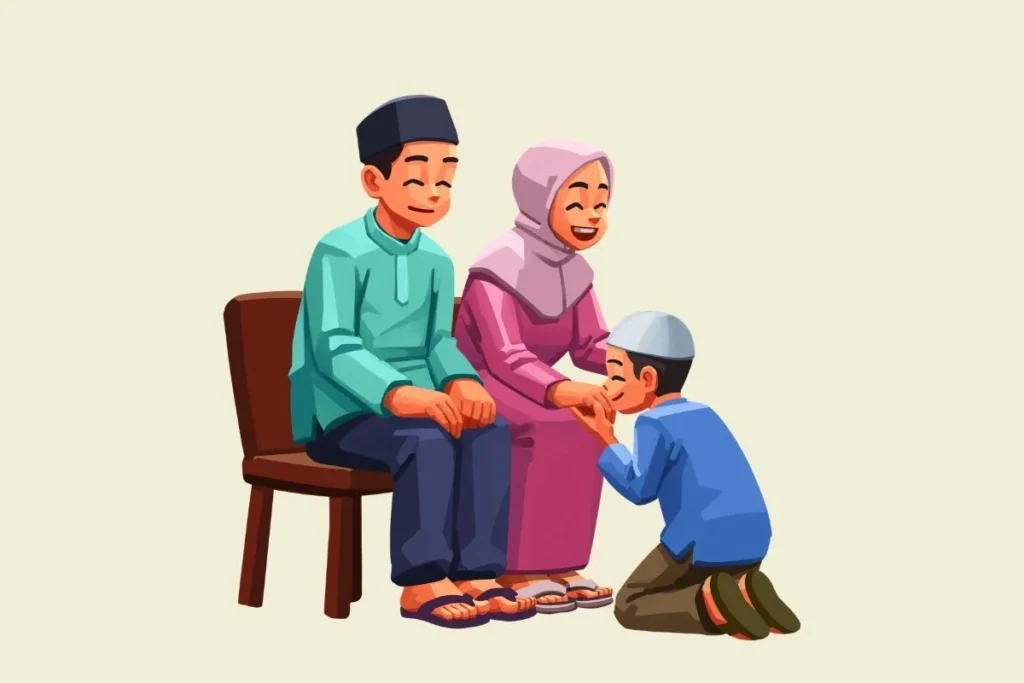
A person who respects their mother and fulfills her needs deserves success. Without doubt, we also see in our society that this type of person becomes successful in this world and in the hereafter. Those who treat their mother like a younger sister or like an ordinary woman are often unsuccessful and face difficulties in this world.
We all know that we do not treat our mothers the way they deserve. Not always. Not fully. There are days we come home tired and say the wrong thing. Days we scroll through our phones while she talks. Days we say “yes, yes” without really hearing her.
And then one day, things change. She gets older. Or she gets sick. Or she is simply gone. And all those small moments that were wasted come back, one by one, like a list no one ever meant to make.
The Weight of the Word “Mother”
Most of us have heard the word “mother” so many times it has lost some of its weight. We say it fast. We say it without thinking. But stop for a second and really sit with it.
She was there before you knew the world. She was your first voice, your first warmth, your first sense that you were safe. Research in early child development shows that the bond formed with a primary caregiver, almost always the mother, shapes how a person forms all other bonds in life. That is not a small thing.
And yet, over time, the bond that should grow deeper often becomes routine. People call when they need help. They visit on big days. They remember her on holidays. But the in-between moments, the plain Tuesdays and slow Saturdays, those are where real care lives. And those are often where most of us fall short.
What makes this harder is that mothers rarely complain. Not the ones who love deeply. They take what they get. They make do. They say “it is fine” when it is not, because they do not want to be a bother. That silence is not peace. It is patience, built from years of putting others first.
The average mother spends over six thousand hours in active care during a child’s first three years alone. That number does not count the nights of lost sleep, the meals made while sick, the quiet sacrifices that left no record at all. There is something in that number that should change the way we think about ordinary gratitude.
What It Really Means to Treat Her Well
There is a common mistake people make when they think about being good to their mother. They think of big things. Gifts. Trips. Surprises. And those can be good. But they are not the core of it.
The core of treating your mother well is attention. Real, warm, present attention. The kind that says: you are not a task on the list. You are a person, and right now, you are the most important one in the room.
Studies on loneliness in older adults consistently show that quality of contact matters far more than the number of visits. A mother who sees her child every week but feels unheard is lonelier than one who is seen less but truly listened to. That is worth letting sit for a moment.
Real care is not dramatic. It does not look like a movie scene. It looks like choosing to stay a little longer. It looks like asking the second question after she gives you the short answer to the first one. It looks like being slow enough to notice she seems off today.
Small Acts That Mean the Most
The truth is, most of what makes a mother feel loved is not grand at all.
- Ask her how her day was and wait for the full answer, not just the short one
- Notice when she looks tired and do not wait for her to ask for help
- Sit with her without a screen in your hand at least once every visit
- Say thank you for the things she has always done, the things taken for granted
- Laugh with her, not just around her
These are not hard things. But they need a kind of slowness that modern life keeps stealing away.
Being There Without Being Asked
One of the deepest forms of care is showing up before someone has to call for you.
- Check in mid-week, not just on weekends
- Notice if she sounds off on a call and ask a second time, gently
- Offer to help before she reaches the point of real need
- Remember what she said last time and bring it up this time
A mother who raised children has spent years anticipating needs. She knew you were hungry before you said it. She knew you were sad before you showed it. To give even a fraction of that same awareness back to her is one of the most honest ways to love her.
How Words Can Heal or Hurt Her
People often focus on actions when they think about how to treat their mother. But words do more, both good and bad, than most of us will admit.
A sharp tone at dinner. A sigh when she asks the same question twice. A dismissive “yes, yes” when she shares a worry. These feel small in the moment. But they land. And they stay.
There is a concept in psychology called emotional memory, the idea that we remember how people made us feel far longer than we remember what they said. A mother who hears warmth and patience from her children carries that warmth through her whole week. A mother who absorbs frustration and irritation carries that too, usually in silence.
Words spoken with care are not weakness. They are precision. They hit the right place and stay there. And when a person has spent decades making sure your words landed soft, the least that can be done is return the favor.
The Tone We Use at Home
Home is where most of us let our guard down, and not always in a good way.
- Speak to her the way you would speak to a guest you genuinely respect
- Lower your voice when frustration builds, not raise it
- Do not correct her in front of others if it can wait for a quiet moment
- Let her finish her thoughts, even when the ending seems obvious
The irony is that strangers often get more patience than the people who love us most. A kind word costs nothing but means everything to the person who has been waiting for it quietly.
What She Hears Even When No One Speaks
Body language is a language too. And mothers, who have spent years reading the faces of their children, read it fluently.
- When you look at your phone while she speaks, she notices
- When you rush through a visit, she feels it long after you have gone
- When you roll your eyes, even quietly, she sees it
- When you choose to stay a little longer, she feels that too, and it matters more than most realize
Care is not only what is said. It is the way a person orients their whole self toward someone else. That quiet choice to be fully present is something a mother never forgets.
Her Time Is the Gift She Needs Most
There is a reason time is the one thing that cannot be bought, borrowed, or sent back. Every hour is spent the second it passes. And a mother who is aging knows this in a way that her children often do not yet.
When children grow up and leave, the house gets quieter. The days that were once full of noise, need, and motion become slower. This shift, what researchers often call the “empty nest” phase, is one of the most emotionally complex transitions a person can face. Some mothers move through it with grace. Others grieve quietly. Most do a bit of both.
To give your mother your time is to say, without words: you still matter. You are still part of this life. You are not an item to schedule in. You are someone whose company still gives something back.
A survey by Age UK found that over one million older adults in the country go more than a month without speaking to a friend, family member, or neighbor. One million people. Most of them with children who are simply busy.
Visits That Feel Like Love
Not all visits are equal. Some feel like checkboxes. Others feel like home.
- Come without a reason sometimes, just because
- Stay long enough to have a real conversation, not just an update
- Bring something small that shows she was thought of, not just a standard gift
- Help with something around the house without making it feel like a chore
The difference between a visit that fills a mother’s heart and one that only marks attendance is presence. Being fully there. Not already halfway to the next thing.
Calls That Are Not Just Updates
A quick call to say “all good, you?” is better than silence. But it is not the same as a real call.
- Ask open questions that invite her to share, not just report
- Tell her something from your week that she would enjoy hearing
- Let the call end naturally rather than cutting it off mid-thought
- Call when there is no news, just because her voice was missed
A call that feels rushed or dutiful leaves a mother feeling more alone than before she picked up. That is worth knowing before the next one is made.
When She Gets Older and Needs More
There comes a time in most families when the care starts to reverse. The child who was once carried now does the carrying. This shift can be slow or sudden. Either way, it is one of the most honest tests of character a person will face.
Aging is humbling. It strips away independence in stages. A woman who once ran a full household, raised children, and kept everything steady begins to need help with things she once did without thinking. This is not just a physical change. It is a deeply emotional one.
According to the World Health Organization, the global population of people aged sixty and over is growing faster than any other group. That means more families are navigating this shift right now than ever before. And most of them are not ready for what it asks of them.
To treat an aging mother well requires a different kind of patience. Not the patience of waiting in a line, but the patience of watching someone you love struggle and knowing you cannot fix it, only soften it.
Patience in Hard Moments
Old age brings its own set of challenges for the one living it and the one watching.
- Repeat the answer to the same question without letting frustration show
- Slow down when she moves slowly, do not walk ahead
- Let her tell the same story again without looking bored
- Do not make choices about her life without including her in the talk
The right to be heard and considered does not expire with age. If anything, it becomes more important the older a person gets, because the world begins to treat them as smaller and less relevant.
Dignity Is Not Something Optional
One of the most powerful things a child can do for an aging mother is protect her dignity.
- Never talk about her health or struggles in front of others without her permission
- Do not speak on her behalf when she can speak for herself
- Let her have preferences, even small ones like how she takes her tea
- Thank her for who she was, not only for what she can still do today
A person who spent decades caring for others should spend their later years being cared for with the same quiet respect they gave. That is not a favor. That is what love looks like in its most honest form.
What She Has Given That Most People Never Count
A mother’s contribution to a child’s life is almost impossible to fully measure. One widely cited estimate placed the economic value of a stay-at-home mother’s labor at over eighty thousand dollars per year when broken down across the roles she fills: nurse, cook, teacher, driver, counselor, and more. That number is from years ago. Today it would be far higher.
But the real cost she pays is not in hours. It is in worry. The kind that does not clock out. That wakes her at three in the morning. That follows her through every stage of a child’s life, long after they think they no longer need her to.
The nights she did not sleep so others could. The meals made when she was tired. The words she chose with care so they would land soft and not hard. These are the invisible threads that hold a life together. Most of us only see them once they are gone.
There is something uncomfortable in realizing how much was given and how little was acknowledged. Not because acknowledgment would have been demanded, but because it would have mattered more than most people know.
The Quiet Regret Nobody Talks About
There is a kind of grief that has no clean name in most languages. It is the grief of realizing, too late, that more could have been done. That the time was there, and it was spent on other things. That she was there, and only half of the attention was there too.
Grief researchers note that this type of regret, the kind tied to missed moments with a parent, is among the most persistent forms of loss. It does not fade the way other grief does. It resurfaces at quiet moments. In a song. In a smell. In a Tuesday morning when there is no one left to call.
This is not written to cause fear. It is written because knowing this truth while there is still time is one of the most useful things a person can hold onto.
She is still here. The call can still be made. The visit can still happen. The words that have never been said can still be said. Regret is not a fate. It is a warning with time still on it.
Key Takeaways
- Most of what makes a mother feel truly loved is not rare or expensive. It is attention, time, and warmth, given with full presence
- Words and tone do more damage and more healing than most people track day to day
- As she gets older, the greatest gift shifts from things to dignity, patience, and being genuinely seen
- Calls and visits only count when both people feel something real during them, not only after
- The regret of neglecting a mother stays longer and cuts deeper than almost any other kind
- There is still time for most people reading this. That is the most important thing to know right now
What Remains When Nothing Is Left Unsaid
There is no perfect child and no perfect mother. That is not what any of this is about. It is about direction. The quiet, ongoing choice to move toward her, not away.
A wise elder once said that we do not fully know the value of water until the well runs dry. With a mother, the well feels like it will always be there. It has always been there. And then one day, without warning, it is not.
The best time to treat her well was always. The second best time is right now, with whatever day is left, whatever plain Tuesday or slow Saturday is still in front of us.
Treat her well. Not out of guilt. Not as a duty to check off. But because she earned it in ways that never made it onto any list, and because some part of you already knew this long before you read a single word of this.