60 Meaningful Things to Do With Your Parents for Every Season and Situation

You are sitting in your car after a visit with your parents, and you realize the time went fast. Too fast. You talked about the same old things. The news. The food. The weather. And then you drove home with that low, dull feeling that you did not quite say what you meant to say. Or do what you meant to do.
That feeling does not come from a lack of love. It comes from a lack of direction. Most people want deeper time with their parents. They just do not know where to start. And so days pass. Then weeks. Then years. And the visits stay the same.
This guide is not a bucket list. It is not a list of grand trips or big plans. It is a real, grounded look at meaningful things you can do with your parents at any age, in any season, with any budget. Small things. Quiet things. Things that open doors to the kind of talk you both actually want to have.
Why Spending Time With Your Parents on Purpose Actually Matters
Most people spend time with their parents out of habit or duty. A visit on a holiday. A phone call on a birthday. These moments are real, but they are not the same as time that was chosen on purpose.
A 2023 study from the Journal of Social and Personal Relationships found that adults who spent regular, planned time with their aging parents reported stronger emotional bonds and lower rates of regret later in life. The word “planned” matters here. Not grand. Not expensive. Just chosen.
There is also something worth naming about the window that exists right now. Parents age. Their energy shifts. Their health changes in ways that are slow and then sudden. Many adults only realize how narrow the window was after it has closed. Choosing to spend time now, not later, is one of the most honest acts of care a person can offer.
The best activities are simple, practical, and create natural conversation. They give both sides something to do with their hands so the heart can open up without any pressure. That is the whole idea behind what follows.
1. Quick Weekend Ideas With Your Parents (Easy, Low-Effort, High Value)
Weekends are the most common window adults have with their parents. But they often pass in front of a screen or in small talk. These five ideas need no big plan, no booking, no budget. They just need a yes.
Go Out for Breakfast Together
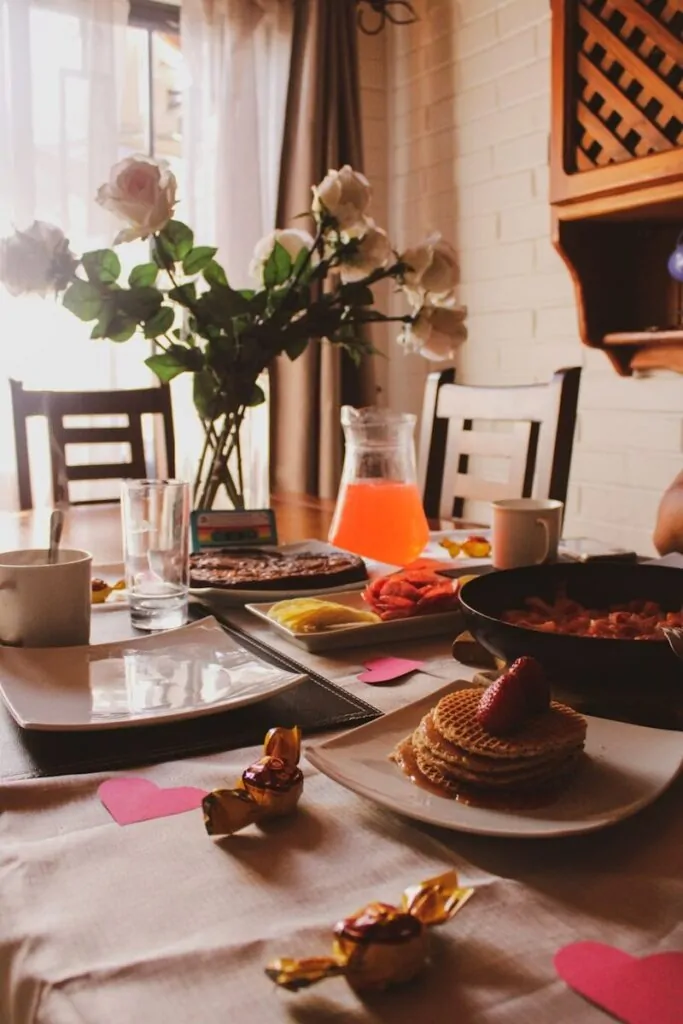
There is something about the morning that strips away the noise. People are softer. Less on guard. A breakfast outing with your parents, even to a simple local spot, creates a calm that a dinner at a busy restaurant rarely can.
Order what you like. Sit near the window if you can. Let the talk come slow. The morning light has a way of making old stories feel new again. Many adults find that some of their best talks with their parents happened over morning chai or coffee at a quiet table. No agenda. No rush. Just the kind of ease that only morning allows.
- Pick a spot near their home so the travel is not tiring
- Go on a Saturday before the crowd builds up
- Let them choose where to sit and what to order
- Turn your phone face down for the full hour
Take a Neighborhood Walk
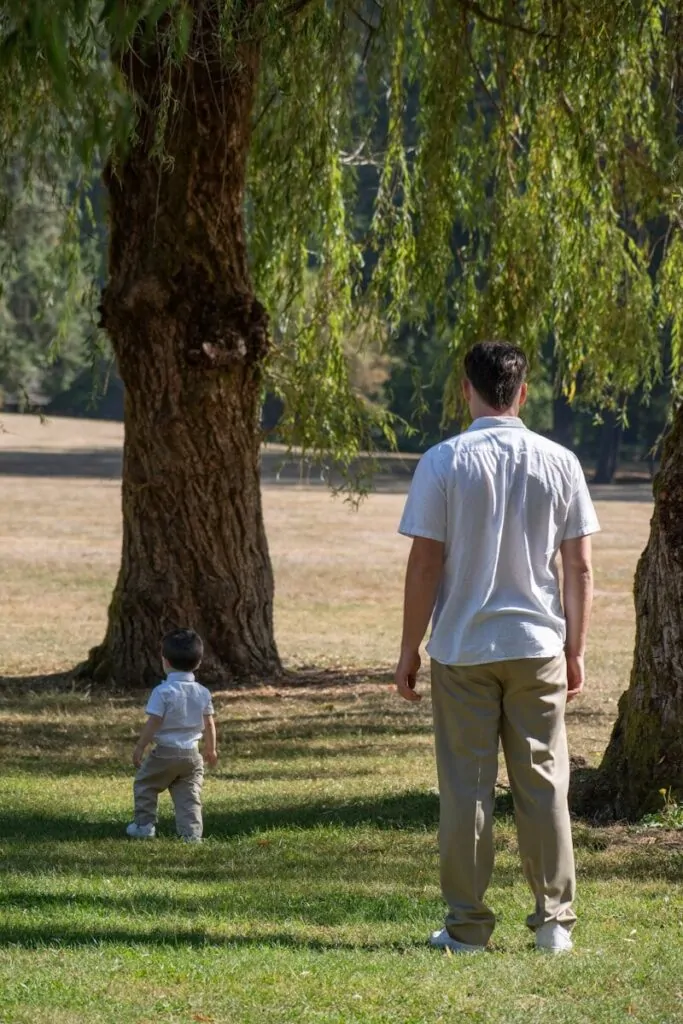
A walk is underrated as a tool for real talk. When two people walk side by side, eye contact is not required. That small shift removes pressure. Conversations that would feel too heavy across a table feel light on a walk.
Most parents enjoy the familiar. A walk through their own street gives them something to point to. A tree they planted. A shop that used to be a school. A neighbor they have known for thirty years. These are not small things. These are the threads of a life. Listen to what they point out. That is the real conversation.
Visit a Local Market Together

Local markets carry a kind of energy that malls do not. They are louder, more alive, and full of small decisions that spark small talk. What looks fresh today. What is overpriced. What your mother used to buy from a vendor just like this one.
Markets are also a great equalizer. Your parent may know more than you here. Let them lead. Let them show you how they pick fruit or how they talk to the vendor. That knowledge is not nothing. It is a language worth learning before it is no longer available to learn.
Cook One Family Recipe Together
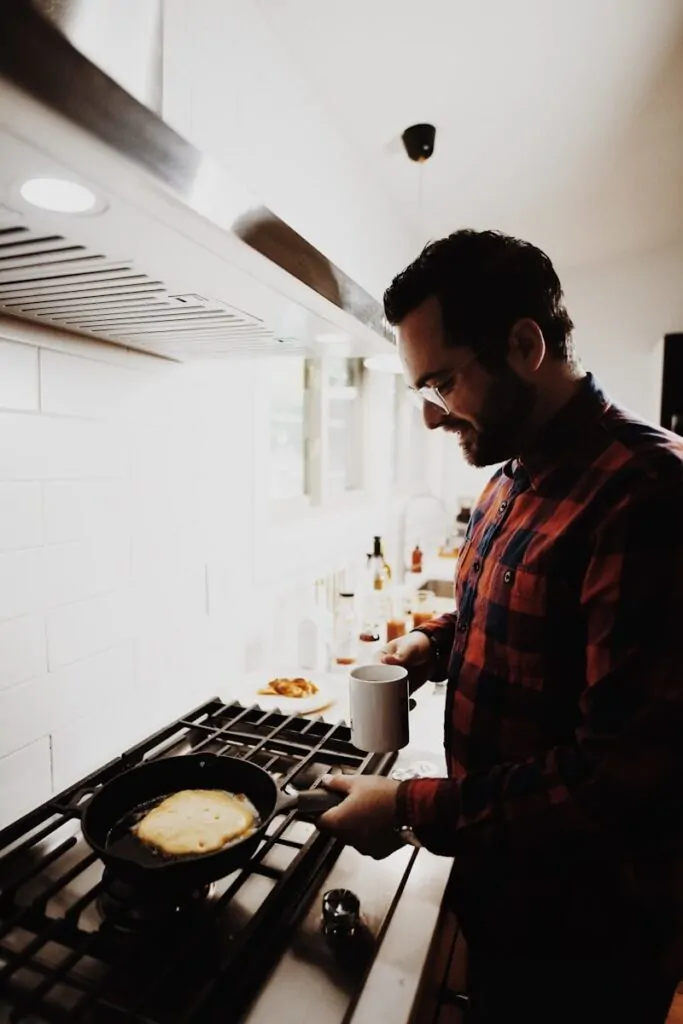
Pick one dish. Not a full meal. One dish, from memory, the way your parent learned it. Ask them to lead the process and just follow.
You will notice things. The way they cut without measuring. The way they smell the oil before it is ready. The way they talk more freely when their hands are busy. Cooking a family recipe together is one of the most honest forms of time transfer that exists. Knowledge moves from one generation to the next not in lectures but in small, repeated actions like this one.
Have Tea at a Quiet Cafe

This one is simple to the point of being almost obvious. And that is exactly why it works.
A quiet cafe, two cups, and no particular reason to be there, that is the setup for the kind of quiet time that actually fills people up. No tasks. No advice. No updates. Just presence. Many parents ask for less than their children think. Often, a calm cup of tea in a place that is not a hospital or a busy family gathering is enough to make them feel seen.
2. Affordable Things to Do With Your Parents (Low Cost, High Meaning)
Not every good moment needs money. In fact, some of the most honest time between parents and adult children happens in the cheapest settings. Here are five ideas that cost very little but tend to give a lot back.
Have a Picnic in a Nearby Park

Pack simple food. A few things your parent likes. A mat or two. A flask of something warm. Find a patch of shade.
The park does most of the work. Nature is a gentle reset for people of all ages. Studies show that even twenty minutes in a green outdoor space lowers cortisol levels and helps people feel more open. You are not just having lunch. You are giving both of you a break from the indoor world that most adults spend too much time in.
- Choose a park with benches in case sitting on the ground is hard
- Bring food your parent already loves, not new things to try
- Go in the mid-morning or late afternoon when the heat is softer
- Leave your earphones at home
Browse a Library Together

A library is one of the few places left that asks nothing of you. No purchase required. No noise expected. Just rows of ideas on shelves.
Walking through a library with a parent is a quiet pleasure. They stop at sections you would not think to visit. History. Gardening. Old cookbooks. You stop at yours. And for a while, you are both just people who like to read, which is a kind of equality that feels good. Let them pick a book to take home. Or find one to read together, one chapter at a time, over weekly calls. Shared reading builds shared language in a way few things can.
Visit a Community Garden
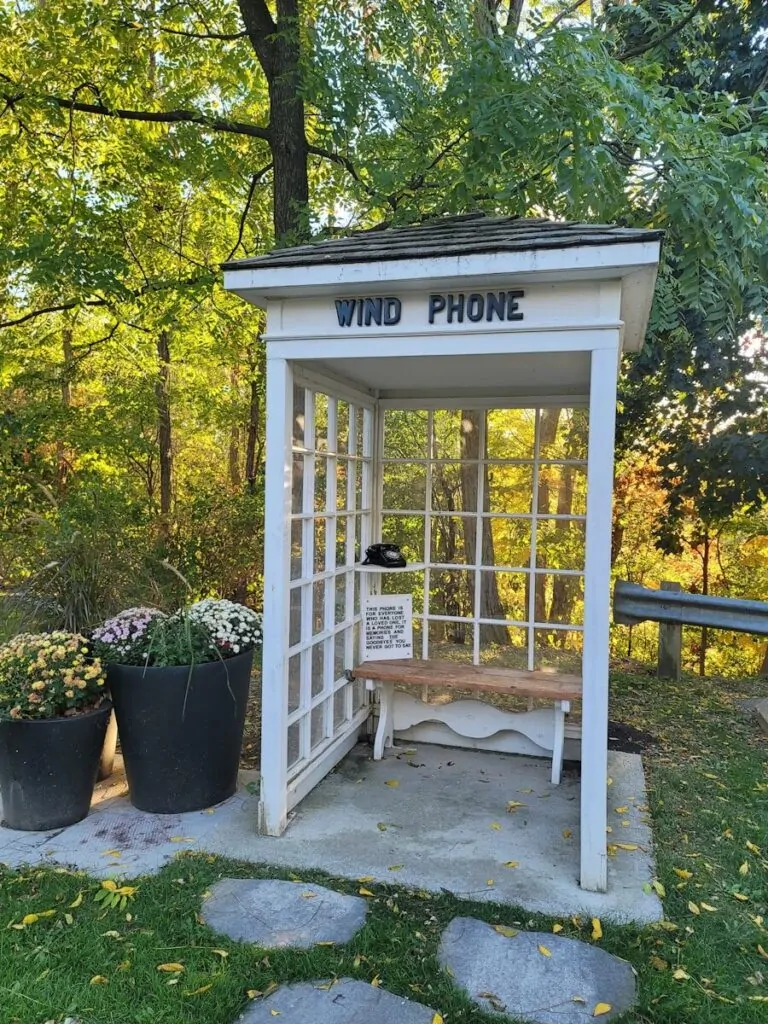
Not all areas have them, but where they exist, community gardens are warm and human places. The people there are usually happy to talk. The plants give you something to look at while you listen. And your parent, especially if they ever grew anything in their life, will likely have more to say here than they would at a mall or a movie.
Growing things is one of the oldest forms of patience. Being around that kind of patience tends to pull it out of people. Even if neither of you gardens seriously, the walk through rows of things being carefully tended has a way of slowing the pace of everything around it.
Work on a Small Home Project Together

Fix the shelf. Paint the wall. Organize the kitchen cabinet. It does not need to be big. What matters is that you are doing something side by side with a clear purpose.
Working with your hands next to someone you love builds a kind of quiet trust that talking alone cannot always reach. You problem-solve. You ask each other questions. You laugh when things go wrong. And when you finish, there is something to show for the time, which makes the afternoon feel earned in a way that a passive visit rarely does.
Help Someone in the Community Together
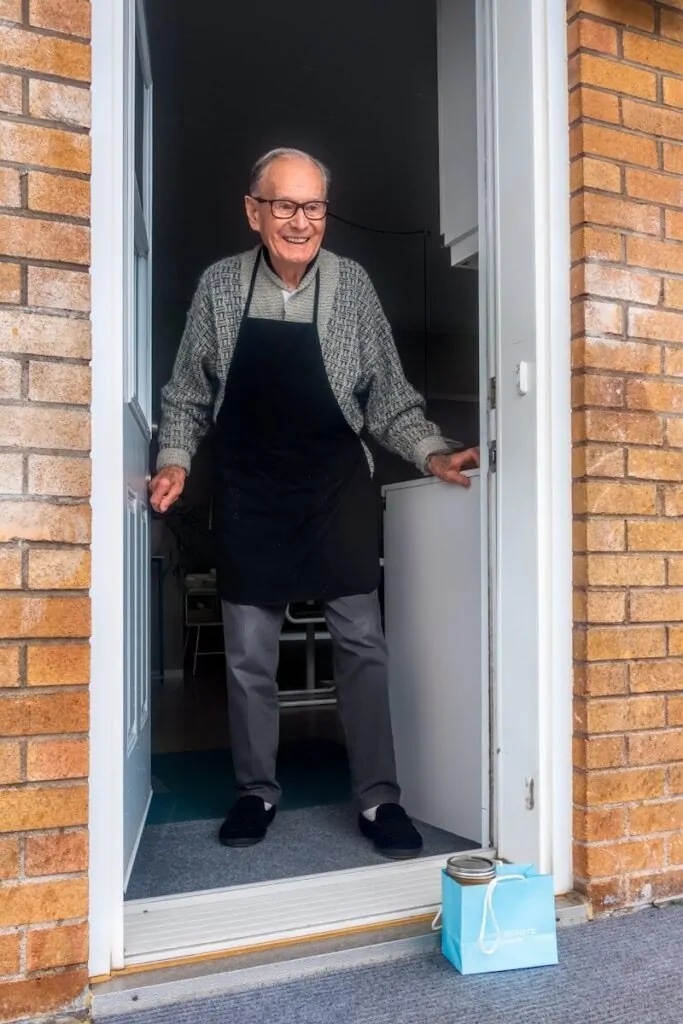
Visit an elderly neighbor who lives alone. Drop off food to a family that is going through a hard time. Help clean the yard of someone who cannot do it themselves. It does not have to be big or organized.
Going out to help someone together, with no agenda and no reward, does something quiet but real to both people. It reminds you both that your family is part of something larger than itself. And many parents, especially older ones, feel a deep satisfaction in being useful in the world again, in moving and doing and giving alongside someone they love. The drive back from a small act like this tends to carry a particular kind of calm that is hard to find anywhere else.
3. Things to Do With Your Parents at Home (Quiet Quality Time)
Home is where most family time actually happens. And yet it is also where the TV tends to fill the silence and the hours pass without much being said. These ideas use the home as the setting but ask more from the time than just being in the same room.
Watch Old Home Videos Together
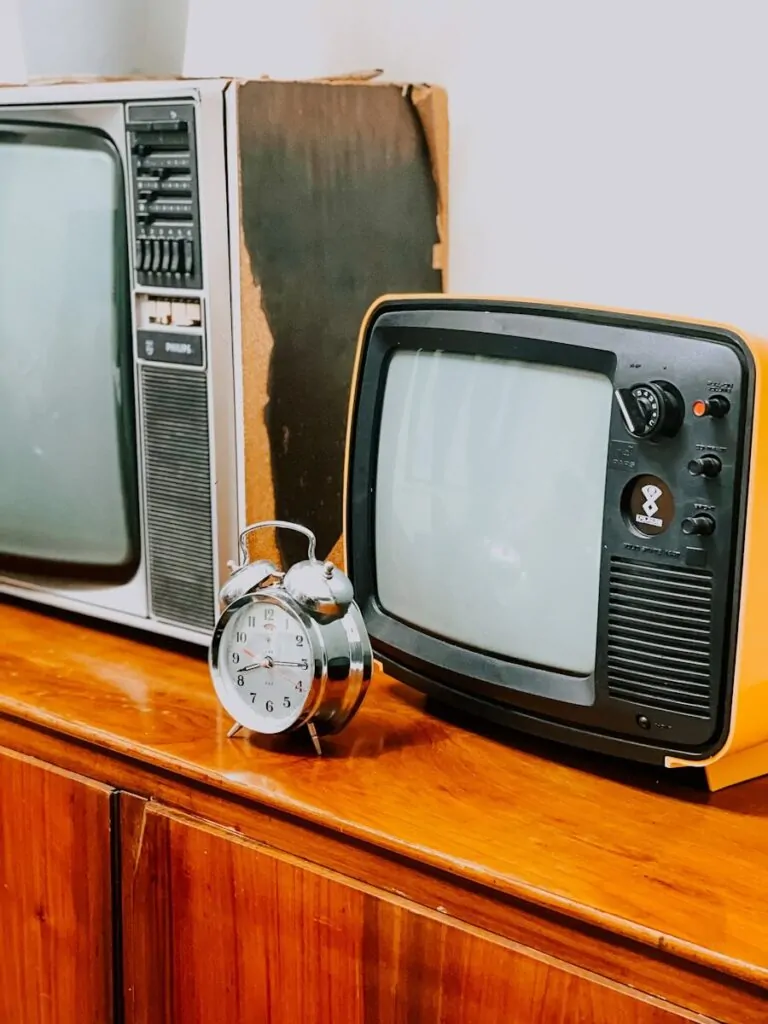
If your family has them, old home videos are something most families watch once and then forget about for years. Dig them out.
What happens when you watch them together is hard to plan for. Your parent sees themselves young. You see yourself as a child. Moments that no one remembered clearly suddenly return in detail. Your parent will fill in what happened off-screen. They will tell you what was going on that day, that year, in that house, in ways that no photo can fully capture. One afternoon with old videos can produce more honest conversation than a year of regular visits that followed the usual script.
Organize Family Photos Together
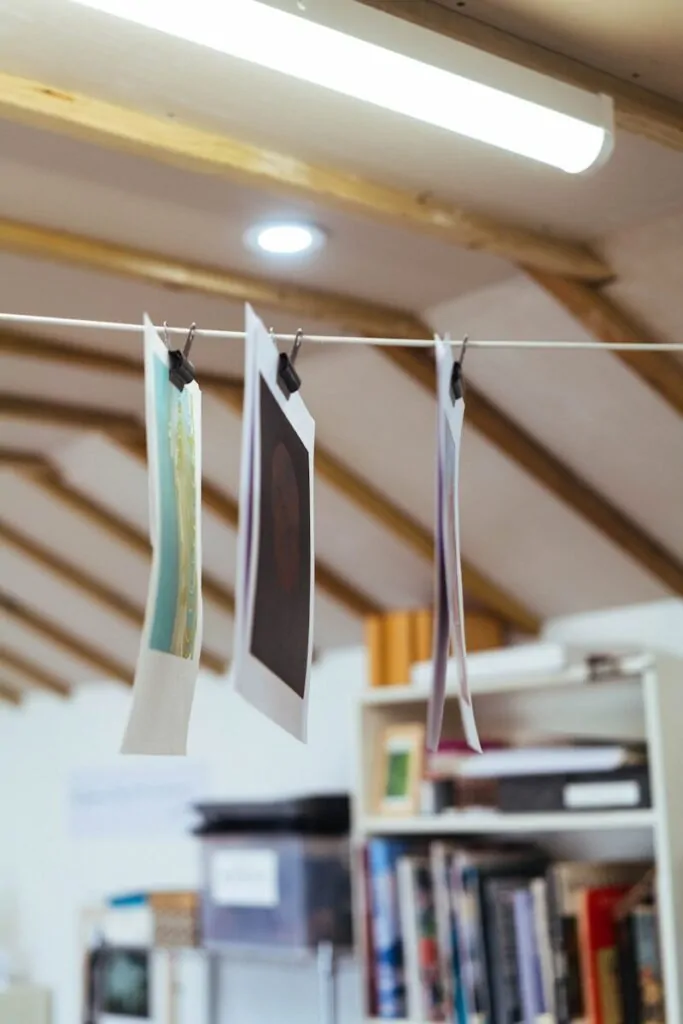
Most families have photos they have not looked at in years. Printed ones in albums. Digital ones buried in old phones. A slow afternoon spent going through them is one of the most natural ways to open up family history without having to formally ask about the past.
Your parent will stop at certain ones. Their face will shift. They will tell you who is in the photo without being asked. And you will learn things you had no idea to wonder about.
- Ask them to tell you the year or the event for each photo
- Write the names on the back of printed ones before they fade from memory
- Create a shared digital folder for the whole family
- Frame one or two that feel important and give them to your parent as a small gift
Start a Small Indoor Gardening Project
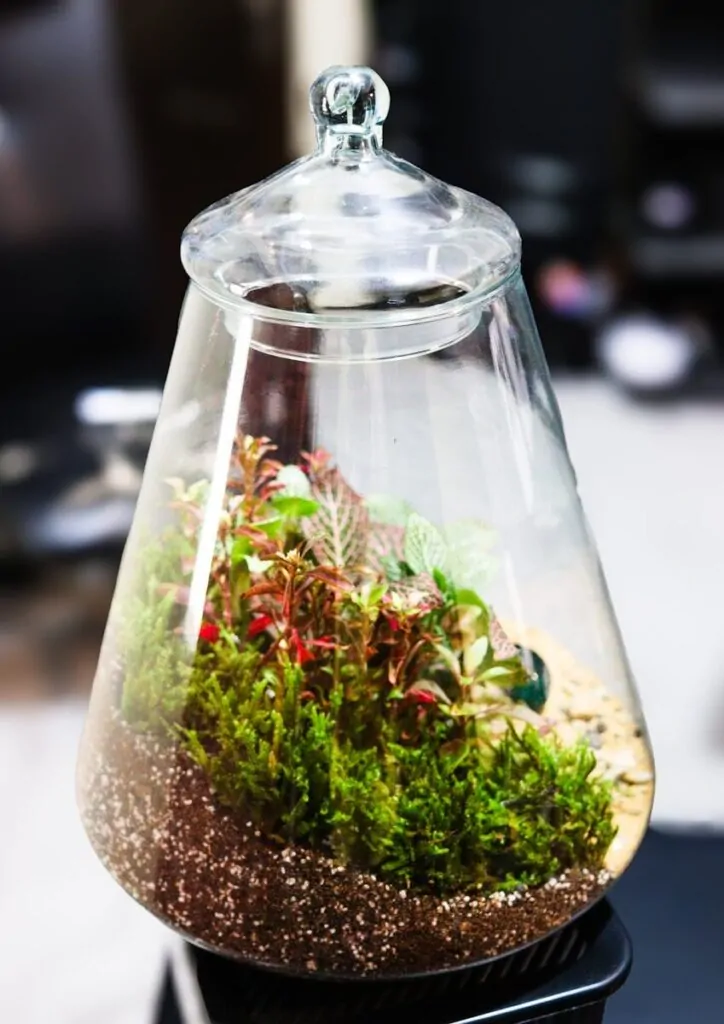
A few small pots. Some soil. Seeds that are easy to grow. This is a project that unfolds slowly and gives both of you a reason to check in regularly.
“How is the plant doing?” is a small question, but it is also an opening. And small openings, used often, become real connections over time. Indoor gardening is also gentle enough for parents who cannot move much or who tire easily. It gives both of you something alive to care for, which is not a small thing to share.
Declutter One Room Together
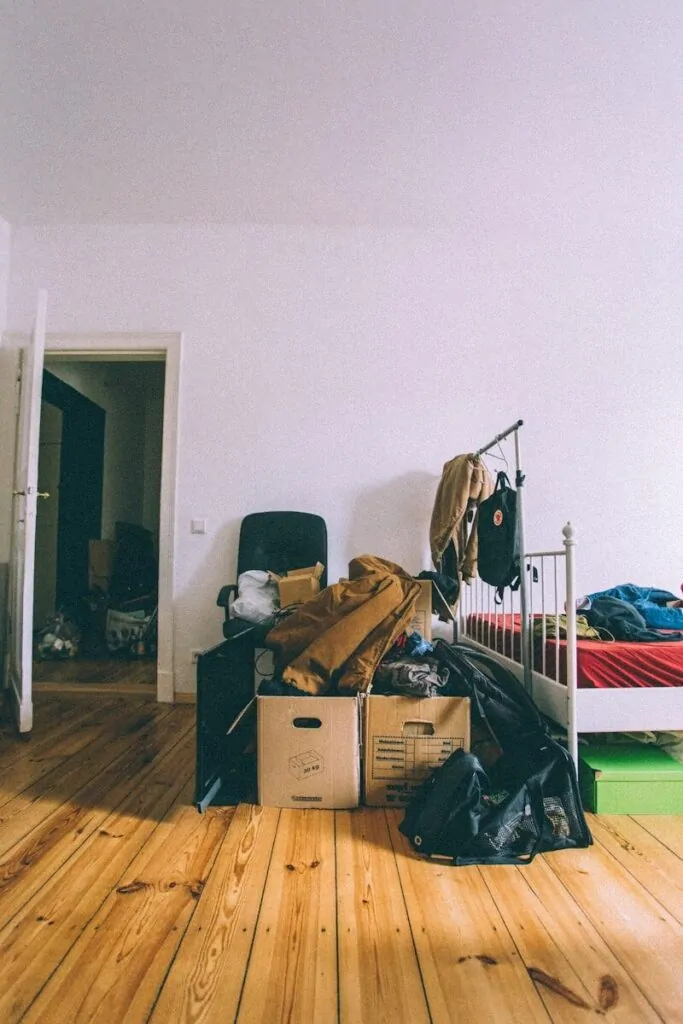
This one takes courage but rewards it. Going through a room with a parent, especially an older parent who has held onto things for decades, is an act of careful listening.
Every object has a story. Some stories are simple. Some will surprise you. Some will make both of you quiet for a moment. The room becomes a kind of museum of a life, and you are the first person who has taken time to walk through it with them. Approach this with patience. Do not rush the decisions. Let your parent lead what goes and what stays. Your job is to be there, not to manage the outcome.
Prepare a Family Recipe Book Together

Collect every recipe your family uses. The ones written on scraps of paper. The ones memorized and never written down. The ones that everyone knows but that actually only one person knows.
Write them together. Ask for amounts. Ask for the tricks that are not in the steps. “How long do you cook it?” “It depends on how it looks.” That kind of answer is worth keeping. A family recipe book is one of the few things that carries a family forward across time. It is also a project that can take weeks, which means more shared time than a single afternoon would allow.
4. Outdoor Activities With Your Parents (Fresh Air and Light Movement)
Being outside together changes something. The air moves. The light changes. And somehow, so do people. These outdoor ideas are gentle enough for most ages and energy levels, and each one offers a different kind of space for real connection.
Visit a Botanical Garden

Botanical gardens are slow places. They ask you to look closely at things. To notice what grows where and why. That kind of attention is contagious. People who walk through botanical gardens tend to talk more carefully too.
For parents who love plants or who grew up near nature, a botanical garden visit can feel like a homecoming. Even for those who never gardened, the quiet beauty of a well-kept garden tends to open people up in unexpected ways. There is no agenda here. No task to finish. Just two people moving slowly through something that took years to grow.
Walk an Easy Nature Trail
Not a hike. Not a climb. A flat, well-marked trail that allows conversation without effort.
Nature trails give you distance, literally and emotionally. Away from the house and the habits and the usual roles, something shifts. Your parent is not just your parent on a trail. They are a person walking through trees. And that shift matters more than it sounds. The quiet of a trail also removes the social pressure that being at home or in a restaurant sometimes creates, which is why so many meaningful talks happen in motion.
Watch the Sunset From an Open Spot

Find a rooftop, a hill, a riverbank, or even an open balcony with a clear western view. Bring something to drink. Sit down. Wait for it.
There is something about watching the sun go down with someone you love that does not need any explanation. It has its own weight. Its own quiet. The sky changes and both of you watch it change and for a few minutes, whatever has been unspoken becomes a little easier to carry. Many cultures have always known that endings, even small daily ones, have a way of making people honest.
Feed Birds at a Local Pond
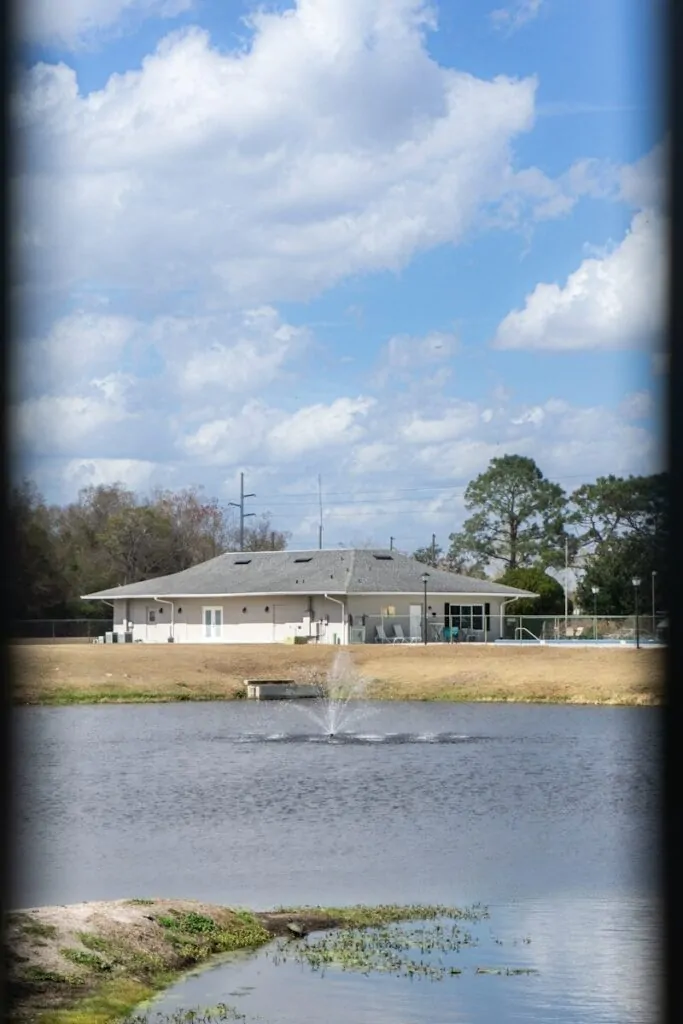
This one sounds small. For older parents especially, it is one of the most peaceful ways to be outside without needing much energy.
A bag of seed or a bit of bread. A quiet bench near the water. Birds that come close enough to feel like company. The pace of a place like this slows everything down. Your parent may tell you things here that would not come up in a busier setting, simply because there is nothing competing for attention. And the soft rhythm of feeding birds together is the kind of gentle, shared act that both of you will remember without quite knowing why.
Explore an Unfamiliar Part of Your Town on Foot

Pick a street or neighborhood that neither of you knows well. Walk it without a map. Notice the architecture. Read the old signs. Look at what used to be a shop and is now something else.
Seeing the familiar city as an unfamiliar place is one of the small tricks that keeps curiosity alive in people at any age. Your parent may recognize things that surprise even them, a building from an old era, a street name that connects to something from their past. And the small discoveries you make together in a place neither of you owns give the afternoon an ease that planned outings sometimes do not.
5. Relaxing Activities After a Busy Week (Low Energy, High Connection)
Not every visit needs to be active or productive. Some of the best time with parents is the kind that asks almost nothing of either person. Here are five ways to be together without being busy, and still come away feeling closer.
Set Up a Proper No-Screen Evening at Home
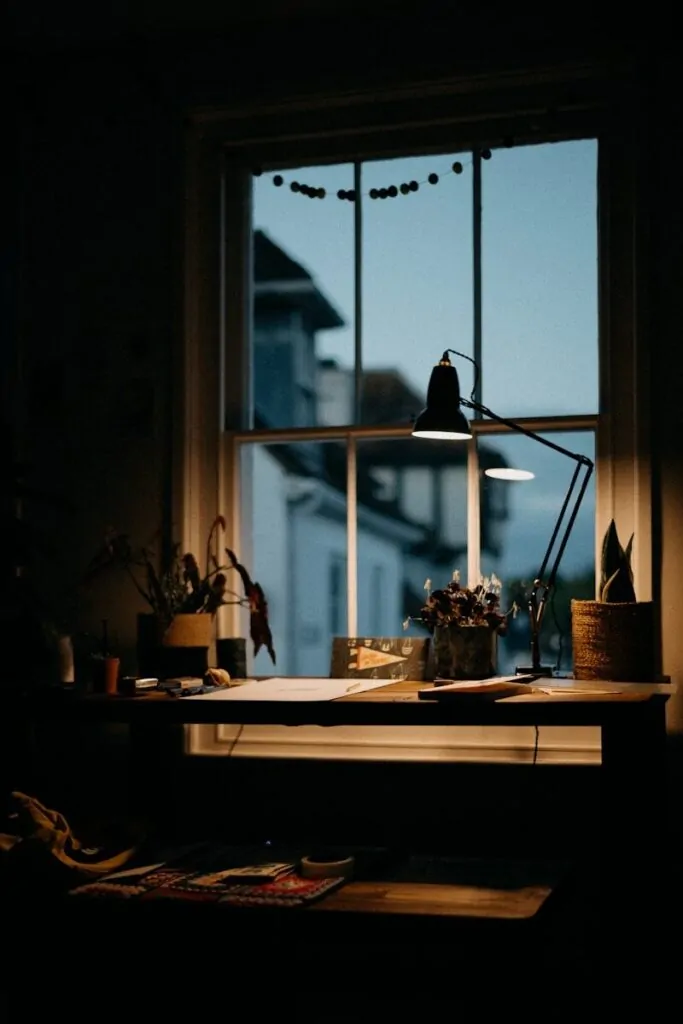
This is different from just turning off the TV. It means choosing it on purpose. Nice cups. Something warm. Good light. No phones on the table. A loose, unhurried hour with no task waiting at the end of it.
When screens leave the room, something else tends to fill the space. People talk differently. Slower. With more room between sentences. Most parents grew up without the constant pull of a device in every quiet moment, and many of them miss that kind of ease. Giving that back to them, even for one evening, is a quiet act of care that does not need to be named to be felt.
Read Aloud From a Book or Old Article Together

Pick something short. A chapter from a book one of you has been meaning to finish. An old article from a magazine still sitting on the shelf. A few pages from a book of wisdom your parent keeps near their bed.
Reading aloud together is one of the oldest forms of companionship that exists, and one of the rarest in modern homes. You take turns or one reads while the other listens. Then you stop and talk about what came up. Not a review or an analysis. Just a real reaction. What did that bring to mind? Did that feel true to you? Those small exchanges after a passage often carry more weight than an hour of planned conversation. And the book gives both of you somewhere to stand while you figure out what you actually think.
Sort Through Old Letters and Cards Together

Most homes have a drawer or a box of old letters somewhere. Birthday cards from decades ago. Notes passed between people who are now grown or gone. A letter from a grandparent in handwriting that no one has seen in years.
Going through these together is slow work, but it is the kind of slow that fills you up rather than draining you. Each envelope is a small story. Your parent will know who wrote what and when, and some of those stories will be ones that have never been told out loud before. This is one of the gentler ways to learn the parts of your family history that no one thought to record anywhere else.
Give a Simple Head or Hand Massage
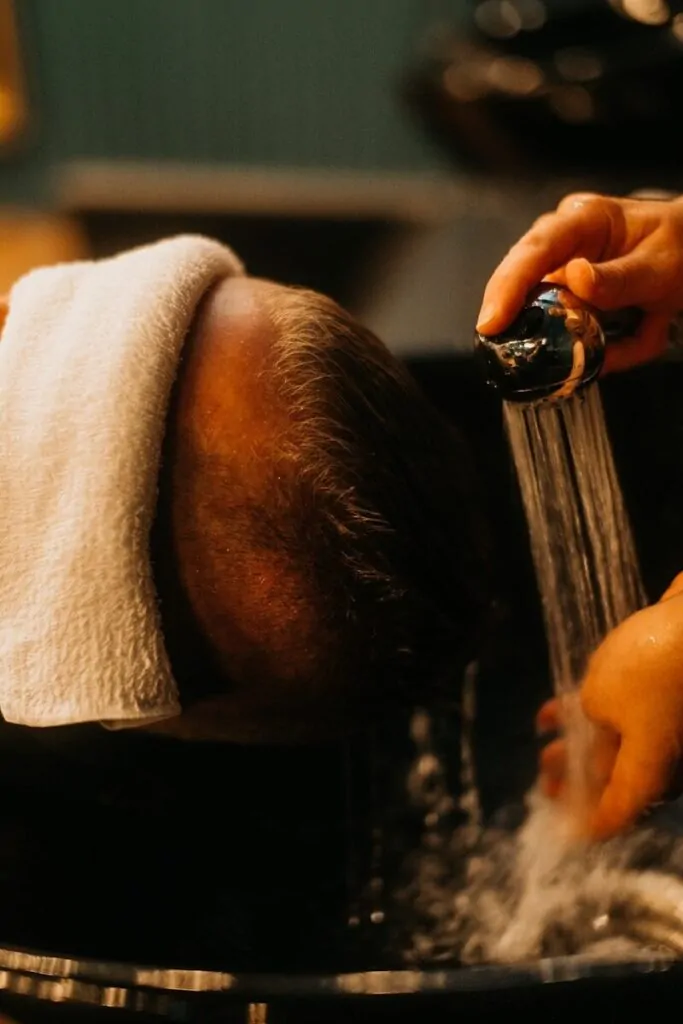
This one requires almost nothing. A few minutes. Willing hands. A quiet room.
Physical comfort is one of the most direct forms of care that exists, and yet most adult children never think to offer it to a parent. A simple head massage or hand massage says something that even the best words cannot always reach. It says: your body deserves rest. Your comfort matters. Many older parents carry years of tension without ever being asked if they are tired. This small act asks, in the only language that does not require any words at all.
Sit on the Balcony and Watch the World Go By

No destination. No purpose. Just two chairs, an open sky, and whatever is moving below or around you.
There is a long tradition in many older cultures of sitting outside in the early evening and simply observing the world. Children playing. Neighbors passing. The light going warm on the buildings across the street. This is not wasted time. It is one of the most companionable things two people can do together, and it asks nothing of either of them except to be present.
6. Activities That Build Stronger Family Bonds (Connection-Focused)
These ideas go deeper. They are not just ways to pass time together. They are ways to understand where you both come from, which changes how you see each other and, in time, how you carry the family forward.
Ask About Their Childhood Stories
Most parents hold decades of stories that their children have never heard. Not because they are hiding them, but because no one ever asked.
“What was your favorite game when you were young?” “What was school like for you?” “What did your family eat on special days?” These are small questions that open long answers. And those answers carry something that no book or class can teach: a direct line to the people who shaped the people who shaped you. Make this a habit, not a one-time event. One story per visit. Written down if you can. Your future self will thank the version of you who started this now.
Talk About Where Your Family Traditions Came From
Every family has traditions. Some are obvious. Some are so built into daily life that no one notices them anymore. Ask your parent to trace the origin of yours.
Why do you cook that dish at that time of year? Who started the habit of visiting that place? Where did that phrase your grandmother used actually come from? The answers connect you to a line of people who were doing their best, just as you are, in the world they had. Understanding family traditions as living history, not just habit, changes how you carry them forward.
Create a Family Timeline Together
Buy a long roll of paper or use a whiteboard. Write down every major event in your family’s history. Birth years. Moves. Marriages. Losses. Hard years. Good years. Milestones that changed things.
Making this together forces conversations about events that are often left unspoken. The year things were hard. The decision that shifted everything. The moment no one has ever fully named out loud. A timeline does not judge. It just shows what happened and when, and lets both of you look at it together without having to know what to feel about it first.
Write a Letter to Future Grandchildren Together
Sit down with your parent and write a letter, together, addressed to a grandchild or great-grandchild who may not be born yet.
Write what life was like now. What the family values. What they hope for the person reading it one day. What mistakes were made and what was learned from them. This is one of the most forward-facing and surprisingly emotional things a family can do together. It asks both of you to think about what matters enough to keep. And those answers, spoken out loud while you write, tend to tell both of you something true about who you already are.
Share the Lessons Life Taught Them by Surprise
This one requires a shift in how you see the visit. Instead of the usual update exchange, ask: “What is something life taught you that you did not expect?”
Then listen without comparing. Without defending. Without jumping to your own experience. This kind of talk is rare in most families, which is exactly why it lands so hard when it happens. People want to pass on what they have learned. Most just need to be asked. And the things they share will not always match what you thought their wisdom would sound like, which is usually the most valuable part.
7. Things to Do With Aging Parents (Comfortable, Thoughtful, Accessible)
As parents age, the activities need to shift. Not because they matter less, but because what brings ease and joy changes. These ideas are built around access, comfort, and the particular tenderness that comes with time.
Go on a Scenic Drive With No Destination
No plan required. A route through a part of town that is pleasant to look at. Music they like, or quiet if they prefer. A comfortable seat. A thermos of something warm.
A scenic drive asks almost nothing of an older parent physically, but it offers everything: movement, change of scenery, presence, and the sense that someone thought about what they would enjoy. That last part is not small. Many older adults spend most of their time in the same few rooms. A drive, even a short one, is a reminder that the world is still there and that someone wanted to show it to them.
Do a Puzzle or Word Game Together

A jigsaw puzzle. A simple word search. A crossword they like. Cards.
These are gentle, productive activities that fill time without requiring movement or planning. They also create a natural back-and-forth: asking for help, offering a piece, arguing playfully over a clue. For aging parents who may not move easily or who tire quickly, a puzzle or game at the kitchen table is one of the most reliably enjoyable things to share. And unlike watching TV together, it keeps both minds active and both people engaged with each other.
Cook Their Favorite Comfort Dish for Them
Not cooking together this time. Cooking for them.
Show up with the ingredients. Ask them to sit and rest. Make the dish they love the most, the one they made for you a hundred times when you were young. It does not matter if yours turns out differently than theirs. In fact, that is part of the point. They will notice the difference and tell you the trick you missed, and in doing so, they will feel both cared for and needed. Those two feelings together are a rare gift to give an older parent.
Visit a Familiar Place From Their Earlier Years
A school they attended. A neighborhood they grew up in. A street where they lived before you were born. A park they brought you to as a child.
These places carry memories that no conversation can fully reach. Walking through them often unlocks things that would never come up at home. A detail remembered. A feeling named. A part of their story that suddenly becomes real because you are standing in it together. For older parents especially, returning to a place from the past is not nostalgia for its own sake. It is a way of feeling that their whole life, not just the most recent chapter, has been witnessed.
Set Up a Fixed Weekly Ritual Just Between the Two of You
A call every Sunday at noon. A short visit every Friday morning. A message at the same time each day.
The power of a ritual is in its regularity. When your parent knows that a specific moment in the week belongs to just the two of you, that knowledge itself becomes a form of companionship. They do not have to wonder if they will hear from you. They do not have to wait and hope. The time is already there, already decided, already theirs. For aging parents who experience more uncertainty in their daily lives than they may say out loud, this kind of reliability is one of the gentlest things you can offer.
8. Holiday and Special Occasion Ideas With Your Parents
Holidays are often the times families are together but not really present with each other. These ideas turn the occasion into something that actually builds memory rather than just filling the calendar.
Cook the Holiday Feast as a Team
Not cook and serve. Cook together, as partners in the kitchen, for the full holiday meal.
Assign tasks based on what your parent can and wants to do. Let them lead the dishes they know best. Be honest when you do not know how to do something. Ask questions while you cook. The meal will taste better when both of you made it, not because of the food, but because of what went into it. And the full, long process of making a feast together is one of the last true marathons of connection that most families still share.
Decorate the Home Together

Holiday decoration is one of the most underrated bonding activities in family life. You go through boxes of things with history. You remember where each piece came from. You decide together what goes where.
The doing is the point. Not the final look of the room. The hour spent finding the old ornament at the bottom of the box. The conversation about which corner the plant should go in. The moment when something from twenty years ago surfaces and both of you go quiet for a second. That is the holiday. The rest is just furniture.
Go Visit Relatives as a Pair
Not the whole family gathering. Just you and one parent, visiting an aunt, a cousin, an old family friend that your parent has known for forty years.
Smaller visits have more room for real talk. You also see your parent in a different context, with people who have known them longer than you have. That view is always worth having. The version of your parent that exists in those older relationships is sometimes more complete than the version you see at home, and spending time in it changes how you understand the person sitting next to you.
Carry Out a Specific Family Tradition From Start to Finish
Whatever tradition your family holds, do the full preparation together. Not just the final event.
The preparation before a holiday is often where the most honest conversation happens. You are busy with your hands. The occasion ahead gives the talk a natural shape. And working toward something together creates a sense of shared purpose that the event itself sometimes does not deliver. Ask about the origin of the tradition while you work. Ask what it means to them now compared to what it meant when they were younger. The answers will surprise you.
Make a Holiday Scrapbook Together
Take photos throughout the holiday. Print a few. Write one sentence per photo about what that moment actually was, not just what it looked like.
Do this every year and you will have, in five years, an honest record of your family as it actually was, not as anyone remembers it should have been. That is a rare and valuable thing. Most families remember the best years and blur the harder ones. A scrapbook made on purpose holds both, and that honesty is what makes it worth keeping.
9. Creative Memory-Making Ideas With Your Parents
These ideas take a little more intention but tend to produce things that last well beyond the afternoon. They are for people who want to do something together that did not exist before and will not disappear when the day ends.
Make a Shared Family Bucket List
Not your bucket list. Not theirs. A shared one. Things both of you would like to do before a certain time passes.
The process of making it is as important as the list itself. What does your parent still want to do or see or taste? What has been sitting in the back of their mind for years? What is on your list that they might want to join? The conversation this creates is one that most families never have, and that is why most families feel they ran out of time when it is too late to do anything about it.
Record Their Stories in Their Own Words
Ask your parent to tell you a story from their life. Any story. Write it down exactly as they tell it. Not edited. Not improved. In their words and their rhythm.
Over months, these become a collection. A family archive that did not exist before you started. The phrasing matters. The way they trail off at the end of a sentence. The word they always use that no one else would choose. Years from now, reading those stories back will feel like hearing a voice you thought you had forgotten. That is not something money can buy or technology can fully recreate.
Recreate an Old Family Outing
Find a photo from a trip or family outing from years ago. Go back to that place. Do the same things if you can. Take a photo in the same spot.
This simple act of returning somewhere carries more emotional weight than most people expect. Your parent will feel seen and remembered. You will understand your own childhood slightly differently. And both of you will have a new version of an old memory, which is one of the quieter forms of joy that a family can give itself.
Collect Recipes From Every Branch of the Family
Go beyond your parents. Call aunts and uncles. Ask older cousins. Reach out to family members in other cities. Collect the dish each person is known for and compile everything into one document.
This becomes a living record of your family’s taste, culture, and care across generations. It also gives you a real reason to reach out to people you may not have called in a long time, which is a side effect that tends to matter more than the recipes themselves.
Build an Online Family Photo Archive Together
Gather every photo you can find across the whole family. Phones, old hard drives, printed albums, scanned pictures. Put them into one shared online folder that everyone in the family can access and add to.
This is a project that can take months and can involve the whole family across distance. But every photo uploaded is a recovered piece of a shared story. And the process of going through them together, even over video calls, is the kind of slow, gentle work that creates closeness without demanding it.
10. Long-Distance Ways to Stay Connected With Your Parents
Distance is a real barrier for many adult children. But it is not a barrier to real connection. It just asks for more intention and a willingness to make the ordinary feel shared even from far away.
Hold Weekly Video Calls With a Theme
Not a quick check-in. A call with a loose agenda. “This week, tell me about your twenties.” Or “Show me around your garden right now.” Something to look at together or talk about beyond the usual updates.
Weekly video calls, done with some thought, are one of the most consistent tools long-distance adult children have for staying actually close, not just technically in touch. The theme does not have to be deep. It just has to give both people somewhere to go in the conversation other than the usual surface.
Cook the Same Dish on the Same Night
Choose a dish. Both of you shop for the ingredients. Both of you cook it at the same time from different homes. Then call each other while you eat it.
This one sounds small. It is not. You are sharing a meal across distance in the most literal way possible. You will compare notes. You will laugh at how yours turned out compared to theirs. You will taste the same flavors in different kitchens and for that hour, you are in the same room even when you are not.
Exchange Handwritten Letters
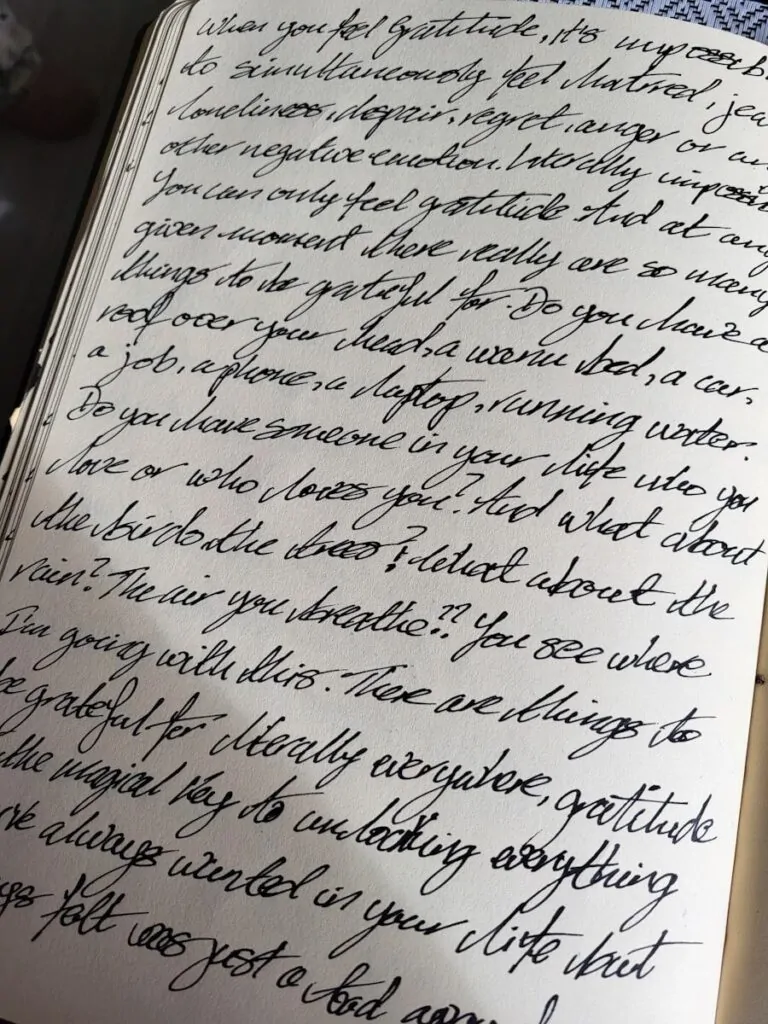
In a world of instant messages, a letter is an act of intention. It takes more time. It asks more thought. It sits on a table and waits to be opened in a way a text message never can.
Write to your parents. Even one page. Even once a month. Tell them what has been on your mind. Ask them to write back. The letters you receive will be some of the most valuable things you ever own. Not for what they say, necessarily, but for the handwriting, the paper, the proof that someone sat down and thought only of you for a while.
Share Daily Life Photos Over a Shared Album
Not just the big moments. The ordinary ones. The cup of tea in the morning. The view from your window. The plant that finally bloomed. The meal you made that turned out well.
Daily photos between parent and child close a gap that calls sometimes cannot. They say: here is my regular world, and you are part of it even when you are far. Over time, a shared photo album like this becomes a running record of two lives being lived in parallel, which is a kind of closeness that visits alone cannot always provide.
Plan Your Next Visit Together in Detail
Pick a specific day or trip you want to do when you are next in the same place. A town you both want to see. A dish you want to make together. A street from their past that neither of you has been back to.
Talk about it on every call. Add details over time. Let it build into something both of you are looking forward to. Anticipation, shared, is a form of closeness that most people underestimate. And the planning itself, the choosing and the imagining, is almost as good as the doing.
11. Easy Day Trips to Take With Your Parents
When a full day is available and both people have the energy, a day outside your usual radius opens something fresh. These ideas do not need to be expensive, far, or perfectly planned. They just need to be chosen.
Visit a Nearby Town for the Day
A town an hour or two away. Walk the main street. Have lunch somewhere local. Look at the old buildings. Drive back in the evening.
New surroundings naturally produce new conversations. Your parent may compare the town to places they knew before. You may find a shared interest in something neither of you expected. And the small inconveniences of being somewhere unfamiliar, finding the right street, stumbling on a shop you did not know existed, create the kind of light, unscripted moments that planned activities rarely produce.
Spend a Day at a Heritage Site
A fort. A historic neighborhood. A traditional landmark that held some meaning in the region’s past.
Heritage sites connect people to a story larger than their own family. And within that larger story, people often find unexpected threads that connect to their own history. Your parent may know things about the era you are walking through that surprise you. And that knowledge, offered naturally while you both stand in a place that holds it, is education in the best possible direction.
Explore a Local Museum Together

Museums are not just for school groups. For adults visiting with a parent, a local museum is one of the richest day trip settings available.
You will both stop at different things. Your parent will have context for certain periods or objects that you do not. You will have questions they have never thought to ask. That exchange is one of the more honest forms of learning that two people across generations can offer each other. Go slowly. Read the descriptions. Sit when there is a bench. Let the afternoon take as long as it takes.
Walk a Farmers Market in a Neighboring Town
Not your usual local market. One a little further away, in a town or area you do not visit regularly.
The unfamiliarity of it is the point. Different vendors. Different products. Things grown or made by people your parent has never met. Going through a market like this together is a sensory experience that moves at a pace both of you can set. The small purchases, a jar of something local, a bunch of something seasonal, become little souvenirs of a day you went somewhere together.
Take a Countryside Drive With a Long Lunch Stop

A road that moves through fields, hills, or open landscape. No particular destination. One stop at a simple roadside restaurant or tea place for a long, unhurried lunch.
A countryside drive quiets both people in a way that is hard to explain and easy to feel. The space outside the window creates space inside the conversation. Things get said on long drives that would never come up at a dinner table. And the long lunch in the middle gives both of you a chance to sit still inside whatever the drive opened up, which is often the best part of the whole day.
12. Conversation Ideas That Deepen Connection With Your Parents
Sometimes the activity is not a place or a project. It is a question. Here are five questions worth asking, and a little on why each one opens more than it appears to from the outside.
Ask: What Were Your Happiest Years?
This question does two things. It invites your parent to reflect, and it tells you something about who they were before the role of parent became their full identity.
The answer is almost never what you expect. Some will say their twenties. Some will say right now. Some will grow quiet for a moment before they answer. All of those responses tell you something true about a life that was being lived before you arrived in it and that has continued, in ways you may not fully see, alongside yours all this time.
Ask: What Did You Learn in Your Twenties That Took the Longest to Accept?
This question is for adults asking adults. It treats your parent as someone who has navigated the same season of life you may be in right now, not as someone who has always had it figured out.
Their answer will be layered. Some of it will feel like advice. Some of it will feel like confession. All of it will make them more human to you, which is exactly the point. The distance between parent and adult child often comes from forgetting that your parent was once your age and as uncertain as you are now.
Ask: Which Family Traditions Matter Most to You, and Why?
Not which ones exist. Which ones matter. The distinction is important.
Your parent may surprise you. The tradition they value most may not be the one that takes the most effort or the one that the whole family notices. It may be something small that you never paid attention to. Knowing what matters to them, and why, gives you something to carry forward that is more meaningful than a habit continued out of routine.
Ask: What Advice Would You Give Me Right Now, in This Season of My Life?
Most parents hold back. They do not want to overstep. Asking directly gives them permission.
And the advice you receive may not be what you were looking for. But it will be honest. Honesty from someone who has known you your whole life and has nothing to gain from telling you what you want to hear is a rare and useful thing, and most people only recognize how rare it was after the person is no longer there to give it.
Ask: What Moments in Your Life Shaped Everything That Came After?
This is the deepest of the five. It asks your parent to find the pivot points, the moments where the road bent, even if they did not know it at the time.
Some of these moments will be joyful. Some will be losses. Some will be decisions that looked small from the outside and turned out to hold the whole shape of a life inside them. Listening to the answer without interrupting is one of the most respectful things an adult child can do. It says: your life was not just background to mine. It was its own full story, and both of us know it.
Key Takeaways
- Time with parents does not need to be grand to be meaningful. Most of the moments that last are the quiet, chosen, ordinary ones.
- Chosen time is different from habitual time. Deciding to do something specific with a parent changes how both people show up for it.
- Older parents often need less than their children think. Presence and full attention cost nothing and give a great deal.
- The questions you do not ask now are the ones you will wish you had asked later. This is not a comfortable truth, but it is a real one.
- Activities that involve the hands, cooking, building, sorting, tend to open conversation more naturally than ones designed purely for talk.
- The window is not open forever. This is not meant to alarm. It is said because acting on it now, today, is something no one has ever regretted.
A Final Thought
There is a line from the poet Rumi that fits here, not because of who wrote it, but because of what it points to: “Sell your cleverness and buy bewilderment.”
The idea is this: the deepest time with your parents does not come from knowing what to say or having the right plan. It comes from being willing to not know. To sit with them without having it figured out. To ask a question you do not have the answer to. To look at an old photo and let it be strange and familiar at the same time.
Most adults carry a quiet wish to have known their parents more deeply. The good news is that the wish, by itself, is already the beginning. The next step is just to show up, choose something from this list, and start.
Not perfectly. Not with a grand gesture. Just honestly, and soon.