9 Things To Say To Your Father After a Fight or Conflict

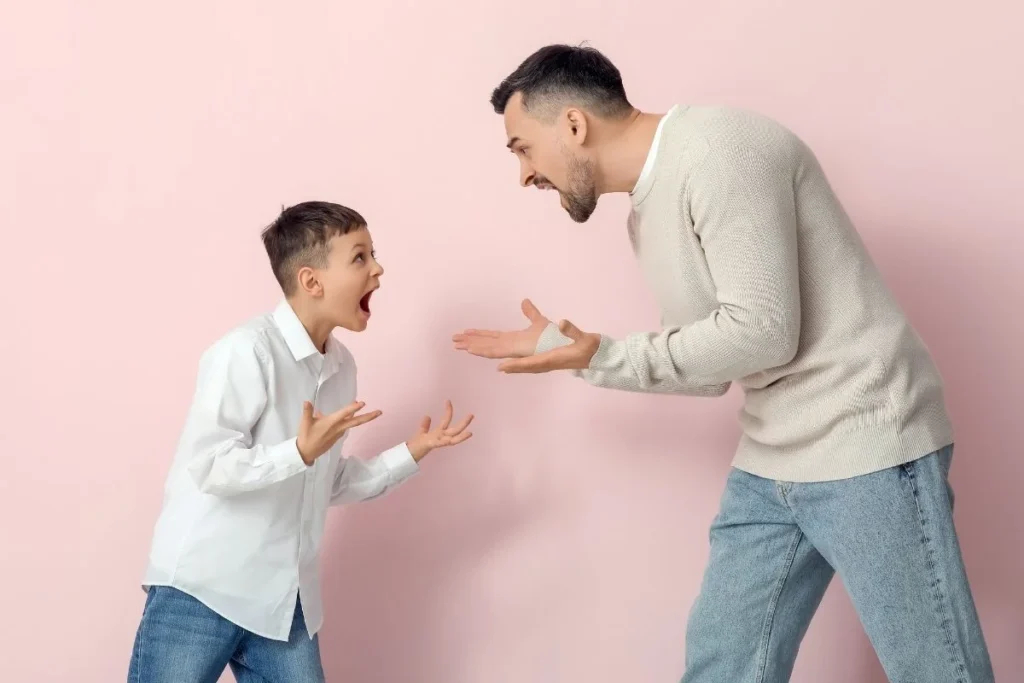
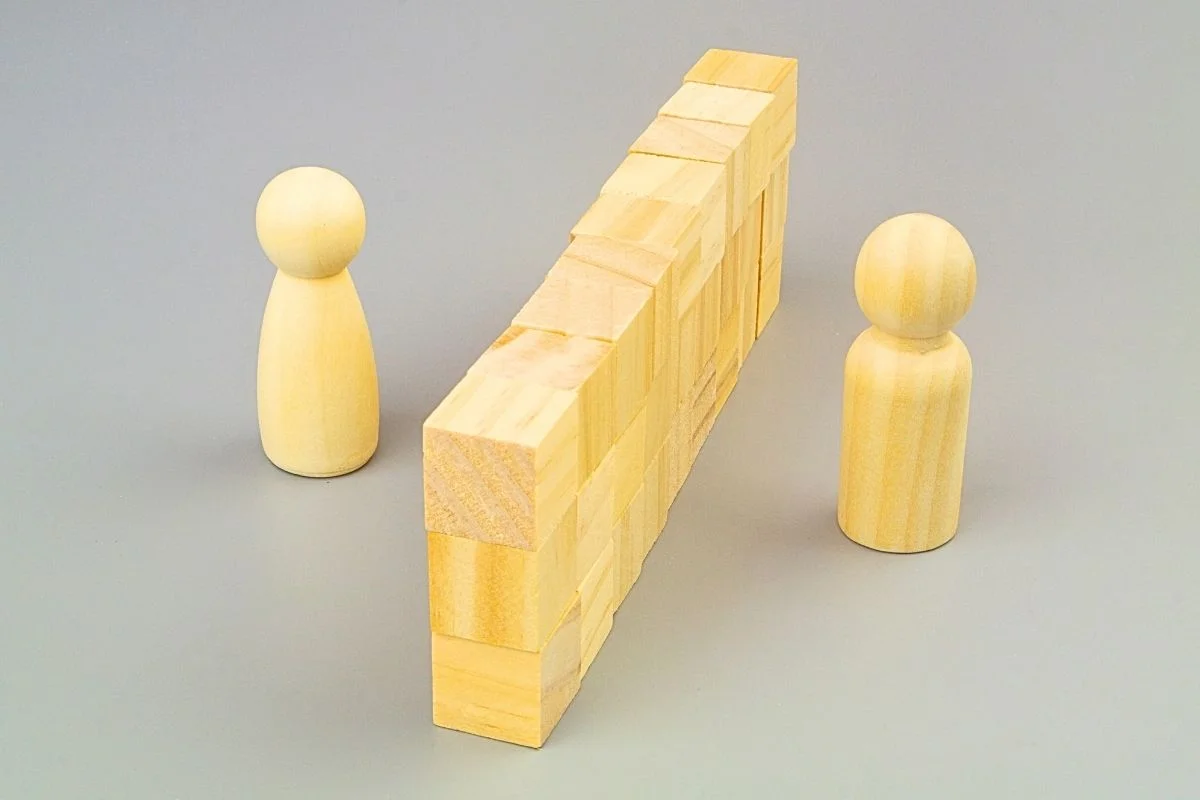
The kind where both sides are waiting for the other one to crack first, to speak first, to reach out first. And more times than most people can count, no one does. Days pass. Maybe weeks. And the thing that was said, or not said, just sits there like a stone in the middle of the room that both people walk around but never move.
Most people do not grow up knowing how to fight well with a parent. They are not taught it. The skill of repairing a broken moment with a father, of finding the right words after things have gone wrong, is one of those things that gets passed down only if someone in the family already knew how. And most families did not. So it gets skipped, generation after generation, and people are left trying to figure it out on their own, usually in the worst possible moment.
What follows is not a list of magic lines. It is more like a slow walk through nine things that have actually helped real people, in real homes, after real fights. Some of these may feel hard. Some may feel small. But small words, at the right time, can do a kind of work that long ones never quite manage.
#1. Dad, That Fight Was Hard But Here Is What Needs to Be Said Between Us Right Now
Fights with fathers tend to carry weight that other fights do not. There is history in them. There are old wounds that get poked, old roles that get played, old words that come back around no matter how many years have gone by. A fight with a father is rarely just about the thing it seems to be about. And that is part of why it stings so long after.
One of the first things that helps is just naming the fact that it was hard. Not who was right. Not who said what. Just that it was hard. Saying to a father, “That was a tough one between us,” does something quiet but real. It puts both people on the same side of the moment instead of across from each other. It makes the fight into a shared thing rather than a battle where one side has to win.
Many people skip this step. They go straight to defending what they said, or straight to a full apology, or they say nothing at all and just wait for things to return to normal on their own. But there is something in naming the weight of a hard moment that opens a door that silence never does.
Fathers, for the most part, do not want to be at war with their children. Even the stubborn ones. Even the ones who went too far or said too much. Most of them feel the same stuck feeling their kids do. They just tend to not know how to start either.
So if one side can step in and simply say “that was hard,” without blaming, without explaining, just noting the truth of it, the air in the room tends to shift. Not completely. Not forever. But enough to make the next sentence possible.
This does not have to come out perfectly. In fact it is better if it does not. “Hey Dad, that whole thing between us… that was rough” lands more like a real human moment than a rehearsed line. Fathers tend to hear the real thing more clearly than the polished version. Most people do.
The goal with this first step is not to fix the fight. It is just to crack the door open. The weight of what was said can be dealt with later. First, both sides need to know the other one is still there and still willing to be in the same room with the truth.
#2. Tell Him You Are Still His Kid Even When Things Get Hard and Words Get Loud Between You
This one sounds simple. It is not. But it is possibly the most important thing a son or daughter can say to a father after a bad fight, and it is almost never said.
Fathers, whatever their age or their way of being in the world, carry a quiet fear that they have pushed their children away. Most of them would not say so. Many do not know they carry it. But it is there, running under the surface of a lot of the hard things they do and say. The fear that they went too far, that this time it was the last straw, that their child will finally stop coming back.
When a fight ends badly and silence takes over, that fear tends to get louder in a father’s head. Not because he always shows it, but because it is there. And into that silence, a simple line like “I am still your kid, Dad, even when we fight like this” can do something that no argument, no matter how well made, ever could.
There is a reason this line works. It is not comforting in a soft way. It is truthful in a firm way. It says: this fight did not change the fact of what we are to each other. And that fact, when a child says it out loud, tends to reach a father in a place that most other words do not get to.
Many people feel embarrassed to say something like this. It feels too open, too exposed, too much like showing where they are soft. But that is exactly why it lands so well. Because the father on the other end of that sentence knows it cost something to say. And he knows it was said anyway.
Fathers who grew up in homes where love was not spoken, where closeness was shown through action and not words, sometimes receive a line like this and go very quiet. That quiet is not rejection. It is the sound of something landing in a place that has not been reached in a long time.
The relationship between a child and a father is one of the most layered ones that exists. It shifts over years. It changes roles. What starts as pure dependence becomes something more equal as time goes on. But the core of it, the fact of it, never fully changes. Saying that out loud, after a fight, is one of the braver things a person can do in that relationship.
#3. Say This Out Loud: The Fight Was Not the End, and It Was Just a Hard Moment That Both of You Will Pass
One of the more painful things about fights within a family is the fear that this one might be the one that breaks things for good. That this time, too much was said, or said the wrong way, and the damage is the kind that does not repair.
Most fights are not that. Most fights, even the ugly ones, are just moments of pressure finding a way out. They are loud and painful in the moment, but they are not permanent breaks. They are more like cracks in plaster than cracks in the foundation. They look bad. They need attention. But they do not mean the wall is coming down.
Saying this to a father, out loud, is useful for two reasons. First, it signals that the person saying it is not walking away. That they see this as a moment to get through, not a final judgment. Second, it gives the father a way to feel the same without having to say it himself first. Because many fathers will not say it first. But they will agree with it once it is said. And that agreement is the beginning of the repair.
The way to say it does not need to be formal. Something like “Look, I know that was bad, but I do not think it means we are done” is enough. It does not need a lot of words. It just needs to be clear and honest and said to his face, or his phone, or in a letter if that is easier.
There is also something worth understanding about how fathers process conflict. Many men, especially those of an older generation, were taught that disagreement meant distance. That if you fought with someone, you put space between you until things settled down on their own. The idea that a fight can be talked through, that the air can be cleared by approaching it rather than leaving it alone, was not how most of them were raised.
So when a son or daughter says “this is not the end,” what they are also saying, without using these words, is: we can handle hard things together. We do not have to pretend nothing happened. We do not have to wait it out in silence. We can look at this directly and still be okay.
That is a kind of emotional courage that does not come naturally to everyone. But it is worth developing. Because the alternative, waiting for fights to quietly dissolve, tends to leave a residue. A kind of distance that never fully closes. And those small distances, over years, are what slowly make a father and child feel like strangers.
#4. One Small Line Said at the Right Time Can Fix Days of Quiet and Bring the Two of You Back Together Again
Silence after a fight is odd. It feels like punishment and like protection at the same time. People go quiet partly because they are still hurting, and partly because they do not want to say more wrong things. The silence is a way of managing the risk of making it worse.
But silence also has a cost that is easy to miss in the moment. Every day that passes without words between a father and a child is a day where the distance gets a little more comfortable. Where the normal starts to shift. Where both sides start to adjust to a version of the relationship that has a wall in it.
One small line, said at the right time, can stop that from happening. Not fix everything. Just stop the growing distance from setting in.
What is that line? It varies. But the ones that tend to work best are the ones that ask nothing of the other person. Lines that do not require a response, that do not put pressure on the father to explain or defend or apologize. Lines that simply open a door without expecting him to walk through it immediately.
Something like “I miss talking to you, Dad” is one of those lines. It is honest. It is not about the fight. It does not assign blame. It just names what is true: that the quiet is worse than the conflict was. That the relationship matters more than the position.
Another one is a softer version of reaching out: texting a link to something he would like, calling for something small, asking his opinion on a practical matter. Not pretending the fight did not happen, but not waiting for a formal resolution before resuming contact.
Fathers, in the experience of many people who have been through this, tend to respond better to small acts of reaching out than to big ones. A long letter, a formal conversation, a dramatic gesture, these can feel like too much pressure. A small, genuine moment of normal contact, offered without agenda, is often the thing that starts the thaw.
The goal is not to skip over the hard part. It is to keep the connection alive while both sides find their way back to being able to address it.
#5. When Sorry Feels Too Big to Say, Try These Words First and See What Opens Up a Path Forward
Apologizing to a father is, for many people, one of the harder things in adult life. This is worth naming plainly. It does not matter how old a person gets. The power that a parent’s judgment holds, even when the adult child is forty years old with their own family, does not fully go away. And into that dynamic, the word “sorry” can feel enormous.
There are a few reasons for this. One is that saying sorry feels like conceding the whole fight, even when the truth is more mixed than that. Another is that some people genuinely are not sure they were wrong, or at least not wrong in the way the father saw it. And saying sorry when it does not feel fully true tends to feel dishonest.
But there are ways to acknowledge a fight without using the word sorry if it is not quite ready to come out.
“I did not like how that went between us” is one. It is honest. It says something went wrong without pinning all of it on one side. It gives the father room to respond without feeling attacked or let off the hook at the same time.
“That came out worse than I meant it to” is another. This one works especially well when the fight was about something real but the way it got said crossed a line. It acknowledges the tone without abandoning the substance. It shows self-awareness without full retreat.
And then there is the version that many people find hardest but most effective: “I think I hurt you, and I did not mean to go that far.” This one is harder because it requires setting aside who was right and focusing instead on the effect. On what the other person felt. It is the kind of line that tends to break the ice in a way that arguments and defenses never do.
The point is not to find a clever way to avoid being accountable. It is to find a way into the conversation that feels honest and possible. Because a half-said sorry that is real is worth more than a full one that is not.
Fathers, in the end, are not usually looking for perfection from their children. They are looking for the sense that the child sees them, that the relationship matters, and that the child is willing to come back to the table even when it is uncomfortable to do so.
#6. Remind Him That Love Does Not Leave Just Because Voices Got Loud Inside That Room Between You
There is a thing that happens in hard family fights that does not get talked about enough. In the middle of a bad argument, the love does not go anywhere. It is still there. But it gets buried under the noise. And in the silence after, both sides sometimes wonder if it is still there at all.
Reminding a father of this, after a fight, is not a soft or sentimental thing. It is actually a fairly precise and useful act. It addresses the fear that tends to run under most family conflict, the fear that love is conditional, that it leaves when things get hard.
Many fathers do not talk about love easily. Some never say the word at all. They grew up in homes where it was shown through action, through provision, through showing up, but rarely through direct language. So when conflict happens, they do not have the words to reassure or to ask for reassurance. They go quiet, or they get harder, because those are the tools they were given.
When a child says, plainly, “I love you even when we fight like this,” something tends to shift in a father like that. It is not always visible. He may nod. He may look away. He may make a small sound and change the subject. But something lands. Something that needed to be said finally got said.
This is not about making the father feel better at the expense of truth. If the fight revealed something real that needs to be addressed, that still needs to be addressed. But it can be addressed from a place of stated love rather than from a place where both sides are quietly wondering if the love is still there.
Love between a parent and a child tends to survive most things. But it benefits from being said out loud. Especially after a fight. Especially when neither side is fully sure where the other one stands.
#7. Ask Him This One Question That Most Sons and Daughters Never Think to Ask Their Father After a Hard Fight
Here is a question that most people never think to ask a father after a fight, and it is possibly the most useful thing that could be said.
“Were you okay, Dad?”
Not “are you still angry.” Not “do you want to talk about it.” Not “can we move past this.” Just a quiet, direct check-in on his state. On how he is doing. Not as a parent. As a person.
Fathers, particularly older ones, are rarely asked this. They are the ones who are supposed to be strong, steady, and unbothered. The ones who hold things together. And in most families, that role does not leave a lot of room for someone to check in on how they are actually feeling.
So when a child asks, simply and without agenda, whether the father is okay, the effect can be surprisingly large. Because what it says, beneath the words, is: you matter to me as a person. Not just as my father. Not just as someone whose approval or anger affects me. But as a human being who might be carrying something.
Many men carry a quiet kind of loneliness inside family conflict. They do not have the words, or the permission, to say that a fight hurt them, that it left them unsettled, that they lay awake at night turning over what was said. To be asked, gently, how they are doing, by the child they fought with, can be the kind of thing that cracks something open in a way that formal apologies never do.
The question also does something useful for the child asking it. It shifts the frame of the moment. Instead of focusing on who was right or who needs to apologize first, it becomes about genuine care for another person. And that shift, from combat to care, tends to change the entire atmosphere of the conversation.
There is no guarantee of how a father will respond. Some will brush it off. Some will give a short answer that is not the whole truth. But many, given enough space and a real sense that the question is genuine, will say something that matters. Something that the child needed to hear just as much as the father needed to say it.
#8. Tell Him What the Fight Was Really About Because Chances Are He Does Not Yet Know the Full Truth
One of the more painful things about family fights is that they almost never happen about the thing they seem to be happening about. The fight about the phone bill is about feeling unseen. The fight about coming home late is about fear. The fight about money is about respect, or worry, or a dozen things that never got said cleanly.
Fathers are not always good at reading between the lines of what their children are feeling. Not because they do not care, but because they were not always taught to look for it. And children, especially adult children, sometimes assume that the father should be able to see what is underneath without being told.
But that assumption does a lot of damage over time. Because the father keeps responding to the surface version of the fight, and the child keeps feeling like the real thing was missed. And both sides walk away from conversations feeling unheard, even if they said a lot.
Telling a father what the fight was really about is one of the harder conversations to have. It requires the child to know themselves well enough to name the real thing, and it requires enough trust in the relationship to say something that feels vulnerable.
It might sound like: “I do not think we were really fighting about the money, Dad. I think it was more that I felt like you did not trust me to handle it.” Or: “I think I got as loud as I did because I felt like you were not hearing me, and that hurt more than the actual thing we were talking about.”
This kind of honesty tends to disarm a conversation that has been going in circles. Because once the real thing is named, the father has something real to respond to. He is no longer defending against a surface argument that never quite made sense. He is now in a conversation about something true.
Not every father will know what to do with this. Some will get uncomfortable. Some will deflect. But many will quietly recognize what is being said, and something will shift in them. Because on some level, they knew the fight was about more than the words. They just did not have access to the language to say so themselves.
The work of naming the real thing is not easy. But it is the kind of work that builds the kind of relationship worth having. One where both sides feel like they are actually talking to each other, rather than past each other.
#9. End the Cold Quiet With These Words That Fathers Have Waited Years and Years to Hear From Their Child
The cold quiet after a fight can stretch on for a very long time. Days become a week. A week becomes a pattern. And the pattern becomes the new normal, where a father and child coexist with something unresolved between them that neither one quite knows how to close.
There is a thing that many fathers wait to hear from their children and almost never do. Not because the children do not feel it, but because the words never seem to find their way out.
“You have been a good father, even when it was hard.”
This is not a sentence about being perfect. It is not a sentence about forgetting what was difficult. It is a sentence that acknowledges the whole picture, not just the hard parts.
Many fathers, particularly those who gave a lot and struggled in ways they never talked about, carry a quiet uncertainty about whether they were enough. Whether they did enough. Whether the love they showed in the way they knew how was actually received by their children. That uncertainty often goes unaddressed for years. Sometimes for a lifetime.
And yet, many children, when they look back, do see it. They see the early mornings and the missed things that were sacrificed for the family. They see the worry that wore a hard face because softness did not feel safe. They see the love that came out sideways because it did not know how to come out straight.
Saying this to a father, in the wake of a fight, is not the same as saying the fight did not matter. It is saying: this fight is one moment in a longer story. And in that longer story, the overall thing you have been to me is worth more than the bad days.
For many fathers, this lands deeper than any formal apology. Because it speaks to the fear underneath all of it. The fear of not being enough. Of failing the people who counted on them. Of being remembered for the hard moments rather than the full picture.
A fight can end in silence, or it can end in something that lasts longer than the pain of the moment. Choosing to say the thing that a father has waited a long time to hear is one of the more quiet acts of love that exists between a grown child and their parent. It costs something to say it. But it gives something that nothing else quite can.
Key Takeaways
- Most fights between a father and child are not really about the thing being argued over.
- The longer the silence after a fight, the harder it becomes to break, and the more permanent it starts to feel.
- Fathers carry fears about being enough that most children never directly address.
- A small, honest line at the right time does more work than a long, rehearsed one.
- Love in a family does not disappear during conflict, but it tends to stay hidden unless someone says it out loud.
- Naming what a fight was really about often ends the cycle in a way that winning the argument never does.
One Last Thought
The relationship between a child and a father is one of the few that never quite finishes forming. It changes decade by decade. What was painful at twenty can become understandable at thirty, and something closer to gratitude by forty. But only if the doors stay open enough for that kind of slow shift to happen.
Most people do not need to be told that these conversations are worth having. They already know. What they need is a small push past the part where the words feel too heavy to lift. Because the words are not actually that heavy. They just feel that way until someone says them first.
As James Baldwin once wrote, not everything that is faced can be changed, but nothing can be changed until it is faced.
A fight with a father is a moment worth facing. Not to win it, and not to bury it, but to walk through it in a way that leaves both sides more known to each other than before.