50 Creative Things to Do at Home That Cost Almost Nothing (And Why Some of Them Will Catch You Off Guard)
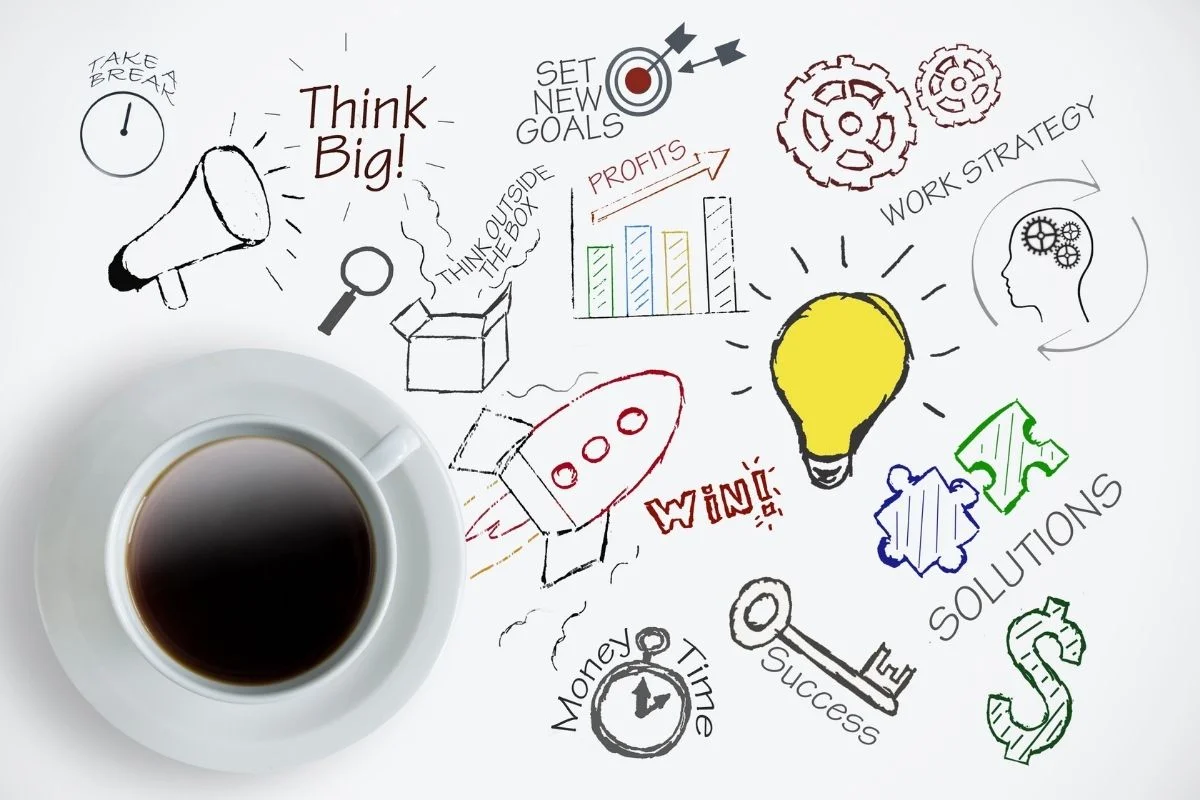
Sometimes the house looks boring, and we pick a phone and scrolling it all the day and check it every ten minutes when you forget your mobile. And just below the low hum of boredom, there is something else. A pull. A sense that you could be doing more, making more, being more than the person now on the couch with no real plan.
Most of us know this feeling well. The odd part is that what it asks for is almost never far away or costly. It tends to be right here, in the home you are already in. In the drawer not opened in a year. In the light you have stopped seeing. In the quiet parts of your own mind that never get a real turn to speak.
What comes next is not a list in the usual way. It is more like a walk through fifty open doors, most of which are already in the house you sit in right now. Some of these will feel clear and easy. Others may land with a soft thud of truth, the kind that says: you used to do that, or you always meant to try that. Both of those are worth your time.
1#. Write a Letter You Will Never Send to Anyone
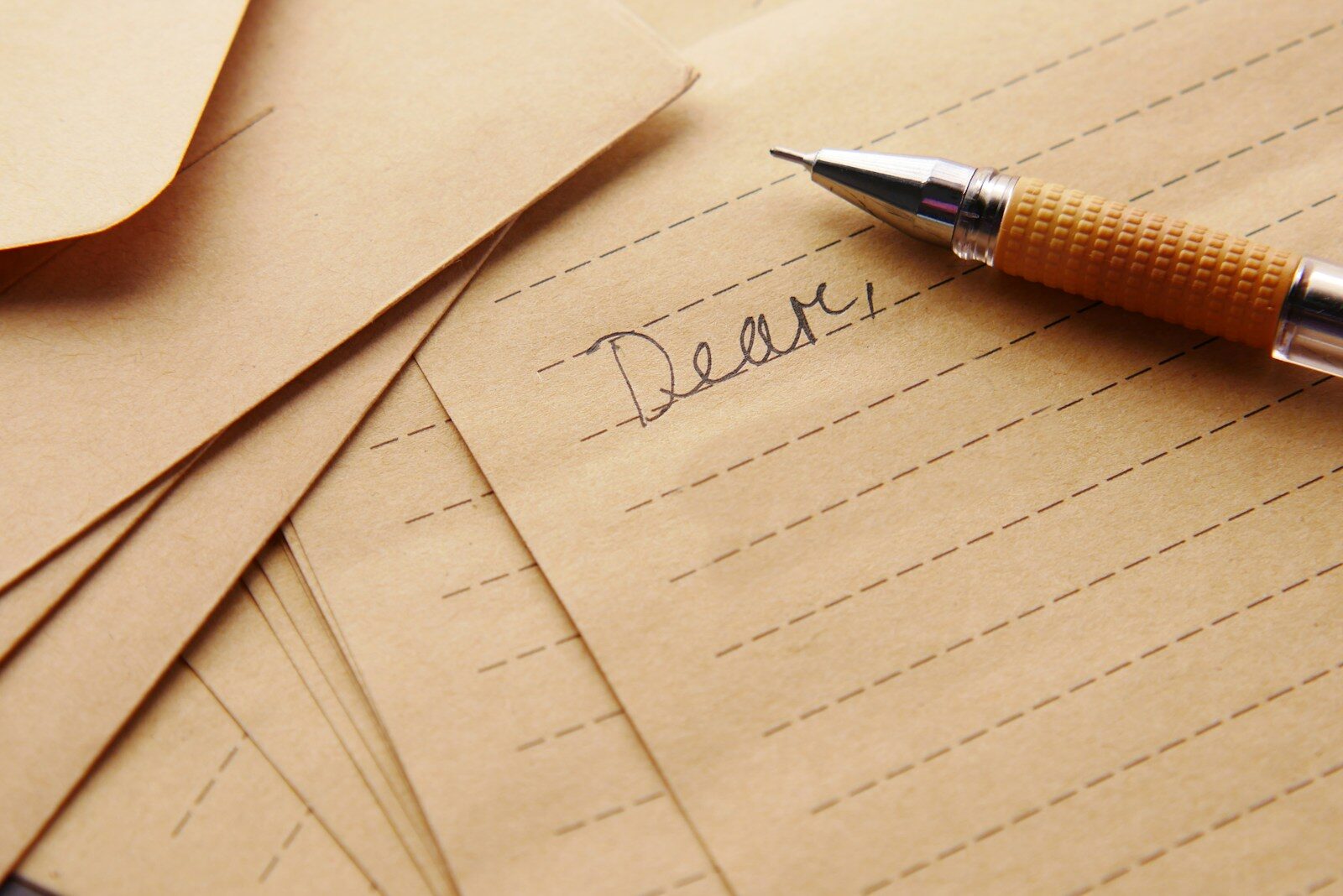
There is a part of you with things to say. Things that do not fit in a short text or a quick call. Things that have sat in the back of your chest for weeks, or for years.
Writing a letter you will never send is one of the most honest acts a person can do in private. Not a journal, which tends to wander. A letter has a direction. Even if no one ever reads it, you write to that person in a way you never would in a text. You find the real words. You say what you mean, not what is safe.
James Pennebaker, a researcher at the University of Texas, spent years on this. His work found that writing out what happened and what you felt about it helps people sort through things they had been holding in the body without knowing it. Language, it turns out, creates a kind of order in the mind that silence does not.
You do not need nice paper. A plain notebook works. A blank page on a screen works. What counts is that you let the words go somewhere real. Write to the one who let you down. Write to the self you were ten years back. Write to someone you miss, or someone you have not yet forgiven. Write the kind of truth that would be too raw to say out loud.
Then do what feels right. Fold it. Keep it. Delete it. The worth was in the act of writing, not in what comes after.
2#. Move Your Furniture Around Until the Room Feels New

This sounds like a small thing until you do it. Moving what has sat in the same spot for years is a quiet but real act. The room you walk into each day, not really seeing it, becomes odd and new. And in that newness, it feels more alive.
Space shapes how a person feels. The lean of a chair, the closeness of a lamp, the way a desk faces the wall or the window. These are not big choices but they add up into the air of a place. When you move things with real intent, you are not just shifting objects. You are asking: what kind of day should happen here?
People who say they are bored with their home are often bored with the story they have told about it. Moving the room breaks that old story. It makes space for a kind of quiet surprise that a home rarely holds.
Try this rule: do not move any of it back for at least a week. Let the new feel do its slow work on you.
3#. Cook Something Wholly New from Only What Is Already in Your Kitchen
This is less about food than it is about finding out what you can do when there is no guide to lean on.
Most people have a full pantry and a habit of ordering out the moment they feel stuck. But there is real joy in opening the cupboard and deciding to work with what is there. In asking: what do these things become when put with care?
Good cooks will say that some of their best meals came from tight limits, not from having every tool and item they wanted. The limit is what forces the real thought. You start to pair things you would not have tried. You learn what bold and soft taste like side by side. You find things no recipe ever taught you because recipes take out the guesswork.
Even if the meal is just okay, you have spent an hour doing something that was yours alone. You made a thing from nothing, and that is a small but true form of power.
4#. Make a Vision Board from Things You Already Have at Home
Look through old papers, torn pages from notebooks, printed words, sketches you made and forgot. Cut them out. Lay them on a plain sheet of paper or card and arrange what feels true.
A vision board made from things you already own is more honest than one made from new glossy pages. The scraps you have kept, even if you never knew why, tend to hold clues. The lines you circled. The words you saved. The image that made you slow down for a second.
This is not about goals in the way a planner would mean. It is about seeing what the hand has been quietly drawn to. You may find a theme in your own pile of saved things that you did not know was there.
5#. Draw Something Badly on Purpose and Enjoy It Fully
At some point in childhood most of us get the quiet message that drawing is only for people who are good at it. That is one of the more sad myths of growing up. Drawing, real mark-making on paper, is one of the oldest things humans have done. It came before writing. Before farming. And it has never in all of history needed talent to be of worth.
Drawing badly on purpose is a way out of the part of you that shuts things down before they start. Pick one thing near you, a mug, a plant, your own hand, and draw it with no care for how close it looks. Let it go wrong. Push the lines past where they should go. Let the pen find its own way.
What you end up with will likely make you smile. It may be odd and oddly alive in ways a careful drawing would not be. And you will have spent twenty minutes in a state of real quiet focus that most of what we do online cannot offer.
6#. Grow One Small Thing in One Small Pot
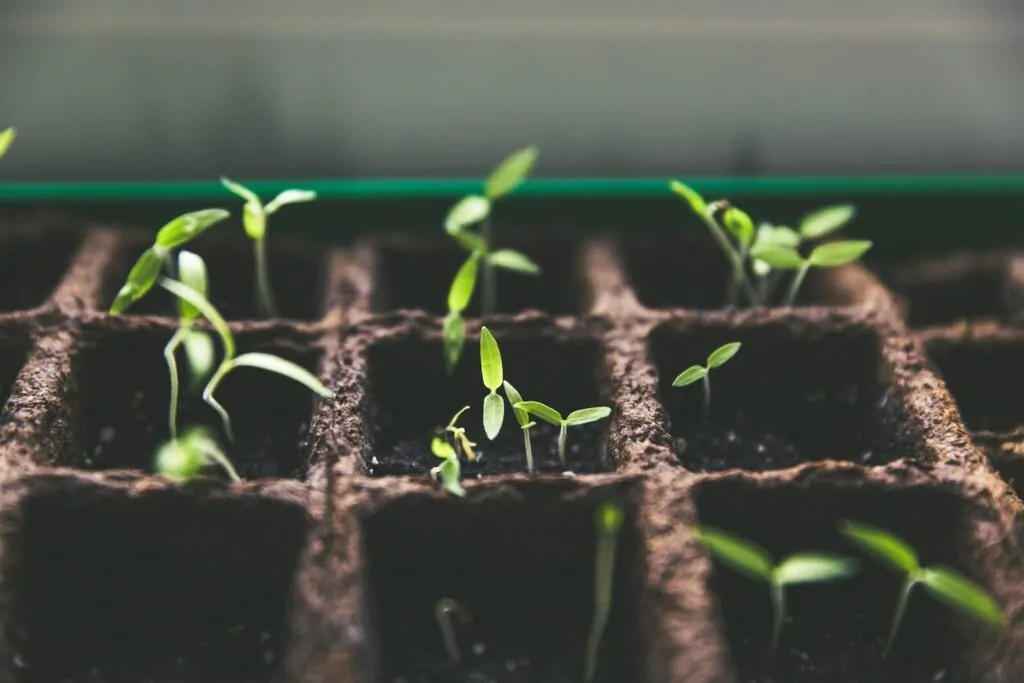
You do not need a yard. You do not need bags of soil from a shop. You need a pot, some earth, and one thing to grow.
Herbs are the most forgiving place to start. Basil, mint, green onion tops. These grow fast, which matters when you are new to this. There is a pull that happens when you water something and watch it push up toward light. It is small but it is real.
Tending even one plant on one sill adds a kind of rhythm to the day that is soft and kind. It asks nothing hard of you. It just asks that you come back with a bit of water each morning. For many people, that one small act of daily care turns out to be one of the most grounding parts of the week.
7#. Read Something You Disagree With and Look for What Is True in It
This takes a kind of open hand that most people rarely practice. The way the web works now trains us to read only what we are already sure of, to wave off things fast, to argue instead of try to understand. Reading something that challenges what you hold, and truly looking for what it gets right, is a form of mind-work that almost nothing else offers.
It does not have to be a big or loud position. Pick an essay or a short piece that holds a view you find hard to accept, and read it slowly. Not to argue back. Not to find its weak points. To find the part of it that is true. That part is almost always there.
The people who think most clearly are the ones who changed their view when the facts changed. It costs you nothing. It takes an hour. And it makes you a little harder to trick.
8#. Write Down Every Small Thing You Are Grateful For Until You Run Out
Not a list in the type-your-three-things-for-an-app way. Not a formal act. An actual attempt to name every small thing you can think of. Keep going past the first layer. Keep going past family and health and home. Keep going until you hit the real small ones: the hot tap that still works, the fact that your back did not hurt this morning, the way the light came in at seven.
There is a gap between doing this as a task and truly digging into it. The first feels like homework. The second feels like finding coins in an old coat.
When you push past the broad and safe answers and start to name the truly small things, something in the room shifts. The plain starts to look like something. And what looks like something starts to feel, for a moment, like enough.
9#. Learn to Fold Paper into a Shape You Have Never Tried
Origami has been done in Japan since at least the 1600s and has never needed more than a flat square of paper. That is the whole of the craft. A square of paper and a set of careful folds.
There is something calming about the act of folding. The focus it takes to line up edges. The clean, dry sound of a good fold. The way a flat sheet turns into a form that holds itself. And unlike most of what we do in a day, it makes a real object you can hold. That matters more than it sounds.
Videos online cover every level. A new folder can make a crane or a lotus in under half an hour. The paper is very likely already somewhere in your home.
10#. Eat One Meal in Full Silence with No Screen Near You
This is harder than it sounds for most of us today. Eating has become almost fully tied to watching or listening to something. The phone sits at the side of the plate. The screen is on in the room. Something plays in the ears.
Eating in silence, truly tasting the food, feeling the texture, not rushing, is a small act of being present that shows you how rarely you are present at meals. You notice things. Whether the food is good. Whether you are even hungry. What mood sits under the noise when the noise is gone.
The old Japanese way of eating called hara hachi bu, stopping when you are about eight parts in ten full, is nearly not possible when you are not paying close attention. The body sends the signal but it arrives a beat late. You have to be still enough to hear it. A quiet meal is, among other things, a way to learn how to hear your own body again.
11#. Turn Old Things You Were About to Throw Away into Something New
Before the papers go out, look at them fresh. Before the glass jars get tossed, notice how they catch light. Before the box gets broken down, see what it might become.
Making things from what would otherwise be waste is not a compromise. It is actually how many serious artists work. The limit of only using what is left over forces a different kind of seeing. The way a clear plastic cover bends light becomes worth noting. The rough brown of an old bag becomes a warm color to work with. The pattern on a used wrapper becomes a design.
You do not need to make anything polished. A jar turned into a holder for dried flowers. A card made from torn paper. A frame from old sticks or boards. The act of making something from what was heading out is its own small statement: this was seen as worth keeping.
12#. Call Someone You Have Not Spoken to in Far Too Long

Not a text. Not a quick like on a post. A real call, or a face to face call on a screen, with someone whose voice you have not heard in months or more.
Some friendships are the kind where you can pick right back up where you left off. That is a real thing. But it does ask for care now and then. And most people, if they are honest, have someone just outside the edge of their life right now who they think of more often than they reach out to.
Research on what makes people feel less alone, and there is much of it now, shows that loose ties matter more than people think. Not just the close ones, but the wider web of people you check in with now and then. These ties turn out to protect people in ways that are hard to build from scratch and easy to slowly let go.
One call costs nothing. It takes less nerve than you think it will.
13#. Write the Story of One Ordinary Day from Your Past in Full Detail
Not a day that was big or rare. A plain day, a Tuesday from five years ago, a long afternoon from when you were young, a grey morning from a time that felt different. Pick it. Then write it down with every detail you can still pull up.
What was the light like? What did you have on? What did you eat? What were you turning over in your head that week?
Memory is not a perfect thing. Writing it does not fix it exactly. It shapes it, gives it a start and an end. But it also holds it. It says: this time was real, it had weight, and someone is paying attention to it now even though it is gone.
Proust used seven full books to do this. You can try it with one afternoon.
14#. Stretch Your Body for Twenty Minutes with No Guide at All
No video. No app. No set of moves someone laid out for you. Just get on the floor and move in the way your body is asking you to. Toward whatever feels held or stiff or tight.
Most people have almost no feel for what their own body needs each day. They sit in the same way for long hours, push past what hurts, and then ask a doctor to explain what went wrong. The body, when you give it the chance, is usually trying to tell you something plain.
Moving with no plan, just following the pull of what feels like it needs a stretch, builds a quiet kind of body sense that set routines do not give you. You start to notice where you hold your stress. You find out what it feels like when a tight muscle lets go. You learn that your body has its own sense of what it needs, and that sense is worth knowing.
15#. Watch One Self Improvement Program or Doc About Something Fully Outside Your World
The gap between what you know and what exists to know is one of the most rich places to spend an afternoon.
Pick something truly outside what you follow. If you work with numbers, watch something about plants and soil. If you follow news, watch something about the deep past of a small tribe. If you love to cook, watch something about the math of small things in nature. The topic matters less than the real brush with a world you have never thought about.
A good program does something that reading does not always do: it makes the far feel close. You see real faces. You hear how someone sounds when they talk about the thing they have given years to. That closeness spreads. You borrow a bit of their love for the thing. You carry it around for a few days.
16#. Clear Out One Drawer with Full Honesty
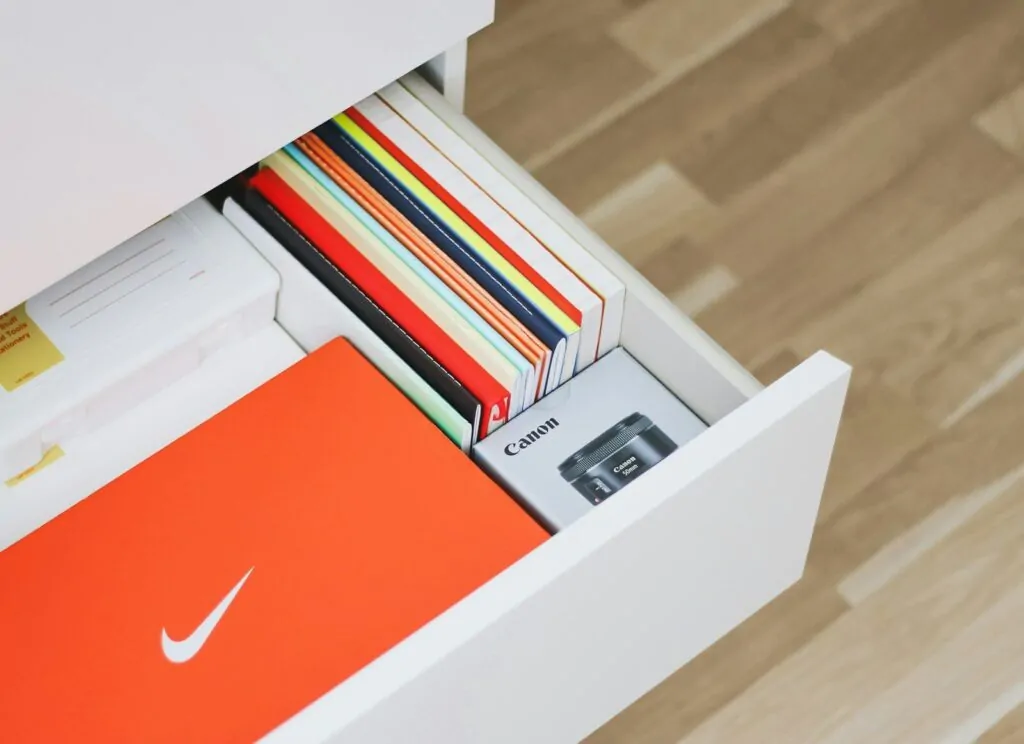
Not the whole house. Not a full room. One drawer, the kind that has become a catch-all over the years. The one where old wires live next to things you cannot name.
Clearing a drawer is not really about being tidy. It is a kind of honest look at the small decisions you have put off. Every object in that drawer was once a choice to keep, to deal with later, to store just in case. The drawer is a small record of all the times you said: not yet.
Going through it is about closing those small open loops. About saying: this is what gets used, and this is what was kept out of habit and nothing more. There is real relief in that. And it rarely takes more than an hour.
17#. Learn Three Real Facts About a Figure from History You Find Interesting
Not a deep study. Just three facts, ones that are real and a little surprising.
Most people carry vague and large ideas about figures from history. Einstein was a genius. Churchill was tough. Cleopatra had great power. These are not wrong but they are so broad they tell you almost nothing about what these people were actually like, which is to say: strange, flawed, funny, more human than the carved stone version.
Einstein, for one, was known for leaving the house without socks. Churchill painted, and it gave him something no speech could. Cleopatra spoke nine languages and was the first of her line to learn the local tongue of the land she ruled. These small facts do not make them less. They make them real. And real is nearly always more worth knowing than grand.
18#. Write a Short Review of Your Own Street as Though You Just Arrived for the First Time
Put on the eyes of someone who has never been here before. Someone for whom all of this is new and worth noting.
What would you say about how the light falls at different hours? The sounds at different times of day? The way people move here? The smell of the bakery two turns over, or the noise that comes when school lets out, or the way the pavement looks after rain?
This exercise does something quiet but strong to how you see the familiar. It breaks the way that things become invisible when you walk past them each day. The door color you stopped noticing. The old roots of the tree at the corner. These become things again, which means they become worth looking at again.
Some of the finest writing about places has been written by people who knew those places very well. Rebecca Solnit wrote about San Francisco not in spite of knowing it deeply but because of it. When you look hard at the place you live, it gives back things that a quick visit never would.
19#. Write Down What You Truly Stand For and What You Do Not
Not a list of goals. Not a plan. A real honest attempt to name your core beliefs, the ones that stay the same when things get hard, and the ones that turn out to be habits more than held truths.
This is harder than it sounds. Most people can say what they are for in a broad way. Fewer can name the beliefs they would not move on even under pressure. And fewer still have sat with the question of which of their long-held views are theirs by true choice and which they took on without meaning to.
Writing this down, slowly, is a form of self-knowledge that most other tasks do not give you. You find out where you are soft and where you are firm. You notice which parts shift when you push on them and which hold. That is worth knowing, and it will not cost you a thing.
20#. Sit with One Hard Question for a Full Hour Without Trying to Solve It
Not a task to fix. Not what job to take or how to handle a hard person at work. A real deep question, the kind with no clean answer, just a wide field of ways to think.
What does it mean to live well? What do you truly believe about what comes after this life? How does a person know if they are being honest with themselves?
Most people stay away from these not because they do not care but because they resist being fixed. They lead to more questions. They make you sit with not knowing, which is not easy.
But sitting with a question and not rushing to solve it is a kind of thinking that most daily life never gives you room for. The people who do this with some real frequency tend to have a quality about them, a willingness to stay in the open space of not knowing, that makes them worth talking to.
21#. Look Through Every Photo on Your Phone Slowly, One by One
Not fast. Not scanning. Slowly, the way you would go through an old paper album from a time before phones held a thousand images.
There are likely hundreds of photos you took and then fully forgot. Food. Sky. Things you meant to read. Candid shots of people you love that never made it to a post because they were not quite polished enough.
Those are often the true ones. The one where someone is mid-laugh at something off to the side. The view from a window on a trip you can half remember. The photo of nothing in particular that somehow still holds an entire afternoon in it.
To go through these slowly is a form of bearing witness. It is saying: someone was paying attention to this life, more than they knew at the time.
22#. Learn One Old Recipe from Your Family or the Place Your Roots Come From
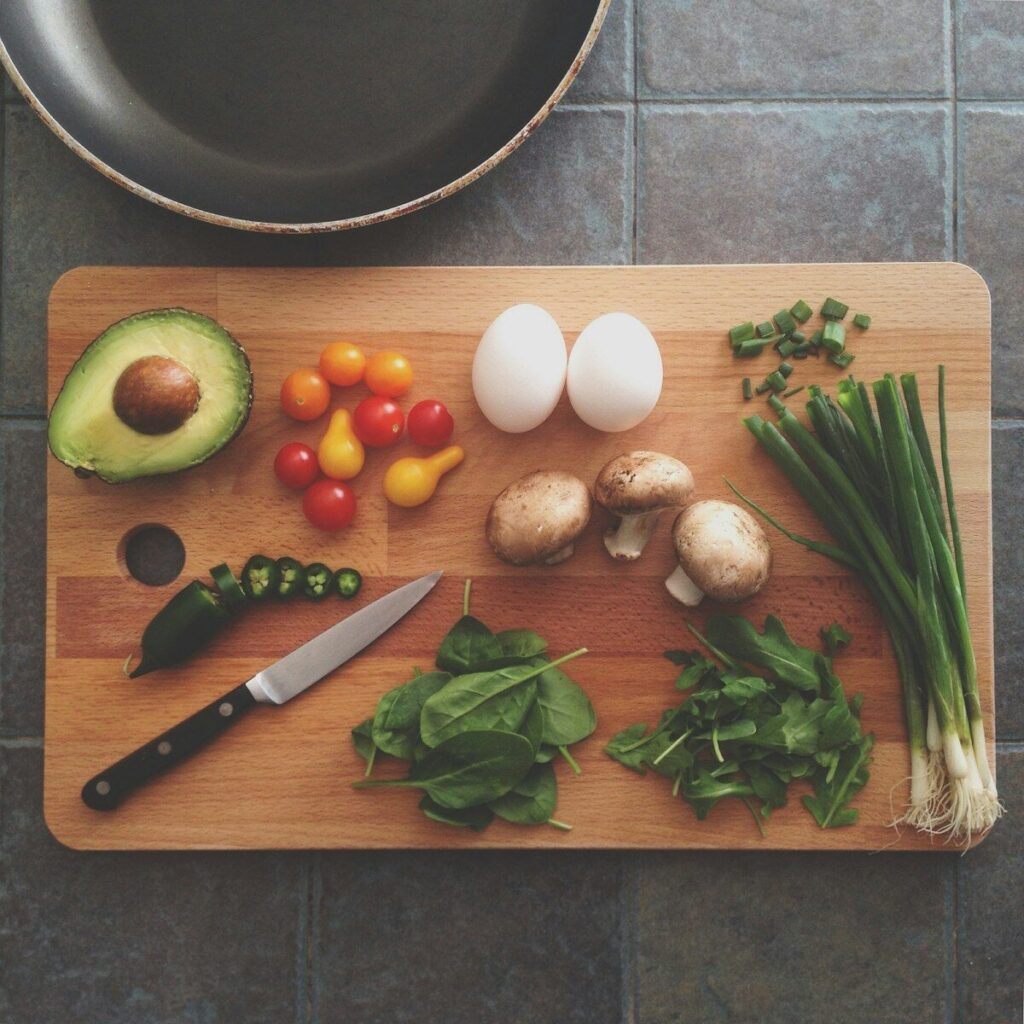
Not a dish that is trending. Not something seen on a short video clip. Something old. The kind of dish that has been made in your family or in the land your people came from by hands you may never have known, in kitchens that are now long gone.
Food holds the past in a way that is almost something you can touch. The mix of spices that tastes like a place. The method that was passed from hand to hand with no recipe ever written down. The smell that takes you somewhere before clear memory even starts.
Learning to make this dish, finding someone who still knows it, making it badly the first time and a little better the next, is an act of care for where you came from. It costs almost nothing and holds an unusual kind of weight.
23#. Read Lines of Verse Out Loud to Yourself When No One Is Near
Verse was made to be heard. It was a spoken form long before it was a page form, and something real is lost when it only moves through the eyes.
Reading it out loud is a fully different act. The beat becomes something in the body. You feel it in the chest and throat. The way a line breaks stops being a mark on a page and becomes an actual pause, an actual breath. The way some sounds sit next to each other, what verse makers call the texture of sound, is only heard when you speak the words.
You do not need to parse every line. That is not always the point. Sometimes the point is just the feel of language used with full care, pushed to its smallest and most alive.
24#. Build One Small Thing with Your Own Hands from What You Have
Wood scraps, card, clay, or thick paste paper. Anything that can be shaped by the hands into a form that holds.
The thinker Richard Sennett wrote a full book, The Craftsman, on what happens to a mind that works with real things. On how a person who has to solve the actual problems of weight and grain and fit builds a kind of patient, close attention that work on a screen does not give. That making with the hands grows a part of the mind that most jobs leave quiet.
You do not need to make anything large or fine. A small box. A bowl, even a lopsided one. A shelf from a spare bit of board. The quality of the thing you make matters far less than the quality of the time you give to making it.
25#. Go Back to an Old Hobby or Skill You Let Go of Years Ago
Most people have at least one thing they were once genuinely good at or deeply drawn to that got quietly pushed out by the busyness of adult life. The thing you drew as a child. The craft you learned in school. The thing you always said you would get back to.
Go back to it for one afternoon. Not to prove anything. Not to pick it up where you left off. Just to see what it feels like to hold that skill again after a long gap.
What tends to happen is that the skill is still there in some form. And with it comes a kind of ease and pleasure that more recent tasks, newer apps, bigger adult concerns, rarely give. You remember what it felt like to be absorbed in something just because it held you.
26#. Write the Full Story of How You Became Who You Are Today
Not a resume. Not a list of what you have done. A real story, with a beginning, with turns, with the moments that changed how you saw things.
Most people have never actually sat down to tell their own story from start to the present. They know the broad version. The short version they give at dinner tables. But the full version, with the small moments that mattered, the choices that did not seem big at the time, the years that shaped how you hold the world now, that is a story most people have never written.
Writing it is not a vanity act. It is one of the clearest ways to see the shape of your own life. And it can only be written by you.
27#. Spend One Full Hour in Total Digital Silence
Not resting while a screen is still on in the room. Not resting with a phone face-down on the chest. A full hour with every screen off and every device put away in another room.
What most people find in the first ten minutes of this is not peace. It is a strong itch. The pull to check something, to hear something, to fill the air with something. That pull is worth sitting with rather than feeding.
When it passes, what tends to come is a quality of inner quiet that is hard to describe. The mind starts to slow in a way it rarely does. Thoughts come in a more orderly way. Small things become noticeable again. This is not a trendy act. It is simply what minds were like before there was always something to reach for.
28#. Draw a Map of a Place That Exists Only in Your Memory
A house from when you were young. A school yard. A place from a dream that stayed with you. A setting from a book you loved.
Drawing from memory is not like drawing from life. The things that come out are the ones that stayed because they mattered in some way, not always the big things but the ones that held on. You find you are not sure where the hall turned but you are certain about the color of the floor tiles. You cannot picture the shape of the window but you can still feel the chill of the room.
A memory map is a kind of digging. What you recall and where you place it in space says something real about what that place truly meant to you.
29#. Try to Write Three Lines of Verse with No Concern for How They Sound
Three lines. Five lines. It does not need to rhyme. In fact rhyme often leads you to the wrong word just to make the sound work. Just a few words on a page, placed with a little more care than plain writing.
The space between writing a verse and writing a good verse is exactly the space that stops most people from starting. The need to be good before you begin. But that need is the thing, not the skill. Writing verse that does not quite work is still practice in using the exact word rather than the near-enough one. In finding the one image that holds the thing better than an explanation could.
Even a verse that falls flat teaches something about words that other writing does not.
30#. Have a Real Talk with Someone at Home About Something That Truly Matters
Not small chat. Not the usual back and forth about what to make for dinner or what to watch later.
A real talk. The kind where both people say something they mean, where you might find out something about the other person you did not know before, or say something to them that you have been holding.
These talks are rare in most homes, not because people do not want them but because the daily flow of shared life is loud in its own quiet way. It fills the air and the time. You have to choose to turn that down. To set aside the tasks and say: let us talk about something that is real.
The cost is only time and some willingness to be open. Both of those turn out to be things most people have, once they stop filling the space.
31#. Learn the True History of the Place Where You Live
Not the surface version. Not the one on the sign at the edge of town. The real version. What was here before the houses were built. Who lived on this land. What happened in this place in the times that changed the wider world.
Most people know almost nothing about the ground they walk on each day. The street corner you pass has a story that goes back much further than you think. A family who built a thing there. A business that once stood and burned. A moment from the local past that someone cared enough to write down.
Finding this history, in old records, in the local library, in maps that can be found online at no cost, is a kind of belonging. It places you inside a story that was already long in motion when you arrived.
32#. Write Your Own Life Story as Though Seen from the Final Page
Not in a dark or heavy way. In an honest way.
Write it as if all of the years have already been lived. The life you truly hope to have lived, not the one that sounds good in a short summary. What did you give real time to? Who did you love well? What did you make or grow or change? What will people who knew you remember about how you were with them?
The discomfort in this is the useful part. It puts the life you are living now next to the life you want to have lived. That gap, when you sit with it without pulling away, tends to hold some of the most honest things you can find about what truly matters to you.
33#. Learn to Do One Ordinary Thing Slowly with Your Full Attention
Washing a cup. Boiling water for tea. Walking from one room to the next. One plain act, done with care and no rush.
The Buddhist teacher Thich Nhat Hanh wrote about washing dishes as a real practice. About the feel of warm water on the hands, the weight of the plates, the way the mind wants to be anywhere else. The aim was not to have clean dishes. The aim was to be present for the act of cleaning them.
Most people move through the physical parts of the day while the mind is somewhere else entirely. Planning, going over old things, getting ahead of what is coming. The body goes through the motion. The mind is absent. Doing one thing slowly, with the full mind there, is a small test of what it feels like to actually be in your own life rather than running ahead of it.
34#. Make Up a Game with Rules No One Has Played Before
For yourself. For the people you live with. Or just for the act of seeing if you can design something that works.
Designing even a simple game is a genuinely hard creative act. A game needs rules clear enough to follow, open enough to stay alive, and balanced enough that both skill and chance have a role. Getting that right, even for a basic card or dice game, means you have to think in shapes and systems, to test things, to change what does not hold.
Children do this all the time. They make games on the spot and fix the rules as they go. Most adults stop. But the pleasure of making a game that actually works is real, quick, and completely free.
35#. Reread the Book That Changed How You Saw Something
Not a book you love. A book that shifted how you think, and to go back to it now from where you are.
Rereading is one of the rare ways to see your own change clearly. The book stays the same. You have not. Sometimes what moved you then moves you less now, which tells you something. Sometimes it moves you more, in a new way, which tells you something else. Sometimes you find whole parts you did not see the first time, things that required a version of you that did not exist yet when you first read them.
36#. Make a Small Time Capsule for the Self You Will Be in Five Years
A letter to your future self. A photo of where you live. A note about what you worry about this week and what you are hoping for. One small thing that means something to you right now.
Seal it. Put it somewhere you will find it. Mark the date.
A time capsule is one of the few things that makes the present feel accountable to the future. The act of deciding what is worth keeping forces you to say, plainly, what actually matters to you now. And reading it five years on tends to be one of the more honest mirrors a person can find.
37#. Learn One Word from a Language You Have Always Been Drawn To
One word. The kind that does not move well into your own tongue, the kind that names a feeling or a thing that your language only points at roughly.
The Portuguese word saudade: a deep ache for something loved and absent, maybe for good. The Japanese word komorebi: the way light moves through leaves. The Danish word hygge: the felt warmth of a small, safe, close space. The German word weltschmerz: the pain of knowing the real world will never be what the mind can imagine.
These are not just odd facts. They are proof that other people in other places noticed things and gave them names that your language left unnamed. To learn one of these words is to add one more shade to how you can see the world.
38#. Draw a Map of a Place That Shaped You Deeply
A space from your past, your first school, a house you loved, a place you keep returning to in thought. Draw it from what you remember.
What tends to happen when you draw from memory is that the things you put on paper are the things that stayed because they mattered, not always the big things but the small persistent ones. You find you are sure of the feel of the kitchen floor but not of the exact shape of the window. You know the angle of the light in the late afternoon but not the color of the walls.
These memory maps are a kind of quiet digging. They tell you something real about what a place truly was to you.
39#. Write Out Every Decision You Regret and Then Find the Pattern
This takes honesty and a quiet space.
Not to sit in regret. There is no good in that. But to look plainly at the choices that still carry a small ache and ask: what is the same thread in all of these? Was it too little patience? Fear? Choosing what was safe over what was right? Doing what someone else needed at the cost of what you knew to be true?
The patterns in what we regret are among the most useful things a person can find about themselves. They name the recurring errors of a given character, not as blame but as plain information. The people who know their own patterns tend to make a little better, a little more honest choices over time.
40#. Design Your Dream Home on Paper with No Limits at All
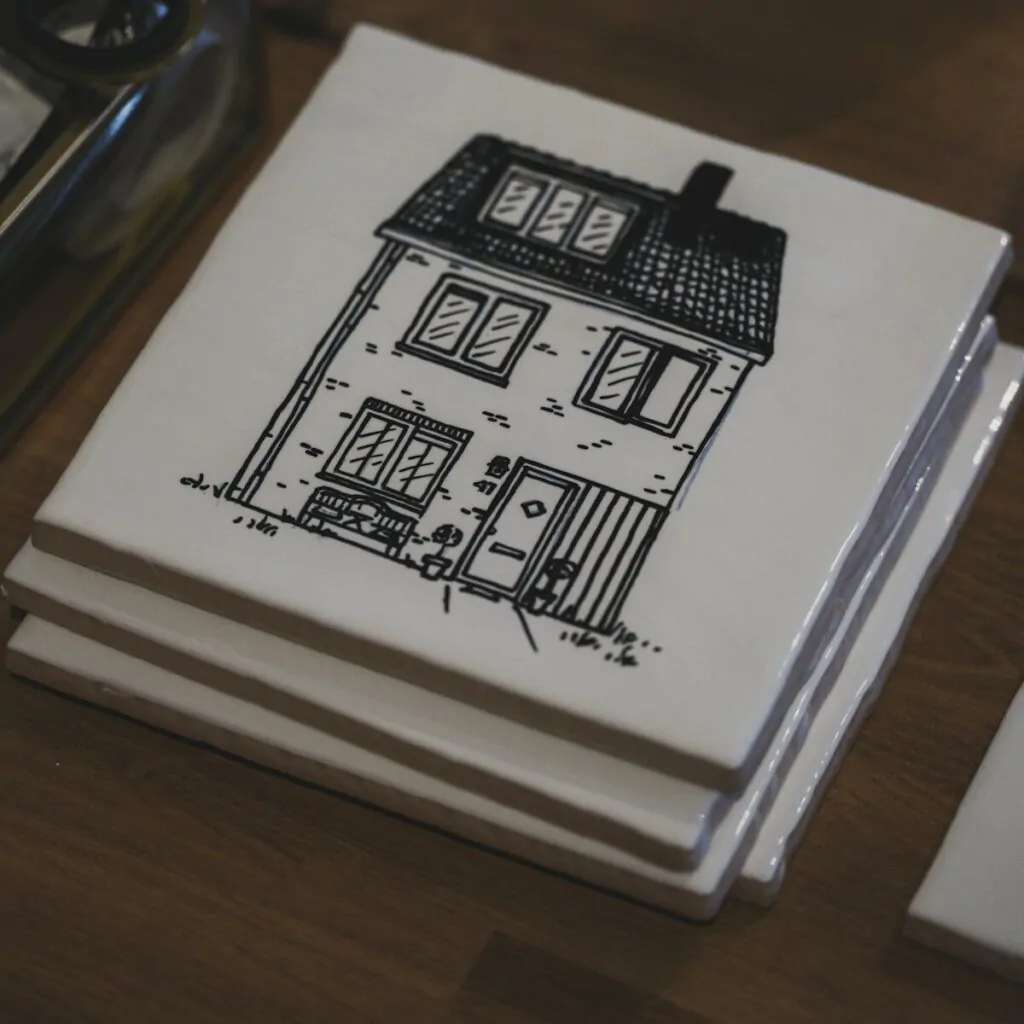
Not a plan for the real house. A full and free imagining of the home you would build if cost and physics were not factors.
This is partly a creative act and partly a map of what you actually value, which is often not what you would say if someone asked you directly. Some people put in large spaces of deep quiet. Some put in rooms full of old books. Some want mostly open air. Some want one room above all others and nothing else much at all.
What you put in the dream home tends to tell you something true about the kind of life your mind reaches for when it is not being sensible.
41#. Watch One Small Thing in Nature for a Full Twenty Minutes

An insect. A web being made. A bird at a window ledge. A cloud moving. One thing, for twenty full minutes, with your actual full attention on it.
This is harder than it sounds and more worth doing than it sounds.
The writer Annie Dillard spent much of her creative life doing exactly this. Watching a creek. Watching how light changed on a stone over an hour. Watching a small animal in a field. Her argument, held in her writing, was that the world is not dull once you truly look. The dullness is in the looking, not in the thing being looked at.
42#. Meditate for Ten Minutes Using Only Your Breath
No app. No voice to follow. No technique from a video.
Just sit. Eyes soft or closed. Watch the breath come in and go out. Notice when the mind drifts, which it will, again and again, and bring it back to the breath without making a big thing of it.
This is the most simple form of this practice and the hardest. The guided kinds are useful when you are new. But there is something worth meeting in the bare version, the direct look at how restless and scattered the untrained mind really is. Most people are surprised to find out how rarely their attention stays where they place it.
Ten real minutes of this, done with care, tends to be worth more than an hour of guided practice that you are only half present for.
43#. Make a Face or Hair Treatment from Things in Your Kitchen
Honey. Olive oil. Egg. Oats. Plain yogurt. These things have been used in beauty care across many cultures for a very long time, long before branded jars arrived.
This is less a beauty note than an invitation to do something tactile and a little absurd. There is a real pleasure in making something for yourself from plain ingredients that cost almost nothing. In finding that you did not need to buy the thing at all.
It also means you spend twenty minutes with a mask on your face, unable to do much of anything else. Which turns out to be, for many people, its own small and underrated kind of rest.
44#. Write Down Every Hidden Skill You Have but Never Think to Name
Not work skills. The other ones. The ones you picked up without noticing.
You can tell when the air in a room has shifted. You know how to sit with someone who is in pain without trying to fix it. You can read a map or a city from feel alone. You can tell when something is almost ready by its smell. You know how to make a person feel heard in a conversation.
These skills, social and felt and practical and quiet, almost never appear on any list of what a person has. But they are real, they were earned, and they belong to you. Writing them down is a form of honest accounting. It says: something has been built here, even in the years that felt like standing still.
45#. Spend One Full Afternoon Reading a Real Printed Book Without Stopping
Not a screen. Not audio. A real printed book in your hands. No phone in the room. No allowed stops for checking.
The kind of reading that asks for long, held attention makes a state that some call being fully inside a story. The edges between you and the page go soft. Time stops being noticed. You surface after a long while feeling slightly far from where you started, as though you went somewhere.
This state is rarer now than it used to be. Reading on screens, with all the links and alerts and ways to drift nearby, breaks attention in ways most people have adapted to without noticing what was lost. A printed book held in the hands is one of the few things that still asks for, and gives back, the kind of deep and held attention that made reading feel like something worth doing in the first place.
46#. Try One Creative Thing You Have Always Told Yourself You Could Not Do
You know what it is. There is probably one thing, a creative act, that has lived at the back of your mind for months or years. Something you have never started because you have already decided the result will not be worth it.
Making something with clay. Writing in a new form. Drawing in a new way. Making a short film on your phone. Working with thread or wood or paint.
The belief that you are not good enough to try is always reached before any actual try has been made. It is a way of stopping hurt before it can start. And while it does keep you from failing, it also keeps you from the only thing that ever leads anywhere: a first real try, however rough.
Today, at home, with no one watching, is the exact right time to make that first try.
47#. Make a Real Reading List of Books You Truly Want to Read
Not the ones you feel you should read. Not the long-held classics that have sat at the edge of your conscience for years. The ones you actually want. The ones that make something in you lean forward when you hear someone describe them.
Building this list with care is more useful than it looks. Most people’s relationship with reading carries a weight of should. The long shelf of important books that sits as a kind of homework pile. That weight creates a quiet push against reading that keeps the books unread and the guilt alive.
A list of books you truly want is a different thing. It is a map of where your real interest lives. And interest, when you follow it honestly, is one of the few paths toward a life that feels like it is truly being lived.
48#. Go Back to a Project You Left Unfinished and Work on It for One Hour
The half-written piece in the drafts folder. The craft project in a bag by the door. The sketch that got halfway and stopped. The photo book you started two years ago and never finished.
Left projects carry a weight that is part guilt, part real attachment. They hold the person you were when you started them. The drive that felt real until the day it did not. The life that got full and crowded the creative things out.
To go back to one for a single hour, with no pressure to finish it and no need for it to be good, is a way of making contact with that earlier pull. Sometimes the project does not need to be finished. Sometimes it does. Either answer is worth having.
49#. Read Your Old Letters, Journals, or Notes as a Stranger Would
With open eyes rather than with the flinch of judgment. With the same soft interest you would bring to a friend’s old diary if they trusted you with it.
What you find there is almost always more interesting than you expect. The writing changes tone across the years. The fears that felt enormous at the time have often worked out in ways you barely recall now. The person who wrote those lines had worries you have since let go of and hopes you have since met or quietly released.
To read your own past this way is a rare kind of gift. It gives you a real relationship with who you were, not with shame or with false warmth, but with honest interest. That is worth something.
50#. Sit in Your Favorite Spot at Home and Simply Be
After all of it, all the writing and making and thinking and calling and reading and growing things, there is this.
Sitting in the part of your home you love most, in the light you know best, with no task and no aim. Not resting toward some goal. Not gathering yourself for the next thing. Just being in the space that is yours, with the plain fact of your own presence.
This sounds like the easiest thing on the list. For most people it is the hardest.
We have built a whole way of life around filling every pause. Every quiet gets noise. Every gap gets a task. The idea of sitting somewhere warm and still with nothing to do feels almost wrong, like you are skipping something, wasting something, failing at the kind of useful day that is supposed to mean something.
But there is a kind of knowing that comes only in stillness. Not from a book or from deep thought. Just the quiet fact of being alive, here, in this room, on this afternoon. It is the most plain of all possible things and one of the most rare in practice.
Thoreau wrote that the cost of a thing is the amount of life you must give in exchange for it. Most of what is on this list costs almost nothing. Not because these things are cheap but because you do not have to give your life for them. They are your life. Right now, in the home you are already in, on the afternoon you are already living.
That is worth pausing for.
Most importantly, know your purpose in life, understand why you are here, how much time you have left, and how to make your life valuable.
What This Is All Really About
There is a thread that runs through all fifty of these and it is worth naming.
The world is very loud about what a full life needs. It tends to need buying, getting, acquiring, collecting. Skills, things, experiences, markers that show the life is being done right. And some of that is real. But almost nothing that truly matters requires much money, much travel, or much equipment.
What it requires is attention. The kind that slows down enough to meet the life that is already here. The quiet will to make something even if no one sees it. To sit with a thought even if it never fully resolves. To feel something even if it does not fit neatly.
This is not an argument against going out into the world. It is just a quiet note that the world is also here, inside the home. The person reading this is more interesting than they likely feel on a plain afternoon. The things they are able to notice, make, question, and feel are not held behind some door that is not yet open.
They are here right now.
A Few Things Worth Holding On To
The most honest creative work often happens at home, alone, with no one watching and no need to perform for anyone.
The things that cost nothing tend to ask the most of you. Not money. Not gear. But real attention and the will to be fully in what you are doing.
Boredom, when you look at it closely, is almost always a restless signal. The mind is asking for real contact with something, not more content.
The creative pull does not wait for the right time or the right tools. It only needs to be taken at its word and begun.
A life with real making, real reflection, and real presence in it will not look much different from the outside. But from the inside, it will feel completely different.
One Last Thought
There is a line from the poet Mary Oliver that grows in weight the older a person gets: Tell me, what is it you plan to do with your one wild and precious life?
The question does not ask what you will achieve or collect. It asks how you will actually live the hours. And the honest answer for most of us involves more plain afternoons than rare ones. More quiet evenings at home than days that make it into any kind of story.
That is not a sad thing. It is an open door.
The plain afternoon is where most of life happens. And most of what matters, the making, the care, the slow and honest work of becoming, can happen right there.
All it takes is choosing, just once, to treat it that way.