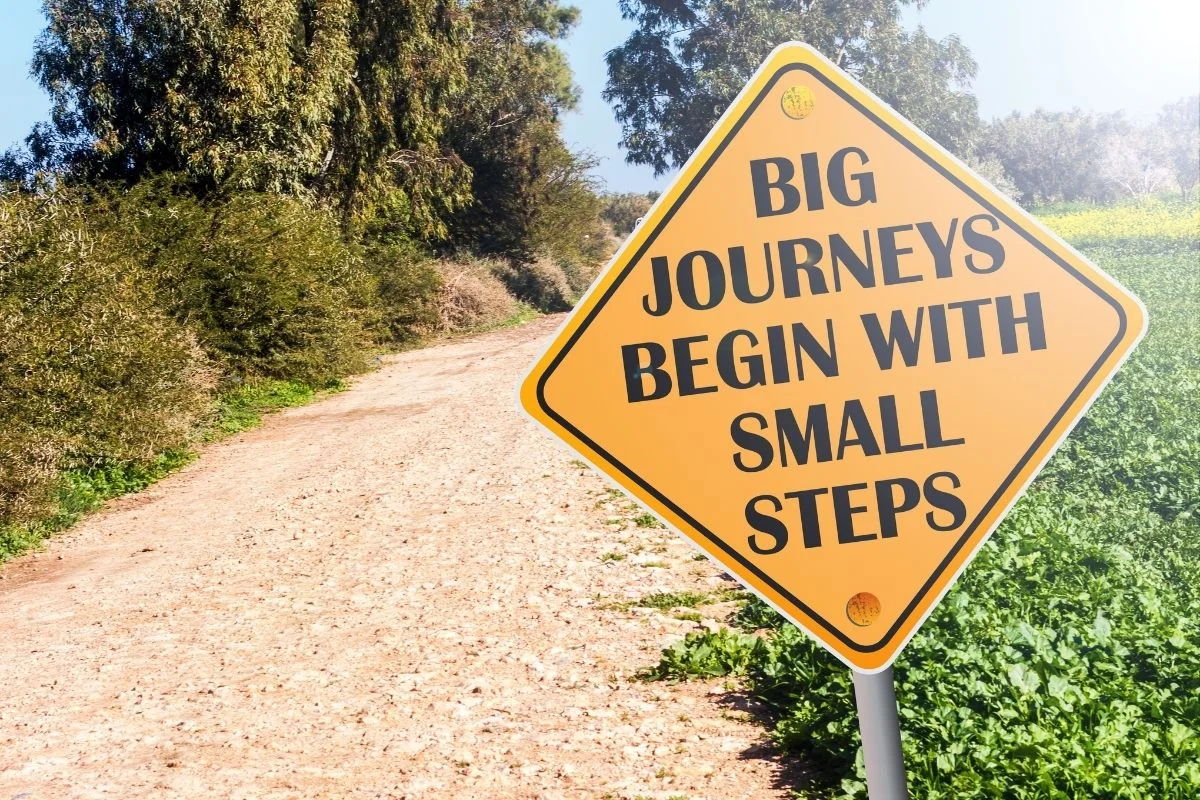
7 Kind Ways I Found My Way Back When Life Felt Lost


Have you ever wondered why some people seem to know exactly where their life is going, while you feel like you are walking in fog? I asked myself that question for a full year after I finished my studies. Everyone around me had a plan. I had a blank page. I smiled at parties and felt lost inside. If that sounds like you, I want you to hear this first: feeling lost is not a failure. It is a sign. It means your old map stopped working, and it is time to draw a new one.
Let me give you the short answer first. You do not find direction by thinking harder. You find it by testing, listening, and clearing the fog, one small step at a time. About 1 in 4 adults say most days they feel so stressed they can barely function, says a survey by the American Psychological Association and Harris Poll. So if you feel lost, you are in big company. The 7 ways below are the ones that pulled me out of the fog.
1. Find Your Values Compass Before You Pick a Direction
Why this helps. A compass does not tell you where to go. It tells you which way is north, so every step you take is a true step. Your values are your north. “Values” is just a big word for what matters most to you: family, honesty, learning, peace, helping others.
Write down your top 3 values on paper. Not ten. Three. Then ask one question about any choice: “Does this move me closer to my values, or further away?” When I felt lost, my values were health, learning, and family. A job offer paid well but would have broken all three. I said no. It hurt for a week. It was right for a year.
You cannot feel lost for long when every step points north.
2. Run Small Life Experiments Instead of Big Life Plans
Start here. Lost people try to plan their whole life in one night. That never works. The fog is too thick to see ten years ahead. So stop trying. Run a small test instead.
A “life experiment” is a tiny try that lasts 2 to 4 weeks. Want to write? Publish one short piece a week for a month. Curious about teaching? Tutor one kid on weekends. Each test costs little and teaches a lot. I could of saved myself a year of worry if I had tested instead of dreamed.
After each test, ask: “Did this give me energy, or take it away?” Energy is data. Follow the energy.
3. Talk to Three People Who Know You Well
Try this. When you are lost, your own view of yourself gets blurry. People who love you can see you clearer than you can. Pick three people who know you well and ask them two questions: “What am I good at?” and “When do you see me most alive?”
Write down their answers word for word. Do not argue. Do not explain. Just listen. I did this with my brother, an old teacher, and a close friend. All three said the same thing: I light up when I explain hard things in simple words. I had never seen that in myself. Now I build my work around it.
Other people often hold the mirror you cannot hold yourself.
4. Draw a One-Page Map of the Life You Want
A simple way in. Take one blank page. Draw a line down the middle. On the left, write how your days look now: wake, work, scroll, sleep. Be honest. On the right, write how you wish your days looked: what time you wake, what work fills you, who you spend evenings with.
The gap between the two sides is your real to-do list. Not a dream. A list. Pick the smallest gap and close it this month. My map showed I wanted mornings for writing. So I moved my wake time 30 minutes earlier. One small gap closed. The fog lifted a little.
A map you can see beats a plan you only think about.
5. Cut One Fog-Maker From Your Week
Give this a day. A “fog-maker” is anything that clouds your mind and gives nothing back. For most of us, it is the phone. Hours of scrolling at night. News that scares you. Shows you do not even enjoy.
Pick ONE fog-maker and cut it for 7 days. Not forever. Seven days. I cut late-night scrolling and put my phone in another room after 10 pm. The first two nights were hard. By night five, my head felt quiet for the first time in months. In that quiet, I could finally hear my own thoughts.
You cannot hear your direction through noise. Cut the noise first.
6. Help One Person and Watch Your Own Path Clear
Small but mighty. This one sounds backward. You are lost, so how can you help anyone? But helping pulls you out of your own head. It reminds you that you matter, that you can change a day for someone.
Keep it small. Help a neighbor carry bags. Teach a kid one thing you know. Listen to a friend for 20 minutes without checking your phone. I started tutoring one boy in math on Saturdays. Watching him get it made me feel useful again. Useful people do not feel lost for long.
When your own path is dark, light someone else’s. You will be surprised how much light falls on yours too.
7. Give Yourself a Full 90 Days Before You Judge
One more thing. Direction is not found in a weekend. Anyone who tells you to “find your passion” in 3 days is selling you something. Real clarity grows slow, like a plant.
Give these ways 90 days. Mark it on a calendar. Work the steps, run the tests, and do not judge the results until day 90. I judged myself every single day in my lost year, and all it did was add pain to the fog. When I finally gave myself 90 days of quiet work, the path showed up around day 60.
Be patient with the fog. It always lifts. It just lifts on its own time, not yours.
Your 7 Ways at a Glance
| Way | Time it takes | What it gives you |
|---|---|---|
| Values compass | 30 minutes | A north star for choices |
| Small experiments | 2 to 4 weeks each | Real data, not guesses |
| Talk to 3 people | One evening | A clear mirror |
| One-page life map | 1 hour | A visible gap to close |
| Cut one fog-maker | 7 days | A quiet mind |
| Help one person | 1 hour a week | Proof you matter |
| Give it 90 days | 90 days | Room to grow |
How I Walked Out of My Own Fog
Two years ago, I sat in my room at 2 am, phone in hand, feeling like everyone had a map but me. My friends had jobs. My cousin had a shop. I had worry. What changed was not one big moment. It was the small steps above, done in order, over 90 days. The values list stopped my panic choices. The talk with three people showed me a strength I could not see. One tutoring hour a week gave me a reason to wake up. The fog did not lift all at once. It thinned, week by week, until one morning I woke up with a plan I actually wanted.
A hard lesson I learned the slow way: do not compare your middle to someone else’s end. The people who look sure today were lost once too. They just kept walking.
FAQ
Is it normal to feel lost in your 20s and 30s?
Yes, very normal. Life changes fast in those years: school ends, jobs shift, friends move. Feeling lost is your mind catching up with a new season. It is a phase, not a life sentence.
What if I try these ways and still feel lost after 90 days?
Then you keep going, and you talk to someone you trust: a mentor, a counselor, or a wise elder. Some fog is thick and needs a guide. Asking for help is not weakness. It is the smartest step of all.
Should I quit my job if I feel lost?
Not yet. Feeling lost is a bad boss for big choices. Run small experiments first while your job pays the bills. Make the big move only when your tests give you clear data, not when panic gives you orders.
Can feeling lost ever be a good thing?
Yes. It means you have outgrown your old map. A person who never feels lost may never grow. The fog is uncomfortable, but it is also the doorway to a bigger life.
You are not broken. You are between maps. Pick one way from this list and start today, even if it is just writing your 3 values on a scrap of paper. Direction is not found. It is built, one small honest step at a time. And your first step can be today.