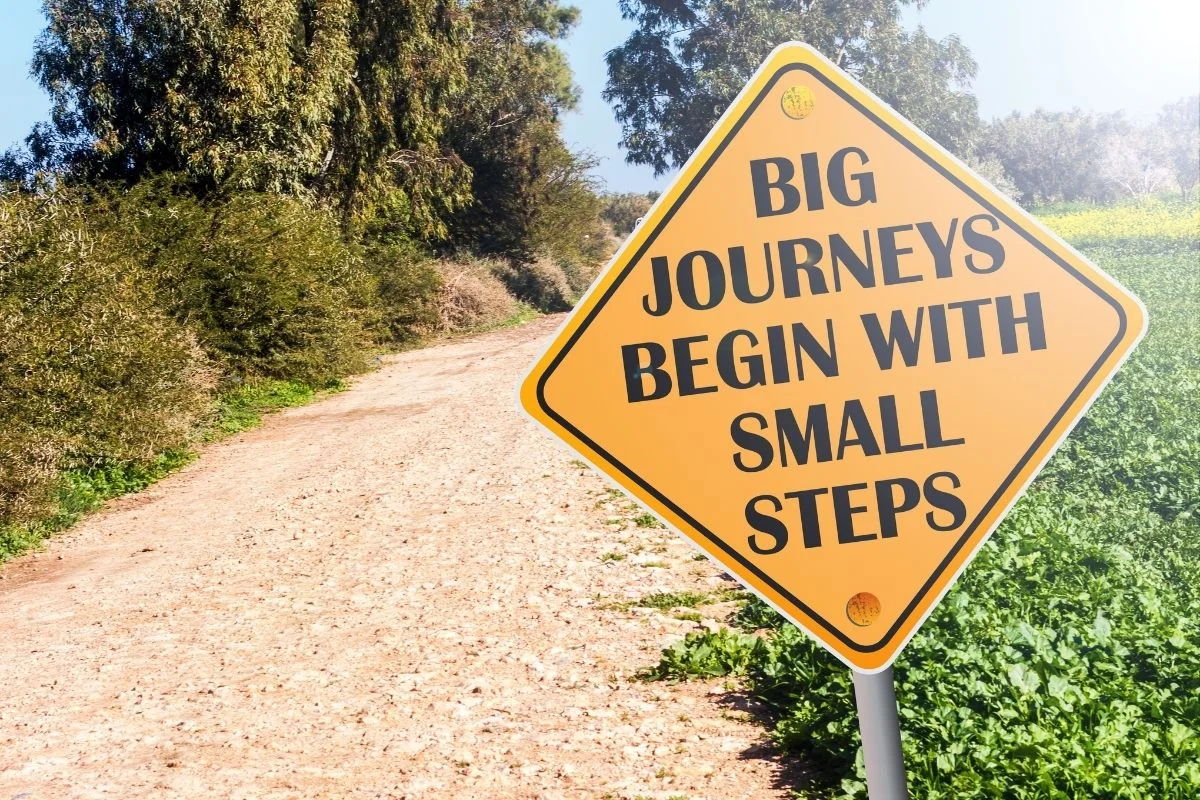
10 Strategies For Self-Discipline Improvement that Actually Work

Some days feel hard. Not the big kind of hard. The small kind. When the phone is close, the task is dull, and the will is low. That is when most tips fail. The bold plans from books and videos? They look good on paper but break fast in real life.
This is not that kind of list.
These ten tips come from real study of what works when no one is around to cheer. From failed weeks and slow, quiet wins. From watching what holds and what falls apart when mood is low and the day is long. Most of these, you will not see in a top list or a sold-out course. They are too plain. Too small. Too real. But they work.
1. Start With a Two-Minute
Most people wait to feel ready. That wait can last days. Weeks, even. Here is a trick that works even on the worst days: tell your mind you will work for just two minutes. That is it. Two. After two minutes, the task feels less scary. The brain warms up. And most times, the work just keeps going.
The real part most skip: you have to truly believe the two minutes. Not as a trick. As a real deal. “Two minutes, then done.” When the mind trusts the deal, it starts. And once it starts, the fear of the task drops fast.
The hard truth is that the start is the wall. Not the work. Most tasks are easy once begun. The fight is not “can I do this for one hour?” The real fight is “can I sit down right now?” Two minutes beats that fight every time.
And if the work stops at two? Fine. That is still a win. The wall got broken. Do it again the next day. Small wins stack. They always do. Over time, that stack becomes something real.
2. Act Like Who You Want to Be, Right Now
Not “one day.” Now.
If the goal is to be a calm, steady, and firm person, the move is to act like that today. Not when the big change comes. Not after the course is done. Today. When the phone pulls, ask: what would a focused person do right now? Then do that.
This is what some call an identity shift. It sounds big, but the act is small. It is just a quiet question before each choice. “Who am I choosing to be, right now?” It cuts through noise fast. It does not need long thought.
The trap most fall into is waiting for the feeling first. Waiting to feel like a hard worker before working. But the real direction is the other way. Act first, feel later. The brain learns from what the body does. Action builds the feeling. The feeling does not build the action.
Over time, the question gets short. Then it fades. The new way of acting becomes the default. That is when the real shift sets in. It is not fast. But it is true. And it sticks in a way that tips and plans never quite do.
3. Design Your Space, Not Your Will
Will is weak. Space is strong.
Most people try to fight bad habits with more will. They push hard past the phone, the snack, the noise. This fails, not because they are weak, but because will runs out. It is a tank, not a tap. And once it is gone, the pull of old habits wins.
The fix is not more will. The fix is less choice. Put the phone in the next room. Keep the snack out of sight. Set the work tool open before sleep. When the cue is gone, the bad habit loses its grip. When the good thing is ready to go, the good habit is easy.
This is what clear thinkers in the field of habits call “reducing friction.” Add it to the things that waste time. Remove it from the things that build. No grit is needed. Just a small change in what the eye can see when the day starts.
The part most never hear: this works even when mood is low. Even on the worst days. Because it does not ask for effort. It asks for nothing. The space does the work. That is the real truth. Not more push, but a smart pull from the right things placed in the right spots.
4. Use Pain, Not Just Pride
Most self help tells you to feel good about your goals. Dream big. See the win. Feel the joy. Fine. But there is a flip side that works even better for a lot of people: feel the cost of NOT doing it.
Sit for one minute and ask: what does life look like in three years if nothing changes? Not a vague bad feeling. A real, clear, slow picture. The work not done, the skill not built, the version of self left behind. See it with care.
That small dose of pain is a fuel most never tap. It is not about fear as a way to live. It is about truth. And truth, even when it stings a bit, tends to move people more than hope does on a slow day.
The key is to keep it short. One minute, once a day. Not a long spiral of dread. Just a clear and honest look at where slow days lead over time. Then shift to the task. The brain will carry that edge into the work.
Many people who stay focused and get much done quietly do this without naming it. They check in with the cost of drift. Not to feel bad, but to stay clear on where time is going. It is not harsh. It is just real.
5. Stack New Habits on Old Ones
The brain loves patterns. It runs on them. Every day has dozens of acts that run on their own with no thought: wake up, wash face, drink tea, check the door. These are locked in. Clean and steady. No push needed.
New habits are not locked yet. They need a cue to fire. And the best free cue is the old habit that already runs clean and easy.
The method is this: pick an old habit. Then place the new one right after it. “After morning tea, ten minutes of the thing I want to build.” That link is the hook. The tea fires, the brain says “ten minutes,” the hand picks up the work. Simple. But it holds.
The trick most skip: keep the new habit very small at first. Do not stack “after tea, one hour of deep work.” Stack “after tea, one page” or “after tea, five minutes.” The goal is not output yet. The goal is the link. Once the link is firm, more can grow from it without the brain fighting back.
The deep part of this: the new habit is not being built from zero. Power is being borrowed from one that already lives strong. The brain tax is near zero. That is why it works when pure will does not. It is not about effort. It is about routing.
6. Let Yourself Be Lazy, on Schedule
Most who try to be more firm with time attack all their lazy hours. No more rest. No more slow days. Full plan, full push. This burns out fast. And the crash tends to erase the gains that took weeks to build.
The smarter move: plan the lazy time. Put it on the list. “From four to six, do nothing of real use. No guilt.” This feels odd at first. But it does two things at once.
One: the brain stops fighting. Rest is not stolen now. It is earned and set. So when work time comes, the mind is less likely to seek rest as a way to push back against the pressure it feels.
Two: the lazy time tends to get dull. And boredom, quietly, leads back to doing. Not from push, but from a soft pull. The mind fills idle time on its own when the plan gives it space to breathe and be still.
The key is real scheduling. Not just saying “I will rest.” But writing it down like any other task. Then honoring it fully. When rest is real, work becomes real too. The line between the two gets clean. And clean lines help the brain know where it is and what it is doing.
7. Tell One Real Person, Not an App
Apps can track. Apps can remind. But apps do not feel let down.
The single most used tool for self discipline is a real human who knows the goal and will ask about it. Not a paid coach. Not a large group. Just one person. A friend, a sibling, a peer who will say “so, did you do it?” and mean it.
The work on this is old and clear: social care is one of the most strong forces in how people act over time. Not shame, not praise. Just the quiet knowing that someone real will check. That someone out there holds a piece of the goal.
Most people skip this because it feels too open. What if the goal fails? What if it looks bad? But that small fear is the point. A safe, low-level fear of letting down a real person does more for follow-through than any app or tool ever built.
Tell one person. Make it clear and real: “I am going to write 200 words a day for 30 days. Ask me how it went at the end.” That is it. Then feel the shift. It is not loud. It is quiet. But it holds.
8. Drop the Perfect Plan, Work With the Messy One
The plan that does not start is worth less than the plan that starts messy.
Many people spend more time writing their new plan than living it. The notes get long, the steps get neat, the system looks clean and good. And then life hits. One day breaks the run. The plan cracks. And because the plan was so neat, the crack feels like full loss.
The fix is to build the plan loose. Not vague. Loose. “Work on this most days, give or take.” Not “nine to ten sharp, every day, no miss.” The loose plan bends when life bends. The tight plan breaks when life does not match its shape.
When a day goes wrong, the loose plan says: “fine, pick it up next time.” The tight plan says: “you failed.” One of those keeps going. One quits.
This is hard for people who love order and clear lines. The truth is: a bent plan still makes slow and real progress. A broken plan makes none. Discipline is not about the clean week. It is about enough good weeks over a long stretch of time.
9. Use the “Next Step Only” Rule
Big goals can freeze action. Not because they are wrong. Because they are big.
When the goal is large, the mind zooms out and sees the whole climb. Then it goes still. The work feels too far, too hard, too unclear from where things stand right now. So it waits. And the wait turns to days. Then weeks. Then the goal feels even more far away.
The fix is to see only the next step. Not the goal. Not the full plan. Just: what is the one thing to do right now? Not today. Right now.
“Write the first line.” Not “write the whole draft.” “Open the file.” Not “finish the work.” “Send one note.” Not “fix the whole thing.” The next step. Just that.
This is not a low bar. This is hiding the rest of the bar until the foot lifts. Once one step is done, the next shows up. Then the next. The brain does not need to see the full path at once. It just needs to see the next stone under the foot.
Many people who finish large, hard things over time share this quietly: they did not think about the end every day. They just did the next thing. That is the whole truth, dressed in small words. The goal kept them going. But the next step kept them moving.
10. Build a Reset Ritual After Every Break
After any real break, the brain needs a soft sign to come back. Not a loud alarm or a hard push. A small, steady act that says: “we are going back now.” A reset. A small door between rest and work.
It can be any act: wash the face, make a warm drink, take three slow and full breaths, set one thing on the desk. The act does not matter much. What matters is that it is the same each time. The brain learns fast. After a few weeks, that small act becomes a cue. Walk through it, and focus tends to follow.
The reason this works ties to how the brain links states to cues. Rest has its own cues: the soft seat, the phone, the dim light. Work needs its own. Without a clear cue, the mind drifts between the two, half-resting and half-working, doing neither well. Energy leaks out in that gap.
A reset cuts that drift. It is a clean line between rest and work. Two minutes of the same act. Then the work starts. No long warm-up. No guilt about the break. The act signals the shift. The brain follows where the act leads.
Most people skip this because it looks too small to count. But small and steady beats big and rare, every single time. The ritual does not need to be grand. It just needs to be yours and the same each time you use it.
Key Things Worth Noting
- Will runs out. Space and set systems last much longer and need less from you each day.
- Acting like who you want to be, before you feel it, is not fake. It is how change really starts and then sticks.
- One real person holds you more than any app or plan ever will.
- A messy plan in motion beats a clean plan left in the notes on the screen.
- Small, daily acts done without praise or record are where real discipline quietly grows over time.
A Quiet End
Discipline is not a trait some people have and others lack from birth. It is a skill. A slow one. And like most real skills, it grows in the gaps, not the grand days. It grows in the two minutes, the reset, the honest look at where the days are going.
The ten ways here are not flashy. They will not go viral or make a good bold quote. But they work. Not once. Over time. With patience and small steps and a willingness to try again after a slow day.
As the writer Annie Dillard once said: how we spend our days is how we spend our lives. Not the big plans. The days. The small choices in the quiet hours.
Start with one. See what grows from it.