6 Tips for saving money when eating out

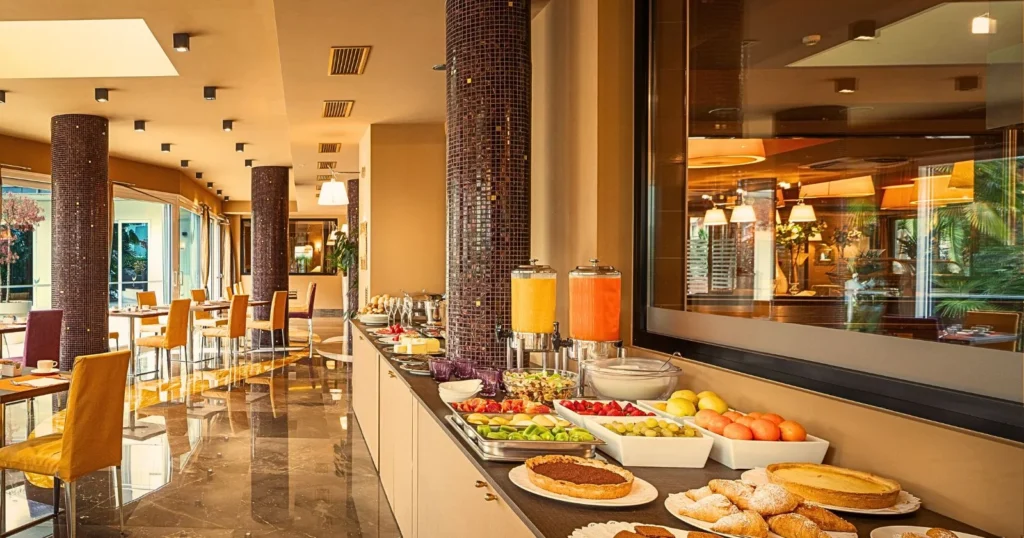
I once sat in a crowded diner on a Saturday morning, watching two different families beside me. One table had parents and three kids, each with their own meal, coloring crayons passed around, sticky fingers moving on menus and phones. Their bill, I later noticed, would easily breach what some rent in that neighborhood might cost for a month. The other table was a couple, slow-sipping their tea, sharing plates, observing each other between bites. Their laughter cost far less, though the connection felt richer.
These scenes taught me something subtle. Eating out isn’t just about food or money. It’s about habits, values, and the quiet trade-offs we make.
Economists, sociologists, and people like you and me who have felt the sting of a bill in places that used to feel affordable are noticing the same thing. We still crave shared meals and stolen conversations over plates, yet we also want to stretch our dollars without guilt or overthinking.
Eating out has become common. 58 % of Americans now say they eat out at least once a week, and many more do so for convenience or social reasons. Yet up to 54 % report dining out less often than before because of rising costs, and 36 % choose cheaper items to save money.
Behind the tables, there’s a story of how life, price inflation, and choices intersect.
This piece isn’t a list of “do this, do that.” It’s an observational journey through patterns I’ve watched, in friends, in my own bank statements, at quiet tables and loud restaurants, and how people learned to get more meaning from the money they spend on eating out.
1. Eating Out Is More Than a Meal. It’s an Economic Habit
When we talk about saving money while eating out, the first “aha” is noticing how much eating out has become woven into daily life.
Across multiple reports, eating out remains a fixture, not a rarity. Around 58 % of consumers say they eat out weekly, and younger adults, especially millennials and Gen Z, do so multiple times per week.
Yet despite the frequency, consumers spend a smaller share of their monthly food budgets on restaurant meals today (30 %) than they did a few years ago (40 %).
In other words, people want the experience, but they are adjusting how often and how much they spend. Even though dining remains meaningful, a chance to break routine, share stories, escape the kitchen, budgets are pulling back.
Here’s a snapshot:
| Behaviour / Trend | Statistic |
|---|---|
| Eat out weekly | ~58 % of consumers |
| Eat out more than once/week (younger generations) | 62 % of millennials, 58 % of Gen Z |
| Spending on restaurants as food budget share | 30 % now vs 40 % in 2022 |
| People eating out less often due to cost | ~54 % report cutbacks |
| Eating out frequency rising compared to pre-pandemic | Industry spending 12 % higher than 2019 |
These numbers show tension between desire and affordability and it’s why what follows isn’t a hack list. It’s an exploration of habits that emerge when life meets rising prices.
2. The First Realization. Timing and Context Matter More Than Price Tags
When I started paying closer attention, I noticed something.
Going out at different times changes the feel and the cost of the same meal.
It isn’t just late-night dinner pricing. Many restaurants quietly offer lunch specials, early-bird menus, or weekday discounts that don’t show up in the main menu headers. Some places thrive on breakfast crowds, others on lunch deals that feel like hidden windows of affordability.
A friend of mine, someone who loves food but hates waste, began treating restaurant menus like seasonal papers. He noticed when a place had weekend brunch deals or pop-up menus that were significantly cheaper than weekday dinner offerings.
This isn’t gaming the system. It’s noticing rhythm.
One couple I know now plans their outings around less busy times, early Tuesday evenings, Saturday lunch, even Sunday mid-afternoon, not just because it’s quieter but because the portions and pricing work in their favor. They treat dining out like choosing a concert date or a movie time, a balance between experience and cost without being rigid.
In one informal study, about 45 % of U.S. diners report asking for a to-go box, not just for leftovers but to savor half today and half later, effectively reducing meal waste and conscious portions.
Little shifts like this aren’t sacrifices. They are strategies born from reflection.
3. Case Study. Sharing Isn’t Just Care, It’s an Economy
There was a dinner once, a birthday with six friends. When the check arrived, one of the group quietly suggested that next time, each pair share two main dishes and one appetizer between them.
At first, it sounded like thriftiness gilded in etiquette. But what happened wasn’t less food. It was more conversation, fewer half-eaten plates, and a note in the bill that was noticeably less than last time, without any of us feeling deprived.
This resonates with broader consumer behavior. Many diners are choosing value meals (39 %), using restaurant deals and coupons (43 %), and being mindful of portions to avoid overspending.
Sharing shifts the experience.
- You taste more dishes without ordering a full entrée for each.
- You slow down. Conversation fills the space where orders might fill the bill.
- You reduce waste, both in food and in budget.
This is not deprivation. It’s a different mindset toward abundance.
4. Extras. A Quiet Budget Drain
One of the biggest surprises people feel isn’t the food cost itself. It’s what comes with it.
Like desserts etc often account for a substantial portion of the bill.
In one restaurant’s pricing analysis:
- Average fast-casual meal: $12.50
- A family dinner with dessert: easily over $50 per person
This same logic applies to appetizers, sides, and desserts, things that feel like small added delights but silently increase the bill.
5. Case Study. Loyalty and Rewards. Less Chase, More Calm
In my own experience, joining a café’s reward program felt like noticing a small offering that most people overlook. After just five visits, I earned a free food, something that didn’t feel transactional or opportunistic, but like a conversation with the place I frequented.
Many restaurants, from local cafés to national chains, now offer loyalty perks that are genuinely rewarding when used thoughtfully. According to recent data:
These aren’t tricks. They are extensions of consistent behavior, the same way someone who enjoys going to a specific place might naturally earn benefits over time.
Loyalty shifts from being a search for deals to being an organic part of how you dine. And in the aggregate, that can mean meaningful savings without conscious effort.
6. The Hidden Toll. Inflation and Intuition
Many people I know, and many reports confirm, have adapted their dining habits not because they want to restrict joy, but because prices have crept up in ways that feel disproportionate.
In a recent survey, 82 % of diners felt that restaurant prices had risen noticeably in the past year, and more than half said they adjusted how they eat out to spend less.
And this isn’t limited to one country or income group. From the U.S. to the UK and beyond, consumers are cutting back, choosing value options, or rethinking how often they dine out.
It changes the experience. What was once purely social or celebratory now carries an undercurrent of economic awareness. Some people whisper about menu inflation more than they speak of flavors.
Still, the goal for most isn’t abandonment. It’s balance.
Table. Comparing Choices and True Costs
| Choice | Typical Cost Impact | Emotional or Practical Effect |
|---|---|---|
| Sharing entrees | Reduces direct cost per person | Often increases connection and variety |
| Joining loyalty programs | Lowers cost over time | Encourages repeat visits thoughtfully |
| Going out at off-peak times | Lower overall check | Makes dining less stressful, more mindful |
| Taking leftovers home | Extends value | Aligns with reducing waste and maximizing meal |
| Avoiding extras (dessert/side) | Immediate savings | Shifts focus to the main experience |
Compiled from dining trends and behavioral spending patterns.
Key Observations
- Eating out is a valued part of life, not a luxury with zero meaning.
- People adapt naturally, not out of fear but out of reflection.
- Small decisions, sharing, timing, mindful beverages, quietly reshape spending.
- Rising costs don’t eliminate desire; they refine it.
- Rituals, not hacks, lead to a more satisfying experience with less regret.
- Rewards and loyalty become quiet companions to mindful dining.
Conclusion
What I’ve realized, and what many others quietly understand, is that saving money when eating out isn’t about strict rules or deprivation. It’s about noticing the patterns beneath our choices, where joy intersects with cost, where habits hold sway, and where small intentional shifts help the meal feel both richer and lighter.
A meal out should still taste like warmth, connection, and rest. If it also respects your budget, that’s not compromise. It’s presence.
As the writer and philosopher Alain de Botton once said, “The best meals are those eaten with others, rich in conversation, memory, and laughter.” The cost might matter less when those things are what you truly remember.