10 Daily Habits That Put People in the Top 1% of Success

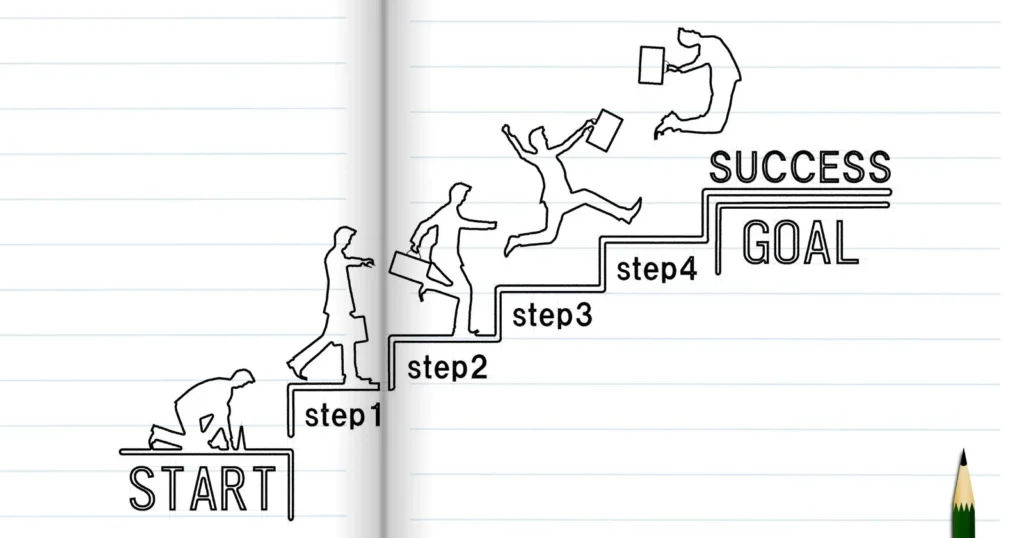
Success has a strange way of looking ordinary when you stand close enough to it.
From a distance, it appears dramatic. Headlines, big companies, large audiences, extraordinary wealth. The visible surface makes it feel as if something spectacular must have happened behind the scenes.
But after spending years watching certain people build meaningful careers, stable wealth, and calm confidence, I began to notice something else entirely. Their days rarely look dramatic.
They look… steady.
The people who eventually land in what we casually call the top one percent rarely live in a constant state of intensity. Their lives are not endless bursts of motivation or sudden strokes of brilliance. What you usually find instead are small behaviors repeated quietly over long stretches of time.
Nothing flashy. Nothing heroic.
Just habits that slowly shape how they think, decide, and move through the world.
And if you sit with those patterns long enough, a kind of quiet truth begins to reveal itself. Success, at least the durable kind, grows out of ordinary days lived a little differently.

1. They Begin the Day in Their Own Head Before Entering the World
One of the first things I noticed among people who build remarkable lives is that their mornings belong to them.
This may sound simple, but in practice it is surprisingly rare.
Most people wake up and immediately step into other people’s priorities. Messages, news, notifications, social media updates. Within minutes, the mind becomes crowded with outside noise.
The individuals who eventually separate themselves from the crowd tend to resist that pull.
Their mornings are quieter.
Some write a few pages in a notebook. Some sit with coffee and think without distraction. Others read something slow and thoughtful before the day begins moving. The exact ritual varies, but the pattern remains consistent. They begin by organizing their own thoughts before allowing the world to organize them.
I once spoke with a founder who had built a company valued in the hundreds of millions. When asked about productivity systems or complex routines, he shrugged slightly and said something surprisingly ordinary.
He protects the first hour of the day.
No phone. No meetings. Just thinking.
At first it sounded almost too simple to matter. But over time I started noticing the deeper effect. That early quiet hour seems to give them ownership of their day. Their thinking feels deliberate instead of reactive.
The rest of the world may be rushing, but they have already chosen their direction.
It changes the tone of everything that follows.
2. They Guard Their Attention the Way Others Guard Their Money
Attention has become one of the most quietly valuable resources in modern life.
Most people sense this vaguely, but very few treat it seriously.
Scroll through a typical day and you will see how easily attention leaks away. Short videos, constant notifications, endless commentary about things that have no meaningful impact on our lives. Hours disappear in fragments.
People who reach the highest levels of success seem unusually protective of their attention.
Not in a rigid or obsessive way. More like someone who understands the cost of distraction.
I have seen this in writers, investors, entrepreneurs, researchers. Their environments often look intentionally calm. Fewer apps. Fewer interruptions. Long stretches where they can think without being pulled in ten directions.
In economic terms, attention functions like capital.
Where you invest it determines what grows.
Psychologists sometimes call this attentional control, the ability to direct focus deliberately rather than allowing it to scatter. Research from places like Stanford and the University of California has shown that deep concentration dramatically improves learning, creativity, and problem solving.
But the people who practice it rarely quote studies.
They simply structure their lives in a way that protects their ability to think.
Over time that quiet discipline compounds.
3. They Read Slowly and Often
This habit appears so frequently among highly accomplished people that it almost stops being surprising.
They read.
Not occasionally. Not only when required.
They read constantly.
History, psychology, business, biographies, science, philosophy. Some prefer physical books with margins filled by small notes. Others read digitally but with the same level of attention. What matters is the relationship they develop with ideas.
Reading seems to stretch their thinking in ways that daily conversation cannot.
I once noticed something interesting while visiting the office of a long time investor. His shelves were packed with books that had clearly been used. Not decorative. Not pristine. Some looked worn from repeated reading.
When I asked him about it, he smiled and said something simple.
Every good book is like sitting quietly with someone who has already made the mistakes you are about to make.
That line stayed with me.
Warren Buffett famously spends most of his day reading. Charlie Munger spoke often about the importance of building a “latticework of mental models” through constant learning.
But beyond famous examples, I see the same pattern in quieter lives as well.
People who read regularly seem to build a deeper internal library. When problems appear, they draw from ideas gathered over years rather than reacting only to the present moment.
The result feels calmer. More thoughtful.
Almost as if they have been preparing for conversations the world has not had yet.
4. They Keep Promises to Themselves
This habit rarely receives attention, yet its impact shows up everywhere.
Successful people tend to develop a quiet integrity with themselves.
If they decide to write each morning, they write. If they plan to exercise, they show up. If they commit to finishing a project, they complete it even when the excitement fades.
At first glance this might look like discipline.
But after watching it closely for years, I suspect something deeper is happening.
Each kept promise builds a small layer of self trust.
Most people break small agreements with themselves constantly. They plan to start something tomorrow, delay it repeatedly, then slowly stop believing their own intentions.
Eventually motivation disappears because the mind no longer trusts the plan.
People who achieve extraordinary outcomes often build the opposite pattern.
They follow through on small commitments so consistently that their mind begins to treat decisions as reliable instructions rather than optional suggestions.
Psychologists sometimes refer to this as self efficacy, the belief that one can execute actions required to reach desired outcomes.
But when you watch it unfold in daily life, it looks much simpler.
Someone decides something matters.
And then they quietly do it.
5. They Spend Time Thinking About Problems Most People Avoid
Another pattern emerges when you observe high performers over long periods.
They sit with difficult questions longer than most people are comfortable with.
Not obsessively. Not dramatically.
Just patiently.
In business, this might mean thinking deeply about a structural weakness in a company. In personal life, it might mean confronting habits or fears that quietly limit growth.
Many people instinctively avoid uncomfortable thinking. It is easier to stay busy than to examine what truly needs attention.
But individuals who rise to exceptional levels seem willing to linger with complexity.
They allow confusion to exist without rushing toward easy answers.
This habit reminds me of something the physicist Richard Feynman once said about problem solving. He described keeping a list of important questions in his mind at all times, then noticing when new information helped illuminate them.
That approach requires patience.
But over time it leads to insights that hurried thinking rarely produces.
In everyday life this habit appears subtle.
Someone spends an evening writing through a complicated decision. Someone reviews a failed project honestly instead of blaming circumstances. Someone asks difficult questions about their own patterns.
It is not comfortable work.
Yet it quietly changes the quality of decisions that follow.
6. They Move Their Bodies More Than Their Job Requires
You would think success in intellectual fields would revolve entirely around thinking.
Yet the people I see operating at the highest levels almost always maintain some form of physical movement.
Walking. Running. Strength training. Long hikes. Swimming.
The form matters less than the consistency.
For many of them, movement serves as a reset for the mind. Long walks often become thinking sessions where ideas finally untangle themselves.
Charles Darwin was known for taking daily walks along what he called the Sandwalk, a simple path near his home where he thought through scientific questions. Steve Jobs often held walking meetings.
There seems to be something about movement that reconnects thinking with the body.
Modern neuroscience supports this observation. Studies show that moderate exercise improves memory, mood regulation, and cognitive performance.
But again, the people practicing this habit rarely talk about optimization.
They simply understand that a tired body eventually produces a tired mind.
And so they move.
7. They Choose Their Circles Carefully
This habit often reveals itself slowly.
People in the top one percent tend to surround themselves with individuals who challenge their thinking rather than constantly affirm it.
Conversations in these circles feel curious rather than competitive. Ideas are tested. Assumptions questioned. Learning happens almost casually through dialogue.
I once attended a small dinner where several founders and investors gathered informally. What struck me was not the success in the room, but the tone of the conversation.
Nobody seemed interested in proving they were the smartest person present.
Instead, they asked thoughtful questions. They shared mistakes openly. They debated ideas with respect rather than ego.
Over time, environments like this become powerful learning ecosystems.
Sociologists sometimes describe this through the concept of social capital, the value created through networks of trust and shared knowledge.
But again, the pattern appears simpler when lived.
People who grow the most place themselves around others who are also growing.
And the conversations quietly elevate everyone involved.
8. They Build Things Slowly Instead of Chasing Quick Recognition
Modern culture rewards visible success.
Followers, viral moments, rapid growth.
Yet many of the most enduring achievements develop slowly and almost invisibly for years.
Writers who publish daily for a decade before recognition appears. Entrepreneurs who build companies step by step rather than chasing dramatic launches. Researchers who study a narrow question for most of their careers.
This patience seems to separate sustainable success from temporary excitement.
People who eventually reach the top tier often accept that meaningful work requires long seasons where progress feels modest.
There is a calm humility in this mindset.
They care more about the quality of the work than the speed of recognition.
And strangely enough, recognition often arrives later as a side effect.
9. They Reflect on Their Day Before It Disappears
One habit I admire deeply appears almost invisible from the outside.
Many highly effective individuals spend a few quiet minutes reviewing their day.
Not in a harsh or judgmental way.
More like someone flipping through the pages of a journal.
What went well. What felt off. What might be improved tomorrow.
Sometimes this reflection happens through writing. Sometimes through silent thinking during an evening walk. Occasionally through conversation with a trusted partner.
Over time this small practice builds awareness.
Patterns that would normally remain invisible begin to stand out. Decisions improve because lessons accumulate.
I have tried this practice myself on and off over the years. When it becomes regular, something subtle changes.
Days stop blending together.
Experience starts turning into insight.
10. They Return to Curiosity Again and Again
If there is one habit that seems to quietly power all the others, it might be this.
Curiosity.
Not the loud, restless kind that jumps from trend to trend. The quieter form that simply keeps asking questions.
Why does this system work this way?
What happens if we try something different?
What can be learned from this mistake?
People who eventually rise to extraordinary levels rarely stop exploring.
Even after success arrives, they remain students.
I once asked a retired executive who had spent four decades building a global company what kept him motivated so long.
He paused for a moment, then said something simple.
The world keeps changing. And I still enjoy figuring it out.
There was no grand philosophy in his voice.
Just genuine curiosity.
Key Takeaways
• Success often grows from quiet consistency rather than dramatic effort
• Protecting attention may be one of the most valuable modern habits
• Small promises kept daily slowly build deep self trust
• Reflection turns ordinary experience into long term wisdom
• Curiosity keeps the mind flexible long after achievement arrives
A Final Thought
The longer I observe people who achieve remarkable things, the less their success feels mysterious.
It begins to look like a collection of ordinary days lived with slightly different priorities.
A little more attention.
A little more patience.
A little more honesty about what matters.
Nothing about these habits guarantees extraordinary outcomes. Life is still unpredictable, and luck always plays a role.
But the pattern appears again and again.
As the philosopher William James once wrote, “The great use of life is to spend it for something that will outlast it.”
And perhaps that begins with something as simple as how tomorrow morning starts.