5 Things A Poor Dad Says To His Son

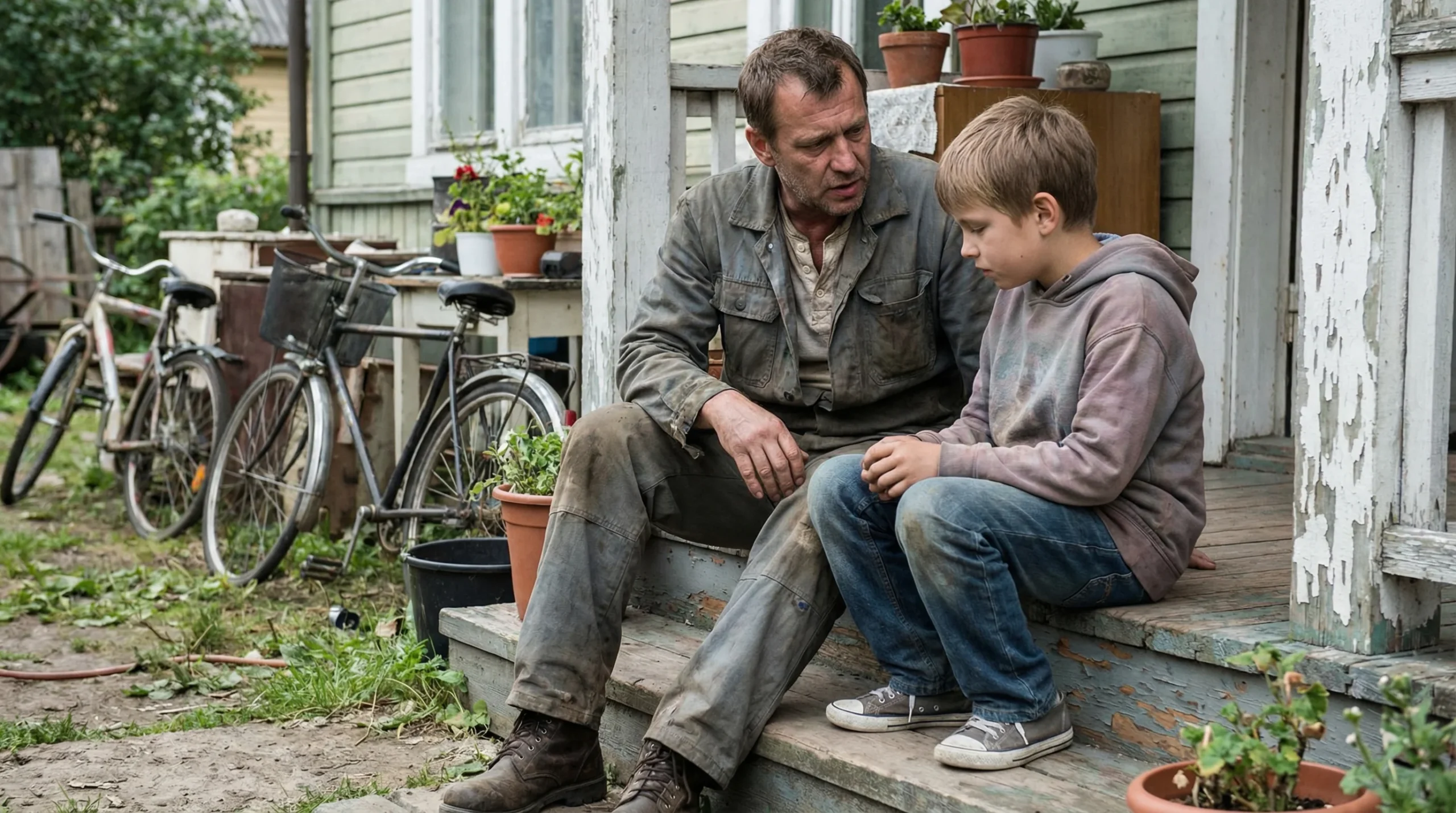
Some men work hard all their life and still end up with less than they need. Not from lack of care. Not from lack of love for their kids. But from a set of old ideas, passed on with full trust, that slow a child down long before he ever gets the chance to run.
This is not a piece to blame poor dads. Most of them did the best they knew. But there is a big gap, in many homes, between what a dad means to say and what his son ends up believing. And that gap, over the years, turns into a wide wall that is very hard to get past.
What a man hears as a boy tends to stick. Not just in his head but in the way he acts, the way he spends, the way he talks about money when no one is watching. The words a dad says at the dinner table, in the car, late at night when bills are due, all of them leave a mark. Some of those marks help. And some of them, with all the love in the world, hold a son back for years.
Here are five of the most common things a poor dad says to his son, and what those words tend to do over time.
1. “We Don’t Have Money for That”
Every child asks for things. It is part of growing up. But the way a parent responds to that ask shapes how the child sees money for a long time. “We don’t have money for that” is one of the most common replies in low-income homes, and on the surface, it sounds like the truth. But the deeper effect is not about the thing the child wanted. It is about what the child starts to believe about himself and his world.
When a boy hears this often enough, he starts to stop wanting. Not just things. He stops wanting a big life. He stops dreaming out loud. He learns, very early, that the world is a place where things are denied, not earned. There is a term for this in the field of human behavior: learned helplessness. It is when a person, after repeated blocks, stops trying at all because he expects failure before he even starts.
The real cost here is not the toy or the trip or the new shirt. The cost is the slow death of a boy’s belief that he can one day have more. A more helpful reply, even in a tight home, would be: “Not right now, but let’s think of how we could earn it.” That small shift keeps the door open. It points the son toward action, not just loss.
In many parts of the world, this pattern plays out the same way. The words change, but the effect is the same. The son grows up and, without thinking, says the same words to his own children. The cycle does not break by itself.
2. “Money Is the Root of All Evil”
This one is old. Very old. And it has done more harm, in the minds of good men, than most people realize. Many poor dads say this with a kind of pride, as if being careful about money is a sign of good character. In some faith-based homes, it gets tied to the idea that wealth is dirty, that wanting more makes a man corrupt.
But what the boy hears is not a lesson in ethics. What he hears is: money is dangerous. Good people stay away from it. And so, without knowing it, he grows up with a quiet guilt around earning. He works hard but never asks for a raise. He saves a little but never invests. He feels, in a vague and hard-to-explain way, that too much success would make him someone bad.
The phrase itself, by the way, is a misquote. The full line from the old text says the love of money, not money itself, is the root of evil. That one word, love, changes the whole idea. It is not wealth that corrupts a man. It is the need for wealth at the expense of everything else. But that fine point rarely makes it into the dinner table talk.
A father who says this phrase, again and again, is not teaching his son to be moral. He is teaching his son to be broke and feel good about it. That is a very costly lesson.
3. “Just Be Grateful for What You Have”
Gratitude is a real and valuable thing. It keeps a man grounded. It helps him see what is already good in his life. But when a poor dad uses this phrase to shut down a son’s ambition, it stops being wisdom and starts being a trap.
There is a fine line between being content and being stuck. Many poor dads crossed that line long ago and did not notice. They learned to sit still under hard conditions, to not make noise, to not want too much. That was their way of coping. And for them, in their time and their world, it may have worked. But they passed that coping tool to a son who lives in a different world, one where staying still is the same as falling behind.
The phrase “just be grateful” also does something quiet to a boy’s inner life. It teaches him to suppress his ambitions before they get too big. He starts to see his own desires as a kind of greed. He feels shame for wanting better. And so he settles. Not once in life, but again and again, in small ways that add up to a very small life.
A dad can teach his son to be grateful and still push him to grow. The two ideas do not cancel each other out. But in many poor homes, they get treated as opposites. Gratefulness becomes an excuse to stop moving. And the son pays for that misunderstanding with years of his life.
4. “Don’t Talk About Money, It’s Rude”
In many cultures, money is a topic kept behind closed doors. It is seen as impolite, even shameful, to discuss how much one earns, how much one owes, how much things cost. This silence, which feels like manners, is one of the most harmful habits a poor dad can pass on.
Because what happens when a boy grows up in a home where money is never talked about openly? He enters adult life with no map. He does not know how to read a budget. He does not understand the difference between an asset and a debt. He has never heard a calm conversation about saving or planning. And when he faces his first real financial decision, he is on his own, with no model to follow.
Rich families, studies tend to show, talk about money at the table. Not always in exact numbers, but in terms of thinking: what does this cost versus what is it worth, how does a business work, what happens when you spend more than you earn. That kind of talk, even when done imperfectly, gives a child a mental framework that lasts decades.
Silence about money is not modesty. It is a missing education. And the boy who never got that education will, one day, sit across from a banker or a landlord or a business partner and feel completely lost. Not because he is not smart. But because no one ever taught him the language.
5. “You’re Lucky to Even Have a Job”
This one tends to come later, when the son is grown, when he starts to question his pay or his boss or the conditions he works in. And the poor dad, trying to protect his son from the pain of failure, says: “You’re lucky to even have a job. Don’t push it.”
The intention is love. The effect is surrender.
A man who believes he is lucky to have a job will never negotiate. He will never ask for more. He will swallow hard things and call it stability. He will watch younger or less experienced men move past him, not because they work harder, but because they believe they are worth more and they say so out loud.
This idea, that work is something one should feel grateful to be allowed to do, reflects a deeper poverty mindset. It places power entirely in the hands of whoever is giving the job, and removes it from the man doing the work. Over time, this creates men who are skilled, loyal, experienced, and chronically underpaid.
In economics, there is something called wage stagnation, and it has many causes, some structural, some political. But one cause that does not get enough attention is the belief, held quietly by millions of working men, that they do not deserve more than what they already have. That belief, in many cases, was planted years ago by a father who was just trying to keep his son safe.
Key Takeaways
- The words a child hears about money tend to last longer than the money itself
- Silence around financial topics is not respect; it is a missing education
- Telling a son to be grateful and telling him to grow are not the same thing
- A man who feels lucky to have a job will rarely become the kind of man who builds one
- Most poor dads pass on fear, not greed; and fear, over a lifetime, costs more
- Poverty is often not just about income; it is about the stories told at home when the lights go low
What Stays
No father, rich or poor, sits down and thinks: today, let me teach my son to be afraid of success. It does not work that way. These things get passed on quietly, in tired evenings and tight months, in frustrated replies and old beliefs that never got questioned.
But the son who notices these patterns has a real choice. Not to blame the man who raised him, but to look honestly at the ideas he inherited and ask: which ones still serve me? Which ones were fear, dressed up as wisdom?
The writer James Baldwin once said that not everything that is faced can be changed, but nothing can be changed until it is faced. That holds very true here. The first step is not action. It is just seeing clearly. Seeing what was said, what it cost, and what a different story might look like.
That is where it starts.