5 Things the Working Class Must Stop Buying (Dave Ramsey), and How Cutting Them Can Change Your Family Life

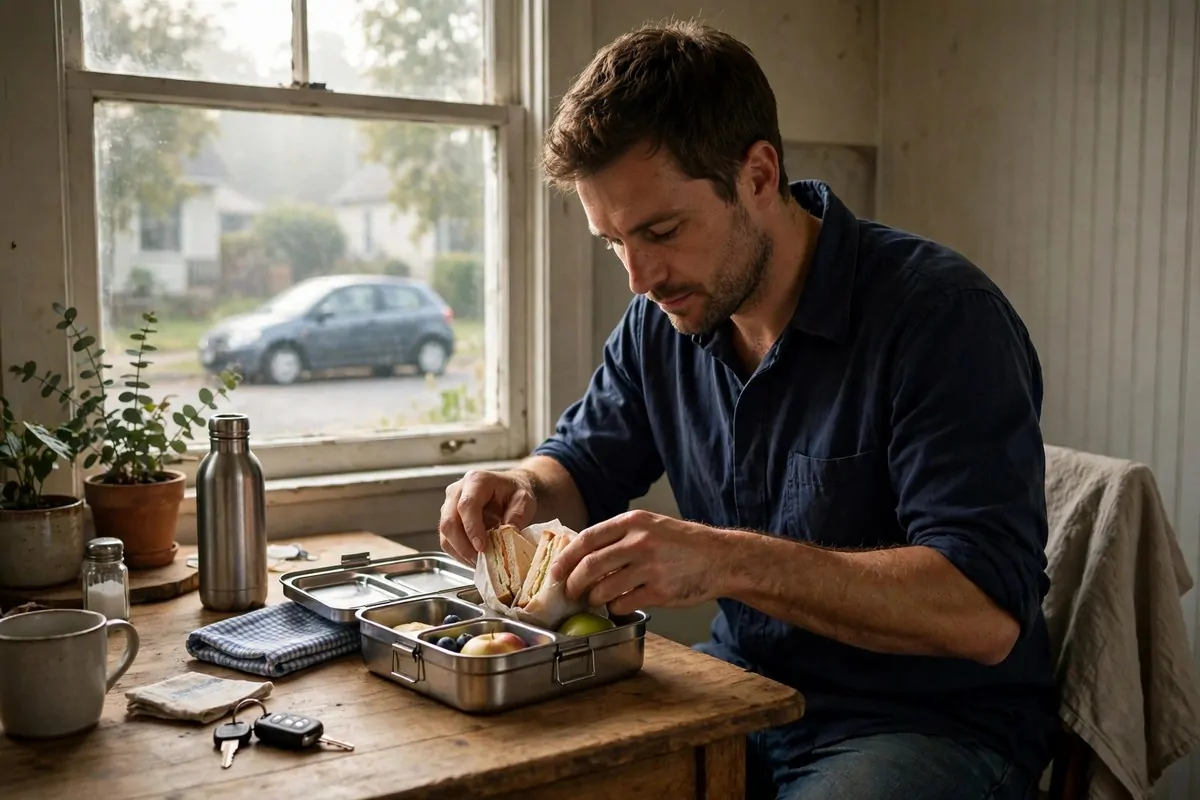
Well, most working families do not lose money in one grand mistake, and they lose it in small buys that repeat each week. A coffee on the way to work, a new phone each year, and a shiny car in the drive all feel small on their own. Add them up over a year, and the sum can feed a family for months. Dave Ramsey taught that small leaks sink great ships, and the leaks in a working class budget are the buys in this article.
A working class family earns an honest wage, and the wage should build a calm life for the whole family. Yet many families reach the end of the month with empty hands, and they cannot name where the money went. The answer is rarely a single large buy, and it is a list of small buys that felt harmless at the time. The things the working class must stop buying are the five buys in this article, and each one is easy to spot.
I once knew a factory worker who earned a fair wage for twenty years, and his family still lived from payday to payday. He bought a new car every three years, ate lunch out every day, and kept a phone that was newer than his shoes. When he finally wrote down his spending, he found that the small buys ate more than a third of his pay. The numbers shocked him, and the shock changed his life.
The Bureau of Labor Statistics reported that the average American household spent about 3,900 dollars a year on food away from home in 2023. A Bankrate survey found that 59 percent of Americans said they could not cover a sudden cost of 1,000 dollars from savings. These two numbers tell one plain story, and the story is that small daily buys eat the safety that families need. A family that stops the five buys in this article can build a safety pile in a single year.
Read the five buys slowly, and mark the ones that live in your own home today. The things the working class must stop buying hide in plain sight, and this article will help you see them in clear words. Each buy comes with a plain fix you can start today, and the fixes cost no money at all. A calmer month starts with a single buy that you choose to skip.
The short answer: the things the working class must stop buying are five common buys, from a brand new car to daily takeout food, a yearly phone, brand name clothes, and subscriptions you never use. Each buy feels small on its own, yet together they can eat more than a third of a working family pay. When you stop the five buys and put the saved money aside each month, your family gains a safety pile, a calmer month, and a future that feels safe.
Key Takeaways
- Stop buying a brand new car and keep a safe used car instead.
- Cook at home and carry lunch instead of buying takeout each day.
- Keep your phone for three years instead of buying the newest model.
- Buy plain strong clothes instead of brand names bought for show.
- Cancel every subscription and membership you never use.
1. A Brand New Car
A brand new car is the largest leak in most working class budgets, and it feels like a prize the day it leaves the shop. The bright paint, the new smell, and the proud drive home all feel like a reward for hard work. Yet the car loses a large part of its value in the first year, and the monthly cost keeps eating the pay long after the pride fades. The things the working class must stop buying start with a car bought for pride, and that car costs a family its calm.
Kelley Blue Book reported that the average price of a new car in America rose above 48,000 dollars in 2024. A car at that price can cost more than 700 dollars each month, and the monthly cost runs for years. A working family that pays 700 dollars a month for a car gives away 8,400 dollars in a single year. That sum could feed a family, pay for school books, or build a safety pile that guards the whole home.
| Buy to stop | Cost each month | Cost in one year |
|---|---|---|
| Brand new car | 700 dollars | 8,400 dollars |
| Takeout food and coffee | 340 dollars | 4,080 dollars |
| Newest phone each year | 83 dollars | 1,000 dollars |
| Brand name clothes | 200 dollars | 2,400 dollars |
| Unused subscriptions | 219 dollars | 2,628 dollars |
Dave Ramsey taught that a car is a tool to move you from one place to another, and a tool should be bought with calm sense. A safe used car can do the same work for a third of the price, and the saved money can guard the family instead. A used car with a clean record and a fair price is a wise buy, and the wisdom shows in the bank at the end of the year. The road does not care about the age of the car, and it cares only that the car runs safe.
The fix is to buy a car you can pay for in full, and to keep it for ten years or more. A car kept for ten years costs a fraction of a car changed every three years, and the saved years are years of calm. A worker who keeps one good car for a decade saves enough to change the whole life of his family. Patience with a car is one of the fastest ways to build a safety pile.
Check the car with a trusted mechanic before you buy it, and let the mechanic tell you the plain truth. A small fee for a check can save a family from a car that breaks each month. A car with a clean record, good tyres, and a steady engine is a car worth keeping. The mechanic is a friend to the buyer who listens, and a stranger to the buyer who rushes.
Children learn the value of patience from watching their parents keep a car, so your choice teaches the next generation. A child who rides in the same good car for years learns that a tool is for use, not for show. A family that keeps its car is a family that keeps its calm, and the calm shows in every room of the home. The car in the drive is a teacher, and it teaches either patience or pride.
Look at your own car, and ask how much it costs you each month in full. If the monthly cost is more than a tenth of your pay, the car is eating your future. Start the plan to keep your next car for ten years, and write the plan down tonight. A decade with one good car can free enough money to change a whole family life.
2. Takeout Food and Coffee Every Day
A coffee on the way to work and lunch from a shop each day feel like small treats, and they are the quietest leak in a working budget. Five dollars for coffee and twelve dollars for lunch add up to seventeen dollars a day. Seventeen dollars times twenty work days is 340 dollars in a single month. That sum is a real pile of money, and it leaves the purse one small cup at a time.
The Bureau of Labor Statistics reported that the average American household spent about 3,900 dollars a year on food away from home in 2023. A family that cooks at home can eat well for a third of that sum, and the saved money stays in the purse. A pot of rice, a pan of beans, and a loaf of bread can feed a family for days. Home food is not only cheaper, and it is warmer, healthier, and shared at the family table.
Dave Ramsey taught that a working family should eat at home and carry lunch to work, and the habit can save thousands of dollars in a year. A lunch box packed the night before takes ten minutes, and the ten minutes save twelve dollars each day. A worker who carries lunch five days a week saves about 240 dollars in a single month. That sum is a safety pile in the making, and the pile grows with each lunch box.
The fix is to cook in larger amounts and pack lunch the night before. A pot of soup cooked on Sunday can fill lunch boxes for three days, and the cost is a few dollars for the whole pot. A flask of coffee made at home costs pennies, and it tastes just as warm on a cold morning. Small cooking kept for a year can save more than a pay rise ever would.
Keep the treat, but keep it rare, and let it stay a joy instead of a habit. A meal out once a month with the whole family is a celebration, and a meal out each day is a leak. A family that eats out once a month enjoys it far more, and the saved money makes the treat even sweeter. Joy kept rare stays joyful, and joy spent daily turns into a bill.
Children who eat at home learn to love the family table, and the table teaches more than food. A child who helps cook learns a skill for life, and a child who eats with the family learns to talk and listen. A home where meals are shared is a home where respect grows warm and deep. The kitchen is the heart of a working family, and the heart should beat at home.
Write down what you spent on food away from home last month, and let the number speak for itself. If the number is more than 200 dollars, this buy is eating your safety pile each month. Start the lunch box habit tomorrow, and keep it for a full month. A month of home food can save enough to start a safety pile that guards the whole year.
3. The Newest Phone Each Year
A new phone each year is a buy that feels like progress, and it is a leak that never stops. The newest model arrives with bright ads, and the ads promise a faster life with a sharper screen. Yet the phone in your pocket already makes calls, sends messages, and takes clear photos. A phone changed each year is a purse emptied for a screen that looks almost the same.
A new phone can cost 1,000 dollars or more, and a family that buys one each year gives away 1,000 dollars every single year. A phone kept for three years costs about 333 dollars a year, and the saved sum is real money. A worker who keeps a phone for three years saves 2,000 dollars over three years, and the sum can build a safety pile. The math is plain, and the numbers always favour the patient buyer.
Phone makers plan a new model each year, and the plan is built to make last year phone feel old. A battery that grows weak and a screen that cracks are the only true reasons to change a phone. A phone that still works well is a phone worth keeping, and the keeping is a sign of a calm mind. Dave Ramsey taught that a working family should buy tools for use, not for show, and a phone is a tool like any other.
The fix is to keep your phone for three full years, and to replace the battery when it grows weak. A new battery costs a small sum, and it can give an old phone a fresh year of life. A plain case and a screen guard can keep a phone safe for years, and the cost is a few dollars. Small care kept for three years can save a family more than a thousand dollars.
Wait one full month before any phone buy, and ask a plain question. Ask yourself if the old phone still makes calls and sends messages with ease, and the honest answer will guide your hand. A phone bought after a month of waiting is a phone bought with a calm mind. A month of waiting can save a year of regret, and the saving is worth the wait.
Children copy the phone habits of their parents, so your patience teaches the next generation. A child who sees his father keep a phone for years learns that a tool is for use, not for show. A family that waits for a true need is a family that keeps its money for real needs. The phone in your hand is a teacher, and it teaches either patience or pride.
Look at your phone, and ask how old it is and how well it still works. If it is less than three years old and still works well, the newest model can wait. Start the three year rule today, and write it on a card beside your desk. Three years with one good phone can free enough money to start a safety pile that guards the whole family.
4. Brand Name Clothes Bought for Show
Brand name clothes are a buy that promises respect, and the promise is empty. A shirt with a bright logo costs five times more than a plain shirt of the same cloth, and the cloth keeps you just as warm. People notice the logo for a second, and then they forget it. A wardrobe bought for show is a purse emptied for a label that no one remembers.
A working family that spends 200 dollars a month on brand names gives away 2,400 dollars in a single year. A plain strong wardrobe can cost a third of that sum, and the saved money stays in the purse. A shirt that lasts five years is worth more than a bright shirt that fades in one. The measure of clothes is use, and the label is not a measure at all.
Dave Ramsey taught that the working class should buy clothes for use and comfort, not for the eyes of strangers. A clean plain shirt, strong shoes, and a warm coat are all a person needs to look neat and proud. Respect comes from clean hands and honest work, and it never comes from a logo on a chest. A person dressed in plain clothes with a calm heart earns more respect than a person dressed in bright brands with an empty purse.
The fix is to buy plain strong clothes that last, and to buy them on sale when the need is real. A coat bought at the end of winter costs half the price, and the saving is real money. A pair of strong shoes that lasts five years costs less each year than a bright pair that wears out in one. Patience in the shop is patience with the purse, and the purse will thank you.
Wait one full week before any clothes buy, and ask a plain question. Ask yourself if you would still buy it if no one ever saw the label, and the honest answer will guide you. A buy made for its use is worth its price, and a buy made for show is worth far less. A week of waiting can save a month of regret, and the saving is worth the wait.
Children learn the value of clothes from watching their parents, so your choice teaches the next generation. A child who wears plain strong clothes learns that joy comes from play and family, not from a label. A family that dresses for use is a family that keeps its money for real needs. The wardrobe is a teacher, and it teaches either calm sense or the race for shine.
Look at your wardrobe, and count how many items you bought only for the label. If the count is more than five, this buy is eating your safety pile each year. Start the plain and strong rule today, and write it on a card in your wardrobe. A year of plain strong clothes can save enough to start a safety pile that guards the whole family.
5. Subscriptions and Memberships You Never Use
Subscriptions are the quietest leak in a working budget, because they leave the purse without a single sound. A video service, a music app, a gym membership, and a magazine can each cost a small sum each month. The sums are small alone, yet they add up to a real pile over a year. A family that never checks its subscriptions can lose hundreds of dollars to services it never opens.
A survey by C and R Research found that Americans guessed they spent about 86 dollars a month on subscriptions, yet their real spending was about 219 dollars a month. The gap shows that most people do not know what leaves their purse each month. A sum of 219 dollars a month is 2,628 dollars in a single year, and the sum is enough to build a safety pile. The leak is silent, and the silence is why it lasts so long.
Dave Ramsey taught that a working family should cut every cost that gives nothing back, and subscriptions are the first place to look. A gym membership unused for six months is a gift to the gym, and a video service unwatched for months is a gift to the screen. A family that keeps only the services it truly uses can save more than a hundred dollars each month. The saving asks for one hour of checking, and the hour pays for a whole year.
The fix is to list every subscription on one page, and to cancel each one you have not used in the past month. A list on paper shows the leak in plain ink, and plain ink is hard to argue with. Keep only one video service and one music app, and let the rest go with a calm hand. A single page of honest cuts can free more than a hundred dollars each month.
Set a monthly check on the same day each month, and let the check take ten minutes. A ten minute check can catch a new subscription before it grows into a year of silent cost. A free trial that turns into a paid plan is a common trap, and the monthly check is the net that catches it. Ten minutes a month can guard hundreds of dollars a year, and the guard is worth the time.
Children copy the spending habits of their parents, so your check teaches the next generation. A child who sees his father cancel a service he never uses learns to spend with a calm mind. A family that checks its purse each month is a family that keeps its money for real needs. The monthly check is a teacher, and it teaches either care or waste.
List your subscriptions tonight, and count how many you have not used in the past month. If the count is more than two, this buy is eating your safety pile each month. Cancel them tonight, and keep the saved money aside each month. A year of honest cuts can build a safety pile that guards the whole family.
Conclusion
These five buys share one plain idea, and that idea is that small leaks sink a working family budget. The things the working class must stop buying are not grand luxuries, and they are daily buys that feel small on their own. Each buy eats a little of the pay each month, and together they can eat more than a third of it. A budget with fewer leaks is a budget that can build a safety pile.
Dave Ramsey taught that a working family should live on less than it earns, and the gap is the seed of a calm life. A gap of even 200 dollars a month is 2,400 dollars in a year, and that sum is the start of real freedom. The five fixes in this article cost no money, and they ask only for a little care each day. Small care kept for a year can build a safety pile that guards the whole family.
I hope you read these five buys with an honest heart, and mark the ones that live in your own home. You may hold two or three already, and that is a fair start for any family that wants to grow. Pick the largest leak first, and give it one small fix this week.
Your past spending does not decide your future, and your wage does not decide it either. Your daily buys decide it, one small choice at a time, and each choice is a brick in a new life. A family that cooks at home, keeps its car, and cancels what it never uses is a family that climbs. The climb is real even when it is slow, and the view from the top is worth every step.
Share this article with a friend who works hard yet wonders where the money goes. A shared leak is easier to fix than a lonely one, and a friend who reads with you grows with you. Talk about the five buys over a meal, and let each person name the one they see most. Honest talk at the table can change a whole family budget by Monday morning.
A year from now, the five buys will feel like a distant memory, and the safety pile they built will feel like home. Keep the lunch box, keep the old phone, and keep the monthly check on your purse. Growth is not a single leap, and it is a slow climb that rewards each steady foot. The climb is real even when it is slow, and the calm it brings is worth every step.
Tonight, before the day ends, take one small step that proves the change is real. Pack a lunch box, cancel one subscription, or write down what you spent on food last month. A year from today, you will be glad you started on this very night. A calm month starts with a single buy that you choose to skip, and today is the best day to begin.