10 Things Wealthy People Do Differently With Money (Everyday Money Moves)


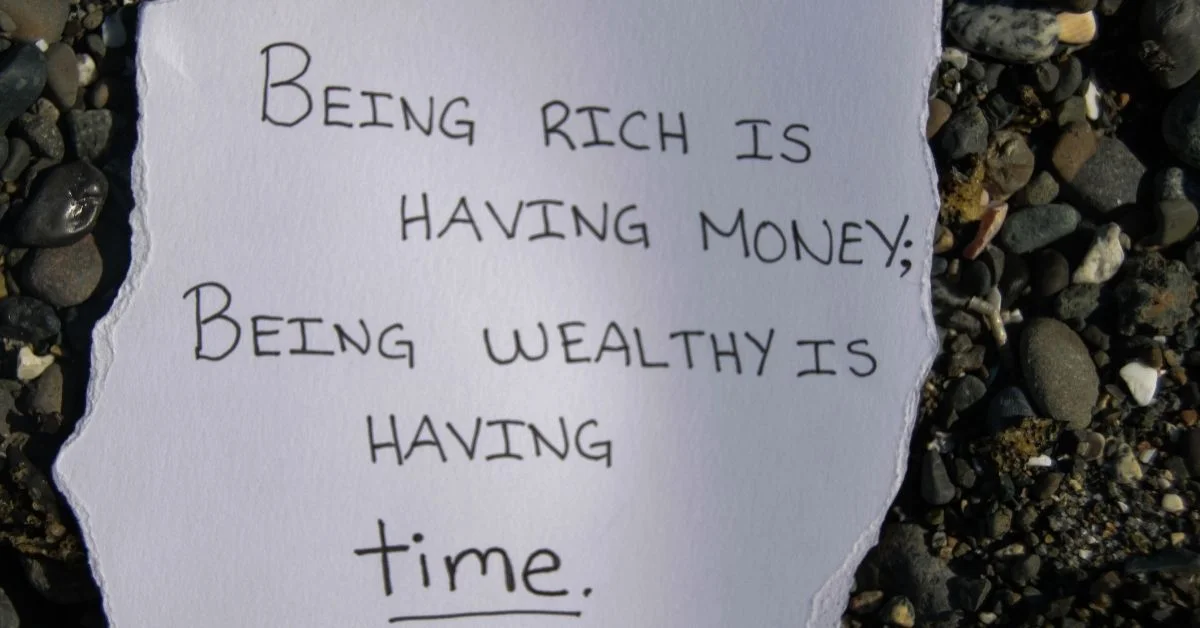
I know a man who earns a good pay and still feels broke when the month ends. I also know a woman who earns far less, yet she quietly builds wealth year after year. The gap between them is not luck, and it is not pay. It is what each of them does with every single dollar.
Wealthy people are not born smarter with money. They simply treat it with more care. They run a small set of daily money moves, and those small moves stack up like drops filling a bucket.
Most money talk stays big and vague. This piece stays small and real. You will see what they do on payday, what they do each Sunday, and what they pass on to their kids.
None of these ten moves needs a big income. A teacher, a driver, or a shop clerk can use every one of them. All they ask for is a little care and a little time.
Read all ten first, then pick just one to start this week. One small start beats a grand plan that never leaves the page.
The short answer: Wealthy people treat each dollar like a worker with a job. They pay themselves first, push savings out of reach on payday, buy things that grow before things that shine, and check their money every single week. Copy these moves, and your money will soon start to act in a new way.
Key Takeaways
- Pay yourself first: save on payday before you spend a cent.
- Automate savings so willpower never gets a vote.
- Buy assets that grow before luxuries that fade.
- Call your bill providers once a year and ask for a lower rate.
- Review spending weekly; small leaks sink big ships.
- When pay rises, save the raise instead of spending it.
- Teach kids early and give a fixed share to people in need.
1. Pay yourself first
Most people spend first and save what is left. By month end nothing is left, so nothing gets saved. Wealthy people flip this order on its head.
They pay themselves first, which means savings leave the account on payday. Bills and fun get what remains. Saving becomes the boss, not the leftover.
Picture two sisters with the same pay. One saves first and lives on the rest. The other lives first and saves the rest. After five years the first sister holds a strong fund, and the second holds only excuses.
Start with a small slice, even five percent of your pay. On a two thousand dollar paycheck, that is one hundred dollars. Small feels easy, and easy lasts.
Move that slice on payday itself, not at month end. Money you never see is money you never miss. Out of sight truly means out of mind here.
Raise the slice slowly as you get used to it. Five percent can grow to ten, then fifteen. Each step feels small, yet the fund grows fast.
This one move changes your whole money story. You stop hoping to save and start knowing you will. Hope is weak, but a payday rule is strong.
2. Automate your savings
Willpower is a weak guard for your money. It stands tall on payday and quits by Friday. Wealthy people never trust it with their savings.
They automate, which means the bank moves the money on its own. A set sum leaves checking for savings each payday. No choice, no debate, no failure.
A famous study backs this up in plain numbers. When workers had to sign up for a savings plan themselves, only 49 percent joined. When the plan signed them up by default, 86 percent stayed in. The only change was automation.
Set your own auto move today through your bank app. Pick an amount and a date right after payday. The whole setup takes less than ten minutes.
Now watch what one hundred fifty dollars a month can do. Save that sum each month for thirty years, with average yearly growth of seven percent. You will have put in $54,000, yet the fund can grow to about $175,000.
That is the quiet power of steady auto saving. Time and growth do the heavy lifting. You only had to set it up once.
If one hundred fifty feels steep, start with fifty. The habit matters more than the sum at first. You can raise it later, but start the machine now.
3. Buy assets before luxuries
An asset is a thing that grows your money or pays you back. A new skill, a small tool for work, or a share of a strong firm. A luxury is a thing that only shines for a season.
Most people buy the shine first. A costly phone, a brand bag, a car they cannot quite afford. The shine fades, the bills stay, and wealth never starts.
Wealthy people buy the grower first. They learn skills that lift their pay. They buy tools that earn. Only after the assets pay do they buy the shine.
Take a young clerk who wanted higher pay. He skipped the new phone and paid for a short computer course instead. Six months later his new skill won him a raise that dwarfed the cost of the course.
Run this test before each big buy. Ask if this thing will pay you back within a year. If the answer is no, it is a luxury, and luxuries can wait their turn.
This does not mean a dull life with no joy. It means joy comes second, after growth. Delayed shine tastes sweeter because no debt tags along with it.
List your next three planned buys tonight. Mark each one as grower or shiner. Buy the growers first, and watch your money start to work as hard as you do.
4. Negotiate your bills
Most people pay full price on bills for years without a word. Phone, internet, and insurance bills creep up quietly. Wealthy people pick up the phone once a year and push back.
The call is simple and takes ten minutes. You state your name, note your long stay, and ask for a better rate. Firms often say yes because keeping you costs less than finding a new client.
Use plain words that stay polite and firm. Say you like the service but the price feels high. Ask what lower plans or loyal client deals exist right now.
If they say no, ask once more with a smile in your voice. Mention a cheaper rival by name if one exists. Very often a better offer appears like magic at that point.
Do the math on a small win. Saving thirty dollars a month equals three hundred sixty dollars a year. That is a free mini fund from one ten minute call.
Mark one date each year for bill calls. Tackle one bill per day across a week. By Friday your monthly costs sit lower, and they stay lower all year.
Never feel shy about asking. The worst answer is a polite no, and you lose nothing. The best answer puts real money back in your pocket.
5. Track spending every week
Money leaks fastest through small daily buys. A snack here, a ride there, a tap to pay without a thought. Wealthy people catch these leaks with a ten minute weekly check.
Once a week they open their bank app and scan the last seven days. They are not judging themselves. They are hunting leaks like a plumber hunts drips.
A driver found his leak this way last spring. Two takeaway lunches each workday cost him nearly two hundred dollars a month. He switched to packed lunch four days a week and kept one lunch out for joy.
That single fix saved him about one hundred sixty dollars monthly. In a year that tops nineteen hundred dollars. All from one ten minute look.
Cover these five spots in your weekly check. It takes only minutes, and it catches most leaks.
- Food and drink outside the home.
- Transport and ride costs.
- Fun buys and impulse orders.
- Small repeat charges you forgot about.
- One leak to fix in the week ahead.
Write the week’s fun spend total in a small notebook. Watching the number each week trains your eye fast. What gets watched gets smaller.
Keep the tone kind, never harsh. You are a student of your own habits, not a judge. Gentle weekly looks beat one angry yearly panic every time.
6. Keep life the same when pay goes up
A raise feels like free money, and most people spend it all. New car, bigger flat, fancier meals. The pay grew, but wealth stayed at zero.
Wealthy people freeze their lifestyle when pay rises. They keep living as before and bank the extra. The raise becomes savings, not spending.
Run the numbers on a three hundred dollar monthly raise. Spend it all and wealth gains zero. Save two hundred fifty of it and wealth gains three thousand dollars in a single year.
Over five years that habit alone builds fifteen thousand dollars. Same job, same life, just one firm rule. The math is almost unfair in its favor.
Set the rule before the raise even lands. Tell your bank to route most of any future raise straight to savings. Decide once, and never debate it again.
You can still enjoy a small slice of each raise. Ten or twenty percent for fun keeps life sweet. The rest goes to work for your future.
Each raise then lifts your wealth, not your bills. After a few years the gap shows. Same street, same life, but a much stronger bank balance.
7. Use cash envelopes for fun
Fun money is the hardest to control with a card. Taps feel painless until the bill lands. Wealthy people tame it with an old trick: cash in envelopes.
Each month they pull a fixed sum in cash for fun spending. Food out, movies, small treats, all from the envelope. When the cash runs out, fun pauses till next month.
Cash hurts in a good way. Handing over real notes makes each buy feel real. Cards hide the pain, and hidden pain grows fast.
A young mother tried this with two hundred dollars a month. The first month felt tight by week three. By month three she had learned to plan treats, and she even had cash left over.
Pick your own fun number to start. Make it fair, not cruel. Too tight and you will quit, too loose and it will not teach you.
Keep bills and needs far away from this envelope. Fun cash never pays rent or buys food for the home. Those have their own lane.
Review the envelope at month end with a smile. Leftover cash rolls into savings. You had your fun, and your future got a gift too.
8. Review money every Sunday
Wealthy people date their money once a week. Thirty quiet minutes each Sunday with a warm drink. They look at what came in, what went out, and what needs a fix.
This weekly date keeps small issues small. A wrong charge gets caught fast. A rising bill gets a call on Monday. Nothing rots in the dark for months.
Most people never look until trouble knocks. By then the leak has run for half a year. A Sunday habit turns you from firefighter into gardener.
Keep the ritual simple and calm. Open the bank app, scan the week, note one fix. Then close it and enjoy your day. Money checked is money calmed.
The table below shows the split in plain terms. Same paycheck, two very different fates.
| Money moment | Most people | Wealthy people |
|---|---|---|
| Payday | Spend first, save what is left | Save first, spend what is left |
| Bills | Pay full price year after year | Call once a year for a lower rate |
| Fun buys | Tap the card without a plan | Use a fixed cash limit |
| Pay rise | Spend the whole raise | Bank most of the raise |
| Money check | Look only when trouble hits | Review every Sunday |
Pick a fixed time and guard it well. Sunday morning suits most homes. Once it becomes habit, you will miss it when you skip it.
After three months of Sundays, look back at your notes. You will see leaks fixed, savings grown, and calm gained. That page of notes becomes proof that the habit pays.
9. Teach kids about money early
Wealthy parents treat money talks like tooth brushing: early, often, and plain. Kids who learn young carry the skill for life.
The classic tool is the three jar split. When allowance or gift money arrives, it splits three ways: save, spend, and share. Simple jars, deep lesson.
One father starts his kids at age six with five dollars a week. Half goes to the save jar, half to the spend jar. By age ten his daughter had saved enough for a bike she picked herself.
Let them feel the wait. When the spend jar runs dry, no top ups arrive. That small ache teaches more than a hundred lectures.
Talk about your own choices in plain words at dinner. Say why you skipped a buy or why you saved for a trip. Kids copy what they see far more than what they hear.
Praise saving like you praise good grades. A child who hears pride for patience will chase it. Money habits grow where praise falls.
You are not just raising a child, you are raising a future adult. Early money lessons grow like savings over time. Start this week with one jar and one talk.
10. Give a fixed share
This move surprises most readers. Wealthy people give away a fixed share of income to people in need. Not spare change, but a set slice, month after month.
Two percent or five percent, the number matters less than the habit. Giving trains the mind to see money as a tool, not a master. Tight fists rarely build open futures.
It also sharpens your money sense in a strange way. When you plan giving into your budget, you plan everything else better. Every dollar gets a job, including the kind ones.
Pick a cause close to your heart. Food for poor families, school books for kids, or help for a sick neighbor. Real faces keep the habit warm.
Automate it like your savings. A fixed move on payday to your chosen cause. What leaves first gets done, and giving deserves that front seat too.
Never give what breaks your own plan. Fixed share means planned and safe, not reckless. Secure your savings first, then give with a glad heart.
Givers often report an odd side effect. Money feels more plentiful, not less. The mind shifts from fear of loss to trust in flow. Try it for six months and watch your own view change.
Conclusion
You now hold ten moves that wealthy people use with each dollar. Pay first, automate, grow before shine, push back on bills, track weekly, freeze lifestyle, cap fun cash, date your money, teach kids, and give a share.
Do not chase all ten at once. Pick the one that felt easiest as you read. Start it this week, and let it settle for a month before you add the next.
I have watched these small moves change real lives over the years. The people who win are never the smartest. They are the steadiest.
Remember the pair from the start. The high earner who stays broke and the modest earner who grows rich. You now know the moves that separate them, and you can join the second group.
Wealth is not a lucky break or a windfall. It is a set of quiet habits run on repeat. Drops fill the bucket, and weeks fill the years.
Your first step is tiny and clear. Set one auto move, or start one cash envelope, or hold one Sunday review. Do it today, while the idea is warm.
Years from now you will look back at this week as the turn. Not because you earned more, but because you handled it better. That is the true difference, and now it is yours.