5 Success Laws Followed by World-Class Masterminds (Most People Ignore #2)
Most talk on win and how to get it feel the same. Get up at 5 AM. Read more. Work hard. Stay on. All good tips. But they are not the real laws. The men and women who built real, big, long life win, they do not talk like this in public. Not on stage. Not in the book they sell. The true laws live deep. Quiet. And most do not even know they do it.
This is not a hype list. This is what gets seen when you look past the noise and watch how they act, think, and move in real life. It may feel odd. Some of it will not feel like “win” at all. But that is the point.
Law One: They Guard Time Like It Is Cash in Hand
Most get told to “save time” but they do not act like time is real cash. A top mind does. Each hour is a coin. Once it is gone, it does not come back. No bank. No save.
Here is what gets seen in how they move. They say no to most things. Not just bad things. Good things too. A meet that could help. A call that might lead some. A trip that sounds nice. They say no to most of it. Not from fear. From a deep sense of what the time is worth.
This is hard to see from the out. It can look rude. Cold. But it is not. It is a form of self-know. They know what one hour of deep work does for them. And they are not trade that for a two hour talk that leads to no next step.
What most do is fill the day with busy. Busy is not move. A full list is not the same as a full life. Top minds seem to know this in their gut. They pick less. And they go deep in that less. The net is they get more done, not from more hours, but from how they use what they have.
The odd part is this law does not feel like “win” when you first do it. It feels like miss. Like you are left out. Like the world will pass you. But give it time. The ones who protect each hour are the ones who still stand when the rest burn out.
There is a word for this in old thought. The Latin “otium” meant rest that was not waste. It was the kind of still that let the mind do its deep work. Top minds live this. They may not call it that. But they do it.
Law Two: They Learn From Loss, Not From Win
Win feels good. But it does not teach much. Loss does. Pain does. The fall does.
Most who rise to the top of what they do will tell you, if you ask in a real way, that the best thing that ever hit them was a hard loss. A deal that fell. A team that left. A plan that went to zero. Not the win. The loss.
But here is what gets less said: they do not just feel the loss. They use it. They sit with it. They ask what it means. What did the loss show? What did the loss say about the plan, the team, the pick, the self? They turn pain into data.
Most people run from this. It is hard to sit with a fail and ask what it says. The mind wants to move on, find a new plan, feel good again. But top minds slow down here. They feel the sting. And then they pull the seed from it.
This is not pain for the sake of pain. It is not sad or dark. It is real and clean. It is how a child learns to walk. Fall down. Feel it. Get up. Try again but now with new data in the body.
The men who win the most do not have the best luck. Most of them have more fail in their past than most of us see. But they have a skill with fail that most do not. They are not afraid of it. They expect it. And they know how to eat from it.
A quote that sits with this: “Good judgment comes from experience. Experience comes from bad judgment.” That is the full loop. And top minds live in that loop more than most.
Law Three: They Ask, They Do Not Tell
This one is not what most expect. The idea of the big win mind is a man or woman who knows, who leads, who talks with force. But in close rooms, in real talk, they ask more than they speak.
Not fake questions. Not the kind where you wait for your turn to talk. Real ones. Deep ones. Questions that open a thing up, not close it down. Questions like “what do you think I got wrong here?” or “what am I not see?” These are hard to ask. They need a self that is not too soft to hear a hard truth.
Here is why this works. Most people walk into a room full of their own view. They see what they want to see. They hear what fits. Top minds know this trap. They know the mind can trick itself. So they use other eyes. They ask people who may see a thing they miss.
This is not weak. It is a form of force. To ask well is to think well. It means you are not lost in your own head. It means you can use the full room, not just what you bring in.
There is also a deep calm in it. When you ask real questions, you do not need to be right all the time. You just need to find what is true. And that is a much more free way to live and work.
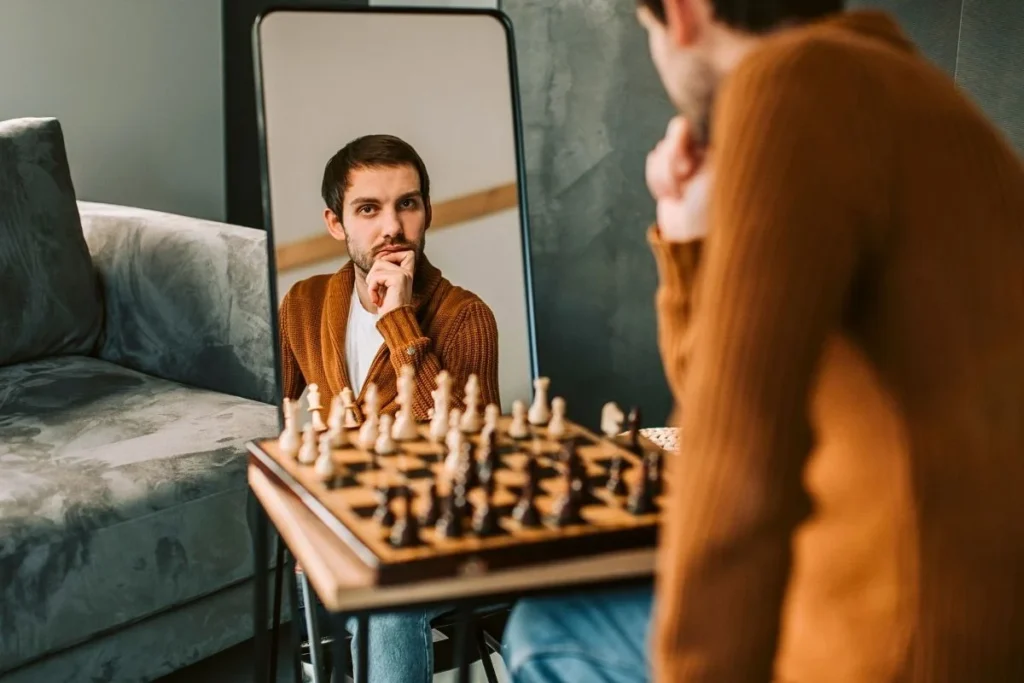
The best ones also ask this of the self. They have a kind of inner talk that runs like a soft exam. Not hard self-talk. Not shame. But a clean, cool look at the self. “Is this the real issue? What do want here? What does fear play in this move?” These inner asks lead to clearer acts in the out world.
Law Four: They Are Okay With Not Know
This one gets almost no talk. And yet it may be the most rare law on this list.
Most of us feel a pull to know. To have the plan. To see the next step. To feel sure. And when we do not know, we fake it, we rush to a choice, or we feel a cold fear that does not leave.
Top minds sit with not know. They do not love it. But they are okay in it. They let a hard question stay open for a while. They do not rush to close it just to feel safe. They hold the not-know like it is a tool, not a threat.
This sounds simple. It is not. The pull to look like you know is very strong. In a meet, in a talk, in a plan. To say “we do not know yet” takes a kind of self-trust that most have not built.
But the gain is large. When you sit with not know, you give the real answer more time to rise. You do not lock in a bad plan too fast. You stay open to new data. And you do not waste time and force on a path that was built on fake sure.
There is a word for this too. The poet John Keats call it “negative capability.” The gift to live in doubt and half-truth with no rush to make sense of it. He said the best minds had this. And when you look at the ones who built real things in hard fields, you see it. They do not need to know right now. They trust the slow cook of a deep think.
Most rush. Top minds wait. And in that wait, the real view comes.
Law Five: They Do Not Seek to Be Great. They Seek to Be True
The last law is the most quiet one. And the most hard to earn.
Most who start to chase win have a clear goal: be big. Be seen. Be the best. Be known. And for a time, that fuel works. It can push you up. But the ones who last, who keep at it for 20, 30, 40 years, they stop chasing big. They start chasing true.
True means: is this real work? Is this the real problem to solve? Is this the path that fits who we are, not just what looks good?
This is not easy to feel from the out. A top mind doing true work can look the same as one chasing fame. But the feel inside is very different. One is driven by a need to be seen. The other is driven by a need to do the real thing well.
The ones who chase true do not need to win each round. They need to do the work the right way. And this, more than any plan or law, is what lets them last when all the short-term chasers have left the field.
It also means they can fail and come back. Because the work is not about the self. It is about the thing being built. When you tie your worth to the win, a loss can take you out. But when you tie your worth to the true work, a loss is just part of the path.
Most of the great minds of the last 100 years, in art, in tech, in thought, in build, had this. They were not all nice. Not all kind. But they were all real in their work. They did not fake it. They did not sell what they did not feel. And the world felt that. And it held.
Key Takes
- Time is the one real cash. How you spend it is how you live it.
- Loss is not the end. Loss is a class that most skip but all top minds take.
- The best ask more than they tell. Real ask is a form of real force.
- Not know is not a gap. It is a space where real view can grow.
- True work lasts. Great-chase does not.
To Close
None of these laws are fast. None of them feel like a win the day you try them. They feel odd. Small. Too quiet to be real.
But that is the tell. The real laws of a deep life do not shout. They do not sell. They do not come on a list of 10 easy steps. They live in how a mind moves when no one is watching, in how a choice gets made when the room is empty, in what gets kept and what gets let go when the real test comes.
Most will read this and feel they know it now. But know and live are not the same thing. That gap is where most of us live. And that is okay. The move, even a slow one, is still a move.
As the old Zen say goes: “Before knowing, chop wood, carry water. After knowing, chop wood, carry water.” The task does not change. But the one who does it does.