10 Smart Money Moves That Fix Money Stress Fast


Most of the time, money fear does not come from how much you have. It comes from not knowing what to do with it. That gap, small as it may look, can make even a calm day feel heavy. The rent is due. The card is near the edge. The mind runs loud at 2 a.m. and sleep does not come.
The odd part is that most of the real fixes are not big. Not loud. Not far. The people who feel at ease with their cash are often just doing a few plain moves, over and over, that most of us skip because they look too simple to work.
These are not fast-rich tips. These are not plans that need a big income or a finance degree. These are the kind of small, steady moves that bring real order to a life that feels out of hand with money.
1. Look At What You Have Right Now
A big part of money fear is just not looking. The app stays closed. The bill sits on the desk. The mind fills the blank with dread, and dread is almost always worse than the real fact.
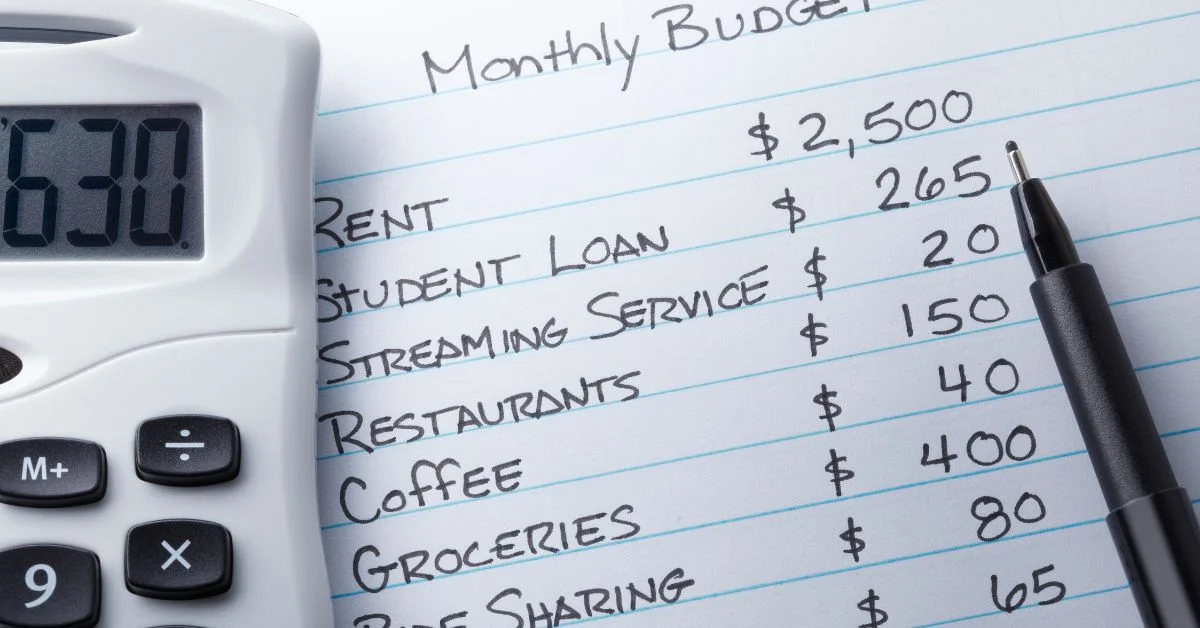
The first move is just to look. Open the app. Read the bill. Add what comes in each week and what goes out. A pen and a page is all that is needed. No big tool. No fancy plan. Just the act of looking at what is real.
What most people find when they look is that the true gap is not as wide as the mind said it was. That does not mean all is fine or easy. But at least now the road is lit. You can see what you are working with. And calm can not live in the dark where the real facts stay hidden.
The fear of the unseen is almost always more heavy than the known fact. Once the real state of the cash is out in the open, the mind can stop filling in the rest with worst-case stories. That one move alone has changed a lot of sleepless nights for a lot of people.
Some people look and find they are in a better spot than they thought. Some look and find a hard truth they were putting off for months. Both are wins. The one who does not look stays stuck in a loop with no way to move. The one who looks at least has the truth to work with, and truth, even when it stings, is the only real start.
There is also a kind of shift that comes from the act itself. Once the habit of looking is in place, the avoidance that feeds the dread begins to break. It gets easier each week. The fear loses its grip not from the cash growing, but from the dark getting lit.
2. Set One Clear Spend Goal Each Week
Not a full plan for the year. Not a long list of rules. Just one goal for this one week.
Most budget plans fail not from lack of will but from being too big and too hard to keep up week after week. A goal like “spend less” is vague and has no edge to hold onto. A goal like “eat out once this week, not four times” is real. It is small enough to hold. It is clear enough to track.
The key is to pick one area and watch it. Just one. That might be food. It might be the small daily buys that each look small but add up to a big number by Sunday. It might be fun spend that runs on auto without much thought.
Most people find that one area, if watched for just one week, starts to shift. Not from force. Not from shame. But from seeing. When the eye is on a thing, the mind gets more honest about it. It starts to ask before it buys. It starts to feel the weight of the small cost.
And there is a kind of win that comes from a small goal met. It is quiet. It is not the stuff of big money moves. But it is real. And real wins, even tiny ones, build more real wins. That is how most calm money habits start. Not with a big plan but with one small win that shows the next one is possible.
The other thing about one small goal is that it does not drain the will. Big plans take big will. Small plans take just a little. And when the week is already loud and full, a little is often all there is left to give to the money side of life.
3. Cut One Cost That Does Not Serve You
There is one cost in most people’s lives that runs each month and gives little or nothing back. A plan that no longer fits. A service that runs in the back and gets no use. A bill from two years ago that just kept going on its own.
The task is to find just one. Not all of them. Not a full clear-out. Just one cost this week that is easy to cut and does not sting much.
Go line by line through the bank feed. Pick the one that hurts least to lose. Then cut it. The cash freed from one cut is not really the point here. The point is the act. The act of saying out loud “this does not earn its place in this plan” is the start of a new way to see where the money goes.
Most people find that once the first cut is made, three more appear that were never seen before. Not from becoming harsh or tight with life, but from the act of looking with clear eyes. That is a slow and real kind of growth in how money is handled.
The big costs are often not where the real drain is. It is the small ones that run on and on, unseen, week after week, that do the most harm over time. A handful of those cut each year can free more cash than most people would guess. And the act of cutting them sends a signal that the spending has a owner now, not just a auto-pay list with no one at the wheel.
4. Build One Small Safe Stash
The word “save” can feel heavy when there is not much left at the end of each week. So the goal here is not “save more.” The goal is one small stash, set aside, not touched, just there for the hard day.
Even a small amount kept safe and untouched builds more than cash. It builds a kind of quiet in the back of the mind that is hard to name until it is felt. Knowing there is even a small bit set back changes how the whole day sits.
The idea is not to grow this stash fast. Start with what is there, even if it is very small. Even if it is just a tiny sum each week. The act of putting it aside sends a signal to the mind. It says: the next hard thing will not wipe out the whole plan. There is a small net. And that net is more about peace than it is about the cash in it.
People who have even a small safe stash tend to make better money calls day to day. They do not buy out of fear. They do not panic at a small bad turn in the week. They have a small but real floor below them, and that floor is worth more in how it feels than in how much it holds.
The trap most people fall into is waiting to save until there is “enough left over.” But there is almost never enough left over if the saving is done last. The move that works is to put the small stash aside first, before the week is spent, and let the rest shape around it. That one flip in order changes a lot.
5. Stop the Buy-Now, Feel-Bad Loop
Most fast buys are not about need. They are about feeling. A hard day ends. The mood dips. The screen is there. The buy takes ten seconds and the feel-good lasts maybe an hour. But the feel-bad that comes after can stay for days.
That loop is one people know but rarely name. It is not a will problem. It is not a flaw. It is a habit, wired in over years, that the market has been very good at using. The buy brings a hit of good feeling. Then the good fades. Then the bad comes. Then the next buy is made to cover the bad. And so the loop runs.
The move here is not to never buy. It is to wait. Not for long. Just for one day. Put the item in the cart and walk away from the screen. Come back the next day and see if the want is still there with the same pull.
Most of the time, it is not. The mood passed. The day moved on. The item looks less needed in the cold light of the next morning. The cart gets cleared. The cash stays.
That one-day gap is backed by a good bit of behavior study. When there is a pause between the urge to buy and the buy itself, the rate of regret drops by a large amount. The urge loses its heat. The buy, if it still happens, is at least a choice made with a clear head, not a mood. That is a very different kind of spending.
6. See the Line Between Want and Need
This sounds old. It is old. But most people still cross that line in real life, in real time, at the real till, and do not catch it.
A want dressed as a need is one of the most common money traps. “There is no time to cook, so eating out is a need” is a want in a need’s coat. “The old phone is slow, so the new one is a need” is the same. These are not lies told to others. They are told to the self, fast and easy, in the moment, before the mind has time to push back.
That is not to say wants are wrong. Wants are part of life. A life with no wants is a grey one. But when wants are named as needs, the money plan has no way to hold its ground. Every want becomes a must. And the cash runs out in ways that are hard to trace back because each spend felt justified.
The task is not to cut all wants. The task is to see them as wants. Name it. Say out loud or in the head: “this is a want.” Then decide if it is worth it this week. Sometimes it will be. Often it will not. But the naming alone changes the weight of the choice.
Over time, that small act of naming builds a kind of inner check. A short pause before each spend. Not a long one. Just enough to ask: is this a want or a need right now, at this point in the week? That pause, quiet as it is, saves more cash than most full budget plans ever do.
7. Talk Money With the Right People
Money is one of the most kept-secret parts of life. Most people talk more freely about health, love, or even grief than they do about the cash. That silence has a real cost.
When there is no one to think out loud with about money, the bad ideas stay and the good ones do not come in. The fear grows in the quiet. The same old habits run on with no one to offer a new frame. The mind stays inside its own loop, spinning.
The right kind of money talk does not mean telling all to all. It means finding one or two calm, clear-headed people to think with. A friend who is steady with their cash. A person who has been where you are and found a way through that felt real, not just lucky.
These talks do not have to be deep or long. Sometimes it is just the words “we had that same problem and here is what helped” that shifts the whole frame. That kind of talk, honest and without show, is more useful than a hundred tips from a page or a screen.
The key word is “right” people. Not the ones who brag or judge. Not the ones who make money look easy or who shame the ones who are in a hard spot. The quiet, calm ones who have walked a real road and are not trying to sell you the path. Those are the talks worth having.
8. Give Each Bit of Cash a Job Before the Week Starts
This is not about a big spreadsheet with color codes. It is about a five-minute sit before the week starts and a rough plan for where each bit of the money will go.
The idea, which some call a zero-based plan, is that each coin gets a job before it gets spent. Some goes to food. Some to the key bills. Some to the small safe stash. Some to the fun that makes the week feel good and not just like a task list to survive.
The power of this is not in the math. It is in the act of deciding before the spend happens, not after. Most money pain comes from spending first and then trying to see what is left and whether the bills can still be paid. That order, when flipped, changes a great deal.
It does not have to be exact. It does not have to be right the first few times. The first two or three weeks of doing this will likely not match the plan. That is fine. The goal is just to go into each week with a rough map. That map, even when the path shifts, gives the day more ground to stand on than a blank page does.
9. Pay the Key Bills Before the Fun Spend
This one is very old. It still gets broken all the time.
Most of the small money burns happen after the fun spend is done and then the bill comes due and the cash is not there. The mind tells itself “there will be enough left” and then there is not. That hope without a plan is where a lot of money stress is born, week after week, month after month.
The move is to see the key pays as the first line, not the last. At the start of the week or month, the big bills get their share first. Then what is left is the real free cash to work with. That order alone clears a large class of money stress that many people live inside of without ever seeing the cause.
It also builds a kind of trust with the self over time. The mind starts to know that the big things will be seen to. That the rent will be there. That the key bill will not be missed. That quiet trust is hard to put a price on. It changes how the whole week feels, not just how the cash sits.
10. Check In Once a Week, Not Once a Year
Most money plans fail not from bad ideas but from no check-in. The plan gets made with good will. The week moves fast. Life gets loud. And the plan sits there, still and cold, while the old ways come back in through the side door.
A short, calm look at the week, every five to seven days, is more useful than any big plan done once a year and then left alone. Not a deep dive. Not a full audit. Just a few minutes. Did the week go close to the plan? Where did the cash go that was not planned for? What will be done next week to make up the gap or keep the pace?
This kind of small, steady check keeps the plan alive. It makes money a part of the lived week, not a side task that waits for a crisis to come back to life. And it makes it far easier to catch a drift early, before it grows into a hole that takes months to climb out of.
The people who feel most at ease with their money are not always the ones who earn the most. They are, more often, the ones who check in the most. The ones who look at the small stuff before it gets big. The ones for whom money is not a once-a-year event but a quiet, steady part of how the week gets lived.
What All These Moves Share
Each of these ten moves has one thing in common: they are all about being present with money, not absent from it.
Most money stress does not come from fate or bad luck. It comes from drift. Small spends that were not watched. Bills that piled while the mind was somewhere else. A plan that started strong and then slowly went cold because no one checked in on it.
The fix is not always more money. Most of the time, the fix is more attention. Not panic. Not constant watching. Just a calm, steady, eyes-open kind of care for what the cash is doing. See it. Name it. Tend to it. That is what the ten moves, at their core, are asking.
Key Takeaways
- Money fear grows most in the dark, and the real facts are almost always less scary than what the mind makes up.
- Small, steady habits do more over time than big plans that burn out fast.
- The want-need line, once drawn clearly, saves more cash than most apps or tools ever will.
- Most overspend comes from mood, not need, and a one-day pause breaks the loop.
- The people who feel calm about money are rarely the richest. They are the most present.
- A short weekly check-in keeps a plan alive more than any once-a-year review ever could.
To End
Money stress, at its core, is a kind of gap. A space between where the cash is and where the attention is. These ten moves are not tricks. They are just ways to close that space, bit by bit, week by week.
There is a line from the writer Morgan Housel that fits here: “Wealth is what you don’t see.” The calm that comes from good money moves is quiet. It does not show up in a big win or a new car. It shows up in a slow, steady ease that builds over time, in the nights that stay calm and the weeks that feel less like a race against the next bill.
The path is not fast. But it is real. And it starts with the next small move, not the next big plan.