I Failed to Break Bad Habits Effectively for Years Until I Learned This

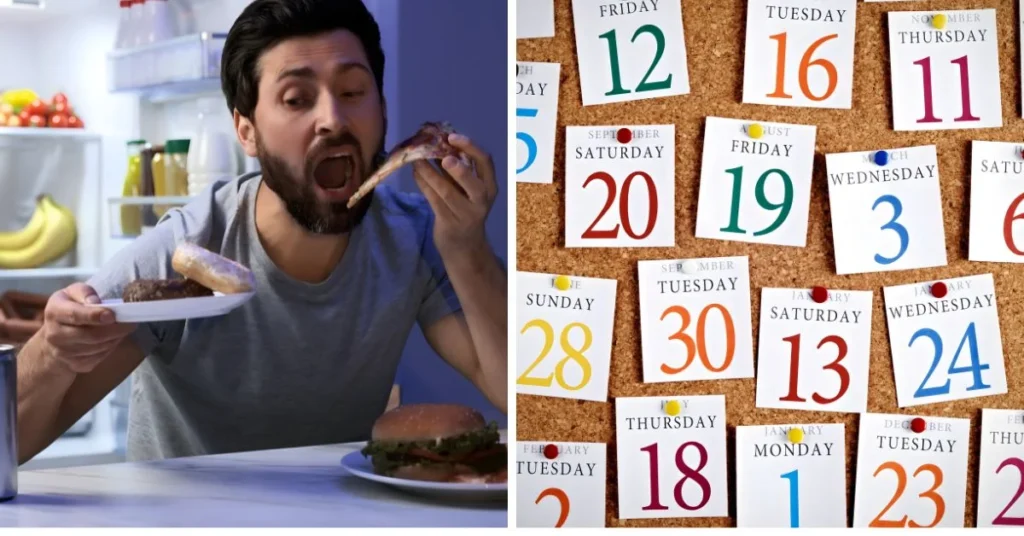
For a long time, my bad habits felt stubborn in a way that was almost personal. As if they knew me. I would notice them most in quiet moments, late evenings, unstructured mornings, the small gaps in the day where intention was supposed to step in and often didn’t.
I wasn’t confused about what I was doing. That was the frustrating part. I could name the habits easily. I could even trace their costs. Still, they stayed. Not loudly. Not dramatically. Just consistently.
At some point, the problem stopped feeling like discipline and started feeling like something else I didn’t have language for yet.
The Habits That Returned When Things Went Quiet
The habits I wanted to break didn’t show up when life was chaotic. They appeared when things slowed down. When there was space.
I remember thinking the goal was control. If I could manage my time better, plan my days more carefully, stay alert, I would finally outgrow them. That story sounded reasonable. It also failed repeatedly.
What I didn’t notice then was how often the habits arrived after a sense of emotional neutrality, not stress, not sadness, just emptiness. They filled time, but more than that, they filled presence.
The realization came slowly: these habits weren’t reacting to pressure. They were responding to silence.
Why Willpower Never Touched the Real Problem
I spent years treating willpower like a muscle that needed training. Some days it worked. Most days it didn’t. The inconsistency bothered me more than the habits themselves.
Looking back, willpower was never meant to solve what I was asking of it. It’s designed for decisions, not for moods. For short bursts, not long stretches of unresolved internal weather.
I used to find that comforting. It explained failure without accusing character. But it still missed something personal.
My habits didn’t disappear when I was rested. They disappeared when I felt engaged.
The Comfort I Was Pretending Not to Need
This was the part I avoided admitting. The habits I wanted gone were doing something useful. Not in a noble way. In a quiet, almost embarrassing way.
They softened boredom. They blurred edges. They made certain evenings pass faster than they otherwise would have. When I tried to remove them without replacing what they quietly provided, something felt exposed.
It wasn’t pleasure I was protecting. It was relief.
Once I noticed that, the language around “breaking” habits started to feel wrong. You don’t break something that’s holding a structure together, even a fragile one. You dismantle it carefully, or it collapses inward.
Progress Looked Nothing Like Improvement
The first real change didn’t look like success. It looked like discomfort. Longer evenings. Slight restlessness. An urge to reach for the familiar without actually doing it.
I didn’t replace the habits immediately. I just delayed them. That delay was revealing. It showed me the moments I was trying to escape rather than improve.
Economists sometimes describe substitution effects when one behavior fades, another naturally takes its place. But this only works if the replacement meets the same need. I hadn’t known what need that was before.
Once I did, the habits lost their urgency. Not their appeal entirely. Just their authority.
What Finally Shifted
I stopped asking how to eliminate bad habits and started noticing what my days were missing without them. Attention. Texture. A sense of forward motion that didn’t rely on distraction.
Nothing dramatic changed. I still slip sometimes. But the habits don’t feel inevitable anymore. They feel optional. That difference matters more than it sounds.
Breaking them wasn’t about strength. It was about honesty, quiet, unspectacular honesty about why they were there in the first place.
A Few Things I Noticed Along the Way
- Habits often survive because they solve a problem you haven’t named.
- Discipline struggles most in emotionally neutral spaces, not stressful ones.
- Removing a habit without understanding its function creates friction, not freedom.
- Delay can reveal more than resistance.
- Progress can feel like boredom before it feels like clarity.
I used to believe the goal was to become someone without bad habits. That now seems unrealistic, maybe even undesirable. Habits are signals. Some of them just outlive their usefulness.
Once I saw that, the struggle softened. Not because it ended, but because it finally made sense.