10 Life-Changing Money Habits That Take You From Working Class to Wealthy, One Small Step at a Time

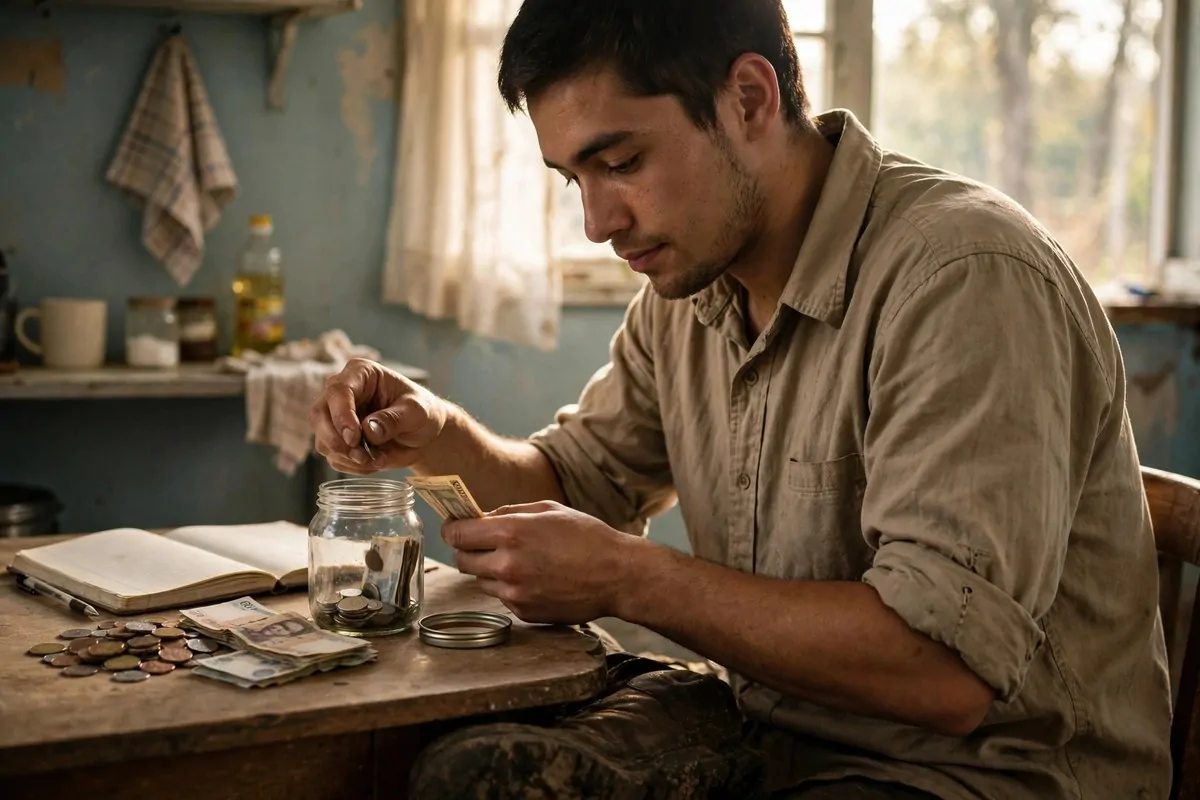
Picture a young man who works long hours in a warehouse, and picture him ten years from now with a calm smile and a safe bank balance. The change did not come from a big win or a lucky break. It came from small daily habits that he kept for years, one after another, until they added up into a new life.
These life-changing money habits are not hard, and they do not need a big pay rise to work. They need a clear plan, a little patience, and the will to keep going when the change feels slow. A working person who follows them can move from living pay to pay toward real wealth, one small step at a time.
I once met a bus driver named Ray who had saved enough to buy a small house by the time he turned fifty. He told me he never earned a big wage, yet he put a few dollars aside each week and never touched the pile. His story taught me that wealth grows from steady habits, not from sudden luck.
Most working people think wealth belongs to other kinds of people, like bosses or owners of big firms. That thought is wrong, and it keeps many good workers from even trying. Wealth is a slow build, and it starts with the same small steps for a cleaner, a cook, or a clerk.
This article shares ten habits you can start this week, with plain steps and real numbers behind each one. You do not need to take on all ten at once, and you do not need to be perfect. Pick the habit that feels easiest, start it today, and let the small wins pull you forward.
The short answer: the life-changing money habits that take a working person toward wealth are simple daily steps, like saving a small share of every pay, tracking your spending, cooking at home, and learning a money skill a little each day. You start with one habit, you keep it for a month, and then you add the next one. Over time these small steps add up into safety, freedom, and real wealth.
Key Takeaways
- Save a small share of every pay before you spend on anything else.
- Write down what you spend for one month, and the leaks will show themselves.
- Cook at home most nights, and keep the saved money for your future.
- Build a small safety cushion first, so a hard month cannot knock you down.
- Learn one money skill a little each day, with free books and short lessons.
- Buy quality once, and it will cost you less than cheap things bought twice.
- Set up a small weekly saving that moves on its own, without your willpower.
- Sell the things you no longer use, and turn clutter into starting money.
- Grow a side skill into extra income, one small job at a time.
- Sit down with your money once a week, and keep your plan on track.
1. Pay Yourself First on Every Payday
Most people spend first and save what is left, and at the end of the month nothing is left. The shops, the bills, and the small treats eat the whole pay before the month ends. Saving last means saving nothing, and that is why so many workers stay stuck.
Paying yourself first turns the order around, and it changes everything. The moment your pay lands, you move a small share into a separate place before you spend on anything else. You live on what is left, and your savings grow without a daily fight.
Start with a small share, like ten dollars from each hundred you earn. That share feels easy, and you will hardly miss it after the first two weeks. As your pay grows, you can raise the share, yet the habit matters far more than the sum.
Keep the saved money in a separate account or a simple box that you do not open for daily wants. Distance guards the pile, because money you cannot see is money you will not spend on a whim. Many savers say this one trick made the whole habit stick.
A worker who earns five hundred dollars a week and saves fifty each week will hold two thousand six hundred dollars after one year. That pile can cover a broken car, a slow month, or a sudden bill without fear. These life-changing money habits work because they are small, steady, and easy to keep.
If your pay is low, start with five dollars a week and do not feel shame about the small sum. A small start beats a big plan that never begins, and the habit grows stronger each month you keep it. In time you will look back and smile at how far five dollars a week has taken you.
Set the habit today, before your next pay lands in your hands. Tell a friend or a family member what you plan to do, and ask them to check on you after a month. A shared goal is easier to keep, and your first saved pile will give you the courage to keep going.
2. Track Every Dollar for One Month
Many workers feel their pay vanish, yet they cannot say where it went. The money slips away in small sums, like snacks, rides, and quick buys that feel too small to count. A month of tracking shows the leaks in plain black and white.
Take a small notebook and write down every sum you spend, from the morning coffee to the evening bus fare. Do it each night before bed, and keep the notes honest even when the sums feel silly. After one week you will already see patterns you never noticed.
Most people find two or three leaks that surprise them, like daily snacks that add up to eighty dollars a month. Those small leaks are not sins, and they do not make you a bad person. They are simply quiet holes in your pocket that you can now close with ease.
Tracking does not mean living like a miser or giving up every small joy in life. It means knowing where your money goes, so you can choose what to keep and what to cut. A worker who knows his numbers holds power over his money, and that power brings calm.
Use a simple paper list or a free note app on your phone, and pick the tool you will truly use each day. Fancy tools fail when they feel like hard work, while a plain notebook succeeds because it is easy to open. The best tracker is the one you keep using for a full month.
At the end of the month, add up each group of spending and look at the three biggest sums. Ask yourself if each one brought you real joy or only a quick thrill that faded fast. Keep the spending that feeds your life, and trim the spending that only feeds a habit.
Repeat the tracking for one month each year, like a health check for your wallet. Your spending will change as your life changes, and a fresh look keeps your plan honest. These life-changing money habits stay strong when you watch your numbers with open eyes.
3. Cook at Home Most Nights
Eating out feels easy after a long shift, and the warm food arrives with no work at all. Yet a simple meal out can cost four times more than the same food cooked at home. Over a month, those meals can eat a full week of pay without you noticing.
Cooking at home does not need fancy skills or costly tools to work well. A pot, a pan, rice, beans, eggs, and fresh greens can make filling meals for a whole family. Simple food, cooked with care, can taste better than pricey food from a shop.
Plan your meals for the week on one quiet evening, and shop once with a clear list in hand. A list keeps you from buying extra things that look tempting on the shelf. When the food is already at home, cooking feels easy and eating out feels like a waste.
Cook in larger amounts and save the extra food for the next day in a clean box. A big pot of soup or stew can feed you for two or three nights, and each serving costs very little. This one habit can save a family hundreds of dollars each month.
Teach your children to help in the kitchen, and let them stir the pot or wash the greens. Cooking together turns a chore into family time, and children who cook at home learn to eat well for life. A family meal at home feeds more than the stomach, and it feeds the heart too.
Keep one night a week for a treat meal out, so cooking at home never feels like a prison. A planned treat tastes sweeter than a daily habit, and it costs far less over the year. The goal is balance, not punishment, and balance keeps the habit alive.
Start this week by cooking three nights at home instead of eating out. Count the money you saved and put it straight into your savings pile. When you see the pile grow, cooking at home will feel less like a chore and more like a smart move.
4. Build a Small Safety Cushion First
Life throws hard months at every worker, like a broken car, a sick child, or a slow season at work. Without a cushion, one hard month can push a family into a spiral of worry and missed bills. A small safety pile turns a crisis into a bump in the road.
Aim first for one month of basic living costs, kept in a safe place you can reach fast. That sum may feel big at first, yet it grows from the same small weekly saving you already started. A cushion of even five hundred dollars can save you from a bad week.
Treat the cushion as untouchable except for true trouble, like a broken heater in winter or a lost week of work. A new phone is not true trouble, and a holiday is not true trouble. When you guard the line, the cushion is there on the day you truly need it.
The table below shows how a small weekly saving builds a real cushion over time. The numbers are plain, and they prove that a modest habit can shield a whole family from worry.
| You save each week | After 6 months | After 1 year | After 2 years |
|---|---|---|---|
| 5 dollars | 130 dollars | 260 dollars | 520 dollars |
| 10 dollars | 260 dollars | 520 dollars | 1,040 dollars |
| 25 dollars | 650 dollars | 1,300 dollars | 2,600 dollars |
| 50 dollars | 1,300 dollars | 2,600 dollars | 5,200 dollars |
Once the cushion is full, let the same habit feed your next goal, like learning a skill or starting a small side job. The cushion stays in place, and your new savings build on top of it. A worker with a cushion sleeps better, and a worker who sleeps well works better.
Rebuild the cushion fast if you ever need to use it, and do not feel shame for touching it. That is exactly what the cushion is for, and using it well is a sign of wisdom. A cushion that is used and rebuilt is a tool that works as it should.
Start your cushion this week with a sum so small you will not miss it. Put it in a separate place, mark it with a clear name, and watch it grow month by month. These life-changing money habits begin with safety, and safety gives you the calm to grow.
5. Learn One Money Skill a Little Each Day
Most workers never learned how money works, because no one taught them at school or at home. They earn, they spend, and they hope the month ends well, yet hope is not a plan. A little learning each day can change that story for good.
Read a few pages of a plain money book each night, or watch a short free lesson on your phone during lunch. Ten minutes a day adds up to more than sixty hours of learning in a year. That is enough time to learn how saving, prices, and simple plans truly work.
Start with the basics, like how to make a simple budget, how to compare prices, and how to spot a bad buy. These skills sound plain, yet they save real money every single week. A worker who knows prices cannot be fooled by a shiny tag.
Learn from people who live plainly and save well, not from people who show off shiny things. A neighbor who raised four children on a modest wage knows more about money than a star on a screen. Ask questions, listen well, and copy the habits that work.
Keep a small notebook for money lessons, and write down one useful idea each day. A written idea stays with you, while a heard idea fades by the next morning. After a year your notebook will hold a full course in money, written in your own hand.
I once spent a whole year reading one short money lesson each morning before work, and it changed how I saw every price tag. The lessons were simple, yet they stacked up into real skill, and that skill still guides my choices today.
Teach what you learn to your family, and the lesson will stick twice as deep. A child who learns to save five dollars a week will carry that habit for life. Learning together turns a lonely task into a family strength.
6. Buy Quality Once Instead of Cheap Twice
Cheap tools break, cheap shoes wear out, and cheap clothes fade after a few washes. The low price feels like a win, yet you pay again and again for the same thing. Buying cheap twice often costs more than buying well once.
A good pair of work boots may cost twice as much as a cheap pair, yet it can last three times longer. The math is simple, and it favors quality every single time. A wise worker buys the better boot and skips the next two cheap pairs.
Quality does not mean the most costly brand on the shelf, and it never means a famous name. It means strong seams, solid parts, and a maker who stands behind the work. Read plain reviews, ask workers you trust, and test the item in your hands.
Apply the rule to the things you use each day, like shoes, coats, pans, and tools. A good pan cooks well for ten years, while a cheap pan warps in one. The things you touch daily deserve the best quality you can afford.
Wait and save for the good item instead of grabbing the cheap one today. Patience turns a quick buy into a wise buy, and the wait makes you value the item more. A worker who waits for quality learns to want less and enjoy more.
Care for the good things you own, and they will serve you longer still. Clean your boots, oil your tools, and mend a small tear before it grows. Care is free, and it can double the life of almost anything you own.
Try the rule on one buy this month, and pick quality over the lowest price. Note how long the item lasts, and compare it with the cheap one you owned before. The numbers will prove the rule, and your wallet will thank you for years.
7. Set Up a Small Weekly Saving That Moves on Its Own
Willpower fails on tired days, and that is why many saving plans die in the second month. A worker comes home worn out, and the plan to save feels like one more chore. A saving that moves on its own needs no willpower at all.
Set up a small weekly move from your main money to a separate savings place, on the same day each week. Ten or twenty dollars is enough to start, and the move happens whether you feel strong or tired. Your future self gets paid first, every single week.
The beauty of this habit is that you soon forget the money is even moving. You adjust to living on a little less, and the pile grows in quiet silence. After a year you will open the savings place and feel a rush of pride.
Start small enough that the move never hurts your daily life. A saving that pinches too hard will be stopped in a month, while a gentle saving can run for years. Small and steady beats big and short, every single time.
Raise the weekly sum a little each time your pay rises, before the new pay becomes your new normal. A pay rise is the best moment to grow your saving, because you never miss money you never got used to spending. This one move can double your pile over a few years.
Check the pile once a month, and smile at the number as it climbs. A growing pile is proof that your habit works, and proof feeds the will to keep going. Tell your family about the pile, and let their pride add fuel to your plan.
Set up the weekly move today, while the idea is fresh in your mind. Pick a small sum, pick a day, and let the habit run on its own from now on. These life-changing money habits grow best when they need no daily effort from you.
8. Sell What You No Longer Use
Look around your home and you will see things you have not touched in a year. Old tools, clothes that no longer fit, toys your children have outgrown, and gadgets that gather dust on a shelf. Each one is a small pile of money waiting to be freed.
Selling what you no longer use turns clutter into starting money for your savings pile. A few items can bring in fifty or a hundred dollars, and that sum can seed a new habit. A clear home and a fuller wallet make a fine pair.
Start with one box and one hour, and fill the box with things you can truly let go. If you have not used an item in a full year, you can likely live without it for good. Be honest with yourself, and let the box fill up fast.
Sell through a local market, a neighborhood group, or a simple yard sale on a sunny day. Price items fairly so they move fast, and take clear photos in good light. A fair price and an honest note can sell an item in a single day.
Put every dollar from sales straight into your savings pile, before it can melt into daily spending. Money from sales feels like free money, and free money vanishes fast if you do not guide it. A clear rule keeps the gain where it belongs.
Selling also teaches you a sharp lesson about buying, because you see how little old things are worth. A gadget that cost two hundred dollars may sell for twenty, and that gap stings. The sting teaches you to buy less and choose better next time.
Make a habit of clearing one shelf each season, and keep your home light and your wallet a little fuller. A light home is easier to clean, easier to love, and easier to leave behind one day. Let your old things fund your new life, one sale at a time.
9. Grow a Side Skill Into Extra Income
Your main job pays the bills, yet a small side skill can pay for your dreams. A worker who can fix a bike, bake bread, cut hair, or build a shelf holds a second source of money. That second source can grow slowly into real freedom.
Start with a skill you already own, even if it feels too plain to sell. People pay for plain skills every day, like mending clothes, cleaning homes, or fixing small machines. Your ordinary skill may be exactly what a neighbor needs this week.
Offer your skill to friends and neighbors first, and let good work spread your name. One happy buyer tells two friends, and two friends tell four more. A good name grows faster than any advert, and it costs you nothing at all.
Keep your side work small at first, like a few hours on a weekend, so it never harms your main job. A side job should add joy and money, not steal your rest or your health. Slow growth is safe growth, and it lasts far longer.
Price your work fairly, and never feel shame about asking for good pay. Your time and your skill have real value, and a fair price honors both you and your buyer. A worker who charges fairly earns respect, and respect brings more work.
Save the extra money from side work in a separate pile, and watch it grow apart from your main pay. That pile can fund a course, a tool, or the first step toward a bigger dream. Extra income feels sweetest when it builds a clear goal.
Pick one skill this week and offer it to one person who might need it. The first small job is the hardest, and after that the path gets easier. These life-changing money habits include earning more, not just spending less, and a side skill can lift a whole family.
10. Sit Down With Your Money Once a Week
A weekly money date is a quiet hour when you look at your numbers with calm eyes. You check what came in, what went out, and how your savings pile is doing. That one hour can prevent a whole month of worry and surprise.
Pick a fixed day and time, like Sunday evening after dinner, and guard it like a real meeting. Make a warm drink, open your notebook, and sit with your money in peace. A calm review beats a panicked scramble at the end of the month.
Start the review with your wins, and praise yourself for the habits you kept. Did you cook at home, save your share, and skip a needless buy? Small wins deserve praise, and praise keeps the habit alive for another week.
Then look at the misses with honesty and without harsh blame. A missed saving or a needless buy is a lesson, not a failure, and lessons are free if you learn from them. Write down one fix for next week, and move on with a clear mind.
Use the hour to plan the week ahead, and list the big sums you expect to pay. A planned week has no surprises, and a week without surprises feels calm and safe. Planning is a quiet form of wealth, and it costs you nothing at all.
Invite your partner to join the money date, and make it a shared habit for the whole family. Two minds see more than one, and shared plans are easier to keep. A family that talks about money with honesty grows stronger year by year.
Keep the date for a full year, and watch how your money story changes. The piles grow, the worry fades, and the future looks brighter each month. A worker who meets his money each week is a worker who stays in charge of his life.
Conclusion
These ten habits are not magic, and they will not make you wealthy in a single month. They are small steps that add up over years, like drops of water that fill a large jar. A worker who keeps them will wake up one day to a life that feels calm, safe, and free.
You do not need to start all ten habits today, and you should not try. Pick the one that feels easiest, keep it for a month, and then add the next one. Slow and steady wins this race, and every small win builds your trust in yourself.
I believe any working person can change his money story with these habits, because they ask for patience and not for luck. Start with five dollars, start with one cooked meal, or start with one page of learning tonight. Your future self is waiting, and he will thank you for the first small step you take today.
The road from working class to wealthy is walked one small step at a time, and the first step is the only hard one. Take it today, keep it tomorrow, and let the habits carry you the rest of the way. Your wealth is waiting at the end of a path made of small, steady steps.