6 Assets That Can Make You Rich Without Working, the Quiet Way Charlie Munger Taught

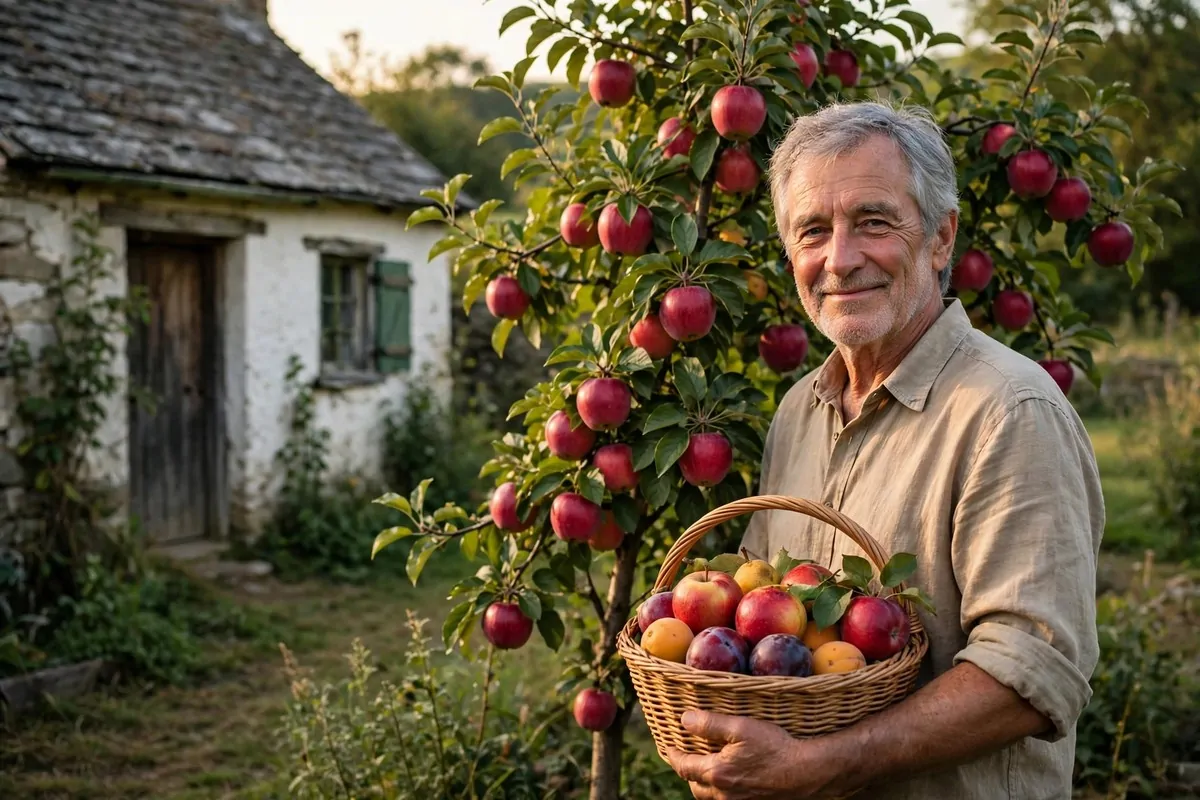
Have you ever watched a quiet old man who never seems to rush to work, yet lives in a fine home and eats well? He is not lucky, and he did not win a prize. He owns a few useful things that earn money while he rests, and those things pay him day after day.
These assets that can make you rich without working are not strange or rare, and they do not belong only to rich people. They are plain things like a small room you own, a small business, or a book you wrote once. Charlie Munger taught that owning useful things beats chasing a pay rise, because useful things work even while you sleep.
I once met a school teacher who owned a small flat above a shop, and the rent from that flat paid for his food each month. He told me the flat was his quiet worker, and it never asked for a day off. His story showed me that wealth can grow in silence, without long hours or hard toil.
An asset is simply a useful thing you own that brings money back to you over time. A rental room, a small shop, or a book you wrote can all be assets, and each one works in its own quiet way. The trick is to build them slowly, one at a time, until their small streams join into a river.
This article shares six assets you can build in real life, with plain steps and honest numbers behind each one. You do not need a big pile of money to start, and you do not need to quit your job. Read through the six, pick the one that fits your life, and take the first small step this week.
The short answer: the assets that can make you rich without working are useful things you own that earn while you rest, like a small rental room, a small business, a book or course you wrote, good tools, a skill turned into a product, and a small plot of land. Charlie Munger taught that you should build these assets slowly and let time do the heavy work. Start with one asset, grow it with care, and add the next one when you are ready.
Key Takeaways
- A small rental room you own can pay you every month for years.
- A small business with good helpers can earn while you rest.
- A book or course you wrote once can sell again and again.
- Good tools you own can be hired out to workers who need them.
- A skill turned into a simple product can earn while you sleep.
- A fruit tree or a small plot of land grows value with patience.
1. A Small Rental Room You Own
A small room you own can be one of the calmest assets in a working life. You buy or build a plain room, you keep it clean and safe, and a good tenant pays you each month to live there. That monthly sum arrives whether you work that month or rest.
Start small, with one room in a good area near work or school, where people always need a place to stay. A plain room with light, air, and clean water will always find a tenant. You do not need a big house to start, and one room is enough.
Buy the room only when the numbers make sense, and never stretch your money so thin that you cannot sleep at night. A room that pays for itself each month is a good asset, while a room that eats your savings is a heavy load. Do the sums first, and buy with a calm mind.
Care for the room like a garden, with small repairs done early and honest talk with your tenant. A happy tenant stays for years, and a long stay means steady money with no gaps. A room that is loved brings money, while a room that is ignored brings trouble.
The table below shows what one small room can pay over time. The sums are plain, and they show how a single room can grow into real freedom.
| Monthly rent from one room | In one year | In five years | In ten years |
|---|---|---|---|
| 100 dollars | 1,200 dollars | 6,000 dollars | 12,000 dollars |
| 200 dollars | 2,400 dollars | 12,000 dollars | 24,000 dollars |
| 300 dollars | 3,600 dollars | 18,000 dollars | 36,000 dollars |
Keep the rental money in a separate place, and let it build toward your next asset. Many owners use the first room to save for a second room, and the second room to save for a third. Slow growth is safe growth, and each new room adds a new stream of money.
A rental room is not free money, and it asks for honest work at the start. You must buy well, keep it clean, and treat your tenant with respect. Do those things with care, and the room will pay you back for many years.
2. A Small Business That Runs Without You
A small business can be an asset when it can run without you standing there all day. A tea stall, a small shop, or a laundry run by good helpers can earn while you rest at home. The business works because you built a clear system, not because you work long hours.
Start with a small business you know well, in a place where people already need what you sell. A shop near a school or a stall near a busy road has buyers from the first day. A business that fits its place grows faster than one that fights for buyers.
Hire one or two honest helpers and teach them the work with patience and clear rules. Show them how to greet buyers, how to keep the place clean, and how to count the money at the end of the day. Good helpers are the heart of a business that runs without you.
Write down the daily tasks in plain words, so any helper can follow them without asking you. A written list turns your skill into a system, and a system can run even when you are away. Charlie Munger loved systems, because a good system keeps working while its owner rests.
Check the money each week, and keep the books clean and honest from the first day. A business with clean books shows you the truth about what it earns, and truth lets you fix problems early. A business with messy books hides trouble until it is too late.
Take only a small share of the profit for yourself at first, and let the rest grow the business. A new shelf, a better sign, or a fresh coat of paint can bring more buyers through the door. A business that grows slowly can last for decades and feed your family well.
A small business is not a quick road to wealth, and it asks for care in the early years. Build it slowly, treat your helpers well, and let the system do the work. In time the business will pay you like a quiet worker who never sleeps.
3. A Book or Course You Wrote Once
A book or a short course is an asset you make once and sell many times. You write what you know, you shape it into plain lessons, and buyers pay for it again and again. The work is done once, yet the money can flow for years.
Write about a skill you truly own, like cooking, fixing bikes, or growing food in a small garden. People pay for real skill taught in plain words, and they love a teacher who speaks their language. Your ordinary skill may be exactly what a stranger needs to learn.
Start small with a short guide of thirty or forty pages, and keep the words simple enough for a young reader. A short guide that helps is worth far more than a long book that confuses. Finish it, share it with a few friends, and fix the parts they find hard to follow.
Sell your guide through a simple online shop or a local book stall, and price it fairly for the help it gives. Ten dollars from a hundred buyers is a thousand dollars, and a thousand dollars from a book you wrote once is a fine reward. Each new buyer adds money without new work from you.
A short video course works the same way, and it fits people who learn by watching. Record your lessons with a plain phone in good light, and speak slowly in your own words. A course that teaches a real skill can sell for years with no extra work.
Update your book or course once a year with fresh tips and clear examples. A fresh guide stays useful, and happy buyers tell their friends about it. Small updates keep an old asset earning like new, year after year.
You do not need to be a famous writer to make a book that sells. You need one real skill, plain words, and the patience to finish what you start. These assets that can make you rich without working begin with what you already know, and a book is one of the finest of them.
4. Good Tools That Earn Their Keep
Good tools are assets when other workers pay to use them for a day. A strong drill, a fine saw, a sewing machine, or a small generator can earn money each time it leaves your shelf. The tool works while you rest, and it comes home with money in its pocket.
Buy tools that many workers need yet few workers own, and keep them in fine working order. A costly tool that is used every week earns its price back fast, while a cheap tool that breaks earns nothing at all. Quality is the key to this asset, and it pays to buy well once.
Start with one or two tools you already own and know how to use well. Lend them to trusted workers for a fair daily price, and keep a plain list of who holds each tool. A clear list keeps your tools safe and your money honest.
Care for your tools like a farmer cares for his plough, with cleaning, oiling, and safe storage after each use. A tool that is cared for lasts for years, while a tool left in the rain dies in one season. Care costs little, yet it guards your asset well.
I once watched a carpenter hire out his fine saws to young builders each weekend, and the hire money paid for his food. He kept his tools sharp, he knew each worker by name, and his tools earned him a second wage without a second job.
Grow your tool set slowly, and buy a new tool only when the old ones have paid for themselves. Each new tool adds a new stream of money, and the streams join into a real income. Patience keeps this asset safe, while haste can fill your shed with tools no one wants.
A tool asset suits a worker who already knows his craft, because he can judge quality and teach safe use. If you know tools well, this asset may be the easiest one for you to start. Your skill and your tools together can earn while you rest.
5. A Skill Turned Into a Simple Product
A skill becomes an asset when you turn it into a product that sells without your hands. A set of sewing patterns, a pack of meal plans, or a set of simple forms can sell again and again. You make the product once, and it earns while you sleep.
Think of the questions people ask you most often, and build a product that answers them in plain words. A cook who is asked for recipes can sell a small recipe pack, while a gardener who is asked for tips can sell a planting guide. The questions point to the product people want.
Make the product simple and useful, and test it with a few friends before you sell it. A product that solves one clear problem will sell far better than a fancy product that solves nothing. Ask your testers what helped them most, and sharpen those parts.
Price the product low enough that a buyer feels glad, not cheated, when he pays. A low price brings many buyers, and many buyers bring more money than a few buyers at a high price. A fair price builds a good name, and a good name brings more buyers still.
Sell your product in the places where your buyers already gather, like a local market or a simple online page. A clear title, a few honest words, and a fair price are all you need to start. Each sale adds a little money to your pile, and the pile grows while you rest.
Keep improving the product with small changes, and listen to what buyers tell you. A buyer who feels heard will come back for your next product, and he will bring a friend. Small steps of care turn one product into a small range that earns all year.
This asset fits any worker with a skill and a little patience, because the product is born from what you already know. Make it once, sell it many times, and let it work for you in silence. These assets that can make you rich without working grow from your own hands and mind.
6. A Fruit Tree or a Small Plot of Land
A fruit tree is one of the oldest assets in the world, and it asks for little yet gives for years. You plant it once, you water it with care, and it gives fruit each season without fail. A tree works in silence, and it never asks for a wage.
A small plot of land works the same way, and its value can grow as towns grow around it. Buy a plain plot near a road or a growing town, keep it clean, and let time do the work. Land does not need your daily labor, and it waits with patience.
Start with what you can afford, even if it is only one tree or one small plot. A single mango tree can feed a family and still leave fruit to sell at the market. Small starts grow into large gifts when you give them time.
Care for the tree through its young years, with water, good soil, and protection from harm. A tree that is loved in its first three years will feed you for thirty more. The early care is the price of a lifetime of fruit.
Sell the extra fruit at a local market, and put the money into your savings pile. A few baskets of fruit each season may seem small, yet the sums add up year after year. A tree that pays a little each year is a faithful worker indeed.
Land needs even less care than a tree, yet you must guard it with clear papers and honest records. Keep the papers safe, visit the plot now and then, and know your neighbors well. A plot with clear papers is a safe asset, while a plot with tangled papers is trouble.
Plant your first tree this season, or save toward your first small plot of land. Time will do the heavy work, and your patience will turn into fruit and value. Charlie Munger taught that the best assets are patient ones, and a tree is the most patient asset of all.
Conclusion
These six assets share one trait, and that trait is patience. A room, a business, a book, a tool, a product, and a tree all need time to grow, yet each one can pay you for years once it is built. The rich do not chase quick money, and they let their assets work in silence.
You do not need to build all six assets at once, and you should not try. Pick the one that fits your skill and your savings, start it this year, and give it time to grow. One good asset is worth more than six rushed ones that never take root.
I hope you see now that wealth can grow without long hours or hard toil, when you own useful things that work for you. Start with one asset, tend it with care, and let time turn your small start into a calm and steady income. Your quiet worker is waiting, and you are the one who must set it to work.
The quiet way to wealth is the patient way, and it is open to any worker who starts small and stays steady. Build one asset, then another, and let the years do what haste never can. Your future self will thank you for the tree you planted today.