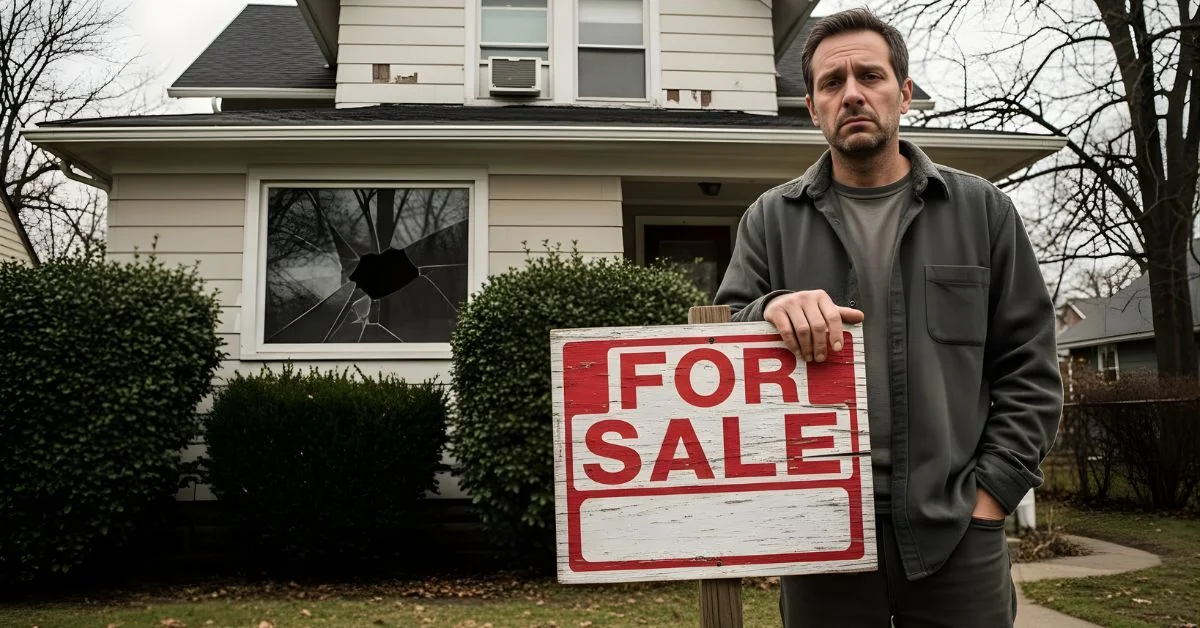
10 Hidden Costs of Being Working Class Nobody Talks About

Nobody told me that having less money can cost you more money. I learned it the slow way, standing in a small shop and watching a mother count coins for a tiny bag of rice while the big sack on the shelf above her cost far less per kilo. That one small moment opened my eyes to a pattern I have seen everywhere since.
A few years later I watched a neighbor buy the exact same used car as a richer man on our street. The neighbor paid for it month by month because he could not pay the full price at once, and by the end he had paid almost four thousand dollars more for the same car. Nobody had explained that rule to him either.
Most people think the biggest money problem is earning too little. Earning too little is a real problem, and nobody should pretend it is not. But there is a second problem sitting right next to it, and it is almost invisible.
That second problem is a long list of hidden costs that land on people who have the least. They are not bad choices or careless habits. They are the extra prices the world quietly charges when your wallet is thin, and they add up to thousands of dollars a year.
In this article I want to walk through ten of these costs, one by one, with real numbers you can check. For each one I will show you what it costs, why it happens, and one small honest workaround that real families actually use. Nothing here asks you to earn more overnight, and nothing here judges anyone for where they stand.
The short answer: Working class families often pay thousands of dollars more per year for the same goods and services, from small pack food prices to payment timing to late fees. A US consumer study found that lower income households pay up to 20 percent more for everyday basics when they cannot buy in bulk. The ten costs below add up to roughly 5,000 to 10,000 dollars a year for many families, and each one has a small workaround you can start this week.
Key Takeaways
- Hidden costs are extra prices the world charges people with thin wallets, and they can reach 5,000 to 10,000 dollars a year.
- Paying for big items in monthly pieces almost always costs more than paying more up front.
- Buying in small packs costs 20 to 40 percent more per kilo than buying in bulk.
- Long commutes can eat 700 or more hours a year, which is time poverty you can partly turn into learning time.
- Bills that fall due before payday bring late fees that a simple phone call can often fix.
- Quick cash shops can turn a 300 dollar need into more than 1,000 dollars in fees.
- A 150 dollar filling today can save you a 900 dollar treatment next year.
- Starting small savings early matters more than the amount, because time does the heavy lifting.
1. The Same Car With a Bigger Price Tag
Two men on the same street bought the same model of used car in the same year. The first man paid 6,000 dollars on the day and cleared the rest within two years, spending about 19,500 dollars in total. The second man could only put 500 dollars down, so he paid month by month for five years and spent about 23,500 dollars in total.
Same car, same street, four thousand dollars of difference. The second man did not choose to pay more, and he was not careless with money. He simply did not have enough saved on the day he needed the car.
This pattern repeats with almost everything big that working families buy. When you cannot pay the full price up front, you pay in small pieces, and small pieces always add up to more than the whole. The extra amount is invisible at first, which is why so few people notice it.
Let me show you the math on a smaller example so the pattern is clear. A washing machine with a price tag of 800 dollars can cost 1,040 dollars when paid month by month for two years. That is 240 dollars extra for the same machine, money that could have stayed in your pocket.
The workaround here is not to feel bad about the past. The workaround is to buy yourself time before the next big purchase, even a little time. Three extra months of saving can turn a small first payment into a much bigger one, and every extra dollar you pay on day one shrinks the total.
There is a second workaround, and it works well. Buy one step older than you planned, a car from 2018 instead of 2020, a machine from last year instead of this year. Older models often cost 20 to 30 percent less for almost the same daily use, and the gap you have to cover shrinks fast.
A third trick is to get prices from three different sellers before you agree to anything. Sellers compete, and the second or third quote is often hundreds of dollars cheaper for the same item and the same payment plan. An hour of phone calls can save you more than a week of wages.
2. The Small Pack Penalty
Walk into any corner shop and compare the small bag with the big sack. A 2 kilo bag of rice sells for 3 dollars and 40 cents, which is 1 dollar and 70 cents per kilo. The 20 kilo sack sells for 24 dollars, which is 1 dollar and 20 cents per kilo.
A family that eats 15 kilos of rice a month pays 25 dollars and 50 cents buying small bags. The same family pays 18 dollars buying the big sack. That is 7 dollars and 50 cents every month, or 90 dollars a year, for the same rice.
The same gap shows up in cooking oil, soap, sugar, and flour. The big pack is almost always 20 to 40 percent cheaper per unit than the small pack. But the big pack needs cash on hand and space to store it, which is exactly what many working families do not have.
| Item | Small pack price per unit | Big pack price per unit | Yearly saving for a family |
|---|---|---|---|
| Rice | 1.70 per kilo | 1.20 per kilo | 90 dollars |
| Cooking oil | 4.50 per liter | 3.40 per liter | 66 dollars |
| Laundry soap | 2.80 per kilo | 1.90 per kilo | 54 dollars |
| Sugar | 1.60 per kilo | 1.15 per kilo | 54 dollars |
Nobody plans to pay more for food, and nobody should feel ashamed about it. The problem is math, not character. When money arrives in small weekly amounts, the big sack is simply out of reach that week.
The honest workaround is to team up with someone you trust. Two or three families can split one 20 kilo sack of rice, and each pays the low big pack price. Many neighbors already do this with oil and sugar, and it works because everyone wins.
Pick just one item to start with, the one your family uses most. Rice is the usual winner because the saving is big and the math is simple. Once you feel the saving on one item, adding a second one feels easy.
If you shop with a list, add the unit price to your habit. Most shelf labels show the price per kilo or per liter in small print. A ten second look at that number tells you which pack is truly cheaper, no math skills needed.
3. Time Poverty, the Tax You Pay in Hours
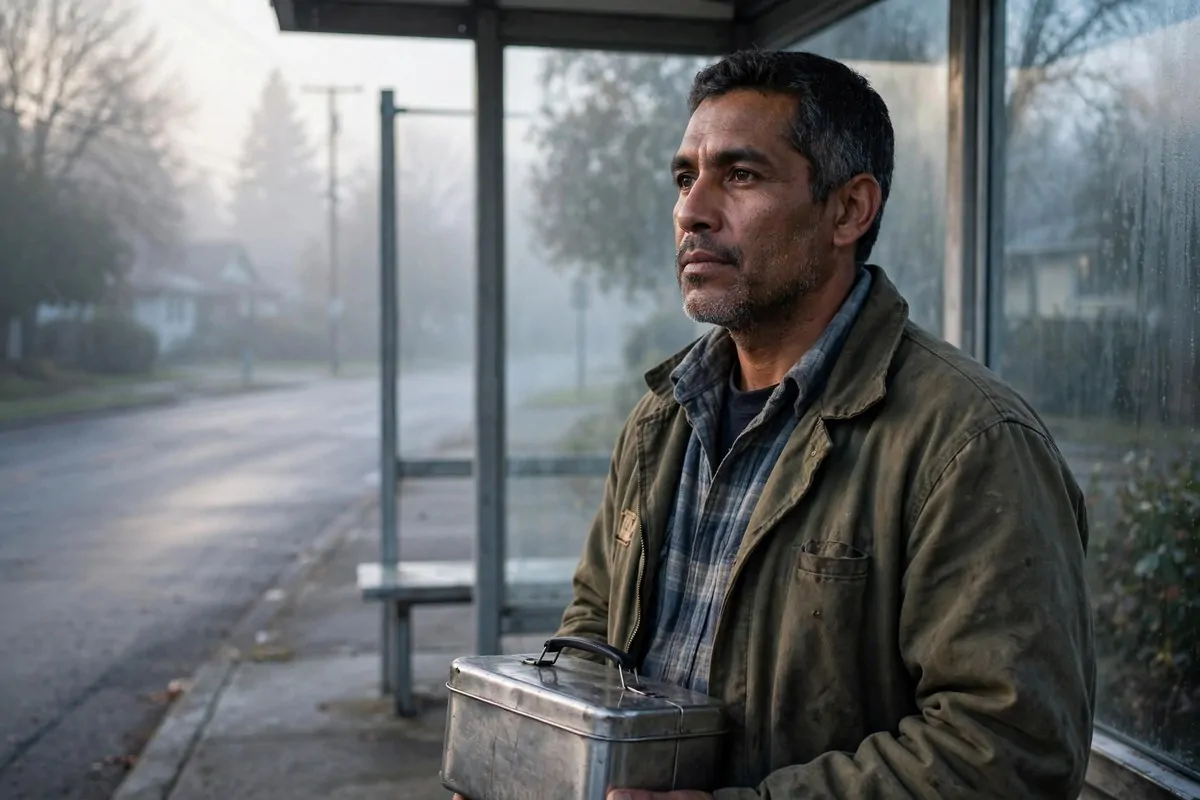
Ask a working mother how long her trip to work takes, and the answer can shock you. Two buses, a long wait in between, and a walk at the end can turn a 20 minute drive into a 90 minute journey each way. That is three hours a day spent just moving.
Three hours a day is 15 hours a week if she works five days. Over a year that is about 780 hours, which equals 32 full days. She loses a whole month of waking life every year to the road.
Those hours are not free, even though nobody charges for them. They are hours that cannot be used for sleep, for learning a new skill, for rest, or for time with children. Richer people buy those hours back with a car or a home near work, and working families pay with their time.
Time poverty also brings money costs with it. Long trips mean more meals eaten outside, more tired choices, and less energy to compare prices or cook from scratch. A large UK study of commuters found that each extra hour of daily travel links to worse sleep and higher stress.
You cannot fix the bus schedule by yourself, so the workaround is to change what the hours do for you. Free audio lessons, language courses, and audiobooks turn dead travel time into study time. Many libraries lend them for free, and your phone can play them on the bus.
The second workaround is to guard one quiet hour on your day off like it is money in the bank. Use it to plan the week, compare a bill, or learn one small skill. That single hour, repeated every week, adds up to 52 hours a year of time that belongs to you.
Small changes to the trip itself can help too. Leaving 20 minutes earlier can mean a seat on the bus instead of standing, and a seat means you can read or listen in comfort. Little comforts sound small, but they decide whether the journey drains you or feeds you.
4. The Payday Mismatch
Here is a bill that lands on the 1st of the month and wages that arrive on the 5th. The bill is paid four days late, not because of carelessness but because the calendar does not match. The company adds a late fee of 50 dollars.
Fifty dollars a month is 600 dollars a year. That is 600 dollars paid for nothing, for a timing problem the family did not create. Multiply that by two or three bills and the number gets painful.
Late fees are one of the quietest taxes on working families. Pay arrives weekly or on fixed company dates, while bills follow their own calendar. The two calendars rarely agree, and the fee always lands on the family.
The fix is simpler than most people think, and it starts with one phone call. Most companies will move your due date if you ask, because they would rather get paid on the 7th than chase you on the 1st. That single call can erase the mismatch forever.
A second fix is a phone reminder set two days before every bill. It costs nothing and takes one minute to set up. The reminder gives you time to move money around before the fee appears.
The third fix is a small buffer kept apart from daily spending. Even 100 dollars in a separate envelope can cover a bill that arrives early. Build it slowly, ten dollars at a time, and do not touch it for anything else.
- Call each company once and ask to move the due date to two days after payday.
- Set a free phone reminder two days before every bill.
- Build a 100 dollar buffer, ten dollars at a time, and keep it separate.
Families who make these three moves often watch their late fees drop to zero within two months. That is 600 dollars a year back in the pocket, earned with three phone calls and one envelope. Few savings pay that well for that little effort.
5. Quick Cash Shops
Every neighborhood has a shop with a bright sign offering cash in minutes. You hand over a postdated check or your bank details, take 300 dollars today, and agree to pay back 345 dollars in two weeks. The 45 dollars is called a fee, and it sounds small.
Two weeks pass fast, and the 345 dollars is hard to find, so many people roll the deal over. Each roll adds another 45 dollars, and after four rolls the fees pass 180 dollars. After eight rolls the family has paid more in fees than the 300 dollars they first took.
The math is brutal when you write it down. A 300 dollar need can turn into 1,000 dollars or more of payments over a few months. The shop never hid the numbers, but nobody reads fee charts when they need cash today.
People use these shops because the need is real and urgent. A sick child, a broken car, a bill that cannot wait. Shame has no place here, because the pressure is genuine and the options feel thin.
The honest workaround starts before the emergency, with a tiny fund kept where you cannot spend it by accident. Even 200 dollars set aside can cover most small emergencies. Start with 5 dollars a week, and in ten months the fund is ready.
When the emergency still outruns the fund, ask about a pay advance from your employer first. Many companies allow it, and it costs far less than the shop. Family help and community funds are the next best doors to knock on.
If you are already in the cycle, attack the newest fee first and stop rolling it over. One painful month of tight spending can break a loop that would otherwise run for a year. Freedom from the loop is worth more than comfort for a week.
6. Skipped Checkups That Turn Small Into Big
A small tooth pain is easy to ignore when the dentist costs money you do not have. A filling today costs about 150 dollars and takes one visit. Wait a year, and the same tooth can need a root treatment costing 900 dollars and three visits.
The body works the same way everywhere. High blood pressure medicine costs a few dollars a month, while the hospital stay it prevents costs thousands. A free blood sugar test today can catch a problem that costs a fortune tomorrow.
Working people skip care for good reasons. The clinic is far, the hours clash with work, and the bill comes before the healing. A US health survey found that adults who skip yearly checkups end up with medical bills several times higher within five years.
The workaround does not require expensive insurance. Many cities run free clinics on weekends, and pharmacies often check blood pressure for free. A quick search or one question at the local clinic can reveal care that costs nothing.
Dental schools are one of the best kept secrets in this area. Students do cleanings and fillings for a small fraction of normal prices, watched closely by teachers. The visit takes longer, but the saving is real.
Daily habits are free medicine too. A 30 minute walk, fewer sugary drinks, and steady sleep cut the risk of the most expensive health problems. These habits cost nothing and pay back for decades.
Think of one checkup a year as a bill you pay to yourself. It is the cheapest appointment on your calendar, because it stops the expensive ones. Your future self, the one with healthy teeth and a calm heart, will thank you.
7. The Cheap Car That Eats Your Wallet
A car that costs 4,000 dollars looks like a bargain next to one that costs 8,000. But the cheap one is often cheap for a reason, and the reason shows up in the repair shop. Old tires, worn brakes, and a tired engine all send bills.
Run the numbers over three years. The 4,000 dollar car needs about 2,500 dollars a year in repairs, which is 7,500 dollars total. The 8,000 dollar car needs about 600 dollars a year, which is 1,800 dollars total.
Add the purchase price and the gap shrinks fast. The cheap car costs 11,500 dollars over three years, while the better car costs 9,800 dollars. The bargain was more expensive, and it also broke down on the worst days.
Breakdowns bring their own hidden costs. A missed workday can cost a full day of wages, and a tow truck adds another 100 dollars. One bad breakdown can wipe out months of careful saving.
If a cheap car is what you can afford today, basic care stretches its life far. Change the oil on time, keep tires at the right pressure, and fix small sounds before they grow. These three habits can cut repair bills in half.
Find one honest mechanic and stay loyal to him. A mechanic who knows your car spots problems early, when they are cheap to fix. Ask friends and neighbors for names, because a good mechanic is worth more than a cheap one.
Start saving for the next car while this one still runs. Even 50 dollars a month grows to 1,800 dollars in three years, enough to step up to a much better car. Buying the next car from savings, not from panic, changes everything.
8. Moving Every Year
Working families move far more often than richer ones. A rent rise, a job change, or a landlord’s decision can force a move every year or two. Each move looks like a fresh start, but it carries a heavy bill.
Add up one typical move. The new deposit is 1,000 dollars, the truck and helpers cost 400, two lost workdays cost 300, and small fixes and new supplies cost 300 more. That is 2,000 dollars for a single move.
Move every year for five years and you have spent 10,000 dollars on moving. That is money that could have been savings, a better car, or a full emergency fund. It vanishes into boxes and truck fuel.
Moving also costs things that have no price tag. Children change schools, neighbors become strangers, and the cheap shops you knew are far away. Starting over takes energy that working parents do not have to spare.
The workaround starts with staying put when you can. A longer agreement with the landlord, even for two years, can lock the rent and stop the yearly move. Landlords often prefer a steady tenant to the cost of finding a new one.
When a move cannot be avoided, plan it like a project. Move in the slow season when trucks cost less, ask friends to help instead of hiring a crew, and pack over two weeks so nothing breaks. A planned move can cost half of a rushed one.
Treat the moving fund as a real monthly bill of 50 dollars. If you do not move, the fund becomes savings. If you must move, the fund covers it without pain. Either way, the money works for you instead of against you.
9. The Prepaid Phone Penalty
The phone shop offers two deals, and the cheaper looking one is often the trap. A 30 dollar monthly top up gives you 3 gigabytes of data and runs out fast. A 15 dollar plan from another company gives you 5 gigabytes for the whole month.
The difference is 15 dollars a month, which is 180 dollars a year. That is 180 dollars for less data, paid by people who could least afford it. The gap exists because few people compare plans once they have one.
Phone companies count on this habit. They raise prices quietly and hope nobody notices, and busy working people rarely have time to shop around. The penalty for loyalty is real, and it repeats every single month.
The workaround takes one hour a year. Sit down with your last three bills and check how much data you truly use. Then compare three companies online or at the mall, and switch to the cheapest one that covers your use.
Free wifi is the second workaround. Libraries, malls, and many cafes offer it for free, and using it for big downloads cuts your data need. Some families halve their phone bill just by waiting to update apps at home.
Watch out for the phone itself as a cost. A new phone on a monthly plan can double your bill for two years. A good used phone, bought outright, keeps your monthly cost low and your choices open.
Put a yearly reminder in your phone to compare plans again. Companies change their offers often, and the best deal this year is rarely the best deal next year. One hour of comparing beats twelve months of overpaying.
10. The Savings That Never Started
The most expensive hidden cost is the one that never appears on any bill. It is the savings that never started, the small amount that was never set aside. Time is the ingredient that turns small savings into big money, and lost time cannot be bought back.
Here is the math that surprises everyone. A person who sets aside 100 dollars a month from age 25 to 65, with typical growth of 7 percent a year, ends up with about 240,000 dollars. The total money put in is only 48,000 dollars, and growth does the rest.
Now watch what happens when the same person starts at 35 instead of 25. Same 100 dollars a month, same growth, but only 30 years of time. The result is about 113,000 dollars, less than half, for the same monthly effort.
| Age when saving starts | Monthly amount | Years of growth | Final amount |
|---|---|---|---|
| 25 | 100 dollars | 40 | 240,000 dollars |
| 35 | 100 dollars | 30 | 113,000 dollars |
| 45 | 100 dollars | 20 | 52,000 dollars |
| 25 | 50 dollars | 40 | 120,000 dollars |
The late starter did nothing wrong and saved just as faithfully. The only difference was ten years of waiting. This is why money experts say the best time to start was ten years ago, and the second best time is today.
Working families hear this and think saving is for other people. But the math does not care about the amount, only about the starting date. Even 10 dollars a week started early beats 50 dollars a week started late.
The workaround is to make the amount so small it feels silly. Ten dollars a week, moved to a separate place on payday, before you can spend it. In one year that is 520 dollars, and in five years with growth it is nearly 3,000.
Never touch the growing pile for daily wants, and never feel it is too small to matter. Small and early beats big and late, every single time. Your older self is counting on the choice you make this week.
Conclusion
These ten costs share one trait, and it is not bad luck. They are the price of having little room to move, little time to compare, and little spare cash to pay up front. Seeing them clearly is the first step, because you cannot fight a cost you cannot name.
You do not need to fix all ten this month, and nobody expects you to. Pick the one that stings most in your life right now, the late fees, the small packs, or the savings that never started. Work its workaround for thirty days and watch what changes.
Small wins build the habit that matters most, which is paying attention. The family that compares unit prices, moves a due date, and starts a tiny savings pile is already playing a different game. The hidden costs shrink every time you look straight at them.
Share this article with someone who works hard and still feels behind. They are not failing, and they are not alone. They are paying costs that were never explained to them, and now they have the map.