How Rich People Spend Their Money ~ 10 Observations

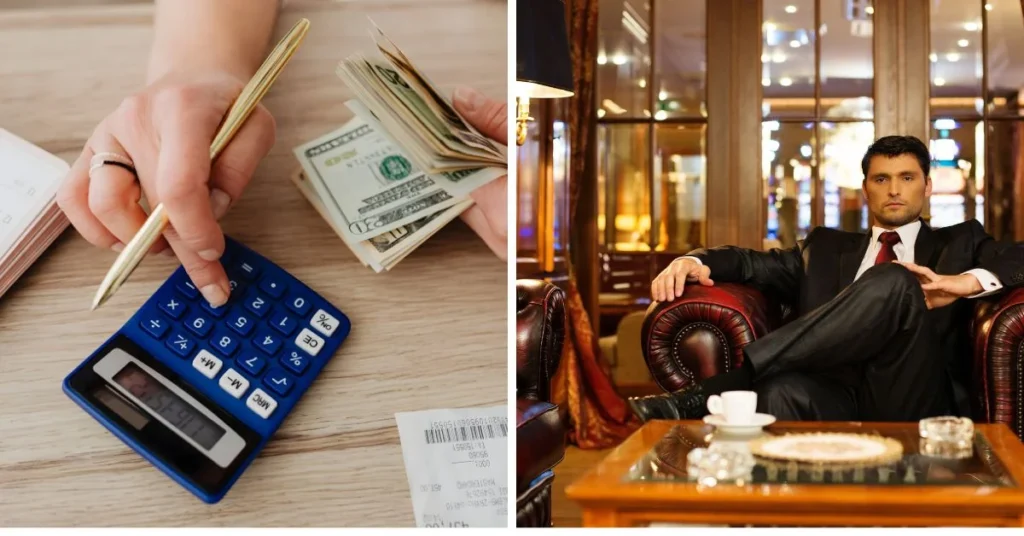
Wealth announced itself. Loudly. Cars, watches, dinners where the bill arrived like a small dare, and luxury things like nothing. That was the picture I carried for a long time, probably because it was the only one I ever saw up close.
It took years to notice something quieter that should have been noticed and accepted. The richest people I’ve known rarely talked about money, and when they did, it was almost by accident. I only understood how they spent it by watching what they didn’t make a show of.
This isn’t a list of tricks. It’s a set of moments that stayed with me longer than I expected.
1. They Buy Time Before They Buy Things
At first it looks like convenience. A driver instead of a commute. Someone else handling paperwork. Groceries arriving without a trip.
Then you notice the pattern. They protect their mornings. Their afternoons stretch. They’re rarely rushed, even when busy.
The money isn’t chasing pleasure. It’s buying back hours that don’t come back on their own. Once you see it, a flashy purchase feels almost… inefficient.
2. They Spend Freely on What Reduces Friction
I once watched a wealthy acquaintance pay extra just to avoid a complicated refund process. No complaint. No negotiation.
It wasn’t impatience. It was an allergy to drag. Anything that slows decisions, creates lingering annoyance, or requires follow-up gets quietly removed.
The realization came later: peace isn’t accidental. It’s funded.
3. They Invest in Optionality, Not Certainty
Courses taken “just in case.” Homes that could become offices. Businesses that don’t need to work immediately.
From the outside, it can look unfocused. Internally, it’s the opposite. They’re buying the ability to change direction without panic.
Security, I learned, isn’t about guarantees. It’s about exits.
4. They Pay for Privacy Without Naming It That Way
Smaller buildings. Fewer neighbors. Lawyers instead of explanations. Assistants who filter without drama.
Nothing about it feels secretive. It’s simply controlled exposure. They choose when to be seen and when not to be.
Public life is expensive in ways that don’t show up on bank statements.
5. They Treat Health Like an Ongoing Subscription
Not extreme wellness retreats. Just consistency. Good food most days. Trainers who adapt instead of push. Doctors who know them personally.
The spending doesn’t feel indulgent. It feels preventative, almost boring.
Illness, I realized, is one of the few things money can’t fully solve but it can delay it long enough to matter.
6. They Underreact to Luxuries
The first expensive object often carries a story. The tenth does not.
I’ve seen genuine excitement over a well-made chair or a quiet hotel room. But little emotion around cars others would photograph.
Luxury loses its charge when it stops signaling change.
7. They Fund Learning Long After School Ends
Private conversations with experts. Access rather than credentials. Questions that don’t need to turn into income.
This spending isn’t strategic in the usual sense. It’s curiosity with resources.
Stagnation costs more than tuition ever did.
8. They Spend Money to Avoid Small Conflicts
Bills paid early. Generous margins in contracts. Tips that remove awkwardness before it arrives.
It’s not generosity as performance. It’s cleanliness of interaction.
Friction, once multiplied over years, becomes a kind of debt.
9. They Keep Their Fixed Costs Surprisingly Boring
The wealthiest balance sheets I’ve seen weren’t dramatic. No wild commitments. No fragile lifestyles.
What looks modest is often deliberate. Flexibility depends on not being locked in.
Freedom has monthly payments, and they keep them low.
10. They Rarely Spend to Impress Each Other
Status games exhaust quickly when everyone can afford the entry fee.
The real signals move elsewhere, like taste, discretion, how little needs to be said. Sometimes, how quickly someone leaves a room.
At a certain level, attention becomes the scarce resource, not money.
A Few Quiet Takeaways
- Wealth often shows up as absence, not presence
- Time is treated as non-renewable, not abstract
- Most spending decisions are about removing future stress
- Comfort matters more than spectacle
- Flexibility is valued over optimization
Conclusion
Rich people don’t spend their money chasing a different life. They spend it stabilizing the one they already have.
What surprised me most wasn’t what they bought, but how little urgency surrounded it. As if money, once abundant, stopped being the point and became a tool, useful, dull, occasionally dangerous if handled carelessly.
That, more than anything, changed how I think about spending. Not as an expression. Not as a reward. Just as quiet maintenance of the life you don’t want to escape.