Should I Buy A House Quiz: 8 Honest Questions That Reveal If You Are Ready To Own A Home Or Keep Renting
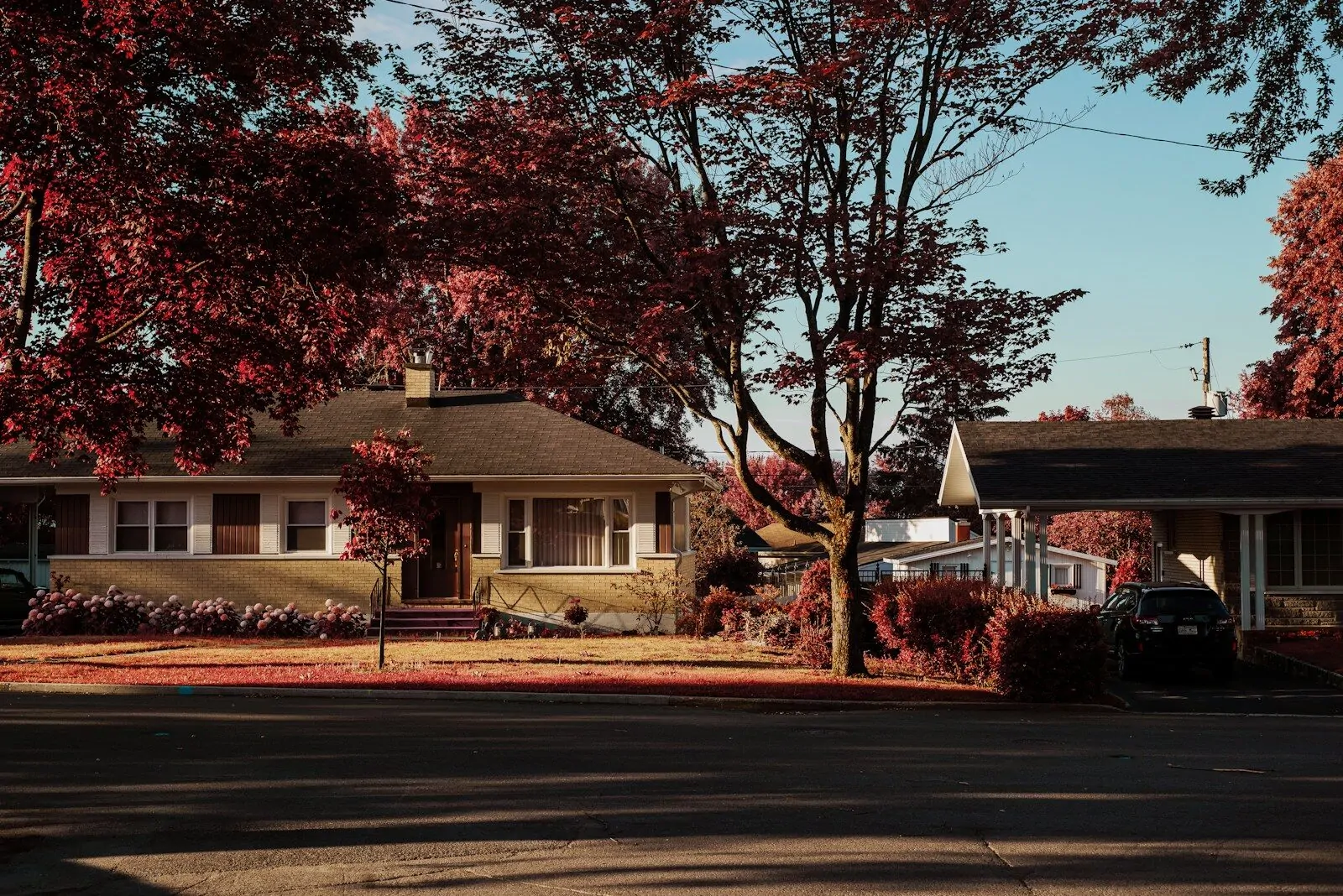
I get it. You are tired of paying rent and watching that money vanish every single month. I have been there too, staring at my bank balance and asking the same big question: should I buy a house or keep renting? The truth is, the answer is not the same for everyone, and buying too soon can hurt a lot more than it helps.
Here is the part most people skip. The median home in the US sold for about $411,450 in August 2026, and first-time buyers put down a median of just 10 percent, according to the National Association of Realtors. That sounds doable until you add the rest: closing costs, repairs, tax, insurance, and those lovely months when the boiler breaks at the worst possible time. I know, boring numbers, but they decide whether your new home feels like freedom or a trap.
That is why I made this quiz. It asks 8 simple questions about your savings, your job, and how you really feel about renting vs buying, then gives you an honest answer based on your score. No fluff, no sales pitch, just a clear nudge in the right direction. Take it now and see where you stand.
What Is This Quiz
This is a short personality quiz built for anyone stuck on the fence about buying a home. It looks at the four things that matter most: your savings, how steady your job is, your lifestyle, and your honest feelings about renting vs owning. Each answer gives you 1 to 4 points, and your total lands you in one of four result bands, from not yet ready to full green light.
How To Play This Quiz
Playing is simple. Read each question and pick the answer that feels most like you, not the one that sounds best on paper. There are 8 questions with 4 choices each, and your total score will land somewhere between 8 and 32. When you finish, read your result band with care, because it tells you what to do next, not just what you want to hear.
Renting Vs Buying: The Honest Math
Buying looks cheaper on paper until you count everything. Owners pay the mortgage, plus tax, insurance, repairs, and fees that renters never see. A common rule of thumb says keep total housing costs under 28 percent of your gross pay, and most lenders check your debts too. Renting costs more over decades if prices keep rising, but it buys you freedom: no repair bills, and no stress if you need to move for work. The honest math is this: buying wins when you can afford the full cost and plan to stay put, renting wins when you cannot.
Signs You Are Ready To Buy
You are likely ready when three things are true at the same time. First, you have a down payment saved, plus a separate emergency fund you will not touch. Second, your job and income feel steady enough to carry a mortgage for years. Third, you truly want to stay in one place for at least five years, because buying and selling quickly can eat all your gains in fees. If all three fit your life, well done, you are in great shape.
Conclusion
There is no shame in renting and no prize for rushing into a mortgage you cannot afford. The smartest move is the one that fits your money and your life right now. Take the quiz above, answer with full honesty, and let your score guide your next step. And if your result says wait, that is good news too, because now you know exactly what to work on.
Frequently Asked Questions
How many questions are in this quiz?
There are 8 questions, each with 4 answer choices. Your total score falls between 8 and 32 points, and each score band comes with its own clear guidance.
Is renting really throwing money away?
Not always. Rent buys you a roof, freedom to move, and zero repair bills. Buying builds equity over time, but only if you stay long enough and can cover the true cost. This quiz helps you see which side fits your life right now.
What credit score do I need to buy a house?
Many loan types accept scores from 580 upward, and some allow down payments as low as 3.5 percent. A higher score still gets you a better rate, so it pays to check your report and fix any errors before you apply.
How much should I save before buying?
Many buyers aim for 10 to 20 percent of the price as a down payment, plus closing costs and a few months of expenses in reserve. Putting down 20 percent also means you skip private mortgage insurance, which is a nice bonus.
Should I buy a house if I might move in two years?
Probably not. Buying and selling within a couple of years often costs more in fees than you gain in equity. Renting keeps you free to move without the stress and the paperwork.
First Time Home Buyer Tips: Easy Ways To Save For A Down Payment And Get Mortgage Ready
Open a separate savings account just for your house fund and pay into it first each month, even if the sum is small at the start. Cut one big cost you will not miss much, like eating out less, and move that money straight into savings.
Check your credit report for errors and pay every bill on time, because a better score means a cheaper loan. Talk to a lender early for a rough budget, so you only shop for homes you can truly afford. And keep building that emergency fund, because the day you get the keys is the day the real costs begin.
- Should I Go To College? Take This Honest Quiz To Find Out If It Is Right For You
- What Diet Is Right For Me Quiz: Find Your Perfect Eating Style In Just 60 Seconds
- Which Era Do I Belong In? Take This Fun Quiz To Discover Your True Time Period
- Should I Quit Social Media? This Honest 8-Question Quiz Will Tell You The Truth About Your Habits