Emergency Kit Essentials: Practical Things to Have Ready for Home, School & Everyday Emergencies
Disclosure: This article contains affiliate links. If you make a purchase through these links, we may earn a small commission at no extra cost to you. See our Affiliate Disclosure

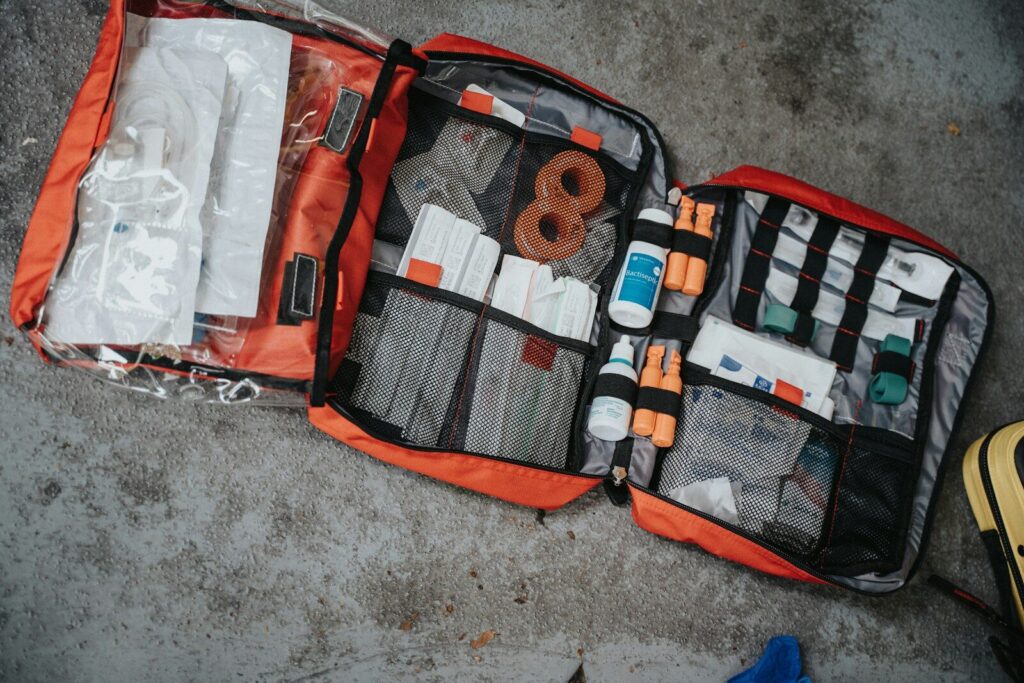
Most homes have a junk drawer. Few homes have a real plan for the day the lights go out, the roads flood, or a school calls to say kids need to leave in a hurry. That gap is not laziness. It is just how life goes. Bills come first. Groceries come first. A “someday” box of gear keeps losing to the things due this week.
A good kit is not a big project though. It is a short list, done once, checked twice a year. This guide walks through what goes in that list, room by room, bag by bag, age by age, so nothing gets missed and nothing gets bought that just sits there unused.
Emergency Essentials Worth Checking Out
| Emergency Kit for School Girls | 👉 Check it on Amazon |
| Emergency Kit for Girls | 👉 View on Amazon |
| Emergency Kit for Teen Girls | 👉 See it on Amazon |
| Emergency Kit for Women | 👉 Check it on Amazon |
| Emergency Kit for Purse | 👉 View on Amazon |
| Emergency Kit for Home | 👉 See it on Amazon |
| Emergency Kit for Car | 👉 Check it on Amazon |
| Emergency Kit for Dorm | 👉 View on Amazon |
| Emergency Kit for College | 👉 Check it on Amazon |
| Emergency Kit Essentials | 👉 Check it on Amazon |
| Emergency Kit Organizer | 👉 See what’s available |
| Emergency Kit for School | 👉 See it on Amazon |
Emergency Kit Essentials: What Should You Have Ready?
Every solid kit answers five needs: light, water, food, first aid, and a way to call for help. Skip one and the whole kit gets weak fast. A radio with no batteries is a paperweight. A first aid kit with no gauze is just a box of tape.
Things to Put in Your Emergency Kit
Start small. A kit that tries to do everything on day one usually never gets finished at all.
- A flashlight or headlamp, plus spare batteries
- A way to store or purify water
- Food that needs no cooking
- A basic first aid kit
- A charged power bank and a battery radio
- A sturdy bag or bin to hold it all
Five items, one bin, one shelf. That is a real start, not a someday project.
First Aid Kit Checklist: What Should Be Inside?
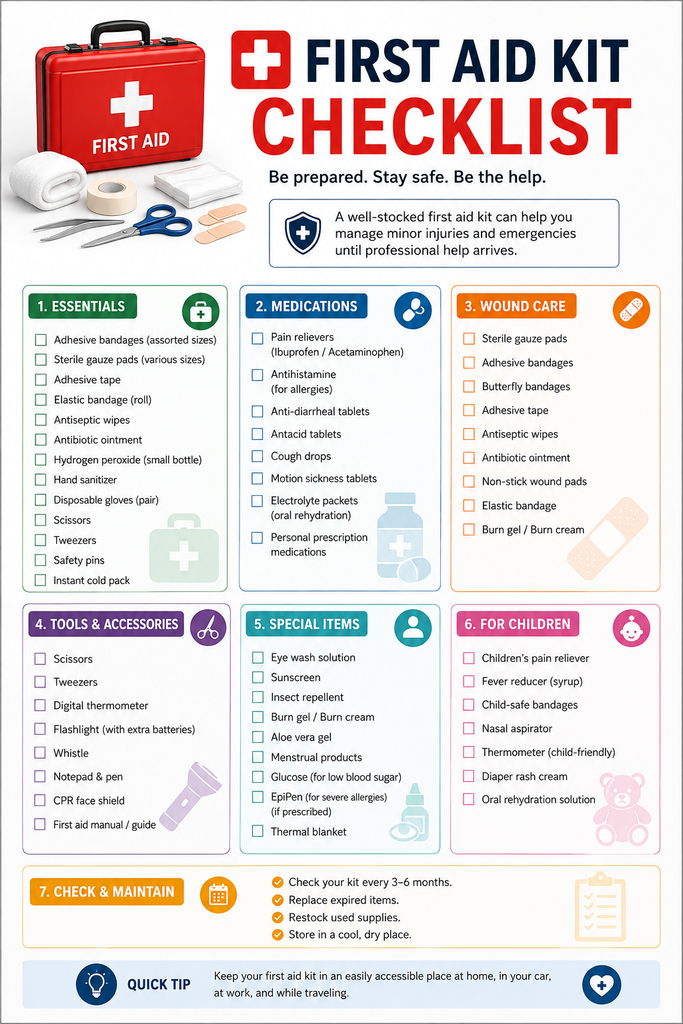
A first aid kit has one job: stop small problems from turning into big ones. Cuts, burns, sprains, bug bites. Most of what a family faces is minor, and minor things handled well rarely become trips to the hospital.
First Aid Kit Items
A kit built for daily life should cover the basics well, not just look full on a shelf.
Best for cuts and scrapes: adhesive bandages in several sizes, gauze pads, and medical tape. Best for infection control: antiseptic wipes, antibiotic cream, and disposable gloves. Best for swelling or strains: an instant cold pack and a basic wrap bandage. Best for small tools: tweezers, small scissors, and a digital thermometer.
Skip the giant two hundred piece kits sold as a bundle. Half of those pieces are filler. A tighter list, restocked often, beats a huge box nobody checks.
First Aid Kit Checklist for Families
A kit sized for one adult rarely works for a family of five. Size the kit to the people who use it.
- Child dose medicine, clearly labeled
- Bandages sized for small hands and small cuts
- A copy of each family member’s allergy or medical info
- Extra gloves, since kids go through supplies fast
- A comfort item for younger kids, like a small toy or blanket patch
Families with pets should add basic pet first aid too. A muzzle strip, vet contact info, and gauze sized for paws matters more than people expect until the day it does not.
Emergency Kit for School: What to Pack?
School kits work differently than home kits. Space is tight. A backpack pocket, maybe a small pouch, that is the whole budget. The goal is not to pack everything. The goal is to pack what actually helps in the first hour of a hard day.
What to Pack in Emergency Kit for School
- A small flashlight
- A compact first aid kit
- A refillable water bottle
- A thin emergency blanket
- A small pouch to hold it all
- Written contact info for a parent or guardian, on paper, not just saved on a phone
Paper matters more than it sounds. Phones die. Paper does not.
Emergency Kit for Elementary School Kids
Keep this simple. A small flashlight and something familiar, like a photo of family or a favorite small toy, does more good for a young child than gear they cannot use anyway.
- A small, kid-friendly flashlight
- A comfort item from home
Emergency Kit for Middle & High School Students
Older kids can carry a bit more and understand why it matters.
- A slim power bank for a dead phone
- A printed list of two safe meeting spots, one near school, one near home
- A compact first aid pouch
- Snacks that do not need a fridge
Emergency Kit for College Students
Dorm life adds its own risks: shared buildings, fire alarms at odd hours, and roommates who may or may not be prepared.
- A headlamp for shared or blacked out spaces
- Copies of ID, insurance card, and emergency contacts, kept somewhere other than a phone
- Snacks and water that survive a long shelf life
- A basic first aid kit sized for one person
Things to Put in Your Emergency Kit: The Complete Checklist
This is the full list, broken into groups so shopping and checking stays simple instead of overwhelming.
Lighting & Power
- Flashlight
- Headlamp, frees up hands during real work
- Lantern for shared spaces
- Batteries, checked yearly for expired dates
- Power bank, charged and rotated
Food & Water
Water matters more than almost anything else on this list. A body can go weeks without food but only days without water. Store at least one gallon per person, per day, for three days minimum.
- Bottled or stored water
- Canned or dried food needing no stove
- Water purification tablets or a filter
- A manual can opener, since electric ones are dead weight without power
Communication
A battery or hand crank radio matters because cell towers often fail before power grids fully recover.
- Emergency radio
- Backup battery pack
- Charging cables and a car charger
Warmth & Shelter
- Emergency blanket, the thin foil kind packs small and works well
- Poncho or rain layer
- Hand warmers for cold months
- Basic sleeping bag if space allows
Hygiene & Personal Care
Small things get skipped and missed the most once a hard day actually arrives.
- Wet wipes and hand sanitizer
- Soap and basic toiletries
- Feminine care items
- A change of clothes
Emergency Kit for Home
A home kit lives somewhere everyone in the house knows and can reach fast, not buried in a garage under boxes. Basements flood. Garages get blocked by fallen branches. A closet near the main door is usually the smart pick.
| Item | Best for | What to look for |
|---|---|---|
| Flashlight | Power outages | Long battery runtime |
| Radio | Getting information | Battery and hand crank options |
| Power bank | Keeping phones alive | Higher capacity, multiple charges |
| Storage container | Keeping everything organized | Durable, water resistant |
| First aid kit | Everyday household needs | Full, restockable contents |
Rotate food and water every six months. Check flashlight batteries at the same time. Pick a date that is easy to remember, like the first day of daylight saving time, so the check becomes a habit instead of a task forgotten for three years straight.
Emergency Kit for Your Car
Cars break down. Roads close. Storms strand people miles from home with no warning. A trunk kit closes that gap fast.
- Jumper cables
- A basic first aid kit
- A flashlight
- A portable tire inflator
- Reflective triangles or flares
- Emergency blanket
- Bottled water and shelf stable snacks
- A phone charger that runs off the car battery
- A small tool kit and storage bag
Winter Car Emergency Kit
Winter adds its own list, since a stranded car in freezing weather turns cold fast once the engine shuts off.
- A small shovel
- Sand or kitty litter for traction
- Warm gloves and extra layers
- Hand warmers
Summer Car Emergency Kit
Heat brings its own risks, mostly around water and sun.
- Extra bottled water
- Sunscreen
- A way to signal for help without draining a phone battery in the heat
- A shade cloth or reflective sunshade
Fire Safety & Fireman Essentials
Fire moves fast. A house can fill with smoke in under three minutes. That single fact is the reason working smoke alarms save more lives than almost any other item on this list.
Home Fire Safety Supplies
Every level of a home should have a working smoke alarm, tested monthly, with batteries changed at least once a year.
- Smoke alarms on every floor
- A carbon monoxide alarm, since that gas has no smell and no color
- A fire extinguisher in the kitchen, where most home fires start
- A fire escape ladder for upper floors
- A flashlight kept near the bed
Always follow local fire codes and guidance for specifics on placement and testing, since rules vary by area and building type.
Family Fire Escape Plan
No product fixes a plan nobody has practiced.
Talk through an escape route as a family. Pick two ways out of every room. Choose a fixed meeting spot outside, like a specific tree or mailbox, not just “outside somewhere.” Practice it once a year. Kids who have run through a fire drill even one time move faster and calmer than kids who have only heard about it.
How to Organize and Store Your Emergency Kit
A kit nobody can find in a hurry is not really a kit. It is clutter with good intentions.
- Clear bins so contents are visible at a glance
- Labels by category: light, food, first aid, tools
- A soft bag for the car kit that tucks under a seat without sliding
- A small binder with copies of ID, insurance info, and a contact list
The reader has now built a kit. What matters next is finding it fast on the one day it actually gets used.
Common Emergency Kit Mistakes to Avoid
None of these mistakes are big on their own. Stacked together, they turn a good kit into a false sense of safety.
- Buying gear that never gets tested before it is needed
- Forgetting to replace batteries on a schedule
- Packing food nobody actually likes, so it sits unused for years
- Never checking supplies after the first build
- Ignoring children’s specific needs
- Storing the kit somewhere hard to reach in a hurry, like a high shelf or a locked shed
Printable Emergency Kit Checklist
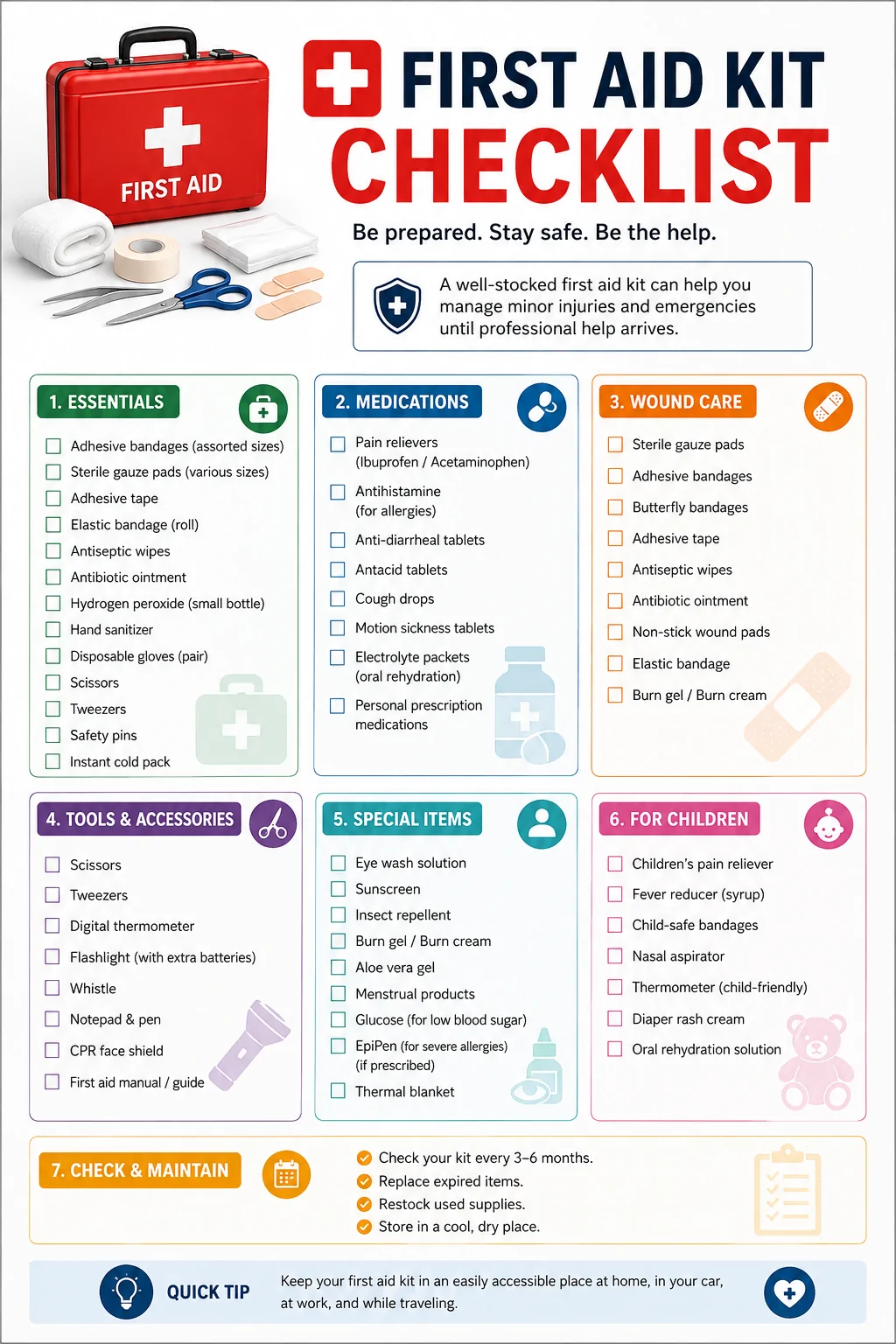
Everything above, in one place, ready to print and check off room by room.
Basics: flashlight, batteries, power bank, radio, storage bin Water and food: stored water, canned food, manual can opener, purification tablets First aid: bandages, gauze, gloves, antiseptic wipes, cold pack, child meds if needed Warmth: emergency blanket, poncho, hand warmers Hygiene: wipes, sanitizer, soap, change of clothes Documents: ID copies, insurance info, emergency contact list Fire safety: smoke alarm, carbon monoxide alarm, fire extinguisher, escape plan practiced
Print it. Pin it inside a closet door. Check it off twice a year.
How to Build an Emergency Kit on a Budget
A full kit does not need to happen in one trip or one paycheck. Prices shift store to store and season to season, so think in ranges, not exact numbers.
Basic Emergency Kit
A starter budget covers the essentials: flashlight, a few days of water, canned food, a basic first aid kit, and a manual can opener. This tier gets a household through the first rough day.
Family Emergency Kit
A mid range budget adds a battery radio, extra blankets, hygiene items, and kid specific supplies like diapers or child medicine. This tier covers a longer stretch, closer to three full days for everyone in the house.
Complete Emergency Kit
A full budget adds a car kit, a fire safety upgrade like a new extinguisher, and a written family plan with copies of key documents. This tier treats preparedness as ongoing, not a one time purchase.
Spread the cost over a few months. Buy one category each payday. A kit built slow still works exactly as well as one bought all at once.
Key Things to Remember
- A kit only helps if the people in the house know where it is
- Water matters more than almost anything else on the list
- Kids need their own smaller version, not a shrunk down copy of the adult kit
- Working smoke alarms save more lives than any single item bought after the fact
- A cheap kit built slowly beats an expensive kit that never gets finished
- Checking a kit twice a year matters as much as building it in the first place
A Final Thought
None of this is about fear. It is about care, the quiet kind that shows up before anything goes wrong and asks nothing back.
A flashlight in a drawer, a plan taped inside a closet door, five minutes twice a year to check a battery date.
Small, steady acts, done ahead of need.