10 Food Budget Would You Rather Questions for Smart Shoppers

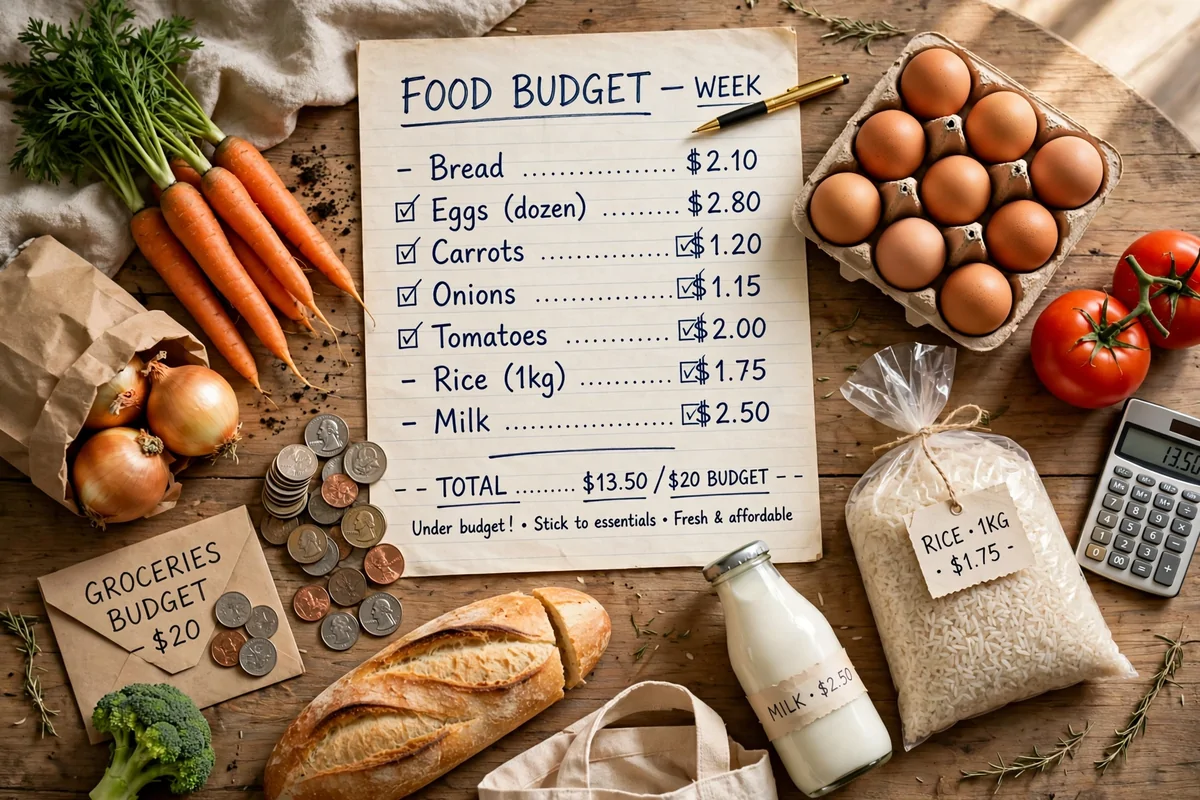
Food shopping is a game of choices. Every week the same money has to cover breakfast, lunch, dinner, snacks and maybe a little treat too. Some people love a strict plan and a shopping list. Others just buy what looks good and hope the money lasts. Both ways can work, and both ways can go wrong in funny ways. These 10 food budget would you rather questions put you in the middle of that game. Would you spend it all at once or a little at a time? Would you pick cheap and filling or small and tasty? Pick your side, and see how smart your shopping brain really is.
1. Would you rather spend your whole weekly food budget in one big shop or shop a little every day?
Would you rather...
One big shop feels powerful. You walk out with full bags, a full fridge and the calm feeling that the week is sorted. No more trips, no more thinking, no more small temptations at the shop door.
But shopping a little every day has its own magic. You buy only what you need today, so less food goes bad and gets thrown away. You can also catch the fresh bread and the best fruit each morning. The risk is simple. A small trip every day can slowly turn into many small treats, and the money can slip away without you noticing.
So which one fits you better? A planner who loves one big trip, or a fresh food fan who likes the shop every day?
2. Would you rather buy cheap food in large amounts or buy small amounts of better food?
Would you rather...
A big bag of rice or a large pack of beans can feed you for days, and the price per meal drops very low. Your stomach stays full and your wallet stays happy. The food may be plain, but it does the job.
Small amounts of better food feel different. A little good cheese, fresh tomatoes or a nice piece of chicken can turn a plain meal into something you really enjoy. You eat less, but you enjoy every bite more.
| Option | What You Gain | What You Give Up |
|---|---|---|
| Buy cheap food in large amounts | Full meals for many days and very low cost per meal | Taste and variety, since the food is simple and plain |
| Buy small amounts of better food | Tasty meals you truly enjoy and look forward to | Quantity, since the money runs out much faster |
Many smart shoppers mix the two. Cheap filling food forms the base of the meal, and a small tasty extra makes it special.
3. Would you rather cook at home every single day or eat out once a week and eat simple food at home the rest of the week?
Would you rather...
Cooking at home every day is the classic money saver. You control every ingredient, every portion and every coin. A pot of soup or a pan of rice can feed the whole home for very little money.
But cooking every single day takes time and energy. After a long day, the kitchen can feel like one more job. One meal out each week gives you a break and something to look forward to. The rest of the week, simple home food keeps the budget safe.
Pro Tip: If you pick the meal out, make it count. Choose a place you really love, so one good meal feels like a reward, not just another spend.
4. Would you rather spend your money on fresh vegetables and fruit or spend it on rice, bread and pasta that last longer?
Would you rather...
Fresh vegetables and fruit bring colour, crunch and vitamins to the plate. A fresh salad or a bowl of fruit feels light and healthy, and the body thanks you for it. The problem is time. Fresh food goes bad fast, so you must eat it soon or lose money.
Rice, bread and pasta are the quiet heroes of a tight budget. They last for weeks, they fill you up, and they work in a hundred simple meals. The plate may look less colourful, but nobody goes hungry.
Things to think about:
- How fast can you eat fresh food before it goes bad?
- Do you feel full and happy after a simple rice or pasta meal?
- Could you buy a little fresh food and a little food that lasts, and mix them?
5. Would you rather follow a strict weekly food budget or spend freely and save what is left at the end of the month?
Would you rather...
A strict weekly budget is like a friendly fence. You know exactly how much you can spend, so every trip to the shop has a clear limit. No guessing, no surprises, and the money almost always lasts till the end of the week.
Spending freely sounds easier, and for some people it works. You buy what you need when you need it, and whatever is left at the end of the month goes into savings. The danger is that the end of the month often arrives with nothing left to save.
| Option | What You Gain | What You Give Up |
|---|---|---|
| Follow a strict weekly food budget | Clear limits, less waste and money that lasts all week | Freedom to grab a nice extra when you see it |
| Spend freely and save what is left | Easy shopping with no counting and no stress | Control, since small spends can eat the savings |
The best plan is often the one you can actually follow. A budget only works if you stick to it, and a free plan only works if you are honest with yourself.
6. Would you rather buy food that is on sale even if it is not your favourite or pay full price for food you really love?
Would you rather...
Sale food is a smart shopper’s secret weapon. A big discount on pasta, lentils or canned beans can cut the weekly bill in half. You may not love every item, but the savings feel great.
Paying full price for food you really love feels different. Every meal tastes better when it has your favourite ingredients. You pay more, but you also enjoy your food more, and that joy is worth something.
Important Note: A sale is only a saving if you actually eat the food. A cheap bag that sits in the cupboard for months is not a bargain, it is a waste.
7. Would you rather eat the same cheap meal every day for a week or eat a different meal every day and spend much more?
Would you rather...
The same cheap meal every day is simple and very kind to the budget. Cook one big pot on Sunday, eat it all week, and watch the savings grow. No planning, no stress, no extra trips.
But by day four, the same taste can feel boring. A different meal every day keeps food exciting. New flavours, new smells and new ideas on the plate make every dinner feel fresh, even if the bill climbs much higher.
Some people beat the boredom with small tricks. The same rice becomes a new meal with different vegetables, spices or a fried egg on top. Cheap does not have to mean boring.
8. Would you rather grow some of your own food at home to save money or spend that time working and use the extra money to buy food?
Would you rather...
Growing your own food feels wonderful. A few pots of herbs, tomatoes or chillies on a balcony can cut small costs every week. The food is fresh, and picking it yourself adds a little pride to every meal.
Working extra hours can bring in more money than a small garden ever saves. That extra money buys a lot of food, and it buys the foods you cannot grow at home. The trade is time. Every hour in the garden or at work is an hour spent somewhere else.
| Option | What You Gain | What You Give Up |
|---|---|---|
| Grow some of your own food at home | Fresh food at almost no cost and the joy of growing it | Time and space, since plants need daily care |
| Spend that time working and buy food | Extra money that buys far more food than a garden gives | The fresh taste and calm feeling of growing your own |
Even one small pot of herbs can be a good start. It costs almost nothing and it makes every meal taste a little better.
9. Would you rather share food costs with someone in your home or keep your food money fully separate?
Would you rather...
Sharing food costs can make everything cheaper. One big shop for the whole home costs less per person than many small separate shops. Cooking together also means bigger pots, less waste and fewer lonely meals.
Keeping food money separate gives you full control. You buy exactly what you like, eat when you like, and never argue about who ate the last piece of bread. The price is higher, but the peace of mind can be worth it.
Things to think about:
- Do you and the other person like the same kind of food?
- Who cooks, and who cleans up after the meal?
- Would a shared pot and a small personal snack fund give you the best of both?
10. Would you rather save money by skipping snacks and sweet drinks or save money by buying cheaper main meals?
Would you rather...
Skipping snacks and sweet drinks is a quiet saving. A biscuit here, a fizzy drink there, and the small spends add up fast. Cut them out and the weekly bill drops, and the body often feels better too.
Buying cheaper main meals saves money in bigger chunks. Swap a pricey main dish for lentils, eggs or seasonal vegetables, and the saving shows up in one go. The meals may be simpler, but the main plate still fills you up.
Warning Box: Do not cut food so hard that you feel hungry all day. A budget should make life easier, not harder. Save where it hurts least, and keep the meals that keep you full and happy.
More Would You Rather Questions
- 39 Grocery Store Would You Rather Questions With Impossible Choices
- 33 Grocery Shopping Would You Rather Questions for Food Lovers
- 37 Takeout Would You Rather Questions That Make Ordering Difficult
- 29 Food Delivery Would You Rather Questions for Takeout Lovers
- 31 Homemade vs Restaurant Food Would You Rather Questions
- 17 Homemade Food Would You Rather Questions for Home Cooks
- 24 Organic Food Would You Rather Questions for Conscious Shoppers
- 36 Farmers Market Would You Rather Questions for Fresh Food Fans
- 19 Food Festival Would You Rather Questions for Food Lovers
- 26 Blind Taste Test Would You Rather Questions for Foodies